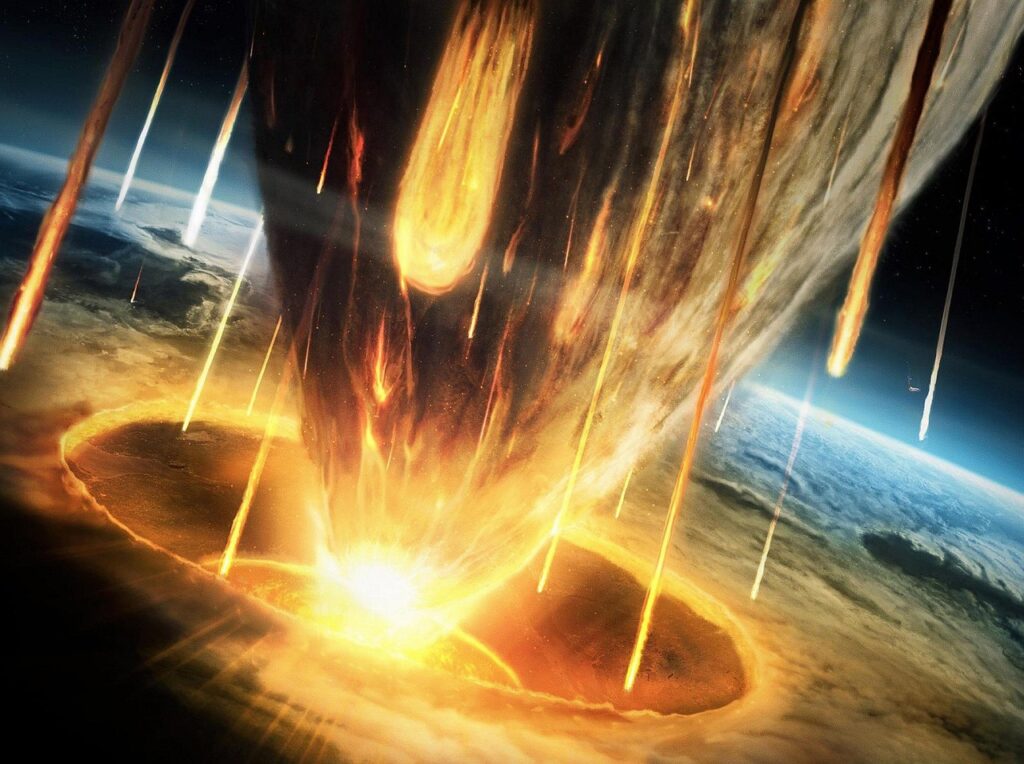
Picture the worst day in Earth’s history: oceans boiling with lava, skies choked with ash, continents on fire, and entire ecosystems erased in what feels like the blink of a geological eye. Now imagine a few tough, shadowy predators still gliding through the darkness below, outliving the chaos that wiped out nearly everything else. That is the emerging story of ancient sharks, and it is a lot stranger and more resilient than most people realize.
We are used to thinking of sharks as the ultimate survivors, but new research suggests some ancient lineages were even tougher than we thought, persisting through catastrophic events that ended most life forms around them. The more scientists dig into sediments, microfossils, and the chemistry of ancient oceans, the more it looks like certain shark groups slipped through multiple global disasters that reset the planet. How they did it is not just a cool piece of trivia; it could change how we understand survival, evolution, and the fragility of modern oceans.
Ancient Mass Extinctions: When Earth Hit the Reset Button
Mass extinctions are not just bad days for biodiversity; they are global reset buttons that erase the majority of species in a relatively short geological interval. Over the last few hundred million years, Earth has experienced several of these events, including the end-Permian crisis that almost turned the planet into a biological graveyard and the end-Cretaceous impact that famously finished off the non-avian dinosaurs. Each of these events radically reshaped life in the oceans and on land, clearing ecological space and forcing evolution down new paths.
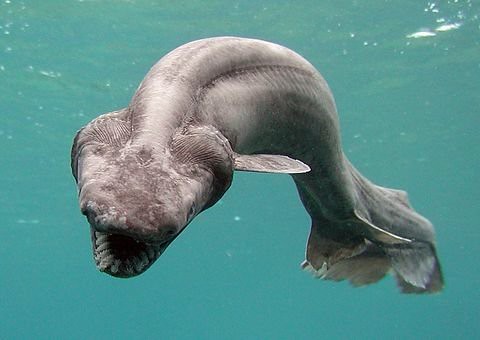
What makes sharks so interesting in this story is that they were already well established long before some of these disasters hit. Sharks and their close relatives date back more than four hundred million years, meaning they lived through multiple extinction pulses that scrubbed away entire groups of fish, invertebrates, and marine reptiles. When you realize that some shark lineages may have spanned two or three of these planetary crises, it turns survival from a lucky accident into a pattern that demands explanation.
Sharks Older Than Dinosaurs: A Deep-Time Perspective
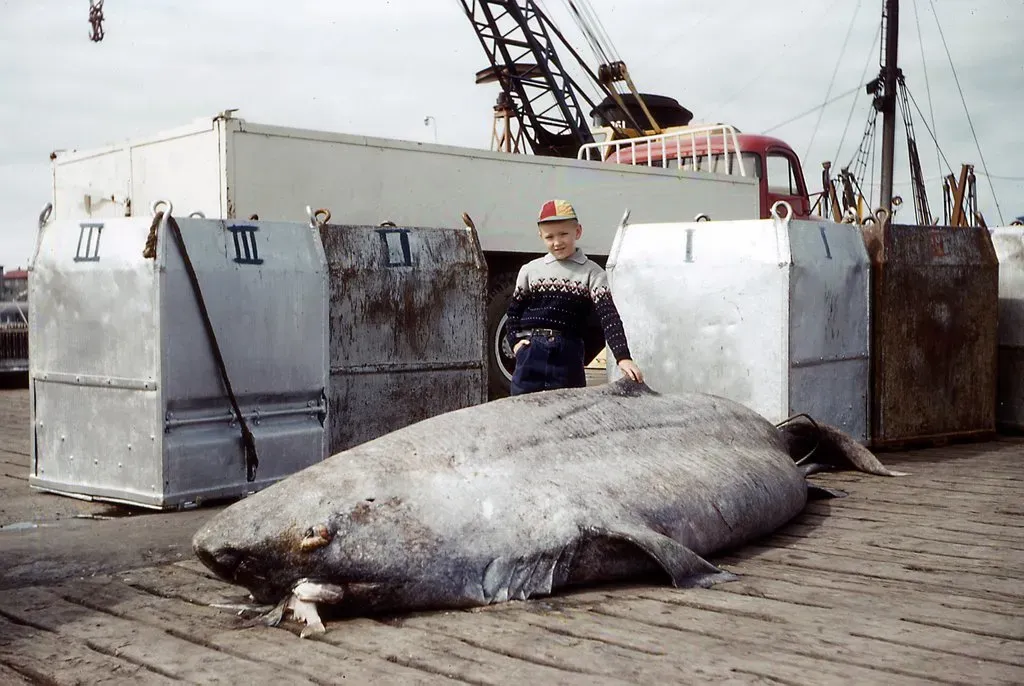
Most people vaguely know that sharks are “ancient,” but it is easy to underestimate just how deep their history runs. Early shark-like fishes appeared long before the first dinosaurs, mammals, or even flowering plants, swimming in seas filled with bizarre armored fishes and strange invertebrates. By the time dinosaurs were taking their first steps on land, sharks had already been perfecting the art of being apex predators for tens of millions of years.
This deep-time perspective matters because it means sharks were not beginners when mass extinctions hit; they were already highly adapted creatures occupying diverse ecological roles. Some were small, agile hunters; others were larger, slower cruisers; still others probably filled more niche roles we only vaguely infer from teeth and fragments. That variety may have helped certain lineages thread the needle through crises that flattened less flexible groups. When you zoom out to this timescale, sharks stop looking like monsters of the week and start looking like long-distance champions of evolution.
Teeth in the Rock: How Scientists Track Survivors
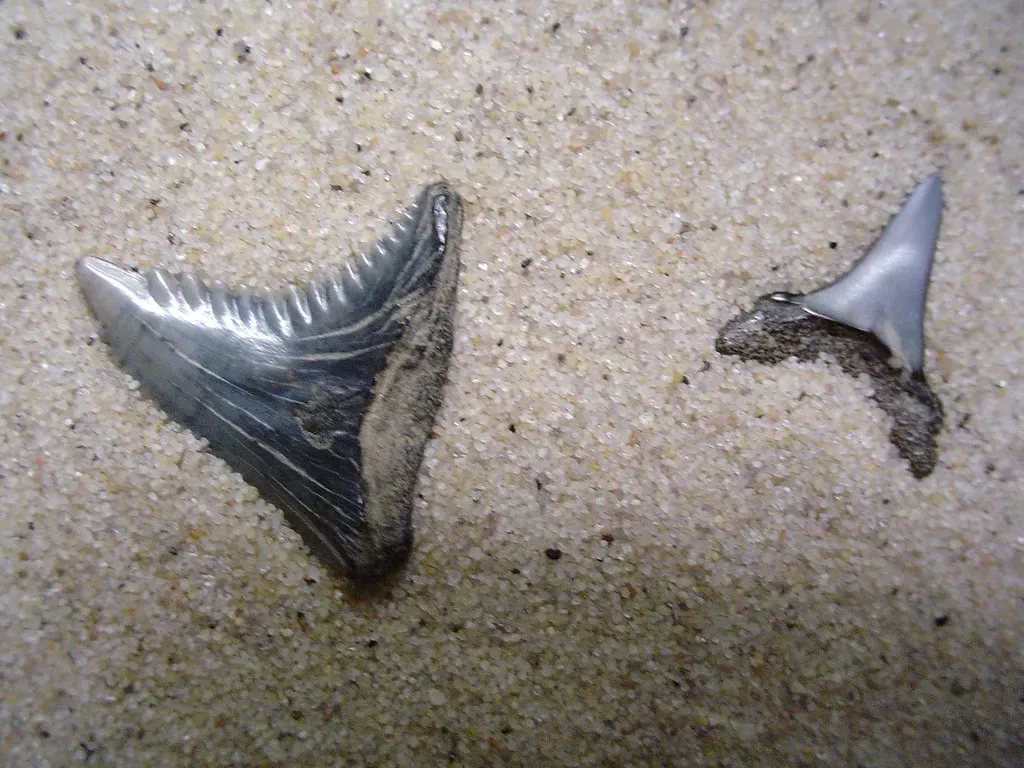
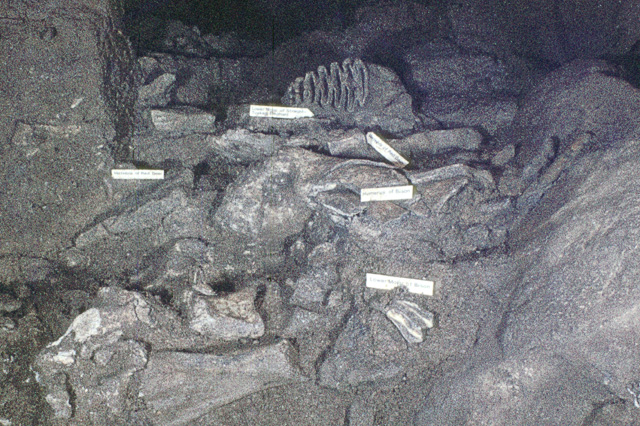
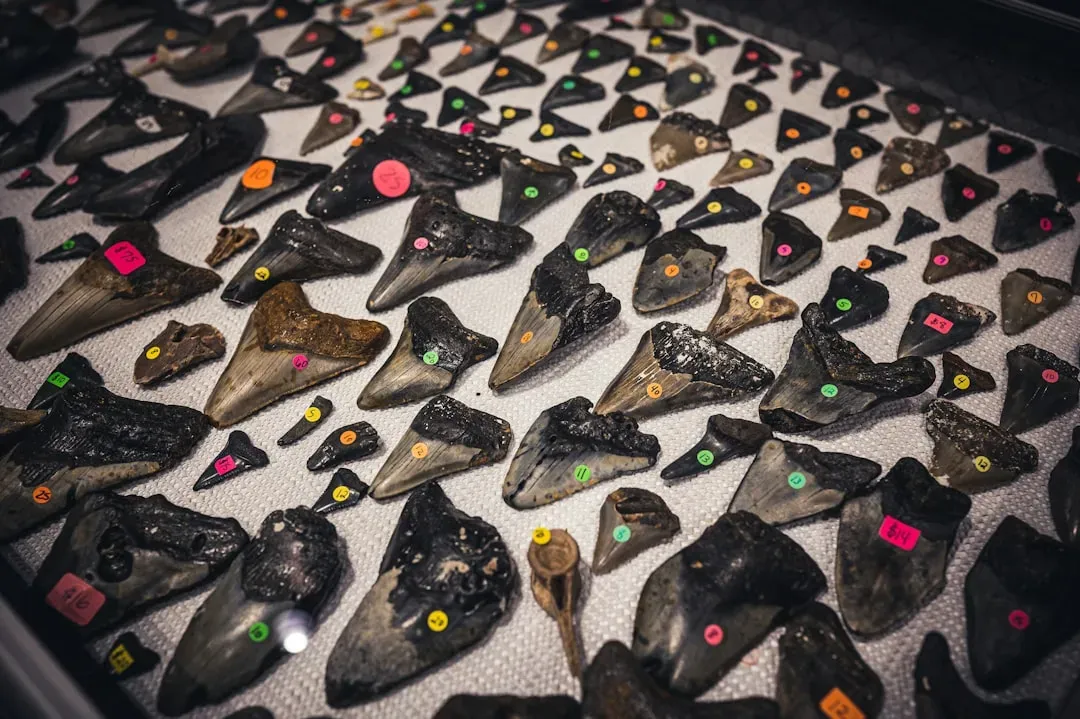
You might assume we have complete shark skeletons lined up in museums for every time period, but the reality is far more fragmentary and honestly a bit messy. Shark skeletons are made mostly of cartilage, which does not fossilize well, so the fossil record is dominated by teeth, dermal scales, and the occasional rare skeleton preserved under exceptional conditions. That means researchers often reconstruct entire lineages from scattered teeth, like trying to rewrite a novel from a handful of letters.
Despite these challenges, patterns emerge when enough fossils are collected and carefully dated. Scientists can see which types of teeth appear before an extinction, which disappear entirely, and which persist into younger layers. When a recognizable tooth type shows up both before and after a mass extinction boundary, it hints that at least part of that lineage survived the chaos. The evidence is not always neat or complete, but over time it adds up to a picture where some shark groups clearly make it through events that erase many of their neighbors.
Surviving the Great Dying: Sharks Across the Permian–Triassic Boundary
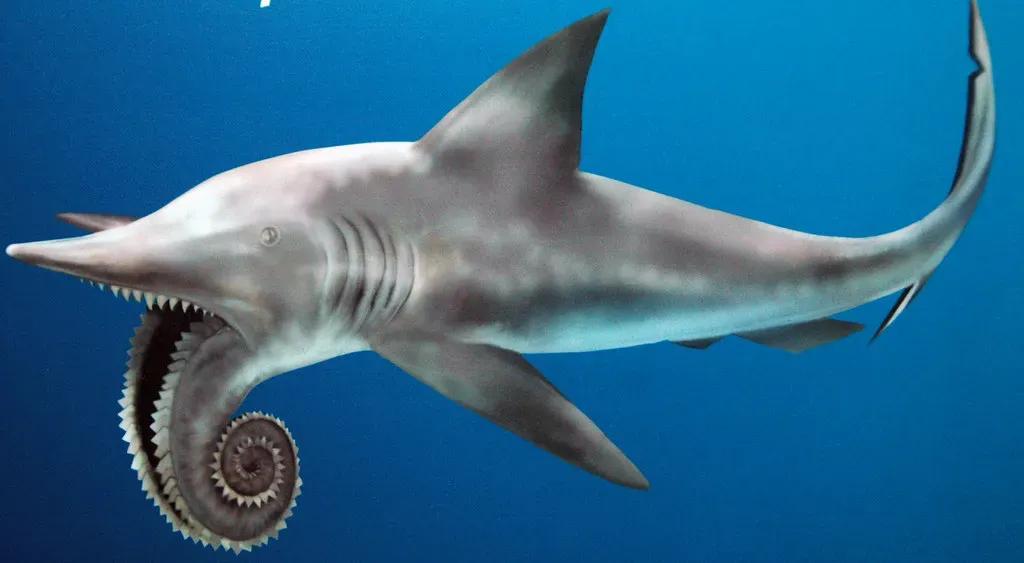
The end-Permian extinction, often called the Great Dying, was the most severe known mass extinction in Earth’s history, wiping out the vast majority of marine species. Oceans became hot, acidic, and low in oxygen, turning huge swaths of habitat into dead zones where even hardy organisms struggled to survive. In that kind of world, you would expect predators near the top of the food chain to vanish quickly once their prey collapsed.
Yet fossil evidence suggests that at least some shark lineages crossed this apocalyptic boundary and continued into the Triassic period that followed. They were not untouched; diversity dropped, body sizes may have shrunk, and many specialized forms disappeared. But a core of adaptable species seems to have endured, feeding on whatever was left in battered ecosystems. To me, that persistence feels almost defiant, like a stubborn heartbeat still audible under the wreckage of a demolished city.
The Dinosaur Extinction and the Fate of Giant Sharks
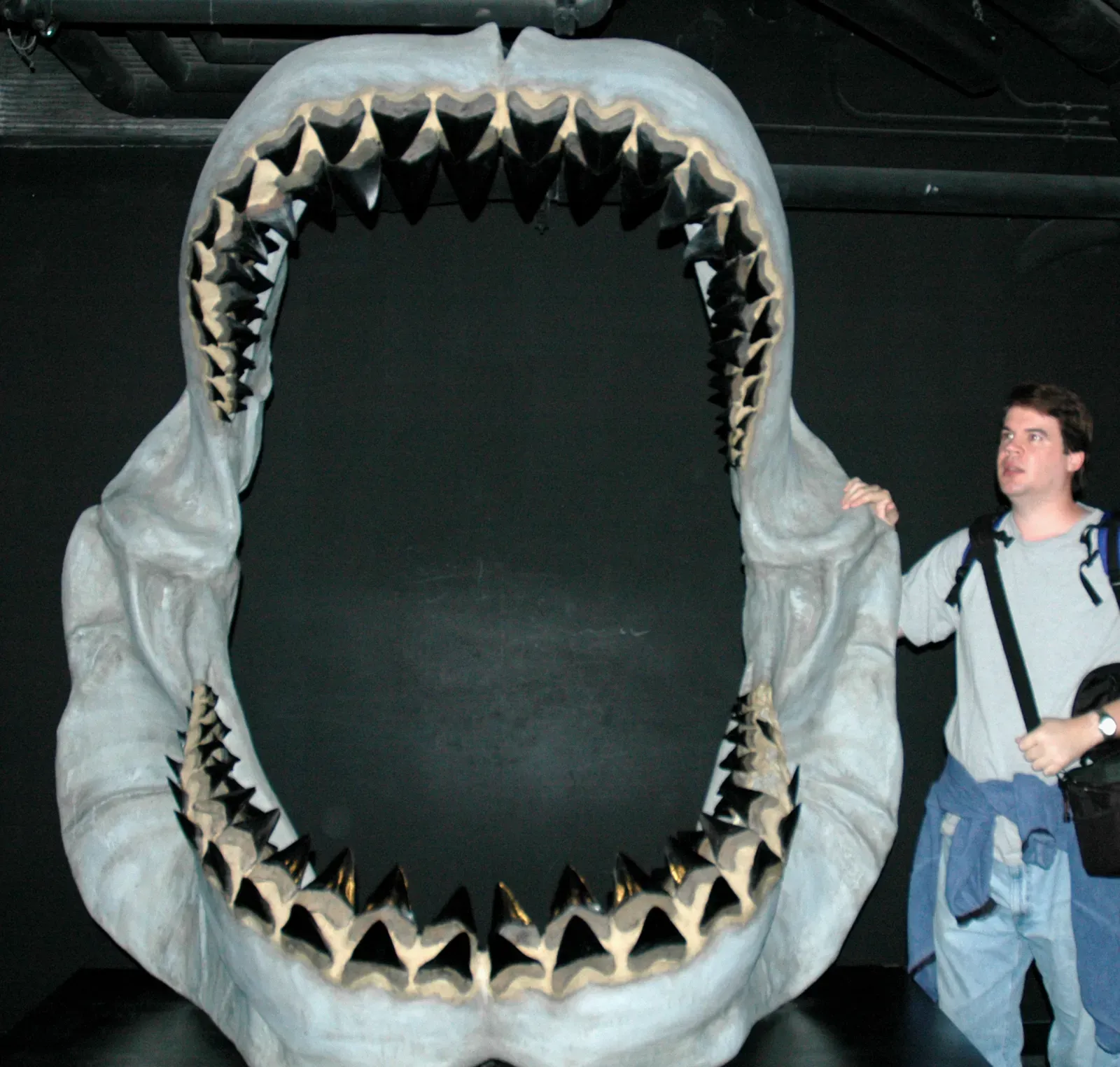
The most famous mass extinction is the one at the end of the Cretaceous, when an asteroid impact and massive volcanic activity combined to bring down the non-avian dinosaurs. In the oceans, large reptiles, many plankton groups, and a huge share of marine diversity vanished, and food webs were shredded from the bottom up. Sharks were definitely hit too: some lineages declined sharply, and large apex species suffered as their prey and habitats transformed.
What stands out in the fossil record, though, is that sharks as a whole did not vanish; instead, their community composition changed. Some smaller, more generalist sharks seem to have handled the turmoil better, while large, specialized forms lost their ecological footing. That pattern challenges the popular idea that the biggest, fiercest predators are always the most successful. In a crisis, it looks like being moderately sized, flexible in diet, and behaviorally adaptable can matter far more than raw power or intimidating teeth.
Why Sharks Might Be Built for Disaster
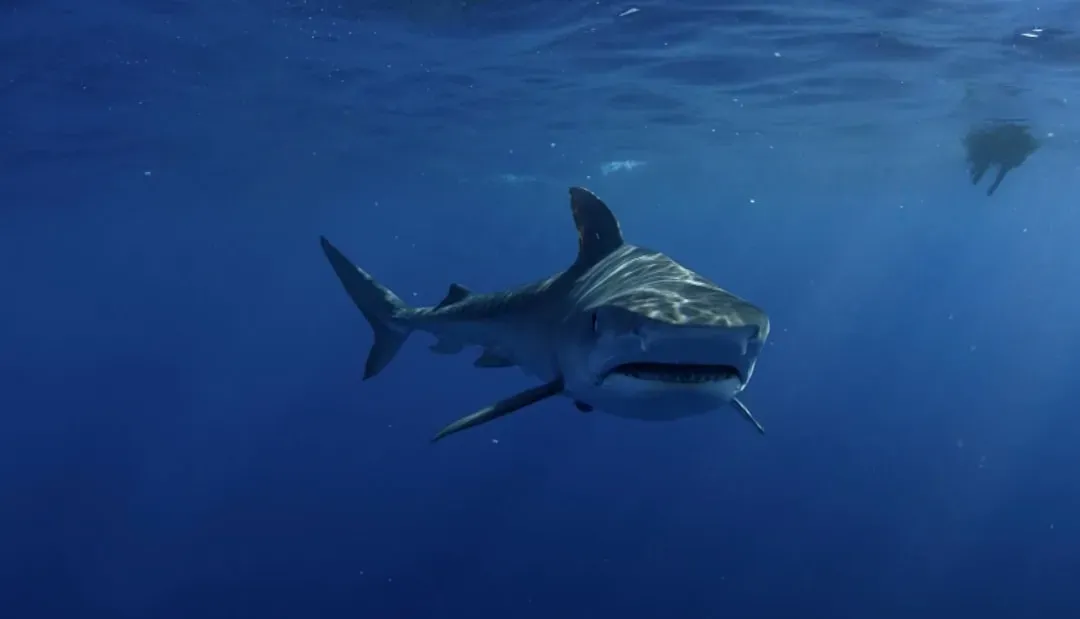
So why did some ancient sharks manage to outlive catastrophes that erased so many other creatures? One compelling explanation is that many sharks are generalists when it comes to food and habitat. A predator that can eat fish, invertebrates, carrion, and maybe even switch hunting methods has a better chance of scraping by when familiar prey vanishes. In a collapsing ecosystem, fussy specialists tend to disappear faster, while adaptable opportunists hang on.
Sharks also have body designs that are surprisingly efficient and conservative over time, like a sports car platform that gets minor tweaks but never really needs a total redesign. Many groups show similar streamlined shapes, fin layouts, and sensory systems across vast stretches of geological time. This does not mean they are unchanged, but it suggests their basic blueprint is robust under a wide range of conditions. When climates swing and oceans reorganize, a resilient, efficient design becomes a serious survival advantage.
Not Invincible: The Hidden Vulnerabilities of Shark Evolution
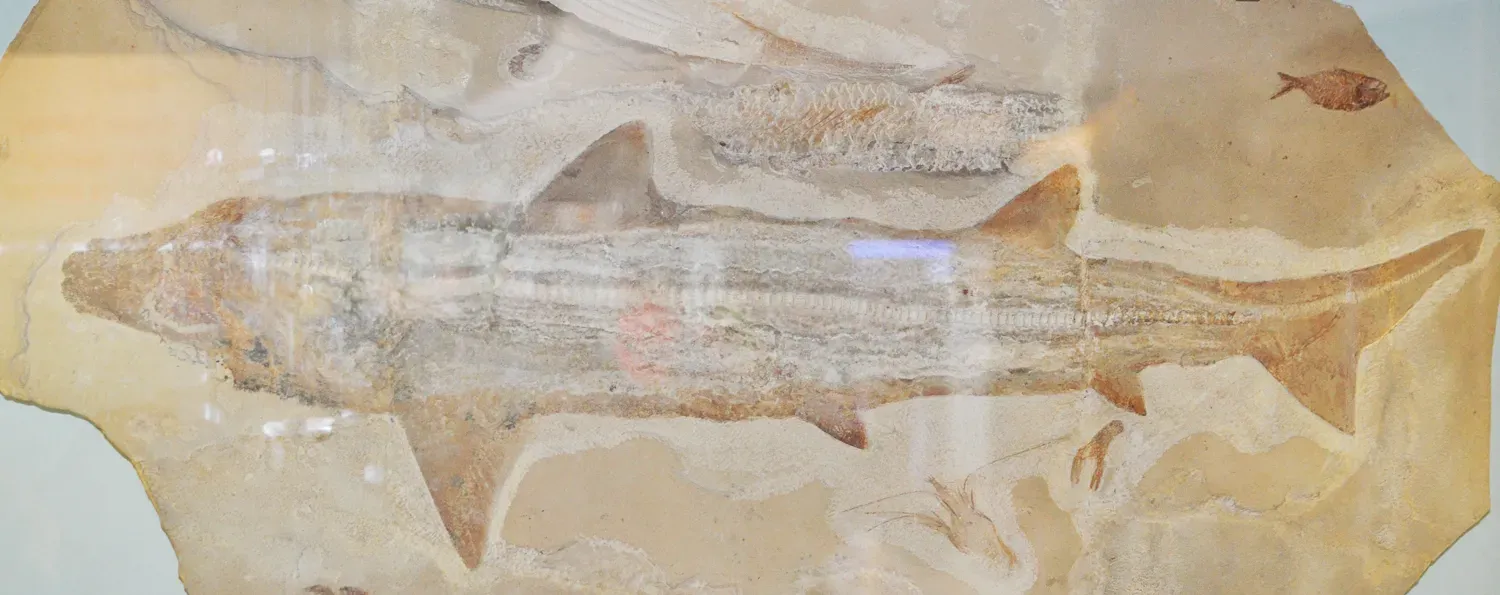
It is tempting to treat sharks as indestructible survivors that can shrug off anything, but that story is too clean and way too comforting. The fossil record makes it clear that many shark lineages vanished permanently at different times, especially during big extinction events. Whole families and specialized groups left no living descendants, and even successful clades sometimes went through severe bottlenecks where only a few species remained.
This matters because it reminds us that survival across an extinction does not mean thriving or staying unchanged. Sharks that made it through probably did so in reduced numbers, with altered body sizes, diets, and behaviors, then had to radiate again into new forms once ecosystems recovered. In that sense, even their success is fragile, woven from a mixture of luck, flexibility, and ecological opportunity. Calling them invincible misses the real lesson, which is that even super-resilient lineages can be pushed to the edge.
Lessons for Today’s Oceans: Past Survivors in Present Danger
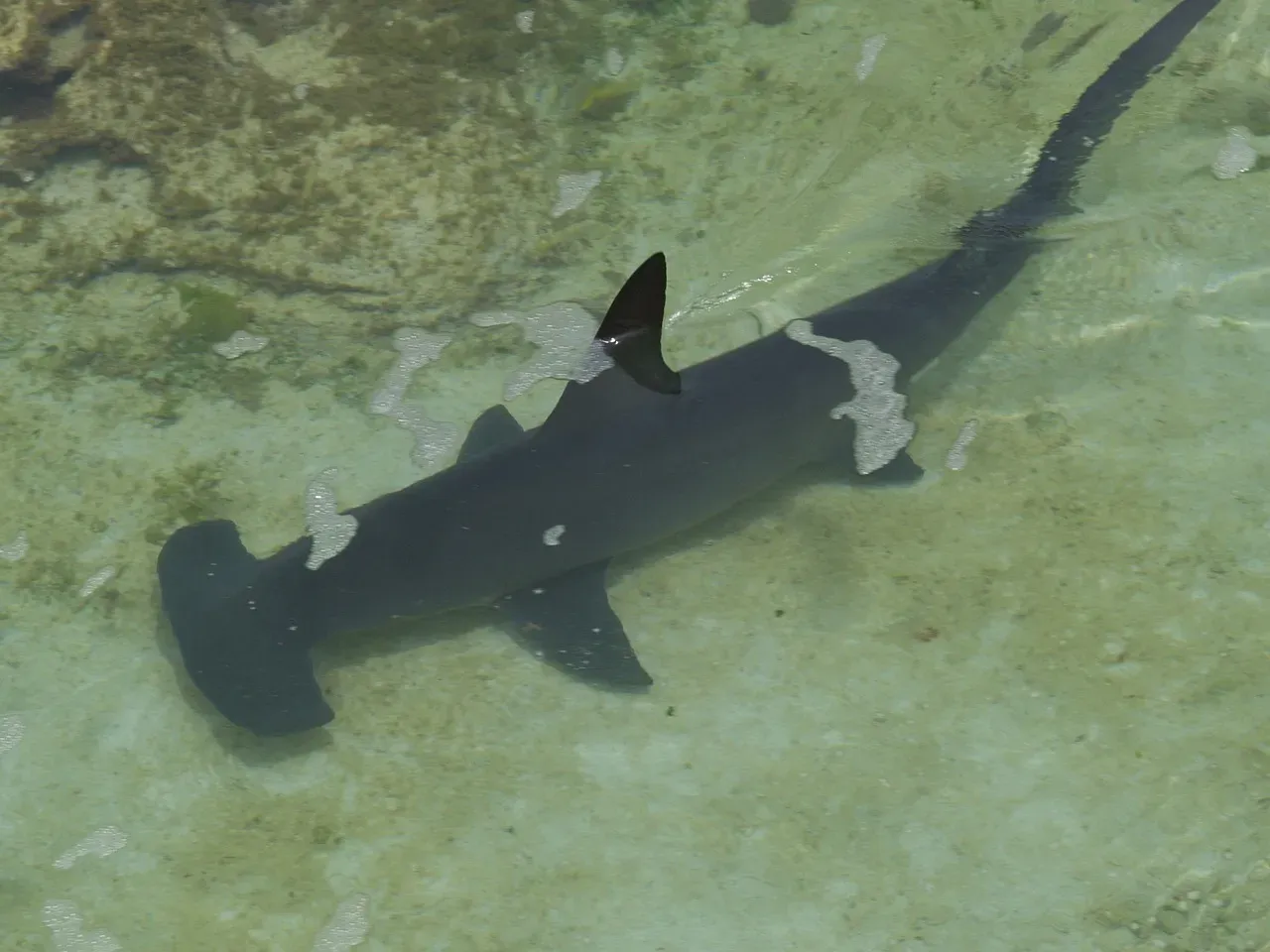
Here is the twist that always hits me hardest: the same group of animals that weathered volcanic winters, toxic oceans, and asteroid impacts is now struggling with human pressure. Modern sharks face overfishing, bycatch, habitat loss, and pollution all at once, on a timescale that is incredibly fast compared to natural geological change. Some populations have dropped sharply in just a few human generations, a blink of an eye against their deep-time history.
That makes our current moment feel strangely out of step with the past. These animals survived events that reshaped the planet, yet they might not survive us if current trends continue. The idea that a lineage which outlived multiple mass extinctions could be undone primarily by industrial fishing and environmental mismanagement is honestly a bit humiliating. If sharks are the long-distance runners of evolution, we are setting up roadblocks along the last stretch of their marathon.
How Much Do We Really Know? The Limits of the Fossil Story
As impressive as the survival story of ancient sharks sounds, scientists are careful about how far they push the evidence. The fossil record is incomplete and biased toward certain environments and body types, and shark fossils are especially patchy because of their cartilaginous skeletons. Teeth can tell us a lot, but they cannot capture every detail of population size, behavior, or subtle evolutionary shifts surrounding each extinction event.
New methods are helping fill some of these gaps, from better dating techniques to analyzing trace elements and isotopes in fossils that reflect ancient ocean conditions. Still, there is a lot we simply do not know, and many interpretations are provisional and open to revision as new finds come to light. For me, that uncertainty does not weaken the story; it makes it more interesting. It means the survival of ancient sharks is not a finished legend but an ongoing mystery we are still teasing out layer by layer.
Conclusion: Ancient Survivors, Modern Choices
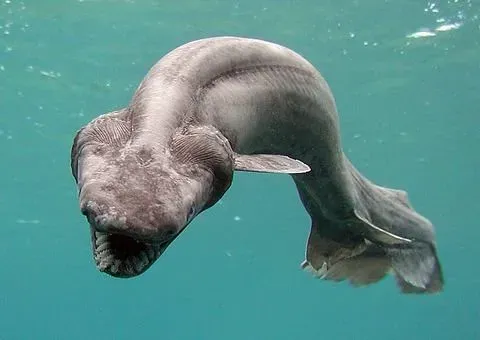
When you put all these threads together, the picture that emerges is both awe-inspiring and a little uncomfortable. Some ancient sharks really do seem to have survived mass extinctions that erased nearly everything else around them, threading their way through volcanic winters, poisoned seas, and collapsing food webs. They were not untouched, and they were not invincible, but they were resilient in ways that very few other groups managed to be. In my view, that makes them some of the most remarkable long-term survivors this planet has ever produced.
But survival across millions of years does not guarantee survival across the next few decades, and that is where my opinion turns sharper. If sharks can outlive asteroid impacts yet fail to outlive our appetite for cheap seafood and short-term gain, that is less a tragedy of nature and more an indictment of us. The story of ancient shark survival should not just leave us impressed; it should leave us a bit unsettled and maybe even obligated to act differently. After everything these animals have survived, do we really want to be the final mass extinction they cannot escape?