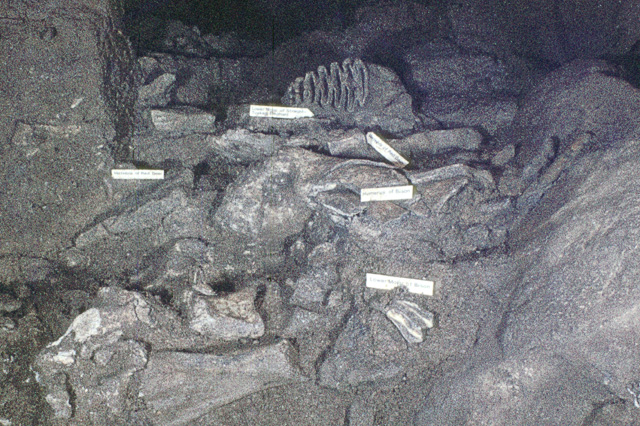
Walk into a cave and, at first glance, it feels like you’re just stepping into a big, damp hole in the ground. But again and again, scientists have gone into these dark spaces and come back with finds so strange and powerful that they’ve had to rewrite entire chapters of human history. Caves are like time capsules we never meant to bury, preserving bones, pigments, DNA, ash, tools, and sometimes even footprints that look as if someone walked through yesterday.
What is most unsettling and exciting is how these discoveries keep wrecking our tidy stories about early humans being simple, brutal, or dim. Instead, the deeper we go underground, the more we find evidence of imagination, community, grief, art, and technological skill. Below are nine cave discoveries that did exactly that: they blindsided researchers, forced big scientific U‑turns, and made us realize our ancestors were far more complicated than we had assumed.
1. Deep Cave Art That Proved Neanderthals Had Symbolic Minds
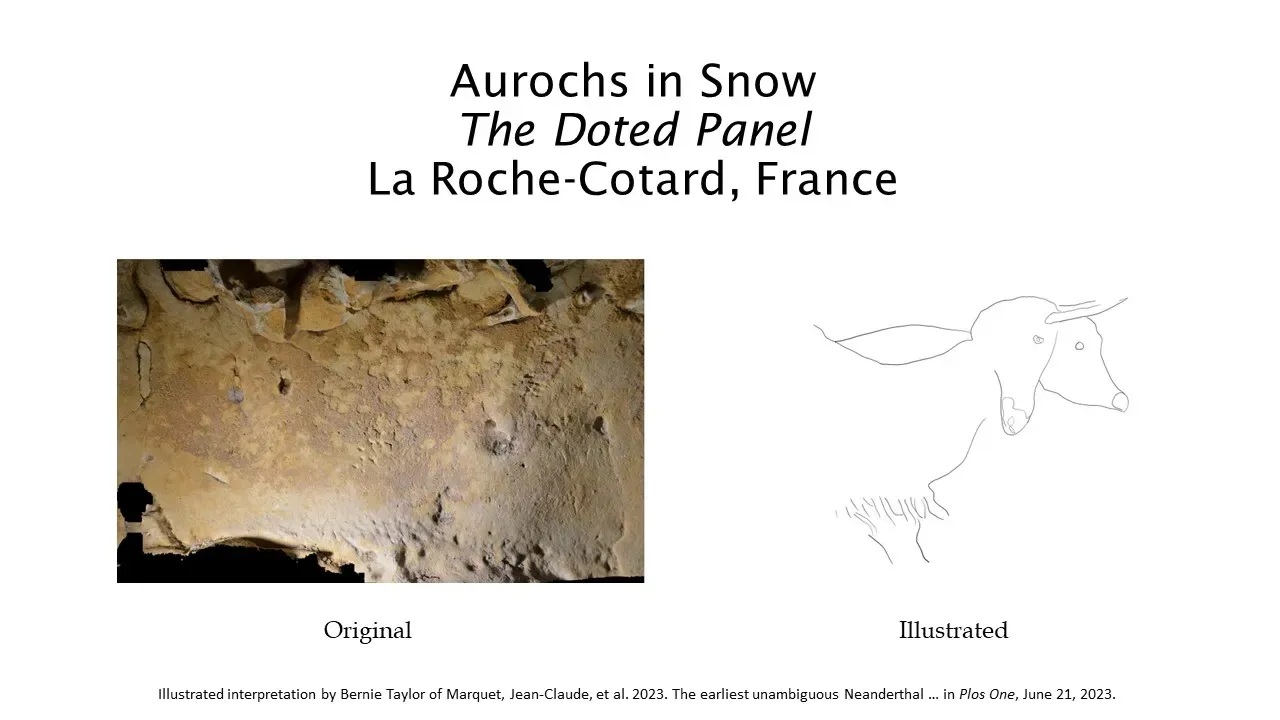
For a long time, the story was simple: Homo sapiens were the artists, Neanderthals were the muscle. That neat little box exploded when researchers found red pigment markings and carefully arranged symbols deep inside European caves that predated the arrival of modern humans in those regions. The dates lined up in a way that was hard to wiggle out of, strongly indicating that Neanderthals themselves had created these abstract forms on the walls.
This was a huge shift because symbolic behavior is often treated as the gold standard of “modern” cognition. If Neanderthals were crawling into pitch-black chambers, mixing pigments, planning compositions, and returning to the same spots, they were not just grunting brutes. They were capable of memory, planning, and shared meaning. In one stroke, cave art turned from a Homo sapiens trophy into a window onto a broader, more crowded world of minds.
2. Hand Stencils and Animal Murals That Pushed Art Back in Time
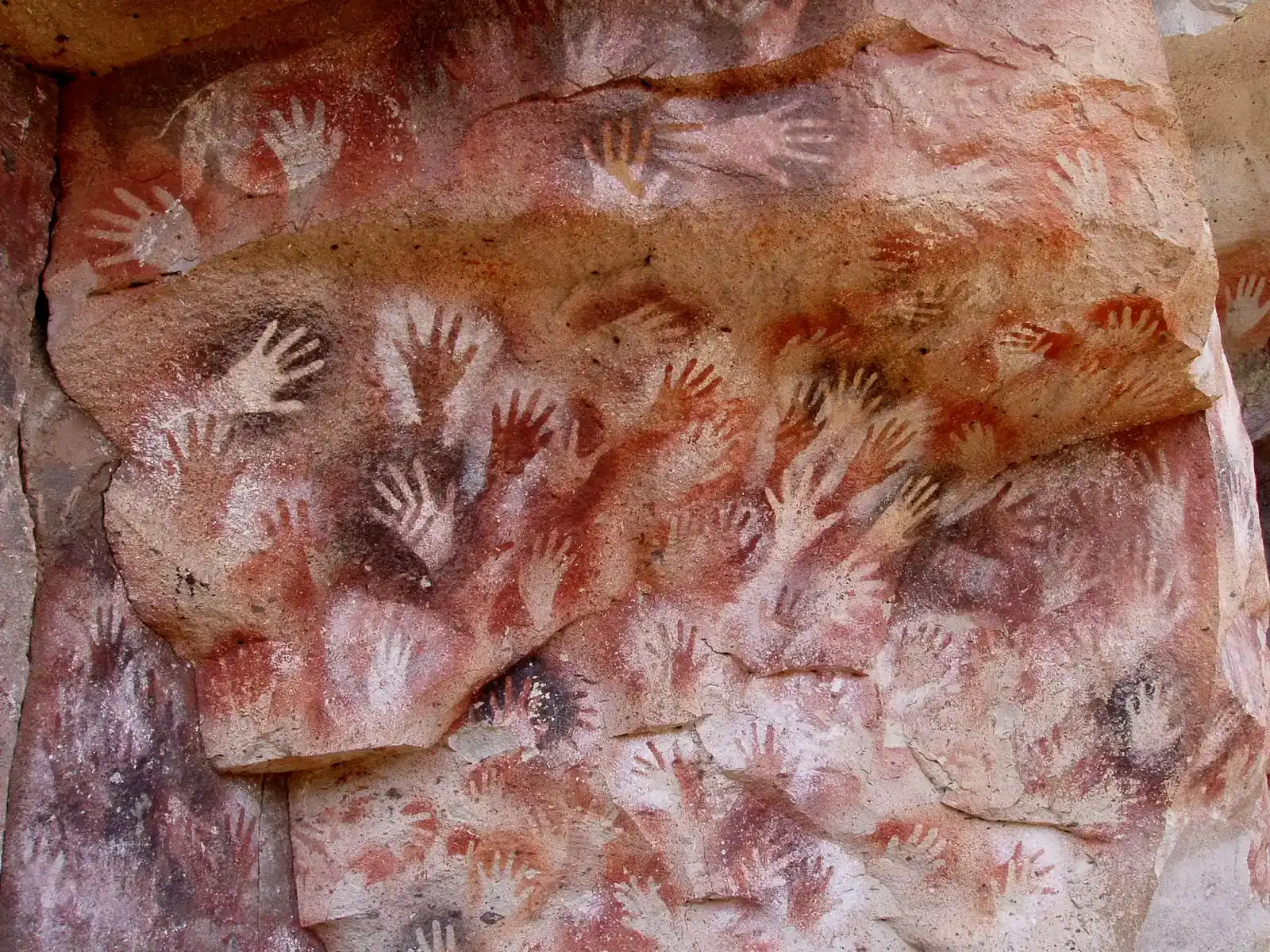
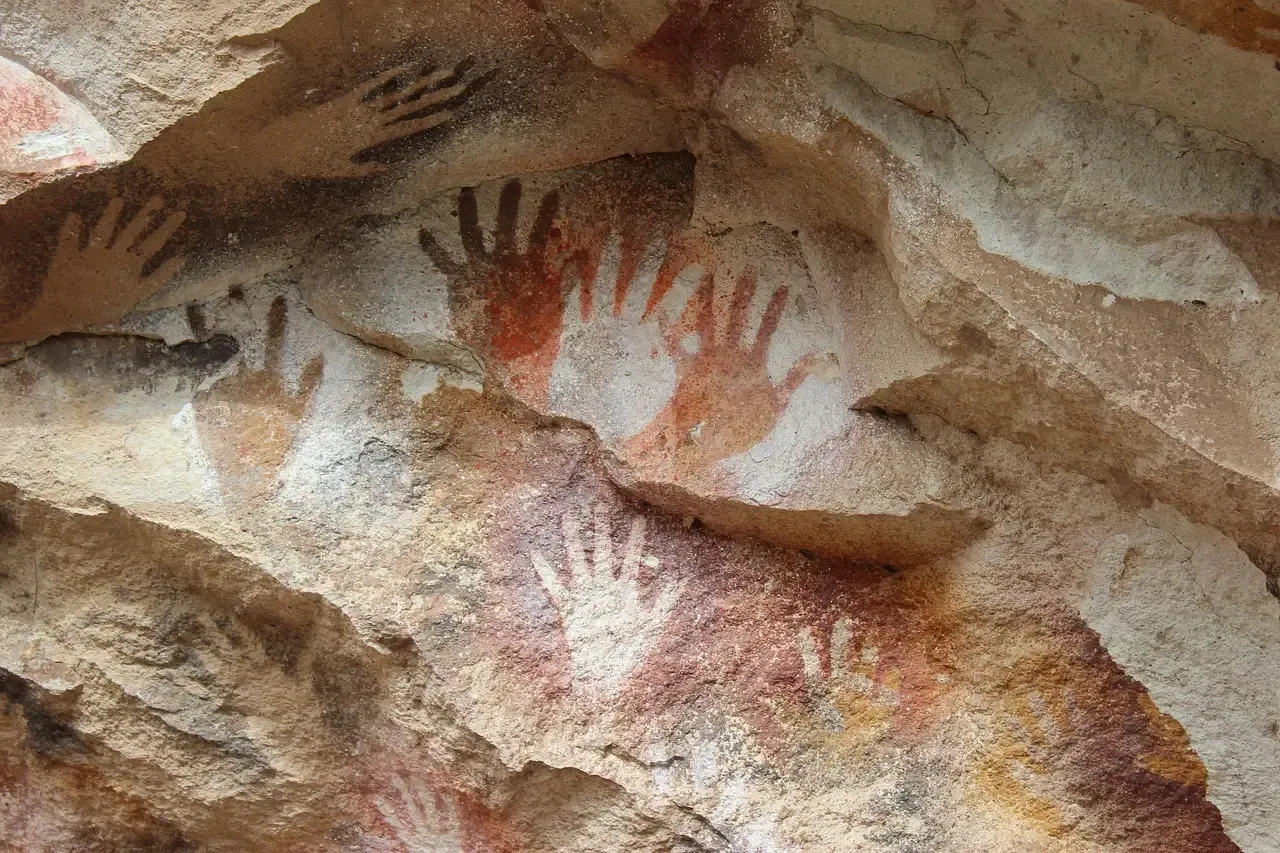
Elsewhere, the discovery of ancient hand stencils and richly painted animals in caves from Europe to Southeast Asia pushed the age of confirmed figurative art further and further back. At first, people thought Europe was the birthplace of art, but then similarly old paintings began turning up in caves in Indonesia. This forced a rethink: maybe the urge to paint was not a regional “spark” but a very old behavior that early humans carried with them as they spread across the world.
Those ghostly hands, sprayed around with pigment, were especially powerful. Each one is basically a selfie from someone who lived tens of thousands of years ago, saying, in a simple, stubborn way: “I was here.” The fact that this same style appears across continents and enormous stretches of time suggests something deep and shared in human psychology, like we’re wired to leave marks in sheltered, secret places.
3. Burial Caves That Revealed Early Rituals for the Dead
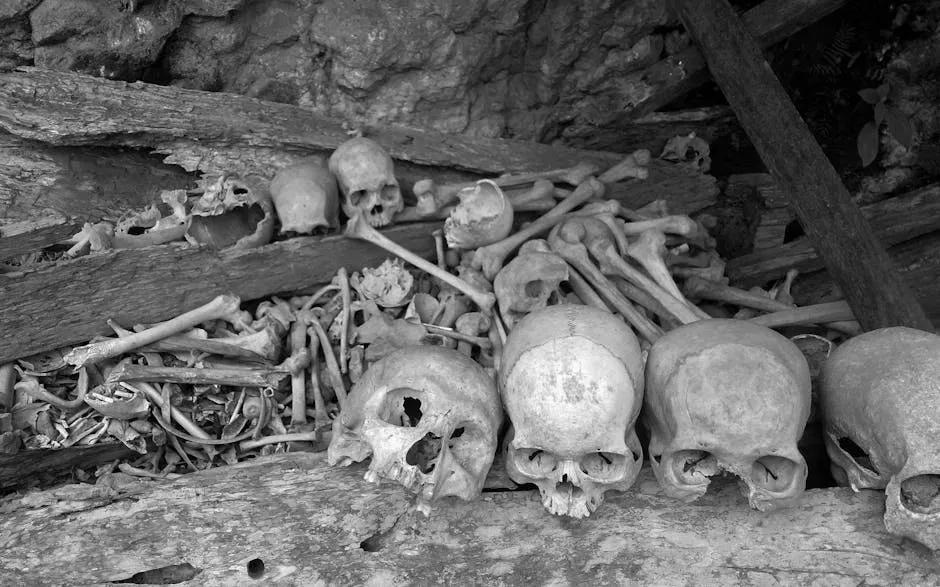
Some of the most haunting discoveries inside caves have been deliberate burials. In certain sites, bodies were placed in tucked-away chambers, sometimes with grave goods, pigments, or careful positioning that clearly did not happen by chance. These are not just bones that fell into a hole; they are bodies that were laid to rest in a chosen place, implying that early humans had ideas about death, memory, and maybe even an afterlife.
What unsettled many scientists was how old some of these burials were and who they belonged to. Evidence for intentional treatment of the dead appears not only in early Homo sapiens, but also in other hominins in some regions. That makes the old picture – where meaning, mourning, and ceremony appear suddenly and uniquely in our species – much harder to defend. Caves, with their stable temperatures and relative safety, turned out to be both tombs and archives of the human mind’s growing complexity.
4. Cave DNA That Rewrote Our Family Tree
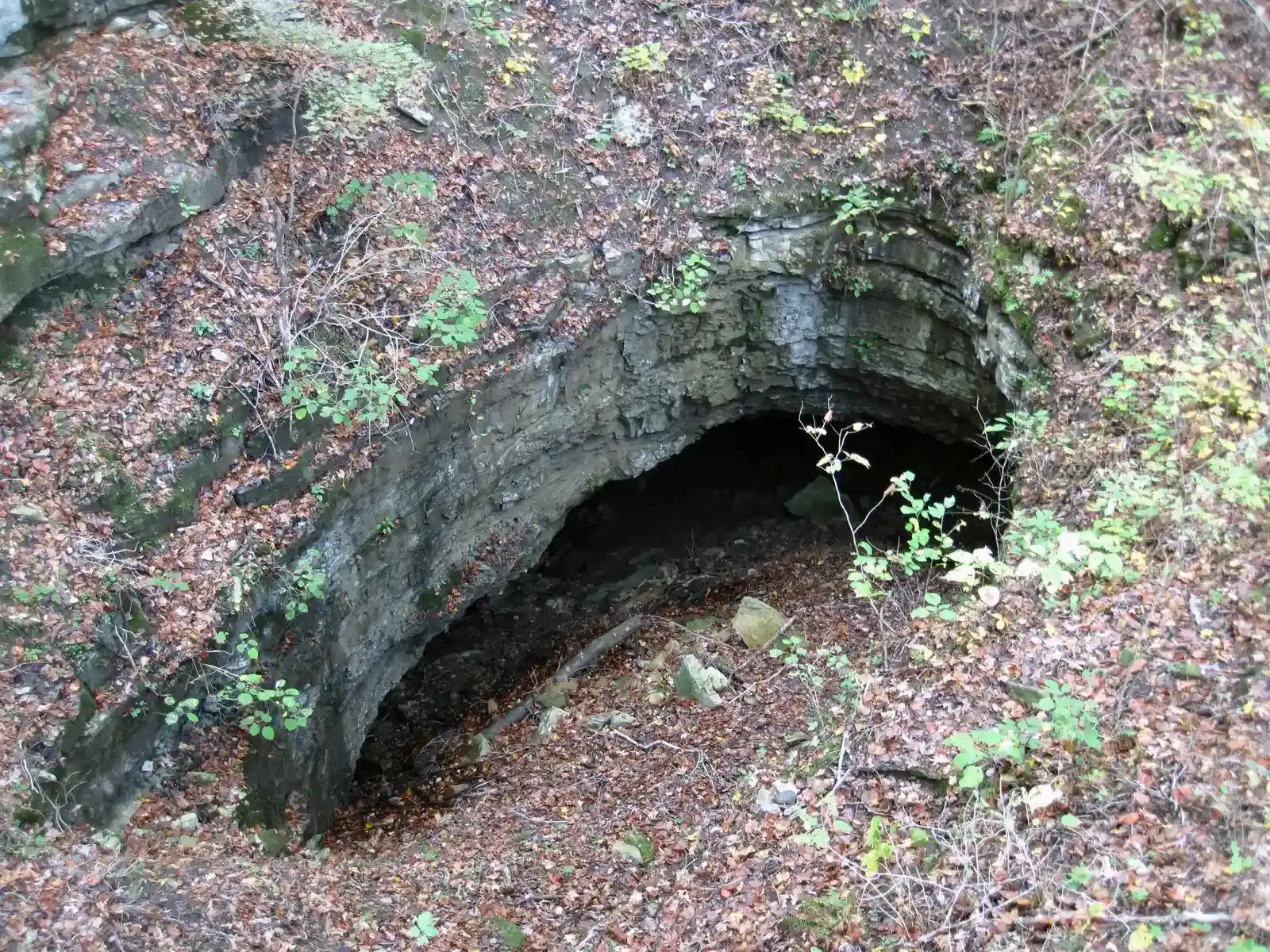
One of the most quietly explosive discoveries did not look spectacular at all. It was a tiny fragment of bone and sediments from a cave that, once tested for DNA, revealed the existence of previously unknown human relatives. Instead of neat branches on a family tree, we suddenly had a messy, intertwined bush of different hominin groups – some of them interbreeding with each other and contributing bits of their DNA to people alive today.
Cave sediments have become almost as important as bones. Even when there are no visible fossils, genetic material trapped in the soil can reveal which hominins passed through. This kind of work showed that caves were crossroads where different human groups overlapped in both time and space. Our ancestry, it turns out, is not a pure line but a tangle of inherited threads that came together in the dark.
5. Ancient Footprints and Floor Traces That Captured Moments in Time
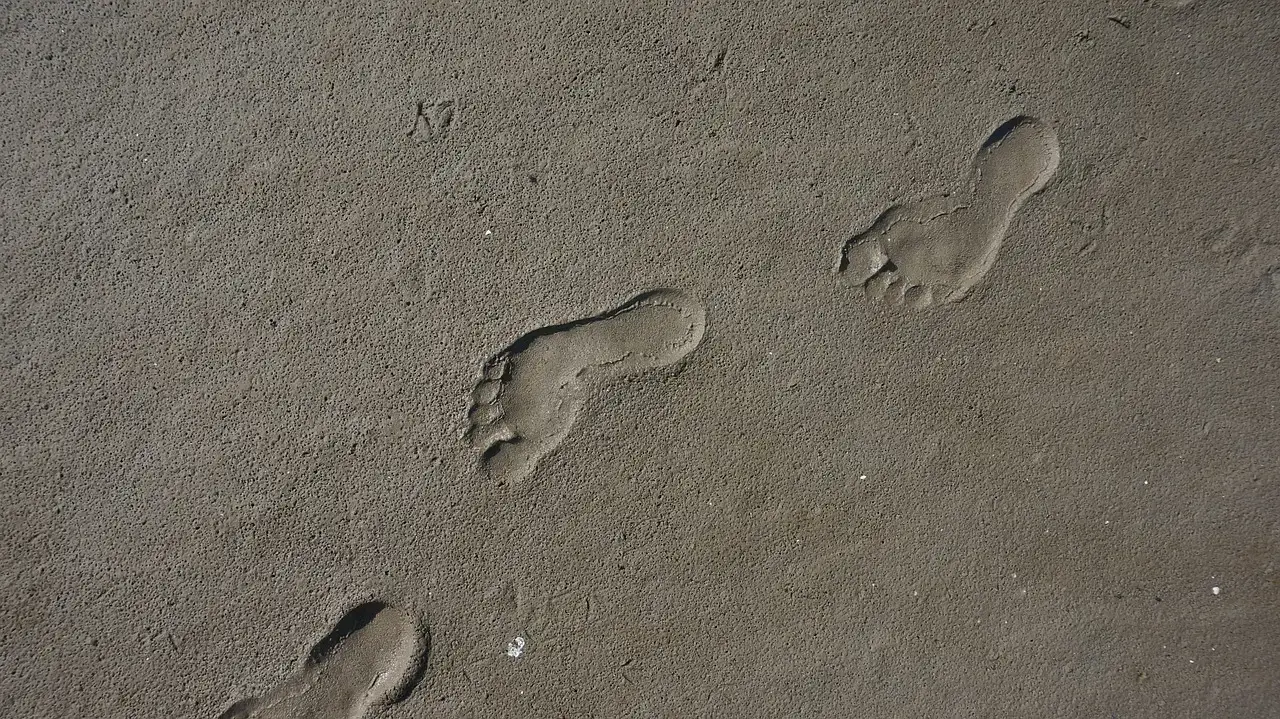
Sometimes the most moving evidence is not bones or tools but simple footprints hardened into the cave floor. In a few extraordinary sites, researchers have found traces of children’s feet alongside adults’, burn marks from torches, and smudges where bodies brushed against walls. These traces freeze an evening from tens of thousands of years ago: a small group walking in single file, a child hesitating, someone stopping to touch the rock.
Such discoveries remind us that early humans did not just use caves as practical shelters. They were landscapes filled with stories, games, teaching moments, maybe even initiation rituals. When you see the prints of a child who walked deep into the darkness and then returned, you can almost feel the mix of fear and excitement. It is hard not to see echoes of modern families exploring a dark tunnel on a camping trip, except here the torches were firebrands and the stakes could be life or death.
6. Sophisticated Stone and Bone Tools Hidden in Cave Layers
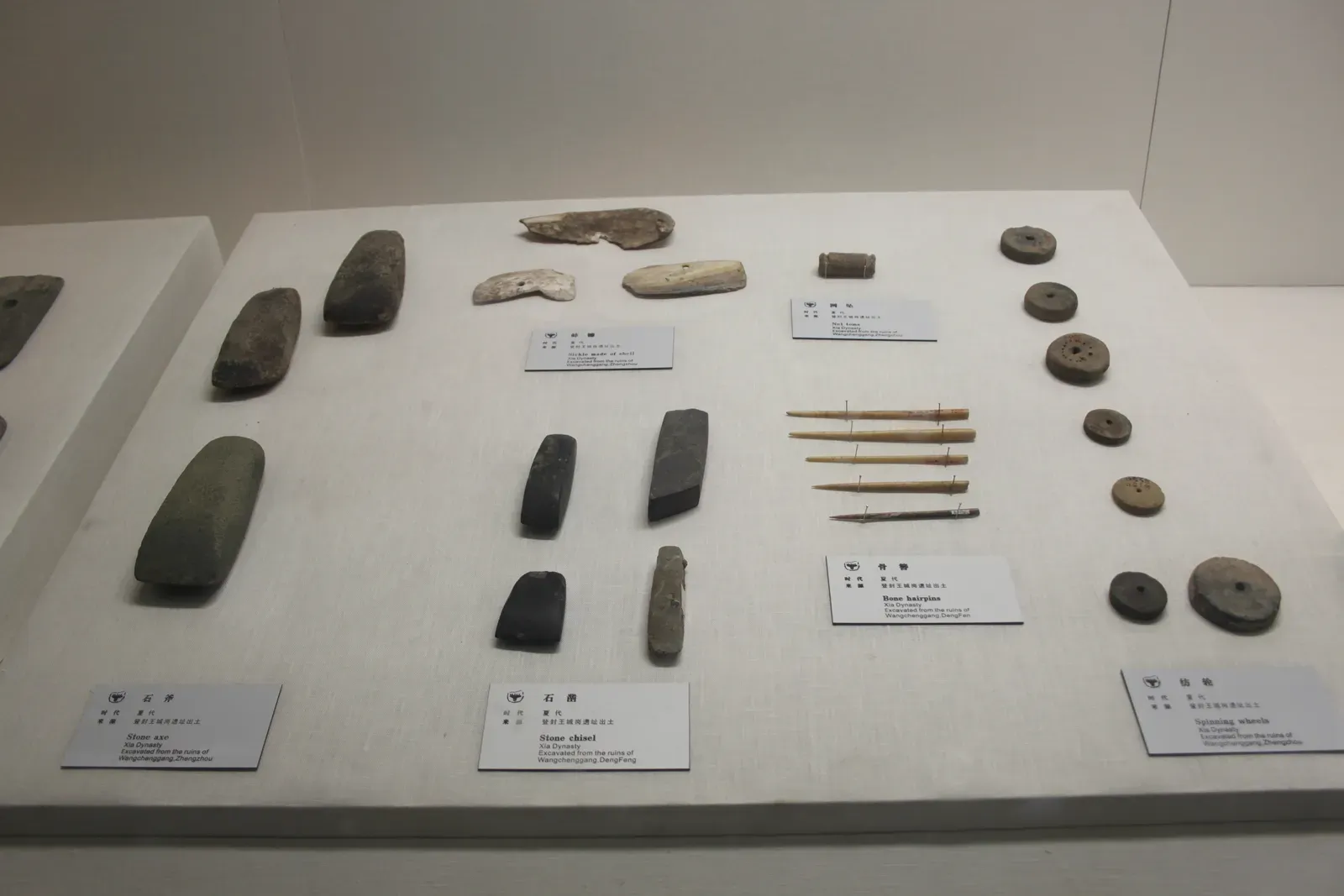
Deep cave layers have preserved entire toolkits that forced archaeologists to rethink what “primitive” technology looked like. In some caves, carefully shaped stone blades, specialized points, bone needles, and even early forms of rope or cordage impressions show up much earlier than many experts once thought. These finds tell a story of people who were not just banging rocks together but planning, experimenting, and solving everyday problems in clever ways.
What really changed minds was the combination of variety and precision. You do not craft delicate bone awls or fine blades without a sense of standardization and quality control, even if no one back then would have used those terms. Caves, with their slowly accumulating layers of debris, give us stacked snapshots of how technology evolved over thousands of years. You can literally see innovation building up, one occupation layer at a time, much like watching the history of smartphones by digging through an old junk drawer.
7. Cave Hearths and Soot That Revealed Mastery of Fire
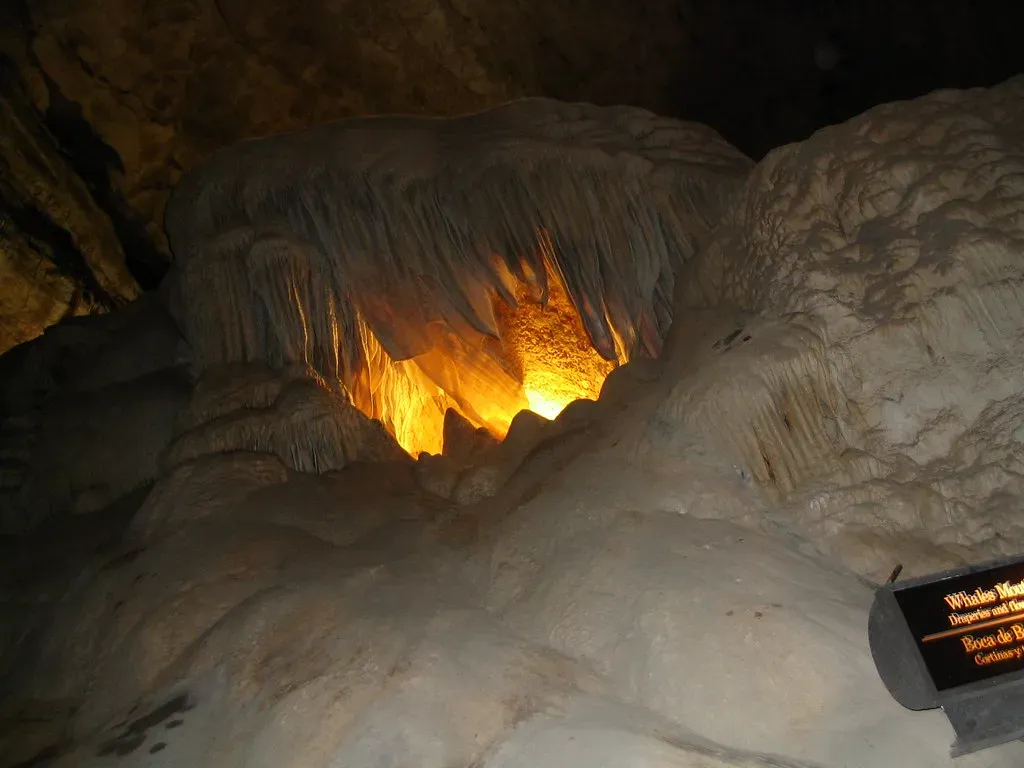
Fire is one of those skills people long assumed appeared early and then simply stuck around, but cave evidence has made the story more nuanced and, frankly, more impressive. In multiple sites, archaeologists have discovered repeated, well-organized hearths, ash deposits, and soot patterns on ceilings that show fire was not just occasionally captured but regularly controlled and managed. Some cave layers show long-term, repeated use of the same spots for cooking, warmth, light, and social gathering.
These hearths are like fossil campfires that tell us about group life. Regularly burning fires deep inside caves requires planning: collecting fuel, ventilating smoke, and preventing the place from becoming unlivable. Evidence of this kind of management suggests that early humans had a working understanding of airflow, fuel quality, and even how to maintain a comfortable social space. In a way, cave hearths were the first living rooms, lit by flames instead of screens.
8. Human–Animal Interactions Recorded in Cave Deposits
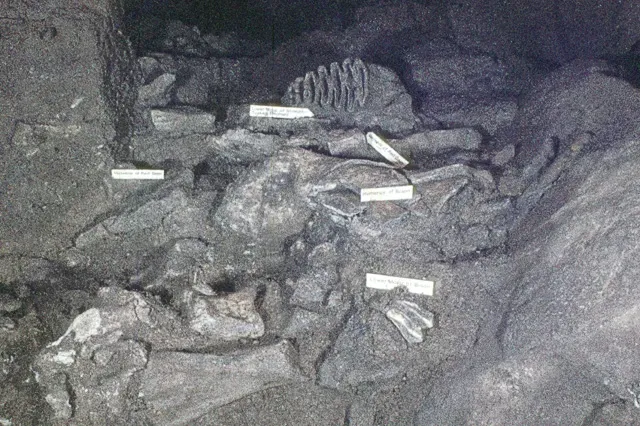
Many caves are packed with animal bones, and for years they were often written off as the leftovers of predators. But detailed study of cut marks, breakage patterns, and where bones lie in relation to hearths and tools has shown that early humans played a big role in shaping those deposits. In some sites, people brought carcasses into the cave, butchered them, shared them, and threw away the remains in ways that are anything but random.
Even more intriguing are signs that humans and large predators sometimes used the same caves at different times, or even overlapping ones. Some layers show evidence of carnivores, others of humans, stacking on top of each other like a landlord switching out tenants. This back-and-forth tells us that early humans were not always at the top of the food chain. They were negotiating risky landscapes, sometimes competing for den space, sometimes scavenging or stealing kills. That messier, more precarious picture replaces the myth of early humans as instant apex hunters.
9. Unexpected New Species Hiding in Cave Chambers
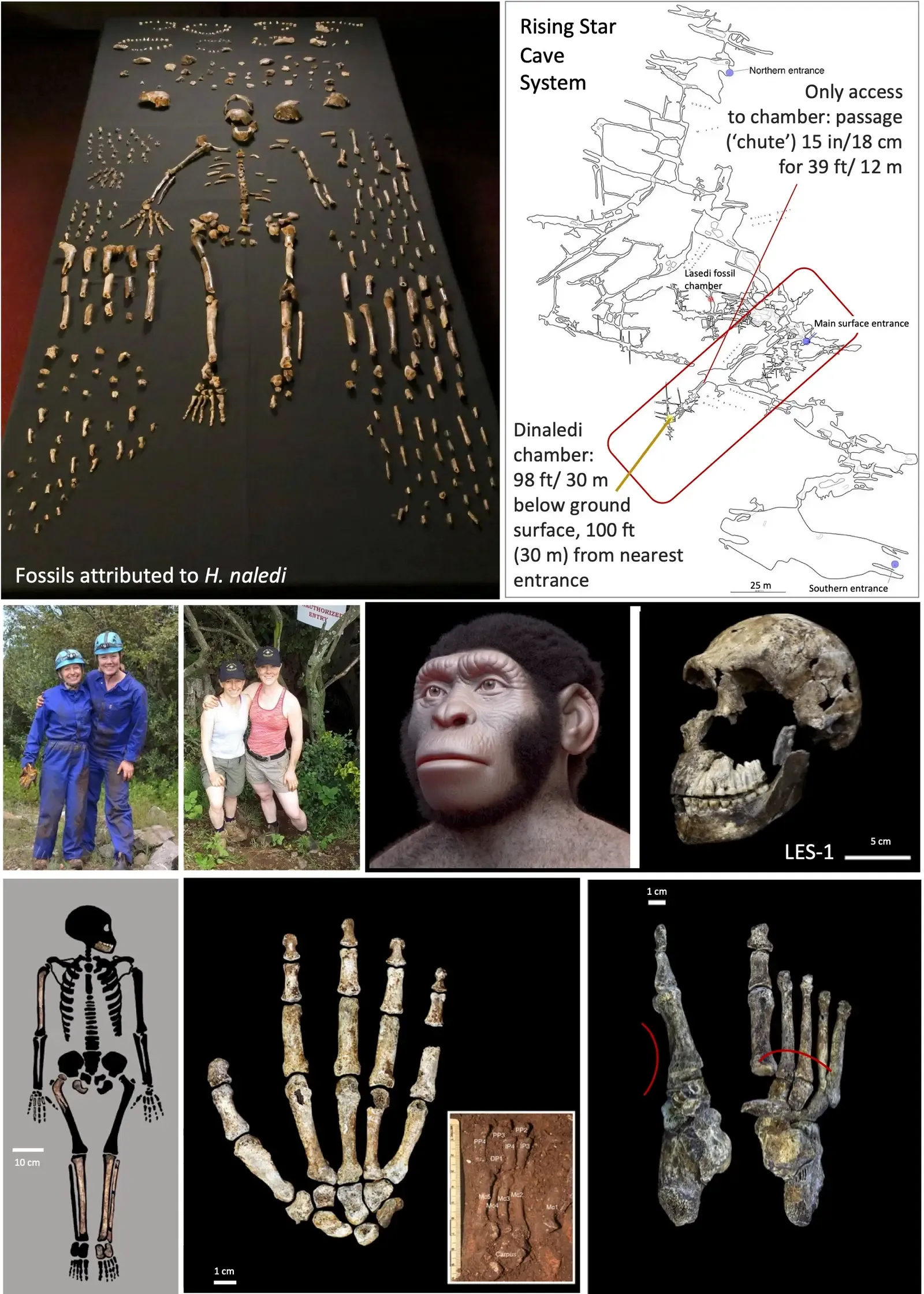
Perhaps the most dramatic surprises have been the identification of entirely new hominin species from cave remains. In several regions, small, isolated cave systems preserved unusual skeletons that did not fit neatly into existing categories. These discoveries showed that, during the time when Homo sapiens was spreading across the globe, other distinct human lineages were still hanging on in small pockets, some with their own anatomical quirks and likely their own cultures.
Finding these new relatives inside caves forced everyone to accept that the ancient world was not just populated by a slow, singular march toward us. Instead, it was more like a crowded neighborhood with different human groups living side by side, sometimes for long periods. To me, this is one of the most humbling lessons from cave science: we are just the last surviving branch of a much richer family tree, and without a few lucky finds in deep, dusty chambers, we might never have known how many cousins we once had.
Conclusion: Caves Turned Our Origin Story Upside Down
Put all these discoveries together and you get a striking message: caves did not just add colorful footnotes to human evolution, they shattered old hierarchies and myths. Neanderthals painting, unknown relatives leaving DNA traces, children walking deep into darkness, people burying their dead with care and mastering fire in cramped stone shelters – none of this fits with the old cartoon version of early humans as half-thinking savages. The evidence makes it hard to cling to the comforting idea that symbolic minds, complex emotions, and creativity belong only to our species or to recent times.
My own take is blunt: the more we learn from caves, the less special we look and the more connected we become to a long, tangled history of many kinds of humans figuring things out. That does not make us less interesting; it makes our story bigger, stranger, and more honest. The next time you see a dark opening in a cliff face, it might be worth wondering what forgotten stories are still sitting in the dust, waiting to ruin our favorite simple explanations. If another cave discovery overturned what you thought you knew about early humans, would that really surprise you anymore?