
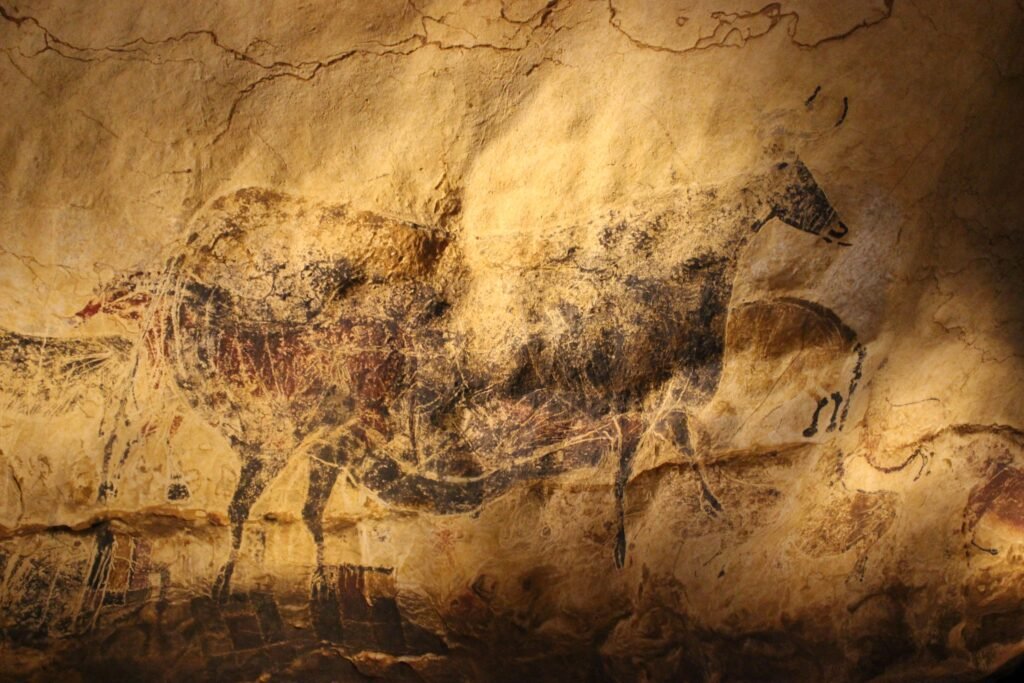
Human beings have always played with light. Today it’s LED screens and projectors; tens of thousands of years ago, it was smoldering torches deep inside limestone caves. The idea that Ice Age artists might have painted with flickering firelight in mind does something strange to our sense of time. Those bison and horses stop being frozen museum pieces and suddenly feel like components of a cinematic experience, designed by people who understood how to trick the eye long before anyone had the language to describe it. What makes this even more gripping is that archaeologists are starting to see patterns that look less like coincidence and more like intention. When you stand in a dark cave and watch firelight slide over bulging rock, the animals seem to inhale. Their legs stretch, ribs swell, heads tilt. This isn’t just poetic projection: some figures are repeated, overlapped, and placed on oddly shaped surfaces in ways that make a lot more sense if you imagine them in motion. We may be looking at the earliest special effects in human history – and they were powered by nothing more than flame and stone.
Firelight as the First Animation Studio
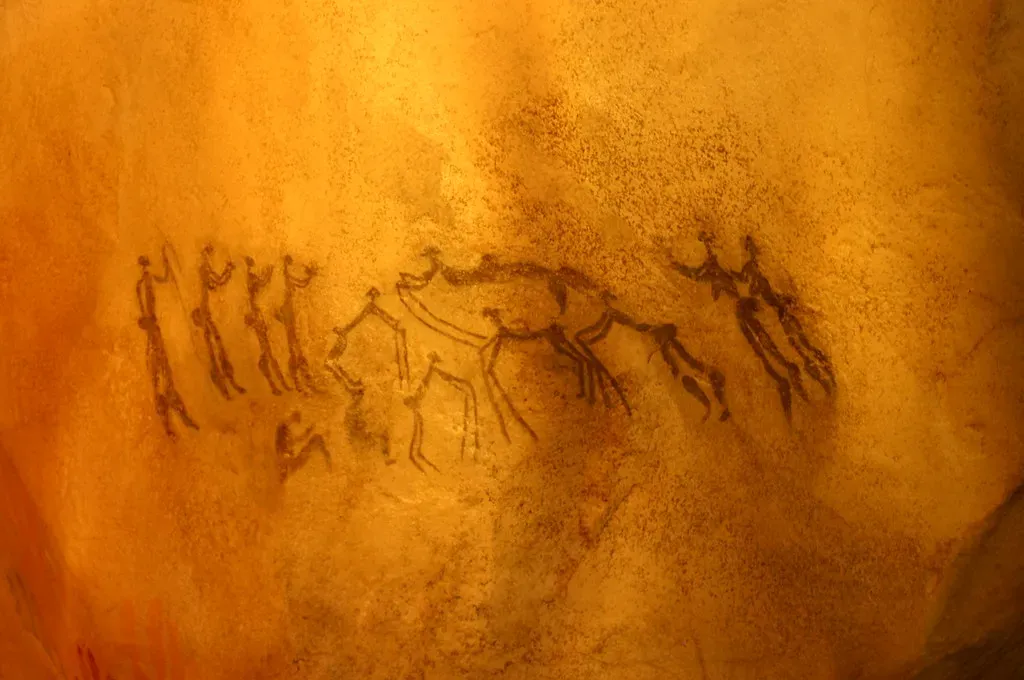
If you’ve ever sat around a campfire and stared at the shadows, you already know how easy it is for your brain to see movement where there is none. Archaeologists and art historians now argue that Paleolithic cave painters likely understood this intuitively. They were not simply painting in spite of flickering firelight; they may have been painting for it, using shifting light as an essential part of the artwork rather than a nuisance to work around. When torches or small fires throw light at an uneven cave wall, the contours of the rock become part of the show. A horse painted across a fold in the rock can appear to lunge when the shadows jump, while a bison stretched along a bump can look like its chest is rising and falling. The effect is uncannily similar to low‑frame animation – except here the “frames” are in our nervous system, triggered by edges, lines, and shadows that never line up the same way twice.
Why the Shape of the Rock Really Mattered
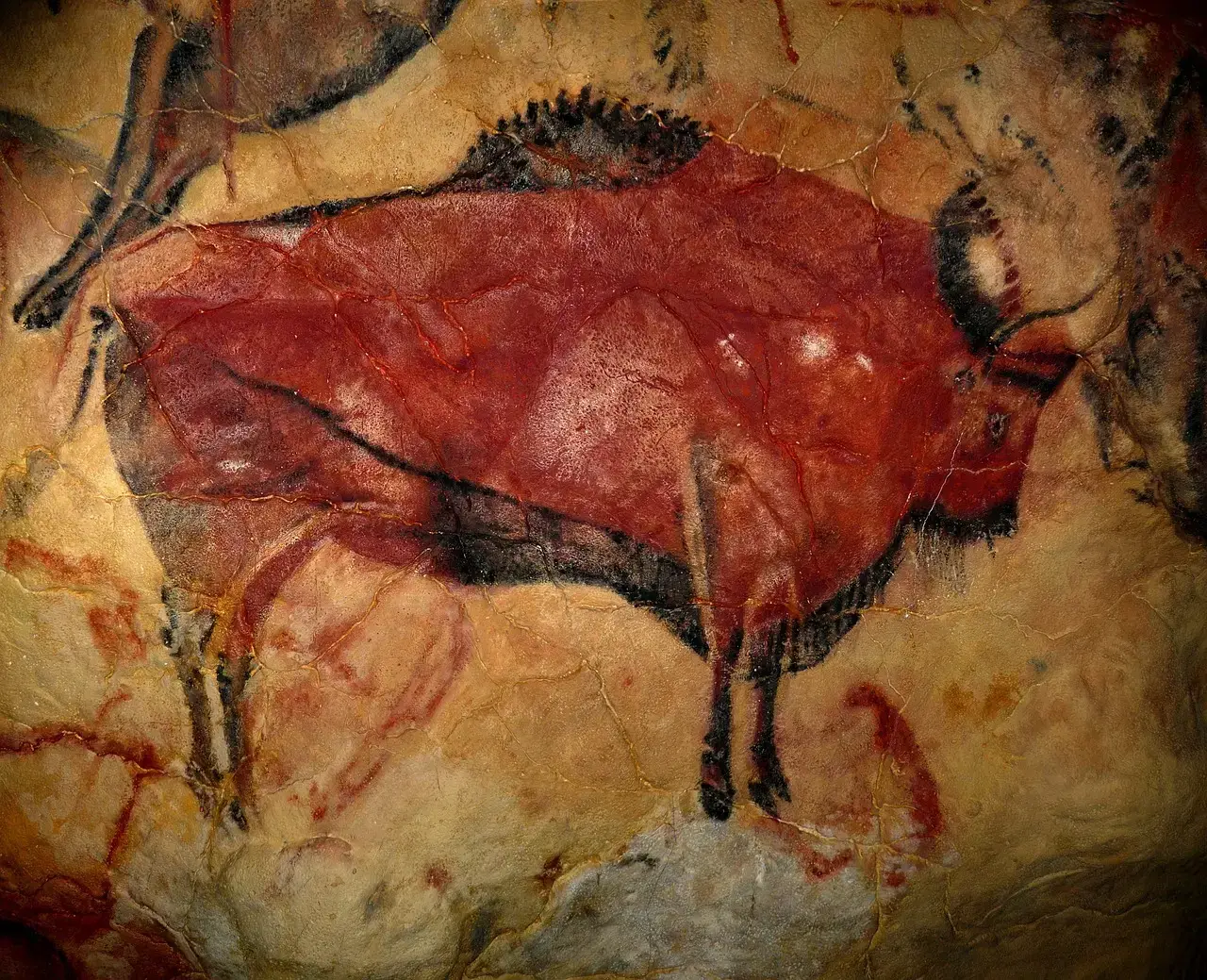
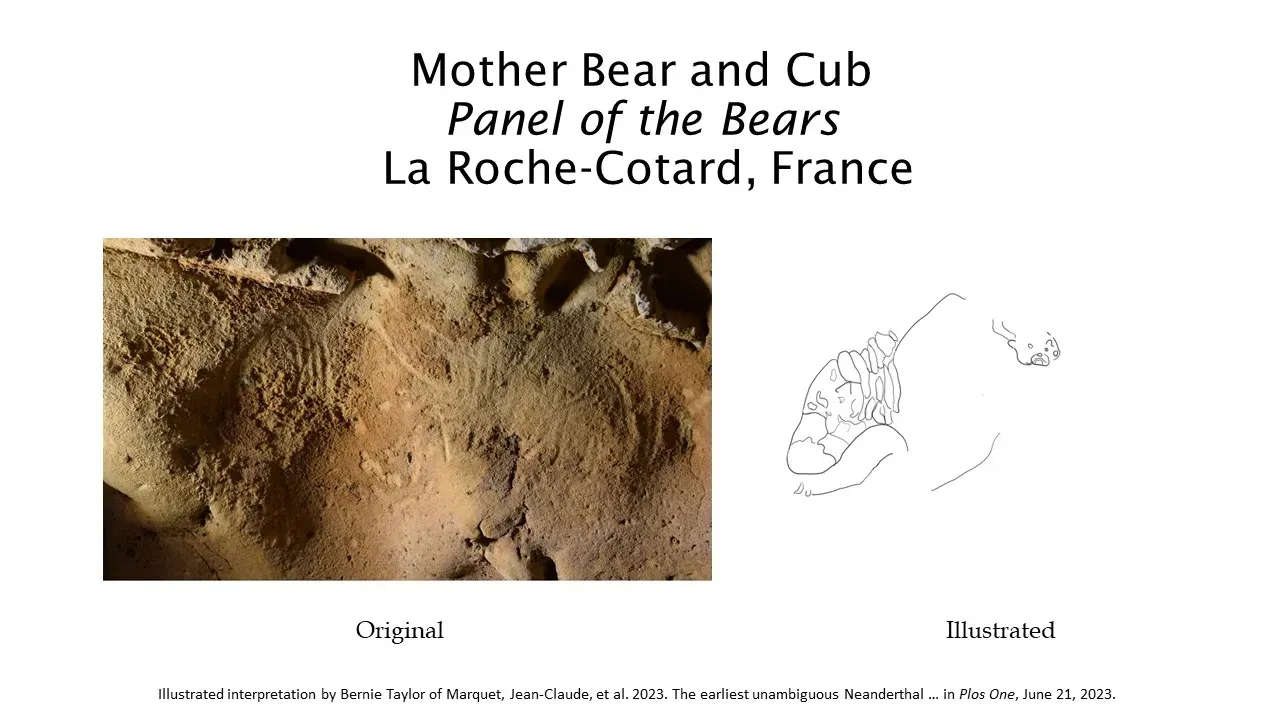
One of the most compelling clues is how often prehistoric artists used the natural relief of the cave walls instead of treating them like flat canvases. Instead of ignoring bumps, cracks, and bulges, they leaned into them. A natural protrusion might become a shoulder or a hip; a depression might mark an eye or a hollow flank. This isn’t random doodling on a rough surface, it is deliberate composition with three‑dimensional stone. Now add a dancing flame into the scene. As the light moves, those protruding “shoulders” cast longer shadows, ribs deepen, and heads seem to nod. In a steady modern museum light, these choices look like clever use of texture. Under a shaking torch, they start to read like stagecraft. The underlying rock becomes a kind of primitive 3D model, with firelight acting like a moving spotlight that reveals different “poses” of the same creature.
Overlapping Limbs and Multiple Heads: Glitches or Motion Frames?
At first glance, some cave art looks oddly messy. You’ll see animals with too many legs, or heads that seem to be drawn more than once in slightly different positions. For a long time, these overlaps were dismissed as corrections, crowding, or just the result of many artists painting in the same space over centuries. More recent interpretations push a bolder idea: some of these “mistakes” might actually be early experiments in depicting motion. Think about how animators or comic artists work today. They show multiple limbs or repeated outlines to suggest running, kicking, or turning. If you imagine those layered legs or heads lit by a fire that jumps and dims, your eye will catch only some of the lines at any given instant. That could make it feel as if the animal is moving, even though the rock never actually changes. In other words, what looks messy under steady white light might have looked thrillingly alive by torchlight.
Inside the Cave: Darkness as a Creative Tool
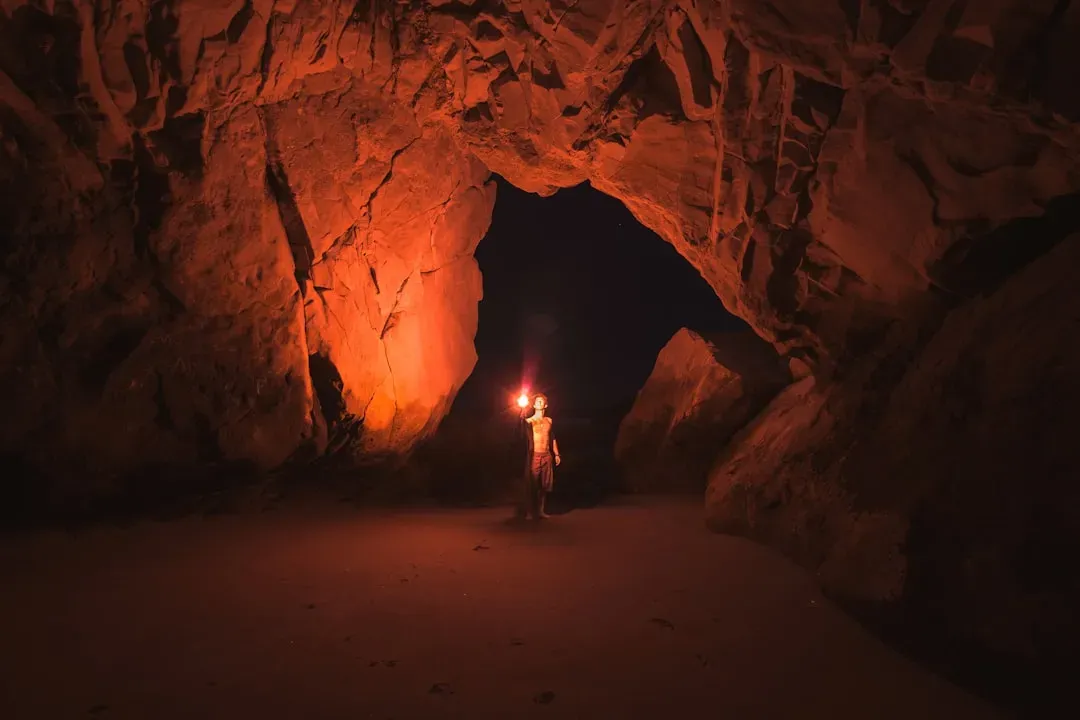
Caves are not neutral places. To reach the painted chambers, people had to leave daylight behind, squeeze through tight passages, and enter dense, echoing darkness. That journey alone turns a viewing into a kind of ritual, and it means that every painting session and every viewing depended on artificial light. These were not murals for casual glances; they were performances in a controlled, sensory‑rich environment. In such depths, firelight is not just illumination. It shapes mood, dictates where attention falls, and constantly transforms how things look. Researchers who recreate cave art conditions with replica torches find that the scenes can feel unexpectedly dynamic, sometimes even unsettling, as animals seem to emerge and retreat from the walls. That suggests the artists weren’t merely tolerating bad lighting; they were harnessing an entire atmosphere, using darkness and flame like a director uses silence and music.
Vision, the Human Brain, and Why We See Breathing Animals
Our brains are wired to detect movement and life, often on very little evidence. Evolution biased us toward seeing an animal in the shadows rather than missing one, and that hyper‑sensitivity means we’re easily fooled by certain patterns, contrasts, and rhythms of light. Cave artists did not have neuroscience, but they absolutely had the experience of watching shadows morph and “come alive” on rock walls during long nights. Flickering firelight, irregular surfaces, and carefully placed lines would have stacked the deck in favor of illusion. When light grazes an uneven painting, some contours brighten while others fade, triggering our motion‑sensitive pathways. The result can feel like breathing, shifting, or turning, even though nothing has moved. In a sense, these Ice Age painters were hacking the visual system, turning the cave into a giant, shaky optical illusion that our brains are still vulnerable to today.
Rituals, Storytelling, and the Emotional Punch of Moving Art
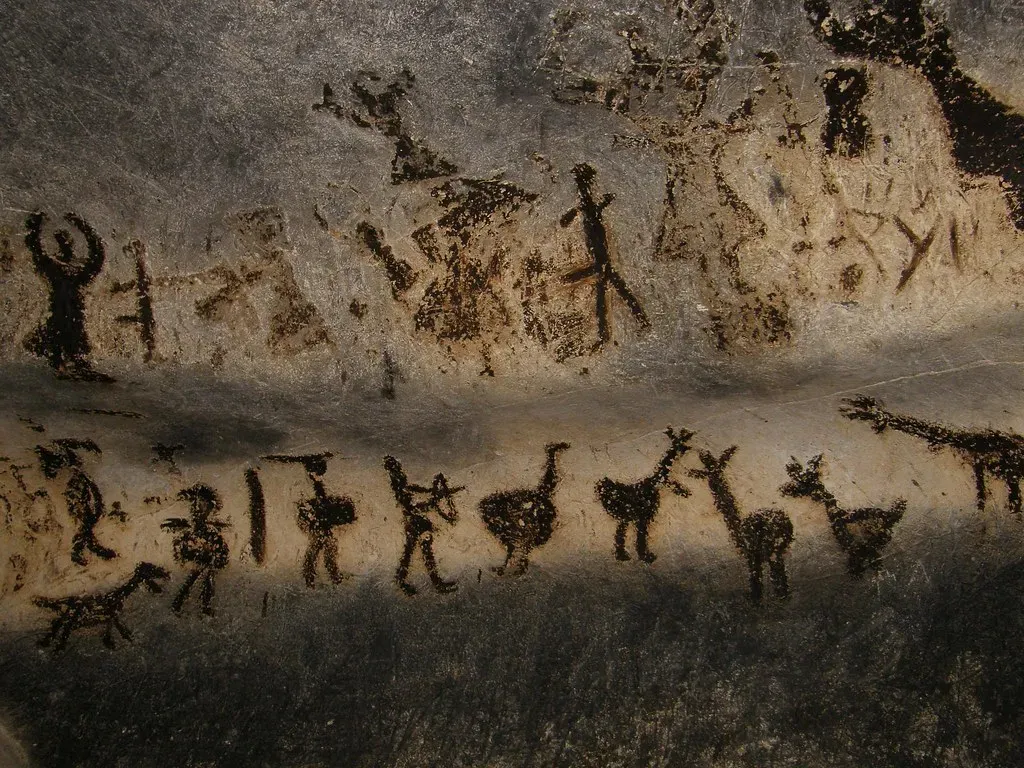
Why go to all this trouble? One strong possibility is that the motion effect amplified whatever emotional or spiritual role the paintings already played. If the animals were part of hunting rituals, myths, or clan stories, making them appear to move could deepen the sense that they were more than pictures – that they were, in some way, present. A static bison is a symbol; a breathing bison feels like a visitor. It’s also easy to imagine the social impact. Picture a group huddled in the dark, flames crackling, a storyteller speaking as the animals seem to stir behind them. That combination of voice, echo, smell, and shimmering light would have been overwhelmingly powerful. In my view, it would almost be surprising if prehistoric artists did not lean into that effect once they discovered it. When humans find a way to move people emotionally, we tend to keep using it.
Are We Over‑Interpreting? The Cautious Side of the Debate
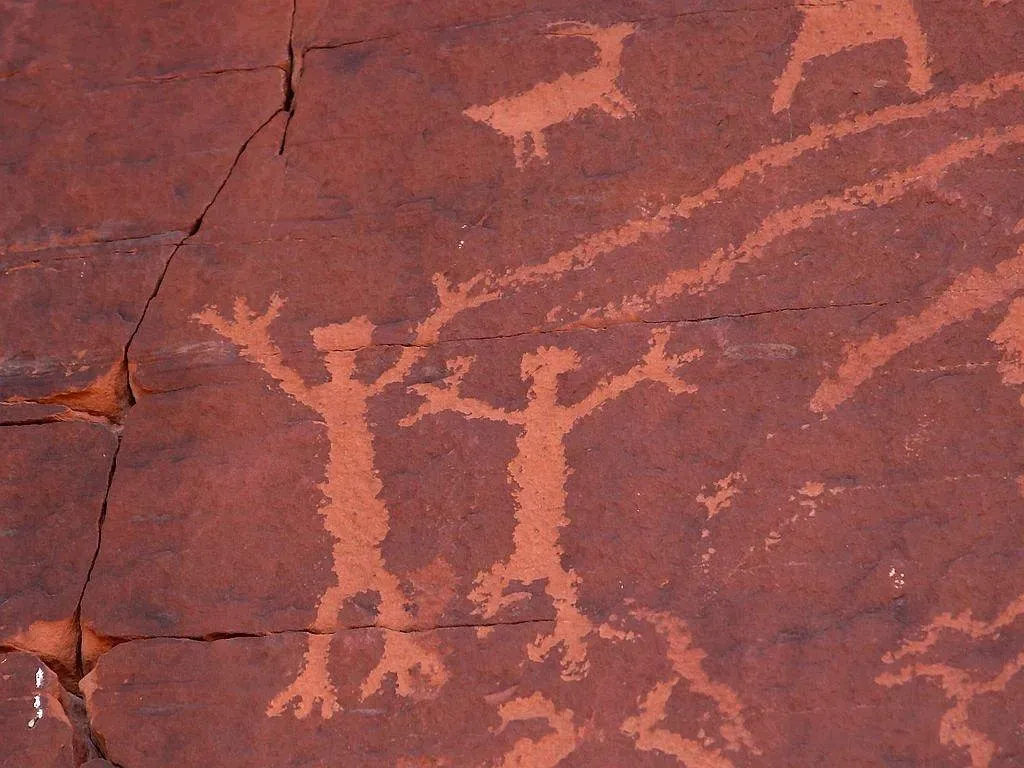
Of course, not everyone is convinced that these motion effects were consciously planned. Archaeology has to live with limited evidence: we do not have written notes, how‑to guides, or interviews explaining what the artists intended. Rock reliefs might have been used simply because they were there. Extra legs or heads might have been corrections or crowding. Firelight illusions could be a spectacular side effect that we are now mistaking for the main goal. This is where it’s important to separate what we know from what we strongly suspect. We know that caves were lit with fire and that fire creates dynamic shadows. We know that many paintings exploit three‑dimensional rock surfaces and sometimes multiply parts of the body. We do not know that the artists talked about “animation” in any sense we would recognize. Personally, I think the balance of evidence leans toward deliberate experimentation with movement, but any honest reading has to admit that some of this is informed imagination, not iron‑clad proof.
From Flickering Firelight to Modern Screens: A Deep Human Thread
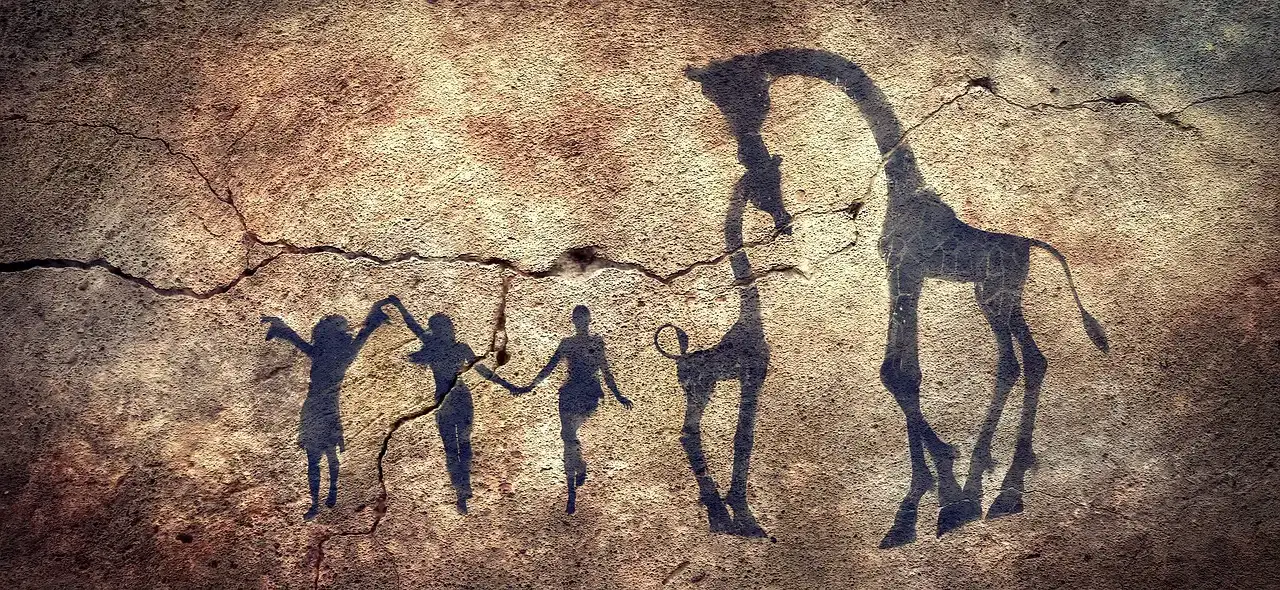
When you put a Paleolithic cave scene next to a modern movie theater, the similarities are almost uncomfortably strong. Dark enclosed space? Check. Controlled light source? Check. Human figures or animals that appear to move in ways that stir emotion? Also check. The technology is different by whole orders of magnitude, but the underlying itch – this desire to make still images feel alive – looks very old. I find that thought strangely reassuring. It means the people who crawled into those caves forty thousand years ago were not aliens to our way of feeling. They played with light and illusion for many of the same reasons we binge shows or lose ourselves in a game: to tell stories, to share fear and wonder, to stretch reality a bit. If the animals on those walls really did seem to breathe in the firelight, then we are not just studying ancient art; we are watching the first glimmers of the visual culture we still live inside.
The Animals That Breathe in Stone: A Personal Take
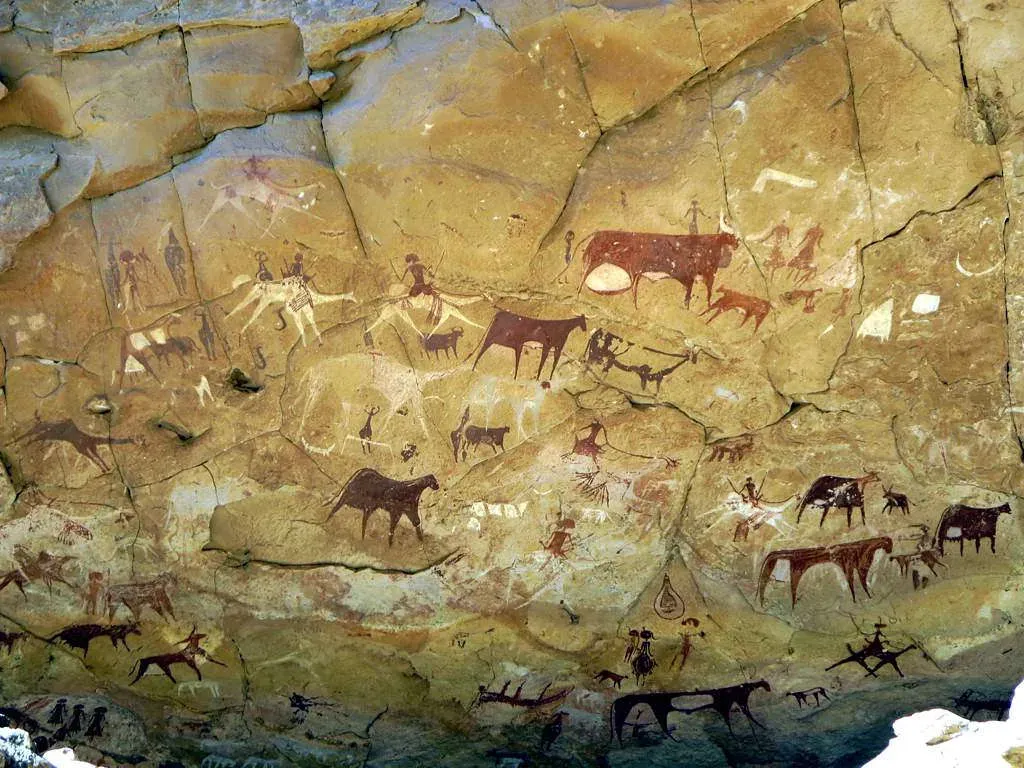
Standing in front of a cave painting under museum lighting can feel oddly flat. The colors are muted, the walls are clean, and the air smells of climate control instead of smoke. Whenever I read about researchers who recreate the firelit conditions and suddenly see the animals “wake up,” I can’t help feeling that we’ve been looking at this art with one of its main ingredients removed. It’s like judging a song by reading the sheet music but never hearing it played. So here’s my admittedly opinionated conclusion: the idea that Ice Age artists painted with flickering firelight in mind is not just romantic, it is plausible and, frankly, hard to ignore once you see how the evidence lines up. Even if some of the motion effects were happy accidents, the repeated use of rock relief, overlapping limbs, and deep, dark chambers tells me these people understood that light could turn pigment into presence. In a world without electricity or screens, they turned caves into living theaters. And maybe the more unsettling question is this: if someone looks at our glowing walls forty thousand years from now, will they recognize the same hunger to make images breathe?