Imagine a Jurassic ocean at night: towering waves, moonlight on the water, and somewhere far from any coastline, a massive reptile giving birth mid‑sea while predators circle below. For a long time, many scientists assumed that the biggest marine reptiles, much like modern sea turtles, had to crawl back to land to lay their eggs. Now, new fossil evidence is forcing a rethink, suggesting that at least some of these giants were fully oceanic mothers, giving birth to live young far from any beach.
That single shift in perspective changes everything. It rewrites how we picture ancient oceans, how we think about the evolution of birth in reptiles, and even how we compare these monsters of the past to today’s whales and sharks. And honestly, it makes those ancient seas feel a lot more alive and a lot more dangerous. Let’s dive into what paleontologists have actually found, what it really means, and why it’s way more mind‑bending than it sounds at first glance.
From Eggs on Land to Babies at Sea: Why This Discovery Matters
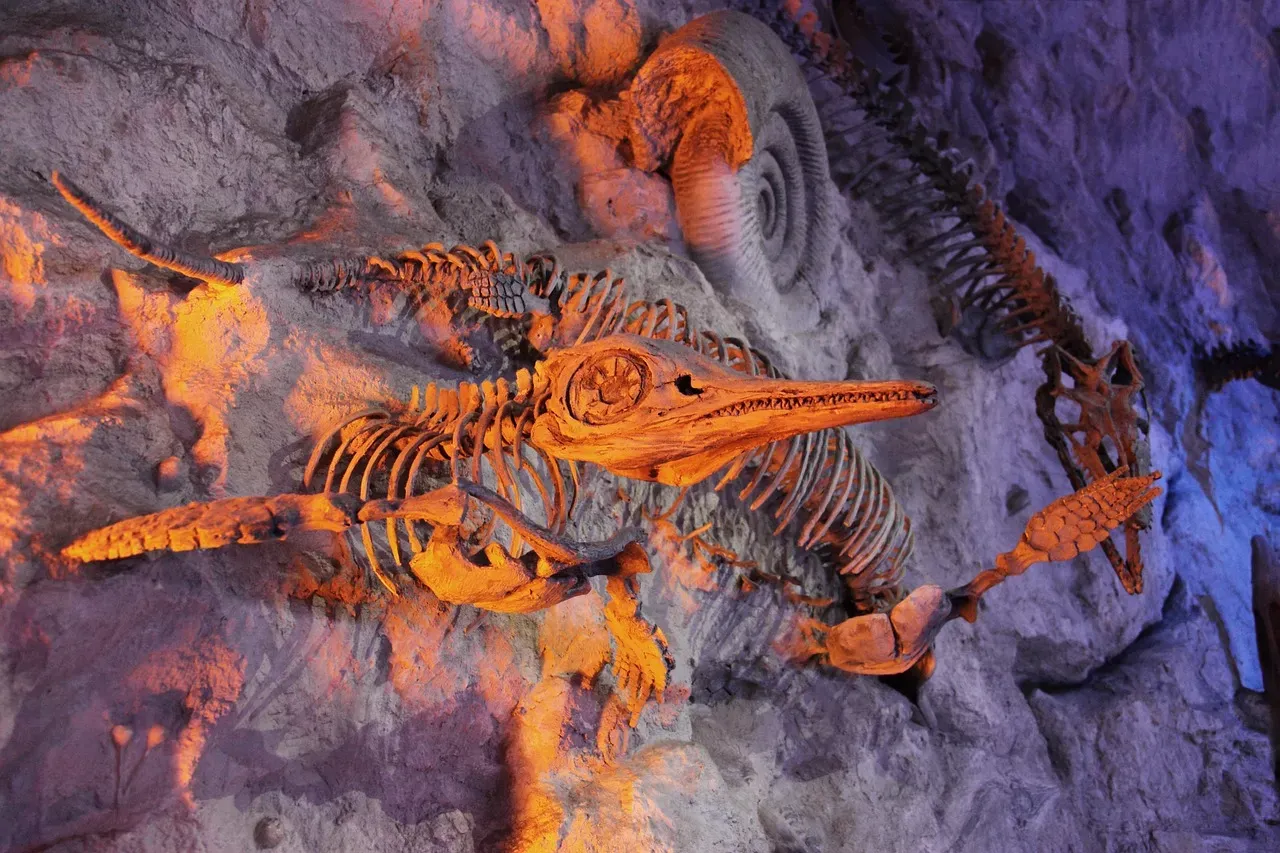
For decades, the default mental image of giant marine reptiles was simple: they swam like fish, but bred like turtles. The idea was that no matter how well adapted to the water they were, reproduction still chained them to land, forcing pregnant females to haul themselves ashore to lay eggs. That picture made intuitive sense because we see it today with sea turtles and some sea snakes, so it felt like the safe, conservative bet.
Evidence that some of these animals actually gave birth in the open ocean shatters that tidy comparison. It tells us these reptiles had crossed a key evolutionary threshold: they were not just reptiles that happened to swim, they were animals whose entire life cycle was oceanic. To me, that shift feels as dramatic as learning that early whales did not just edge along coastlines but gave birth in deep water, turning the open sea into both nursery and battlefield.
Fossil Snapshots of Birth: What the Rocks Really Show
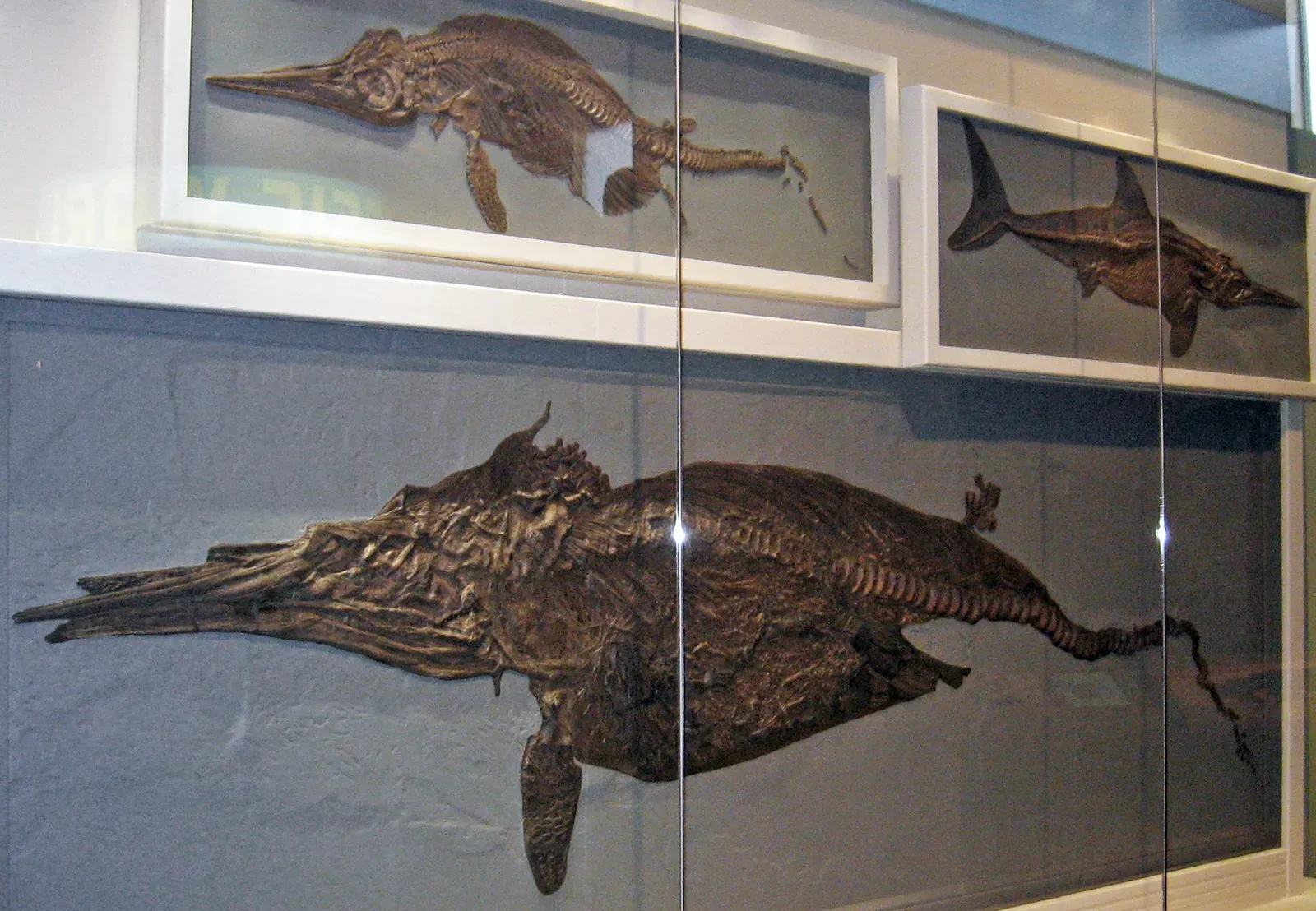
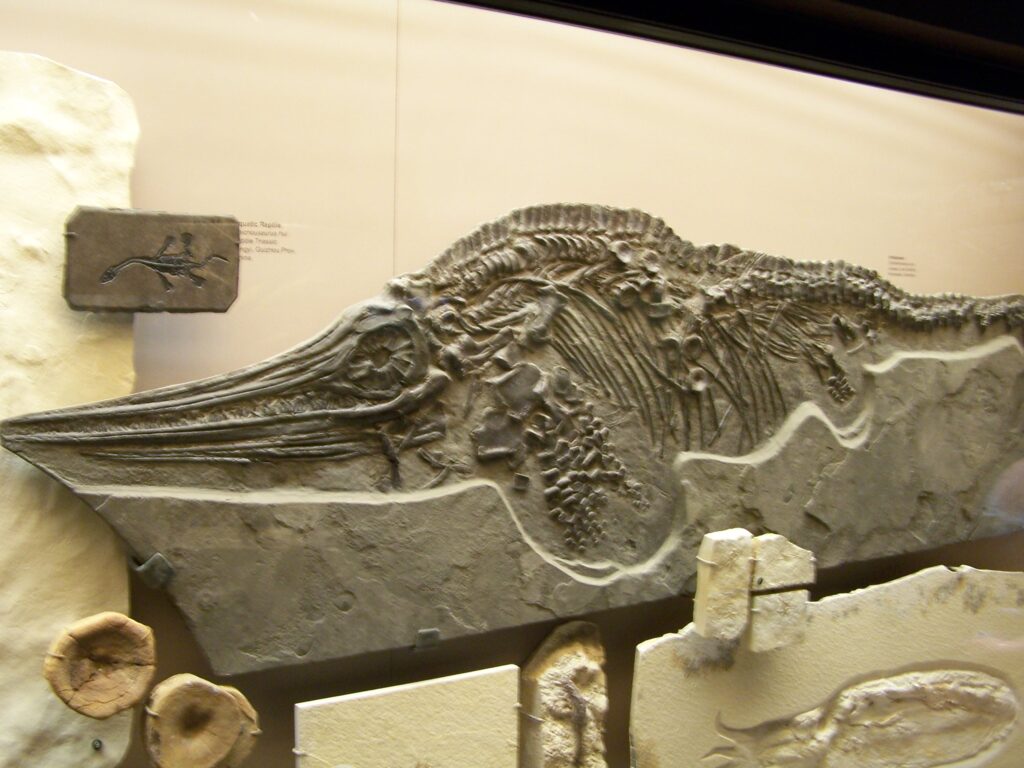
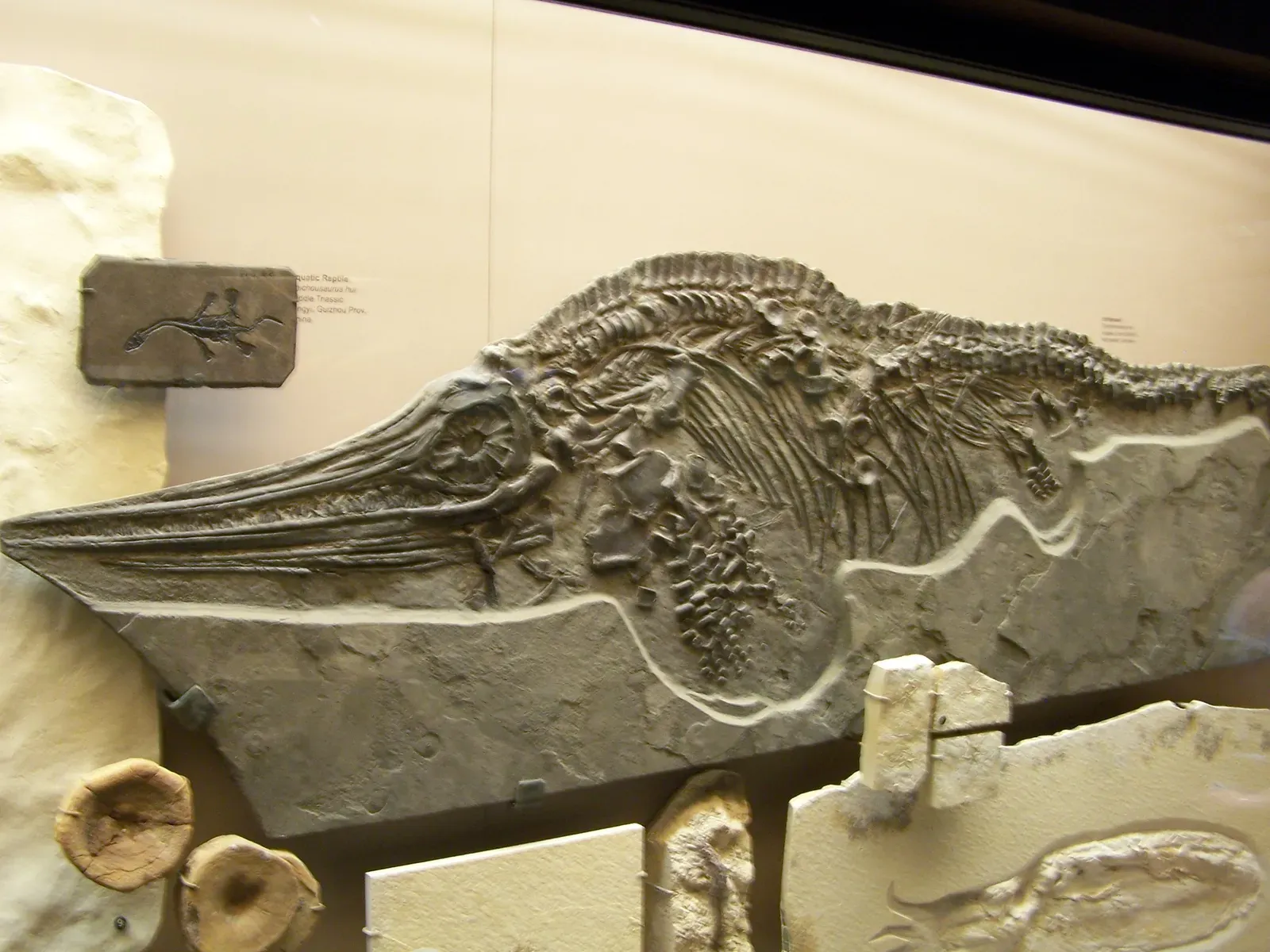
The most compelling evidence comes from fossils that capture something incredibly intimate: mothers and their unborn or newborn young. In several marine reptile groups, paleontologists have uncovered skeletons with small, fetus‑sized individuals preserved within the body cavity of a larger adult, or positioned right at the pelvic region. In a few extraordinary cases, the tiny skeletons even appear partially “exiting” the mother’s body, like a prehistoric freeze‑frame of birth in action.
These scenes are hard to explain away as random accidents. The juveniles are often oriented in consistent directions, and their bones are well articulated rather than scattered, which strongly suggests they were developing inside the mother, not just nearby by chance. When I first saw photos of these fossils, it felt a bit like walking in on a secret from 200 million years ago, the kind of secret sediment usually erases. Instead of just teeth and skull fragments, we get a moment of life caught at the boundary with death.
Deep Water Clues: Why Open-Ocean Birth Makes Sense
So how do we jump from “live birth” to “in the open ocean” rather than on a quiet beach somewhere? One big clue is where these fossils are found. Many of them come from sedimentary rocks that clearly formed in deeper marine environments, far from what would have been ancient shorelines. The layers hold open‑ocean faunas, with pelagic fish and deep‑water invertebrates, not the shallow‑water communities you’d expect near coastal nesting sites.
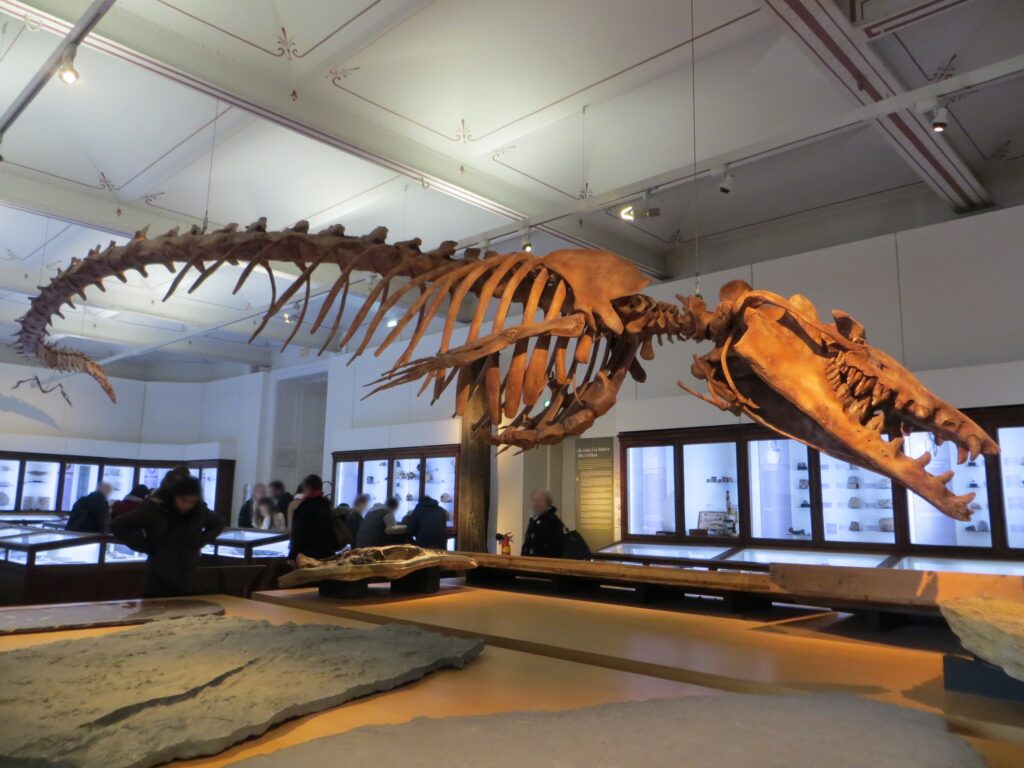
Combine that setting with the size and body design of some of these reptiles, and a land‑based birth starts to look frankly impractical. Some species had immense, paddle‑like limbs and stiff, hydrodynamic bodies perfect for cruising but terrible for dragging over sand or up rocky slopes. It is a bit like imagining a modern blue whale trying to beach itself just to give birth; in theory, you can picture it, but in practice the physics and risk are brutal.
Comparing Ancient Sea Reptiles to Modern Ocean Mothers
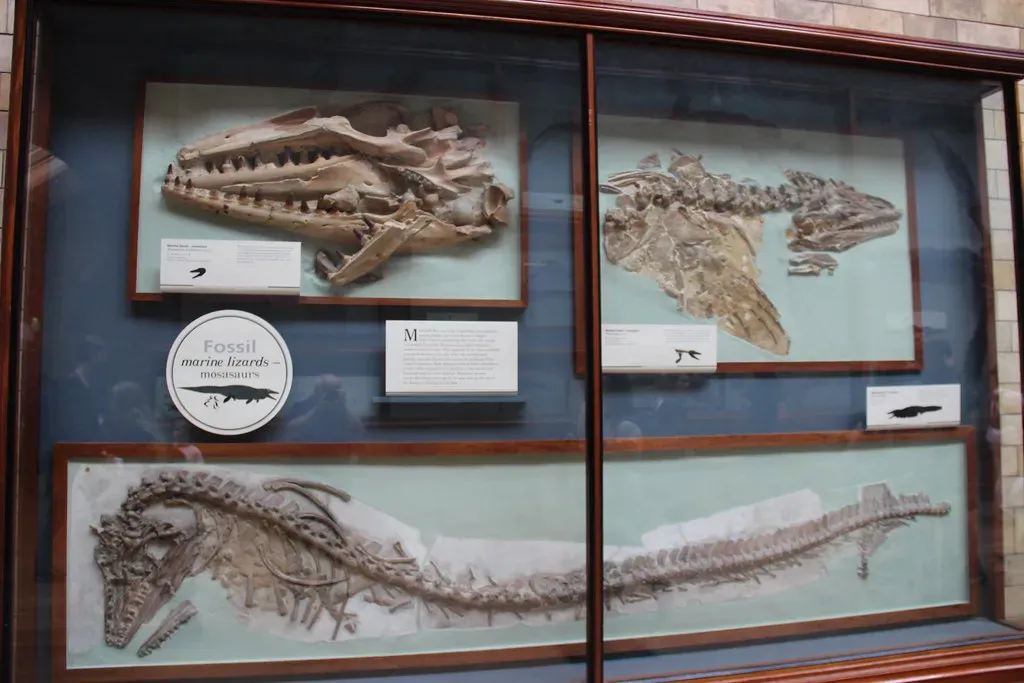
Once you accept that some giant marine reptiles gave birth at sea, the parallels with modern marine mammals become hard to ignore. Whales, dolphins, and manatees all give birth to live young in the water, with calves immediately needing to swim, breathe, and follow their mothers. The fossil record hints that some marine reptiles may have had similar strategies, with babies born at a relatively advanced stage rather than as helpless, egg‑bound embryos.
At the same time, they were still reptiles, not mammals, and that matters. Their physiology, their style of swimming, even how they regulated body temperature would have been different. I like to think of them not as “reptile versions of whales” but as a totally separate experiment in turning the ocean into a complete cradle‑to‑grave environment. Evolution ran a different playbook, but it arrived at a very similar solution: keep the whole family in the water all the time.
Evolutionary High Stakes: Why Live Birth in the Ocean Is a Big Deal
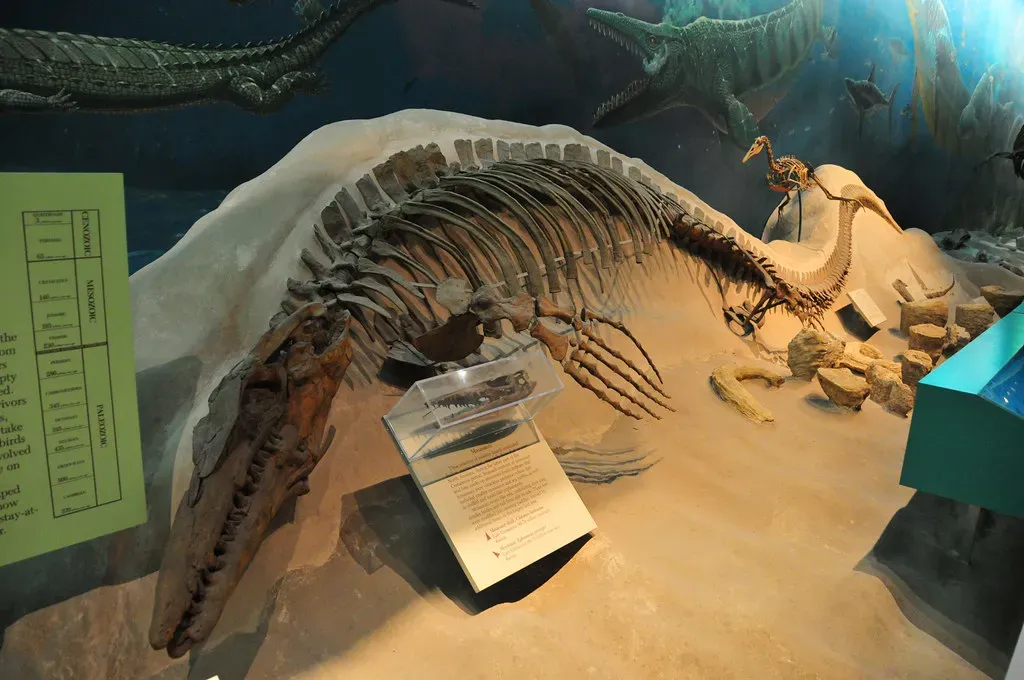
Shifting from egg‑laying on land to live birth in the ocean is not a small tweak; it is a fundamental biological overhaul. Embryos that once relied on a protective shell and a nest now had to develop inside the mother’s body, with all the hormonal, anatomical, and energetic changes that implies. This kind of transition has only happened rarely in the history of life, which makes each confirmed case a sort of evolutionary jackpot for scientists trying to understand how and why it happens.
There are trade‑offs, too. Live birth can mean fewer offspring at a time and a higher cost to the mother, but also better survival chances for each baby, especially in a dangerous environment like the open sea. In that sense, these marine reptiles were betting on quality over quantity, more like modern whales than like mass‑spawning fish. That choice says something about how intense the ancient oceans were: a place where a slightly better‑prepared baby might be the difference between a new lineage thriving or vanishing within a few generations.
Reimagining Ancient Oceans: Nurseries, Risks, and My Own Take
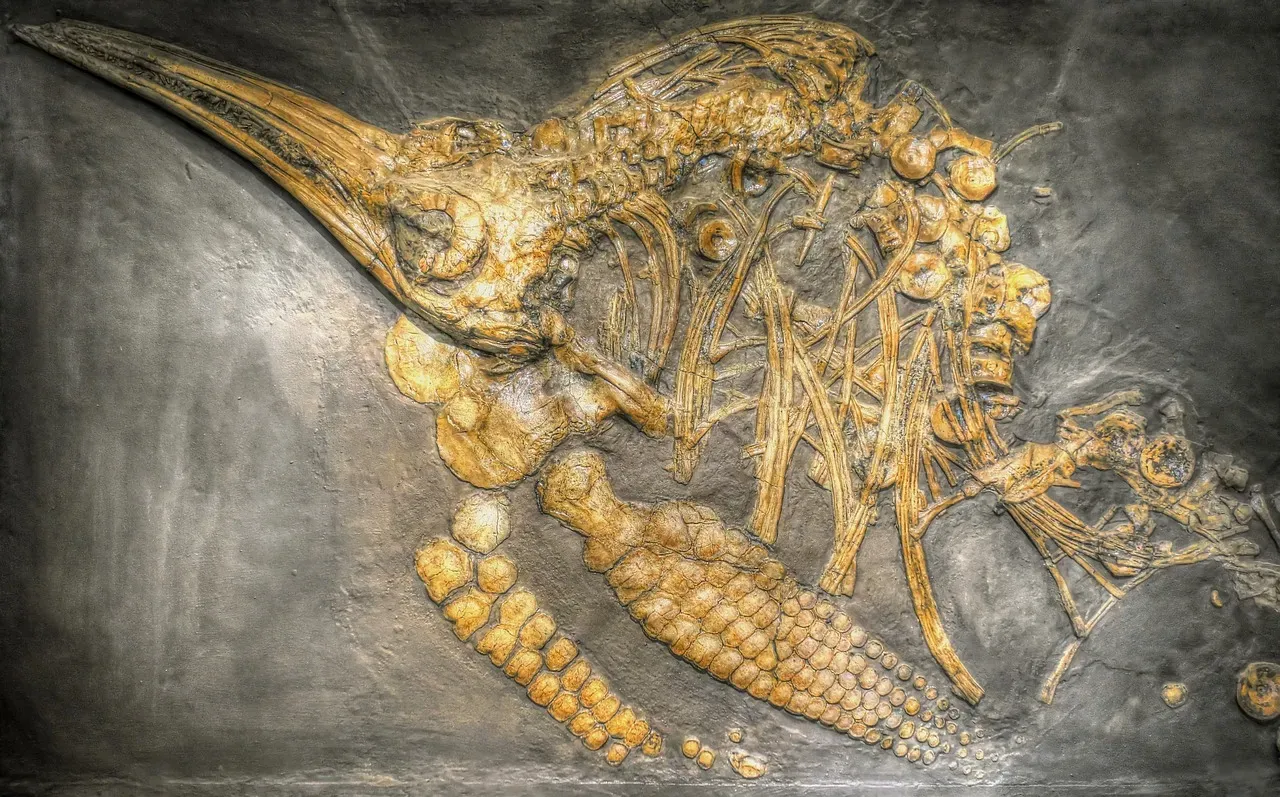
Once you start seeing the open ocean as a reptile maternity ward, the landscape of the past shifts in your mind. Those broad continental seas and deep basins were not just hunting grounds; they were also nurseries, filled with small, vulnerable newborns trying to stay near their mothers while predators lurked in every direction. I find that image far more dynamic than the older picture of them quietly sneaking back to shore like oversized turtles on a secret mission.
My own opinion is that this evidence makes giant marine reptiles feel less like strange outsiders and more like fully integrated ocean citizens, on par with modern whales in ecological importance and sophistication. It also makes their eventual extinction even more striking: an entire way of life, including this bold strategy of open‑ocean birth, wiped out and replaced by a different cast of marine giants. When you picture that last pregnant reptile crossing a vast ancient sea, do you see a monster, or a parent making the same impossible bet every mother in a harsh world has to make?
Conclusion: A Wilder, More Intimate View of Life in Ancient Seas
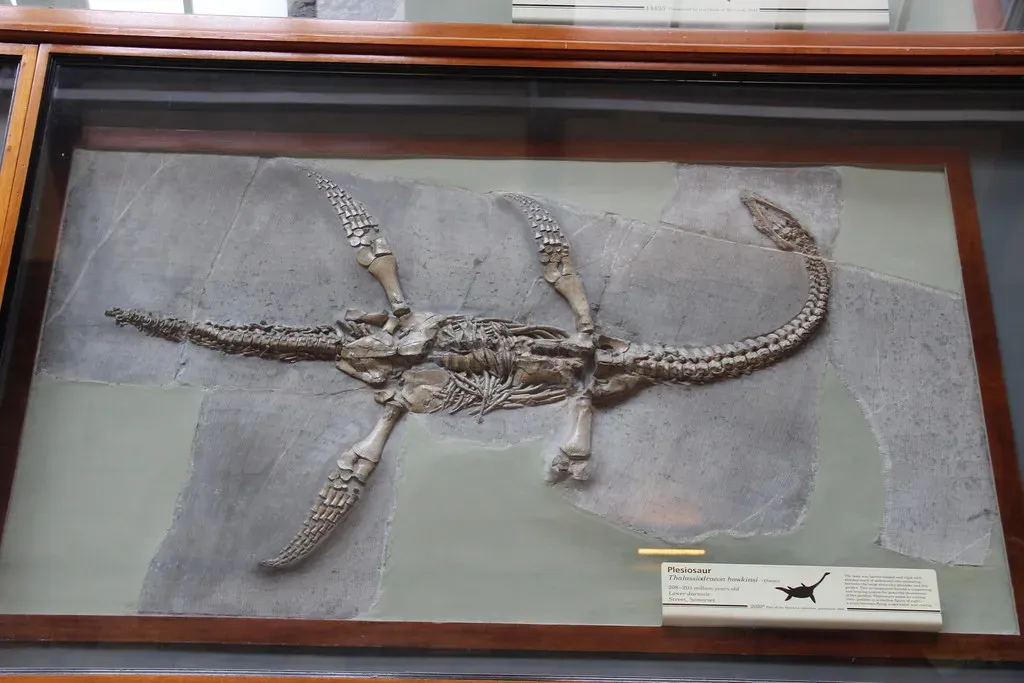
To me, the idea that some giant marine reptiles gave birth in the open ocean rather than clinging to land is more than a technical update in a textbook. It is a subtle but powerful shift in how we emotionally connect to these animals: not just as toothy skulls and Latin names, but as creatures that carried their young, labored in dangerous waters, and turned the very heart of the sea into a delivery room. It suggests a world where the boundaries between land and ocean, reptile and mammal‑like life strategies, were far blurrier and more experimental than we often give evolution credit for.
If anything, the fossil evidence so far feels like a teaser trailer, hinting at behaviors we can only partially reconstruct and leaving plenty of room for debate. I lean toward a bold interpretation: that fully oceanic, live‑bearing reproduction was not a quirky exception but a major, successful strategy in several marine reptile groups. That stance might soften as new fossils turn up, but for now it paints a thrilling, slightly unsettling picture of ancient seas that were not just full of predators, but full of families. When you look out at the ocean today, can you imagine just how many lost ways of being alive are still hiding in the stone beneath our feet?