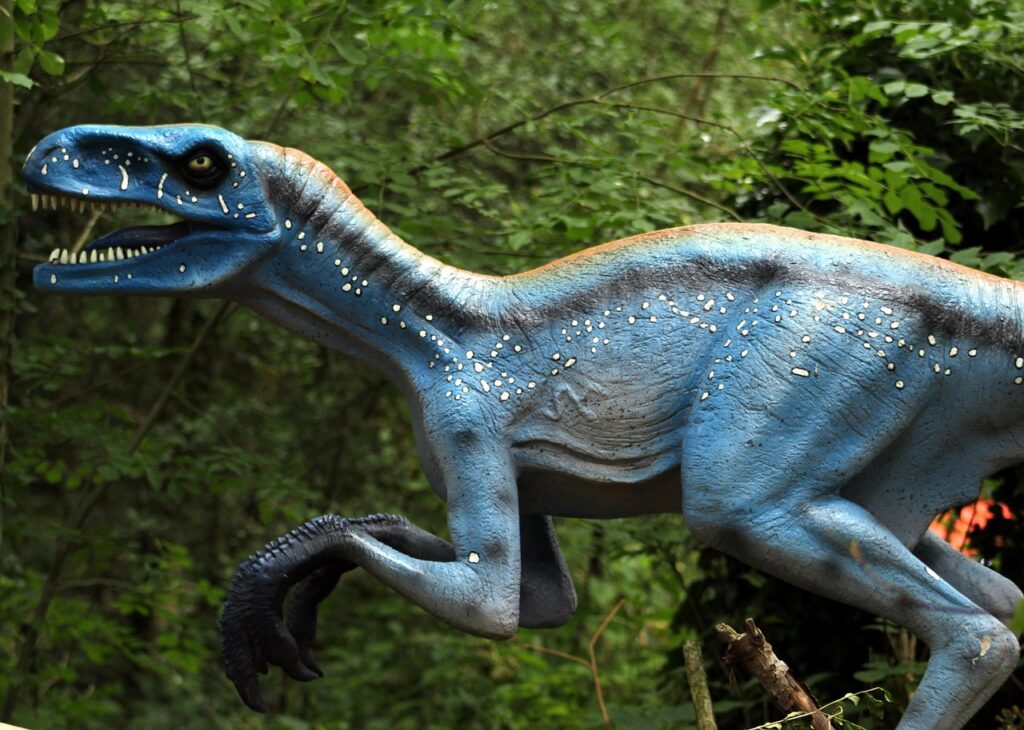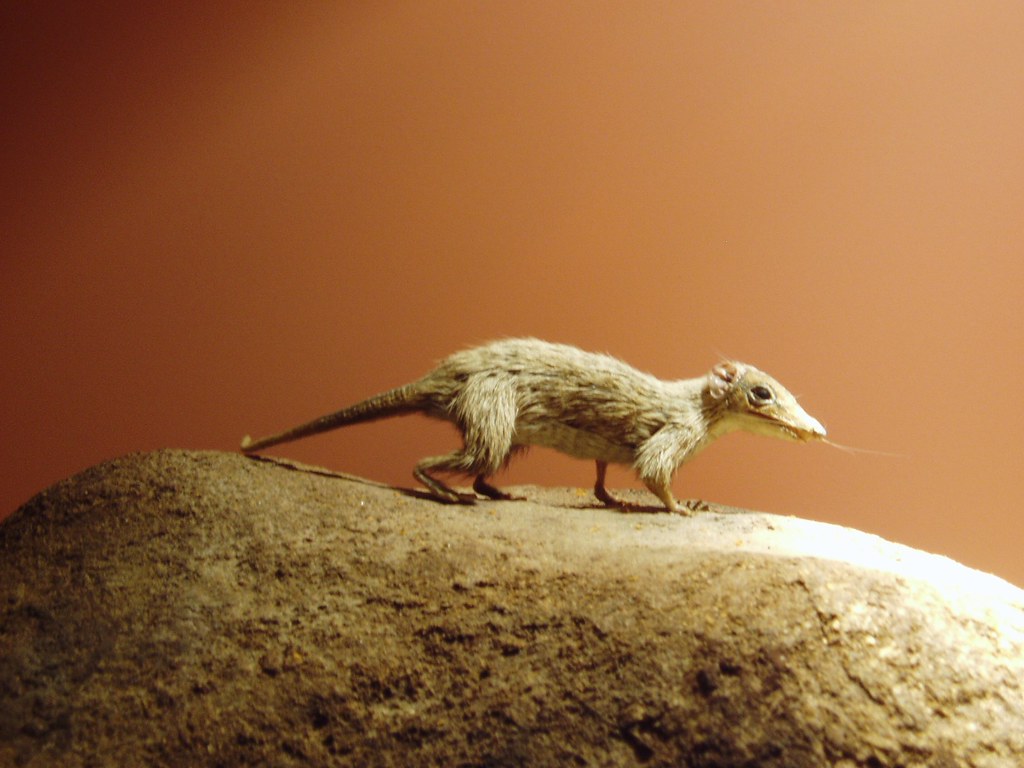
Picture this: the sky is on fire, the ground is shaking, and nearly everything bigger than a car is dying around you. The famous dinosaurs are going down in flames, but somewhere in the undergrowth, a shrew‑like, mouse‑sized mammal is quietly doing the one thing that really matters in a mass extinction: staying alive. That fragile little survivor, not the T. rex or the raptor, is the one that will eventually give rise to lions, whales, bats, primates, and finally us. When you think about your prehistoric spirit animal, it probably roars and has teeth the size of knives. In reality, it squeaked, hid, and ate bugs in the dark.
There is something weirdly comforting about knowing that our deepest evolutionary roots are not in the ruling monsters of the Mesozoic, but in the scrappy underdogs that outlasted them. We owe the existence of most modern mammals, birds of prey, ocean giants, and even your favorite cuddly pets to those early, unglamorous creatures that clung to life during Earth’s worst days. If anything in deep time reflects how real people get through crises today – not by being the biggest, but by being the most adaptable – it is that ancient mammal lineage. Let’s dig into what that actually looked like, and why your true prehistoric spirit animal is less cinematic than a dinosaur, but far more relatable.
The Night the Dinosaurs Died – And The Mammals Did Not
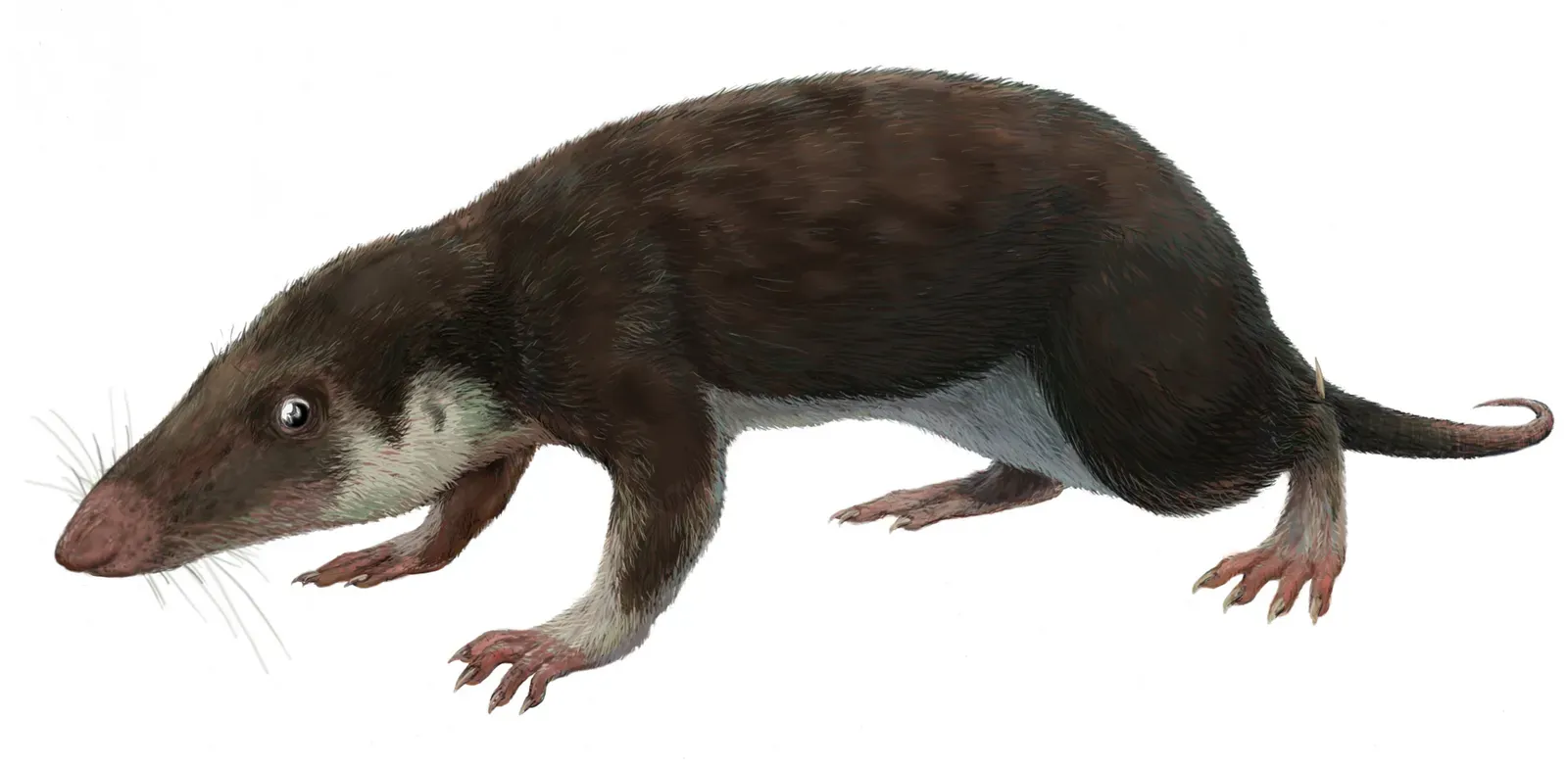
About sixty‑six million years ago, an asteroid slammed into what is now the Yucatán Peninsula in Mexico, triggering earthquakes, tsunamis, wildfires, and a climate shock that wrapped the planet in darkness. This is the famous end‑Cretaceous extinction, the event that wiped out all non‑bird dinosaurs along with a huge share of other life. For a while, the world turned into a disaster movie: plants died back, food webs collapsed, and anything large and specialized was living on borrowed time. The animals that had dominated for tens of millions of years suddenly became evolutionary dead ends.
In that chaos, small mammals – many of them roughly the size of rats or smaller – did something deceptively powerful: they coped. They had been living in the shadows of dinosaurs for ages, mostly at night, feeding on insects, seeds, and whatever else they could find. When the skies darkened and the climate plunged into a temporary “impact winter,” those generalist habits became superpowers. While giant plant‑eating dinosaurs struggled to find food, mammals that could eat a variety of things and hunker down in burrows or crevices had a fighting chance. Survival was less about strength and more about flexibility.
Your Spirit Animal Looked More Like a Shrew Than a Saber‑Toothed Tiger
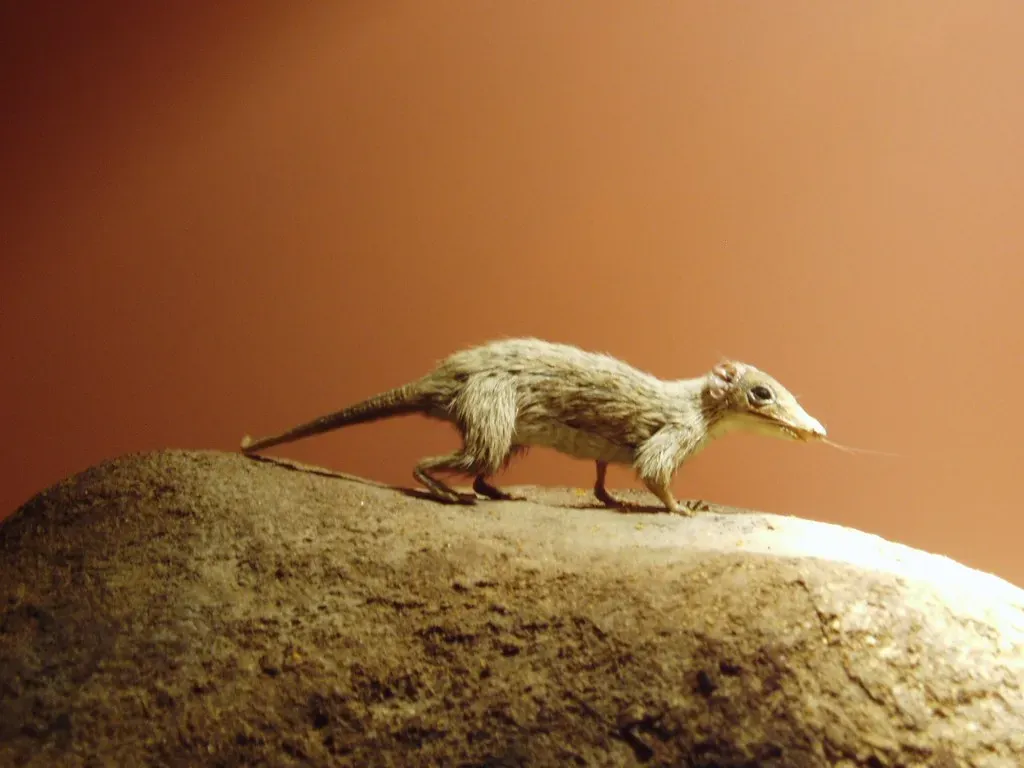
If you are imagining your ancient mammal spirit animal as a snarling saber‑toothed cat or a woolly mammoth, you are off by tens of millions of years. The real heroes immediately after the extinction were animals that looked more like shrews, small opossums, or rat‑like creatures with sharp little teeth for crunching insects and seeds. Many of them weighed less than a modern housecat. Some were early placental mammals, part of the broader group that would one day include humans, dogs, whales, and bats. Others were marsupial relatives or more primitive mammal forms, but they shared one key trait: small, nimble, and adaptable bodies.
Paleontologists do not agree on a single “first ancestor of everything,” and the fossil record is patchy, especially for tiny animals. What we do know is that right around the extinction boundary and in the few million years afterward, mammal fossils show a quiet explosion in diversity. Jawbones, teeth, and partial skeletons tell the story of small omnivores and insect‑eaters rapidly splitting into different shapes and lifestyles. So your true spirit animal from that time is not a specific named species you could put on a T‑shirt, but a type: a quick, adaptable, mostly nocturnal mammal that survived by being clever rather than imposing.
Why Being Small, Nervous, and Flexible Beat Being Huge and Terrifying
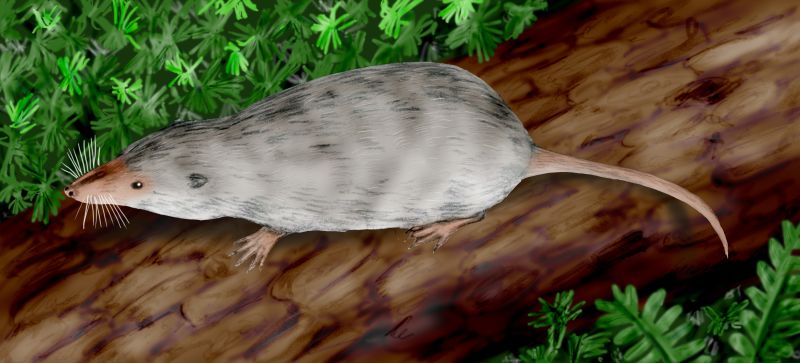
We tend to idolize big predators – the lions, tigers, and T. rexes of the world – as if being on top of the food chain is the ultimate evolutionary victory. But mass extinctions flip that logic on its head. When the environment is stable, specialization is rewarded: huge plant‑eaters and top predators can thrive. When everything collapses, those same specializations become handcuffs. The early mammals that made it through the asteroid impact were masters of “good enough” living: they could eat different foods, tolerate changing conditions, and hide from danger rather than confronting it.
Think of it like a financial crash. The giant dinosaurs are the over‑leveraged billion‑dollar companies that crumble overnight when the market tanks. The little mammals are the folks with modest savings, multiple side gig skills, and a willingness to pivot fast. Being “small and nervous” in evolutionary terms means you respond quickly, reproduce faster, and evolve new traits sooner. That is exactly what happened after the extinction: mammals with short generation times and flexible diets were able to adapt rapidly to the strange new world, while the giants of the previous era had already disappeared.
In the dark, dust‑filled years right after the impact, many ecosystems were stripped down to basics: decomposers, hardy plants, insects, and the animals that could eat them. Dinosaurs, especially the large ones, were locked into a world that no longer existed, while mammals had been living on the edges all along. They were pre‑adapted to the night, to scavenging, to making use of small patches of food and shelter. So in a harsh twist, the traits that made dinosaurs impressive in the good times made them fragile in the bad, and the traits that kept mammals overlooked made them unbreakable.
From Tiny Survivor to Ancestor of Lions, Whales, Bats, and You
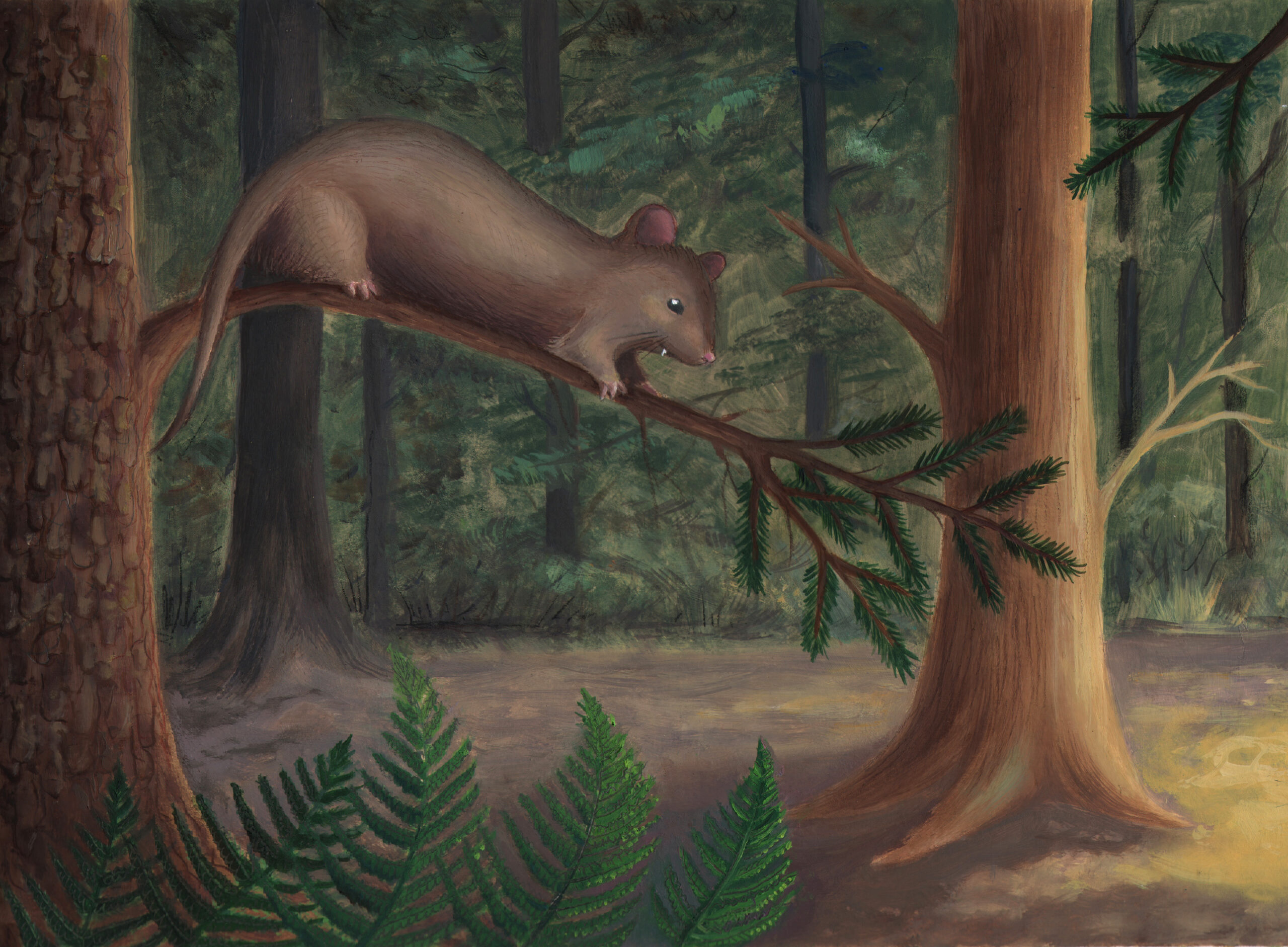
The real magic of that surviving mammal lineage is not just that it lived, but what it turned into. Within a few million years after the extinction, mammals started getting bigger, stranger, and more specialized. Some evolved into hoofed plant‑eaters that would eventually give rise to horses and antelope. Others took to the trees, leading down the line to monkeys, apes, and humans. Still others became semi‑aquatic, and over a long stretch of time, those lineages turned into whales and dolphins – air‑breathing mammals that rule the oceans today.
If you zoom out, nearly everything that people tend to find lovable, majestic, or awe‑inspiring in modern wildlife traces back to those scrappy Cretaceous and early Paleogene mammal survivors. The playful intelligence of dolphins, the stealth of big cats, the complex social lives of elephants, even your dog’s tendency to curl up and nap in a cozy spot – all of that rides on the simple fact that a population of small mammals did not die when the asteroid hit. In a very literal sense, when you look at your favorite wild animal, you are looking at one particular way that ancient survival strategy unfolded over tens of millions of years.
The Hidden Superpowers of Early Mammals: Warm Blood, Fur, and Brains
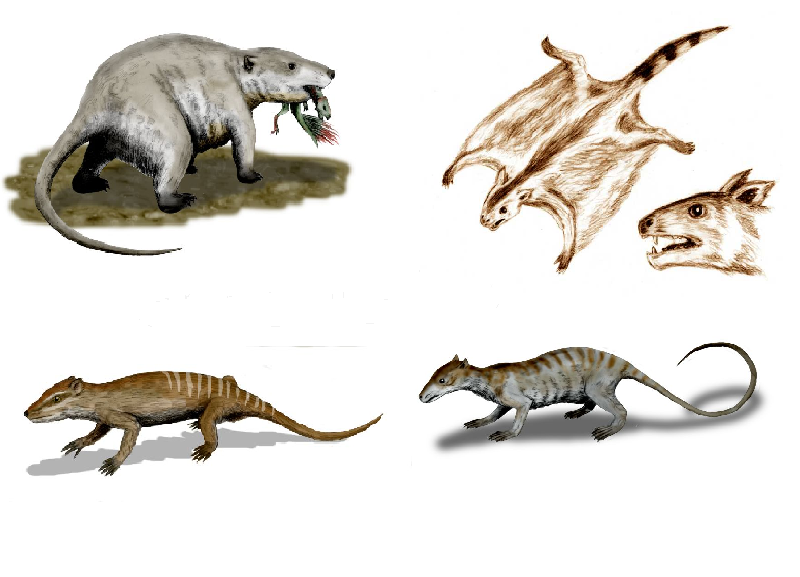
So what exactly did those early mammals have going for them, beyond being small and lucky? For starters, they were warm‑blooded and covered in fur, allowing them to stay active at night and in cooler conditions. That makes a huge difference when sunlight is blocked by dust and smoke, and temperatures drop. They also likely had relatively high metabolisms, which is costly but lets an animal react fast, move quickly, and stay alert. In a disaster‑scarred world where food was unpredictable, the ability to be active during different times of day and in varying temperatures was a serious edge.
Another quiet advantage was their brains and senses. Even early mammals seem to have had well‑developed hearing and smell, and many were adapted to nocturnal life long before the asteroid impact. That means when the planet dimmed, they were already built for the dark. Their lifestyle – hiding, listening, sniffing out insects and seeds – suddenly matched the new reality. I sometimes think of those early mammals as nature’s version of the friend who always keeps a flashlight, snacks, and a first‑aid kit in their backpack. Before the crisis, it just looks quirky. After the crisis, it looks like genius.
Why Your Spirit Animal Is an Underdog, Not a Monster
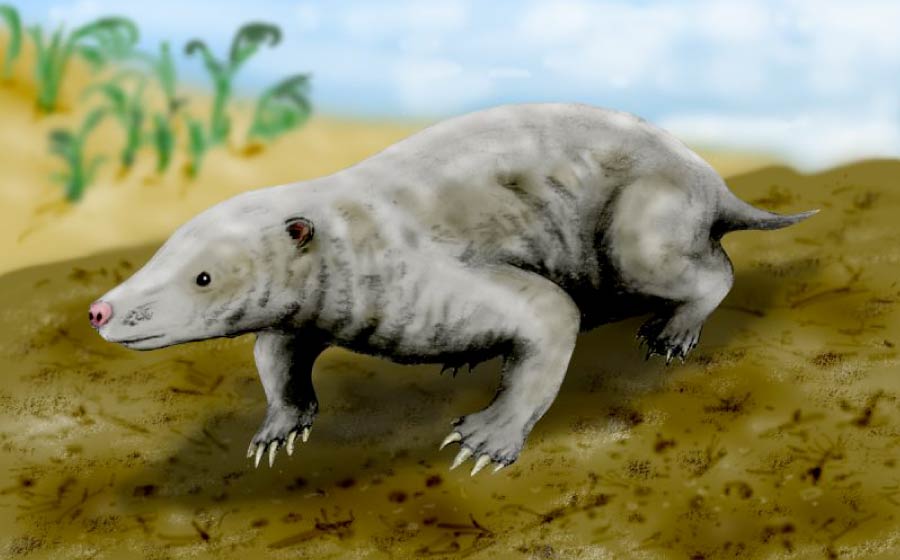
There is something very human about identifying with the winner who was never supposed to win. Dinosaurs are cinematic; they were big, loud, and ruled their world for ages. But spiritually – if we are talking about what actually resonates with the story of humans and modern life – the underdog ancient mammal fits better. It did not dominate; it endured. It did not conquer by force; it outlasted by flexibility. That is the kind of victory most of us actually know: the long, quiet kind, where you keep going when everything tells you to quit.
When I look at photos or reconstructions of those early mammals, there is no obvious “main character energy” to them. They look like something your cat would drag into the house. And yet, they are the ancestors of nearly every warm‑blooded creature people adore today. To me, that is a powerful reminder that your impact on the future is not always visible in the moment. You might feel like the small, overlooked creature hiding under the metaphorical ferns while the dinosaurs stomp around, but history might secretly be on your side.
What Ancient Mammals Can Teach You About Surviving Your Own Extinctions
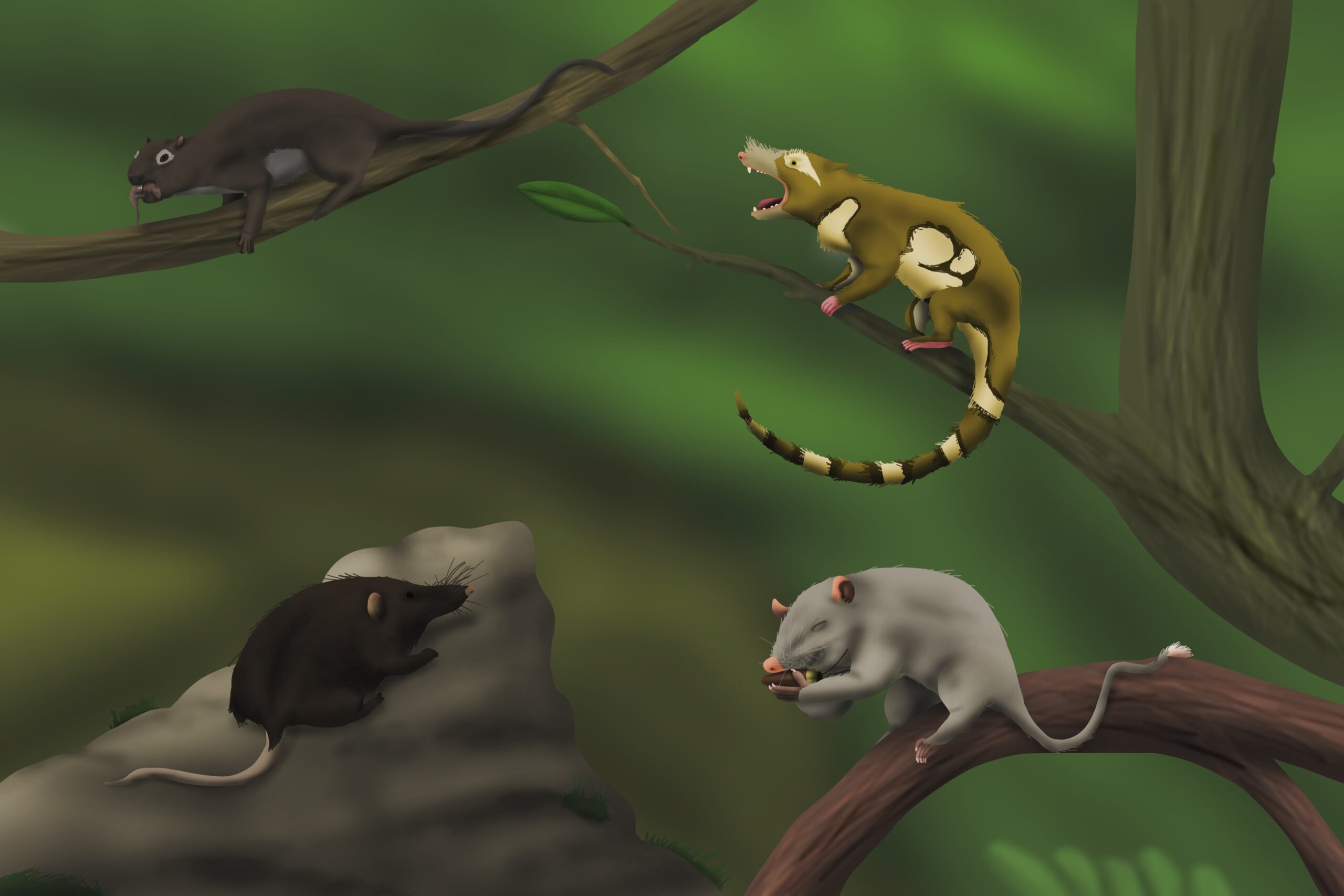
Obviously, you are not dodging fireballs from the sky, but you do live through your own versions of extinction events: job losses, breakups, social upheaval, climate anxiety, unexpected crises. The lesson from those ancient mammals is not to become the biggest or the scariest. It is to become the most adaptable. They did not have one perfect niche; they had a toolkit of traits – varied diets, flexible habits, fast reproduction, good senses – that let them shift gears when the world changed. In everyday human terms, that looks like learning new skills, building supportive relationships, and staying curious instead of rigid.
There is also a quieter emotional lesson: progress after disaster is slow, messy, and usually unglamorous. After the asteroid, the world did not suddenly fill with glamorous megafauna. For a long time, it was just small survivors inching their way into new opportunities. Your life is the same. You might not see the big payoff after a crisis right away, but tiny, persistent actions – the mammal version of nibbling insects in the dark – can eventually become the foundation for something wildly bigger than you can imagine right now.
Conclusion: Stop Chasing Dinosaurs – Embrace the Scrappy Mammal Inside You
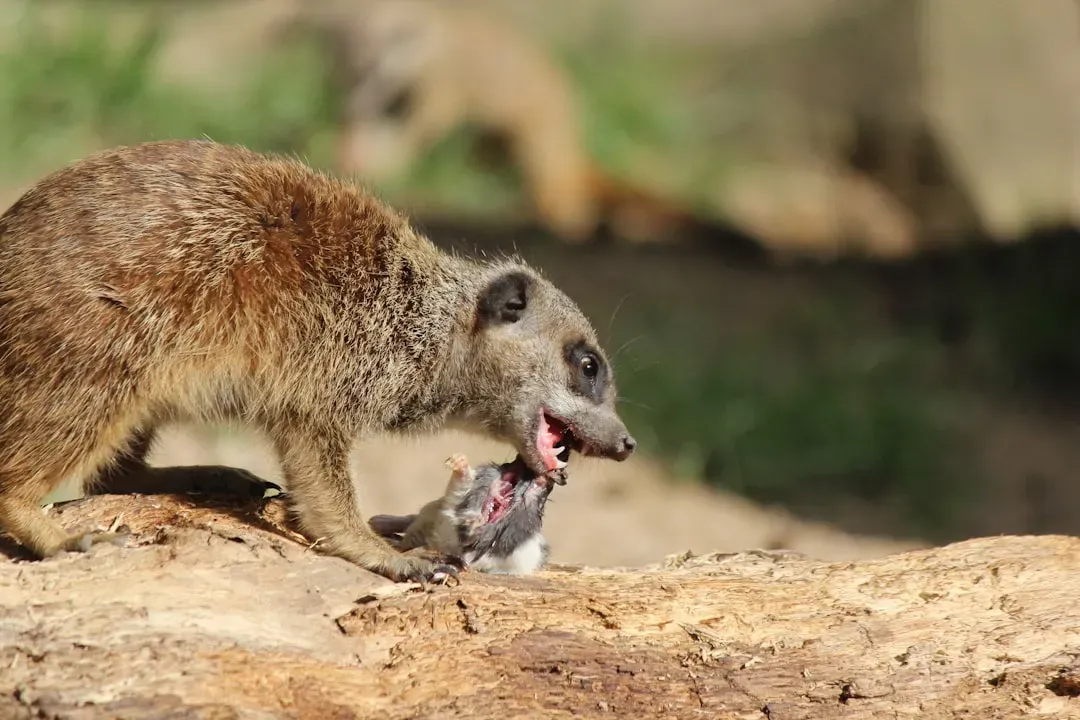
If you strip away the movie posters and childhood obsessions, the dinosaur is not actually the best symbol for who you are or where you came from. Your true prehistoric spirit animal is that ordinary‑looking ancient mammal that saw the world end and quietly refused to go with it. Everything you love about modern wildlife – the grace of a deer, the intelligence of a dolphin, the loyalty of a dog, even your own ability to overthink everything at 2 a.m. – rides on that creature’s stubborn survival. That is not a flashy story, but it is an incredibly powerful one.
I think we romanticize the wrong heroes. Being unstoppable is not about roaring the loudest; it is about being the one who is still there when the roaring stops. The next time you feel overshadowed by someone else’s dinosaur‑level success, remember that history belongs to the small, furry worriers in the undergrowth who keep adapting, experimenting, and surviving. In a world that is constantly throwing new asteroids at us – economic, social, environmental – your best move is to channel that ancient mammal: stay curious, stay flexible, and keep going. When you imagine your spirit animal now, are you still picturing a dinosaur, or can you see that tiny survivor shaping the future in the dark?