Imagine opening your horoscope and, instead of the usual poetic advice about love and career, you get matched with a thundering, clawed, prehistoric giant that basically acts the way you do on a bad day. It sounds ridiculous at first, but once you start digging into what paleontologists think these dinosaurs were like in real life, the parallels with zodiac signs can feel almost uncomfortably spot on. Suddenly, that friend who barges into every conversation like they own the room? Very Tyrannosaurus. The quiet observer who notices everything but says nothing? Suspiciously Velociraptor.
Of course, science is not secretly doing astrology, and astrologers are not secretly doing paleontology. But scientists do infer dinosaur behavior from bones, bite marks, trackways, nesting sites, and even fossilized stomach contents. When you pair those evidence-based behavior profiles with the archetypal traits of each zodiac sign, you start to see patterns that are honestly fun, slightly spooky, and weirdly insightful. Let’s walk through the zodiac and meet the dinosaur that embodies each sign’s vibe, quirks, and survival strategy.
Aries – Tyrannosaurus rex, the Fearless Frontliner
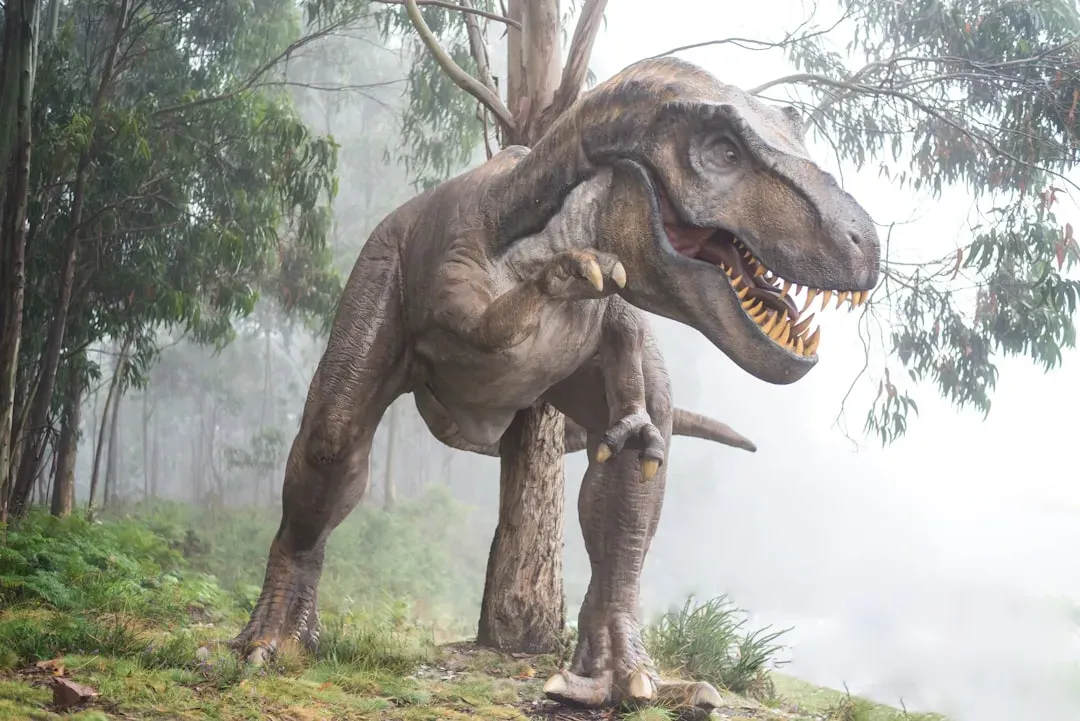
Aries is the sign that sprints headfirst into life, and there is no dinosaur that screams raw, unapologetic dominance like Tyrannosaurus rex. This massive predator had a colossal skull, bone-crushing bite, and forward-facing eyes that suggest a hunter capable of charging into dangerous situations and winning more often than not. Its entire body plan, from powerful legs to heavy tail, reads like evolution’s love letter to confrontation and risk-taking.
Like classic Aries energy, T. rex seems built for bold moves rather than subtle strategies. It probably did not tiptoe through the Late Cretaceous hoping not to be noticed; it was the thing everybody else tried to avoid. Scientists also suspect these animals may have engaged in intense intraspecies conflict, possibly over territory or mates, leaving scars and bite marks on each other’s bones. That fiery, competitive, take-no-prisoners style is textbook Aries – unstoppable when focused, terrifying when provoked, and weirdly inspiring to watch from a safe distance.
Taurus – Triceratops, the Stubborn Defender
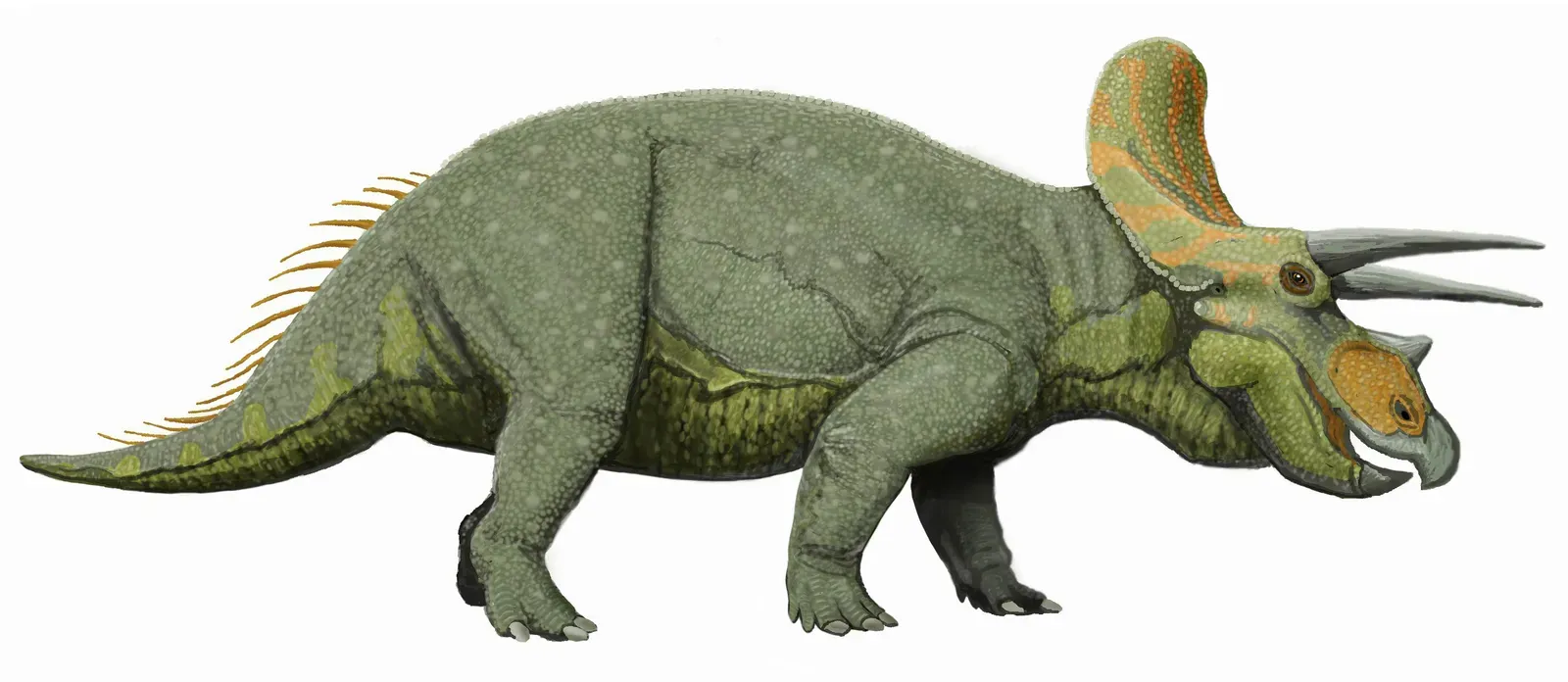
Taurus is steady, grounded, and famously stubborn, and Triceratops is basically that vibe in dinosaur form. With a massive skull adorned by three impressive horns and a broad bony frill, this herbivore was built less like a sprinter and more like a tank anchored to the earth. Fossil evidence suggests Triceratops used those horns for defense and possibly for sparring with rivals, echoing Taurus’s tendency to stand their ground instead of backing down.
Triceratops likely spent much of its life focused on one thing: eating plants and staying alive in a predator-filled world. This practical, no-drama lifestyle mirrors Taurus’s love for simple pleasures and security. At the same time, injuries on skulls indicate that when forced into conflict, these animals could be fierce and unyielding. Think of Taurus’s reputation: calm until pushed, then suddenly immovable, like a living fortress that will not budge no matter who roars at the gate.
Gemini – Troodon, the Curious Quick Thinker
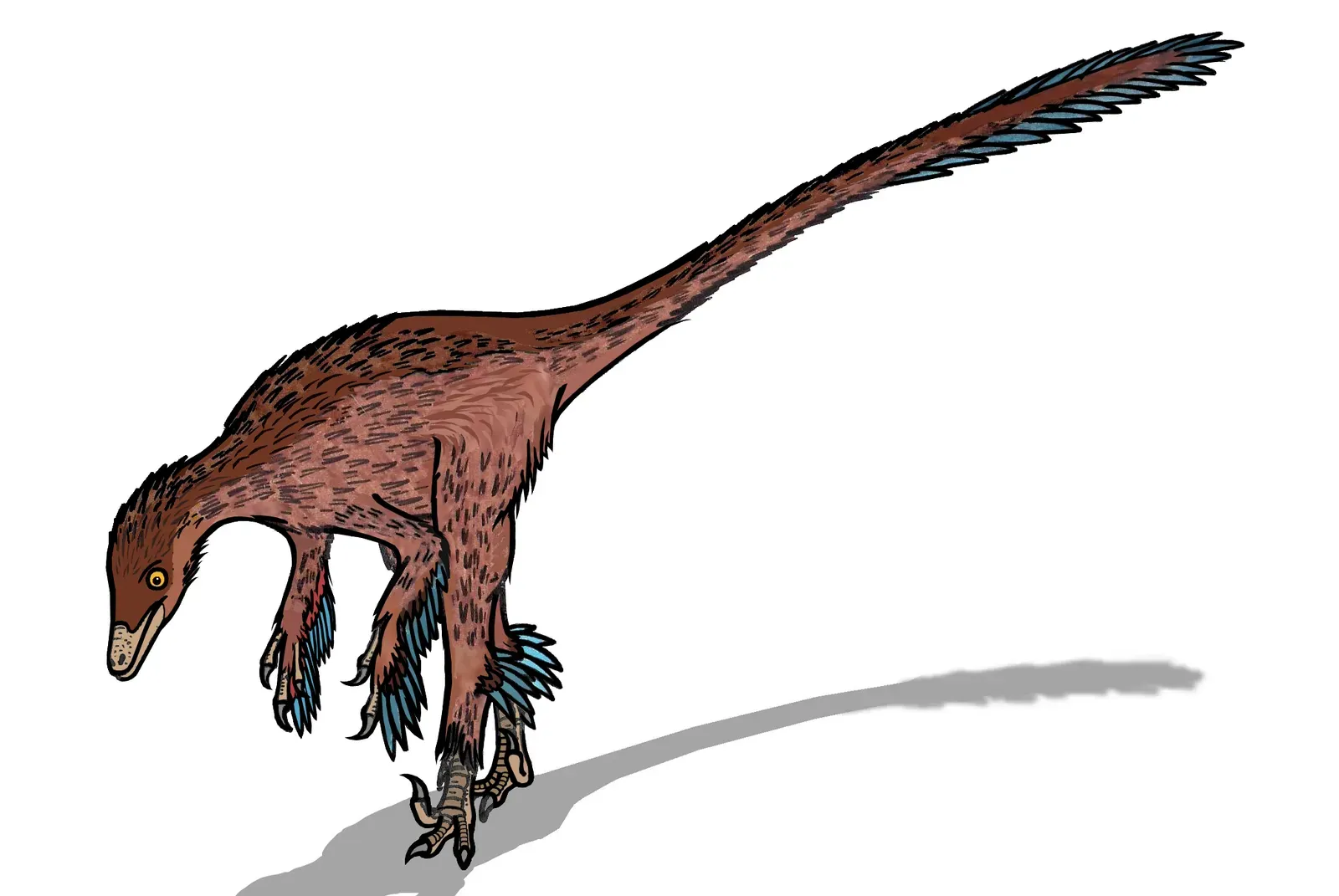
Gemini is the sign of curiosity, conversation, and cleverness, and Troodon fits that energy eerily well. This relatively small dinosaur had proportionally large eyes and a big brain compared with many of its contemporaries. Scientists infer that Troodon was likely highly alert, quick to learn from its surroundings, and capable of more flexible behavior than many other dinosaurs. If any dinosaur spent its day mentally multitasking, it was probably this one.
Troodon’s body design suggests a nimble, agile creature that may have hunted smaller animals, scavenged, and opportunistically grabbed whatever resources it could. That mental and physical agility looks a lot like Gemini’s restless mind, always jumping from one idea to another. Rather than relying solely on brute strength, Troodon’s survival strategy seems to have been a mix of speed, sharp senses, and possibly even complex social behavior. It is the Gemini of the Mesozoic: quick, adaptable, and impossible to pin down to just one role.
Cancer – Maiasaura, the Nurturing Protector
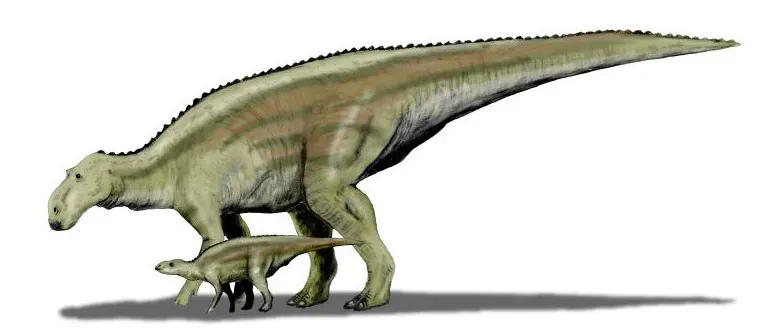
Cancer is known for deep emotional loyalty and a protective streak, and Maiasaura is one of the most famous examples of dinosaur parental care. The name itself means “good mother lizard,” inspired by fossil finds of nesting sites with eggs, hatchlings, and juveniles all clustered in what looks very much like a cared-for nursery. Scientists interpret these sites as evidence that these dinosaurs invested in their young instead of just laying eggs and walking away.
This nurturing lifestyle is pure Cancer energy: creating safe spaces, investing time and effort into loved ones, and building emotional security into everyday life. The nests were close together, suggesting Maiasaura may have lived in colonies where adults cooperated or at least tolerated each other while raising their offspring. That sounds a lot like Cancer’s tendency to form tight-knit “family” circles, whether by blood or by choice, and guard them fiercely against the chaos of the outside world.
Leo – Spinosaurus, the Show-Stopping Apex
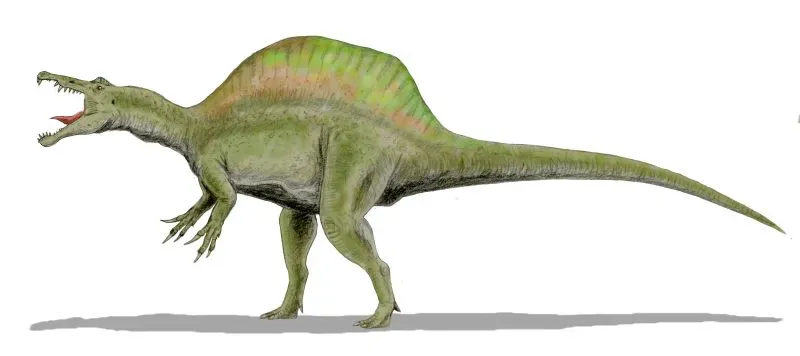
Leo loves the spotlight, and there are few dinosaurs as visually dramatic as Spinosaurus. This enormous predator had a long crocodile-like snout, towering sail-like spines on its back, and a semi-aquatic lifestyle that made it a bit of a show-off by default. It dominated river systems and wetlands, likely preying on large fish and possibly other animals that risked sharing its territory. You do not look at a reconstruction of Spinosaurus and think “shy.”
Scientists debate the exact function of its sail, but possibilities include display, thermoregulation, or species recognition. Whatever the purpose, it would have made this dinosaur visually unforgettable, just as Leo often carries an aura that is impossible to ignore when they walk into a room. Spinosaurus seems like the kind of creature that could rule multiple realms – land and water – mirroring Leo’s flair for commanding any stage and making its presence feel larger than life.
Virgo – Ankylosaurus, the Methodical Guardian
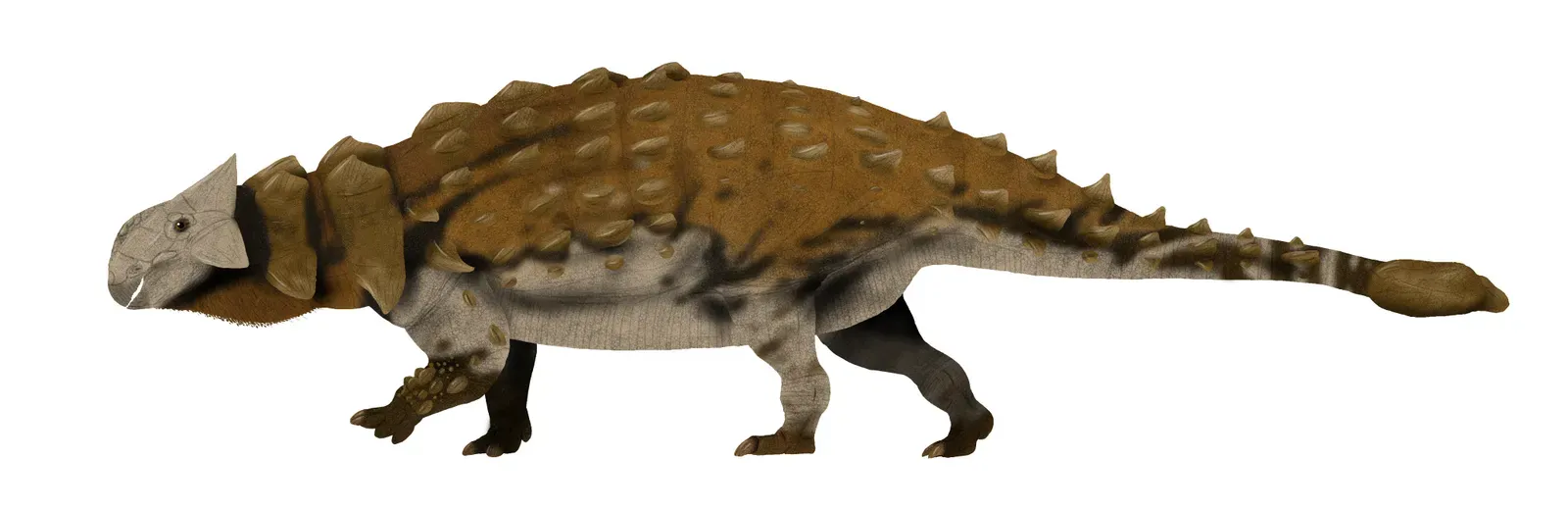
Virgo is associated with practicality, attention to detail, and quiet competence, and Ankylosaurus is the dinosaur version of meticulous armor planning. This heavily armored herbivore was covered in bony plates and studs, with a massive club at the end of its tail. Each plate and spike was part of a carefully balanced defensive system that turned this dinosaur into a walking fortress, not by chance but by accumulated evolutionary “tweaks” over time.
Instead of running faster or growing larger teeth, Ankylosaurus doubled down on protection, like a Virgo who plans three backup strategies for every problem. Fossil evidence suggests predators would have had a miserable time trying to flip or penetrate this living tank. That strategy reflects Virgo’s approach to life: prepare quietly, fix the flaws, strengthen the weak points, and let competence be your shield. It is not loud, it is not flashy, but it works – and it keeps them safe when the world gets chaotic.
Libra – Parasaurolophus, the Harmonious Socialite
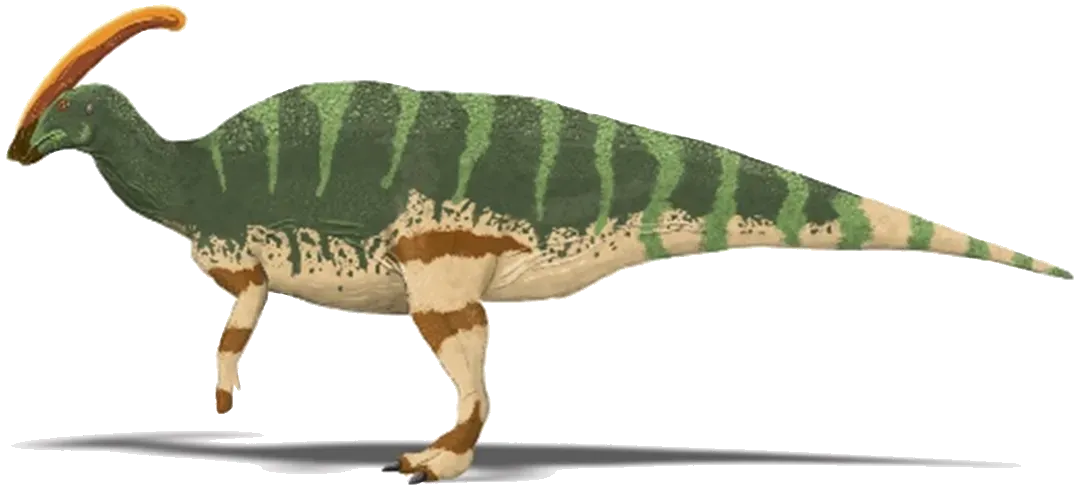
Libra is about connection, aesthetics, and balance, and Parasaurolophus feels like the dinosaur equivalent of a stylish social butterfly. This herbivore is famous for its long, curved cranial crest, which scientists think was likely used for visual display and resonant vocalizations. In other words, it probably did not just look interesting; it may have sounded unique too, using its crest to communicate with others over distance.
This emphasis on communication and visual flair fits Libra’s love of social harmony and beauty. Parasaurolophus likely lived in herds, where coordination and cohesion were key to survival. Those haunting calls moving through a Cretaceous landscape are almost like the group chats and social dynamics that Libras carefully manage today. It was not the biggest or the most heavily armed, but it thrived through connection, cooperation, and a quietly elegant design that never stopped drawing attention.
Scorpio – Velociraptor, the Strategic Intense Hunter
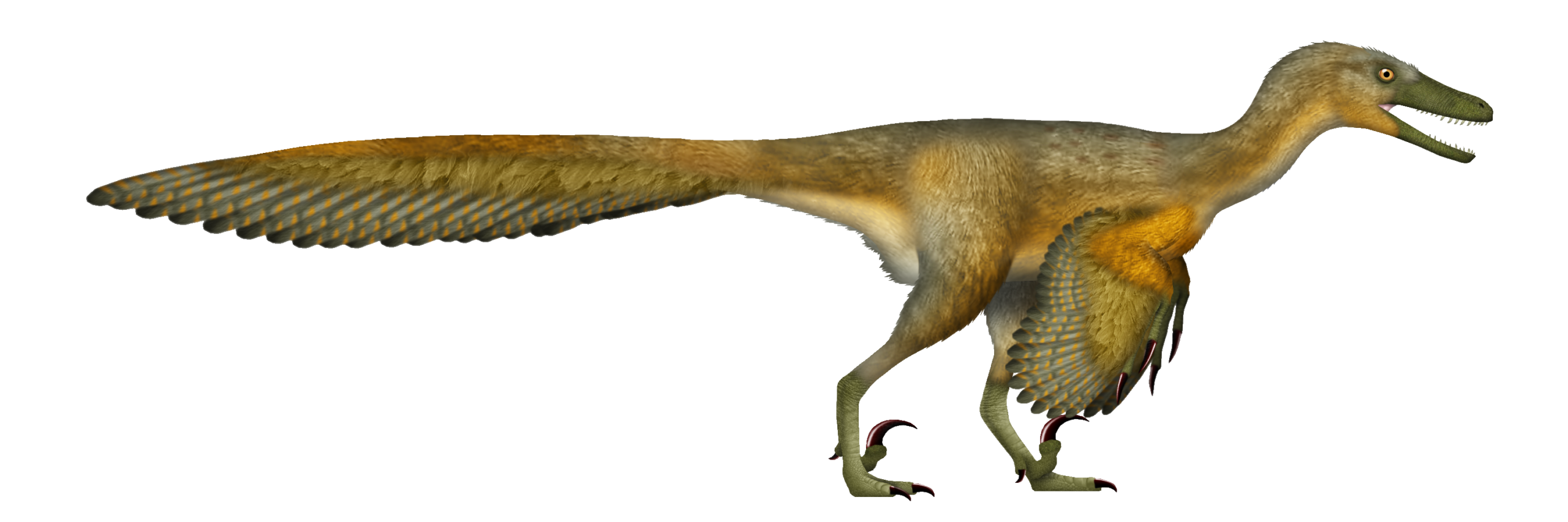
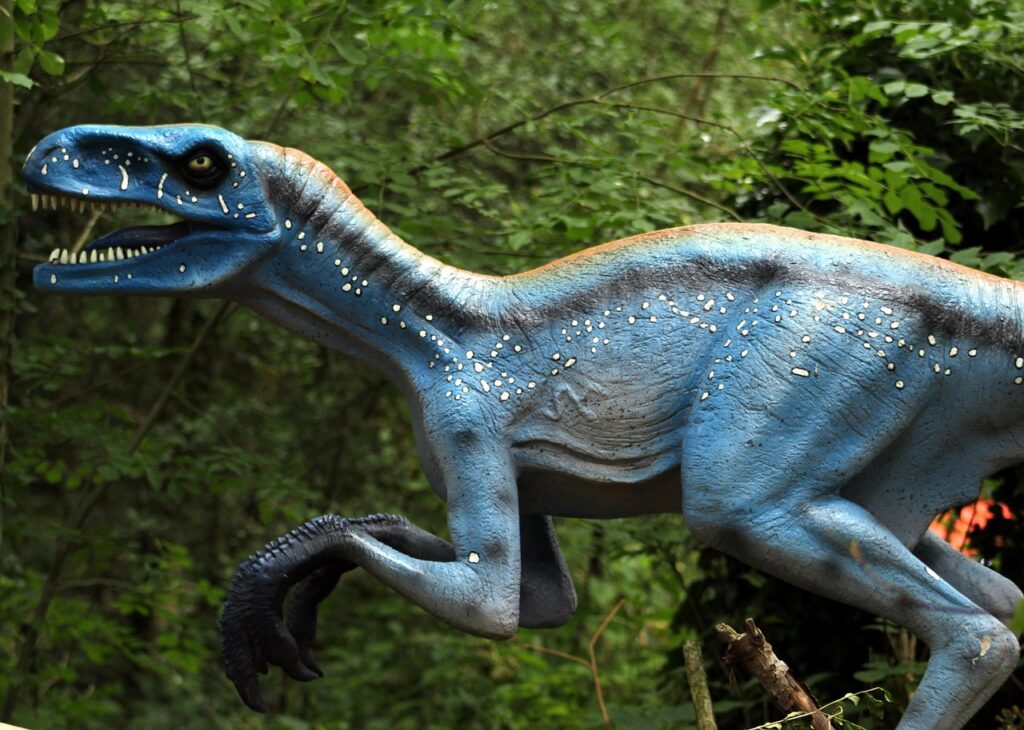
Scorpio has a reputation for focus, intensity, and strategic thinking, and Velociraptor carries that energy in every fossilized claw. Though much smaller in reality than popular movies show, this predator had a distinctive curved sickle claw on each foot and a build that suggests speed and agility. Evidence from related species hints at pack hunting or at least complex interactions around prey, which points to a more tactical style than just brute force attacks.
Velociraptor’s survival depended on precision and timing rather than sheer size, mirroring Scorpio’s talent for reading situations and striking at exactly the right moment. Their sharp, grasping claws and likely keen senses would have made them highly effective at close-quarters engagements. It is not hard to see Scorpio in that: observant, patient when needed, and absolutely relentless when the opportunity presents itself. This is not casual, carefree energy; it is laser-focused, all-in intensity that either impresses you or scares you a little.
Sagittarius – Gallimimus, the Freedom-Loving Runner
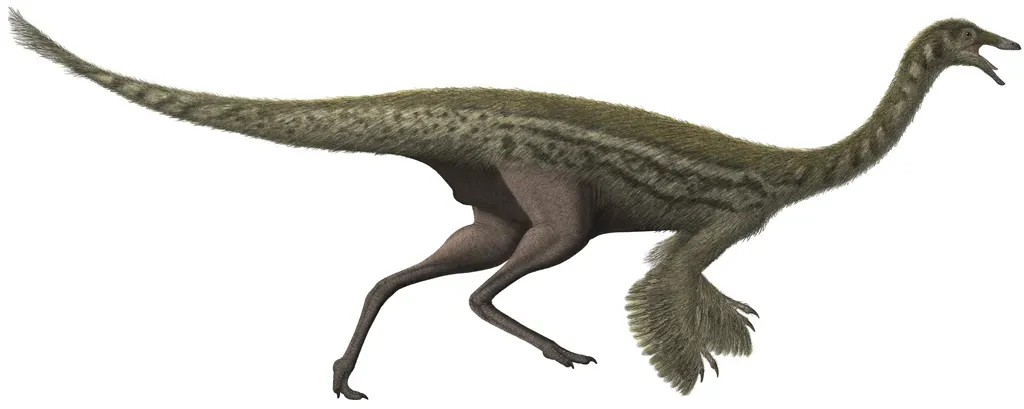
Sagittarius craves movement, exploration, and open horizons, and Gallimimus is practically built to sprint across endless plains. This ostrich-like dinosaur had long legs, a lightweight body, and a beaked head suited for quick foraging. It was likely one of the faster dinosaurs in its environment, using speed as its primary defense. Where other dinosaurs evolved weapons, Gallimimus evolved a “just try to catch me” philosophy.
That restlessness and reliance on motion feels very Sagittarius: always seeking the next new landscape, the next experience, the next opportunity to outrun boredom or danger. These dinosaurs may have lived in groups, moving together like a flowing, feathered river over the land. The idea of survival through constant forward momentum fits the Sagittarian instinct to keep traveling, keep learning, and never let themselves get stuck in one emotional or physical place for too long.
Capricorn – Stegosaurus, the Stoic Traditionalist
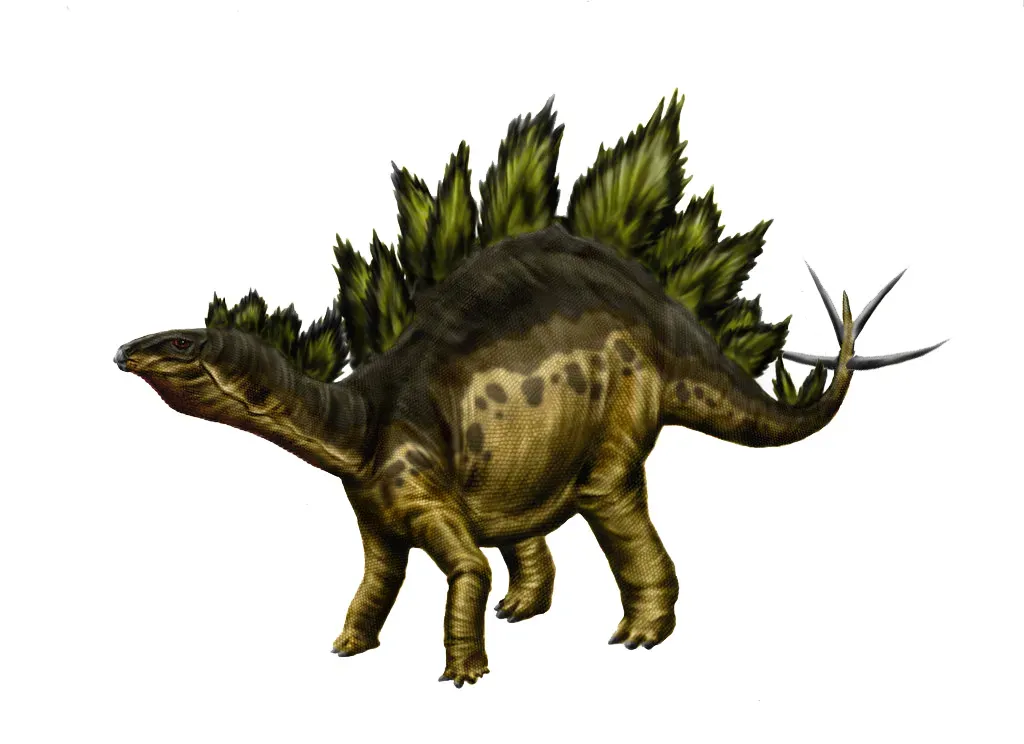
Capricorn is often seen as disciplined, enduring, and a bit old soul, and Stegosaurus has that timeless, stoic aura. With its double row of large plates along the back and spiked tail, Stegosaurus did not rely on speed but on a combination of intimidation and defense. Its small brain compared with its body size has become a pop culture joke, but in reality, this dinosaur was well adapted to its ecological niche, surviving with a slow, steady, unflashy efficiency.
Capricorn energy is similar: uninterested in trends, focused on what actually works, and willing to carry on with routines that stand the test of time. The tail spikes, likely used as serious weapons, show that beneath the calm exterior there was the capacity for decisive, forceful action when threatened. Stegosaurus reminds us of Capricorn’s core truth: you do not have to be the fastest or the loudest to thrive; you just have to be resilient and prepared to stand firm when it matters.
Aquarius – Deinonychus, the Innovative Collaborator
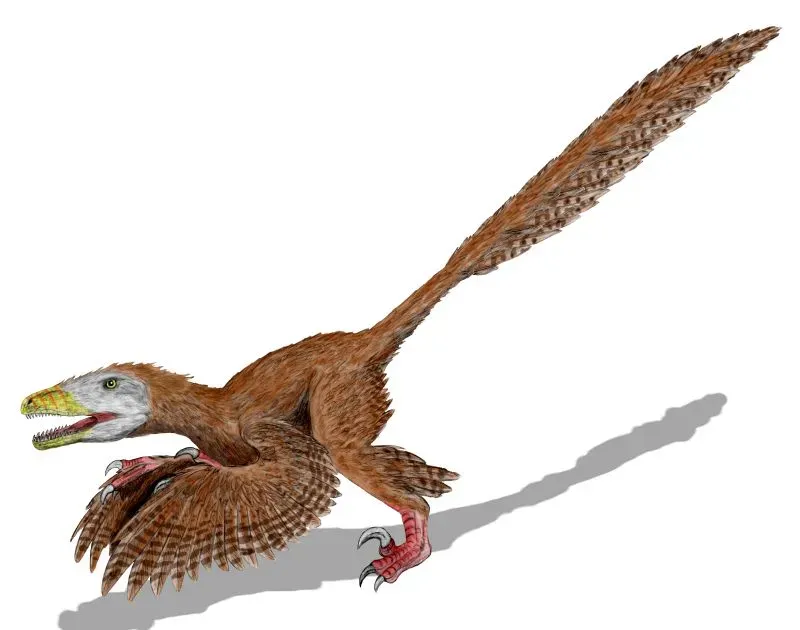
Aquarius is associated with innovation, collective thinking, and sometimes a slightly unconventional approach to life, and Deinonychus fits that mold. This predator, similar in general body plan to Velociraptor but larger, played a huge role in reshaping scientific views of dinosaurs as active, dynamic creatures rather than slow, lumbering reptiles. Fossil evidence suggests possible group hunting and complex behavior, hinting that their survival strategy involved more than just solitary ambushes.
The idea of a clever, agile dinosaur that may have cooperated with others to take down large prey feels very Aquarian. It reflects the belief that progress comes from new ways of doing things and from pooling individual strengths toward a shared goal. Deinonychus literally helped revolutionize our image of dinosaurs in modern science, which echoes Aquarius’s role as a disruptor and forward-thinker in any setting they enter. It is the dinosaur that did not just live differently; it made us think differently.
Pisces – Elasmosaurus, the Dreamy Deep Dweller
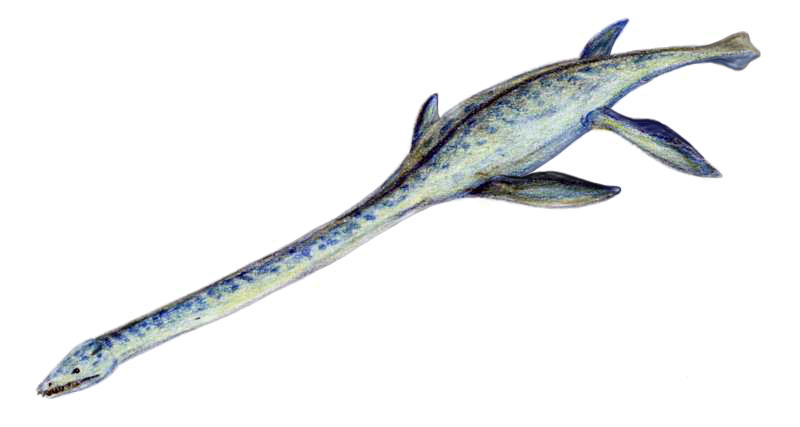
Pisces lives between worlds, soaking up emotions and drifting into imagination, and Elasmosaurus captures that otherworldly, fluid presence. Technically not a dinosaur but a marine reptile that lived alongside them, this long-necked creature glided through ancient seas with a body built for swimming and a head that seemed comically far from its torso. Its lifestyle was fully aquatic, navigating deep waters that might as well have been another dimension compared with life on land.
The way Elasmosaurus moved – silent, sleek, and submerged – echoes Pisces’s tendency to live half in reality and half in inner oceans of thought and feeling. It hunted in environments where visibility could be limited and senses had to adapt to shifting currents and light, much like Pisces navigating emotional undercurrents that others miss. This is not a creature of sharp angles and loud displays; it is a symbol of fluidity, intuition, and the strange peace of drifting through vast, mysterious spaces.
Conclusion – Dinosaurs, Zodiac Signs, and Why This All Feels So Uncannily Right
Matching zodiac signs with dinosaurs might sound like a party game, but there is a deeper reason it feels so strangely accurate. Paleontology gives us behavior patterns: nurturers and hunters, sprinters and tanks, solitary strategists and cooperative herders. Astrology gives us personality archetypes: leaders, caretakers, rebels, dreamers. When you line them up side by side, your brain naturally starts connecting the dots, and suddenly a fiery Aries really does look a lot like a charging Tyrannosaurus.
Personally, I think the eerie accuracy comes from something simple and very human: we are wired to tell stories about ourselves using whatever symbols we have, whether they are stars in the sky or bones in the ground. Dinosaurs and zodiac signs are just two different lenses on the same question: what kind of creature am I, really, and how do I move through a dangerous, complicated world? The fun part is that you do not need to believe in astrology at all to enjoy the metaphor. You just have to pick your sign, meet your dinosaur, and ask yourself: did you secretly see this coming?