For more than a century, textbooks have treated the Cambrian Explosion like the opening scene of a movie: the lights come up about 541 million years ago, and suddenly complex animals burst onto the stage. But what if that famous scene is really the middle of the story, not the beginning? A growing wave of research now suggests that animals may have been quietly evolving in the shadows for millions of years before the Cambrian, leaving only faint traces in rocks and molecules.
This idea is as unsettling as it is exciting, because it forces us to rethink how life transforms a planet. If animals were around earlier than we thought, they had more time to stir up oceans, alter chemistry, and set the stage for future ecosystems. It also means our fossil record is far more incomplete than many of us were taught, like a photo album where the first half of the pictures has been almost completely burned away.
A Sudden Explosion That Probably Wasn’t So Sudden
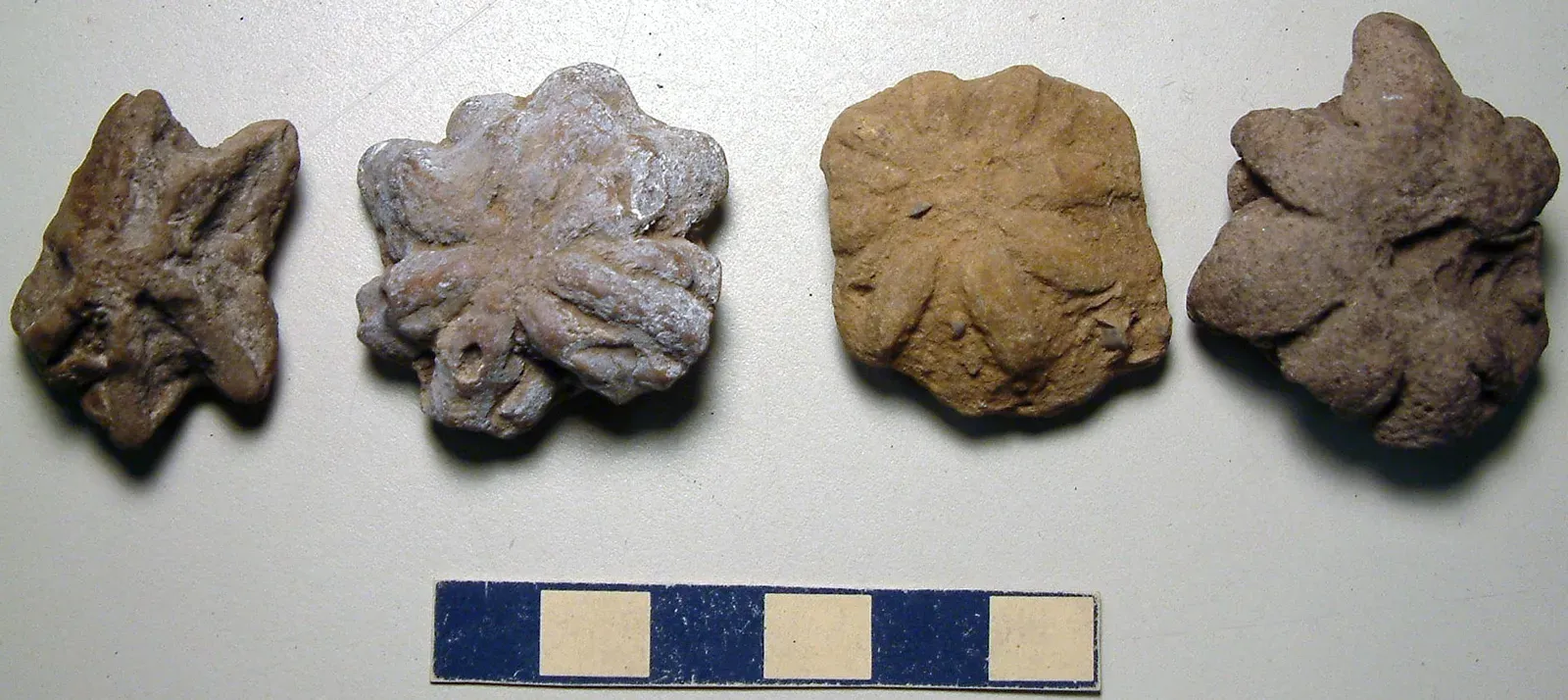
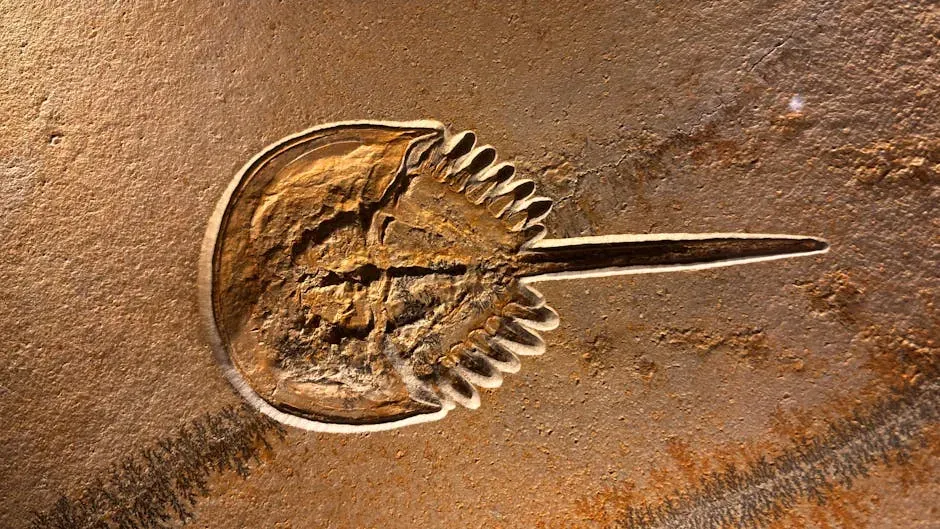
The Cambrian Explosion is famous because so many clearly recognizable animal fossils appear in a relatively narrow slice of time. Trilobites, spiky worms, early arthropods and bizarre experimental body plans show up almost at once in geological terms, giving the impression of a rapid evolutionary burst. That visual drama has shaped how we imagine the past: one moment, simple microbes; the next, a riot of shells, teeth, and limbs.
But when you zoom out, that apparent “instant” still spans tens of millions of years, which is more than enough time for gradual evolutionary changes to accumulate. Many paleontologists now argue that what looks like an explosion is partly a visibility problem: only when animals evolved hard parts or lived in environments ideal for fossilization did they become easy to spot in rocks. In other words, the Cambrian is probably when animals became obvious, not when they began.
Molecular Clocks Hint at a Much Older Animal Family Tree
One of the strongest lines of evidence for earlier animals comes from molecular clocks, which use DNA differences between living species to estimate when their ancestors split. When scientists compare genes across groups like sponges, jellyfish, arthropods, and vertebrates, the inferred divergences often reach back well before the Cambrian. Some estimates place the origins of major animal lineages in the late Precambrian, during the Ediacaran or even earlier.
These methods are not perfect; they rely on assumptions about mutation rates and require calibration with fossils that themselves have uncertainties. Still, the broad pattern keeps pointing in the same direction: the deep roots of the animal tree seem older than the classic fossil record suggests. If the molecular data are roughly right, then by the time Cambrian creatures were leaving dramatic skeletons, many of their softer-bodied ancestors had already been experimenting with multicellularity and complexity for a very long time.
Ghost Fossils: Why Early Animals Are So Hard to Find
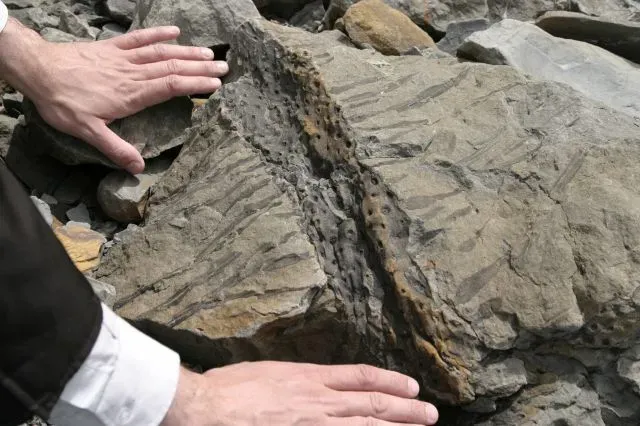
If earlier animals really existed, the obvious question is: where are they? The frustrating answer is that soft-bodies and delicate tissues do not usually stand much of a chance against time, heat, and pressure. Early animals may have been tiny, squishy, and living in environments that rarely preserve remains, such as microbial mats, deep-water slopes, or oxygen-poor seafloors. That is a recipe for leaving behind almost no direct fossil record.
On top of that, early Earth’s geology has been relentlessly recycled. Older rocks are more likely to have been buried, deformed, or destroyed by plate tectonics, erasing many potential clues. Paleontologists sometimes describe these missing creatures as “ghost lineages” because molecular data say they must have existed, but their bodies are invisible to us. It is a bit like trying to reconstruct an ancient city from three surviving bricks and a rumor that there used to be a palace.
The Ediacaran Enigma: Were These Really Animals?
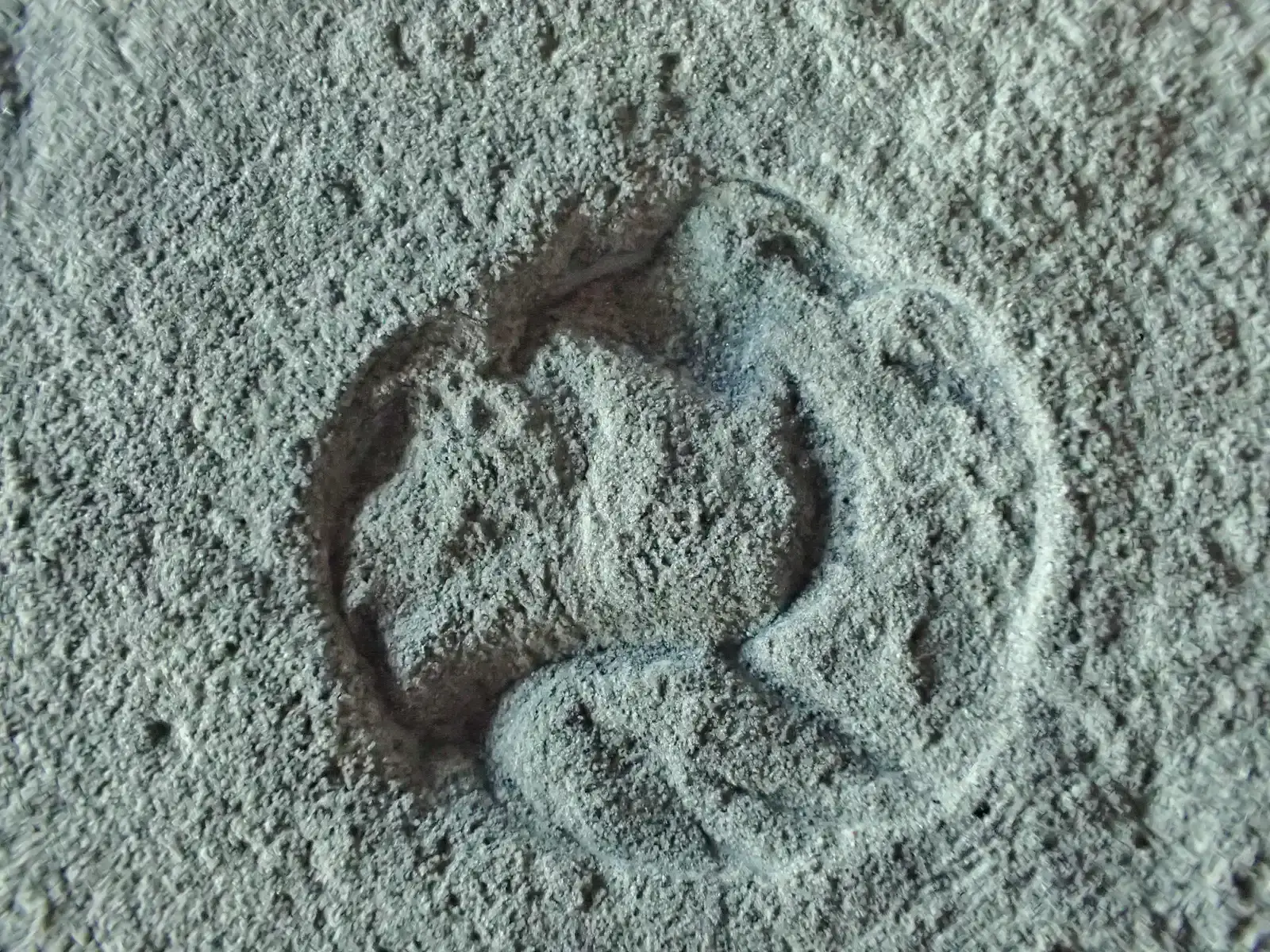
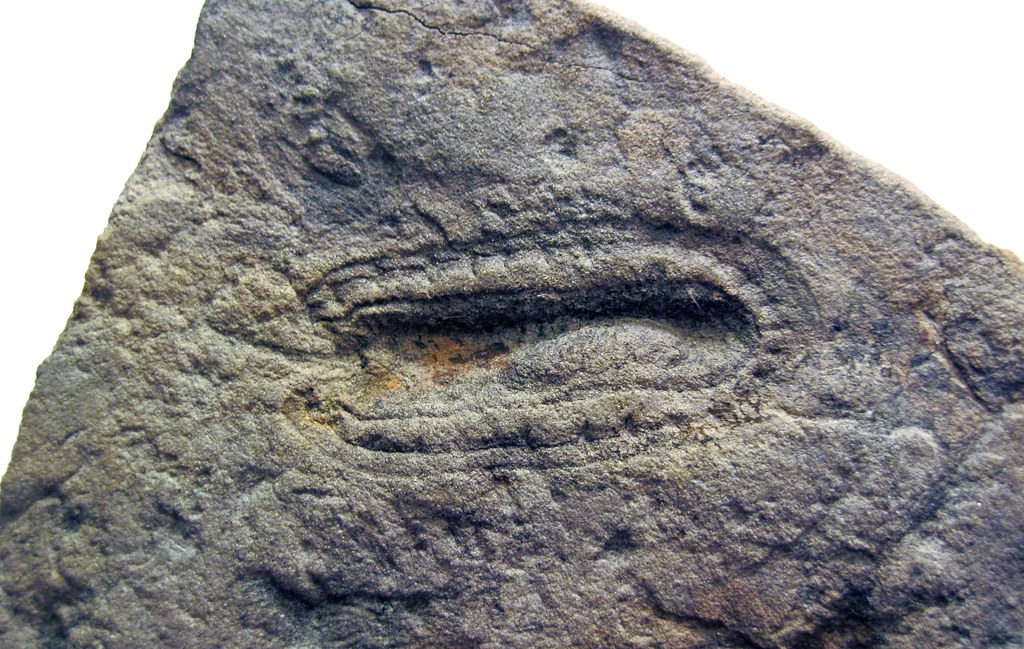
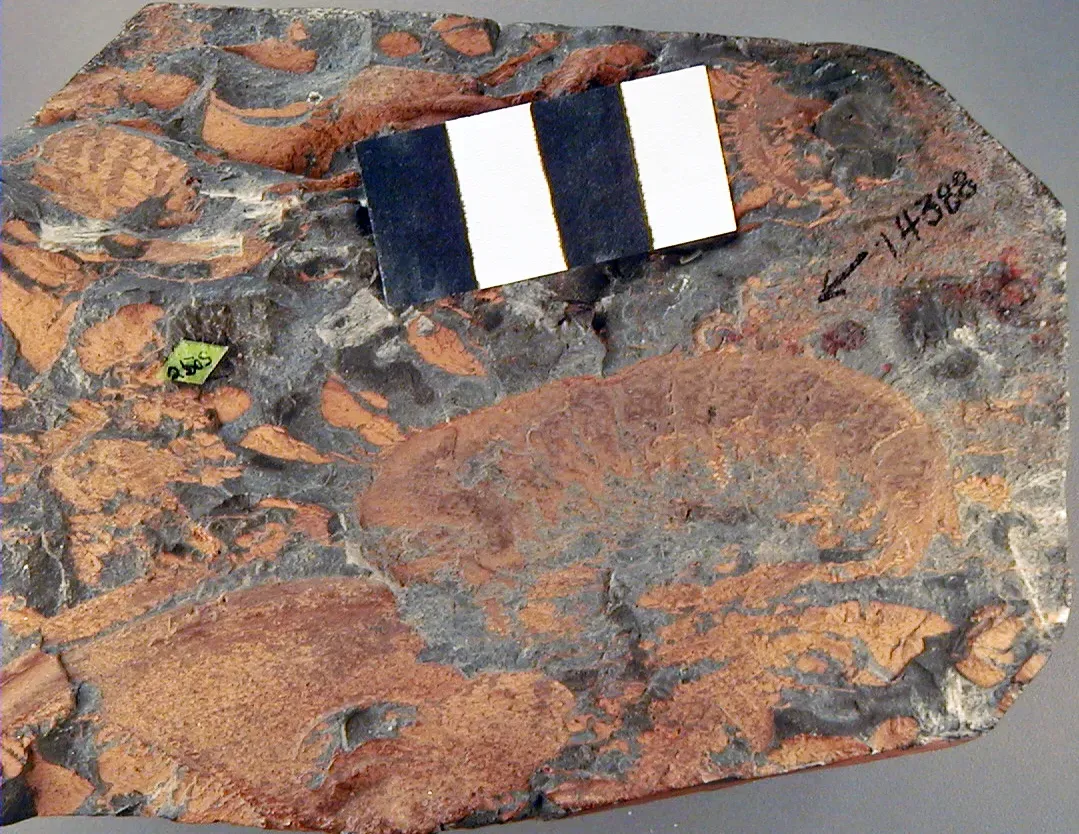
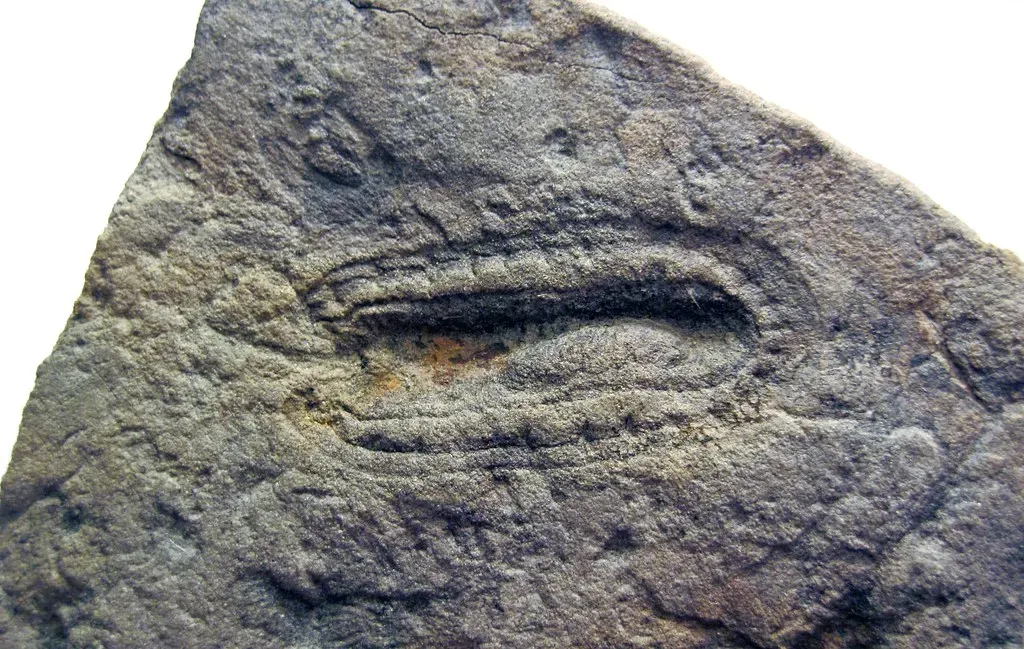
Long before the Cambrian, during the Ediacaran Period roughly between 635 and 541 million years ago, strange impressions appear in rocks on several continents. These forms look nothing like modern animals: frond-like shapes, quilted disks, and segmented ovals spread across ancient seafloors. Some researchers see them as early experiments in animal life; others think they might represent an entirely separate branch of multicellular organisms that left no descendants.
The debate over the Ediacaran biota is fierce and personal, because how we classify these fossils changes the story of animal origins. If at least some were true animals, then complex multicellular bodies were already established before the Cambrian. If most were not animals, then they still show that Earth supported large, complex life forms earlier than many non-specialists realize. Either way, the Ediacaran world undercuts the old picture of a barren pre-Cambrian planet suddenly bursting into life.
Faint Traces: Tracks, Burrows, and Chemical Fingerprints
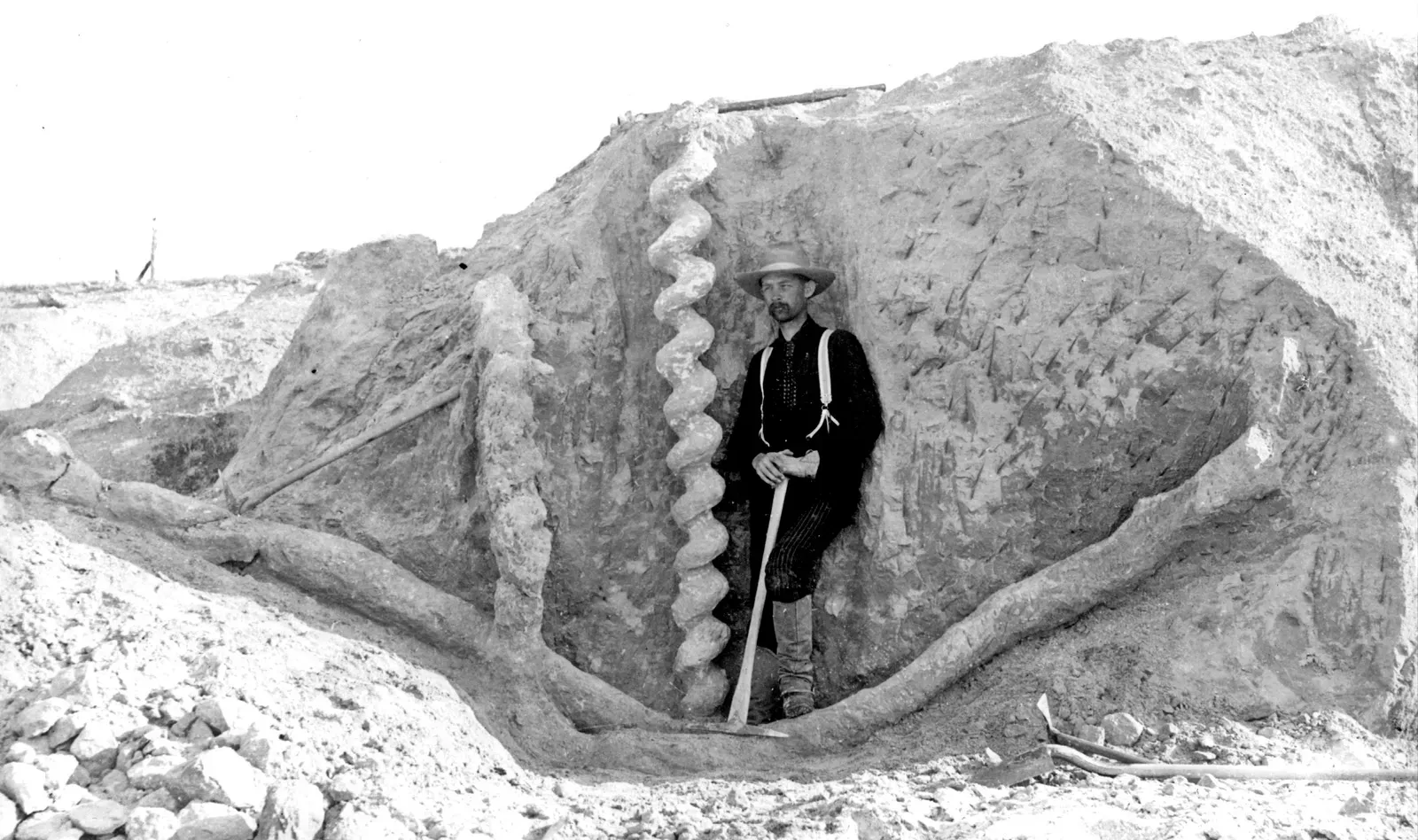
Even when bodies are not preserved, behavior sometimes is. In late Precambrian rocks, scientists have found trackways, burrows, and other trace fossils that hint at moving, burrowing, or grazing animals before clear skeletons appear. Some of these traces suggest creatures with muscular control and a sense of direction, which implies nervous systems and a body plan more advanced than a simple sponge-like blob.
Alongside traces of motion, geochemists look for chemical signatures that might be linked with early animals, such as certain steroid molecules that are more common in animal cells. These biosignatures are tricky to interpret, because similar molecules can come from other organisms or be altered by geological processes. Still, when you piece together burrows, tracks, and possible chemical hints, the overall picture feels less like a clean empty stage before the Cambrian, and more like a dim room where something is clearly moving just beyond the spotlight.
Oxygen, Climate Swings, and the Slow Build-Up to Complexity
Animals do not evolve in a vacuum; they need an environment that can support active, energy-hungry bodies. Geological evidence suggests that oxygen levels in the oceans and atmosphere rose in steps rather than in a single smooth curve, with important increases during the late Precambrian. More oxygen means more efficient metabolism, greater potential for larger bodies, and better support for tissues like muscles and nerves.
At the same time, Earth’s climate was anything but stable. Episodes of dramatic glaciation, changing ocean chemistry, and nutrient pulses likely created fluctuating pressures that pushed organisms to adapt or perish. In this view, the Cambrian Explosion might be the visible outcome of a long period of environmental tinkering, where earlier, mostly invisible animals were already exploring new ways of living as the planet slowly became more hospitable to complex life.
Some researchers think predator-prey interactions lit a fuse under evolution, driving rapid arms races in armor, mobility, and sensory organs. Once animals were large and active enough to hunt each other, selection pressures would have intensified dramatically. If small, soft-bodied animals already existed for millions of years beforehand, this ecological tipping point could explain why the Cambrian fossil record suddenly looks so explosive, even if the underlying evolutionary story was more drawn out.
How New Technologies Are Rewriting the Timeline

One reason this debate has heated up in recent decades is the toolkit scientists now bring to the problem. High-resolution imaging, advanced geochemical analyses, and improved dating techniques let researchers squeeze far more information out of tiny fragments and subtle textures in rock. Features that once looked like meaningless smudges can now be interpreted as cells, tissues, or traces of behavior.
On the biological side, comparing vast numbers of genomes from modern animals has made molecular clock approaches more powerful and more testable. As models get more sophisticated, they can better handle things like changing mutation rates over time. These tools do not give us perfectly sharp answers, but they do keep converging on the idea that animal lineages diverged earlier than the classic Cambrian story admits. In a sense, every new method adds another dim flashlight beam to that dark pre-Cambrian room.
Rethinking Evolution: From Sudden Miracle to Long, Messy Story
When I first learned about the Cambrian Explosion in school, it felt almost mystical, like evolution hit the fast-forward button for no clear reason. The newer picture is less dramatic in a Hollywood sense but much more satisfying scientifically. Instead of a sudden miraculous burst, we get a long, messy buildup where early animals struggle, adapt, and quietly reshape the planet long before they leave flashy fossils.
This shift matters beyond just dates and diagrams. It reminds us that our view of the past is strongly filtered by what rocks happen to preserve and what tools we have at the moment. Treating the Cambrian Explosion as an appearance artifact rather than a magical event brings it back under the umbrella of normal evolutionary processes: mutation, selection, ecological interaction, and environmental change. To me, that makes life’s story deeper, not duller.
Conclusion: A Humbling, Older Animal World
Putting all these threads together, I lean strongly toward the view that animals were around for millions of years before the Cambrian Explosion, quietly evolving out of sight. The molecular clocks, the strange Ediacaran forms, the subtle burrows, and the environmental backdrop all point in the same general direction: the fossil record gave us a dramatic middle chapter and tricked us into thinking it was the beginning. That is not a failure of evolution; it is a reminder of how patchy and biased our evidence really is.
In a way, this makes the history of life feel more humbling. If entire worlds of creatures could rise, diversify, and vanish while leaving almost nothing we can easily recognize, how much else might we be missing? The idea that Earth’s earliest animals may have appeared long before the Cambrian does not close the book; it blows it open and dares us to keep looking with better tools and more imagination. When you picture the deep past now, do you still see a sudden burst of life, or a long, slow dawn that we are only just starting to glimpse?