Spirit animals sound like a modern wellness trend, something you’d see on a zodiac meme or a TikTok filter. But the idea that certain animals mirror who we are is far older than astrology apps, and even older than writing itself. Long before anyone etched a horoscope on papyrus, people were crawling deep into icy caves, risking their lives to paint bulls, horses, lions, and strange hybrid beasts that still stare back at us today. When you look closely at those ancient animals, a pattern emerges that’s honestly hard to ignore. Some species appear again and again, almost like an early visual language for power, fear, fertility, and mystery. And while it would be reckless to claim that Paleolithic hunter‑gatherers secretly invented the twelve zodiac signs, the overlap between the animals they obsessed over and the traits we still project onto certain creatures today is… suspiciously familiar. Let’s dig into that, carefully and realistically, without turning prehistory into a horoscope app – but also without pretending the echoes aren’t there.
Ancient Caves as the First Zodiac: What the Walls Were Really Saying
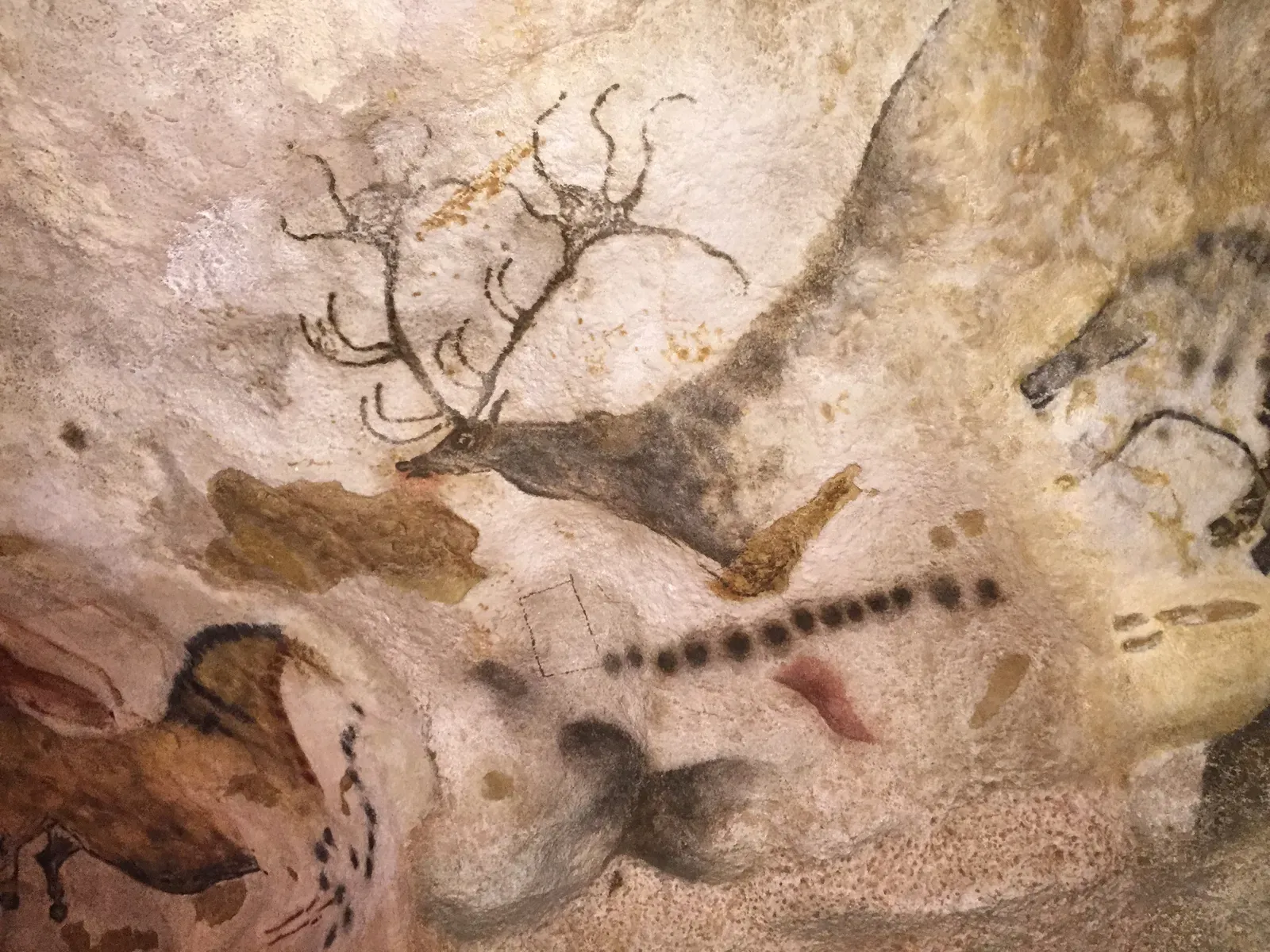
The oldest cave paintings we know of go back tens of thousands of years, well before any known writing system or codified astrology. Deep inside caves in places like France, Spain, and Indonesia, people painted animals on walls with such care and nuance that you can sense they meant far more than simple decoration. These were not quick sketches of last night’s hunt; they were deliberate, repeated choices, often layered over time, in places that were dark, dangerous, and sacred-feeling. Many researchers think these caves functioned like spiritual theaters, where people stepped out of ordinary life and into a symbolic world. When you enter one of these sites – even just through photos – you see fewer humans and far more animals, especially powerful herd animals and dangerous predators. That imbalance alone tells you something: animals were the main characters in their psychological and spiritual universe. If today we turn to zodiac signs to explain ourselves, they turned to wild creatures, painted larger than life, to make sense of luck, danger, identity, and the invisible forces that shaped their world.
The Shortlist of Sacred Beasts: Why Certain Animals Dominated the Stone Age Imagination
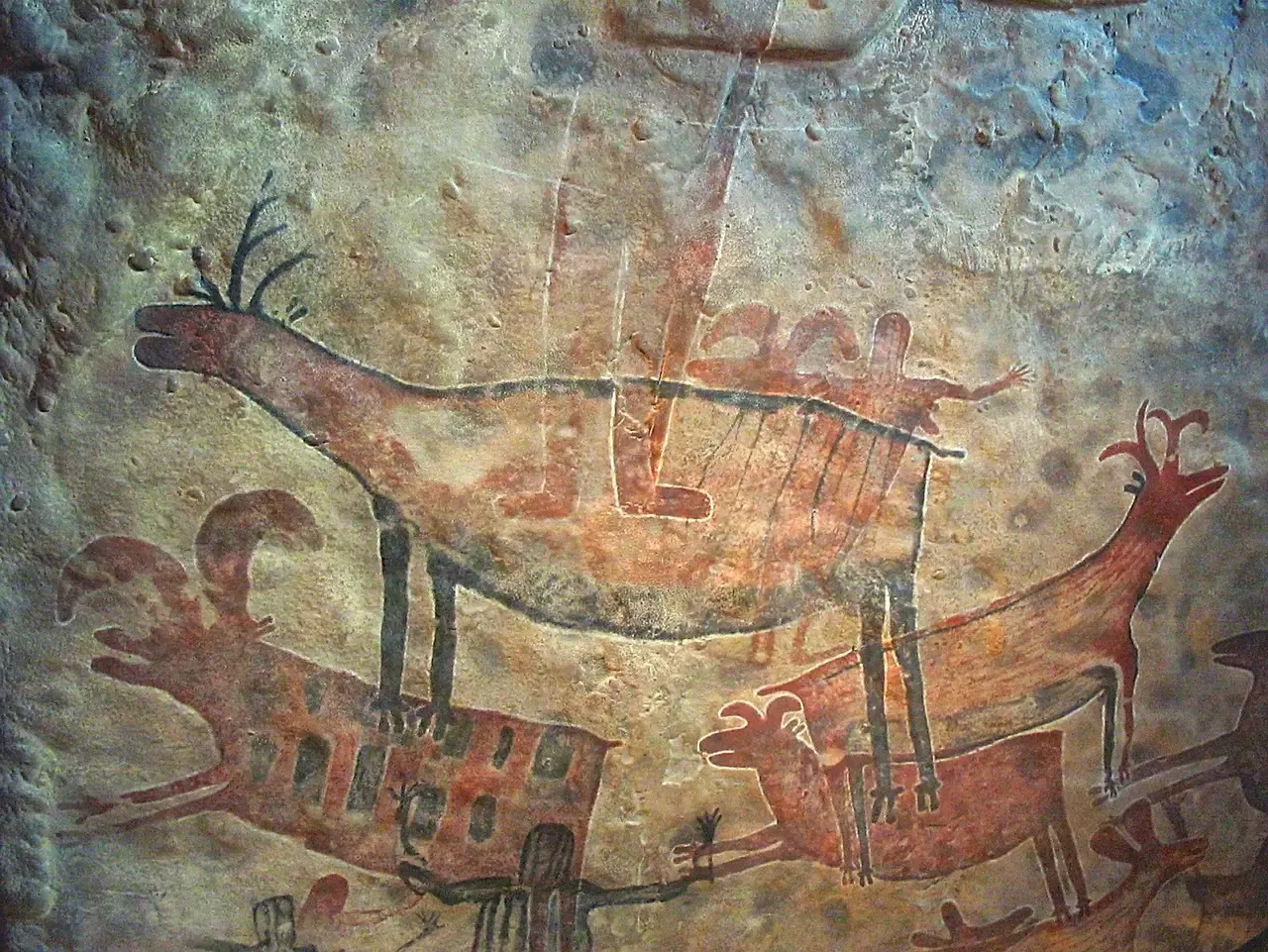
Out of all the animals that existed back then, only a handful show up constantly in Paleolithic rock art: horses, bison, aurochs (wild cattle), deer, mammoths, lions, and sometimes rhinos or bears. That is already strange. Ancient artists had eyes; they saw birds, small mammals, fish, insects – yet those show up far less often. It’s as if humanity, collectively, created an early “favorites” list of symbols long before anyone wrote down myths or diagrams of star signs. Why these animals? They sat at the emotional extremes of Stone Age life. Some were essential prey, the difference between surviving a winter and starving. Others were terrifying predators that could kill you in seconds. They were big, dramatic, and impossible to ignore, the way a modern person can’t ignore a hurricane warning or a market crash. Spiritually, it makes sense that the beings that inspired the most awe – whether from fear, dependence, or admiration – became the central cast of their symbolic world. And that “cast” will sound eerily familiar if you’ve ever read about your zodiac sign.
Bulls, Bison, and Fierce Determination: The Deep Roots of “Taurus Energy”
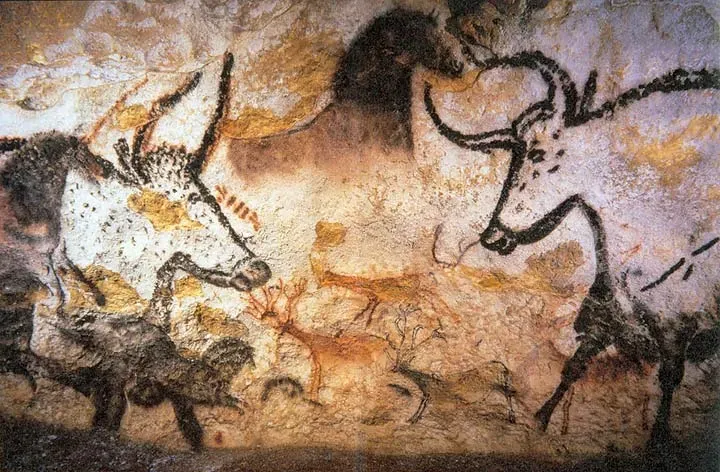
In caves like Lascaux and Altamira, massive bovines dominate the walls: aurochs and bison with heavy shoulders, curved horns, and an almost overwhelming presence. These animals were both food and potential killers. Herds were a moving mountain of muscle; they could feed a group for days but also trample or gore anyone careless enough to underestimate them. When people painted them over and over, they were fixating on sheer strength, stability, and raw physical power. Modern astrology associates the sign of Taurus with steadiness, stubbornness, sensuality, and a deep connection to the material world. You don’t have to believe in horoscopes to see the parallel: the ancient bull is literally the embodiment of grounded force, the kind of power you can touch, eat, and be crushed by. If you’re the kind of person who moves slowly but refuses to be moved once you’ve decided, you’re basically channeling the same energy that captivated Paleolithic artists. Whether you call it a spirit animal, a temperament, or just your vibe, the bull has been a symbol of earthy determination for far longer than Taurus has existed as a name.
Horses, Freedom, and Restless Souls: Echoes of Sagittarius and Gemini
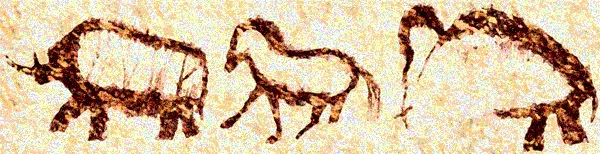
Horses are another recurring star of Paleolithic caves, often drawn with remarkable grace and attention to detail. Back then, humans were not yet riding them, but they clearly watched them obsessively – the rippling muscles, the speed, the way a herd can vanish across the landscape in a blink. Horses represented motion, migration, the edge between here and somewhere else. They were living symbols of distance, change, and the wild horizon. Today, we still attach those ideas to horse-linked symbols: travel, movement, independence, and sometimes duality. If you think of signs that love variety and hate being pinned down – Sagittarius with its wanderlust, Gemini with its quick mental shifts – you can see why horse energy might feel like their prehistoric cousin. If your “spirit animal” is a horse, you probably recognize that restless urge to break from routine, to find a new trail, to refuse a cage even when it’s comfortable. The fact that humans kept painting horses, even when they weren’t the most practical animals to focus on, says a lot about how deeply we’ve always craved both adventure and escape.
Lions, Bears, and the Dark Edge of Power: The Shadow Side of Fire Signs
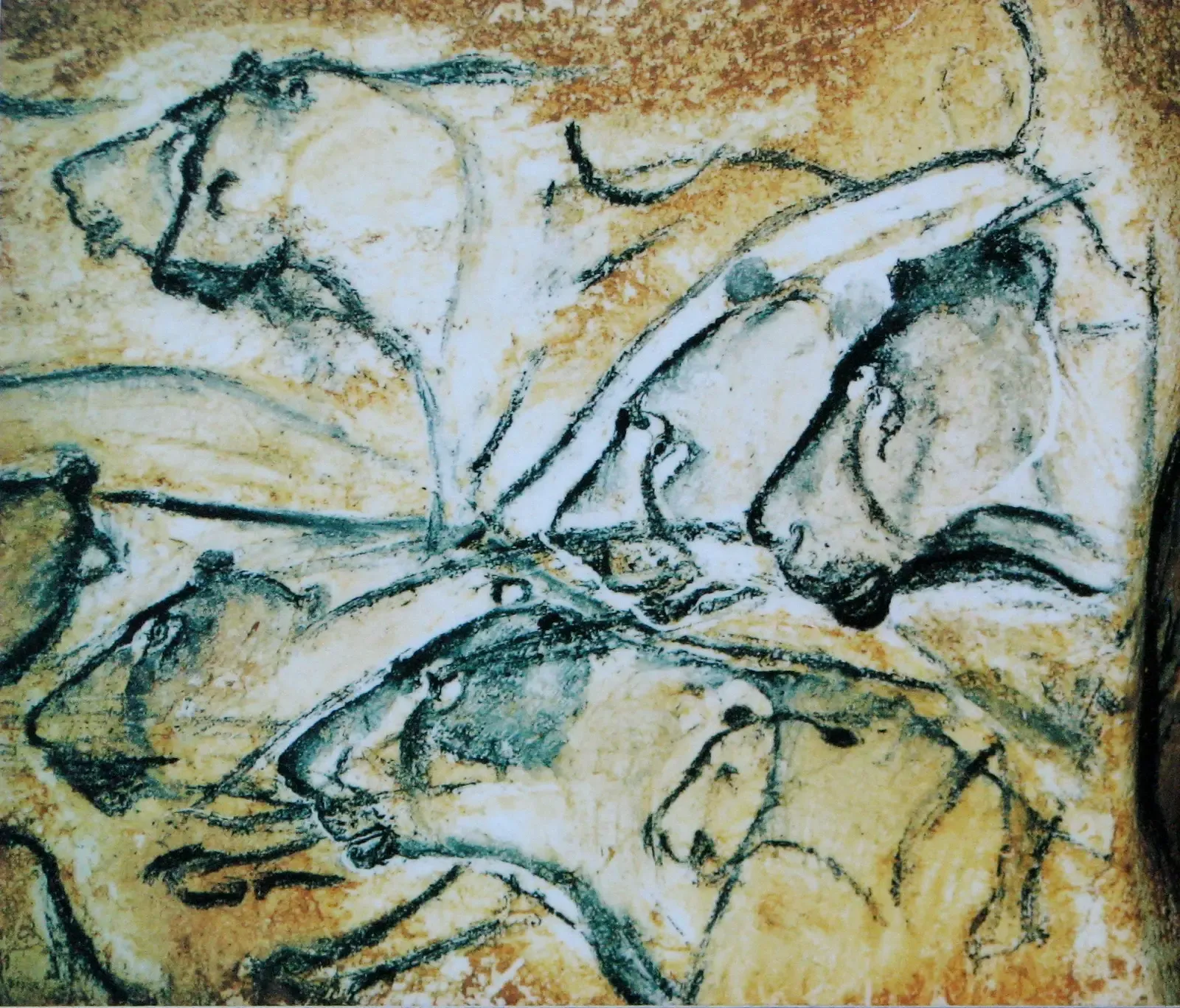
Big predators also stalk cave walls: lions without manes (the now-extinct cave lion), bears looming large, and occasionally other dangerous beasts. These creatures were not cute mascots; they were walking disasters. To meet one in the wild could mean sudden, brutal death. Yet instead of ignoring them as a depressing reality, people gave them space in their sacred art. That suggests a kind of respect and maybe a desire to negotiate with what terrified them most. In modern symbolism, we still see lions and other predators as icons of courage, dominance, and intense charisma, but also of volatility. Think of the way people talk about fire signs – bold, dramatic, high-energy, sometimes scorching everything in their path. You don’t need to squeeze cave art into a strict zodiac chart to recognize the basic pattern: humanity has always projected its feelings about raw, unpredictable power onto predators. If you’re someone who burns bright, leads loudly, or scares people a little with your intensity, your spiritual ancestors might have seen you in the eyes of the cave lion or the looming bear.
Deer, Does, and Antlers of Intuition: The Soft but Unshakable Spirit
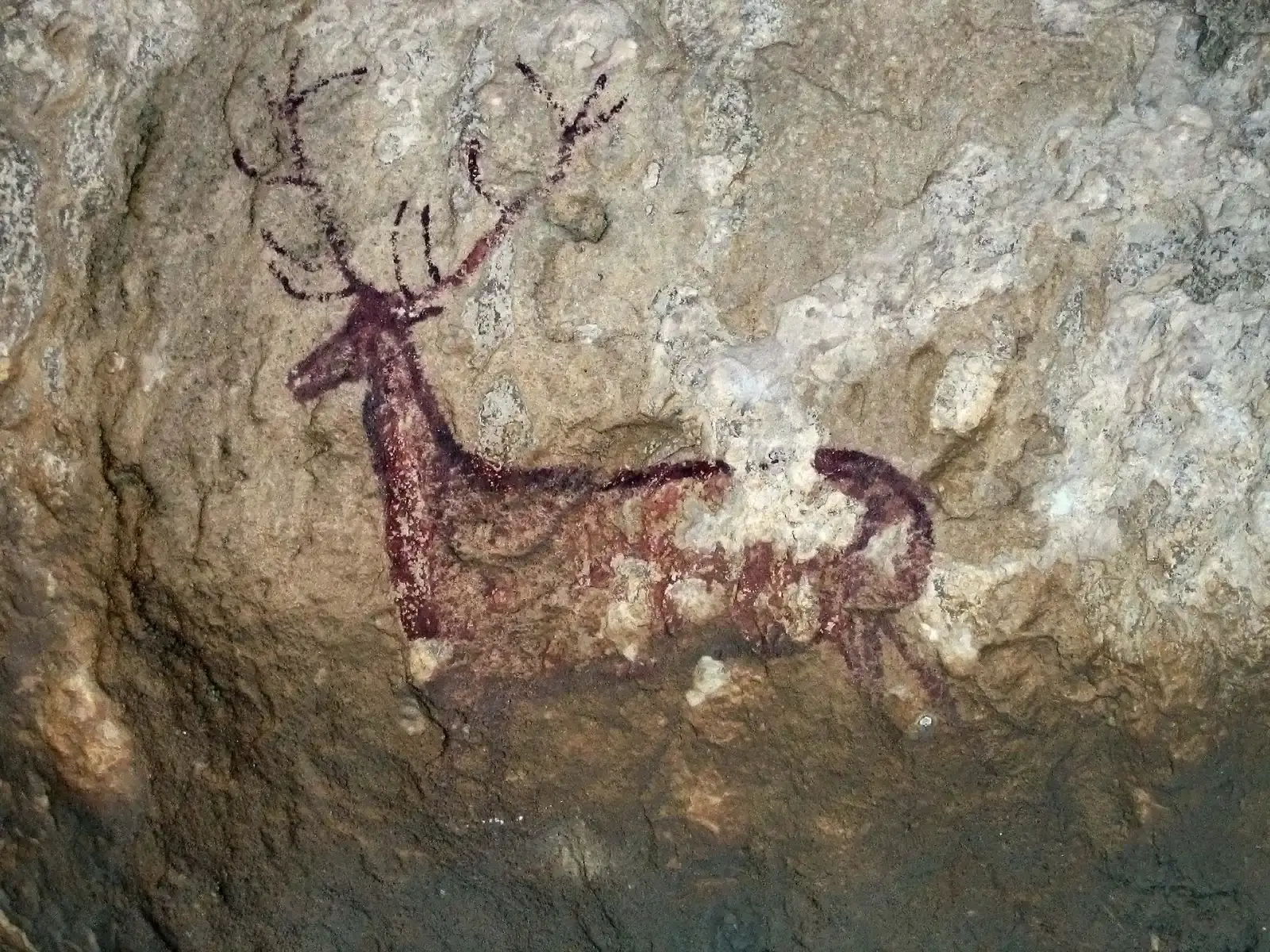
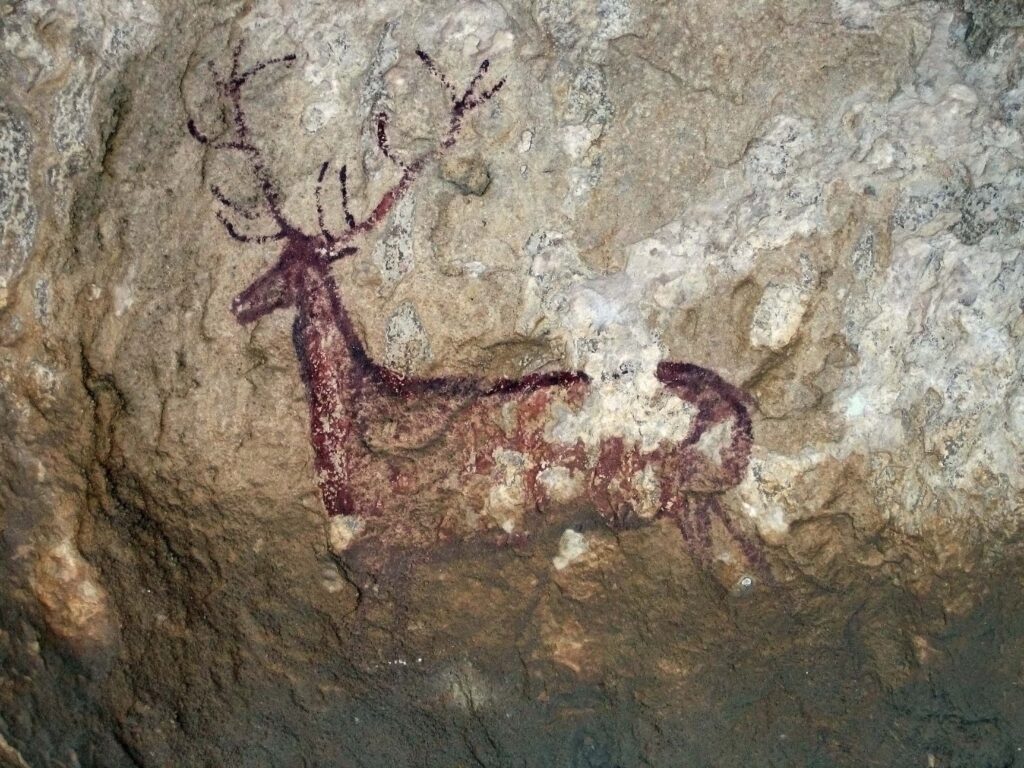
Deer and other horned or antlered herbivores show up often in prehistoric art too, usually more delicate and elusive than bulls or bison. Hunters relied on them, but they were harder to catch, more skittish, more in tune with subtle sounds and movements. A deer has this strange combination of vulnerability and alertness: fragile body, razor‑sharp senses. It sees danger just before everyone else does and bolts at the exact right moment. That mix of sensitivity and survival is still how many people think of certain zodiac types today – signs associated with intuition, emotional depth, and quiet strength. If your inner world is rich, you feel everything intensely, and you tend to notice shifts in mood or environment before other people, the deer archetype probably resonates. Here’s the important part: in ancient art, these animals are not merely prey; they are worthy subjects, drawn with care. That tells us that sensitive, watchful, so‑called gentle energy was always understood as a survival advantage, not a weakness – a lesson many modern “soft” personalities still need to hear.
Hybrid Beings and Shapeshifters: When Humans Became the Animal
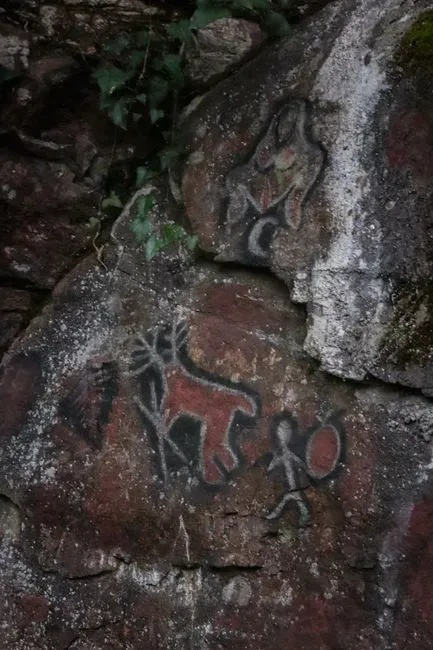
One of the most striking things in some caves is the presence of figures that are part human, part animal – bodies with animal heads, humans wearing antlers, bird‑headed figures in ritual poses. This is not random doodling; it looks like early evidence of shapeshifting beliefs, the idea that a person could borrow or merge with the power of another creature. That is basically the spiritual foundation of the “spirit animal” concept: you are still you, but you’re also carrying the traits, protection, or insight of something non‑human. If you think about how people talk about their sign today – “I’m a Leo, so I’m like a lion; I’m a Scorpio, so I’m intense and secretive” – it is the same mental move. We use animals and symbols as mirrors to understand ourselves and to perform a certain identity. The old hybrid figures carved and painted on stone might not be prototypes of the zodiac, but they absolutely show that humans have long believed in an overlap between personal essence and animal essence. Shapeshifting stories, spirit guides, and star signs are all different dialects of the same psychic language.
What Your “Spirit Animal Sign” Really Says About You (And What It Doesn’t)
So what does all this mean for you, sitting here in 2026, maybe wondering what your sign or spirit animal says about you? It means that when you feel drawn to a particular creature – a wolf, a hawk, a whale, a cat – you are participating in a very old human habit: using the natural world as a map of inner traits. The animals that show up obsessively in ancient art are the same kinds of animals we still lean on today when we need metaphors for courage, loyalty, freedom, sensitivity, or danger. There is something reassuring about that continuity, like a quiet handshake across tens of thousands of years. At the same time, we have to be honest: there is no serious evidence that cave painters laid out a detailed zodiac or that your birth date is secretly printed in ochre on a rock wall. The parallels are suggestive, not scientific proof. The healthiest way to use spirit animals and signs is as storytelling tools, not destiny scripts. If a certain animal feels like “you,” let it inspire self‑reflection, creativity, or courage – but do not let it box you in more tightly than those ancient cave walls boxed in the people who painted them.
Conclusion: Spirit Animals, Star Signs, and the Oldest Story We Keep Telling
Here’s my opinion, and I’ll state it plainly: spirit animals are older, deeper, and more human than any modern zodiac chart, and pretending they are just a quirky meme massively underestimates our own ancestors. When someone today says a lion or a deer or a horse “is so them,” they are echoing an instinct that goes back to people huddled around distant fires, deciding which beasts to honor on the cold stone of the earth itself. In that sense, your sign and your favorite animal are both chapters in the same long story about how we turn the living world into a language for the soul. But we also owe those ancient artists some intellectual honesty. They were not pre‑internet horoscope writers; they were people trying to negotiate with survival, mystery, and awe the best way they could. If there is a lesson for us, it is this: let animals and signs be lenses, not cages. Let them help you ask better questions about who you are and what you fear, instead of giving you easy answers. The real magic is not that your spirit animal matches your zodiac symbol; it is that, after tens of thousands of years, you are still looking at the same creatures and quietly wondering: what part of me lives in them, and what part of them lives in me?