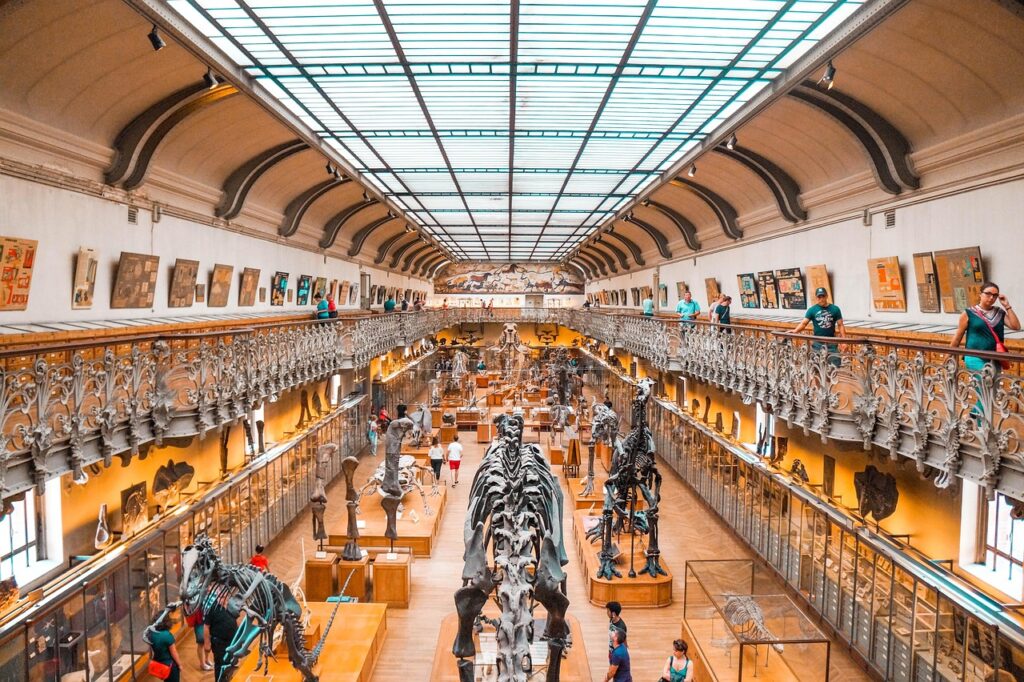
Walk into any natural history museum and you’ll see a dinosaur skeleton in the lobby, a wall of ammonites near the gift shop, and maybe a saber-tooth skull under glass. That’s the museum, right? Not even close.
What you’re looking at is a rounding error. Behind unmarked doors, past “staff only” signs, and inside climate-controlled rooms most employees never enter, museums are quietly sitting on millions of bones, teeth, shells, and skulls the public will likely never see. Some are too fragile for daylight. Some have waited decades just to be cleaned out of the rock they were found in. And a few, it turns out, have been sitting in a drawer so long that nobody realized they belonged to a species science hadn’t even named yet. Here’s what’s actually happening in the rooms behind the exhibit halls.
#14 – Most Museums Only Show You Less Than 5% of What They Own
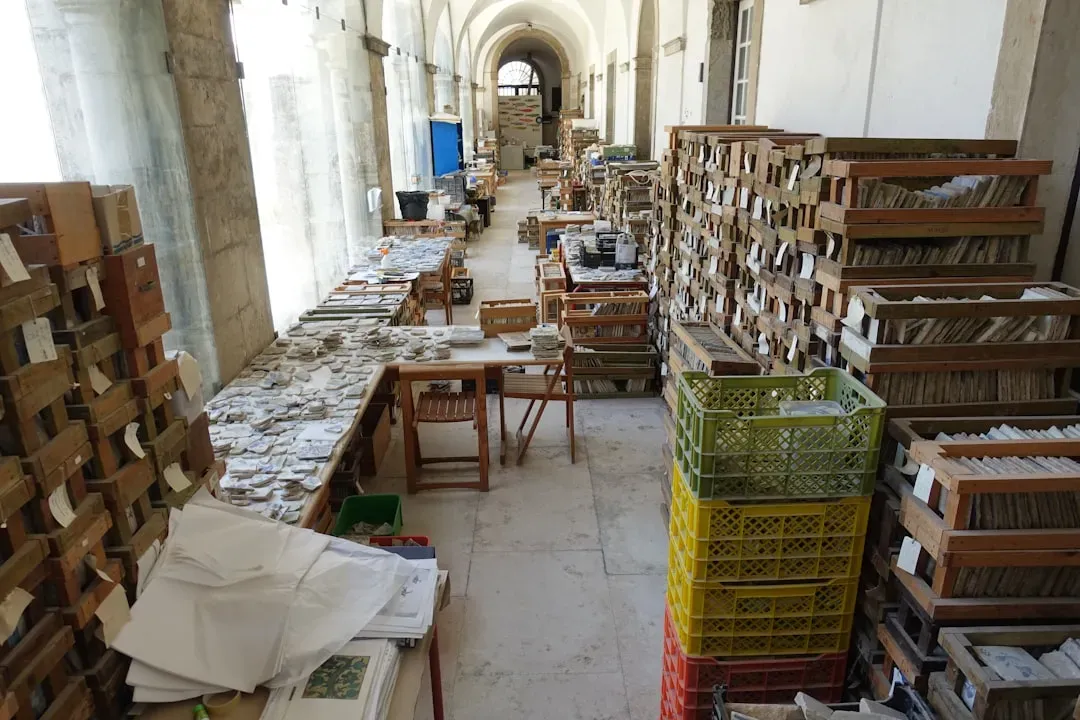
Walk through any natural history museum and you’re seeing the tip of the iceberg – and not a very tall tip. Most museums display less than five percent of the objects they actually own.
That figure isn’t unique to natural history institutions, either. Many museums and galleries keep over 90% of their collections in storage at any given time, a practice used everywhere from the Metropolitan Museum of Art to London’s Victoria & Albert Museum. Some fossils are simply too fragile for gallery lighting and foot traffic. Others just no longer fit the story the museum is currently trying to tell.
#13 – The Locked Room Almost No Visitor Is Allowed Into
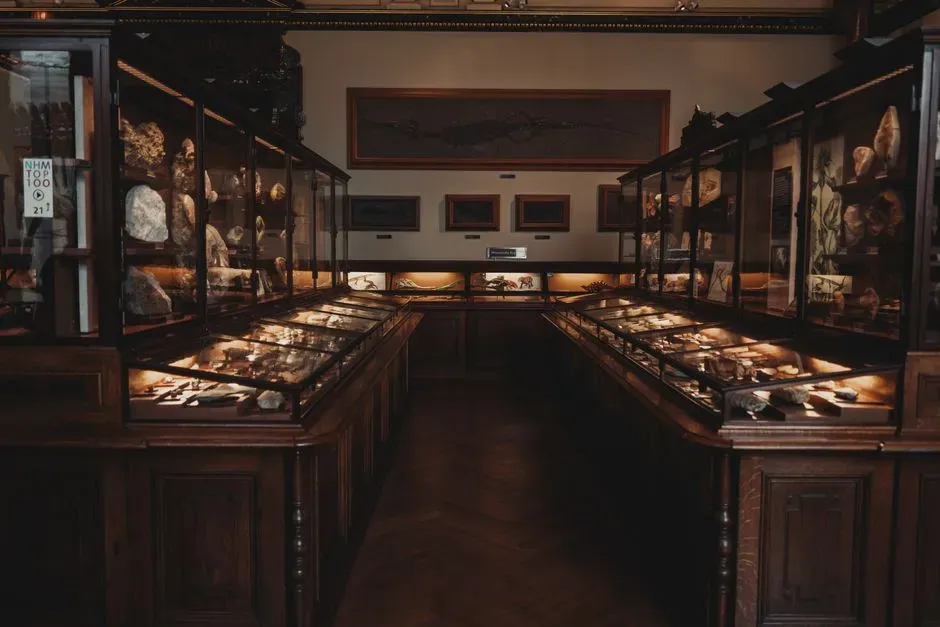
Somewhere in nearly every major natural history museum sits a room holding the single most legally and scientifically important fossil of an entire species. It’s almost never on public display.
That fossil is called a holotype – the official reference specimen that anchors a species’ scientific name forever. The holotype of Pelorosaurus humerocristatus, a large Early Jurassic herbivore, is a fossil leg bone locked away at the Natural History Museum in London, not mounted for tourists but protected because it’s irreplaceable. The same is true at the Field Museum in Chicago, where the holotype skull of Scymnognathus major, a Permian gorgonopsian from South Africa, quietly anchors the species name from inside the paleontological collection. These bones are technically the most important fossils in the building, and almost nobody outside research staff ever lays eyes on them.
#12 – Loaned Bones Spend More Time Traveling Than On Display
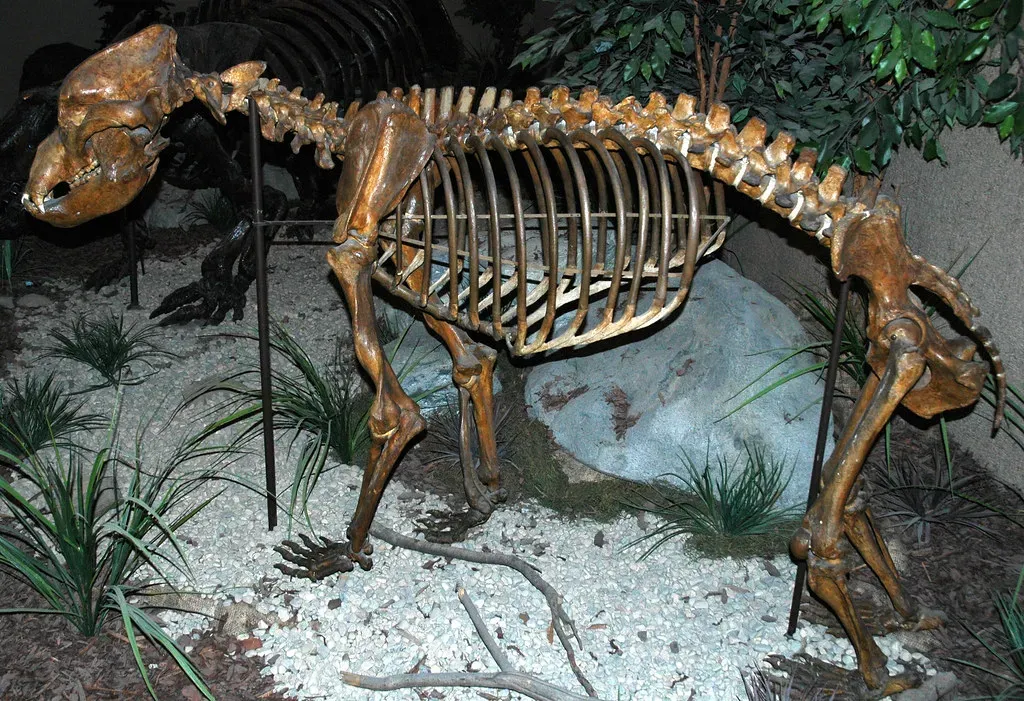
Here’s something most visitors never consider: the fossil you drove across the state to see might currently be in a truck heading to a museum on the other side of the country.
Museums often own far more specimens than they could ever display at once, so instead of gathering dust forever, many fossils circulate. They’re loaned to visiting scholars, shipped to other institutions for research, or put on temporary exhibit somewhere else entirely. A fossil owned by a museum in New York could spend years on display in Tokyo or London while the home museum’s own visitors never get a glimpse of it. Sometimes the “home” institution never shows its own most important specimen at all, choosing instead to keep it circulating for research value.
#11 – The Climate-Controlled Vault Behind the Locked Doors
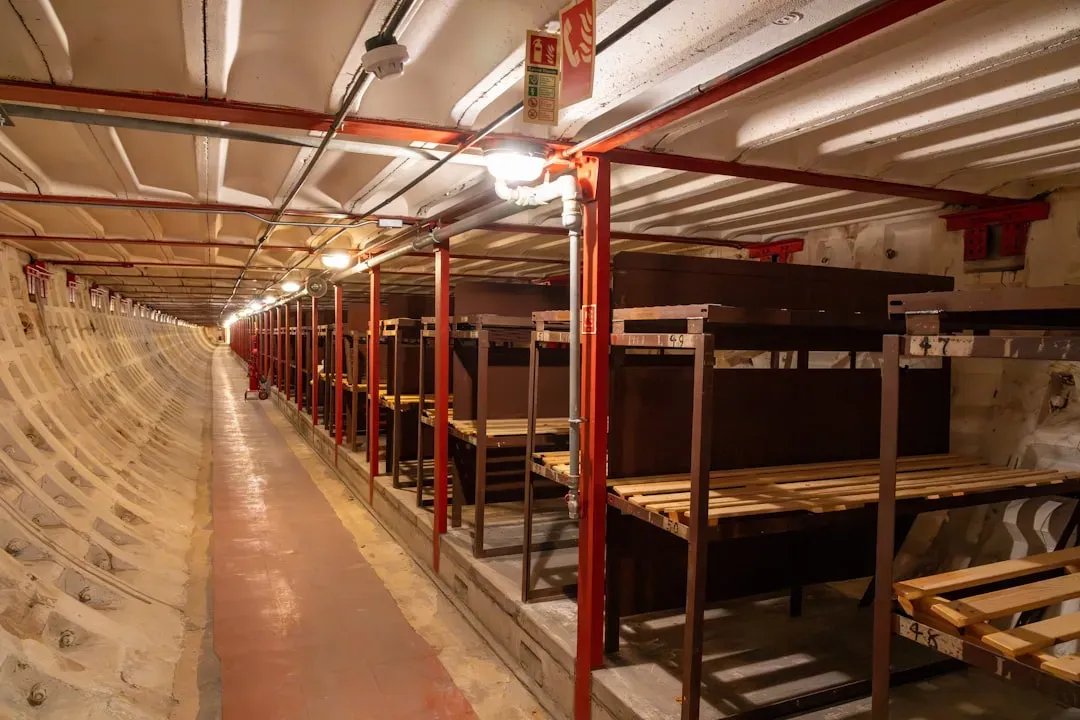
Most people picture museum storage as a dusty attic. It’s actually closer to a hospital operating room.
Fossil storage rooms are engineered to keep relative humidity locked close to 50%, with staff working hard to minimize swings beyond a 45-55% range. Specimen cabinets protect fossils from dust, light, insects, theft, and unnecessary handling. Some cabinets even sit on rails so entire walls of fossils can slide apart like a filing system, saving space in rooms that would otherwise need to be the size of a warehouse. Public exhibit halls simply can’t maintain that level of precision at scale, which is exactly why so much stays locked away.
#10 – A Single Collection Can Hold 44 Million Specimens
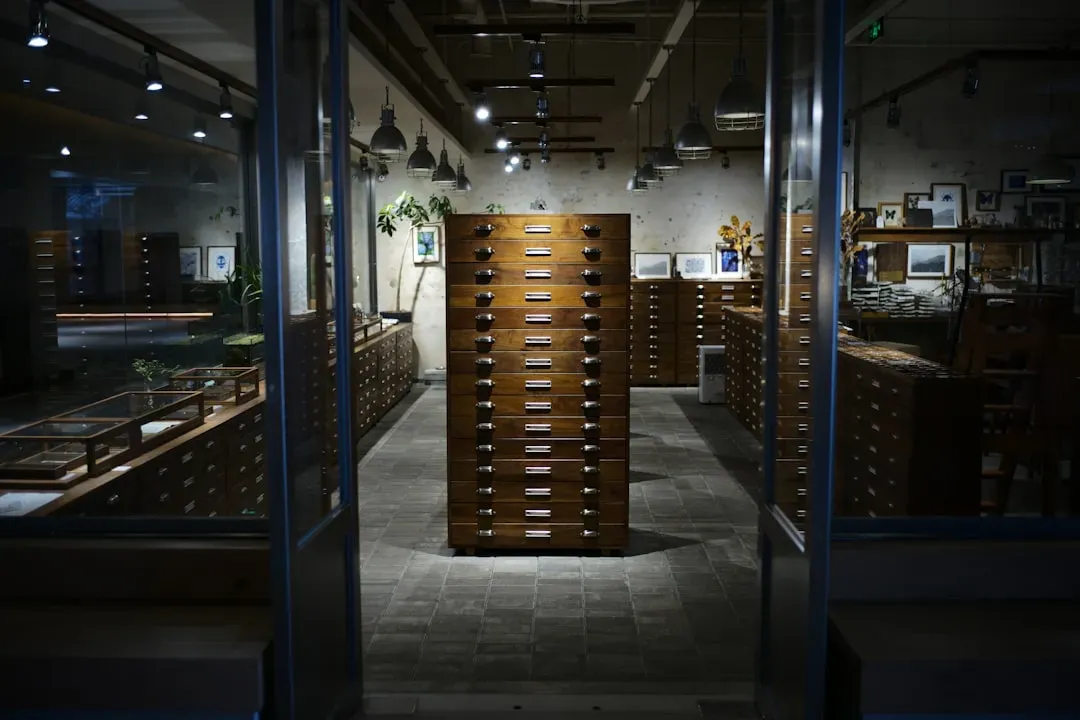
Numbers like this don’t sink in until you try to picture them. Imagine every person in Los Angeles cataloged individually, in drawers.
The paleobiology collection at the Smithsonian’s National Museum of Natural History holds more than 44 million specimens, from dinosaur fossils to fossil plants. The exhibit halls upstairs hold maybe a few thousand of them. The rest sit in a research wing most visitors don’t even know exists, cataloged and waiting for the right scientist to request them – meaning fewer than one in ten thousand of those specimens will ever see a display case. The collection wasn’t built for tourists. It was built as a reference library for the entire history of life on Earth.
Fast Facts
- 44+ million specimens housed in one paleobiology collection alone
- Exhibit halls hold only a few thousand of them at any time
- Fewer than 1 in 10,000 specimens will ever reach a display case
- Collection spans everything from dinosaur bones to fossil plants
#9 – For Every Fossil Site You’ve Heard Of, 23 More Are Hiding on Shelves
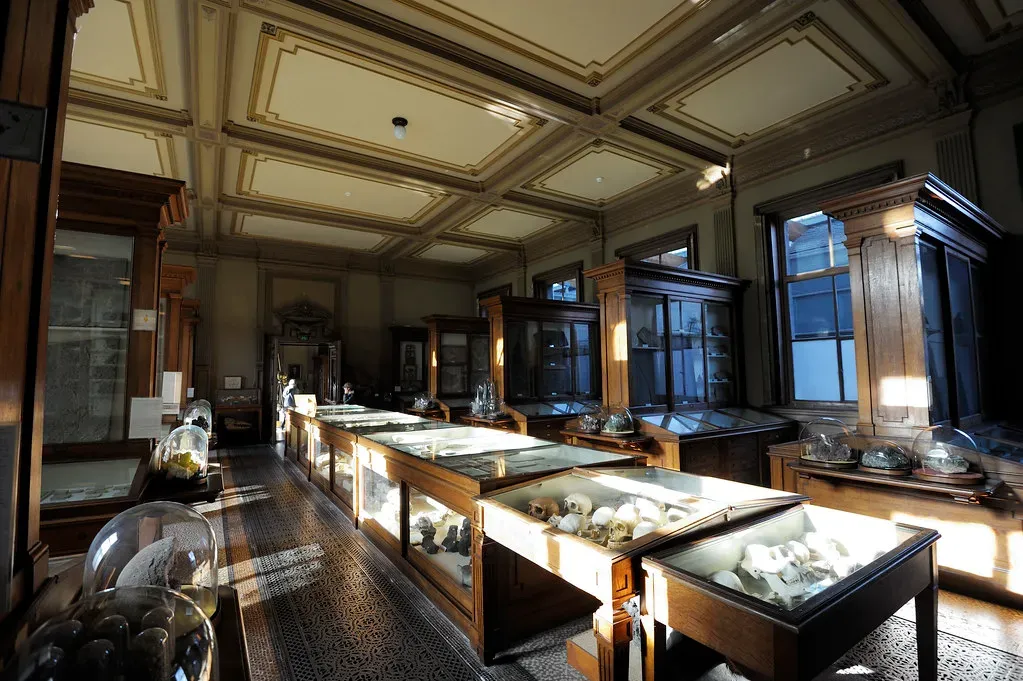
This one genuinely surprised the scientists who found it.
A team of paleontologists set out to measure how much of the fossil record sits unpublished and undocumented in museum drawers worldwide. Their answer: for every fossil-bearing location recorded in scientific literature, roughly 23 more exist quietly on museum shelves. Researchers now call this “dark data” – information sitting in the dark, uncounted and unstudied, sometimes for generations. It also means flashy new dinosaur “discoveries” can be a little misleading, since most of what gets announced was arguably already sitting in a drawer somewhere, waiting for someone to look.
#8 – Only 3 to 4 Percent of Known Fossil Sites Have Ever Been Published
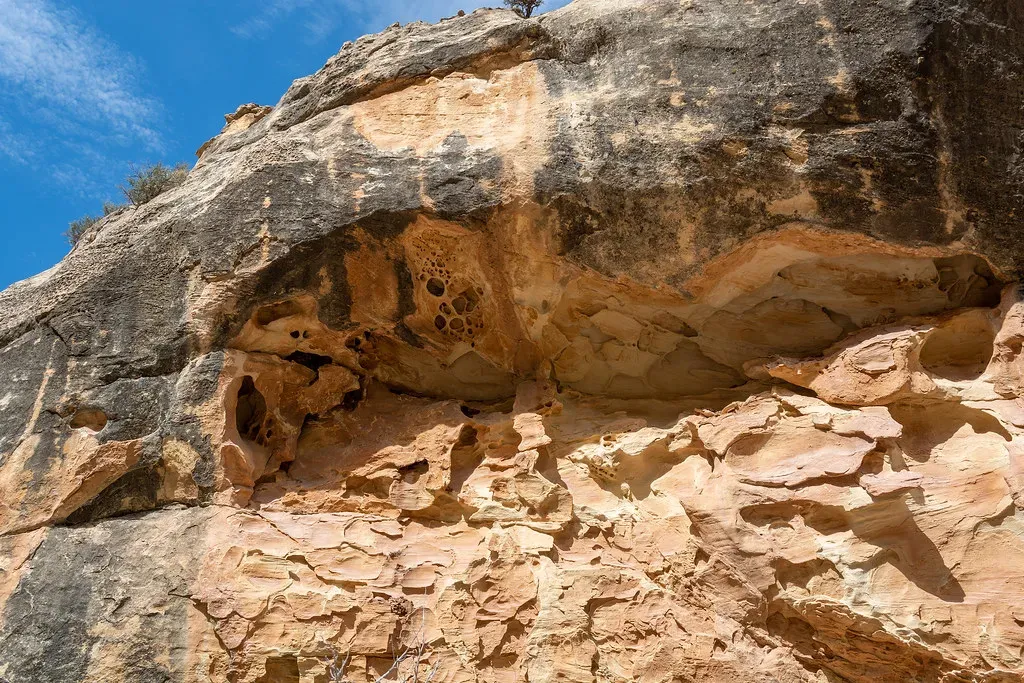
If dark data sounds troubling, the actual scale of it is worse than most people realize.
Of the fossil-bearing locations known to exist across the globe, only 3 to 4 percent are accounted for in published scientific literature. The rest exist only as specimens in cabinets, tagged with a location and a date, waiting for someone with the time and funding to study them properly. This became painfully real in 2018: the same week these findings were released, a fire tore through Brazil’s National Museum and destroyed irreplaceable specimens, wiping out decades of undocumented fossils in a single night. Entire species’ worth of evidence can vanish before anyone ever writes it down.
#7 – The Real Fossil Isn’t Always the One You’re Looking At
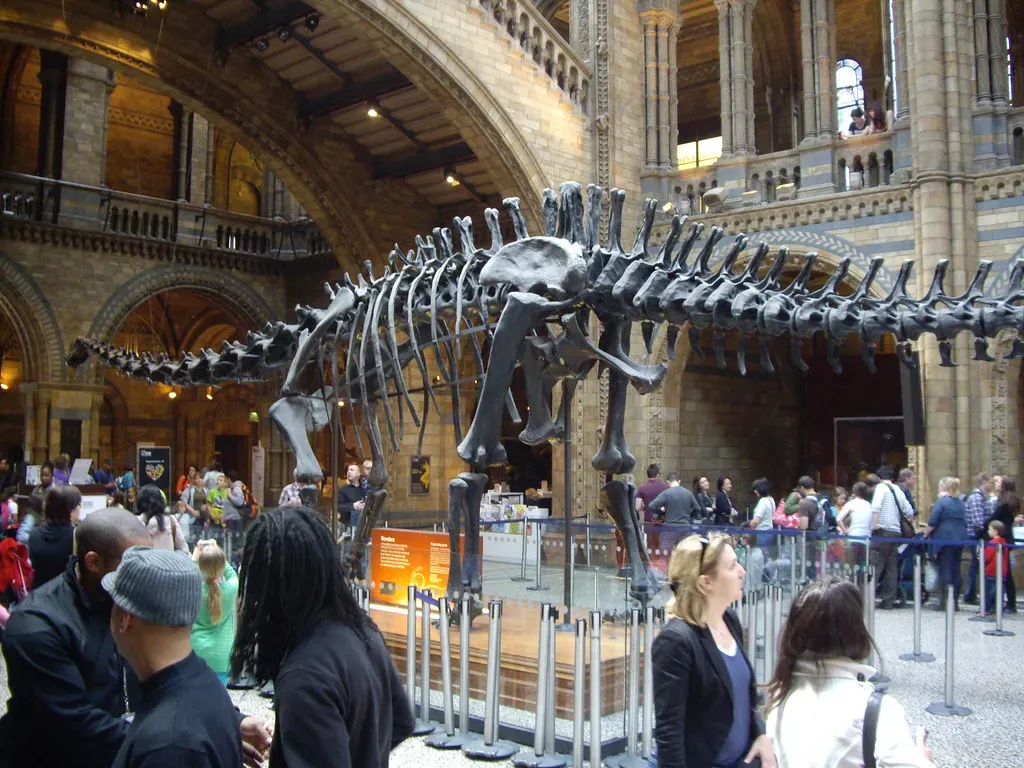
Here’s a detail that quietly unsettles a lot of museum-goers once they learn it: that jaw-dropping skeleton on display might not be the actual fossil at all.
Some fossils are extremely fragile and vulnerable to vibration, temperature swings, and humidity changes, so museums exhibit casts of the rarest, most historically important specimens while storing the real bones under controlled conditions for future research. The cast on the gallery floor is often molded directly from the original, down to every crack and texture. Few skeletons are found 100% complete anyway, so replicas of particularly good specimens are common practice. The genuine, priceless bone is frequently sitting in a padded box two floors below your feet – and that’s not deception, it’s preservation.
Quick Compare
- Display Cast: molded replica, built to withstand lighting, vibration, and daily foot traffic
- Original Fossil: kept in a humidity-controlled vault, reserved for research and future study
- Display Cast: seen by millions of visitors every year
- Original Fossil: handled rarely, and almost never by the public
#6 – Some Fossils Sat Unprepared for Decades Because They Were Too Hard to Clean
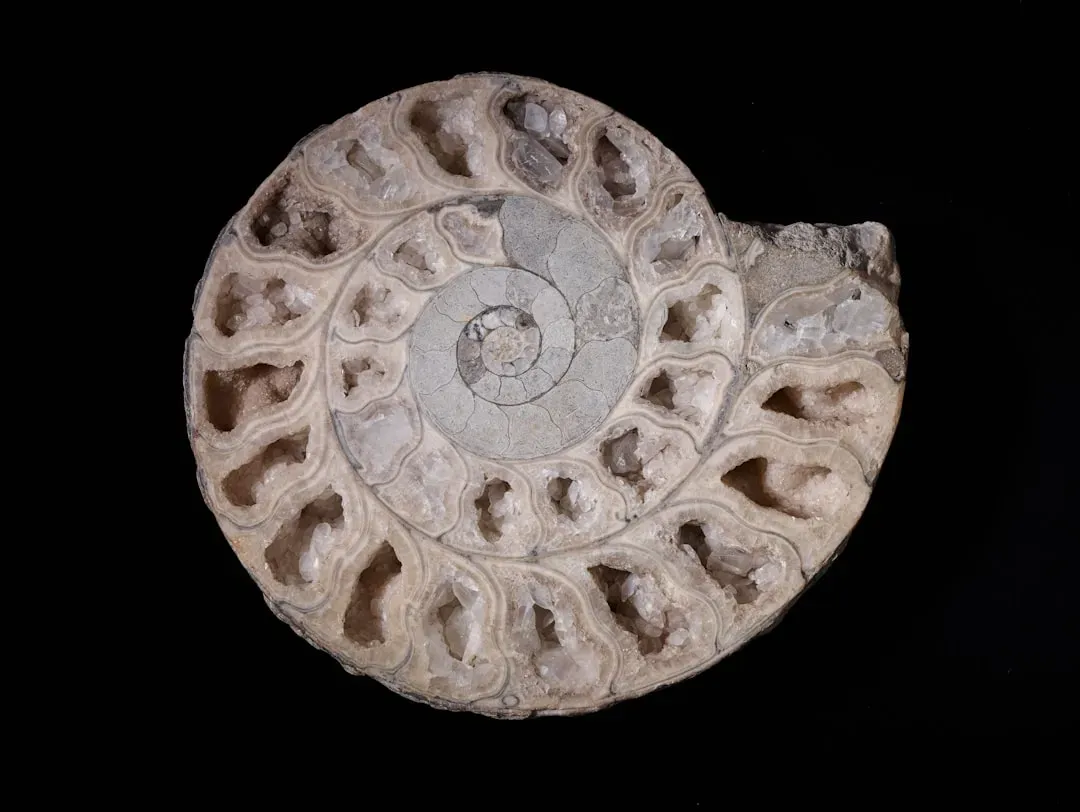
This might be the most surprising category on this entire list: fossils that have been in a museum’s possession for generations and have never even been fully cleaned out of the rock.
The National Museum of Natural History has unprepared fossils in its collections that earlier generations of preparators judged too difficult to work on, so they were set aside to await better tools and techniques. Others were pulled from the ground purely to save them from erosion, with no plan for who would eventually study them. Collections staff now describe working through these “basement treasures” for scientists who weren’t even born when the fossils were first collected. Some of these fossils have waited longer for attention than the researchers now cleaning them have been alive.
#5 – When a Museum Closes, Its Fossils Can End Up in a Tunnel
Not every fossil ends up in a pristine, climate-controlled cabinet. Some end up somewhere far stranger.
At Wesleyan University, an osteology collection with roots predating the university itself was displayed publicly for decades until the museum housing it closed in 1957 to make room for research labs. Afterward, the bones were stored haphazardly in tunnels under Foss Hill, stashed in faculty offices, or in some cases sold off or thrown away entirely. It wasn’t until decades later that a collections manager tracked down what remained and moved it into proper long-term storage. Bones that once anchored a public exhibit spent years literally underground, forgotten in a tunnel most students didn’t even know existed.
#4 – A Box Labeled “Montana, 1938” Held Triceratops Horns No One Had Ever Catalogued
Sometimes a museum doesn’t even know exactly what it owns until someone opens the right box.
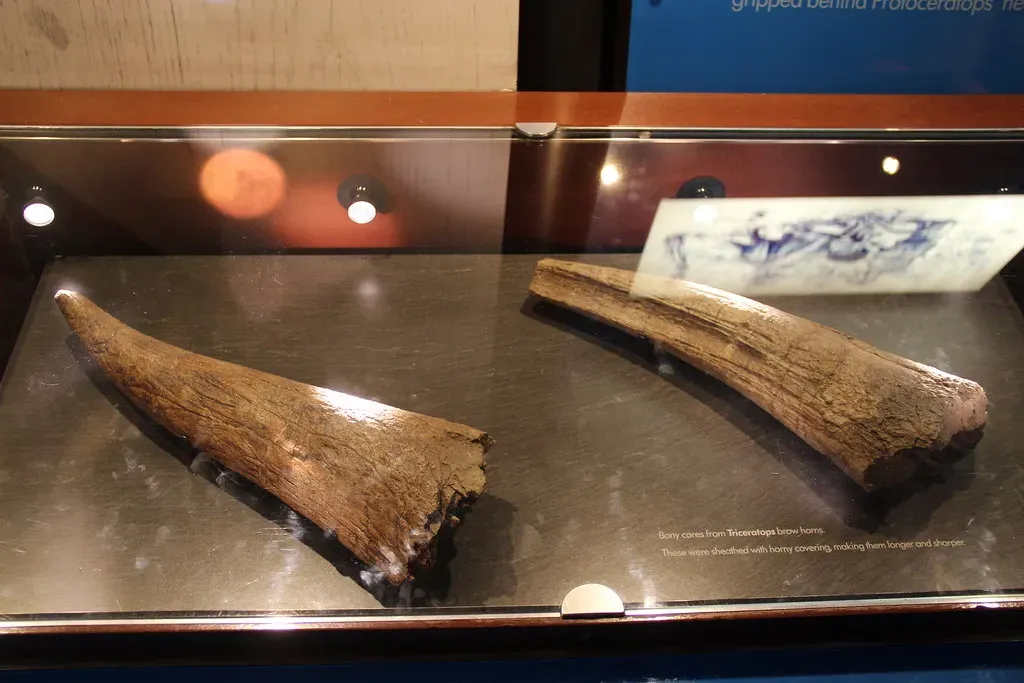
During a move at the University of Michigan’s Museum of Paleontology – a collection holding more than two million specimens – staff opened a dusty cardboard box and found two Triceratops horn cores, collected in Montana in 1938, that had never been catalogued. The original 1938 expedition had been massive, hauling back 7,691 pounds of fossils packed into 20 boxes, and apparently not everything got logged before it was shelved. These horn cores sat unrecorded in the museum’s own basement for over 80 years before a routine relocation finally brought them back into the light.
At a Glance
- 1938 Montana expedition hauled back 7,691 pounds of fossils
- Fossils were packed into 20 separate boxes
- Two Triceratops horn cores went uncatalogued for over 80 years
- The museum’s full collection now holds more than 2 million specimens
#3 – A Skeleton Dug Up in 1978 Turned Out to Be a New Species Decades Later
This is where things get genuinely strange: a fossil can sit in a collection for nearly half a century, already excavated and labeled, and still be scientifically unknown.
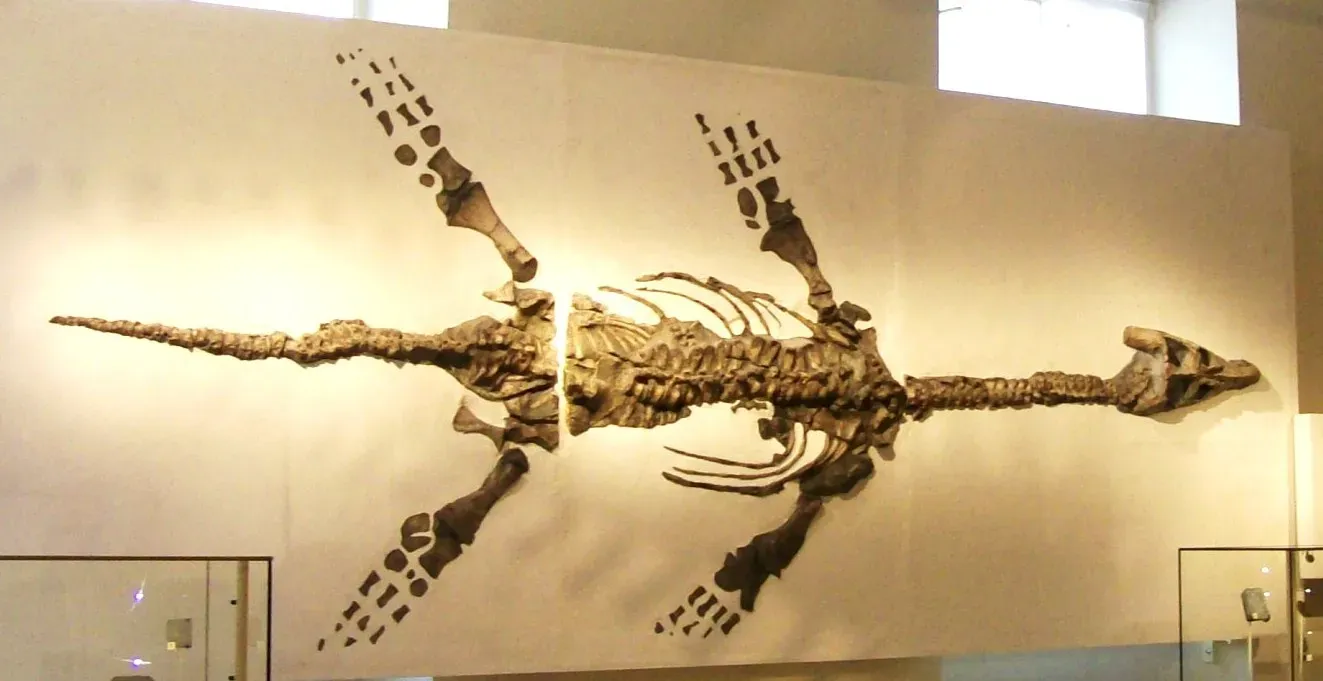
A plesiosaur skeleton excavated in 1978 from Germany’s famous Holzmaden fossil beds was briefly described in later decades, but its full anatomy had never been studied in real detail. Only recently, through modern phylogenetic methods and high-resolution comparison, could researchers confirm it was an entirely new species. It shows a mix of traits seen across multiple plesiosaur groups, hinting at early evolutionary experimentation – some features looking more advanced, others strikingly primitive. The species had technically been “found” nearly 50 years before it was actually discovered. It simply took that long for the right person to look at it the right way.
#2 – A Predator Mislabeled for Over a Century Turned Out to Be a New Species
Even world-famous museum collections aren’t immune to hiding a completely unrecognized predator in plain sight.
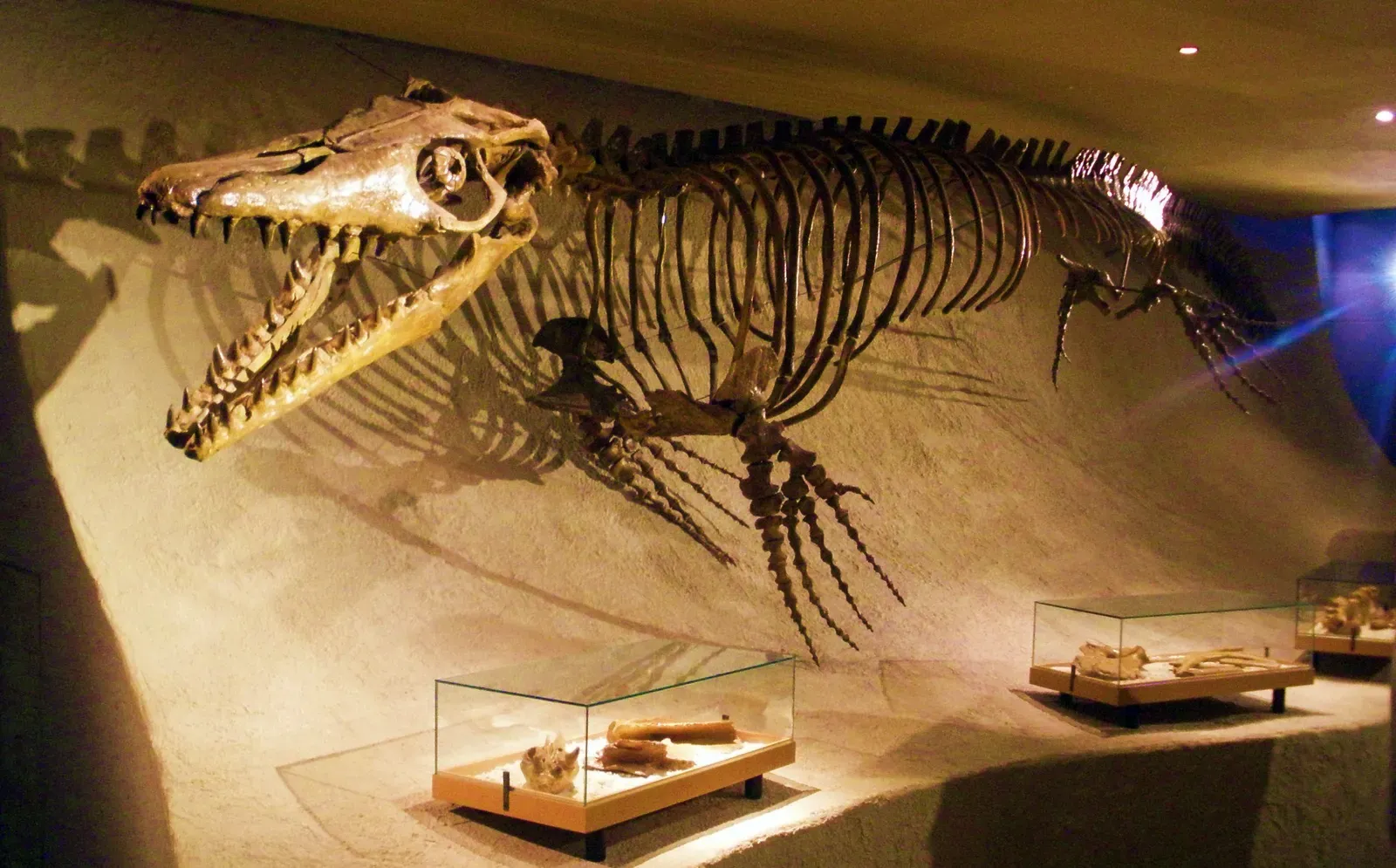
A paleontologist at the American Museum of Natural History noticed something off while examining the Heath Mosasaur specimen. Physical traits of the nearly complete skeleton didn’t match descriptions of the species it had been labeled as, and differences once chalked up to simple age variation turned out to be something else entirely. Closer study revealed it as a distinct, previously unrecognized species of mosasaur, with skull, jaw, and neck differences suggesting a fearsome predator. Its teeth were finely serrated – a trait uncommon among mosasaurs – giving it a nasty ability to shred and shear prey. A genuinely new apex predator had been sitting in a drawer, misidentified, for generations.
#1 – A “Living Fossil” Fish Sat in Museum Drawers for 150 Years Before Anyone Noticed
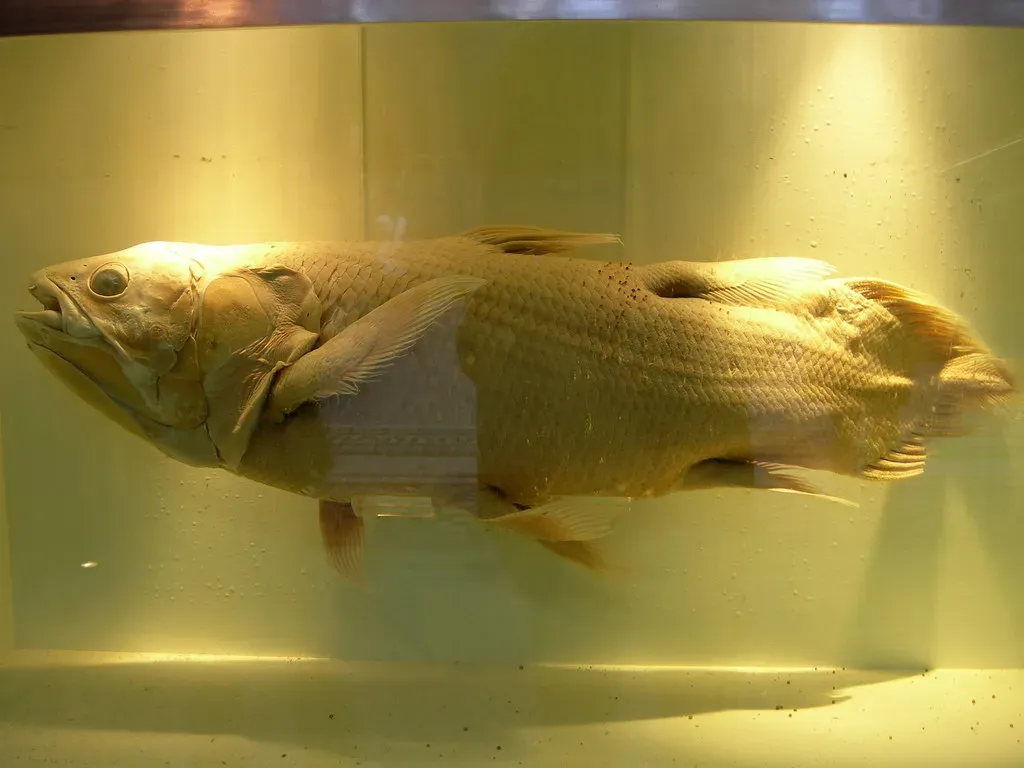
If there’s one story that proves how much museums are quietly sitting on, it’s this one.
Researchers recently discovered that specimens long misidentified as reptile or mammal bones were actually coelacanths – the so-called “living fossil” fish once thought nearly unknown from that time period in Britain. Some of these specimens had sat in museum storage, and even on public display, since the late 1800s, dismissed as lizard bones, mammal bones, or simply unidentified fragments. What had once been just four reported coelacanth finds from the British Triassic suddenly became more than fifty, most belonging to an extinct family called the Mawsoniidae, closely related to the coelacanth species still swimming today. For a century and a half, museums were unknowingly hoarding one of the richest coelacanth records in the country, mislabeled and overlooked, sometimes while sitting right under a display light.
Why It Stands Out
- Specimens sat misidentified in collections since the late 1800s
- Known British Triassic coelacanth finds jumped from just 4 to more than 50
- Most belong to the extinct family Mawsoniidae
- Directly related to coelacanth species still alive in today’s oceans
The Bottom Line
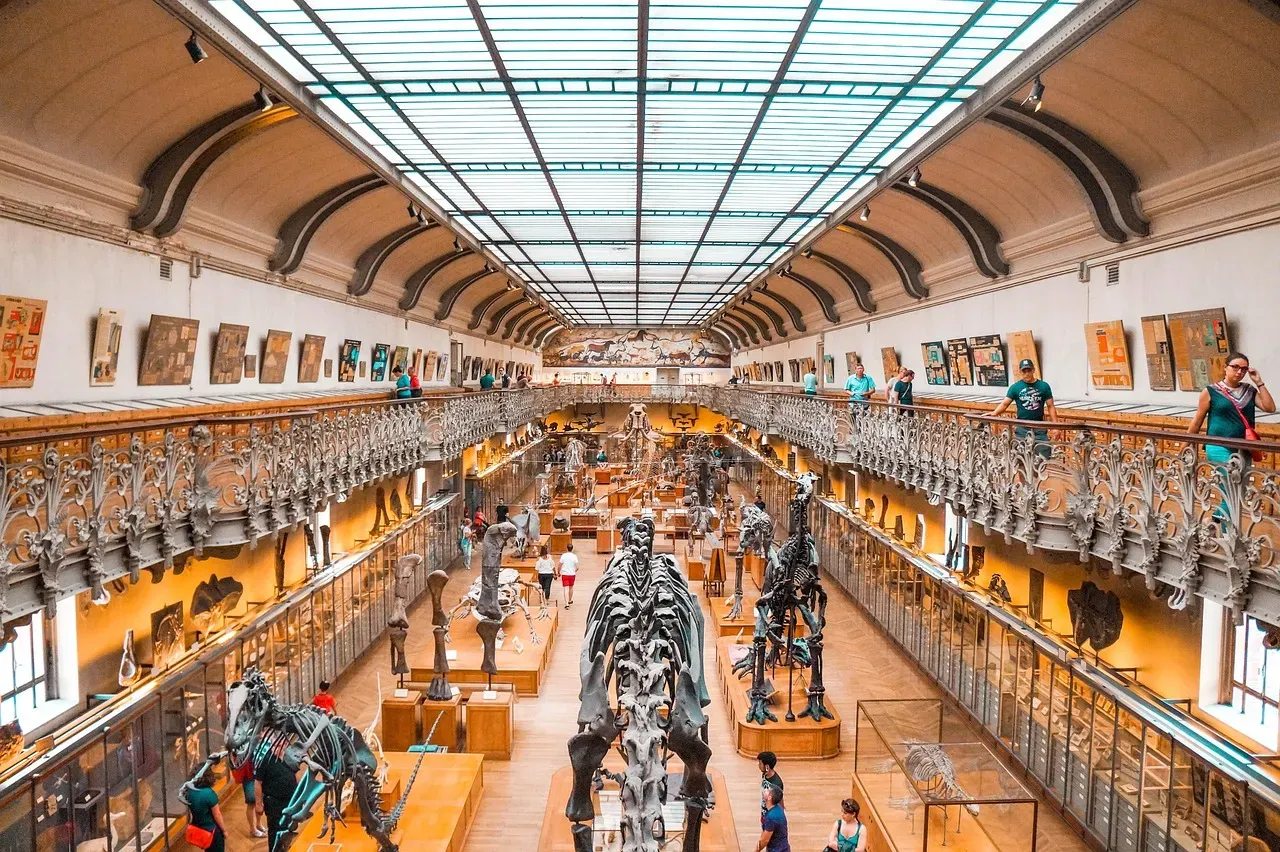
The honest truth is that museums aren’t hiding fossils out of secrecy. They’re hiding them out of necessity, and frankly, most institutions are still bad at explaining that to the public.
Storage rooms hold more scientific value than exhibit halls ever will, yet museums rarely advertise that fact because it doesn’t sell tickets the way a T. rex skull does. The most disturbing part isn’t that fossils sit unseen – it’s how many sit unidentified, misfiled as the wrong species for decades, or completely uncatalogued in a basement box. If a mislabeled predator and a 150-year-old “living fossil” can hide in plain sight this long, it’s fair to wonder what else is still sitting in a drawer somewhere, waiting for the right person to open the box. What do you think museums should prioritize next – digitizing what they already own, or funding new digs? Drop your take in the comments.