Most people assume extinction science is settled. A giant rock killed the dinosaurs, cavemen speared the last mammoth into oblivion, and once a species vanishes, that’s the end of the story – full stop, no do-overs.
Except paleontologists and biologists have quietly walked back almost every one of those “facts” over the last decade. New fossil-dating techniques, ancient DNA sequencing, and sharper statistical models have gutted textbook explanations that stood unchallenged for generations – some built on data so skewed it’s almost embarrassing in hindsight. Here’s what the science actually says now, counting down to the theory that got it most spectacularly wrong.
#12 – Mass Extinctions Weren’t Always One Big, Sudden Catastrophe
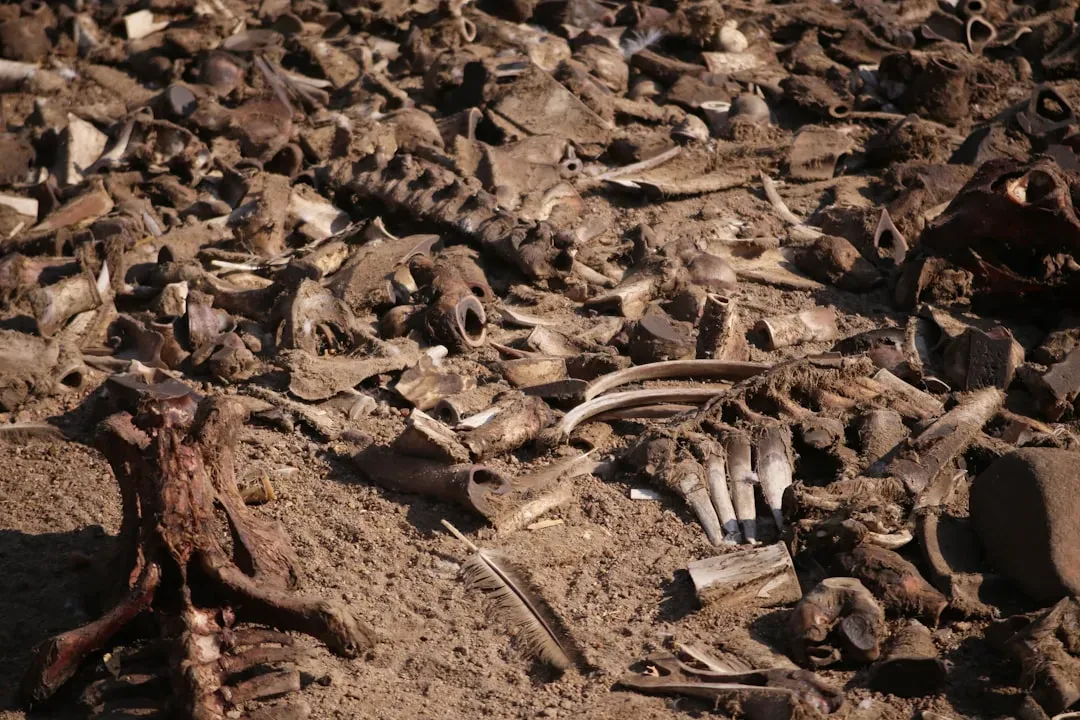
For decades, the go-to explanation for mass die-offs was simple: one giant event, one dead planet. Textbooks loved the clean narrative – a single asteroid, a single eruption, one bad day for life on Earth.
Scientists have since largely replaced that with what’s called the press-pulse model, and it changes the whole story. Instead of one knockout blow, extinctions usually need a slow-building environmental “press” – think long-term climate drift or ocean chemistry shifts – that weakens ecosystems for millions of years before a sudden “pulse” event finishes the job. In other words, the dramatic asteroid or eruption often gets all the credit, but it was frequently just the final straw on an already-collapsing system.
#11 – Dinosaurs Weren’t Doomed Long Before the Asteroid Hit
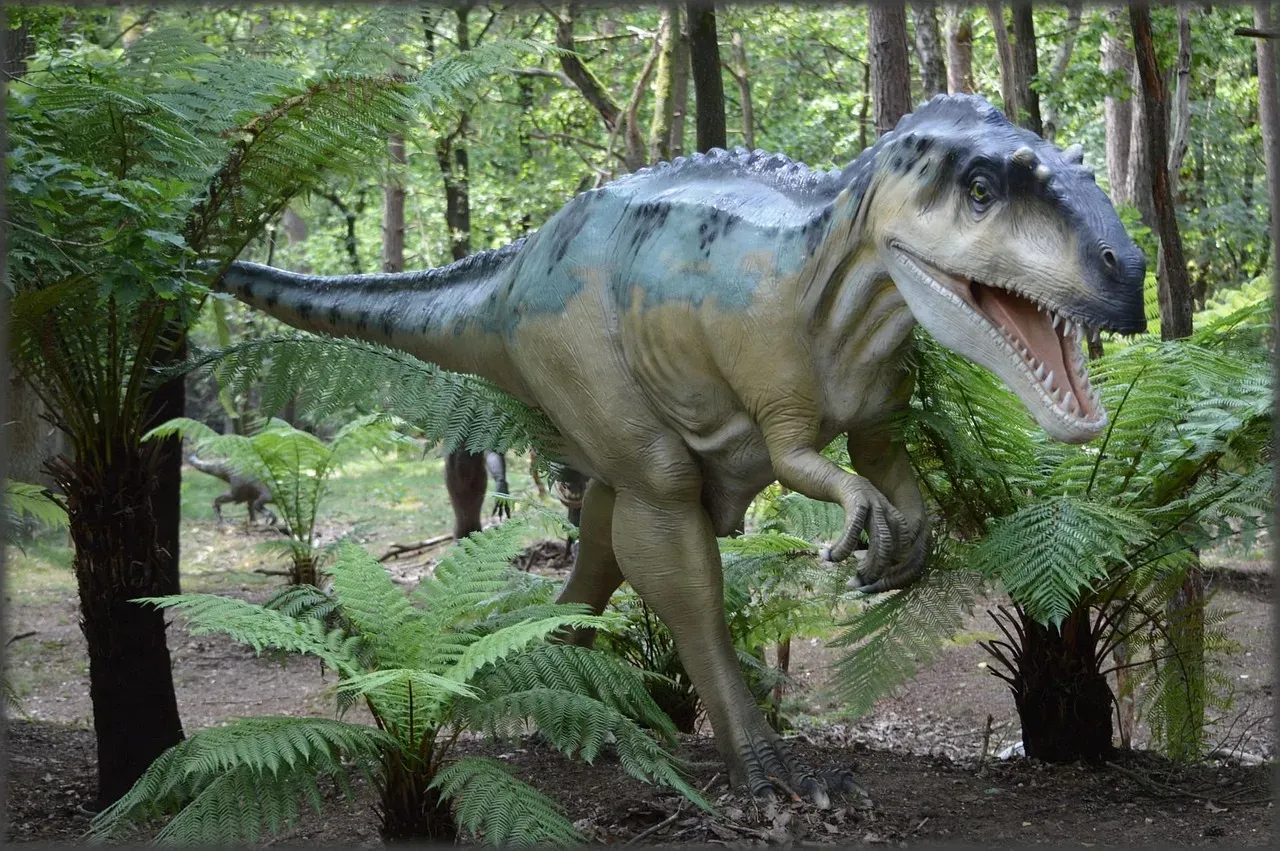
The idea that dinosaurs were already fading into irrelevance before the Chicxulub impact became almost gospel in paleontology classrooms. The story was tidy: mammals were quietly rising while dinosaurs limped toward their inevitable extinction.
New research is tearing that narrative apart. The apparent decline before the asteroid may be explained by a worsening fossil record from that time rather than a genuine dwindling of dinosaur species. Fossil sites in New Mexico tell an even more dramatic story – rock layers there capture an overlooked window showing active, healthy dinosaur ecosystems that persisted right up until shortly before impact. The “inevitable decline” story may have been an illusion created by gaps in the rock record, not the animals themselves.
#10 – The “Great Dying” Wasn’t Caused by Just One Thing
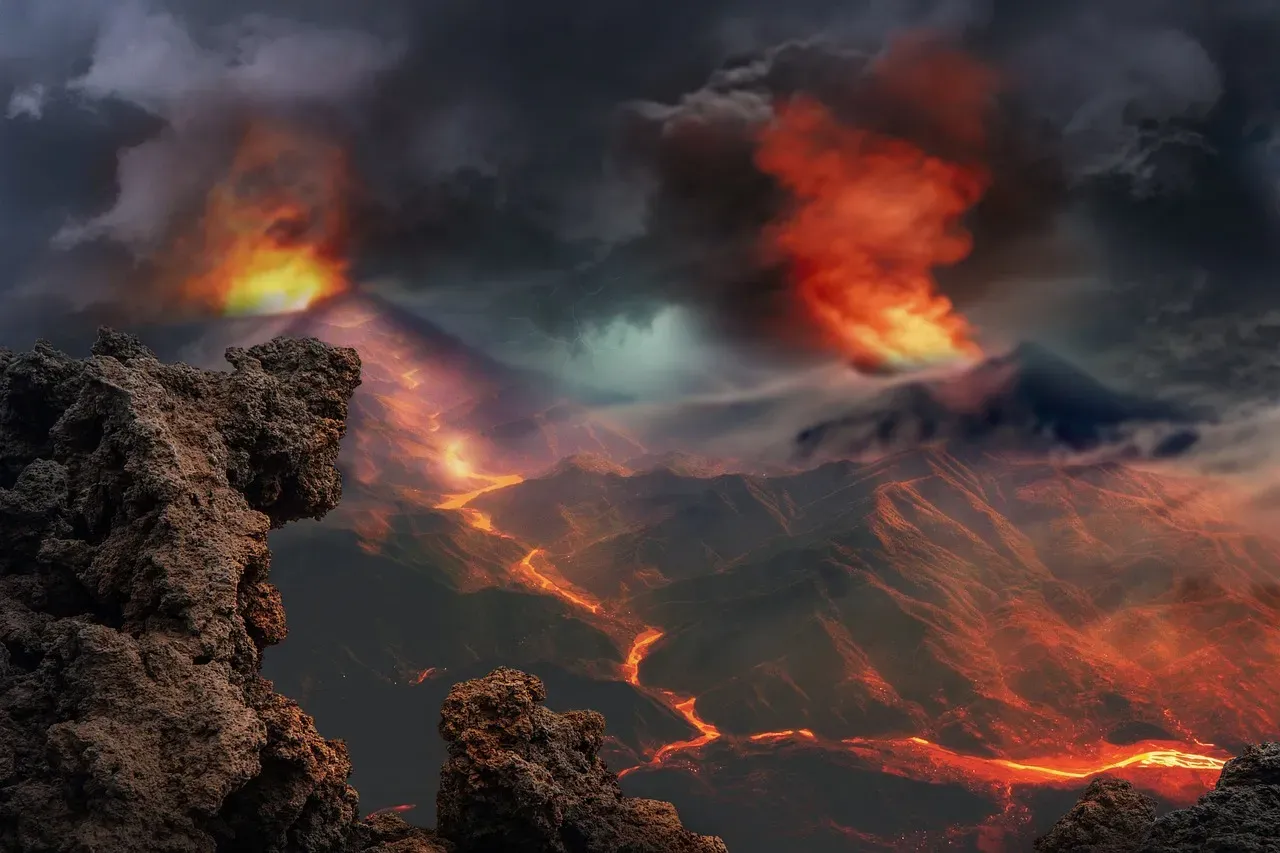
Ask a geology student what killed 80%+ of species 252 million years ago, and for years the answer was “Siberian Traps volcanism,” full stop. One eruption, one villain, case closed.
That’s now considered dangerously oversimplified. The eruptions were real and massive, but researchers have found the extinction unfolded through a cascade of compounding disasters – warming, ocean stagnation, and acidification, all triggered by the carbon the eruptions dumped into the atmosphere. During a second extinction pulse, a rapid injection of carbon caused an abrupt acidification event that drove the preferential loss of heavily calcified marine life.
Fast Facts
- Timing: About 252 million years ago, 96% of marine species and 70% of land animals died off during the Permian–Triassic extinction event, known as the “Great Dying.”
- Trigger: Massive Siberian Traps eruptions released enormous volumes of greenhouse gases over a geologically short window.
- Aftermath: The Permian-Triassic mass extinction was the most devastating extinction event of the Phanerozoic, resulting in up to 90% of marine animal species becoming extinct.
- Recovery: Studies indicate recovery from the extinction took at least 5 million years before global species richness returned to pre-extinction levels.
Volcanoes didn’t just torch the planet – they poisoned the oceans in a delayed second wave nobody predicted.
#9 – Extinction Rates Aren’t Steady Over Time
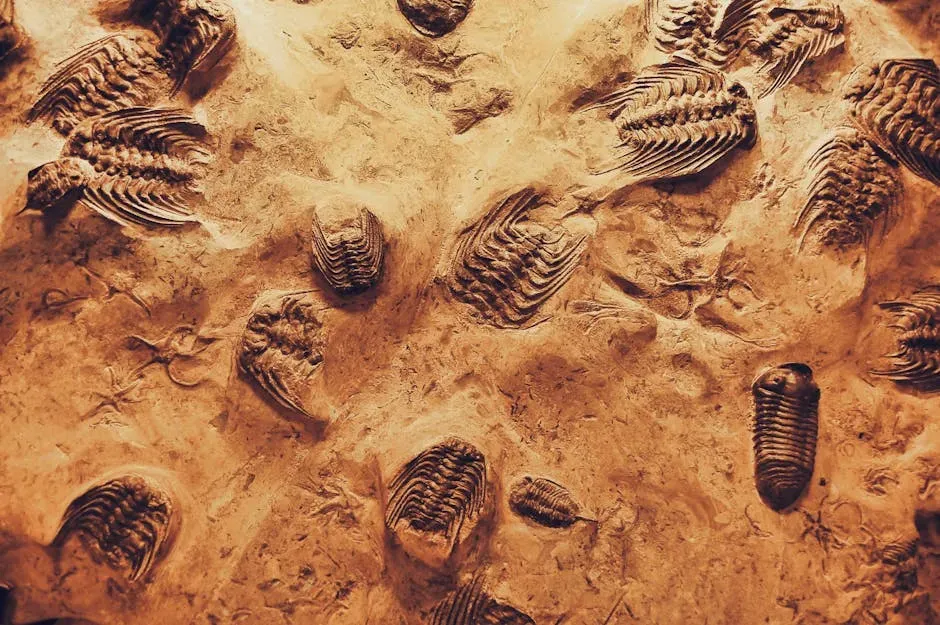
Older models treated extinction almost like a metronome – a slow, predictable background hum of species loss ticking along at roughly the same pace century after century, era after era.
That “steady drip” picture has been replaced by something far more chaotic. Extinction rates are not constant over the long history of life. Instead, bursts of extinction and subsequent speciation punctuate long intervals of relatively moderate turnover, with die-offs racing in fits and starts above some background level of attrition rather than moving like a plodding tortoise. Life on Earth doesn’t lose species gradually; it loses them in violent, uneven bursts separated by long calm stretches.
#8 – Neanderthals Probably Weren’t “Wiped Out” by Superior Humans
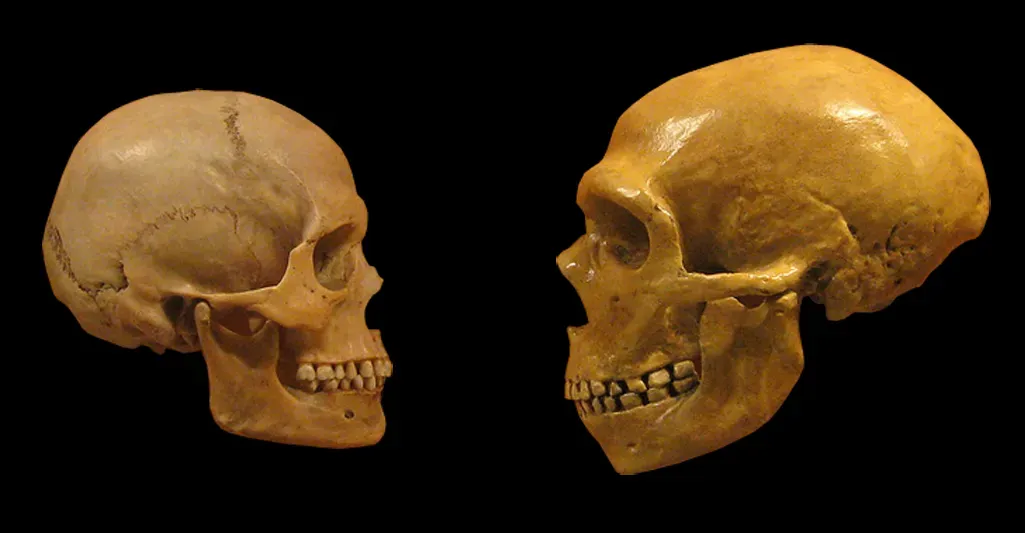
The dominant narrative for most of the 20th century was brutally simple: smarter, more advanced Homo sapiens outcompeted and effectively erased the supposedly inferior Neanderthals through direct conflict or straight-up superiority.
Genetics has quietly demolished that story. Current hypotheses point to a tangle of causes – violence, disease transmission, competitive replacement, extinction by interbreeding, natural catastrophes, climate change, and inbreeding depression – with an already-small population likely finished off by several of these at once. Some researchers now argue disease exchange was decisive, possibly the main reason modern humans are the only human lineage left standing.
Quick Compare
- Old theory: Modern humans won a direct, violent takeover.
- New theory: Disease, interbreeding, climate shifts, and demographic decline combined to finish off an already-shrinking population.
- Old theory: Neanderthals disappeared quickly after first contact.
- New theory: Genetic evidence points to a slow blending and fade-out stretched across thousands of years.
Neanderthals didn’t lose a war – they may have been slowly absorbed, out-bred, and out-lasted rather than conquered.
#7 – Humans Alone Didn’t Kill Off the Woolly Mammoth
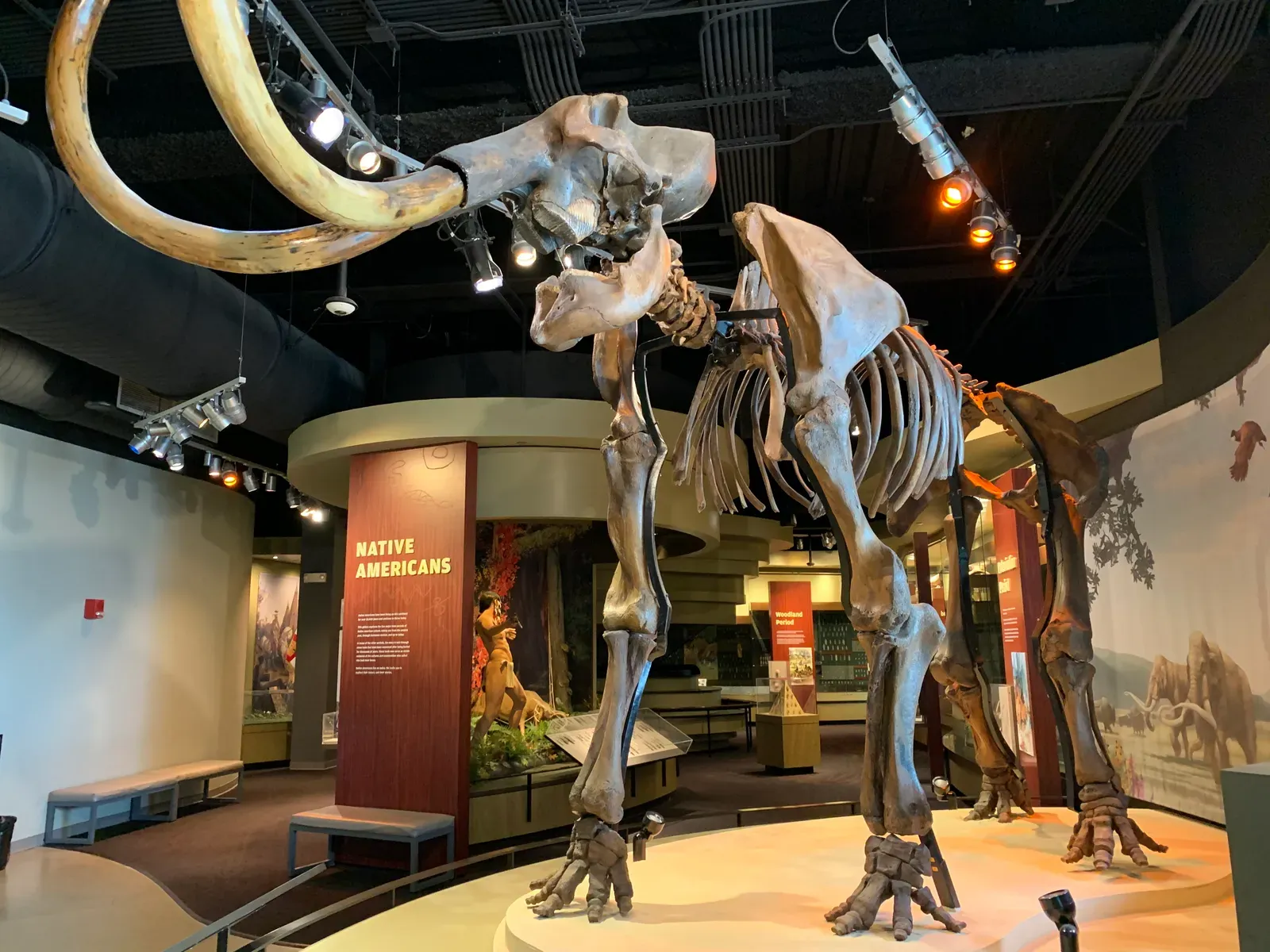
“Cavemen hunted mammoths to extinction” is one of the most repeated extinction stories in pop science – simple, dramatic, and satisfyingly guilt-inducing for our species. For decades it went largely unchallenged.
The real picture is far messier, and blame is shared unevenly. A landmark analysis combining climate models and fossil distribution found the woolly mammoth went extinct primarily because of habitat loss from changing temperatures, with human hunting acting as the final straw rather than the main driver. A later decade-long ancient-DNA project pushed this even further, concluding that shifting precipitation directly reshaped the vegetation mammoths depended on – with humans showing no measurable impact in the models at all. The “final nail in the coffin” wasn’t a spear – it was rain patterns reshaping the Arctic faster than mammoths could adapt.
#6 – Small Populations Don’t Always Spiral Into Extinction
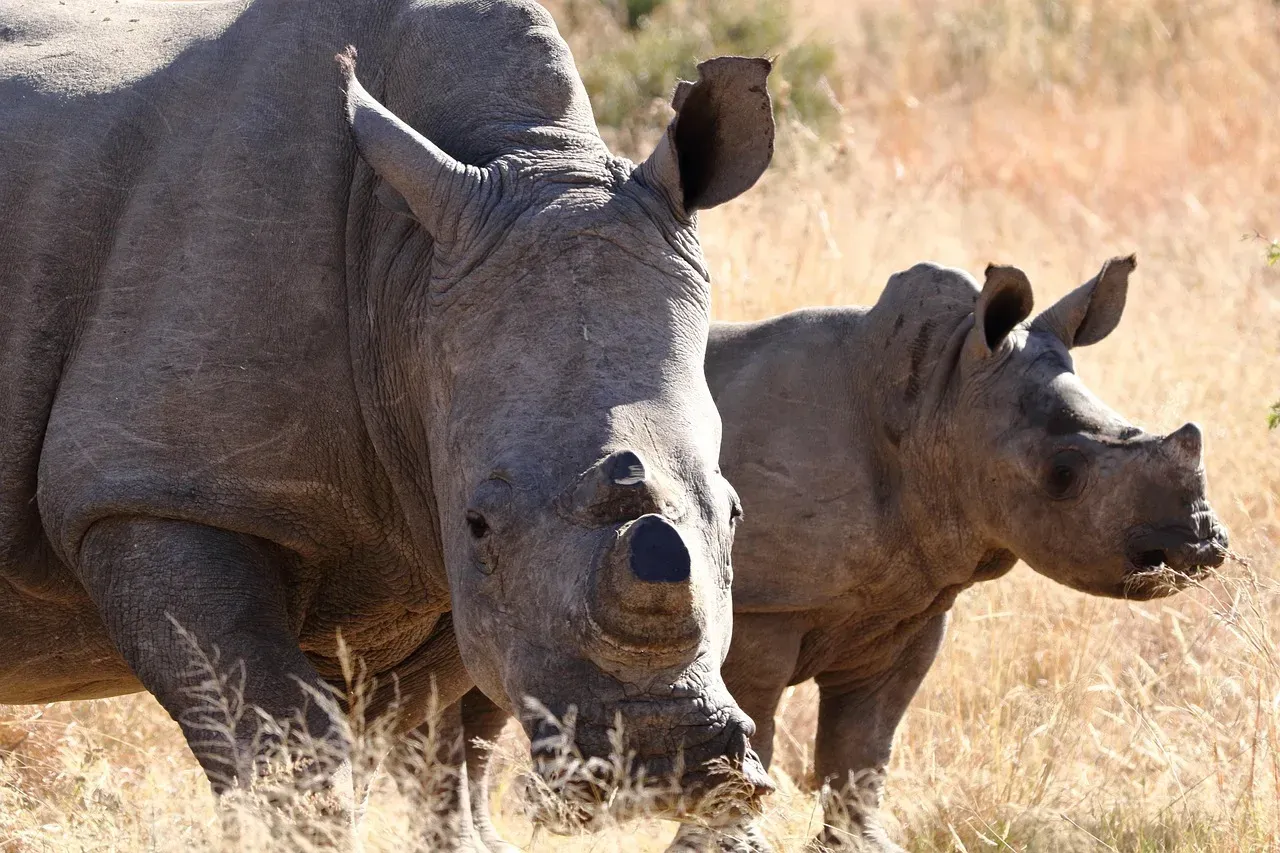
Conservation biology once treated the “extinction vortex” almost like a law of physics: once a population drops below a critical threshold, inbreeding, genetic drift, and bad luck compound until the species is doomed, no matter what.
That grim inevitability has softened considerably as more small, isolated populations have defied the model entirely. Several island and mountain populations that dipped to alarmingly low numbers have stabilized or rebounded, contradicting the assumption that low genetic diversity is an automatic death sentence. Researchers now stress that the outcome depends heavily on specific ecological conditions, not a universal countdown clock.
- Some populations recover with active management or habitat protection.
- Others plateau at low numbers for generations without collapsing.
The “point of no return” for small populations turns out to be far blurrier – and far more forgiving – than the textbook version suggested.
#5 – A Bleached Coral Reef Isn’t Necessarily a Dead Reef
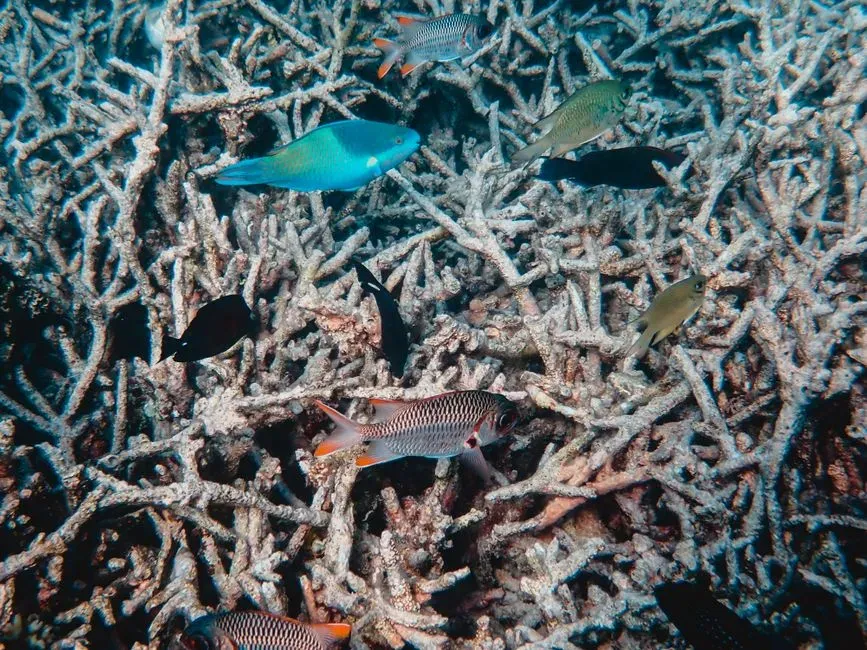
For years, mass coral bleaching events were reported almost like funerals – white coral equals dead coral, full stop, insert grim statistic here. It made for dramatic headlines but oversimplified the biology.
Bleaching actually describes a stress response, not an automatic death sentence. Corals expel the symbiotic algae that give them color and much of their food supply when water gets too warm, but the coral animal itself can survive for weeks afterward. If temperatures drop back down in time, many colonies re-absorb algae and slowly regain color and function.
- Recovery timelines vary wildly by species and reef location.
- Repeated back-to-back bleaching events are what actually cause permanent die-offs, not a single event alone.
One bad summer doesn’t kill a reef – it’s the lack of recovery time between bad summers that finishes them off.
#4 – Killing Off a Keystone Species Doesn’t Always Collapse an Ecosystem
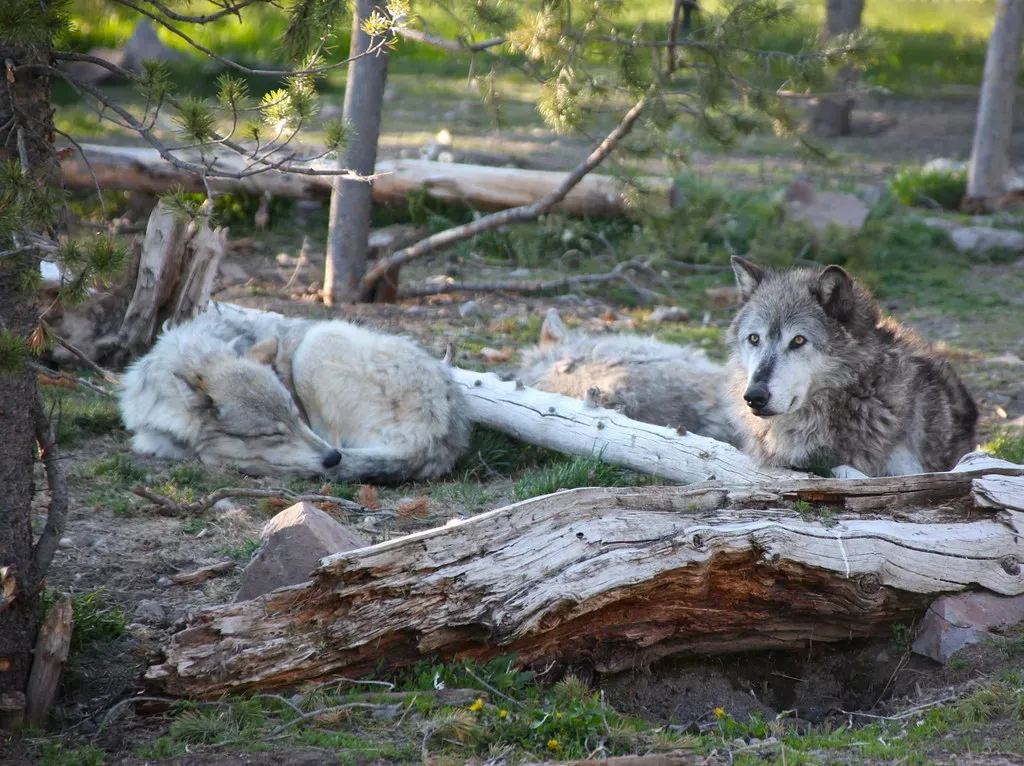
The “keystone species” concept made ecology feel almost architectural – pull one stone out, and the whole arch comes crashing down. It’s a compelling metaphor, and for a long time scientists treated it as close to universal law.
Real ecosystems have proven messier and more redundant than that. In several documented cases, other species have shifted their roles enough to partially fill the ecological gap left behind, softening what should have been a catastrophic collapse. This doesn’t mean keystone species don’t matter – many losses still trigger cascading damage – but the collapse isn’t automatic or uniform everywhere researchers have looked.
- Ecosystem resilience depends heavily on how many “backup” species share overlapping roles.
- Highly specialized ecosystems with few redundant species remain the most fragile.
Nature has more understudies waiting in the wings than the old “keystone” metaphor ever gave it credit for.
#3 – Passenger Pigeons Didn’t Vanish Overnight
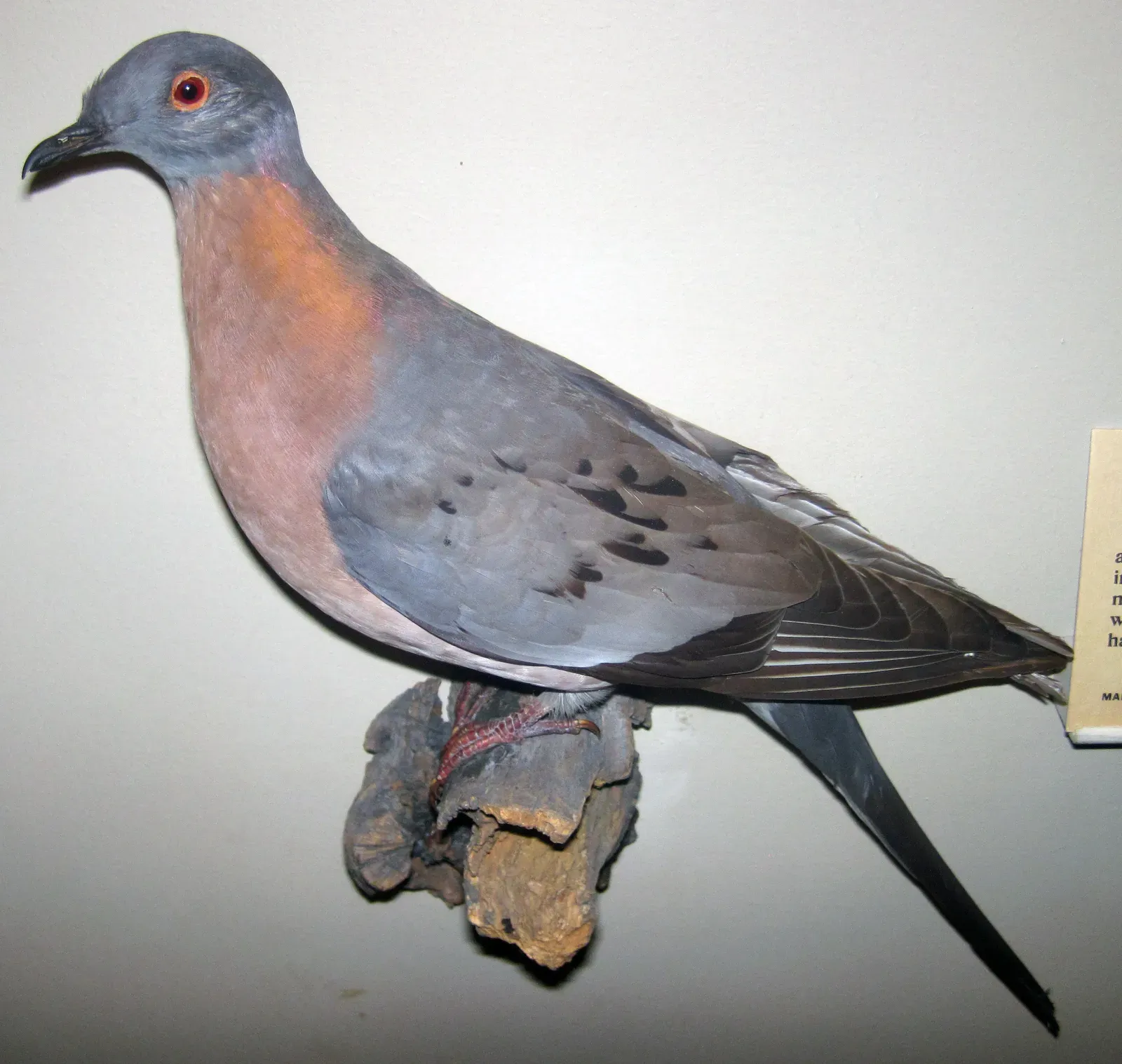
The extinction of the passenger pigeon is often told as a shocking, sudden crash – billions of birds one century, zero the next, as if a switch flipped almost instantly. It’s one of the most repeated “cautionary tale” extinction stories in American history.
The actual timeline was slower and, honestly, more disturbing. Populations dropped steadily over decades of relentless commercial hunting and habitat loss well before the species’ final collapse in the wild. By the time the last known wild bird disappeared, the population had already been crashing gradually for a generation – it just wasn’t obvious to people living through it, because the birds still appeared numerous locally even as their total range shrank.
At a Glance
- The passenger pigeon population was estimated at 3–5 billion individuals in the early and middle 1800s.
- The last reliable record of a wild passenger pigeon was in Ohio, where it was shot in 1900.
- On September 1, 1914, the very last one, named Martha, was found dead on the floor of her cage in the Cincinnati Zoo.
- The species went from ubiquitous to extinct in roughly five decades.
The pigeons didn’t disappear in a flash – humans just failed to notice a slow-motion collapse until it was already too late to reverse.
#2 – “Extinct” Doesn’t Always Mean Gone Forever
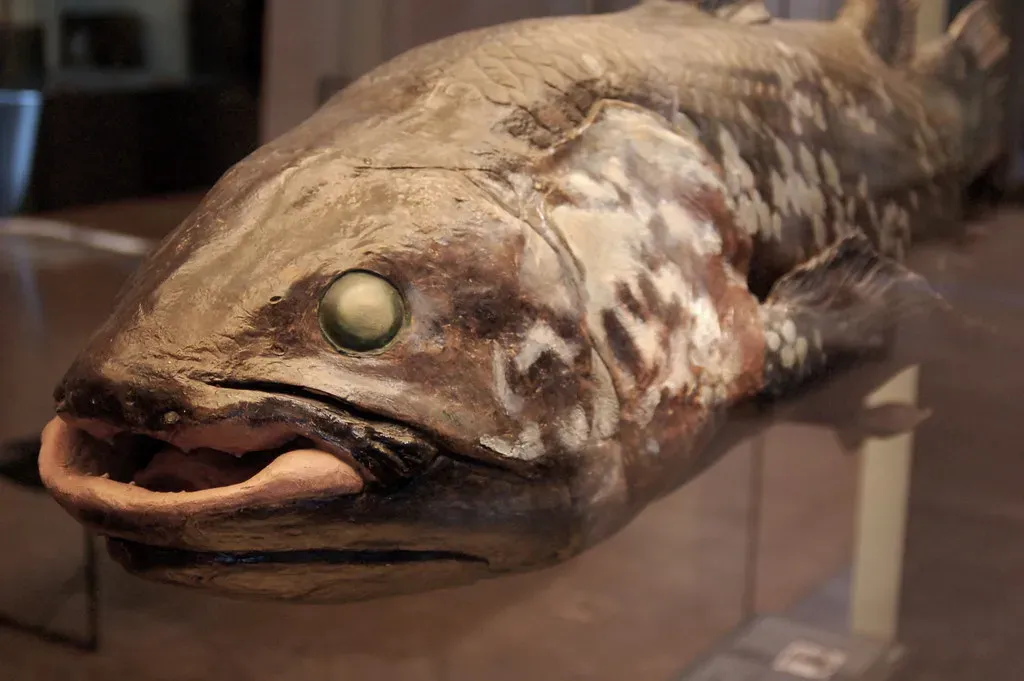
Extinction used to be treated as an absolute, unambiguous full stop – no exceptions, no asterisks. Once a species was declared extinct, that classification was considered permanent and final by definition.
Reality has repeatedly punched holes in that certainty. So-called “Lazarus taxa” – species presumed extinct for decades or even centuries – keep turning up alive in remote habitats, having simply evaded detection rather than actually vanishing. This happens often enough that conservation biologists now build “rediscovery probability” into extinction assessments rather than treating the label as permanent.
- Many “extinct” classifications reflect a lack of confirmed sightings, not confirmed death.
- Remote, poorly surveyed habitats are where most rediscoveries happen.
The word “extinct” in a field guide is sometimes less a death certificate and more an outdated missing-persons report.
#1 – Declining Species Aren’t Always Doomed to Disappear
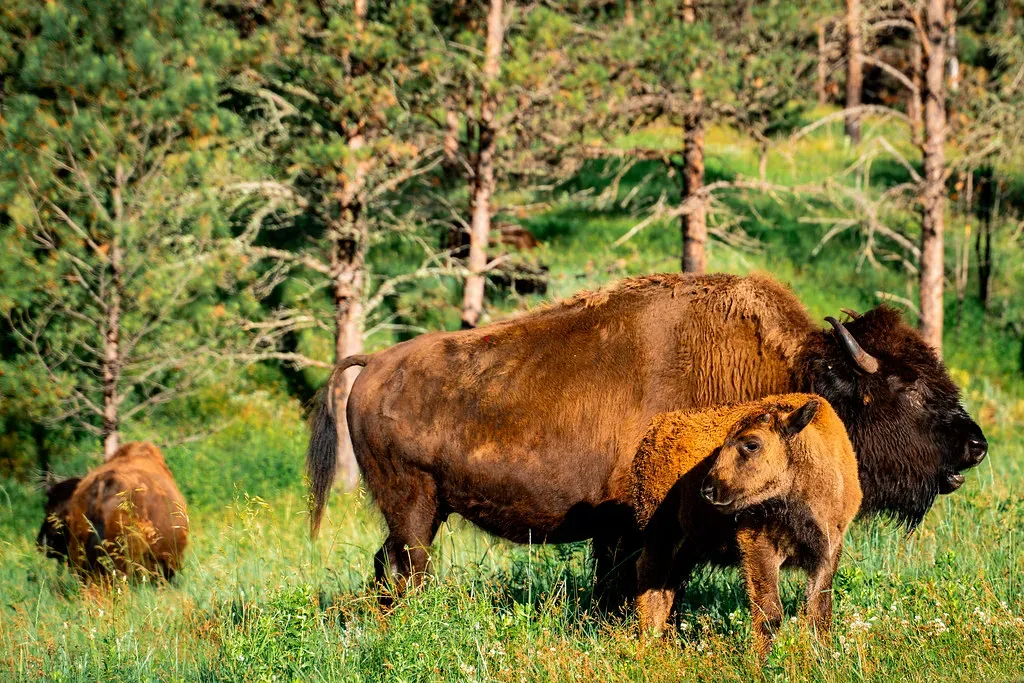
This is the belief that has done the most damage, honestly: the fatalistic assumption that once a species starts sliding toward extinction, the outcome is essentially locked in and intervention is basically a waste of time and money.
Conservation history keeps proving that assumption wrong in dramatic fashion. Species that hit catastrophically low numbers – down to double digits in the wild in some documented cases – have been pulled back through captive breeding, habitat restoration, and strict legal protection, eventually rebuilding stable wild populations. The pattern repeats across birds, marine mammals, and large predators once written off as lost causes.
Why It Stands Out
- In 1982, total world population stood at just 22 individuals, putting the species at the brink of extinction.
- Decades of captive breeding and reintroduction followed, with the U.S. Fish and Wildlife Service and its partners growing the population to 410 birds since 1992.
- Similar rebound stories span species once considered functionally doomed, from marine mammals to large predators.
A shrinking population isn’t a countdown to zero – it’s a call to action that, again and again, has actually worked when taken seriously.
The Bottom Line
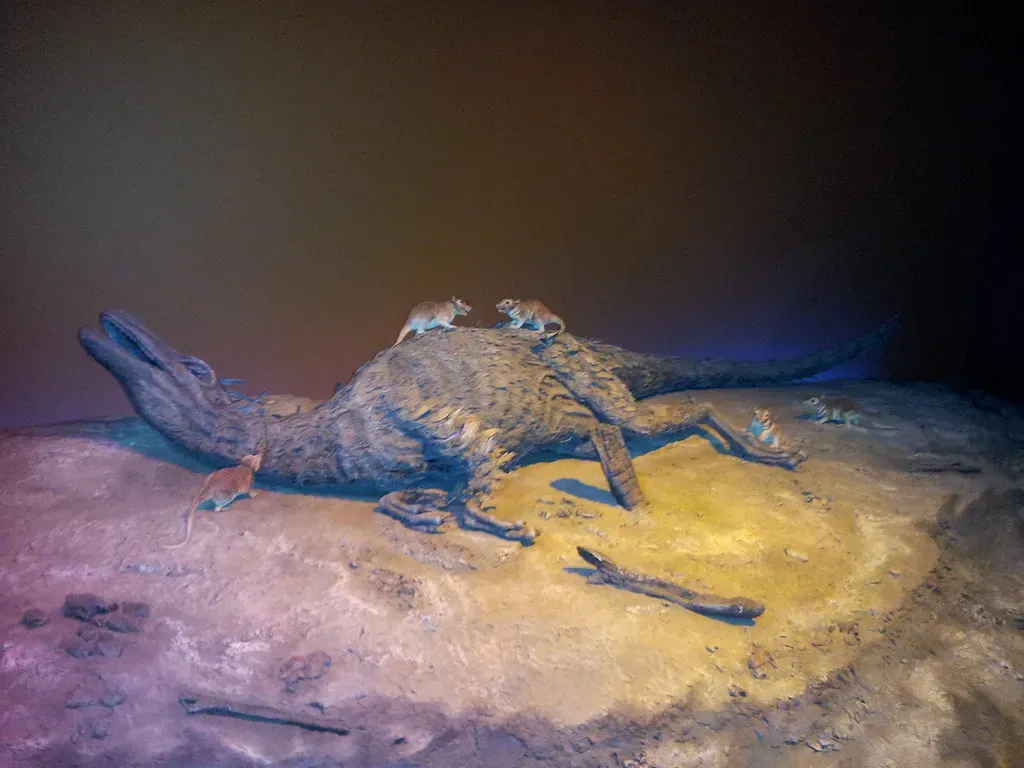
The real story of extinction science isn’t a list of settled facts – it’s a list of confident conclusions that kept getting overturned by better data. Dinosaurs weren’t doomed, mammoths weren’t murdered by spears alone, Neanderthals weren’t conquered, and “extinct” doesn’t always mean forever.
If there’s one lesson worth taking seriously, it’s this: fatalism is almost always the wrong scientific bet. The species and ecosystems we’ve written off as lost causes have a frustrating habit of proving researchers wrong – and that should change how urgently we treat the ones still hanging on today. Which of these overturned theories genuinely surprised you? Drop your take in the comments.