Most people assume dinosaurs were scaly, cold-blooded lizards that vanished 66 million years ago, leaving birds as some distant, unrelated cousin. That’s not just outdated – it’s backwards. Paleontologists now know birds are dinosaurs, and the fossil record keeps proving it in the strangest places: sleeping poses, egg colors, even wishbones.
Nearly every behavior we think of as distinctly “bird-like” was already being rehearsed by non-avian dinosaurs long before the first true bird ever took flight. Here’s what the fossil evidence actually reveals, one habit at a time.
#14 – Sleeping With a Reason (Warm-Blooded Behavior)
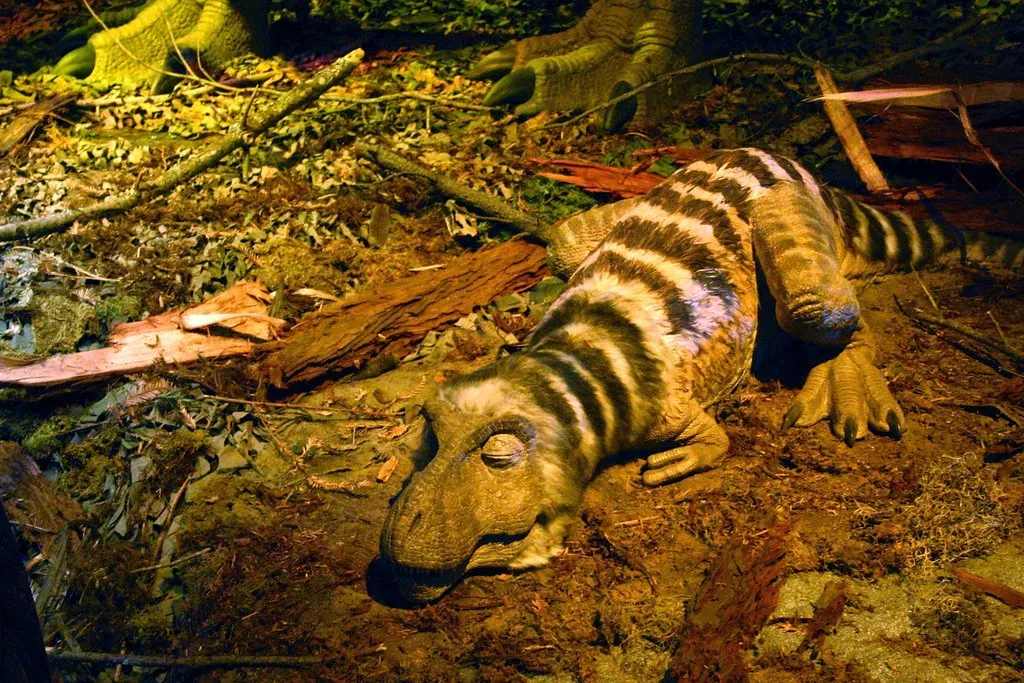
Turns out dinosaurs needed a cozy sleeping position for the exact same biological reason your backyard sparrow does.
When researchers found the small theropod Mei long curled up in death, they weren’t just looking at a cute pose – they were looking at physiology. The pose matches the typical sleeping posture found in living birds and supports the idea that non-avian dinosaurs, like the modern birds that evolved after them, were warm-blooded. That single detail upended the old image of dinosaurs as sluggish, heat-dependent reptiles.
This specific heat-conserving pose that Mei long was found in provides support for the hypothesis that at least some non-avian dinosaurs, including this animal and its troodontid relatives, were warm-blooded as are today’s birds.
Mark Norell
A creature curling up to trap body heat is not something a cold-blooded animal needs to bother doing. And the physical similarities only get stranger from here.
#13 – Walking on Two Legs With Three Toes
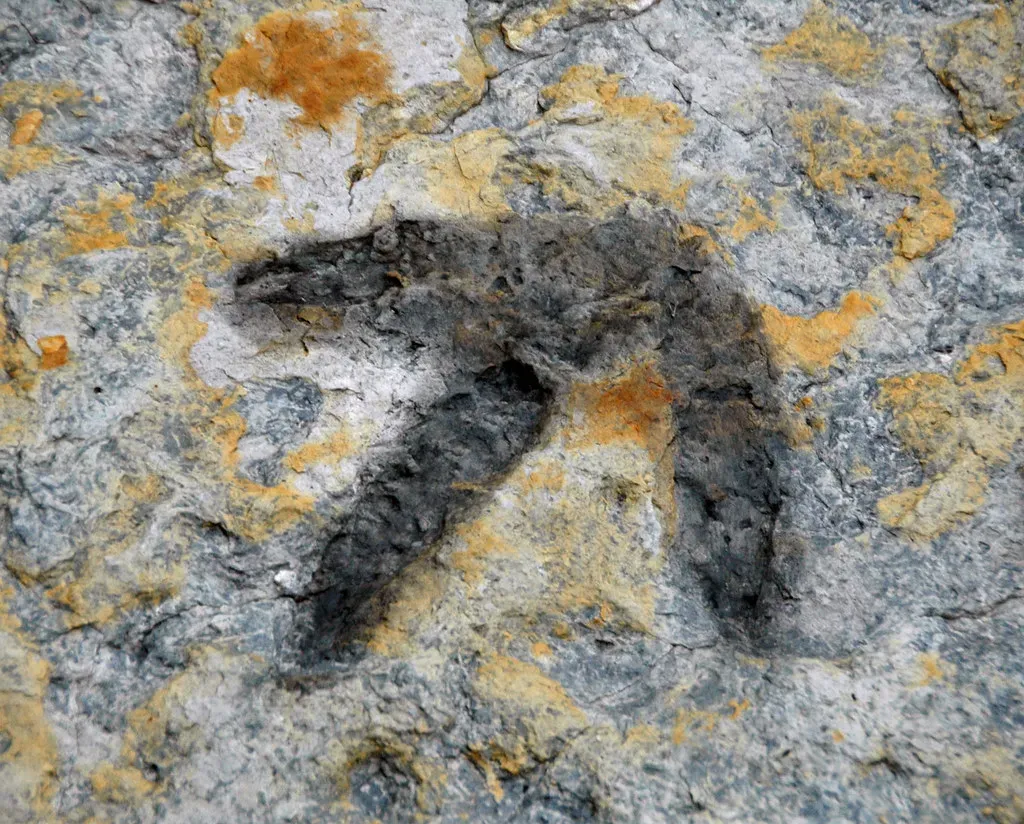
Long before “bipedal” became a textbook word, plenty of dinosaurs were already walking exactly like the birds outside your window.
Theropod dinosaurs – the lineage that produced modern birds – moved on two legs with a body plan built for balance: a forward-leaning spine, a counterbalancing tail, and feet built around three functional toes touching the ground. That’s not convergent evolution invented twice; it’s the same skeletal blueprint birds inherited wholesale. Watch a pigeon strut across a sidewalk and you’re watching a scaled-down, feathered echo of a Cretaceous predator’s gait.
This shared stance is one reason paleontologists could confidently link fossil trackways to specific dinosaur groups decades before feathers were ever found preserved in stone. The three-toed footprint pattern is so consistent that it’s used as a diagnostic fingerprint across 150 million years of the fossil record. The next habit is even harder to believe.
#12 – Swallowing Rocks on Purpose
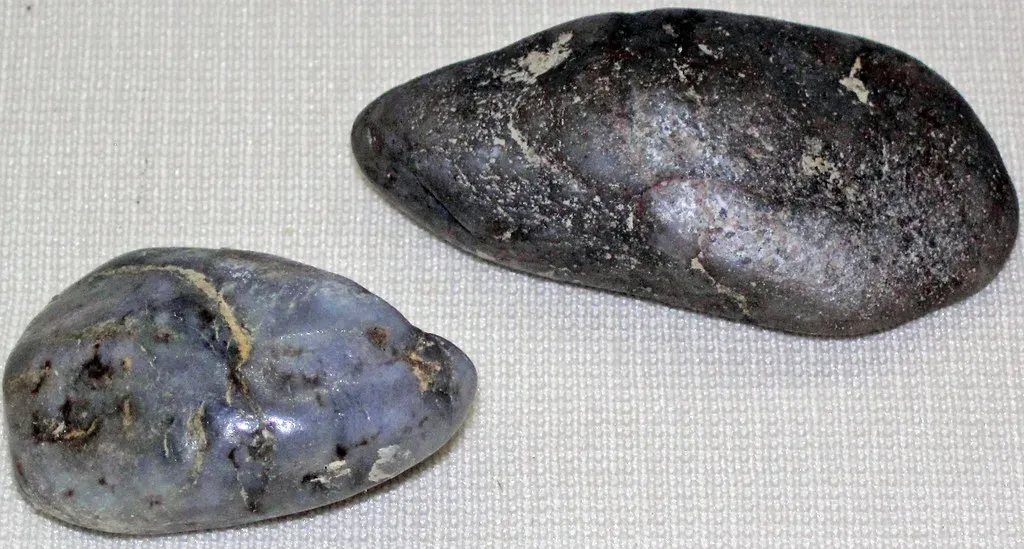
Most people don’t realize some dinosaurs deliberately ate stones, and modern birds are still doing it today for the exact same reason.
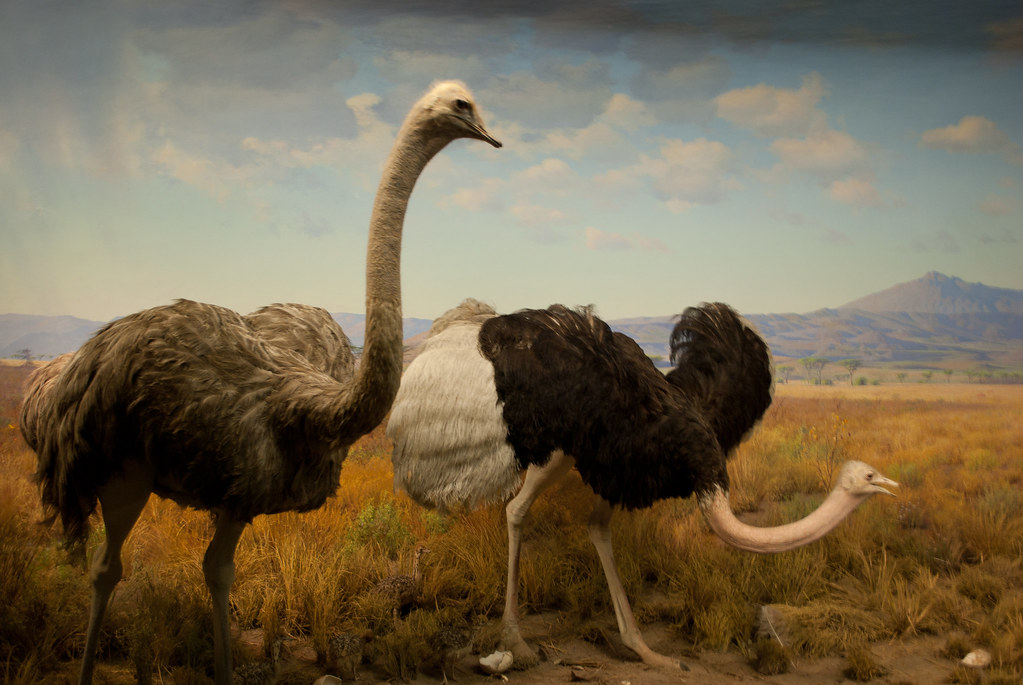
Birds without grinding teeth need help breaking down tough food, so many swallow small rocks called gastroliths that settle into a muscular gizzard, where they crush up whatever the bird can’t chew. Dinosaurs did the exact same trick, and the fossil evidence is sitting in museum drawers right now, still tucked inside ribcages where the animals died.
These gizzard stones have been found in both dinosaur and bird fossils, offering clues about diets heavy in tough plants and seeds. A recent study went further, showing rounded, polished gastroliths signal a powerful grinding gizzard, while rougher stones point to a weaker digestive system – letting scientists trace exactly when this gizzard trait first appeared in dinosaur evolution. A hungry hadrosaur and a hungry chicken solved digestion with the identical hack.
Fast Facts
- Gastroliths have turned up inside the ribcages of sauropods, hadrosaurs, and small feathered theropods.
- Living birds that still swallow grit today include chickens, ostriches, cassowaries, and quail.
- Rounded, polished stones point to a powerful grinding gizzard; rougher stones suggest a weaker one.
- The gizzard trick lets animals without chewing teeth process tough plant material efficiently.
#11 – Carrying a Built-In Wishbone
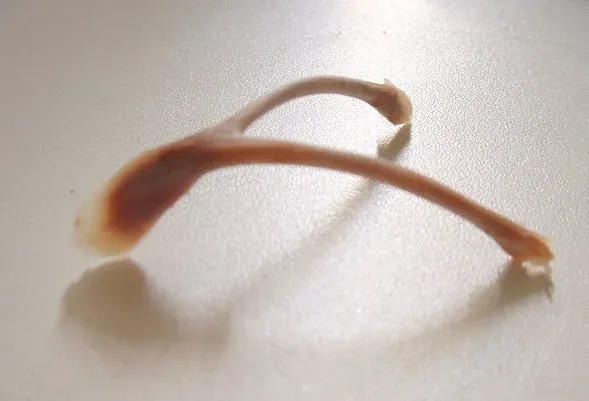
Secretly, that wishbone you snap at Thanksgiving has been part of the theropod skeleton for over 150 million years.
The furcula, or wishbone, isn’t a bird invention – it’s a fused pair of collarbones that shows up again and again in theropod fossils, acting as an elastic spring that stabilizes the shoulder during movement. In some species it went even further than modern birds might suggest. Researchers studying the predatory dinosaur Aerosteon found extreme pneumatization of skeletal bone, including hollowing of the furcula and ilium – the same bones air sacs invade in living birds today.
In living birds, these two bones are pneumatized by extensions of air sacs involved in breathing. Finding that exact configuration in a large Cretaceous predator means the wishbone wasn’t repurposed by birds – birds simply kept using equipment dinosaurs already had. A hollow, air-filled wishbone existed millions of years before the first bird cracked out of its shell.
#10 – Building a Skeleton Full of Air
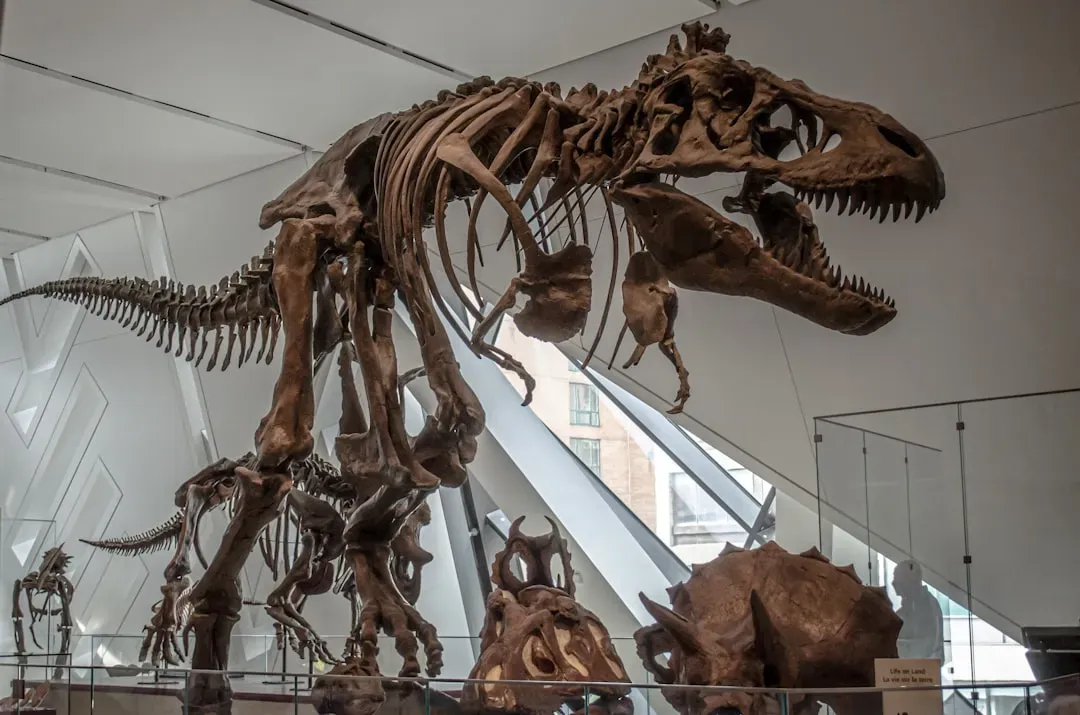
Experts have known for years that bird bones are famously lightweight, but the “why” traces straight back to dinosaur anatomy.
Skeletal pneumaticity – air pockets inside bone connected to the respiratory system – isn’t unique to modern flight. It’s used to infer avian-like air sacs across several extinct archosaur groups, including non-avian theropods and, surprisingly, sauropods. Even massive, ground-bound plant-eaters were riddled with these air-filled chambers, meaning the lightweight-bone trick wasn’t invented for flying at all.
CT scans of the 70-million-year-old theropod Archaeornithomimus revealed a remarkable network of pneumatic, air-filled chambers running through the neck and chest vertebrae, with more chambers found near the base of the tail. Dinosaurs were hollowing out their skeletons for efficiency long before a single one of them ever needed to get off the ground.
#9 – Breathing Air in One Direction Only
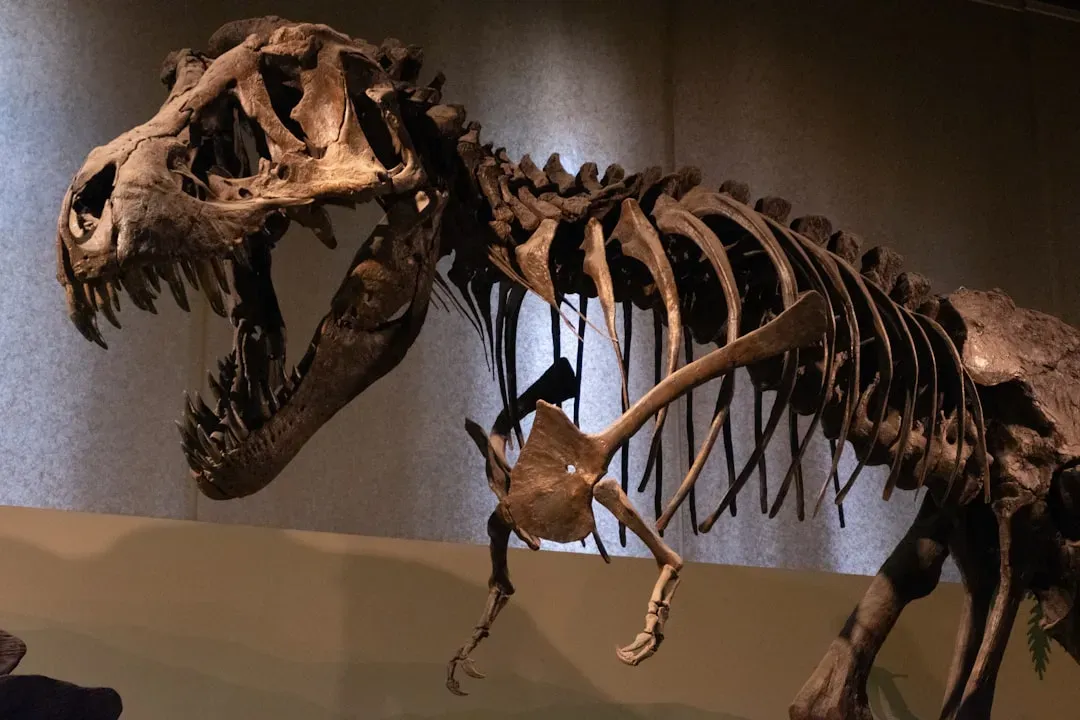
Here’s the anatomical secret that let both dinosaurs and birds outlast almost everything else that ever lived: they don’t breathe like we do.
In mammals, air travels in and out through the same tube, and stale and fresh air mix together. Birds instead use air sacs that push air through their lungs in a single, continuous direction. That one-way system is dramatically more efficient than the mammalian in-and-out method, and it didn’t appear out of nowhere when birds evolved.
The presence of the same postcranial pneumaticity in sauropod and theropod dinosaurs suggests some form of air sac system was already present in the dinosaurian ancestors of birds. Scientists have since confirmed that neck and abdominal air sacs were fully operational deep in the theropod lineage. A T. rex relative may have been breathing more efficiently than any mammal alive at the time.
Quick Compare
- Mammal lungs: air moves in and out through the same passage, mixing fresh and stale air on every breath.
- Bird lungs: air flows continuously in one direction through a network of connected air sacs.
- Theropod dinosaurs: fossil evidence of the same postcranial air sac system shows this efficient setup predates birds entirely.
#8 – Laying Eggs in Actual Colors
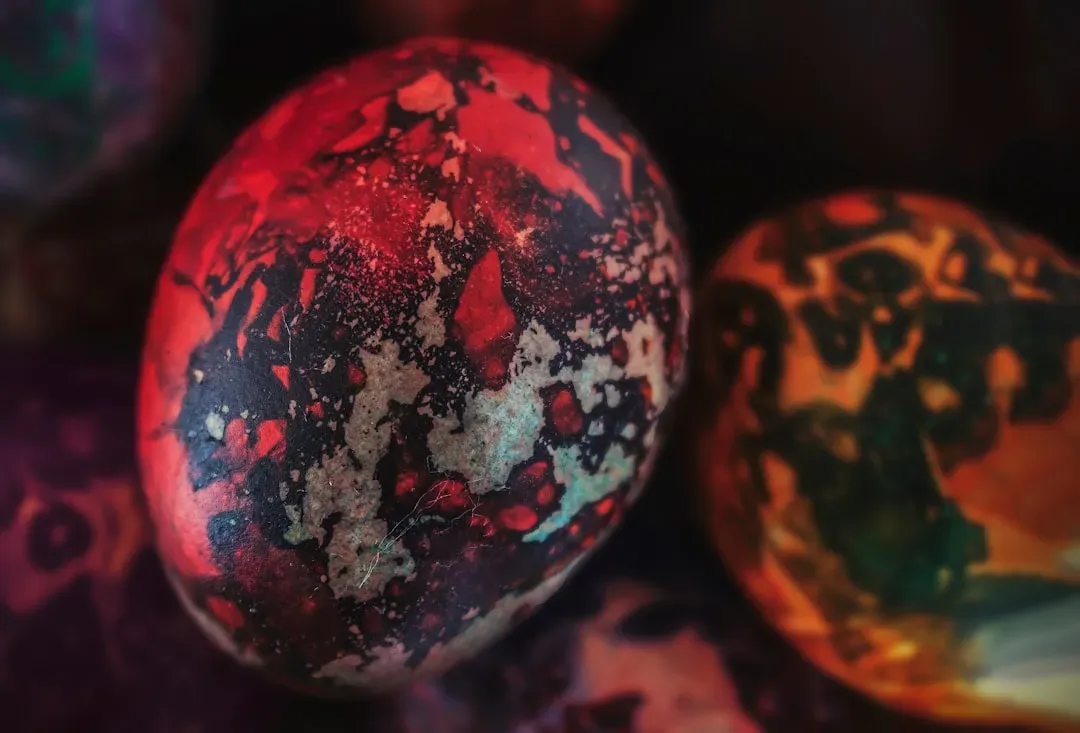
Most people picture dinosaur eggs as plain, leathery, and reptile-gray. Turns out at least one group was laying eggs in a color still common in bird nests today.
Chemical analysis of fossilized eggshell from oviraptorid dinosaurs found genuine biliverdin and protoporphyrin pigments – the same compounds responsible for blue-green coloring in the eggs of many living birds. This matches a reconstruction of true blue-green oviraptor eggs, and under the sexual signaling hypothesis, it supports the idea that oviraptorid dinosaurs practiced paternal care long before birds existed.
That detail matters more than it sounds. Color in eggs is thought to work as camouflage or as a display cue between mates, and finding it in a non-avian dinosaur pushes that trait tens of millions of years earlier than anyone expected. Egg pigmentation, something we assume is a purely “bird” feature, was already baked into dinosaur reproduction.
#7 – Growing Feathers That Actually Shimmered
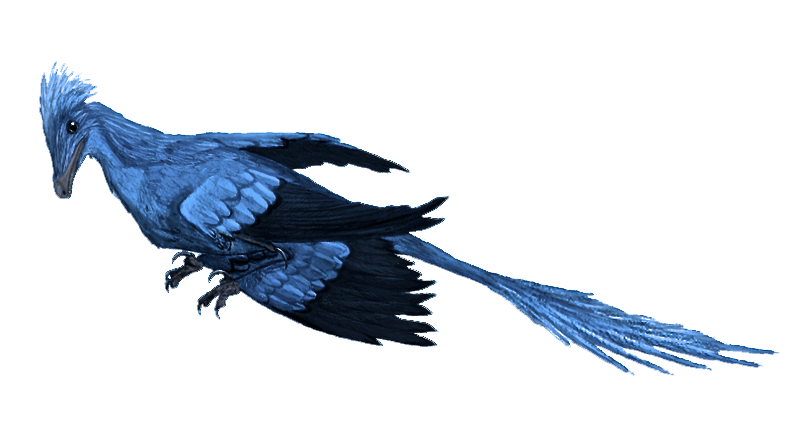
Revealed by microscope work most casual dinosaur fans have never heard of: some feathered dinosaurs and early birds weren’t just covered in fuzz – they had iridescent, color-shifting plumage.
Scientists studying fossilized melanosomes – the pigment-packed structures inside feather cells – have reconstructed densely packed, rod-like melanosomes estimated to have produced red-to-deep-blue iridescent coloring in the head feathers of a Cretaceous bird relative. That same melanosome “technology” shows up in non-avian theropods too.
This link between color, structure, and function early in feather evolution extends even to convergent iridescent feathers among non-avian theropods, hinting at shared camouflage and display strategies across species that never met. A dinosaur strutting around with shimmering, light-shifting plumage sounds like science fiction, but the melanosome evidence says otherwise.
#6 – Growing Ornamental Crests for Show
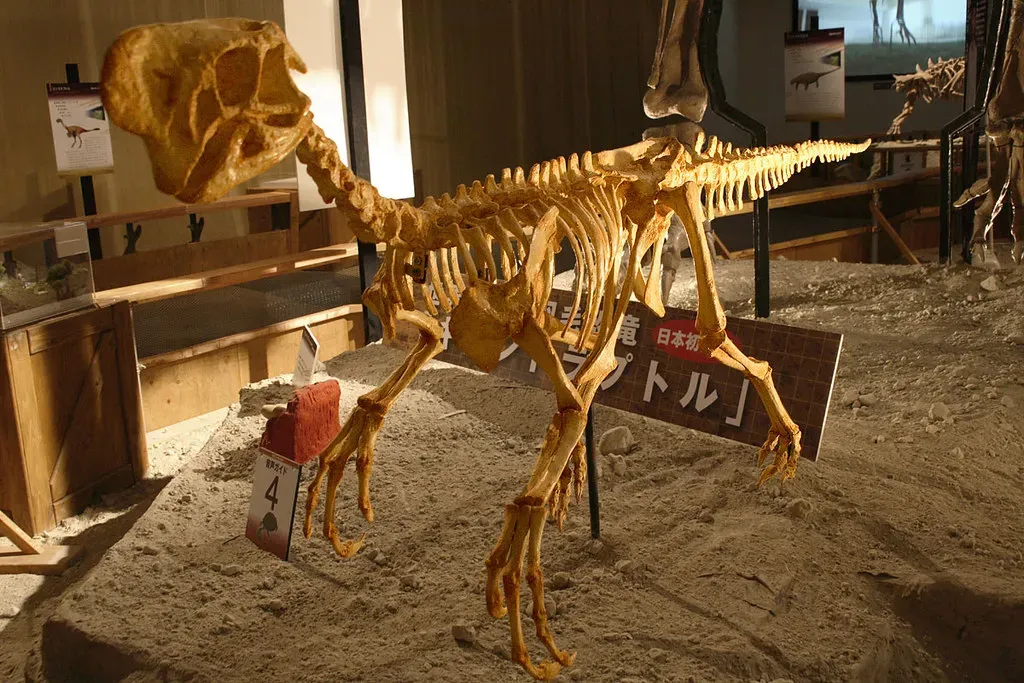
While most people assume flashy headgear was a peacock invention, plenty of dinosaurs were rocking elaborate crests millions of years earlier – and some experts now argue they were purely for showing off, not survival.
Oviraptor, despite its terrible reputation, sported a fancy crest on its head that may have been used to attract mates or intimidate rivals. Its tail told a similar story: fossils show Oviraptor had a feathered tail ending in a special bone structure called a pygostyle, the exact same feature modern birds use to support their tail feathers.
That’s not a coincidence – it’s a display toolkit. A dinosaur with a showy crest and a fanned tail wasn’t hunting more efficiently; it was almost certainly trying to impress a mate, exactly like a modern peacock or bird-of-paradise. The pygostyle bone existed for feather display before “birds” were even a category.
Why It Stands Out
- Hadrosaurs like Parasaurolophus grew hollow, trumpet-shaped crests likely used for sound and visual display.
- Corythosaurus carried a tall, rounded crest that may have signaled age or sex to other members of its species.
- Oviraptor’s crest and fanned, feathered tail suggest the same display strategy modern birds still rely on.
- Living birds like cassowaries and hornbills still grow bony head casques for strikingly similar reasons.
#5 – Digging Display Arenas Just to Show Off
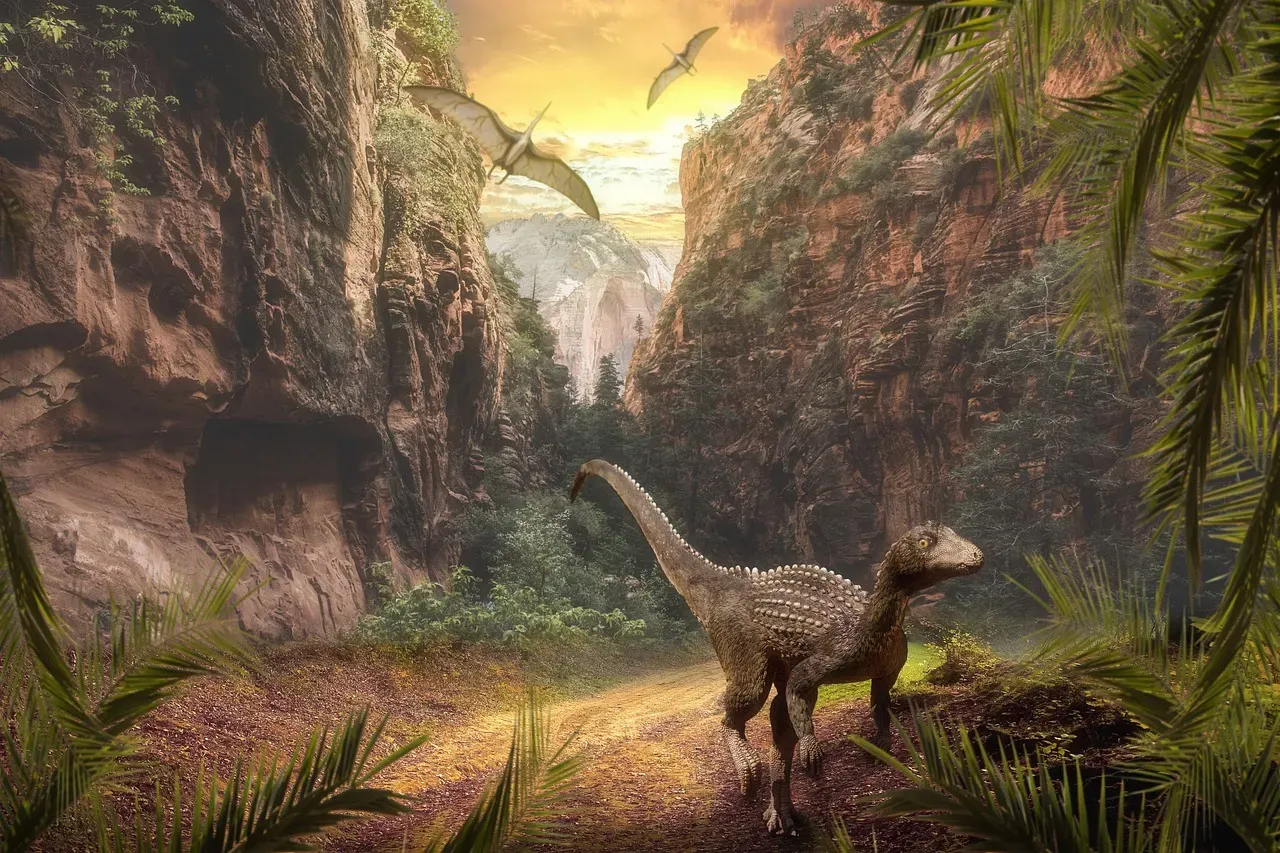
Here’s a fact that should genuinely unsettle anyone who still pictures dinosaurs as simple, instinct-driven brutes: some of them held courtship rituals that looked eerily like a modern shorebird’s mating dance.
Researchers uncovered massive scrape marks – some up to two meters wide – across multiple Cretaceous sites, interpreting them as “display arenas” or leks, consistent with the scrape-display behavior seen in many ground-nesting birds today. These weren’t nests. They were stages.
The trace makers were likely lekking species that returned to the same large arena sites season after season, meaning male theropods probably gathered year after year to dig, scrape, and perform for potential mates, exactly as modern plovers and grouse still do. A dinosaur “dance floor” fossilized in stone is one of the most surprisingly relatable discoveries in all of paleontology.
#4 – Nesting in Massive Neighborhood Colonies
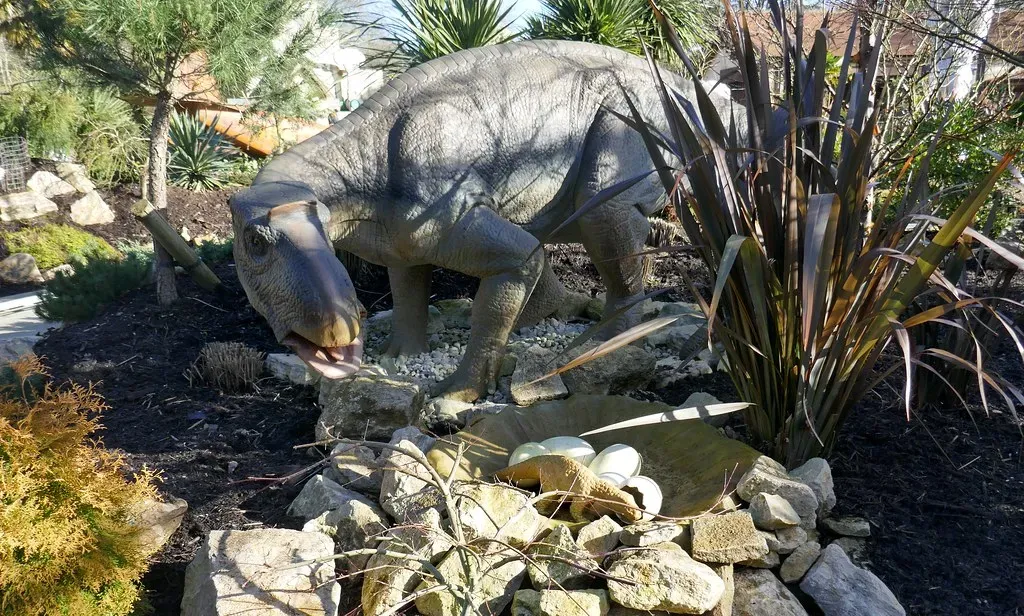
Most people picture dinosaur nesting grounds as scattered, chaotic messes, but the data suggests something closer to a planned bird rookery.
Maiasaura, the aptly named “good mother lizard,” nested in dense colonies rather than scattered alone across the landscape. The nests sat about 7 meters apart – roughly the length of an adult – a spacing pattern that doesn’t happen by accident. It points to social coordination, territory awareness, and possibly shared vigilance against predators.
Modern colonial nesters like herons, gulls, and flamingos use the exact same strategy: safety and efficiency in numbers. First discovered in 1978 in Montana, the site revealed communal nesting where multiple adults laid eggs in close proximity year after year. An entire hillside of dinosaur nests, spaced with almost architectural precision, looks less like reptile instinct and more like planned bird-style real estate.
At a Glance
- The Maiasaura nesting site, later nicknamed “Egg Mountain,” was found in Montana’s Two Medicine Formation in 1978.
- Nests sat roughly 7 meters apart – about the length of an adult Maiasaura – in a strikingly regular pattern.
- The colonies contained nests, eggs, embryos, and juveniles of many ages, all preserved together.
- Modern colonial nesters like herons, gulls, and flamingos still cluster nests tightly for safety in numbers.
#3 – Feeding Chicks Long After Hatching
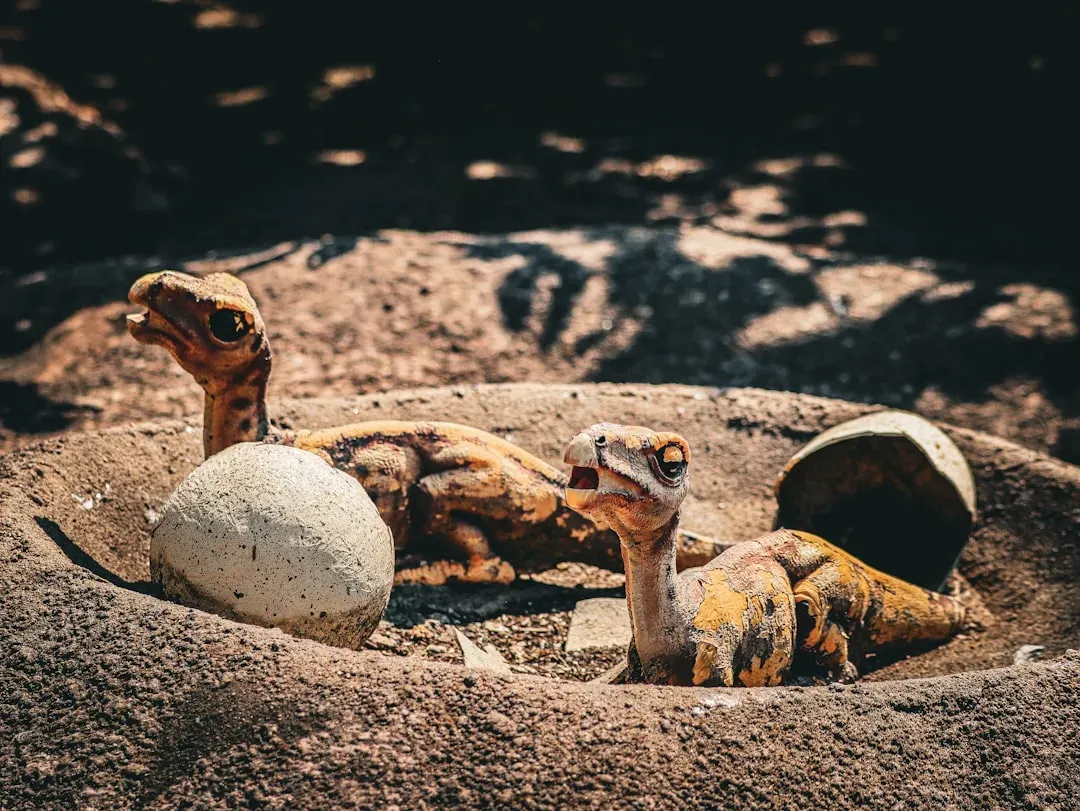
Secretly, one of the most “bird” things a dinosaur ever did wasn’t laying eggs – it was refusing to leave once they hatched.
Maiasaura hatchlings were too big and developed too slowly to survive on their own. At 30–40 centimeters long, they were clearly not independent, and their teeth show wear patterns from chewing solid food that had to be brought to them by adults. That’s direct evidence of parents actively feeding their young after hatching, a behavior scientists call altricial care.
Even the nest itself told the story: crushed eggshells found inside the nests suggest hatchlings stayed put long enough to trample the shells underfoot, rather than wandering off immediately. Researchers now call this “the first definitive evidence of such behavior in dinosaurs.” A hadrosaur mother bringing food back to a nest full of demanding babies is basically a robin with a much bigger wingspan.
#2 – Sleeping Curled Up With the Head Tucked Under a Wing
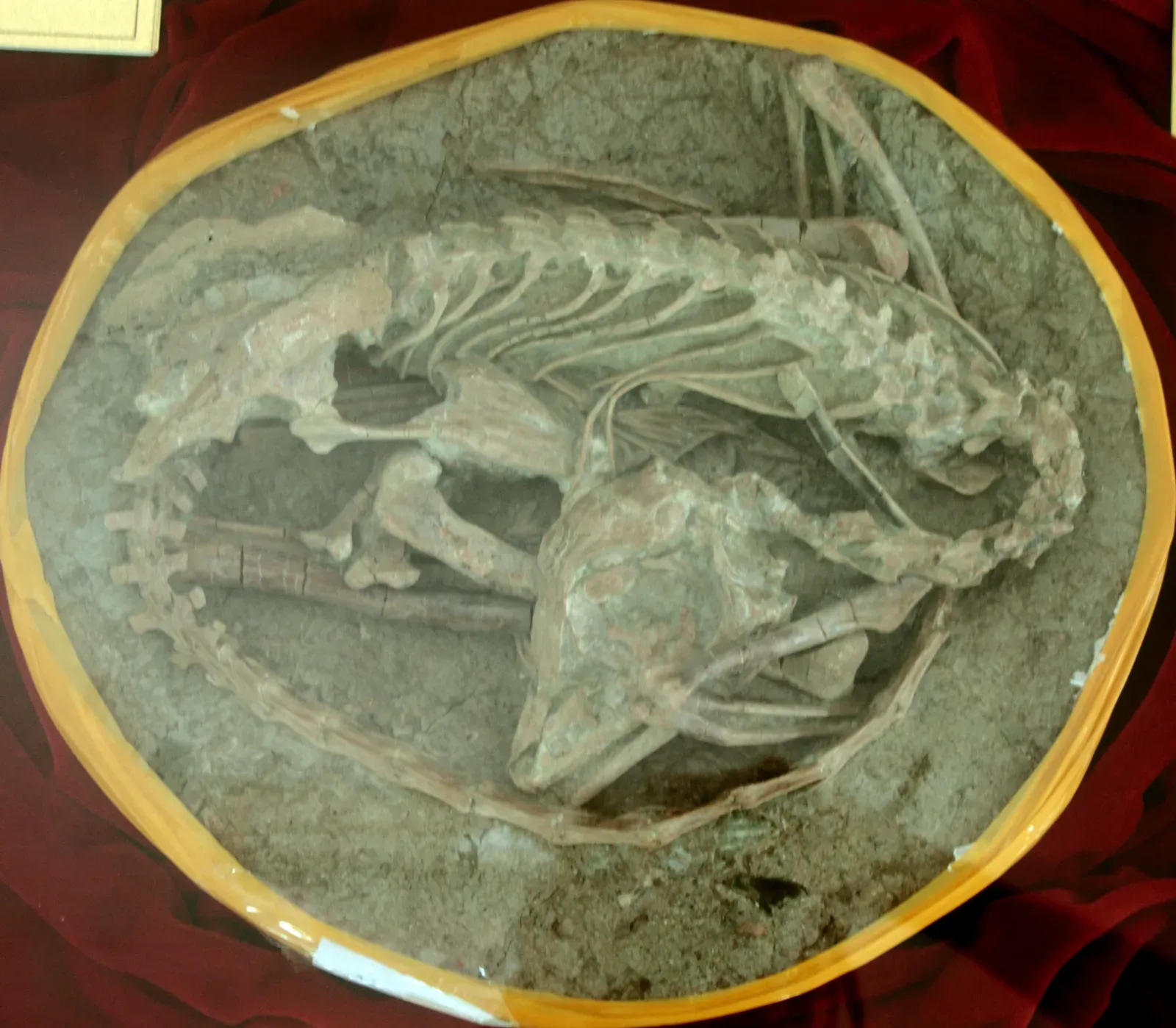
Most people don’t realize that one of the most bird-like behaviors ever discovered in the fossil record has nothing to do with flying, hunting, or eating – it’s how the animal slept.
The small theropod Mei long was found frozen in an unmistakable pose: coiled up with its head tucked under its arm and its tail wrapped around its body, a posture nearly identical to how many living birds sleep. This wasn’t a one-off fluke, either – the same posture has since turned up in other maniraptoran relatives.
Evidence of this same behavior in the alvarezsaur Jaculinykus suggests that this stereotypically “avian” sleeping posture actually spread across the wider dinosaur family tree well before birds existed. Only animals with long, flexible necks can tuck their heads behind a forelimb this way, balling up to conserve heat exactly like a pigeon does on a cold morning. The exact sleeping position of the pigeon on your windowsill was already perfected 125 million years ago.
#1 – Sitting on the Nest Like a Devoted Parent
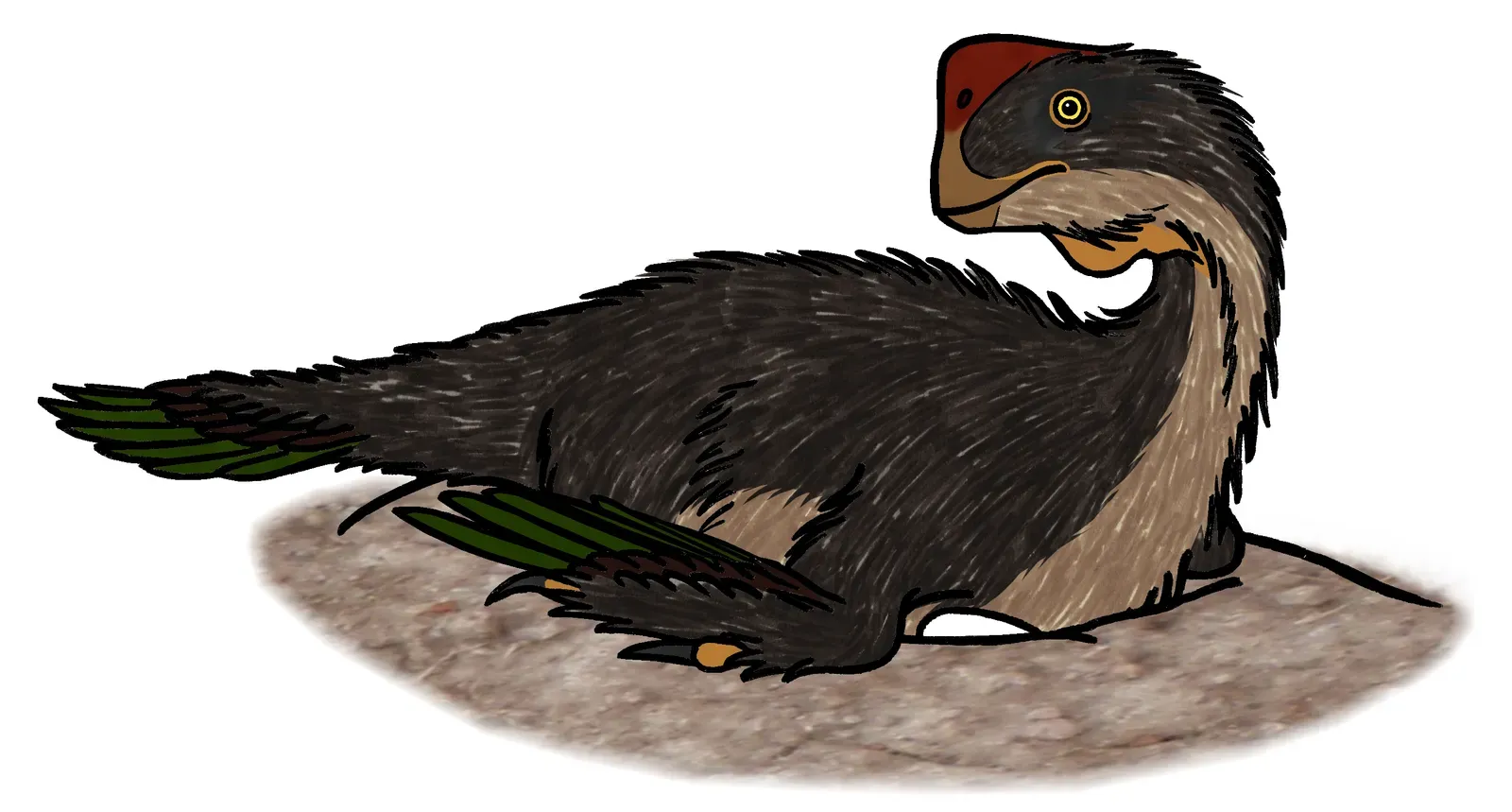
Turns out the most misjudged dinosaur in history was secretly one of the best parents in the fossil record – and the truth only came out decades after its name was already ruined.
When Oviraptor was first discovered in 1923 near a nest of eggs, scientists assumed it died while stealing another dinosaur’s food, earning it a name that literally means “egg thief.” Because the skeleton was found so close to the nest, researchers jumped to the theft theory. But more Oviraptor adults, eggs, and a well-preserved embryo fossil have since confirmed something very different: these were parents sitting on their own nests, a behavior called brooding that’s common among birds today. The eggs were its own the entire time.
A later discovery made the story even more powerful: a fossilized adult crouched over two dozen eggs, several with embryos on the verge of hatching. At least seven of those eggs were on the brink of hatching, giving scientists the first hard evidence that dinosaurs were true brooding parents, incubating their eggs over long stretches of time. Its feathered limbs were arranged around the eggs to cover and shield them, a posture suggesting a level of parental devotion that flatly contradicts the old image of dinosaurs as cold, dispassionate reptiles. An animal wrongly labeled a thief for a century turned out to be exactly the kind of devoted, feather-wrapped parent you’d expect to find guarding a nest in your backyard today.
Worth Knowing
- Oviraptor was first unearthed in 1923 during Roy Chapman Andrews’ famous expedition to Mongolia’s Gobi Desert.
- AMNH president Henry Fairfield Osborn named it based purely on its position near a nest of eggs.
- A fossil nicknamed “Big Mama,” found in the early 1990s, finally showed an adult brooding its own eggs, not stealing them.
- The correction took decades to fully overturn the dinosaur’s century-old reputation as an egg thief.
The Bottom Line
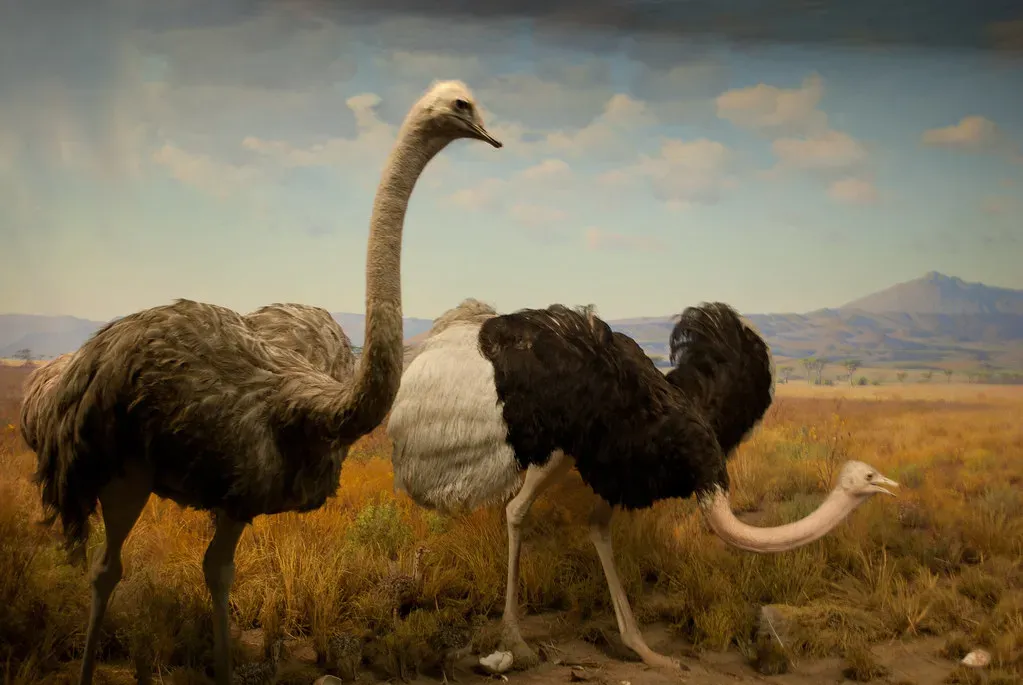
The line between “dinosaur” and “bird” is far blurrier than most textbooks let on. Long before feathers ever took to the sky, dinosaurs were already sleeping curled up like pigeons, brooding over eggs like devoted parents, nesting in crowded colonies, digging display arenas to impress mates, and breathing through the same one-way air sac system birds still rely on today.
The uncomfortable truth is that almost nothing about “bird behavior” is actually new – it’s inherited, unedited, straight from the Mesozoic. If you’ve ever watched a chicken tuck its head under its wing, you’ve watched a 125-million-year-old dinosaur habit play out in real time, right in your own backyard. Which of these surprised you the most? Drop it in the comments.