Most people picture pterosaurs as simple “flying dinosaurs” – leathery, toothy, done deal. They weren’t dinosaurs at all, and that’s the smallest surprise on this list. Two centuries of digging and scientists still argue over how these animals ever got off the ground, what color they were, and whether pterosaur parents stuck around long enough to actually raise their young.
Every fossil that answers one question tends to crack open three more, and the deeper researchers dig, the weirder the picture gets. Here’s what the actual science says about the 12 gaps in our understanding that refuse to close – starting with the mystery of where pterosaurs even came from.
#12 – Nobody Can Agree on What Pterosaurs Evolved From
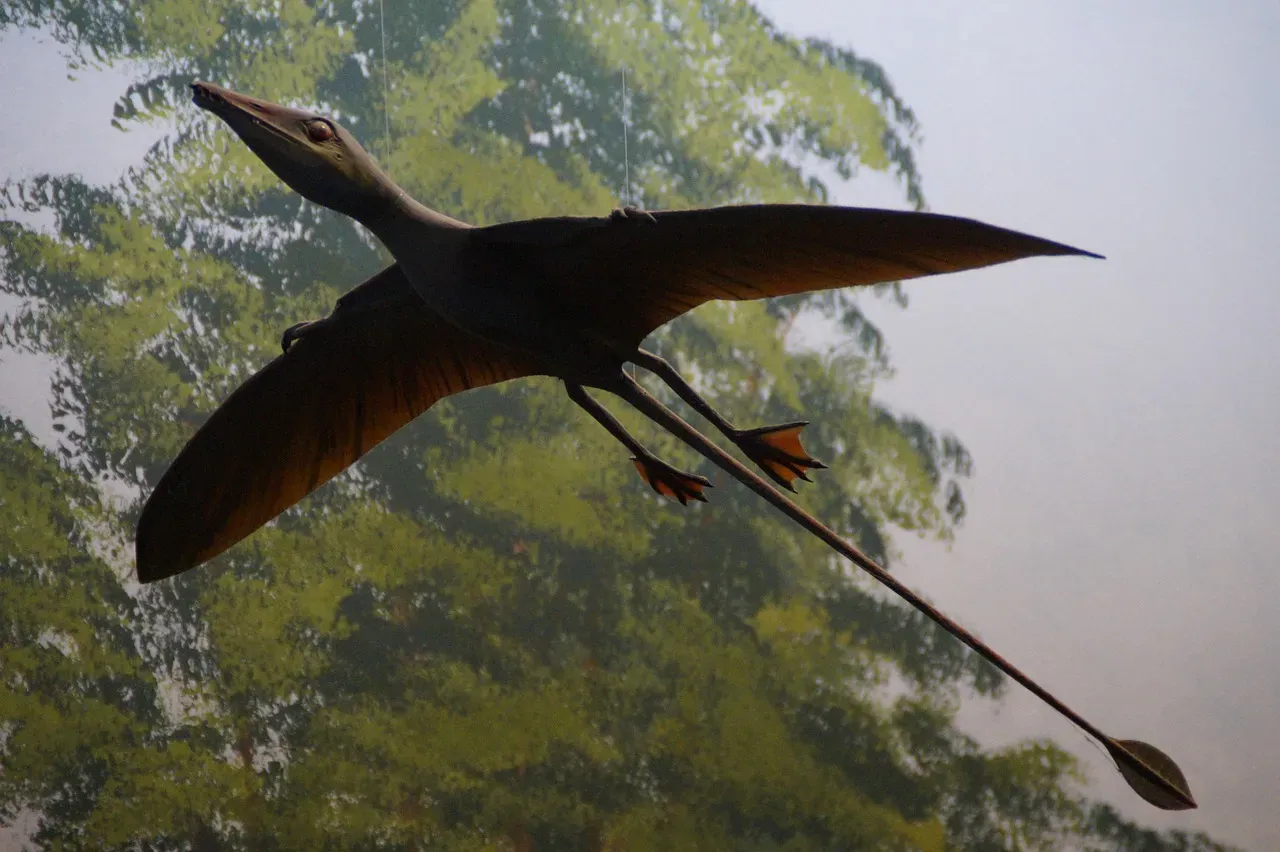
Pterosaurs show up in the fossil record already flying, fully formed, with no obvious transitional ancestor connecting them to any ground-dwelling reptile. For over a century that “instant appearance” problem stumped researchers cold. The origin of pterosaurs became one of the great unsolved puzzles in vertebrate history because nobody could find a satisfying close relative – until a team of scientists pointed to a poorly known group of Triassic “dinosaur precursors” called lagerpetids, scattered across the ancient supercontinent Pangea.
That discovery narrowed the gap. It did not close it. A related fossil called Scleromochlus, unearthed all the way back in 1907, only deepened the confusion for decades, and even fresh analysis that shrank the anatomical distance between pterosaurs and their closest relatives left the tempo and mechanics of that transformation a mystery. Researchers still cannot fully explain how a small, scurrying reptile turned into the first vertebrate on Earth to master powered flight.
#11 – How a Giraffe-Sized Reptile Ever Left the Ground
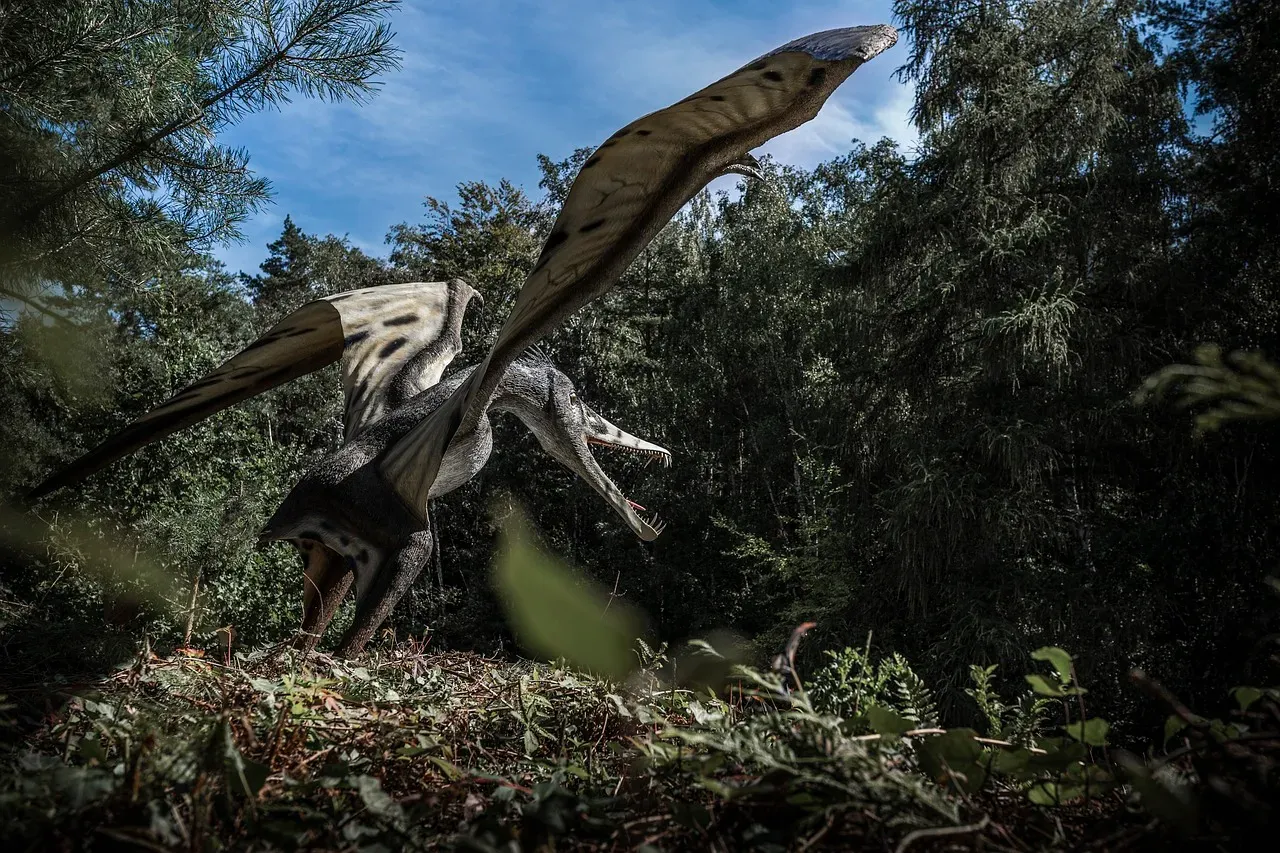
Some pterosaurs weighed as much as a grown man and stood as tall as a giraffe – and somehow still hurled themselves into the air. For almost a century that math simply refused to work. Birds run and flap their way into flight, but scale that model up to a pterosaur with a 26-foot wingspan and 200 pounds of body weight, and the numbers collapse completely.
The leading fix on the table now sounds almost like a magic trick: these animals may have pole-vaulted into the sky using their own arms. Pterosaurs were dramatically front-heavy, with a head and neck so long and robust that their center of gravity sat well forward of their hips, and that anatomy lines up with a launch built on a ballistic, all-limb jolt – not unlike how a vampire bat springs off the ground. Not every biomechanist agrees on the exact physics, and computer models still can’t fully settle the argument.
Fast Facts
- Wingspan on record: up to 26 feet across, roughly the width of a school bus
- Estimated body weight: around 200 pounds, heavier than most adult humans
- Launch style: a four-limbed “vault” rather than a running takeoff like birds use
- Closest living comparison: vampire bats, which also spring off their forearms
#10 – Whether There Was a Hard Ceiling on Pterosaur Size
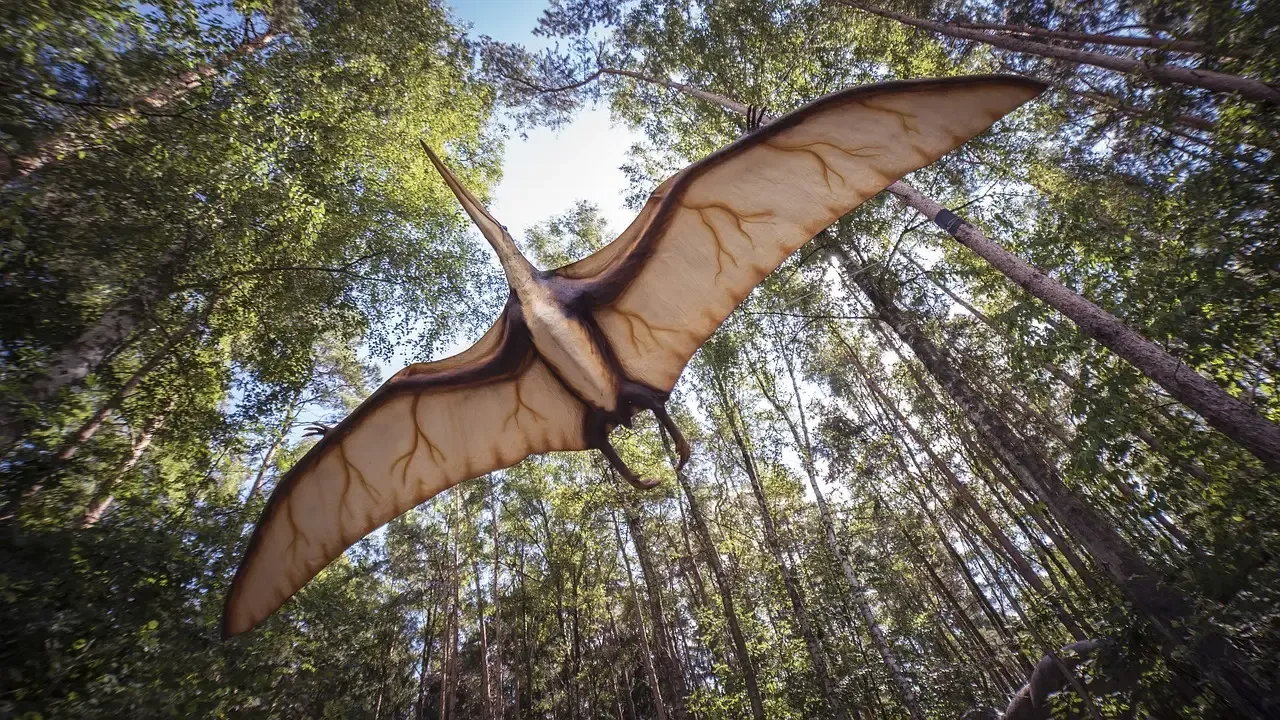
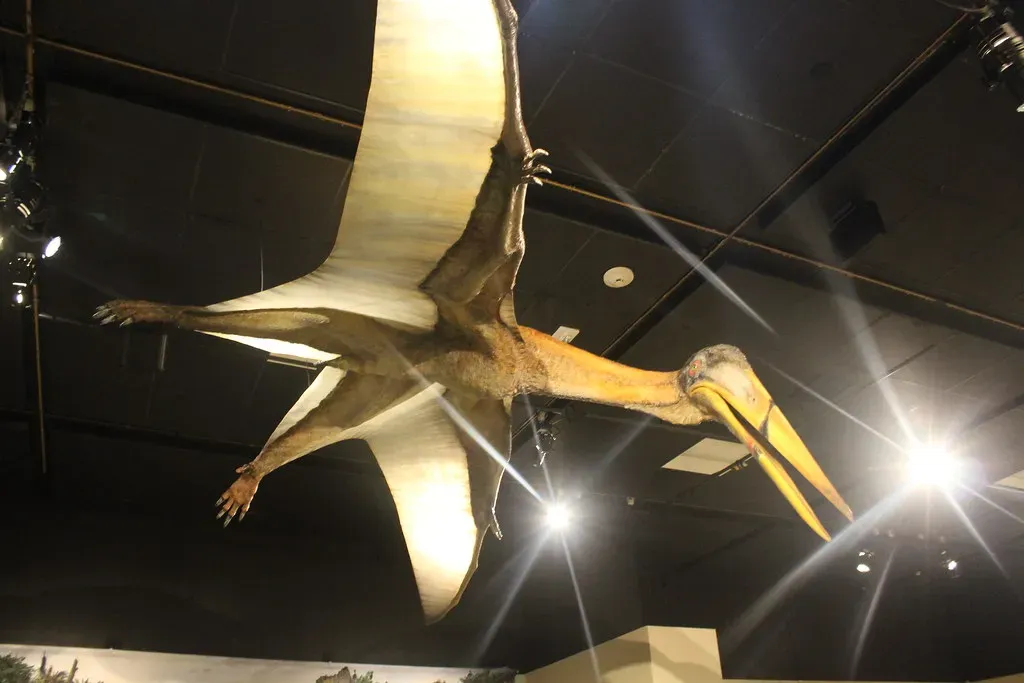
Some researchers genuinely believe the largest pterosaurs were too big to fly – despite being built head to toe for flight. Giants like Quetzalcoatlus and Hatzegopteryx stood as tall as a giraffe, carried wingspans over 30 feet, wielded jaws twice the length of a T. rex skull, and weighed more than 650 pounds. Compare that to Argentavis, the largest bird ever to fly, which topped out under 165 pounds, and you can see why some scientists have flatly argued the biggest pterosaurs simply could not have gotten airborne.
Computer modeling has tried to draw a firm line in the sand. Simulations suggest these animals launched off all four limbs with more raw muscle power than any bird alive today, and model animals with 9- or 10-meter wingspans took off without a hitch – but push the wingspan past 11 meters and the model animals struggle to jump high enough to even start flapping before gravity wins. That’s a razor-thin margin for the largest fliers Earth has ever produced.
#9 – Whether Pterosaurs Actually Had Feathers
This one splits the paleontology community almost down the middle, and neither side has fully backed down. Researchers studying a strikingly well-preserved specimen claimed to show, once and for all, that pterosaurs carried feathers similar to modern birds. Other scientists counter that the fur-like structures in question, known as pycnofibres, only look feathery because of how they were preserved – not because they actually were.
Then things got stranger. An international team of paleontologists found evidence that pterosaurs could control the color of those structures using melanin pigments, based on a 115-million-year-old fossilized headcrest belonging to Tupandactylus imperator, unearthed in Brazil. If that holds up, it means pterosaurs may have flaunted colorful, deliberately patterned crests millions of years before birds even existed – a claim that skeptics are still picking apart piece by piece.
#8 – What Those Bizarre Head Crests Were Actually For
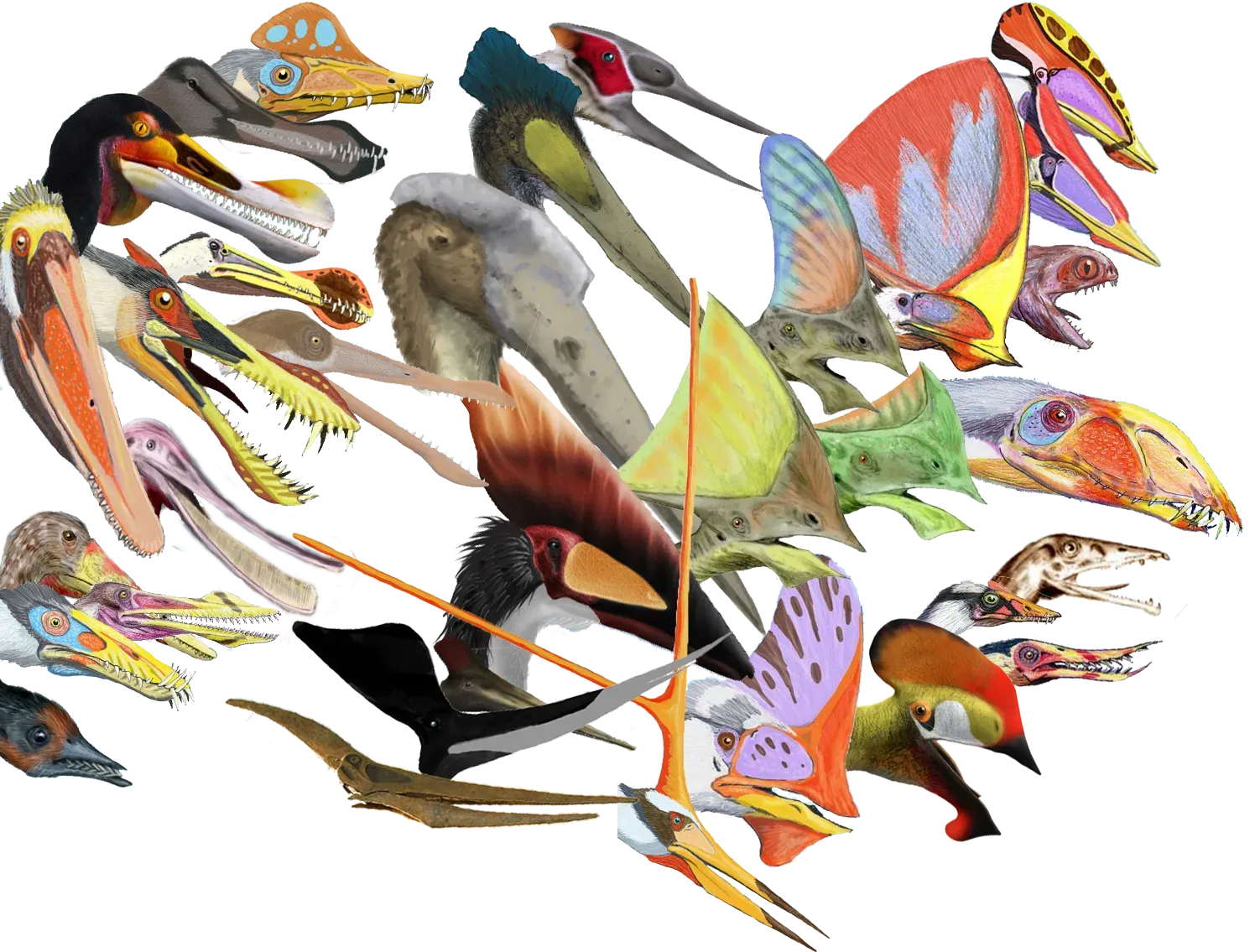
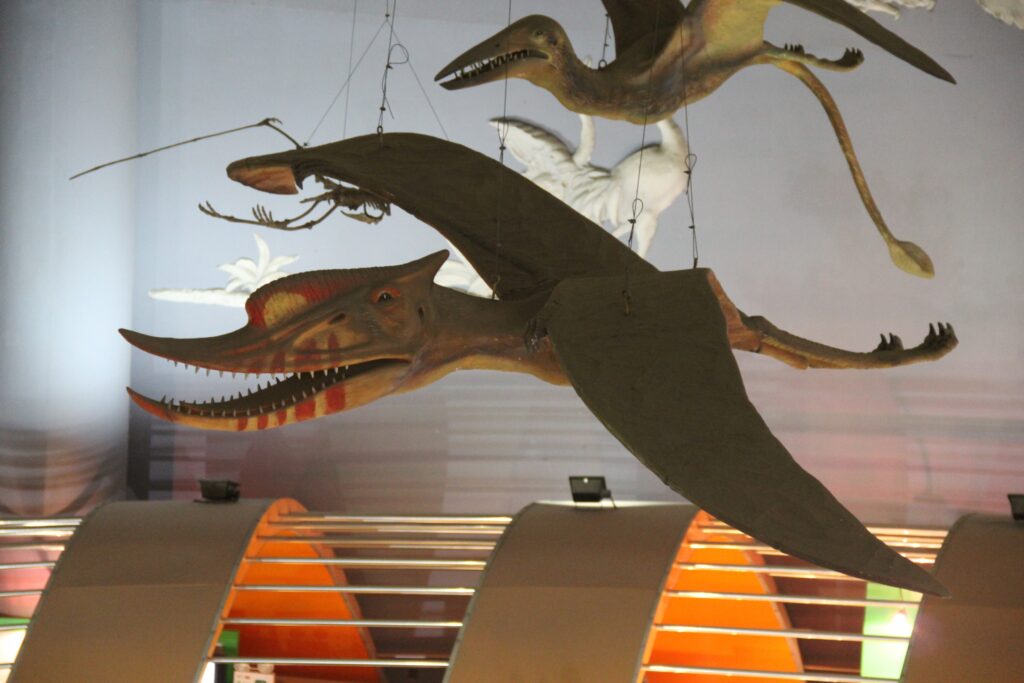
Pterosaurs wore some of the most absurd headgear in animal history – sails, spikes, paddle-shaped crests bigger than their own skulls – and researchers still argue about the point of any of it. Many of these crests serve no obvious survival function at all, which has led most experts toward one conclusion: species recognition and sexual display, with the size and shape tracking sexual selection rather than any practical need.
Pteranodon is the poster child of this fight. Its crest has been pitched as everything from a mate magnet to a rival-intimidation device, but since a crest that size would have actively hurt steering in flight, most researchers now lean toward pure display over any functional payoff. Here’s the uncomfortable part: if crests were essentially vanity with zero survival benefit, that quietly undercuts the tidy assumption that everything in prehistoric life evolved for a practical reason.
Why It Stands Out
- Some crests grew larger than the animal’s entire skull
- Shapes ranged from thin bony spikes to broad, sail-like paddles
- Many crests offered no clear flight or feeding advantage
- Pteranodon’s crest may have hurt aerodynamics more than it ever helped
#7 – Scientists Still Struggle to Tell Males From Females
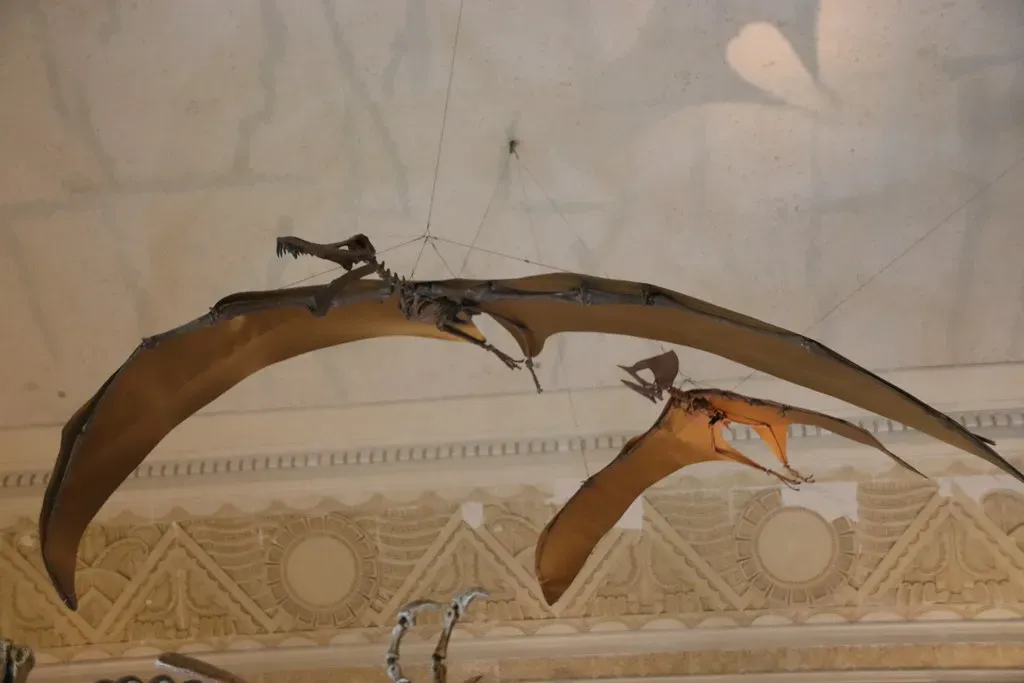
You would think that after two centuries of study, paleontologists could easily sex a pterosaur skeleton on sight. They mostly cannot. In pterosaurs, nobody has ever reliably documented skeletal differences between males and females – even in cases where there is an egg sitting between an animal’s legs, males and females appear to be outwardly identical in nearly every measurable respect.
The one real breakthrough came down to sheer luck. A single pterosaur fossil, preserved mid-way through laying an egg, gave researchers their first confirmed-female specimen ever. But sample sizes across the fossil record remain so thin that scientists still can’t make confident claims about sex differences beyond that one lucky find – meaning an entire field’s understanding of pterosaur sex rests on essentially one fossil.
#6 – Whether Hatchlings Could Fly the Moment They Broke the Shell
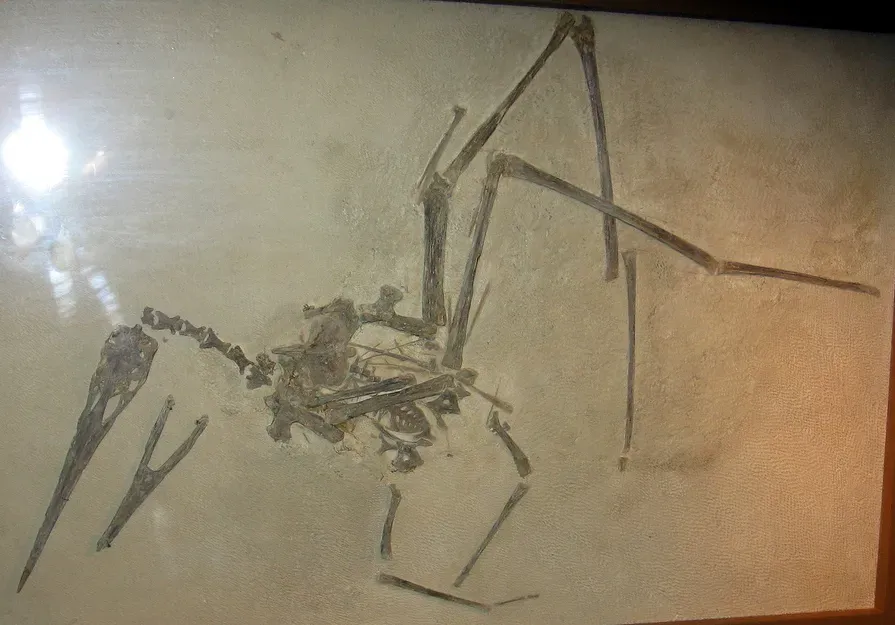
Most baby birds hatch helpless, blind, and featherless for weeks. Baby pterosaurs may have skipped that stage entirely. According to research titled “Newly-Hatched Pterosaurs May Have Been Able to Fly,” hatchlings may have been capable of flight the moment they broke out of the shell, with humerus bones already strong enough to support wing-powered movement almost immediately.
The catch: flying immediately does not mean flying well. Researchers behind that same study note that a hatchling’s flight abilities were likely very different from an adult’s – a clumsy flutter to dodge a predator is nothing like cruising ocean thermals for hours the way a grown pterosaur could. This “run before you can walk” style of development remains one of the stranger open questions in reptile biology.
#5 – Whether Pterosaur Parents Actually Stuck Around
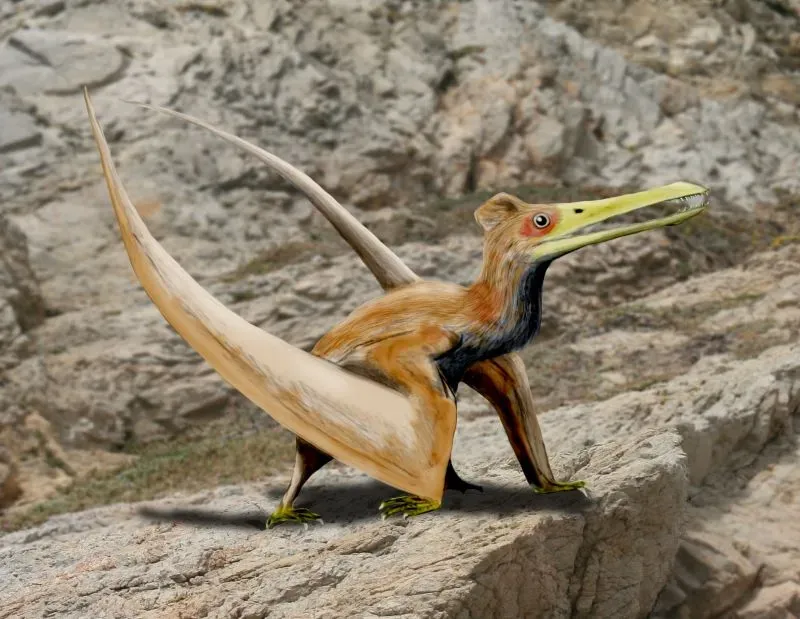
If hatchlings really could fly right out of the egg, did pterosaur parents even bother sticking around? The answer, it turns out, depends entirely on the species. Research into pterosaur parental care found that larger species were genuinely attentive parents – while smaller species show no such evidence at all.
That split creates real friction among researchers, because it raises an uncomfortable question: should pterosaurs even be treated as one unified reptile “type” when their parenting strategies were this divided? Small species appear to have been born essentially on their own, betting on numbers over protection, while larger species clearly invested real time and energy guarding vulnerable young. Nobody has fully mapped why body size tracked so cleanly with parenting style, or what triggered the split in the first place.
#4 – Whether Pterosaurs Were Actually Warm-Blooded
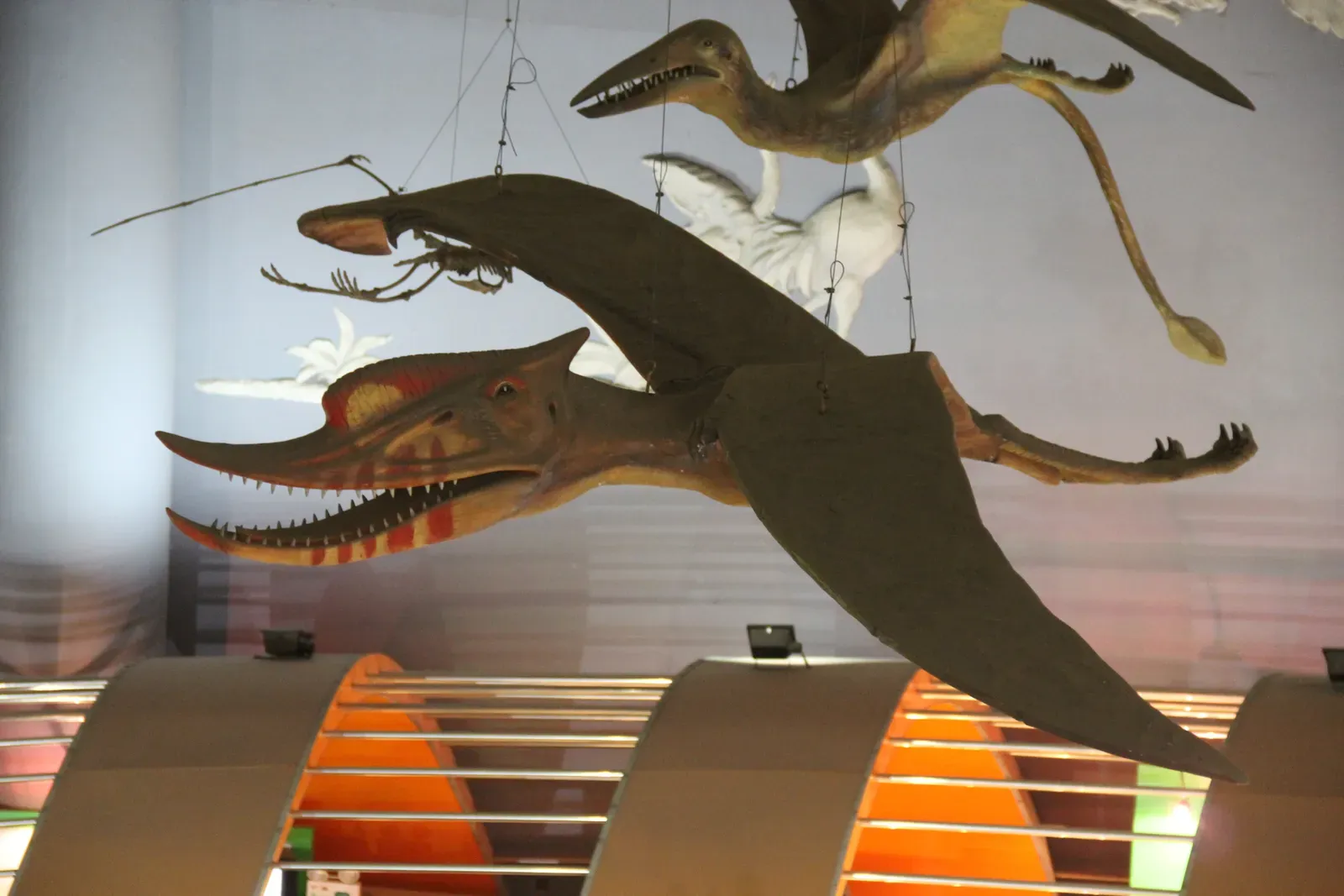
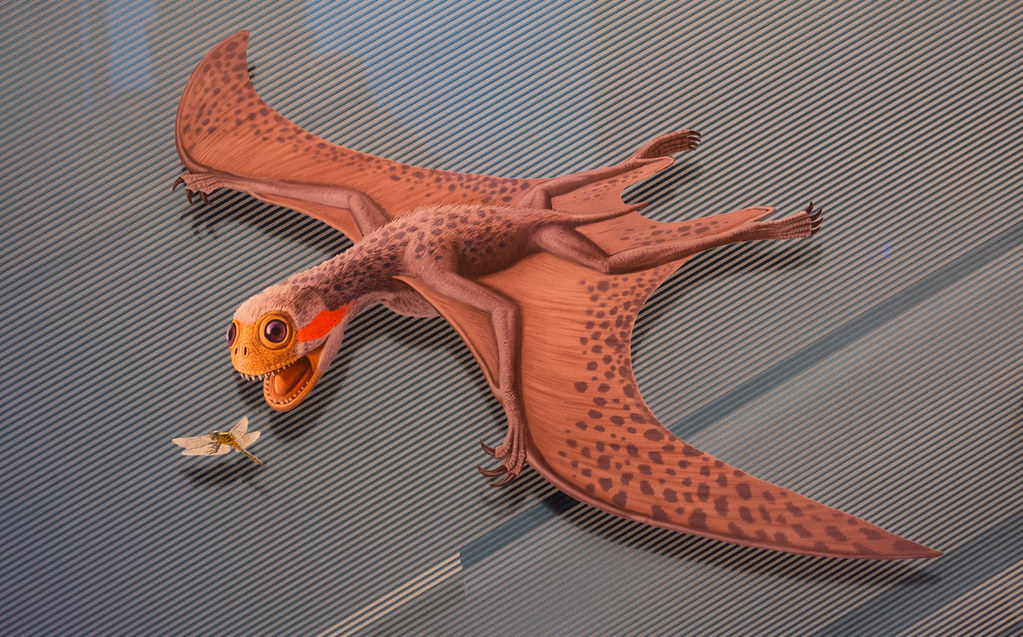
Reptiles are supposed to be sluggish and sun-dependent. Pterosaurs apparently never got that memo. Their bodies were covered in pycnofibers that ranged from simple filaments to branching, down-like structures, and multiple lines of evidence now point toward pterosaurs being warm-blooded, active animals rather than the cold-blooded lizards-with-wings of pop culture.
The story gets messier at large body sizes, though. Giant pterosaurs with long necks, huge wings, and elaborate crests had far more surface area relative to their volume, essentially turning their own wings into passive heat radiators – which may explain why big species like Zhejiangopterus show only a short, sparse coat compared to the dense, body-length fuzz seen on smaller species like Jeholopterus. The biggest fliers may have regulated their body heat in almost the opposite way small ones did, and researchers are still working out exactly where that line falls.
Worth Knowing
- Pycnofibers ranged from simple filaments to branching, down-like structures
- Small species like Jeholopterus sported dense, body-length fuzzy coats
- Giant species such as Zhejiangopterus had comparatively sparse, short coverings
- Bigger wings likely acted as passive radiators, shedding heat instead of trapping it
#3 – Why the Fossil Record Keeps Betraying Researchers
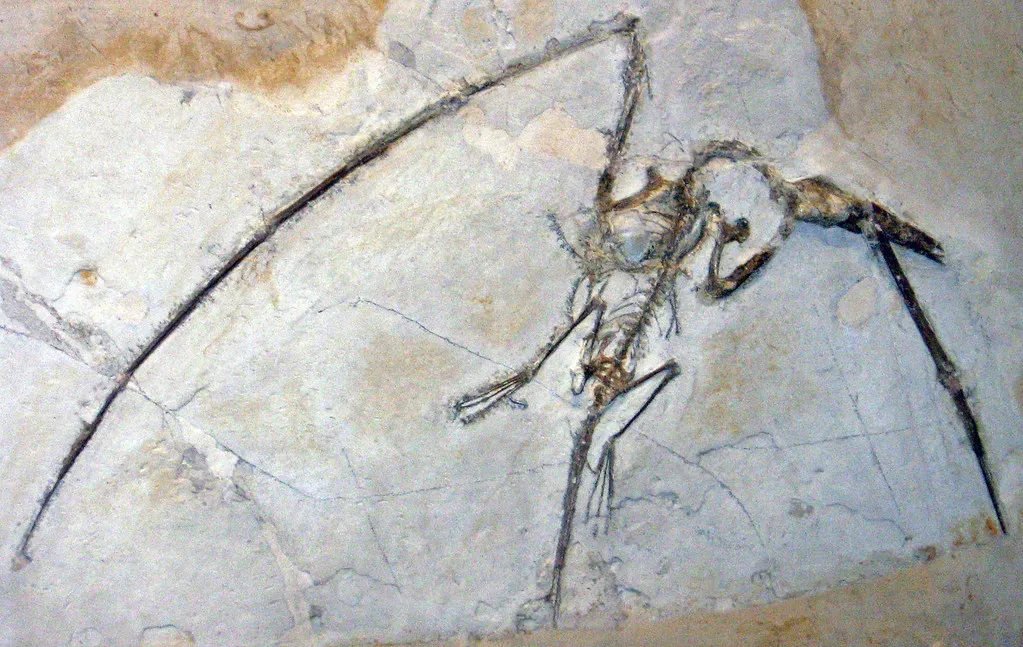
Every time paleontologists think they finally understand pterosaur diversity, a new fossil detonates the timeline. Everything scientists know about these animals comes from a fossil record that is, by most honest accounts, frustratingly fragmentary – a glimmer of their former glory paired with a mountain of unanswered questions about their strange anatomy and stranger ending.
Part of the problem is basic biology: pterosaur bones were hollow, lightweight, and built for flight, which also made them exceptionally easy to crush or destroy before they ever had a chance to fossilize. On top of that, statisticians point to something called the Signor-Lipps Effect – the last member of any dying lineage is unlikely to ever be fossilized, so extinctions always look more gradual in the fossil record than they actually were. Some of the “mysteries” on this list, in other words, may be nothing more than gaps in preservation dressed up as biology.
#2 – Whether Birds Really Pushed Pterosaurs Out of the Sky
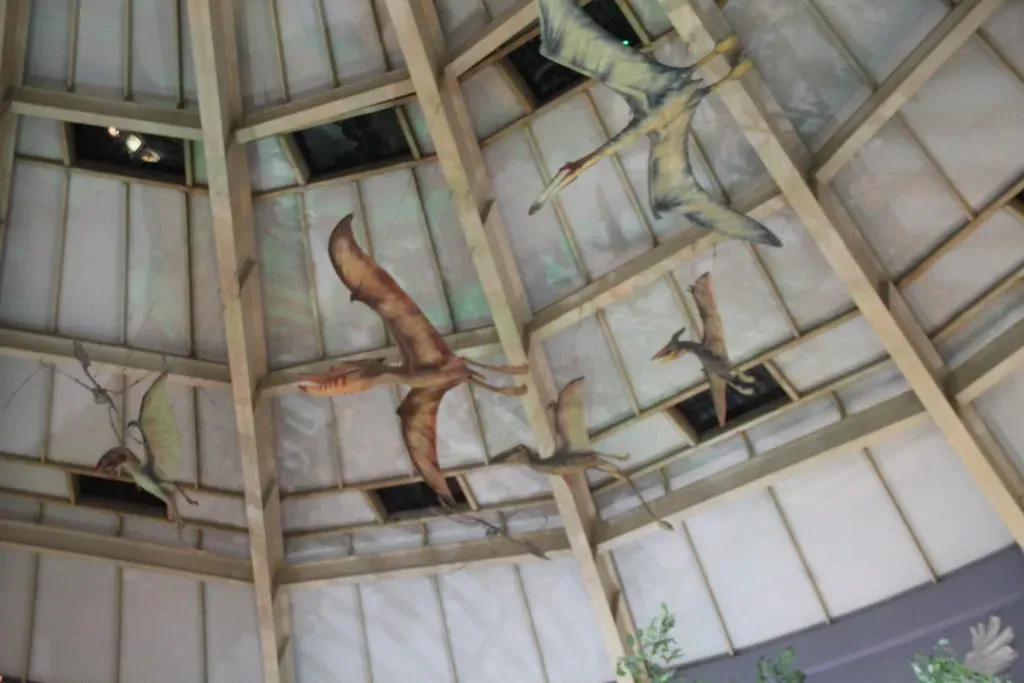
This is the single most argued-about theory in pterosaur research, and it keeps flipping with every new discovery. The tidy version of the story goes like this: newer, more efficient birds muscled the older, clunkier pterosaurs out of the sky over millions of years. Plenty of people still treat that as settled fact.
It isn’t. Newly discovered fossils show pterosaurs remained the dominant fliers in every ecological niche for wingspans of two meters or more, and the apparent decline in diversity looks a lot more like preservation bias than any real biological collapse. Separate research goes even further, arguing that pterosaurs were never driven out by birds at all – they kept diversifying and innovating for millions of years afterward, apparently responding to the competition by getting bigger and experimenting with entirely new lifestyles. The popular “birds simply won” narrative may be one of paleontology’s most persistent myths.
#1 – Why Pterosaurs Vanished Completely, With Zero Descendants

This is the mystery that towers over everything else on this list, because unlike dinosaurs, pterosaurs did not leave a single living relative behind. Birds are technically avian dinosaurs, meaning the dinosaur lineage survived the end of the Cretaceous in disguise – pterosaurs got no such second chance, despite persisting successfully all the way to the very end of that same era.
The asteroid explains the timing. It does not explain the total wipeout. A massive asteroid slammed into what is now the Yucatan Peninsula and triggered one of the worst extinction events in Earth’s history, one that erased the dinosaurs, the ammonites, the mosasaurs, and every last pterosaur along with roughly 75 percent of all species alive at the time. Birds, equally airborne and arguably less specialized, scraped through. Nobody has fully explained why one lineage of fliers got a second chance at life on Earth and the other got erased completely.
At a Glance
- Extinction trigger: asteroid impact on the Yucatan Peninsula
- Species lost overall: roughly 75 percent of life on Earth
- Also wiped out: non-avian dinosaurs, ammonites, and mosasaurs
- Survivors: birds – the only dinosaur lineage to make it through
The Bottom Line
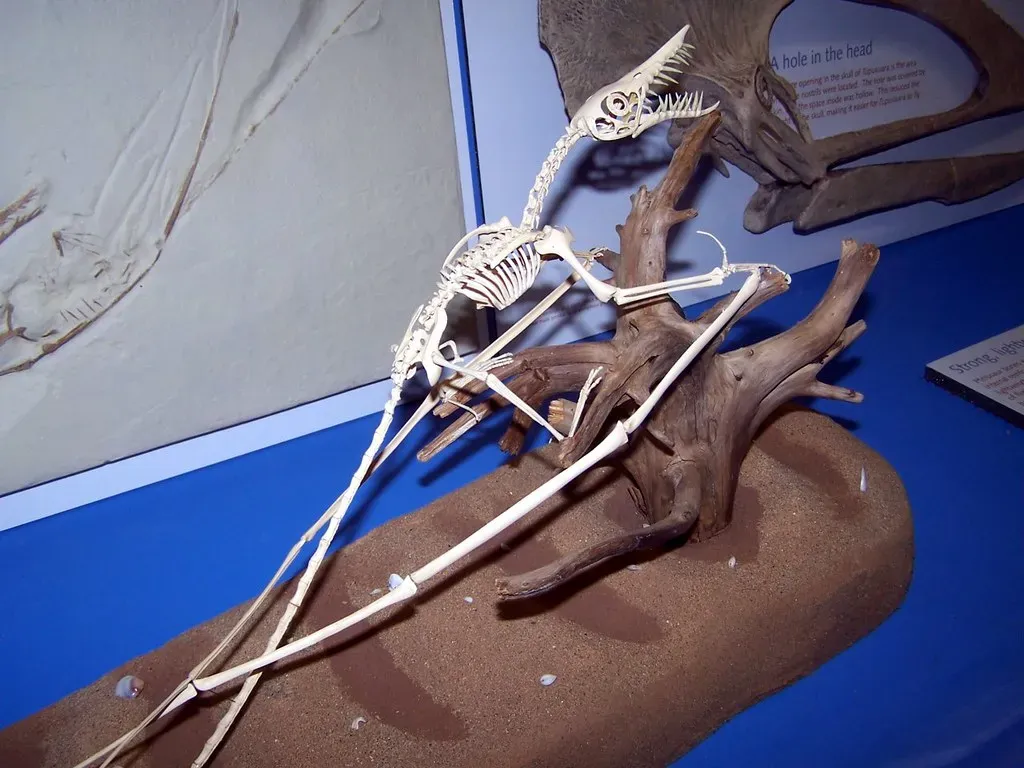
After two centuries of digging, the truth is that pterosaurs remain one of the most misunderstood animal groups in paleontology. We still don’t know exactly how they took off, what color they were, whether they had real feathers, or why an entire dynasty of successful fliers vanished without a trace.
Every “solved” mystery on this list – the launch mechanics, the crests, the extinction driver – comes with an asterisk and a competing camp of researchers who disagree. That’s not a weakness in the science; it’s proof that pterosaurs were stranger and more complicated than pop culture ever gave them credit for. Which of these unsolved pterosaur mysteries surprised you the most? Drop your take in the comments.