Most people assume Earth’s story really begins with a T. rex roar or a Brontosaurus stomping through a fern field. It doesn’t. By the time the first dinosaur took its first wobbly step roughly 243 million years ago, Earth had already burned through more than 90% of its entire existence – continents had assembled and torn apart, the planet had frozen solid not once but possibly twice, and life had exploded, nearly vanished, and rebuilt itself from almost nothing.
Dinosaurs weren’t the opening act of this planet’s story. They were practically the encore, showing up after billions of years of chaos most people have never even heard of. Here’s what the geologic record says actually happened first – and why some of it is stranger than anything a dinosaur ever did.
#15 – Earth Formed Out of Cosmic Debris (4.54 Billion Years Ago)
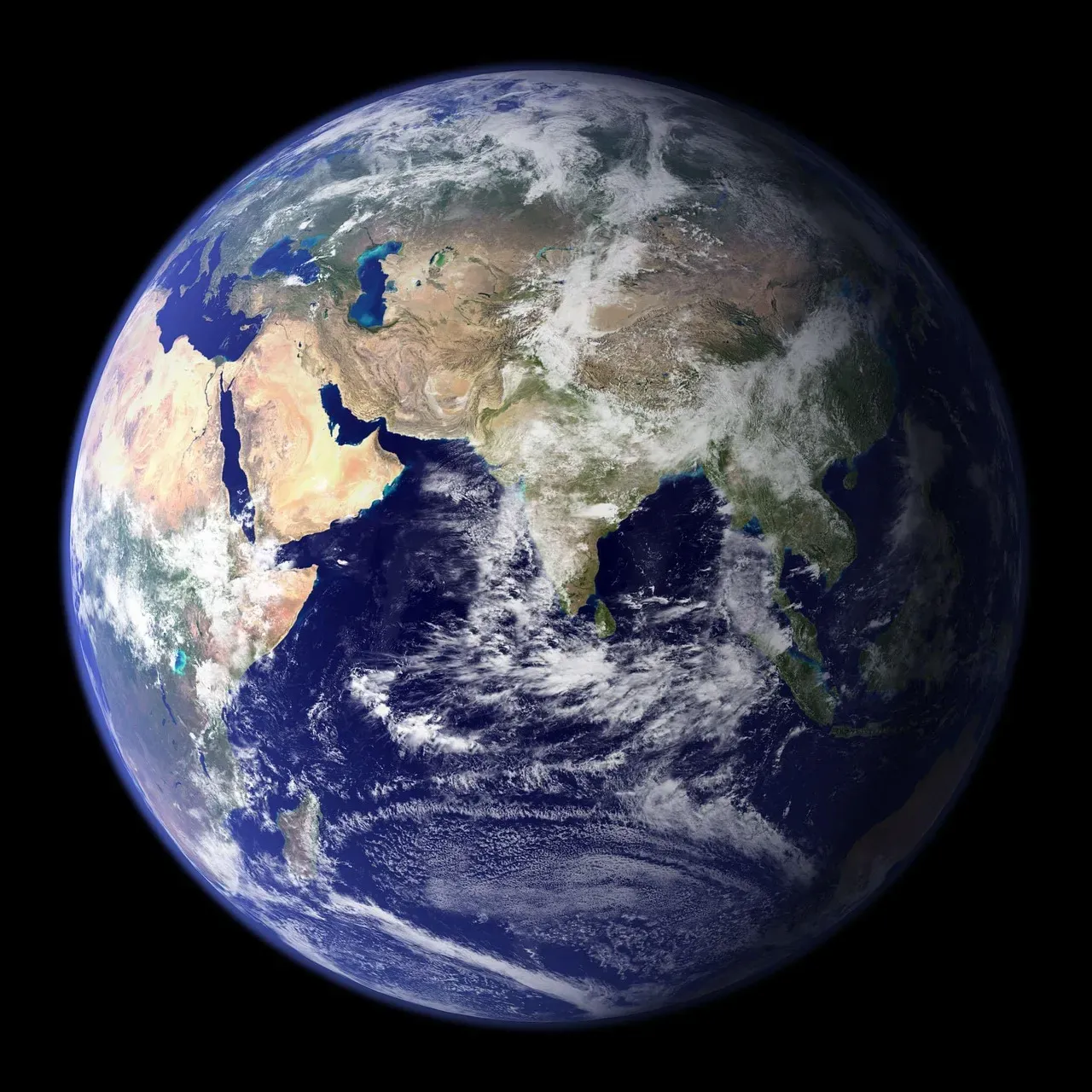
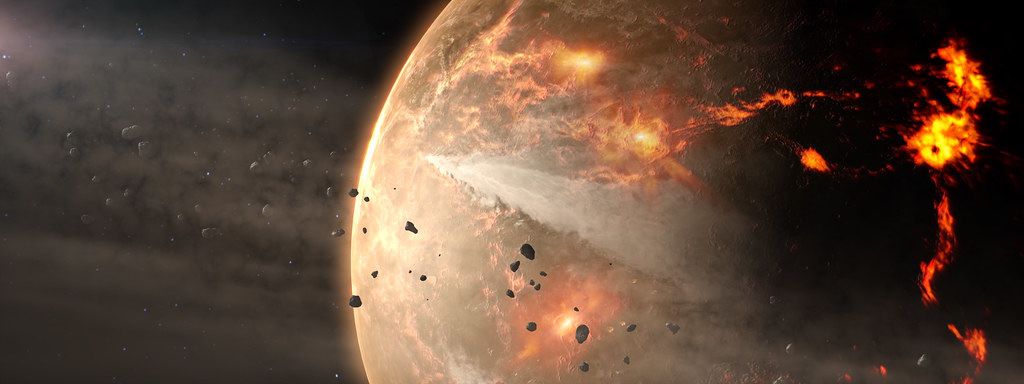
Earth wasn’t “born” so much as it was violently assembled. About 4.54 billion years ago, the early solar system was a chaotic swirl of gas and rock circling a newborn sun. Gravity slowly clumped dust into pebbles, pebbles into boulders, and boulders into planet-sized bodies through millions of head-on collisions.
The result wasn’t a blue marble. It was a molten ball of rock under constant bombardment, wrapped in an atmosphere of toxic gas instead of oxygen, with no ocean and definitely nothing alive. The entire planet came together in a geological instant compared to how long it’s existed since – most estimates put the core accretion phase at just tens of millions of years. That inferno phase is exactly why geologists named the earliest eon the “Hadean,” after the Greek underworld.
Fast Facts
- Earth’s age: roughly 4.54 billion years
- Hadean eon: spans from Earth’s formation to about 4.0 billion years ago
- Early atmosphere: mostly water vapor, carbon dioxide, and nitrogen from volcanic outgassing – no free oxygen
- No solid crust or liquid ocean existed for much of this period
#14 – A Mars-Sized Object Slammed Into Earth and Created the Moon
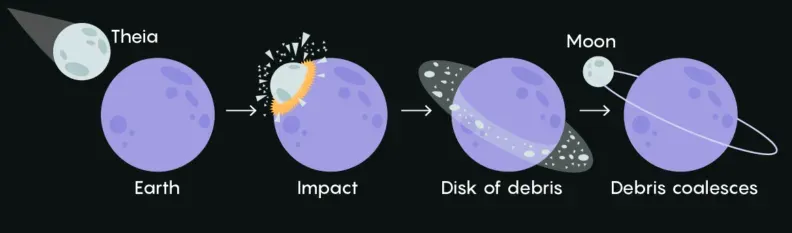
The Moon wasn’t always there. It’s leftover wreckage from a planetary car crash. Roughly 4.5 billion years ago, scientists believe a Mars-sized protoplanet nicknamed “Theia” collided with the still-forming Earth, an impact so catastrophic it liquefied both bodies and blasted a cloud of vaporized rock into orbit.
That debris eventually cooled and clumped together into the Moon we see tonight. Without that collision, Earth might not have a stable axial tilt at all, meaning no predictable seasons and possibly a far less hospitable climate for complex life to ever evolve. Most people picture the Moon as a peaceful nightlight; in reality, it’s a scar from the most violent event in Earth’s early history.
#13 – Earth Got Pummeled by a Second Wave of Asteroids
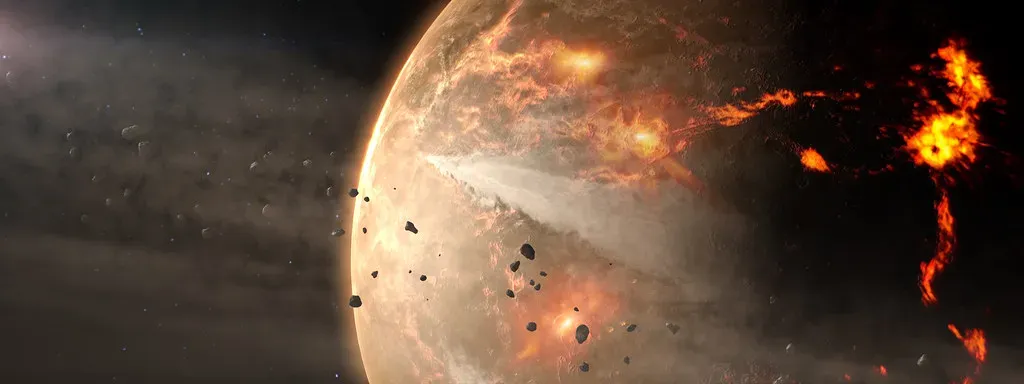
Just when Earth was starting to cool down, the solar system decided to throw more rocks at it. Between roughly 4.1 and 3.8 billion years ago, a period known as the Late Heavy Bombardment sent a disproportionately large number of asteroids and comets crashing into the inner solar system, including Earth and the Moon. Those craters you can still spot on the Moon through a cheap telescope are frozen snapshots of this chaos.
Some scientists argue this bombardment actually delivered the water and organic molecules that made life possible in the first place. Others think it sterilized any early life that may have already existed, essentially resetting Earth’s biological clock. Either way, Earth survived a cosmic demolition derby before anything alive could even take a breath.
#12 – The First Microbes Appeared in a World With No Oxygen
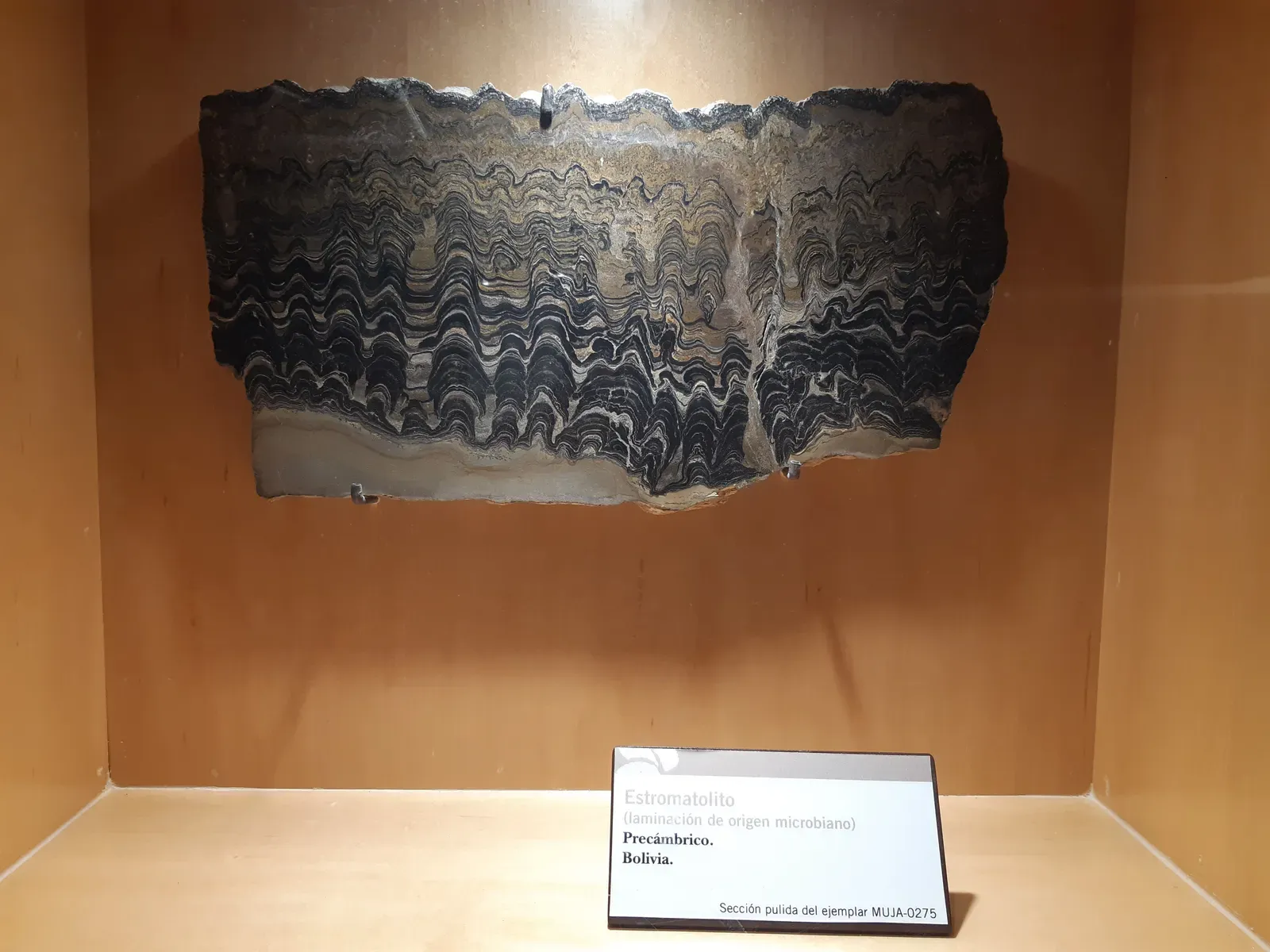
Life on Earth didn’t start with anything resembling an animal. It started with something closer to slime. The oldest evidence of life – stromatolites and microbial fossils – dates back roughly 3.5 to 3.8 billion years, according to widely cited geological timelines. These weren’t cells with nuclei or complex internal structures; they were simple prokaryotes surviving in an atmosphere that would kill most modern organisms instantly.
The irony here is brutal: oxygen, the gas every animal on Earth needs to survive, didn’t exist in any meaningful amount yet. These early microbes lived in an anaerobic world where oxygen was either absent or actively poisonous. It would take well over a billion more years before that changed – life had arrived, but it was in for a very long, very slow crawl toward anything recognizable.
#11 – Cyanobacteria Triggered the Great Oxidation Event
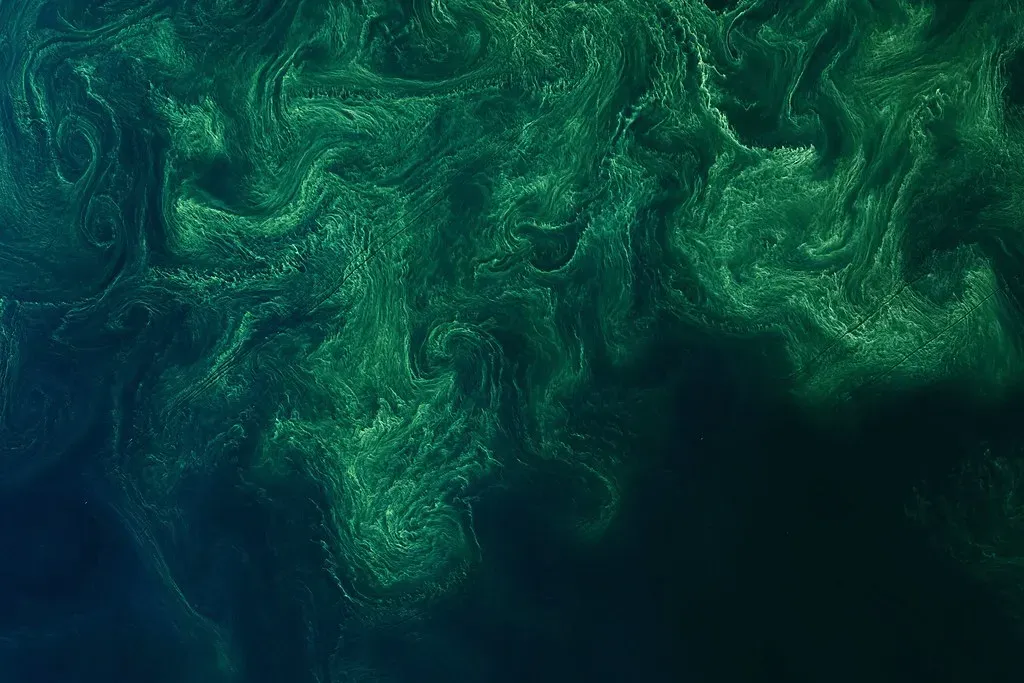
This is arguably the single most consequential event in Earth’s entire biological history, and almost nobody outside a geology classroom has heard of it. Around 2.7 billion years ago, cyanobacteria began photosynthesizing and pumping oxygen into the atmosphere as a waste byproduct. By roughly 2.4 billion years ago, that oxygen had built up enough to flood the atmosphere in what’s now called the Great Oxidation Event.
Most people think mass extinctions require an asteroid – this one was caused entirely by microscopic bacteria slowly poisoning their own planet. For the anaerobic microbes living at the time, oxygen was lethal, and huge numbers of them died off. But that same toxic gas became the foundation for every complex, oxygen-breathing organism that came after, including every dinosaur and every human. It’s one of the earliest proofs that Earth’s biggest disasters and its biggest breakthroughs are sometimes the exact same event.
#10 – Cells Finally Evolved a Nucleus
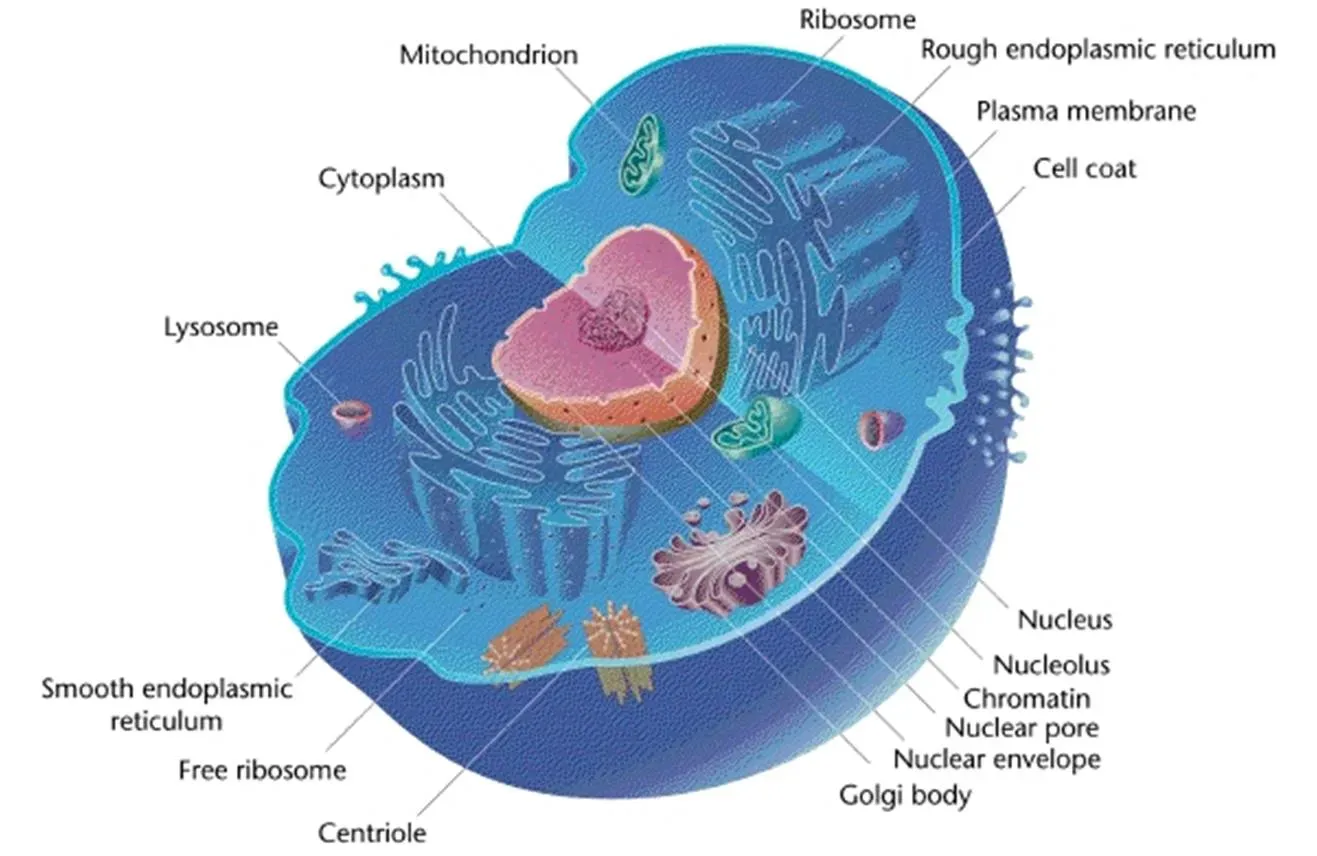
For nearly two billion years, every living thing on Earth was structurally identical to the pond scum you’d scrape off a rock – until something changed on the inside. Around 2.1 billion years ago, the first eukaryotic cells appeared, meaning cells that contained a nucleus and internal structures instead of just loose genetic material floating around.
That sounds like a minor technical upgrade, but it’s the single innovation that made every plant, animal, fungus, and human possible. Every complex organism that has ever existed, including every dinosaur, descended from this one obscure cellular upgrade. Without a nucleus to organize and protect genetic material, cells simply cannot get much more complicated than bacteria – which is why many biologists rank the rise of eukaryotes right up there with the origin of life itself.
#9 – Cells Started Cooperating and Multicellular Life Began
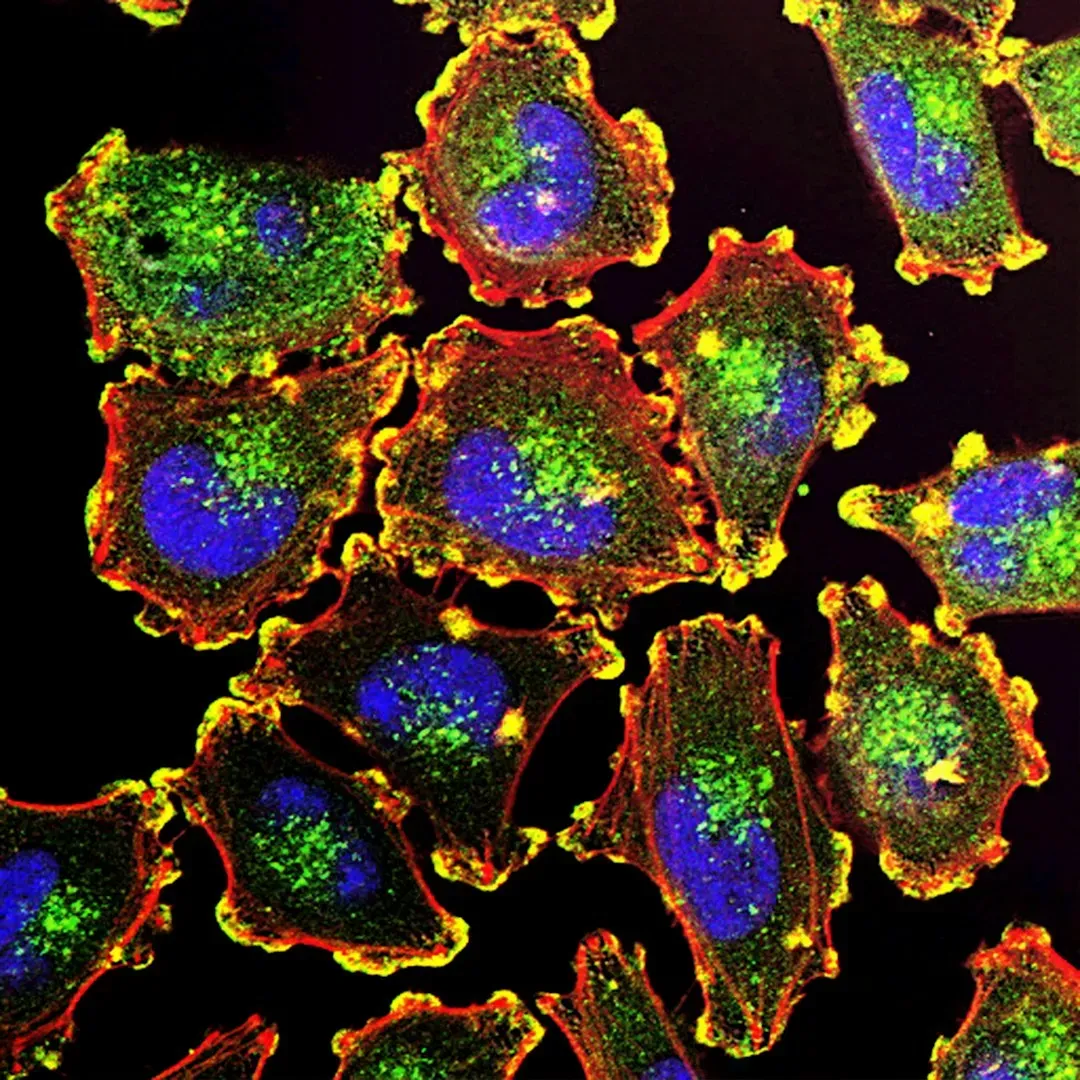
For most of Earth’s history, being alive meant being alone. That changed slowly, and reluctantly. Roughly 1.2 billion years ago, cells began working together instead of existing as isolated single units, forming the first true multicellular organisms.
It took over three billion years for life to figure out that teamwork was more effective than going it alone. Simple sponge-like organisms followed a few hundred million years later, representing some of the earliest true animals. This stretch gets glossed over in pop-science documentaries because there’s no dramatic footage to show – just microscopic blobs slowly discovering division of labor – but without this unglamorous breakthrough, nothing bigger than a single cell would have ever existed on this planet.
#8 – Earth Froze Into a Giant Snowball, Possibly Twice
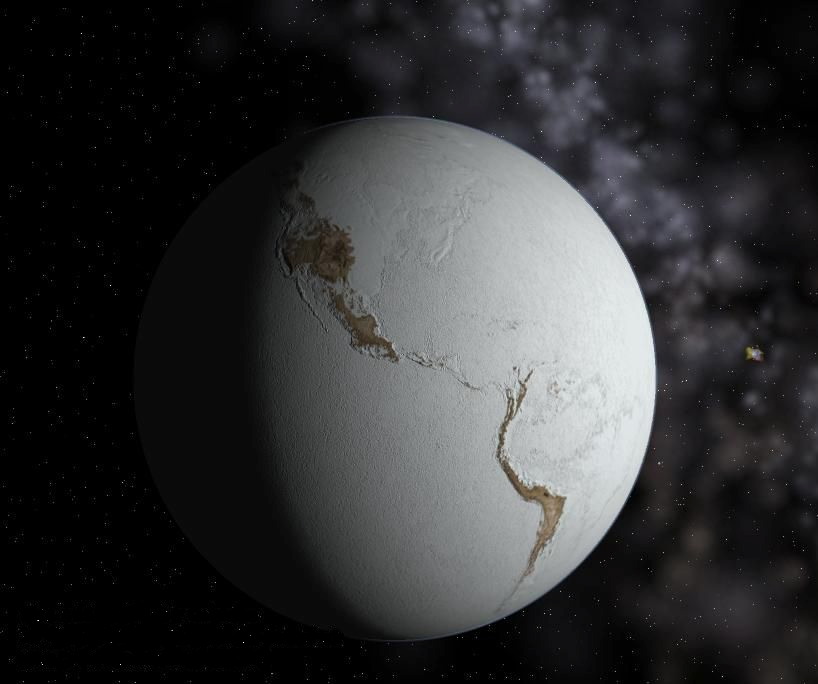
This is the one that sounds like science fiction but is backed by real geological evidence. During the Cryogenian period, roughly 720 to 635 million years ago, large portions – possibly the entire surface – of Earth froze over in an event geologists nicknamed “Snowball Earth.”
Some geologists argue Earth stayed frozen for close to 300 million years before it finally thawed. That claim isn’t universally accepted; plenty of scientists push back on the idea that the whole planet froze solid, arguing it was more of a “slushball” with open water lingering near the equator. Either way, when the ice finally melted, it flooded the oceans with nutrients and set the stage for something the planet had never seen before.
Quick Compare
- Snowball hypothesis: ice sheets reach the equator, oceans freeze nearly solid worldwide
- Slushball hypothesis: patches of open water persist near the equator even during peak glaciation
- Timing: two major glacial events, the Sturtian and Marinoan, span roughly 720 to 635 million years ago
- Aftermath: both scenarios agree the meltwater flooded oceans with nutrients right before complex life diversified
#7 – Bizarre, Soft-Bodied Creatures Filled the Oceans
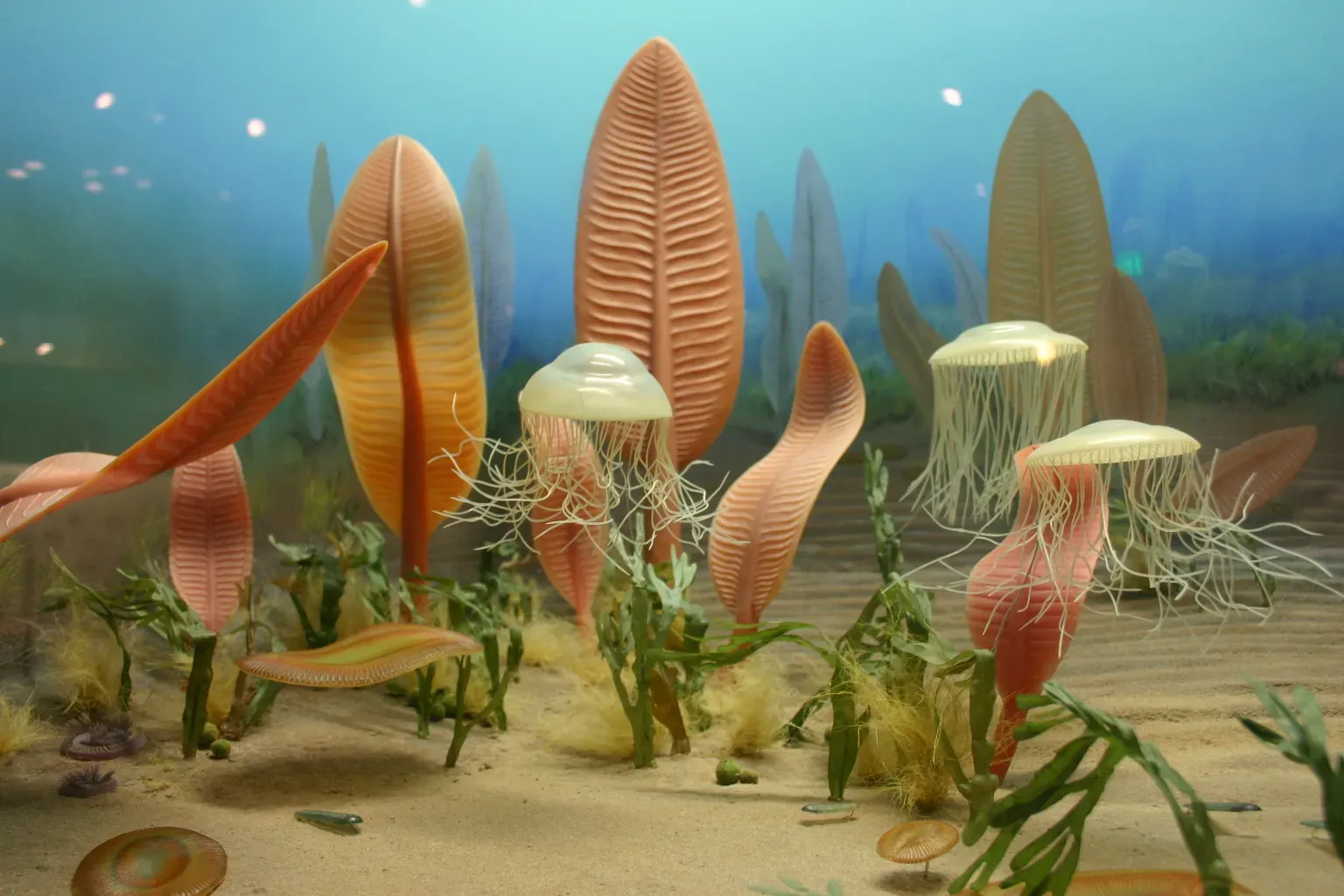
Right after Earth thawed out from its icy phase, something genuinely strange started showing up in the fossil record. The Ediacaran period, roughly 635 to 541 million years ago, produced Earth’s first known complex, multicellular animal life – but calling these things “animals” is still up for debate.
They weren’t recognizable creatures with heads, legs, or eyes. They were flat, frond-like, quilted organisms that don’t closely resemble anything alive today, many with no mouths, no guts, and no obvious way of moving. Paleontologists still argue about whether some Ediacaran organisms were even animals at all, or some kind of evolutionary dead-end experiment. Whatever they were, they represent life’s first serious attempt at complexity – a rough draft for everything that came roaring in right after them.
#6 – The Cambrian Explosion Filled the Oceans With Modern Body Plans
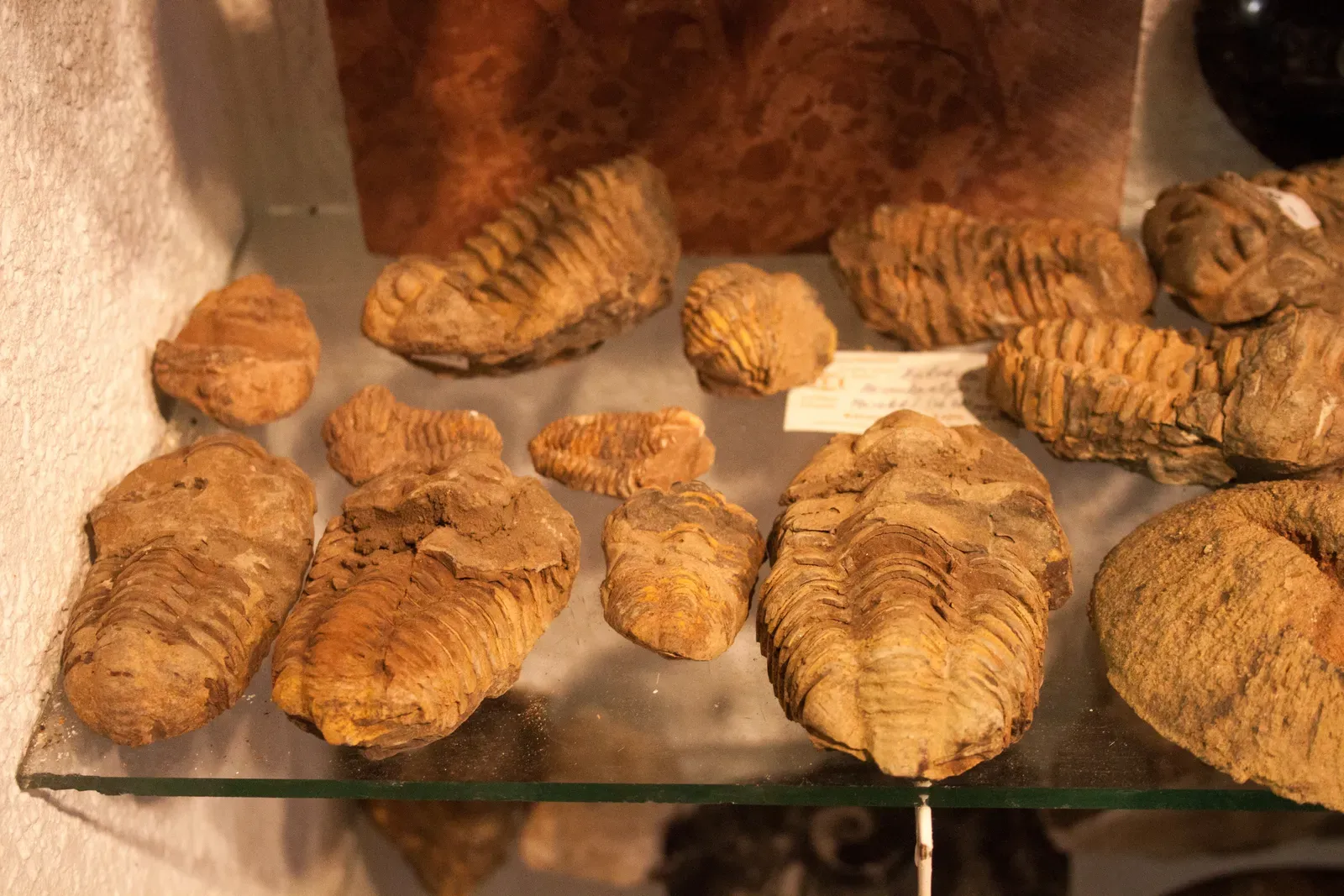
If you had to pick one single event that made Earth “come alive” in the way we usually imagine, this is it. Around 541 million years ago, the Cambrian Explosion triggered the most rapid diversification of complex life in Earth’s history – a geological blink of an eye, lasting somewhere between 13 and 25 million years, that filled the oceans with trilobites, brachiopods, jellyfish, and the first vertebrates.
Nearly every major animal body plan alive today – including the basic blueprint for vertebrates like us – showed up for the first time in this one narrow window of geologic time. Armored trilobites crawled the seafloor while predators like the shrimp-like Anomalocaris hunted them down with grasping appendages, and early chordates such as Haikouichthys, a fish-like creature with a notochord, hinted at the vertebrate lineage that would eventually lead to fish, amphibians, and yes, dinosaurs.
At a Glance
- Start date: about 541 million years ago
- Duration: an estimated 13 to 25 million years – a blink of an eye geologically
- Standout species: trilobites, Anomalocaris, and the early vertebrate ancestor Haikouichthys
- Legacy: nearly every major animal body plan alive today traces back to this window
#5 – The First Fish Appeared, Then Nearly Everything Died
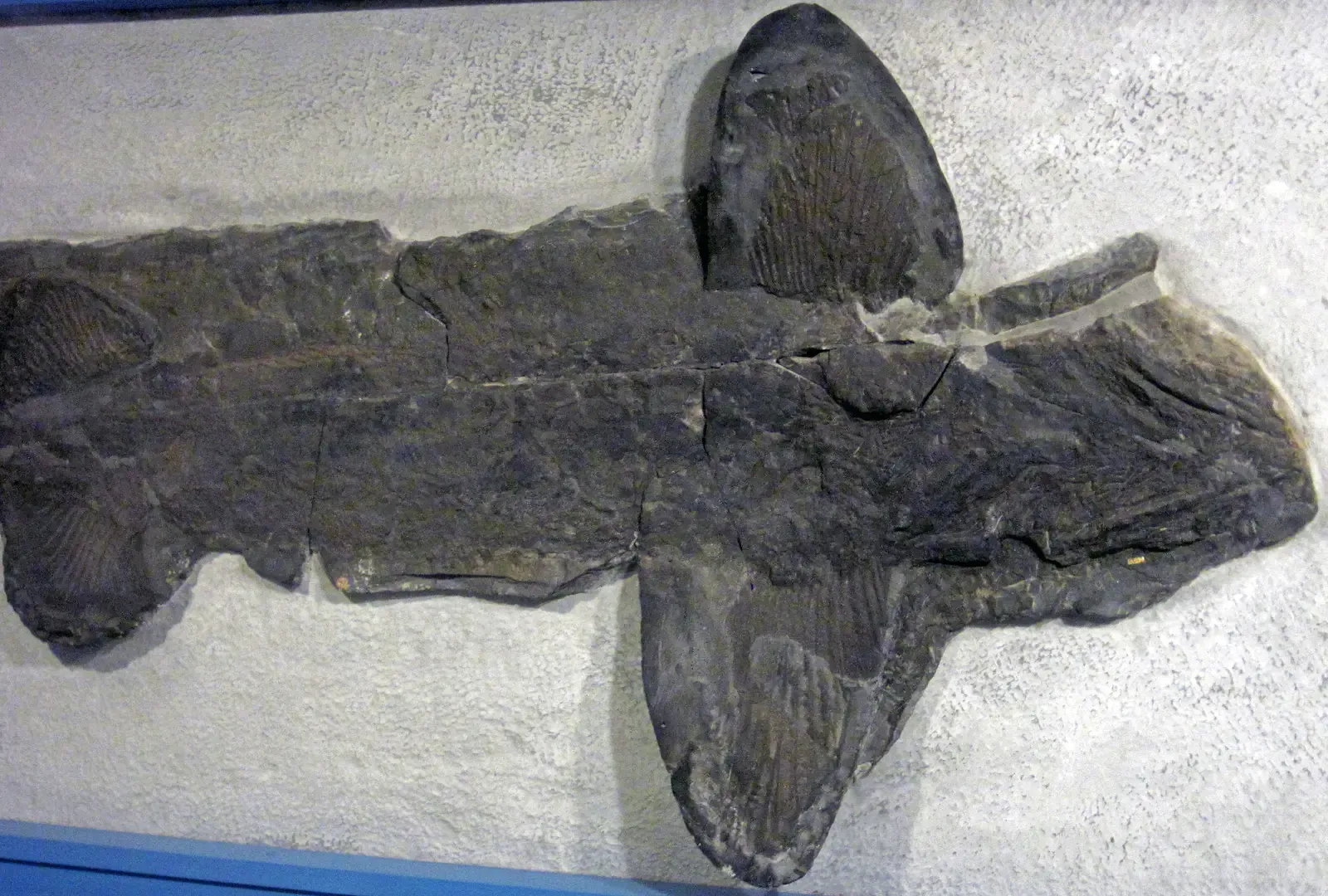
Fish existed for tens of millions of years before dinosaurs even had ancestors – and they almost didn’t survive to tell the story. The first jawless fish emerged around 530 million years ago, with true vertebrates following shortly after, marking the true dawn of the lineage that would eventually include amphibians, reptiles, and dinosaurs themselves.
But right as marine life was hitting its stride, the Ordovician period ended with one of the five worst mass extinctions in Earth’s history, wiping out a massive percentage of marine species, including thriving populations of brachiopods and ammonites. Most people have never heard of the Ordovician extinction because it happened underwater, to creatures with no bones and no drama-friendly skeletons – but it reshaped which lineages survived to eventually crawl onto land.
#4 – Life Finally Crawled Onto Dry Land
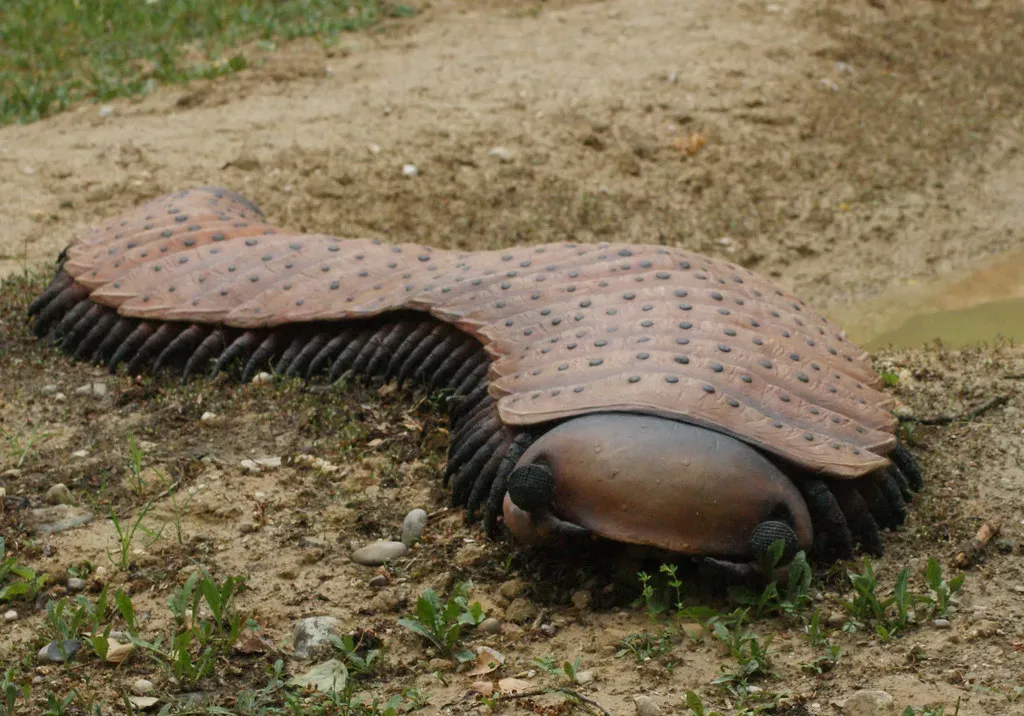
For roughly four billion years, dry land was a completely dead, sterile wasteland. Then plants and bugs changed everything. Around 470 million years ago, the first plants colonized land, followed by the first land animals – early arthropods like millipedes and scorpions – around 430 million years ago, during the Silurian period, while jawed fish were still evolving back in the oceans.
This means insects and plants were living on land tens of millions of years before a single vertebrate ever took a step outside the water. Part of what made this possible was a thickening ozone layer, which finally blocked enough radiation for life to survive outside the protective shield of ocean water. Before that shield existed, life had nowhere safe to go except underwater – once it thickened, Earth’s continents stopped being off-limits.
#3 – Fish Grew Legs and Became the First Tetrapods
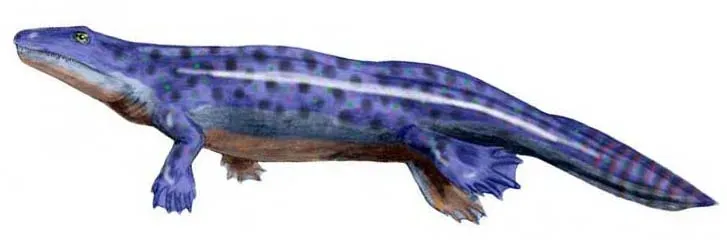
This is the moment vertebrate evolution stopped being a purely aquatic story. During the Devonian period, often called the “Age of Fishes,” creatures like Ichthyostega evolved primitive limb-like structures and began experimenting with life on land. True amphibians followed around 375 million years ago, becoming the earliest vertebrates capable of surviving both in water and out of it.
Every land vertebrate that has ever existed – every reptile, every dinosaur, every bird, every mammal, and every human – descends from these clumsy, fish-like pioneers dragging themselves out of Devonian swamps. This entire era ended with another brutal mass extinction that devastated marine ecosystems worldwide, proving once again that Earth’s path toward dinosaurs was never a straight line – just a series of near-total resets, survived by whatever happened to be lucky or adaptable enough to make it through.
#2 – Giant Insects and Coal Forests Took Over the Planet
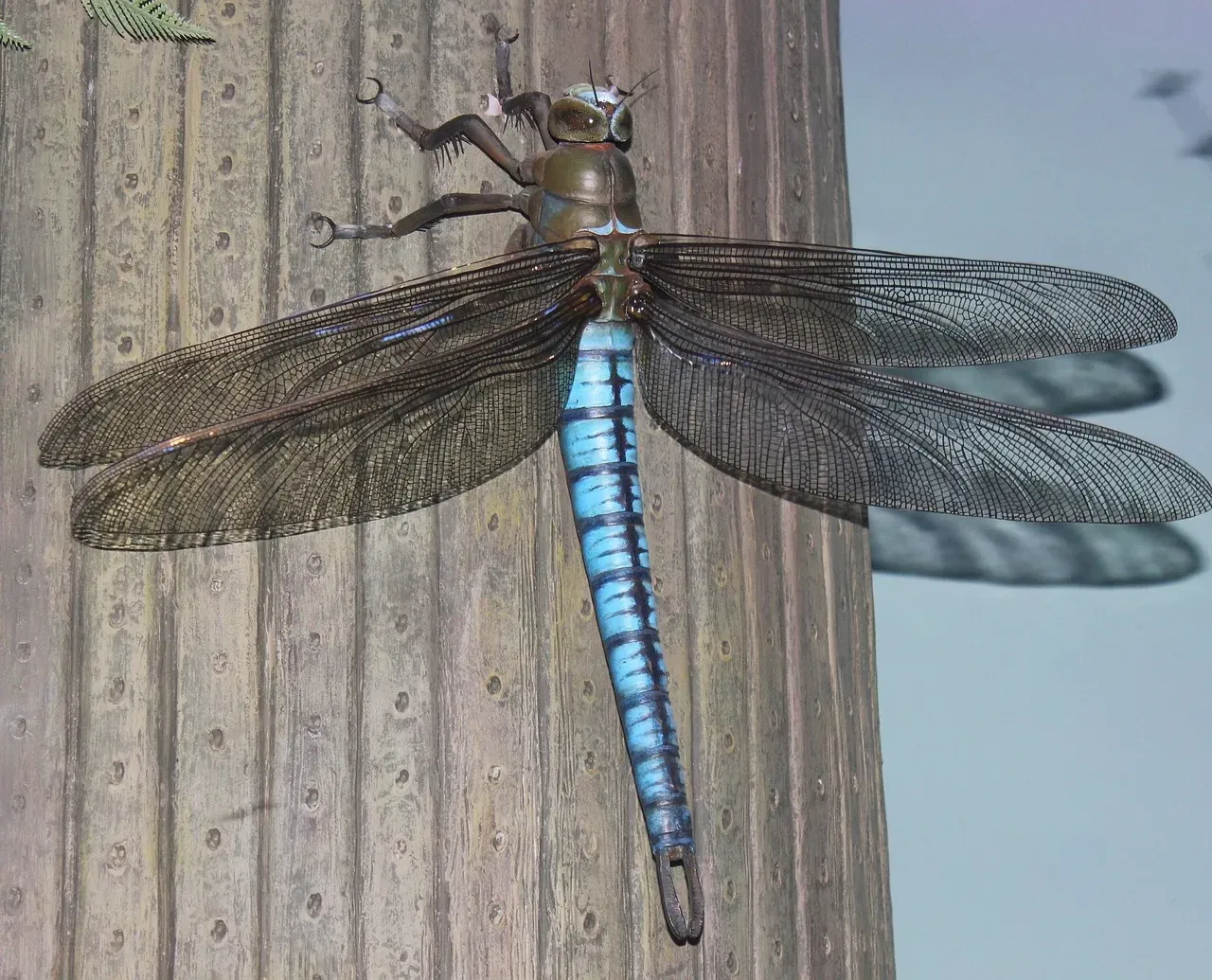
If dinosaurs get called “terrifying,” the Carboniferous period deserves at least as much credit for its nightmare fuel. Roughly 320 to 300 million years ago, the first reptiles appeared and winged insects took to the skies for the first time in Earth’s history. Thanks to unusually high atmospheric oxygen levels, insects grew to sizes that would be biologically impossible today – dragonfly-like creatures with wingspans rivaling modern hawks patrolled swampy, humid forests.
Most people picture prehistoric monsters as dinosaurs, but some of the largest terrestrial predators before dinosaurs were arthropods, not reptiles. Those same lush, swampy forests are directly responsible for most of the coal humans burn today – it’s literally fossilized Carboniferous vegetation. The period eventually collapsed when abrupt climate shifts wiped out these rainforest ecosystems in what’s now called the Carboniferous Rainforest Collapse.
Worth Knowing
- Atmospheric oxygen may have reached around 35%, compared to about 21% today
- Higher oxygen likely allowed insects like the giant dragonfly relative Meganeura to grow to unusually large sizes
- Coal deposits mined worldwide today largely formed from these Carboniferous swamp forests
- The first reptiles appeared during this period, setting the stage for the group dinosaurs would later belong to
#1 – “The Great Dying” Wiped Out Nearly All Life on Earth
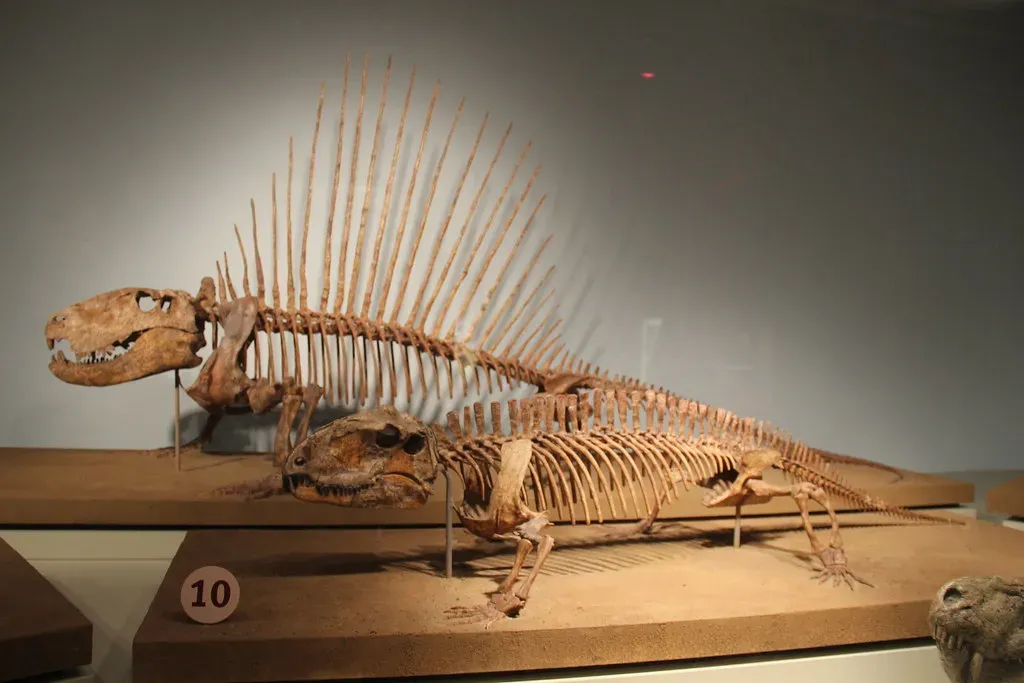
If any single event on this list deserves to be called apocalyptic, it’s this one. Around 252 million years ago, the Permian period ended with the most catastrophic mass extinction in Earth’s entire history, now commonly nicknamed “The Great Dying.” Early mammal ancestors and large synapsids like Dimetrodon, which had dominated the Permian landscape, were almost entirely wiped out in this single event.
Scientific estimates suggest this extinction killed off the overwhelming majority of species on Earth, marine and terrestrial alike – making it far deadlier than the asteroid that eventually killed the dinosaurs. Massive volcanic activity is widely believed to be the primary trigger, flooding the atmosphere with greenhouse gases and acidifying the oceans on a global scale. What makes this event so significant isn’t just its destruction – it’s what came after. With ecological competition wiped clean, a narrow window opened for a new group of reptiles to quietly rise. Within roughly ten million years, the very first dinosaurs would appear.
The Bottom Line
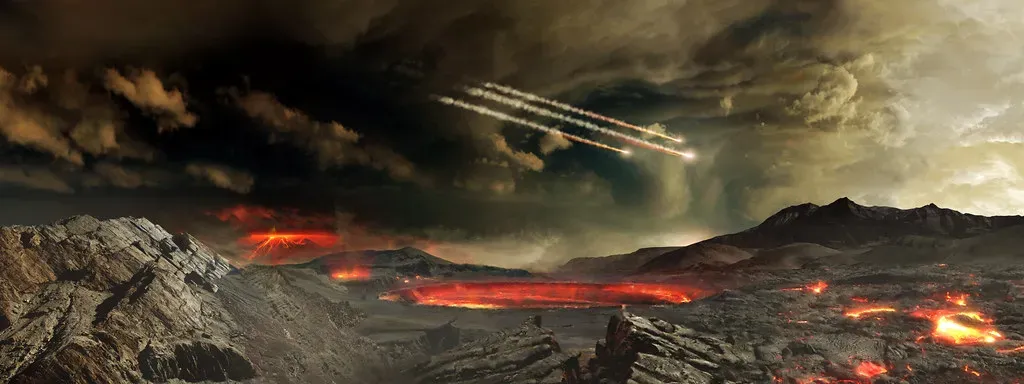
Here’s the uncomfortable truth textbooks rarely emphasize enough: dinosaurs weren’t inevitable, and they definitely weren’t first. Earth spent over 4 billion years freezing, thawing, poisoning itself with oxygen, exploding with biodiversity, and nearly wiping out all life multiple times before a single dinosaur ever existed.
The Great Dying alone should get far more attention than it does – it was deadlier, stranger, and more consequential to dinosaur evolution than the asteroid that later ended it. Honestly, calling dinosaurs “ancient” undersells just how new they really were. They’re not the beginning of Earth’s story. They’re barely even the middle.