Most people assume evolution is a nonstop race – constant upgrades, constant mutations, constant reinvention. A tiny handful of animals broke that rule entirely. They stumbled onto a body plan so effective that natural selection basically shrugged and left it alone.
Some of these creatures were already swimming, crawling, or gliding through the world before trees existed, before the first dinosaur took a breath, before the continents even looked the way they do now. Scientists call them “living fossils,” and once you see what they’ve actually survived, you’ll never look at your backyard pond – or your sushi plate – the same way again.
#13 – The Platypus: A Mammal That Never Got the Evolution Memo
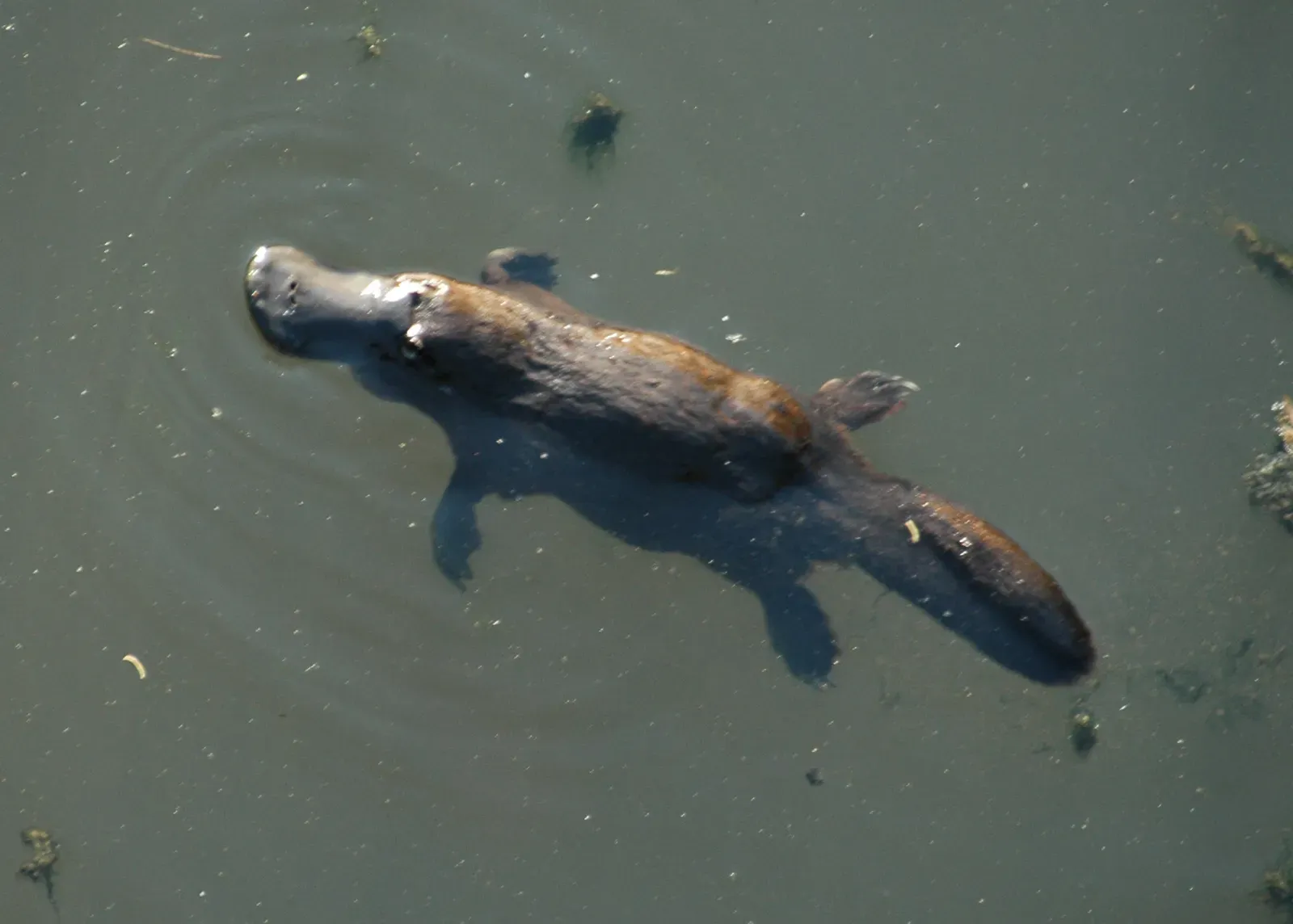
The platypus looks like evolution’s rough draft – because in a sense, it is.
The platypus is often viewed as one of nature’s oddities, combining features of birds, mammals, and reptiles. This egg-laying mammal has remained relatively unchanged for nearly 110 million years – long enough to have technically shared the planet with early tyrannosaur ancestors. It still lays eggs, still detects prey through electroreception, and still carries venomous spurs, all traits that would look bizarre on any other modern mammal alive today.
What’s wild is that mammals as a group exploded into thousands of specialized forms since then – bats, whales, primates – while the platypus just kept its original blueprint. It never needed to change because its ecological niche never really challenged it. Freshwater Australian rivers stayed stable enough that its bizarre toolkit kept working, generation after generation, and the platypus isn’t even the strangest holdout on this list.
Fast Facts
- Lineage age: roughly 110 million years, largely unchanged
- One of the world’s few egg-laying mammals, known as monotremes
- Uses electroreception in its bill to hunt prey in murky water
- Males carry venomous spurs on their hind legs – rare among mammals
#12 – The Alligator Gar: The Fish That Evolution Basically Gave Up On
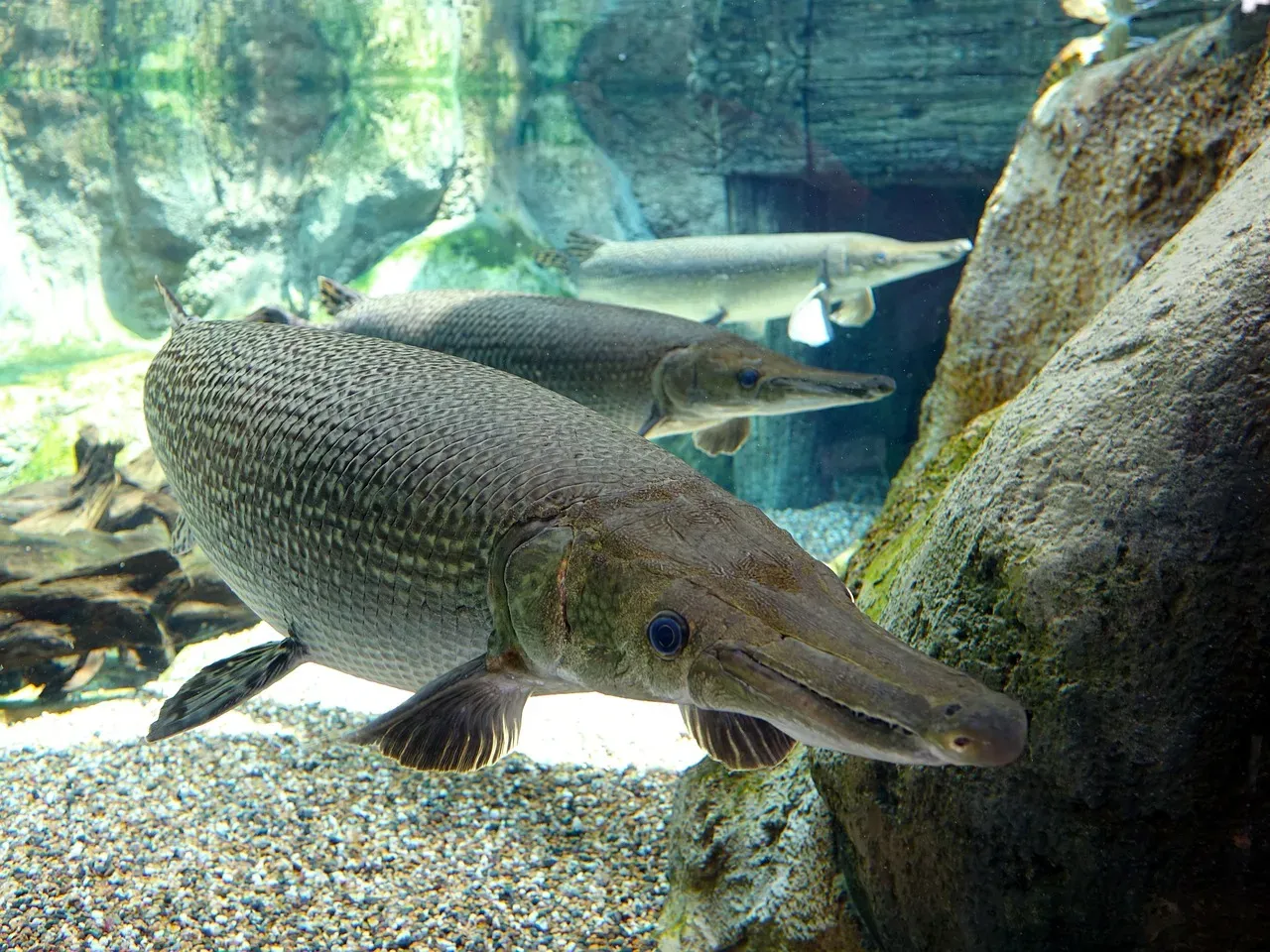
Scientists just discovered this fish evolves slower than almost anything else with a spine.
The alligator gar is sometimes called a “living fossil,” and for good reason – researchers can trace this unusual-looking fish back 100 million years. It still has the armored, diamond-shaped scales and torpedo body of its Cretaceous ancestors, and it still hunts the same way it always has: lurking in the shallows, unbothered by time.
Here’s the detail that stunned researchers: genera of the alligator gar and spotted gar separated over 100 million years ago, yet they can still produce viable offspring. That’s the oldest confirmed parental split among any hybridizing animals, plants, or fungi on record. A 2024 genome study found gars have the slowest rate of molecular evolution of any jawed vertebrate – slower than sharks, slower than coelacanths. Most fish diversify wildly over that kind of timespan; the alligator gar just didn’t bother, and what’s swimming in China’s rivers is even harder to believe.
#11 – The Chinese Giant Salamander: A Living Dinosaur-Era Amphibian
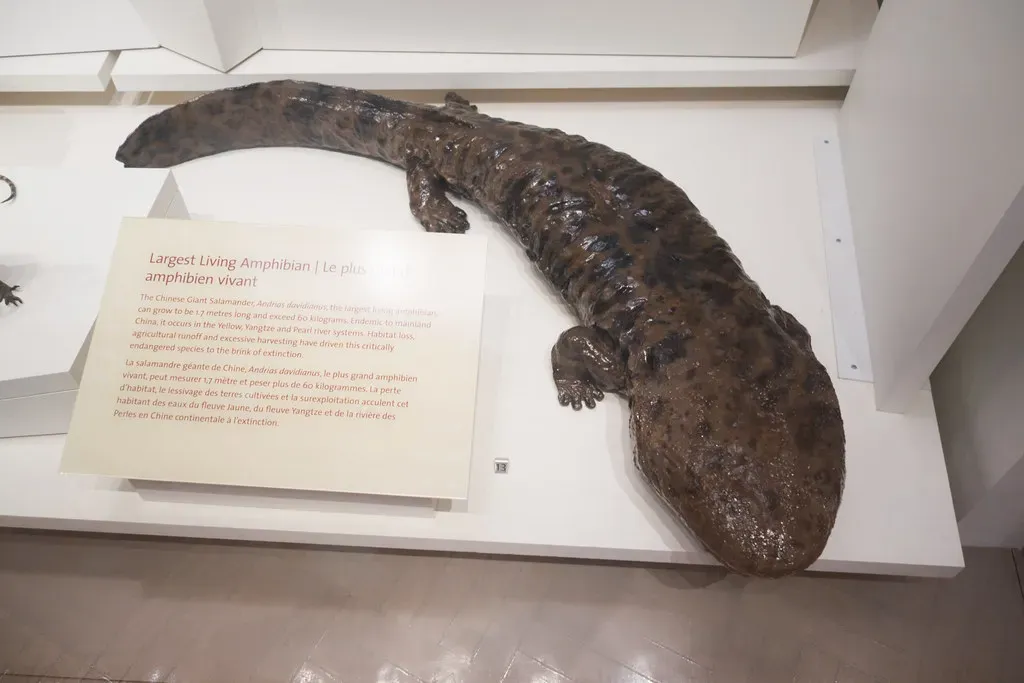
This is the largest amphibian on Earth, and it’s basically unchanged since before flowering plants existed.
The world’s largest amphibian, the Chinese giant salamander, has remained largely unchanged for 170 million years. It can grow nearly six feet long, breathes partly through its wrinkled skin, and hunts using vibration-sensing nodes along its body instead of relying on eyesight – a strategy amphibians were using long before frogs, newts, and salamanders even split into separate branches.
This critically endangered species is a sensitive indicator of freshwater ecosystem health and an extraordinary example of long-term survival. That’s the uncomfortable irony here: an animal that outlasted multiple ice ages and mass extinctions is now being pushed toward extinction by pollution and the illegal wildlife trade in a matter of decades. It survived everything the planet threw at it except us – and the next myth on this list is one you’ve probably repeated yourself without knowing it was wrong.
Worth Knowing
- Lineage stretches back roughly 170 million years, predating flowering plants
- Can grow to nearly six feet long – the largest amphibian alive today
- Relies on vibration-sensing nodes instead of eyesight to hunt
- Listed as critically endangered due to pollution and illegal trade
#10 – Crocodiles and Alligators: Older Than You Think, But Not for the Reason You Think
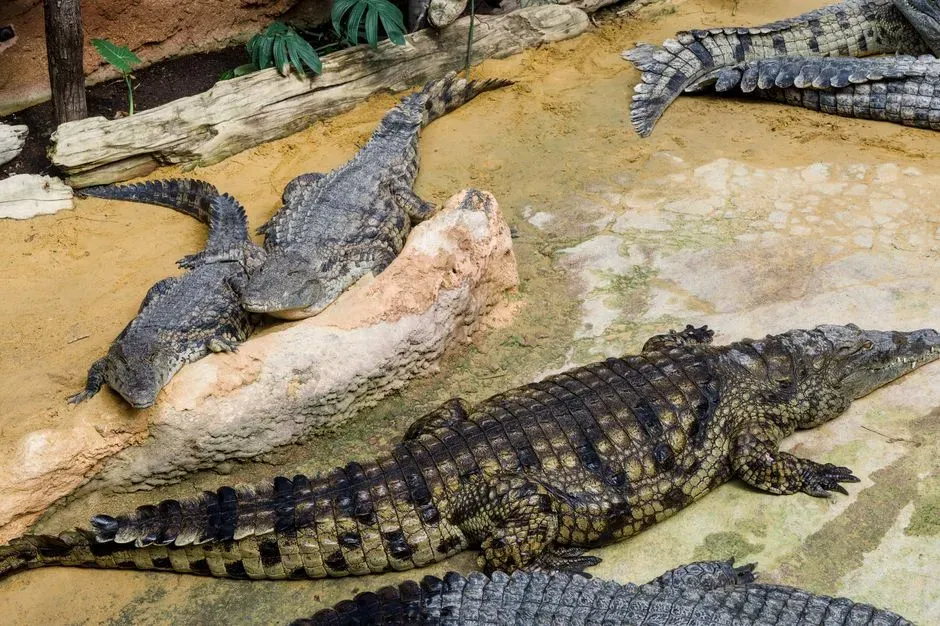
Everyone repeats the same crocodile myth on nature documentaries – and it’s actually wrong.
Watch any documentary about crocodiles and you’re almost certain to hear the line “they’ve gone unchanged since the time of the dinosaurs.” That isn’t exactly true. Crocodylians as we know them today have only been around for about 85 million years – ancient, but not quite the “living dinosaur” claim most people assume.
What actually is true is even more interesting. Crocodylians are the last living representatives of the crocodylomorpha, a much bigger group that originated over 205 million years ago and shared the world with the dinosaurs in a startling array of forms. Some ancient crocodylomorph relatives were fully terrestrial, some ran on two legs, and some lived entirely in the ocean. Today’s crocodiles are simply the one surviving branch of a family tree that used to be far weirder – and the fish behind the world’s priciest delicacy is stranger still.
#9 – The Sturgeon: Caviar’s Prehistoric Secret
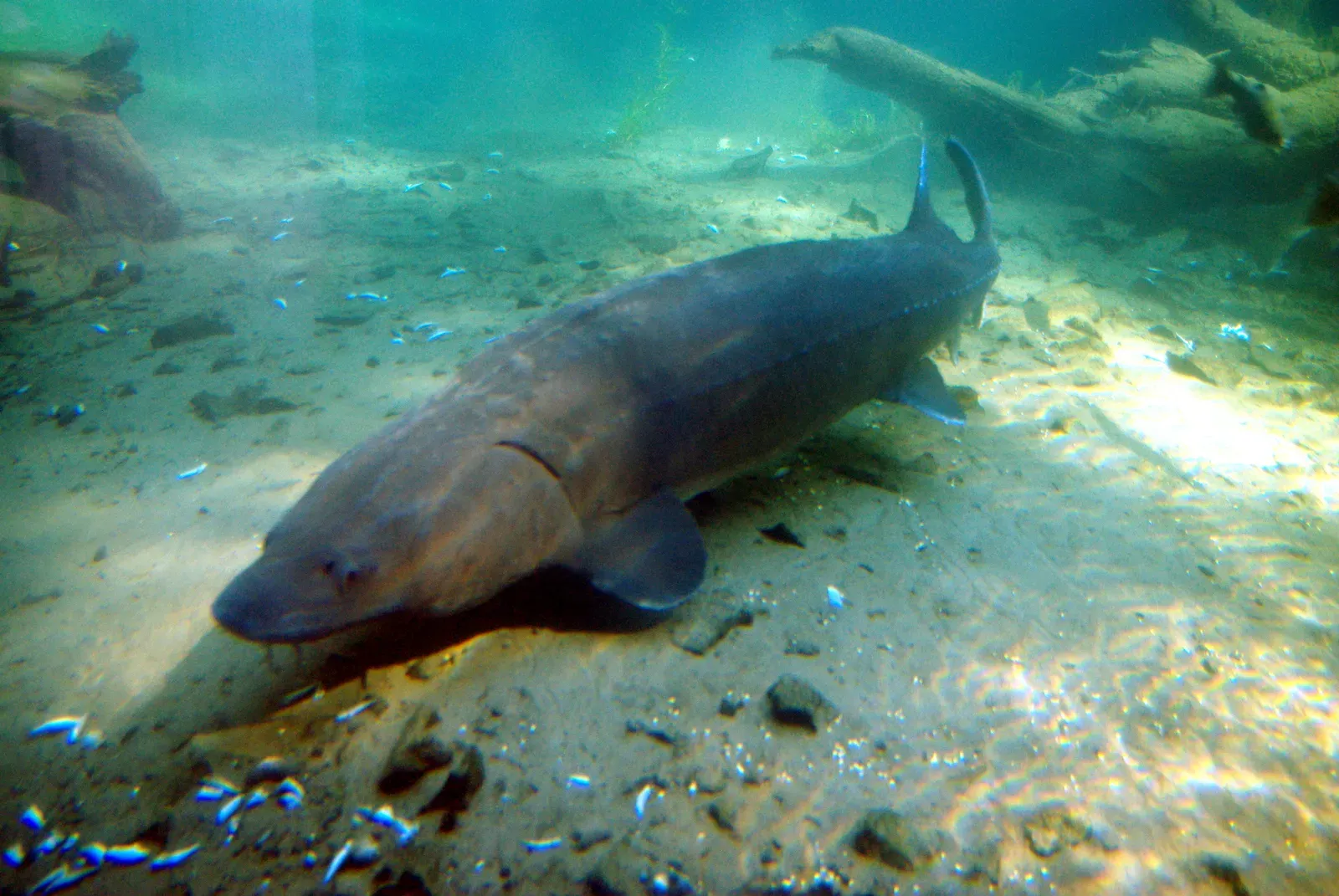
The fish behind the world’s most expensive delicacy predates most of the animal kingdom as we know it.
Sturgeons have been swimming in Earth’s waters for around 200 million years. While these large, bony fish are renowned for their caviar, it’s their ancient lineage that really captures the imagination. Their bodies are lined with bony plates called scutes instead of scales – an armor system that predates most modern fish groups entirely.
Most people paying hundreds of dollars for caviar have no idea they’re eating the eggs of an animal whose body plan hasn’t meaningfully changed since before flowering plants covered the Earth. Sturgeons also lack a true bony skeleton the way most fish do – much of their structure is cartilage, a more primitive framework they simply never traded in. That ancient design has made them incredibly vulnerable to modern threats like dam construction and overfishing, ironically putting a 200-million-year survivor on the endangered list within a single century.
#8 – The Tuatara: New Zealand’s Three-Eyed Time Capsule
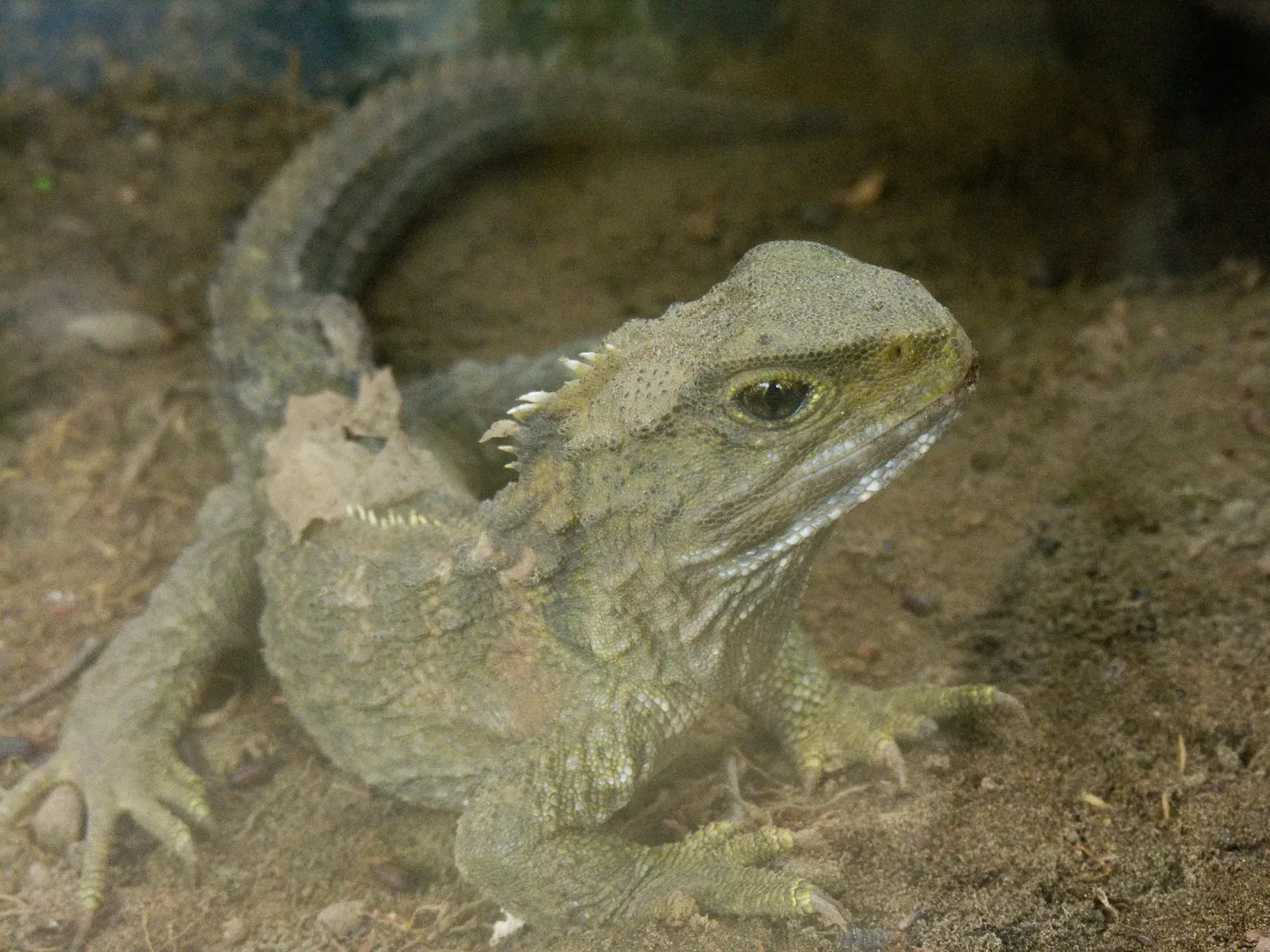
This reptile has a literal third eye, and it’s not even the strangest thing about it.
The tuatara has a 200-million-year-old lineage, and as the last living member of the family Sphenodontia, it survived the cataclysm that wiped out its relatives along with the dinosaurs and roughly three-quarters of life on Earth about 66 million years ago. Everything else in its extended family went extinct. Only the tuatara made it through.
Here’s the strange part few people know: its skull and sexual habits are birdlike, but it has the crude ears of a turtle, a brain like an amphibian’s, and a vestigial “third eye” set directly into the top of its skull. Today the tuatara sits alone at the end of a broken branch on the evolutionary tree – an intriguing jumble of leftovers, with that light-sensing third eye being the strangest holdover of all. Research even suggests its modern body shape appeared in the Jurassic and has barely shifted since.
At a Glance
- Lineage age: about 200 million years, the last of the Sphenodontia
- Survived the extinction event that killed the dinosaurs roughly 66 million years ago
- Has a light-sensing “third eye” on top of its skull
- Found only in New Zealand, largely on predator-free offshore islands
#7 – The Lamprey: A Jawless Predator From Before Jaws Existed
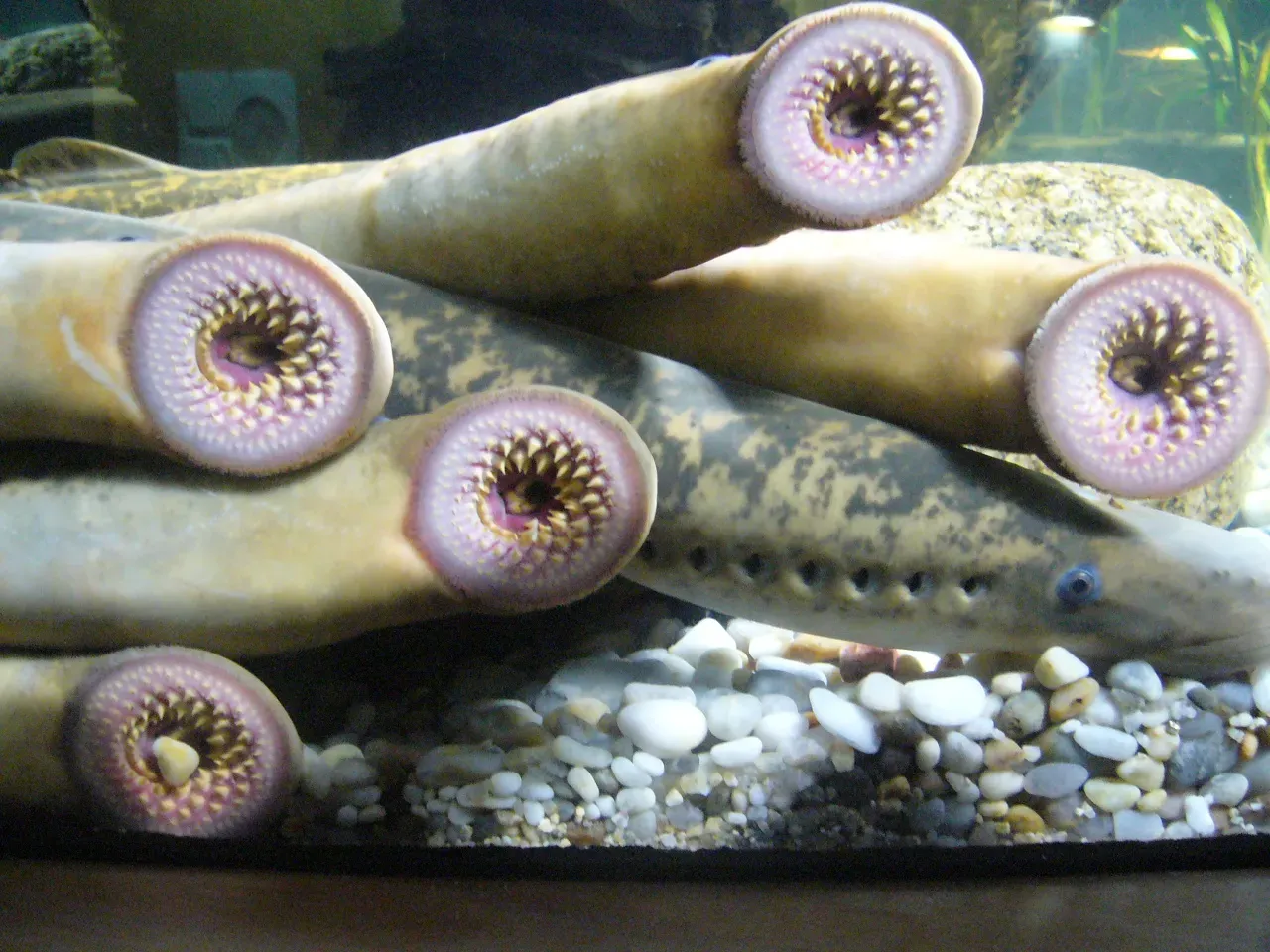
This eel-like fish never evolved a jaw – and it never needed one.
Lampreys belong to an ancient group of vertebrates that evolved before jaws had even developed, and this parasitic fish has prowled Earth’s waters for roughly 360 million years. Instead of a jaw, it has a circular, tooth-ringed mouth it uses to latch onto other fish like a biological suction cup, feeding on blood and tissue.
A remarkably well-preserved fossil lamprey from the Devonian period reveals just how little has changed. Today’s lampreys are considered “living fossils” because they’ve remained largely unaltered for 360 million years – meaning lampreys were already ancient before sharks existed, before bony fish diversified, before anything with a jaw had even shown up to compete with them. Unlike modern fish, lampreys have no bones at all, just cartilage, making them one of the most primitive vertebrates still swimming in our rivers and oceans today.
#6 – The Elephant Shark: The Slowest-Evolving Vertebrate on Record
![#6 - The Elephant Shark: The Slowest-Evolving Vertebrate on Record (By fir0002 flagstaffotos [at] gmail.com
Canon 20D + Tamron 28-75mm f/2.8, GFDL 1.2)](https://nvmwebsites-budwg5g9avh3epea.z03.azurefd.net/dinoworld/3c8d1de8dbaab379b62d466b70be60f2.webp)
Its name is a lie twice over – it’s not an elephant, and it’s barely even a shark.
The elephant shark is a misnomer in the strangest way. These ghoulish fish diverged from sharks about 400 million years ago, putting them on their own isolated evolutionary branch for longer than most modern animal groups have existed at all. Despite the name, it’s actually more closely related to a ratfish than to a great white.
Here’s the detail that made headlines in genetics circles: a study of the elephant shark’s genome revealed that it’s the slowest-evolving vertebrate ever documented, with DNA sequences that could help unravel the history of how bones themselves evolved. While most animal lineages are constantly reshuffling their genetic code, the elephant shark’s DNA has stayed remarkably stable for hundreds of millions of years, making it one of the most valuable living windows into how skeletons first came to be.
#5 – The Lungfish: The Fish Learning to Breathe Air Before Anything Else Did
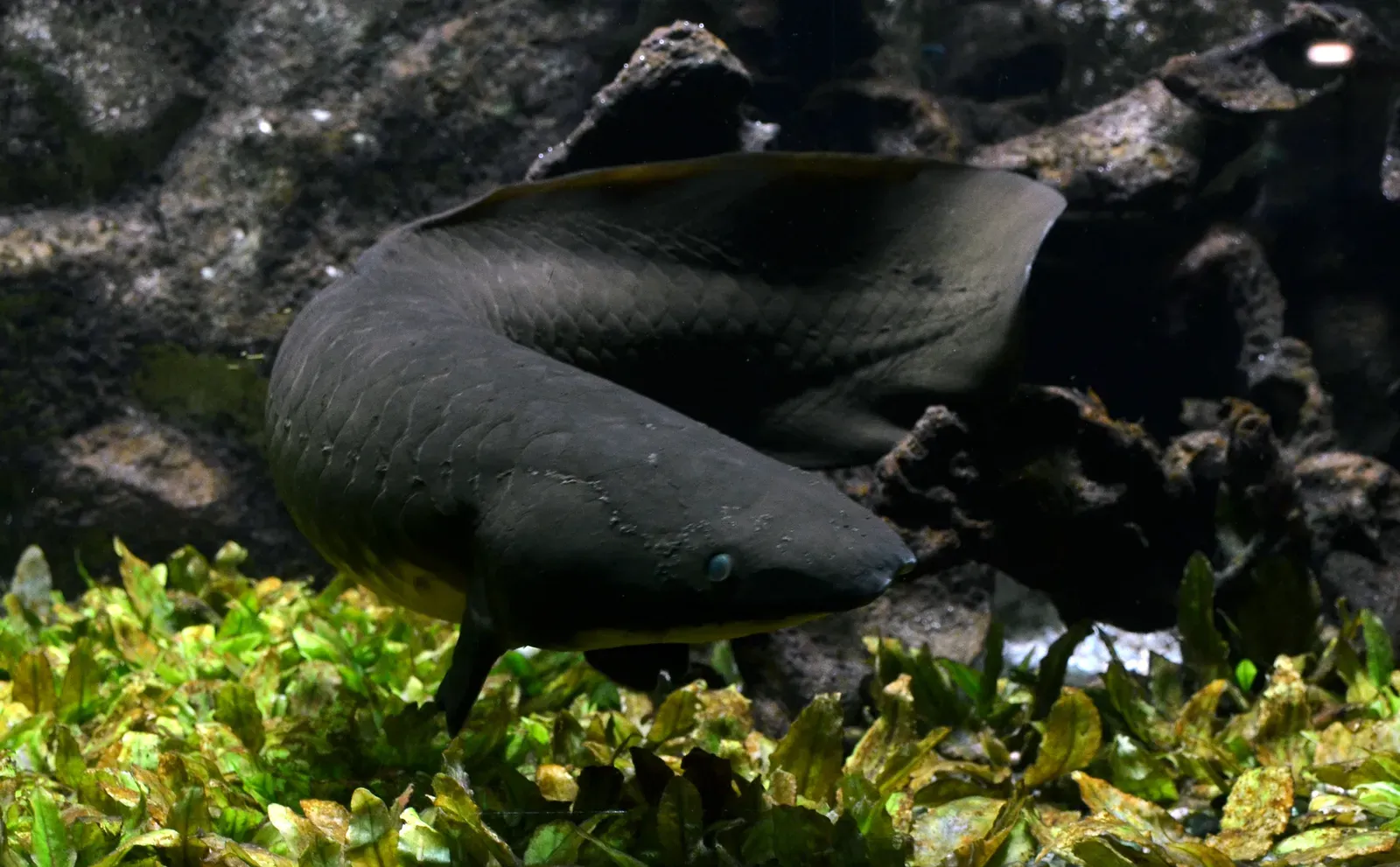
This fish can survive years buried in mud without water – a trick it’s been using since before land animals existed.
Lungfish have inhabited Earth’s rivers and swamps for some 410 million years, remaining basically the same the entire time. True to their name, they actually possess lungs made of many small air sacs, allowing them to breathe air during droughts while still surviving fully submerged underwater.
What makes this genuinely wild is that lungfish anatomy sits right at the evolutionary crossroads between water-dwelling and land-dwelling life. Their unique swim bladder also filters waste and pulls oxygen from the air, which is part of why scientists find them so fascinating – they’re a rare living example of animals caught mid-transition from aquatic to terrestrial existence. When droughts dry out their swamps, some lungfish species simply seal themselves inside a mucus cocoon underground and wait, sometimes for years, for the water to return.
#4 – The Velvet Worm: A Cambrian Survivor Hiding in Rotting Logs
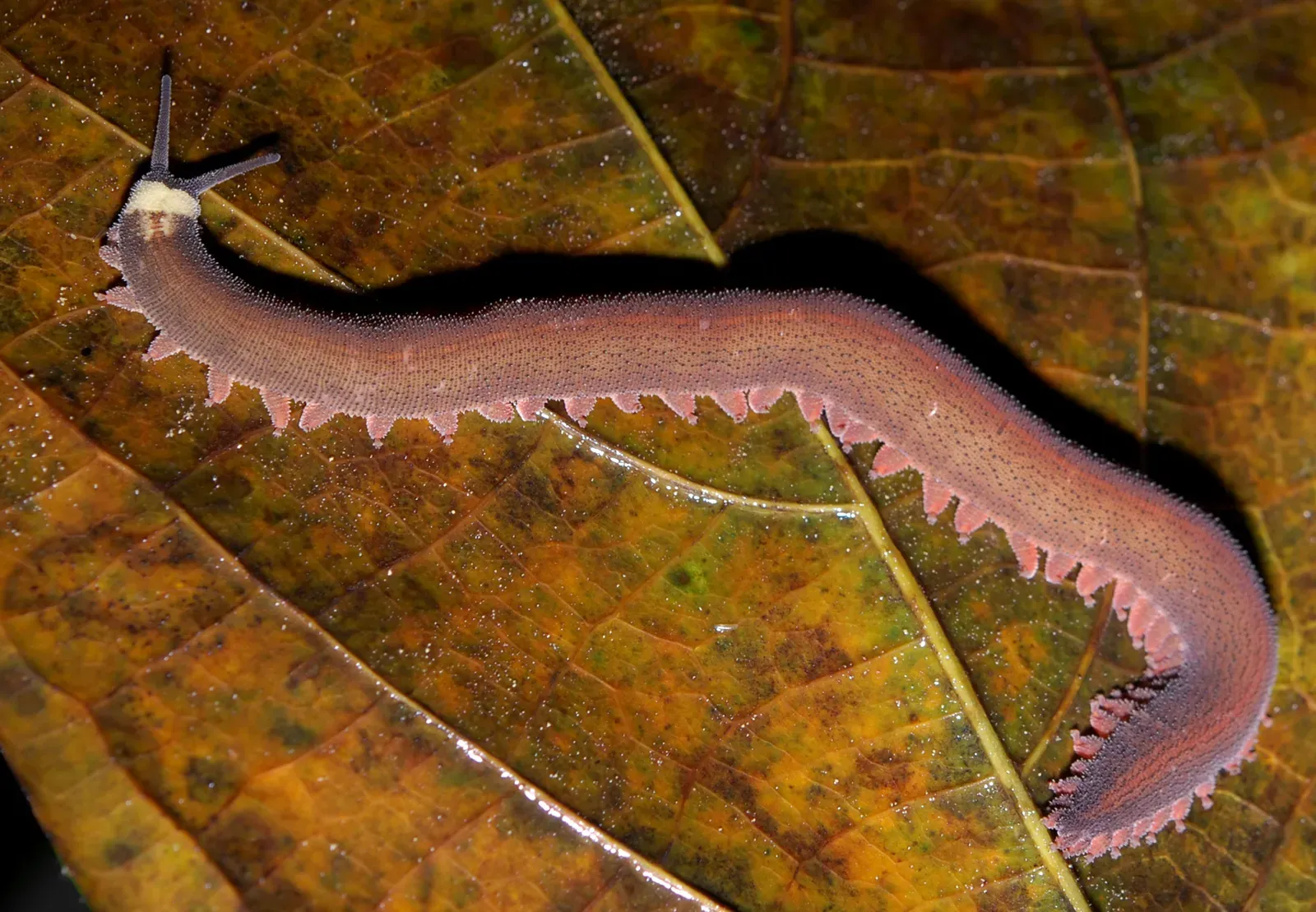
This soft, caterpillar-like creature is older than trees, older than insects, and older than bones themselves.
Velvet worms have captivated scientists because of their unaltered lineage, stretching back over 500 million years, and they resemble something like a cross between a caterpillar and a slug. That timeline puts their origin firmly in the Cambrian explosion, the period when most major animal body plans first appeared on Earth.
Its hunting method is almost unbelievable: it shoots sticky slime from glands near its mouth to immobilize prey before feeding, a strategy scientists believe has barely changed since the Cambrian period. Velvet worms are evolutionary outliers, bridging the gap between worms and arthropods in a lineage that time seems to have forgotten about. Even more remarkable, new velvet worm species are still being discovered in isolated mountain ranges today, each one another living thread connecting back to the dawn of animal life.
#3 – The Coelacanth: The Fish That Faked Its Own Extinction
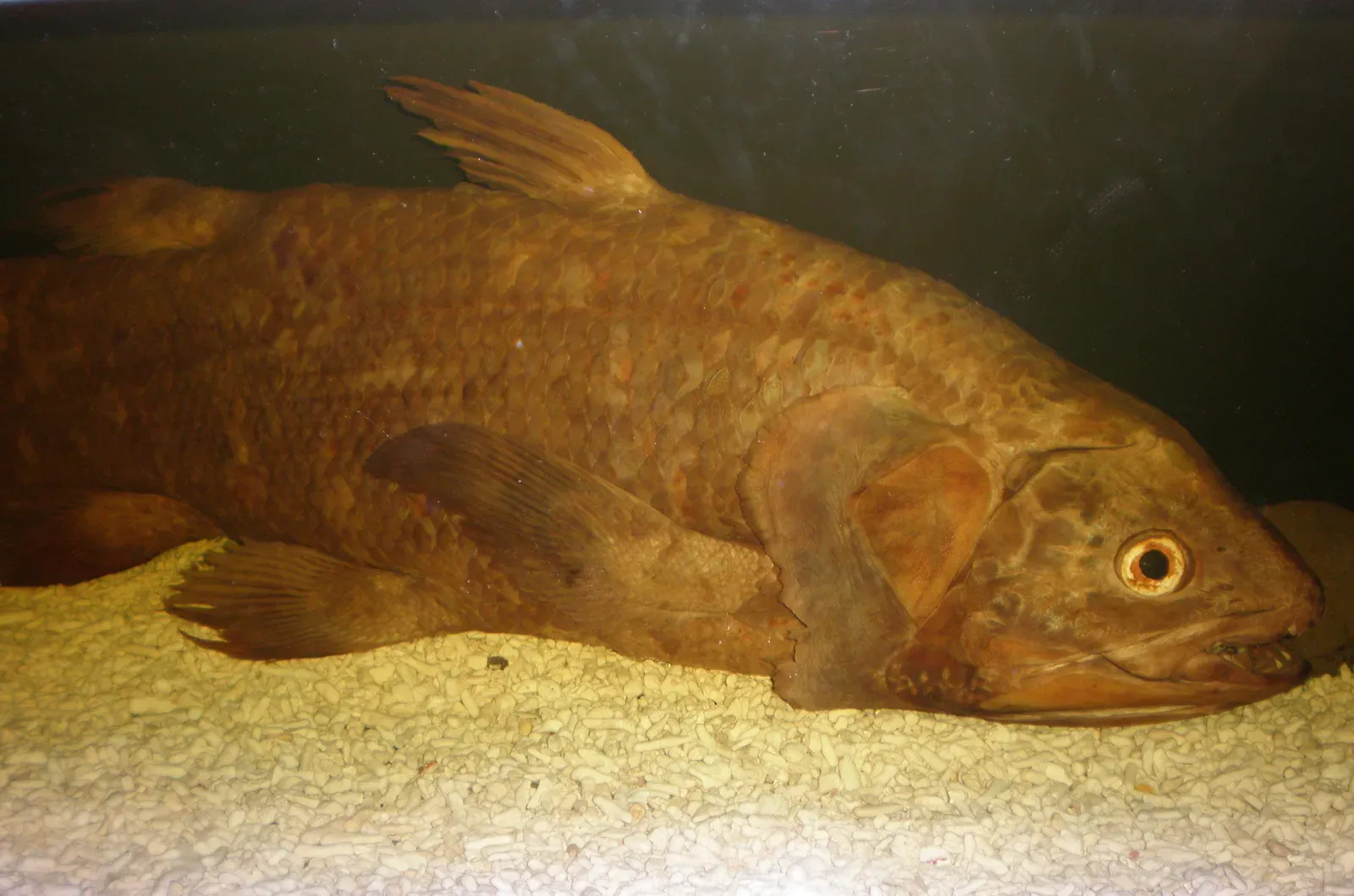
Scientists declared this fish extinct for 65 million years – until a fisherman accidentally caught one alive.
The coelacanth is known as a Lazarus species because it was thought to have gone extinct 65 million years ago, until it turned up alive in 1938. The coelacanth evolved a body plan similar to its current form approximately 400 million years ago, older than the first forests, older than the first reptiles.
Here’s the part that blew paleontologists’ minds: when scientists sequenced its genome, they found its genes have been evolving more slowly than those of other fish or terrestrial vertebrates. While most fish today descended from a common ray-finned ancestor, coelacanths are among the last remaining lobe-finned fish, with fleshy, limb-like fins internally supported by bone. Researchers suspect that its stable deep-sea habitat and apparent lack of predators meant this ancient fish simply didn’t need to change to survive – the deep ocean turns out to be a very good place to hide from evolution.
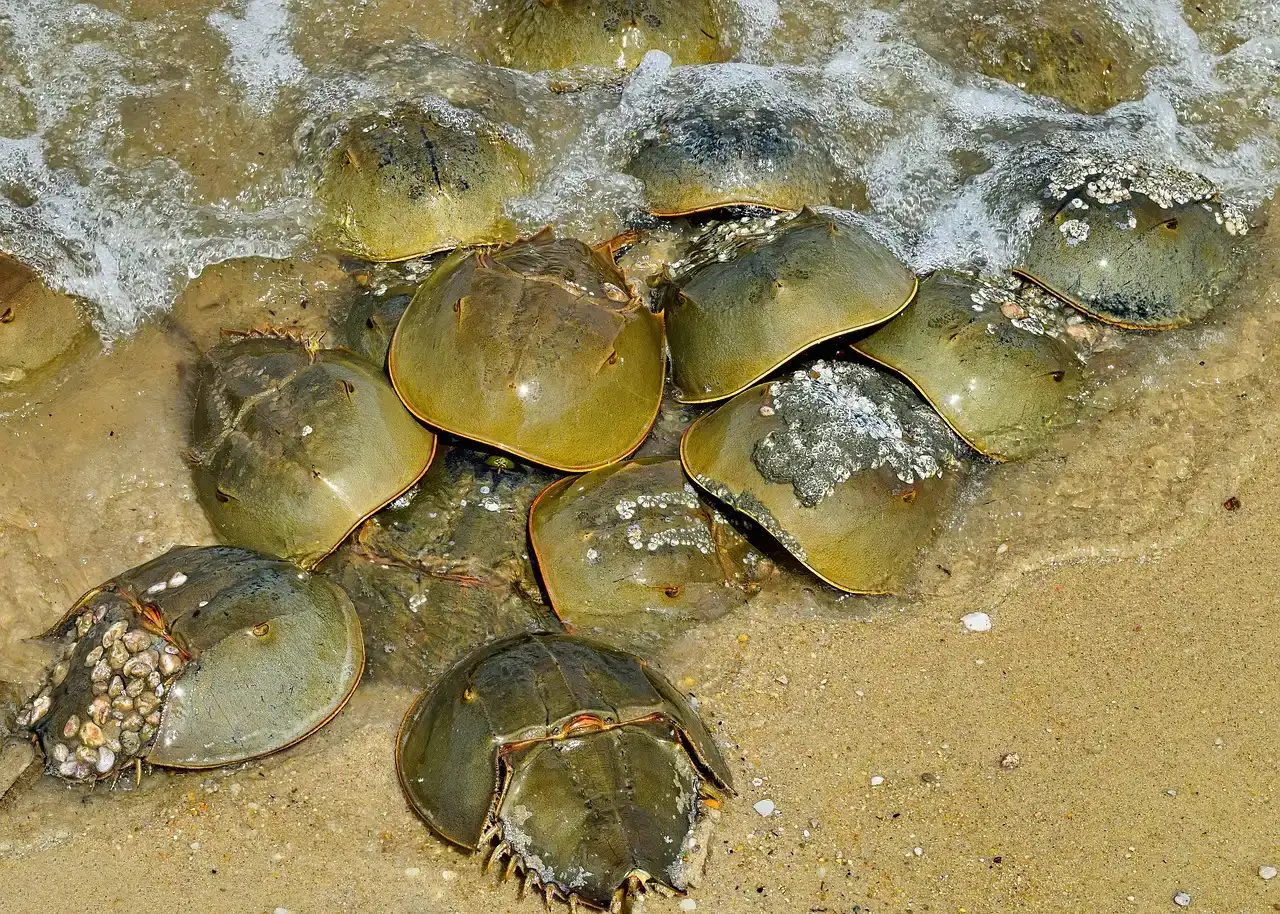
#2 – The Horseshoe Crab: Older Than Trees, Bones, and Backbones Combined
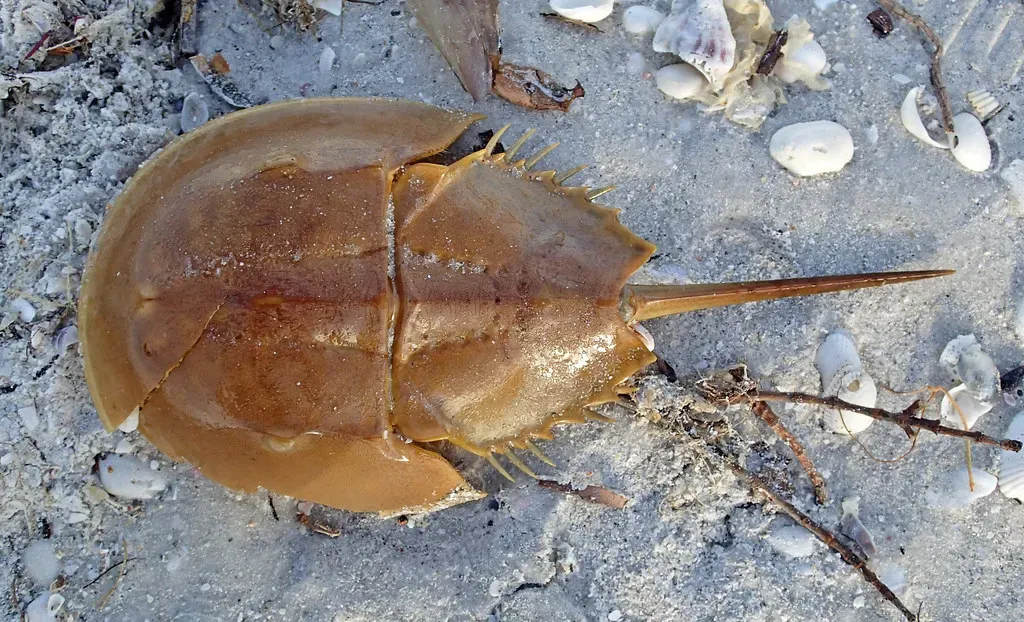
This “crab” isn’t even a crab – and its blood is worth around $60,000 a gallon to modern medicine.
Scientists have uncovered rare horseshoe crab fossils in 445-million-year-old Ordovician rocks in Manitoba, about 100 million years older than any previously known forms. Horseshoe crabs aren’t actually crabs at all; they’re far more closely related to spiders and other arachnids than to crabs or lobsters.
Despite existing for hundreds of millions of years, horseshoe crabs are nearly identical to their ancient relatives. Their body structure has proven so effective for survival that evolution essentially left it alone: if it isn’t broken, don’t fix it. That resilience has an unexpected modern payoff, too – their blood is used to test vaccines and medical devices for bacterial contamination, meaning an animal that predates trees is quietly protecting nearly every vaccine you’ve ever received.
Why It Stands Out
- Fossils date back roughly 445 million years – older than trees
- More closely related to spiders and scorpions than to true crabs
- Blue, copper-based blood is used to test vaccines and medical devices for contamination
- Body plan has changed so little that fossils and living specimens look nearly identical
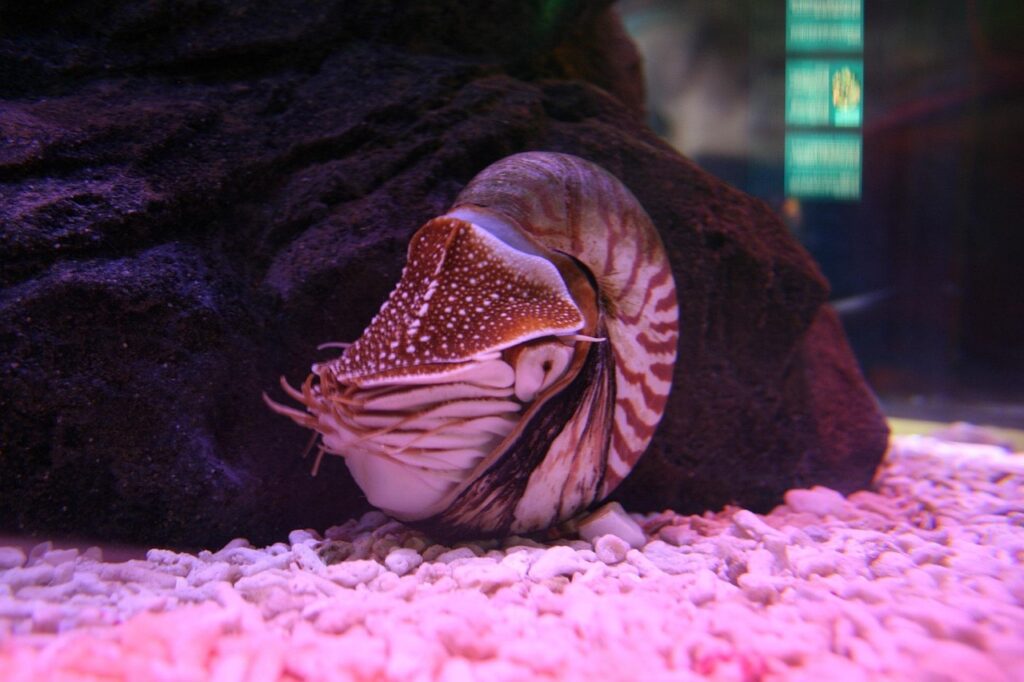
#1 – The Nautilus: A Half-Billion-Year-Old Submarine That’s Still Sailing
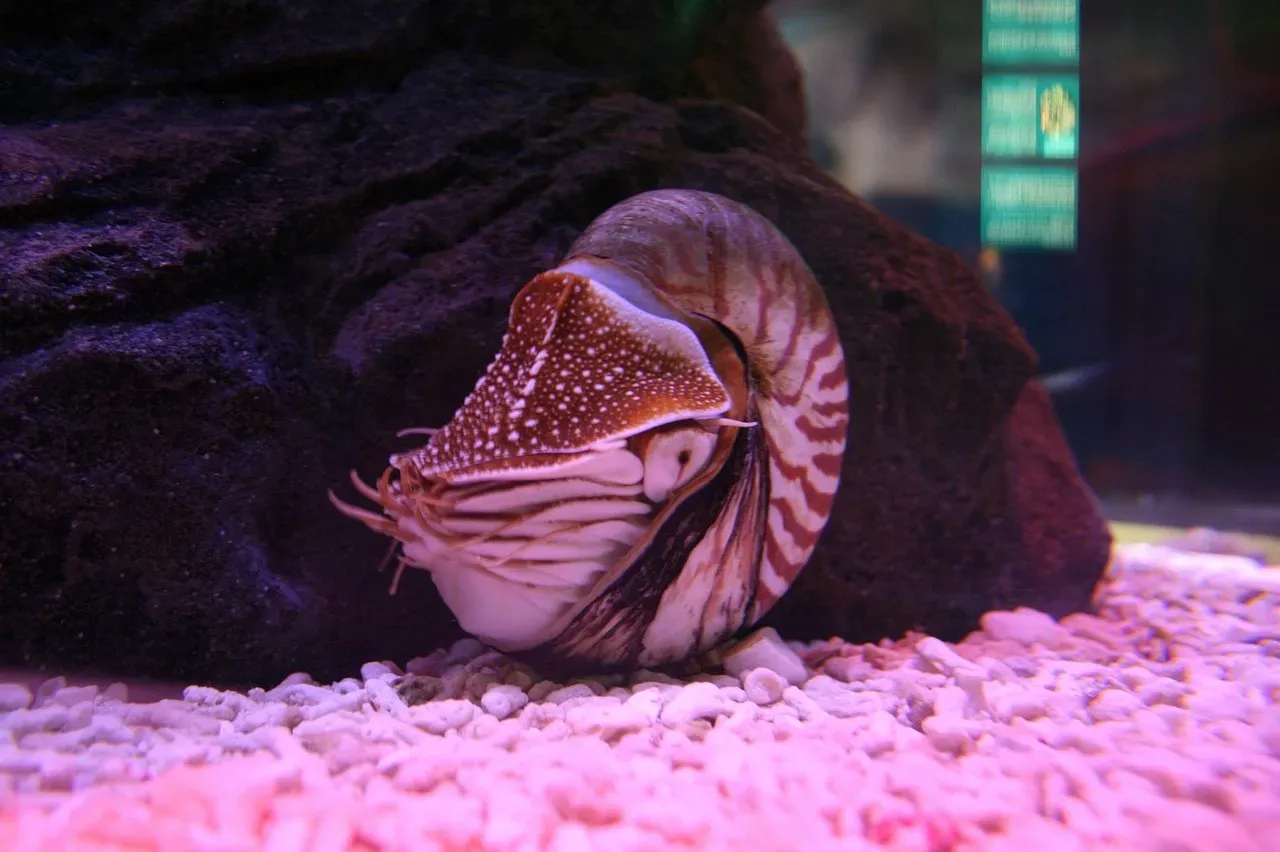
This creature has survived all five of Earth’s mass extinctions – and it’s still using the exact same design.
The chambered nautilus has been around for about 500 million years and changed little during that time, which is exactly why it earns the label “living fossil.” While its cephalopod cousins – octopuses, squid, and cuttlefish – abandoned their shells entirely and evolved into some of the most intelligent invertebrates on Earth, the nautilus just kept building bigger versions of the same spiral, extinction after extinction.
Here’s the detail that still amazes marine biologists: it controls its depth like an actual submarine, regulating gas and liquid inside its shell chambers to rise and sink at will.
Living time capsules that offer invaluable insights into ancient marine ecosystems.
Dr. Peter Ward, nautilus researcher
Unfortunately, the same beautiful shell that helped it survive 500 million years of natural disasters is now its biggest liability. Shell collectors have stripped these cephalopods from parts of their habitat, and in some spots, populations have declined by 80 percent in recent decades.
The Bottom Line
Here’s the uncomfortable truth: humans have existed for a fraction of a fraction of the time these animals have. The nautilus was already ancient when the first dinosaurs took their first steps. The horseshoe crab was scuttling around 200 million years before anything with a backbone crawled onto land.
And yet almost every single species on this list – despite outlasting five mass extinctions, multiple ice ages, and continental shifts – is now struggling to survive the last hundred years of human activity. That’s not a coincidence, and honestly, it should bother us more than it does. If evolution couldn’t kill these creatures in half a billion years, what does it say about us that we might?
Which of these ancient survivors surprised you the most? Drop your pick in the comments.