Most people assume natural history museums are frozen in time – the same dinosaur bones, the same glass cases, the same dusty dioramas their grandparents shuffled past on a school trip. That assumption is wrong, and it’s wrong in a way most visitors never notice. Behind closed doors, curators have spent the last few years pulling entire exhibits, covering display cases overnight, and rewriting collection policies faster than almost anyone outside the building realizes.
Some of what’s vanished involves actual human remains that sat in public view for over a century. Some of it involves science that once looked respectable and turned out to be outright racist propaganda dressed up in a museum label. Here’s what curators, federal regulators, and internal museum memos actually reveal about the 13 things that have quietly disappeared from the halls you thought you knew inside and out.
#13 – Human Remains Pulled From Public View, Almost Overnight
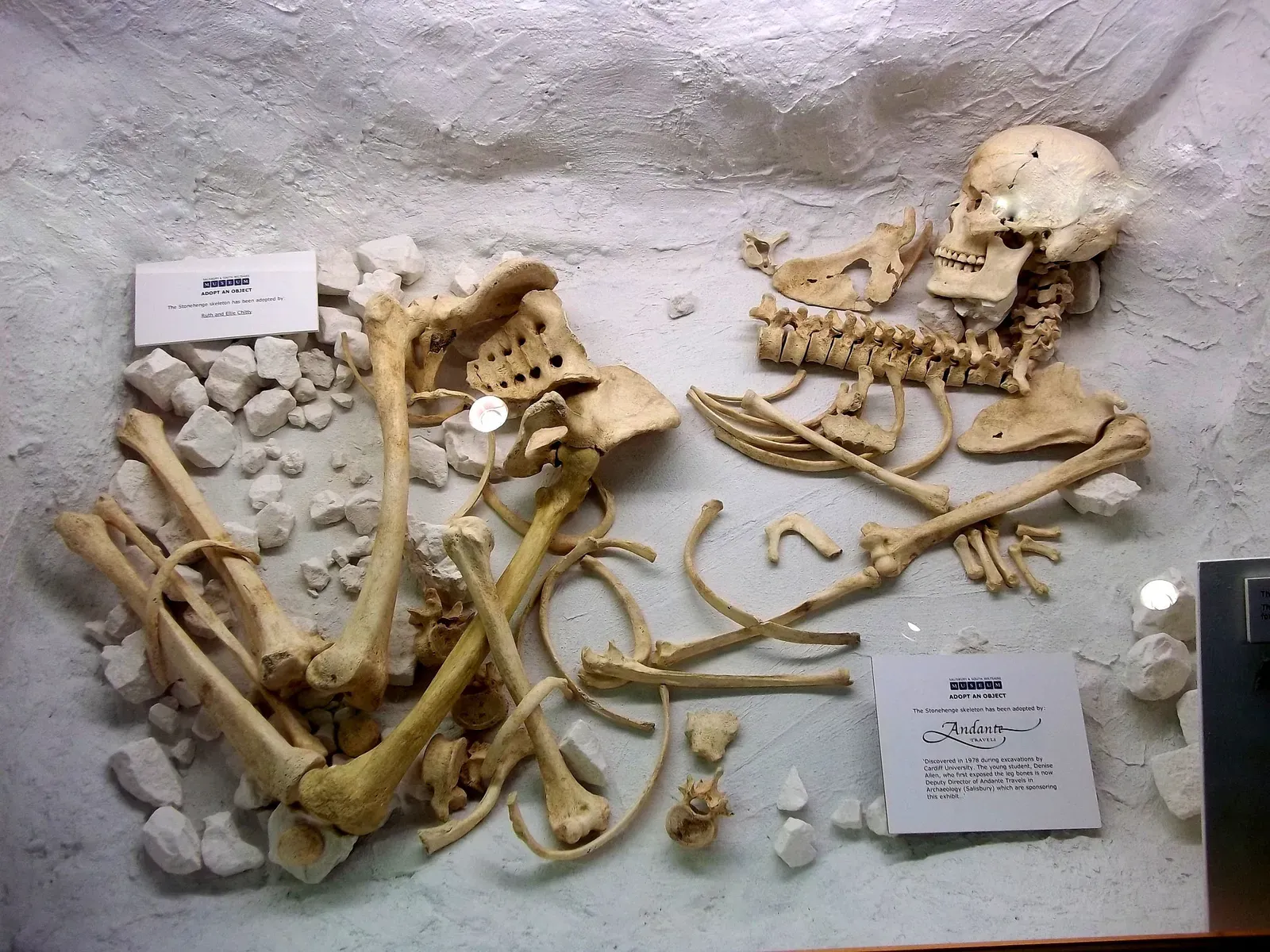
For over a century, walking through a major natural history museum meant walking past actual human skeletons in glass cases – and almost nobody questioned it. That changed fast.
A few long-standing exhibits at the American Museum of Natural History were removed amid scrutiny over how human remains at the famed museum were acquired and displayed, with exhibit elements including human remains removed from 12 display cases. The museum holds a staggering number of remains overall – more than 12,000 individuals, many of whom are believed to have come from enslaved, indigenous and colonised populations. Directors elsewhere echoed the same discomfort, asking staff to imagine “if the remains of my grandfather were on display, yet he nor none of his descendants had consented to that display.”
With the small exception of those who bequeathed their bodies to medical schools for continued study, no individual consented to have their remains included in a museum collection.
American Museum of Natural History leadership
#12 – Shrunken Heads And Trophy Skulls Vanish From Glass Cases
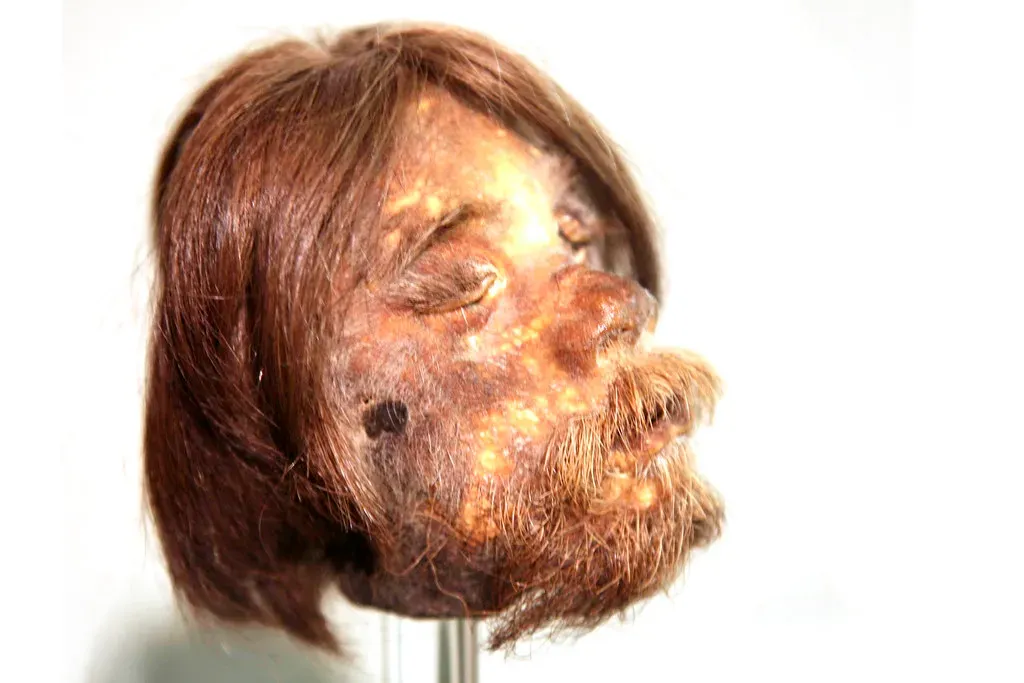
One of anthropology’s most infamous “must-see” displays didn’t survive the 2020s.
In July 2020, the Pitt Rivers Museum at the University of Oxford removed its shrunken heads and human remains from public display. Museum leadership admitted the exhibit had “reinforced racist and stereotypical thinking” for generations of visitors who saw it as proof that other cultures were exotic or savage. The scale of what came down is the shocking part: the museum ultimately decided to remove 123 human remains from display, including the tsantsas. Today, roughly 2,800 human remains sit in storage while the museum reaches out to different communities and cultures about the return of, or better care for, the remains – a permanent policy shift most visitors never got a heads-up about.
Fast Facts
- July 2020: shrunken heads and human remains pulled from public display
- 123 human remains removed in total, including the tsantsas
- Roughly 2,800 human remains now sit in storage instead of on view
- Museum leadership admitted the exhibit reinforced racist stereotypes
#11 – Sacred Native Objects Locked Away By New Federal Rules
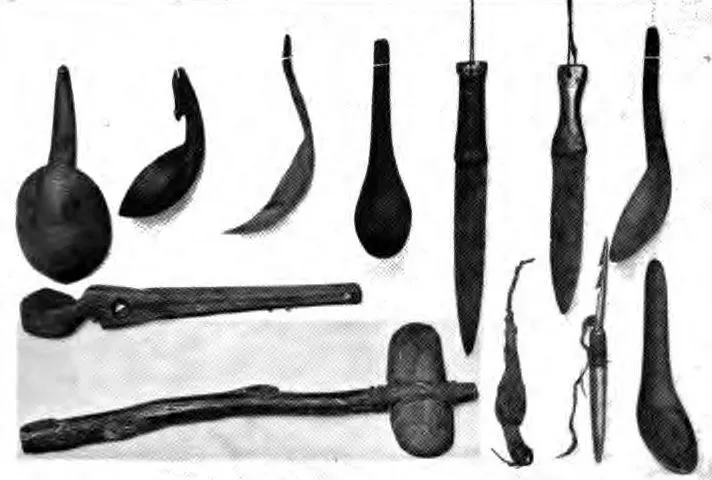
A single regulation change forced museums across the entire country to cover entire galleries almost overnight.
When new NAGPRA regulations went into effect, museums across the country began covering up their displays of Native American artefacts, with signs reading, “The artifacts in this case have been removed from view because the Museum does not have consent to display them.” The new rule wasn’t a suggestion – it created an actual legal requirement: museums and federal agencies must now obtain free, prior, and informed consent from lineal descendants, Tribes, or Native Hawaiian Organizations before allowing any exhibition of, access to, or research on human remains or cultural items. Large institutions moved fast to comply – the American Museum of Natural History closed certain Native American exhibitions and reassessed its policies, completing eight repatriations by mid-2024. Consent, not curiosity, now decides what stays on the wall.
#10 – Nazi-Era “Race Science” Displays Erased From Public Memory

Almost nobody visiting American museums today knows that one of them once proudly hosted an exhibition shipped directly from Nazi Germany.
In 1935, as the Nazis’ state-of-the-art eugenics exhibition from the Deutsches Hygiene Museum was concluding its American tour, the director of the Buffalo Museum of Science offered his institution as the exhibition’s permanent home. The exhibit promised to explain, as its own promotional language put it, Germany’s campaign to rear “a new race nobility.” It didn’t stay forever, though – seven years later, with war raging, the museum received permission to dismantle it from its permanent home in the museum’s Hall of Heredity. Across the country, museums quietly removed similar exhibits that had touted the “science of good generation” once eugenics fell out of scientific favor. Nobody issued a press release – the science just disappeared.
#9 – The “Hall Of Man” Statues That Ranked Humanity By Race

One museum’s most photographed statue was quietly dragged into storage and, as far as anyone can tell, thrown away.
The American Museum of Natural History closed its Hall of Man, in which the original cast of Olympic swimmer Duke Kahanamoku had stood for decades, and the statue disappeared into the bowels of the museum. Chicago’s Field Museum did something similar with its own version: the “Races of Mankind” exhibit went into storage in 1968, reemerging in 2016 for an exhibition about the legacies of scientific racism in natural history. The problem wasn’t the artistry – it was the entire premise. Modern genetics and anthropology have shown that “race” is a social construct with no biological basis, and human genetic variation is continuous, with no distinct categories corresponding to racial classifications. A museum literally built a hall to “prove” something science now says doesn’t exist.
Quick Compare
- AMNH’s Hall of Man: closed entirely, Duke Kahanamoku’s original statue cast moved into storage
- Field Museum’s “Races of Mankind”: pulled from view in 1968, stayed hidden for nearly five decades
- Field Museum reversal: brought back in 2016, but only as a case study in scientific racism
#8 – A Real Human Skull Hidden Inside A Taxidermy Lion Attack
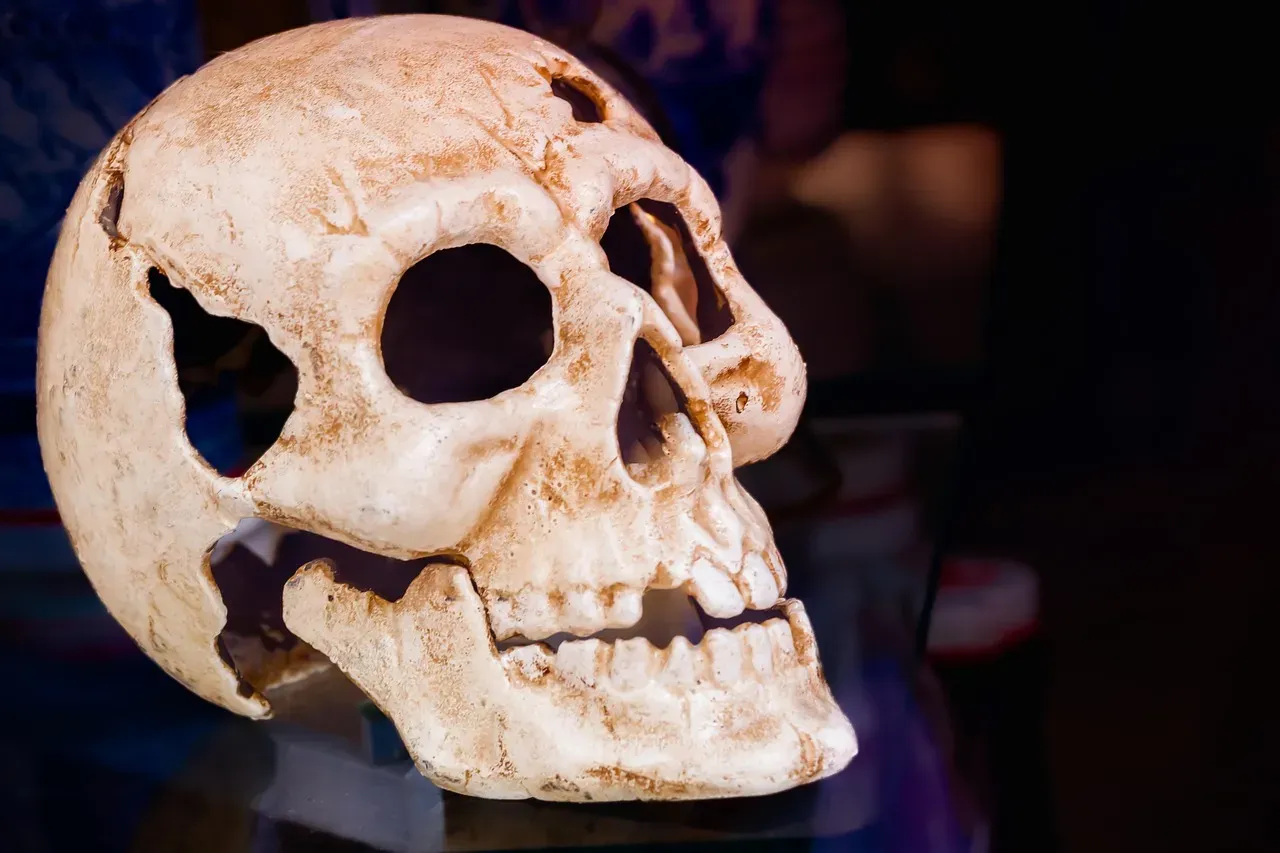
For over a century, visitors stared directly into a “courier’s” face without knowing his skull wasn’t a prop.
The Carnegie Museum’s famous diorama depicted a lion attacking a man riding a camel, and in 2017 staff made a startling discovery: X-rays confirmed that human bones were present within the Arab man figure, including a human skull and jaw from an unknown person, dated around the 1860s. That detail sat quietly for years until policy finally caught up. In September, the museum’s board of trustees voted to forbid displaying human remains without consent, so workers removed the mannequin’s head containing the skull, ending a 124-year run. Most visitors who admired it for decades never knew they were looking at real bone.
#7 – Violent, Racially Charged Taxidermy Scenes Get Covered Up
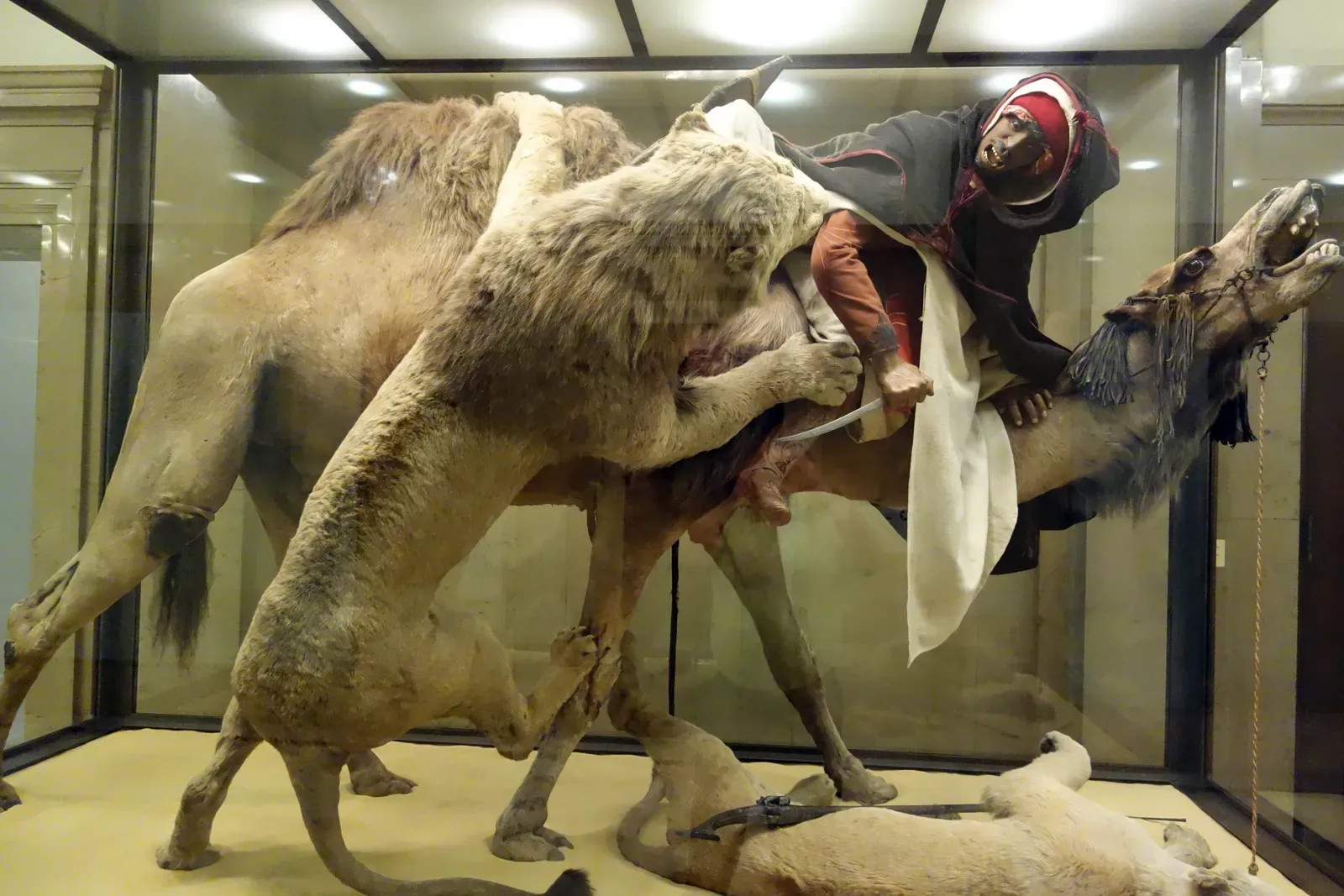
Some dioramas didn’t just age poorly – they were staged as propaganda from the start.
The “Lion Attacking a Dromedary” diorama depicted a lion attacking a courier riding a camel, and many viewers raised concerns over the disturbing depiction of violence toward a person of color, especially amid protests against systemic racism. Complaints weren’t new – they’d been building for years. Museum staff eventually confirmed what visitors had been saying: feedback came from both staff and visitors distressed by the depiction of a dark-skinned man being traumatized, in a scene that was both what transfixed so many visitors and made it so hurtful to many others. The exhibit was covered, then permanently pulled – not restored, not relabeled, just gone.
#6 – The Classic Taxidermy Diorama Hall Itself Is Disappearing
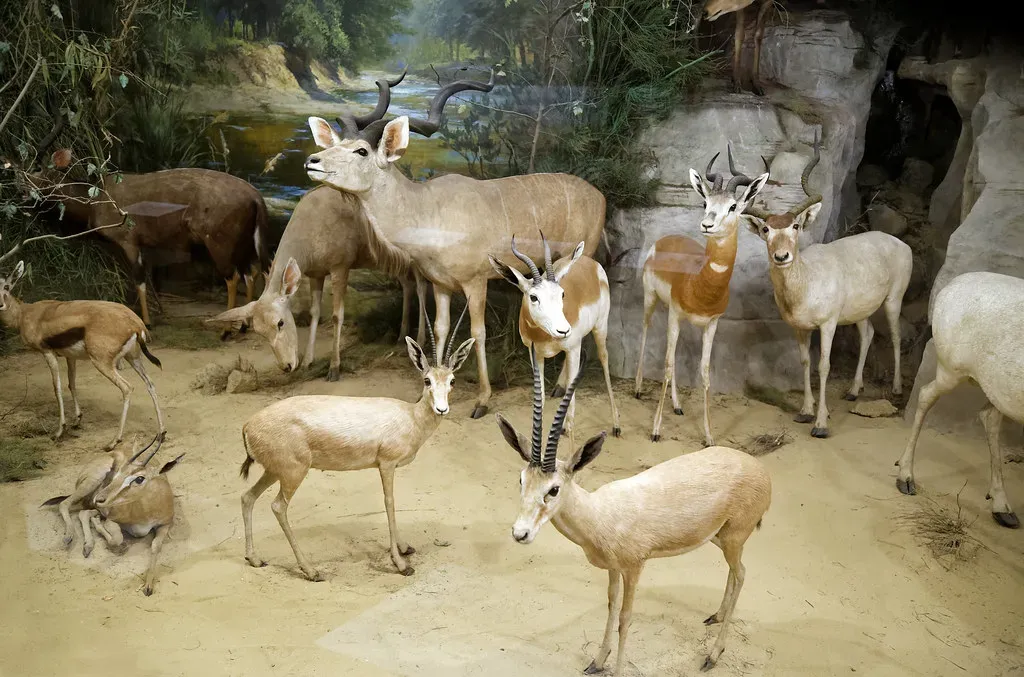
One of the most respected scientific institutions in the country quietly stopped hiring taxidermists altogether.
In 2003, the National Museum of Natural History made the controversial move to scrap its diorama displays and declined to replace its last full-time taxidermist when he retired, substituting the old displays with specimens showcased in a more modern, scientific manner. Other institutions followed a similar path. At the University of Minnesota, not all of the Bell Museum’s taxidermied dioramas were coming to its new campus – some were dismantled, others thrown out. By 2000, many museums were wondering if they should toss their dioramas as old-fashioned space-hogs, with some visitors finding them dull or downright creepy, and others criticizing echoes of an age when wealthy, white, male hunters grabbed fauna from native habitats to put on display.
Worth Knowing
- Smithsonian’s National Museum of Natural History never replaced its last full-time taxidermist after his 2003 retirement
- Bell Museum at the University of Minnesota dismantled or discarded dioramas during its move to a new campus
- By 2000, museums nationwide were debating whether dioramas were outdated space-hogs rather than science
- Critics tied the format to an era of wealthy hunters removing wildlife from native habitats for display
#5 – Brain And Body-Part Collections Built On Eugenics Quietly Shelved
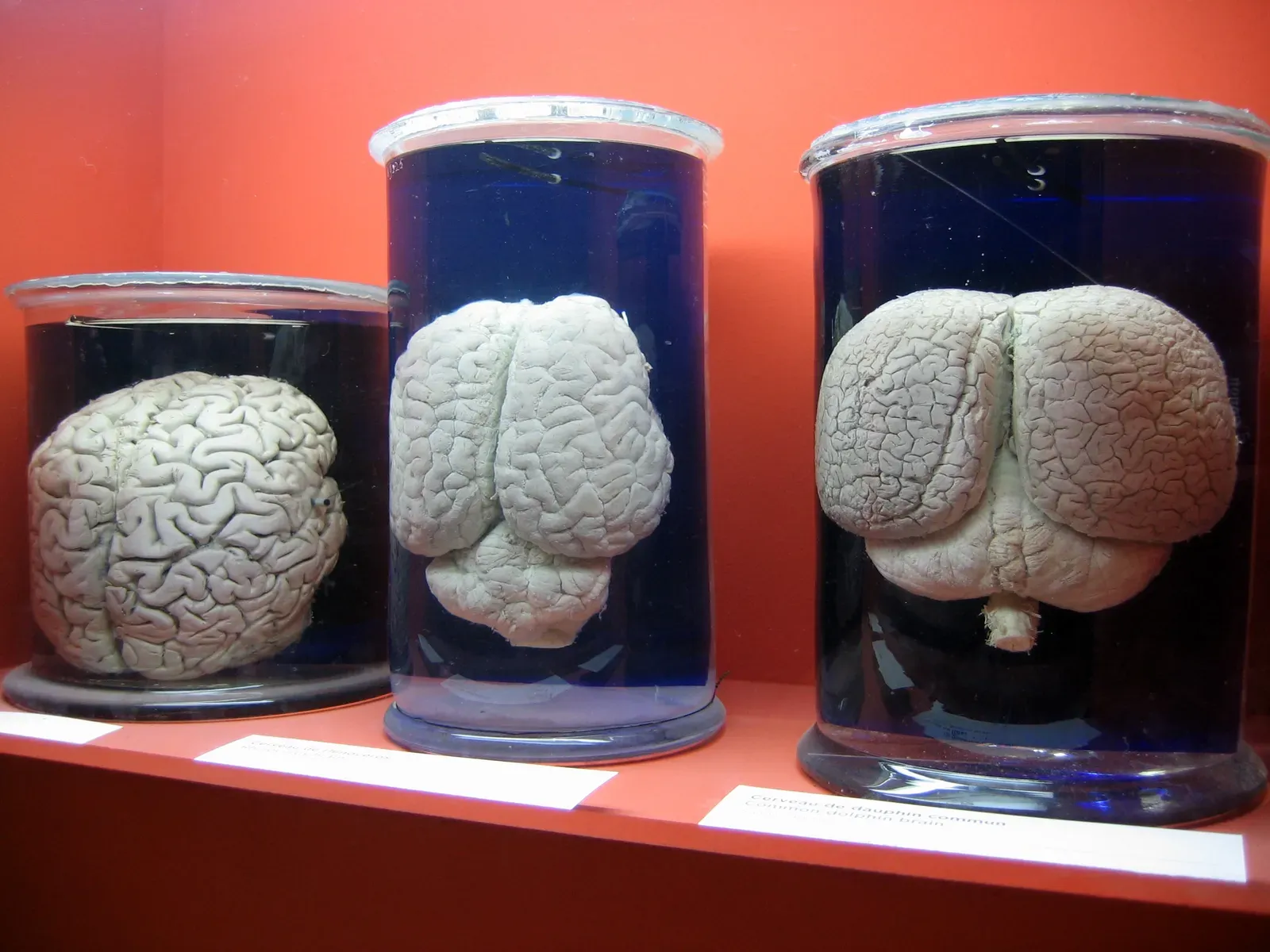
Long after science abandoned the idea that skull shape predicts intelligence, specimen jars tied to that theory were still sitting in storage – and sometimes in public view.
Scrutiny has intensified around collections ranging from public displays of anatomy and pathology at the Mütter Museum in Philadelphia and the Hunterian Museum in London to collections long in storage with connections to eugenics and scientific racism, like a brain collection at the Smithsonian Institution. New York’s flagship museum had its own version of this problem. Among its holdings was a “medical collection” – the remains of around 400 New Yorkers from impoverished communities whose unclaimed bodies were used for research. Four hundred people, never asked, never named – until researchers started asking questions decades later.
#4 – Anatomical “Curiosities” Mixing Race, Disability, And Death
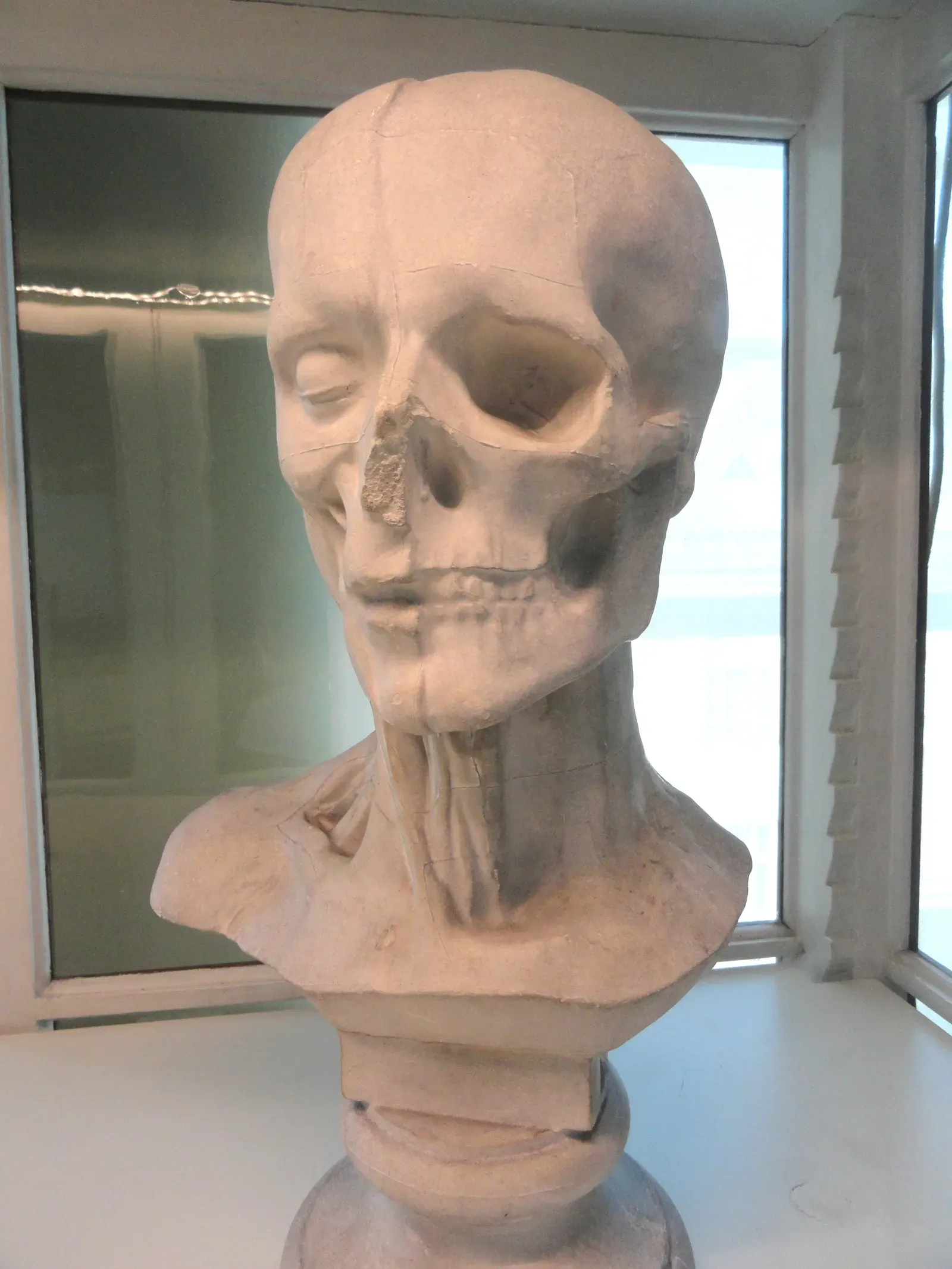
One museum did something almost unheard of: it publicly called its own permanent exhibit racist, then shut it down.
The Wellcome Collection in London announced the closure of one of its key exhibitions, branding it “racist, sexist and ableist” – the Medicine Man permanent display, which had run for 15 years, was closed. The objects themselves sound almost innocuous on paper: the exhibition showcased objects relating to sex, birth and death, including anatomical models of the human body in wood, ivory and wax dating back to the 17th century. The problem was the framing, not the artifacts. Earlier attempts at fixing this through added context had already failed once, since exhibiting the items together told the story of a man with enormous wealth and privilege instead of giving voice to those who’d been silenced.
#3 – Looted Colonial Artifacts Quietly Pulled Pending Return
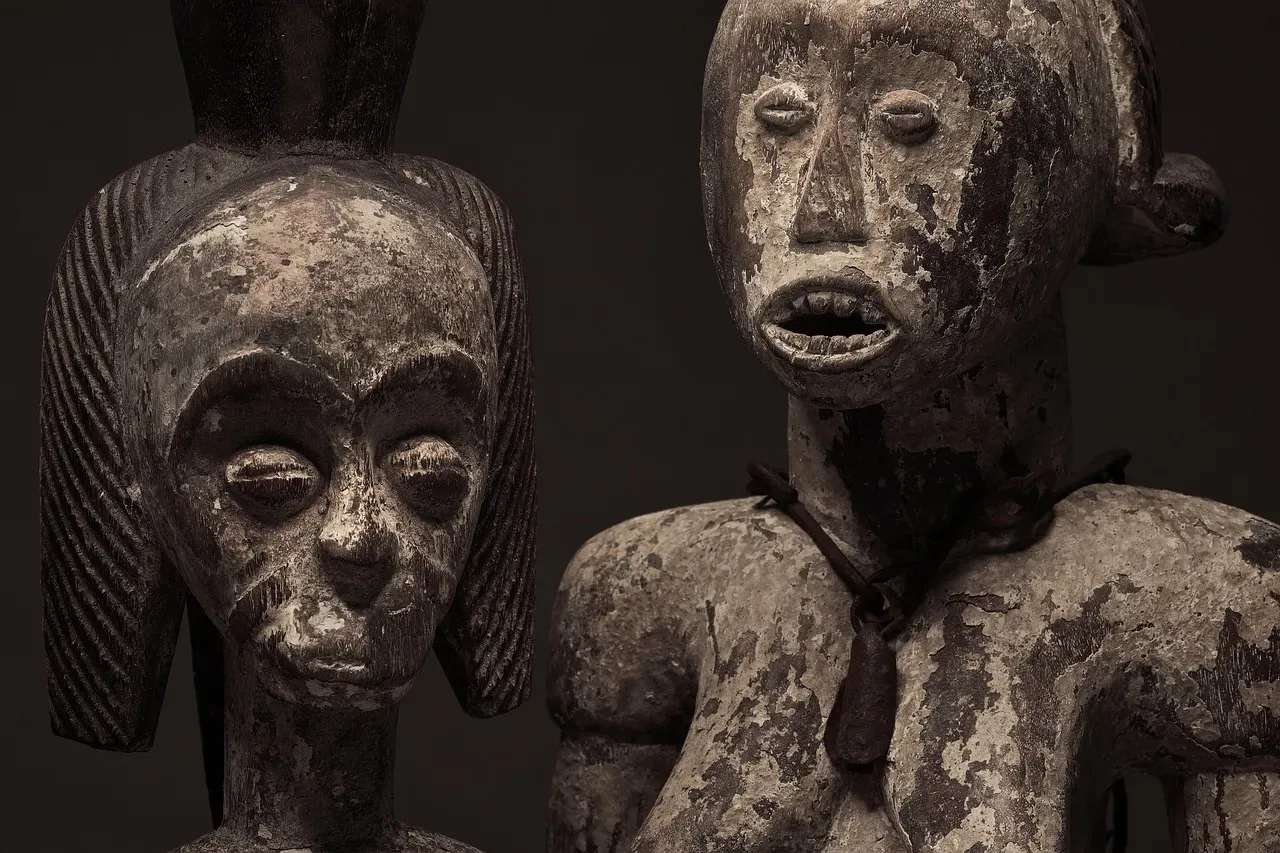
Thousands of objects quietly disappeared from cases the moment federal law caught up to how they were originally taken.
The scale of this shift is genuinely massive. About 21,000 other cultural items have been repatriated under evolving federal repatriation law, on top of tens of thousands of human remains still working through the same process. Many of these pieces were never legitimately museum property to begin with – many had been excavated or looted during anthropological fieldwork in the 19th century and held in museums and universities nationwide ever since. The visual result is striking for anyone who visits regularly: galleries closed and vitrines that once held historic and beautiful examples of Native American pottery, masks, carvings, costume, and forms of adornment shrouded overnight. An entire wing can go dark in a single weekend now.
At A Glance
- About 21,000 cultural items already repatriated under federal repatriation law
- Tens of thousands of human remains still moving through the same process
- Many pieces trace back to 19th-century anthropological excavation or outright looting
- Entire galleries and vitrines have gone dark overnight as compliance kicks in
#2 – Enslaved And Impoverished New Yorkers’ Skeletons Removed From Cases
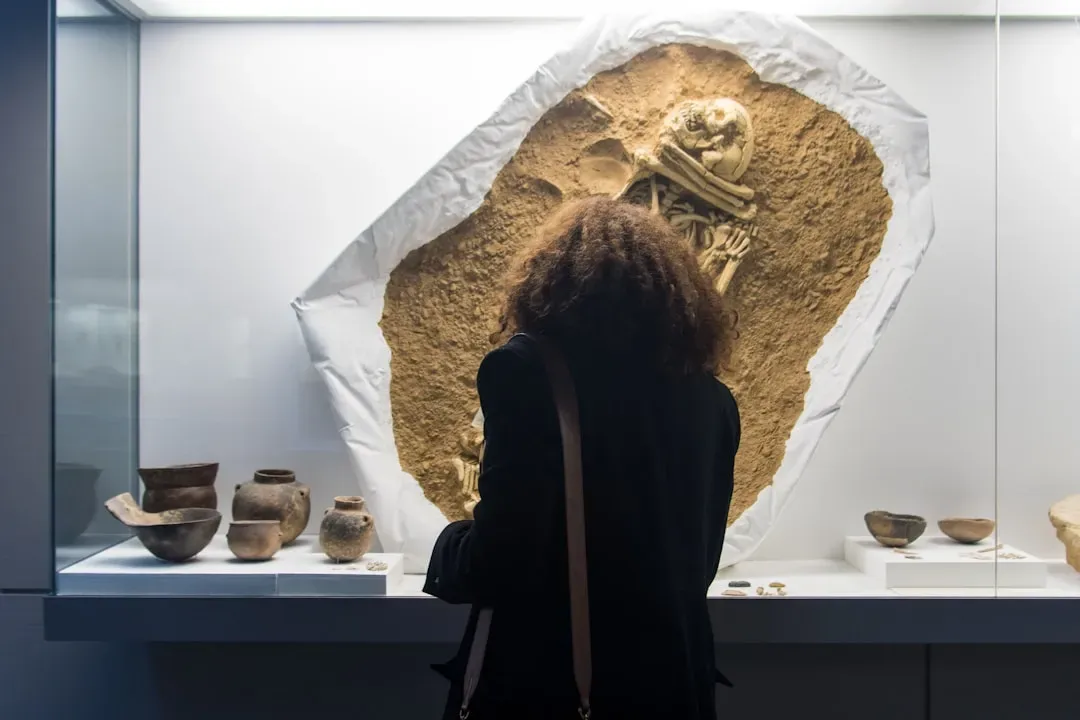
Five people buried without ceremony in the early 1900s ended up, decades later, on public display in a Manhattan museum case.
The museum also held the remains of five enslaved Black people that were removed from a New York burial ground during a road-construction project in the early 1900s. Alongside them, the museum removed far more than bones – skeletons and mummies were pulled from 12 display cases, along with musical instruments and beads made from or incorporating human bones. The scope of the wider collection puts this in context: of the thousands of skeletal remains in the museum’s collection, 26% are of Native Americans from within the United States, and most of the other remains are from abroad. These weren’t specimens. They were people with names history simply never bothered to record.
#1 – A Full Human Skeleton Staged Inside A Fake Burial Scene
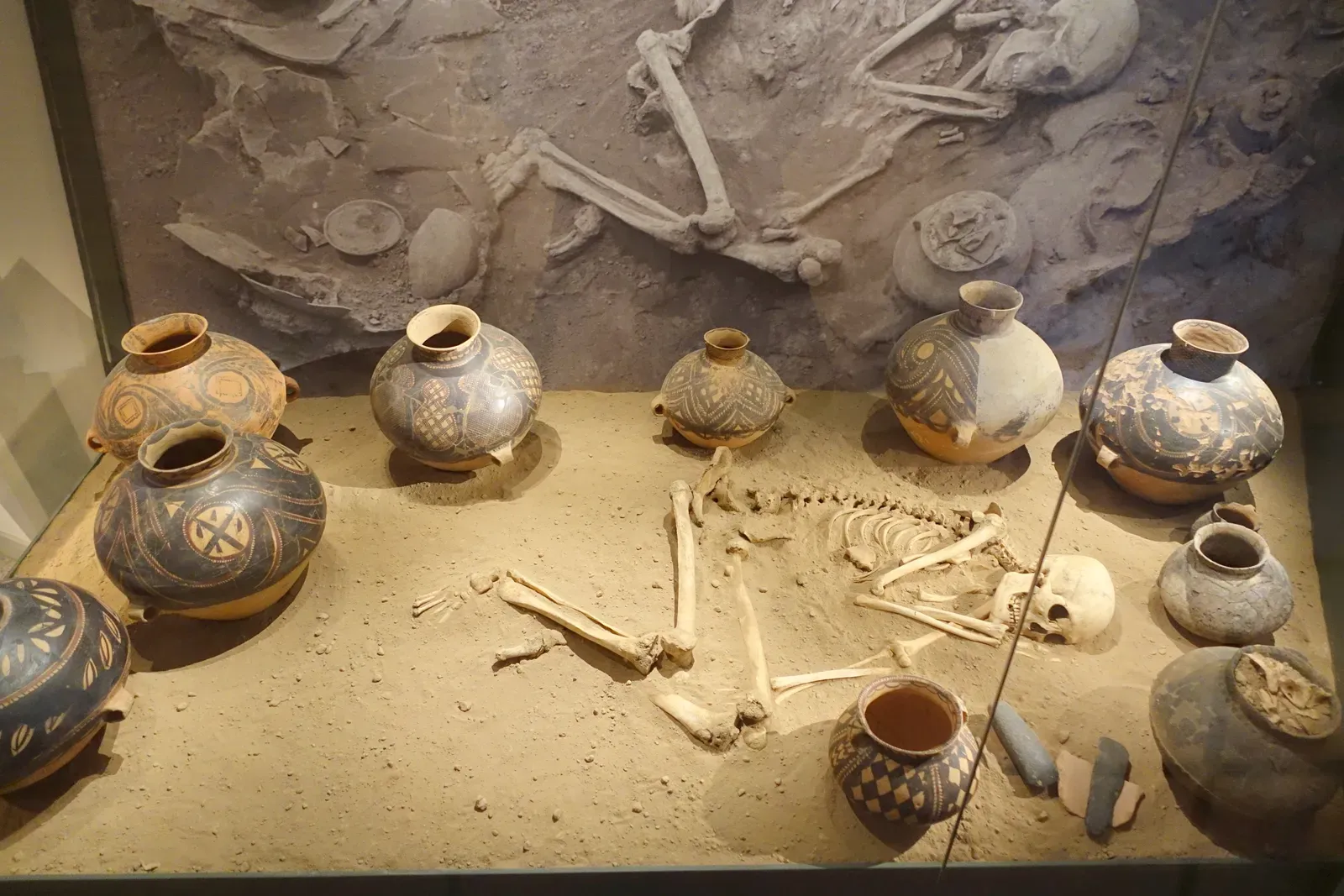
The single most unsettling case wasn’t a skull tucked in a drawer somewhere – it was an entire human skeleton staged to look like it was still mid-burial.
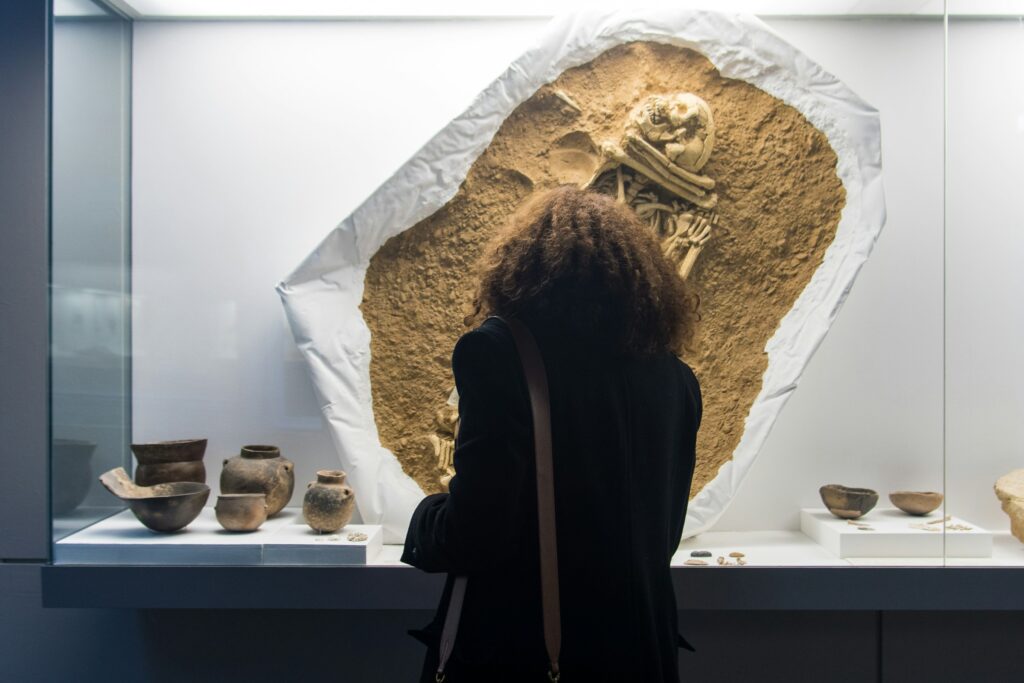
Museum officials themselves admitted the displayed remains represented only “a very small percentage” of its full collection of skeletal remains – but one item stood out from the rest: a complete human skeleton on display in a reconstruction of the burial. Think about what that actually means – a real person’s body, arranged to simulate their own funeral, for the entertainment and education of strangers, with zero input from anyone connected to them. It circles right back to the same uncomfortable admission museum leadership finally said out loud earlier in this list: that no individual ever consented to any of it. That single fact should change how you look at every glass case you walk past from now on.
The Bottom Line
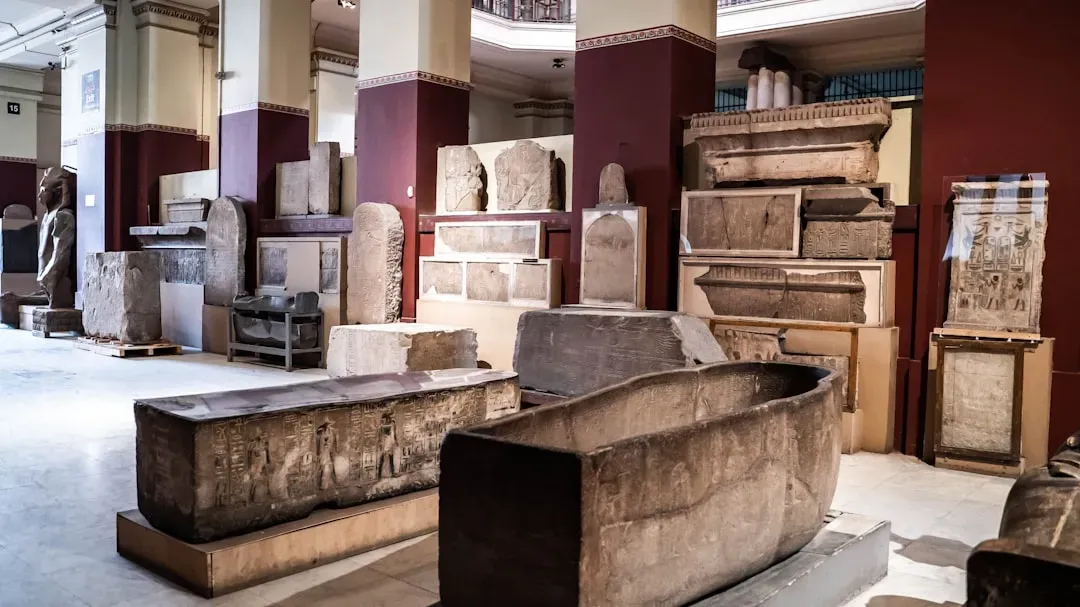
Here’s the uncomfortable truth: natural history museums spent 150 years building their credibility on collections nobody today would call ethical. Human skeletons displayed without consent, sacred objects seized during colonization, racist “science” dressed up as anthropology – it all sat in plain sight for generations because nobody with power thought to ask permission.
The recent wave of removals isn’t political correctness gone too far. It’s institutions finally catching up to a moral standard the descendants of the displayed have been demanding for decades. The real scandal isn’t that museums are removing these exhibits – it’s that it took this long. What do you think: should more of this stuff stay in storage permanently, or does removing it erase important history? Drop your take in the comments.