
For most of the last century, schoolbook timelines painted a simple picture: dinosaurs ruled the world, then a giant asteroid hit, the dinosaurs vanished, and only then did mammals begin their big rise. It is a clean story, almost cinematic in how neatly it unfolds. But as new fossils come to light, that tidy script is starting to look more like a rough draft than a finished version of Earth’s past.
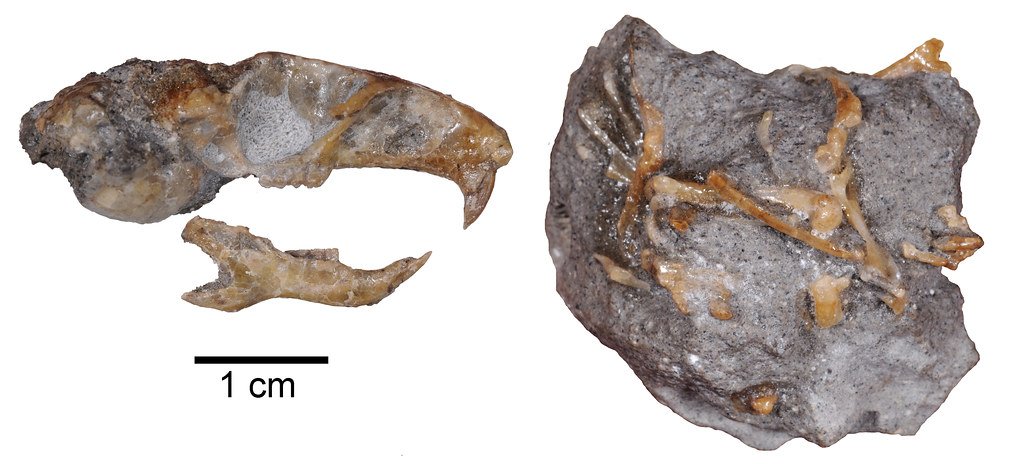
Over the past few decades, paleontologists have uncovered a scattered but compelling trail of tiny jaws, teeth, and skull fragments that hint at something much more surprising. Long before the dinosaurs disappeared, some mammal lineages were already branching out, experimenting with new body plans, diets, and lifestyles in the shadows of the giant reptiles. The result is a quiet but profound rewrite of one of the biggest turning points in the history of life.
A Shocking Twist in the Classic Dinosaur–Mammal Story
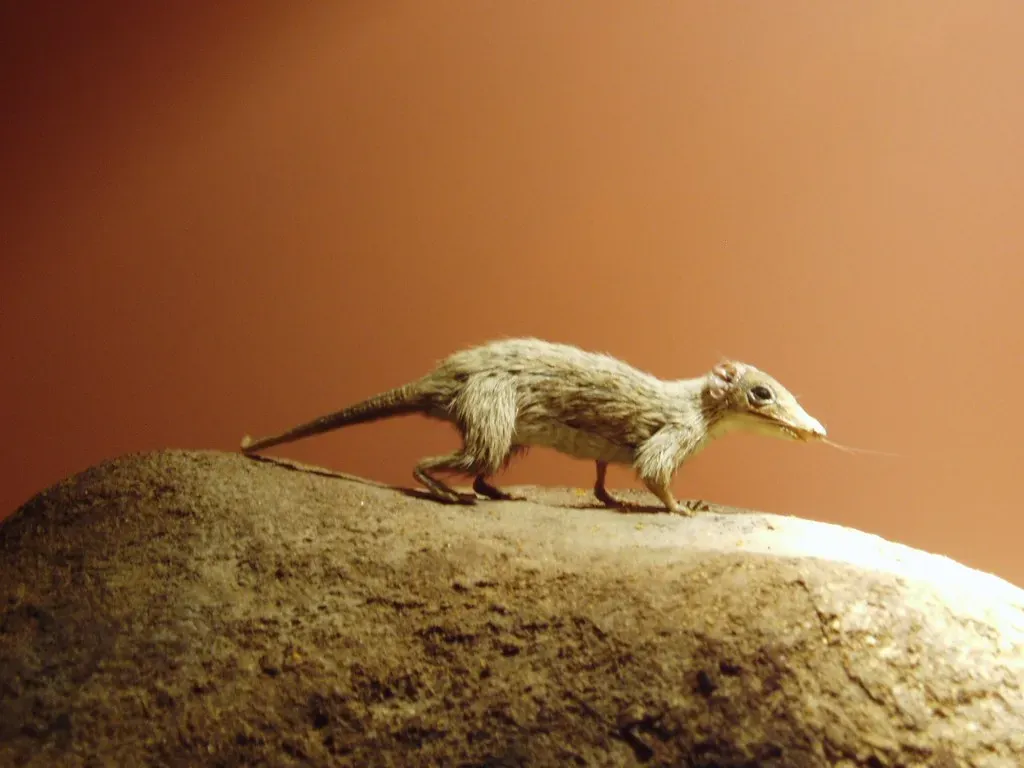
Here’s the twist that catches almost everyone off guard: mammals were not just passive, mouse-like background extras waiting patiently for the dinosaurs to die. Fossils from the late Jurassic and Cretaceous periods suggest that mammals were already diversifying tens of millions of years before the mass extinction that ended the age of dinosaurs. They were small, yes, but in evolutionary terms they were incredibly busy.
This does not mean herds of cow-sized mammals were roaming alongside Triceratops. Instead, what the fossils show is a quiet explosion of forms among small-bodied species: gliders, diggers, swimmers, insect-eaters, and omnivores, all coexisting under the ecological ceiling imposed by dinosaurs. It is like learning that the opening act at a concert had been improvising brilliant variations while the spotlight never left the headliner.
The Fossil Evidence: Tiny Teeth, Big Implications
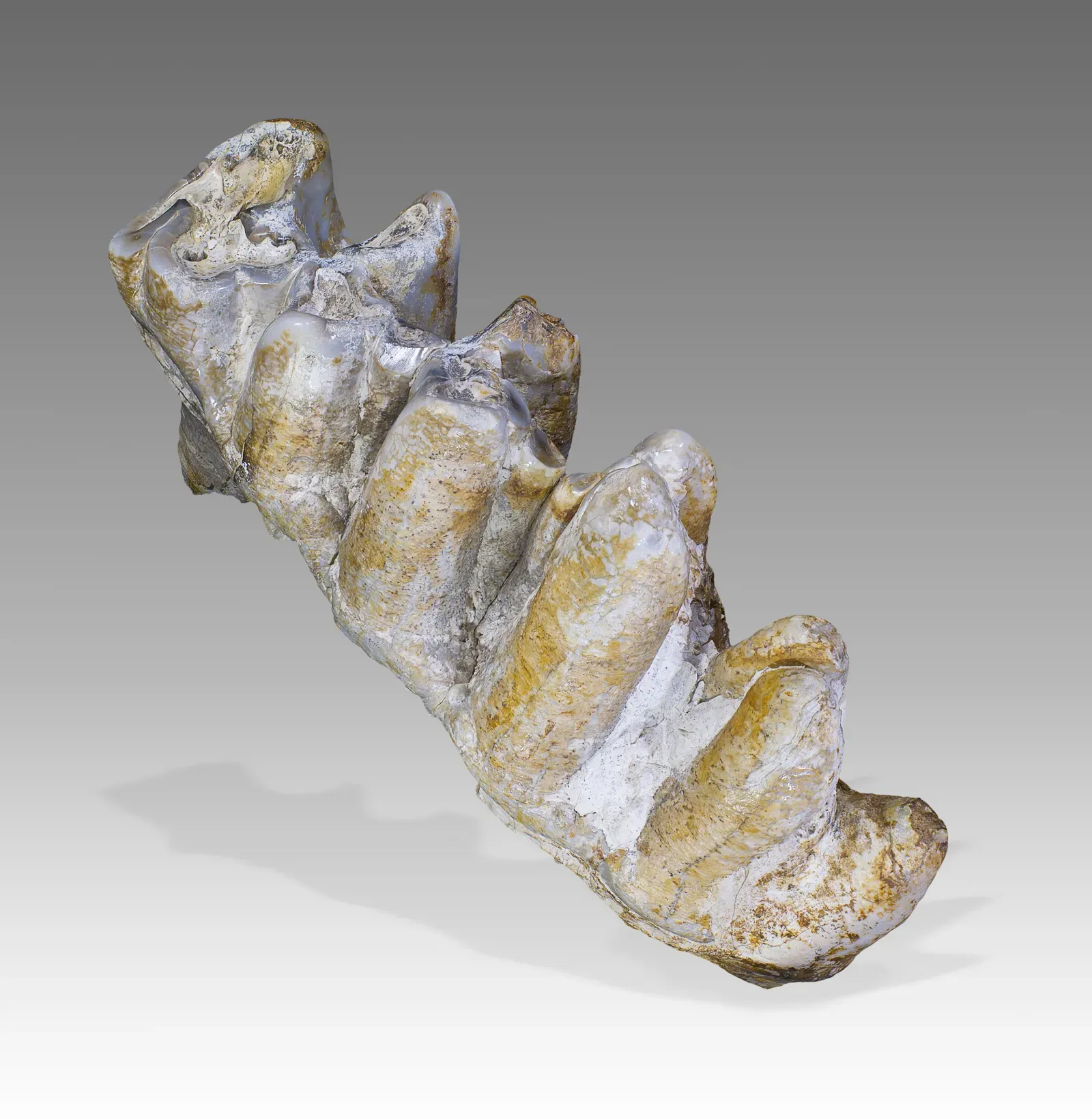
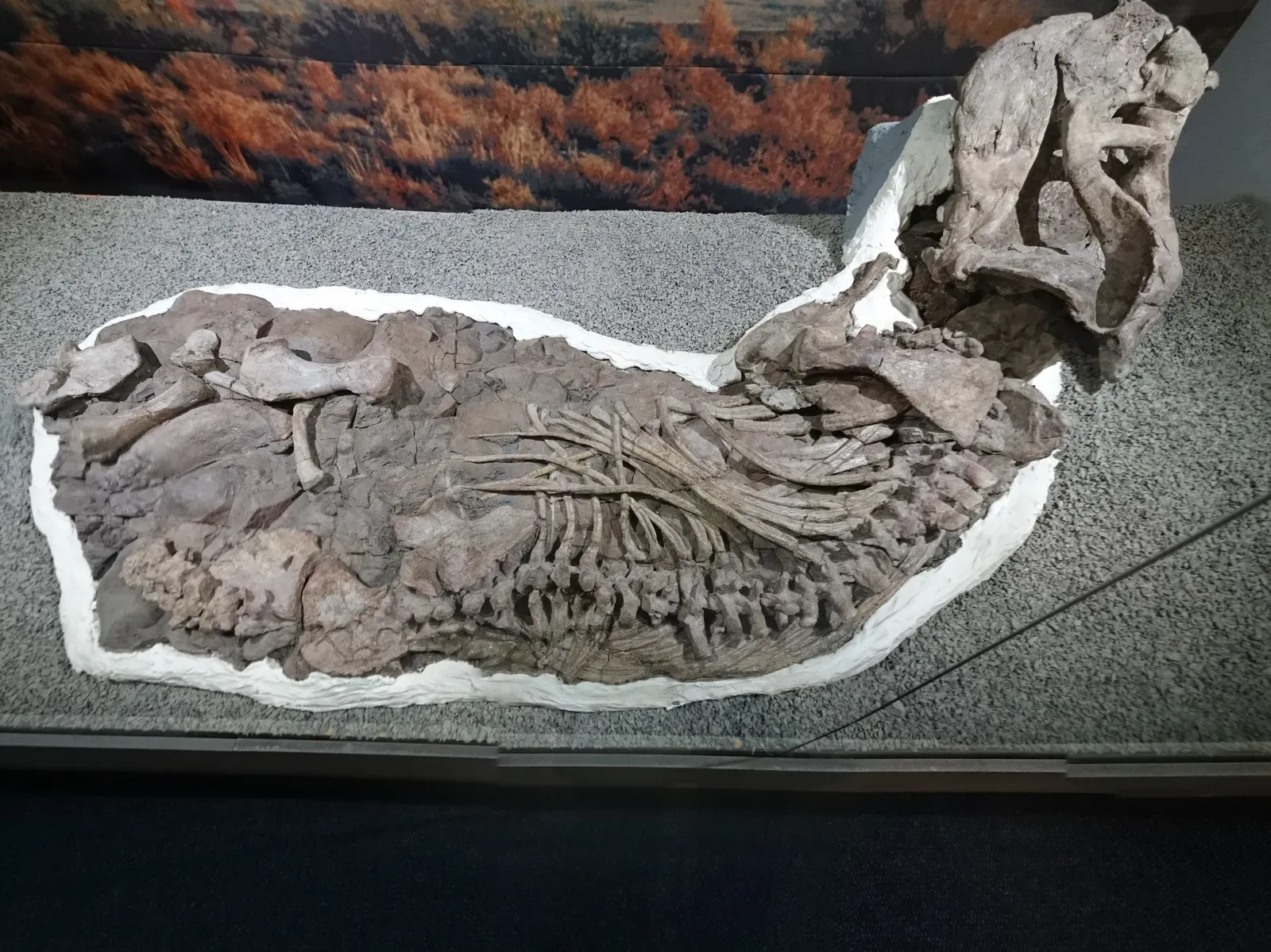
If you imagine a dramatic skeleton laid out in a museum, that is not what most of this evidence looks like. Much of the case for early mammal diversification rests on scattered teeth and jaw fragments, often just a few millimeters across. At first glance, it sounds underwhelming, but those small pieces are loaded with anatomical information that can reveal diet, evolutionary relationships, and even aspects of behavior.
Paleontologists have identified a series of distinct mammal lineages in late Mesozoic rocks – groups such as multituberculates and early therians – that show complex, varied tooth shapes rather than one simple pattern. Changes in the number and arrangement of cusps, the height of molars, and the robustness of jaws all point to mammals specializing in different foods and lifestyles. When you line up these microfossils from older to younger rock layers, the pattern is hard to ignore: diversity is already rising before the dinosaurs’ final curtain call.
Diversification in the Shadows of Giants
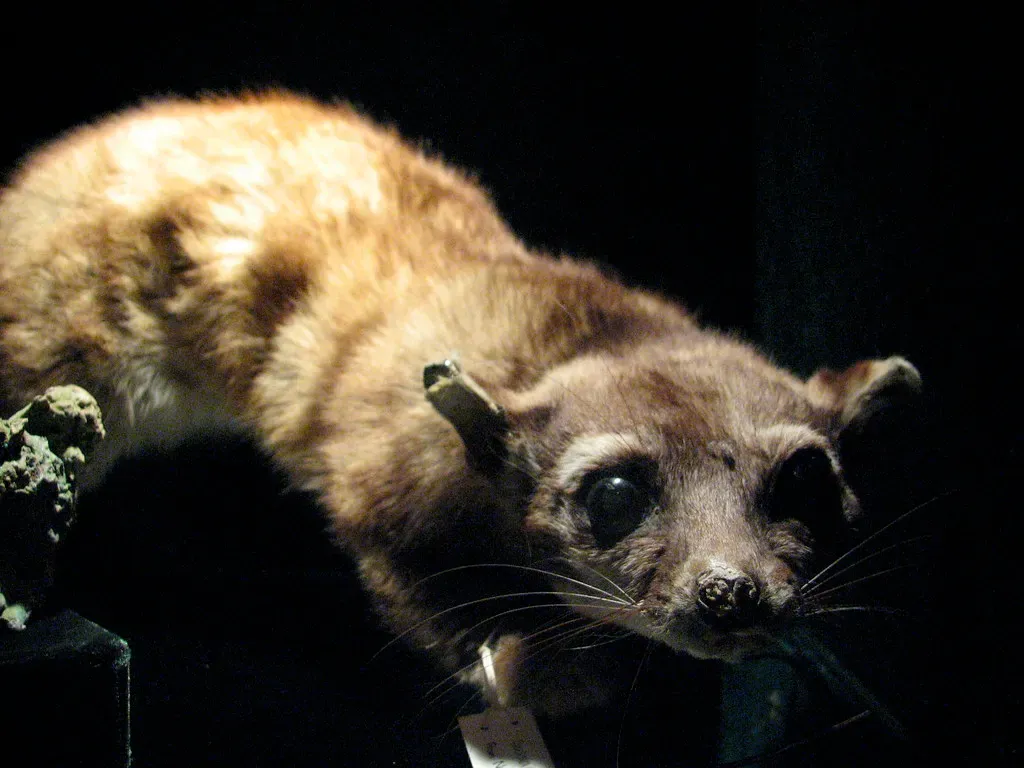
One of the most striking ideas to emerge from this research is that evolution does not always wait for a catastrophe to get creative. In the late Jurassic and Cretaceous, mammals lived in a world dominated by giant reptiles, but they still carved out their own miniature ecosystems. Some evolved powerful forelimbs for digging, others developed traits suited for climbing trees, gliding between branches, or hunting insects at night.
This hidden radiation of forms suggests that ecological opportunity can exist even when another group holds most of the visible power. Dinosaurs may have controlled the big, obvious niches – huge plant-eaters, apex predators, ocean giants – but mammals exploited the cracks and corners of that world. It is a reminder that evolution is always multitasking: while one lineage dominates the headlines, others are quietly working on the next chapter.
Why Teeth Tell Such a Powerful Evolutionary Story
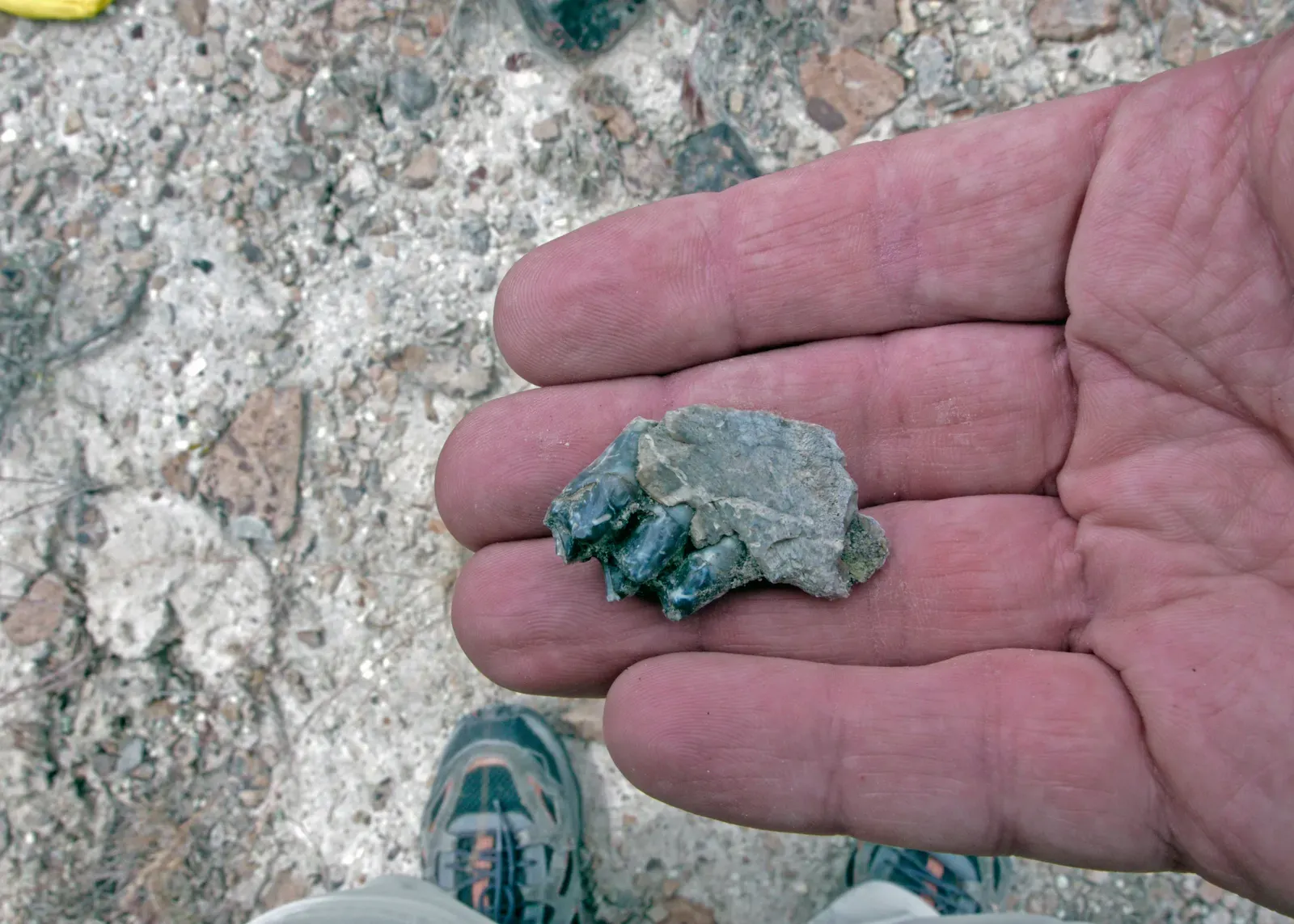
It might feel strange that so much of this story rests on teeth, but in paleontology teeth are almost like the black boxes of ancient animals. They fossilize well, they preserve fine details, and their shapes are closely tied to diet and lifestyle. A tooth with sharp shearing edges hints at meat or insects; broad, ridged molars suggest seeds, nuts, or tough plant material. When researchers start to see a wide variety of tooth types in similar-aged rocks, it points strongly to ecological diversification.
What makes the mammal record especially compelling is how early some of this variety appears. Instead of a single, generalist pattern that only branches out after the dinosaurs disappear, we see a mosaic of specialized forms already in play. In my view, that makes the Cretaceous feel less like a stagnant prelude and more like a complex, multi-layered ecosystem with overlapping evolutionary experiments happening all at once.
The Impact of the Dinosaur Extinction: Accelerator, Not Trigger
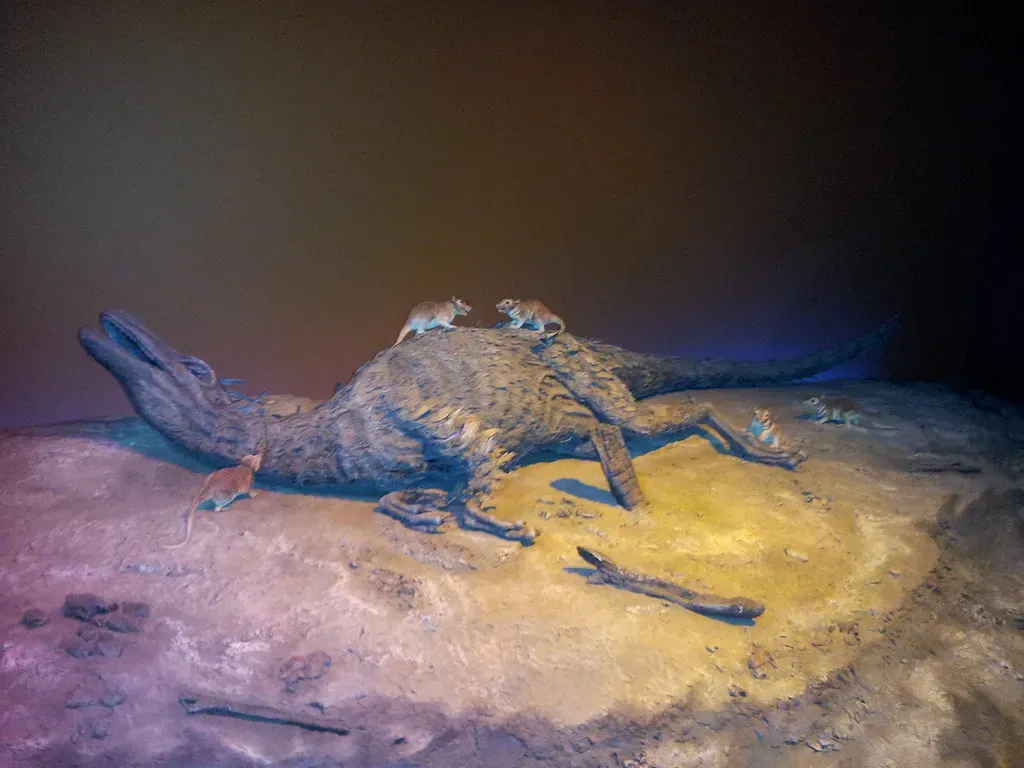
The discovery that mammals were diversifying before the dinosaurs went extinct does not mean the asteroid impact and subsequent mass extinction were irrelevant to mammal success. Instead, it reframes that event less as a starting gun and more as an accelerator. When the non-avian dinosaurs vanished, many ecological niches – large herbivores, mid-sized predators, daytime foragers – suddenly opened up, and mammal lineages that were already diverse and flexible were well positioned to move into them.
In this light, the extinction event looks like a brutal but powerful filter. Many lineages disappeared, but those that survived were not starting from zero; they brought with them an evolutionary toolkit already shaped by tens of millions of years of quiet experimentation. That perspective feels more realistic and, honestly, more interesting than the old picture of mammals instantly flourishing from a single, drab ancestor only after the dinosaurs were gone.
How New Technology is Rewriting an Old Timeline
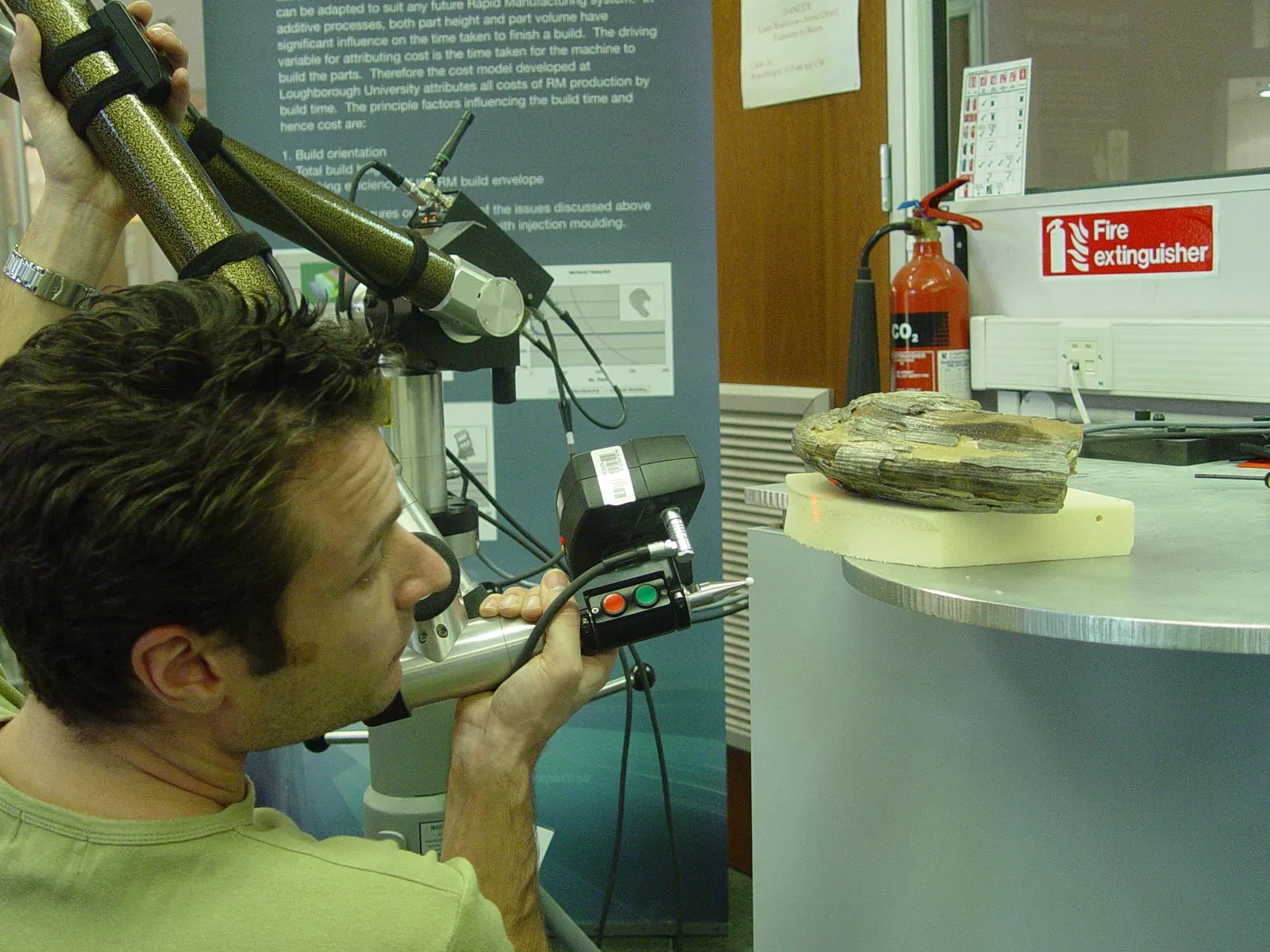
The fossils themselves are only half the story; the tools used to study them are the other half. High-resolution imaging techniques, such as micro-CT scanning, allow scientists to visualize the internal structure of tiny bones and teeth without destroying them. That means previously overlooked fragments can be re-analyzed and suddenly revealed as belonging to new or more specialized mammal species.
On top of that, sophisticated statistical models and evolutionary trees help researchers test when different mammal groups likely split from one another, even when the fossil record is patchy. These methods are not perfect – no model can fill in every gap – but they often converge on a pattern: key mammal lineages were diverging well before the end-Cretaceous extinction. For me, the most exciting part is that every new technique seems to complicate, not simplify, the old story, which is usually a sign that we are getting closer to the messy truth.
What This Means for How We See Evolution Today
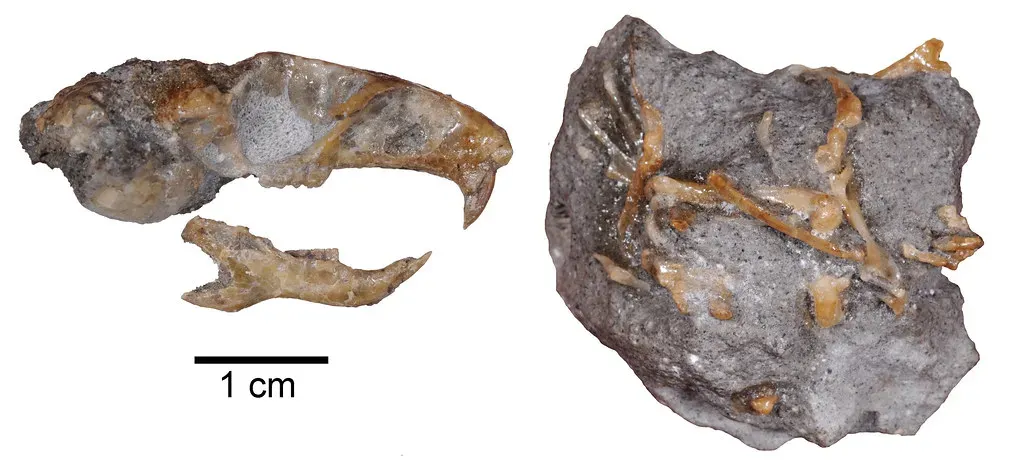
This updated picture of mammals and dinosaurs changes more than just a timeline in a textbook; it changes how we think about evolution itself. Instead of dramatic progress only in the aftermath of catastrophe, we see innovation humming along in parallel, with multiple lineages exploring new paths at the same time. The asteroid and the extinction event still matter, but they become part of a longer, more intricate story rather than the sole turning point.
I find that oddly reassuring. Evolution, it turns out, does not reserve its creativity for moments of crisis. It is always probing, always testing, even when one group seems to be firmly in charge. In a world where we often talk about sudden disruptions as if they are the only drivers of change, the mammal fossil record quietly pushes back, reminding us that long, slow, hidden work can be just as transformative.
Opinionated Conclusion: A Messier, More Honest History of Life
If I am being blunt, the old story of mammals waiting meekly in the wings while dinosaurs had their time in the spotlight was always a bit too tidy. The newer fossil evidence – scattered, frustrating, but persuasive – points to a much messier reality, where mammals were already diversifying, adapting, and quietly succeeding long before the asteroid struck. To me, that makes the history of life feel more honest and less like a simplified children’s tale.
We should embrace that complexity rather than mourn the loss of a clean narrative. A world in which small mammals were already experimenting with being gliders, burrowers, and omnivores under the feet of giant dinosaurs is a richer, stranger, and far more inspiring place than the flat storyboard many of us grew up with. The past is telling us that big changes often start in the margins, long before anyone is paying attention – so the real question is, what hidden diversifications are unfolding right now that we have not yet learned to see?