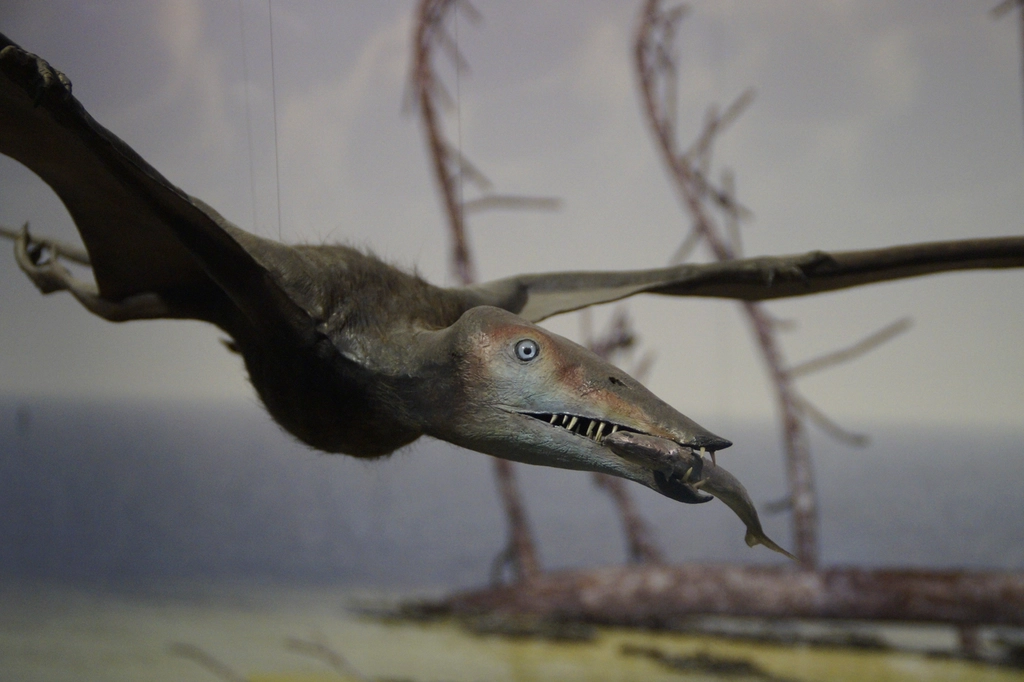
For decades, museum dioramas painted pterosaurs as scaly, gray, bat-winged dragons flapping clumsily over volcanic swamps. Most people still picture them that way. But a wave of fossil discoveries over the last few years – feathered skulls in China, fossilized footprints in England, brand-new species popping up on four continents – has quietly rewritten almost everything the textbooks used to say.
Turns out the “leathery lizard” image is mostly wrong, and the real story is stranger, more colorful, and more mechanically absurd than anything Hollywood dared invent. We’re counting down thirteen discoveries that genuinely changed how paleontologists see these animals, and the biggest gut-punch is saved for the very end.
#13 – They Weren’t Dinosaurs at All, and the Size Range Is Almost Unbelievable
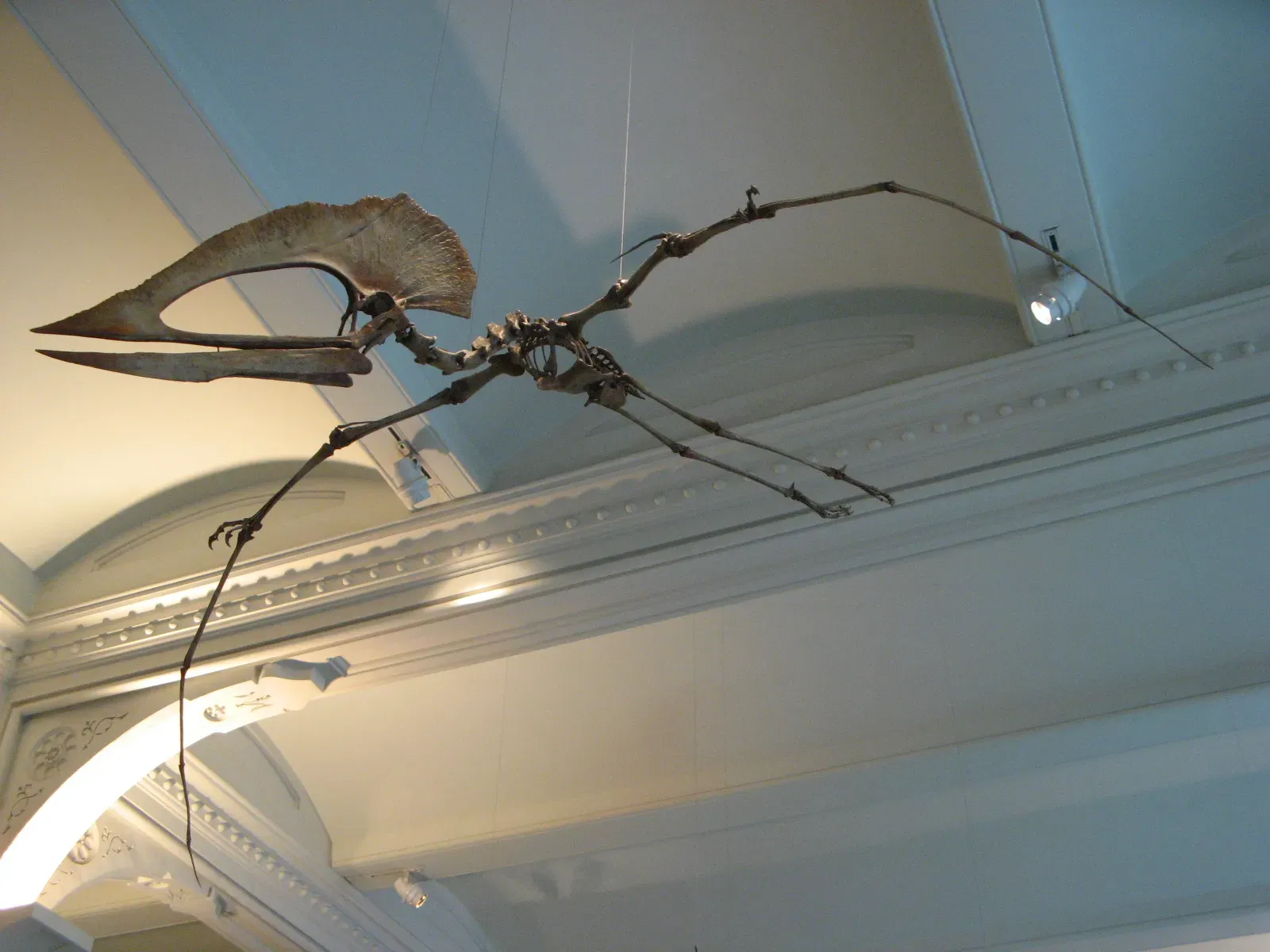
Most people lump pterosaurs in with T. rex and Triceratops. It’s an understandable mistake, but it’s still wrong. Pterosaurs were flying reptiles that lived through most of the Mesozoic Era, from roughly 228 to 66 million years ago, sharing the skies with dinosaurs and vanishing in the same mass extinction – but they belong to a completely separate branch of the archosaur family tree. Flight evolved in them totally independently from the dinosaur lineage that eventually produced birds.
What really stuns researchers, though, is the size spread packed into this one group. Pterosaurs ranged from sparrow-sized fliers you could hold in one hand to the largest flying animals in the history of Earth, with wingspans stretching past 10 meters. They were also the first vertebrates ever to achieve powered flight, using wings made from a skin-and-muscle membrane stretched from an absurdly elongated fourth finger to their hind legs. It’s the rough equivalent of a hummingbird and a small airplane belonging to the same evolutionary family – an almost cartoonish range of scale for one group of animals.
Fast Facts
- Lived roughly 228 to 66 million years ago, spanning most of the Mesozoic Era
- Wingspans ranged from sparrow-sized to over 10 meters across the group
- First vertebrates ever known to achieve powered flight
- Evolved flight completely independently from the dinosaur-to-bird lineage
#12 – New Species Are Popping Up on Every Continent, Right Now
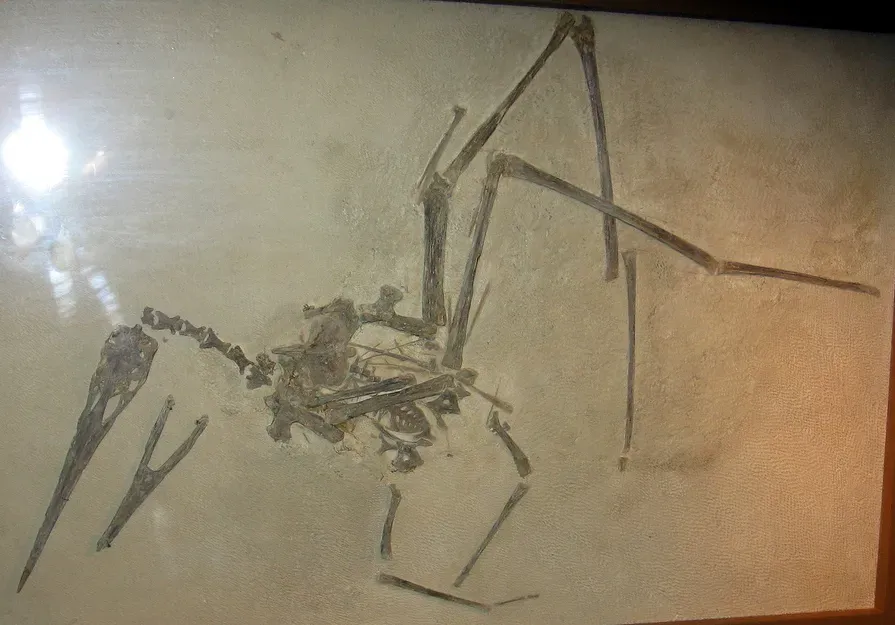
The pterosaur family tree isn’t close to finished, and new branches keep sprouting almost every month. In Japan, researchers recently identified Nipponopterus mifunensis, a pterosaur known from nothing but a single neck vertebra – proof that even one fragment of bone can rewrite an entire region’s prehistoric record. In Australia, 100-million-year-old fossilized bones dug up in western Queensland turned out to belong to a brand-new species, a formidable flying reptile named Haliskia peterseni, discovered not by a university expedition but by a museum curator.
Down in South America, a find in Patagonia may be doing something even bigger. The Southern Hemisphere has historically produced far fewer pterosaur fossils than the north, leaving a frustrating blank spot in scientists’ understanding of how the group developed there. That gap is finally starting to close. Every continent, it seems, is quietly sitting on pieces of this puzzle.
#11 – The “Oldest Pterosaur” Title Keeps Getting Pushed Further Back
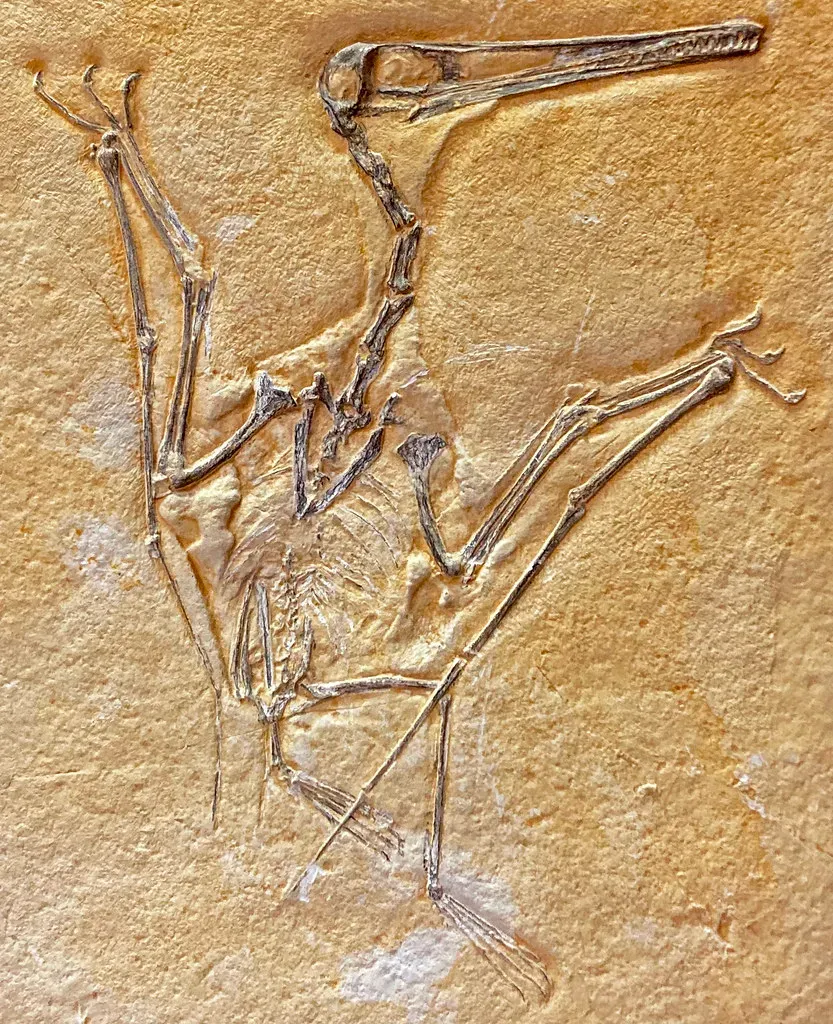
Every time scientists think they’ve nailed down the earliest pterosaur, an older one shows up and blows the timeline apart again. The latest shake-up came out of Arizona, where a newly described species called Eotephradactylus mcintireae is now recognized as North America’s oldest known pterosaur – a gull-sized flier caught, in fossil form, mid-hunt for a fish during the Late Triassic.
The setting where it was found is its own kind of scientific goldmine. Around 209 million years ago, floodwaters carried volcanic ash into a river delta and buried an entire ecosystem alive: fish, giant amphibians, early turtles, and this small, still-experimental flier all preserved together. Most people assume the story of early pterosaur evolution is settled science. In reality, this site is still one of the most actively worked digs in the field.
#10 – One Scottish Fossil Rewrote the Entire Family Tree
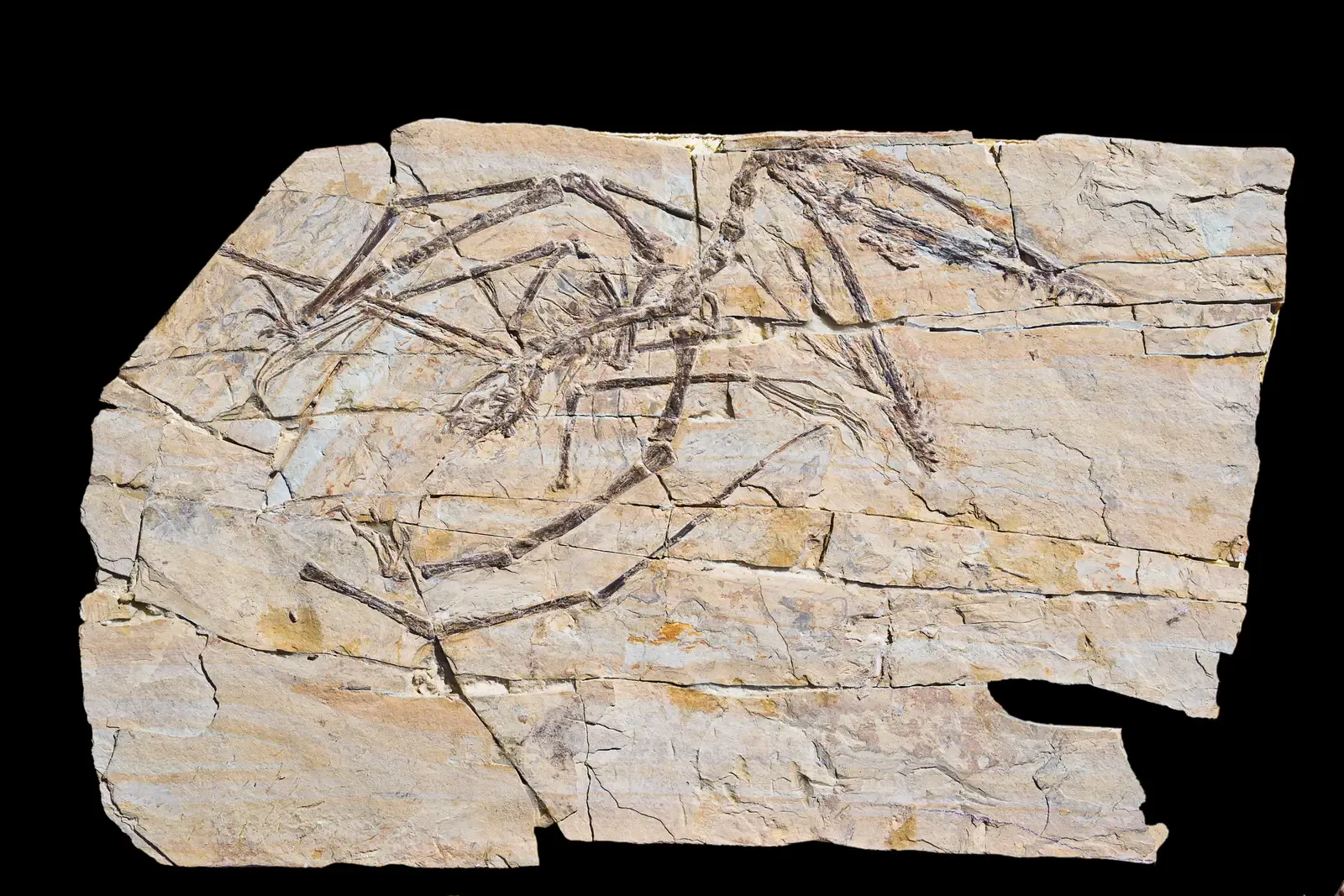
A set of bones pulled from a rainy Scottish island quietly overturned assumptions about how diverse early pterosaurs really were. Scientists announced a new species from the Isle of Skye belonging to a group called Darwinoptera, and the implications turned out to be much bigger than expected. That clade, it turns out, was considerably more varied than anyone realized, surviving more than 25 million years – from the late Early Jurassic to the very end of the Jurassic – and spreading to every corner of the globe along the way.
That’s a lineage that outlasted entire other pterosaur groups without anyone noticing until now. The discovery forced a full rethink of early pterosaur evolution, since Middle Jurassic pterosaur fossils are so rare and incomplete that they’d been quietly blocking progress for years. Experts now suspect the “simple” early chapter of pterosaur history was never simple to begin with.
At a Glance
- New species from the Isle of Skye belongs to the Darwinoptera clade
- The lineage survived more than 25 million years, from the late Early Jurassic to the end of the Jurassic
- Middle Jurassic pterosaur fossils remain extremely rare, leaving major gaps in the record
- Fossils show the group had spread across the globe by the time it disappeared
#9 – A German Fossil Filled a Gap Nobody Could Explain
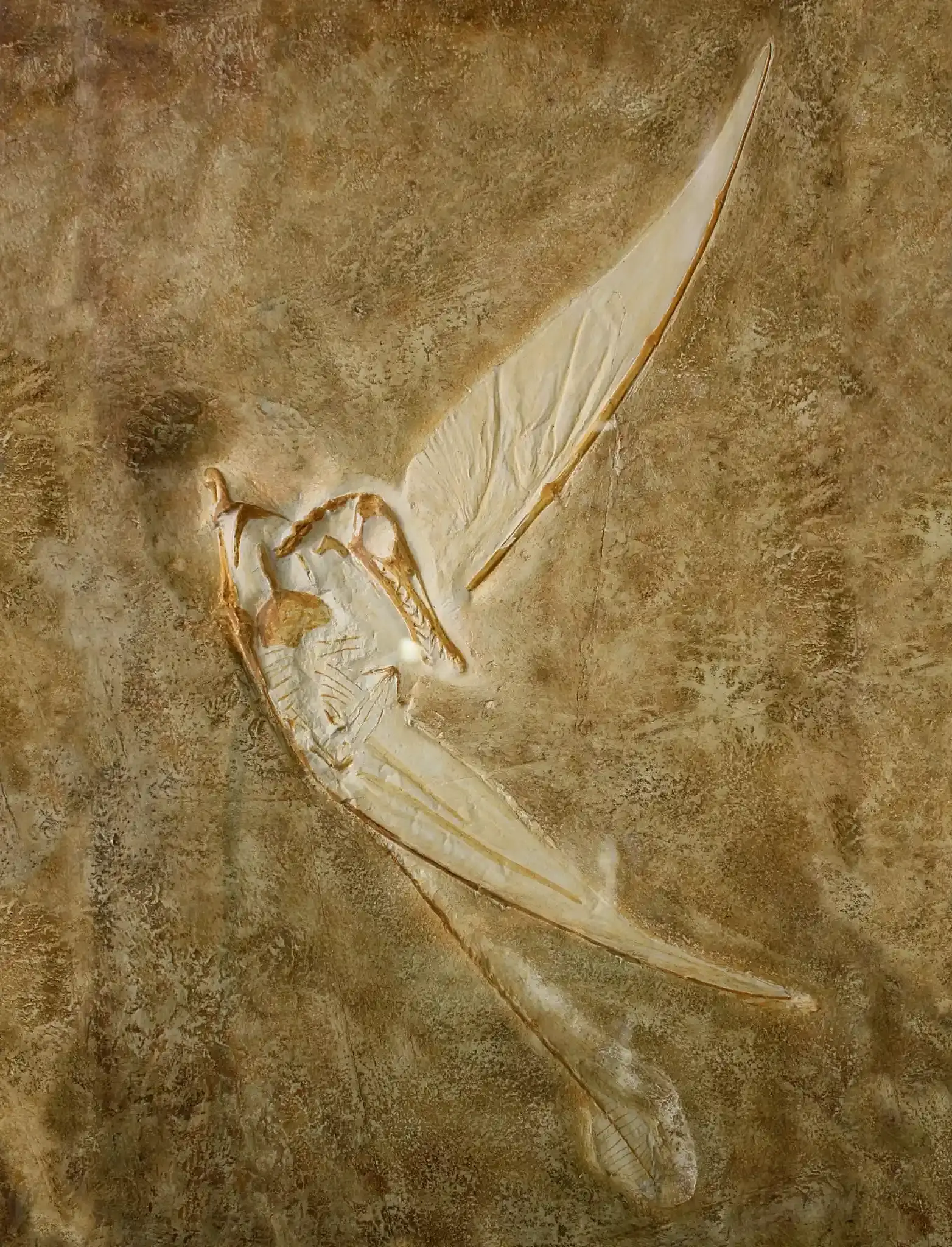
For years there was a frustrating blank spot between primitive pterosaurs and the specialized giants that came later – until one fossil out of Germany closed it. The specimen was actually unearthed back in 2015 but only fully described more recently, and it revealed a creature living at a genuinely pivotal moment. During the Jurassic, sharp-toothed pterosaurs with wingspans rivaling a modern golden eagle ruled the skies, and this newly named species, Skiphosoura bavarica, emerged from a remarkably well-preserved fossil in southeast Germany.
What makes Skiphosoura matter isn’t its size – it’s its timing. It sits precisely between older, primitive pterosaur body plans and the specialized giants that followed, acting almost like a missing puzzle piece slotted directly into the timeline. Most fossil finds fill in minor details. This one filled in an entire evolutionary stage that scientists had spent decades guessing about.
#8 – They Spent Way More Time Walking on the Ground Than Anyone Assumed
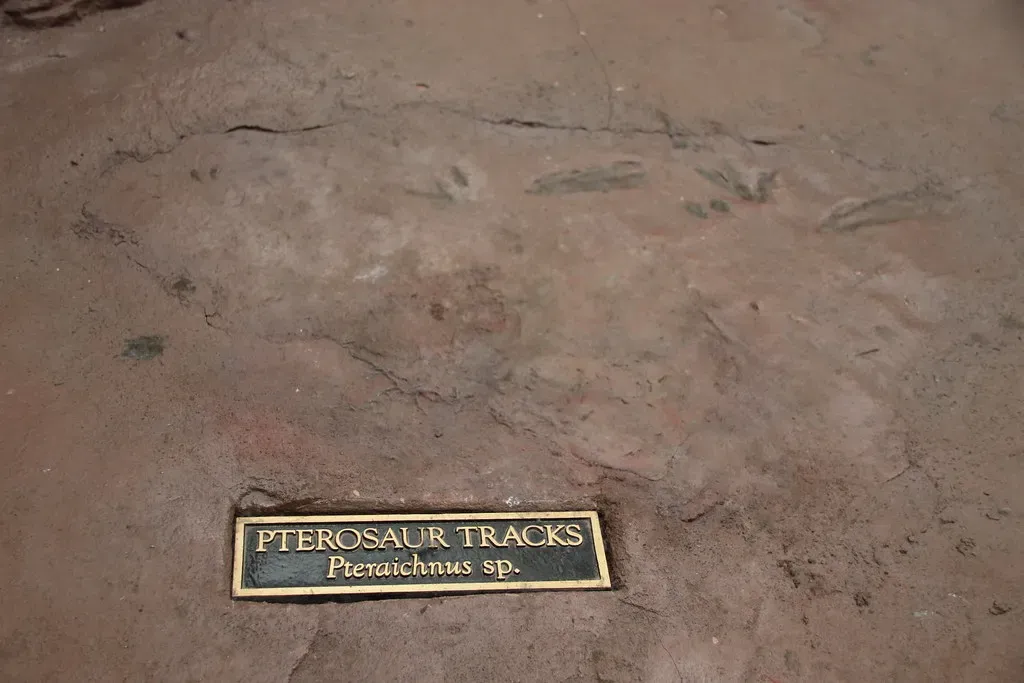
The image of pterosaurs constantly soaring above the treetops is only half the story. Fresh trackway evidence proves they were serious ground-walkers too, and not the awkward, waddling kind. A wave of fossilized footprint studies has confirmed that pterosaurs regularly touched down and moved around on foot as a routine part of life, not as some rare, clumsy detour from flying – evidence directly preserved in 160-million-year-old stone.
Their bodies were mechanically built for this double life. When walking, their folded wings doubled as forelimbs, propping up the front half of their bodies and giving them a stable, efficient four-legged stance. Picture a pterosaur scuttling along the ground like some strange, oversized crab, then launching straight into the air seconds later. That kind of versatility is far weirder than the “flying lizard” cliché ever suggested.
#7 – Young Pterosaurs Lived in a Genuinely Dangerous World
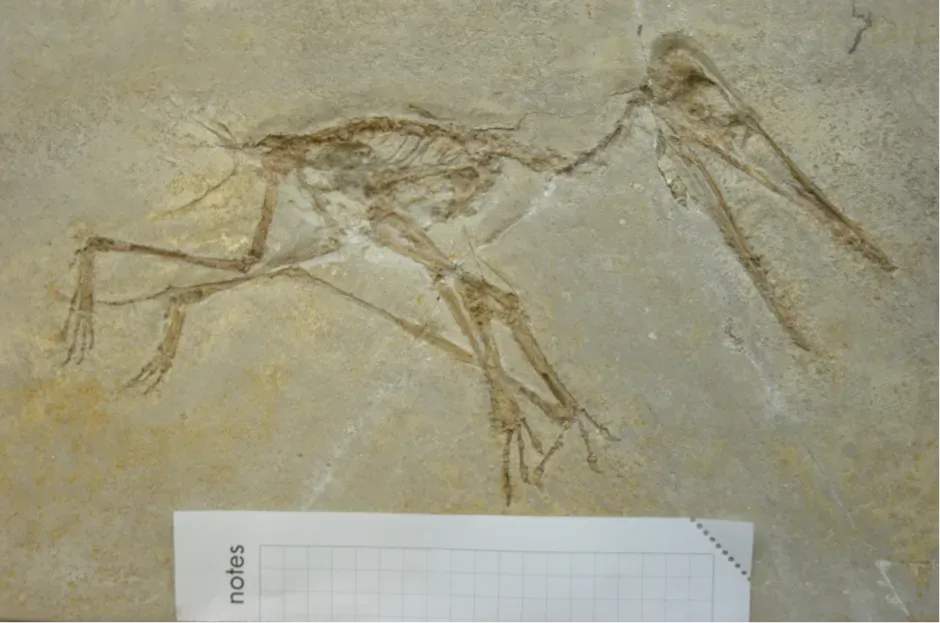
Juvenile pterosaurs weren’t just miniature versions of adults gliding safely through the sky. Plenty of them became lunch. Fossil evidence from Canada makes that brutally clear: a juvenile pterosaur fossil bears a crocodile bite mark from 76 million years ago, direct physical proof that young fliers were actively hunted by ambush predators lurking near water.
This kind of evidence is rare precisely because young pterosaur skeletons were fragile and almost never survived long enough to fossilize at all – let alone with a predator’s bite still embedded in the bone. Finding one tells scientists that predation pressure on juveniles was constant and real, not just a theoretical risk paleontologists assumed existed. Being small, light, and airborne didn’t mean being safe.
#6 – Baby Pterosaurs May Have Flown Within Hours of Hatching
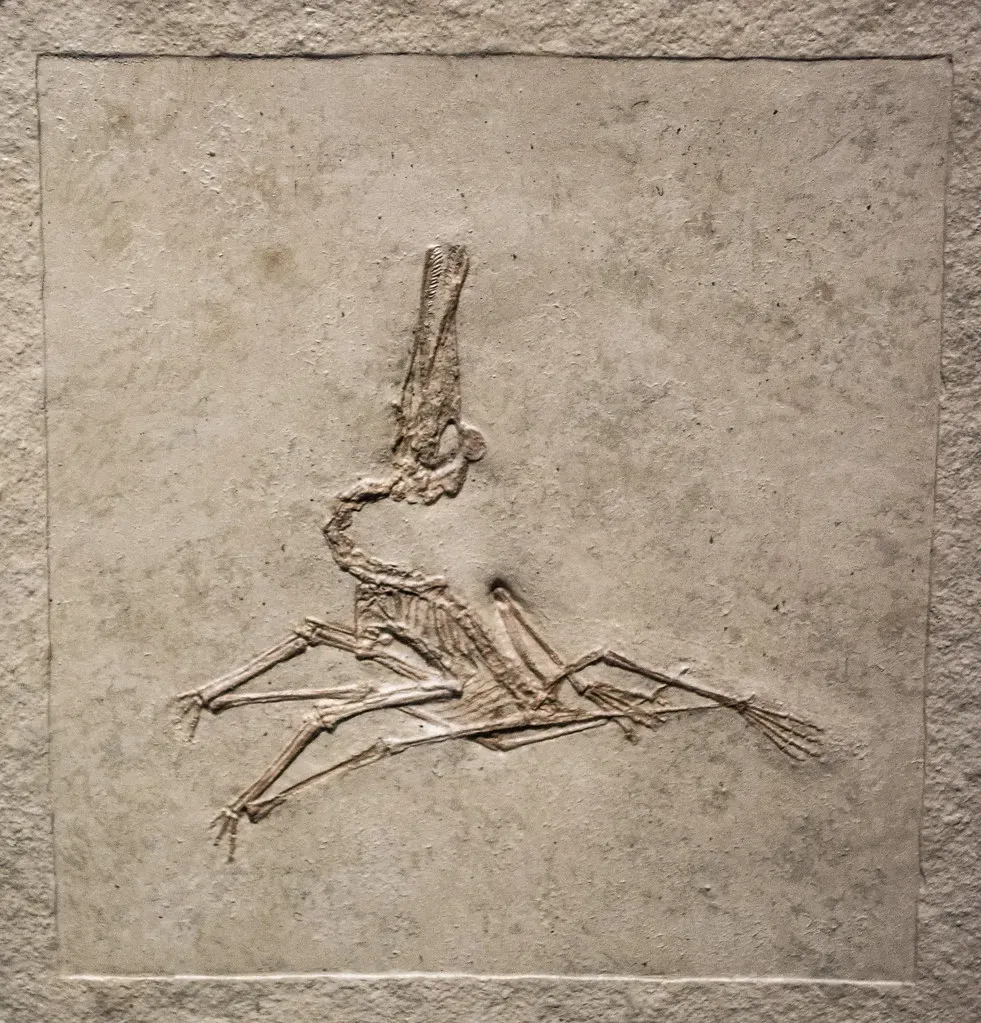
Here’s a fact that sounds impossible until you check the bone data: some baby pterosaurs may have been airborne almost immediately after cracking out of their eggs. Detailed analysis of embryonic and hatchling skeletons backs this up. Even unhatched embryos show skeletons that were already well-ossified and shaped like miniature adults, and soft tissue preserved around them shows flight membranes were already in place before the egg even cracked. Researchers even coined a nickname for these precocious hatchlings: “flaplings.”
Not everyone agrees on the fine print – some growth-rate studies argue flight didn’t kick in until juveniles reached roughly half their adult size. But the weight of skeletal evidence leans toward independence from day one. Their development looks much closer to precocial reptiles than to the helpless, nest-bound chicks of most modern birds, meaning baby pterosaurs likely had to fend for themselves almost immediately, with zero parental safety net.
Worth Knowing
- Embryonic pterosaur skeletons were already well-ossified before hatching
- Flight membranes appear preserved even in unhatched embryos
- Researchers nicknamed these hatchlings “flaplings” for their apparent flight-readiness
- Some studies argue full flight capability didn’t arrive until juveniles reached about half of adult size
#5 – Their Brains Evolved Flight-Readiness in a Completely Different Way Than Birds
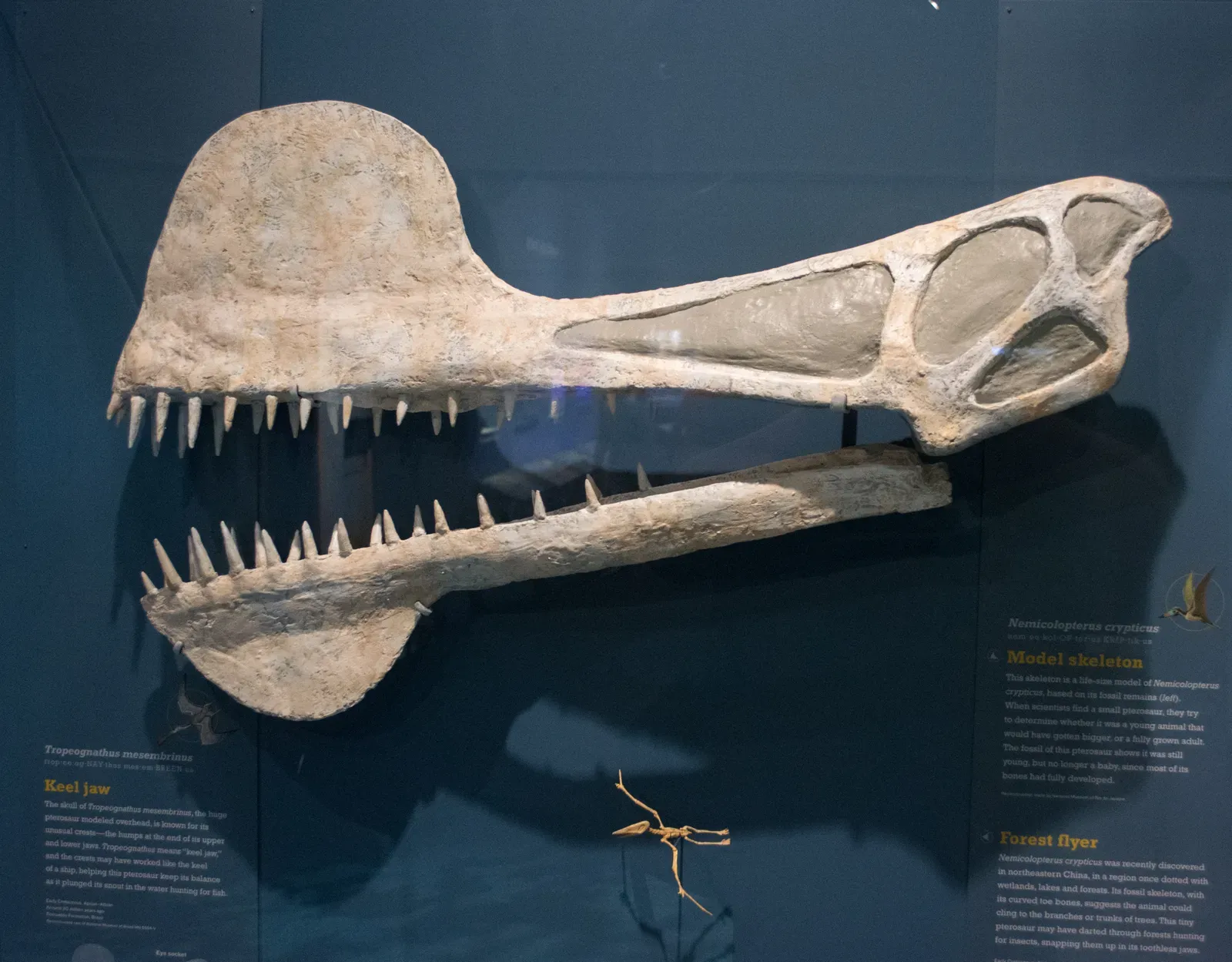
This one genuinely surprised researchers: pterosaur brains didn’t need to slowly grow bigger to master flight the way bird brains did. A 2025 study out of Johns Hopkins found that giant reptiles alive up to 220 million years ago may have gained the ability to fly almost as soon as they appeared, while the prehistoric ancestors of modern birds took a much slower, more gradual route – inheriting an enlarged cerebrum, cerebellum, and optic lobes long before those features were ever repurposed for flight.
In plain terms, pterosaurs got flight-ready brains almost instantly on an evolutionary timescale, while bird ancestors crept toward the same finish line over a much longer stretch. “Our findings add to evidence that enlarged brains seen in modern birds and presumably in their prehistoric ancestors were not the driver of pterosaurs’ ability to achieve flight,” the study’s lead researcher explained. Two wildly different evolutionary shortcuts, somehow arriving at the exact same skill.
#4 – Giant Pterosaurs Launched Like Pole-Vaulters, Not Runners
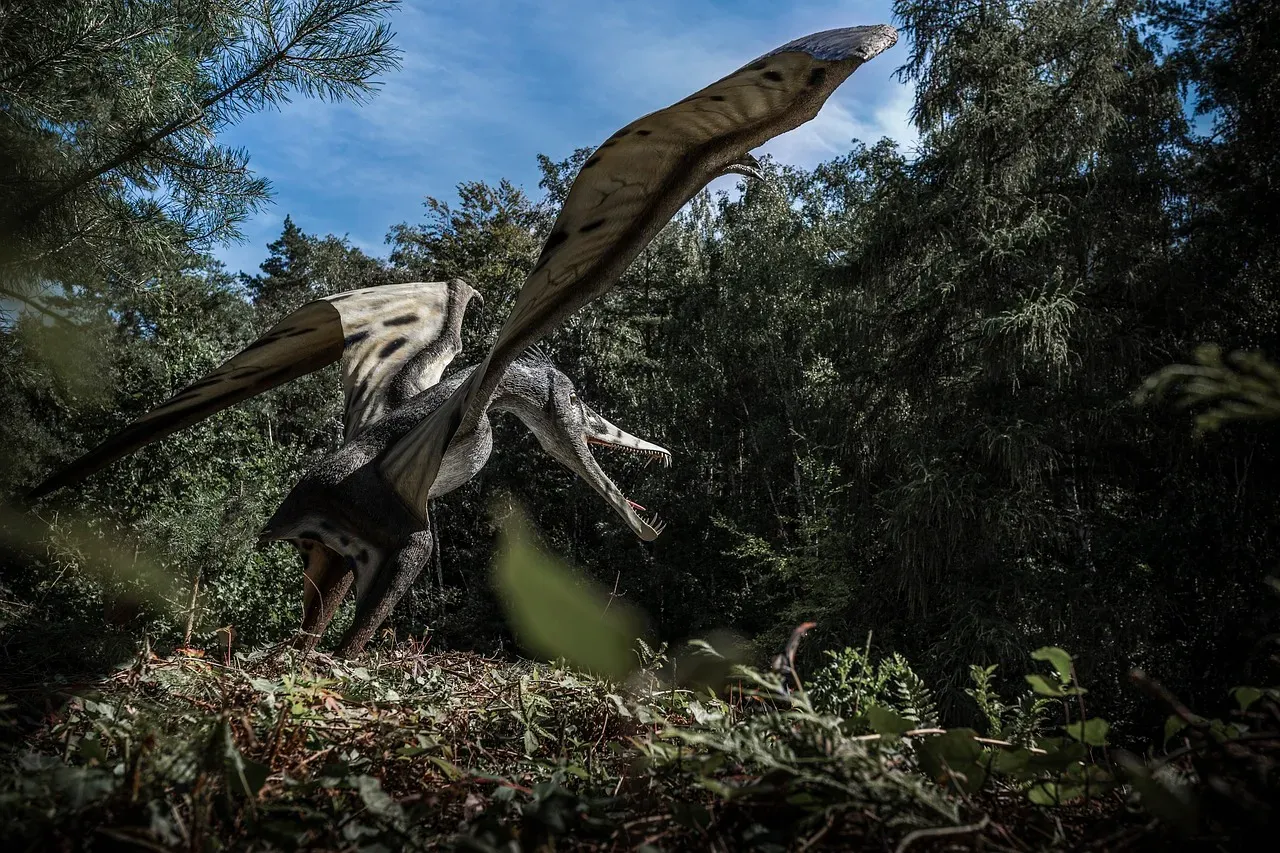
Forget the bird-style running takeoff you’ve seen in documentaries. The biggest pterosaurs almost certainly launched using all four limbs at once, like a reptilian pole-vault. This idea, known as the quadrupedal launch hypothesis, solves a mechanical mystery that stumped researchers for years. Paleontologist Michael Habib proposed that instead of pushing off with just their hind legs like birds do, giant pterosaurs crouched low, then slammed their powerful, muscle-packed forelimbs against the ground, using their wings as a second set of launch limbs to essentially vault themselves skyward.
The bone strength backs this up directly. A quadrupedal launch brings the flight muscles into play during the leap itself, produces far higher launch speeds than a two-legged push-off could manage, and gives a real physical advantage to enormous, heavy-bodied fliers. Without this trick, the biggest pterosaurs simply couldn’t have gotten off the ground at all.
Why It Stands Out
- Uses all four limbs at once instead of a bird-style two-legged running start
- Forelimbs and folded wings double as a second set of launch muscles
- Generates far higher launch speeds than a two-legged push-off could manage
- Appears essential for getting the heaviest pterosaurs airborne at all
#3 – The Biggest Pterosaurs Flew Right at the Edge of What Physics Allows
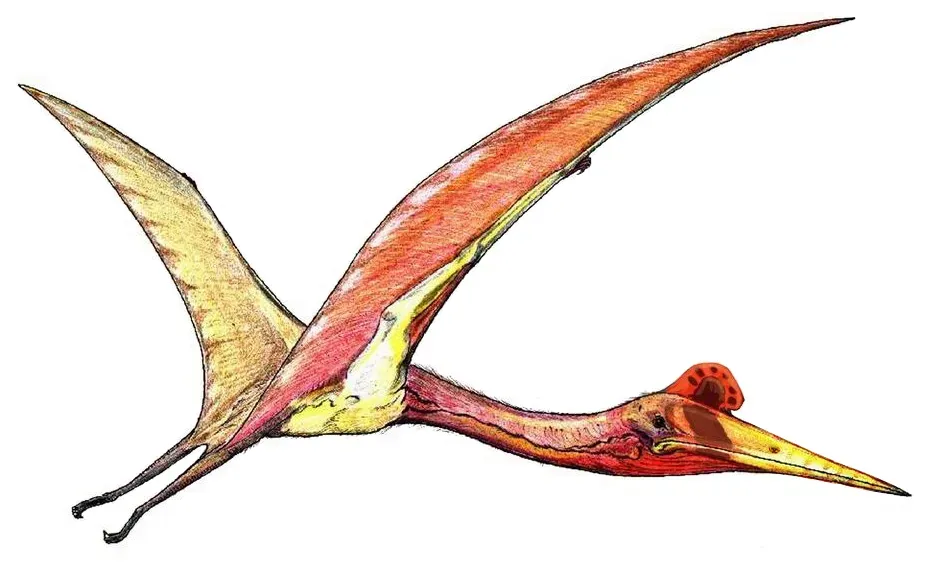
Quetzalcoatlus wasn’t just big – it may have been flying at the absolute theoretical ceiling for a powered flyer, a limit no modern bird has ever come close to testing. The numbers are staggering: Quetzalcoatlus northropi carried a wingspan over 10 meters and a body weighing somewhere between 70 and 200 kilograms. Compare that to the largest soaring birds alive today, whose physical limits sit dramatically lower.
That contrast is exactly why some researchers question the outer boundary of animal flight altogether. Several biomechanical studies suggest that anything heavier than roughly 250 kilograms would struggle to achieve powered flight at all, and many mass estimates for the biggest pterosaurs land just under that ceiling. These animals weren’t casually cruising the skies – they were operating at the razor’s edge of what vertebrate biology can physically support.
Quick Compare
| Flier | Wingspan | Estimated Weight |
|---|---|---|
| Quetzalcoatlus northropi | Over 10 meters | 70-200 kg |
| Largest living soaring birds (e.g., wandering albatross) | Roughly 3-3.5 meters | Well under 20 kg |
#2 – They Had Actual Feathers, Not Just “Fuzzy Hair”
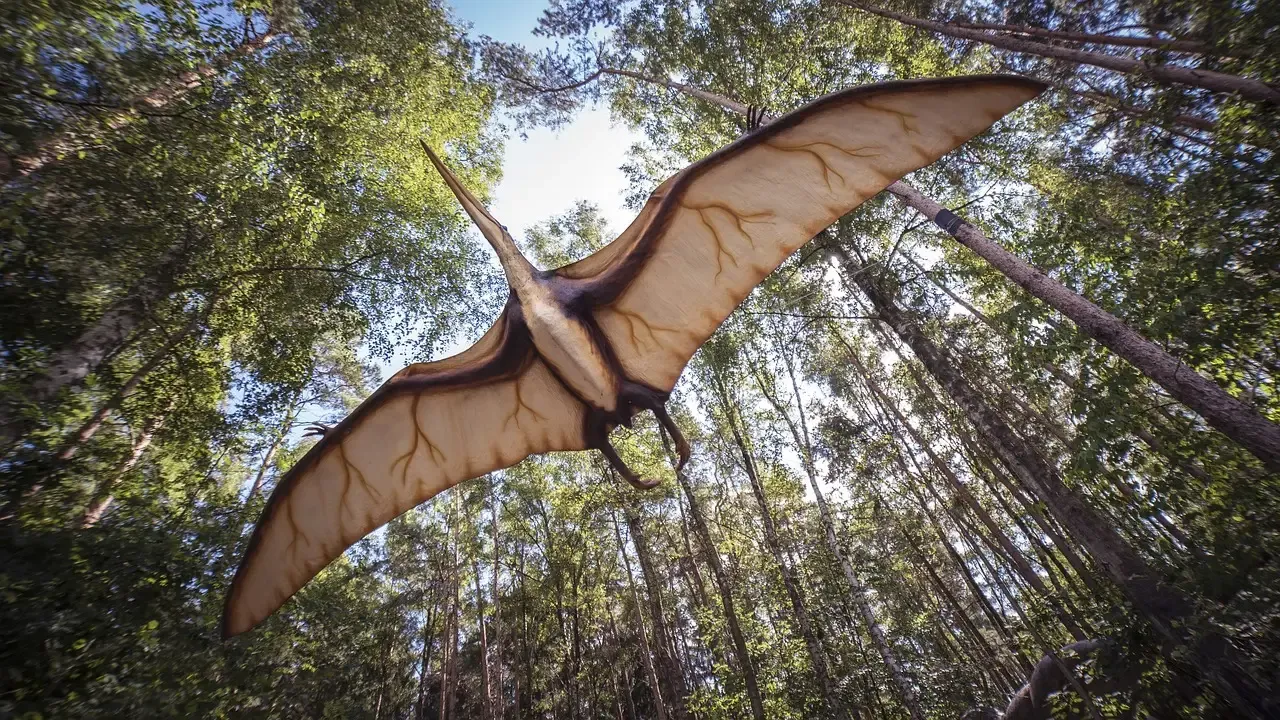
This is the discovery that quietly demolished decades of textbook illustrations. Pterosaurs weren’t covered in simple hair-like fuzz called pycnofibers – many had real, branching feathers, structurally identical to the ones found on dinosaurs and birds. The proof came from two remarkably preserved Chinese specimens studied under high-powered microscopes, which revealed non-vaned grouped filaments and bilaterally branched structures – features once thought to belong exclusively to maniraptoran dinosaurs.
Later research pushed the case even further, and the debate is essentially settled now. A separate, exquisitely preserved skull fossil showed immaculately preserved feathers with a simple, branched structure, and because scientists now see near-identical feathers in both pterosaurs and dinosaurs, the likeliest explanation is a shared ancestor that lived more than 230 million years ago. Feathers, it turns out, are far older and far more widespread across reptile history than anyone assumed just a few years ago.
#1 – Pterosaurs Were Secretly Colorful, Possibly Even Iridescent
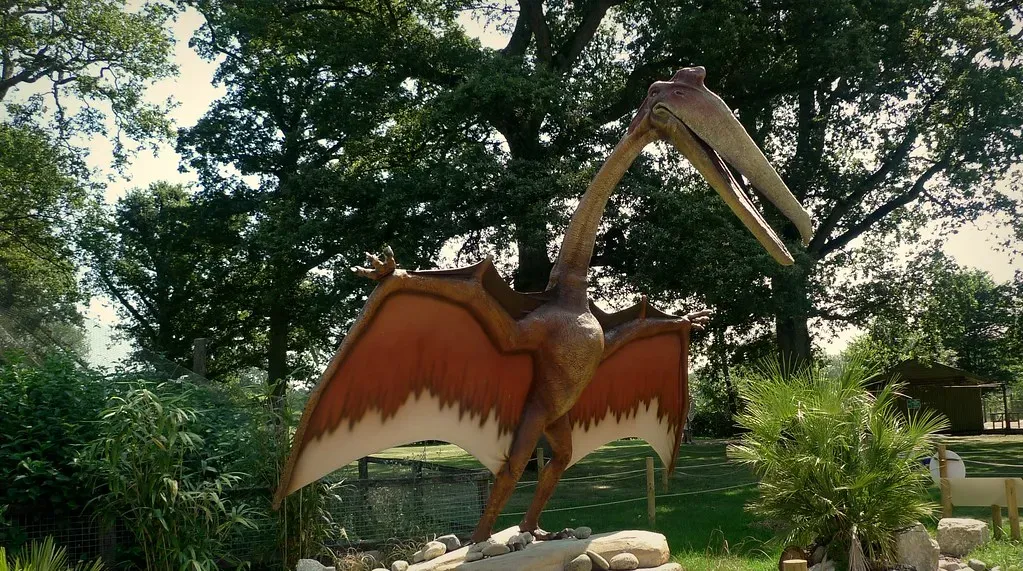
Here’s the fact that genuinely changes everything: pterosaurs weren’t drab gray dragons. Some of them were pigmented, patterned, and possibly shimmering with iridescent color, closer to a hummingbird or a peacock than anything resembling a lizard. The evidence comes from microscopic pigment-carrying structures called melanosomes, preserved directly inside fossilized feather-like filaments. Their shapes hint at the colors they once produced – elongated melanosomes point toward darker tones, while rounder, ovoid ones suggest brighter yellows and reds, meaning a single animal could have worn several different colors across its body at once.
Then came the real showstopper. A recent study found a layered arrangement of melanosomes forming a genuine photonic nanostructure inside the feather-like filaments of a tapejarid pterosaur – optical simulations showed it would have reflected a shifting green-to-magenta iridescence, a trait previously thought to exist only in birds. Some pterosaurs may have shimmered as they flew, not for any aerodynamic reason, but almost certainly to be seen. Researchers suspect these colorful, eye-catching structures – including some of the wild, oversized head crests – were built for display, and possibly for temperature control too.
The Bottom Line
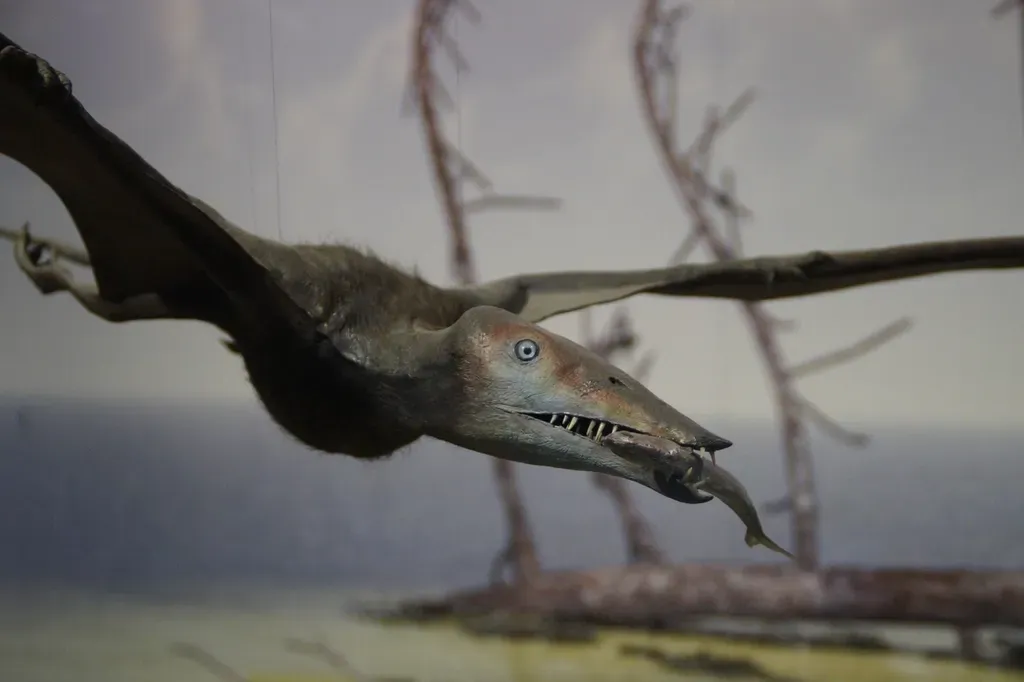
The old image of pterosaurs – gray, leathery, lumbering reptiles dragging themselves through the air – is simply outdated. The real picture involves feathered, pigmented, quite possibly iridescent fliers that hatched flight-ready, walked confidently on four limbs, launched like pole-vaulters, and pushed the absolute physical limits of powered flight. New species are still surfacing on nearly every continent, and each one seems to complicate the story further instead of simplifying it.
If you ask us, the feather-and-color discoveries deserve the most attention out of everything on this list. They don’t just add detail – they change how these animals should be drawn in every book, documentary, and museum display going forward. The “scaly monster” era of pterosaur science is officially over. What’s the pterosaur fact that surprised you the most? Drop it in the comments.