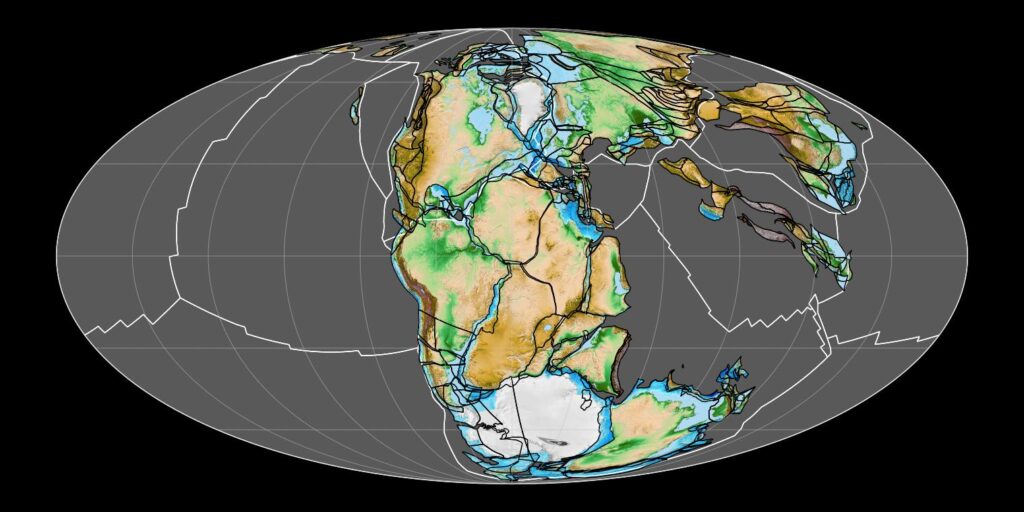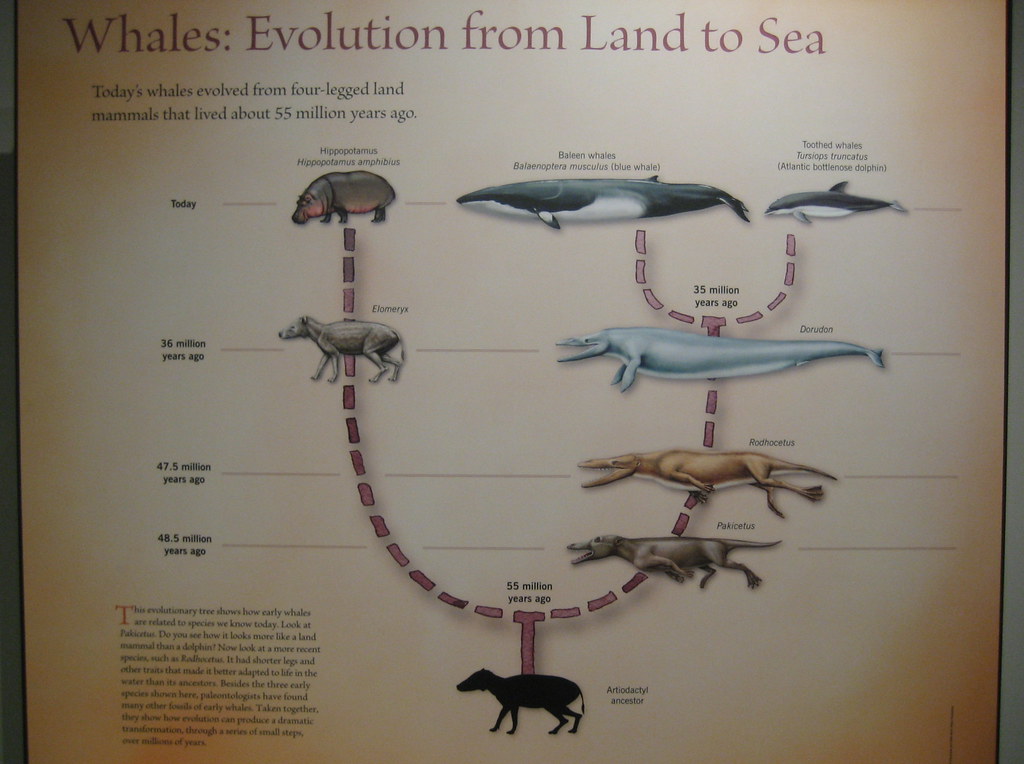
By the time the first dinosaurs stomped across Earth, the universe had already lived through a quiet eternity of its own. Galaxies had formed, stars had died, and entire cosmic dramas had played out long before a single T. rex took its first step. When you zoom out far enough, even the wildest human fears, dreams, and zodiac obsessions start to look very small – and strangely beautiful.
Astrology is about patterns and meaning; astronomy is about time and reality on an almost unbearable scale. Put the two together, and your star sign suddenly sits inside a 13‑billion‑year story, not a 12‑month horoscope column. Once you see how each sign maps onto huge chapters of cosmic history, it becomes very hard to take petty drama seriously – and very easy to feel both humbled and oddly empowered.
From the First Light to Aries: The Universe Learns How to Ignite
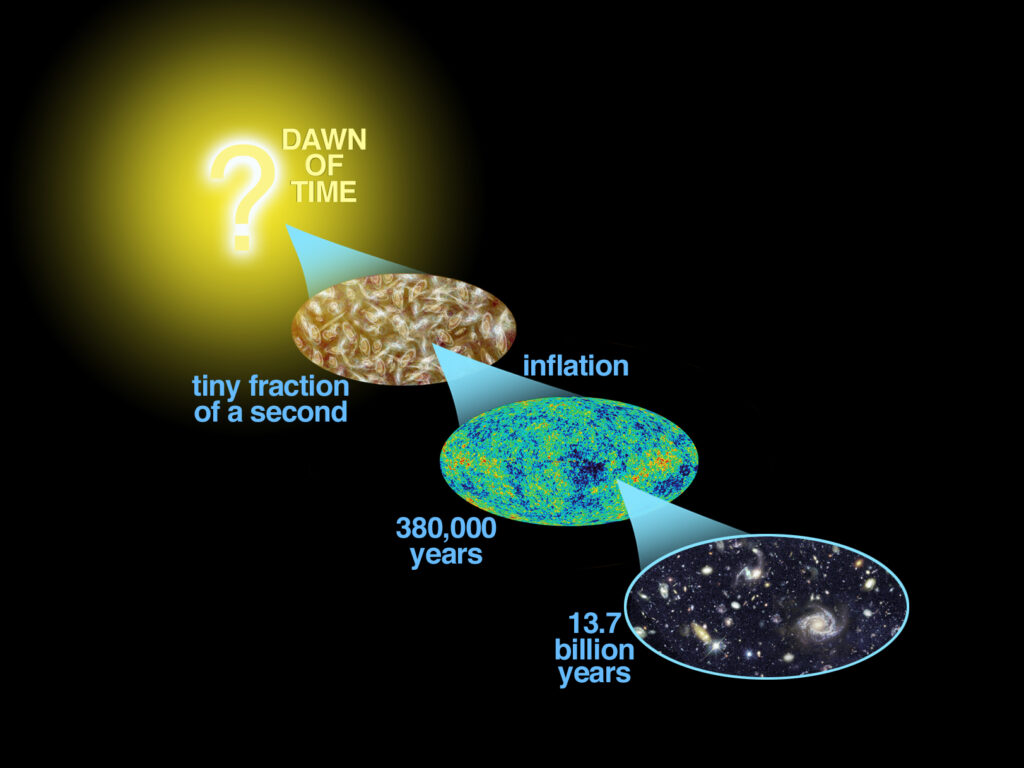
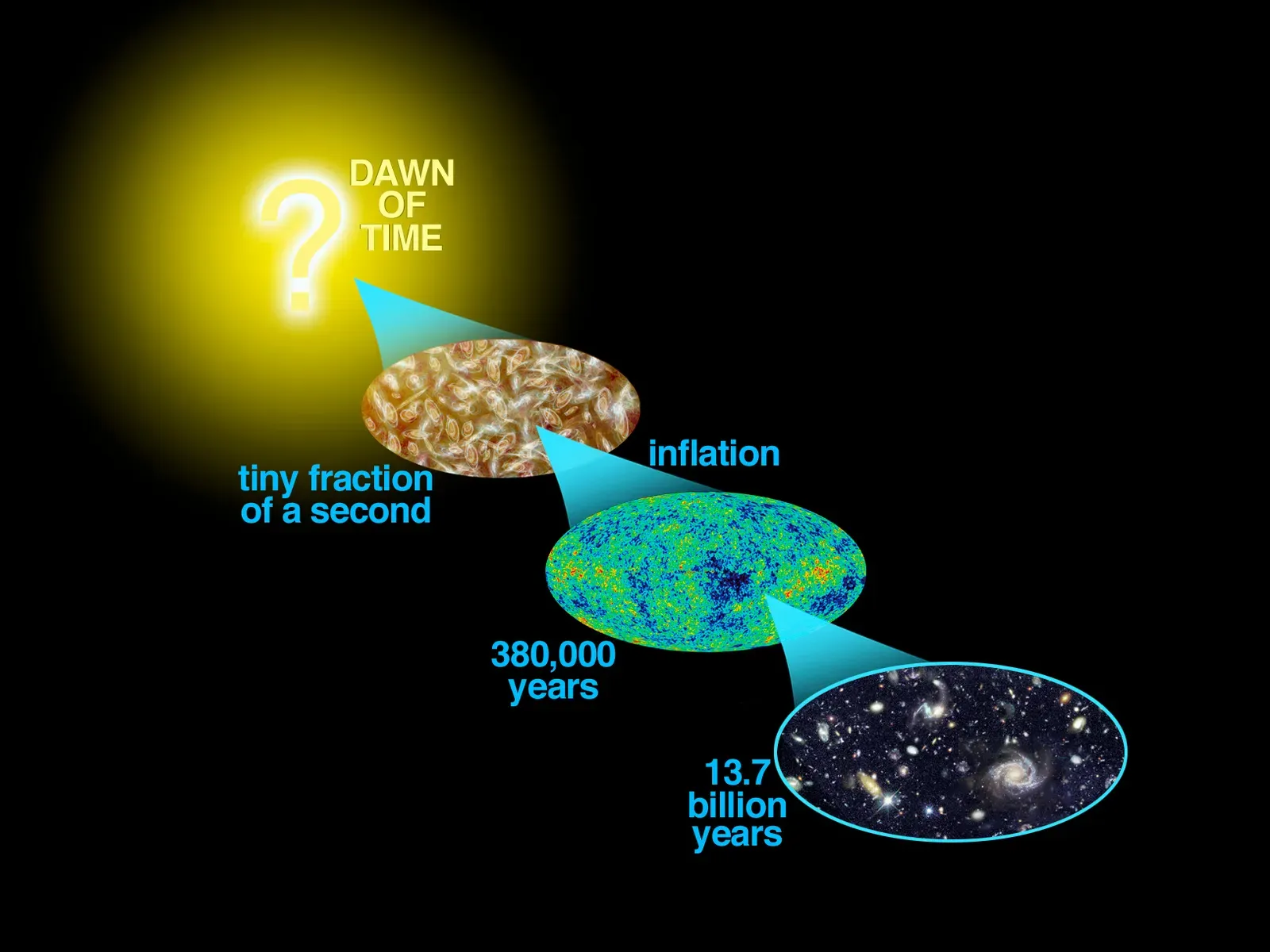
The universe began in a hot, dense state roughly about thirteen and a half billion years ago, expanding and cooling so fast that matter itself needed hundreds of thousands of years just to become neutral atoms. For a while, there were no stars, no planets, and certainly no constellations – only a dark, expanding sea of hydrogen and helium waiting for gravity to get ambitious. This was the universe as pure potential, like a blank page vibrating with stories that hadn’t yet begun.
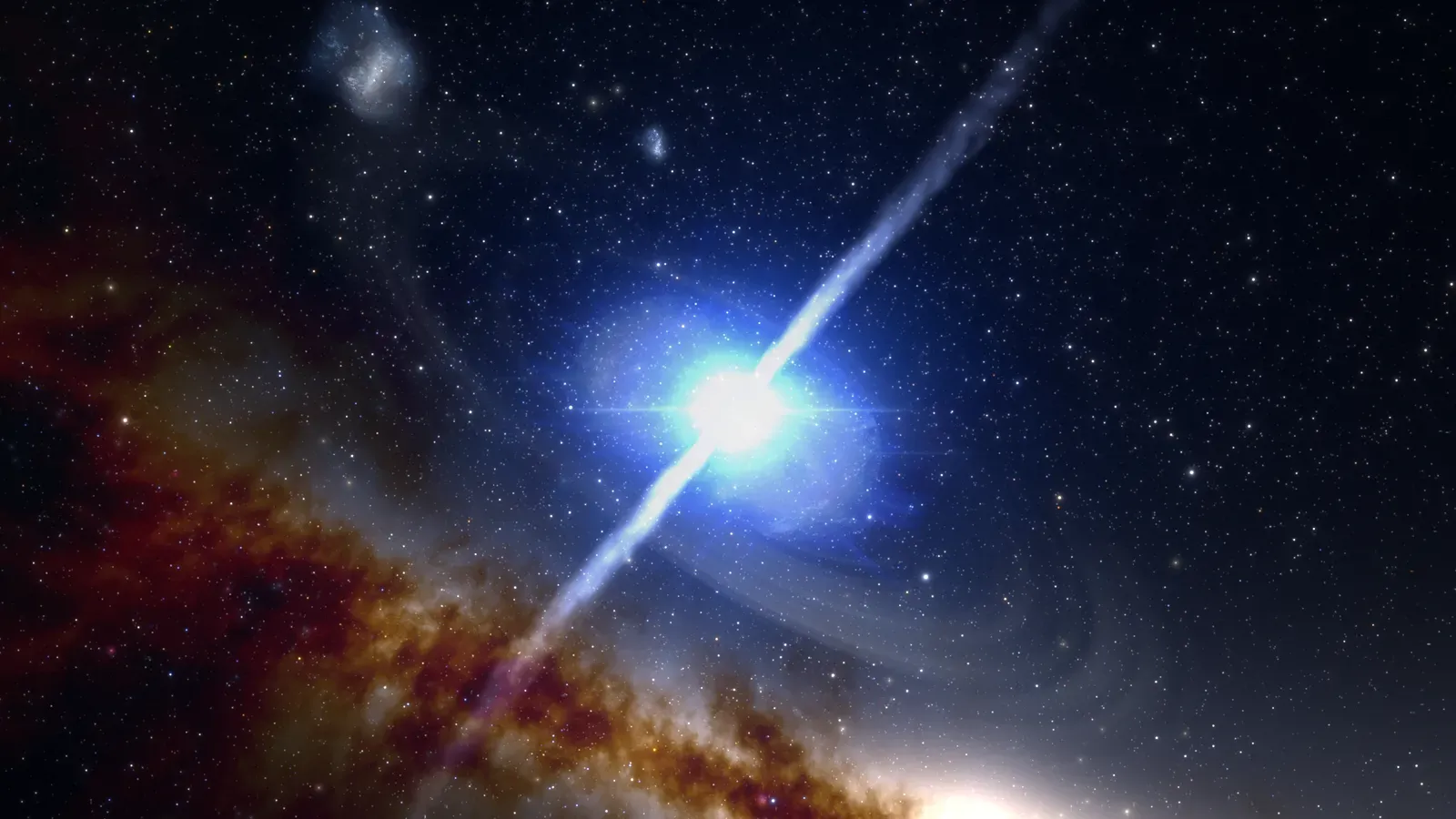
Aries energy lives in that first spark of courage, so if you’re an Aries, your deeper cosmic mirror is not some warrior god but the universe’s first act of ignition. Hundreds of millions of years after the Big Bang, gravity pulled gas together until nuclear fusion lit the very first stars – an outrageous, risky leap from darkness into blazing light. Aries in its healthiest form is that same fearless combustion: the willingness to be first, to burn brightly even without any guarantee that anyone is watching.
Taurus and Gemini: When the First Stars Died So New Worlds Could Exist
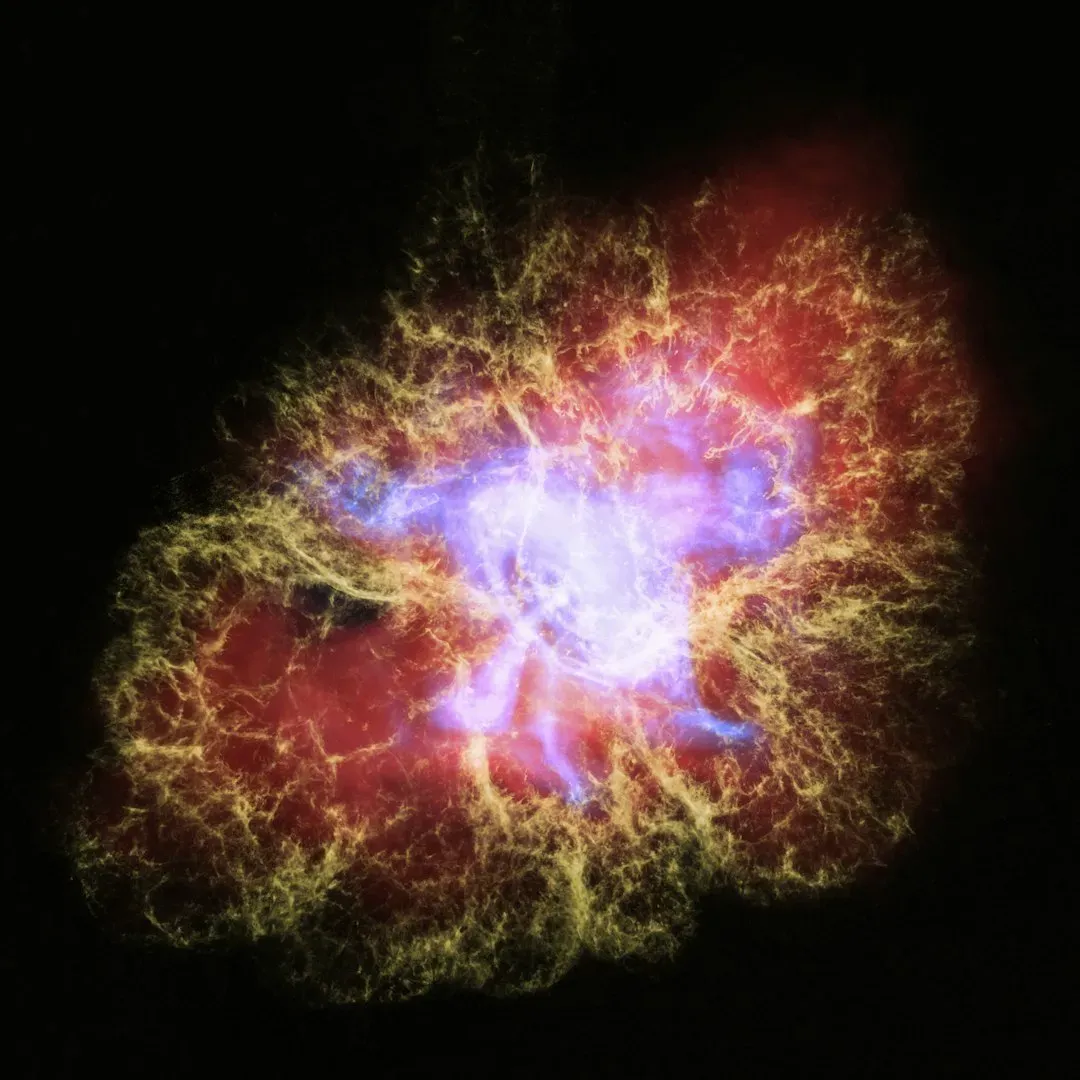
Those first stars burned fast and died young, exploding as supernovae that forged heavier elements like carbon, oxygen, and iron. That violence is why rocks, oceans, bones, and smartphones exist; without those stellar deaths, the universe would still be mostly thin hydrogen mist. This was the era when the cosmos started stockpiling the raw materials for solid worlds, a slow accumulation of value after an early phase of raw fire.
Taurus fits perfectly with this patient, material phase: the move from pure light into lasting substance, from chaos into something you can actually touch and keep. Gemini, on the other hand, resonates with the spreading of complexity as those elements cycled through new generations of stars and clouds, creating a cosmic conversation between matter and energy. If you’re Taurus or Gemini, your deeper story is not just about comfort or curiosity; it is about how value and information emerge only after the universe has already paid a steep price in exploded stars.
Cancer and Leo: The Milky Way Forms and Learns to Shine
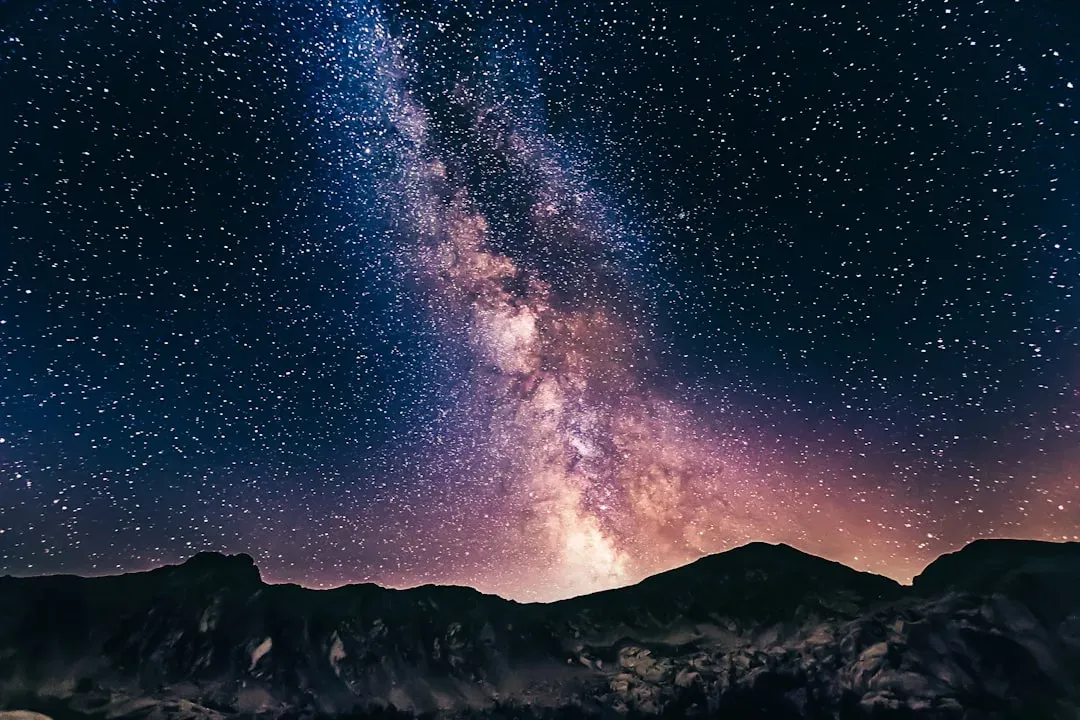
Over billions of years, gravity herded stars, gas, and dark matter into vast whirlpools we now call galaxies, including the one we live in: the Milky Way. Our galaxy probably settled into its recognizable spiral structure several billion years before Earth existed, quietly gathering and recycling stars in long, slow waves. Imagine a cosmic city taking shape, with neighborhoods of bright, young stars and quieter districts of older, redder suns.
Cancer, associated with home and emotional roots, is almost perfectly described by the birth of a galactic “home base” like the Milky Way. Leo, which is often linked to radiance, identity, and being seen, echoes the way galaxies display their star-forming arms across the universe as luminous signatures of who they are. If you’re Cancer or Leo, your temperament connects to this chapter where the universe stopped being an empty highway and turned into a glowing metropolis filled with countless stellar families and showy spiral structures.
Virgo and Libra: Earth Arrives in a Very Old Universe
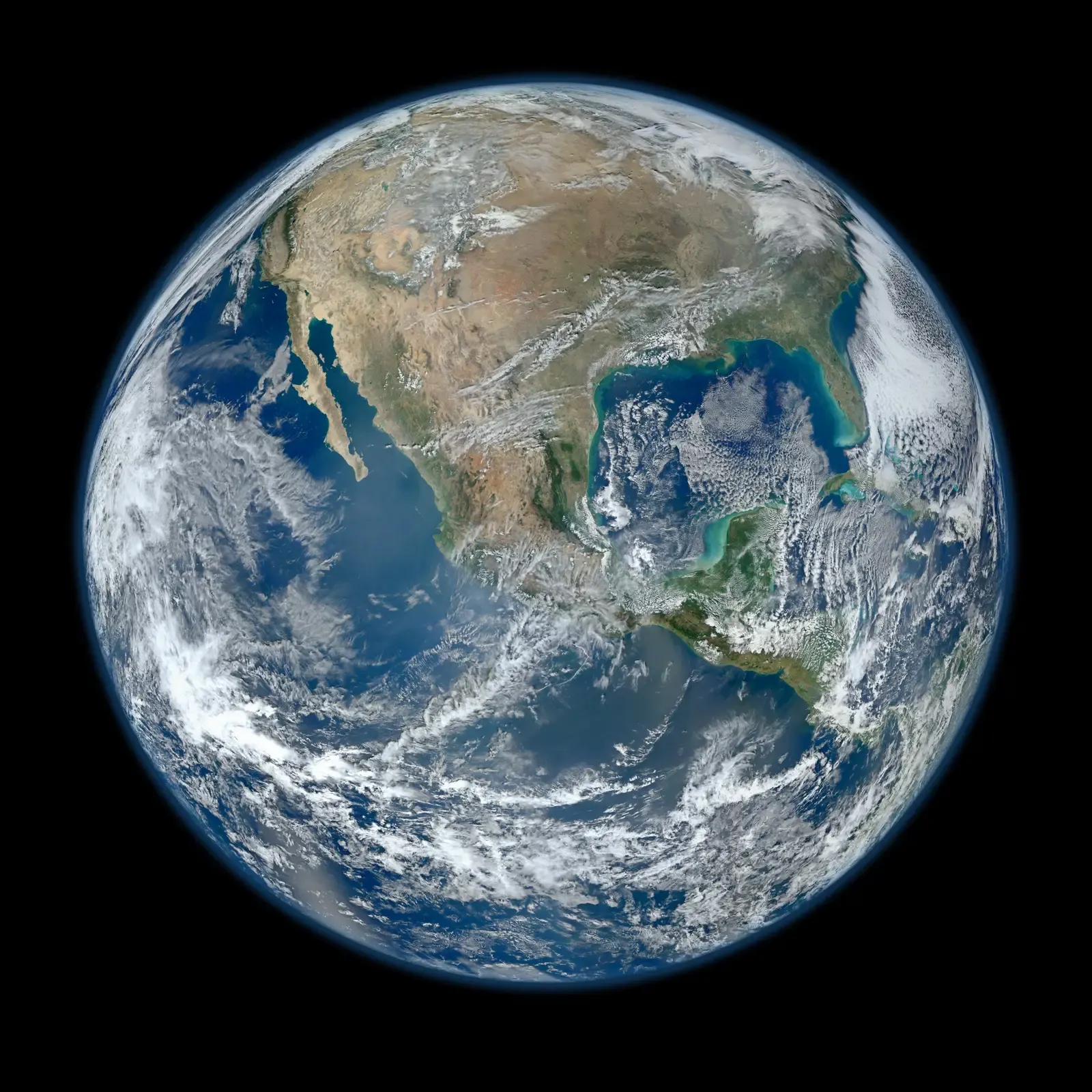
Earth formed about four and a half billion years ago from a disk of dust and gas orbiting a new, medium‑sized star we call the Sun. By that point, the universe was already roughly nine billion years old, which means most of cosmic history had unfolded long before our planet even congealed. Earth is not an early pioneer; it is a late arrival at a party that had been going on for ages, built from the ashes of generations of earlier stars.
Virgo’s reputation for detail, refinement, and improvement matches this late‑stage precision work: the universe had already tried and failed countless times before it finally stitched together a stable, rocky world with the right conditions for complex chemistry. Libra, obsessed with balance and fairness, mirrors the razor‑thin environmental balances that made Earth habitable – the right distance from the Sun, the right atmosphere, the right chemical mix. If you’re Virgo or Libra, your sign is cosmically aligned with the lesson that arriving late with well‑tuned conditions is more powerful than rushing in early with chaos.
Scorpio and Sagittarius: Life Evolves, Dinosaurs Rule, and Time Stretches
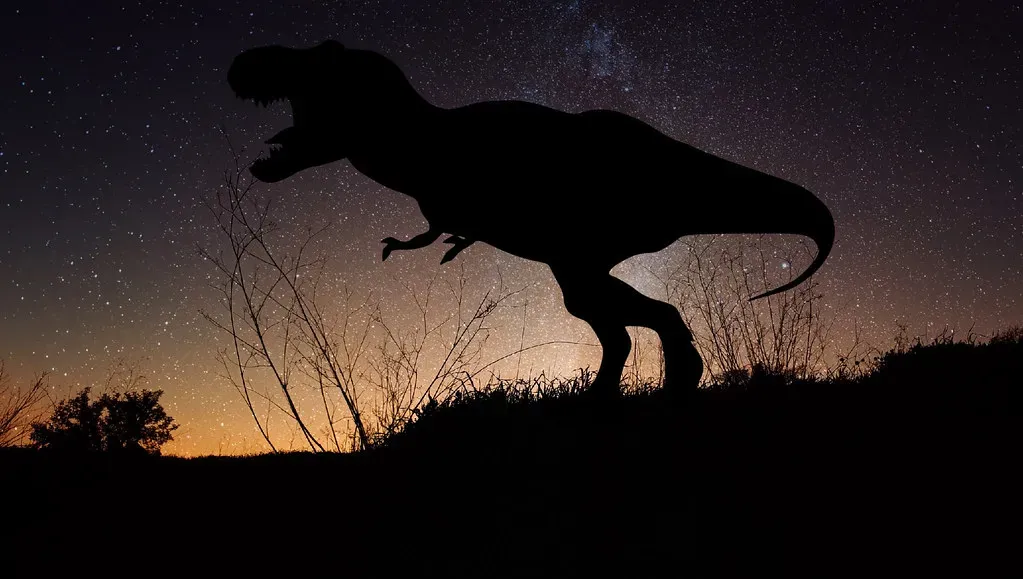
Life on Earth appeared surprisingly early in the planet’s history, but complex animals and eventually dinosaurs took far longer to emerge. Dinosaurs appeared a bit more than two hundred million years ago, which is a tiny sliver when you compare it to the roughly thirteen and a half billion‑year age of the universe. By the time their claws pressed into mud, most galaxies were already ancient, and the universe had spent billions of years refining its large‑scale structure.
Scorpio often gets tied to themes of power, death, and transformation, and nothing embodies that better than the rise and catastrophic fall of the dinosaurs. Sagittarius, associated with exploration and big-picture meaning, resonates with the vast timescales that stretch behind and ahead of those lost worlds, daring us to see their story as one chapter in a much longer epic. If you’re Scorpio or Sagittarius, your sign whispers a hard truth: even the giants who rule for ages are still blinking sparks in a universe that has seen much worse – and much stranger – come and go.
Capricorn and Aquarius: Extinction Clears the Stage for Us
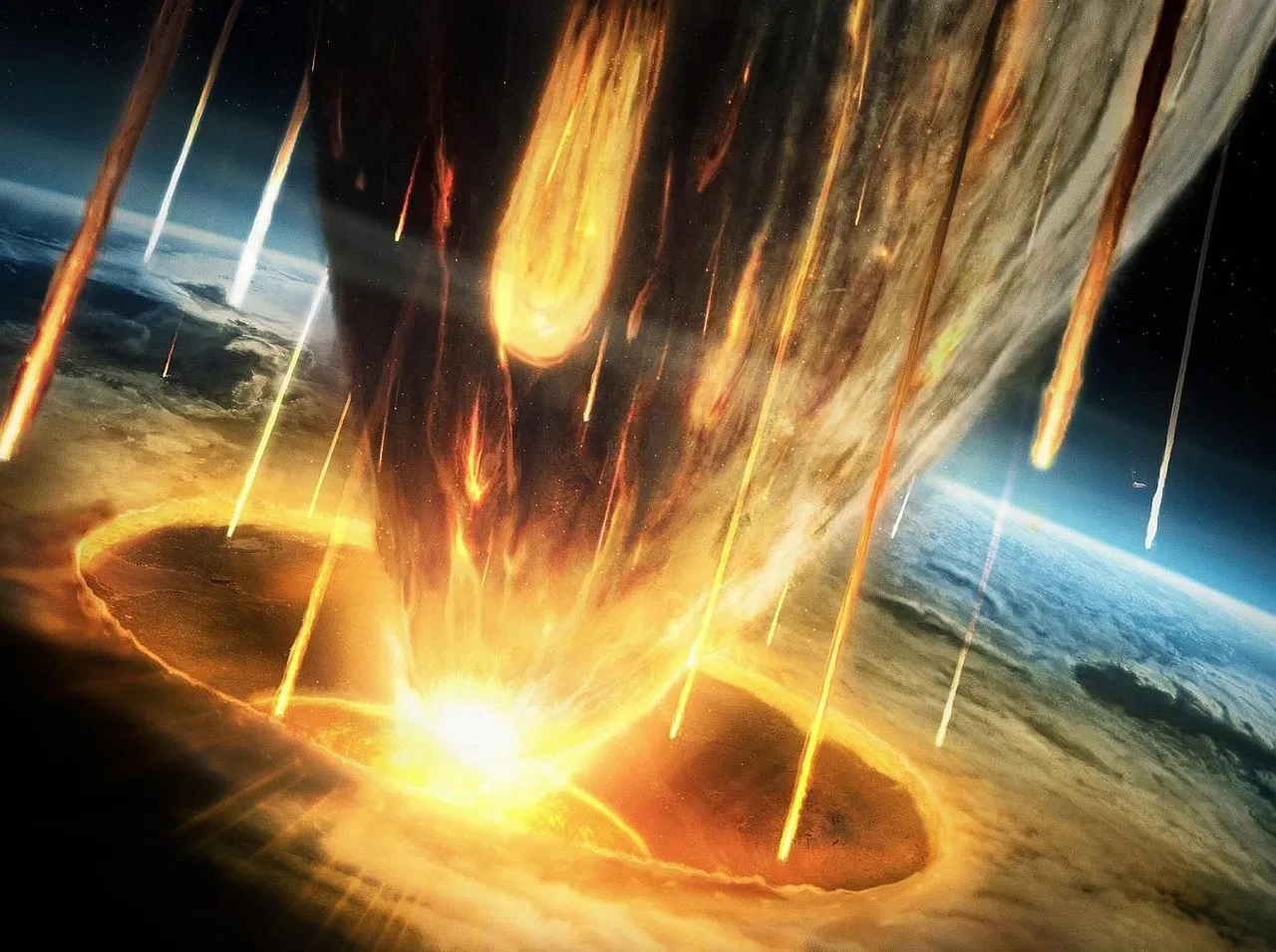
Roughly about sixty‑six million years ago, a large asteroid struck Earth, contributing to a mass extinction that wiped out non‑avian dinosaurs and countless other species. This disaster is the reason mammals, including humans, eventually got their moment; the cosmic dice rolled violently, and the winners were not the strongest but the most adaptable in the new conditions. We like to imagine human history as inevitable, but it is really the fragile outcome of an accident piled on earlier accidents.
Capricorn, linked to endurance, responsibility, and long‑term strategy, matches the way life had to rebuild and adapt slowly after that extinction, turning devastation into a new foundation. Aquarius, associated with disruption, innovation, and radical shifts, echoes the asteroid’s role as a brutal but transformative shock to the system. If you’re Capricorn or Aquarius, your sign lives in this paradox: the structures you rely on and the revolutions you celebrate both exist only because reality is willing to destroy entire eras to make room for something new.
Pisces and the Present: Humans, Consciousness, and Our Tiny Slice of Time
Anatomically modern humans have existed for only a few hundred thousand years, with written history covering just a few thousand – barely a cosmic heartbeat. Yet in that blink, we have built cities, invented physics, named constellations, and argued over horoscopes as if the sky were designed around our personal dramas. From a universal perspective, we are brand‑new, fragile, and not guaranteed to last; from our own perspective, everything feels enormous and urgent.
Pisces is tied to imagination, empathy, and the blurred lines between self and universe, which fits the emergence of conscious beings who can actually wonder what it all means. Every zodiac sign ultimately lives inside this moment: a late‑stage universe, still expanding, with stars and galaxies continuing their silent choreography while we project stories onto them. If you are Pisces – or any sign – your birth chart is really a timestamp in an ancient process, a way of saying, “This is the exact cosmic mood at the instant you joined a universe that was already unimaginably old.”
Why the Cosmic Timeline Makes Every Zodiac Sign Both Smaller and More Important
Once you realize the dinosaurs showed up after nine billion years of cosmic history, and we arrived long after them, every zodiac stereotype suddenly feels almost embarrassingly small. Are you really “a typical Leo” if your star’s atoms were forged in forgotten supernovae, or “just a Virgo” when your existence depends on a billion lucky chemical and geological flukes? The honest answer is that astrology, at its best, is not about predicting the future; it is about giving language to the way we feel as brief, sensitive creatures in an ancient, indifferent universe.
That is why I think the cosmic timeline does not destroy astrology – it humbles it into something more honest and, weirdly, more powerful. Your sign does not make you special compared to other people; it just places your personal story on a backdrop of galaxies, explosions, extinctions, and second chances. In that light, the zodiac is less a cosmic rulebook and more a poetic map we invented to cope with the fact that we were born absurdly late to a universe that had already seen almost everything. And knowing that, you have to ask yourself: if your life is one fleeting spark in a thirteen‑billion‑year night, what are you actually going to do with it?