
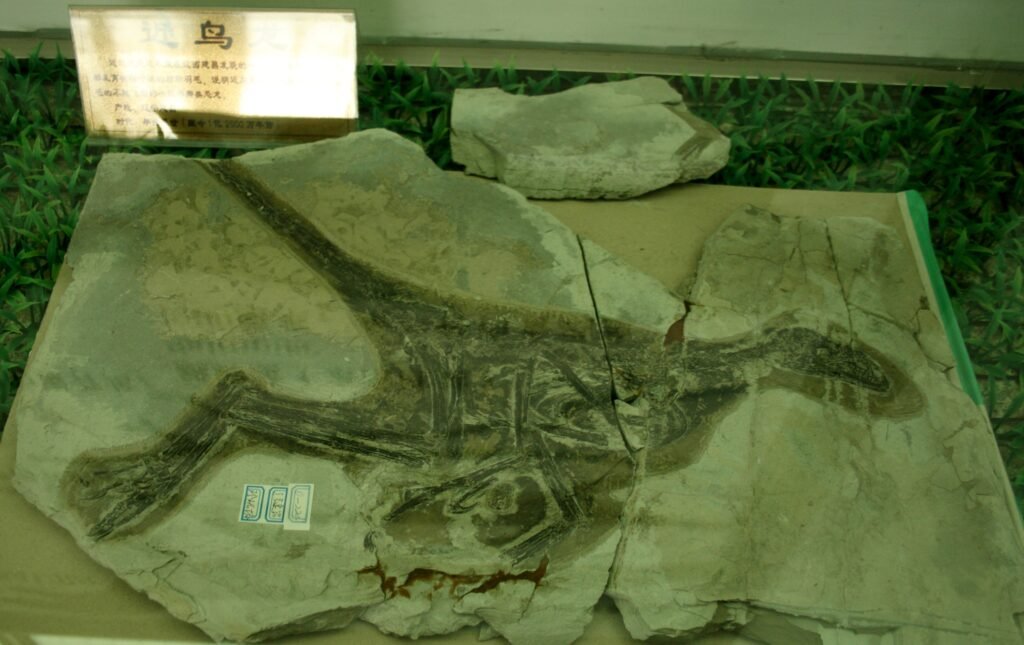
For decades, our picture of dinosaurs has been built almost entirely from bones. Impressive, sure, but also incomplete – like trying to understand a person from nothing but their skeleton. Now, fossilized skin and other soft tissues are quietly rewriting that picture, revealing details so unexpected that even seasoned researchers admit they had to unlearn what they thought they knew.
These rare scraps of fossilized skin, scales, and even impressions of fuzz or filaments are doing something extraordinary: they are putting flesh back on the bones of creatures that vanished tens of millions of years ago. Instead of smooth, dull, gray monsters, we are starting to see dinosaurs as patterned, textured, sometimes even flamboyantly decorated animals. And once you see that, the old textbook drawings never look quite right again.
The Quiet Revolution: From Skeletons To Full-Body Portraits
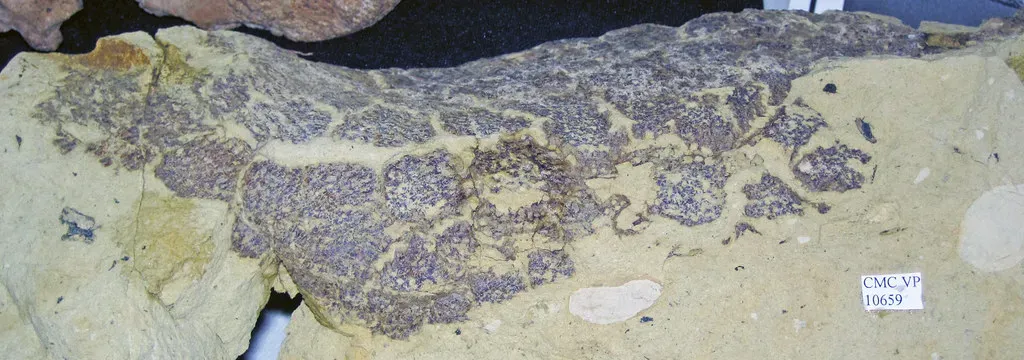
Here’s the shocking part: almost everything you grew up seeing in dinosaur books was based on guesswork from bones alone. A skeleton can tell you size, general shape, and how joints moved, but it says almost nothing directly about skin texture, color, patterns, or the finer details of muscle and soft tissue. For a long time, artists and scientists simply filled in those gaps with plausible but untested ideas, borrowing heavily from living reptiles like crocodiles and lizards.
As more skin impressions and soft tissue fossils turned up, they started acting like reality checks on those guesses. Researchers suddenly had hard evidence showing where scales were tiny and pebbly, where larger armored plates sat, or where soft, possibly feathery coverings took over. That means some classic reconstructions – especially the overly lizard-like ones from the mid‑twentieth century – have quietly become outdated, not because the bones were wrong, but because the skin told a very different story.
How Dinosaur Skin Fossilizes Against All Odds
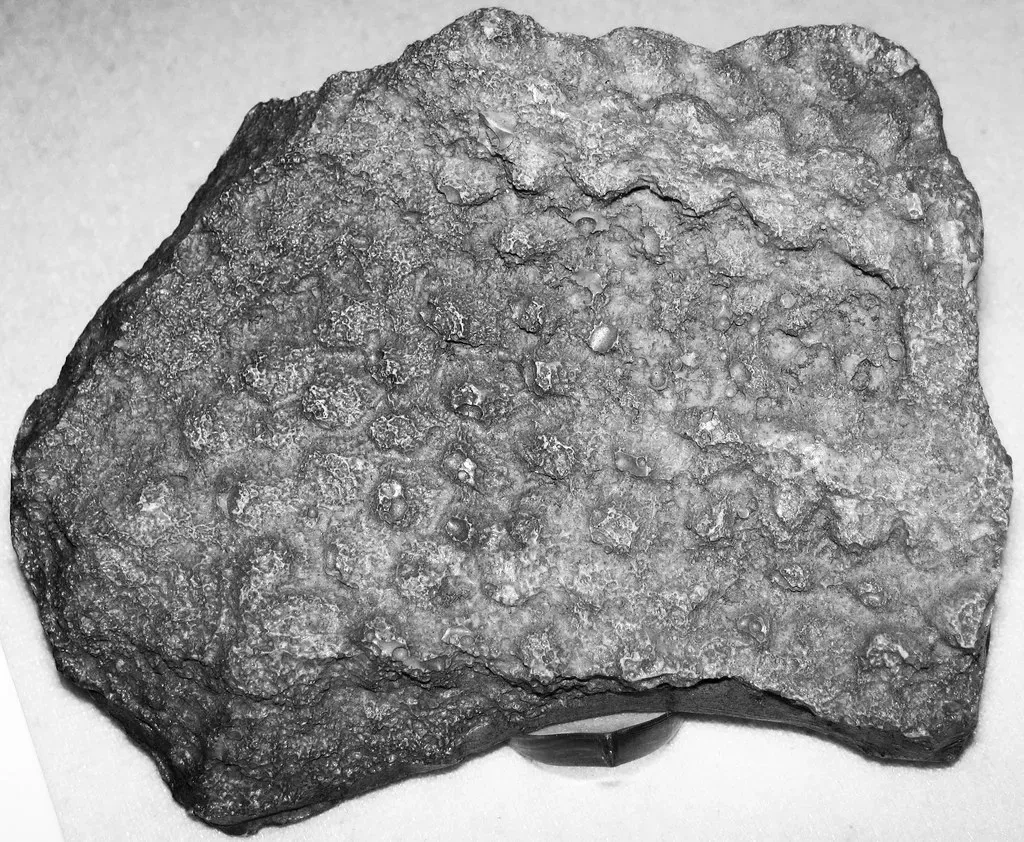
On the face of it, dinosaur skin shouldn’t be here at all. Soft tissues normally rot away quickly after death, leaving only the toughest parts like bone and teeth. For skin to make it into the fossil record, a wildly specific combination of rapid burial, low oxygen, and the right chemical conditions has to kick in before scavengers and microbes destroy everything. It is a bit like trying to save a snowflake in a desert – the odds are terrible, but under just the right conditions, it works.
When that perfect storm does occur, skin can be preserved in a few different ways. Sometimes the skin itself mineralizes, being replaced by minerals that hold the fine texture of scales or wrinkles. Other times, the skin decays but leaves behind a detailed imprint in the surrounding sediment, like a natural 3D stamp. To a palaeontologist, those delicate patterns in rock are gold, because they lock in microscopic details of an animal’s outer surface that are otherwise lost forever.
Scales, Armor, And Feathers: A Patchwork Of Textures
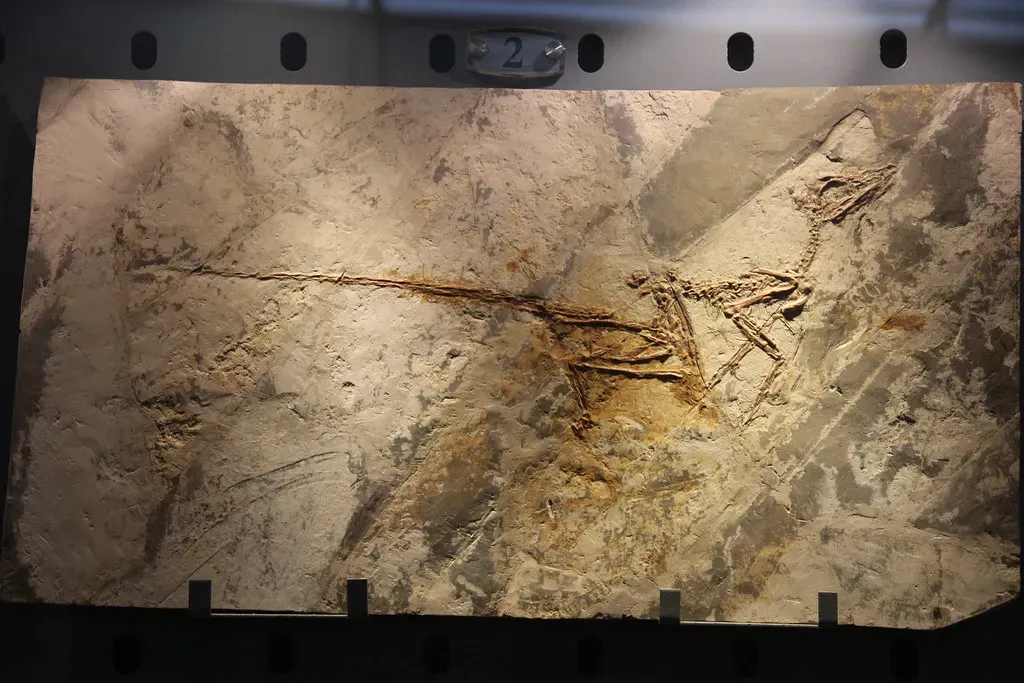
One of the biggest surprises from fossilized skin is just how varied dinosaur bodies really were. Instead of being uniformly scaly from nose to tail, many species seem to have had a mosaic of textures: small, flexible scales along parts of the body, larger plate-like structures over the shoulders or back, and in some lineages, patches of fuzz or feathers. It is like discovering that the “one-fabric” outfit you assumed they wore was actually a patchwork jacket stitched from different materials.
This patchwork tells scientists a lot about lifestyle and evolution. Heavy body armor and thick, bony plates make sense for animals that needed protection from big predators, while lighter, more flexible skin fits species that favored speed and agility. Feathery or filamentous coverings start to connect dinosaurs more directly with birds, hinting at roles in insulation and display. The more of these skin impressions we find, the more obvious it becomes that there was no single “dinosaur look” – there were dozens of them, each tuned to a different way of living.
Color Clues: What Skin And Feathers Say About Dinosaur Style
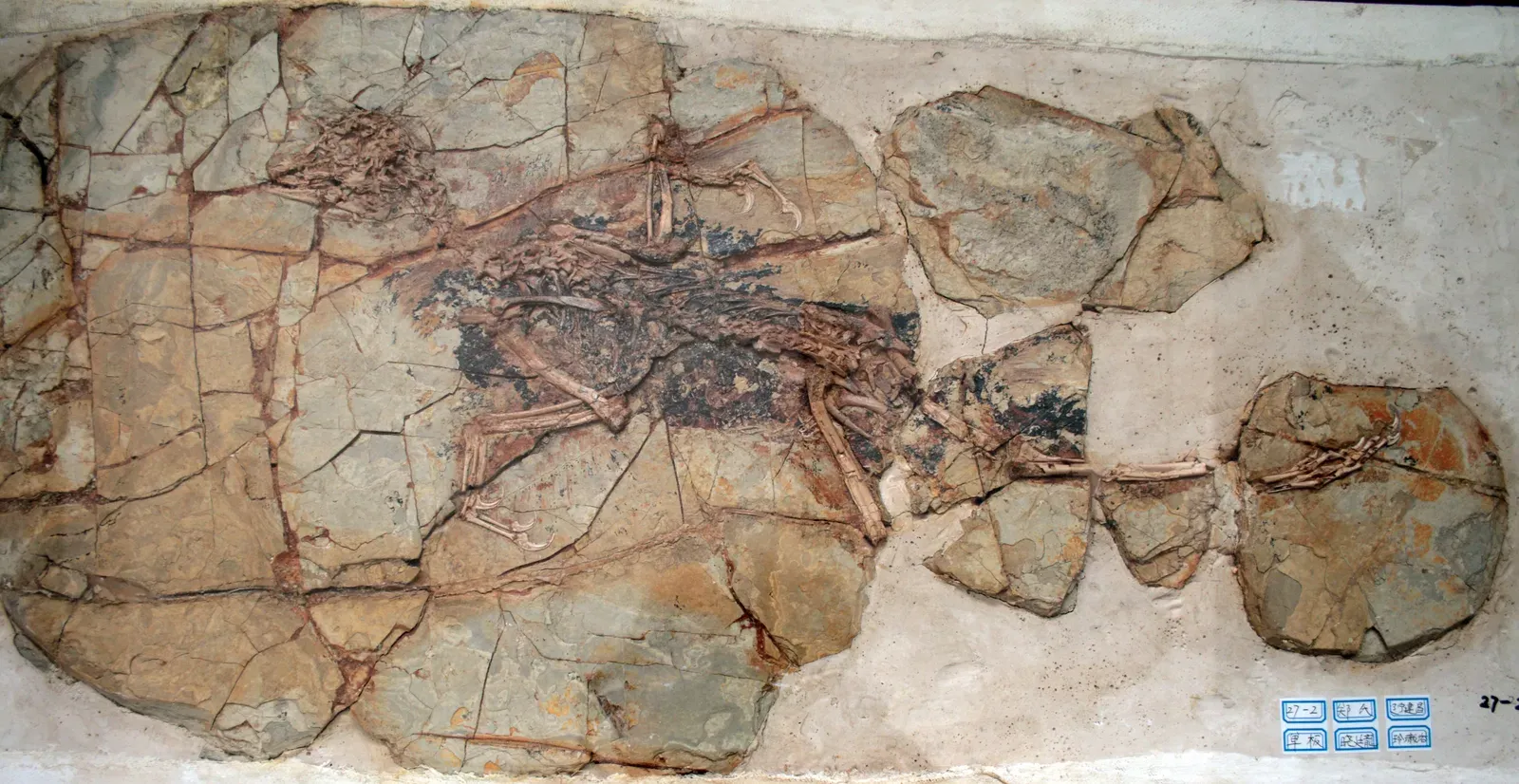
Color might seem like the one thing we could never know for sure, but skin and feather fossils are beginning to chip away at that assumption. In especially well-preserved specimens, tiny structures thought to be remnants of pigment-bearing organelles inside feathers have been studied under powerful microscopes. By comparing their shapes and arrangements to those in modern birds, researchers can infer whether the original feathers were likely dark, light, or even patterned in bands or spots.
Even when exact colors remain uncertain, the very existence of such structures suggests that many dinosaurs were not just drab, mud-colored creatures. Some may have had contrasting patterns, darker backs and lighter bellies, or markings useful for camouflage and signaling. Think of it like looking at a faded old photograph where the colors are gone but the shading remains – you cannot say whether the shirt was red or blue, but you can tell if it was dark or light and whether it stood out or blended in. That alone is a dramatic step beyond blank gray scales.
Faces, Crests, And Display: Skin As A Social Signal
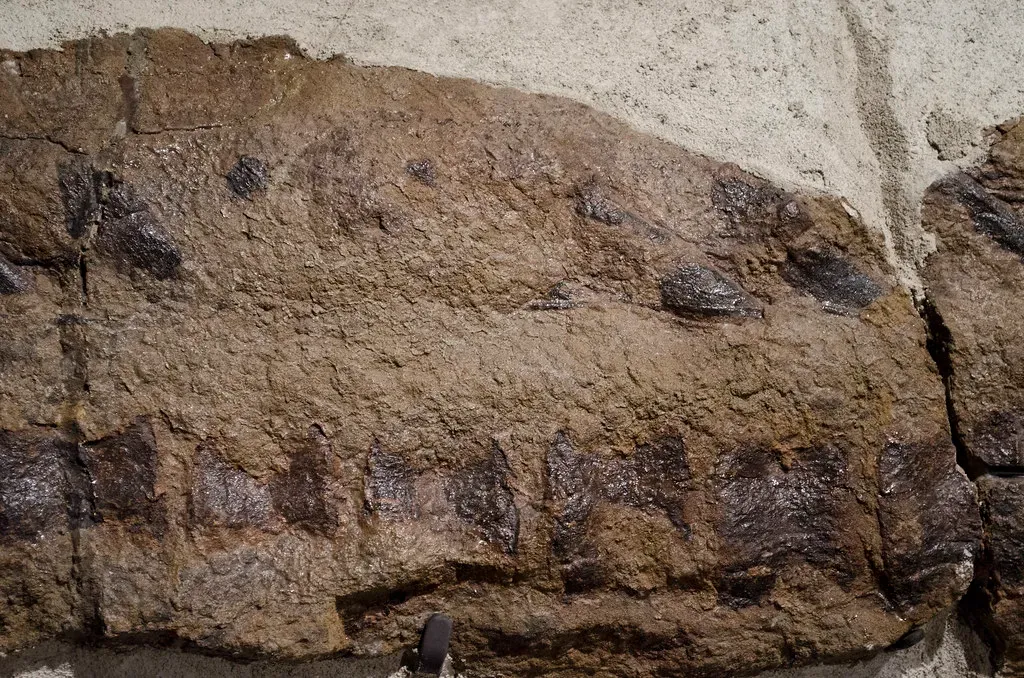
Skulls can show you where a crest or horn sat, but they do not reveal whether that structure was bare bone, covered in thick skin, or wrapped in something more dramatic. Fossilized skin around the head and neck is starting to hint that many dinosaurs had far more expressive faces and display structures than the bare skulls imply. Wrinkled skin folds, keratinous coverings, and elaborate textures could have turned simple bony ridges into striking visual billboards.
This matters because skin is one of the main ways animals communicate today, whether through bright patches of color, inflatable sacs, or subtle changes around the eyes and mouth. If dinosaurs had similarly complex soft tissues, it means they may have used visual signals to attract mates, intimidate rivals, or recognize members of their own species. Personally, I find this shift one of the most exciting: it nudges dinosaurs away from being generic giant reptiles and closer to the socially dynamic, visually expressive animals we know from birds and mammals.
Muscles, Bulk, And Posture: Soft Tissues Correct The Silhouettes
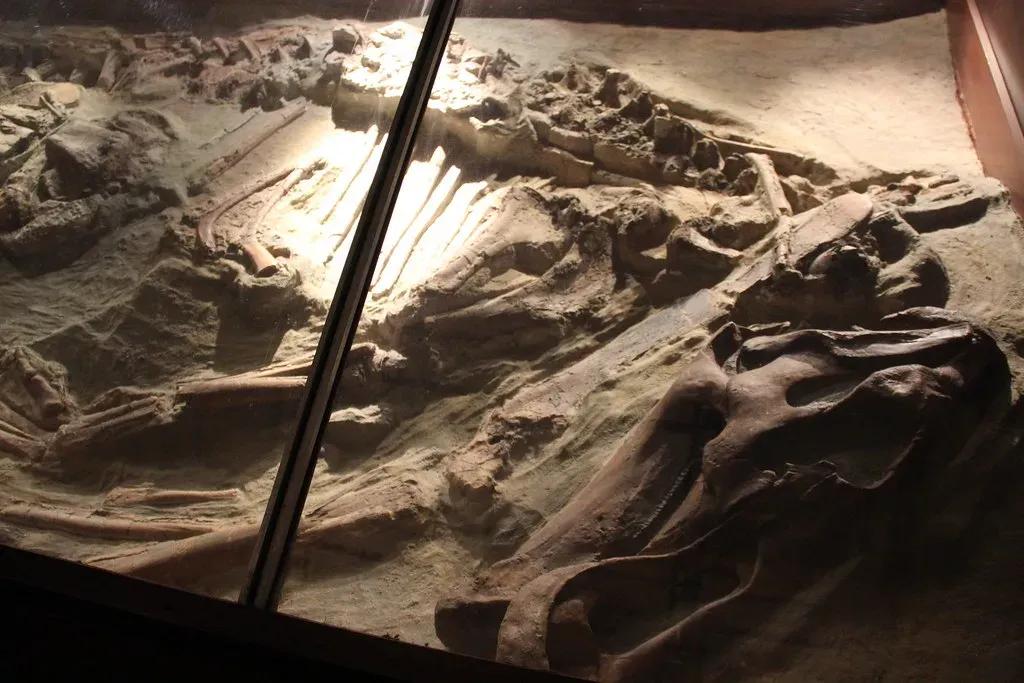
Bones give you a bare frame, but skin and the traces it leaves help you understand the true outline of the animal. Certain spectacular fossils preserve not just scales but also the bulges where muscles once sat and the actual contour of the tail, limbs, and body. Those details have forced scientists to redraw some dinosaurs as more robust or more streamlined than earlier skeletal-only reconstructions suggested. A thigh that looked slender when drawn just from the bones might, in life, have been wrapped in powerful muscle and thick skin.
These corrections matter for biomechanics and behavior. Body shape directly affects how an animal balanced, how fast it could move, and how much energy it spent walking or running. When skin impressions show, for example, that a tail was deep and muscular rather than thin and whiplike, it changes how we think that tail was used – maybe more for propulsion in water, or for stability, or as a heavy counterweight. To me, this is the most humbling part of the story: each new skin fossil quietly reminds us that even the most confident old drawings were still missing huge pieces of the puzzle.
Rewriting Pop Culture Dinosaurs – And Our Imagination
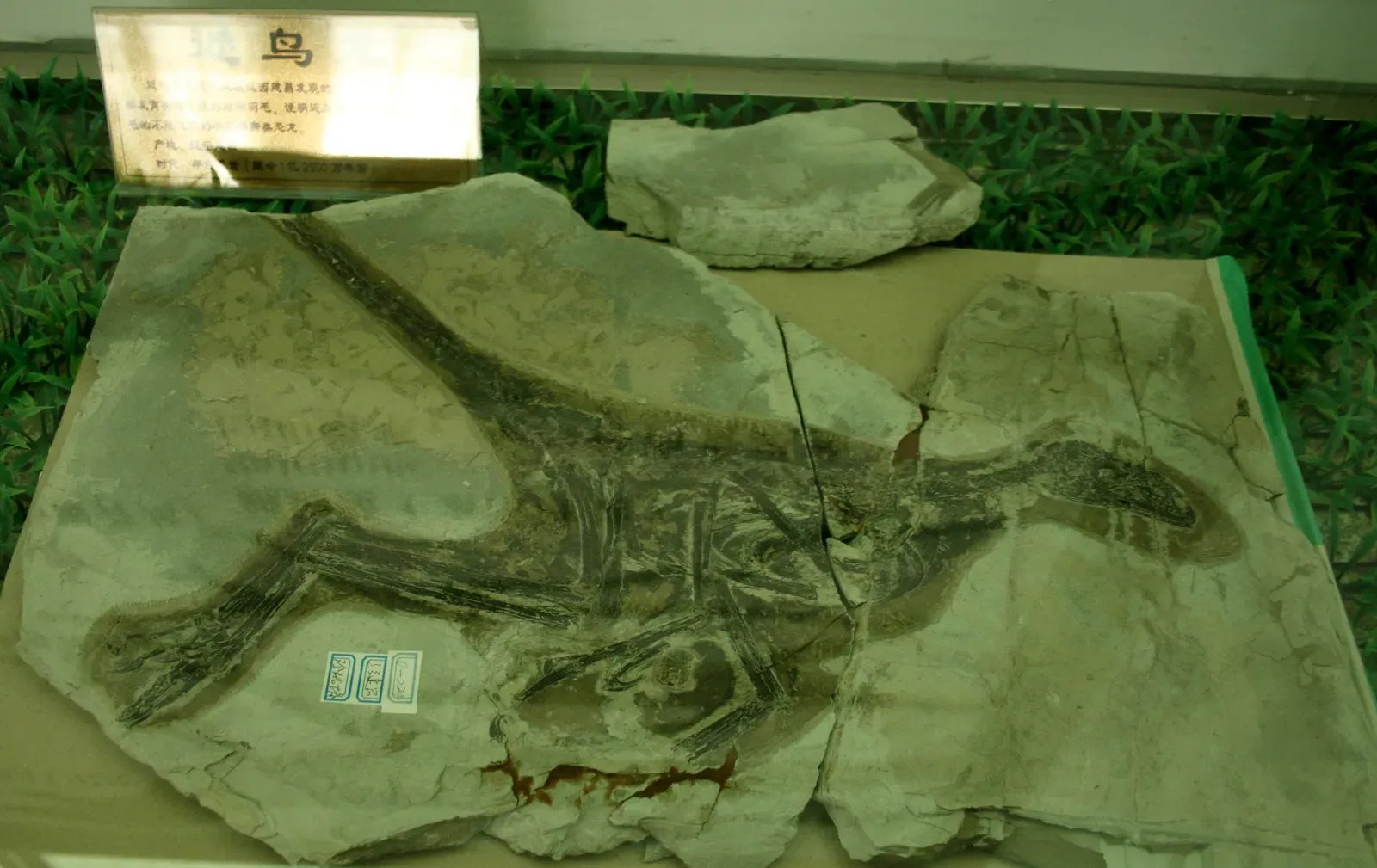
You can feel the impact of fossilized skin not just in scientific papers but in how dinosaurs are portrayed in movies, documentaries, and games. The lumbering, tail-dragging, uniform green monsters of earlier decades have gradually given way to sleeker animals with more accurate posture, varied textures, and in some cases, feathery coverings that would have looked outrageous to audiences a generation ago. It has not always been a smooth transition, especially when beloved but outdated designs collide with what the evidence now suggests.
This push and pull between data and nostalgia is fascinating. On one hand, people have deep emotional attachments to the dinosaurs they grew up with; on the other hand, it is hard not to be drawn to the richer, more complex, and frankly cooler versions supported by skin and soft tissue evidence. I think the best modern depictions lean into that complexity instead of smoothing it away – they embrace the idea that dinosaurs could be as strange and diverse as the animals we see around us now. If a peacock can exist today, who are we to insist that a crested dinosaur had to be plain?
Why These Fragile Traces Matter More Than Ever
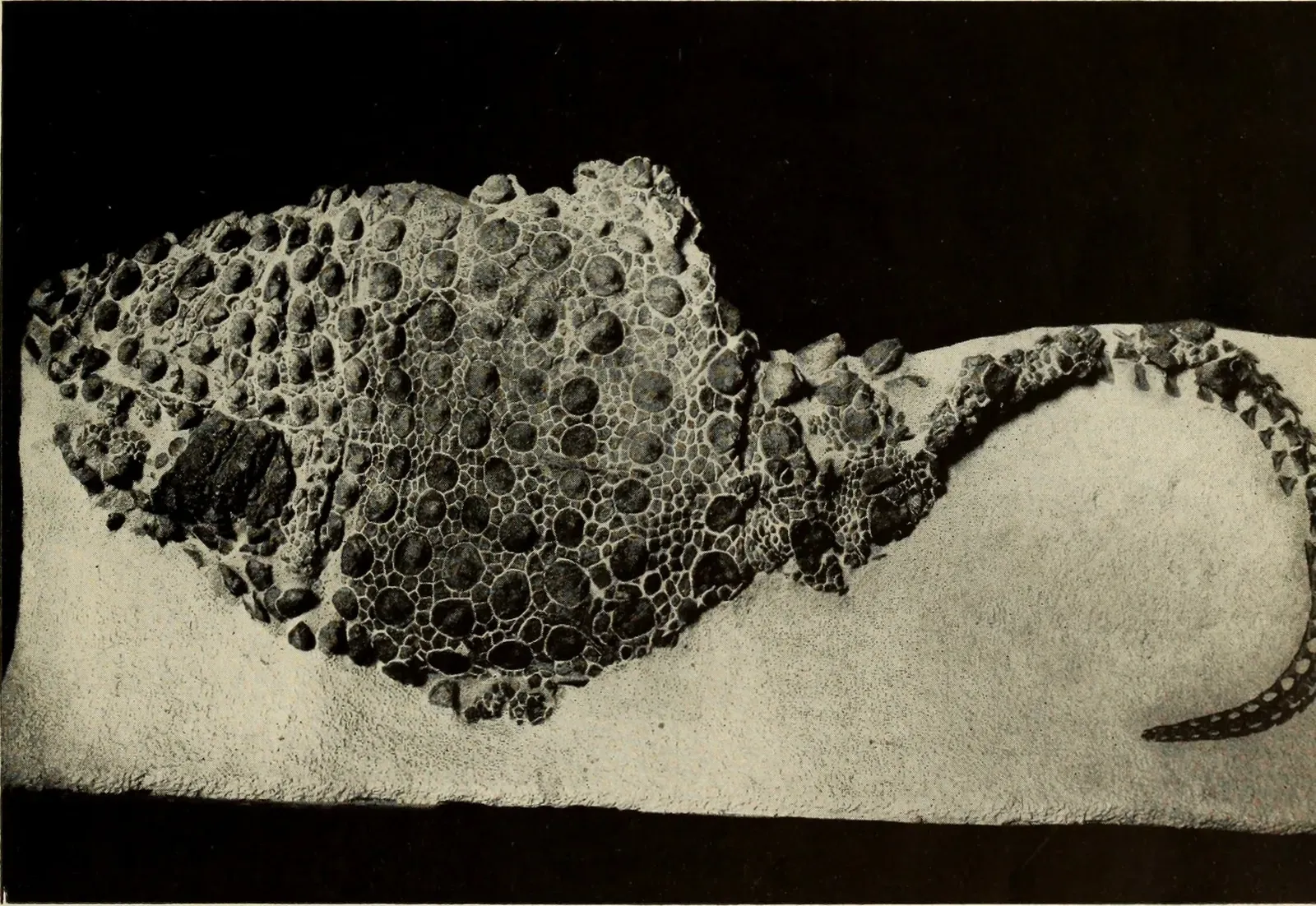
Fossilized skin may seem like a minor bonus compared to a complete skeleton, but it is quickly becoming clear that these fragile traces are absolutely central to understanding dinosaurs as living creatures. They carry information about texture, possible coloration, body shape, and even aspects of behavior in a way bones alone simply cannot. Each new specimen adds fine-grained details that either confirm or challenge existing reconstructions, making our mental picture sharper and more grounded in reality.
In my view, the most important lesson here goes beyond dinosaurs. Skin fossils are a reminder that science is a moving target: what seems definitive in one decade can be quietly overturned by a few new, inconvenient pieces of evidence. I think we should welcome that disruption. Every time a fossilized strip of dinosaur skin tells us our old illustrations were wrong, we are not losing something – we are trading in a flat, skeletal cartoon for a richer portrait of real animals that once walked, ran, hunted, and displayed on this same planet. And honestly, is there anything more thrilling than realizing the ancient world was stranger and more vivid than we dared to guess?