Imagine rewinding Earth’s history so far back that there are no trees, no dinosaurs, not even fish with jaws yet – just strange, simple life in a world almost unrecognizable. Now imagine that the way those early oceans and continents were arranged did not just shape the planet’s climate, but quietly steered the entire future of evolution for hundreds of millions of years. That sounds like the plot of a sci‑fi movie, but it is exactly the kind of story geologists and paleobiologists are piecing together from rocks, fossils, and chemical clues.
In recent decades, scientists have become increasingly convinced that one colossal landmass – an ancient supercontinent – acted like a long-running experiment that altered oceans, atmosphere, and ultimately the path that life took. It did not work alone, of course, but its size, position, and breakup cycles seem to have left fingerprints on everything from mass extinctions to bursts of evolutionary innovation. Once you see those patterns, it becomes hard to look at Earth’s history, or even modern biodiversity, in quite the same way.
The Supercontinent Story: From Rodinia to Pangaea and Beyond
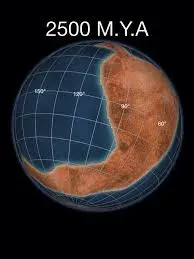
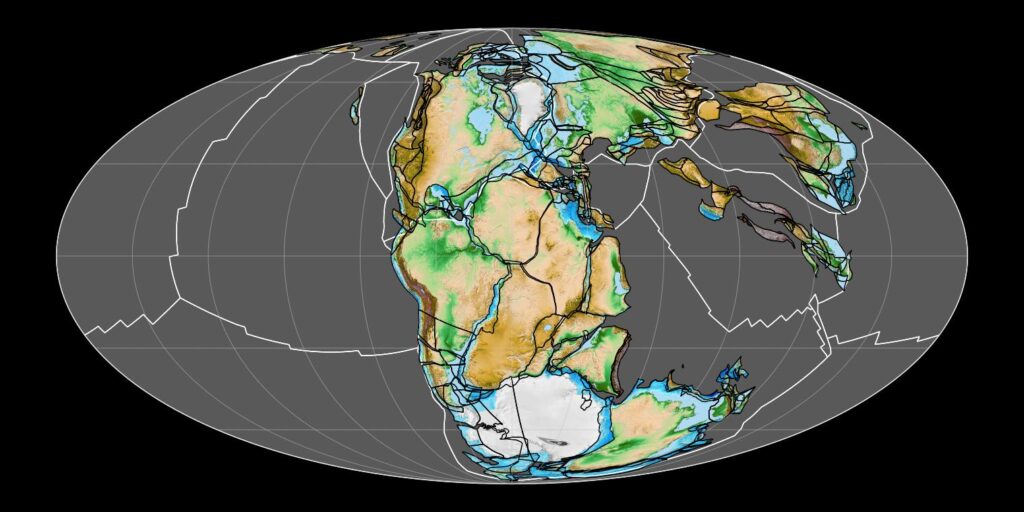
To understand the influence of a single supercontinent, you have to start with the idea that supercontinents are not one‑off accidents. Over billions of years, Earth’s continents have repeatedly collided into giant landmasses and then split apart again, like a very slow heartbeat. Earlier supercontinents such as Nuna and Rodinia came together long before well-known Pangaea existed, and each of them reshaped ocean circulation, climate belts, and habitats on a truly global scale.
Many researchers focus on Rodinia, which formed roughly a billion years ago, and later Pangaea, which dominated the late Paleozoic. Both appear tied to dramatic evolutionary shifts: Rodinia’s breakup lines up with changes in ocean chemistry and early complex life, while Pangaea’s assembly and breakup bracket major diversification of land animals and plants. When scientists say one ancient supercontinent influenced evolution for hundreds of millions of years, they are really pointing to how these mega‑landmasses set up conditions that rippled forward through deep time, far beyond the lifespan of the continents themselves.
How a Single Giant Landmass Rewrites the Planet’s Climate
A supercontinent is not just bigger; it behaves differently from smaller scattered continents. A massive interior far from the sea tends to be dry, with huge deserts, extreme temperatures, and strong seasonal swings. Coastlines become relatively shorter compared to land area, meaning fewer shallow continental seas, which are usually hotspots for marine life. Winds, monsoons, and ocean currents reorganize around this new geography, redistributing heat and moisture in patterns that can persist for tens or even hundreds of millions of years.
This matters because climate is one of life’s strictest gatekeepers. If a supercontinent sits near the equator, it can pump moist, warm air into the atmosphere and intensify weathering of rocks, which can draw down carbon dioxide and even cool the climate over geologic timescales. If it straddles the poles instead, huge ice sheets can form and trigger powerful feedback loops, sometimes pushing the planet toward global glaciations. In both cases, global climate is not just a background condition; it becomes a creative and destructive force that can open ecological doors for some species while slamming them shut for others.
Oceans, Oxygen, and Nutrients: The Hidden Engine of Evolution

When a supercontinent assembles, the surrounding ocean basins become deeper and narrower in places, and many shallow shelves disappear. When it breaks apart, new coastlines and freshly flooded continental shelves appear like newly built apartment blocks for marine organisms. This constant rearrangement changes how currents mix surface waters and deep waters, which in turn alters how nutrients and oxygen circulate through the seas.
Geochemical evidence from ancient rocks suggests that these shifts often go hand‑in‑hand with big swings in oxygen levels and nutrient availability. More oxygen in the oceans and atmosphere can support larger, more complex bodies and more active metabolisms, while nutrient booms can fuel massive plankton growth at the base of the food web. At the same time, poor circulation in certain basins can lead to oxygen‑poor or even toxic deep waters, setting the stage for ecological stress and extinction. In that sense, an ancient supercontinent acts like a hand on the throttle of Earth’s biological engine, sometimes revving it up, sometimes choking it.
Mass Extinctions and Evolutionary Booms: A Violent Feedback Loop
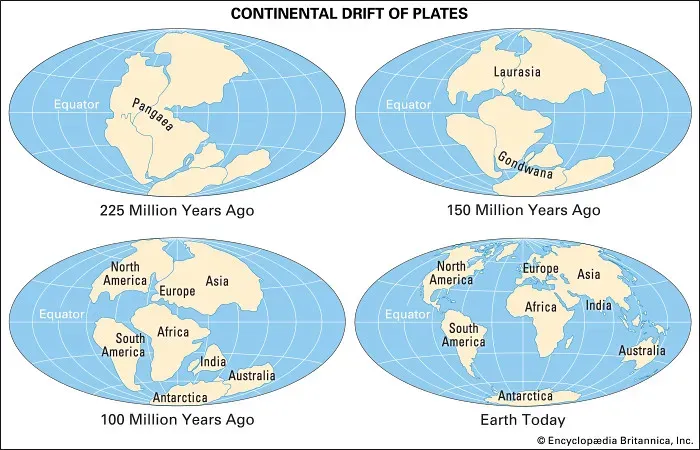
The rock record shows that periods of supercontinent assembly and breakup often coincide with some of the most dramatic crises and rebounds in life’s history. As plates collide to form a supercontinent, mountain ranges rise, volcanoes belch gases, and sea levels can fall, squeezing marine habitats and stressing ecosystems. Later, when the giant landmass rifts apart, massive volcanic provinces can form, dumping enormous amounts of carbon dioxide and other gases into the atmosphere, often linked to abrupt warming, ocean acidification, and widespread die‑offs.
Yet those same destructive pulses are followed by breathtaking bursts of evolutionary creativity. After an extinction event, empty ecological niches become opportunities for survivors to diversify into new forms and lifestyles. New coastlines, rift valleys, and shelf seas created during breakup offer previously unavailable habitats and migration routes. In this way, a supercontinent does not just crush and reset life; it also reshuffles the deck, encouraging evolutionary experiments that may never have happened under more stable conditions.
Life on Land: From Bare Rock to Forests and Giant Reptiles
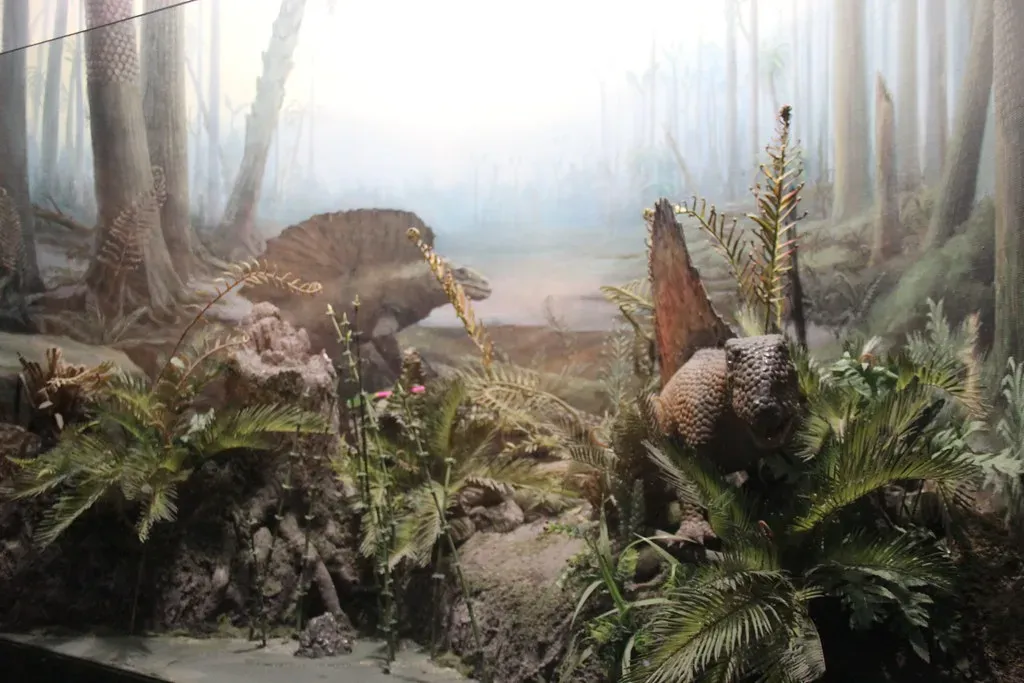
One of the most striking legacies of an ancient supercontinent is how it shapes life on land. When most land is welded into a single continuous mass, species can in principle spread very widely, but they have to navigate vast interior deserts, mountain chains, and climate extremes. Over time, this geography encourages the evolution of hardy, adaptable organisms that can cope with drought, seasonal cold, or long migrations. It may also foster huge connected ecosystems – think of super‑sized versions of today’s Eurasian steppe or African savanna – where large herbivores and predators can roam enormous distances.
As climates and sea levels shift, that same landmass gradually transforms from barren rock and sparse pioneer plants into complex mosaics of forests, swamps, floodplains, and uplands. These environments provided the backdrop for critical steps like the rise of seed plants, the spread of the first forests, and the radiation of reptiles and early mammals. In a sense, the supercontinent acts as a gigantic stage set: its layout determines where rivers carve valleys, where coal‑forming swamps develop, and where inland seas sometimes flood and retreat, all of which leave a long imprint on who lives where and who eventually dominates.
Biogeography and Isolation: One World, Many Evolutionary Stories
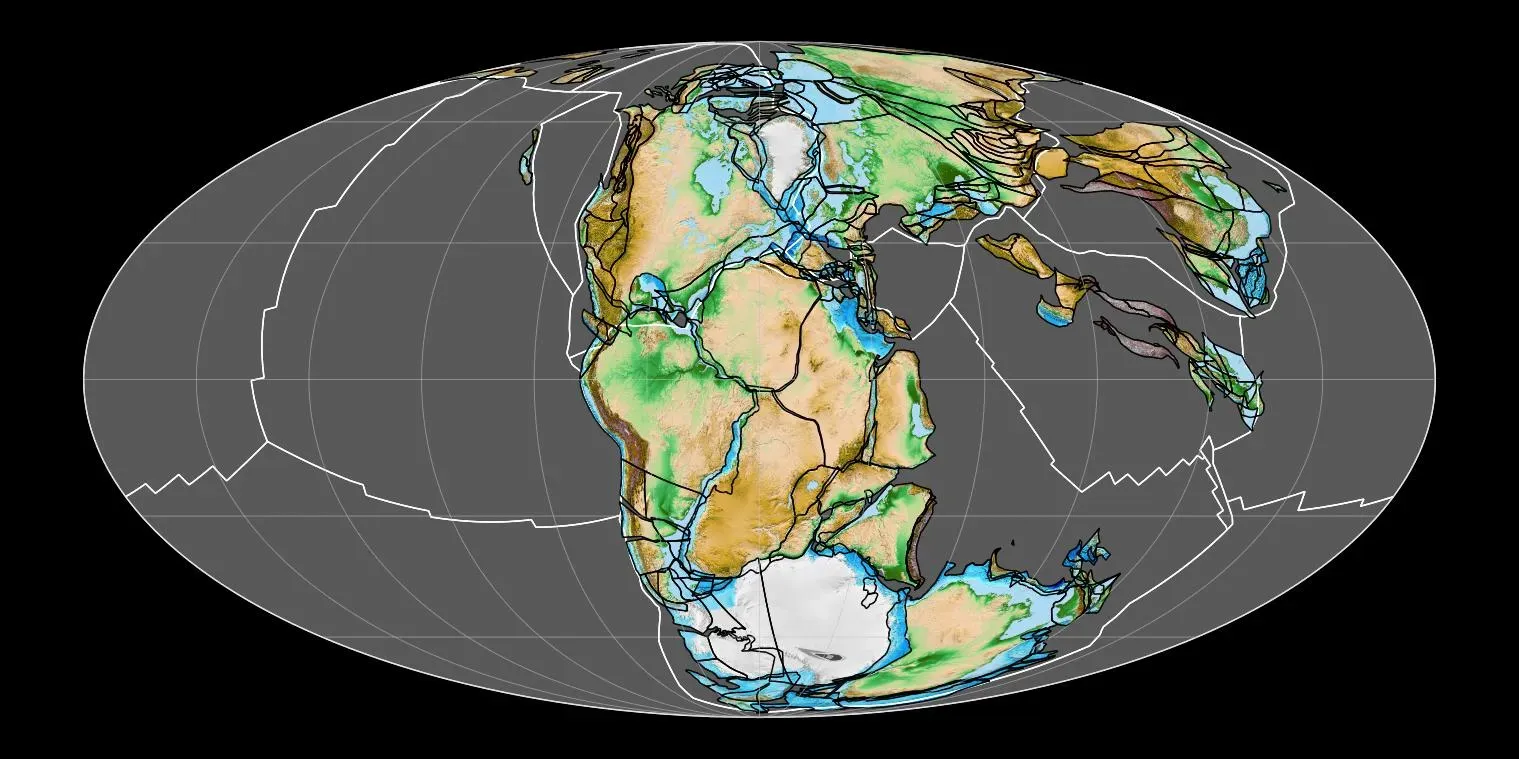
It is tempting to assume that a single supercontinent would mean a completely interconnected global ecosystem, but the reality is subtler. Even on one huge landmass, mountain belts, climate zones, and inland seas can isolate populations from each other. Over millions of years, those barriers allow lineages to diverge, leading to distinct faunas and floras in different regions, a bit like how South America and Africa evolved separate sets of animals after they drifted apart.
As the supercontinent breaks up, fragments drift into new latitudes and climates, carrying their unique life forms with them. This sets up a whole new round of evolutionary and ecological drama when formerly isolated lineages encounter each other again on colliding continents. Some species become invasive winners, others vanish under the pressure of new competitors or predators. The modern distribution of many plant and animal groups still reflects these long‑ago journeys, which means that when we look at a map of biodiversity today, we are really seeing the faded echoes of ancient continental jigsaw puzzles.
Rocks, Fossils, and Models: How Scientists Reconstruct This Lost World
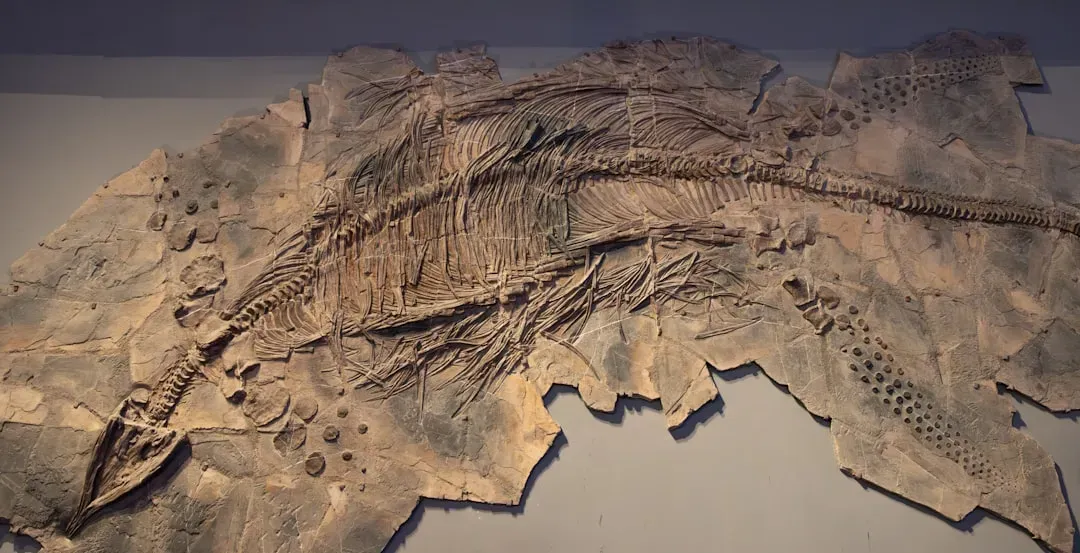
All of this might sound almost too neat, so it is worth asking how we know any of it. The picture comes from multiple lines of evidence: the magnetic signatures in rocks that reveal where continents sat relative to the poles, the matching mountain belts and rock types on now‑separate continents, and the fossil distributions that show where certain species once lived. Geochemists add another dimension by analyzing isotopes of elements like carbon, sulfur, and strontium in ancient sediments, which act like coded messages about past oxygen levels, volcanic activity, and weathering rates.
On top of those hard data, computer models of climate and ocean circulation let scientists test how different supercontinent configurations would change winds, currents, and temperature patterns. No single piece of evidence is perfect, and there is still plenty of debate and uncertainty about details, from exact timelines to the strength of particular links between geography and evolution. But when independent clues point in the same direction, the idea that one or more ancient supercontinents profoundly influenced life for staggering spans of time stops being a wild guess and starts to look like the most reasonable explanation.
Why This Deep‑Time Story Matters for Our Future
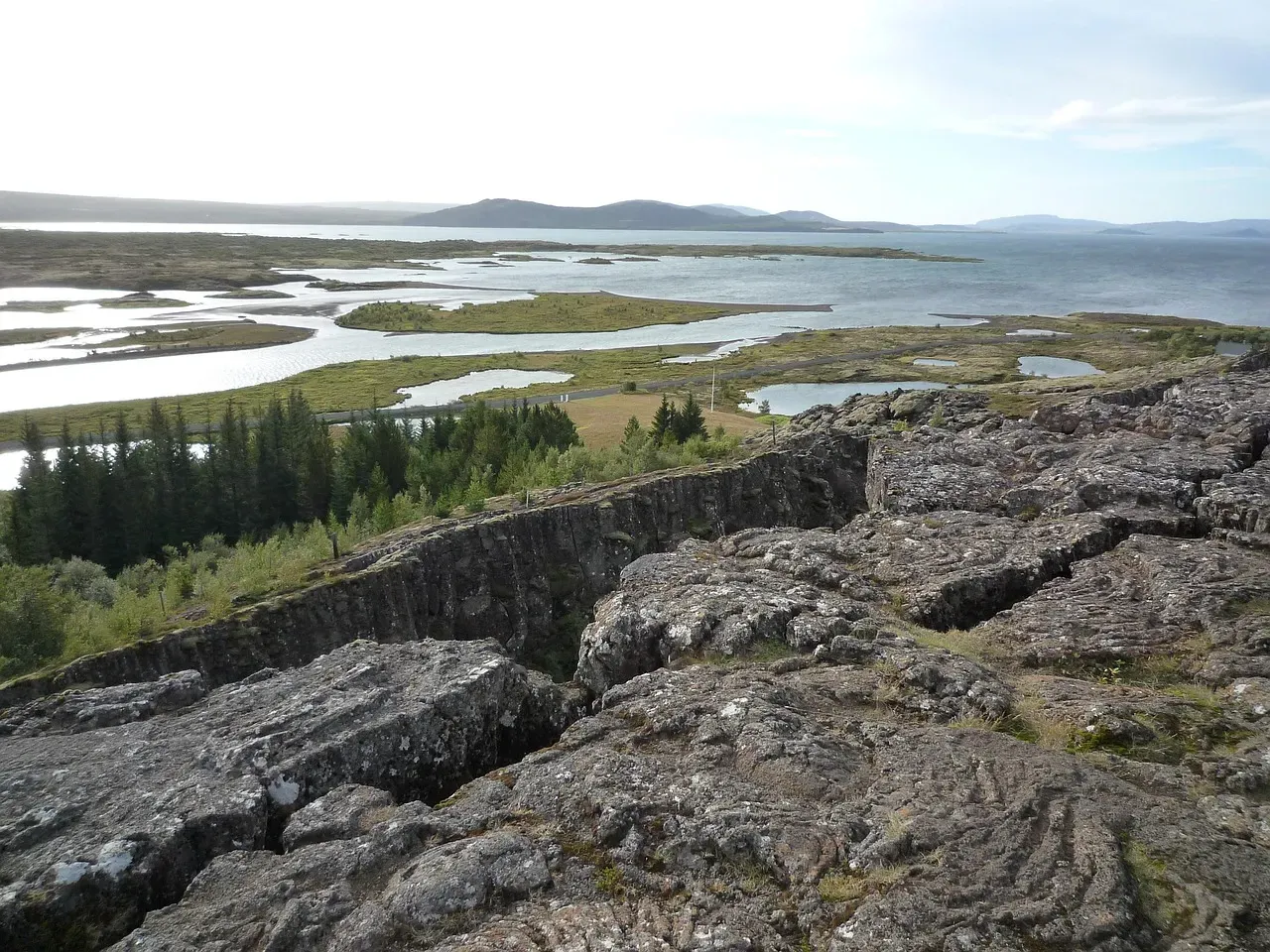
It can feel abstract to talk about continents that vanished hundreds of millions of years ago, but this is not just trivia for geology fans. The supercontinent story is a powerful reminder that life does not evolve in a vacuum; it is inseparable from plate tectonics, climate swings, and long‑term changes in oceans and atmosphere. Understanding those links helps us see modern climate change and biodiversity loss in a wider context, not because the past repeats exactly, but because it shows how sensitive living systems are to big environmental shifts.
Personally, I think the most unsettling and inspiring message is that Earth is never really done reshaping the rules of the game. New supercontinents will likely form again in the far future, and with them will come new climates, new oceans, and new evolutionary gambles. We may not be around to see that next chapter, but we are absolutely present in this one, in which our own actions now rival supercontinents and volcanoes in their ability to alter the planet. The question is whether we learn from deep time or keep pretending we are separate from the forces that have shaped life all along.
Conclusion: One Continent, Many Consequences
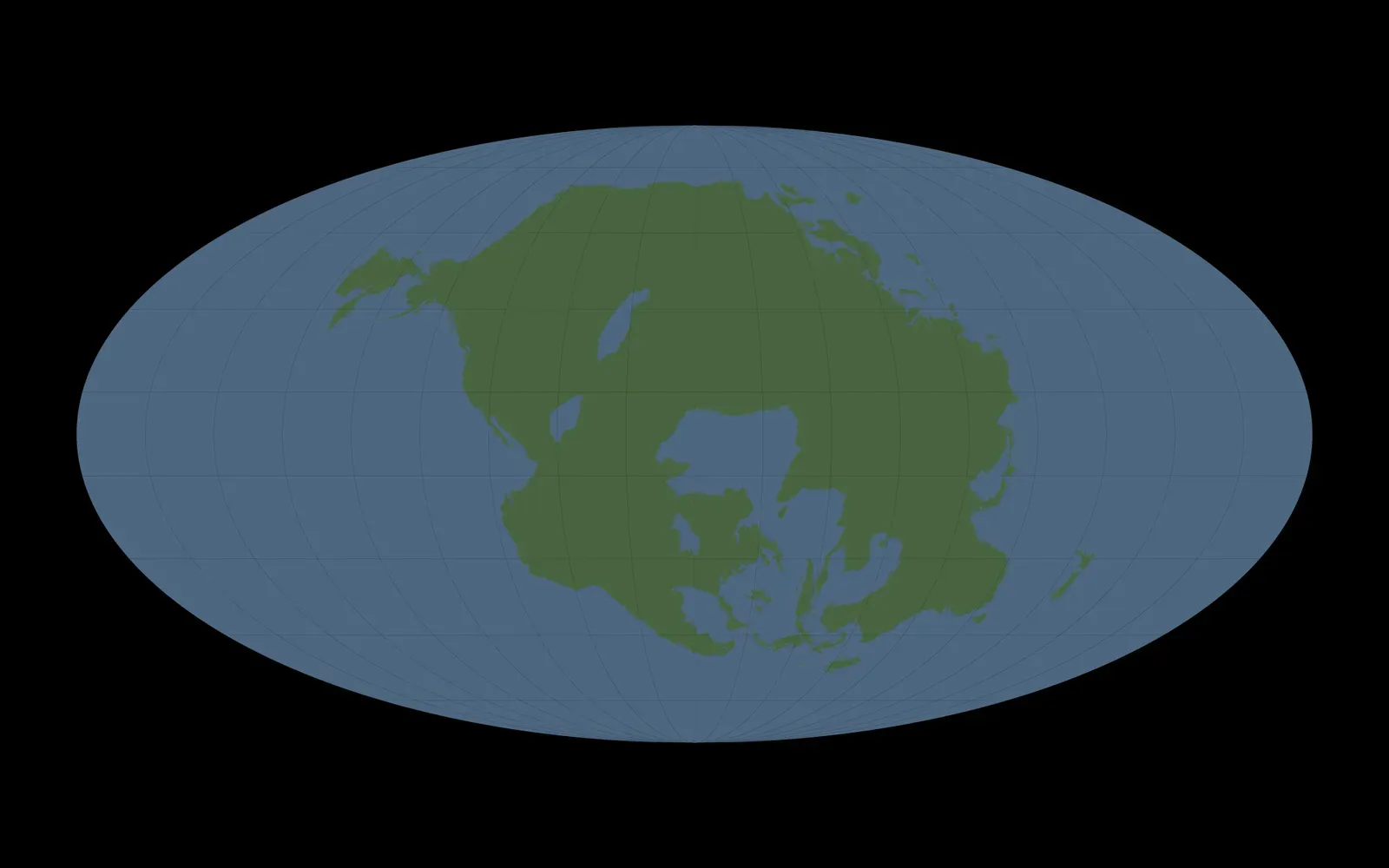
Looking at the evidence, it is hard not to see ancient supercontinents as some of the main architects of life’s long story, not just passive backdrops. By rearranging land and sea, they rewired climate, oxygen, nutrients, and migration routes in ways that nudged evolution toward both catastrophe and creativity. I lean strongly toward the view that at least one of these giants – whether we focus on Rodinia, Pangaea, or their cousins – left a signature that lasted far longer than the continent itself, echoing through mass extinctions, explosive radiations, and the very layout of modern biodiversity.
At the same time, we should stay honest about the uncertainties: rocks are incomplete, fossils are patchy, and computer models are simplifications of a wildly complex planet. But even with those caveats, the long‑term influence of supercontinents feels less like speculation and more like the logical outcome of basic physics, chemistry, and ecology playing out over extreme timescales. To me, the most provocative takeaway is that a single geologic arrangement can tilt the evolutionary playing field for ages – so what does that say about the radical, human‑driven changes we are making today?