
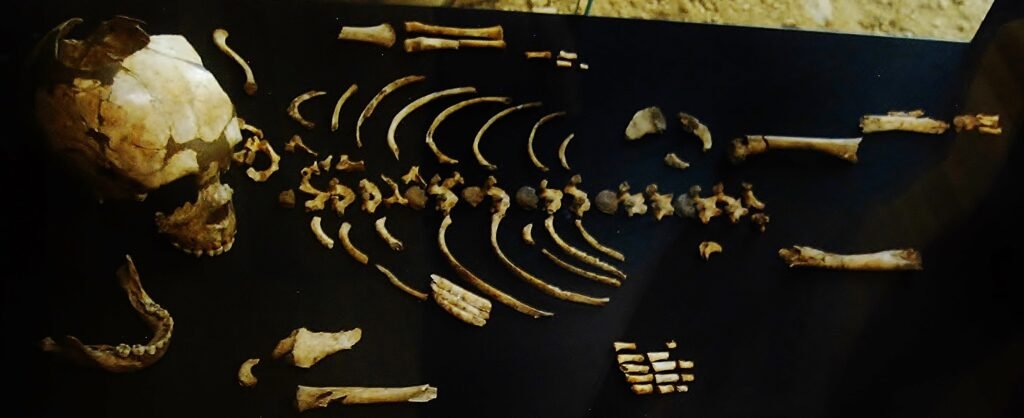
Imagine a world with no hospitals, no bandages, no written language, and no cities. Now picture someone in that world breaking a leg so badly they can’t hunt, run, or even walk safely for weeks – and somehow, they survive. That is the kind of quiet, powerful story emerging from the fossil record of our early relatives, and it is changing how we think about what it means to be human.
For a long time, we told a simple story: first came tools and big brains, then empathy and healthcare, and much later, civilization. But new research on ancient skeletons is flipping that timeline. Evidence of healed, life‑threatening injuries and disabilities in early hominins suggests that caring for the sick and injured may be far older than farming, cities, or writing. In other words, compassion might not be a luxury of civilization – it might be one of its foundations.
A Broken Bone That Should Have Been a Death Sentence
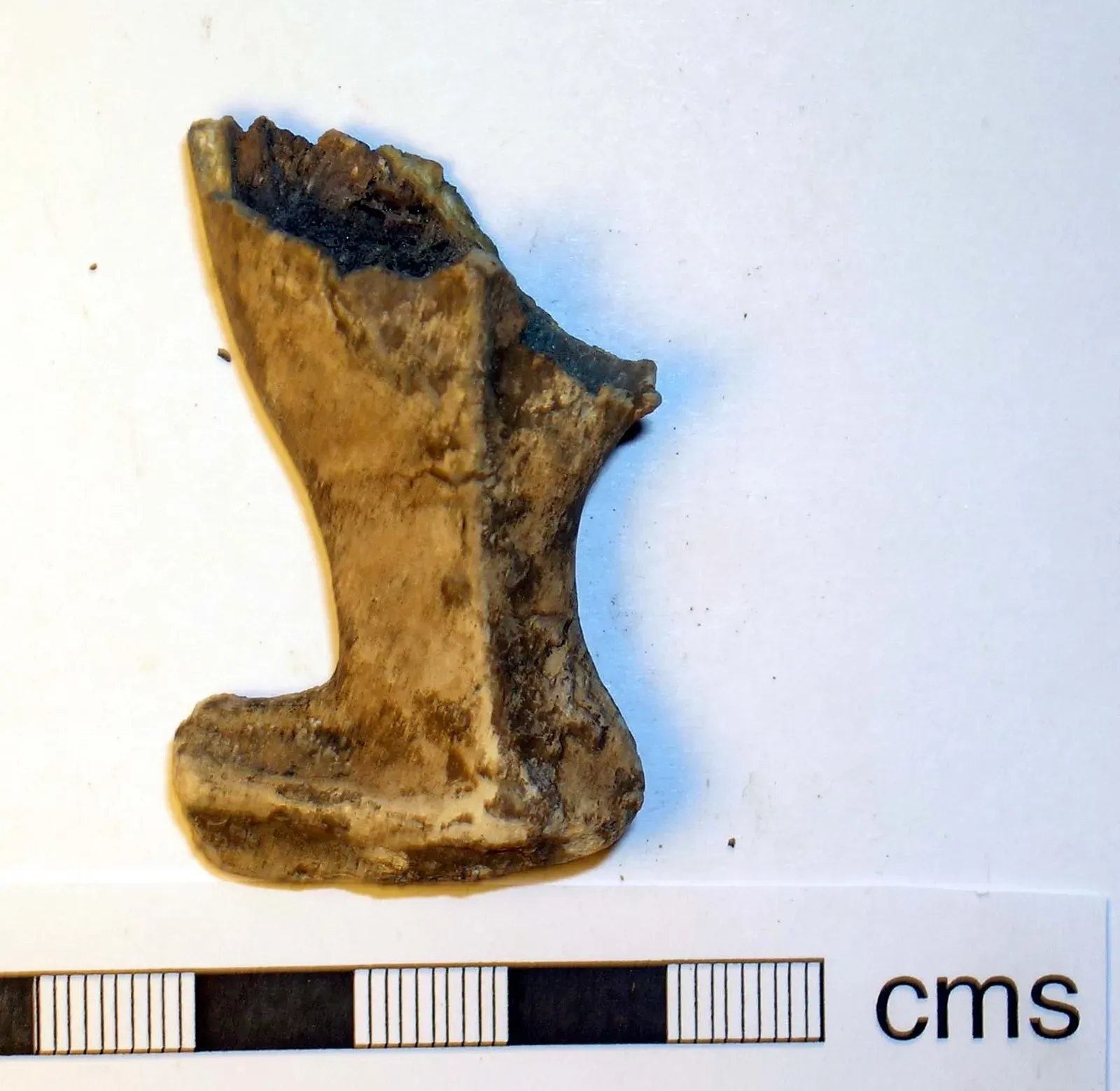
Think about what a broken leg means if you rely entirely on your body to stay alive. In a harsh Pleistocene landscape, an adult who could not walk, hunt, or escape predators for weeks was essentially a walking target – except they could not walk. Without help from others, a badly fractured femur would almost certainly have been fatal.
Yet anthropologists have found fossils of early human relatives with serious injuries that fully healed. In some cases, the type of trauma, such as major limb fractures or crushed joints, would have required weeks or months of reduced mobility. Survival through that window strongly implies that someone was bringing food and water, offering protection, and perhaps even helping move the injured individual. The fossil does not record the hands that lifted or fed them, but the healed bone quietly points to those hands all the same.
Neanderthals and the Surprising Depth of Ice Age Healthcare
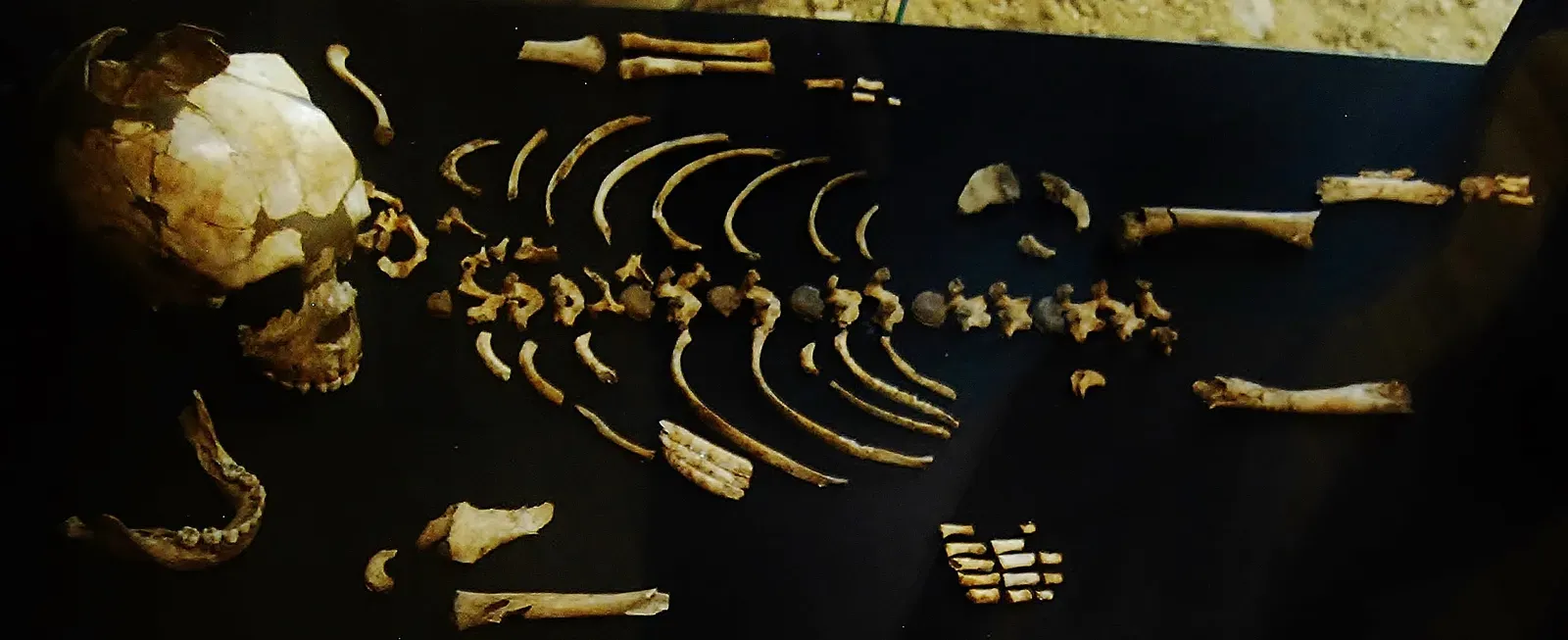
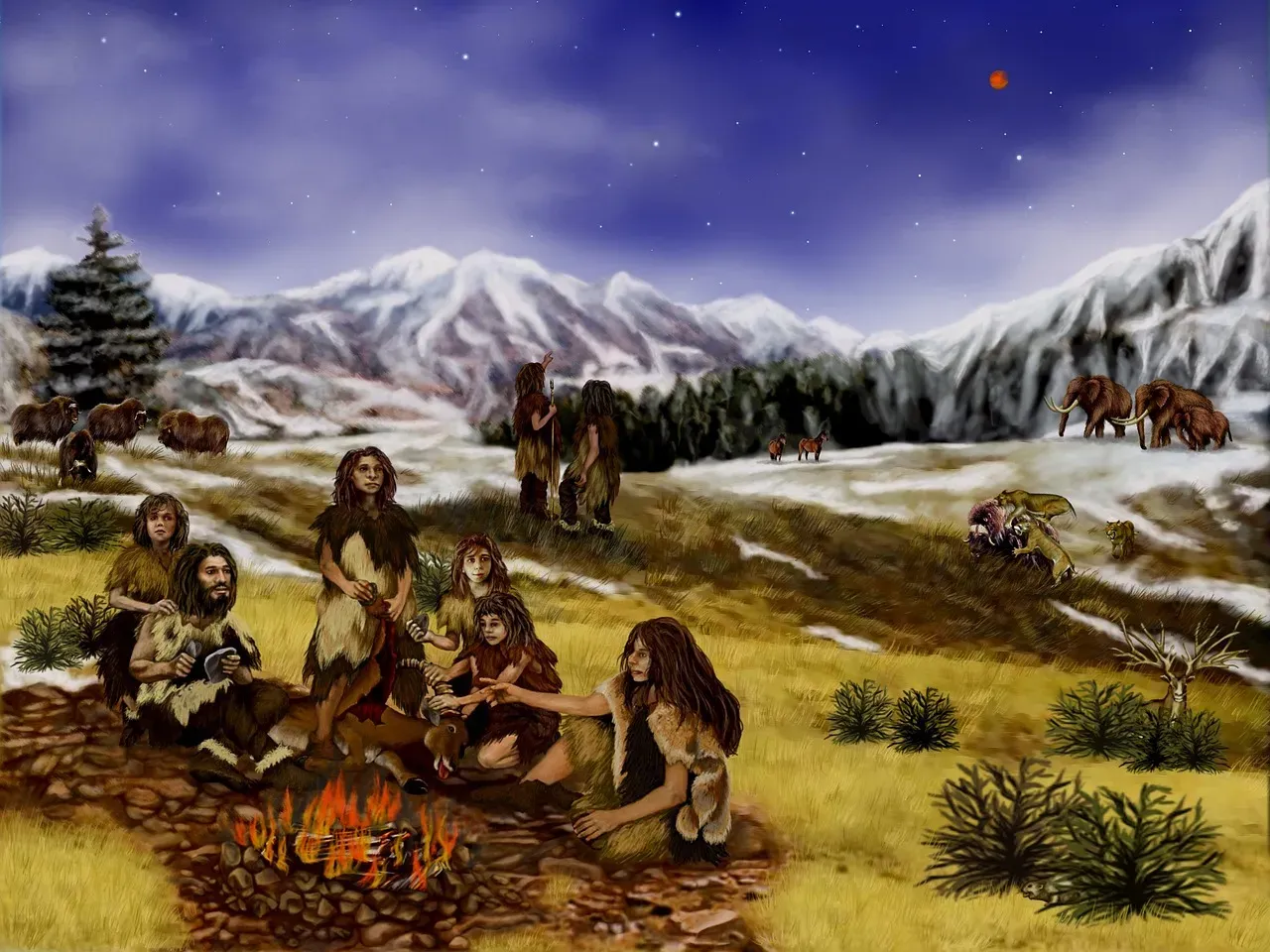
Neanderthals used to be painted as brutal, stooped cave brutes, more beast than human. That cartoon version is very hard to square with the actual skeletons. Several Neanderthal individuals show long‑healed injuries and chronic illnesses that would have significantly reduced their ability to hunt or gather, yet they lived well into older age for their time.
One of the most famous examples is a Neanderthal from Shanidar Cave in Iraq, often called Shanidar 1. His skeleton shows severe disabilities: damage that likely caused blindness in one eye, a withered arm, and a badly injured leg, among other issues. He did not just survive a short while after these injuries – he lived for years. That survival suggests more than just a tough body; it points to consistent support from his group, who must have helped him move, eat, and stay safe in a demanding environment.
Early Homo Species: Care Long Before Cities and Agriculture
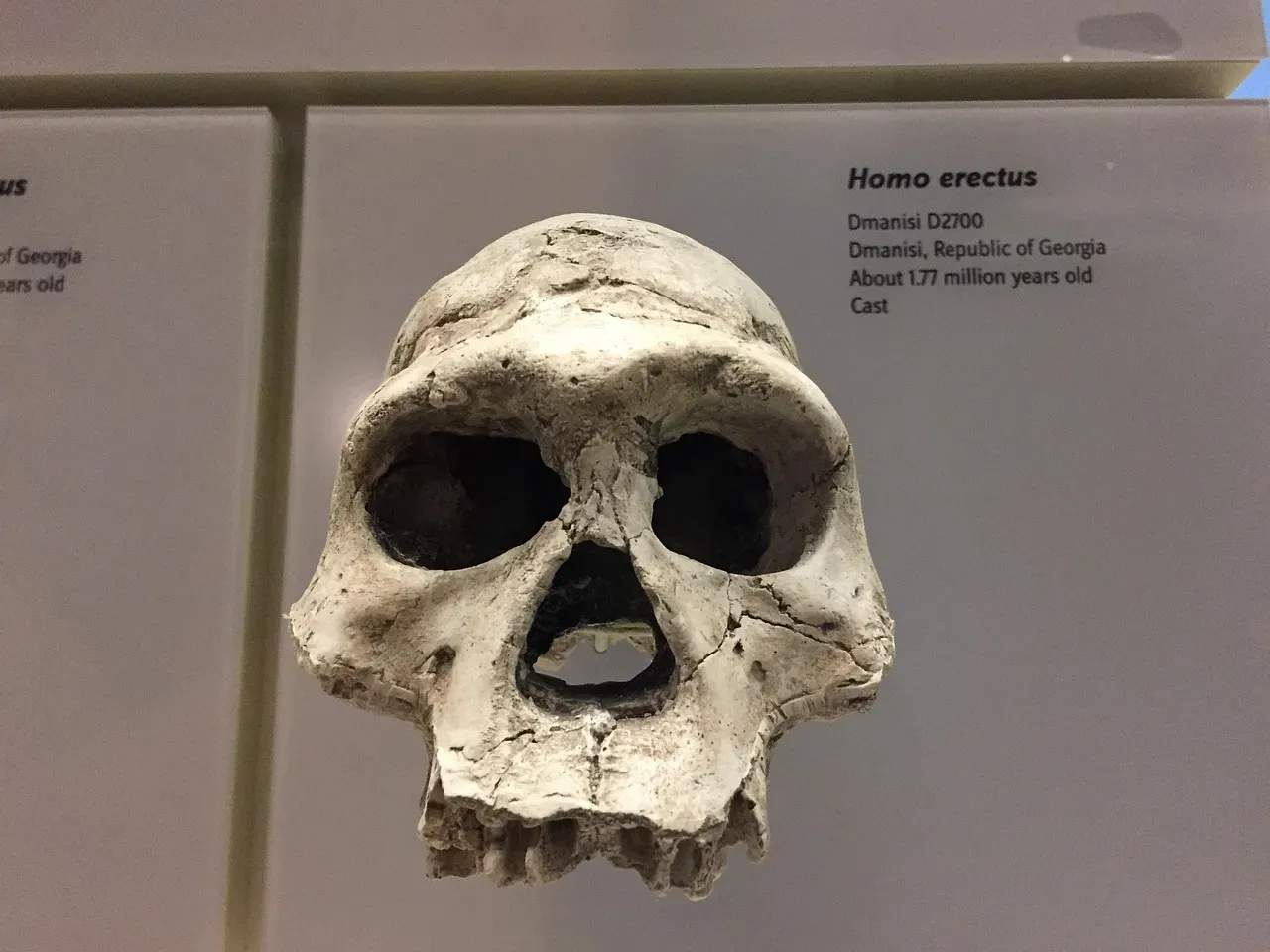
Fossil evidence now suggests that some of this caregiving behavior appears not just in Neanderthals and modern humans, but in earlier species like Homo erectus or Homo ergaster. These hominins lived more than one and a half million years ago, long before agriculture or settled villages. Yet some individuals show signs of surviving into older age despite serious physical decline.
In a species that depended heavily on mobility, stamina, and cooperation for big‑game hunting and long‑distance travel, keeping an injured or frail group member alive would not have been the obvious, “efficient” choice. Providing care would have meant extra energy, slower movement, and shared risk. The fact that some groups did it anyway hints at social norms and emotional bonds that go beyond simple survival calculus, even this deep in our evolutionary past.
From Healed Bones to Human Emotions: What Can Fossils Really Tell Us?
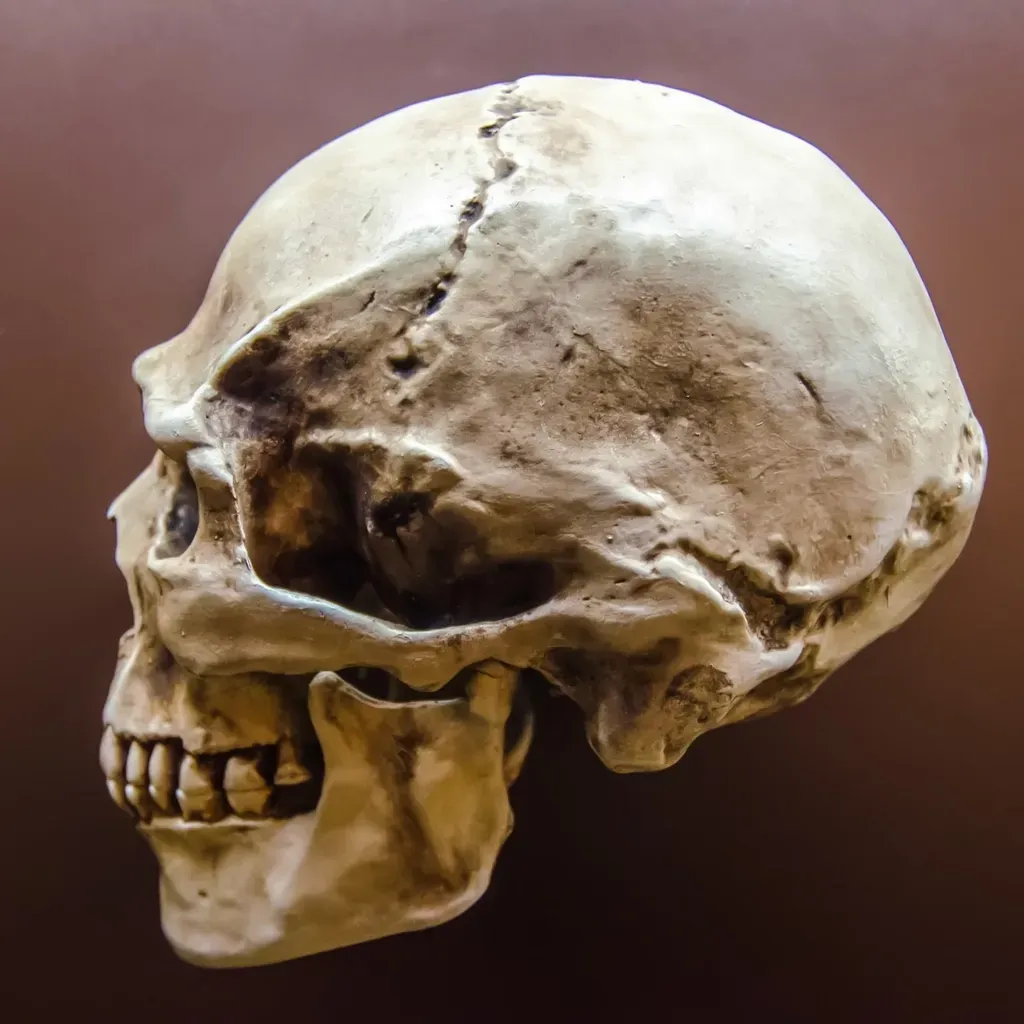
Of course, bones do not come with written explanations. Researchers have to be careful not to read too much into the fossil record. A healed fracture alone does not automatically prove elaborate, intentional care; other animals sometimes survive injuries without obvious social support, and ancient environments were varied and complex.
Because of that, scientists look for patterns rather than one‑off stories. They examine how severe the injury was, how long healing would have taken, what kind of mobility or sensory loss it caused, and how that fits into the known ecology of the species. When you repeatedly see individuals who would have struggled to feed or protect themselves surviving for many years, the idea of systematic caregiving stops looking like a romantic fantasy and starts looking like a realistic interpretation.
Did Our Ancestors Help Out of Kindness – or Strategy?
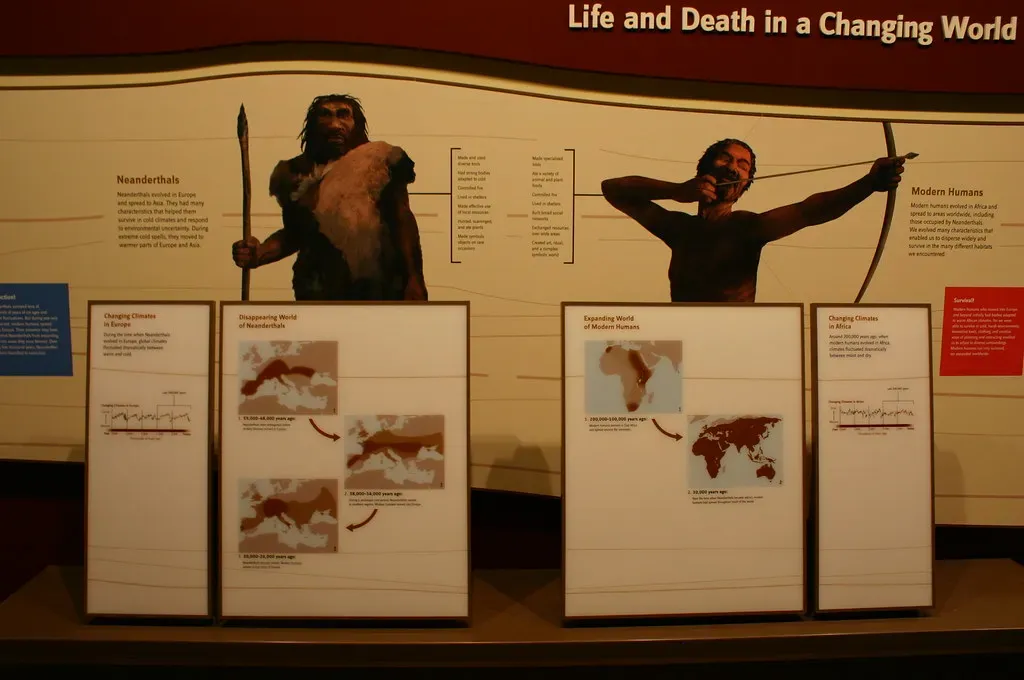
Here’s where things get uncomfortable in an interesting way: even if early hominins cared for injured group members, does that mean they were “kind” in the way we mean it today? Some evolutionary scientists argue that helping an injured hunter, or a grandmother with valuable knowledge, could have been a smart strategy. Keeping experienced group members alive might have increased the whole group’s chances of survival, especially in dangerous, unpredictable environments.
Others counter that the level and consistency of care preserved in some fossils goes beyond cold calculation. They suggest that emotional attachment, empathy, and a real aversion to seeing loved ones suffer were already in play. In reality, these explanations do not have to compete. Human behavior has always been a messy mixture of feeling and function. It is entirely possible that our ancestors helped one another because it felt right and because, over time, groups who acted that way did better than those that did not.
New Discoveries: Disabilities, Children, and Group Commitment
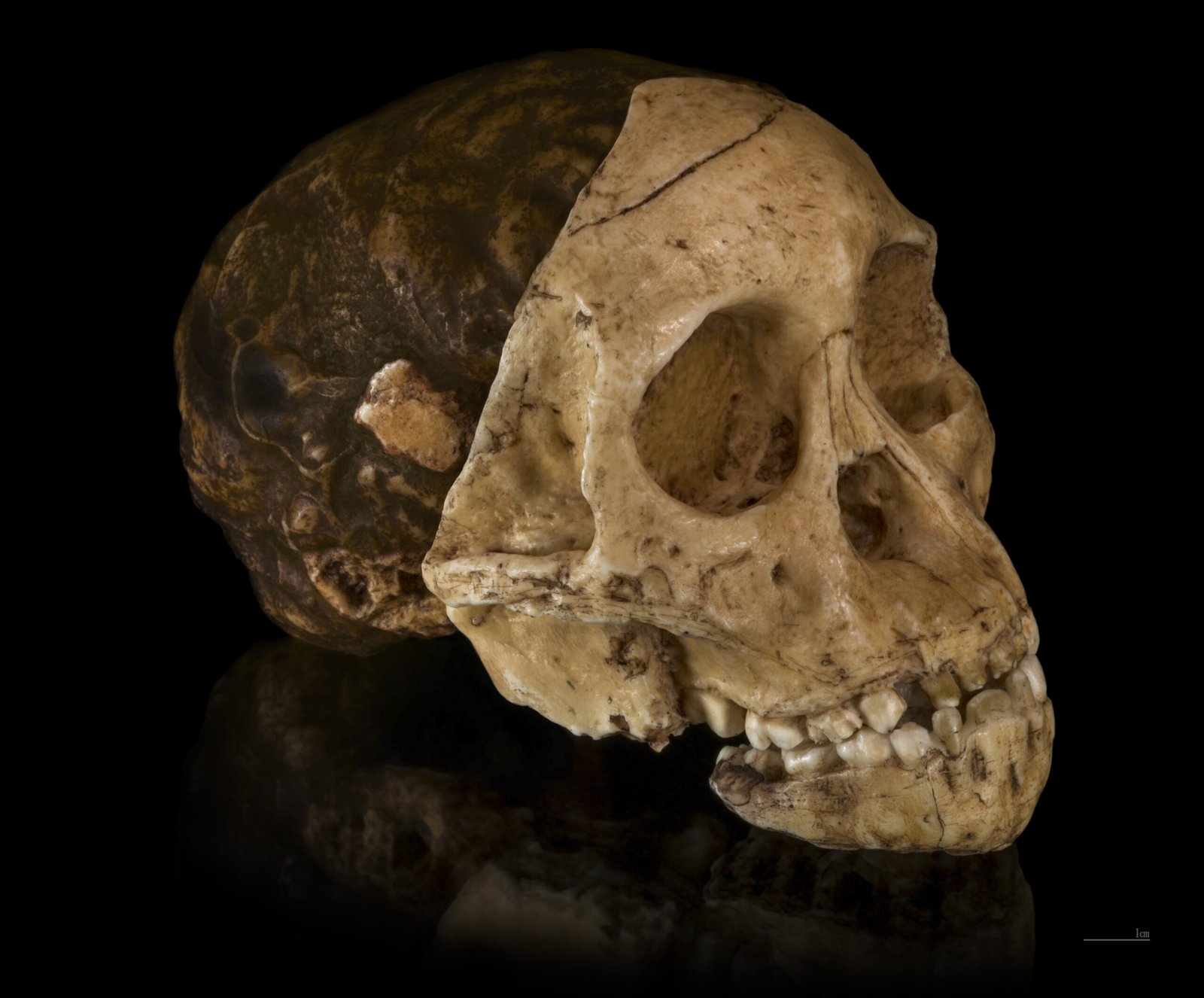
Recent research has added even more nuance by looking at fossils of children and individuals with congenital conditions, not just traumatic injuries. When a child is born with a serious disability and survives for several years in a pre‑modern setting, it strongly hints that others were adjusting their behavior to keep that child alive. That kind of care demands daily effort, not just a one‑time rescue.
These cases push the story further away from narrow “you help me hunt, I help you later” thinking. Children and severely disabled individuals are not immediate providers; they are dependents. Caring for them reflects a commitment to the group as a whole, a willingness to shoulder the costs of nurturing someone who will never fully “pay back” the investment. That sounds uncomfortably familiar to any of us who have cared for a sick parent, a disabled friend, or a child with special needs – and it is striking to see echoes of that pattern in bones that are tens or hundreds of thousands of years old.
Rethinking Civilization: Maybe Compassion Came First
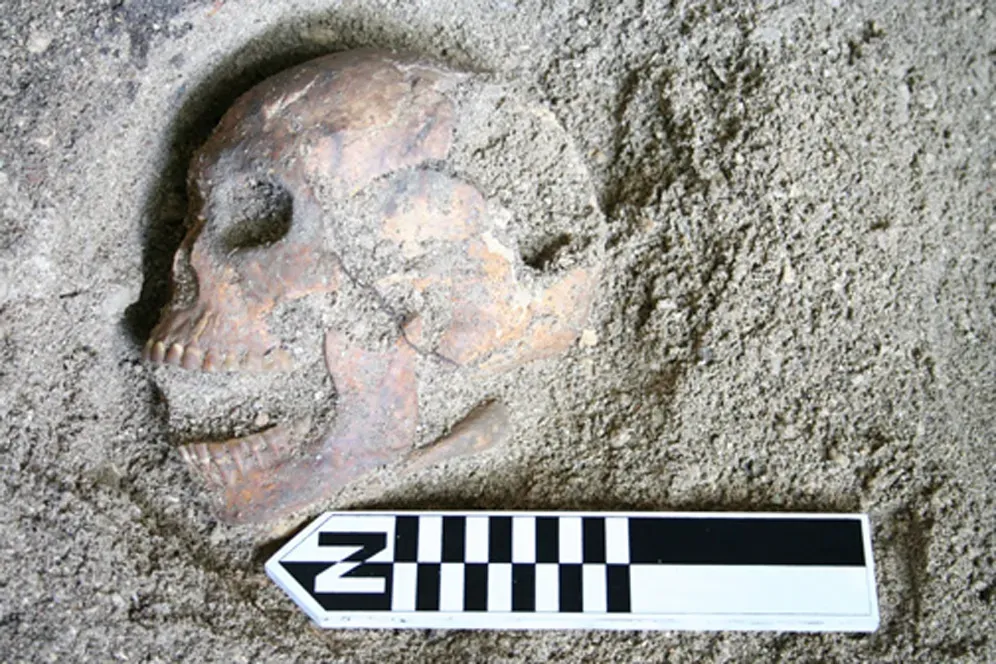
There is a popular story that civilization began when humans started building cities or growing crops. Another, even more romantic version ties the birth of civilization to the first healed broken bone, used as a symbol of a community choosing to care for someone who could not immediately contribute. Scholars debate the details of that claim, but the broader idea – that deep social care predates formal institutions – fits surprisingly well with what the fossils show.
If anything, the emerging picture suggests that organized, knowledgeable care for the ill and injured may have been part of the evolutionary “toolkit” that allowed our lineage to thrive. Groups who protected their vulnerable members could maintain knowledge, social stability, and cooperative networks across generations. In this view, hospitals and modern healthcare systems are not a sharp break from our past, but the latest, complicated expressions of an instinct that has been with us for an extraordinarily long time.
Conclusion: Our Oldest Technology Might Be Each Other
Looking at these fossils, I find it hard not to be moved. For all our modern tech and medical wizardry, one of the most powerful forces in our story might still be something very simple: people refusing to abandon one another when things get hard. The evidence is not perfect, and scientists are right to argue over details, but the broad pattern is persuasive – long before cities, states, or written laws, some of our relatives were already bending their lives around the needs of the weak, the wounded, and the different.
In a way, that is a very opinionated claim about who we are. It suggests that care is not a fragile add‑on that appears after comfort and wealth, but a core part of what helped us survive brutal conditions in the first place. If that is true, then every time we choose to support someone who cannot “pay us back,” we are not breaking with our evolutionary past – we are honoring it. When you think about humanity’s future, which legacy do you think will matter more: our tools, or our willingness to carry one another when we cannot walk alone?