
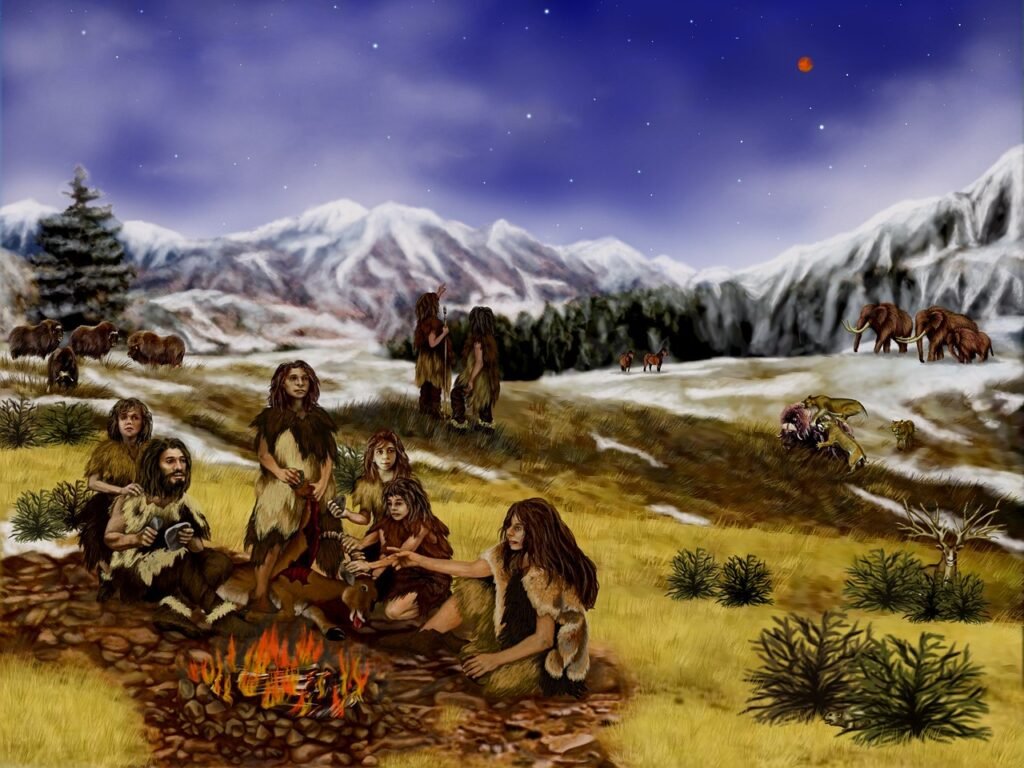
For decades, Neanderthals were the punchline of human evolution – the caveman stereotype used to describe someone clumsy, crude, and not very bright. But the more scientists dig into caves, bones, and microscopic traces left behind, the more that old story falls apart. What is emerging instead is a picture of a close cousin who was clever, caring, and far more sophisticated than most of us were ever taught in school.
This shift is not just a minor detail for paleo-nerds. It changes how we see ourselves. If Neanderthals could plan, invent tools, control fire, and look after their vulnerable, then maybe the line between “modern” and “primitive” is a lot blurrier than we like to think. And once you see the evidence, it becomes very hard to ever use the word “Neanderthal” as an insult again.
From Club-Wielding Brutes to Skilled Toolmakers
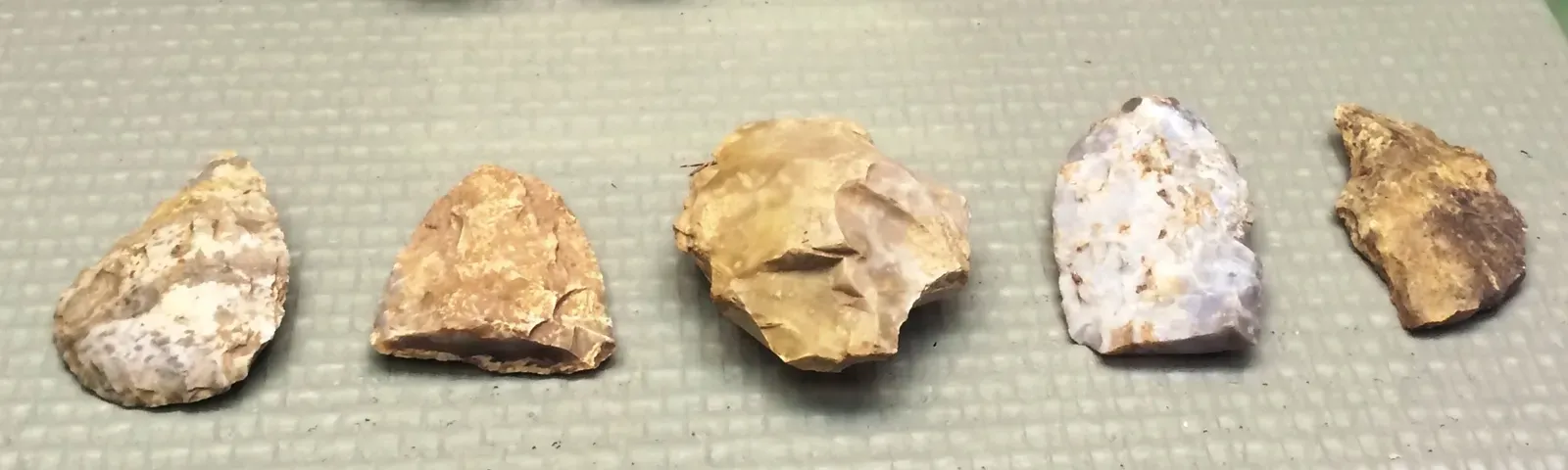
One of the most shocking turnarounds in Neanderthal research is the revelation that they were genuinely skilled toolmakers, not just clumsy rock bashers. Archaeologists have found carefully shaped stone tools with sharp, standardized edges, often produced using multi-step techniques that demanded planning and fine motor skills. In some sites, there is evidence of specialized tool types for different functions, like scraping hides, cutting meat, or woodworking.
These are not the kind of objects you get from random trial and error; they suggest teaching, tradition, and shared know-how passed down generations. I remember the first time I saw a high-resolution photo of a Neanderthal tool kit – it looked almost like a minimalist, prehistoric toolbox. When you realize these tools were made in harsh Ice Age environments, where mistakes could cost lives, their craftsmanship starts to look less like luck and more like engineering under pressure.
Complex Technologies: Hafting, Adhesives, and Composite Tools
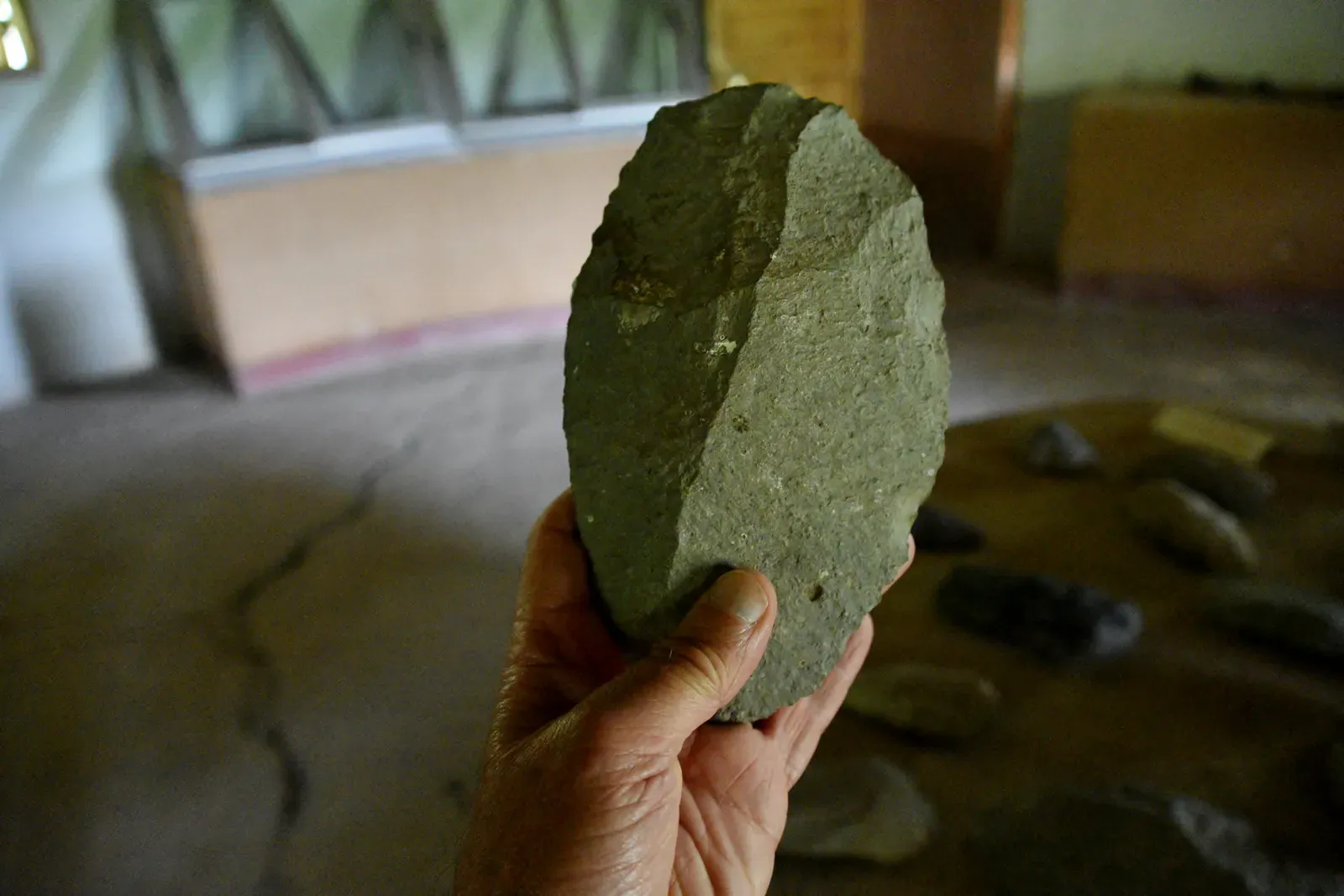
Beyond simple stone flakes, there is now strong evidence that Neanderthals produced composite tools – weapons or implements made from multiple materials, like stone points attached to wooden shafts. This process, called hafting, required carefully preparing both the stone and the handle, then binding them together with sinew, plant fibers, or even natural glues. That means they had to understand how different materials behaved and how to make them work together, a bit like an early version of product design.
Some sites show chemical traces of sophisticated adhesives made from substances like birch pitch, which does not appear on its own in nature. To get it, you need to heat birch bark in a low-oxygen environment, essentially running a kind of primitive distillation. That is not something you stumble into by accident. It suggests experimentation, shared knowledge, and a mental ability to imagine processes that transform raw materials into something entirely new.
Mastering Fire: Heat, Light, and Everyday Life
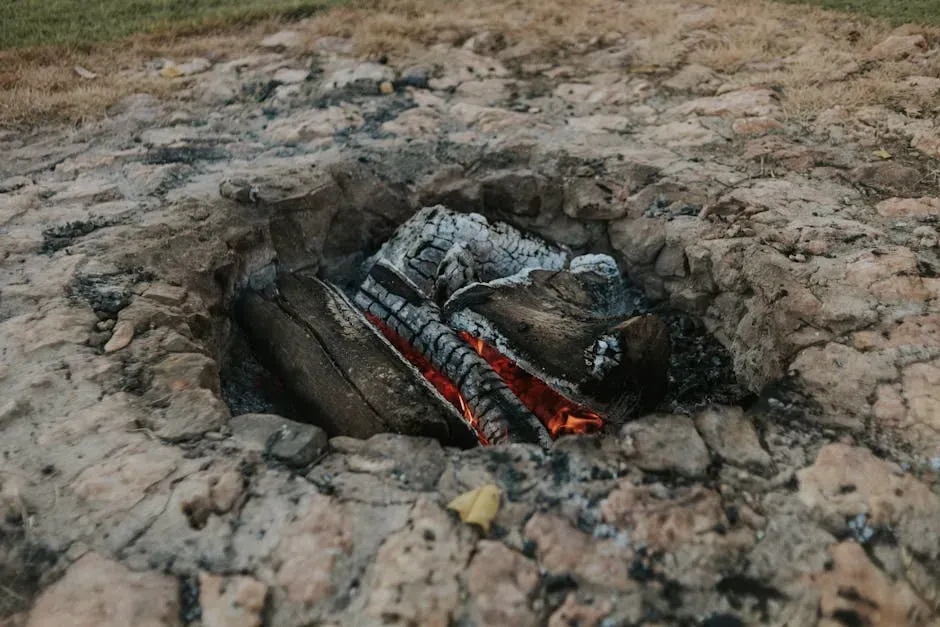
Fire is often painted as a simple turning point in human evolution, but the reality is that controlling it consistently, safely, and in different environments is surprisingly complex. Evidence from Neanderthal sites shows repeated, intentional use of hearths – fire pits used over and over in the same places, sometimes layered in the archaeological record like stacked pancakes of ash and charcoal. In some cases, burnt bones, heated stones, and charred plant remains reveal controlled cooking and possibly even food processing techniques.
Modern analyses of microscopic charcoal and ash suggest Neanderthals were selective about the types of wood they burned, likely choosing materials that produced steady heat or minimal smoke. That kind of choice implies experience and preference, not just opportunistic burning of whatever was lying around. It is easy to imagine a Neanderthal family gathering around a carefully tended fire, using it to stay warm, cook food, keep predators away, and extend their waking hours into the dark – fundamentally reshaping their daily lives.
Evidence of Caring: Healed Bones and Lifelong Injuries
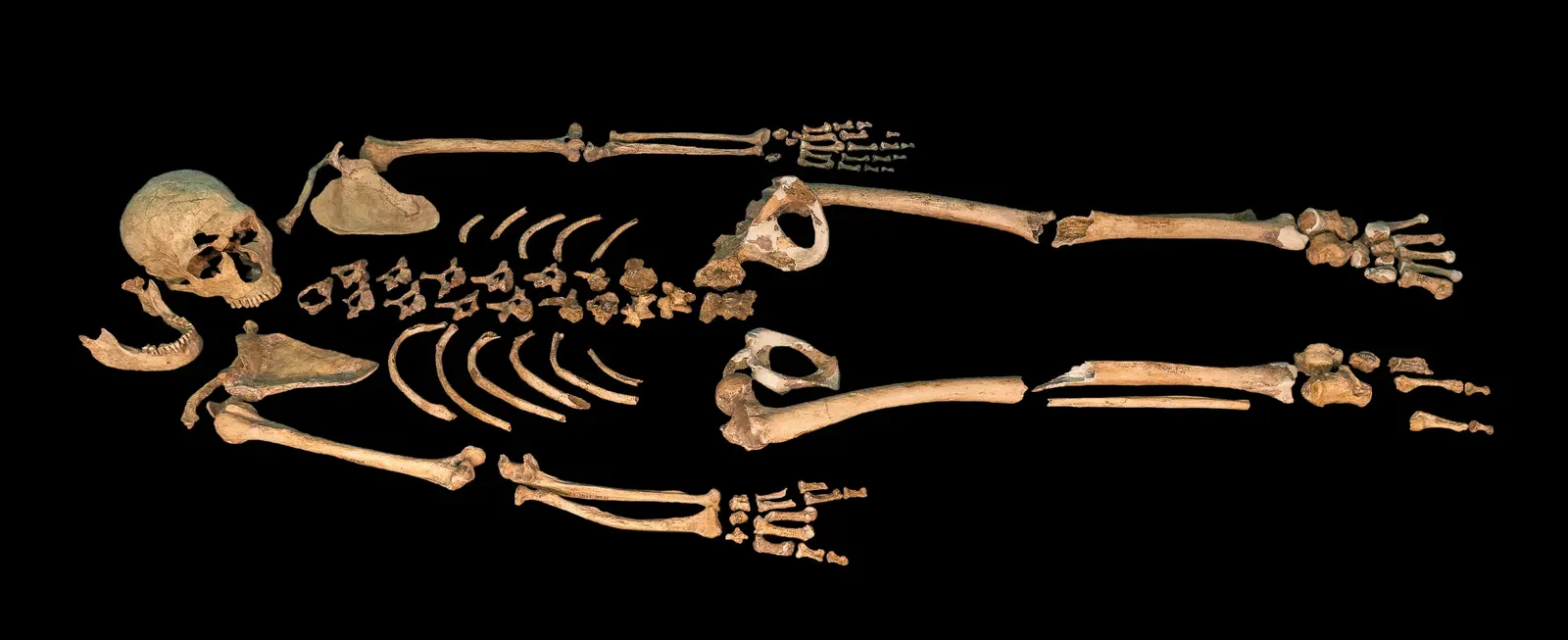
Some of the most moving evidence about Neanderthals does not come from tools or hearths, but from bones that tell intimate stories. Skeletons have been found with severe injuries – broken limbs, spinal damage, or joint diseases – that had healed well enough for the person to live months or years after the trauma. In an unforgiving Ice Age landscape, it is nearly impossible to survive such injuries alone. The logical conclusion is that others must have helped: sharing food, offering shelter, perhaps even adapting tasks so the injured could still contribute.
Seen up close, these fossils are not just data points; they read like biographies of resilience and care. One individual might have been too disabled to hunt, yet lived long past a major wound. That is not compatible with a purely ruthless, every-individual-for-themselves existence. To me, this is where Neanderthals stop being abstract “cave people” and start looking like families and communities – messy, imperfect, but deeply social in ways we recognize instantly.
Burials, Symbolism, and the Hint of Inner Worlds
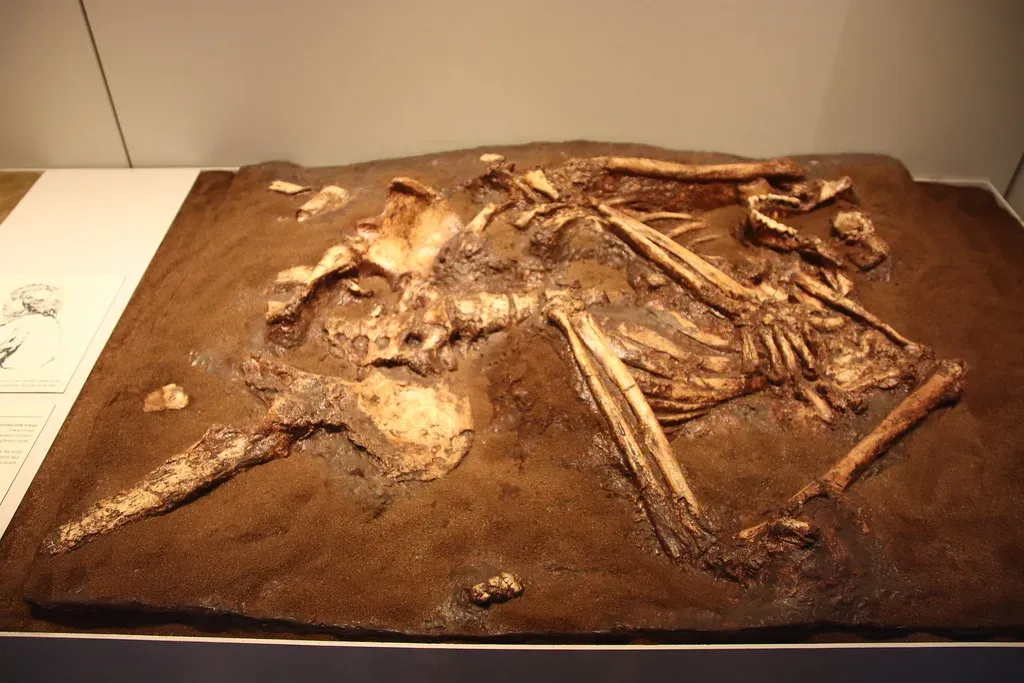
Another controversial but fascinating line of research concerns how Neanderthals treated their dead. In some caves, bodies appear to have been placed deliberately in pits or specific locations rather than left to decay where they fell. These burials sometimes show hints of care in positioning, and in a few debated cases, possible inclusion of objects or pigment. While researchers argue about how clear-cut the evidence is, the pattern suggests at least some level of ritualized or thoughtful behavior around death.
Even if we err on the cautious side, the idea that Neanderthals may have had concepts of loss, memory, or even an afterlife is hard to shake once you see repeated, intentional handling of bodies. It does not mean they had the same religious ideas as later humans, but it does point to an inner emotional and symbolic life. That is a far cry from the old image of a graceless beast, and it nudges us toward seeing them as people who loved, grieved, and tried to make sense of mortality in their own ways.
Sharing Landscapes, Genes, and Ideas with Modern Humans
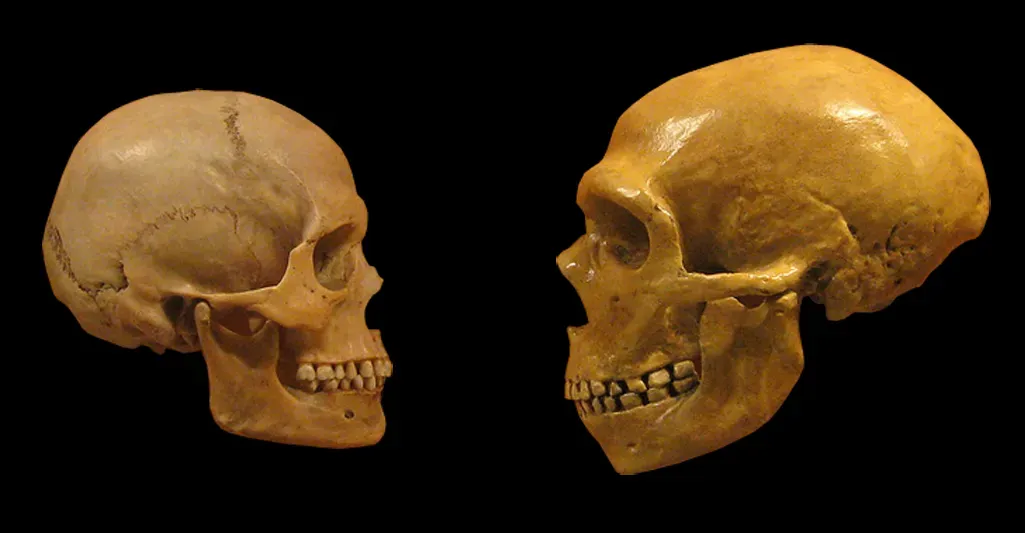
Genetic studies have now made it clear that Neanderthals are not some distant, failed side branch; they are part of our story in a very literal way. Many people alive today carry a small fraction of Neanderthal DNA, the result of ancient interbreeding when our populations met in Eurasia. That means encounters between Neanderthals and early Homo sapiens were not always violent clashes – sometimes, they were intimate enough to leave echoes in our genomes that still shape traits like immunity and even some aspects of physiology.
Archaeological evidence also points to periods where Neanderthals and modern humans lived in overlapping regions, potentially influencing each other’s technologies and behaviors. Some researchers think certain tool styles, ornaments, or techniques might have spread between the groups through contact and imitation. It is a bit like neighboring cultures today swapping recipes, tools, or fashion trends. When you realize our ancestors and Neanderthals were not strict enemies but complicated neighbors, the simplistic “us versus them” narrative starts to feel childish.
Why the “Brutish Neanderthal” Myth Refuses to Die
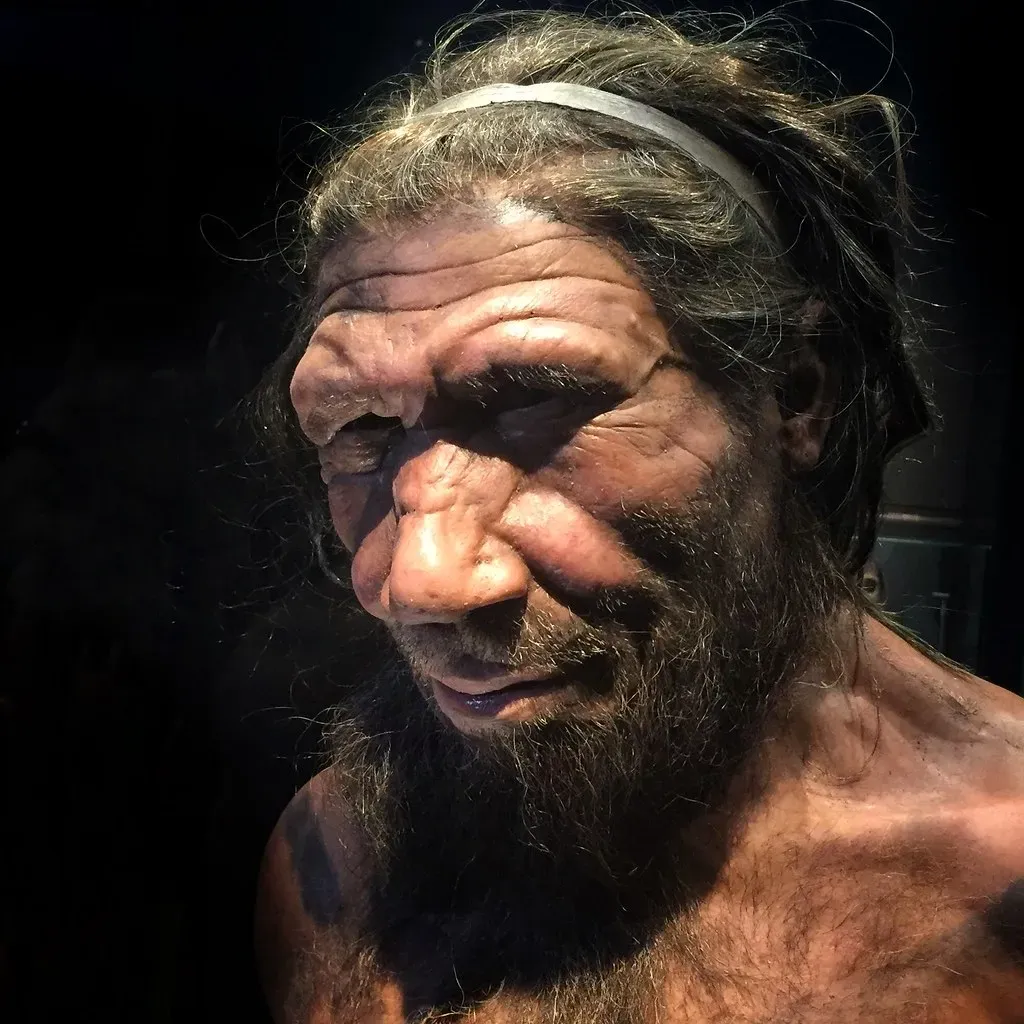
If the evidence is so strong, why does the stereotype of the dumb Neanderthal still hang around? Part of it comes from the early history of paleoanthropology, when the first Neanderthal skeletons were described through a lens of bias and limited knowledge. One famously stooped, arthritic skeleton was interpreted as typical of the entire species, locking in the cartoon image of hunched, dim-witted cavemen. That cartoon then seeped into schoolbooks, comics, films, and everyday language, reinforcing itself over and over.
There is also a very human tendency to want a clear hierarchy with us on top – the clever, refined moderns looking down on our clumsy cousins. Admitting that Neanderthals were capable, thoughtful, and caring complicates that comforting ladder-of-progress story. I think that is exactly why it is worth wrestling with: it forces us to accept that intelligence and humanity come in more than one flavor, and that we are not the only version of “human” that ever walked the Earth with rich inner lives and complex societies.
Rewriting What It Means to Be Human: An Opinionated Take
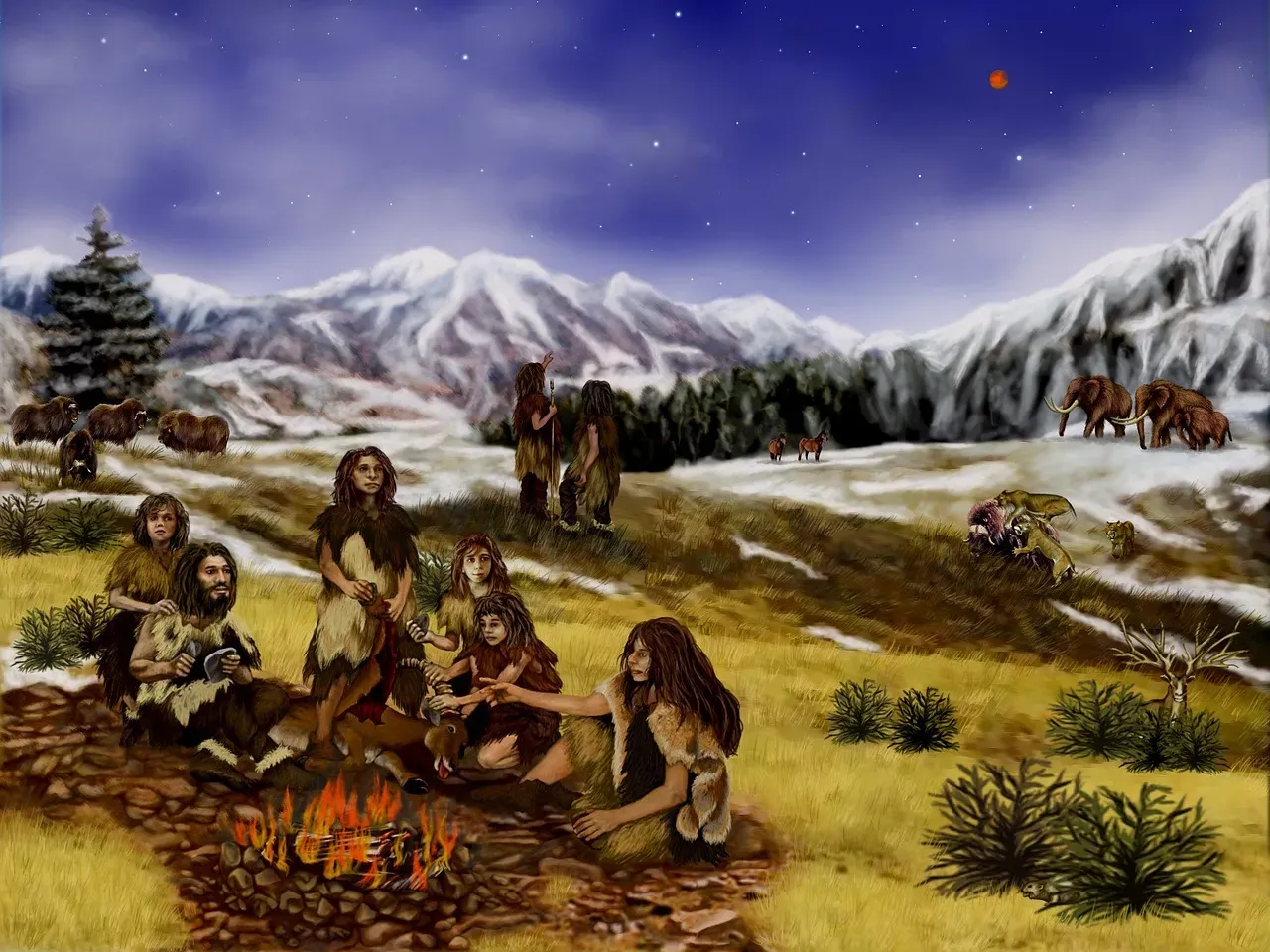
The growing picture of Neanderthals as inventive toolmakers, fire masters, and compassionate caregivers does more than rescue their reputation; it quietly undermines some of our most stubborn myths about ourselves. If another kind of human could navigate harsh climates, engineer composite tools, experiment with adhesives, manage fire, and tend to the sick and injured, then our own species does not own empathy, intelligence, or culture. We are not a miracle exception; we are part of a wider human story that includes branches that flourished, blended, and eventually vanished.
Personally, I think clinging to the “brutish Neanderthal” trope says more about our insecurities than about the fossils. It is easier to believe we are uniquely special than to accept we once shared the planet with other humans who were different but not lesser. As the evidence keeps piling up, the respectful, honest response is to retire the insult and embrace a more humbling idea: that being human has never been a single, simple thing. In the end, the real question is not whether Neanderthals were like us – it is whether we are ready to see them, and ourselves, with the nuance they deserve.