Imagine a world where winter means not just cold, but months of total darkness, snow piling up, and food getting scarce. Now picture herds of dinosaurs not fleeing south, but staying put and raising babies in that frozen twilight. That is what a wave of fossil discoveries from the far north is now telling us, and it quietly blows up a lot of what many of us thought we knew about dinosaurs.
For a long time, the popular image of dinosaurs has been sun-drenched swamps, tropical forests, and warm coastal plains. Yet the rocks near the modern Arctic Circle are now revealing dinosaur nests, embryos, and juvenile bones that point to an astonishing reality: some dinosaurs were full-time polar residents, not seasonal tourists. The deeper scientists dig into these ancient high-latitude ecosystems, the more the story shifts from “dinosaurs survived the cold” to “some dinosaurs actually thrived in it.”
Arctic Dinosaurs: From Wild Theory to Hard Evidence
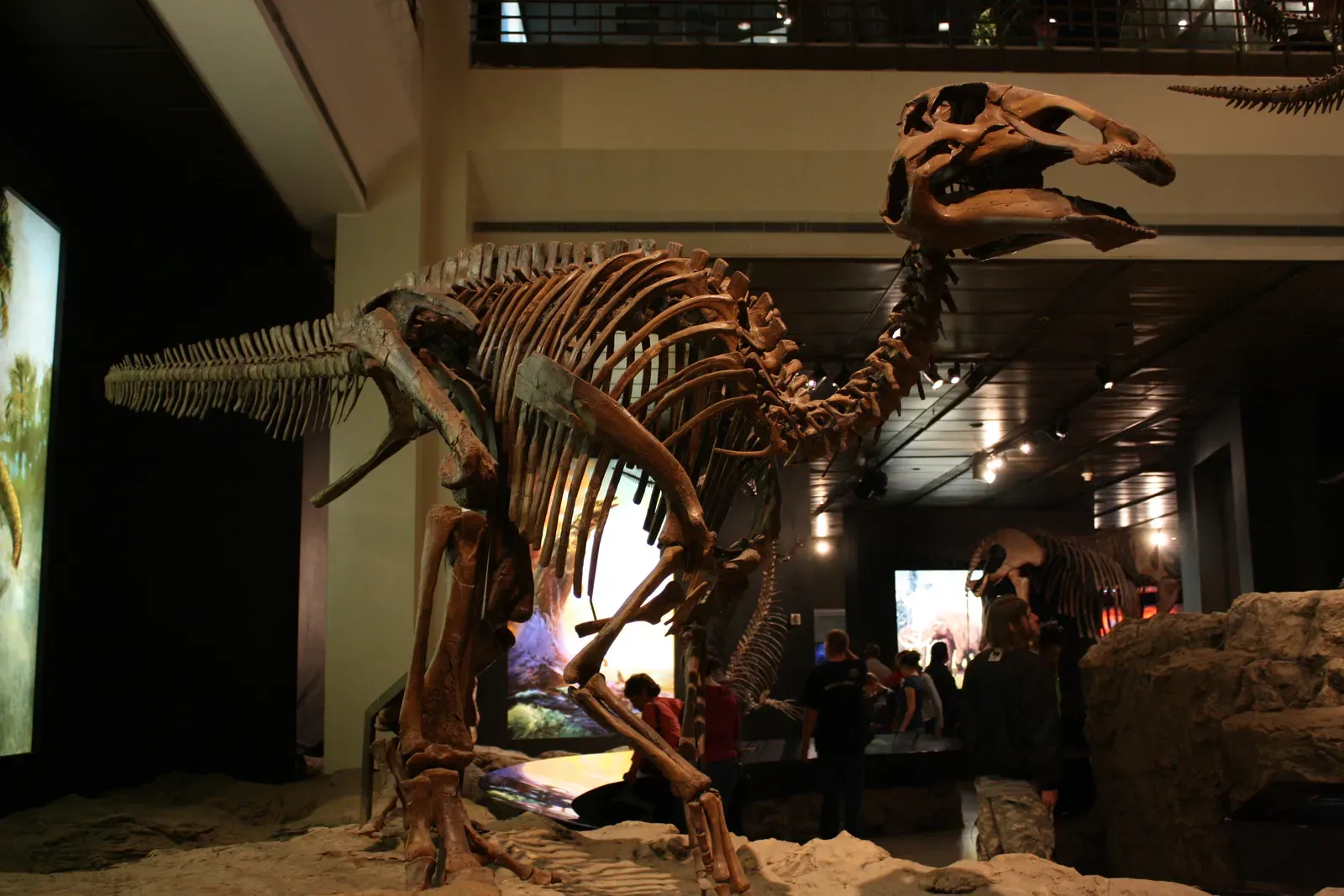
For decades, the idea of dinosaurs living in the Arctic sounded like a fringe theory, the kind of thing you might hear mentioned and then dismissed as unlikely. Yes, isolated dinosaur bones had been found at high latitudes, but it was easy to assume those animals migrated in and out, much like caribou or whales do today. The key question was always whether these animals were seasonal visitors or year-round residents toughing out the darkness and cold.
That debate began to shift as paleontologists started finding not just scattered bones, but whole communities preserved in northern rocks. Sites in what is now northern Alaska and high-latitude Canada have revealed multiple dinosaur species coexisting: plant eaters, predators, and smaller, nimble forms that would have hunted or scavenged in the undergrowth. Crucially, the fossils span different life stages, hinting that these dinosaurs were not just passing through – they were living, growing, and dying in these environments.
Baby Dinosaurs in the Snow: What Fossil Nests Really Mean
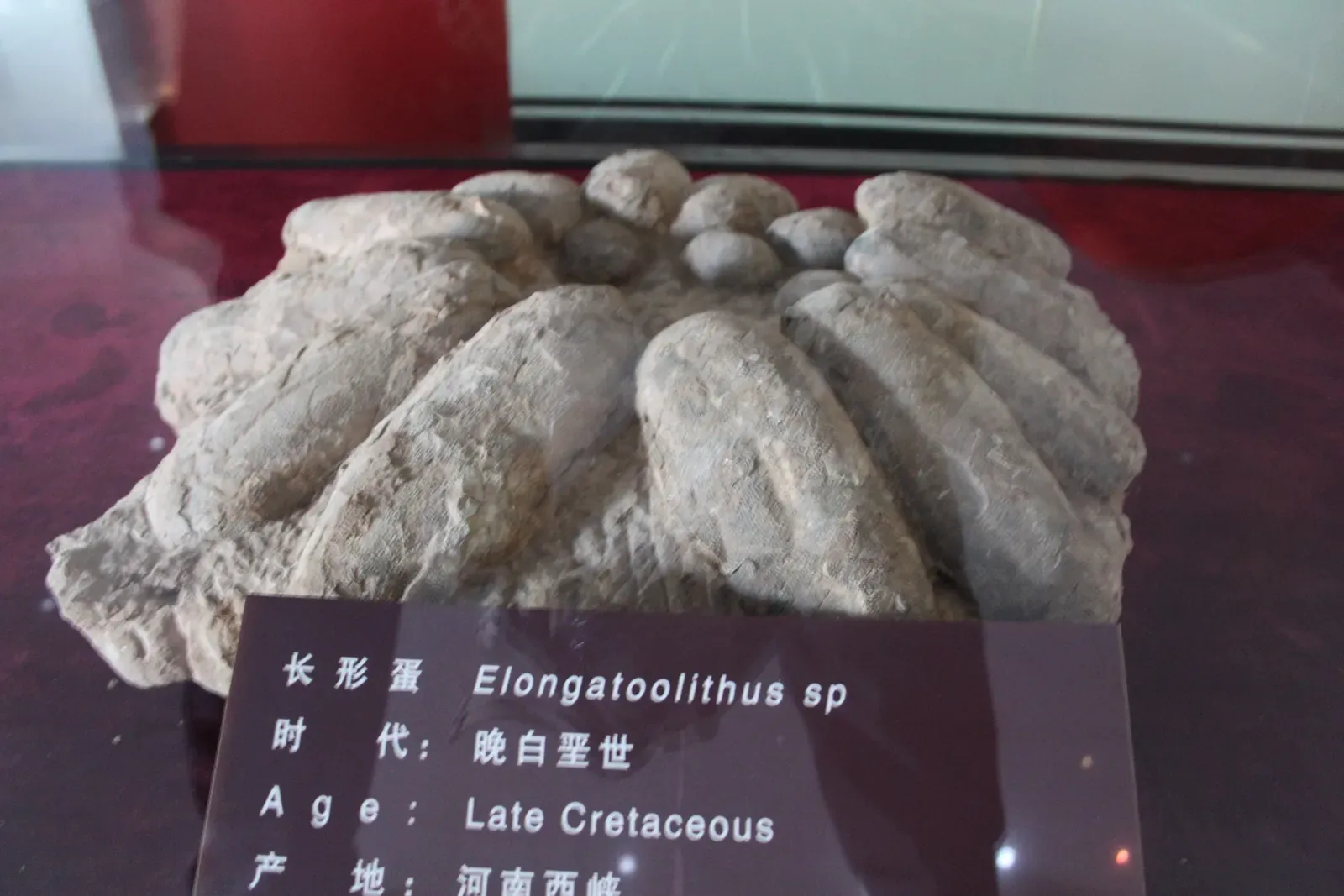
The real game-changer has been the discovery of egg fragments, embryonic bones, and very young juveniles in these polar deposits. If you find hatchlings and tiny bones that clearly belong to animals that had just emerged from the egg, you are not looking at a quick visit by migrating adults. You are looking at breeding grounds. That means dinosaurs were laying eggs and raising young right there in the Arctic, not in some distant, warmer refuge.
This is a big deal because dinosaur eggs took time to incubate, likely several months in many species. Add on the time hatchlings needed before they were sturdy enough to undertake any long-distance travel, and the math stops working for a migrate-in, migrate-out lifestyle. Instead, it points strongly to year-round residency: adults nesting, brooding, and protecting their young through long, dark winters where the sun might not rise for weeks or even months.
Life in a Land of Long Darkness and Cold Seasons
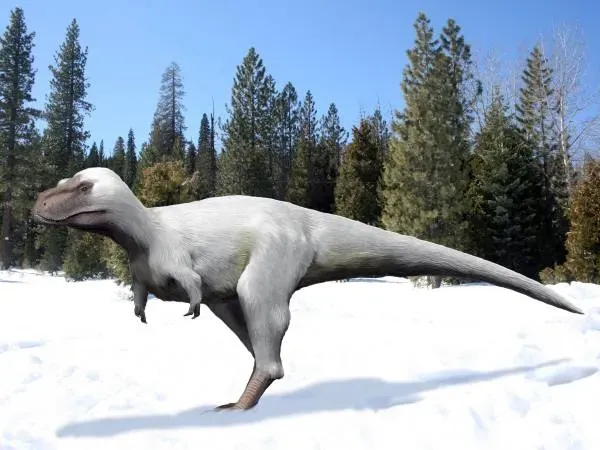
One of the most shocking parts of this story is not just that dinosaurs lived far north, but that they did so under extreme light and dark cycles. In the Late Cretaceous, the Arctic was milder than it is today, more like a chilly, forested region than a pure ice desert. But it still experienced dramatic seasons, including extended periods of near-total darkness and likely frost and even snow. That is a very different picture from the endless summer so many of us imagine for dinosaur worlds.
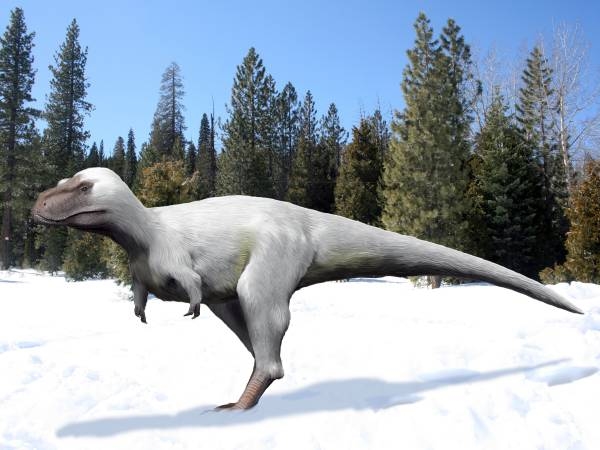
To cope with those conditions, dinosaurs would have had to navigate months where plant growth slowed, temperatures dropped, and visibility was limited. Picture herds of plant-eating dinosaurs browsing in dim, gray light, relying on hardy ferns, conifers, and deciduous trees that could handle the cold. Predators would have followed them through the shadows, hunting in dense forests that may have looked more like a gloomy northern woodland than a tropical jungle. It is a setting that feels closer to a modern boreal forest than to the classic dinosaur postcards we grew up with.
Warm-Blooded or Something In Between? What Arctic Dinosaurs Suggest
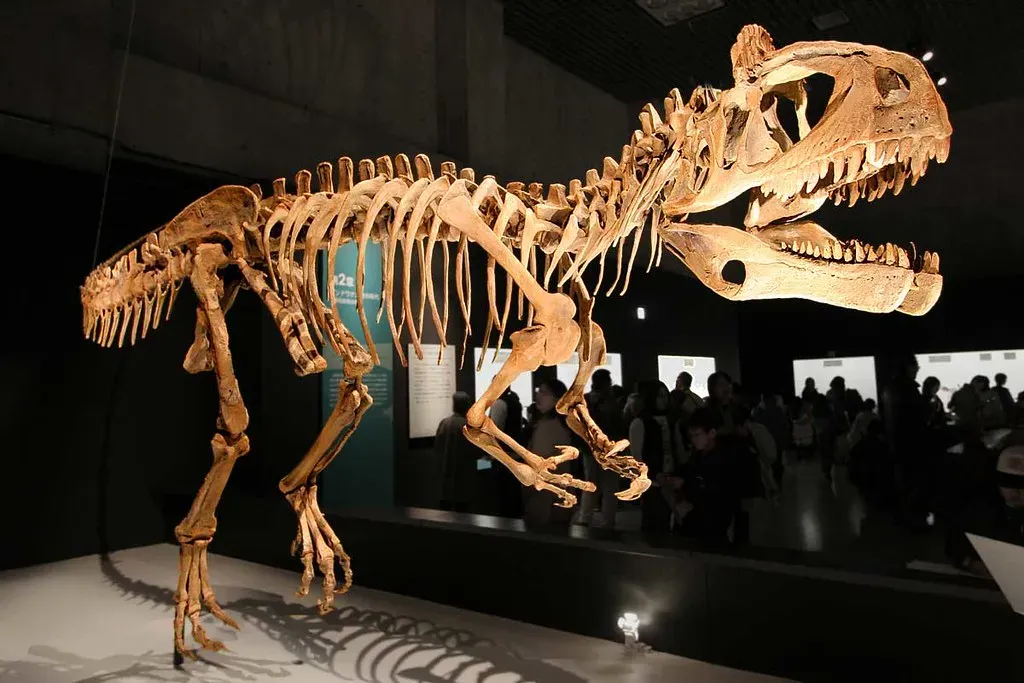
All of this naturally raises a huge question: how did these animals survive the cold and darkness? Living year-round in the Arctic leans hard in favor of dinosaurs having higher metabolic rates than typical reptiles. If you can stay active and grow in an environment with harsh seasons, short growing seasons, and months of chill, you probably are not a sluggish, sun-dependent creature that shuts down when it cools off.
Bone structure studies have already suggested that many dinosaurs grew fast, more like birds or mammals than like crocodiles. Some fossils also show evidence that certain dinosaurs had insulating feathers or feather-like coverings, which would have been invaluable in the cold. Taken together with the Arctic fossils, the picture that emerges is of an animal that sits somewhere on a spectrum between classic “cold-blooded” reptiles and fully warm-blooded birds and mammals – a flexible, adaptable physiology that could power life under tough polar conditions.
Feathers, Fat, and Other Survival Tricks in the North
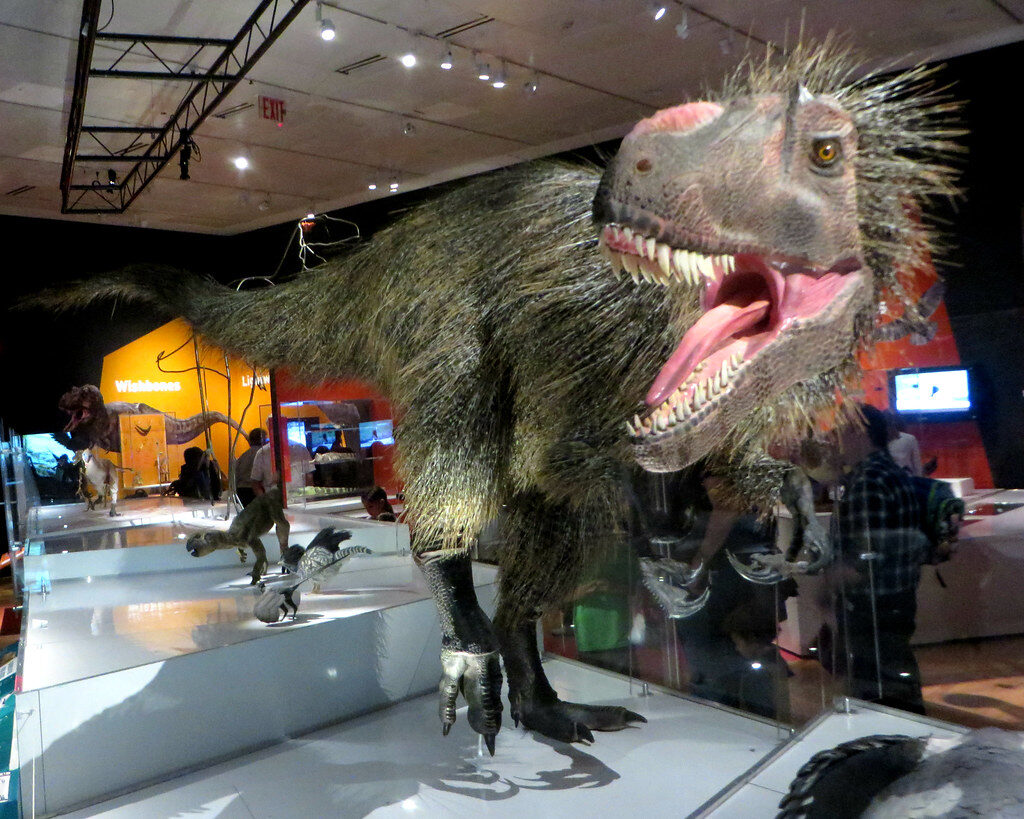
When you imagine dinosaurs trudging through the Arctic, it is almost impossible not to think about insulation. Feathers, fuzz, or some kind of body covering would have helped smaller species conserve heat, especially at night or during those dim winter months. Even large animals might have benefited from thicker skin, fat reserves, or seasonal changes in behavior – similar to how some modern animals bulk up before winter or grow thicker coats.
Some paleontologists suspect that northern dinosaurs may have had seasonal shifts in activity patterns, perhaps being more active in the long, mild summers and somewhat less active during the dark winters. Others point to the possibility of behavioral strategies like huddling, sheltering in forests, or even using burrows or dense vegetation as windbreaks. None of this turns them into cartoonish, fur-covered “snow dinosaurs,” but it does underline a key idea: these animals were problem-solvers, using every tool available – physical, metabolic, and behavioral – to make a tough environment livable.
Rethinking Dinosaur Migration: Less Like Birds, More Like Moose?
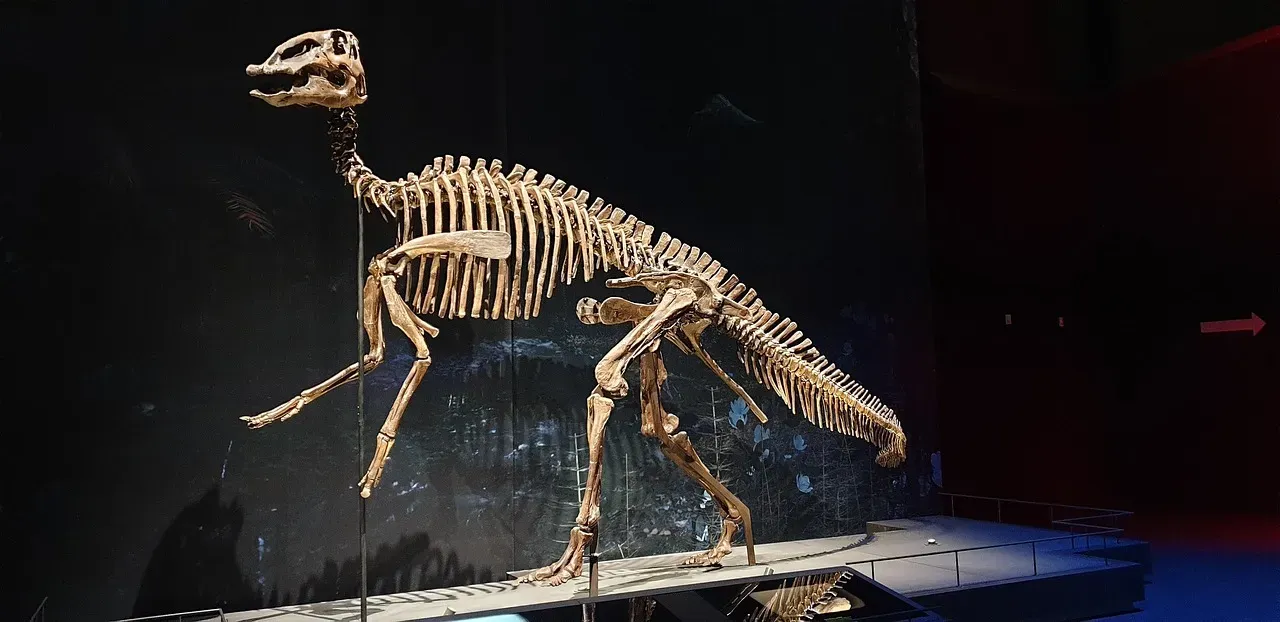
For a long time, it was tempting to imagine dinosaurs following the sun, trekking long distances like some modern birds or caribou to stay in comfortable climates. But the fossil evidence of nesting and juveniles in the far north really cuts against the idea of routine, long-distance migrations for many species. It is hard to picture tiny hatchlings marching thousands of kilometers across prehistoric landscapes filled with predators and unpredictable weather.
Instead, what is emerging is a picture where at least some polar dinosaurs were more like moose or elk that stay in northern forests year-round. They might have shifted locally – moving to more sheltered valleys or river corridors during the harshest parts of winter – but they were not abandoning the region entirely. In my view, this makes them feel even more impressive. Sticking it out through the worst the environment can throw at you takes a special kind of resilience, and these animals clearly had it.
Why Polar Dinosaurs Matter for the Bigger Dinosaur Story
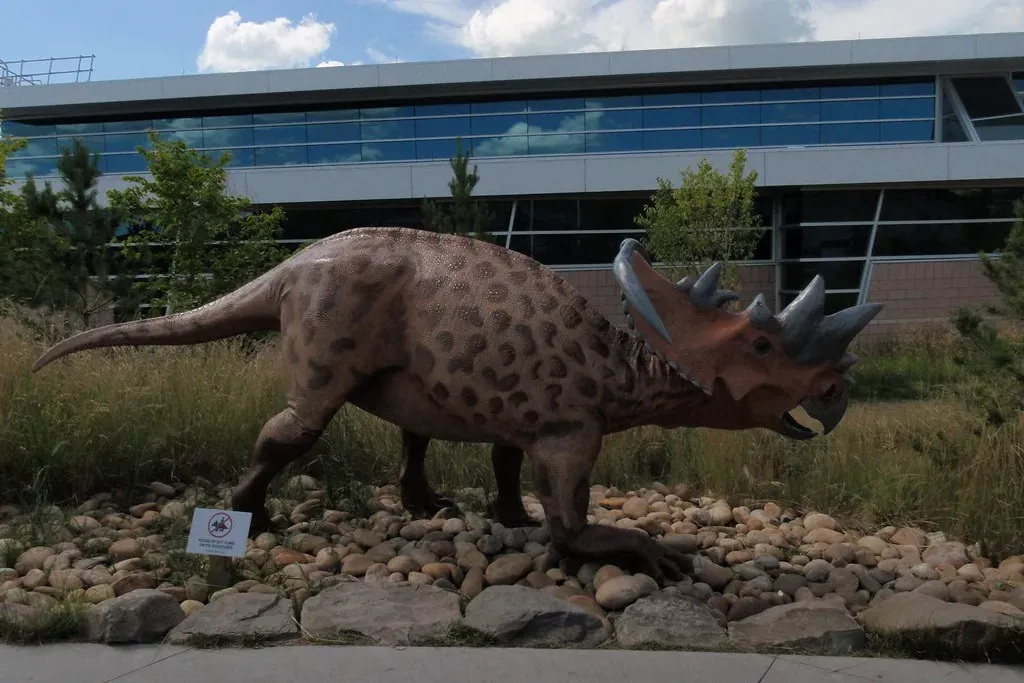
It might be tempting to treat Arctic dinosaurs as a quirky side note, a neat fossil trivia fact that sits on the edge of the main dinosaur narrative. But this research actually reshapes the core story of what dinosaurs were. If they could live in polar forests, endure long darkness, and raise young in cold climates, then they were not just creatures of warm, lush lowlands – they were global, versatile, and far tougher than many early reconstructions gave them credit for.
It also changes how we think about the world at the end of the age of dinosaurs. A planet that can support dinosaur ecosystems from the tropics to the polar circles is not a static, uniform place. It is dynamic, patchy, and full of regional experiments in life. The Arctic communities show that evolution was not just tinkering with size and horns and frills; it was also testing climate tolerance, seasonal strategies, and metabolic innovations. In a way, these polar dinosaurs feel like early test pilots for some of the traits we now associate with modern birds and mammals.
Opinionated Take: Dinosaurs Deserve a Colder, Tougher Image
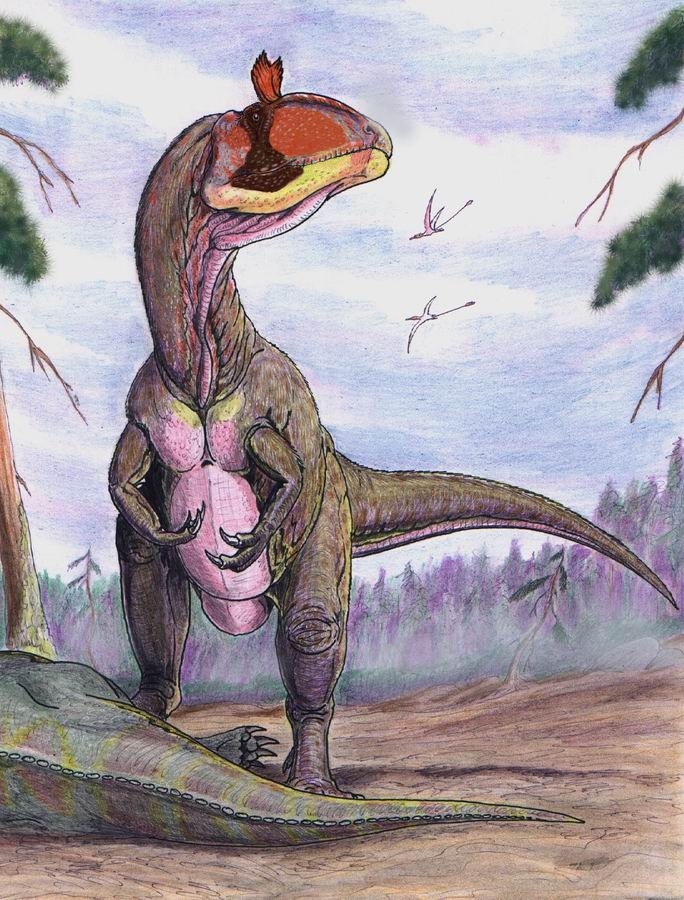
Personally, I think the image of dinosaurs as purely tropical, heat-loving giants has lingered way too long, mostly because it is easy to draw and easy to sell. The Arctic fossil evidence forces us to admit that this mental picture is outdated. Dinosaurs were not fragile monsters that vanished the moment conditions got tough; they were gritty survivors that pushed into some of the hardest real estate on the planet and made it work. That alone deserves to change how we talk about them in books, movies, and classrooms.
To me, the idea of a herd of dinosaurs quietly navigating an endless polar night is more awe-inspiring than any roaring T. rex under a blazing sun. It says something deeper about life’s ability to adapt, improvise, and hang on in places that seem almost unlivable. As we learn more from these Arctic sites, we will probably find that dinosaurs were even more inventive and resilient than we currently think. And it is worth asking ourselves: when you picture a dinosaur now, do you still see only steamy jungles, or can you also picture their footprints pressed into snow under a sky that will not see the sun for weeks?