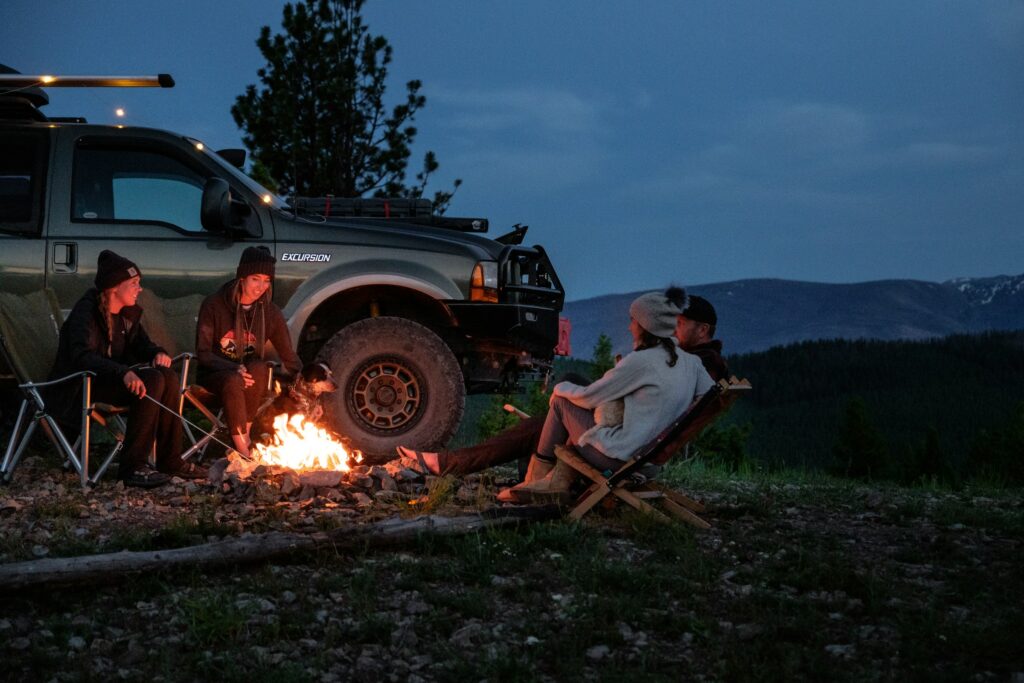
There is something almost eerily universal about it: the way conversations soften, shoulders drop, and time seems to slow when people sit around a fire. Whether it is a campfire in the woods, a fire pit in a suburban backyard, or even a virtual fireplace on a TV screen, that soft flicker pulls us in. It feels ancient, bigger than culture or trend, like we are tapping into a very old part of ourselves.
And in many ways, we are. Modern psychology, neuroscience, and evolutionary theory all point in the same direction: our brains were shaped in a world where fire meant warmth, safety, food, and togetherness. Sitting by the flames today is not just relaxing because it looks pretty; it may be soothing because, for countless generations, those who gathered around fires were more likely to survive. When you feel strangely calm staring at the coals, you are not being dramatic. You might just be following instructions written into your nervous system a very long time ago.
The Prehistoric Power Of Fire As Survival Tech
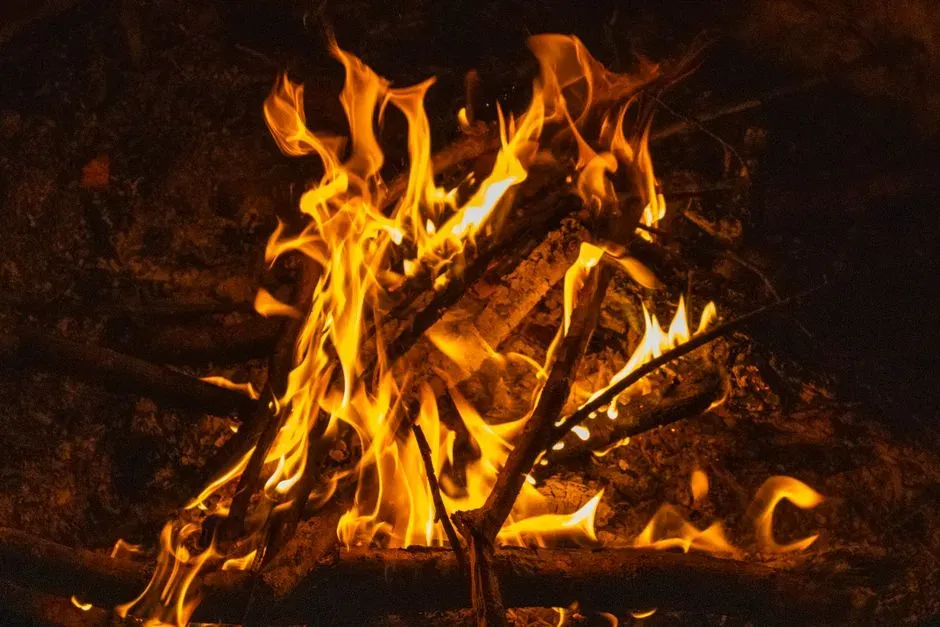
Imagine a night thousands of years ago with no streetlights, no electricity, and no solid walls. Darkness was not just an aesthetic; it was a genuine threat. Fire changed that completely. It kept predators away, lit up the immediate surroundings, and allowed early humans to stay active and social long after sunset. From an evolutionary perspective, fire was almost like a superpower, and anyone who stayed close to it gained a tangible survival advantage.
That survival link is important, because our brains tend to tag anything that consistently supports survival with strong emotional weight. Over countless generations, those who were drawn to fire had better chances to keep warm, cook food, and cooperate with others. It is not a stretch to think that natural selection favored nervous systems that felt good near the flames. So when you feel an almost irrational urge to pull up a chair by the fire pit, that urge may be the echo of an old survival algorithm still running quietly in the background.
Firelight, The Nervous System, And Why You Instantly Feel Calmer
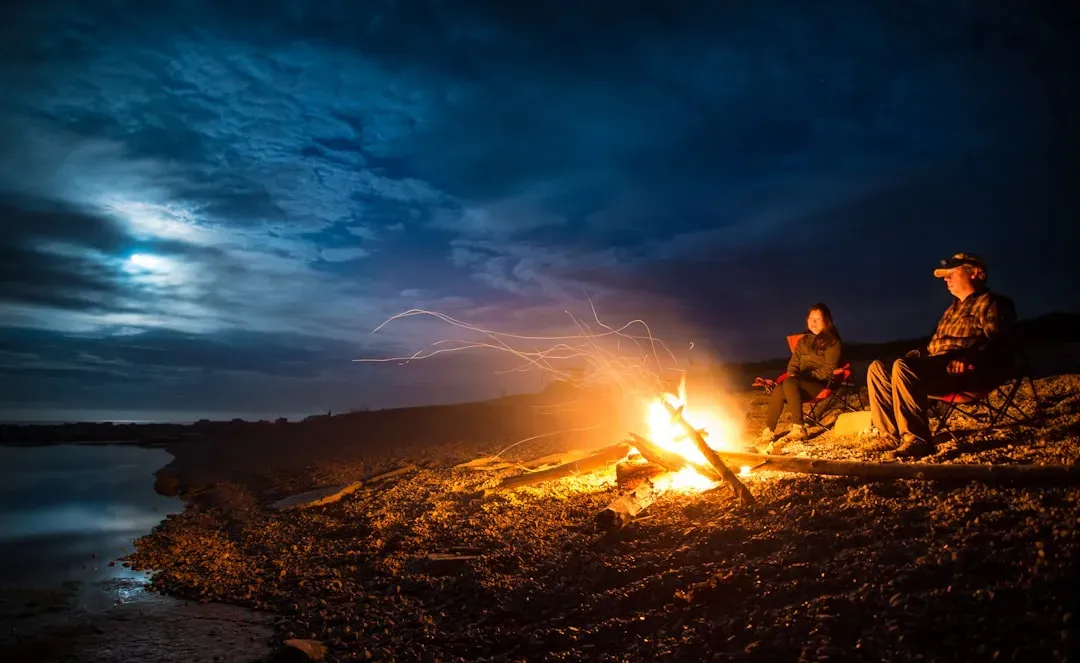
One of the most striking things about sitting around a fire is how quickly the body seems to downshift from high alert into a slower, more relaxed mode. Heart rate tends to settle, muscles unclench, and breathing often becomes deeper without any conscious effort. This shift is closely related to the parasympathetic nervous system, the part of your body that handles rest, digestion, and recovery. Gentle, predictable sensory input, like soft flickering light and low crackling sounds, signals to the brain that there is no immediate danger.
Some researchers have suggested that exposure to firelight may subtly encourage this calming response by providing a safe, rhythmic stimulus that contrasts sharply with the fast, chaotic signals of modern life. Screens, notifications, and traffic noise all push us toward a state of constant micro-alertness. A fire, on the other hand, moves slowly, unpredictably but within a narrow, contained range, like a visual lullaby. Your brain does not have to work hard to track it, and that drop in cognitive load leaves more room for your body to relax.
Warmth, Safety, And The Deep Need To Feel Protected
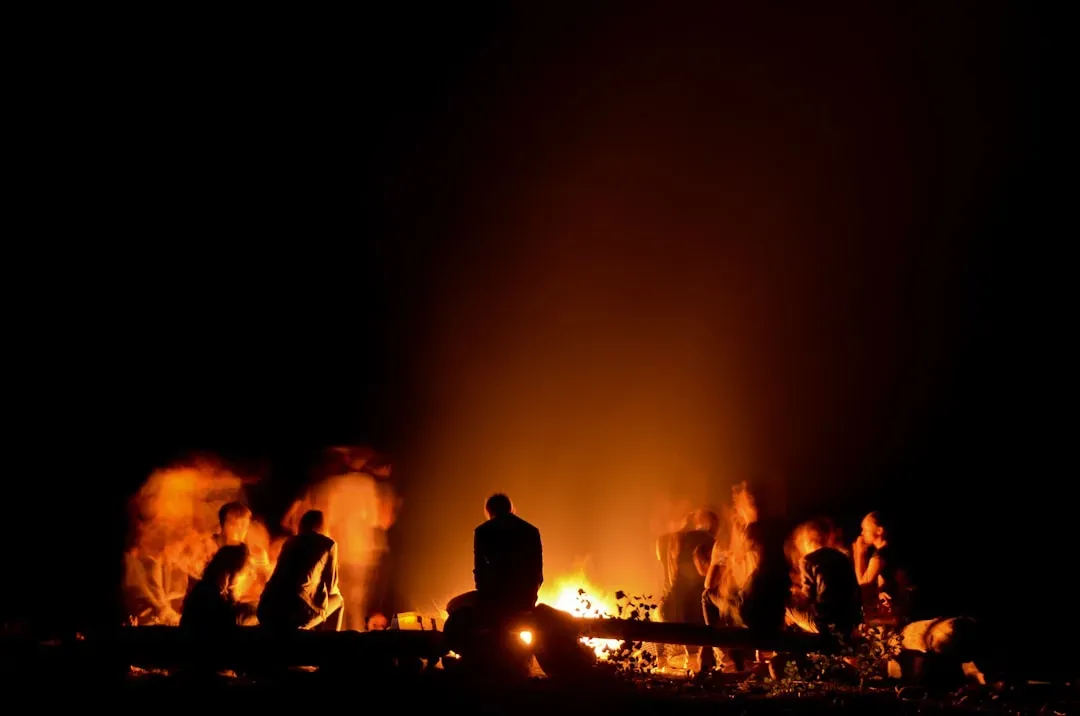
There is a simple physical truth that underpins a lot of this: warmth is comforting because cold can kill you. For early humans, staying warm was a direct line to staying alive, especially in harsher climates. Fire provided a controllable, portable source of heat that separated us from the elements. That connection between warmth and safety is still profoundly embedded in how we feel. Think of how comforting a hot drink, a blanket, or a warm bath can be on a hard day. Fire is like the oldest version of that comfort.
Beyond temperature, a fire tends to create a clear boundary: there is an inside and an outside. Inside the circle of light and warmth feels safe, familiar, and shared. Outside the circle is dark, unknown, and potentially threatening. Our brains like clear boundaries like this. They simplify the world: danger out there, safety in here. The comforting feeling that washes over you around a fire may be partly your mind concluding, at a very primal level, that you are on the safe side of that line – surrounded by light, heat, and other people.
How Flickering Flames Hijack Our Attention (In A Good Way)
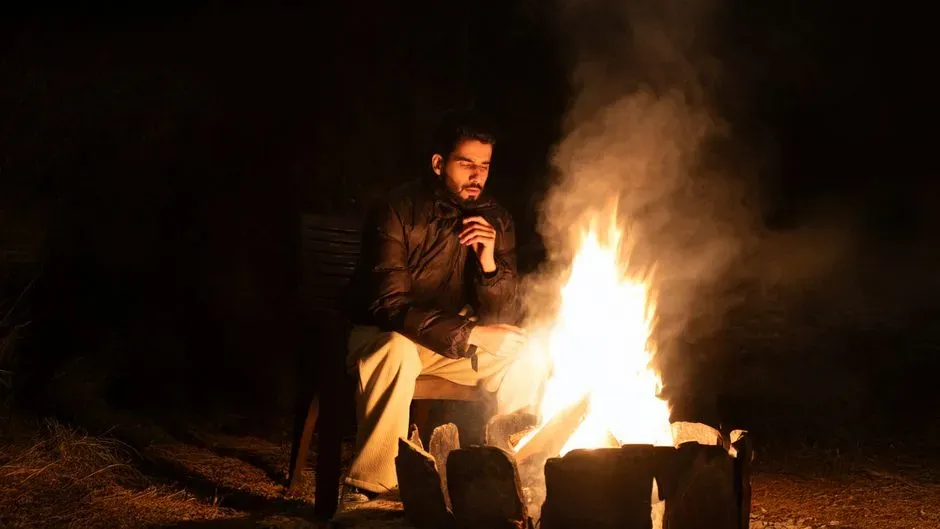
The way you can stare into a fire for twenty minutes and not realize time has passed is not an accident. Firelight is what some psychologists would call a soft fascination stimulus. It captures attention effortlessly without demanding intense concentration. The constantly shifting patterns, subtle variations in color, and gentle movement are endlessly interesting but never overwhelming. It is the opposite of a stressful, action-packed movie or a noisy social feed that yanks your attention around.
This kind of low-effort attention can give the brain a break from focused, goal-directed thinking, similar to what happens when you watch waves at the beach or leaves swaying in the wind. There is just enough novelty to keep you engaged, but not enough complexity to put you on edge. As a result, mental chatter often slows down, and what people sometimes describe as zoning out by the fire may actually be a mild, restorative state where the mind quietly resets itself.
From Campfires To Camp Stories: Fire As The Original Social Media
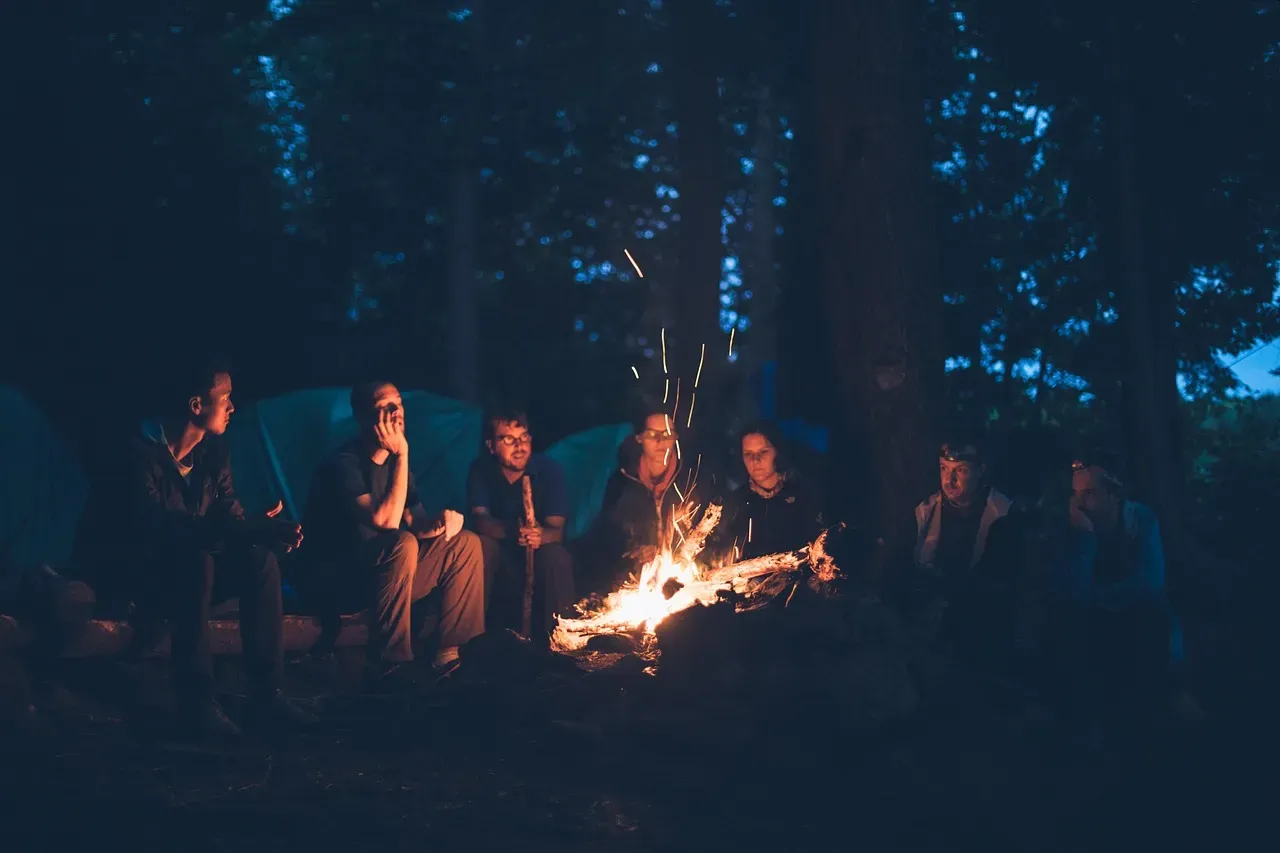
Long before people were scrolling through feeds on their phones, they were gathering around fires to share stories, gossip, and information. Fire extended the day and created an ideal setting for conversation: everyone could see each other’s faces, nobody was rushing off to hunt or gather, and the shared warmth encouraged physical closeness. That made the fire a natural hub for bonding and communication. Some anthropologists argue that a lot of our language, culture, and social norms were shaped in these after-dark fire circles.
In that light, a modern fire pit is not just decorative; it is a social technology that nudges people into an older, slower mode of connecting. Phones tend to get put away. People talk more, listen more, and pause more. The mix of darkness, shared focus, and mild vulnerability seems to invite honesty and storytelling in a way that harsh overhead lighting rarely does. When a group feels unusually open or connected around the flames, it is not magic. It is a deeply familiar social environment that our species has been using for a very long time.
Cooking, Smell, And The Comfort Of Shared Food Around The Flames
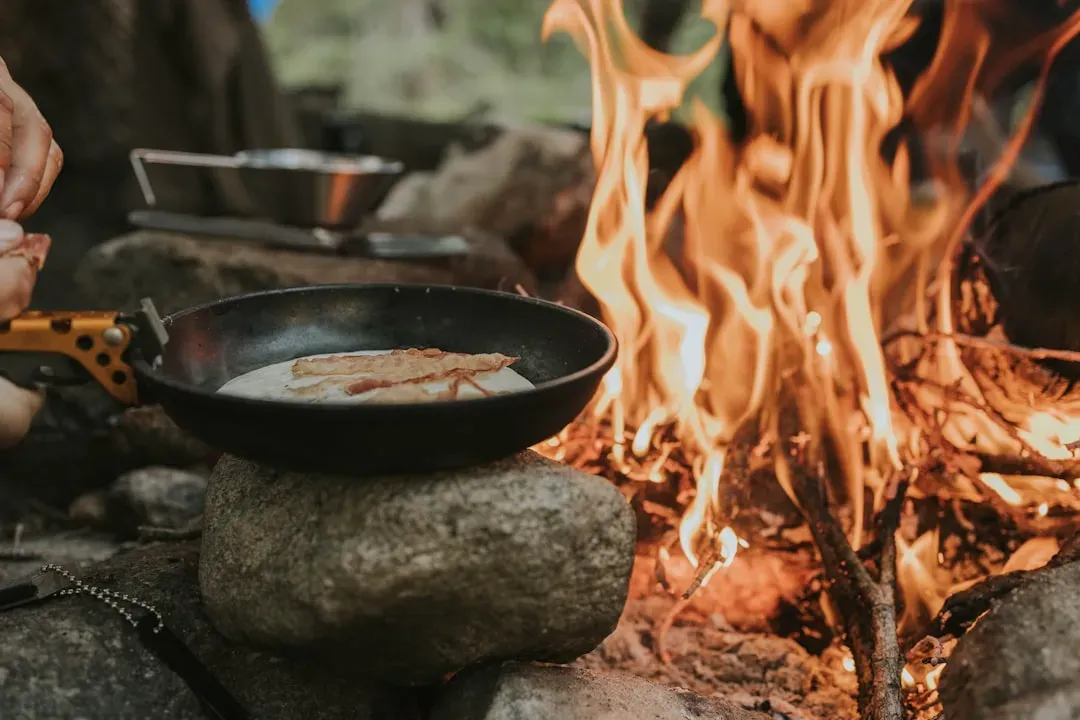
Fire was not just a light source or a heater; it completely transformed how humans eat. Cooking made food safer, easier to digest, and more energy-dense, which in turn likely supported bigger brains and longer lives. But beyond pure biology, cooking around a fire made mealtimes more communal. People had to gather, wait, and share. Those shared meals would have been some of the most predictable, rewarding parts of the day, reinforcing positive emotions linked to the presence of fire.
Even now, the smell of smoke, the sizzle of something on the grill, and the taste of food cooked over flames carry a strong emotional charge. They are tied to memories of camping trips, barbecues, holidays, and late-night conversations. Our senses do not operate in isolation; smell, taste, and sight combine into a powerful mood-setting experience. So when you sit around a fire and feel instantly more grounded, the comfort might come as much from your brain anticipating shared food and togetherness as from the light itself.
Why A Fire Circle Feels Tribal (In The Best Way)
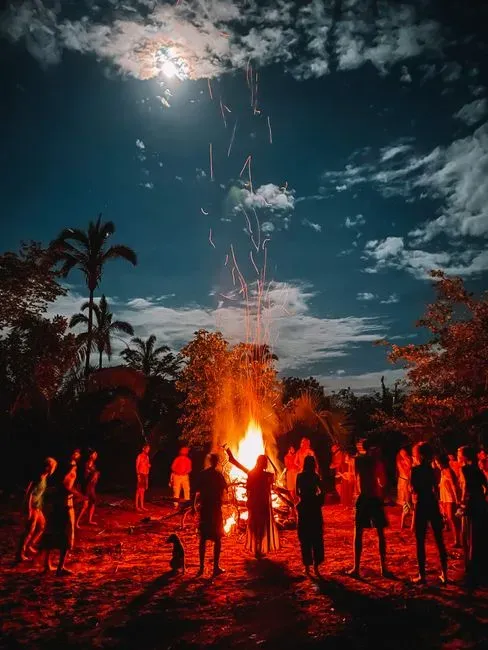
If you look at the layout of people around a campfire, it tends to form a circle almost automatically. Everyone can see everyone else, and no one is stuck at the head of the table. That simple geometry changes how we interact. It softens hierarchy, pulls quieter people into the group, and makes turn-taking in conversation easier. In evolutionary terms, this kind of small, face-to-face group would have been the basic unit of survival and cooperation, the group you literally depended on to stay alive.
Because of that, a fire circle can tap into our built-in sensitivity to belonging. Humans are wired to care deeply about inclusion and exclusion. Being part of the group has always been safer than being alone in the dark. So when you sit in that circle and feel a surprisingly deep sense of ease, a part of you may be registering a simple message: you belong here. In a world where many people feel isolated despite constant digital connection, that quiet, embodied sense of belonging can feel almost shockingly soothing.
Modern Fireplaces, Screensavers, And Our Brain’s Old Code

What is fascinating is that the calming effect of fire seems to survive even when the flames are symbolic or simulated. People relax in front of a gas fireplace, a candle, or even a looping fireplace video on a television, even though they know perfectly well it is not necessary for survival. This suggests that the psychological template for fire comfort is robust enough to be triggered by simplified versions of the real thing. The brain notices the familiar combination of flicker, warmth-like light, and gentle sound, and replies with the same old soothing response.
I have caught myself putting on one of those virtual fireplaces in the background while working or reading, and only later noticing that I feel a little less tense, like someone quietly dimmed the static in my head. It is a reminder that our nervous systems have not caught up with the pace of technological change. We can surround ourselves with cutting-edge gadgets, but the hardware in our brains is still optimized for a world of fire circles, not endless blue light and notification chimes. In that sense, leaning into these old cues is less about nostalgia and more about using our own wiring intelligently.
The Unexpected Mental Health Upside Of Fire Time
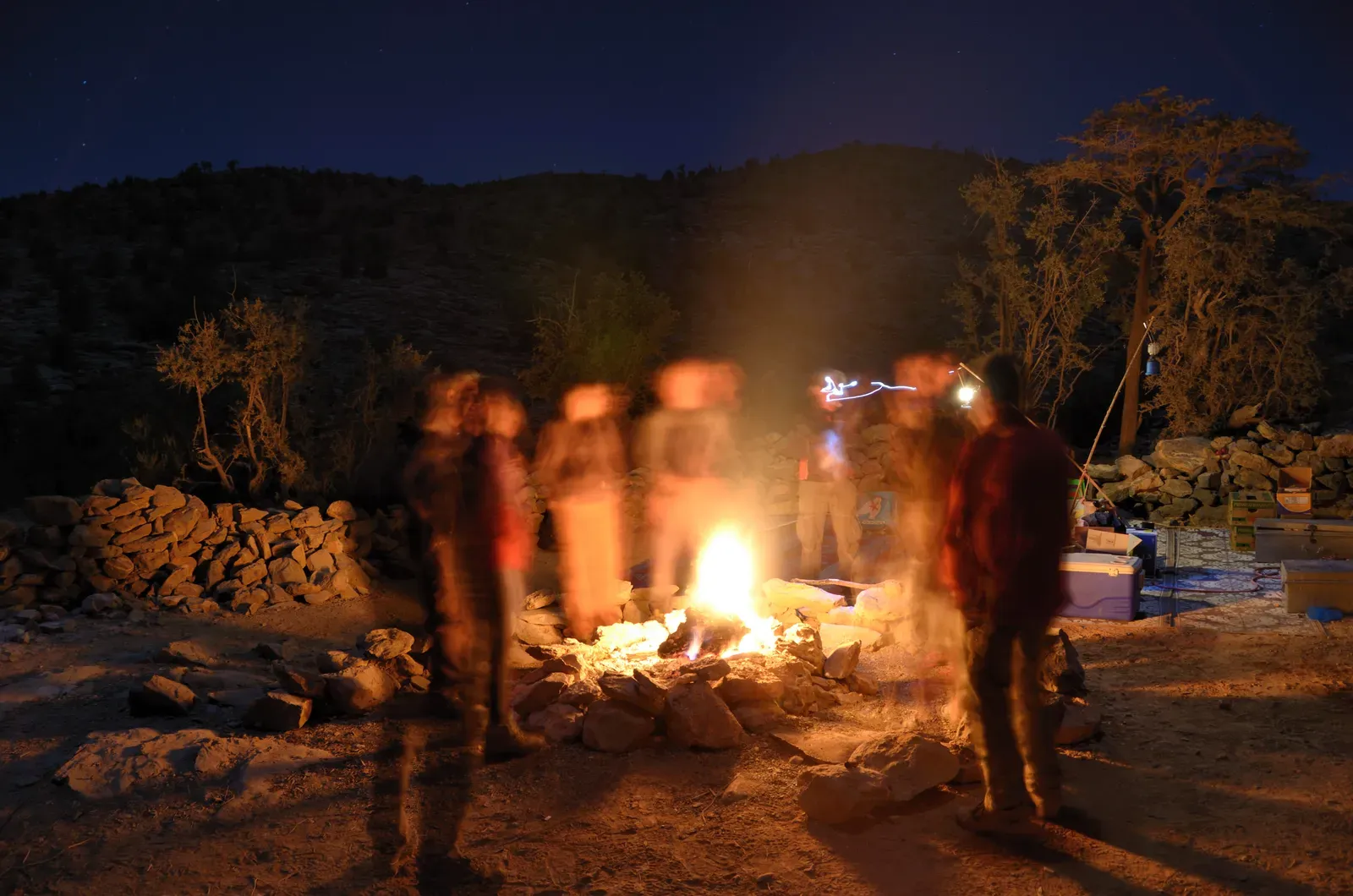
While sitting around a fire is not a cure-all for psychological struggles, it does line up surprisingly well with many practices known to support mental health. It encourages slowing down, being present, and engaging in real conversation. It pulls people outdoors, even if only to the backyard, and away from some of the most overstimulating parts of modern life. The mix of gentle sensory input, social connection, and a clear break from routine can make fire time feel like an informal reset button.
From an opinionated standpoint, I think we underestimate how starved many of us are for exactly this kind of experience. We spend our days bathed in artificial light, hopping between tasks, and consuming information that is loud, fast, and demanding. No wonder a simple fire can feel so disproportionately good. It is one of the few rituals that reliably pulls us back into our bodies, our senses, and our relationships, with almost no instructions required. That is a powerful tool to ignore just because it looks old-fashioned.
Conclusion: Maybe Fire Feels Like Home Because, For Humans, It Is
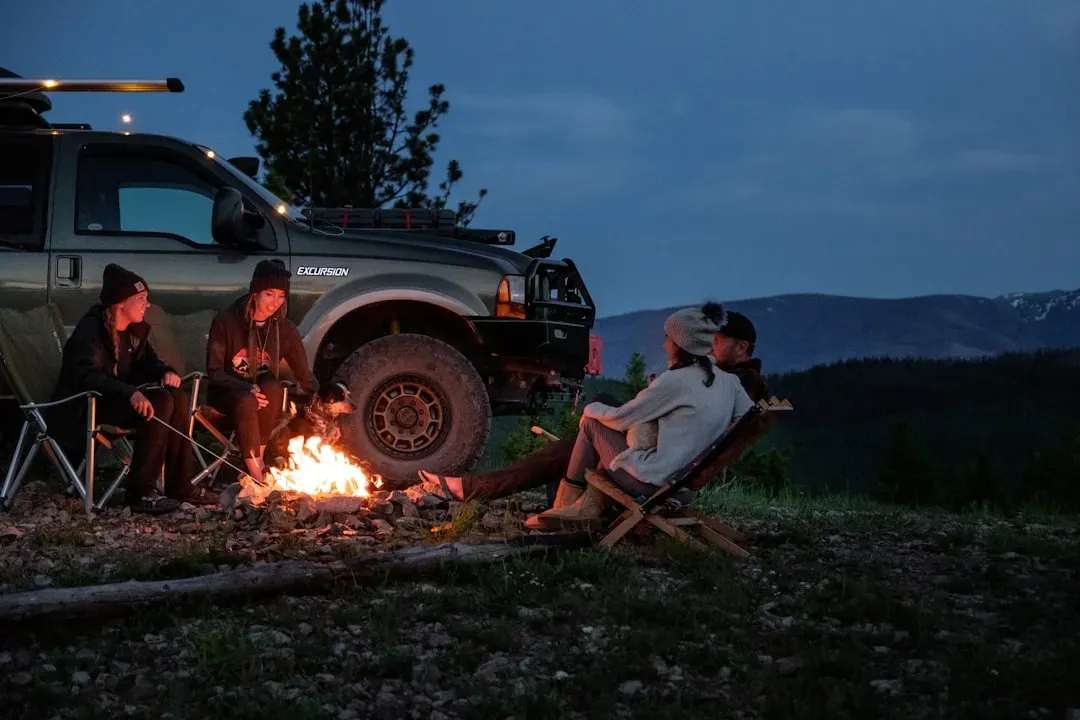
When you zoom out, the comfort of sitting around a fire stops being mysterious and starts to look almost inevitable. Fire kept our ancestors alive, shaped our evenings, fed our bodies, and connected our groups. Our nervous systems, our emotions, even our social habits grew up in the glow of flames. So of course a fire feels safe. Of course it feels right. It is not some random cozy aesthetic you happen to like; it is more like a core memory of the human species that your body recognizes instantly.
Personally, I think we should take that seriously instead of treating it as a quaint camping detail. In a time when so many people feel anxious, rushed, and disconnected, the old ritual of gathering around a fire might be one of the simplest, most honest forms of self-care and community building we still have. It is low-tech, deeply human, and strangely resistant to the noise of modern life. The next time you find yourself staring into the flames and feeling that hard-to-explain wave of peace, maybe the most accurate thought is the simplest one: this is what my brain was built for. Did you expect that?