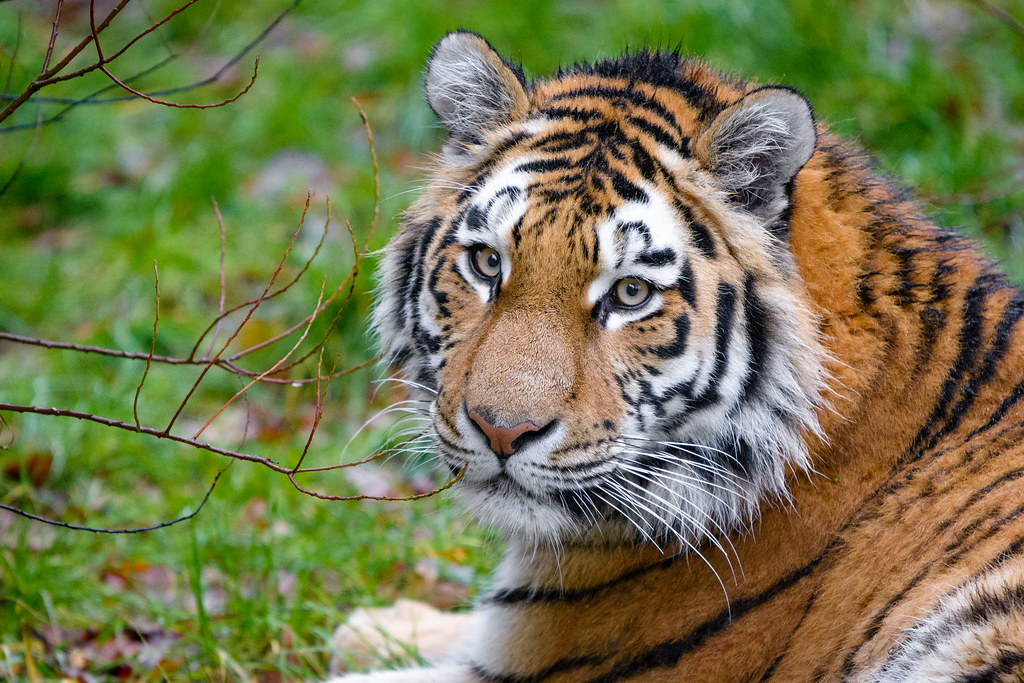
Why do we binge-watch shark attacks, big-cat documentaries, and true-crime shows about hunters in human form – while insisting we hate violence? There is something unsettling and magnetic about powerful predators that pulls our eyes back to the screen, the page, or the cage at the zoo, even when part of us wants to look away.
Psychologists and evolutionary scientists increasingly think this attraction is not just morbid curiosity or media hype. It may be the echo of a much older reality, from a time when humans were not always at the top of the food chain but just one vulnerable primate among many hungry mouths. To understand why apex predators still live rent-free in our minds, we have to look at the long stretch of human history when living beside them was not entertainment, but survival training.
Living With Predators Was Once an Everyday Human Problem
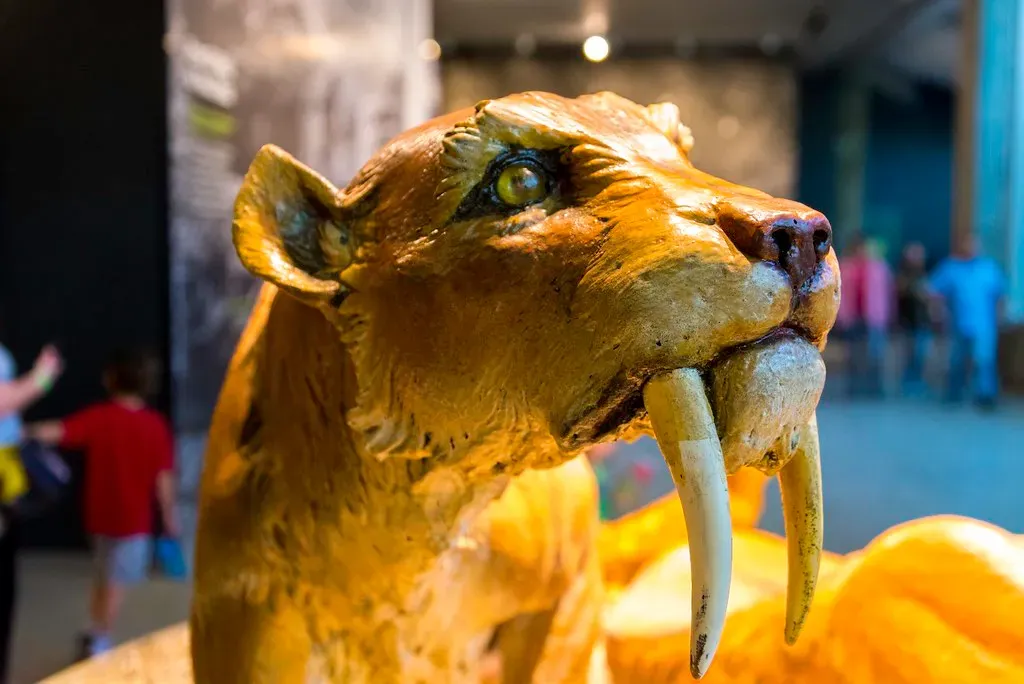
For most of our species’ history, humans shared landscapes with lions, leopards, hyenas, wolves, bears, crocodiles, and big birds of prey. We walked the same game trails, drank from the same rivers, and slept in the same dark nights where the sound of a twig snapping could mean nothing – or the end. Fossil evidence and archaeological sites show that early humans were sometimes prey, their bones bearing tooth marks from big cats and other carnivores.
When you imagine that kind of world, a lot of modern “irrational” fears start to look logical. Being acutely tuned to movement in the bushes, to glowing eyes at the edge of the firelight, was not paranoia but insurance. The humans who noticed predators, who could not stop paying attention to them, were more likely to live long enough to have children. That edge of anxiety around powerful animals was not a quirk. It was a survival feature.
The Brain’s Threat-Detection System Loves Big, Dangerous Animals
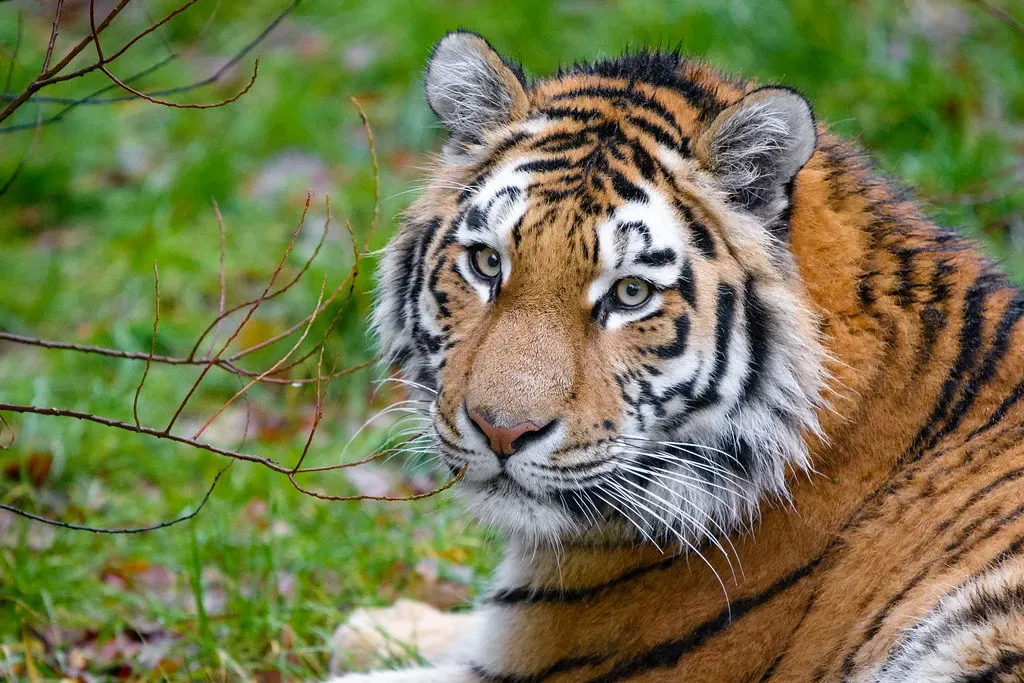
Our brains are not neutral when it comes to certain shapes and movements, and predators hit a lot of those hot buttons at once. Research in psychology and neuroscience has shown that people detect threatening animals, like snakes or spiders, faster than neutral objects, and similar mechanisms likely extend to large predators as well. Parts of the brain involved in fear and vigilance, such as the amygdala, light up more intensely when we see images of danger, even when we know we are safe.
Powerful predators are like a perfect stimulus cocktail for this system: large size, forward-facing eyes, stealthy movement, sharp teeth or claws, and the clear potential to cause harm. Our brains treat that combination as high priority information, the way your phone treats an emergency alert differently from a random text. We do not have to consciously decide that a shark fin or a tiger’s stare is important. The ancient, automatic parts of our nervous system have already voted yes.
Fear and Fascination Are Two Sides of the Same Ancient Coin
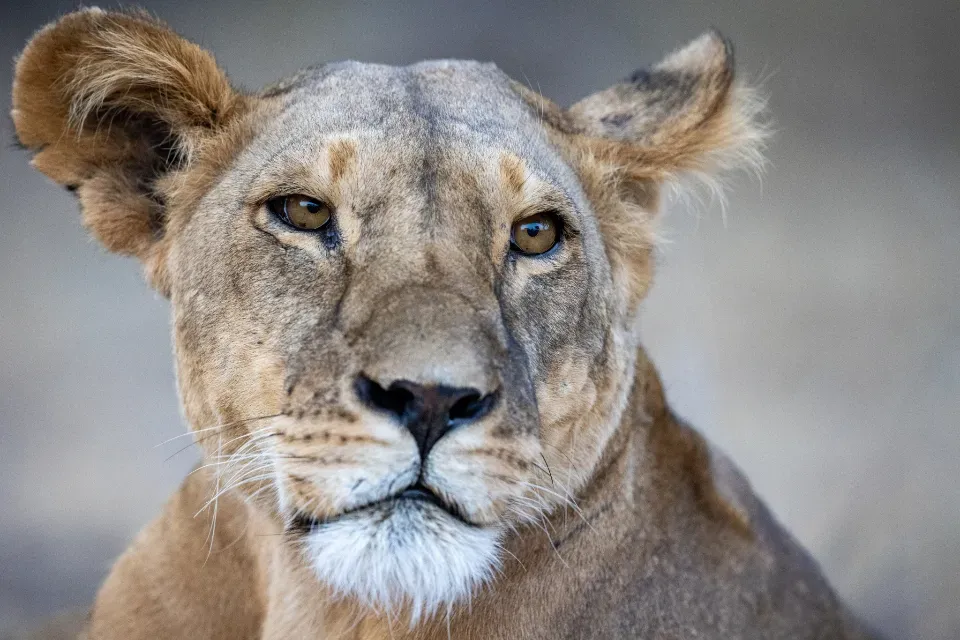
One of the strangest things about predators is that we want to look at them even when they scare us. That tension between fear and fascination is not a bug of human psychology; it is an adaptive balance. If we were only terrified, we might freeze or avoid learning anything useful. If we were only fascinated, we might get too close and not survive long enough to regret it.
Instead, evolution seems to have wired us for a mix of emotions around dangerous animals – nervous excitement, dread, awe, and curiosity all tangled together. Think about standing at a safe distance behind glass watching a big cat pace back and forth. Your heart rate is a little higher, your senses sharpen, and you cannot quite pull yourself away. That emotional cocktail is exactly what would have helped our ancestors study predators closely without completely shutting down or getting reckless.
Attention to Predators Was Once a Matter of Life or Death
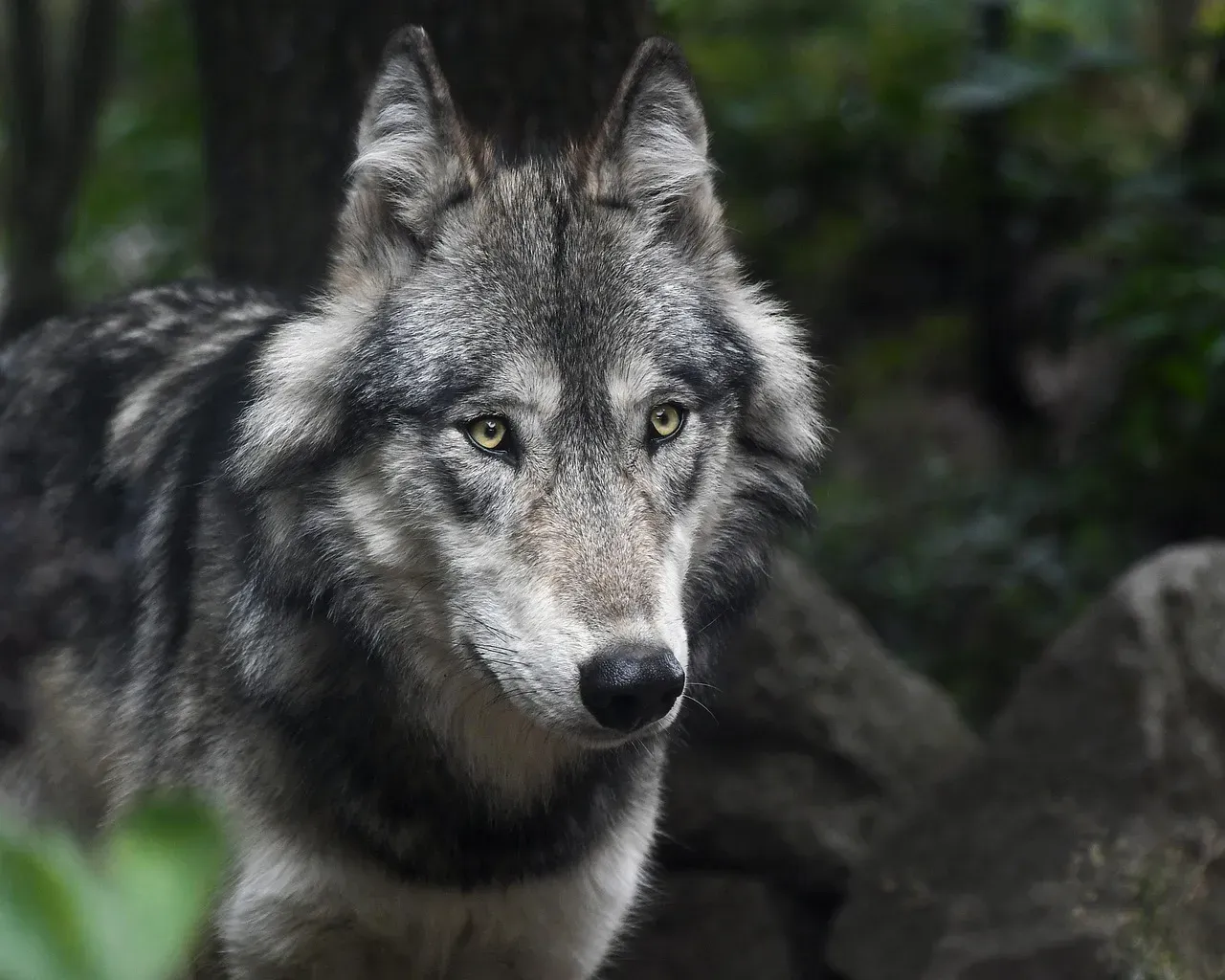
In a world full of threats, what you choose to pay attention to can make the difference between life and death. The ancestors who obsessively tracked predator behavior – where they hunted, when they moved, how they stalked – had better odds of avoiding surprise attacks and keeping children safe. Over many generations, those attentional habits would be baked deeper and deeper into our psychology.
Our modern appetite for documentaries about lions, sharks, or wolves may be a harmless echo of this old survival project. Watching how a big cat hunts on a nature show is obviously not preparing us to fend off an attack in the street, but the brain does not fully separate real from symbolic here. The same deep mechanisms that once rewarded learning about predators now fire when we see high-definition footage, detailed animations, or even graphic novels that lay out the moves of these dangerous animals.
Stories of Monsters, Beasts, and Villains Are Predators in Disguise
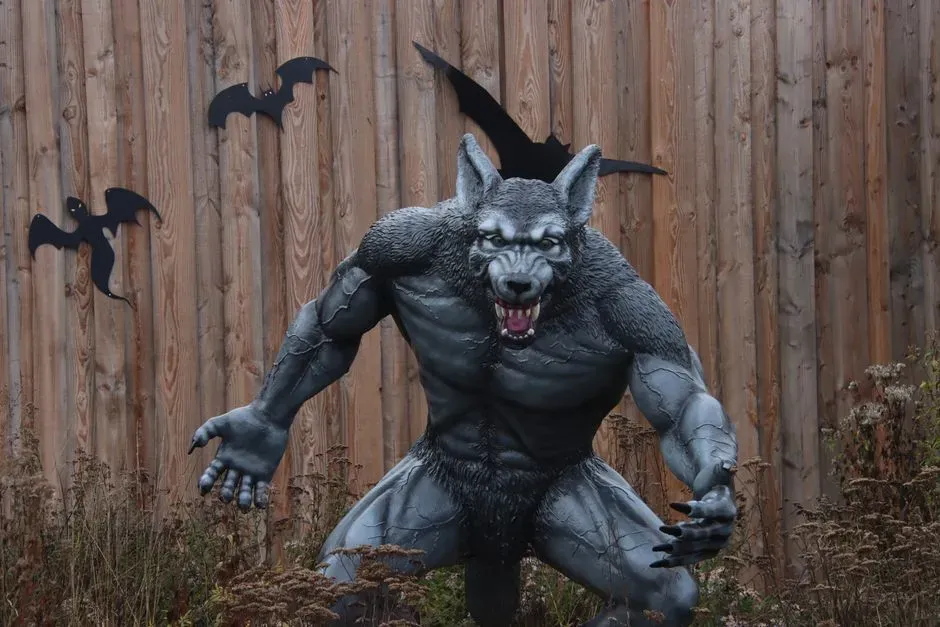
Long before we had camera traps and drone footage, we had stories around the fire. Many of the monsters and beasts from myth and folklore look suspiciously like exaggerated predators: dragons with talons and teeth, wolves that walk like men, giant serpents, man-eating ogres. They are often the ultimate danger in the story, the thing the hero must outwit, escape, or defeat. In a sense, myths are like training simulations, letting people rehearse emotional and cognitive responses to extreme threats.
Even today, a lot of our movie villains and horror creatures are updated versions of ancient predators, just with a sci-fi or supernatural twist. The unstoppable slasher, the alien hunter, the unhinged serial killer – these are human-shaped apex predators. Psychologically, consuming those narratives may scratch the same old itch: understanding danger by watching it, mapping its patterns, and imagining how we might survive if it turned toward us.
From Prey to Top Predator: Our Status Changed, Our Minds Did Not
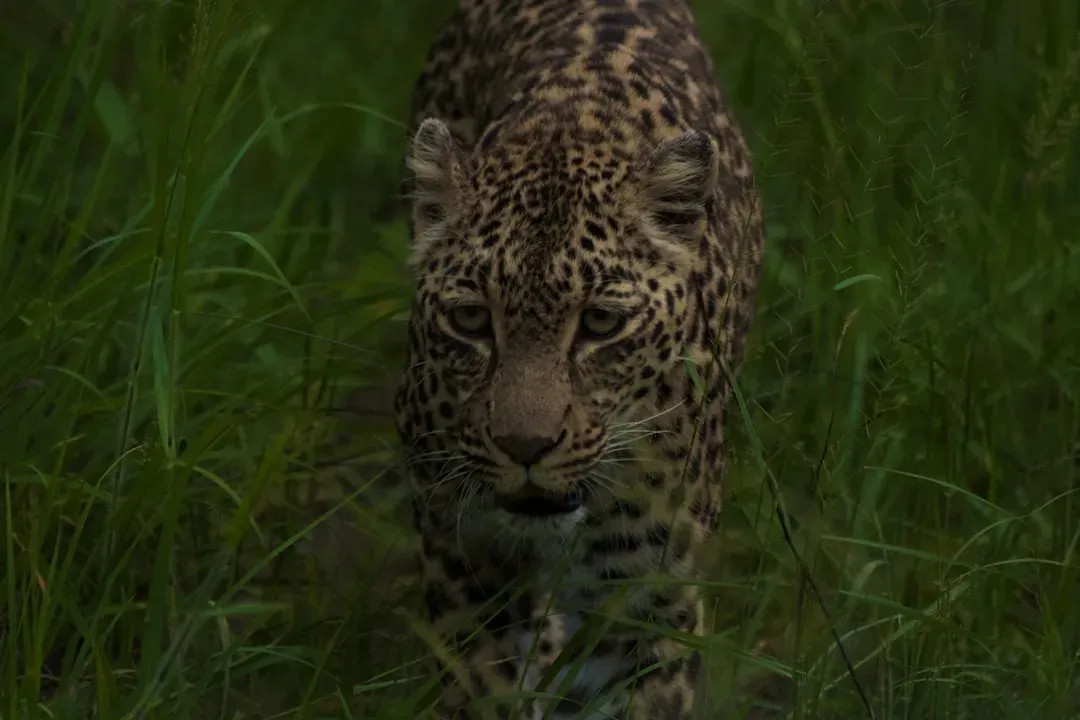
Modern humans like to think of themselves as rulers of the food chain, but that change is incredibly recent on an evolutionary timeline. For hundreds of thousands of years, we were somewhere in the middle, both hunter and hunted. Only with fire, tools, cooperation, and eventually cities, guns, and technology did we move mostly out of the reach of non-human predators. That shift happened too fast for our brains to fully rewrite the code they were running.
So we carry a kind of mismatch: a nervous system tuned for a more dangerous world living inside a body that can order groceries from the couch. The result is that our predator-attuned instincts roam around looking for something to latch onto. Sometimes they attach to literal animals – sharks, bears, big cats. Other times they attach to symbolic predators, like powerful leaders, ruthless competitors, or threatening strangers. The world changed, but the watchful, predator-focused mind kept right on scanning.
Modern Media Turns Ancient Instincts Into Spectacle
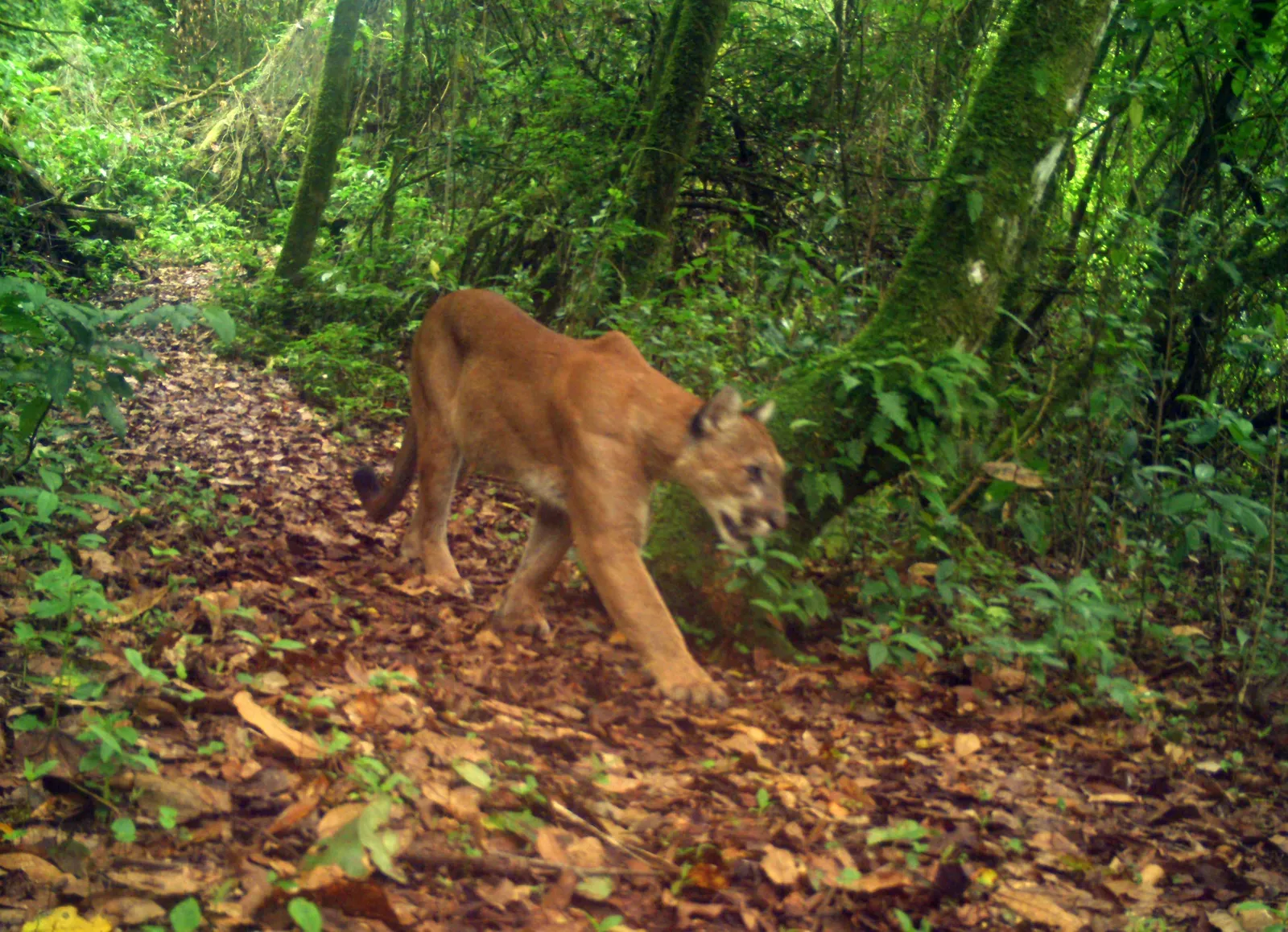
Our entertainment industries have learned, consciously or not, how to plug straight into this deep fascination. Nature documentaries spotlight apex predators, sports teams adopt them as mascots, and thriller plots revolve around hunters and hunted. Even reality shows and social media feuds often frame people as predators or prey, winners and losers, powerful and vulnerable. That framing works not just because it is dramatic, but because it resonates with very old mental templates.
When we slow down and notice it, our feeds can look like a highlight reel of modern predator theater: videos of shark encounters, dramatic footage of lions taking down prey, viral clips of confrontation and dominance among humans. It is easy to blame this on algorithms, but the algorithms are responding to clicks, shares, and watch time. In a way, our stone-age attraction to predators is getting amplified by twenty-first century technology, turning a survival instinct into a global spectacle.
Why Some of Us Love Predators – and Some of Us Hate Them
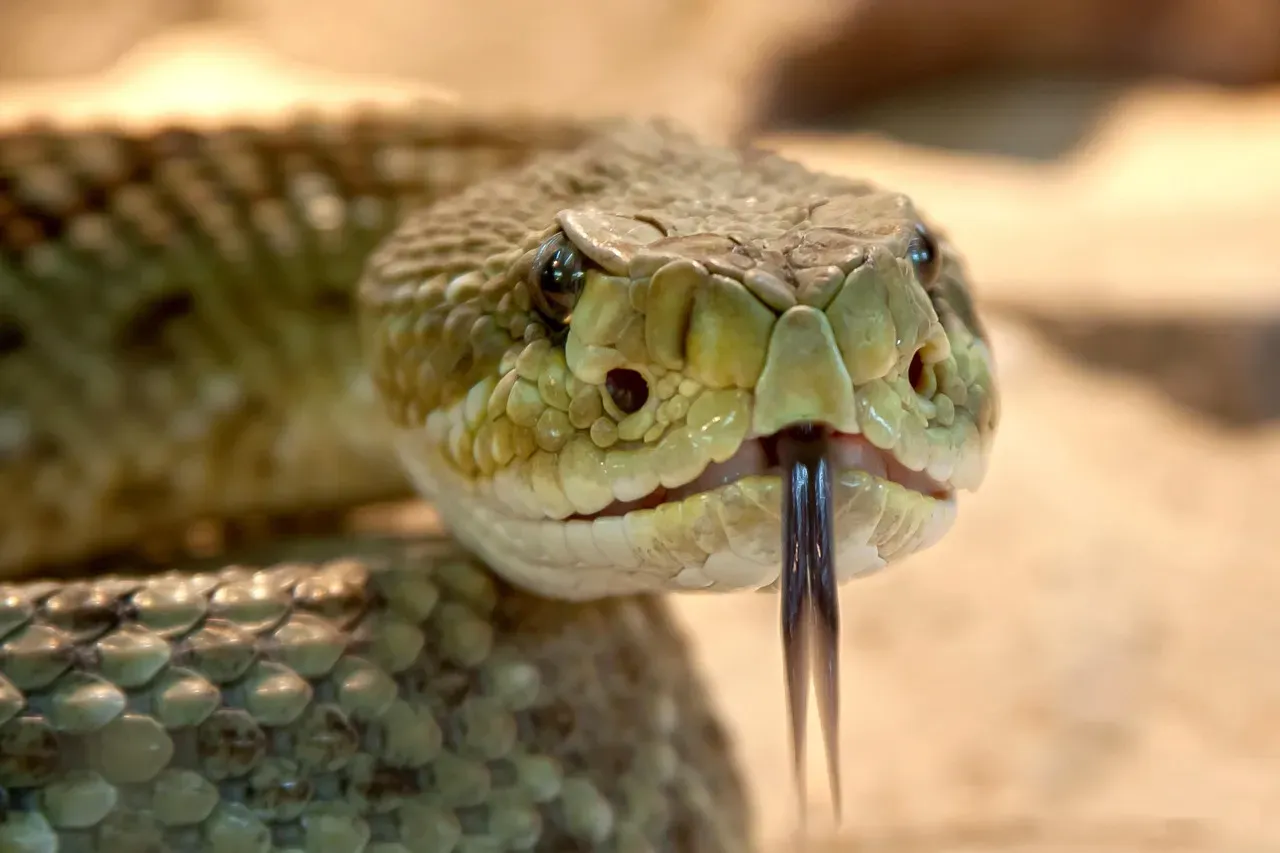
Of course, not everyone responds to powerful predators in the same way. Some people are drawn to them, collecting images, facts, and experiences, while others are deeply uncomfortable and avoid even fictional depictions. Personality, upbringing, and cultural background all play a role. For example, someone who grew up in a rural area with actual predator encounters might feel less romantic and more wary than someone who only knows them from glossy documentaries.
I still remember seeing a large snake for the first time in the wild and feeling a weird mix of alarm and admiration, almost like my body reacted one way while my thoughts reacted another. That split is common with predators: we can intellectually value conservation and be fascinated by their power, while our older, deeper circuits whisper that anything with that many teeth is not our friend. Our responses are not simple, and that complexity is part of what keeps predators so firmly lodged in our collective imagination.
Conclusion: Our Predator Obsession Is a Clue, Not a Curse
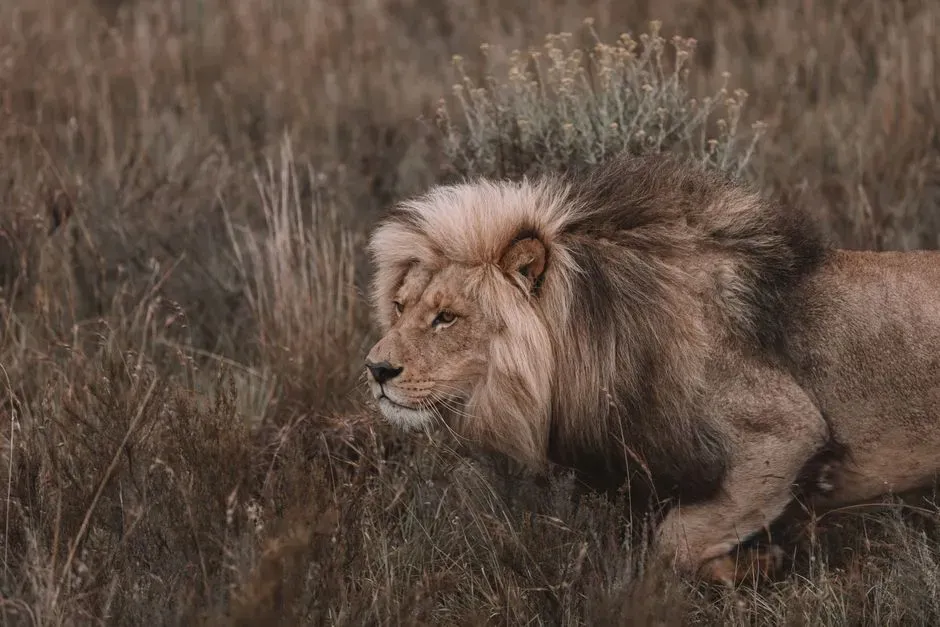
When you look at the evidence, our fascination with powerful predators stops feeling like a modern oddity and starts to look like a psychological fossil. It is a leftover, but a meaningful one – a trace of the countless generations who stayed alive by watching, tracking, and respecting the animals that could end their lives in a heartbeat. I think we underestimate how much those old pressures still shape our fears, our stories, and even our scrolling habits today.
In my view, the point is not to romanticize predators or demonize them, but to recognize that our minds were forged in a world where we were not untouchable. That recognition can make us more honest about our instincts and more thoughtful about how we feed them – whether we are watching a shark special, arguing about a ruthless CEO, or cheering for a team named after a big cat. The predators may be mostly outside our daily lives now, but they are still very much inside our heads; the real question is what we choose to do with that ancient attention. Did you expect so much of your media diet to trace back to teeth in the dark?