
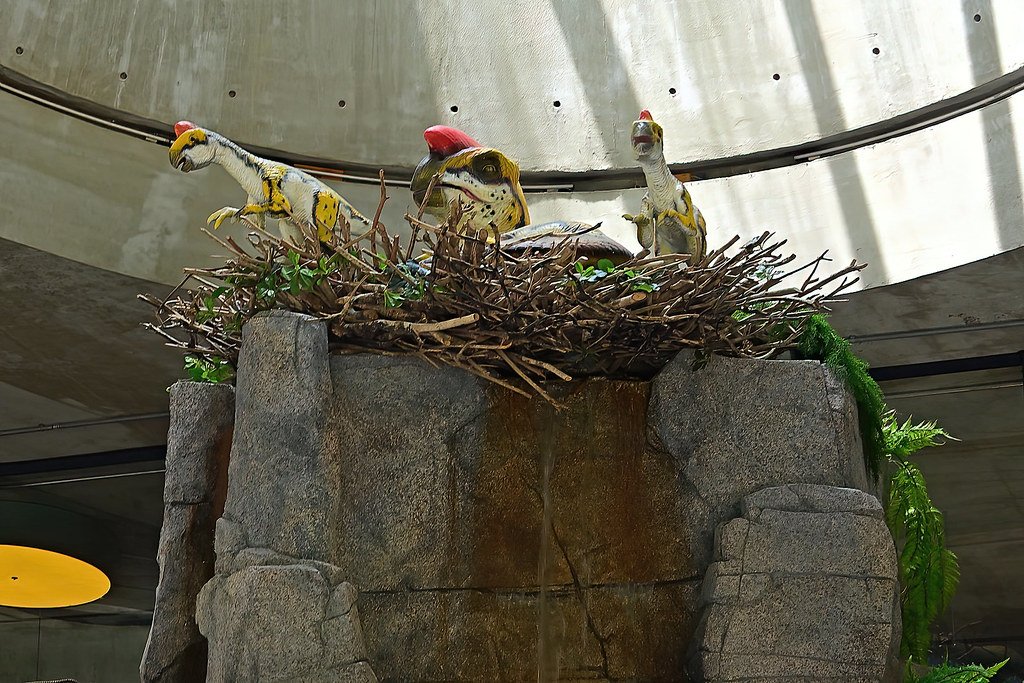
Imagine walking into an ancient nesting ground frozen in time: a dinosaur, carefully poised over a clutch of eggs, caught in the middle of a behavior we still see in backyard robins and puffins today. That is essentially what some paleontologists have uncovered over the past few decades and refined with newer discoveries, and it has quietly reshaped how we think about the line between dinosaurs and birds. These fossils are not just bones; they are snapshots of parenting, warmth, and surprisingly familiar care.
For a long time, dinosaurs were painted as cold, reptilian monsters with little nuance to their lives. Now, we know that at least some of them brooded their eggs, protected their nests, and may have lived in bustling colonies that looked a lot more like modern seabird rookeries than lonely lizard lairs. The more closely we look, the more the sharp boundary between dinosaur and bird starts to blur, and that might be the most thrilling part of the story.
The First Big Clue: Dinosaurs Caught in the Act of Brooding
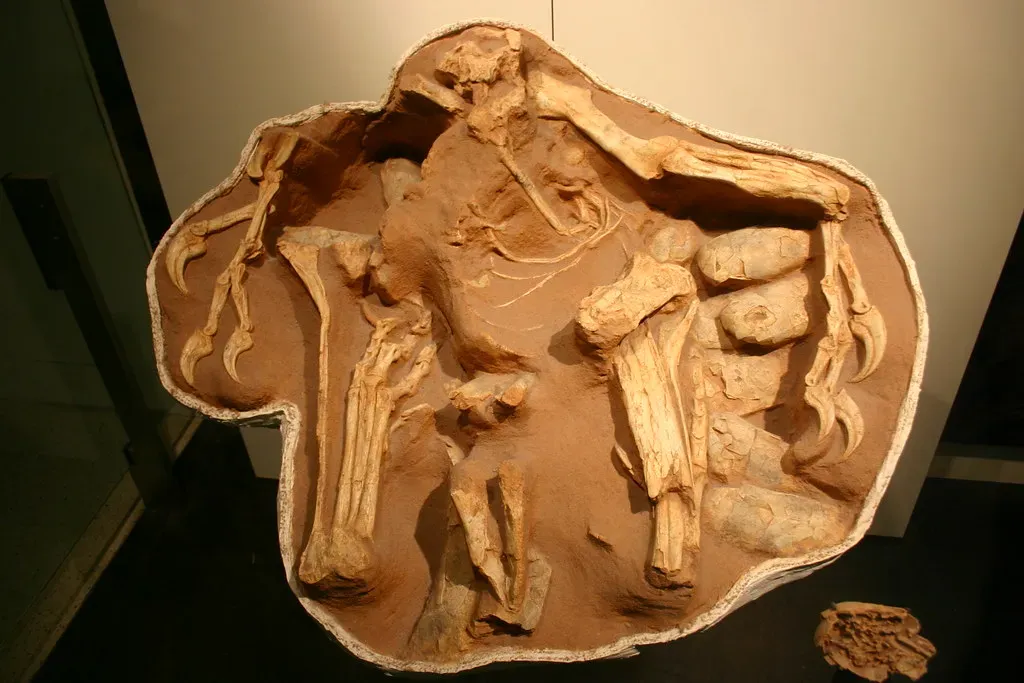
One of the most dramatic shifts in dinosaur science came when paleontologists began finding small, bird‑like theropods preserved directly on top of nests of eggs. In some standout fossils from Mongolia, for example, an oviraptorosaur is preserved in a low, crouched position over a circular nest, its arms spread in a pose eerily similar to a bird sheltering its young. This was not a dinosaur passing by; this was a parent locked in the act of brooding when sediment buried it in place.
These fossils forced scientists to rethink old assumptions. Early on, one famous specimen was misinterpreted as a dinosaur stealing eggs, which is why the name Oviraptor, or “egg thief,” was coined. Later finds, however, showed embryos inside the eggs matching the adult on top, revealing that the so‑called thief was actually the parent. It is hard to overstate how powerful that reversal was: what was once seen as a villain became evidence of tender, bird‑like care in a non‑avian dinosaur.
Nests That Look Strangely Familiar
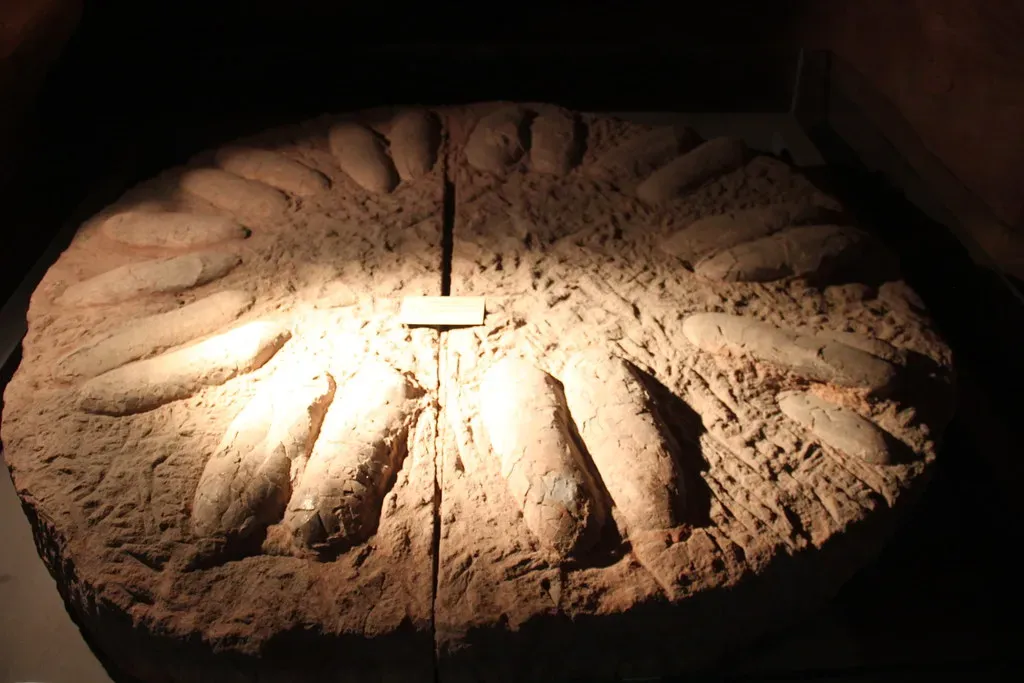
It is not just the posture of brooding dinosaurs that matters; it is also the nests themselves. Many theropod nests are arranged in neat circles, with eggs laid in pairs or in carefully spaced rings, more like the planned layout of a bird nest than a random pile. In some cases, the eggs are partially buried, with the tops exposed, much like the way certain modern birds balance warmth and ventilation for their developing embryos.
These nesting patterns suggest deliberate construction and repeated, instinctive behavior. When paleontologists compare these fossil nests to those of living birds, the similarities in spacing, layering, and sometimes even clutch size are hard to ignore. The idea that nesting architecture, not just bones, reveals evolutionary relationships is powerful, because it points to ancient instincts that have persisted for tens of millions of years.
Eggs, Shells, and the Chemistry of Deep Time
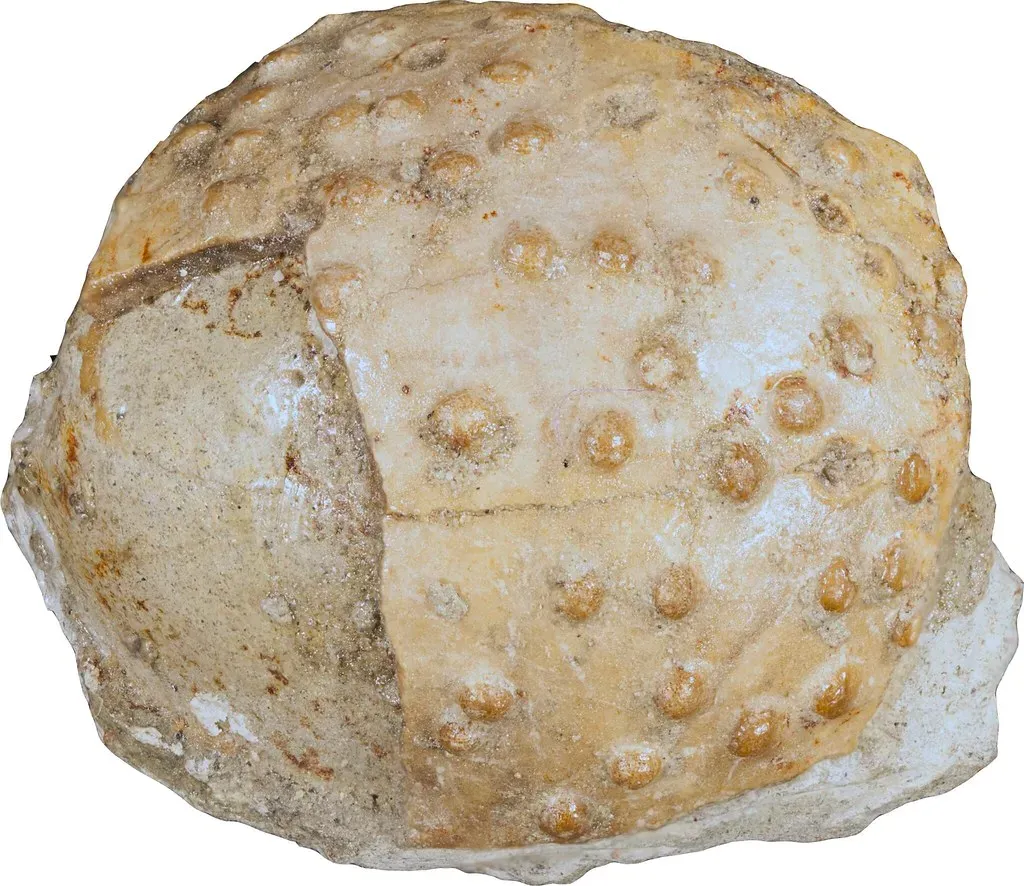
Look closely enough, and even an eggshell can tell a story about evolutionary kinship. Studies of dinosaur eggshell microstructure have found features that overlap strongly with bird eggs, such as specific crystal patterns and multiple shell layers designed to manage gas exchange and protect the embryo. The thickness, porosity, and composition do not line up well with modern reptiles like crocodiles, but they often track closely with birds that nest in similar environments.
Chemical analyses have gone even deeper, examining isotopes and microscopic residues that hint at nesting temperatures and moisture levels. Some research suggests that certain dinosaur eggs incubated at relatively warm, stable temperatures, consistent with brooding by a warm‑blooded or at least partially warm‑blooded adult. That picture fits naturally with a bird‑like parent sitting and regulating the nest rather than leaving the eggs entirely at the mercy of the sun or surrounding vegetation.
Warm Bodies, Feathery Coats, and the Need to Brood
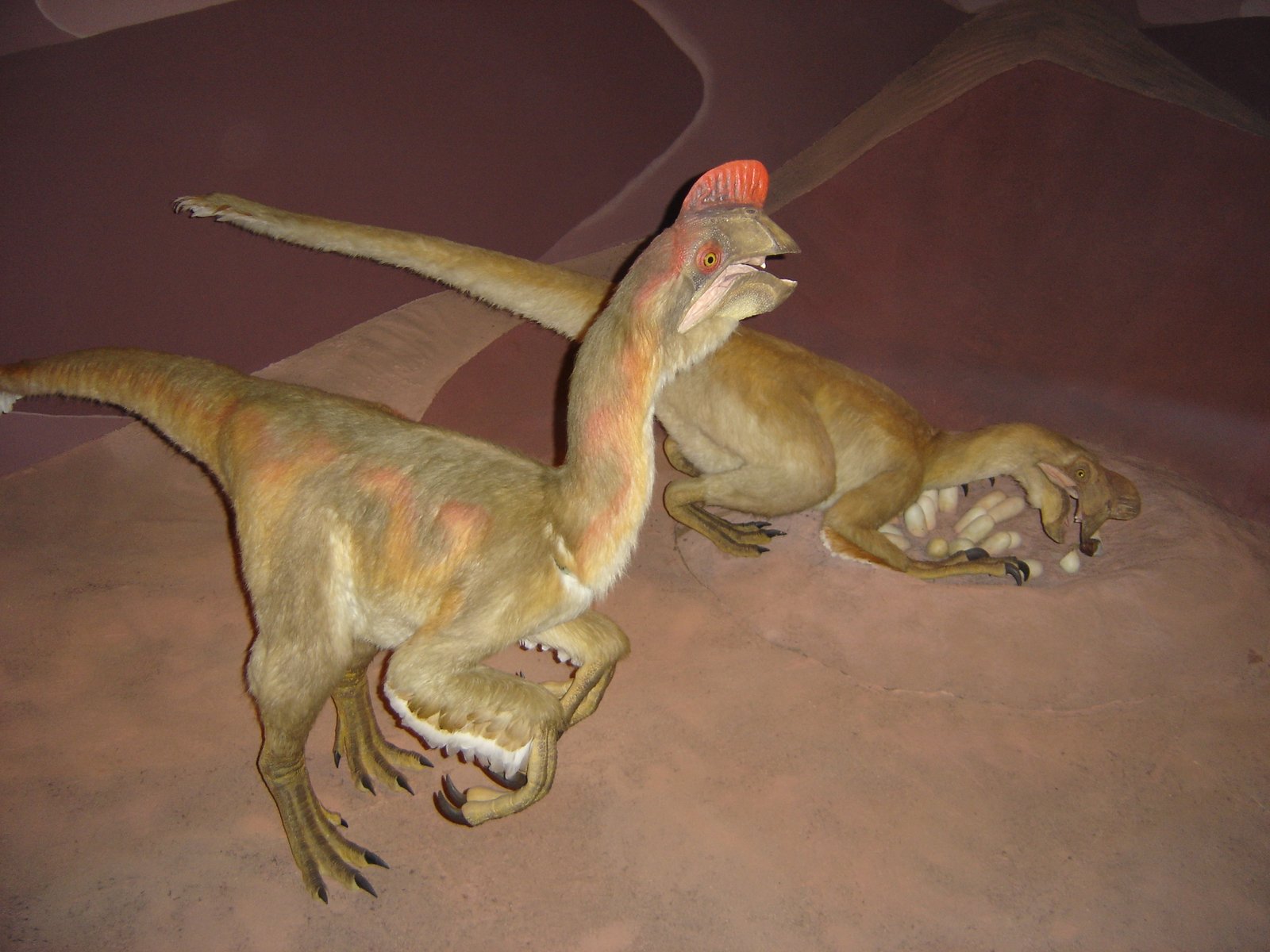
The strong evidence for brooding dovetails with another huge shift in dinosaur science: the recognition that many theropods were feathered and likely had higher metabolic rates than traditional “cold‑blooded” reptiles. Feathers are excellent insulators, so a feathered dinosaur crouching over a nest would act like a living blanket, just as modern birds do. Brooding suddenly makes functional sense in this context; it is not just a behavioral similarity, but a physiological strategy that fits the animal’s body design.
As more feathered dinosaur fossils have turned up, especially from spectacular sites in China, scientists have begun to see brooding as part of a bigger evolutionary package. You have feathered limbs, lightweight skeletons, bird‑like lungs, and then, on top of that, bird‑like nesting. When you stack these features together, it feels less like a loose connection and more like a continuum that runs straight into the birds flying over our heads today. In that light, calling birds “living dinosaurs” stops sounding like a catchy phrase and starts sounding almost literal.
Dinosaur Parenting: From Solitary Giants to Busy Colonies
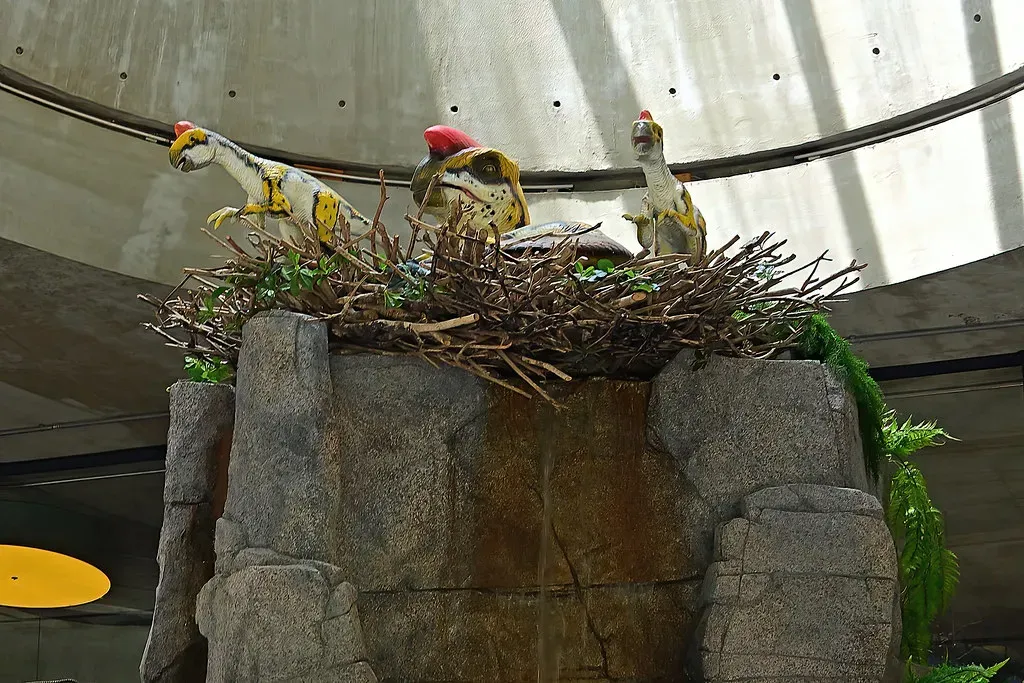
Fossil nests also hint at something more social going on. In some places, paleontologists have uncovered entire fields of nests clustered together, suggesting that certain dinosaurs nested in colonies, like penguins or seabirds that crowd onto rocky shores each breeding season. That kind of communal nesting is worlds apart from the stereotype of dinosaurs as purely solitary, indifferent creatures that abandoned their eggs and wandered off.
There is also growing evidence, from bone growth studies and nest structure, that at least some dinosaur parents may have guarded their young for a while after hatching. Young dinosaurs in some species appear to have stayed in or near the nest during early growth stages, which fits a model of extended care rather than quick abandonment. While not every dinosaur species would have behaved this way, the fact that some did already softens the image of dinosaurs and brings them emotionally closer to the attentive bird parents we see today.
Why These Fossils Matter for Evolution, Not Just Curiosity
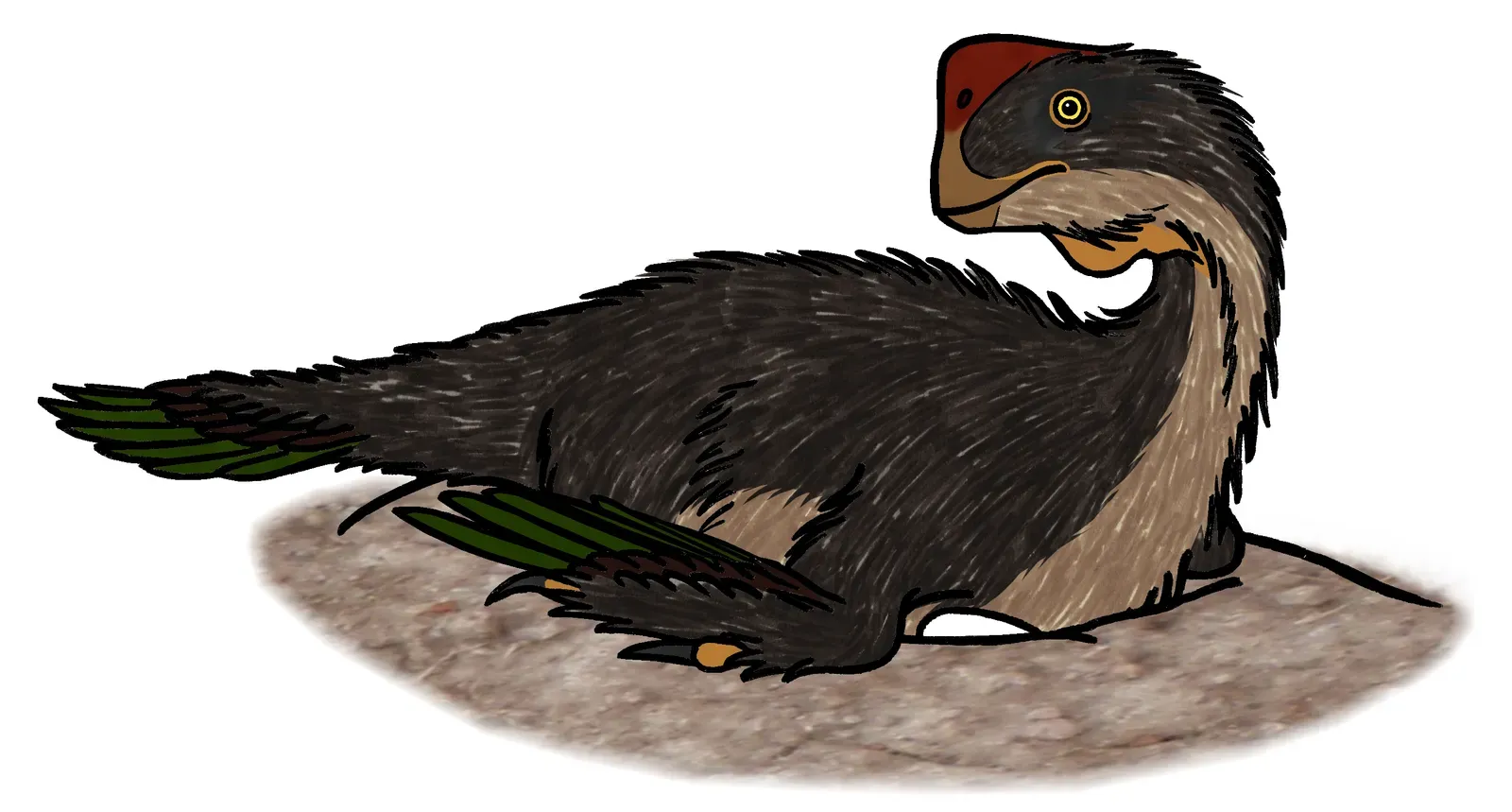
It is tempting to treat nesting dinosaurs as a cool trivia fact and leave it there, but they strike at the heart of a bigger scientific question: how do major groups transition over time? Evolution is often misunderstood as producing sudden leaps or entirely new designs from scratch. What these fossils show instead is continuity in behavior, anatomy, and life history, where birds inherit and refine strategies their dinosaur ancestors had already started using.
Brooding, colony nesting, bird‑like eggshells, and feathered insulation all point in the same direction: the systems that make birds such successful parents today were not conjured out of nowhere. They were assembled step by step in their dinosaur predecessors. To me, that is a more awe‑inspiring story than any dramatic extinction scene, because it highlights survival, adaptation, and the quiet persistence of effective strategies across unimaginable stretches of time.
How This Changes the Way We Picture Dinosaurs
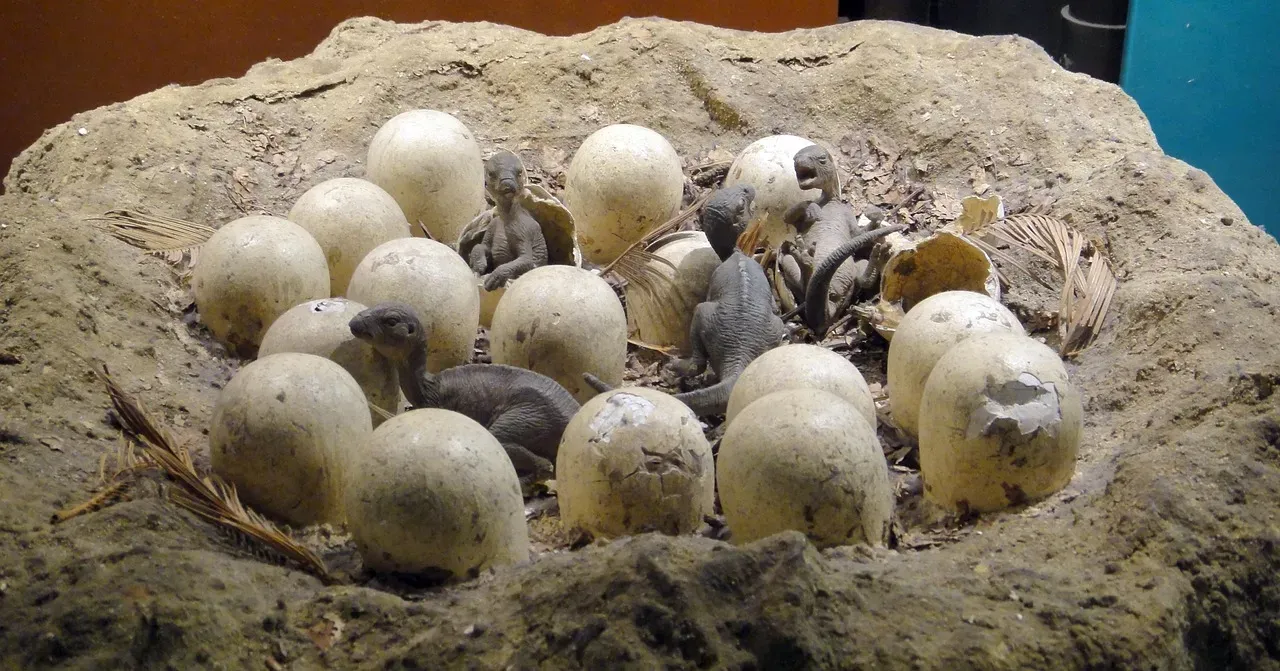
Once you accept that some dinosaurs sat on nests, fluffed their feathers, and guarded their eggs from danger, the old image of them as scaly, lumbering beasts starts to feel outdated. Instead, you begin to imagine dynamic animals fussing over egg positions, choosing nesting sites, and maybe even engaging in displays similar to the courtship rituals of modern birds. The emotional tone shifts too; dinosaurs stop being distant movie monsters and become living, breathing creatures with instincts we recognize.
Honestly, I find this version of dinosaurs much more compelling. When I think about a small theropod huddled over its eggs in a sudden sandstorm, preserved in that last act of care for over seventy million years, it hits differently than just staring at a big skull in a museum. It reminds me that evolution is not just about teeth and claws; it is also about who sits on the nest, who stays, and which behaviors get passed along to the next generation. That is a far richer and more human‑relatable story than the old dinosaur‑as‑monster narrative ever was.
Conclusion: Birds Are Not Just Related to Dinosaurs – They Are What Dinosaurs Became
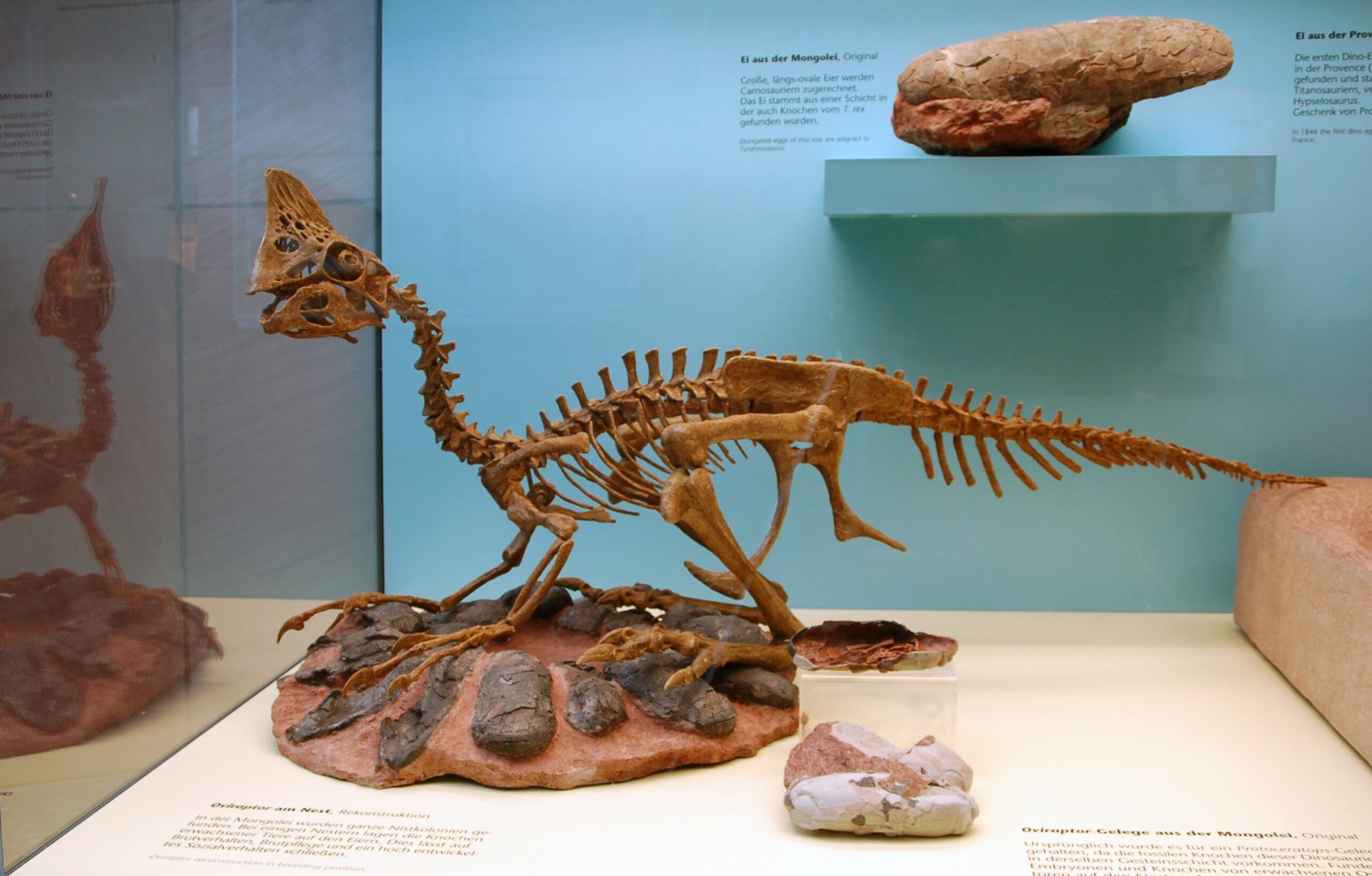
When you put all the pieces together – fossils of brooding adults, familiar‑looking nests, bird‑like eggshells, feathers, and hints of social parenting – the line between dinosaurs and birds starts to feel less like a divide and more like a gradient. In my view, the evidence has long since crossed the threshold where we should treat birds as simply “descended from” dinosaurs; they are the surviving dinosaur branch that made it through the extinction bottleneck. The nesting fossils do not just decorate that story; they anchor it in specific, intimate behaviors that go beyond bone shapes and measurements.
To me, that makes every sparrow on a city sidewalk and every hawk circling a highway not just a bird, but a living reminder of the Cretaceous skies. The images of dinosaurs sitting on their nests act like a bridge between worlds, showing that the instincts of care, warmth, and protection we see in birds today were already there in their ancient ancestors. That is a powerful, almost unsettling thought: dinosaurs never truly vanished; they simply shed some of their forms and kept on brooding. Next time you see a bird on its nest, will you see a bird – or will you see a very small dinosaur, still doing what its lineage has done for ages?