Most people assume archaeological digs simply run their course – the team finds what they’re looking for, writes a report, and moves on. That’s rarely how it actually works. Across the world, some of the most important prehistoric excavations in history have gone quiet mid-dig, trenches left half-open, finds half-catalogued, and official explanations either vague, contradictory, or missing entirely.
Some were halted by war. Others by politics, funding collapses, or discoveries too fragile to keep exposed to open air. A few remain genuinely murky, and the deeper you look, the stranger the silence gets. Here’s what archaeologists, site directors, and government records actually say happened – starting with a desert calendar older than Stonehenge that almost nobody has ever heard of.
#14 – Nabta Playa’s Silent Desert Calendar
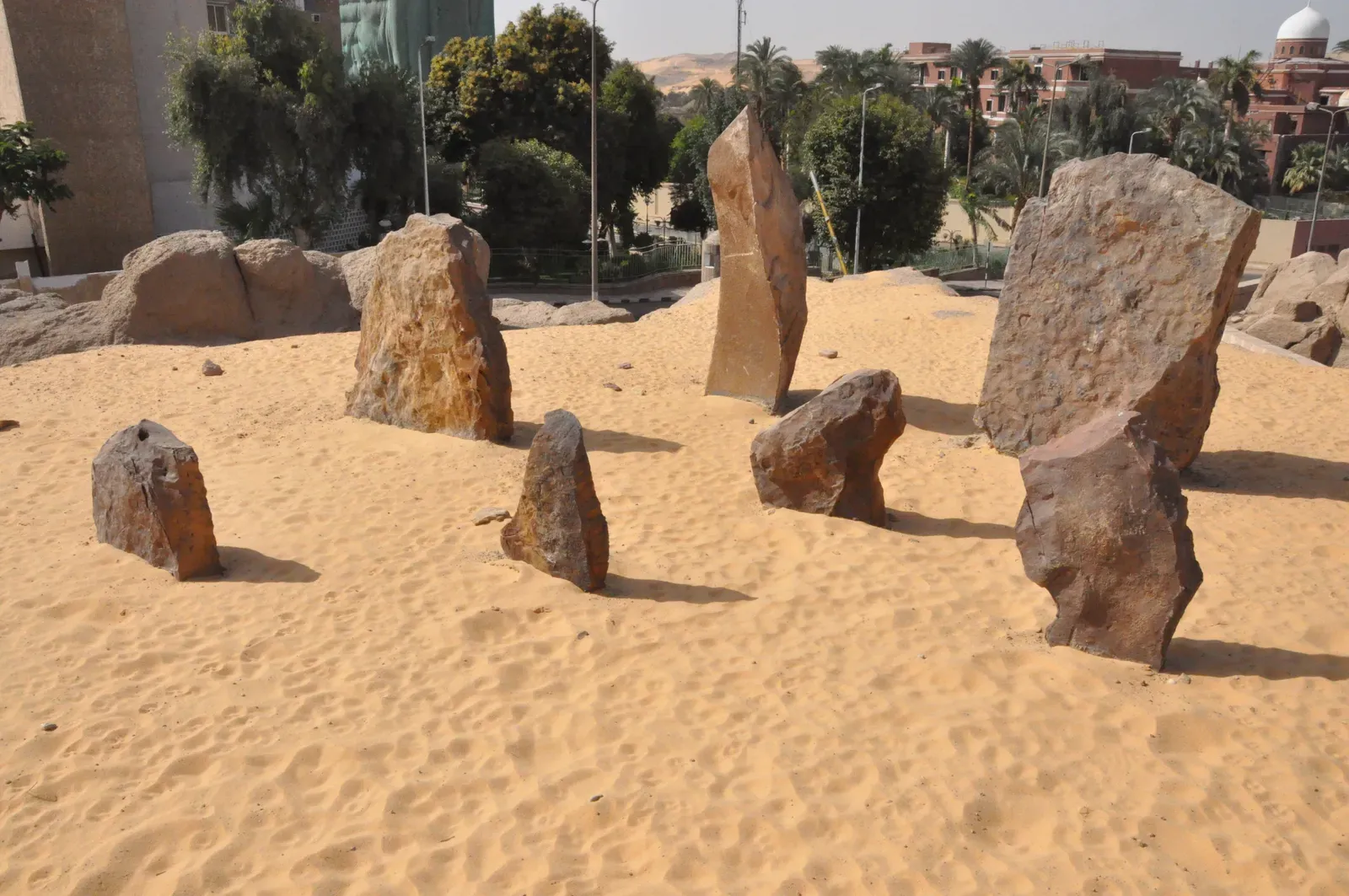
Buried deep in Egypt’s Nubian Desert sits a stone circle older than Stonehenge, and almost nobody outside archaeology circles has heard of it.
Nabta Playa’s megalithic calendar circle was mapped and partially excavated starting in the 1970s under American archaeologist Fred Wendorf, revealing astronomically aligned stones believed to track the summer solstice thousands of years before Egypt’s pyramids existed. Fieldwork here was never continuous – brutal desert logistics, sparse funding, and the sheer remoteness of the site meant seasons were short and years sometimes passed between visits. The site has seen no sustained, large-scale excavation in over a decade, leaving huge portions of the surrounding settlement essentially untouched. Most tourists will never make it here, and that’s exactly the problem – a site this scientifically important shouldn’t depend on whoever can afford a desert convoy that year. Next up, though, is a site everyone’s seen in photos – and almost nobody has actually dug into.
Fast Facts
- Location: Nubian Desert, southern Egypt, near the Sudanese border
- Believed purpose: tracking the summer solstice, predating Egypt’s pyramids
- Lead excavator: American archaeologist Fred Wendorf, beginning in the 1970s
- Current status: no sustained large-scale dig in over ten years
#13 – The Sacred Earthwork Archaeologists Won’t Fully Dig
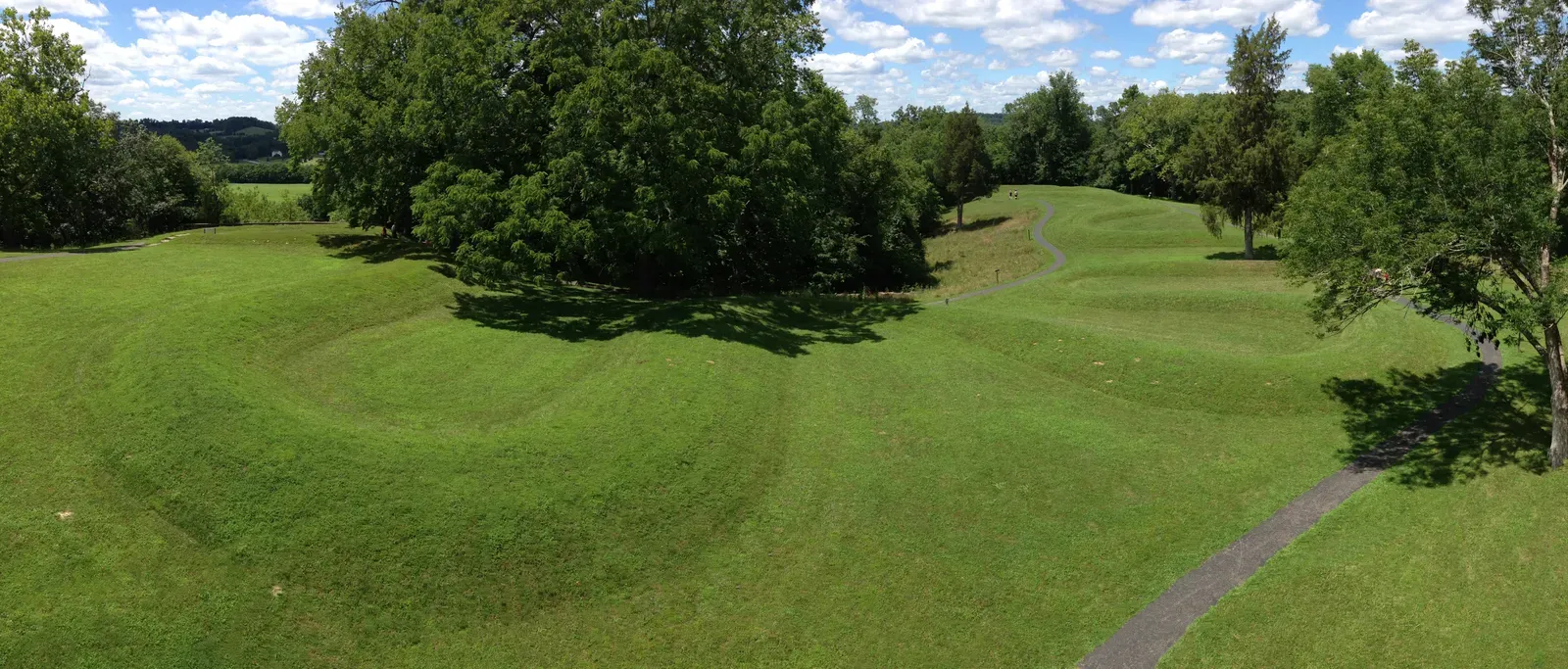
Ohio’s Great Serpent Mound is one of the most photographed prehistoric structures in North America, yet almost none of it has ever been properly excavated.
The quarter-mile-long effigy mound, shaped like an uncoiling snake, has been the subject of fierce dating debates for over a century, with estimates ranging from the Adena culture (800 BCE) to a much later Fort Ancient construction date. A limited 1990s excavation led by archaeologist Bradley Lepper used radiocarbon samples to narrow the timeline, but broader digging was deliberately kept to a minimum. Most of the mound’s interior has never been touched by a trowel, protected instead as a sacred and fragile monument. That’s a defensible call for preservation – but it also means one of America’s biggest prehistoric mysteries may never get a definitive answer. The next site takes that same logic even further, burying secrets under an area the size of a small town.
#12 – Poverty Point’s Massive Unfinished Puzzle
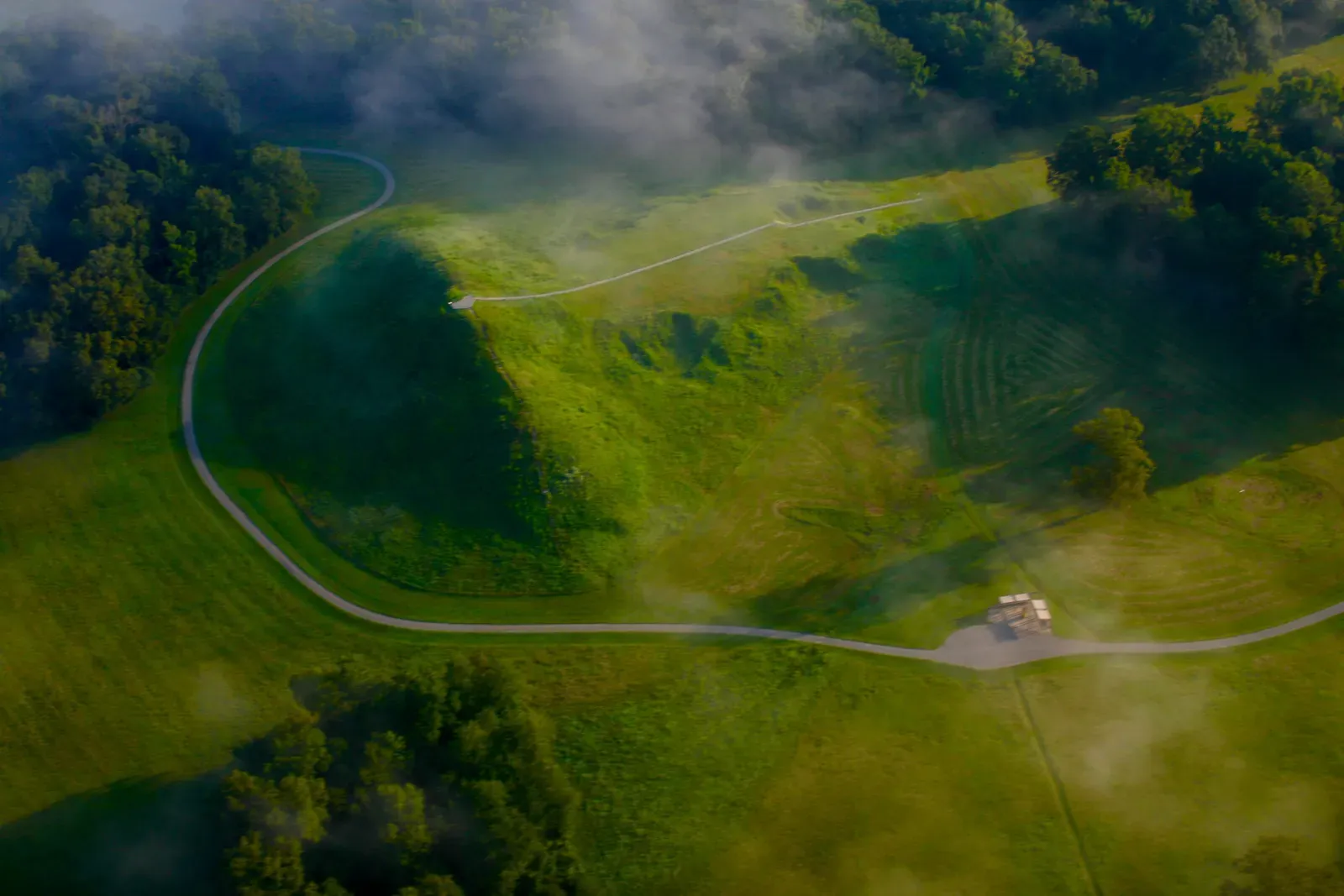
Louisiana’s Poverty Point looks unassuming from the ground, but aerial surveys reveal one of the largest earthwork complexes ever built by prehistoric hunter-gatherers in North America, dated to roughly 1700 BCE.
Only a small fraction of the massive ridged enclosures and mounds has ever been formally excavated. Its status as a protected National Monument and UNESCO World Heritage Site means full-scale digging has been intentionally avoided, prioritizing preservation over discovery. Archaeologists estimate the vast majority of the site’s secrets remain sealed underground, waiting for excavation technology that doesn’t yet exist. It’s an odd contradiction: we’ve known this site is monumental for decades, yet we’ve chosen not to look too closely. Next, a flooded city built with methods nobody has ever managed to fully explain.
#11 – Nan Madol’s Waterlogged Mystery
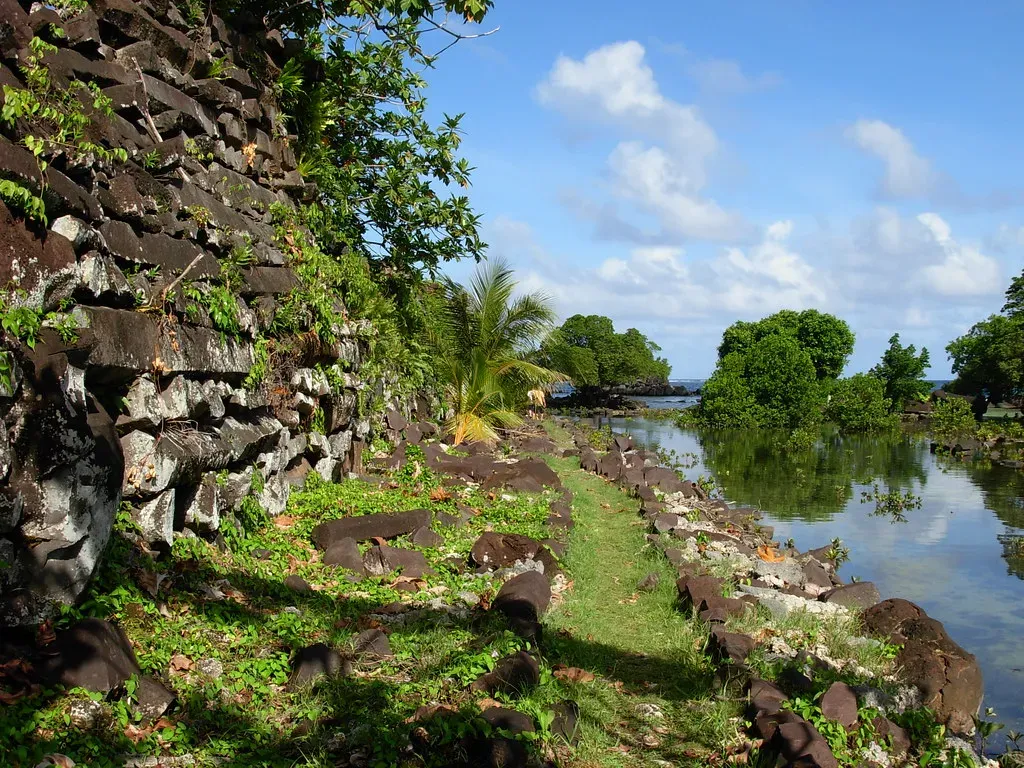
Rising out of a coral reef off Micronesia, Nan Madol is a city of stacked basalt columns built directly on the ocean, and it has resisted serious excavation for nearly a century.
The site’s remote location, malaria-prone mangrove swamps, and the sheer difficulty of moving multi-ton basalt “logs” for study have kept large-scale digs from ever gaining traction. Funding bodies have historically deprioritized the site compared to more accessible ruins, and entire sections of the tidal city have never been mapped underwater, let alone excavated. Local oral tradition claims the stones were moved by magic – a claim archaeologists have never definitively disproven or fully investigated. Whether it’s neglect, logistics, or both, Nan Madol remains one of the least-studied major prehistoric sites on Earth. But the next stall isn’t about swamps or shipwrecks – it’s pure politics.
#10 – Tiwanaku’s Politically Frozen Dig Sites
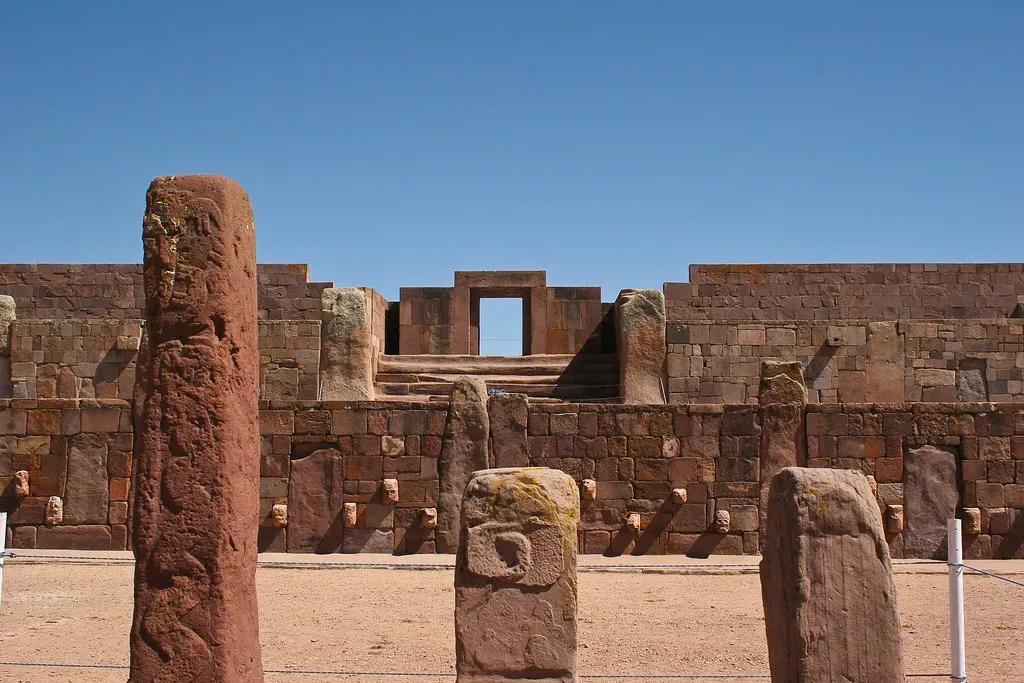
Near Lake Titicaca in Bolivia, the pre-Inca city of Tiwanaku holds some of South America’s most sophisticated ancient stonework, and archaeologists agree only a small percentage of it has ever been excavated.
Decades of underfunding, shifting government priorities, and repeated looting incidents have slowed systematic digging to a crawl. The famous Pumapunku complex, with its precision-cut interlocking blocks, has drawn wild fringe theories about lost advanced civilizations – largely because so little of the surrounding site has actually been studied scientifically, leaving a vacuum that speculation happily fills. Here’s an unpopular opinion: the silence around Tiwanaku isn’t mysterious, it’s bureaucratic. Underfunded archaeology, not ancient secrets, is why the story stalled. The next site, though, stopped digging for the opposite reason – the ocean is winning.
#9 – Skara Brae’s Race Against the Sea
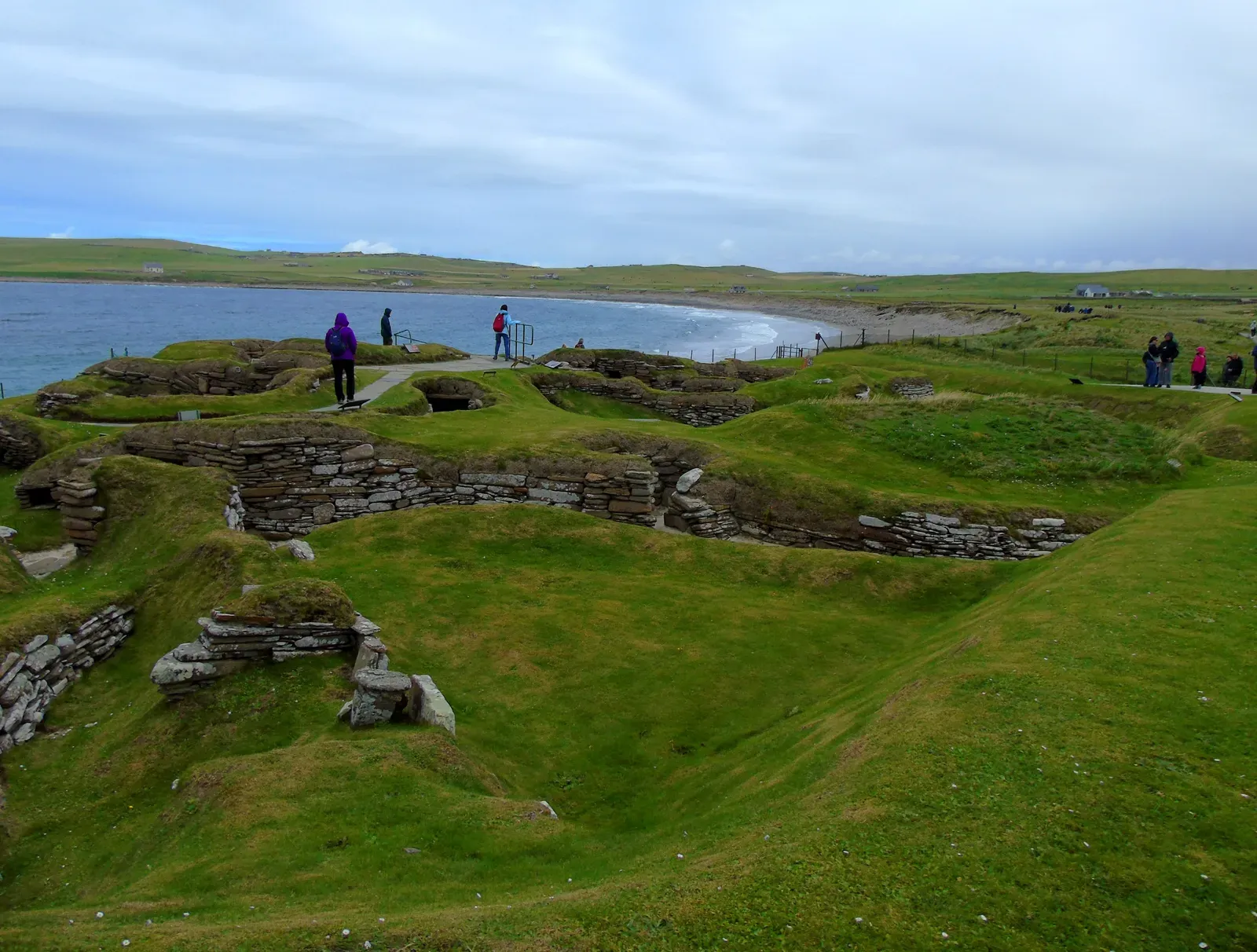
Scotland’s Skara Brae, a 5,000-year-old Neolithic village uncovered by a storm in 1850, was largely excavated by archaeologist V. Gordon Childe in the 1920s and 1930s – and then digging essentially stopped.
Since then, work at the site has shifted almost entirely from excavation to conservation, because the same coastal erosion that first revealed the village is now threatening to destroy it. Rather than dig deeper into the surrounding settlement, heritage authorities have prioritized shoring up what’s already exposed. Rising sea levels and storm surges are now considered a bigger threat to Skara Brae than any archaeologist’s spade. It’s a strange irony – the ocean uncovered this site by accident, and now it’s on track to erase it the same way. Compare that to what happened at Stonehenge, where the damage came from a person, not the tide.
#8 – Stonehenge’s Buried Trenches Nobody Finished
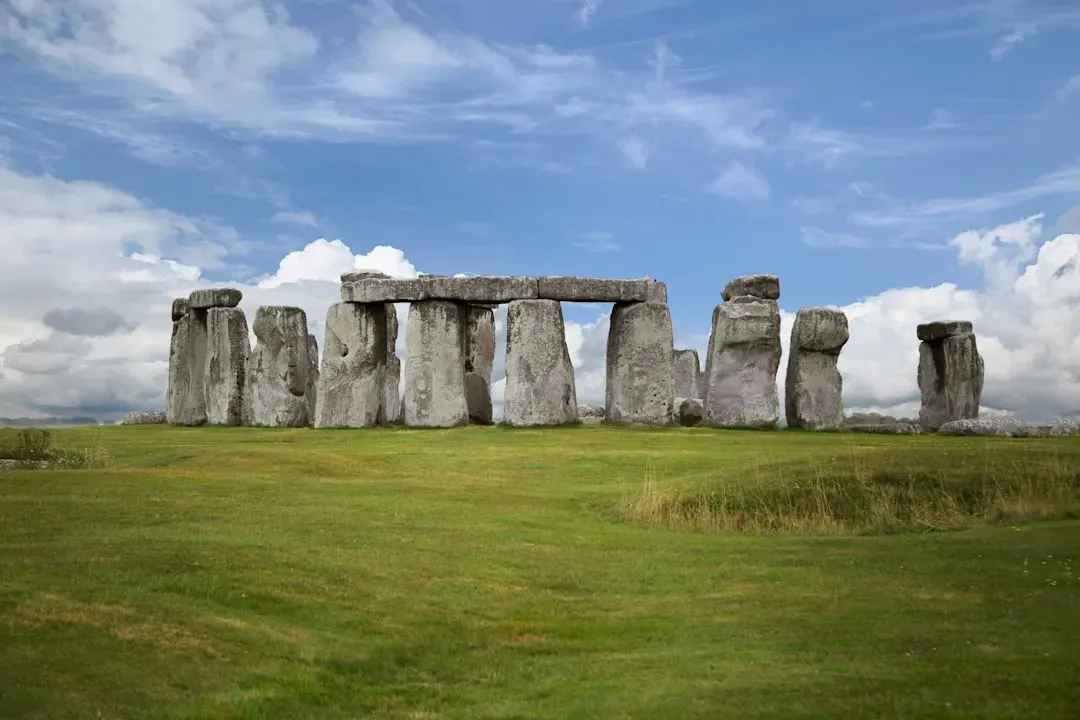
Long before laser scanning and ground-penetrating radar, a British archaeologist named Colonel William Hawley spent years digging into Stonehenge – and left behind one of the most infamous unfinished jobs in the field’s history.
Between the early 1920s and 1926, Hawley excavated roughly half of the monument, but grew increasingly overwhelmed by the scale of the task. Much of what he uncovered was never fully recorded, and some excavated material was reportedly used to backfill his own trenches rather than properly documented and preserved. Large portions of Stonehenge’s excavation history exist only in fragmentary notes, a gap modern archaeologists still can’t fully close. Calling it a “mistake” feels harsh, but by most professional standards, it’s exactly that – a warning about what happens when ambition outpaces resources and record-keeping. Chaco Canyon took the opposite approach, and it’s almost as unsettling.
Quick Compare
- 1920s approach: hand-dug trenches, minimal note-taking, spoil used to backfill excavated areas
- Modern approach: ground-penetrating radar, laser scanning, and non-invasive geophysical surveys
- The cost of the gap: data Hawley never recorded is now permanently lost, no matter how advanced today’s tools are
#7 – Chaco Canyon’s Great House That Got Buried Again
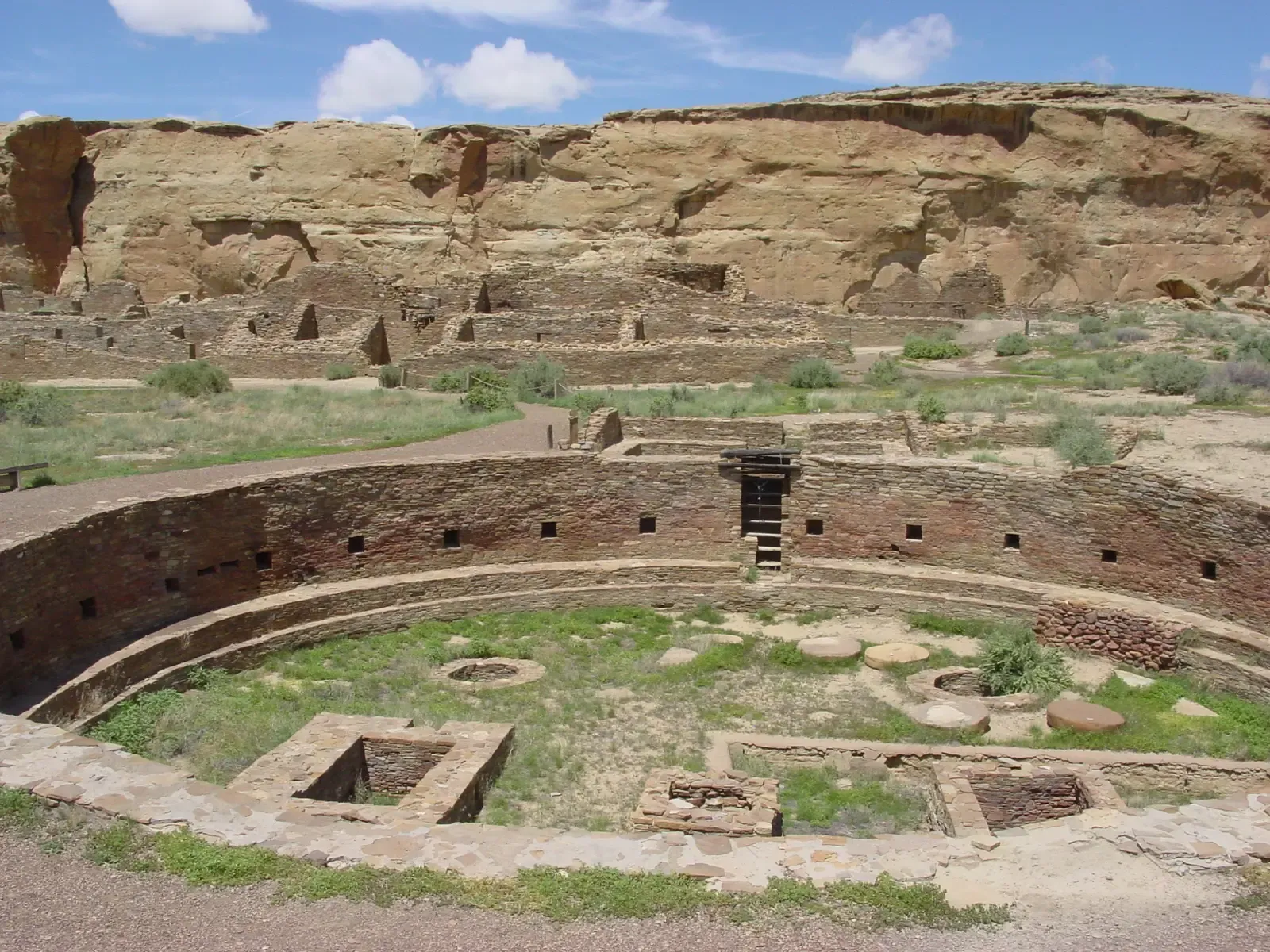
New Mexico’s Chaco Canyon holds some of the most sophisticated ancestral Puebloan architecture in North America, and one of its most iconic “Great Houses” was deliberately reburied after excavation rather than left exposed.
Conservation teams determined the ruins were structurally unstable and increasingly dangerous for visitors to access safely. Rather than keep exposing the fragile masonry and original wood beams to wind, rain, and foot traffic, officials chose to partially rebury the very ruins archaeologists had spent years carefully uncovering, prioritizing long-term preservation over public viewing. Chaco Culture National Historical Park is a UNESCO World Heritage Site, which made the decision even more sensitive – deliberately burying evidence at a place the world officially considers irreplaceable. It sounds backward – dig it up just to bury it again – but for wood and masonry this old, exposure is often a death sentence. In Tanzania, archaeologists made the exact same call, for footprints instead of buildings.
#6 – The Footprints Buried on Purpose
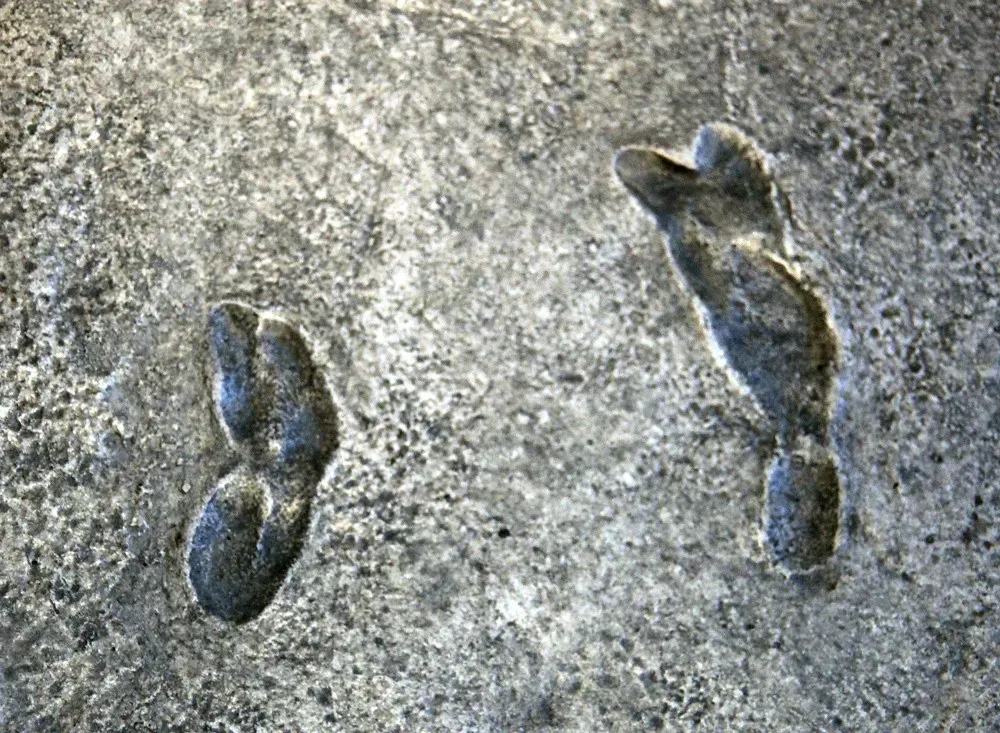
In Tanzania, the Laetoli Trackway preserves something almost unbelievable: fossilized footprints left by early hominins roughly 3.6 million years ago, discovered by Mary Leakey’s team in the 1970s.
Because of its remote location and irreplaceable scientific value, conservators made a controversial call: rebury it. The footprints were intentionally covered to protect them from erosion, plant roots, and tourist damage, rather than left permanently exposed for study or display. In the 1990s, conservation specialists developed an improved reburial and monitoring system specifically designed to keep plant growth and erosion from creeping back in. Some scientists still argue this was overly cautious – that better display technology could have protected the tracks while keeping them visible to the public and researchers alike. The next entry isn’t about caution at all. It’s about a dig site that got bulldozed while archaeologists were still working.
#5 – The Bronze Age City Bulldozed Mid-Dig
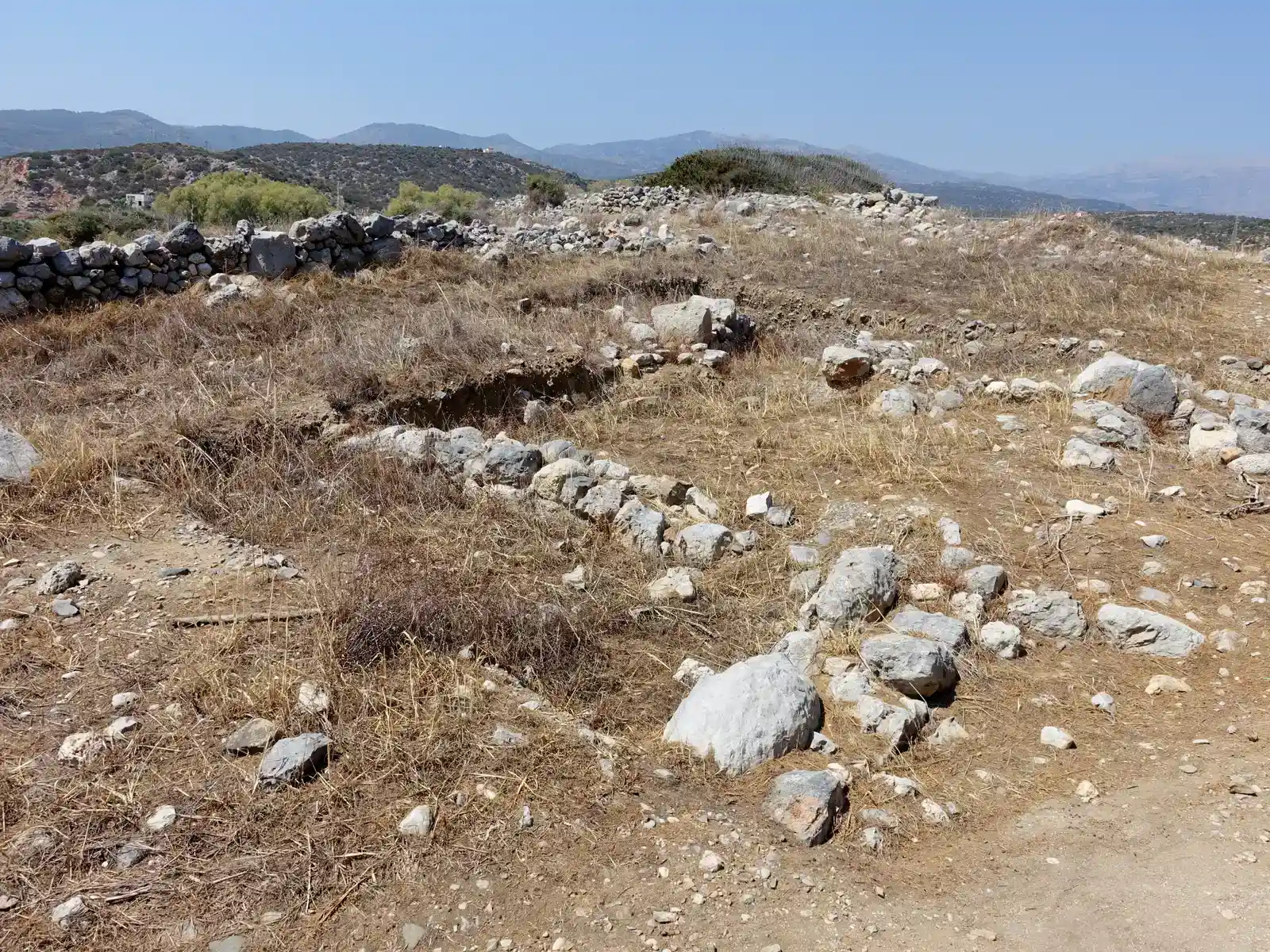
In Gaza, archaeologists uncovered what may be one of the oldest fortified cities in the region – and then watched years of careful work get destroyed by construction equipment.
Palestinian and French archaeologists began excavating Gaza’s earliest archaeological site nearly 20 years ago, unearthing what they believe is a rare 4,500-year-old Bronze Age settlement at Tell es-Sakan. Their dig was cut short in 2000 when the second Palestinian intifada drove them away, and excavations formally stopped in 2002 due to security concerns. The site was later bulldozed for construction projects, with the latest attempt to build over the ancient mound marking the third time the site had been threatened since 1998. The lead archaeologist put it bluntly: “I don’t know why the destruction of the site was approved.” This isn’t a mystery of ancient origin – it’s a modern failure to protect what was already found. That distinction matters, and it should make people angrier, not more curious. Mohenjo-daro’s story is quieter, but the freeze has lasted almost 60 years.
#4 – Mohenjo-daro’s Half-Century Freeze
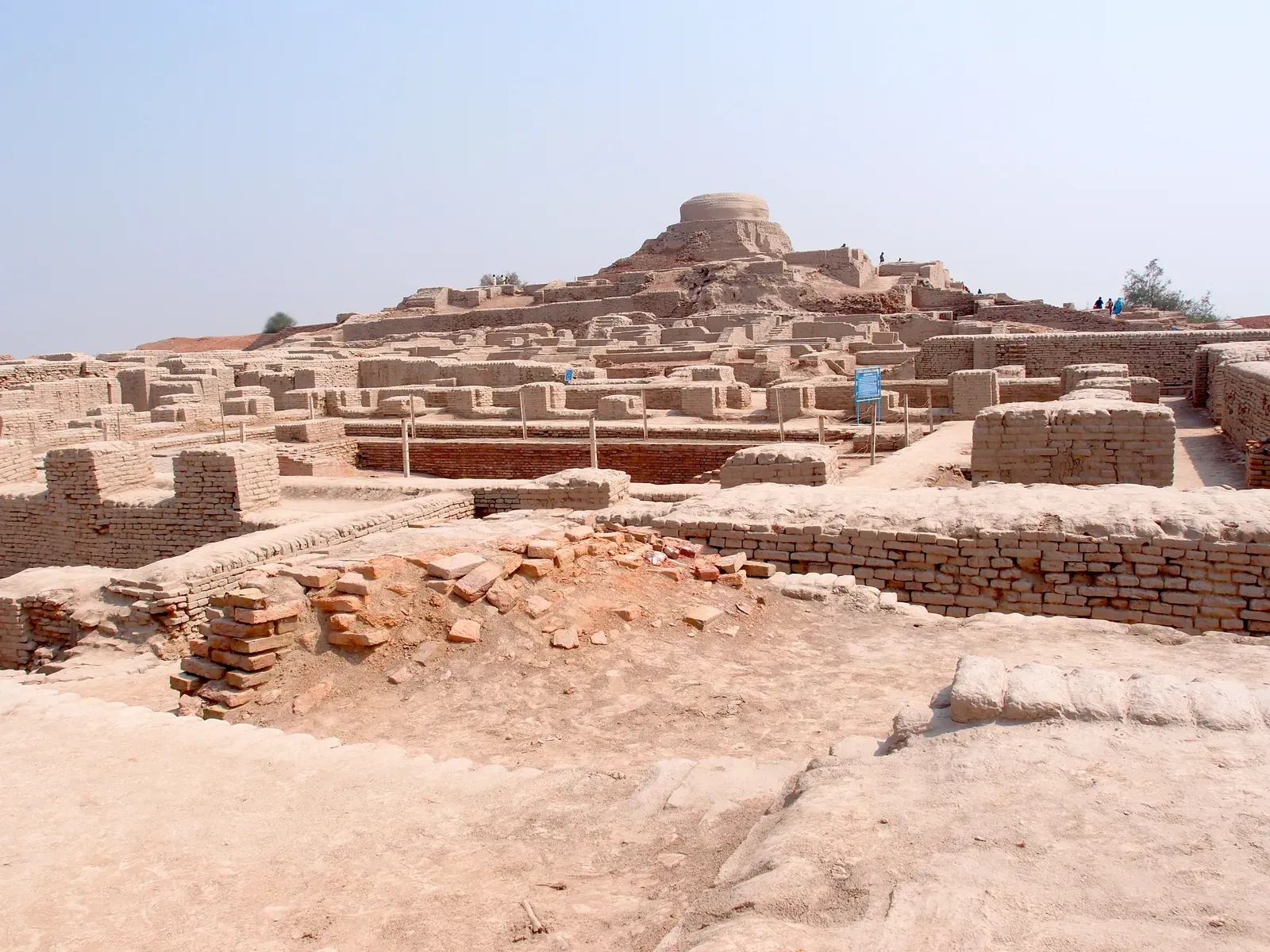
Pakistan’s Mohenjo-daro was one of the greatest cities of the Bronze Age Indus Valley Civilization, home to advanced urban planning thousands of years before comparable Western cities existed – and large-scale digging there has been effectively frozen since 1965.
After 1965, excavations were prohibited due to weathering damage to the exposed structures, with the ban also tied to problems conserving structures from weathering and a rising water table. Since then, the only projects permitted at the site have been salvage excavations, surface surveys, and conservation projects. A city built around 2500 BCE has spent more than half a century essentially untouched by new excavation, even though most of it likely remains buried. Funding didn’t help either – digging had already slowed due to money shortages and the chaos that followed Partition in 1947. The Indus script still hasn’t been deciphered, which means whatever remains buried at Mohenjo-daro could rewrite entire chapters of early urban history – if anyone’s ever allowed to dig for it again. Ness of Brodgar just made that same call, on purpose, in 2024.
Worth Knowing
- Founded around 2500 BCE as part of the Indus Valley Civilization
- Featured grid-planned streets, covered drains, and standardized brick sizes
- Large-scale digging banned since 1965 due to weathering and a rising water table
- The Indus script found across the site remains undeciphered to this day
#3 – The Neolithic Complex They Chose to Bury Again
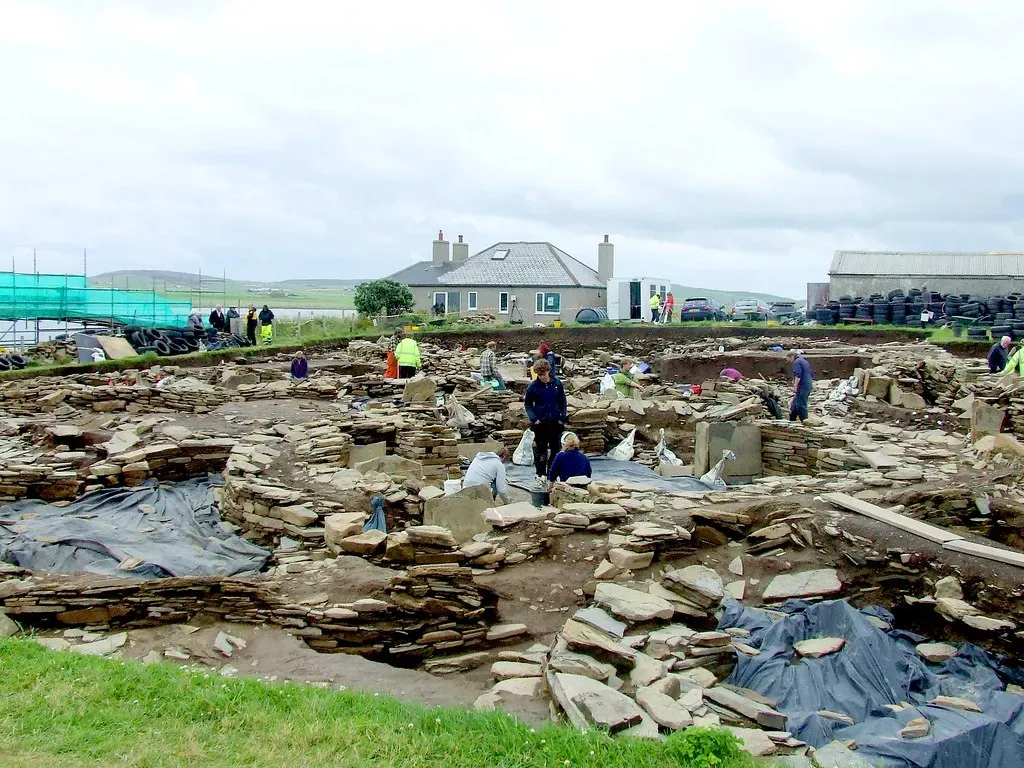
For twenty years, archaeologists at Scotland’s Ness of Brodgar uncovered one of the most extraordinary Neolithic complexes in Europe – massive stone buildings with tiled roofs, painted walls, and elaborate artifacts. Then, in 2024, they stopped on purpose.
Fieldwork ended after the 2024 season, with the team explaining that although digging could continue for decades, work on the major structures uncovered so far was complete and they had reached a logical place to pause. Here’s the surprising part: after two decades of digging, the lead archaeologist admitted the team had really only unearthed about 10% of the site. Ninety percent of one of Europe’s most important Neolithic sites remains completely unexcavated, and the site was covered and returned to being a green field, left for future generations of archaeologists to continue the work. That’s not a scandal – it’s honest, funding-driven pragmatism. But it does mean the biggest discoveries at Ness of Brodgar likely haven’t happened yet. Göbekli Tepe made an almost identical decision – except it rewrote human history first.
#2 – Göbekli Tepe’s Deliberately Buried 90%
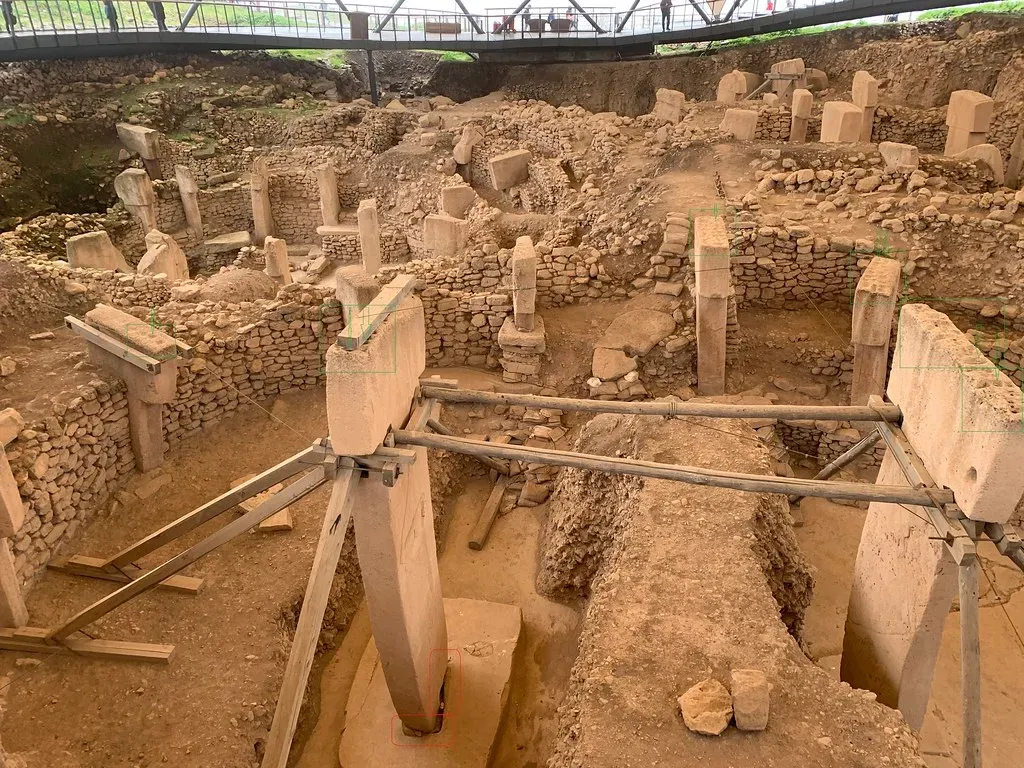
Turkey’s Göbekli Tepe rewrote the timeline of human civilization, revealing monumental stone pillars built by hunter-gatherers roughly 11,000 years ago, thousands of years before agriculture or writing existed. Yet most of it has never been excavated at all.
Ground-penetrating radar and geophysical surveys have identified dozens of additional buried enclosures across the wider site, but researchers have intentionally left the vast majority untouched. The reasoning is straightforward conservation science: exposed limestone pillars degrade quickly once unearthed, and excavating faster than conservation teams can protect the finds risks destroying irreplaceable 11,000-year-old carvings. Excavation leadership also changed dramatically after original lead archaeologist Klaus Schmidt passed away in 2014, slowing the pace of new digging even further. Some online theories claim something more secretive is going on. The far more boring – and far more likely – truth is that limestone doesn’t survive well once it’s exposed to open air, and nobody wants to be the archaeologist who ruins the world’s oldest temple. Which brings us to the one site everyone actually messages us about.
At a Glance
- Age: built roughly 11,000+ years ago, thousands of years before Stonehenge or the pyramids
- UNESCO World Heritage Site status: designated in 2018
- Largest pillars: over 5 meters tall, weighing roughly 10 tons each
- Excavated so far: only around 10% of the known site
- Leadership change: original excavator Klaus Schmidt died in 2014
#1 – Gunung Padang’s Controversial Standstill
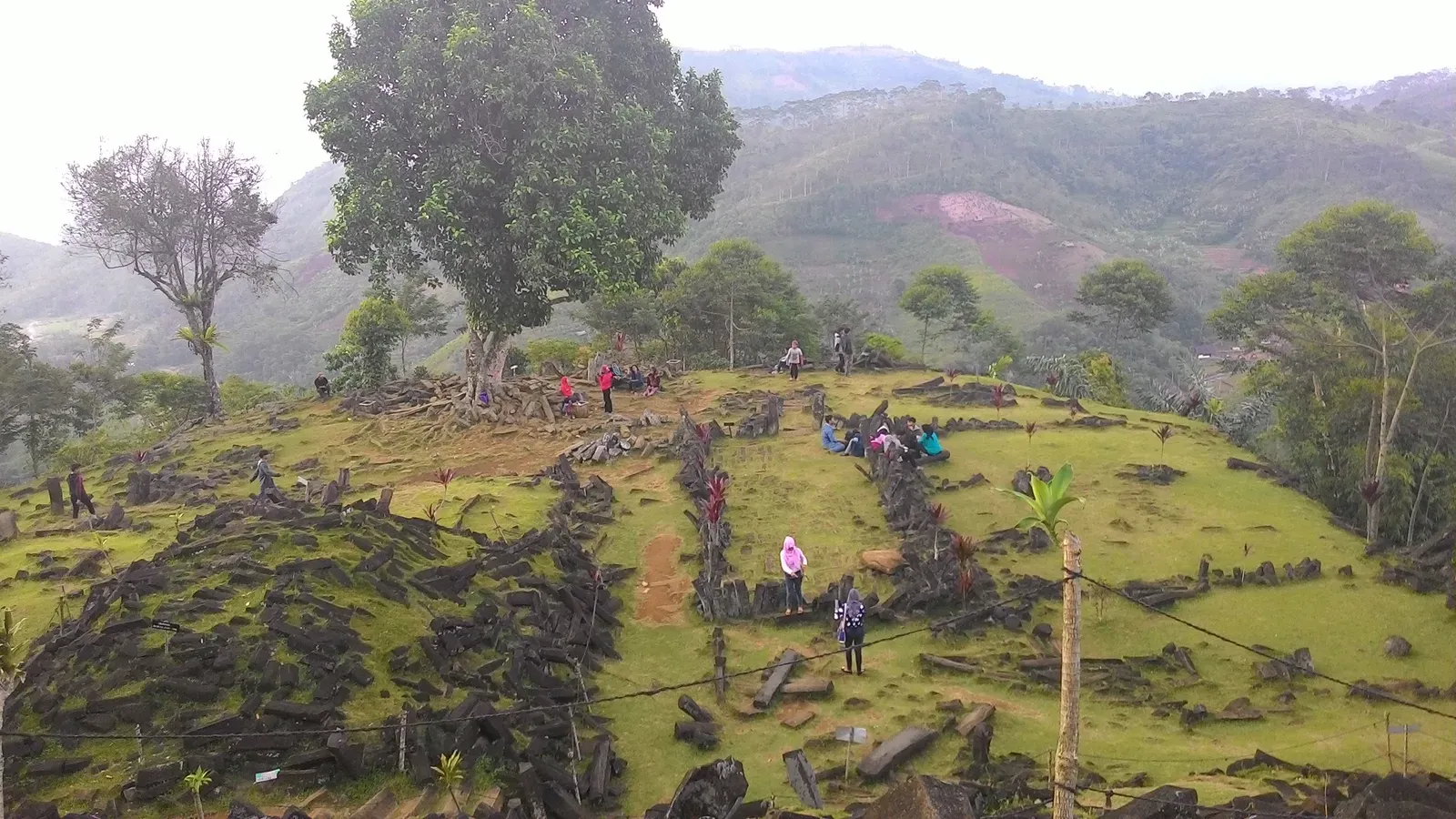
Indonesia’s Gunung Padang megalithic site has become the most talked-about “abandoned excavation” story in modern archaeology, and depending on who you ask, that’s either a scandal or a scientific dispute that got wildly exaggerated online.
Ground-penetrating radar surveys at the site identified subsurface anomalies that some researchers controversially interpreted as evidence of ancient man-made tunnels and chambers, sparking a firestorm of academic debate over the site’s true age and origin. Excavations at Gunung Padang are now widely reported to be at a standstill. A published study claiming the site could be tens of thousands of years old drew heavy criticism from mainstream archaeologists, who argued the geological interpretation was flawed, and the resulting controversy – not any secret cover-up – appears to be the real reason digging has slowed to a crawl. Here’s the unpopular take: the loudest theories about Gunung Padang say more about how much people distrust institutions than about what’s actually buried there. Funding fights and peer-review disputes are unglamorous, but they’re almost always the real answer.
The Bottom Line
Strip away the conspiracy framing, and a clear pattern emerges: prehistoric excavations rarely stop because of secrets. They stop because of money, war, weathering, erosion, and the slow, unglamorous reality of conservation science. Sites like Ness of Brodgar and Chaco Canyon were reburied on purpose to protect them. Mohenjo-daro was frozen by weather damage. Tell es-Sakan was lost to conflict and bulldozers, not mystery.
Gunung Padang and Göbekli Tepe prove that “unfinished” often just means “still too fragile, or too disputed, to finish safely.” The real scandal isn’t secrecy – it’s how often good preservation loses to bad funding and worse politics. If you want to get outraged about something here, that’s the thing worth getting outraged about.