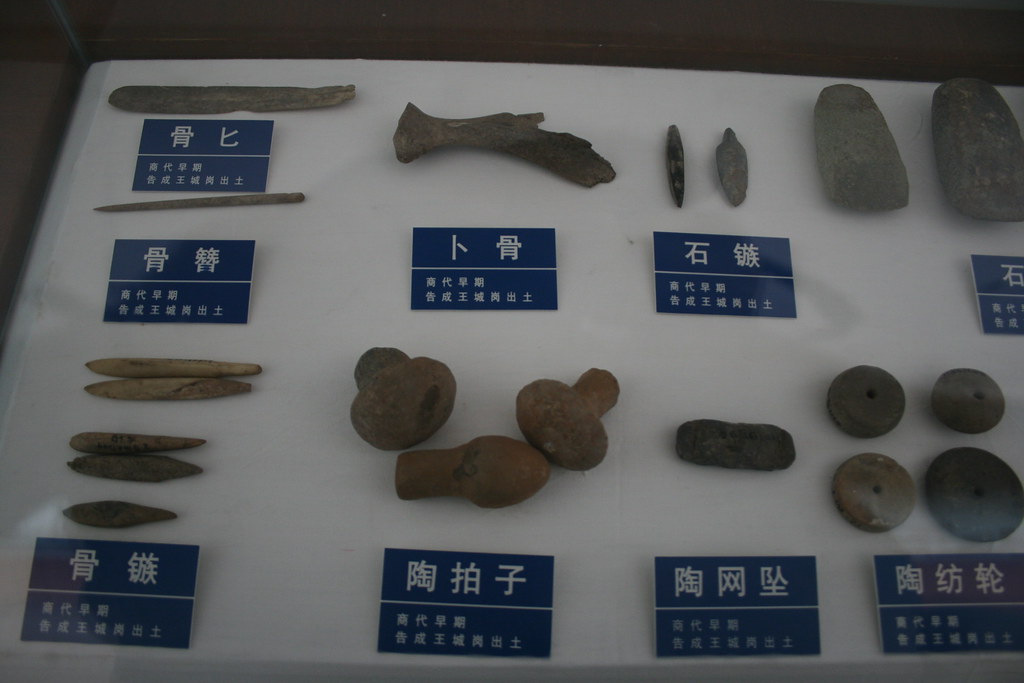
Picture this: a small, sharp-edged stone lying in the dirt, shaped by a hand that did not belong to a human like you or me. No cities, no writing, not even our own species yet – just an ancestor, chipping rock against rock, quietly changing the course of history. It feels almost unsettling to realize that technology, in the broadest sense, was already here long before Homo sapiens showed up.
Over the last few decades, archaeologists have been pushing the timeline of stone tools further and further back. Every new find forces us to rewrite the story of who we are and when “being human” really began. If the tools are older than our species, then our definition of human technology – and even our idea of what it means to be human – suddenly has to stretch in some surprising ways.
When Technology Predates Us: The Shocking Age of the Oldest Stone Tools
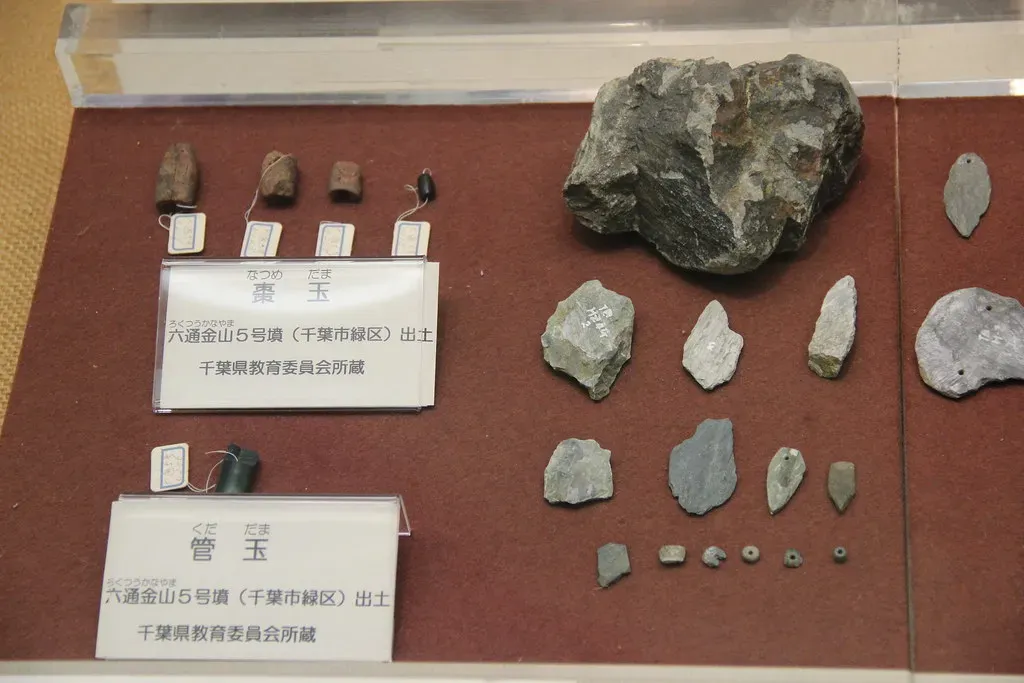
It is already strange to think of stone tools being older than written history, but the real shock comes when you learn that some of the oldest known tools are far older than Homo sapiens. Archaeologists have discovered stone artifacts that go back millions of years, into a time when our own species did not exist yet. These tools show deliberate flaking and shaping, clear signs that some ancient hand was trying to create a sharp edge or a workable surface.
In some cases, the tools belong to a period when even our direct Homo ancestors might not have been around, hinting that earlier hominins – or at least human relatives – were already experimenting with technology. That simple chipped stone becomes a kind of time-bomb for our assumptions, exploding the idea that sophisticated behavior started with us. The oldest tools sit there in the ground almost like a quiet accusation, challenging our habit of putting Homo sapiens at the very center of everything.
Beyond Homo sapiens: Who Was Really Making These Early Tools?
Once you accept that the tools are older than our species, the next big question hits like a hammer: who made them? Many of the earliest stone tools are linked to hominins like Homo habilis, Homo erectus, or even other pre-human relatives who lived long before our species evolved. In some particularly ancient sites, researchers are still debating exactly which species was responsible, because the fossil record is incomplete and frustratingly patchy.
That uncertainty is actually one of the most fascinating parts. It suggests that “technology” is not a Homo sapiens invention, but a shared habit that may have emerged in several branches of our family tree. When you see it this way, the sharp stone blade is not just an early human tool; it is a family heirloom passed along across species lines. Personally, I find that humbling – it suggests we inherited a technological mindset rather than magically inventing it from scratch.
From Accidental Flakes to Intention: How We Know These Were Real Tools
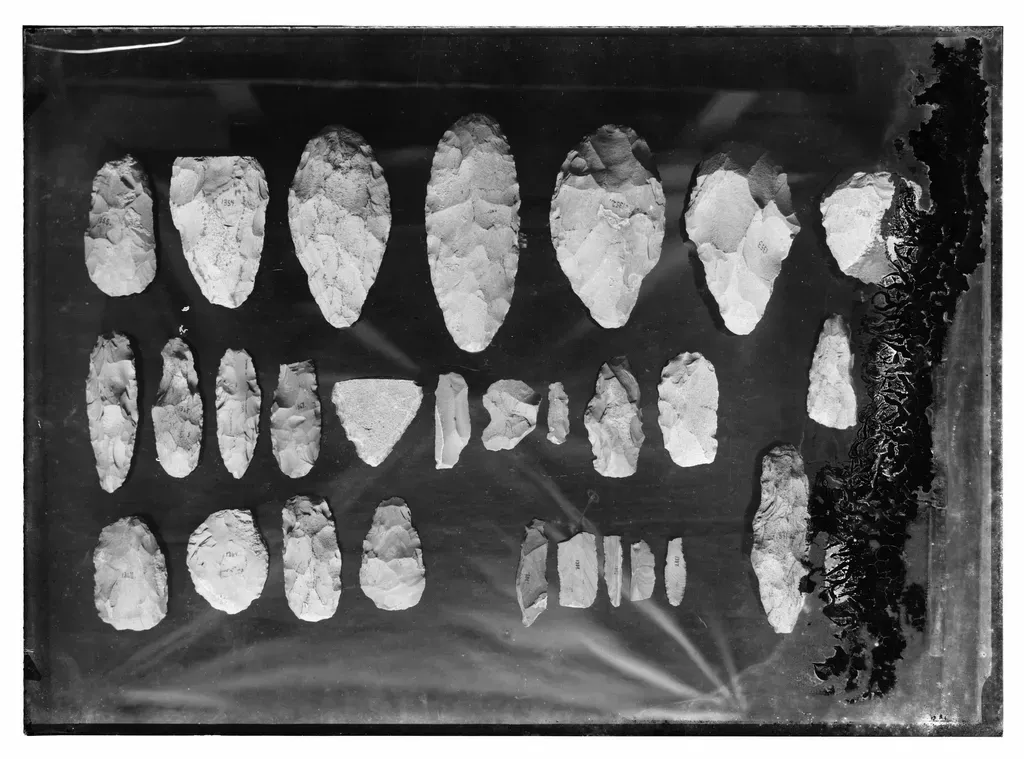
A skeptic might argue that rocks break all the time, so how do we know these are tools and not just accidents? Archaeologists answer that with careful, almost forensic analysis. They look for patterns: repeated shapes, consistent angles, and scars where flakes were struck off in a controlled way. They compare what they find to stones broken naturally by landslides, river action, or trampling animals, and the differences are surprisingly clear.
This is where the science gets wonderfully nerdy. Researchers study how force travels through rock, how a deliberate blow leaves a particular type of fracture, and how wear marks can show whether a stone was used to cut meat, scrape hides, or break bones. When you see the evidence laid out – the repeated forms, the working edges, the micro-wear under a microscope – it becomes very hard to dismiss these objects as random debris. Intention is literally carved into them.
Tools That Reshaped Bodies and Brains
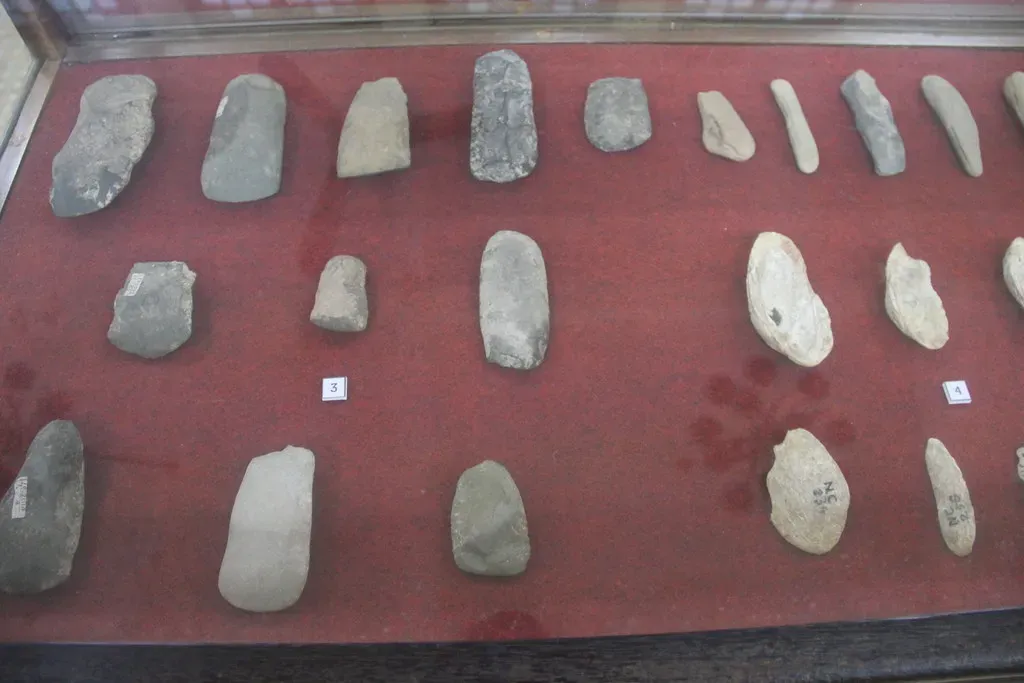
Once early hominins started using stone tools, they did more than cut meat or crack nuts – they changed themselves. Tools can give you access to new foods, like marrow inside bones or tougher plants that are hard to process with teeth alone. Over long stretches of time, this shift in diet can affect everything from jaw size to gut structure. The body begins to offload some of its work to the tool, which is a wild thought if you really sit with it.
On top of that, toolmaking demands planning, coordination, and the ability to imagine a shape that doesn’t exist yet. Chimps might use a stick to fish for termites, but systematically knocking flakes off a stone core to get a particular edge is a different level of mental gymnastics. Many scientists think that this repeated practice – the trial, error, and improvement of toolmaking – helped drive changes in brain structure and cognitive abilities. In a sense, the stone tools were training our ancestors’ minds as much as their hands.
Technology as a Shared Trait, Not a Human Superpower
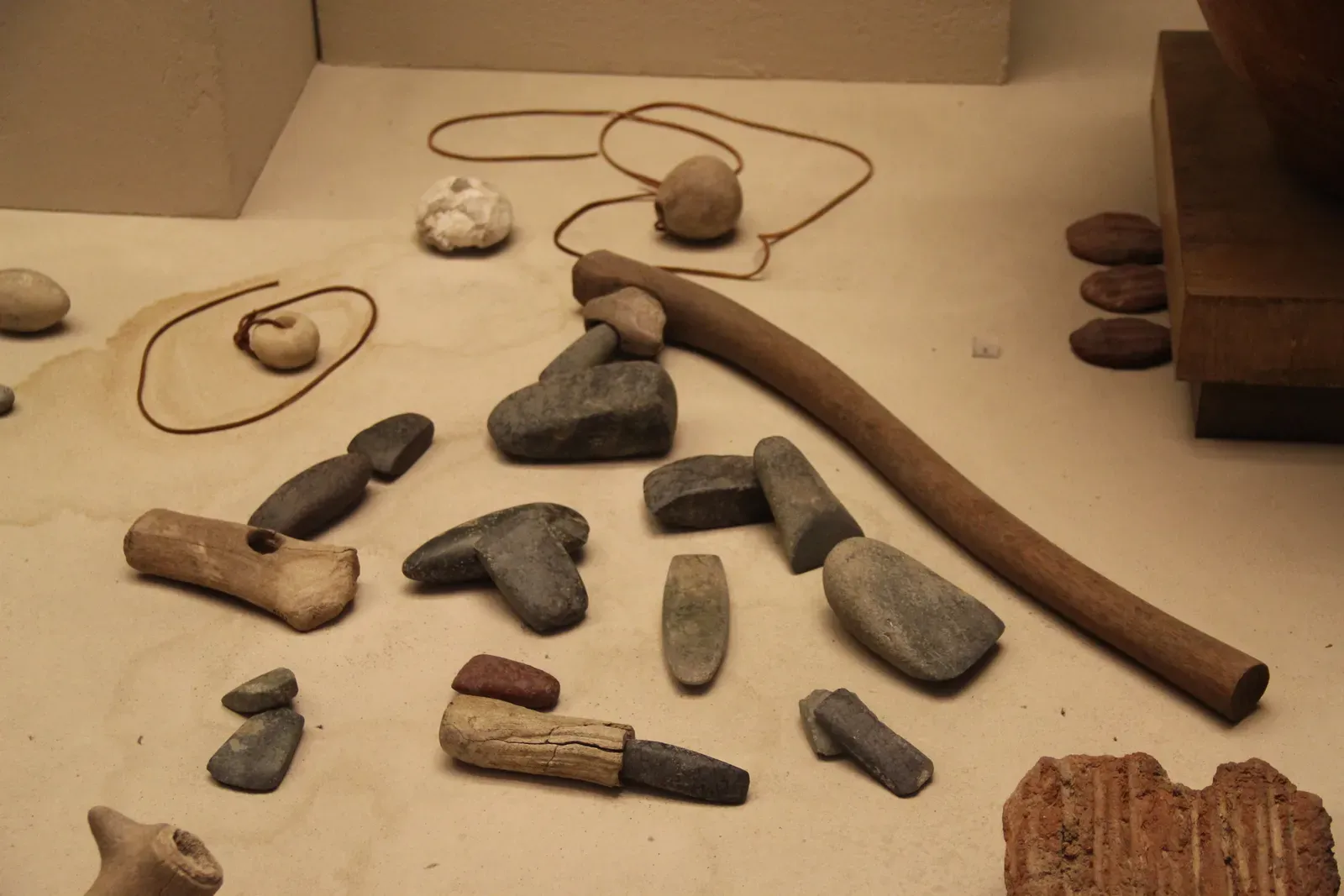
We like to treat technology as our signature superpower, the thing that proves humans are special. But if our relatives were already shaping tools millions of years ago, then “being technological” starts to look less like a unique trick and more like a deep-rooted family trait. Some non-human animals even show basic tool use today: crows bend wires, sea otters use stones to crack shells, and primates strip leaves off branches to fish for insects.
What sets early hominin stone tools apart, though, is their complexity and their role in everyday survival. They were not occasional curiosities; they were part of a consistent toolkit passed down and refined over generations. To me, that blurs the line between “us” and “them” in a way that is both unsettling and liberating. Instead of a sudden leap into modernity with Homo sapiens, you see a long, messy climb, with multiple species contributing steps along the way.
Rewriting the Human Origin Story, One Excavation at a Time
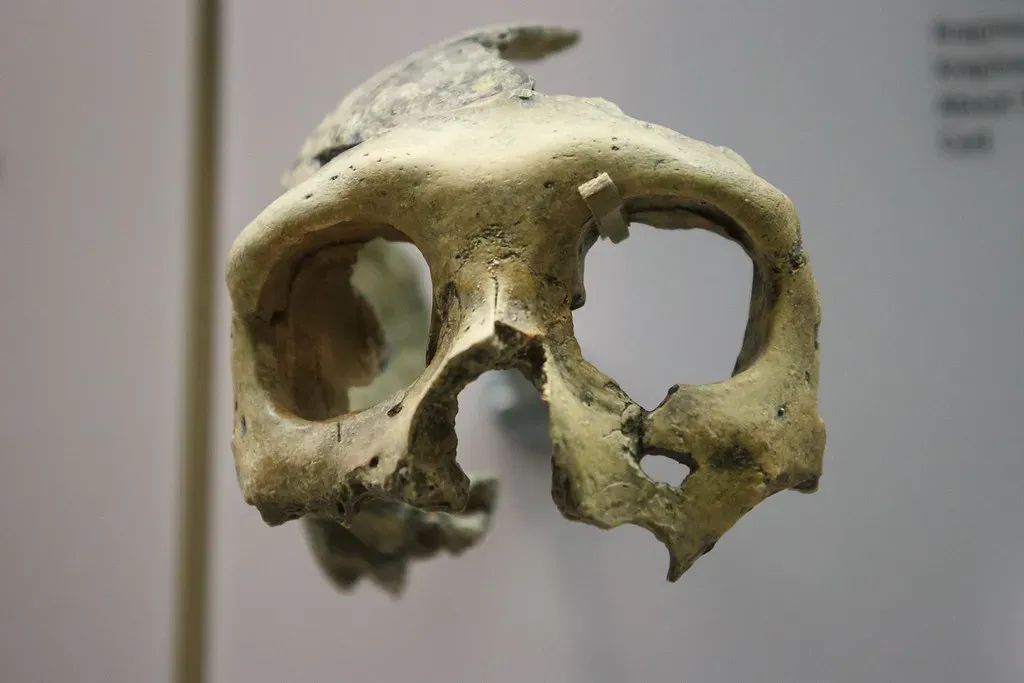
Every time researchers uncover older stone tools, they effectively erase and redraw part of the human timeline. What used to be a neat story – first came our species, then came culture and technology – has given way to something more tangled and honestly more interesting. Now it looks like multiple hominin groups were experimenting with tools, possibly at overlapping times and in different regions, like a scattered network of early inventors.
This matters because it changes how we think about intelligence, creativity, and even identity. If technology has roots deeper than Homo sapiens, then our modern gadgets are just the latest chapter in a very long saga. We are not the start of the story; we are a continuation. That shift in perspective can be a bit of a blow to the ego, but it also connects us more strongly to the deep past, as if every phone, laptop, and laser-cut part still carries a faint echo of stone on stone.
Why These Ancient Tools Still Matter in a High-Tech World
It is easy to look at a chipped rock and shrug, especially in a world full of quantum computers and artificial intelligence. But those early tools are the first physical fingerprints of minds trying to shape their environment on purpose. They remind us that even the simplest technology represents a mental leap: the realization that you can change the world with your hands, not just adapt to it. That attitude is still at the core of everything from engineering to art.
On a more personal level, learning that technology is older than our species undercuts the idea that modern humans are completely unique geniuses. Instead, we are part of a long experiment that started with nervous, clever primates testing rocks and bones in the dirt. I find that strangely grounding. It suggests that our urge to tinker, design, and improve things is not just cultural fashion but something ancient and deeply wired into us.
Opinionated Conclusion: We Are Not as Special as We Think – And That Is a Good Thing
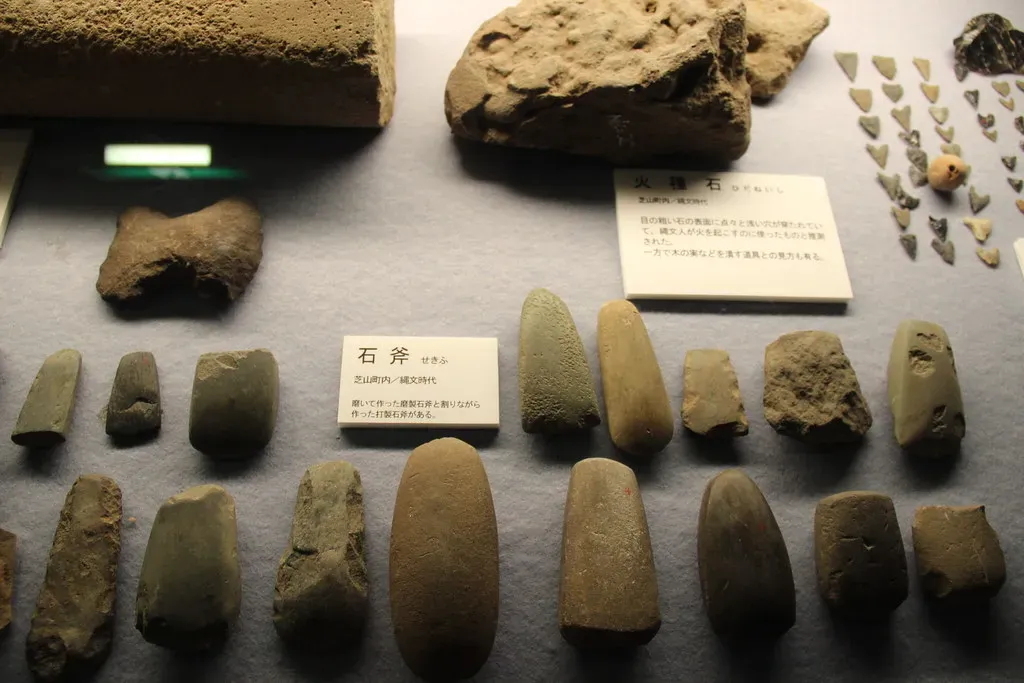
If stone tools really do predate Homo sapiens, then the story we like to tell about ourselves – as the sudden innovators, the singular inventors of technology – is broken. Personally, I think it needed breaking. The evidence points toward a slower, shared evolution of technological behavior, where multiple hominin species tried, failed, learned, and passed on their skills long before we arrived. That means our species is less of a miracle exception and more of a successful sequel in a long-running series.
To some people, that might feel like a downgrade, as if we are losing our status as the universe’s favorite child. I see it differently. Realizing that technology is older than us makes our achievements more impressive, not less, because it shows we are carrying and expanding a legacy that began in a very rough, very dangerous world. The first toolmaker who struck one stone against another had no idea they were starting a story that would end in satellites and smartphones, but here we are, still chipping away at reality. The real question now is whether we will use this ancient gift wisely – or whether, millions of years from now, all that remains of us will be a puzzling layer of tools for someone else to dig up and wonder about.