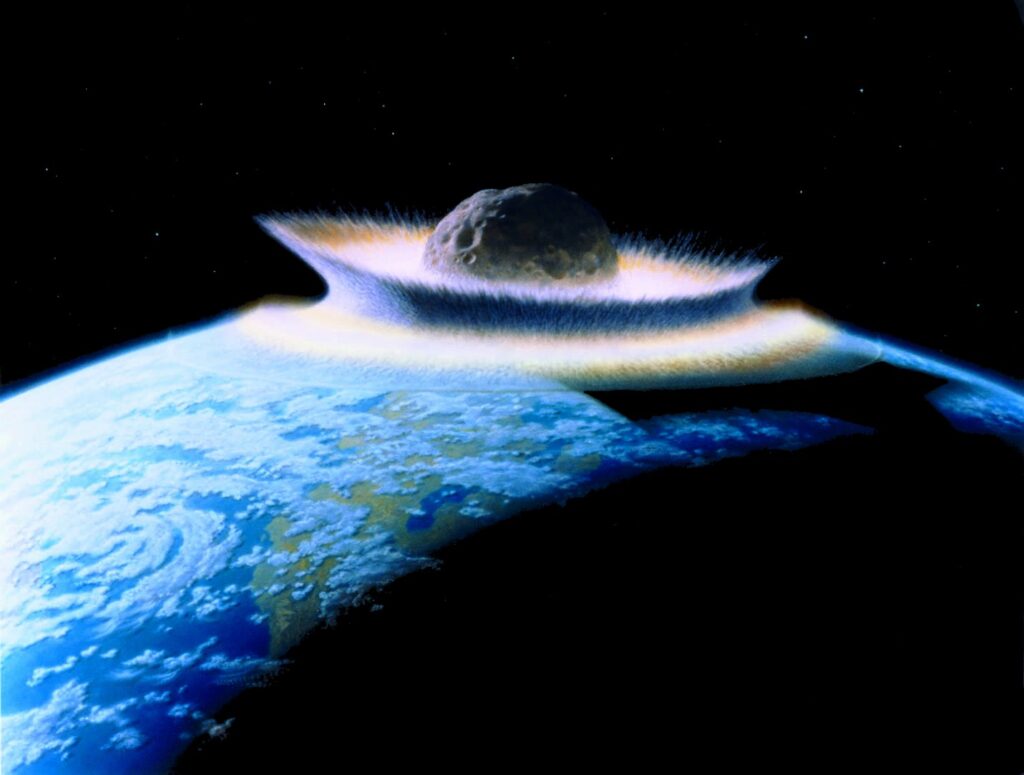
There is something oddly addictive about picturing the exact moment the dinosaurs’ world ended. One rock from space, a blinding flash over what is now Mexico, shock waves racing across the planet, and then silence. We know it happened roughly sixty-six million years ago, yet people talk about it with the intensity usually reserved for yesterday’s headlines.
Why do we keep coming back to that single day, replaying it in documentaries, art, memes, and late-night arguments about whether we could have survived it? Our fascination is not just about dinosaurs or science; it is about us. Buried underneath the impact crater is a tangle of psychological needs, fears, and fantasies that say more about the human mind than about ancient reptiles.
The Appeal of a Single, World-Changing Moment
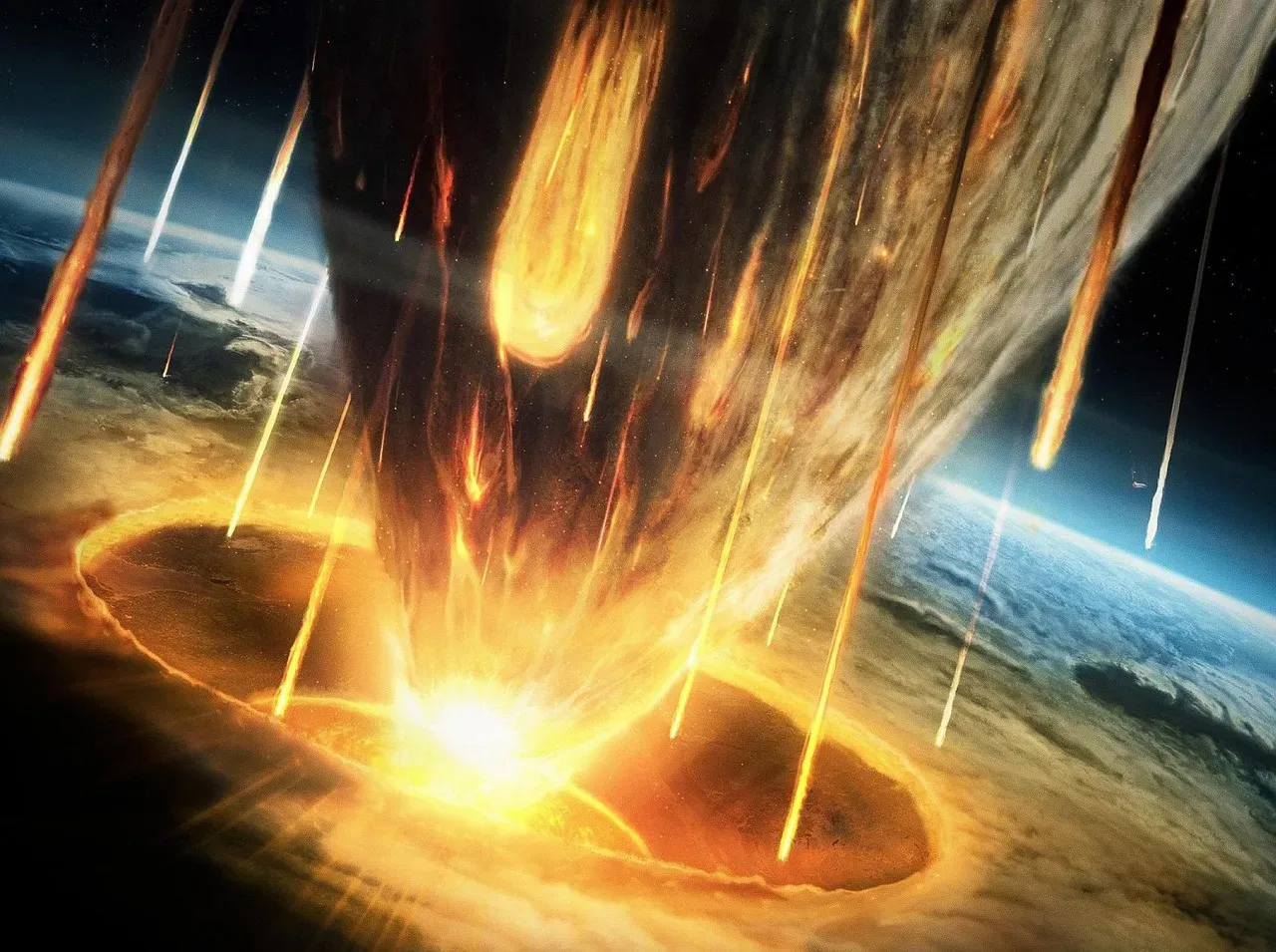
There is something irresistibly satisfying about the idea that everything changed in one dramatic day. Our brains love stories with clear turning points, clean before-and-after lines that cut through the messy blur of history. The asteroid impact offers precisely that: one event, one cause, one enormous effect, like a cosmic plot twist.
In a way, the day the dinosaurs died feels like the ultimate season finale of life on Earth, with explosions, chaos, and a shocking reset. Compared with slow, complex processes like climate shifts or evolution, a single fiery impact is emotionally easier to grasp. It gives us a moment to point to and say, that’s when everything changed, even if the real extinction process took far longer than just one day.
Why Catastrophes Are Weirdly Comforting
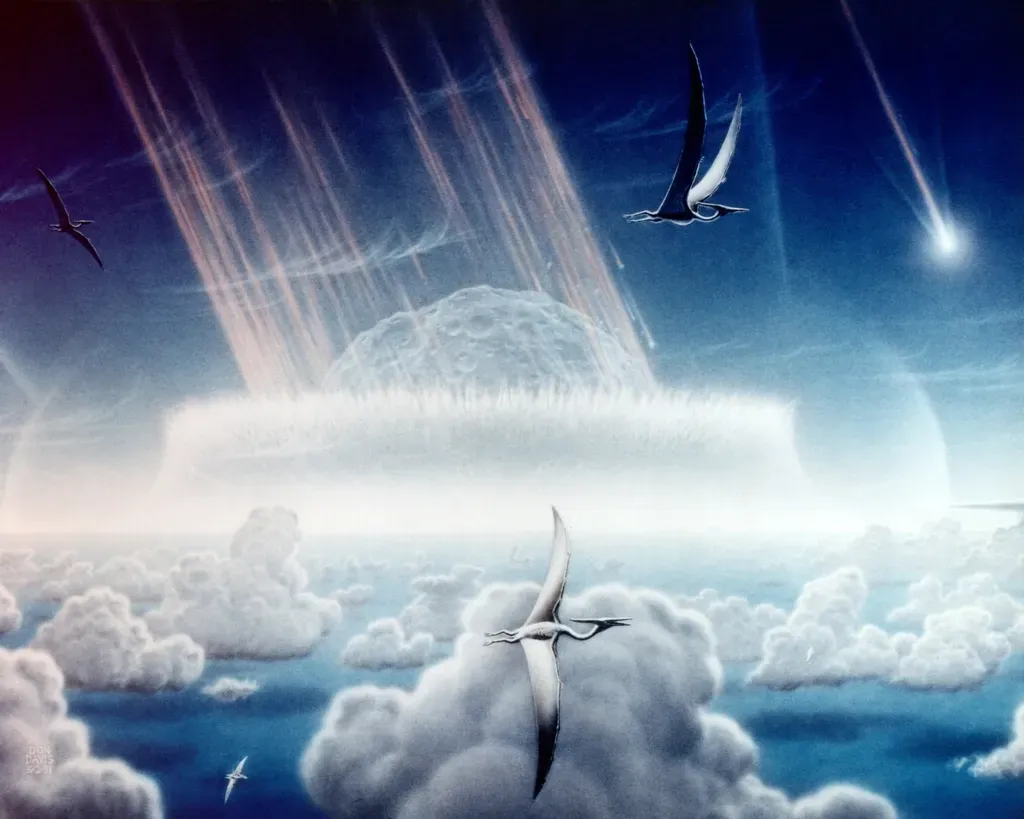
As dark as it sounds, imagining total catastrophe can sometimes feel oddly soothing. When we picture an asteroid slamming into Earth, it dwarfs our daily anxieties about bills, work, or awkward social situations. Against the scale of mass extinction, that stressful email suddenly looks pretty small, and our worries seem almost trivial.
This is sometimes called cosmic humility: the feeling that the universe is so vast and uncaring that our personal problems shrink in comparison. The dinosaur extinction story taps into that in a big way. It reminds us that even the mightiest creatures to ever walk the Earth were not in control, and neither are we, which can feel terrifying and strangely freeing at the same time.
Our Obsession With “What If We Were There?”
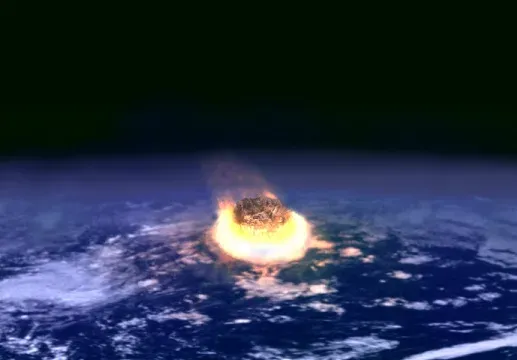
Even though no human was around at the time, we constantly insert ourselves into the day the dinosaurs died. We imagine standing on a Cretaceous shoreline, watching the sky catch fire, or running as forests burn and shock waves topple everything. Movies and games amplify this, inviting us to live out a disaster we were never part of.
This mental time travel is one of the mind’s favorite tricks. By placing ourselves at ground zero, we turn an abstract scientific event into an emotional, personal story. It becomes less a paleontology fact and more a survival fantasy: Would I make it? Where would I hide? How would it feel to see the sky fall? Those questions keep us hooked long after we close the textbook.
The Drama of Vulnerable Giants
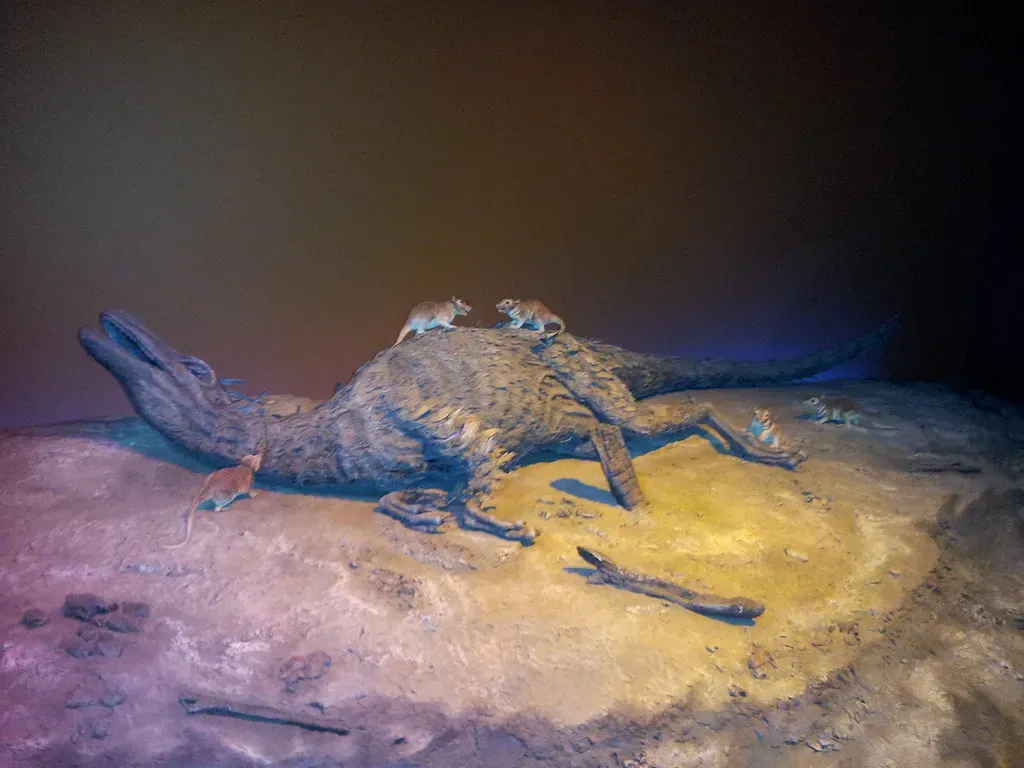
Dinosaurs were the ultimate power fantasy: towering predators, armored herbivores, creatures that seem built to dominate. Seeing them wiped out not by a stronger enemy, but by a rock from space, hits a deep emotional nerve. It is like watching an invincible hero taken down by a twist of fate rather than a fair fight.
We are wired to pay attention when the mighty fall, because it scrambles our instincts about strength and safety. If the biggest, baddest animals that ever lived could vanish almost overnight, what does that say about our own security? The story of the dinosaurs’ last day is really a story about the limits of power and the fragility hiding inside every kind of dominance, including our own.
Extinction as a Mirror for Our Climate Fears
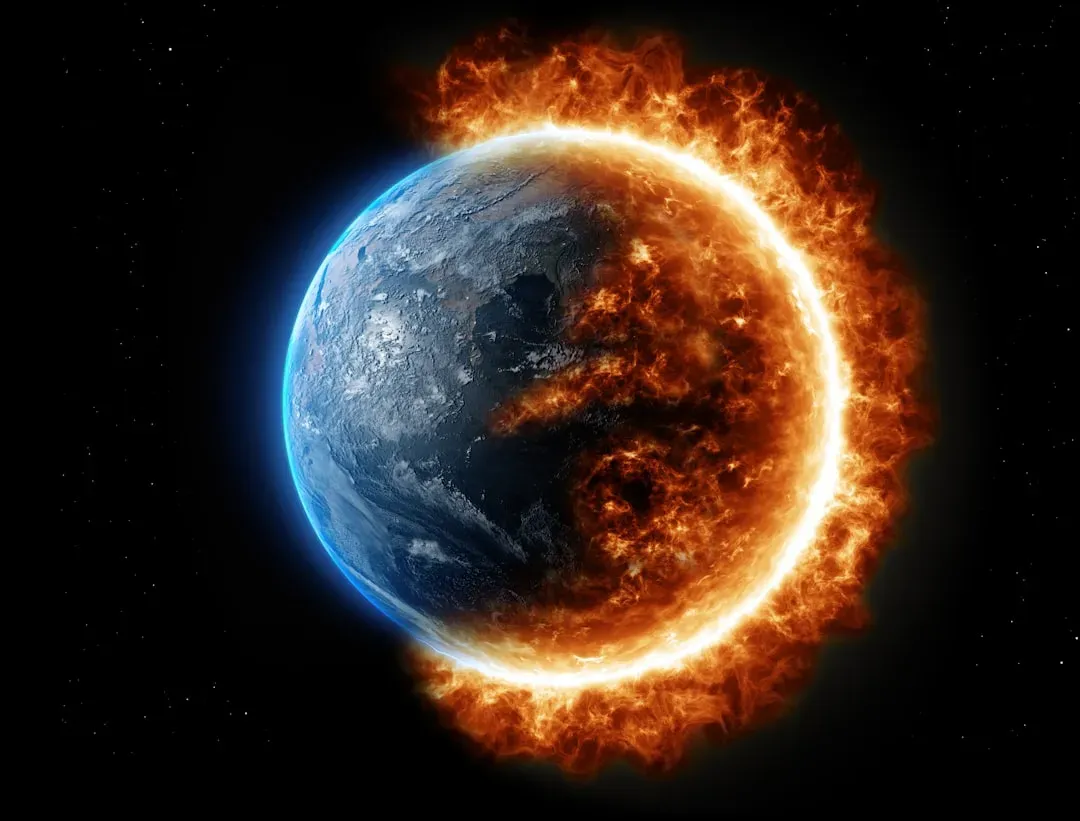
Whether we admit it or not, the day the dinosaurs died feels like a warning label slapped across our present. We live in a time when people constantly hear about climate tipping points, ecosystem collapse, and human-driven extinctions. The asteroid impact becomes an easy metaphor: one huge disruption, a chain reaction, and then the lights go out for most large species.
Even though our situation is different and unfolding more slowly, the emotional pattern feels similar: a stable world pushed past its limits. When we obsess over that ancient catastrophe, we are also quietly asking if we might be engineering our own version, just with factories, cars, and warming oceans instead of a space rock. It is not just ancient history; it is a story we are terrified of repeating.
Why We Love to Visualize the End in Stunning Detail
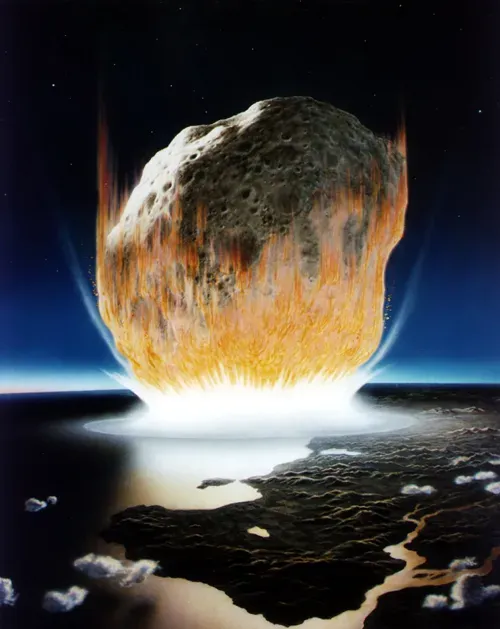
Over the last couple of decades, science has given us incredibly vivid reconstructions of the impact day: towering tsunamis, continent-spanning wildfires, skies choked with dust, temperatures swinging wildly. These visuals are not just cool; they scratch a deep itch in our imagination. The more detail we get, the more real and immediate that day feels.
Humans are highly visual storytellers, and dramatic images lodge in memory far better than dry numbers or timelines. A giant wave swallowing coastlines sticks with us more than any technical explanation of sediment layers. By painting the end of the dinosaurs in cinematic detail, scientists and artists are unintentionally feeding our appetite for emotional spectacle, making that day live rent-free in our heads.
The Secret Ego Boost Hidden in the Story
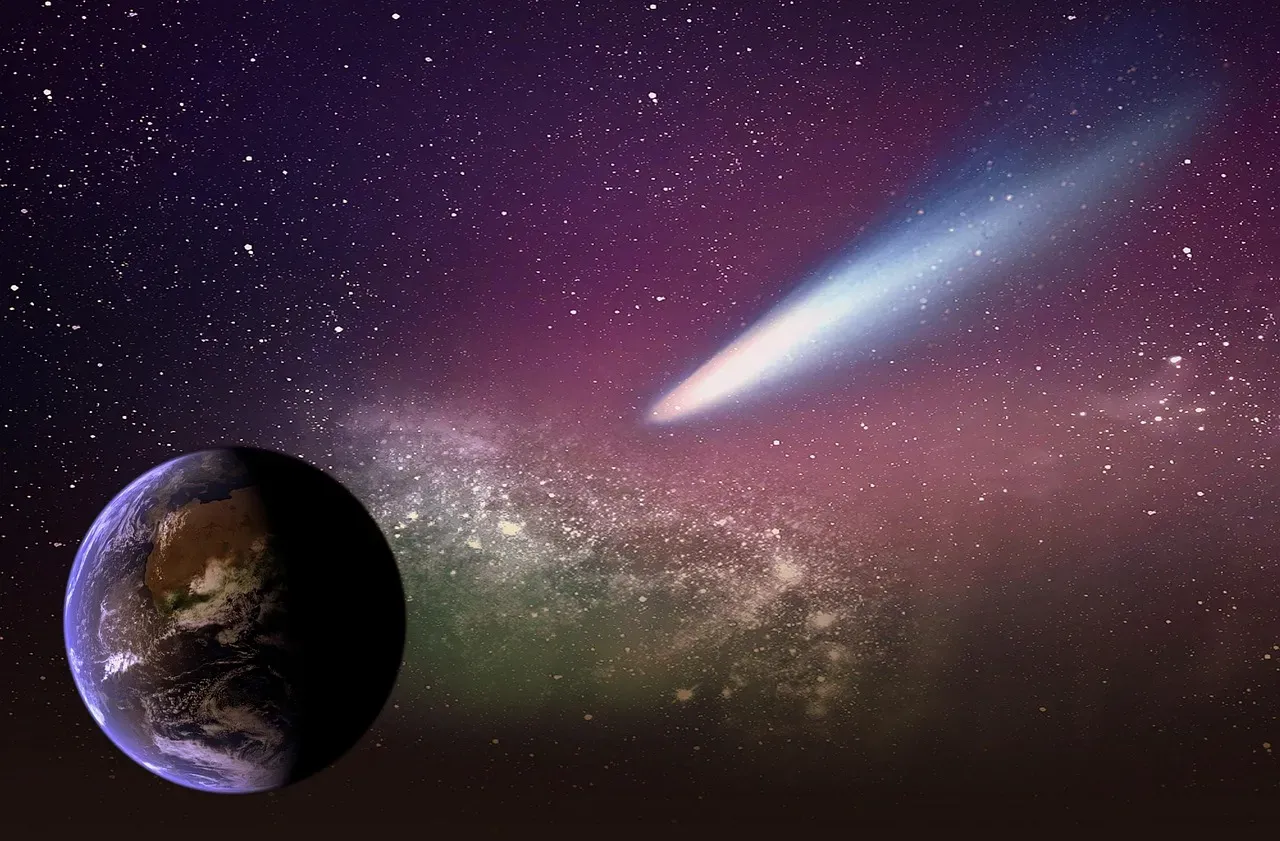
Here is an uncomfortable truth: our fascination with the dinosaurs’ last day also flatters us. The extinction of those giants cleared ecological space for mammals to eventually thrive and, much later, for humans to appear. Buried inside the horror is a subtle, self-serving thought: if that asteroid had missed, we probably would not be here.
On some level, we treat the impact like the prologue to our own story, a brutal but necessary step on the road to modern humanity. That makes the event feel oddly personal, even fated, as if the universe knocked out one cast of characters to make room for us. It is a dangerous kind of comfort, because it can turn random cosmic violence into something that feels almost like destiny.
The Thrill of Playing Detective Across Deep Time
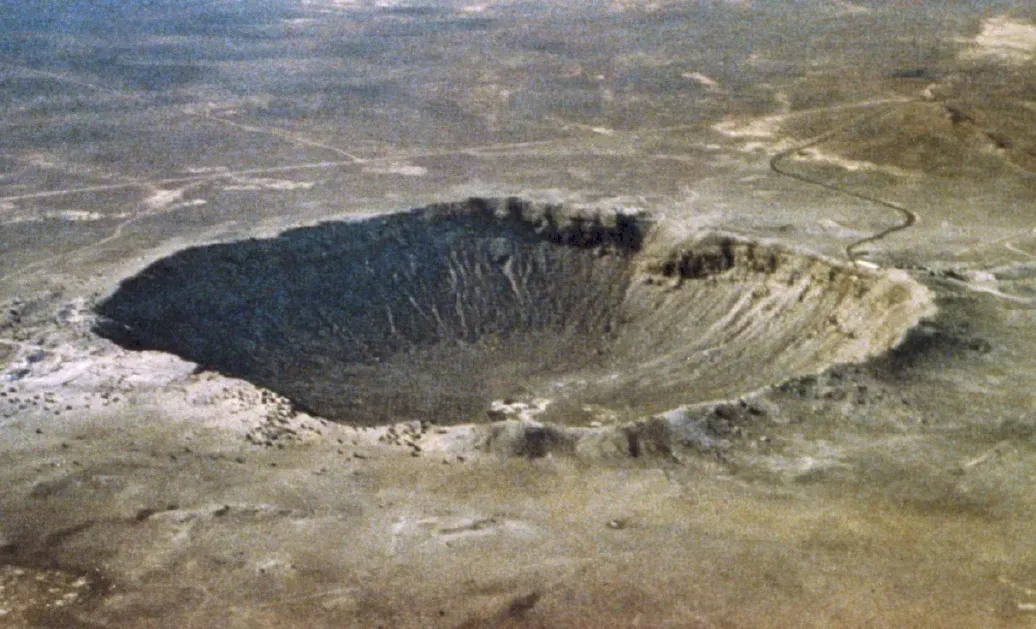
Part of the obsession is simply that the science behind that day is an incredible detective story. Geologists, paleontologists, and physicists have pieced together clues from shocked minerals, rare elements, fossil patterns, and crater structures scattered around the globe. It feels like reconstructing a crime scene on a planetary scale, with evidence buried under kilometers of rock.
Our brains love mysteries with big payoffs, and this one delivers: we are not just explaining a local event, we are explaining the end of entire lineages of life. Every new detail about the impact day feels like another puzzle piece snapping into place. Following that unfolding story lets us feel like participants in a grand investigation, not just spectators reading about long-dead creatures.
What Our Fixation on That Day Reveals About Us
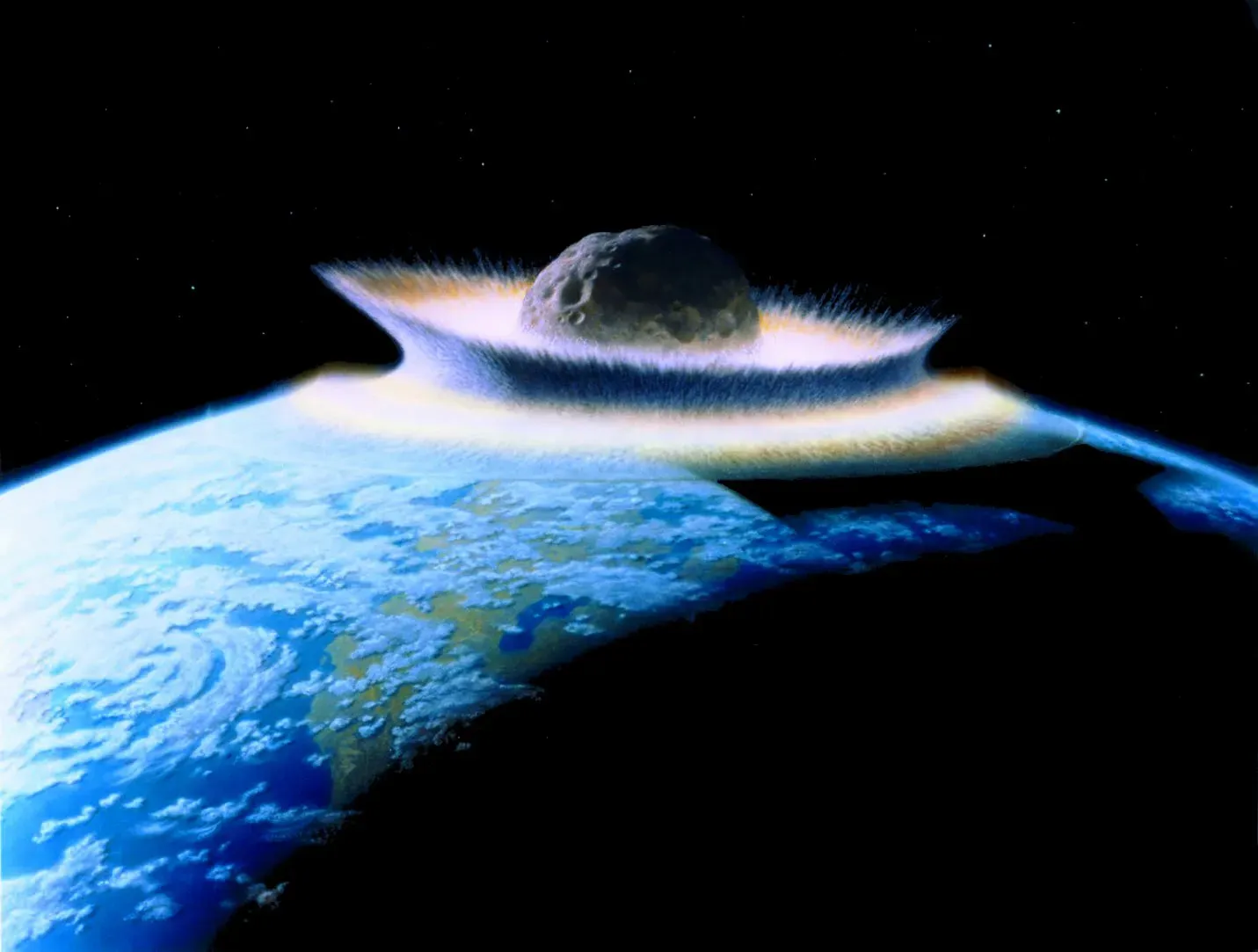
The truth is, says more about human psychology than about the dinosaurs themselves. We are drawn to simple turning points, dazzled by catastrophe, hungry to insert ourselves into stories we never lived. We use that ancient disaster to shrink our worries, project our fears, and quietly center ourselves in the grand drama of life on Earth.
In my view, that mix of curiosity and ego is both our superpower and our blind spot. It drives us to understand the past in exquisite detail, but it also tempts us to turn random chaos into a neat narrative with us on top. The real question is not why the dinosaurs died; it is whether we can learn from their ending without pretending the universe owes us a safer script. When you think about that final Cretaceous sunrise, do you see a tragedy that happened to them, or a warning aimed straight at us?