Most people assume mammoths are ancient history – solved, cataloged, filed away in a museum basement next to the dinosaurs. They’re wrong. After more than two centuries of digging up tusks, carcasses, and DNA, scientists still can’t explain some of the strangest mammoth discoveries ever unearthed.
From frozen calves that died in perfect health to genetic mysteries that refuse to add up, these are the finds that still keep paleontologists arguing at conferences. Here’s what the actual evidence says – and why none of it adds up quite the way you’d expect.
#15 – Two Titans Locked in a Death Grip No One Can Explain
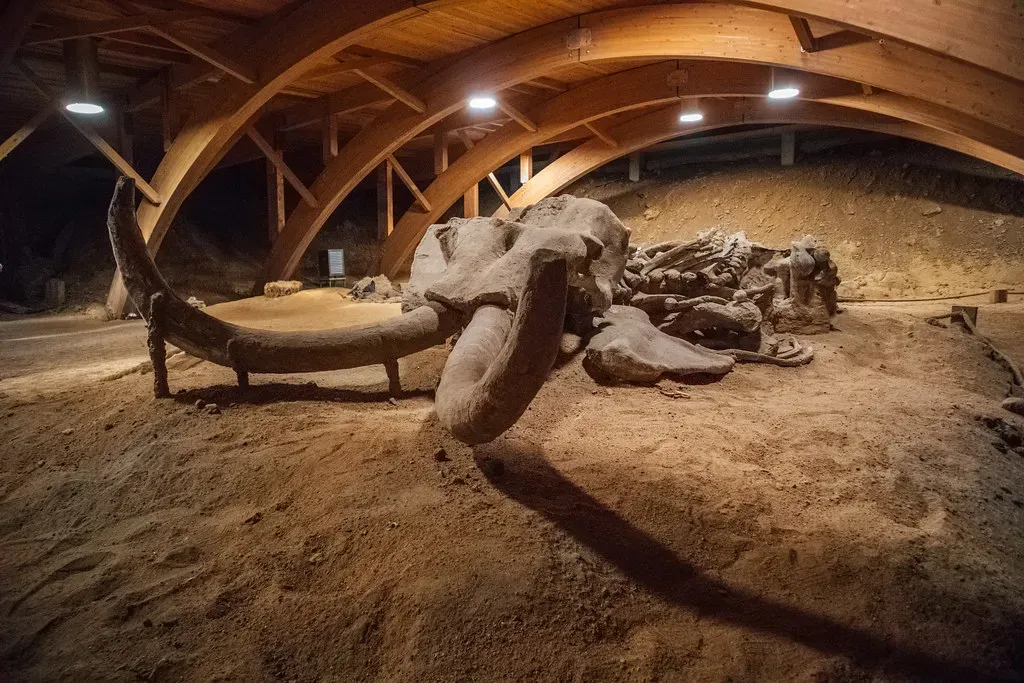
In the badlands of Nebraska, paleontologists uncovered something that shouldn’t exist: two male mammoths locked together in combat, their massive tusks fused in a death grip that never let go. Found in 1962, the pair had 12-foot tusks tangled beyond separation – animals among the largest that ever lived, standing 13 feet tall and weighing up to 10 tons apiece.
The real puzzle isn’t the bones, it’s the behavior. These were plant-eaters, gentle giants by every measure of their diet, which makes a fight to the death almost impossible to explain. “I’ve never seen or read about two mammoths locked together,” said paleontologist Mike Voorhies. “It’s absolutely the only one in the world that we know of.” No other fossil like it exists anywhere on Earth – and nobody has a confirmed answer for why two supposedly peaceful herbivores died fighting each other.
Fast Facts
- Unearthed in 1962 in the Nebraska badlands
- Both bulls carried tusks nearly 12 feet long
- Each animal stood about 13 feet tall
- Individual weights reached up to 10 tons
- Still the only fossil pair of its kind ever found
#14 – Frozen Mammoths That Died Gasping for Air, Not Freezing to Death
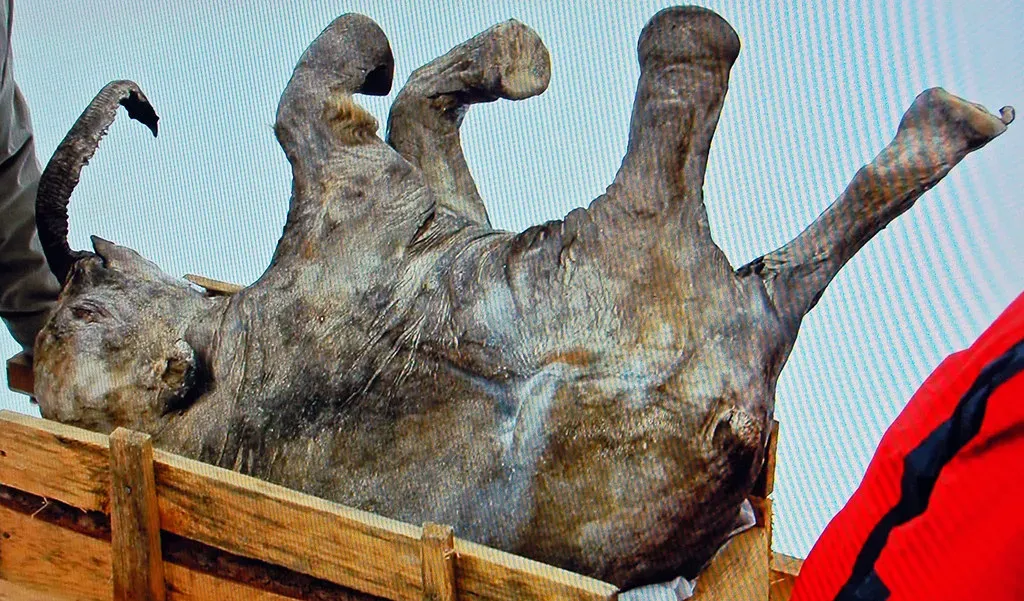
Everyone assumes Siberia’s famous frozen mammoths simply froze solid where they stood, flash-frozen mid-stride like something out of a museum diorama. The forensic evidence tells a very different, much stranger story.
Scientists examining three woolly mammoths and two woolly rhinos, including the famous Beresovka mammoth, found they all died of suffocation – and a live animal doesn’t suffocate unless it’s buried rapidly or drowned. A healthy animal doesn’t suffocate in an instant unless something catastrophic buries it fast. Slow-motion climate change doesn’t explain that kind of death. Something violent and sudden was involved, and researchers still argue about exactly what.
#13 – A Perfectly Healthy Baby Mammoth With No Business Being Dead
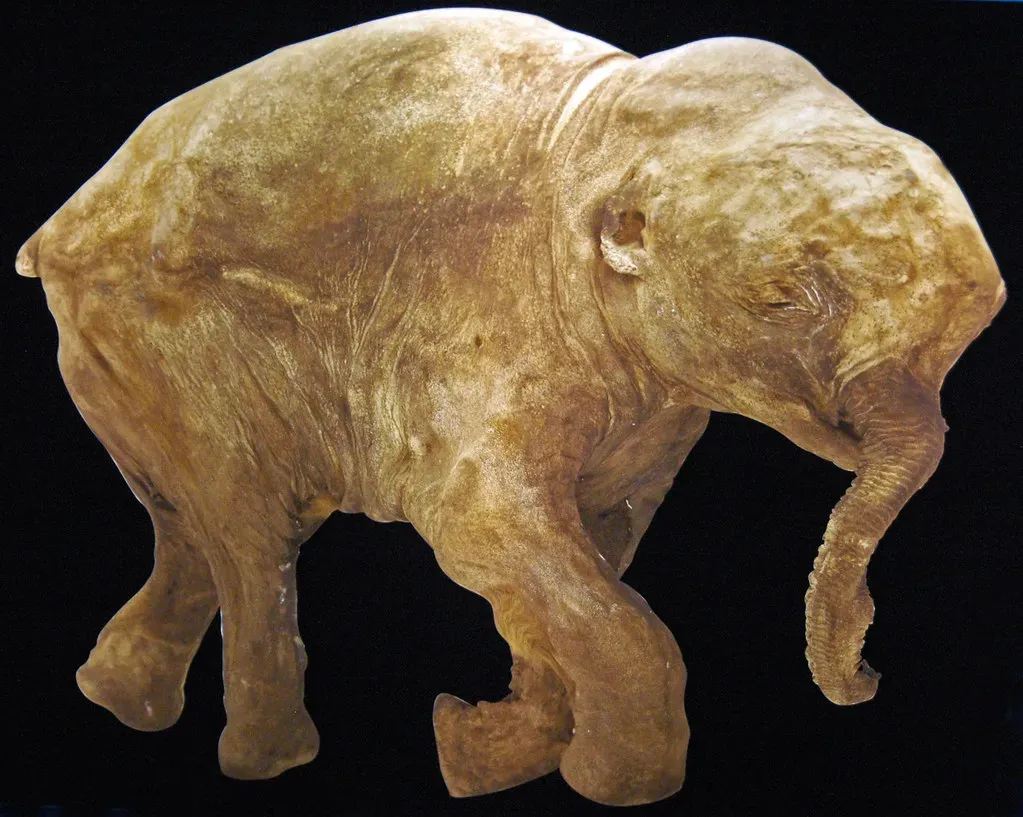
Lyuba, the most complete mammoth ever discovered, should have lived a long life. She didn’t – and the reason still puzzles the scientists who examined her.
Tests showed she was in good health and well fed when she died, which makes the sudden end even harder to explain. Sediment packed inside her trunk, mouth, and windpipe suggests she suffocated after getting trapped in thick mud. Paleontologist Dan Fisher called her preservation unmatched: “No other specimen preserves this much of the original anatomy – that makes her a remarkable scientific resource.” A thriving calf, gone in minutes, preserved for 42,000 years.
#12 – Mammoth Cells That Woke Up in a Lab 28,000 Years Later
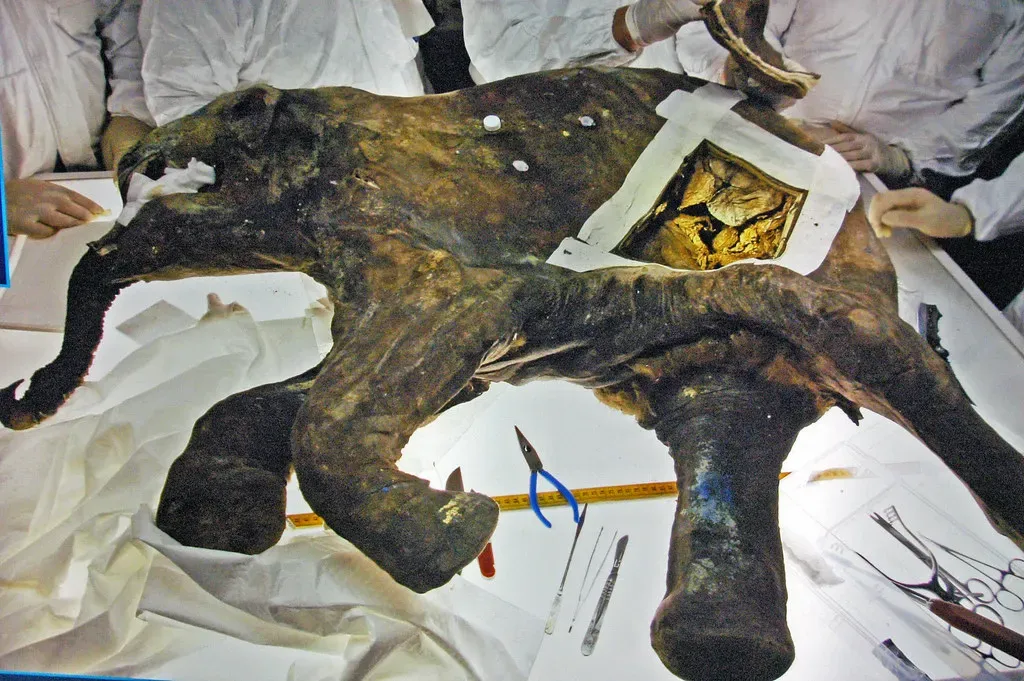
This one sounds like science fiction. Japanese researchers actually got long-dead mammoth cells to show signs of life.
Using nuclei pulled from the muscle tissue of Yuka, a mammoth that died over 28,000 years ago, scientists injected them into mouse egg cells through a process called nuclear transfer. The cells didn’t fully come back to life – but they didn’t stay dead either. They couldn’t divide enough to form an embryo, but they made it through early pre-division stages, including spindle assembly, something nobody expected 28,000-year-old biology to manage at all.
#11 – Genetic Material That Should Have Turned to Dust Millennia Ago
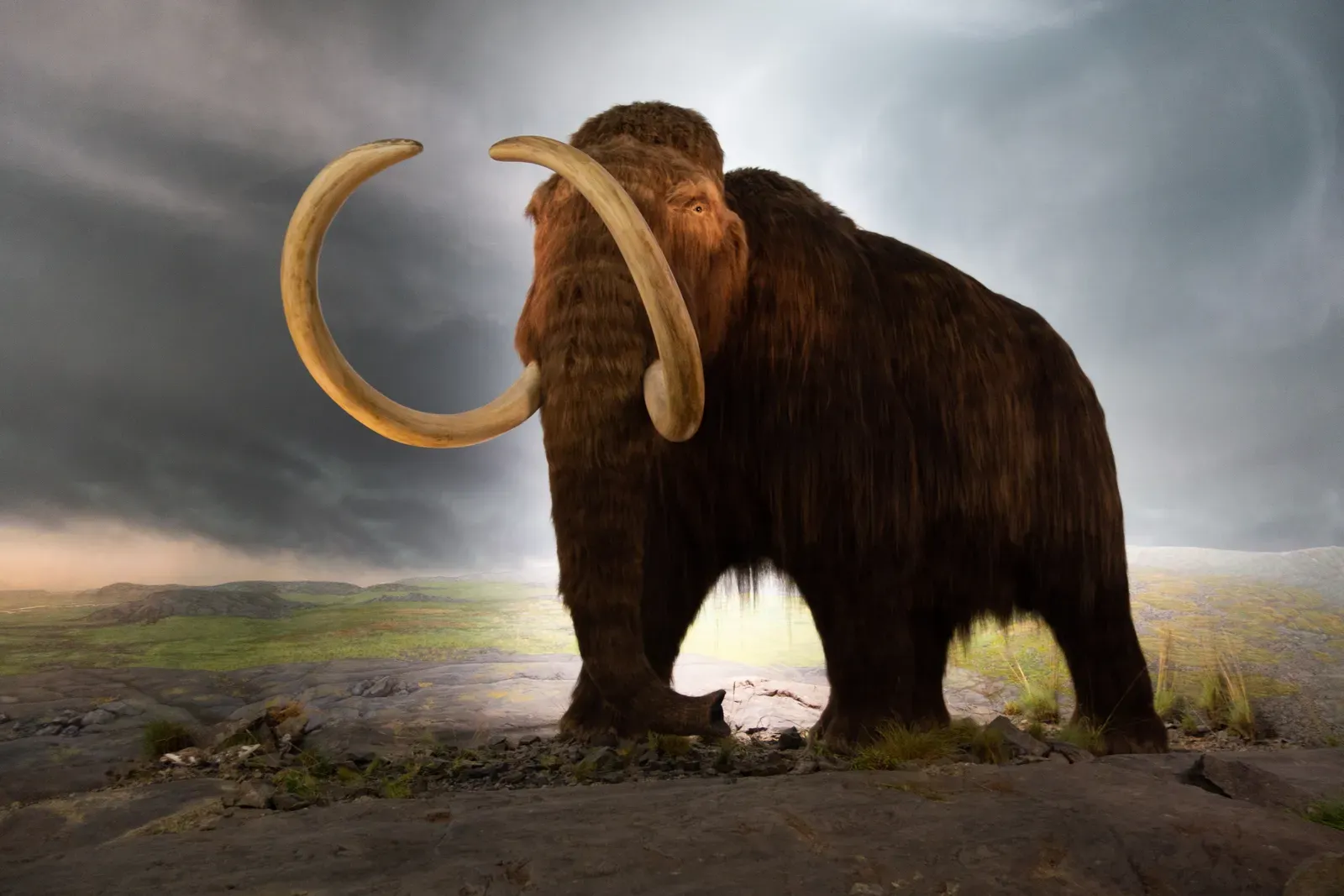
RNA is fragile. It’s not supposed to survive tens of thousands of years under any circumstances. Yuka broke that rule too.
The young mammoth’s carcass was so well-preserved – reddish fur, a twisted trunk, even an intact brain – that scientists recovered ancient RNA, the oldest ever pulled from an extinct species. Paleogeneticist Love Dalén described the moment he first saw her: “We walked in and there’s this dead mammoth lying there. It doesn’t look like it died yesterday, but you can’t believe your eyes because it’s so well preserved.” This shouldn’t have been chemically possible, and exactly how the preservation pulled it off remains an open question.
#10 – A Single Mud Pit Hiding Hundreds of Mammoth Skeletons
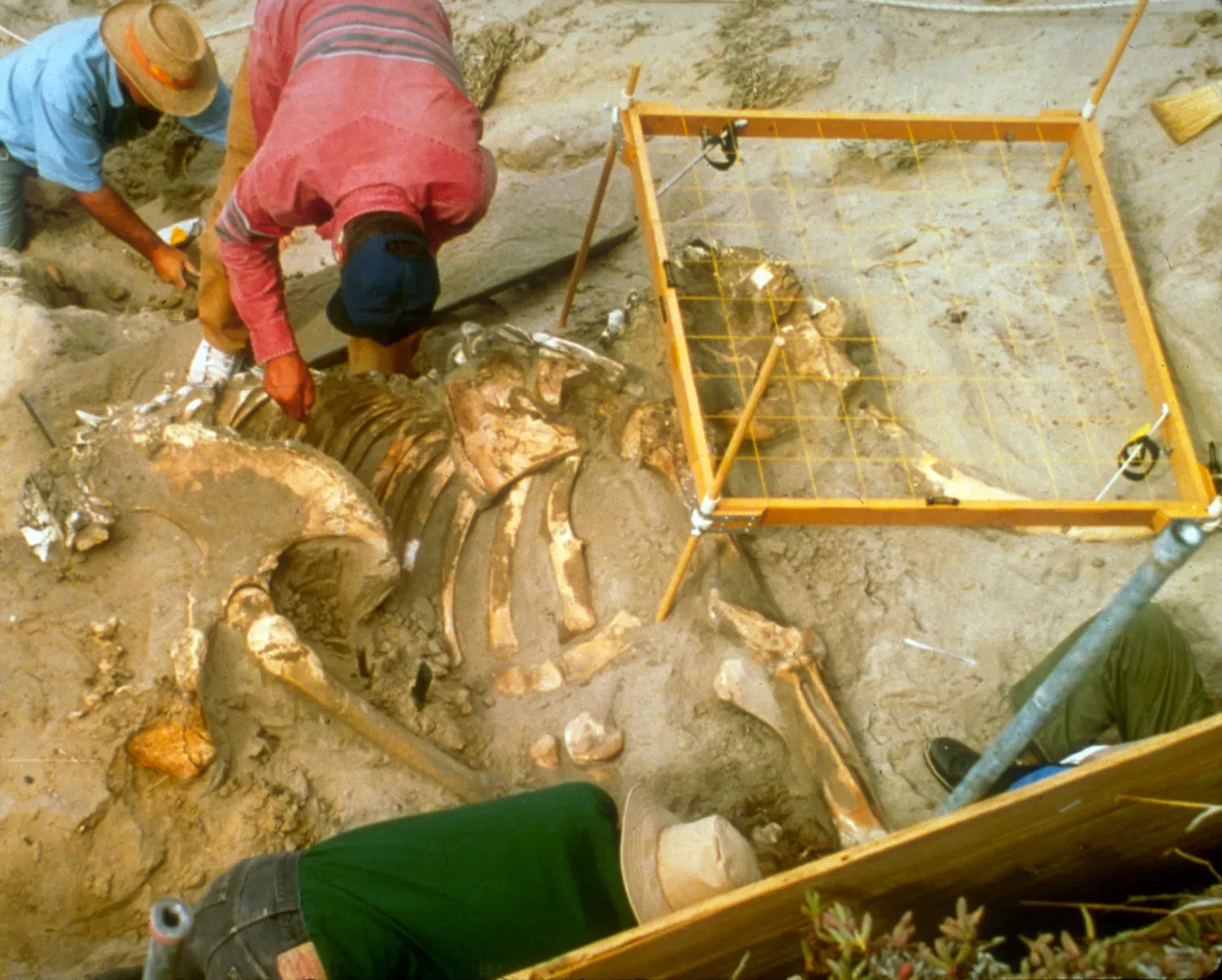
Construction crews building an airport outside Mexico City hit something nobody expected: what may be the largest mammoth graveyard on the planet.
The remains, found in Zumpango on the edge of the capital, started at over 100 individual mammoths and kept climbing – eventually reaching at least 200, with more still buried underground. One ancient lakebed, hundreds of mammoths, far more than any natural trap should logically hold. “There are too many, there are hundreds,” said archaeologist Pedro Sánchez Nava. Whether it was mud, drought, or generations of migration funneling animals to the same spot is still being pieced together.
At a Glance
- Location: Zumpango, on the edge of Mexico City
- Initial count: more than 100 mammoths
- Revised count: at least 200 individuals
- Site type: an ancient lakebed, not a single kill site
- Status: excavation still ongoing, with more remains suspected
#9 – The “Salad Bar” Theory That Still Doesn’t Fully Add Up
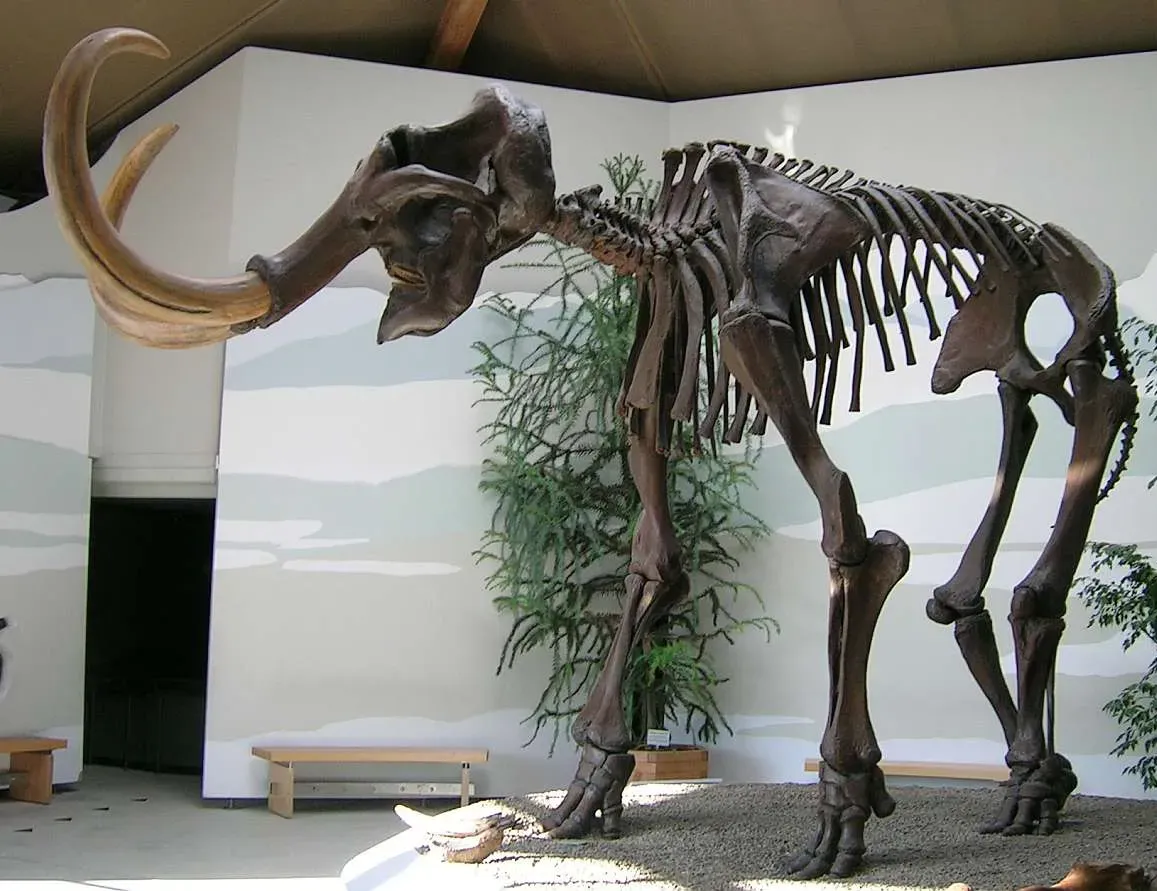
For years, scientists thought they’d cracked why mammoths starved: their favorite food simply vanished. The details, though, don’t close the case as neatly as headlines suggest.
Permafrost cores show that forbs – sagebrush, yarrow, wildflowers – were once abundant across the Arctic steppe, and stomach contents confirm mammoths preferred them. The theory says an “invasion” of grasses crowded the forbs out. But there’s a hole in the theory even researchers admit. Mammoths, like modern elephants, could presumably have survived on grass alone. If that’s true, starvation can’t be the whole story.
#8 – A Full Genetic Blueprint That Still Won’t Produce a Clone
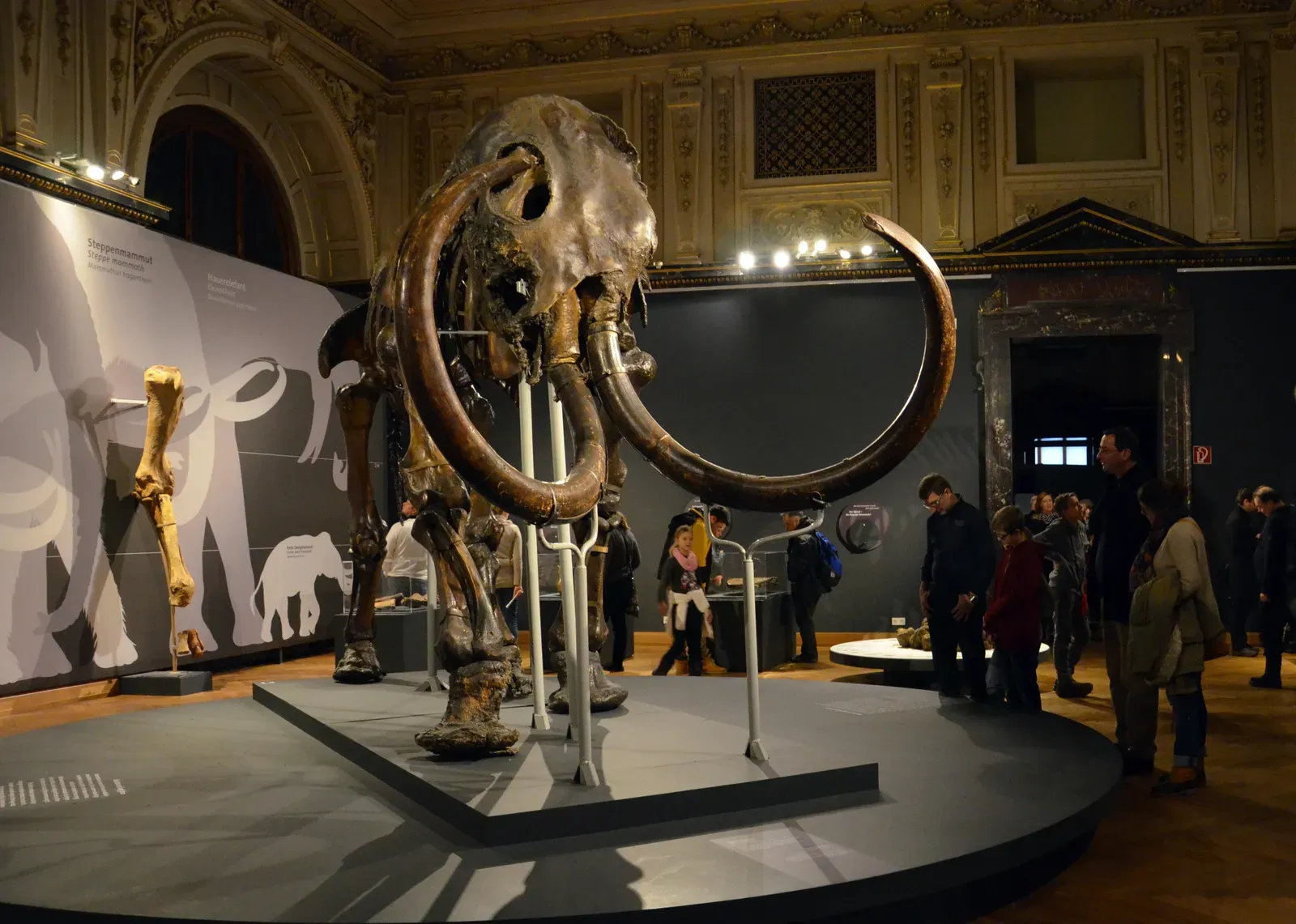
If you have an animal’s complete genome, cloning it should just be an engineering problem. Mammoths have proven that assumption spectacularly wrong.
In 2013, Russian scientists found viable tissue in a mammoth nicknamed “Buttercup” and hoped to extract usable DNA for cloning. It sounded close to happening. It wasn’t – scientists still haven’t recovered a complete mammoth genome, and even if they had, growing a viable embryo to term is an entirely separate mountain to climb. Over a decade later, a living mammoth clone still doesn’t exist, despite headlines that keep suggesting otherwise, and even George Church’s gene-splicing team hasn’t closed the gap.
#7 – The “Humans Did It” Theory That Fell Apart Under Scrutiny
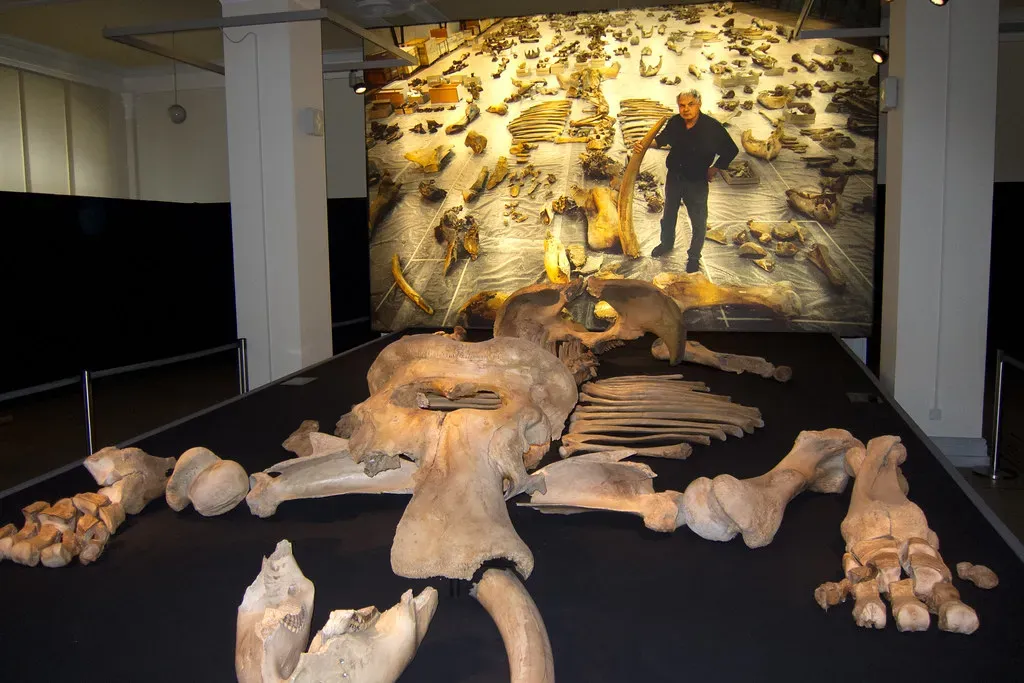
For decades, the simplest explanation for mammoth extinction was us. Early hunters, the story went, wiped them out. The physical evidence never actually backed that up.
No mammoth traps had been found. No arrow or ax marks turned up on the bones from any of the major discoveries. A theory that dominated textbooks for generations had almost no direct physical proof behind it. If humans were the primary killers, where were the weapons marks, the traps? For a long time, researchers simply didn’t have them.
#6 – Then the Traps Actually Showed Up, and Rewrote Everything
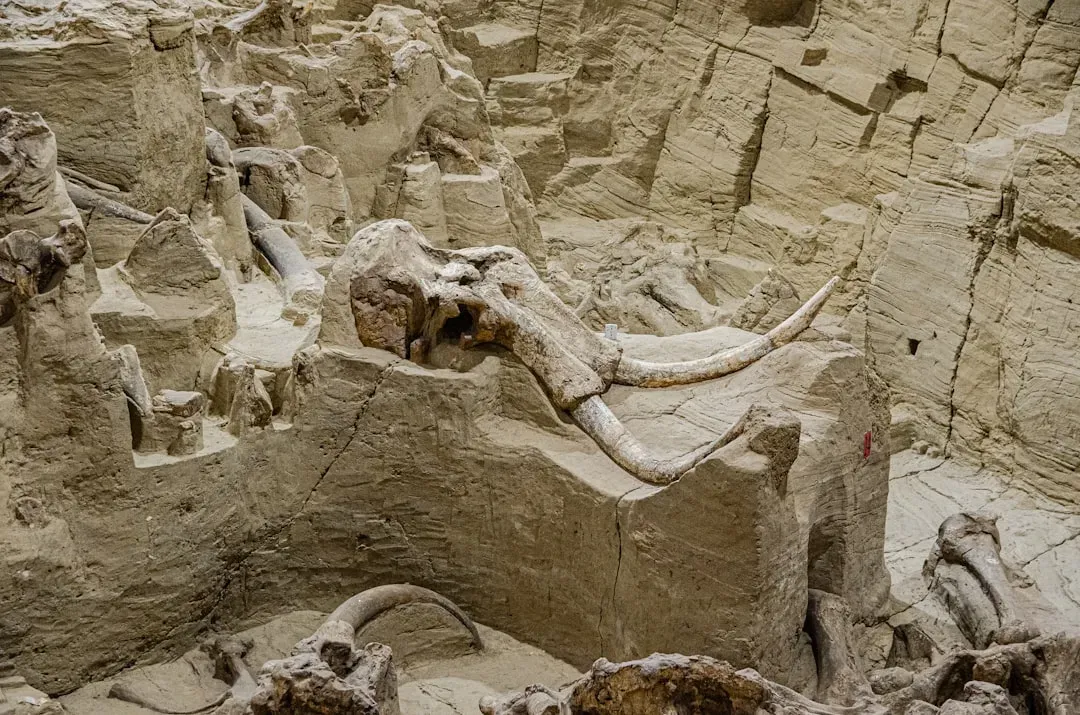
Just when the “humans didn’t do it” argument seemed settled, archaeologists in Mexico dug up the smoking gun that flipped the debate right back around.
They found the bones of at least 14 mammoths in two ancient hunting pits north of Mexico City – engineered traps, 1.7 meters deep and 25 meters wide, with 90-degree walls built to stop the animals from climbing out. Roughly 800 bones filled the pits, some showing clear signs of butchering. This single discovery contradicts the old “no evidence of traps” conclusion outright. So which is it: minimal human impact, or deliberate, engineered hunting? Researchers are still reconciling both findings.
Quick Compare
- Old evidence: no mammoth traps ever found
- Old evidence: no weapon or butchering marks documented
- New evidence: two engineered pits, 1.7 meters deep and 25 meters wide
- New evidence: roughly 800 bones from at least 14 mammoths, some butchered
#5 – A Population That Should Have Collapsed From Inbreeding, But Didn’t
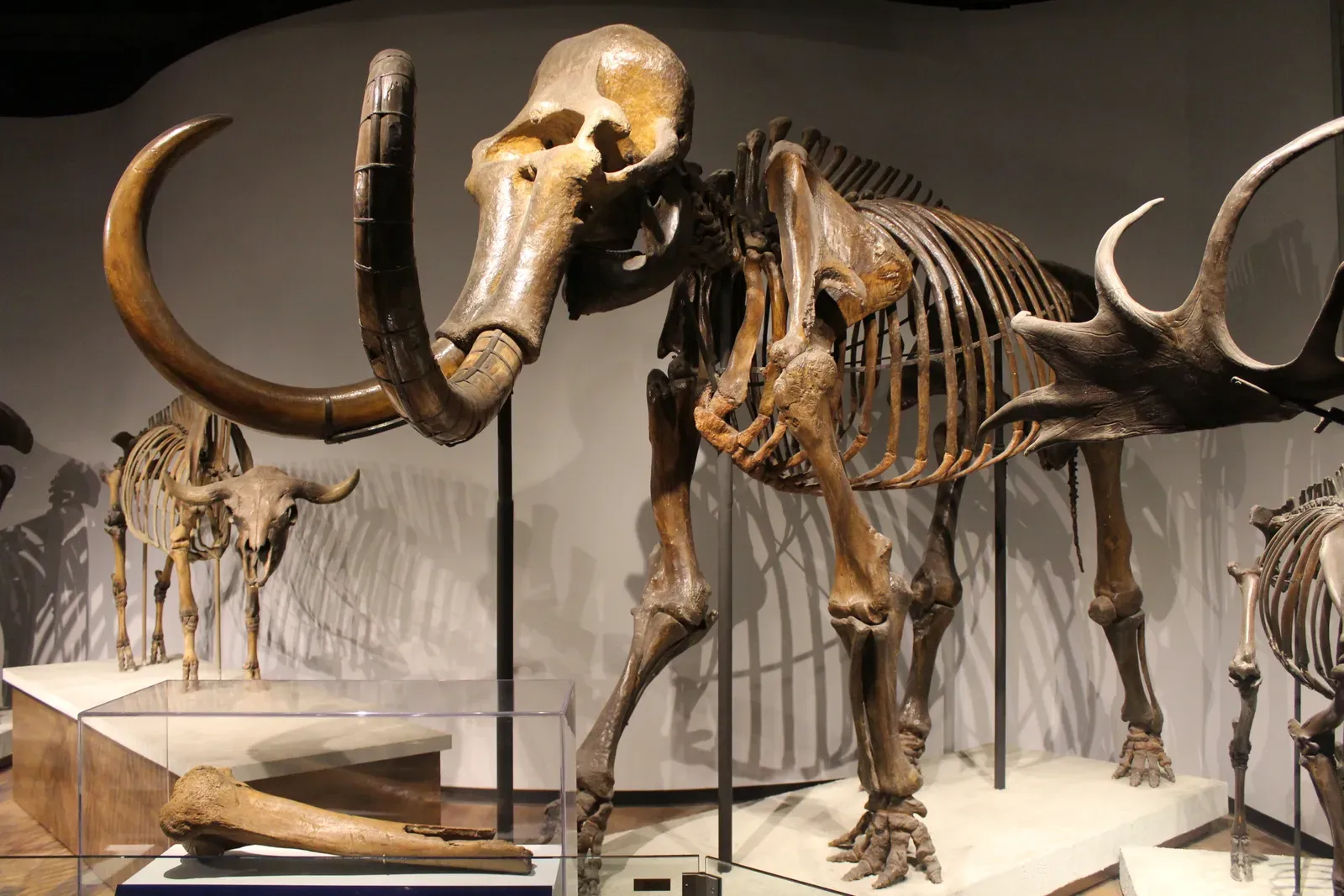
Conventional wisdom said Wrangel Island’s last mammoths were doomed by their own shrinking gene pool. A detailed genetic study says that assumption is flat wrong.
Over 6,000 years of isolation, there was no significant rise in inbreeding or loss of genetic diversity – stability that defies everything researchers expect from a small, isolated population. The island’s mammoths did carry harmful mutations, but the most dangerous ones were slowly being purged from the genome. A population that size was supposed to unravel genetically – instead it stayed remarkably stable. “We can now confidently reject the idea that the population was simply too small and that they were doomed to go extinct for genetic reasons,” said geneticist Love Dalén.
#4 – Microscopic Quartz That Points to an Explosion From Space
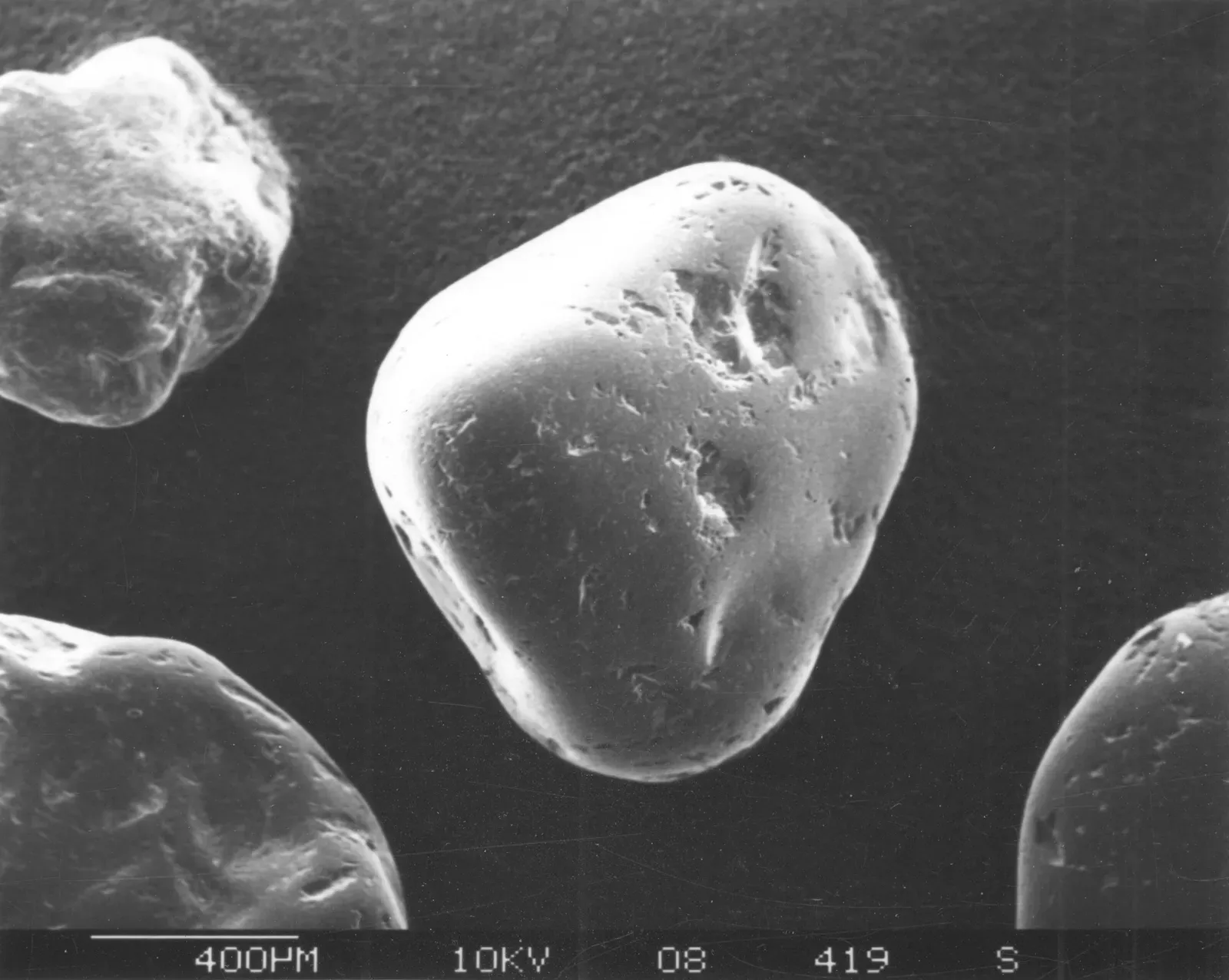
Buried in ancient sediment layers across multiple continents, researchers found mineral evidence that shouldn’t be there unless something detonated in the sky.
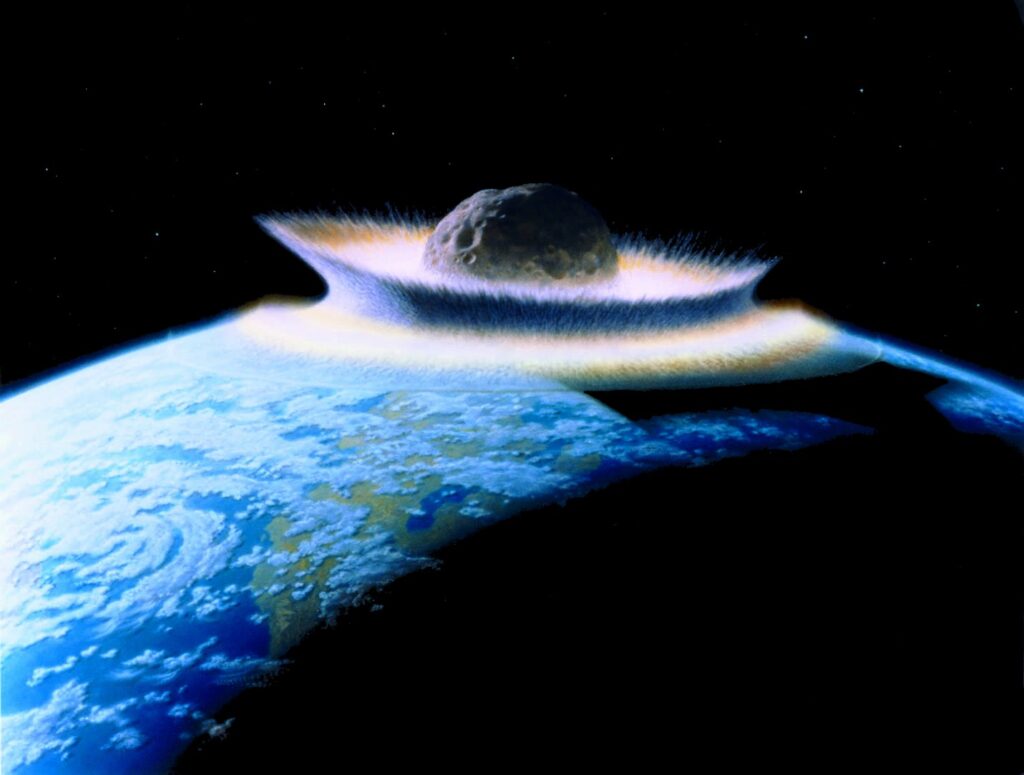
Scientists identified unusually high levels of platinum and iridium, elements common in comets and asteroids, alongside nanodiamonds, tiny metallic spheres, and meltglass formed when minerals melt and refreeze almost instantly. Shocked quartz stood out as the strongest signal of all – microscopic fractures that only form under extreme pressure and heat, damage that ordinary fires, lightning, or volcanoes simply can’t produce. A midair comet explosion, not a crater, may have devastated mammoth habitats. The theory holds that a large comet broke apart in the atmosphere, its fragments detonating in a low-altitude airburst with shockwaves and heat intense enough to scorch the landscape – though skeptics still doubt it explains a continent-wide die-off on its own.
#3 – Six Thousand Bonus Years That Science Still Can’t Fully Explain
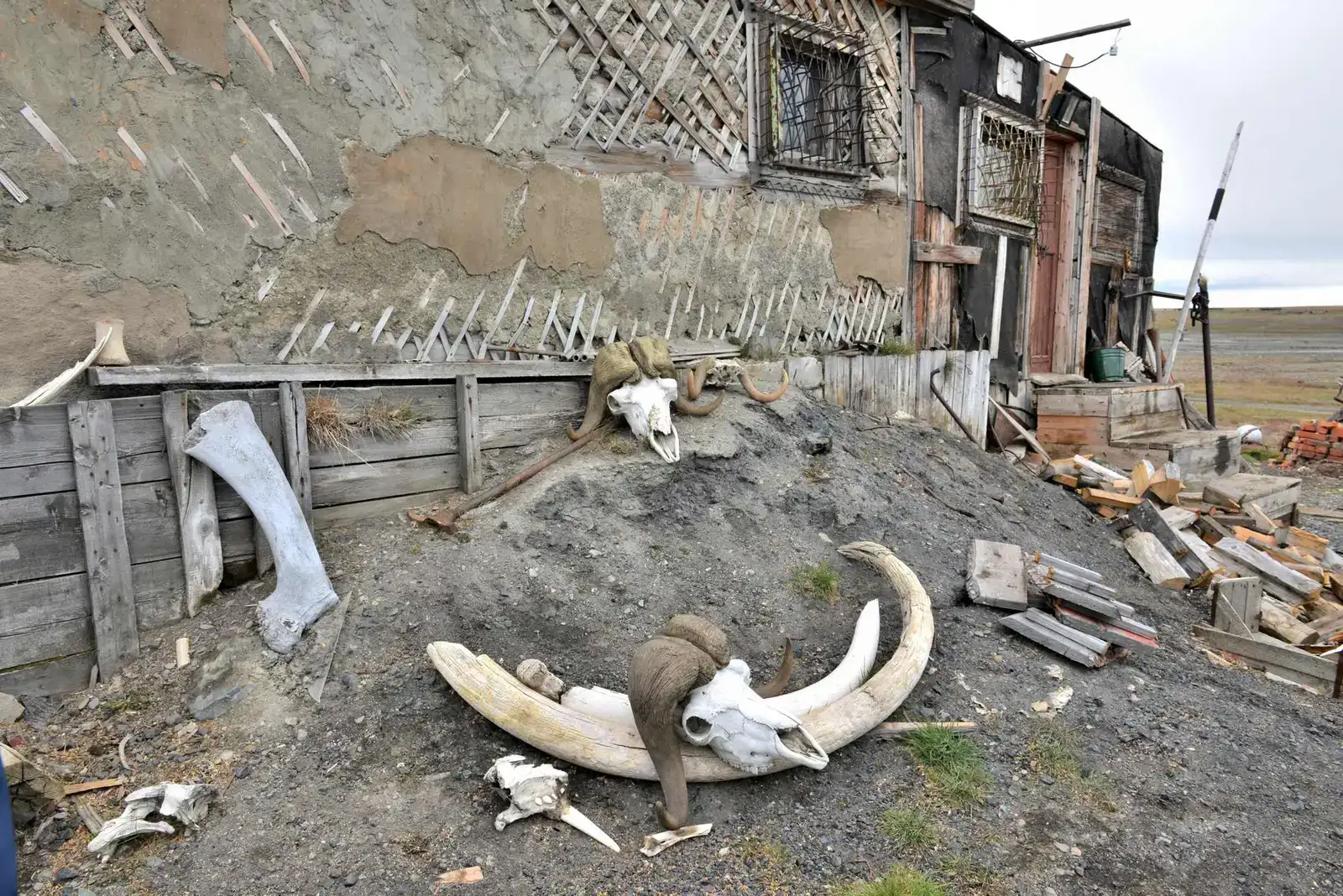
While mainland mammoths vanished roughly 10,000 years ago, one stubborn population kept going. Why they survived – and why they eventually didn’t – are two separate, unsolved puzzles.
A small group held out on Wrangel Island, one of the world’s most remote corners, cut off by rising seas that turned it into an accidental sanctuary. They shouldn’t have outlasted their mainland relatives by six thousand years, yet they did. Then, just as mysteriously, they stopped – no slow decline, no obvious warning signs in the record, just an ending researchers are still trying to reconstruct.
Worth Knowing
- Mainland mammoths vanished roughly 10,000 years ago
- Wrangel Island mammoths survived roughly 6,000 years longer
- Population rebuilt from as few as 8 founders to about 300
- Genetic diversity stayed stable for over 6,000 years
- The population still collapsed suddenly around 4,000 years ago
#2 – A Sudden Collapse With Absolutely No Identified Trigger
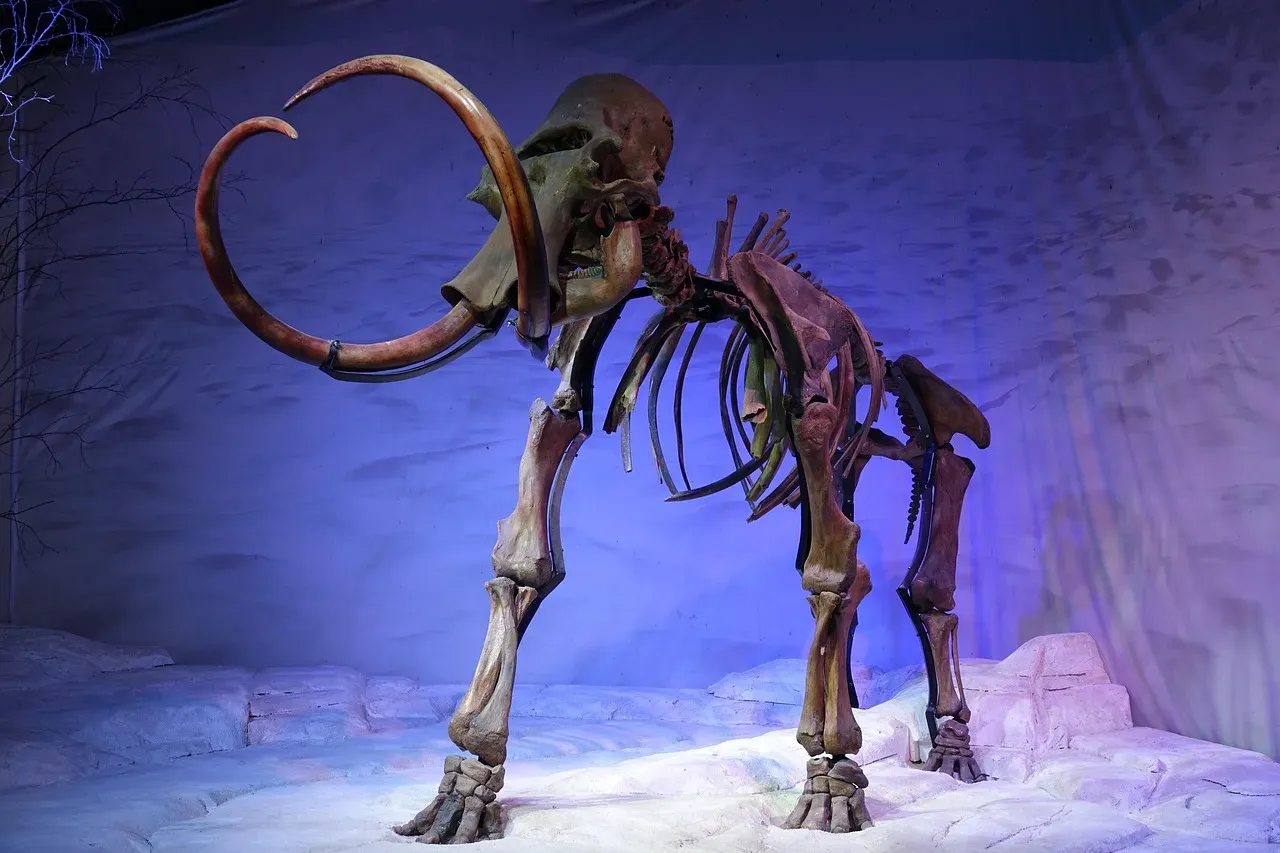
This is the finding that unsettled the scientific team who produced it. After ruling out every obvious suspect, they were left holding nothing solid to blame.
The population grew from as few as eight founding individuals to roughly 300 before collapsing 4,000 years ago – and it wasn’t genetics. “This suggests that something else, and very sudden, caused the population to collapse,” said lead author Marianne Dehasque. Not disease they could trace. Not humans, who didn’t arrive on the island until 400 years after the mammoths were already gone, with no tools, hearths, or butchered bones to suggest any contact.
Maybe they were just unlucky. If some disaster had not struck Wrangel Island, perhaps we would have had mammoths walking around still today.
Love Dalén
#1 – Why an Entire Genus Vanished Without a Single Confirmed Cause
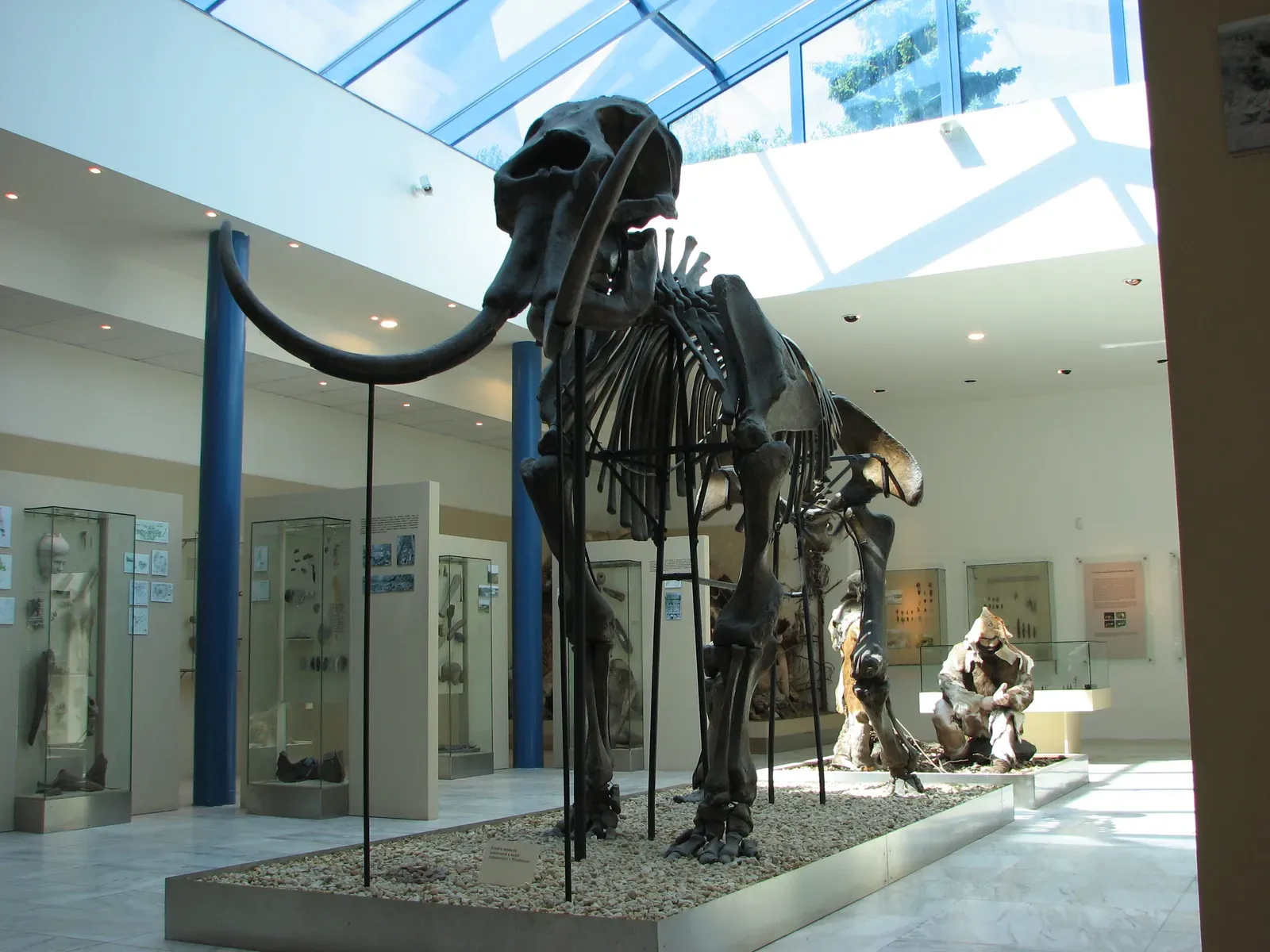
After more than two hundred years of study, science still cannot point to one definitive reason the mammoths disappeared. That, more than any single carcass or gene sequence, is the real mystery.
Climate warming, vegetation collapse, human hunting, disease, comet airbursts, sudden isolated-population crashes – every theory explains a piece of the puzzle, and none explains all of it. Multiple credible, evidence-backed theories exist side by side, and researchers still can’t rank them with confidence. Even after sequencing dozens of genomes and mapping the mineral content of ancient drinking water, the field keeps landing on the same conclusion it has repeated for decades: the ending is still unwritten.
The Bottom Line
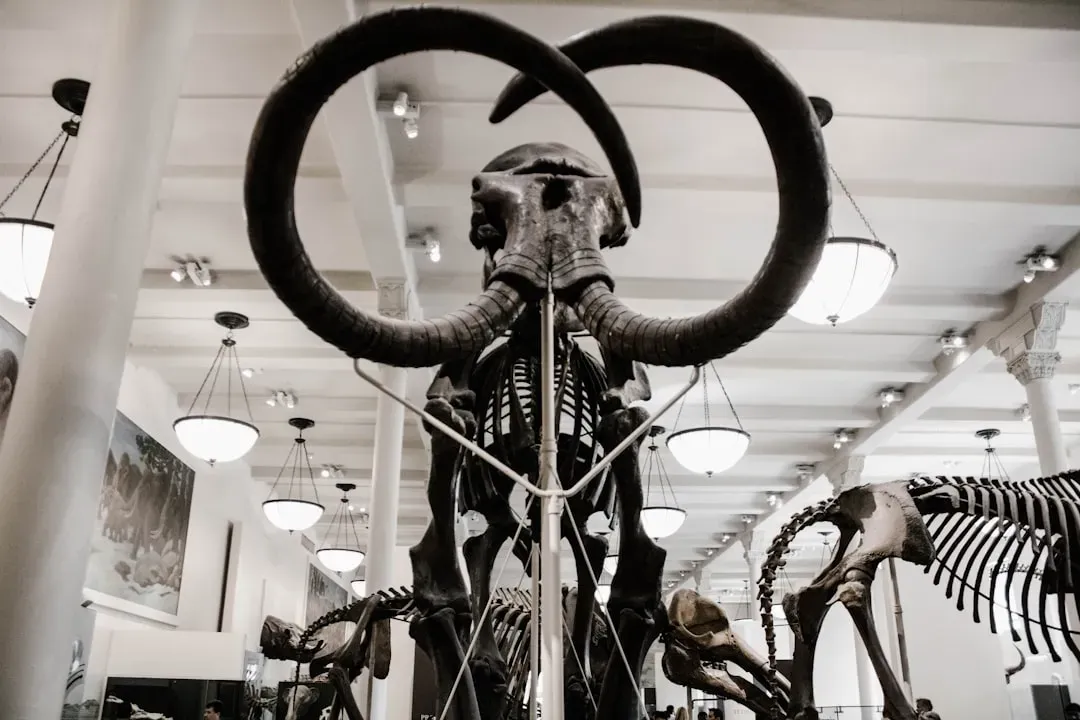
Fifteen findings, fifteen unanswered questions – and honestly, that’s the most candid thing science has said about mammoths in years. The tidy “climate killed them” narrative doesn’t survive contact with the actual evidence. Healthy calves died suddenly. Genetically stable populations collapsed anyway. Kill-site evidence flipped from nonexistent to undeniable within a single decade of research.
If you ask me, the mammoth’s real legacy isn’t the tusks or the frozen fur – it’s a permanent reminder that “settled science” and “extinct species” don’t always go together. Which of these findings do you think deserves more attention? Drop your theory in the comments.