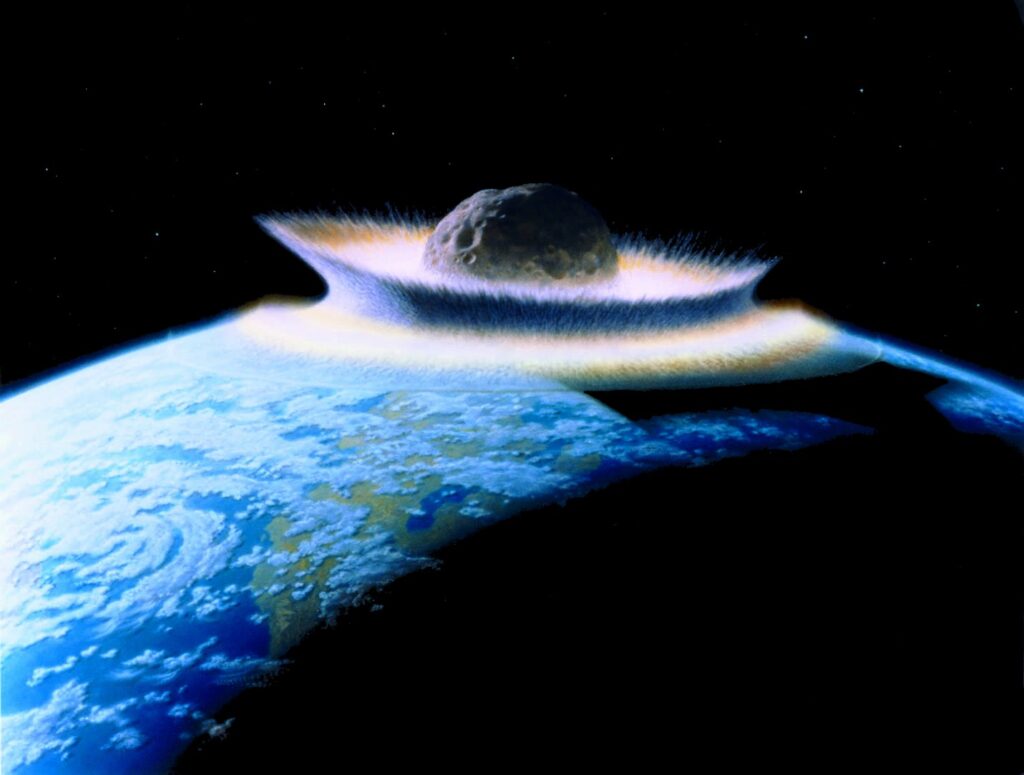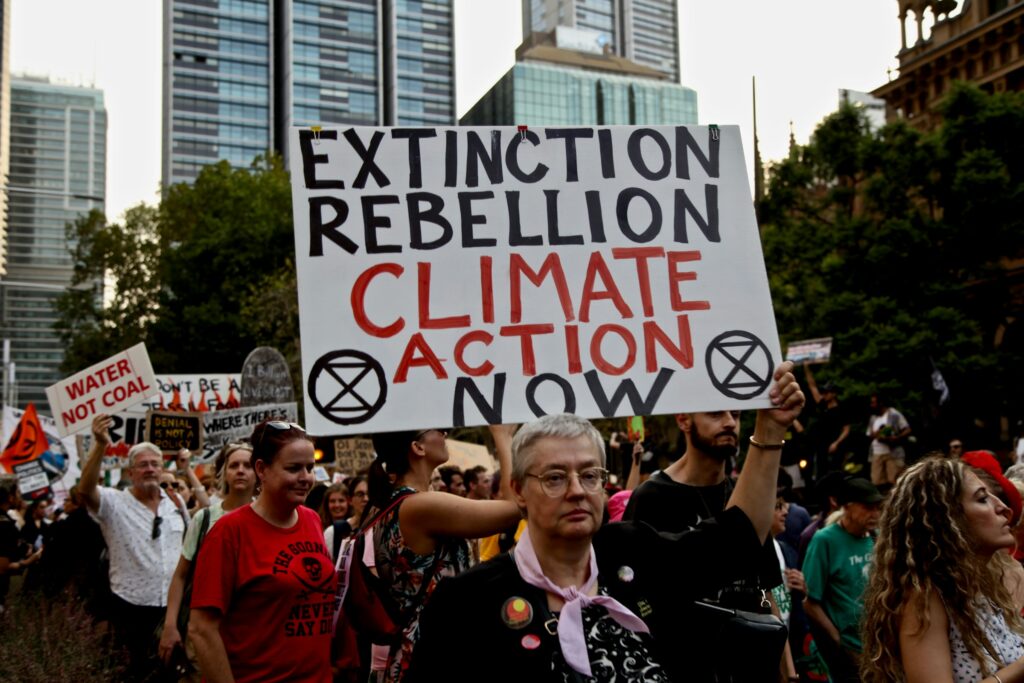
Every time we watch a world-ending movie, binge a post‑apocalyptic series, or read about civilizations collapsing, we are doing something quietly radical: we are staring straight at the one thing our minds are wired to avoid. Extinction stories are not just about meteors, pandemics, rogue AIs, or climate disasters; they are mirrors held up to our deepest fears about death, meaning, and what happens when everything we know simply stops. We say we consume them for entertainment, but under the surface, our brains are doing hard psychological work.
I still remember walking out of a particularly grim apocalypse film feeling oddly calm, like my day‑to‑day problems had shrunk three sizes. That little moment says a lot about why these stories grab us. On the surface, they scare us; underneath, they organize our anxieties, make them visible, and give them a shape we can name. Psychology suggests that when we voluntarily engage with the idea of the end – of ourselves, of our species, of our world – we are rehearsing for something we will all face but rarely dare to fully picture.
The Human Brain Is Designed to Dodge Thoughts of Death
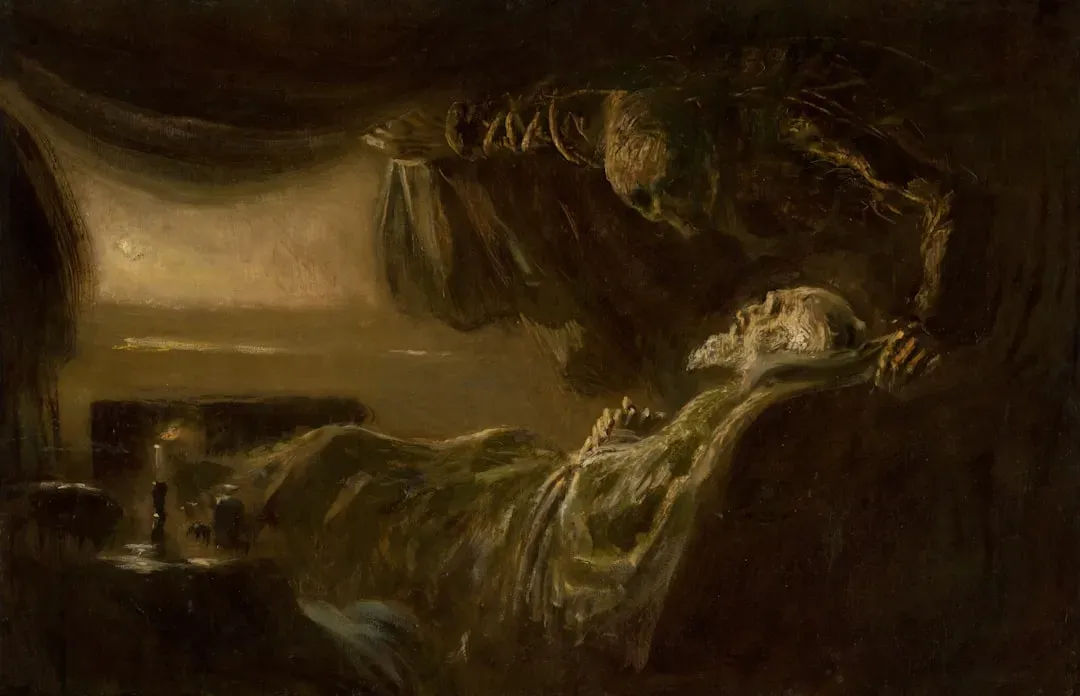
One of the strangest facts about being human is that we know we are going to die, yet we can still plan dinner, laugh at memes, and argue about trivial things as if the clock is not ticking. Our brains actually help us do that by pushing the awareness of death out of everyday consciousness. This “denial by design” keeps us functional; if we constantly felt the full weight of our mortality, getting through a workday would be almost impossible.
Psychologists sometimes describe this as a built‑in psychological defense system. Instead of walking around paralyzed by dread, we focus on routines, relationships, and projects that make our lives feel stable and meaningful. Extinction stories sneak past that fence. Because they are framed as fiction or speculative scenarios – zombies, viral outbreaks, alien invasions – we let our guard down and allow ourselves to imagine endings we usually push away. It is like our brain agreeing to a controlled burn of fear instead of an uncontrolled wildfire.
Extinction Narratives Trigger Terror Management Mechanisms
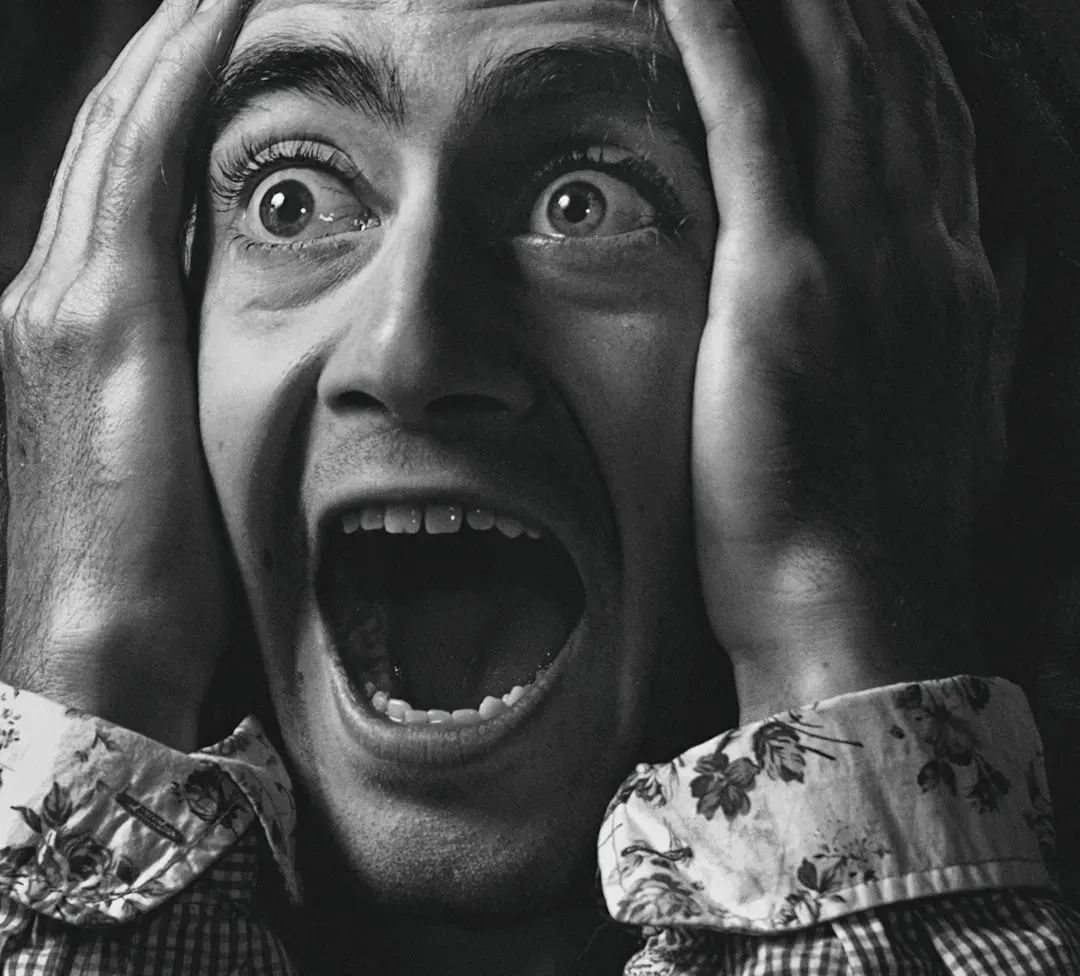
There is a well‑known psychological framework that explores what happens when we are reminded, even subtly, of our own mortality. When people are nudged to think about death, they often react by clinging more tightly to their values, identities, and groups. They might defend their beliefs more aggressively or feel more connected to their culture, nation, or religion. In other words, when mortality is in the room, we grab onto whatever tells us our lives matter.
Extinction stories are like a giant, cinematic version of that reminder. When you watch a planet on the brink of destruction or a species fading out, you are not only thinking about them, you are also – quietly – thinking about you. Psychologically, that can intensify our need for meaning, belonging, and moral certainty. It is part of why people walk out of these stories wanting to call a loved one, change a habit, or suddenly care more about what kind of person they are becoming.
Why We Secretly Enjoy Imagining the End of the World
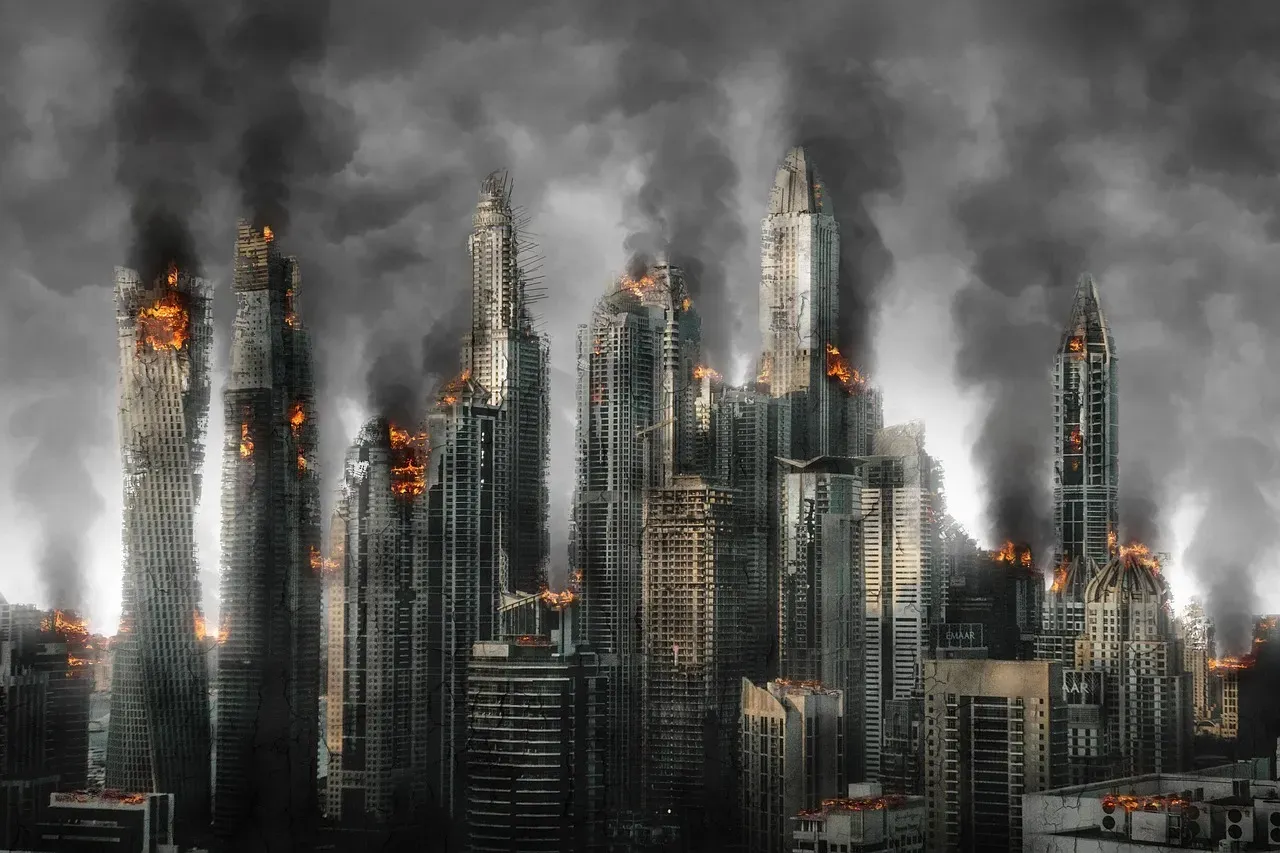
On the surface, it seems bizarre that millions of us relax by watching entire civilizations crumble. But there is a strange psychological relief in seeing the worst‑case scenario unfold in a space where we are safe – on a couch, in a theater, holding a book. Our brains love simulations: we run “what if” scenarios constantly, from rehearsing conversations in the shower to imagining career changes. Extinction narratives are the ultimate simulation, letting us mentally walk through disaster without paying the real‑world price.
There is also a perverse comfort in extremes. When the world ends in a story, all the noise of everyday life – emails, bills, petty arguments – falls away. What is left are primal questions: Who am I? What really matters? Who would I protect? In that sense, these tales strip life down to its bones. They offer a dark kind of clarity, and clarity, even about terrible things, can feel better than vague, free‑floating anxiety you cannot name.
Extinction Stories Force a Direct Look at Existential Anxiety
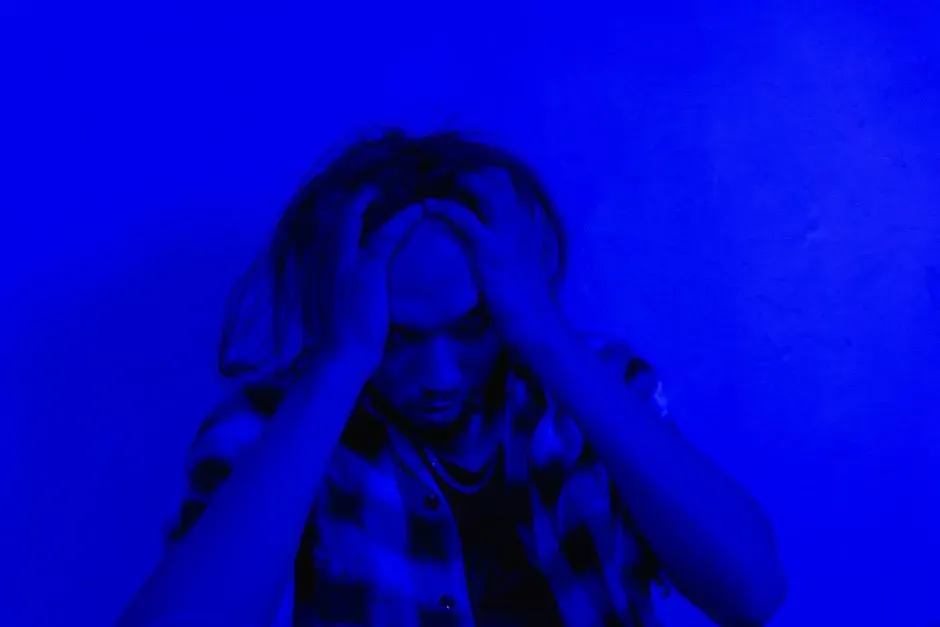
Most of us live with a low hum of existential anxiety in the background: questions about whether our lives are meaningful, whether humanity is doing more harm than good, what it all adds up to. We rarely sit down and think, today I will contemplate the end of my species. Extinction stories do that for us. They drag those enormous questions into the center of the screen and dare us to look, even if we are peeking through our fingers.
Psychologically, that is powerful because anxiety is often worst when it is vague and half‑suppressed. When a story clearly spells out a catastrophic future, our minds can finally latch onto something concrete. We can disagree with it, fear it, argue with it, or feel inspired to avoid it – but we are no longer stuck in nameless dread. It is a little like turning on the light in a dark room: the shadows are still there, but at least you can see what you are dealing with.
Collective Death, Not Just Personal Death, Hits a Different Nerve
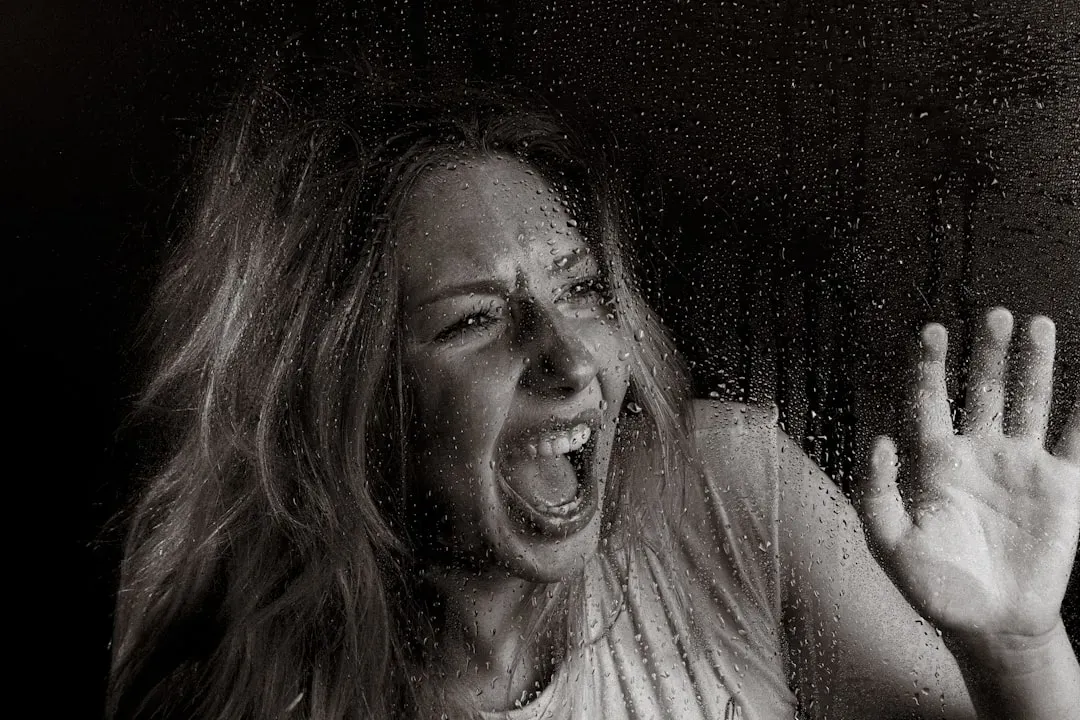
Most of the time, when we think about mortality, we think about individual death: mine, yours, a loved one’s. Extinction stories crank that up to a different level by asking what happens if entire lineages, cultures, or our species itself vanish. That shift – from “I will die” to “we might end” – hits a deeper nerve tied to identity and legacy. Humans are not just individuals; we are also members of families, communities, nations, and a species that likes to imagine itself as special.
When a story suggests that everything human could be erased, it threatens more than our bodies; it threatens the idea that what we have built and believed has any lasting weight. This is partly why extinction narratives can feel so unsettling. They confront us with the possibility that even our greatest achievements might be temporary footprints on a beach that will eventually be wiped clean. For many people, that is a tougher pill to swallow than personal death alone.
Extinction Plots Double as Moral Report Cards for Humanity
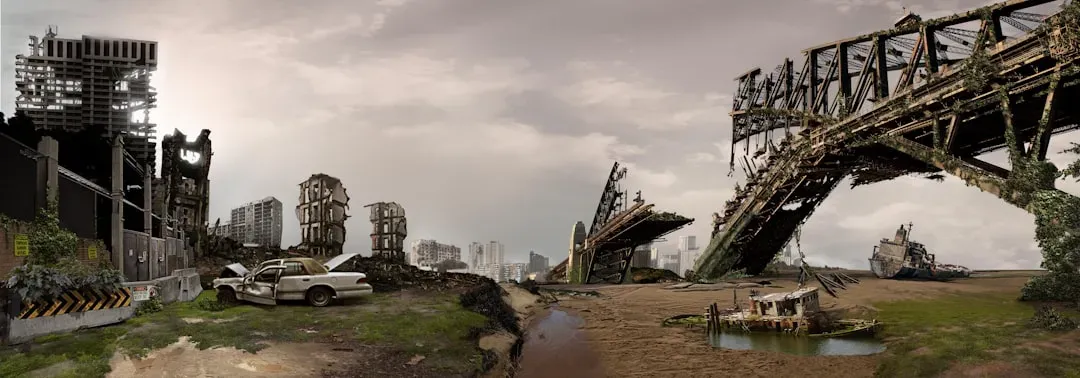
Look closely, and you will notice that a lot of extinction stories are not just disasters; they are verdicts. The asteroid or virus might be the mechanism, but the deeper message often hints that we somehow earned this. Themes like environmental destruction, uncontrolled technology, runaway greed, or political arrogance turn these tales into moral report cards. They quietly ask: if this is where we end up, did we play a part in it?
Psychologically, that moral framing matters because humans are meaning‑hungry creatures. Purely random destruction is harder for us to process than a narrative that connects cause and effect. When a story suggests that extinction is the final consequence of our collective choices, it becomes less about passive fear and more about responsibility, guilt, and the possibility – however slim – of redemption. We are not just watching the end; we are being asked whether we deserve a different one.
A Safe Sandbox for Playing With Guilt, Hope, and Responsibility
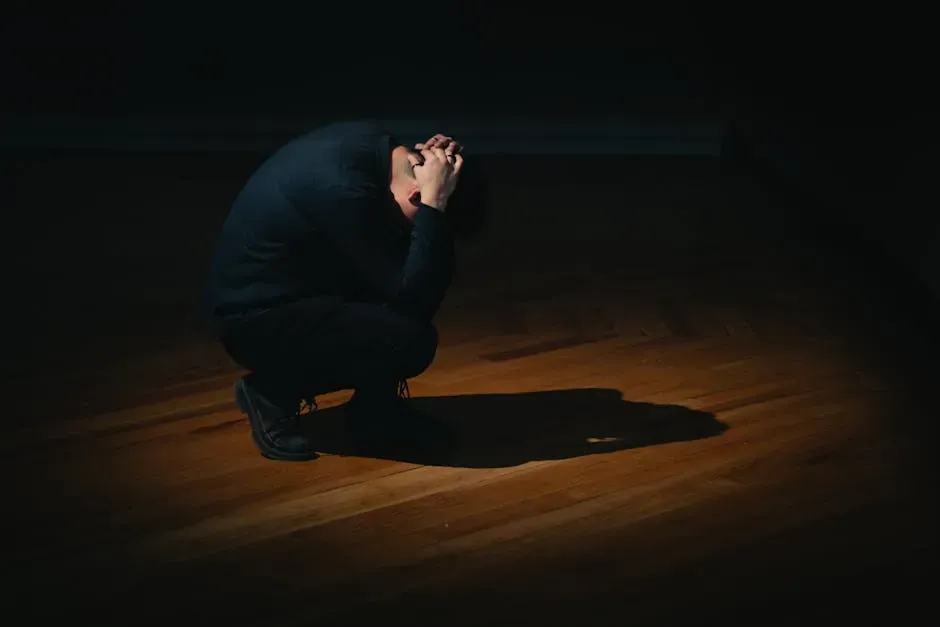
One reason these narratives stick with us is that they allow us to experiment with heavy emotions in a controlled setting. In real life, the climate crisis, nuclear risk, or emerging technologies can feel overwhelming and abstract. Inside a story, the same themes are distilled into characters, decisions, and moments we can follow. We can sympathize with someone who hesitates, someone who sacrifices, someone who fails spectacularly – and in doing so, we grapple with our own fears of not doing enough.
This “sandbox effect” is similar to how children use play to process complicated feelings, only the toys are bigger and darker. We can toy with despair without drowning in it, and we can imagine different paths, even when the story’s ending is bleak. Paradoxically, audiences often come away from these grim tales with a sharpened sense of agency: a feeling that our daily choices actually matter in steering away from those imagined endpoints.
How Extinction Stories Quietly Change Our Behavior and Priorities
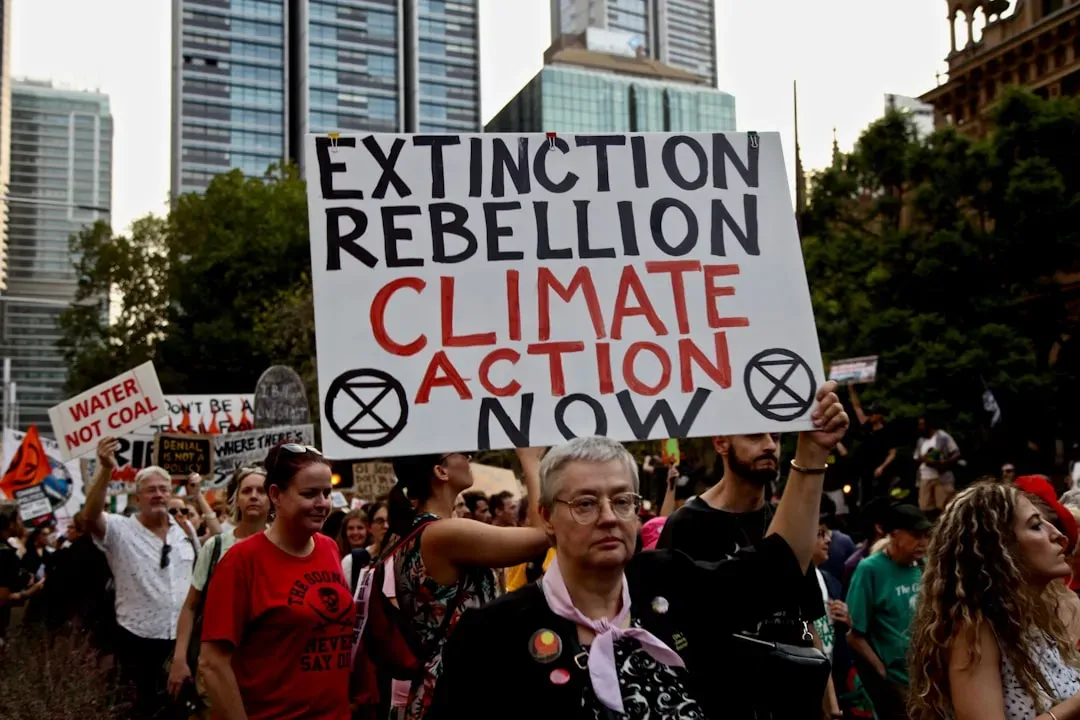
After a powerful extinction‑themed film or book, it is common for people to feel slightly disoriented returning to normal life – scrolling through social media, buying groceries, planning meetings. That emotional whiplash is a sign that the story has temporarily rearranged our internal priority list. Minor annoyances feel smaller; bigger questions about health, family, ethics, or planet suddenly feel louder. Psychologically, this kind of perspective shift is one way we integrate uncomfortable truths without collapsing under them.
Over time, repeated exposure to these narratives can nudge attitudes and behaviors, even if we do not notice it happening. People might donate to certain causes, change consumption habits, rethink career goals, or simply talk more openly about risk and responsibility. Of course, some will just enjoy the spectacle and move on, and that is fine too. But for many, extinction stories leave behind a subtle imprint, like a faint watermark on their worldview that says: this is more fragile than you think.
We Need These Stories, But We Should Also Be Honest About Why
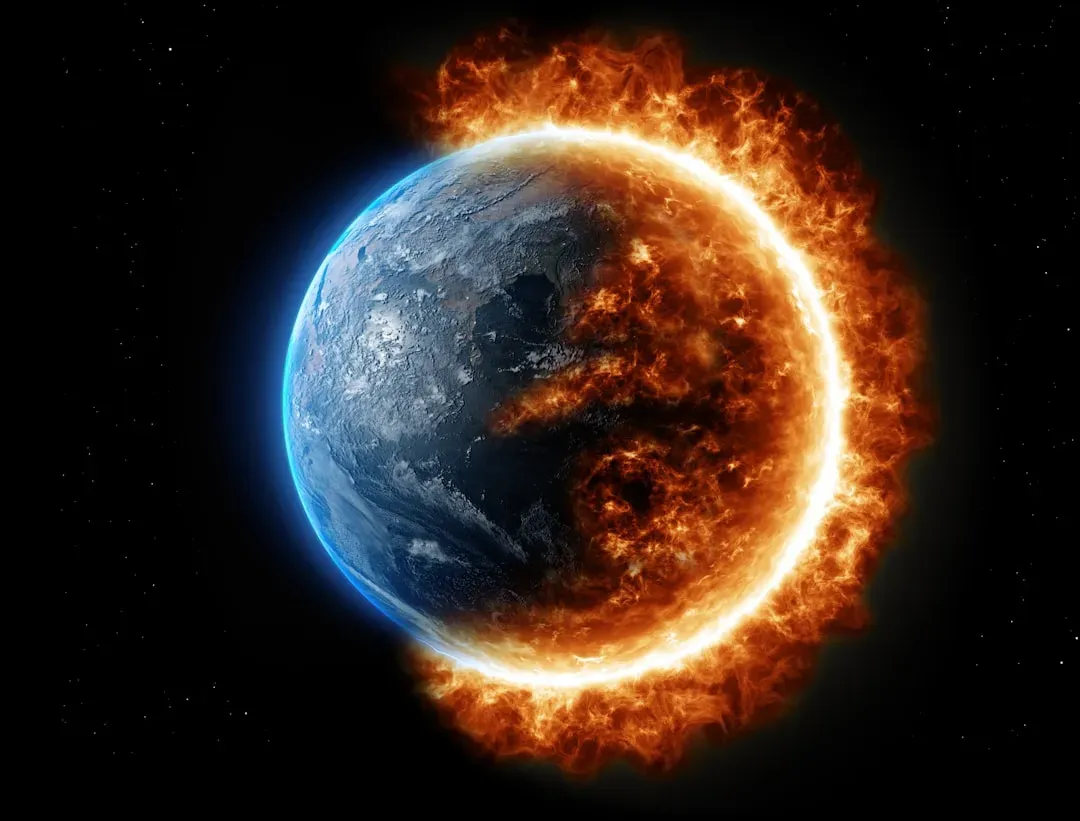
I am convinced we tell extinction stories not because we are obsessed with doom, but because we are starving for honesty. Modern life often pushes death, vulnerability, and global risk to the edges of conversation. Extinction narratives drag them back to the center, wrapped in gripping plots and striking imagery, so that we can finally look. They are uncomfortable, yes, but they are also one of the few cultural spaces where we admit that none of this is guaranteed to last.
At the same time, we should be clear‑eyed: these stories can wake us up, but they can also numb us if we treat them as just another thrill. The real psychological power lies in letting them unsettle us, then asking what that discomfort is trying to tell us about how we live now. Maybe the point is not to predict exactly how things will end, but to use the possibility of an ending as a sharp, urgent mirror for the present. The question is not whether humanity will vanish someday; the question is whether, knowing that we will not be here forever, we are willing to live as if what we do still matters. Did you expect extinction tales to be that honest with you?