
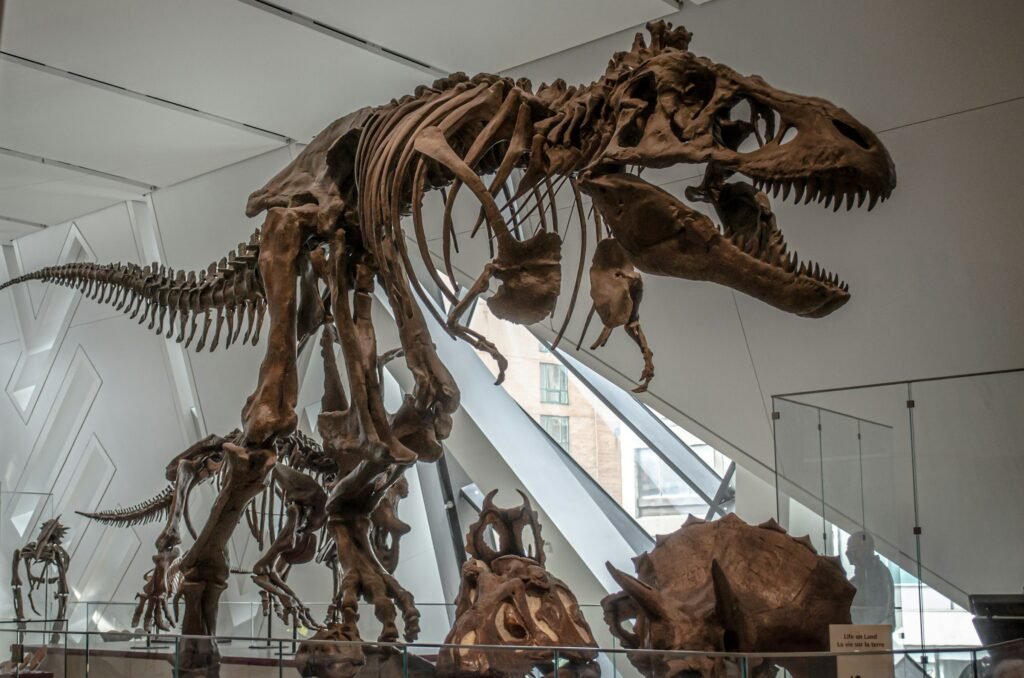
Most people assume every giant reptile skeleton standing in a museum atrium is a dinosaur. That assumption has been quietly wrong for decades. Paleontologists have spent years re-checking ankle bones, skull sutures, and hip structures, and dozens of “dinosaurs” simply didn’t survive the audit.
Museums rarely issue a press release when a placard gets rewritten. The old dinosaur label just quietly disappears, replaced by something far stranger – a crocodile cousin, a whale, a giant lizard, even a distant mammal relative. Here’s what the fossil record, and the scientists who fixed the mistake, actually have to say.
#13 – Dimetrodon: The “Dinosaur” That Predates Dinosaurs Entirely
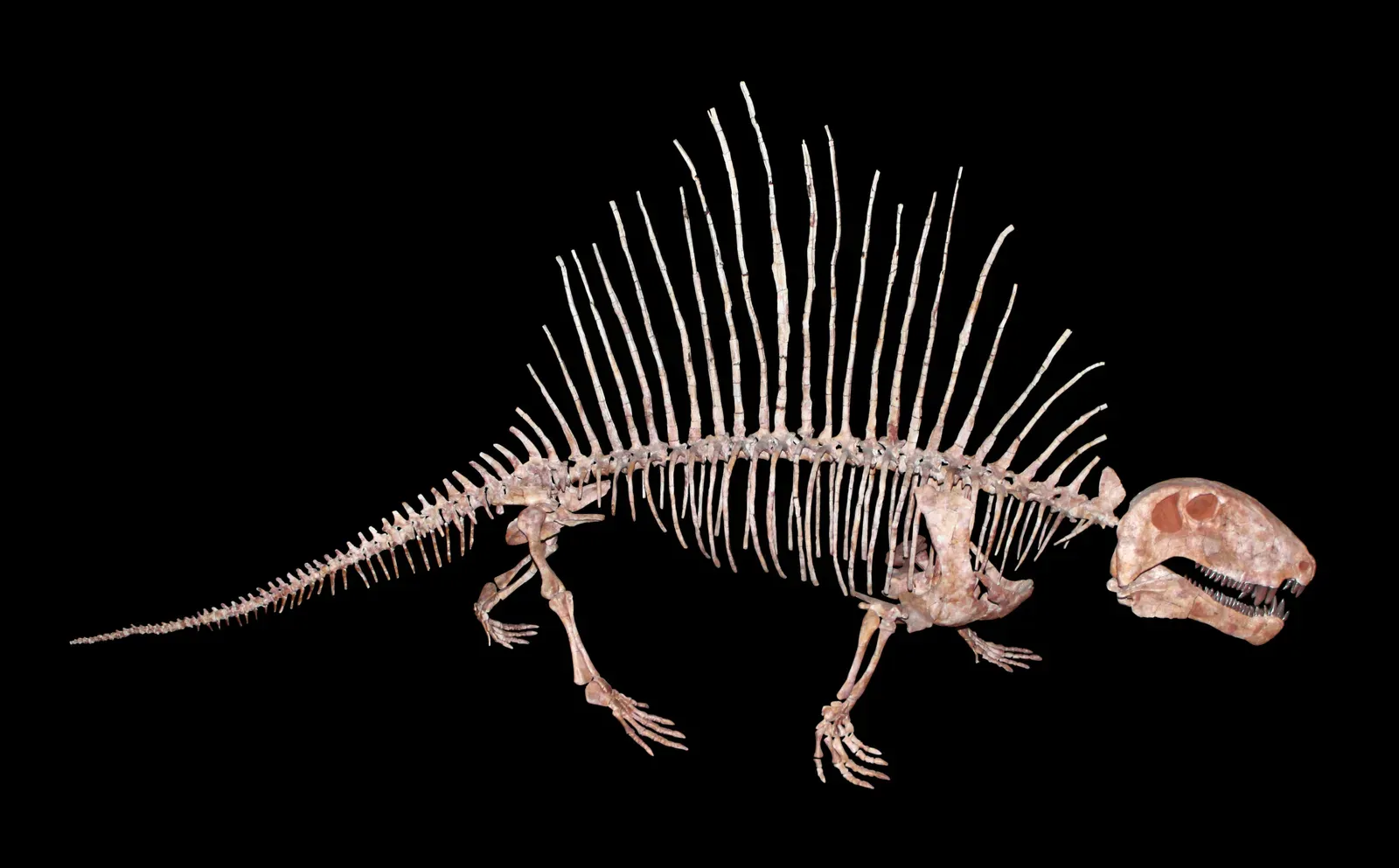
Dimetrodon is probably the single most mislabeled prehistoric animal in pop culture, and it isn’t even close. That sail-backed predator has been stuffed into toy dinosaur bins for generations, but it’s actually a synapsid – the same branch of the family tree that eventually produced mammals, including humans. Dimetrodon lived roughly 40 million years before the first true dinosaur ever walked the earth, during the Permian period, long before the Triassic explosion of archosaurs began. It’s technically more closely related to you than it is to Tyrannosaurus rex.
Museums have spent years quietly moving Dimetrodon skeletons out of “Age of Dinosaurs” halls and into separate Permian or “pre-dinosaur” exhibits. The sail on its back wasn’t for looking fierce; researchers believe it helped regulate body temperature, functioning almost like a biological solar panel. It’s a small taxonomic fix with a huge implication: the “dinosaur” most kids draw first was never a dinosaur at all. But that’s nothing compared to what we found about #12…
#12 – The Woolly Mammoth: Millions of Years Too Late to Qualify
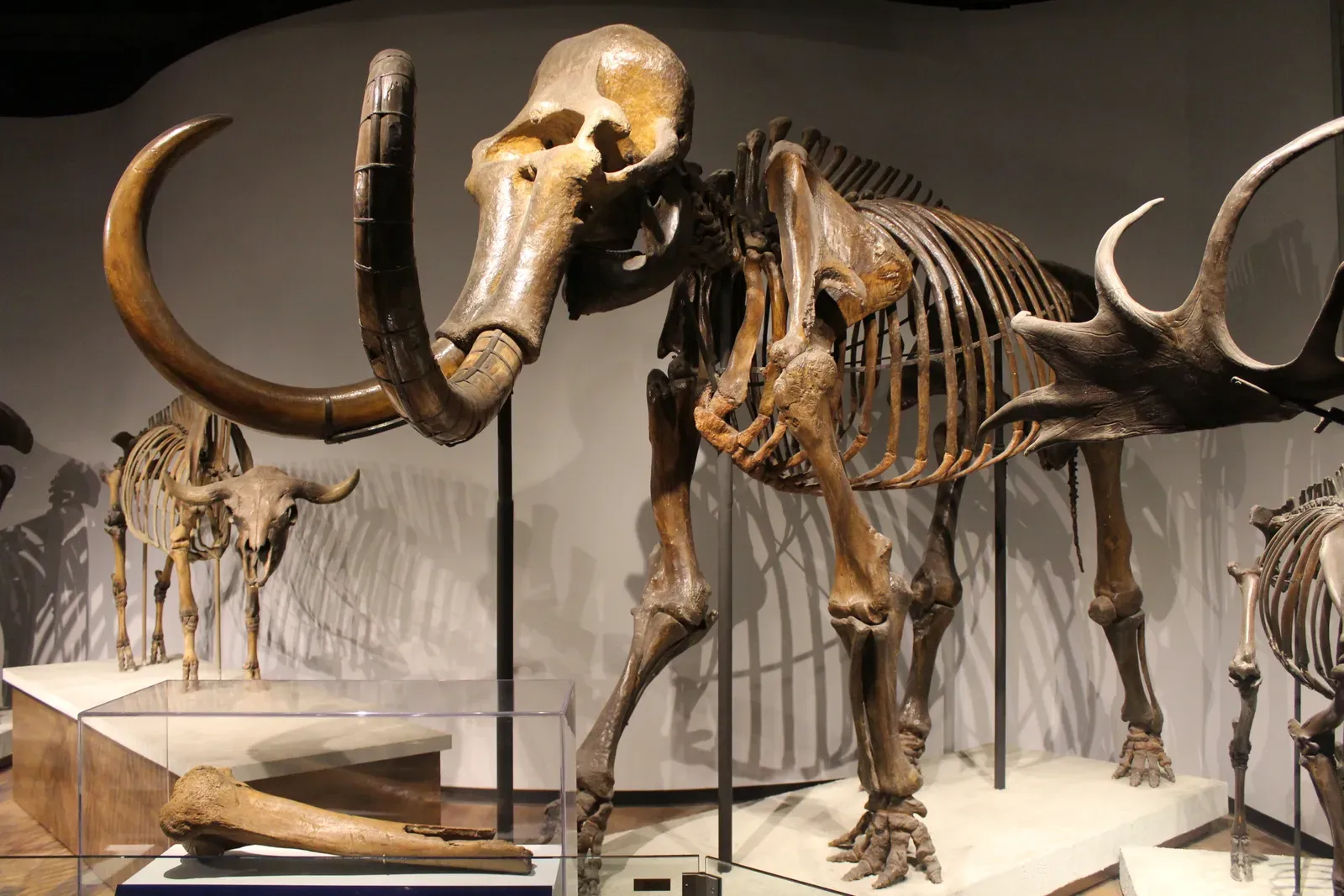
Woolly mammoths lived closer to the invention of the pyramids than to the last dinosaur. That gap alone should have killed the “dinosaur” label decades ago, yet plush mammoths still show up in dinosaur toy sets and birthday party decorations. Mammoths are mammals, full stop – elephant relatives that thrived during the Ice Age, tens of millions of years after the asteroid impact that ended the Mesozoic era. The extinction event that wiped out non-avian dinosaurs happened roughly 63 million years before the first mammoth even evolved.
Natural history museums have quietly separated their Ice Age halls from their dinosaur halls for this exact reason, even though the public still lumps them together in casual conversation. It’s an understandable mix-up – both are extinct, both are enormous, and both get carved into gift shop erasers. But scientifically, mammoths belong in the same conversation as elephants, not Stegosaurus. The confusion around #11 is even more surprising.
Fast Facts
- Non-avian dinosaurs went extinct roughly 66 million years ago.
- Woolly mammoths didn’t evolve until around 400,000 years ago.
- The last wild mammoths survived until about 4,000 years ago on Russia’s Wrangel Island.
- Mammoths overlapped with early human civilizations – dinosaurs never did.
#11 – Smilodon: The Saber-Toothed “Dinosaur” That’s Actually a Cat
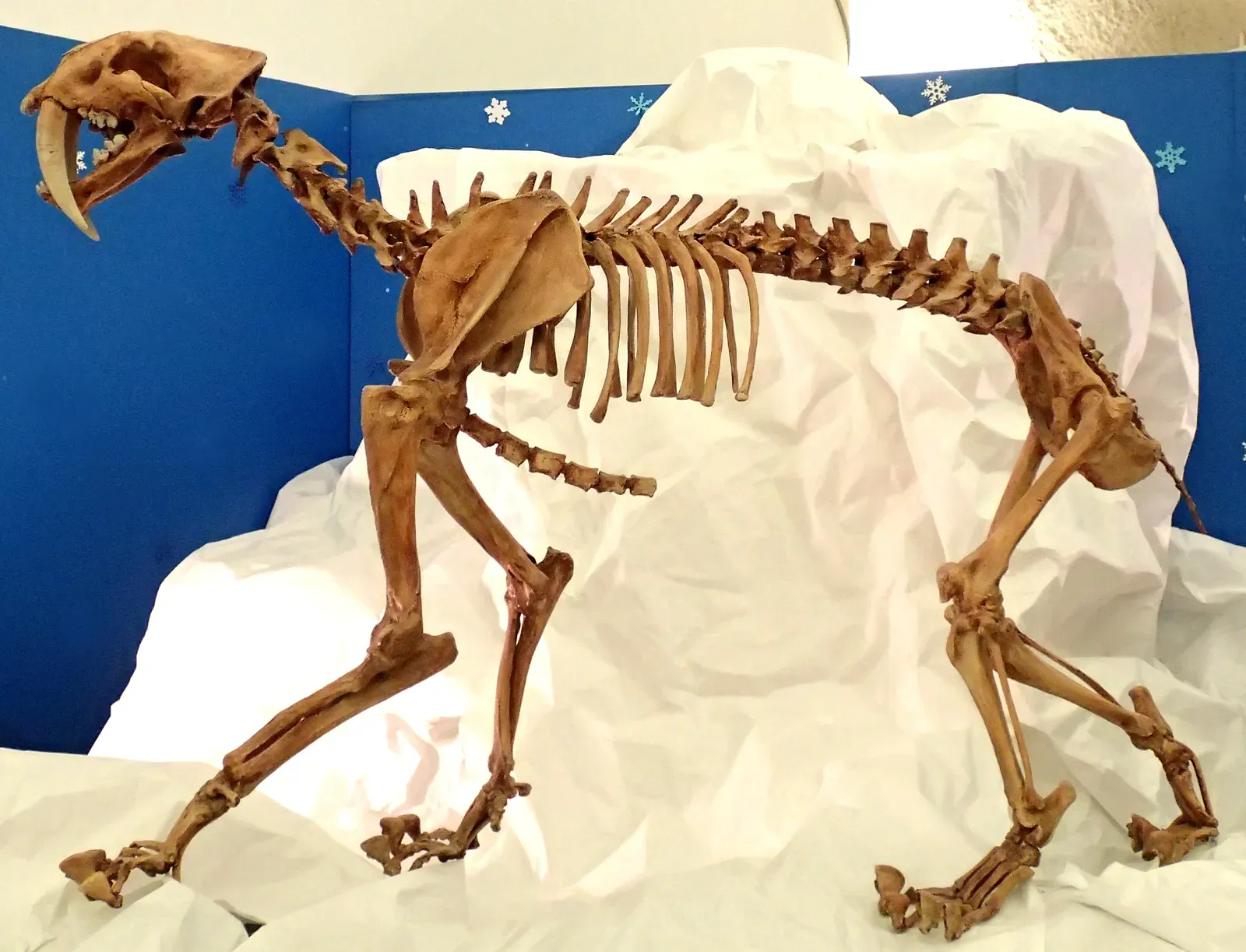
Smilodon, the saber-toothed cat, gets dragged into dinosaur conversations constantly, and paleontologists are visibly tired of correcting it. Smilodon was a mammal – specifically a machairodontine felid, distantly related to modern lions and tigers, that hunted large herbivores across the Americas during the Pleistocene. It never overlapped with dinosaurs in any way; more time separates Smilodon from the last dinosaur than separates Smilodon from us. Museums display it in Ice Age mammal wings, often just a few rooms away from actual dinosaur skeletons, which may be exactly why the confusion persists.
Part of the mix-up comes from marketing. Prehistoric-creature branding tends to flatten everything “old and extinct” into one dinosaur-shaped bucket, and Smilodon’s dramatic fangs make it an easy fit for that shorthand. Curators have quietly pushed back by adding explicit “Not a Dinosaur” signage near mammal fossils in several major exhibits. It’s a small fix, but it matters – because what happened with #10 involves an entire ocean-dwelling family getting the same treatment.
#10 – Basilosaurus: A Whale Wearing a Dinosaur’s Name
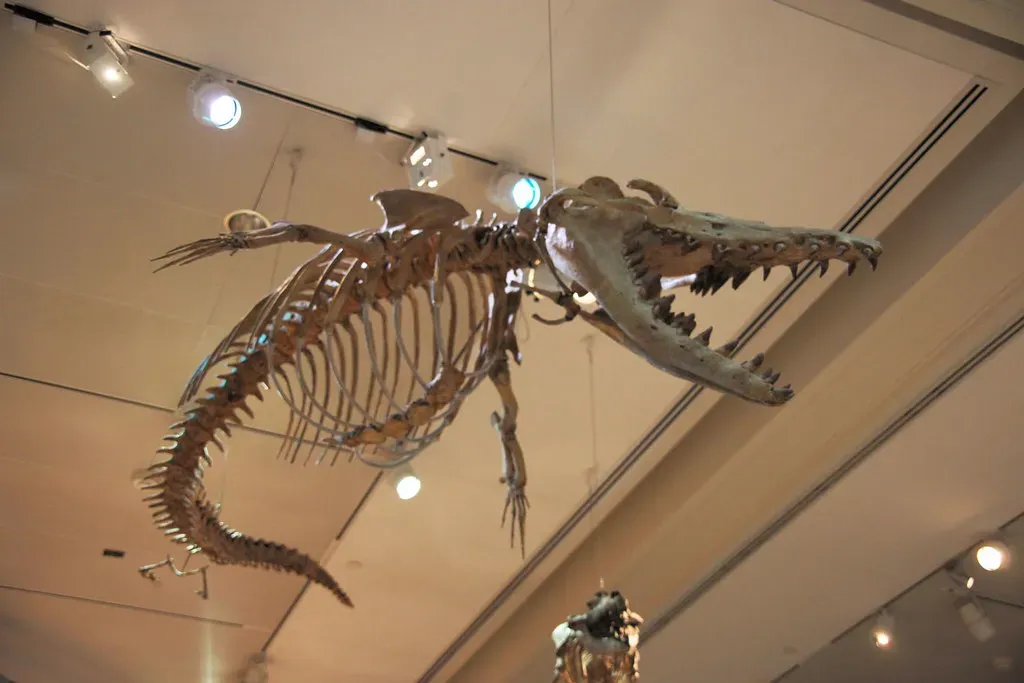
Basilosaurus literally means “king lizard,” and that name has been actively misleading people since the 1830s. When it was first discovered, scientists genuinely believed they’d found a marine reptile, hence the reptilian name. Later analysis of its skull, teeth, and inner ear structures revealed the truth: Basilosaurus is an early whale, an ancient cetacean that still retained tiny vestigial hind limbs as evolutionary leftovers from its land-dwelling ancestors. Despite the correction, the “-saurus” suffix stuck permanently, because taxonomic naming rules don’t allow retroactive renaming just because a mistake was made.
Museums have handled this by adding extensive contextual signage explaining the naming error, rather than pretending it never happened. It’s become something of a teaching moment: proof that scientific names can lag behind scientific understanding by generations. Basilosaurus is a genuine whale, hunted other marine life, and has nothing dinosaurian about it beyond an unfortunate 19th-century naming choice. Next up is a group of animals almost everyone assumes are dinosaurs by definition.
#9 – Pterosaurs: The Flying Reptiles That Were Never Dinosaurs
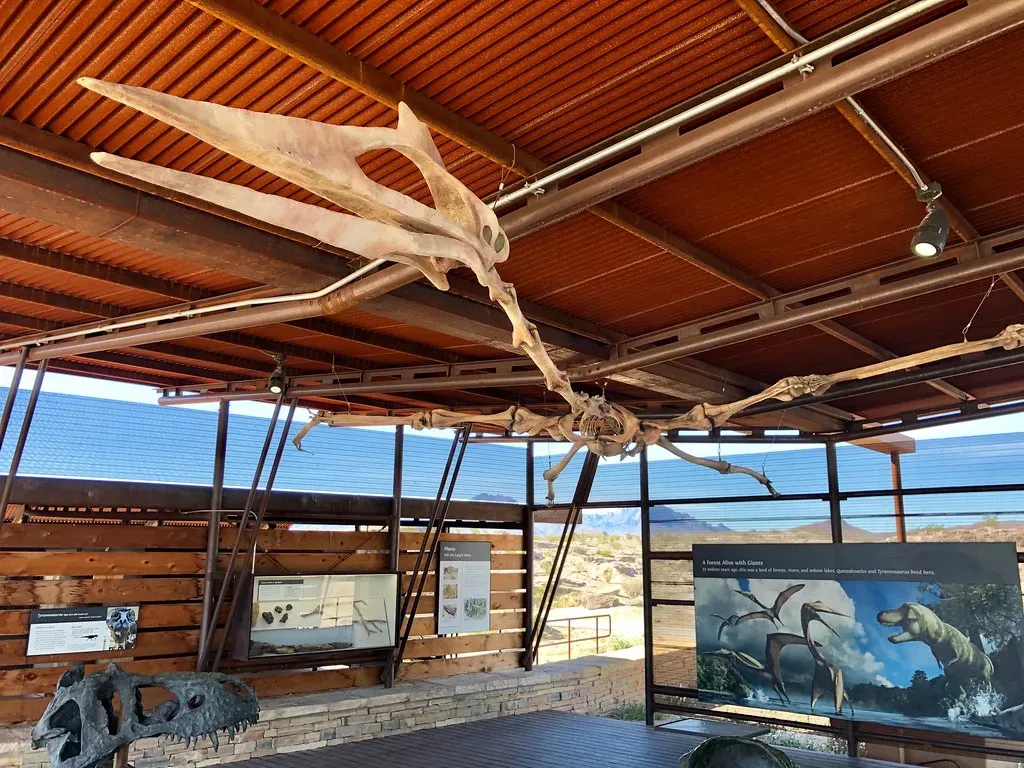
Pterodactyls and their relatives never technically qualified as dinosaurs, even though they’re the animals most commonly mistaken for one. Pterosaurs belong to a separate branch of archosaurs entirely. They share a common ancestor with dinosaurs, which makes them evolutionary cousins, but the technical definition of “dinosaur” excludes flying and swimming reptiles by design. True dinosaurs are defined by specific hip and limb structures that pterosaurs simply don’t have – their wings are formed from an elongated fourth finger supporting a skin membrane, an anatomical setup no dinosaur ever evolved.
This distinction isn’t new science; paleontologists have understood it for over a century. What’s changed is how aggressively museums now enforce it in signage and exhibit design, moving pterosaur skeletons into “flying reptiles” sections physically separate from dinosaur halls. The shift reflects growing frustration with decades of documentaries and toy lines that blurred the line for casual audiences. If pterosaurs surprised you, the next three marine “dinosaurs” will surprise you even more.
#8 – Elasmosaurus and the Plesiosaurs: Ocean Reptiles, Not Dinosaurs
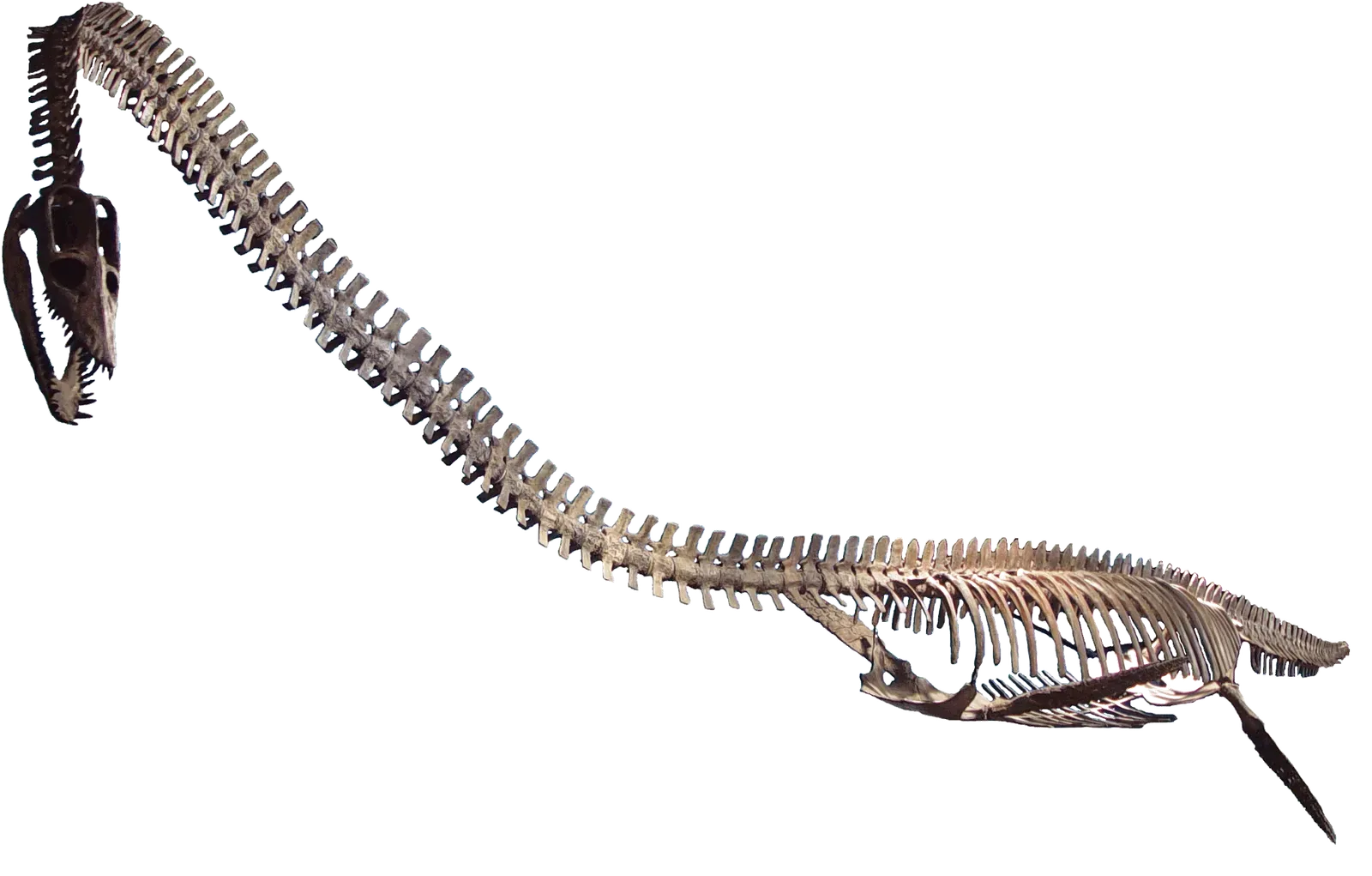
Elasmosaurus, with its impossibly long neck, is one of the most recognizable “dinosaurs” in prehistoric pop culture – except it never set foot on land. Plesiosaurs like Elasmosaurus were fully aquatic marine reptiles that hunted fish in Cretaceous seas while dinosaurs roamed the continents above the waterline. They belong to an entirely different reptilian lineage, one that never shared the specific ankle and hip anatomy that formally defines Dinosauria. Some plesiosaurs used four flippers simultaneously in a rowing motion unlike anything seen in true dinosaurs or any other animal group before or since.
Museums that once displayed plesiosaur skeletons alongside land dinosaurs have increasingly split them into dedicated “marine reptile” wings, a shift driven partly by better public understanding of Mesozoic ecosystems. It’s a subtle but important correction: the ocean and the land had a completely separate cast of giant reptiles during the same time period. The next entry is the marine reptile most frequently confused for a dinosaur in movies.
#7 – Mosasaurus: The Jurassic World “Dinosaur” That’s Basically a Giant Lizard
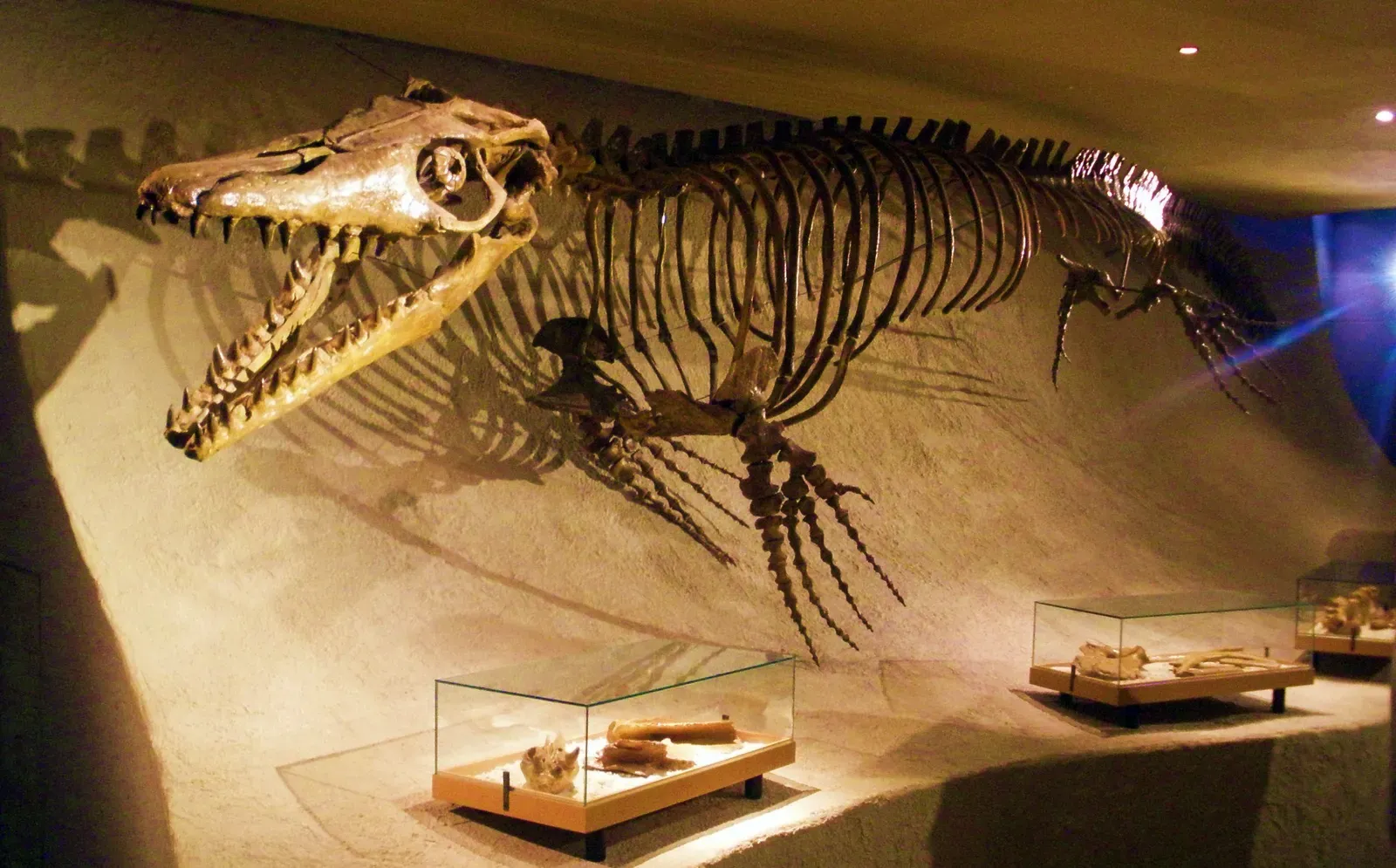
Mosasaurus became a household name after a blockbuster film franchise dropped it into an aquatic dinosaur showpiece, and that single decision misled millions of viewers. Mosasaurs weren’t dinosaurs, or even distant dinosaur relatives in any meaningful sense – they’re squamates, placing them in the same broad reptile group as modern snakes and monitor lizards, just scaled up to monstrous proportions and adapted for life at sea. They evolved from land-dwelling lizard ancestors that gradually returned to the water, developing paddle-like limbs and powerful tails for open-ocean hunting.
Paleontologists have been vocal about correcting this misconception since the film’s release, and several museums added supplementary signage specifically addressing the “is Mosasaurus a dinosaur” question after visitor surveys showed widespread confusion. It’s a case where pop culture directly shaped – and distorted – public science literacy in real time. Coming in at #6 is another marine reptile with an even older reclassification story.
Quick Compare
- True dinosaurs: land-dwelling archosaurs with upright, hinge-like limbs.
- Mosasaurs: giant marine squamates, related to monitor lizards and snakes.
- Plesiosaurs: flippered marine reptiles from a completely separate lineage.
- Pterosaurs: flying archosaurs, cousins to dinosaurs but never members of the group.
#6 – Ichthyosaurus: The “Dinosaur” That Looked Like a Dolphin
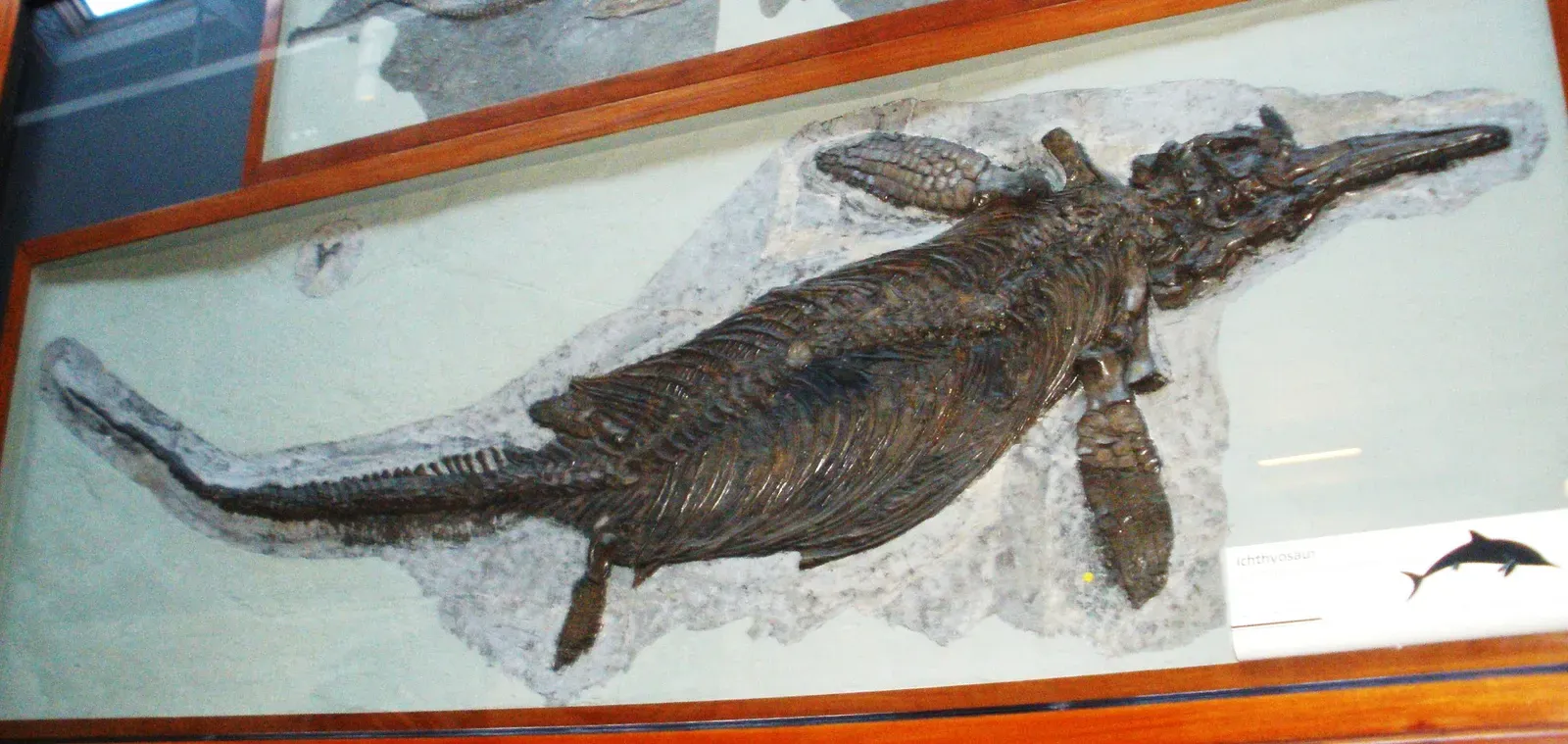
Ichthyosaurus was one of the earliest fossil reptiles ever scientifically described, and even 19th-century naturalists eventually figured out it wasn’t a dinosaur. Its body plan converged remarkably with modern dolphins – a streamlined torpedo shape, a dorsal fin, and a tail fluke – despite the two groups being separated by more than 150 million years of evolution and having zero close relation to each other. Ichthyosaurs represent one of the most extreme examples of convergent evolution in the fossil record, arriving at a nearly identical solution to ocean swimming that marine mammals would independently discover eons later.
Because ichthyosaur fossils were discovered before the word “dinosaur” was even coined in 1842, some historical confusion is almost forgivable. Modern museums have long since sorted this out, placing ichthyosaurs firmly in their own marine reptile order, separate from Dinosauria entirely. Still, plenty of general audiences carry the old assumption forward. The next entry swaps oceans for rivers, and swaps reptile groups for something even more surprising.
#5 – Deinosuchus: The “Dino-Croc” That’s Just an Enormous Crocodile
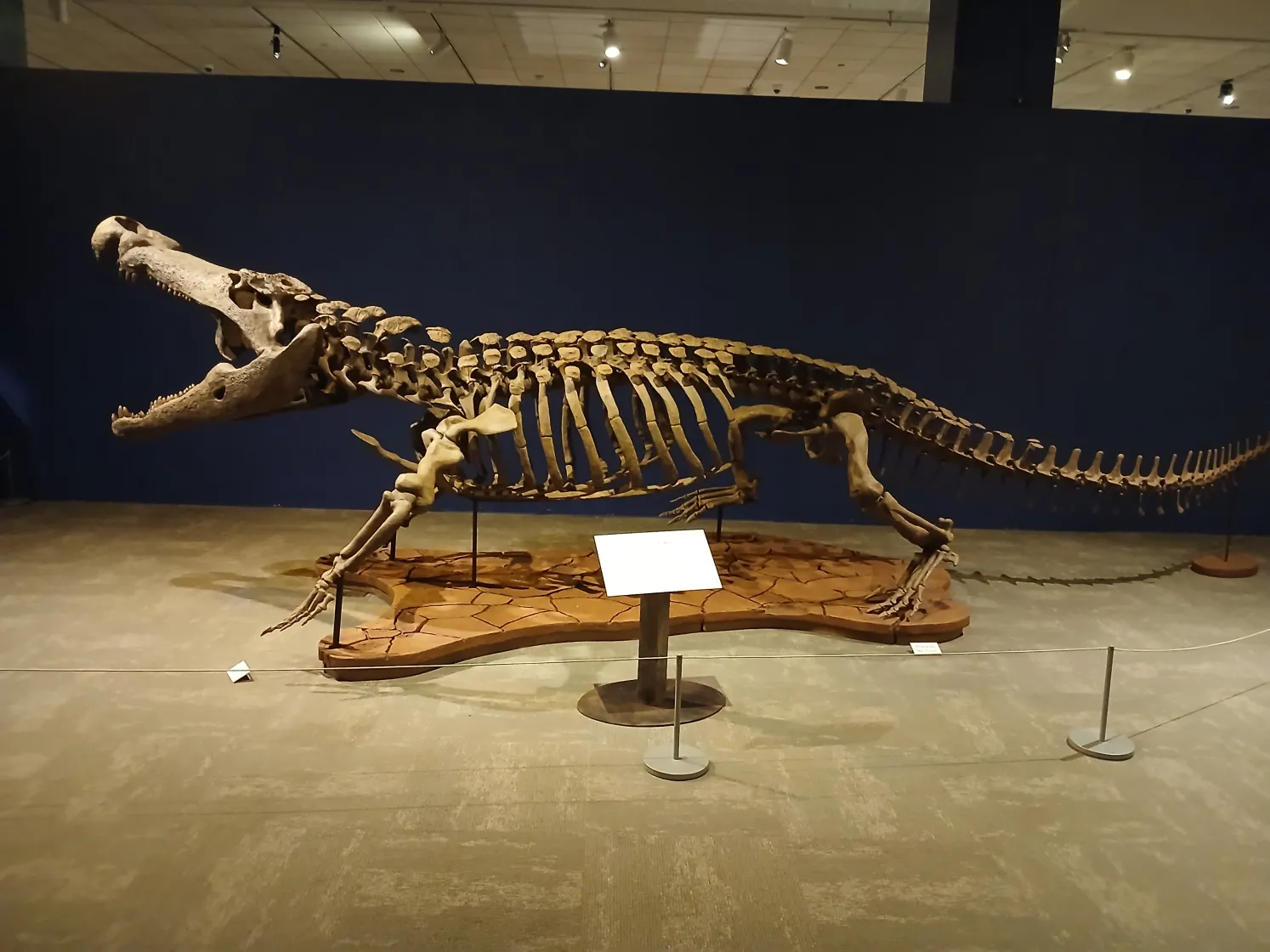
Deinosuchus has “dino” baked right into its name, and that alone has caused endless confusion for the better part of a century. Despite sharing an ancient linguistic root with Dinosauria – both names derive from Greek words meaning “terrible” – Deinosuchus is a genuine crocodylian, part of the same broad lineage as modern alligators and crocodiles rather than any branch of the dinosaur family tree. It grew to lengths rivaling a city bus and was large enough to prey on actual dinosaurs that wandered too close to its riverbanks, which only deepened the mistaken association over time.
Museums have quietly rewritten signage to clarify that Deinosuchus is a crocodile relative, not a “type” of dinosaur, precisely because the shared naming convention keeps tricking casual visitors decade after decade. It’s a reminder that etymology and biology don’t always agree. The next four creatures on this list represent something rarer: cases where museums genuinely got it wrong for years before the fossils forced a correction.
#4 – Revueltosaurus: The Triassic “Dinosaur” That Turned Out to Be a Crocodile Relative
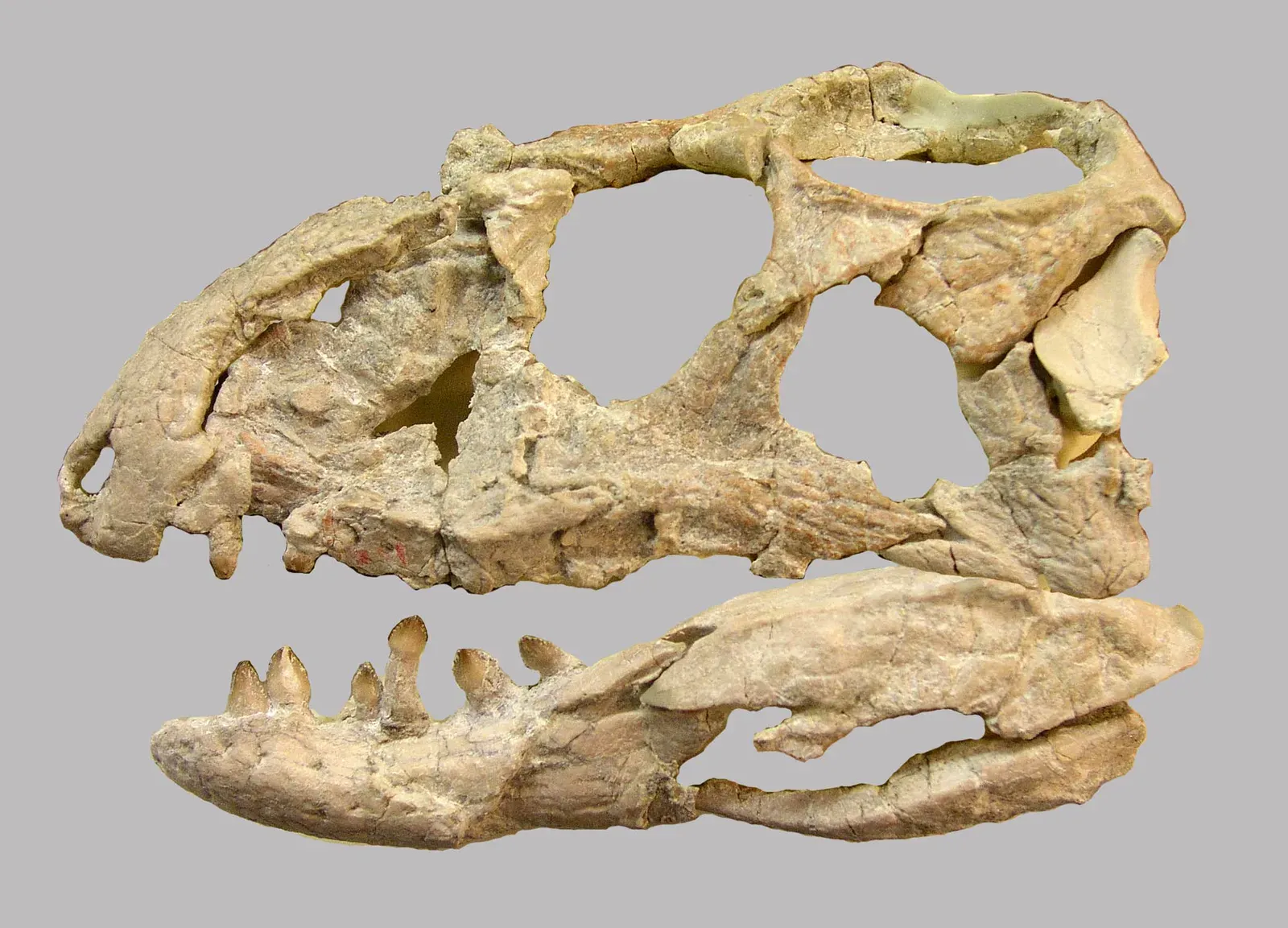
For over a decade, Revueltosaurus was confidently listed in textbooks as one of the earliest known ornithischian dinosaurs – plant-eating, bird-hipped, and Triassic in age. That classification rested entirely on its teeth, since teeth were all scientists initially had to work with. Then a partial skeleton surfaced in 2004, and the illusion collapsed instantly: the body proportions and ankle structures were completely inconsistent with true dinosaurs. Dental features once used to place it among plant-eating dinosaurs turned out to have evolved convergently in an entirely different archosaur lineage.
The fallout reached far beyond one genus. Researchers now admit that teeth alone can’t reliably identify an early dinosaur, because too many unrelated archosaurs evolved similar chompers independently. That single correction cast doubt on nearly every other supposed Triassic dinosaur from North America known only from teeth. Museums quietly moved Revueltosaurus into the crocodile-line archosaur group, and it hasn’t returned to the dinosaur hall since. But #3 involves a mistake that lasted even longer.
#3 – Shuvosaurus: Mistaken for an Ostrich Dinosaur for Over a Decade
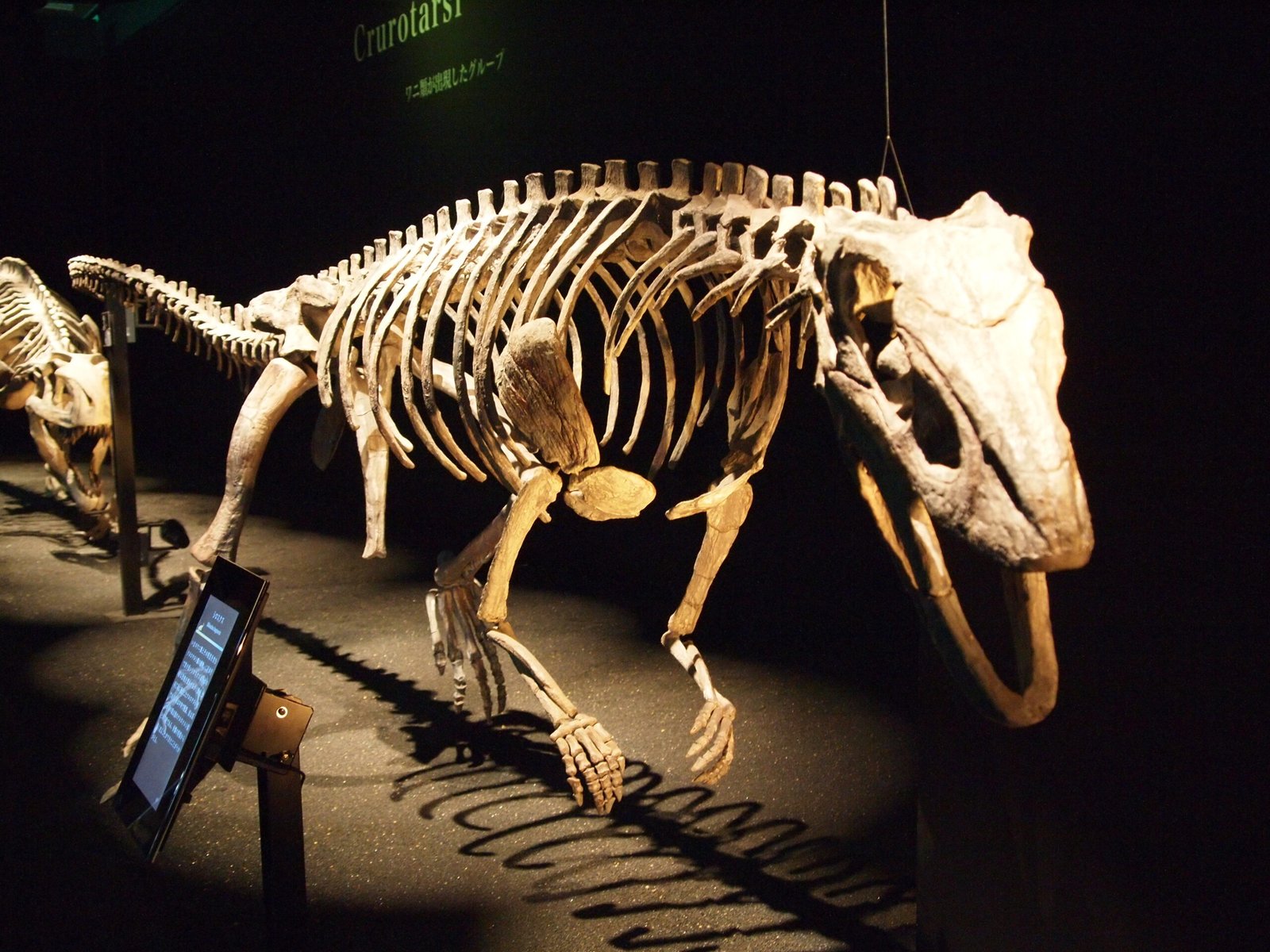
Shuvosaurus was originally announced as something genuinely astonishing: a Triassic member of the ostrich-mimic dinosaur family, a group that otherwise wouldn’t appear for another 100 million years. The excitement made sense given the evidence available at the time. Shuvosaurus was originally described from a restored skull and very few fragmentary postcranial bones as a probable ornithomimosaur, or at least a very ornithomimosaur-like early theropod. The toothless, beaked skull looked like a perfect match for later bird-mimic dinosaurs, and for years that classification stood largely unchallenged in paleontology circles.
Everything unraveled when a nearly identical, better-preserved skeleton was discovered nearby. The true pseudosuchian affinities of Shuvosaurus were only recognized after the discovery of Effigia linked its skull to similar poposauroid remains found in the same area. Shuvosaurus turned out to be more closely related to living crocodiles than to any dinosaur that has ever existed, a result of one of the most extreme convergent evolution cases ever documented in the fossil record. Museums quietly relabeled every Shuvosaurus display accordingly. The animal that actually solved the mystery deserves its own entry at #2.
Worth Knowing
- Shuvosaurus lived roughly 210 million years ago, during the Triassic period.
- True ornithomimosaurs, or “ostrich dinosaurs,” didn’t appear for another 100-plus million years.
- Its toothless, beaked skull evolved independently in two unrelated archosaur lineages.
- The mystery was only solved after a close relative, Effigia, was fully studied.
#2 – Effigia okeeffeae: The Skeleton That Sat Misfiled in a Museum Drawer for 60 Years
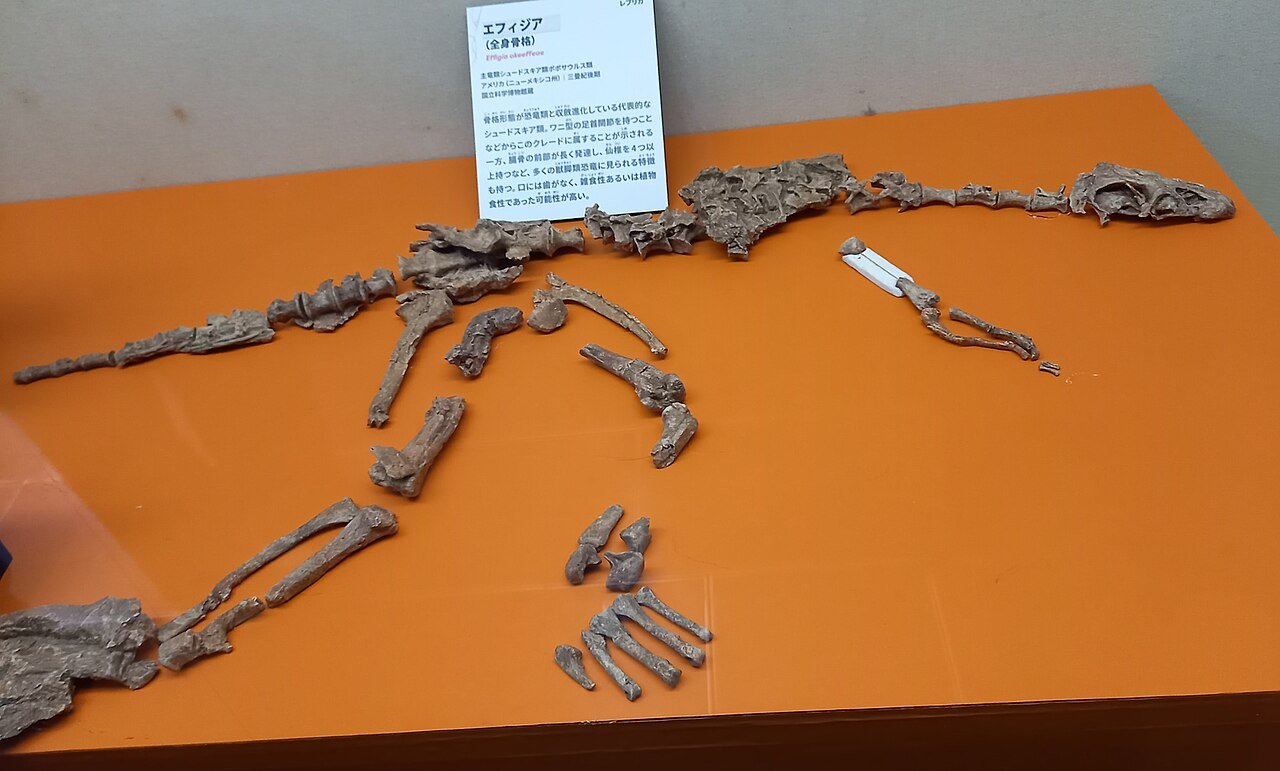
Effigia’s story is arguably the strangest reclassification on this entire list, because the fossil sat completely ignored inside a museum for over half a century before anyone realized what it actually was. The bones were collected from Ghost Ranch, New Mexico, back in the 1940s, but the original collector assumed only dinosaur fossils were present at the site and never bothered opening most of the rock jackets. He didn’t think any large vertebrates besides basal theropod dinosaurs were present in the quarry, so most of the blocks that were returned to the museum simply sat sealed. The fossil stayed untouched until a graduate student rediscovered it decades later.
When the jackets finally opened, the truth was immediate. The moment the remains of Effigia came into view, the researcher instantly recognized this was not a dinosaur and tracked down the rest of the blocks from that section of the quarry. The ankle bones gave it away completely – its two two-inch-long ankle bones were the big clue, since dinosaurs have two ankle bones attached to the lower leg while crocodile relatives have one bone attached to the lower leg and the other attached to the foot. Effigia turned out to be an ancient crocodile cousin that had evolved an eerily dinosaur-like body by pure coincidence. And that brings us to the boldest misclassification of all.
#1 – Postosuchus: The “T. Rex of the Triassic” That Was Never Close to a Dinosaur
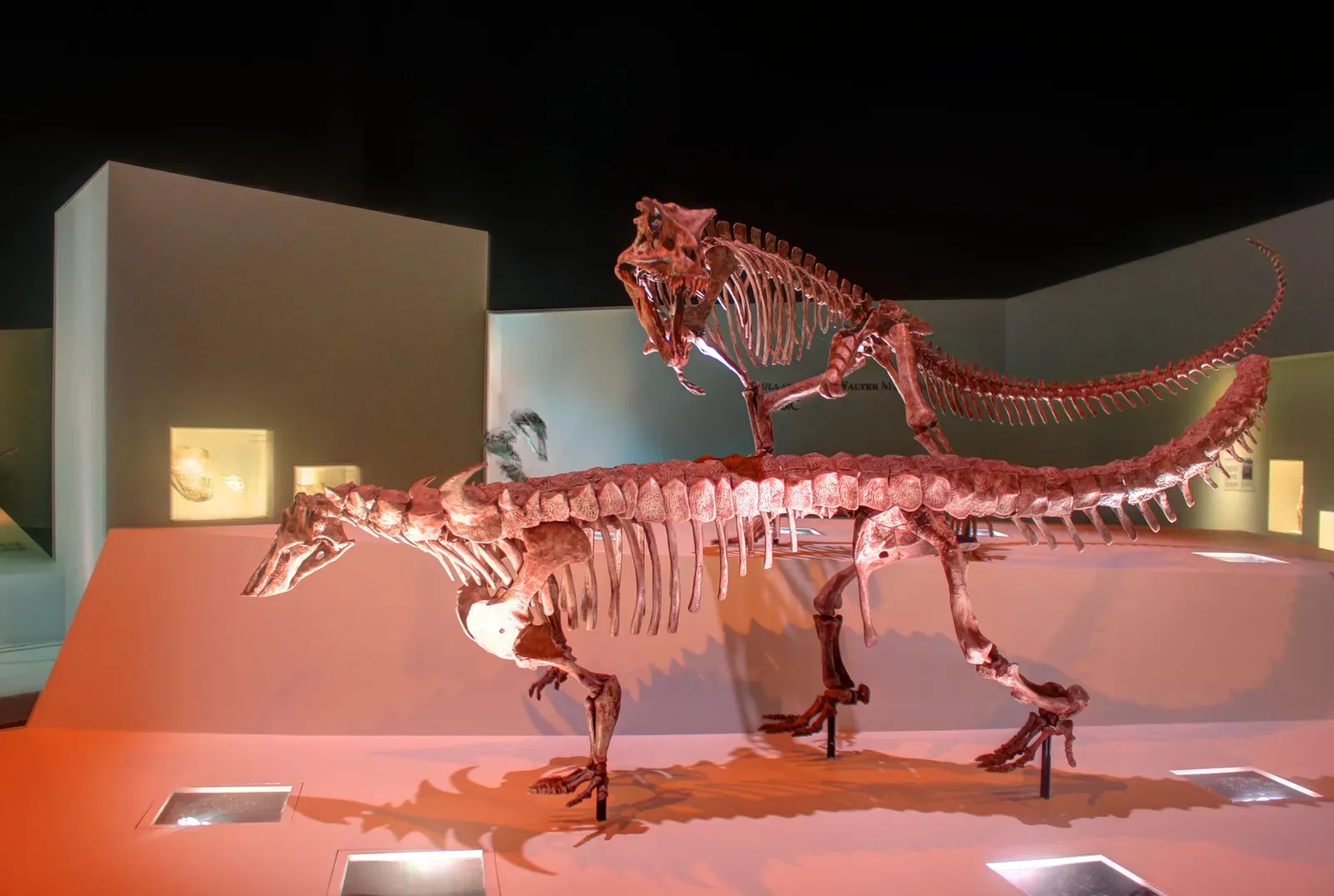
Postosuchus earned a nickname that stuck for decades: the “Triassic T. rex.” It’s arguably the most dramatic dinosaur misidentification in modern paleontology, precisely because the original researcher didn’t just call it dinosaur-adjacent – he suggested it might be a direct tyrannosaur ancestor. When paleontologist Sankar Chatterjee first described Postosuchus in 1985, he proposed something genuinely bold: that this pseudosuchian predator might be foreshadowing the rise of Tyrannosaurus itself.
“[Postosuchus] may be close to the ancestry of tyrannosaurs.”
Sankar Chatterjee, paleontologist
The theory captivated the paleontology world for years because the skull shapes genuinely looked eerily similar. But further research demolished the idea entirely – rauisuchians had nothing to do with the ancestry of Tyrannosaurus or any other dinosaur. The giveaway, as with so many entries on this list, came down to the ankles: Postosuchus had joints that could rotate like a modern crocodile’s, not the rigid, one-way bending ankles every true dinosaur relies on. The most famous Triassic “dinosaur” of its era turned out to be nothing more than a spectacularly convergent crocodile relative.
At a Glance
- Postosuchus lived about 215 million years ago, in the Late Triassic.
- It stretched up to roughly 13 feet long, a top predator of its ecosystem.
- Its “Triassic T. rex” nickname persisted in books and documentaries for decades.
- Ankle-joint rotation, not appearance, ultimately settled its true identity.
The Bottom Line
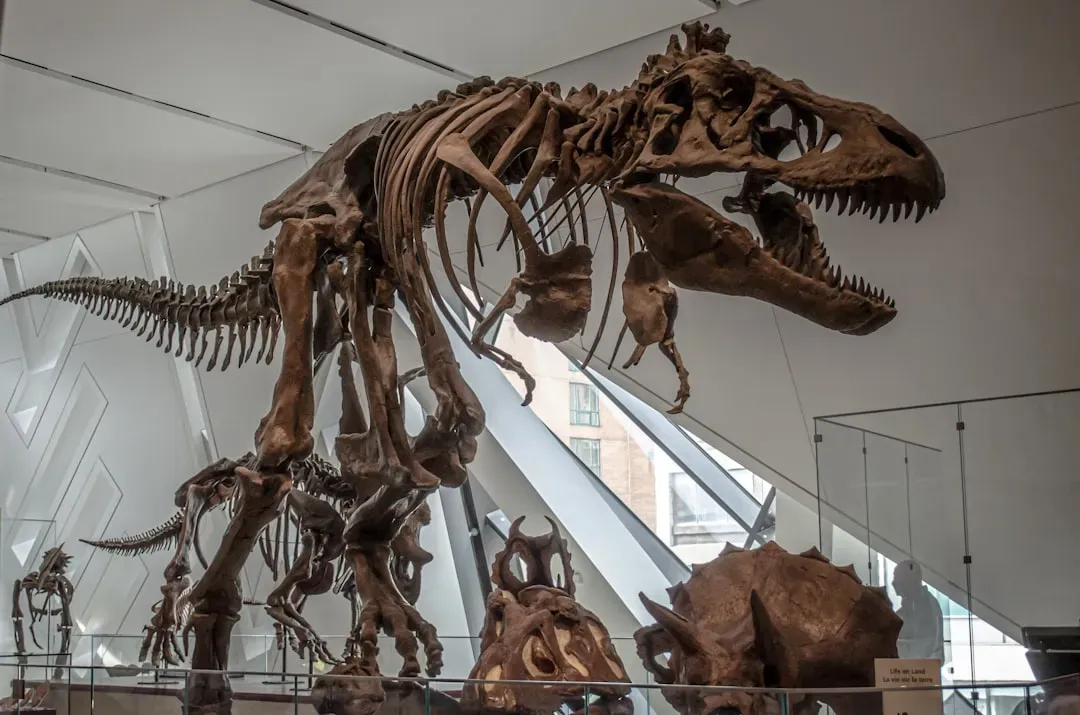
The pattern across all thirteen entries is impossible to ignore: ankle bones, not appearances, decide who actually belongs in Dinosauria. Time and again, animals with dinosaur-like skulls, postures, or even names – Postosuchus, Shuvosaurus, Effigia, Revueltosaurus – turned out to be crocodile relatives wearing convergent evolutionary disguises. Marine reptiles, flying reptiles, and Ice Age mammals never had a legitimate claim to the title in the first place, despite decades of toy aisles and documentaries blurring the line.
Honestly, that’s the part that bugs me most – not that scientists got it wrong, but that pop culture never bothered catching up once they got it right. Museums have been fixing these labels for years, quietly, without fanfare, because science doesn’t owe anyone a press release. “Looks like a dinosaur” and “is a dinosaur” have never meant the same thing, and the fossil record keeps proving it. Which of these surprised you most – did you grow up believing any of these were dinosaurs? Drop it in the comments.