Imagine stepping into a prehistoric forest and realizing, too late, that you picked the wrong dinosaur to mess with. Not every dinosaur relied on speed or sharp teeth; some turned their very bodies into living fortresses, bristling with armor, clubs, spikes and tail-whips powerful enough to shatter bone. These were the creatures that did not have to sprint away from trouble – they could simply stand their ground and dare anything to come closer.
What makes these defensive specialists so fascinating is how different they were from the classic movie monsters we usually picture. Instead of lean and fast predators, you get tank-like herbivores, walking battering rams and spike-covered walls on legs. In a way, they feel more like living medieval war machines than animals. Let’s walk through eight of the most heavily defended dinosaurs known so far – and why picking a fight with them was such a terrible idea.
Ankylosaurus: The Armored Tank With a Sledgehammer Tail
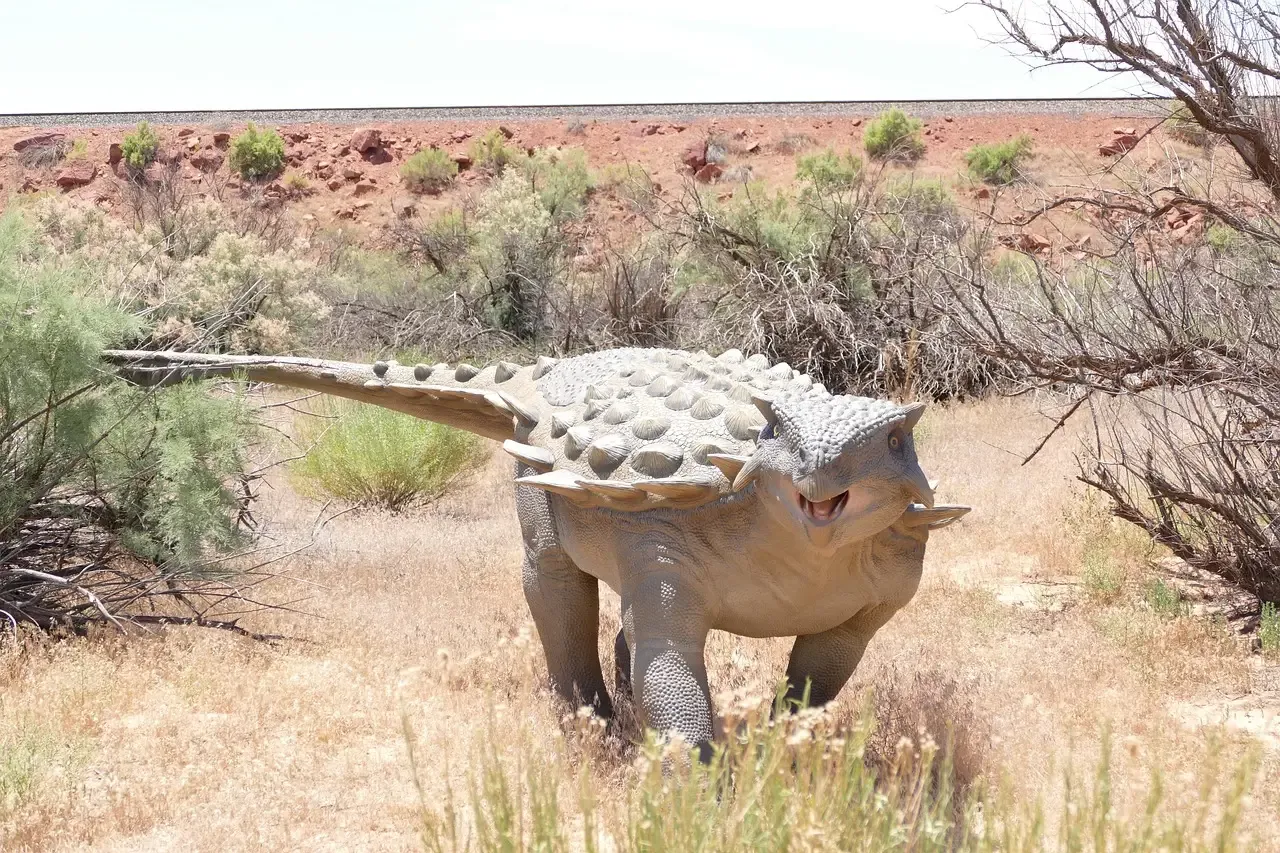
Ankylosaurus is the dinosaur that almost feels unfair to everyone else. Its body was wrapped in thick bony plates and knobs, known as osteoderms, forming a low, wide, armored shell that covered its back, neck and even parts of its face. If you imagine a rhinoceros fused with a military vehicle, you are not far off from what paleontologists think it looked like. This armor was not decorative; it was designed to turn a vulnerable plant-eater into something even big predators had to think twice about attacking.
But the real nightmare for any would‑be attacker was the tail. At the end of its stiff, muscular tail, Ankylosaurus carried a massive bony club that could have weighed as much as a heavy bowling ball or more. Studies suggest that a well-aimed swing could generate enough force to break the leg bones of a large predator, effectively ending the fight in a single hit. When your defensive strategy includes the ability to shatter femurs, running away genuinely becomes optional.
Stegosaurus: The Walking Wall With Back Plates and Tail Spikes
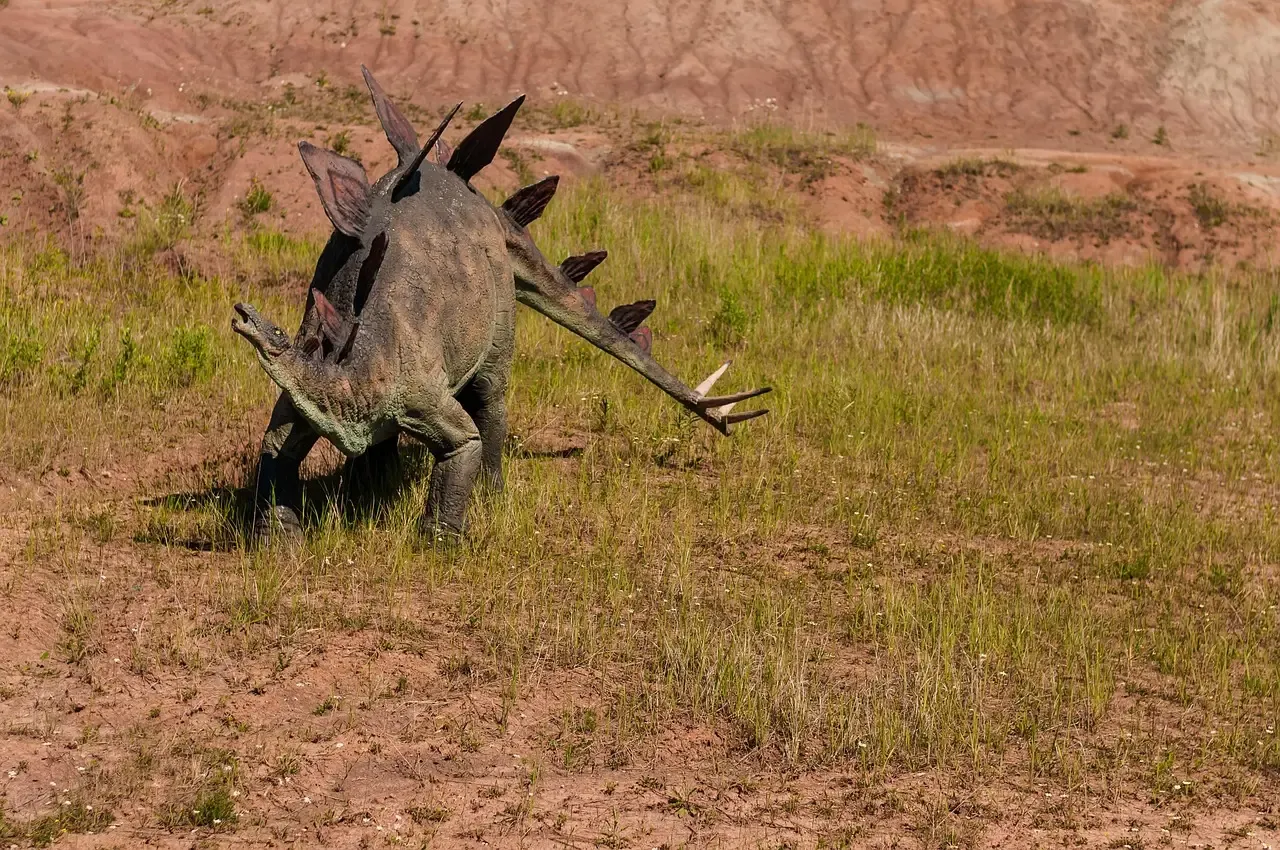
Stegosaurus is often remembered for its double row of tall back plates, but those are only half the story when it comes to defense. The plates likely played roles in display or temperature regulation, and they made the animal look much larger and more intimidating. A predator sizing up a Stegosaurus would not see a harmless plant-eater; it would see a jagged, towering silhouette that looked much harder to tackle than something smooth‑backed and unarmed.
The real defensive weapon, though, was the thagomizer – the set of long spikes on the end of its tail. Research on fossilized bones suggests that Stegosaurus could swing this tail with surprising precision, driving those spikes deep into an enemy. Some fossil allosaur bones even show puncture wounds that match the size and shape of these spikes, hinting that this was not just theory but part of real prehistoric battles. If you can spin around and instantly turn your backside into a spear rack, frantically fleeing is no longer your only survival tactic.
Euoplocephalus: The Spiked Battering Ram of the Late Cretaceous
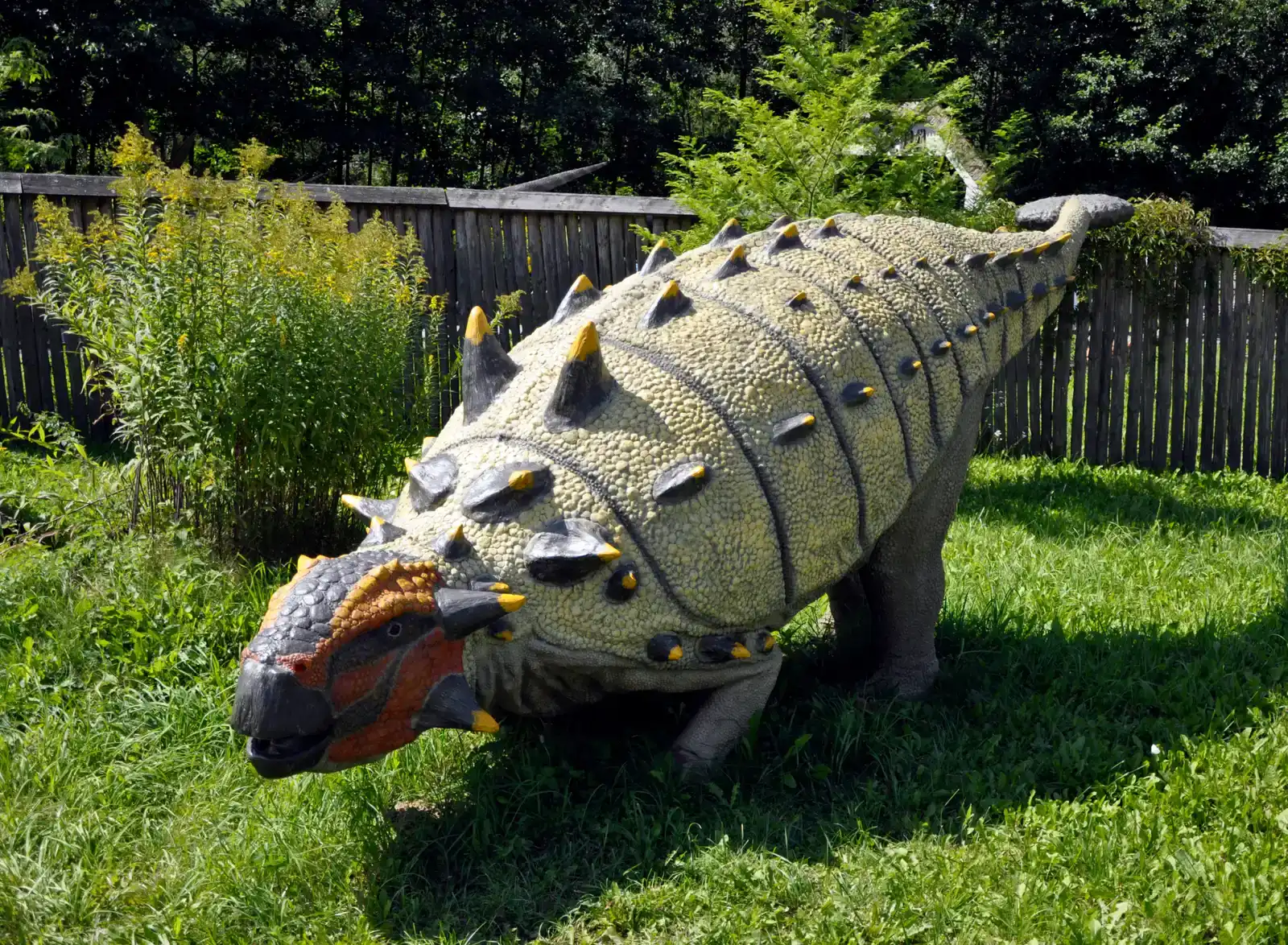
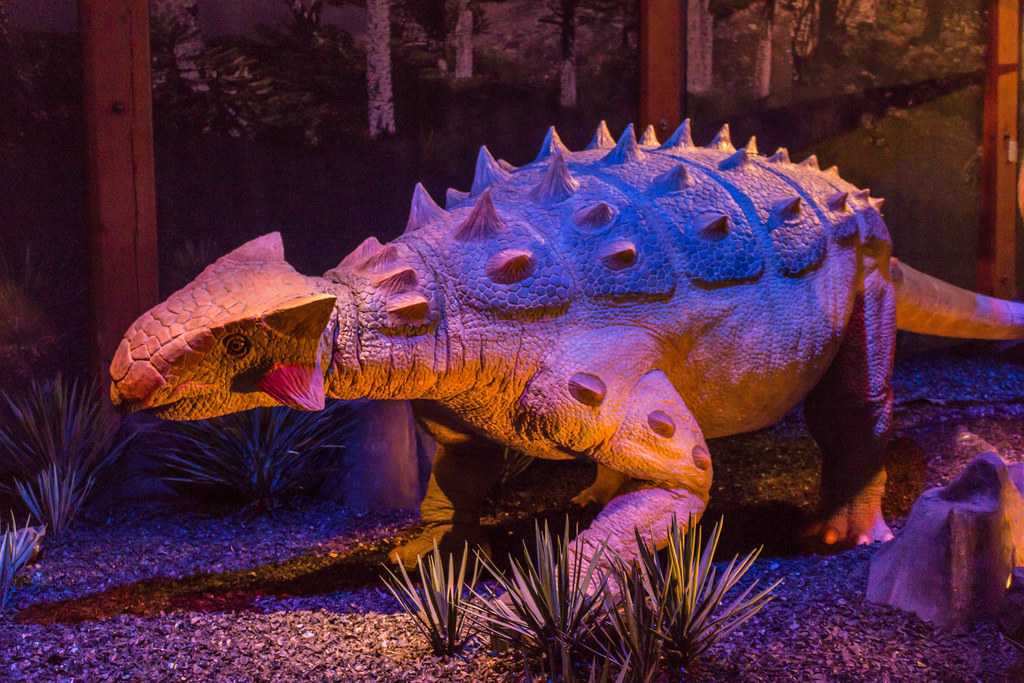
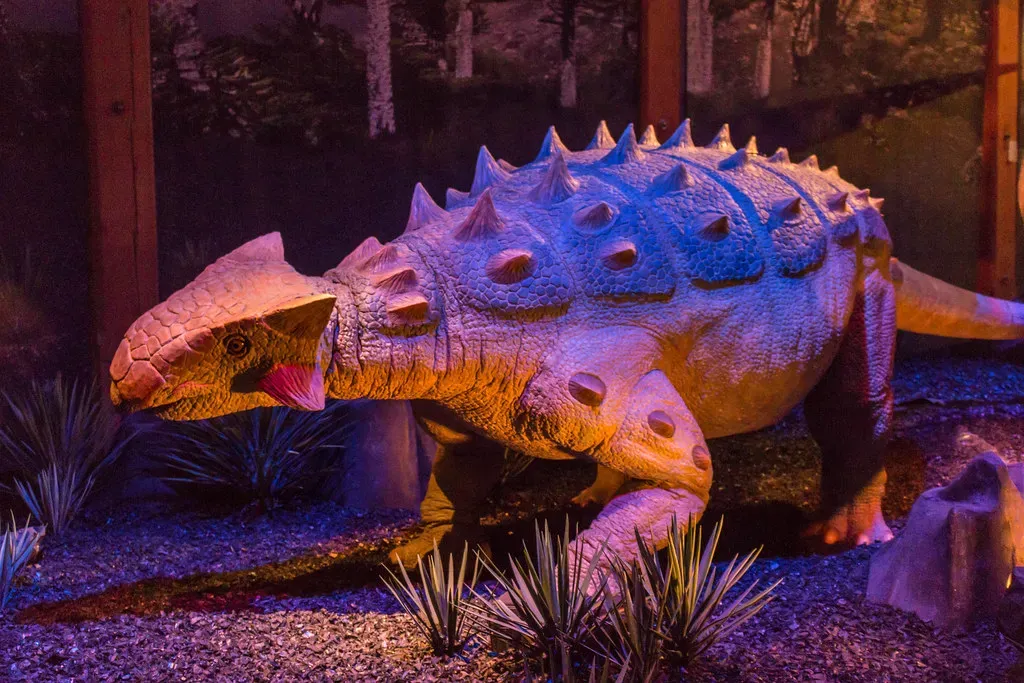
Euoplocephalus was a close relative of Ankylosaurus, and it pushed the armored-body idea to almost absurd levels. Its name literally means “well‑armored head,” and that was not an exaggeration. Thick osteoderms covered its back, sides and skull, with sharp spikes jutting out from the shoulders and along the flanks. To a predator, it would have looked like a slow-moving but heavily reinforced obstacle, where every angle promised pain.
Like Ankylosaurus, Euoplocephalus also carried a tail club, though typically somewhat smaller. Even so, modeling studies indicate it still could deliver crushing blows when swung at speed, especially to legs or lower parts of an attacker that came too close. Picture a spiky armored car with a wrecking ball mounted at the rear – there is simply no “safe” side to attack from. Standing firm and pivoting that tail might have been more effective than any attempt to flee.
Saichania: The Desert Fortress Built to Endure
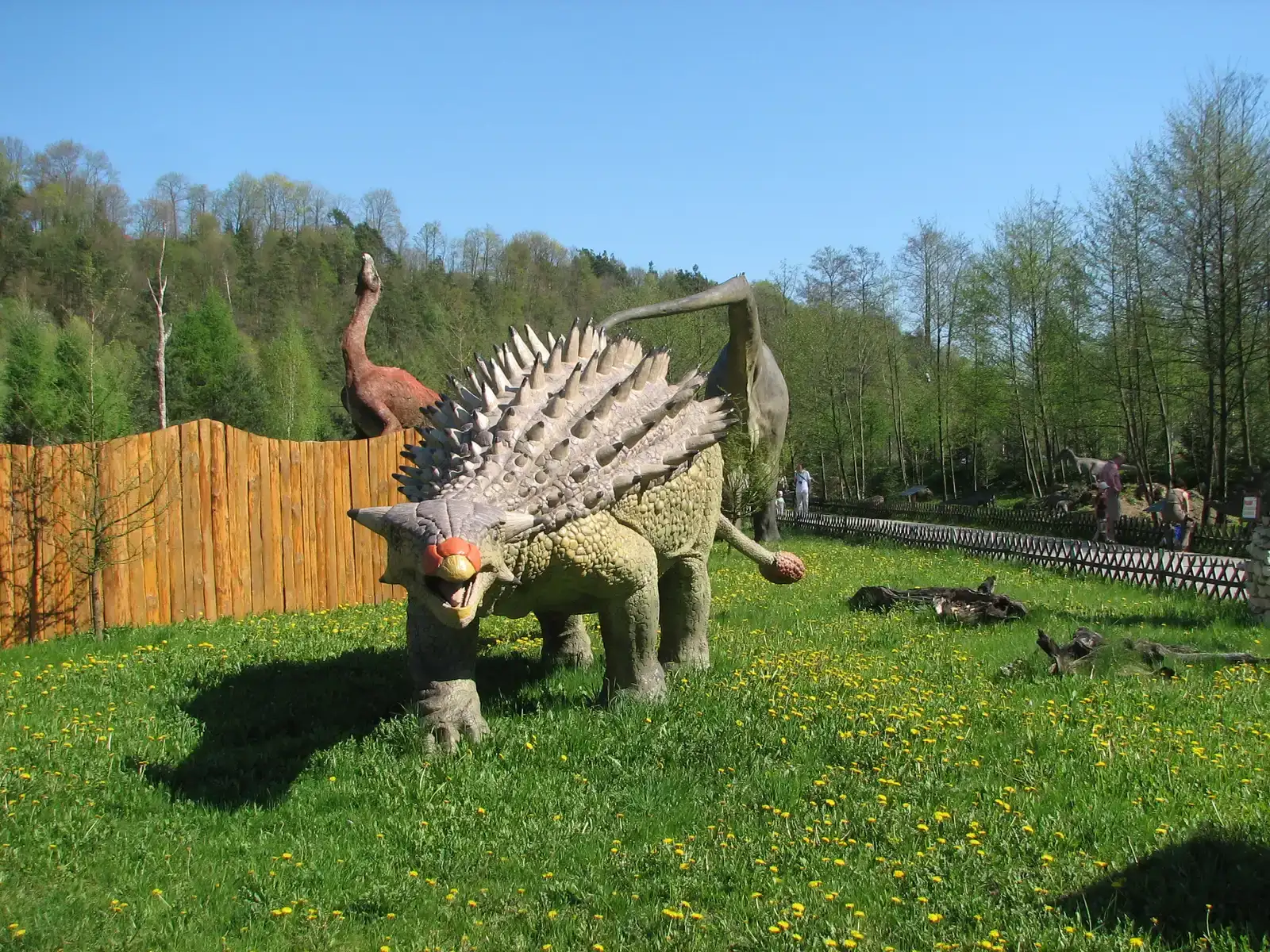
Saichania, whose name roughly translates to “beautiful one” in reference to its well‑preserved fossils, could just as easily have been called “the fortress.” This ankylosaur from Mongolia evolved in harsh, possibly desert-like environments, where being robust and hard to kill was an excellent survival plan. Its skull was massively reinforced, and the armor on its body formed almost a continuous shell of interlocking bony plates.
What stands out about Saichania is how integrated its defense was; the armor was not just stuck on top, but structurally tied into the skeleton. This made its whole body more resistant to bites, impacts and even environmental hazards like shifting ground or debris. Add in the likely presence of a tail club and the overall low, stable build, and you get an animal that could survive shoulder‑checks, bites and even topples that might destroy a more delicate creature. For Saichania, hunkering down and taking the hit was often a viable strategy.
Triceratops: The Horned Juggernaut With a Shield for a Skull
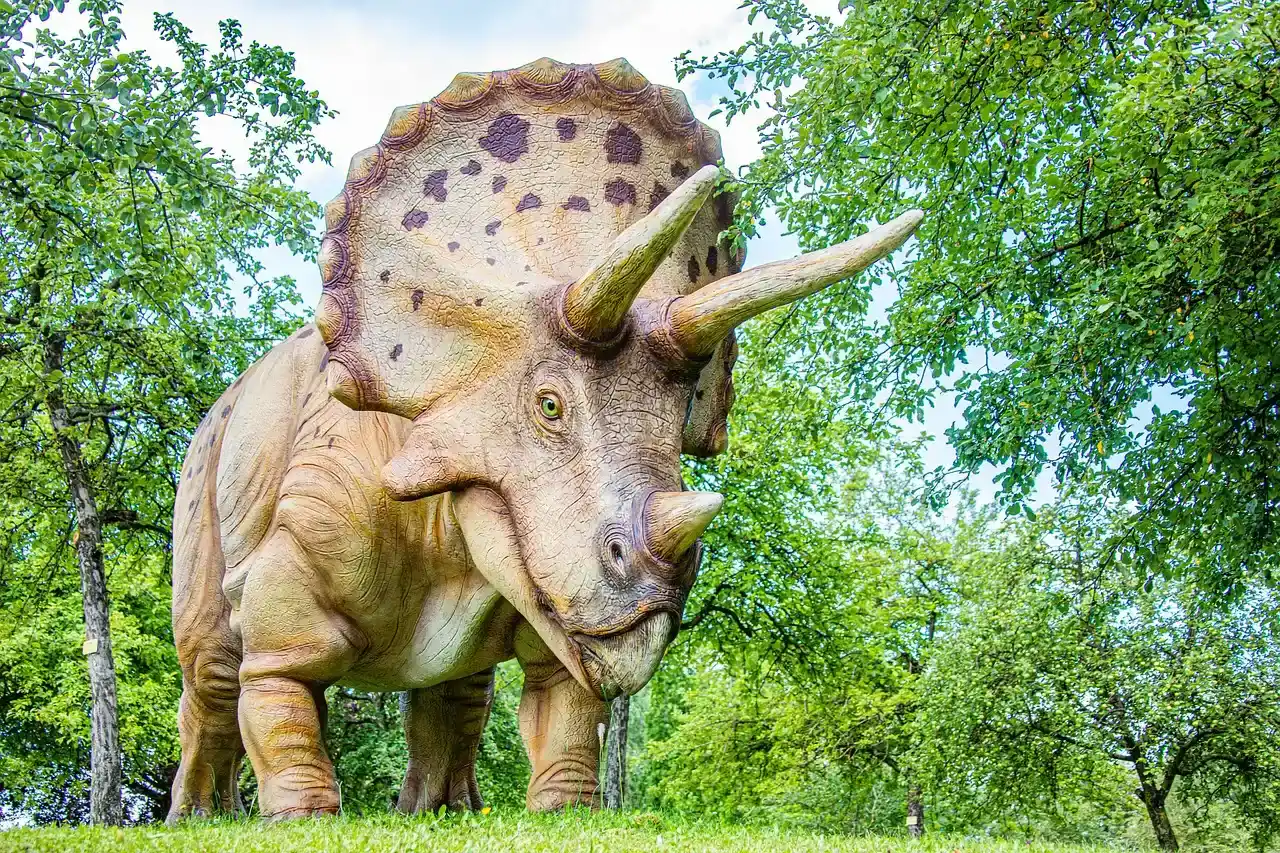
Triceratops is one of the few dinosaurs that looks obviously armed even to a casual observer. Three large facial horns and a massive bony frill at the back of the skull turn its head into a natural shield-and-spear combo. This combination allowed Triceratops to present a reinforced front, protecting its neck and shoulders while threatening any attacker with a potentially fatal horn thrust.
Studies of Triceratops fossils show healed injuries consistent with both clashes with predators and possibly horn-locking with other Triceratops. Its frill and horns were not just decorative; they took damage and kept going. In practical terms, an adult Triceratops could likely stand its ground against even the largest tyrannosaur, using its bulk and horns like a living bulldozer. When your face is effectively a medieval weapon, backing down is only one of the options on the table.
Kentrosaurus: The Smaller Stegosaur That Hit Above Its Weight
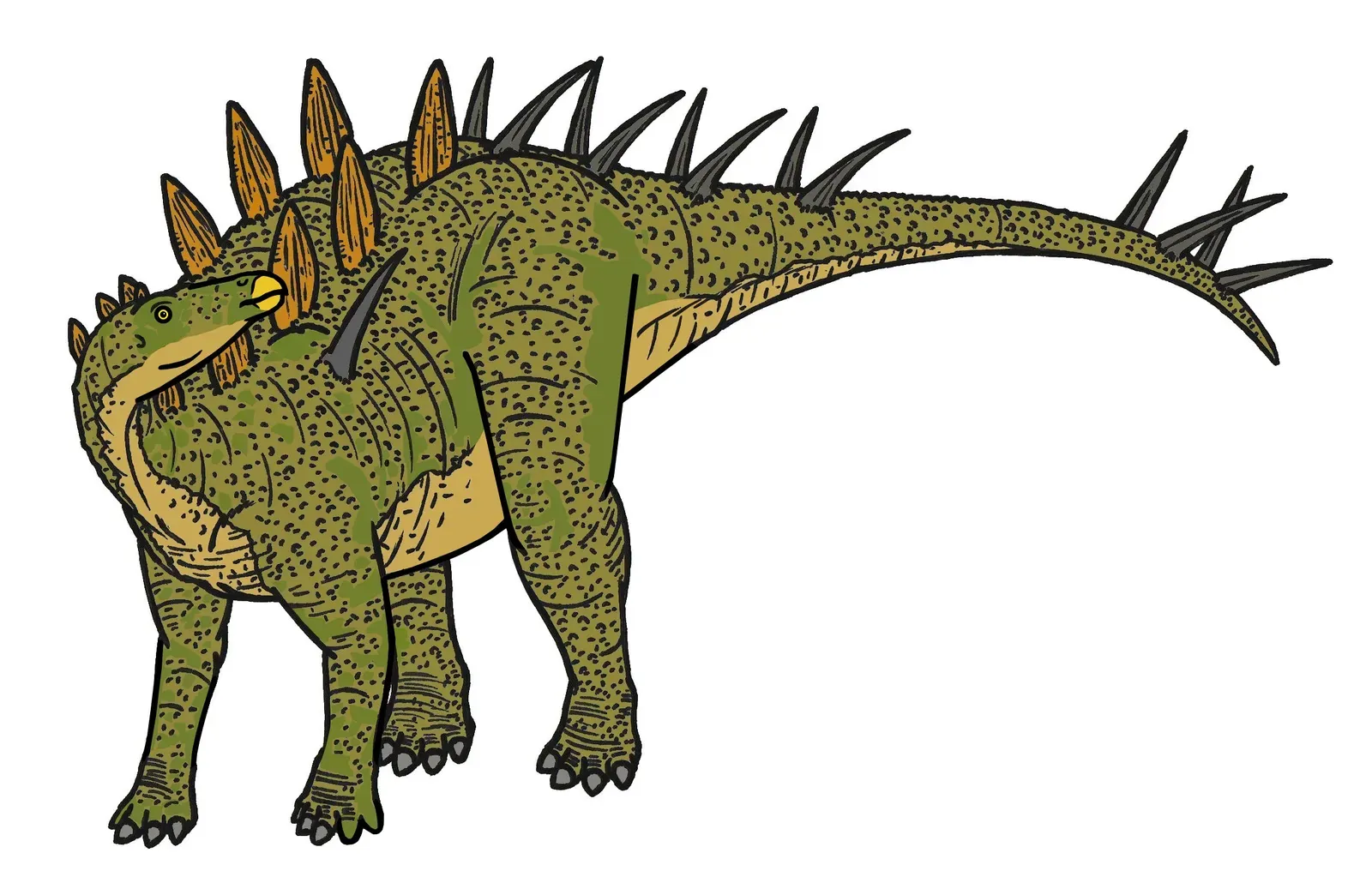
Kentrosaurus did not have the giant size of Stegosaurus, but it compensated with an even more menacing arrangement of armor and spikes. Its back and hips were lined with plates and spikes, and its tail ended in particularly long, lethal-looking spikes that may have been even more dangerous, relative to its body size, than those of its larger cousin. Think of it as the compact, high-performance version of a stegosaur – less mass, more menace per meter.
Because of its smaller frame, Kentrosaurus might have been more agile, allowing it to swing that spiked tail with faster, sharper movements. Any predator that tried the classic “attack from behind” strategy risked catching several long spikes driven with whip-like speed. In that sense, Kentrosaurus turned its entire rear half into a no‑go zone. When your main weapons cover the angles predators think are safe, you do not have to rely on running nearly as much.
Polacanthus: The Living Spiked Shield of Early Cretaceous Europe
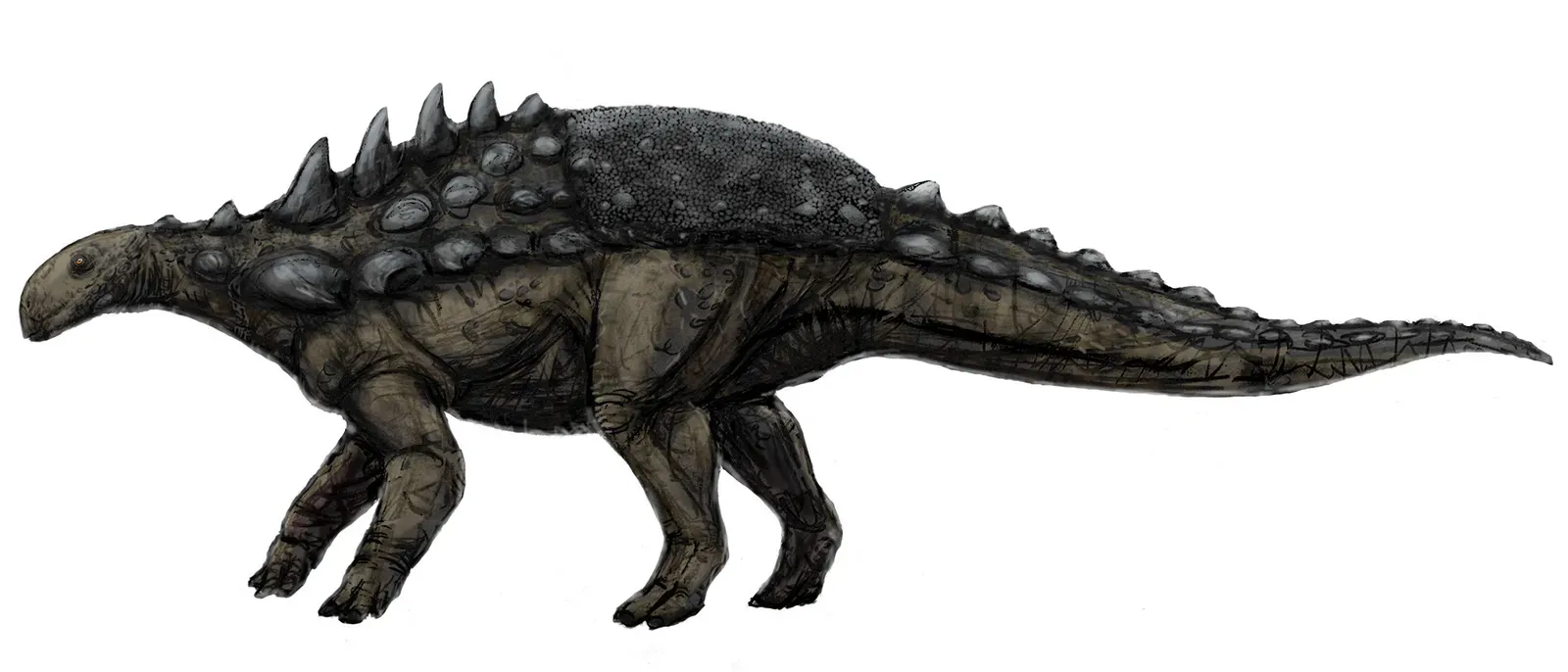
Polacanthus is not as famous as Ankylosaurus, but it deserves far more attention than it usually gets. This early Cretaceous dinosaur carried a broad “pelvic shield” of fused armor over its hips, plus rows of tall spikes running along its back and tail. From a top view, it would have resembled a rugged, jagged shield trudging slowly over the landscape, bristling with defensive gear.
What is striking about Polacanthus is that its defenses were heavily concentrated over the most vulnerable parts of its body: the midsection and hindquarters. These are the areas predators often aim for to avoid horns or claws. By turning those exact spots into a protected, spiked surface, Polacanthus disrupted the usual attack strategy. In a confrontation, curling slightly and presenting its armored flanks might have been all it needed to convince a hunter to go looking for easier prey.
Dinocroton? Not Quite – Meet Edmontonia, the Shoulder-Spiked Bodyguard
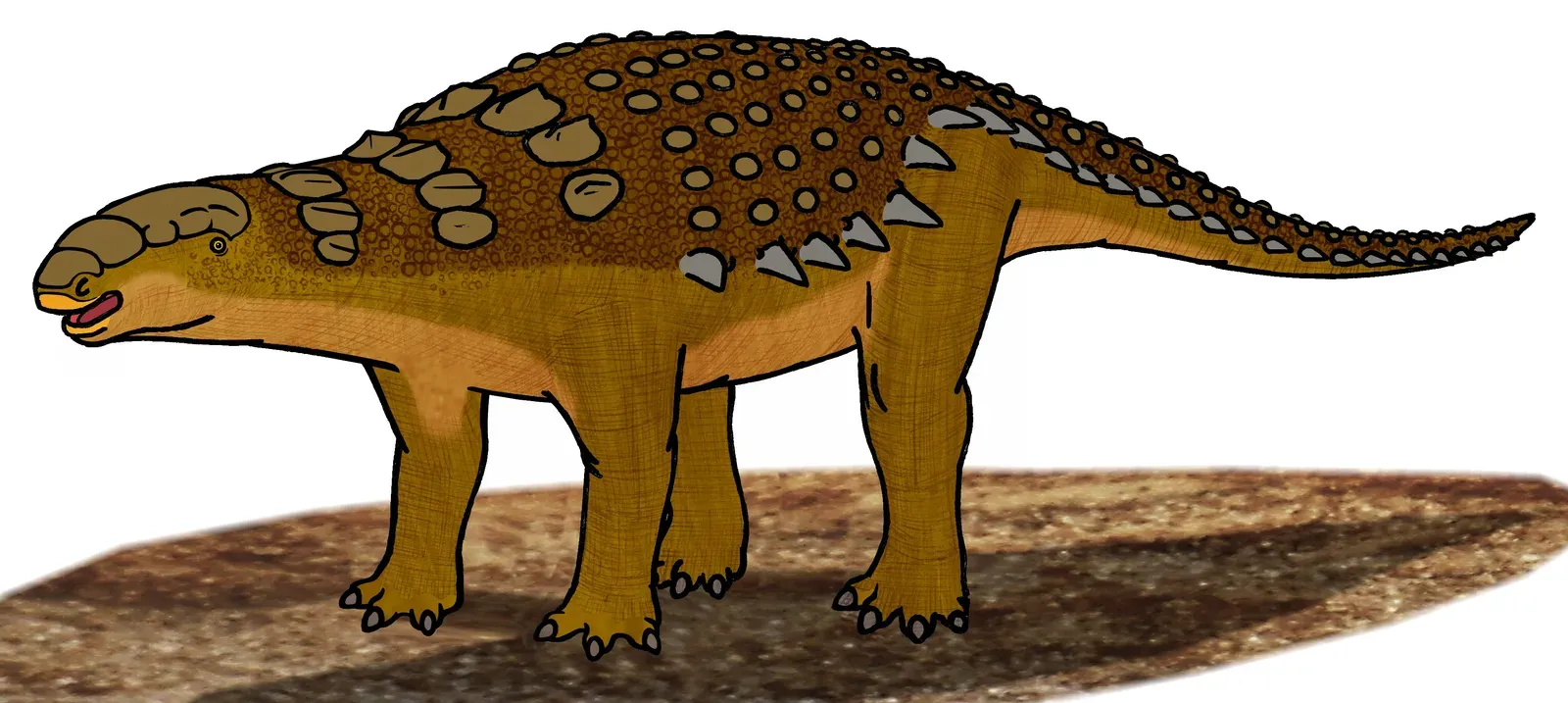
There is occasional confusion in popular lists that toss around odd or outdated names, but one standout armored nodosaur that absolutely belongs here is Edmontonia. Unlike ankylosaurs, nodosaurs lacked tail clubs, yet Edmontonia compensated with massive shoulder spikes and heavily armored back and sides. Those shoulder spikes in particular were dramatic, jutting outward like oversized daggers anchored to its torso.
Edmontonia’s defensive style was probably more about making itself a nightmare to grapple with than delivering single knockout blows. A predator trying to latch on from the side or shoulder would run straight into those spikes, risking severe injury just by making contact. Combined with its low center of gravity and broad, plated body, this meant that simply holding its ground and twisting slightly could turn an attack into a self‑inflicted wound for the predator. Running was not its strength – but making attackers regret their life choices certainly was.
Conclusion: Standing Their Ground in a World Built on Teeth
All of these dinosaurs remind us that evolution does not only reward speed and aggression. In a world full of razor‑toothed predators, some of the most successful survival strategies involved turning your body into something difficult, painful or downright dangerous to attack. Armor, spikes, horns and clubs shifted the balance of power, letting these plant-eaters meet violence with deterrence instead of just panic and flight.
I have always found these “defensive specialists” more compelling than the stereotypical movie monsters, maybe because they feel a bit like everyday underdogs who refused to stay vulnerable. They did not hunt, stalk or roar their way to dominance; they survived by being too much trouble to kill. In a strange way, that feels like a quiet, stubborn kind of heroism. If you had to pick a strategy in a dangerous world, would you rather be the hunter – or the living tank no one wants to mess with?