
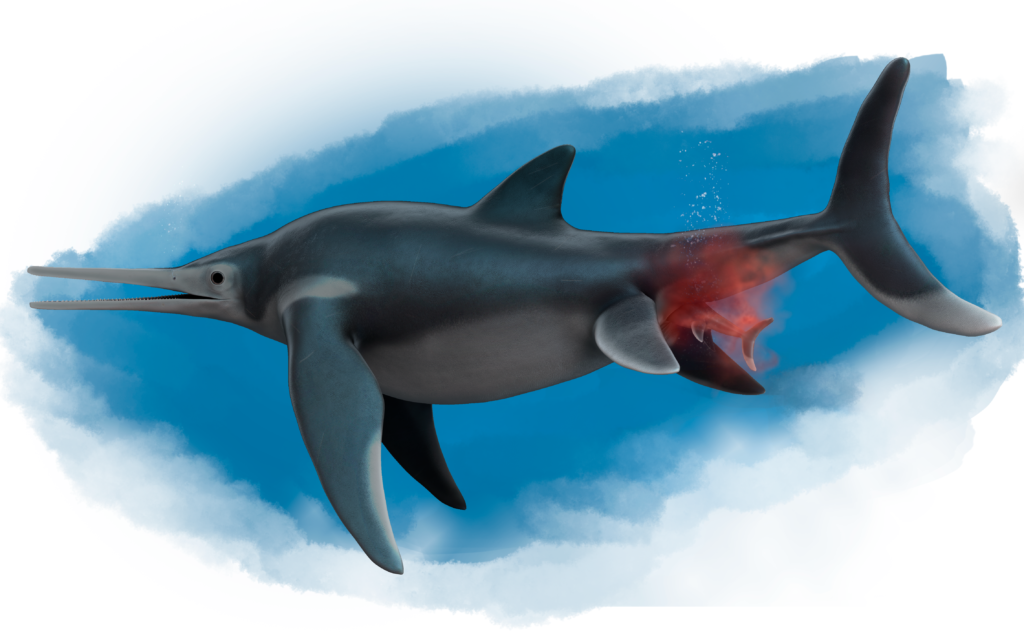
Picture the age of dinosaurs and most of us imagine roaring giants stomping across steamy floodplains. But while those celebrities of prehistory ruled the land, another drama was unfolding offshore: sleek marine reptiles cruising ancient oceans, some of them going into labor far from any shoreline. That image alone flips the usual dinosaur-era story on its head and raises an irresistible question: how do we even know that happened?
The answer comes from a mix of eerie fossils, clever detective work, and a bit of scientific stubbornness. For decades, many researchers assumed that big reptiles simply had to drag themselves onto beaches to lay eggs, just like modern sea turtles. Then paleontologists started finding fossils that broke all the rules: fully formed babies preserved inside adult skeletons, birth poses frozen in stone, and even tiny “nursery” individuals buried in what used to be deep water. Once you see that evidence, it’s hard to unsee it.
When Oceans Became Reptile Kingdoms
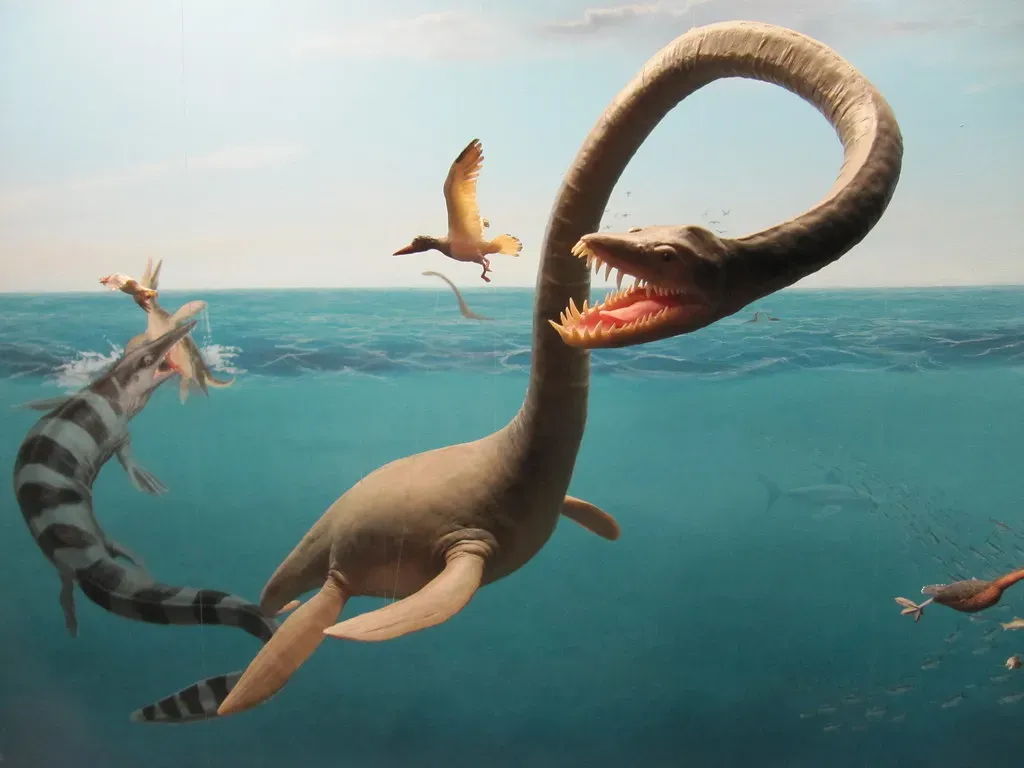
During the Mesozoic Era, while dinosaurs crowded the continents, the seas were anything but empty. Large marine reptiles like ichthyosaurs, plesiosaurs, mosasaurs, and pliosaurs turned ancient oceans into fast-paced hunting grounds. They were not dinosaurs, but they shared the same world, carving out their own evolutionary experiments in life at sea. If dinosaurs were the headliners on land, these animals were the surprise act stealing the show offshore.
Some of these marine reptiles ended up so well adapted to the water that returning to land would have been awkward at best and fatal at worst. Think of a dolphin trying to crawl up a beach to dig a nest; once your body is shaped like a missile with fins instead of legs, dry land stops being your friend. That is a huge clue that something about their basic biology, including reproduction, had to change. Instead of hauling out to lay eggs, at least some species appear to have taken the far more radical route: giving birth in the open ocean.
The Fossils That Caught Reptiles in the Act
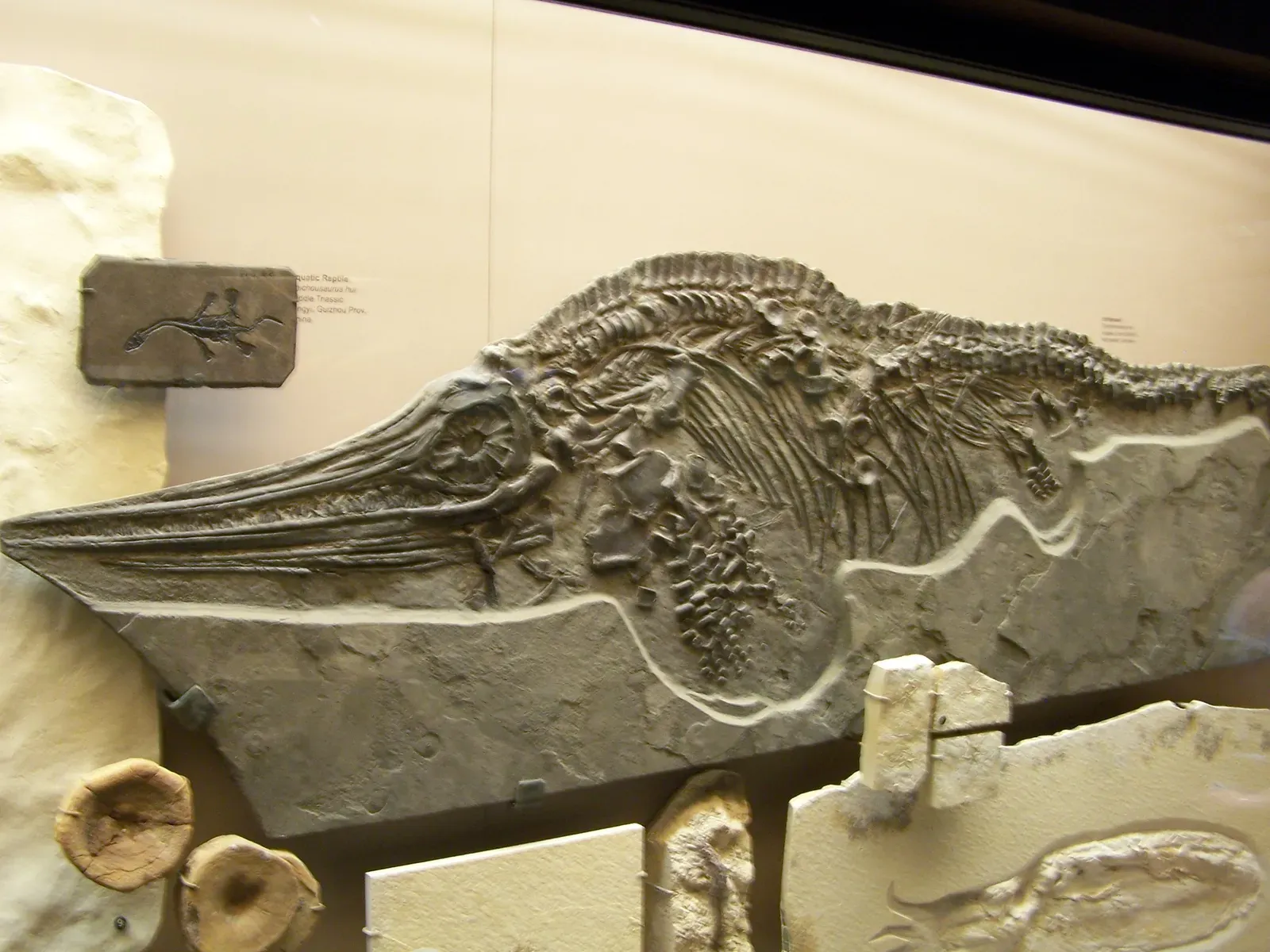
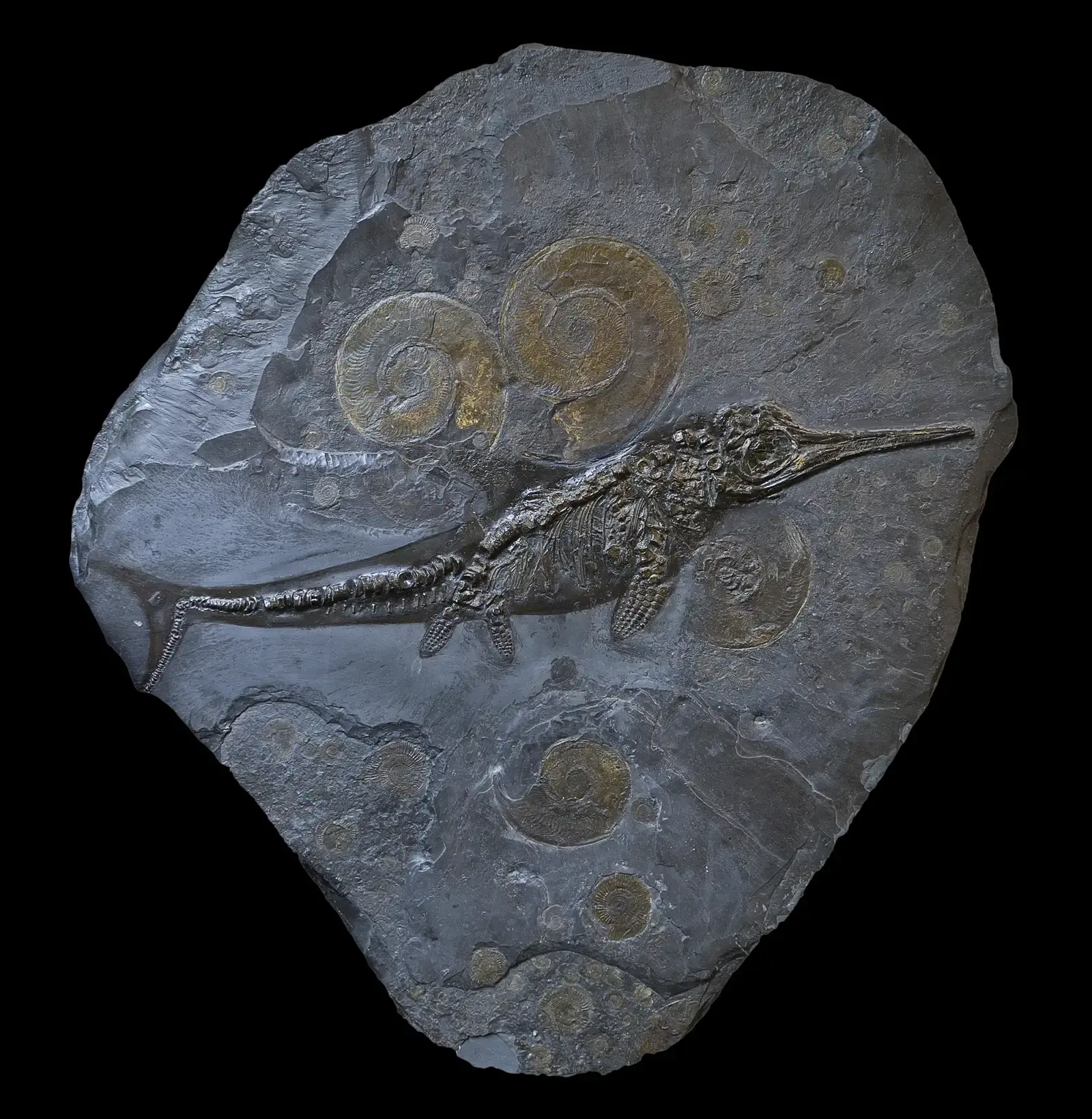
Fossils that preserve behavior are rare, and fossils that capture birth might be among the rarest of all. Yet paleontologists have uncovered several ichthyosaur skeletons with tiny, articulated babies either inside the body cavity or literally halfway out of the pelvic region. It is as if nature left us a paused video of a live birth, sealed in stone for hundreds of millions of years. These fossils leave very little wiggle room: they are direct, physical proof that at least some marine reptiles were viviparous, meaning they gave birth to live young instead of laying eggs.
There are also cases where scientists have found clusters of small, nearly identical marine reptile skeletons in former offshore environments, interpreted by some as possible nursery areas. They may represent juveniles that stayed in relatively safer, food-rich zones before venturing into riskier open waters. While those findings are not as slam-dunk as a baby emerging from a mother’s pelvis, they add context and support to the bigger picture: these animals were not just dipping their toes into the sea; they were living and reproducing entirely within it.
From Egg Layers to Live-Birth Specialists
Reptiles originally evolved on land and traditionally reproduced by laying shelled eggs on solid ground. For a lineage to shift from that lifestyle to one involving live birth in the water is a profound evolutionary leap. It requires changes in how embryos are nourished, how long offspring develop inside the mother, and even how the mother’s body is shaped to carry and deliver young. Evidence from marine reptile fossils suggests that this shift happened multiple times in different groups, not just once.
Ichthyosaurs, in particular, show a strong pattern of live birth, with multiple specimens demonstrating embryos and birth poses. Early members of their group may have experimented with more amphibious habits, but as they became increasingly streamlined and fish-like, the evolutionary pressure to stay in the water grew stronger. In a sense, the ocean rewarded lineages that cut ties with the shore. Over time, natural selection favored individuals that could handle gestation and birth without ever touching land, reshaping their reproductive systems along the way.
Tail-First Births and the Risk of Drowning
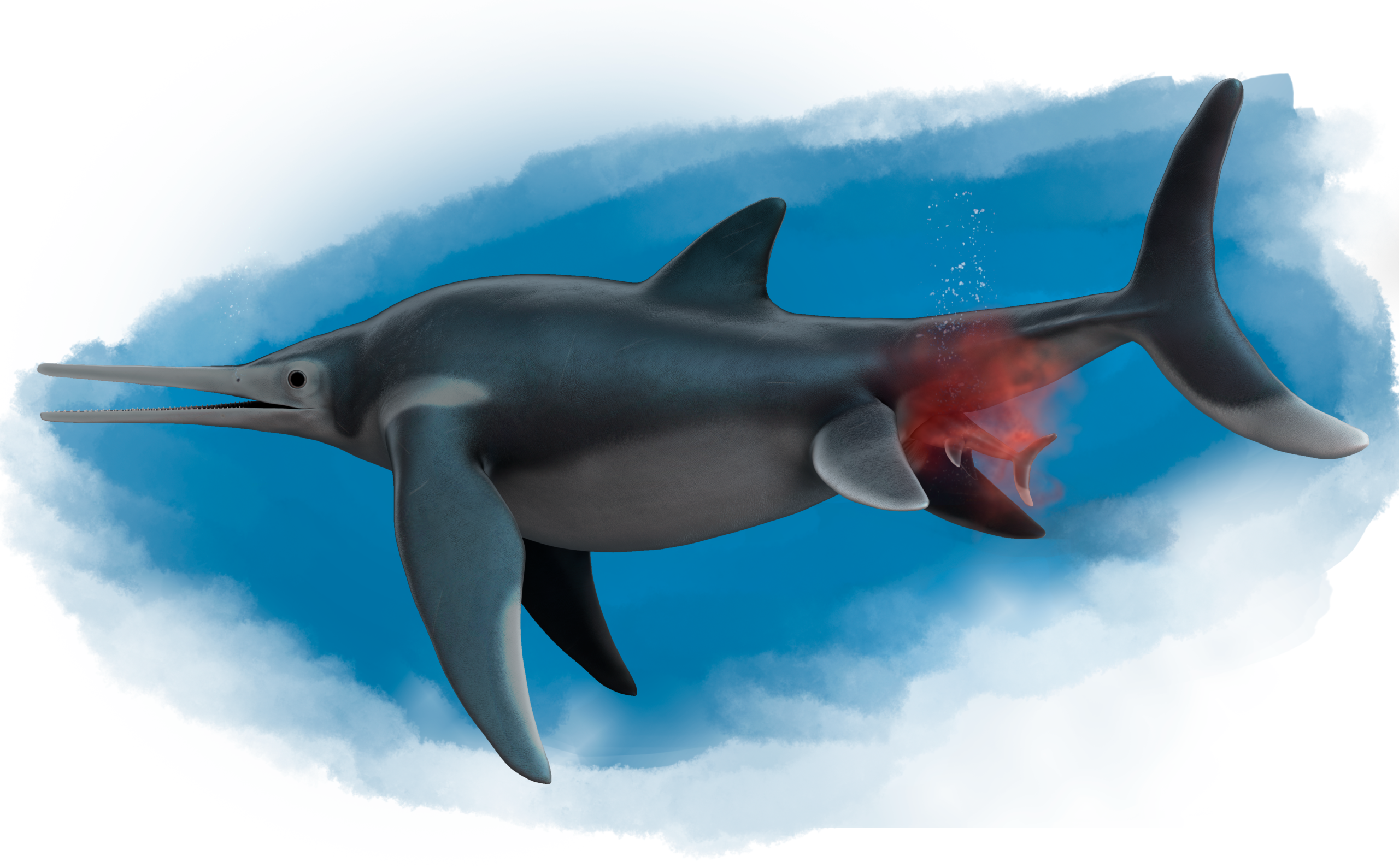
One of the strangest insights from these fossils is the apparent orientation of birth. In several marine reptile specimens, the embryos seem to be emerging tail-first. At first glance, that might seem like a minor detail, but it matters a lot if you are giving birth underwater. For a baby air-breather, a head-first delivery in water can be risky because the head, and therefore the airway, emerges before the rest of the body is free. Tail-first births may reduce the chance of drowning during a slow or complicated delivery.
This pattern mirrors what we see in many modern marine mammals, such as whales, that also tend to give birth tail-first in the water. The parallel is more than just a neat coincidence; it suggests that similar physical constraints can push very different lineages toward similar solutions. Of course, not every fossil is perfectly preserved, and there is still debate around some specimens. But overall, the trend toward tail-first delivery fits the broader story of marine reptiles adapting their entire life cycle – birth included – to a fully aquatic existence.
Pregnant Hunters in Ancient Seas
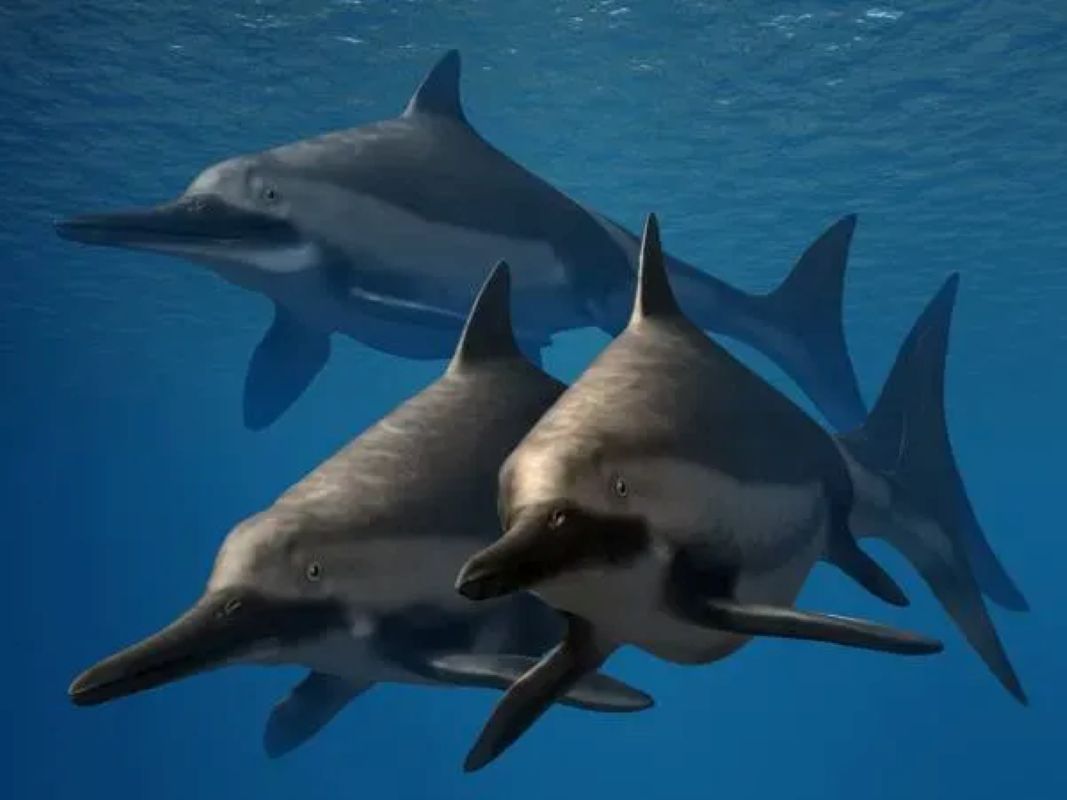
Once you realize that some of these animals were carrying babies, it changes how you picture them in life. A heavily pregnant ichthyosaur would not have been a fragile, helpless creature; it was still a powerful predator capable of fast bursts of speed and sudden direction changes. That means its body had to balance two demanding tasks at once: hunting effectively and protecting developing offspring inside. The engineering challenge is enormous, and yet evolution pulled it off repeatedly.
Carrying live young also has big implications for how these reptiles used energy and space. A pregnant marine reptile might have needed specific feeding grounds that could satisfy both its own high energy demands and set up young for success after birth. It may have shifted its range seasonally, just as some modern whales migrate to calving grounds. While not every detail is known and some patterns remain speculative, the basic idea is clear: pregnancy did not sideline these animals – it shaped where they went and how they lived in the ancient oceans.
Why Live Birth Makes Sense When Land Is Dangerous
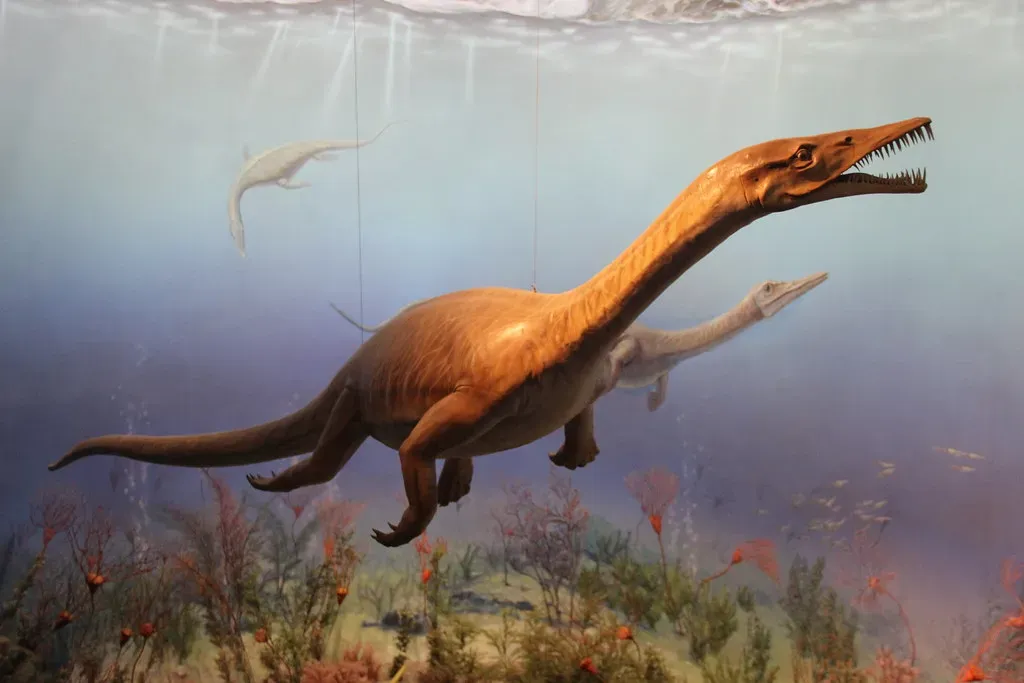
If you can lay eggs on a safe, quiet beach, you might not need to reinvent reproduction. But in the age of dinosaurs, coastlines were not exactly peaceful nurseries. Large predators prowled the shorelines, changing sea levels reshaped habitats, and competition for suitable nesting spots could have been fierce. For highly specialized marine reptiles that already struggled to move on land, every trip ashore was a dangerous gamble. In that context, evolving live birth at sea starts to look less like a luxury and more like a survival strategy.
By shifting to viviparity, mothers could keep their developing young inside a controlled environment, away from the chaos of the shoreline until they were more capable swimmers. This strategy may have reduced egg predation and allowed mothers to stay in productive feeding grounds throughout pregnancy. It is not that live birth is magically better than egg-laying; both strategies work in the right conditions. But when your body is built for the open ocean and your world is packed with large predators, live birth can tilt the odds in your favor.
What This Tells Us About Evolution Beyond Dinosaurs
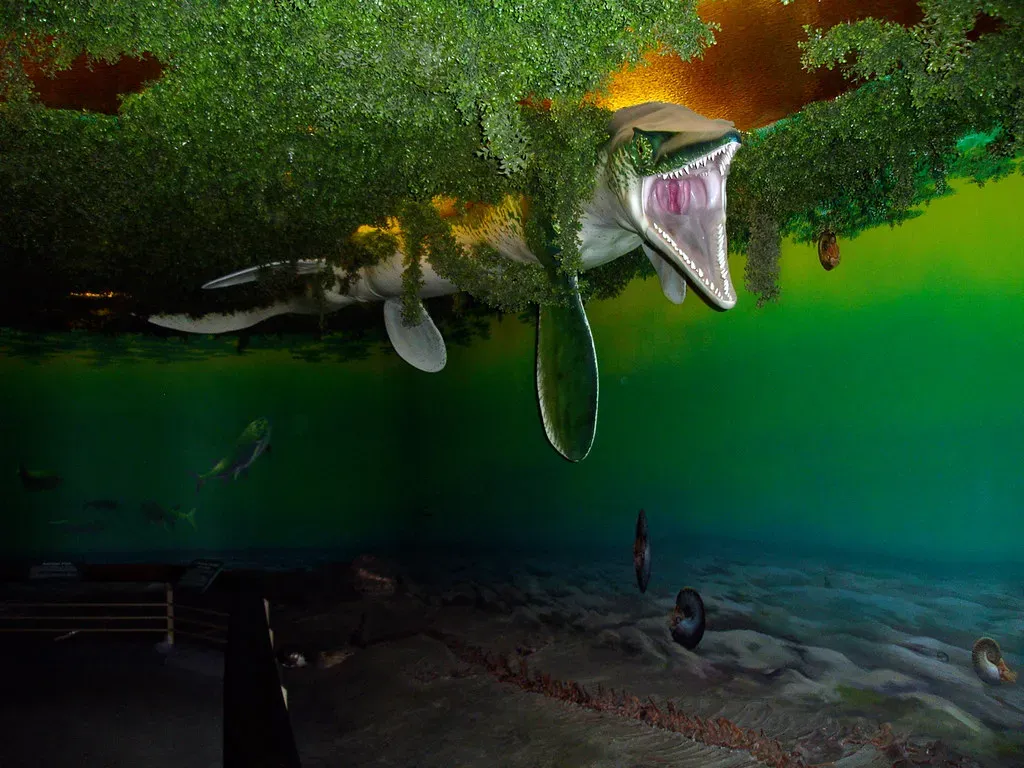
The story of marine reptiles giving birth at sea is more than a quirky detail from deep time; it is a powerful example of how evolution can reshape even the most fundamental aspects of biology. Reproduction is usually seen as conservative and slow to change, yet these animals reworked it dramatically, and did so more than once. That pattern echoes in other groups as well, from some modern lizards and snakes that independently evolved live birth to mammals that took internal gestation to an extreme. Evolution keeps finding ways to bend a supposedly rigid rule when the environment demands it.
From a modern perspective, it also serves as a reminder not to underestimate what life can do. For a long time, scientists assumed that marine reptiles had to behave more or less like modern sea turtles because that was the closest living comparison. Then the fossils forced us to accept a different, more complex reality. Personally, I find that humbling and a little thrilling. It suggests that if we are still discovering such dramatic twists in animals that vanished tens or hundreds of millions of years ago, we probably have not even scratched the surface of what is possible in evolution today.
Conclusion: Rethinking Who Really Ruled the Mesozoic World
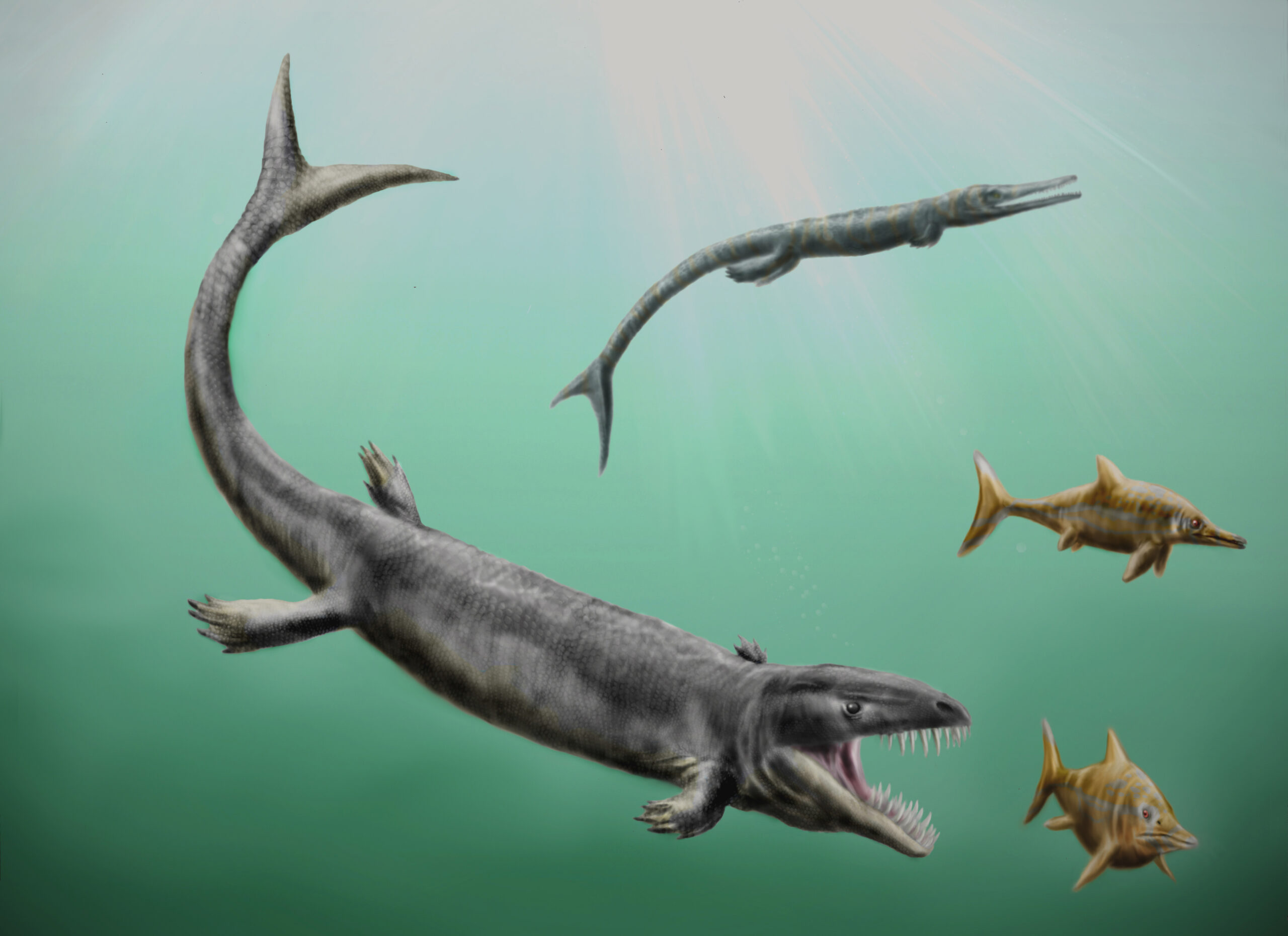
It is tempting to treat dinosaurs as the undisputed rulers of the Mesozoic and everything else as background noise. But the evidence for marine reptiles giving birth at sea makes that story feel way too one-sided. While dinosaurs thundered across the continents, the oceans were hosting their own evolutionary revolution, one that rewired reproduction itself. In my view, any era that produces air-breathing reptiles so committed to the sea that they never come ashore even to give birth is not just the age of dinosaurs – it is the age of radical experimentation.
That is the part that sticks with me: the idea that our planet has already seen life forms so specialized, so all-in on a particular way of living, that returning to land was no longer an option even for something as basic as having a baby. It makes our familiar world feel a bit narrower and the deep past feel wilder and more creative than we usually admit. The next time you picture the dinosaur era, will you imagine just the giants on land, or will you also see those pregnant hunters slipping through ancient seas, rewriting the rules of what reptiles could be?