Pop culture has turned prehistory into a kind of monster theme park: everything is oversized, bloodthirsty, and somehow always roaring at the camera in slow motion. It makes for fun movies, sure, but it also flattens some of the strangest, smartest, and most fascinating animals that ever lived into one-note villains. The reality hidden in fossils is often weirder, more nuanced, and frankly more impressive than anything on a cinema screen.
Once you start digging into the science, you realise just how unfair so many movie portrayals really are. Animals shown as brainless killers may actually have been careful parents; supposed ocean nightmares were more like elegant specialist hunters; and the “big stupid lizard” trope falls apart the moment you look at their bones closely. Let’s give eight prehistoric celebrities the reputational glow‑up they deserve.
1. Velociraptor: The Smart, Feathered Fox Of The Late Cretaceous
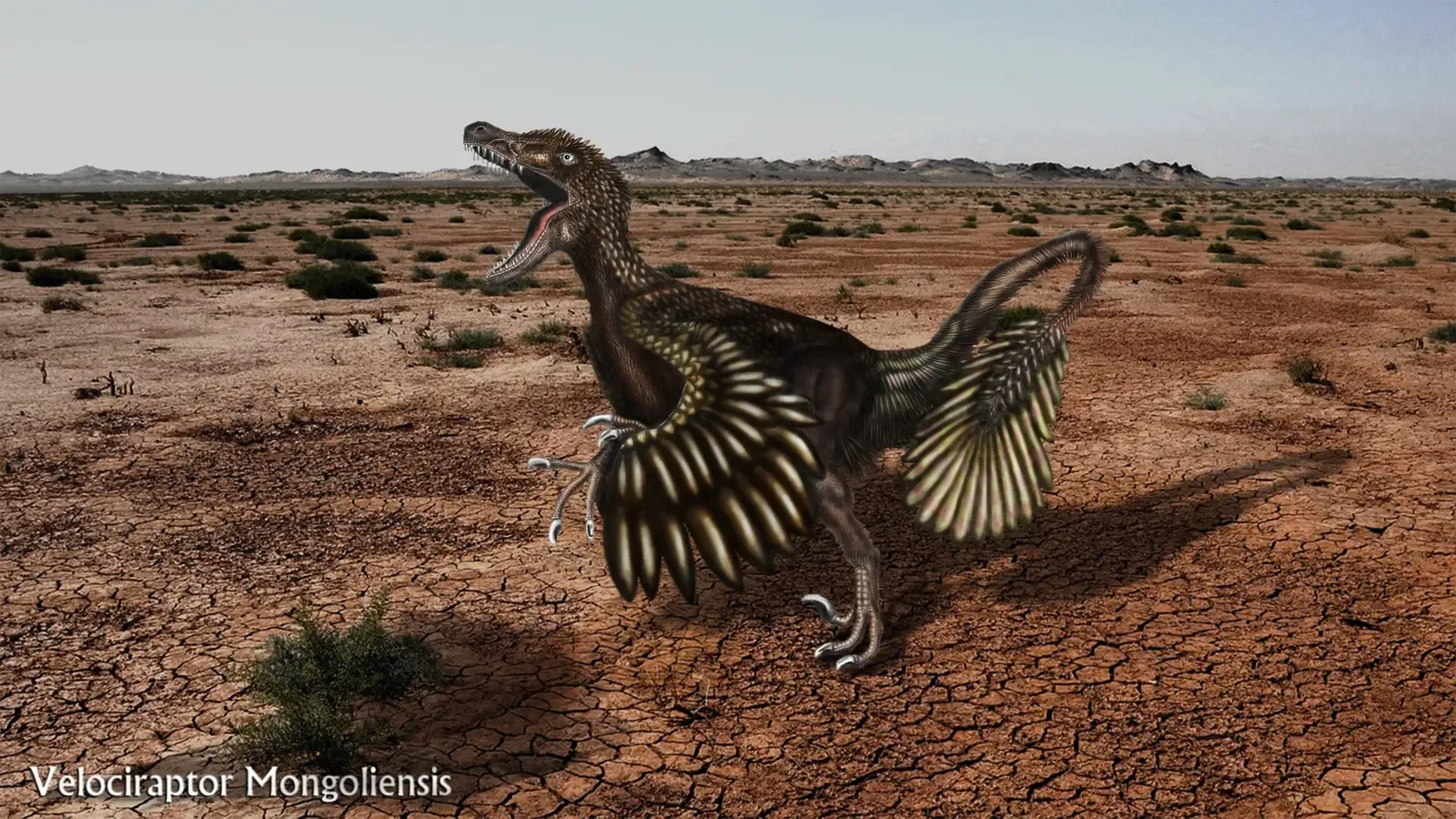
On screen, Velociraptor is usually a human‑sized, scaly, door‑opening slasher villain. In real life, it was closer in size to a large turkey, with long feathers on its arms and tail and a more birdlike overall build. That famous sickle claw on its second toe was real, but evidence suggests it may have been used less like a slashing knife and more like a hooked clamp to pin down struggling prey, a bit like how modern birds of prey use their talons.
Its skull shows a relatively large brain for its body size, with forward‑facing eyes for depth perception, hinting at a predator that relied on agility and problem‑solving rather than brute force. Instead of a loud, roaring pack monster, imagine something more like a hyper‑alert ground bird or a fox: fast, opportunistic, and likely cautious. That version is still scary, but in a way that feels more grounded and, honestly, more impressive than the movie caricature.
2. Tyrannosaurus rex: Not Just A Roaring Wrecking Ball
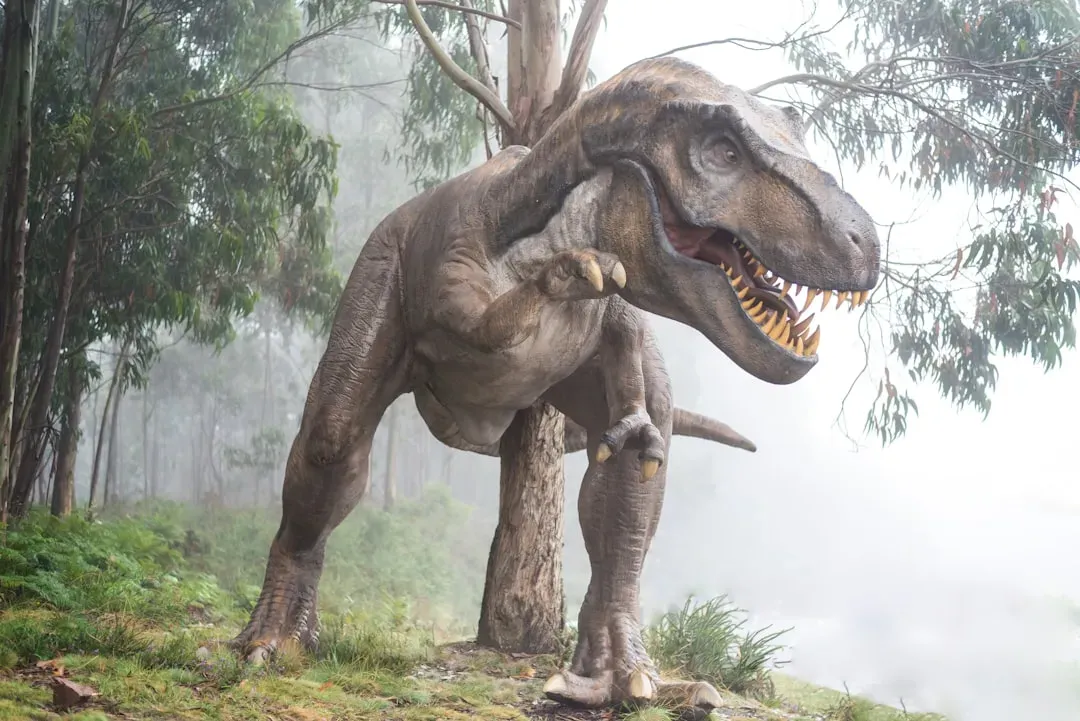
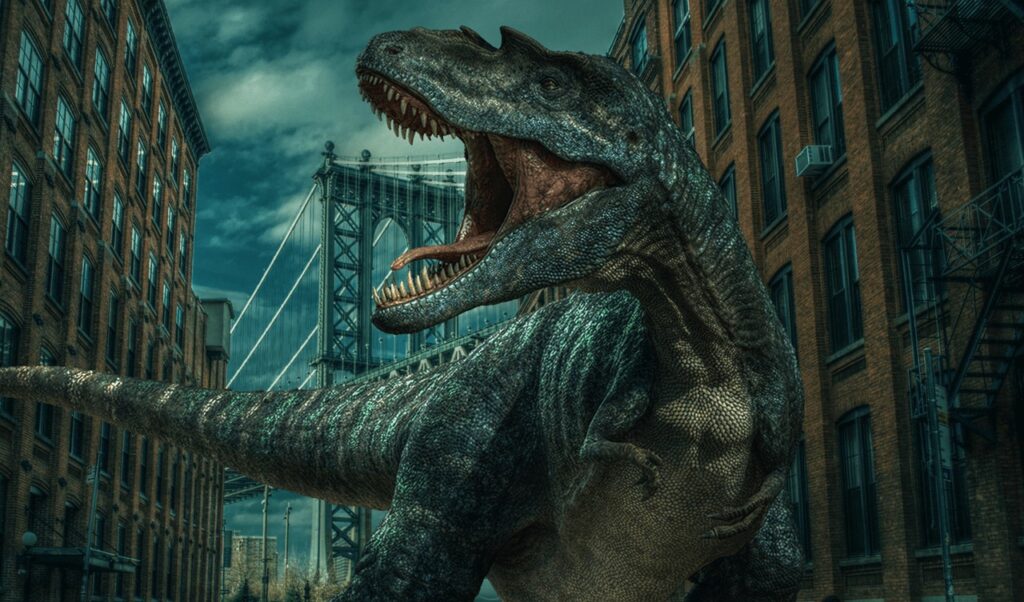
Tyrannosaurus rex almost always gets cast as the ultimate chaos engine: an endlessly roaring, permanently furious wrecking ball that charges blindly at anything that moves. The bones tell a subtler story. Its skull was heavily reinforced but laced with air spaces, giving it an absurdly powerful bite without being so heavy that it broke its own neck. Its forward‑facing eyes provided excellent depth perception, and its inner ear structure suggests it was very good at tracking movement and keeping its gaze locked on a target.
There are also signs that T. rex may have cared for its young and possibly lived at least part of its life in loose social groups, more like giant, dangerous birds than lonely movie monsters. Bite marks on bones, some of which show signs of healing, indicate complex interactions with others of its kind, from fighting to scavenging. Instead of a mindless dinosauric chainsaw, think of T. rex as a highly specialised apex predator and scavenger that ruled its ecosystem with a mix of patience, sensory sophistication, and terrifying power when it actually decided to strike.
3. Triceratops: More Than Just T. rex’s Punching Bag
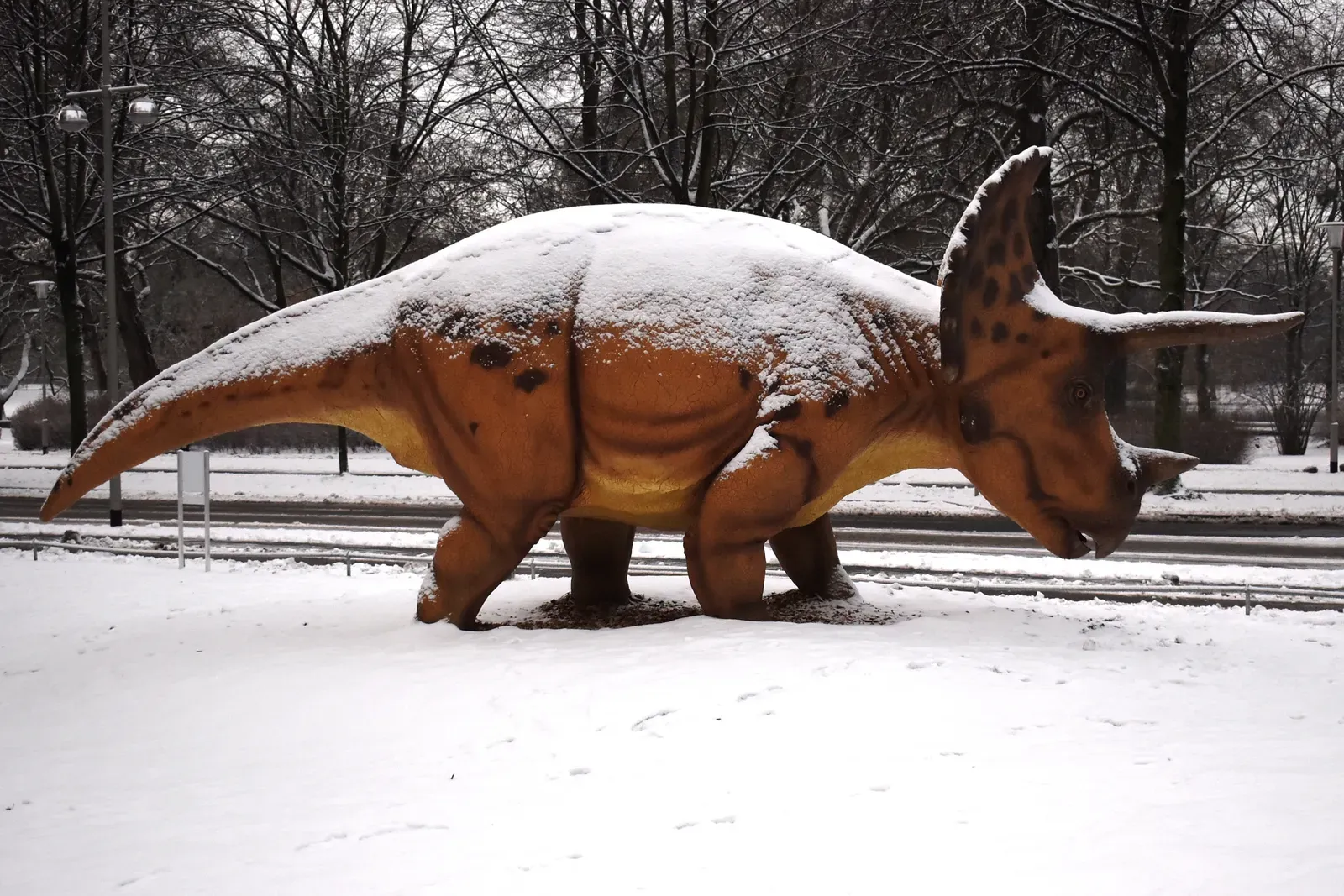
In most films, Triceratops exists mainly to be knocked over, wounded, or out‑muscles in a single dramatic clash with T. rex. In reality, this three‑horned giant was one of the most formidable herbivores to ever walk the planet. Its skull was enormous, with a solid frill and long brow horns that could reach the length of a person’s arm, anchored by powerful neck muscles. Studies of horn and frill damage suggest individuals frequently locked horns with each other, possibly in dominance contests, meaning those weapons were not just for show.
Its beak and battery of shearing teeth were built to slice through tough vegetation, making it an ecological bulldozer capable of reshaping its habitat simply by eating. The combination of size, armor, and weaponry means a healthy adult Triceratops would not have been an easy meal for anything, even T. rex. The popular image of it as a doomed victim sells short what was likely a confident, sometimes combative, and thoroughly well‑defended animal that probably spent most of its life doing something far less dramatic: eating, socialising, and raising young.
4. Spinosaurus: Aquatic Specialist, Not Just A Bigger T. rex
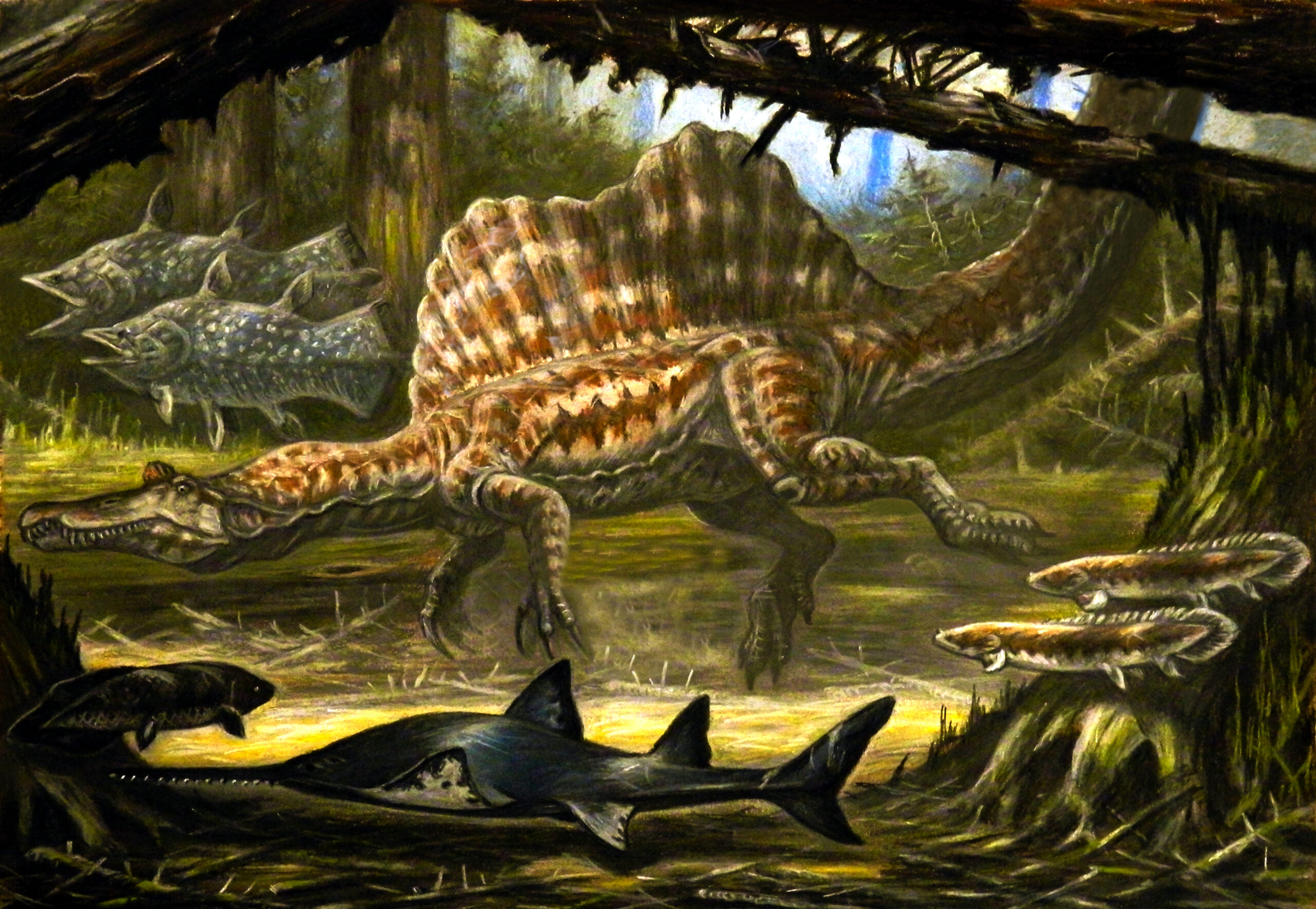
Movies often treat Spinosaurus as a simple power upgrade: a T. rex with a sail, built to show up, scream, and win the big boss fight. Fossils uncovered over the past two decades paint a much stranger and more intriguing picture. Spinosaurus had a long, crocodile‑like snout lined with conical teeth perfect for gripping slippery prey, and its nostrils were set further back, which is what you see in animals that often put their faces in the water. Bones in its tail show a large, paddlelike structure that would have helped it swim, and its body proportions suggest it spent a lot of time in or near rivers.
Rather than a land‑based bruiser, many paleontologists now see Spinosaurus as a semiaquatic predator that waded or swam after fish and other aquatic animals, filling a niche closer to a gigantic, biped‑leaning crocodile crossed with a heron. The iconic sail on its back might have helped with display, temperature regulation, or both, adding an element of showiness movies rarely explore. Framing it only as a rival to T. rex misses the point: Spinosaurus was fascinating precisely because it broke the usual big‑theropod rules and pushed dinosaurs into unexpectedly watery territory.
5. Mosasaurus: Ocean Ruler, But Not A Mindless Sea Monster
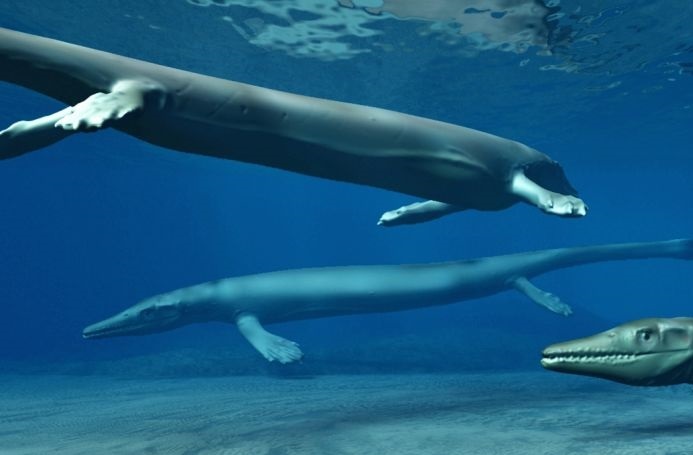
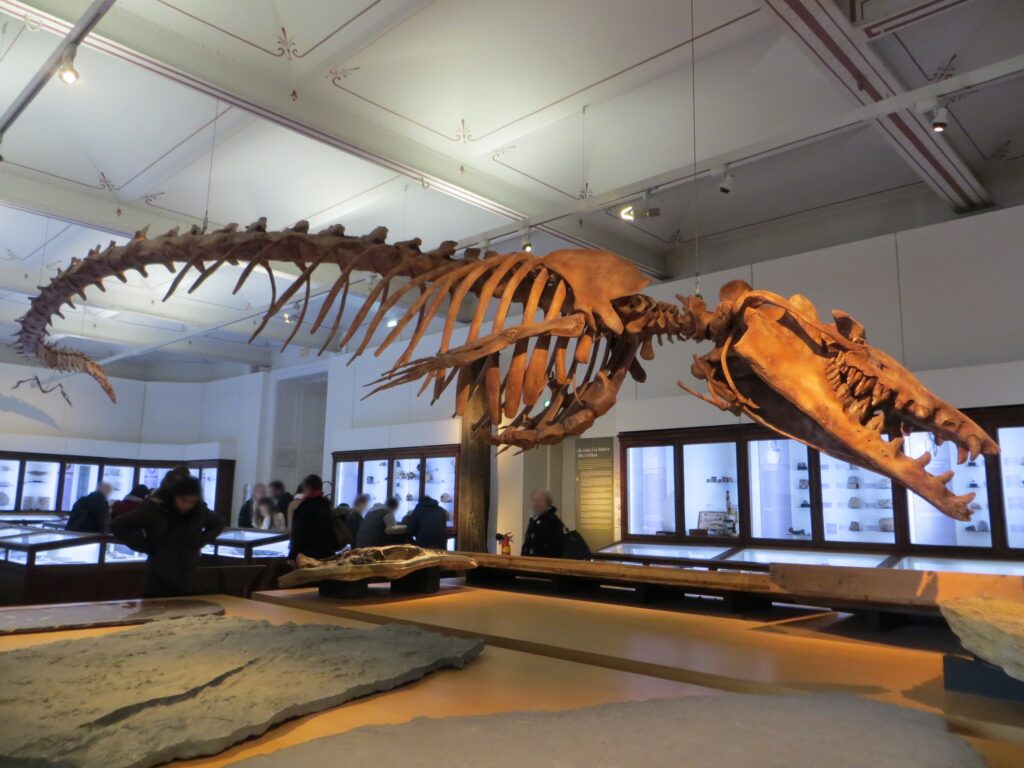
On screen, Mosasaurus tends to be an overgrown jump scare that erupts from the water to swallow anything unlucky enough to be near the surface, from sharks to helicopters. The real animals were indeed large marine predators, related more closely to modern monitor lizards and snakes than to dinosaurs. Their bodies were streamlined, with powerful tails and flipperlike limbs, and their jaws housed multiple rows of recurved teeth well suited for gripping and swallowing prey in the water column.
Fossil evidence, including preserved scales and soft tissue impressions, suggests they were efficient swimmers and likely occupied different ecological roles depending on species size and tooth shape, from generalist hunters to specialists that targeted particular prey. That makes them more like the orcas of their ecosystems than unstoppable movie krakens: powerful, adaptable, and probably quite smart for reptiles, but still bound by the same trade‑offs and energy limits as any other real animal. Understanding Mosasaurus as a dynamic, evolving lineage of marine reptiles instead of a single generic sea monster makes their story richer and their world feel more alive.
6. Pteranodon: Skydancer, Not Just A Swooping Terror
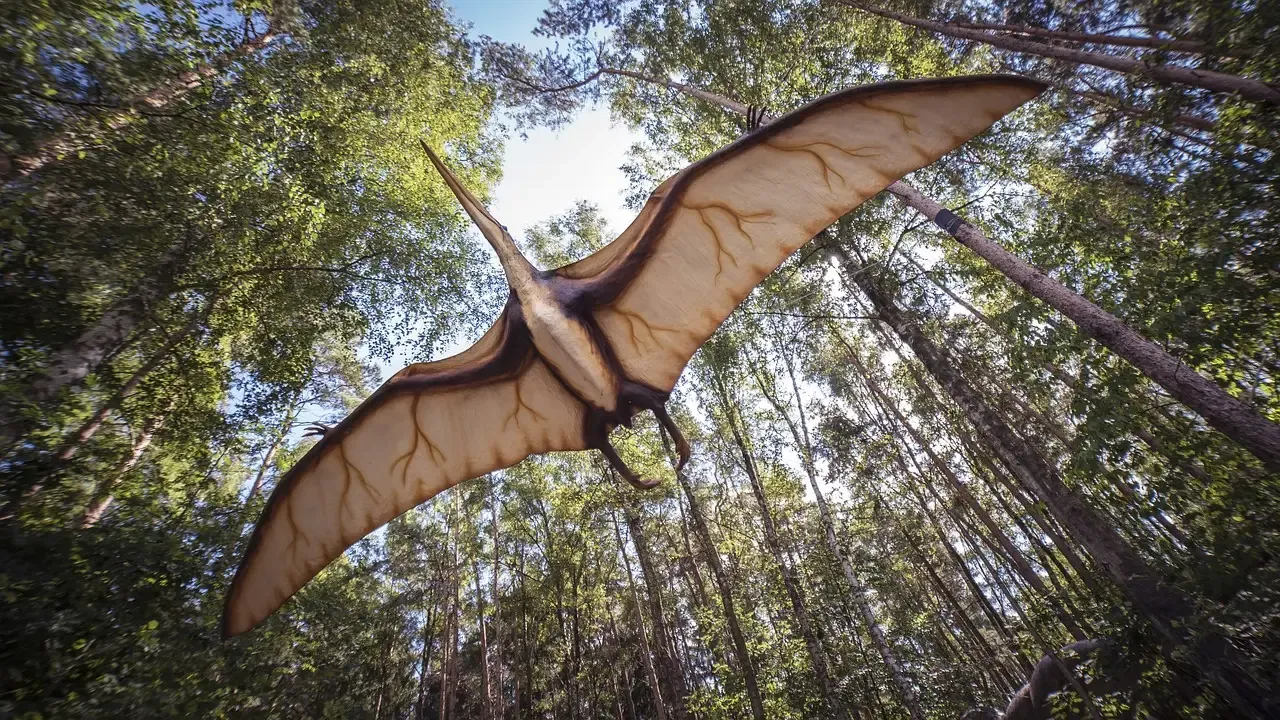
Pteranodon often gets the horror‑movie bird treatment: swarms dropping out of the sky to grab people like snacks, shrieking constantly as they crash through windows and carry off anything that moves. In reality, this pterosaur was an elegant glider adapted to life above prehistoric seas. Its massive wingspan, lightweight bones, and crest‑topped skull hint at an animal that soared on ocean winds, likely covering long distances while scanning for fish near the surface, much like modern albatrosses or frigatebirds.
Its jaws were long and toothless, a clue that it was not built to tear large, struggling prey apart but to snatch smaller, manageable fish or squid. The huge crest on its head may have played a role in display, balance, or species recognition, turning the sky into a kind of airborne social arena instead of a Hollywood war zone. Viewing Pteranodon as a graceful specialist that surfed air currents and navigated complex coastal ecosystems gives it a dignity that the standard “angry flying reptile” trope totally strips away.
7. Ankylosaurus: Living Tank With A Life Beyond Battle
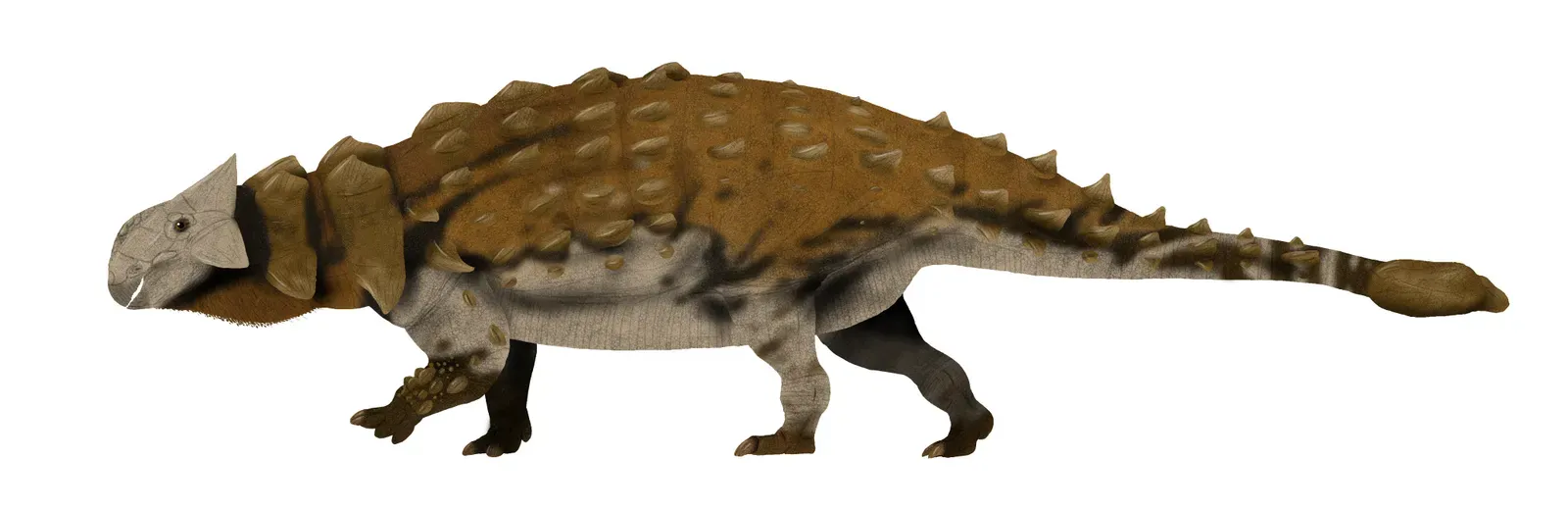
When Ankylosaurus shows up in movies, it is usually as a walking tank that swings its clubbed tail at predators, then exits the plot. That tail club was absolutely real, built from fused vertebrae and heavy osteoderms, and strong enough that a well‑placed blow could probably break bone. But the armor story goes much deeper. Its body was covered in bony plates and knobs embedded in the skin, forming a protective shell that likely made it a very unappealing target for large carnivores, especially if they were looking for an easy meal.
All that armor did not mean Ankylosaurus was just a passive shield on legs. Its low‑slung body and broad muzzle suggest it spent a lot of time sweeping through vegetation, cropping low‑growing plants and possibly influencing what kinds of plants dominated its environment. This turns it from a background extra into an active ecosystem engineer, quietly reshaping its surroundings through feeding and movement. It probably spent far more time living a slow, steady, plant‑eating life than clashing with predators, and there is something oddly comforting about that.
Most films treat saber‑toothed cats as either unstoppable prehistoric assassins or doomed, slow, overly specialised predators destined for extinction. Smilodon, the most famous saber‑toothed cat, was indeed heavily built, with massive forelimbs and those enormous upper canines, but its skeleton also shows adaptations for grappling and controlling large prey rather than sprinting it down like a cheetah. Its jaw could not withstand wild, thrashing motions with the mouth wide open, suggesting it delivered careful, targeted bites once the victim was already restrained.
Fossil sites where multiple Smilodon remains have been found together, some with healed injuries, have led many researchers to propose that these cats may have lived in social groups, where individuals could survive serious wounds thanks to group support. That would put them closer, in some ways, to lions than to solitary ambush hunters, with complex social lives layered on top of their extreme anatomy. Instead of a clumsy evolutionary accident, Smilodon looks more like a bold experiment in big‑prey hunting and social strategy that thrived for a very long time before changing climates and ecosystems finally caught up with it.
Conclusion: Why Their Real Stories Matter More Than The Roars
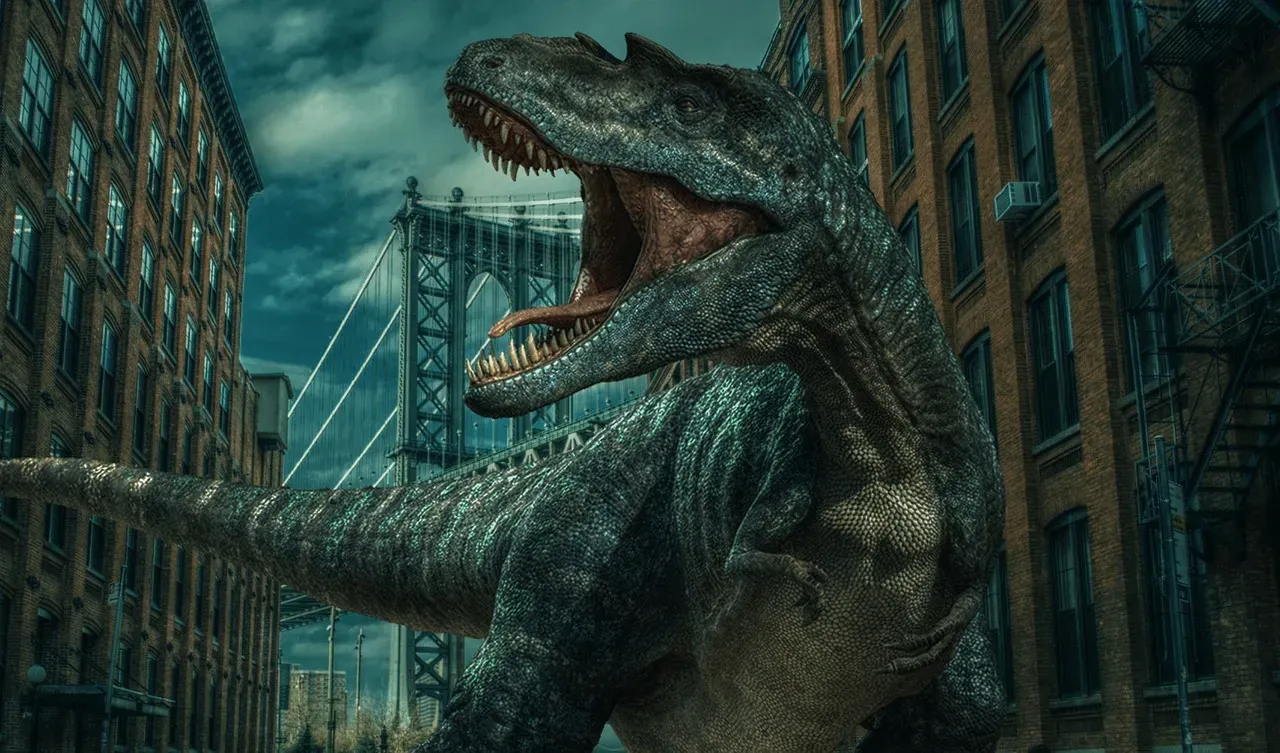
I’ll admit it: I grew up loving the over‑the‑top movie versions of these animals, and part of me still enjoys every dramatic roar and impossible chase scene. But the more I read about the actual fossils, the more those simplified portrayals start to feel a bit like turning a complex, real person into a one‑dimensional cartoon villain. The true versions are not weaker or less exciting; they are just less convenient for easy storytelling, full of trade‑offs, surprises, and behaviours that do not always fit a neat action‑movie script.
Taking their science seriously is not about nitpicking special effects; it is about giving these long‑extinct creatures the respect we give to modern wildlife. When you picture Velociraptor as a feathered, calculating hunter, or Spinosaurus as an aquatic specialist, the prehistoric world stops being a generic monster arena and starts feeling like a real, breathing planet with its own rules. These animals s not because films are evil, but because the truth, patiently pieced together from rock and bone, is simply more interesting. Next time you see a dinosaur roar on screen, will you be thinking about the sound design – or the quiet, complicated reality hiding in its skeleton?