
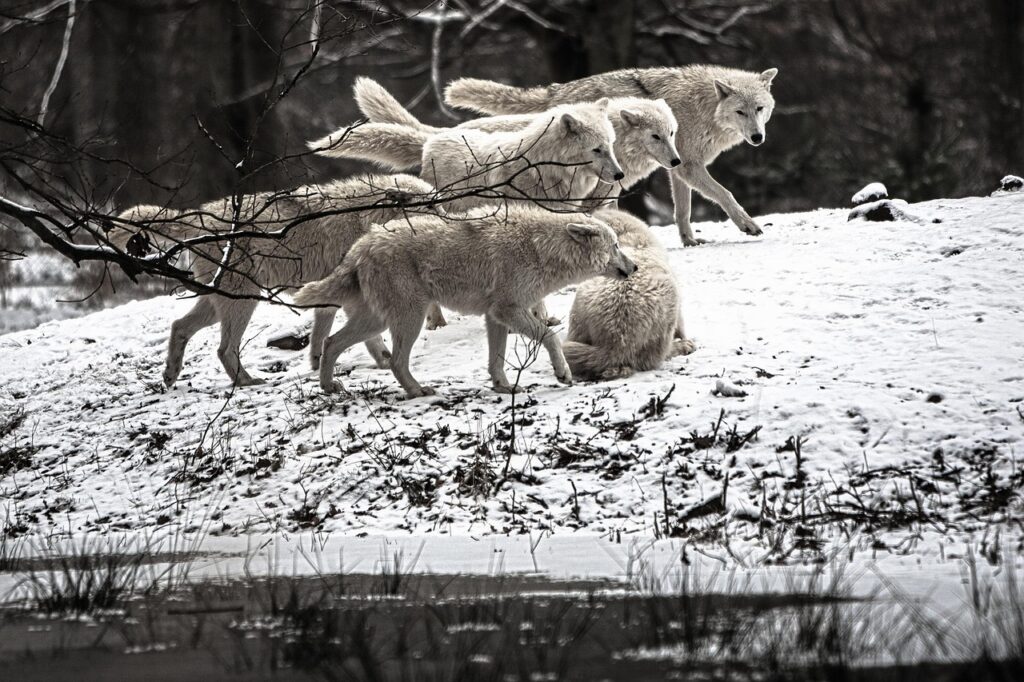
You probably think you know wolves. Alpha males fighting for the throne, mournful howls aimed at a full moon, packs of twenty tearing through the woods like a horror movie. Almost none of it survived contact with actual field research.
Here’s the part that makes this stranger than your average myth-busting list: some of these “facts” weren’t dreamed up by tabloid writers. They came from real scientists, published in real books, taught in real classrooms – and later quietly retracted by the very people who wrote them. One biologist spent over two decades trying to erase his own bestselling idea. Stick around, because that story is coming, and it’s messier than anything Hollywood invented.
#15 – Wolves Howl at the Moon
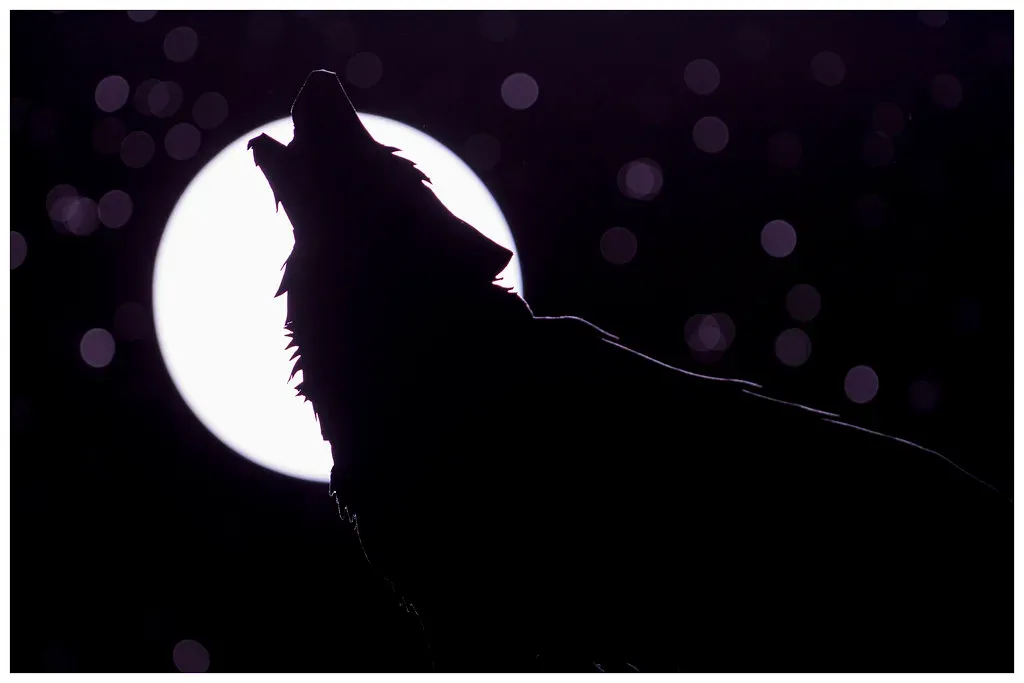
That iconic image of a wolf tipping its head back at a full moon has launched a thousand posters, tattoos, and logos. It’s also pure fiction.
Wolves howl at any hour, in any lunar phase, for reasons that have nothing to do with the sky above them. Field biologists have recorded howling at high noon under a cloudless sun, which alone should have killed this legend decades ago.
The behavior is really just social bookkeeping – a way to locate packmates, warn off rivals, and reinforce family bonds. Wolves happen to be more vocally active at night simply because that’s when they’re most active overall, and that coincidence is exactly what hardened into folklore.
#14 – Wild Wolves Are Dangerous Man-Eaters
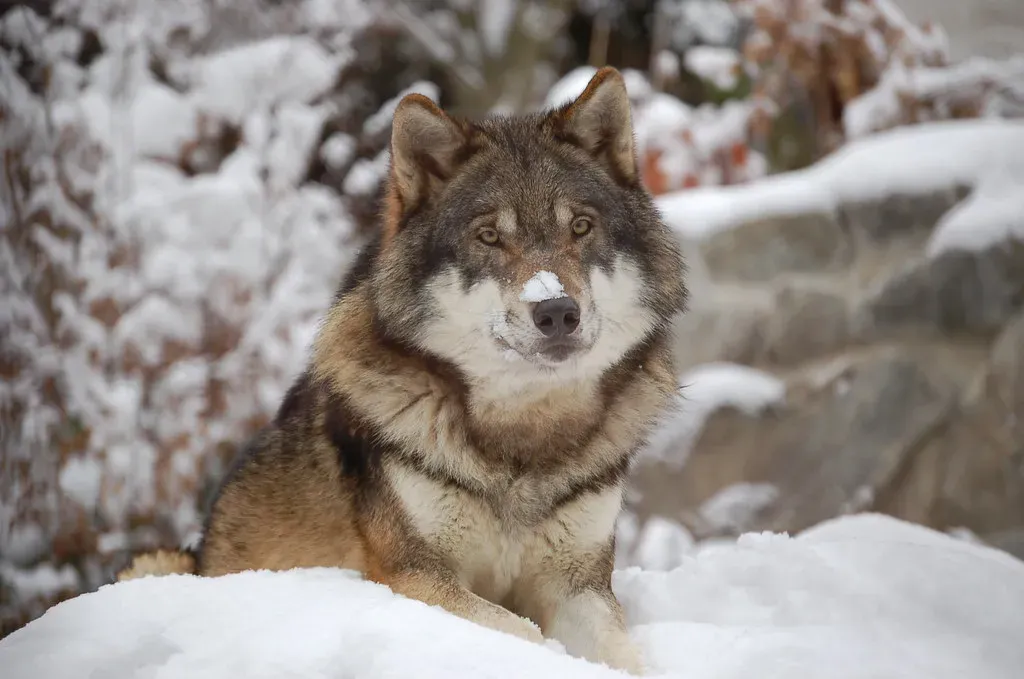
Hollywood has spent a century convincing audiences that a wolf encounter is a death sentence. The actual body count says otherwise.
Wolves rarely attack people in North America without an underlying reason – rabies, being cornered, being wounded, or being harassed. That’s a distinction biologists stress constantly, because a provoked or diseased wolf behaves nothing like a healthy wild one quietly avoiding humans.
The historical record backs this up in a way that surprises most people. A handful of deaths occurred during brutally cold winters in the late 1890s, but no one in the lower 48 has been killed by a wild, healthy wolf since. Since 1960, exactly one fatal attack has been documented in Canada and one in Alaska. Compare that to dog attacks or car collisions, and the “big bad wolf” narrative starts looking less like biology and more like folklore that never got the memo.
Fast Facts
- Only two confirmed fatal wild wolf attacks in North America since 1960 – one in Canada, one in Alaska
- No healthy, unprovoked wild wolf has killed a person in the lower 48 states since the 1890s
- Most historical incidents trace back to rabies, injury, or a cornered animal, not predatory intent
- Domestic dogs and vehicle collisions cause far more human deaths every year than wild wolves ever have
#13 – Wolves Kill for Sport, Not Survival
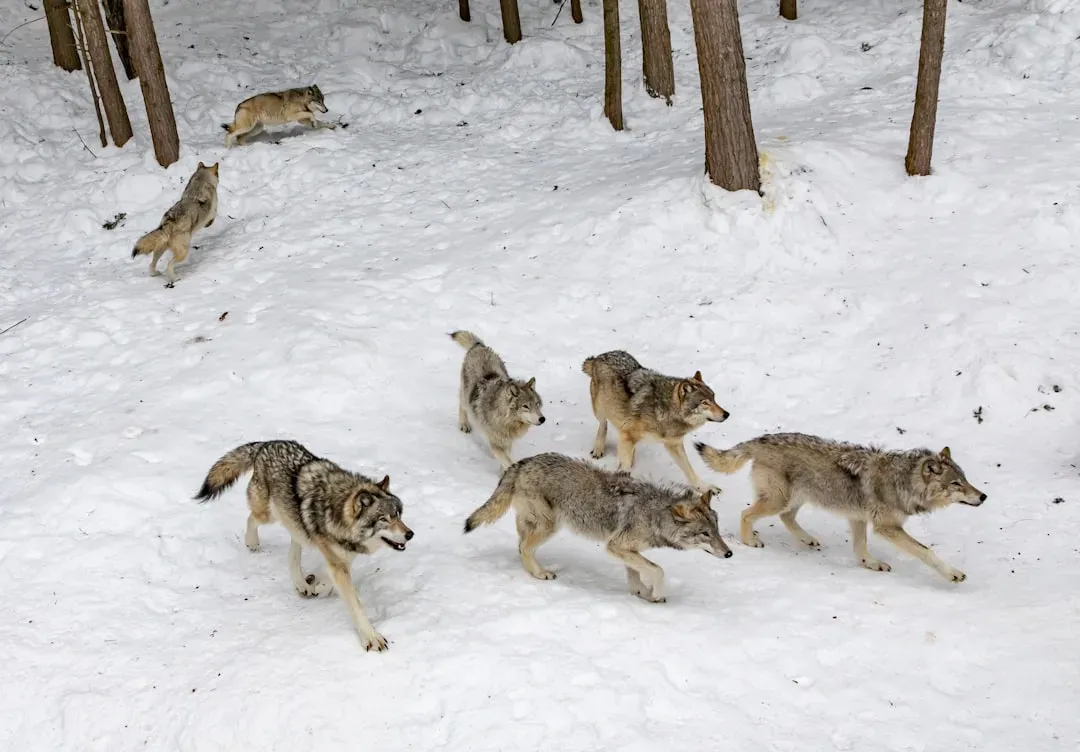
Ranchers and hunters have repeated this one for generations: wolves are bloodthirsty, killing far more than they could ever eat. Wildlife biologists say the “sport killing” framing is simply wrong.
The idea of wolves killing for fun – often called surplus killing – falls apart once you look at wolf metabolism. These animals aren’t lounging around with a food surplus; they’re running a caloric deficit most of the year. Wyoming Game and Fish wolf biologist Ken Mills describes them as living on the fringe of nutritional deficiency, not starving, but never layering on fat either – “lean marathoners,” as he puts it.
When multiple carcasses do turn up at once, it’s almost always a rare opportunistic event tied to vulnerable prey conditions, not habitual bloodlust. Wolves kill to survive, full stop – the sport-killing myth just makes for a better campfire villain.
#12 – Wolves Waste Most of What They Kill
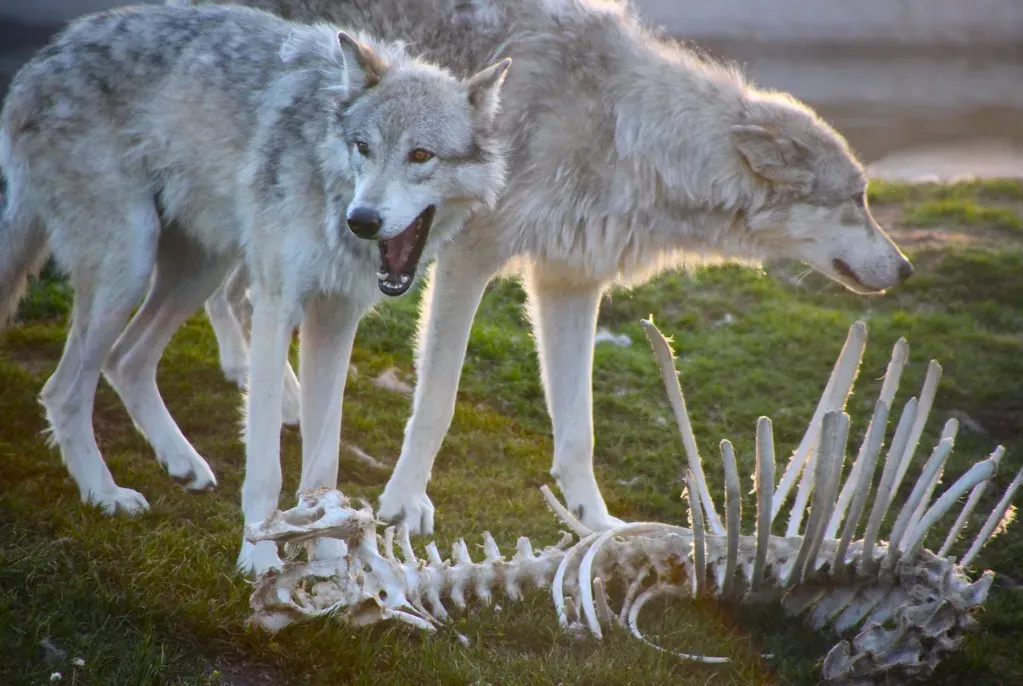
If a half-eaten carcass turns up in the woods, most people assume a wolf got lazy or picky. Biologists say that assumption is backwards.
Wolves almost never abandon a kill on purpose. They’ll return again and again to finish eating unless humans or scavengers beat them to it first. Wolves are cautious, easily spooked animals – usually they’re long gone before a hiker even realizes a kill happened nearby.
Research shows wolves will revisit a single carcass repeatedly, sometimes over weeks, until almost nothing is left. That detail flips the entire “wasteful predator” stereotype on its head: these aren’t gluttons leaving buffets behind, they’re patient, efficient recyclers of their own hard-won meals.
#11 – Reintroduced Wolves Are Secretly Bigger, Meaner “Super-Wolves”
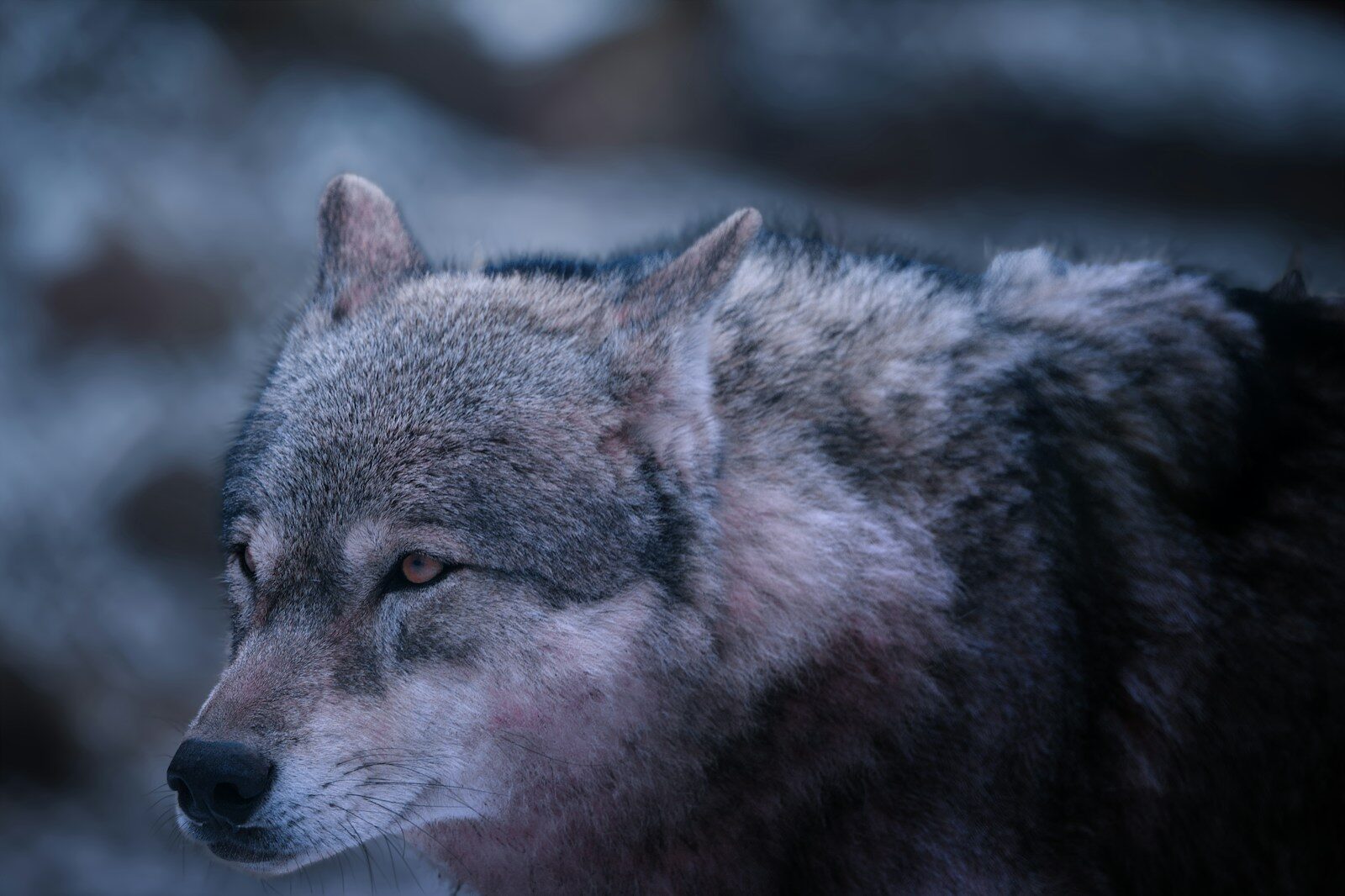
When wolves returned to the Northern Rockies in the 1990s, rumors spread fast that these weren’t the same animals that once roamed the region – they were somehow larger, more aggressive imports. That claim doesn’t survive contact with a scale.
Despite the persistent myth, gray wolves reintroduced to the West average the same 85 to 115 pounds as the wolves that historically lived there. The Canadian wolves relocated during reintroduction are genetically and physically the same subspecies that once ranged across the region.
A gray wolf in the Rockies is the same animal living along the Canada-U.S. border, because wolves have no concept of a national boundary drawn on a map. Plenty of hunting advocates still insist reintroduced wolves are a genetically distinct, more dangerous strain – but the biology simply doesn’t back that up.
Quick Compare
- Weight: Reintroduced wolves – 85 to 115 lbs. Historic Rockies wolves – the same 85 to 115 lbs
- Subspecies: Reintroduced wolves came from the same Canadian gray wolf lineage native to the region
- Border effect: No genetic split exists between wolves in the Rockies and those across the Canadian border
- “Super-wolf” claim: Not supported by any physical or genetic evidence
#10 – The Red Wolf Is Just a Coyote Mutt, Not a Real Species
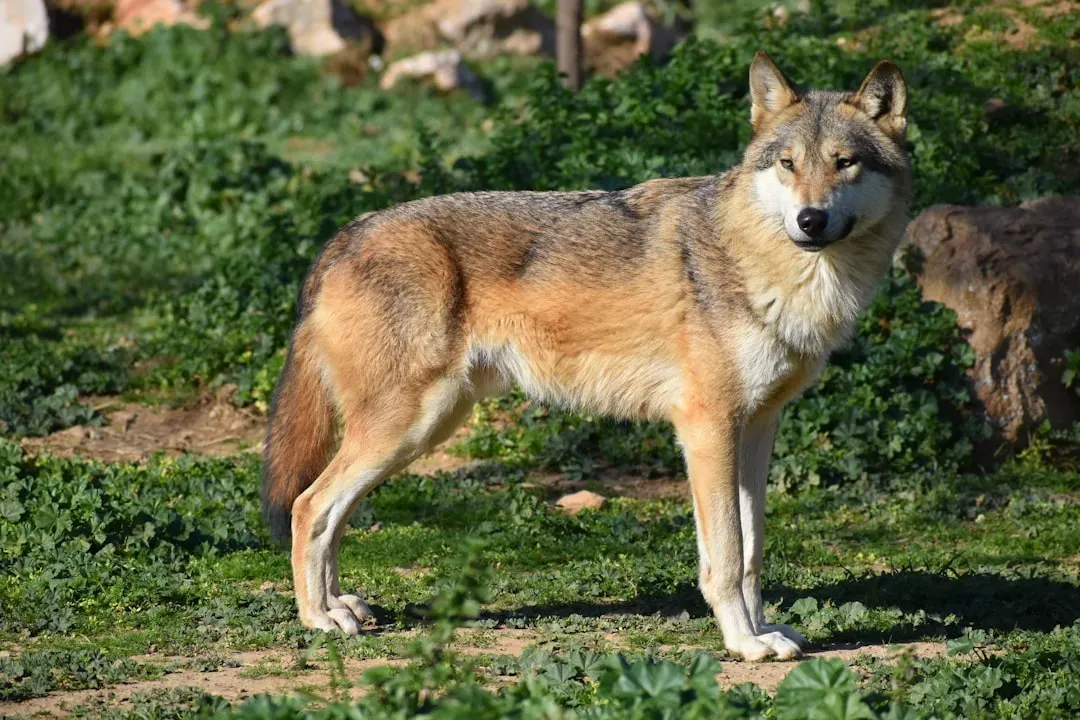
For decades, critics of red wolf conservation have argued this endangered animal isn’t even a real species – just a coyote-gray wolf hybrid dressed up for the Endangered Species Act. A federal review says that argument is built on outdated data.
The hybrid-origin hypothesis was formally rejected by the National Academy of Sciences in 2019, after it examined whether the historical red wolf population represented a lineage distinct from other canids. The pushback largely originated with North Carolina officials and a small but vocal group of landowners pressuring the government to abandon recovery efforts.
The most widely accepted scientific position now treats the red wolf as its own distinct species. One researcher involved in the debate put it bluntly, noting that the hybrid argument “really roots in the attempt to delegitimize conservation efforts and recovery efforts.”
#9 – Wolves Are Wiping Out Cattle Herds Across the West
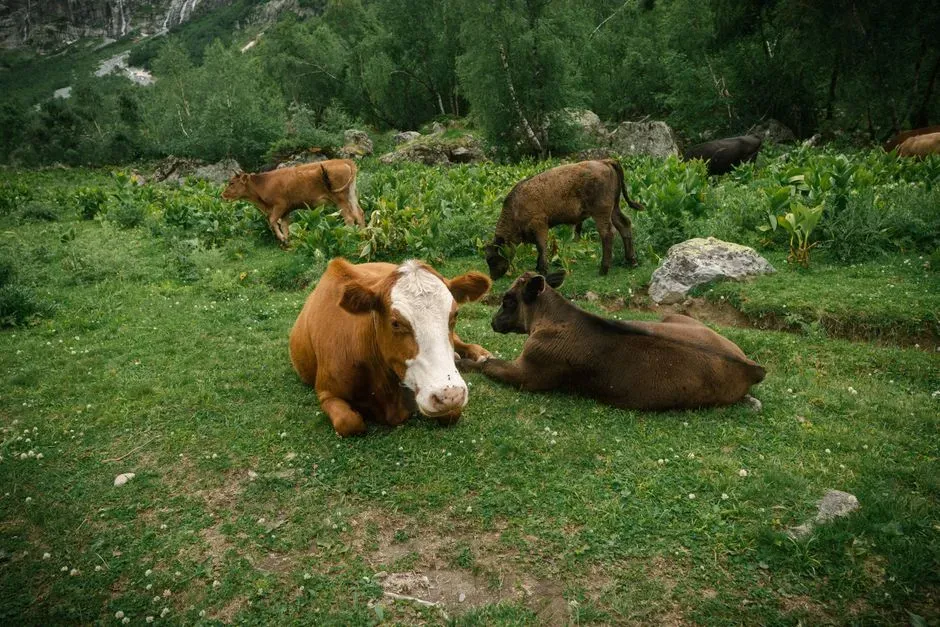
Ask any rancher lobby group and you’ll hear that wolves are an economic catastrophe for livestock producers. Government data tells a strikingly different story.
Aggregated government data confirms wolves have a negligible effect on U.S. cattle and sheep industries overall. That single line has become one of the more politically inconvenient findings in modern wildlife management, because it contradicts decades of state-level lobbying built on anecdote rather than statewide numbers.
None of this erases real, individual losses – a rancher who loses a calf to a wolf feels it far more than any statewide average suggests. But at the population level, the “wolves are bankrupting ranchers” narrative simply doesn’t hold up, and that gap between local pain and statewide data is exactly why this fact still sparks arguments every time it’s published.
#8 – Wolves Are Decimating Elk and Deer Populations
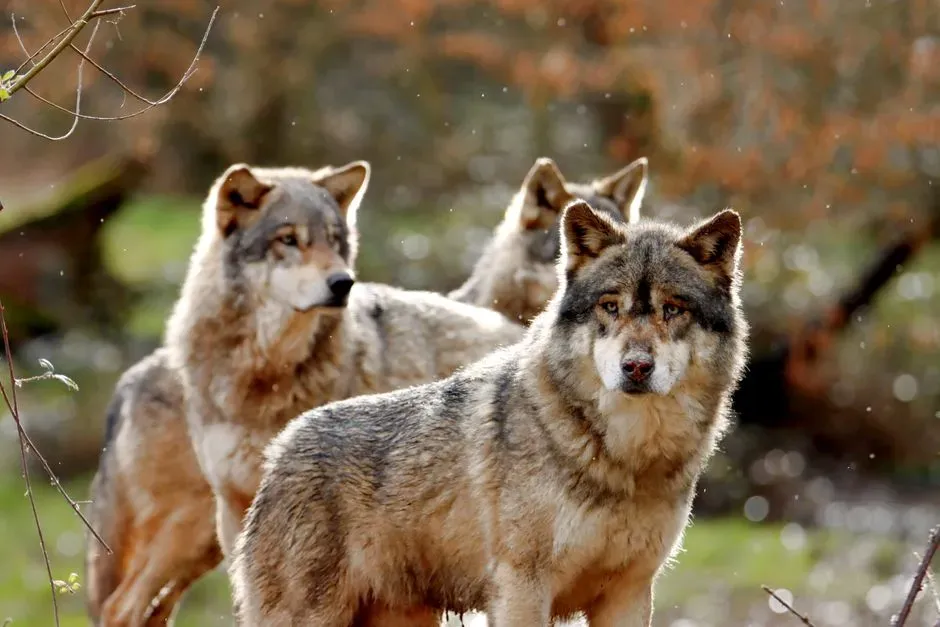
This might be the most politically charged wolf myth still in circulation: that wolves are quietly emptying the forests of big game. The long-term numbers don’t back the panic.
Elk – the primary wolf prey in Wyoming, Montana, and Idaho – have held steady for years, and populations have actually increased substantially since wolves were reintroduced in 1995. That’s the exact opposite of what decades of anti-wolf messaging predicted.
Biologists aren’t dismissing every concern, though. Local declines do happen, especially when wolf predation stacks on top of drought, habitat loss, or harsh winters. The honest answer is regional, not universal – and wolves have made elk warier and harder to hunt, which frustrates some hunters, but that’s a completely different problem than “wolves are emptying the woods.”
#7 – The “Wolves Fixed Yellowstone” Story Is the Whole Truth
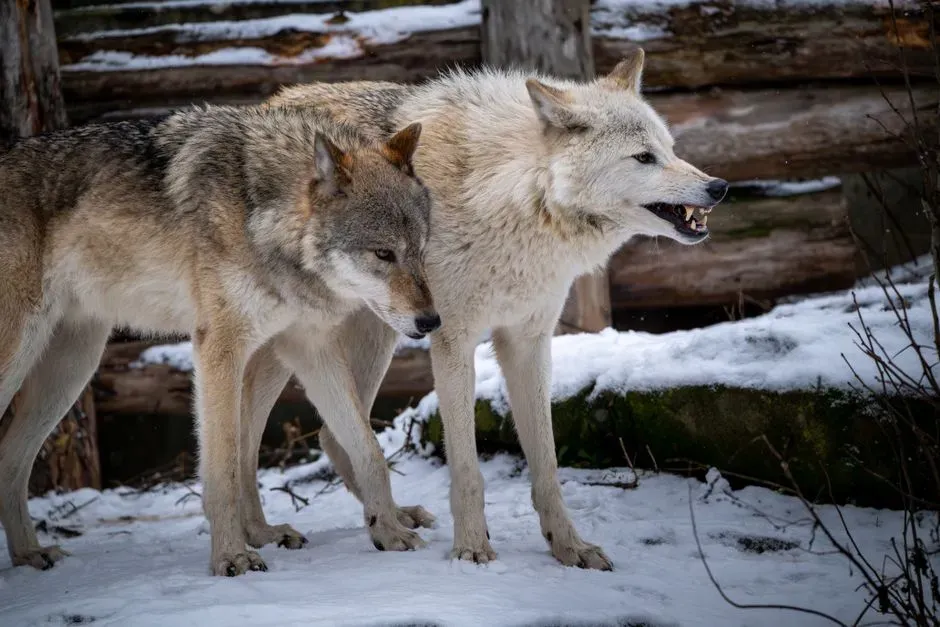
The viral trophic-cascade story is one of the most shared wildlife narratives of the last decade: wolves return, elk behavior changes, willows recover, beavers rebound, rivers even change course. Most people don’t realize scientists now treat this as an oversimplified highlight reel, not the full picture.
When wolves were absent, elk numbers exploded, decimating plant life and threatening beaver populations – a textbook trophic cascade, where losing one species ripples through the entire food web. When wolves returned in 1995, Yellowstone had a single beaver colony. Today it has nine.
That part is real data. But wolves shared credit with drought cycles, changing hunting regulations, and other recovering predator populations – nuance that rarely survives a 90-second video. The truth is messier and far more collaborative than the tidy “wolves saved a river” headline ever let on.
At a Glance
- 1995: Yellowstone had just one beaver colony left
- Today: nine beaver colonies and counting
- Wolves are one factor among several, alongside drought cycles and hunting regulation changes
- Other recovering predators also contributed to the ecosystem shift credited solely to wolves
#6 – Dogs Were Tamed From Wolves in One Heroic Moment ~15,000 Years Ago
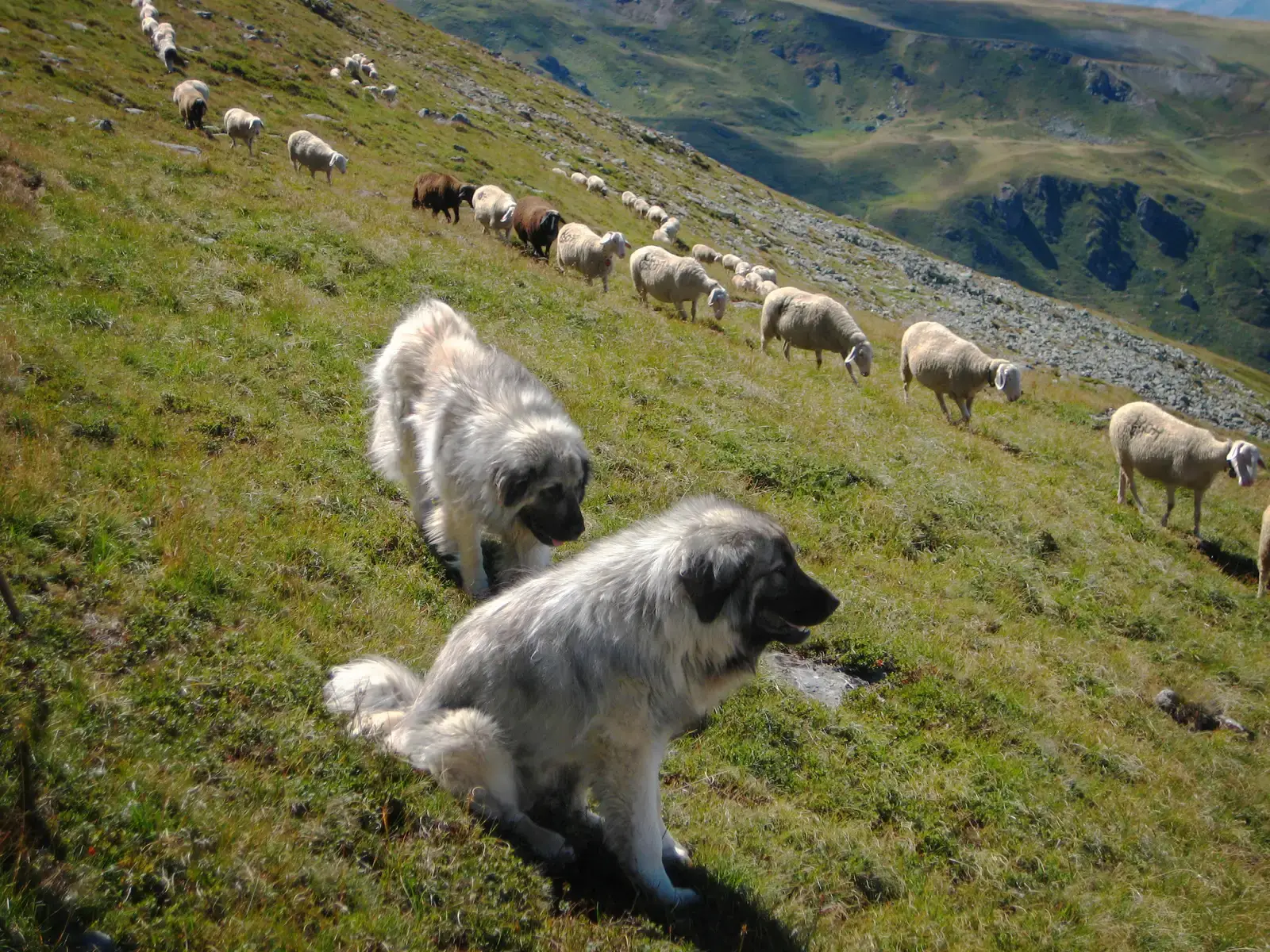
The campfire version of dog domestication goes like this: a Paleolithic hunter befriends an injured wolf pup, and boom – man’s best friend is born. Genetic testing has thrown that timeline, and that tidy story, out entirely.
Early genetic analyses, including a widely cited 1997 paper in the journal Science, suggested dogs diverged from wolves more than 100,000 years ago. Newer DNA studies have revised that dramatically, showing dogs in Europe were already domesticated by at least 14,200 years ago.
Even the “single heroic taming” idea has fallen apart. Ancient DNA now suggests domestication happened independently at least twice, in eastern and western Eurasia, before those populations eventually mixed into the ancestor of every dog alive today. The lone-hunter origin story that inspired countless movies never had solid scientific footing to begin with.
#5 – A “Lone Wolf” Is Just a Content Loner by Choice
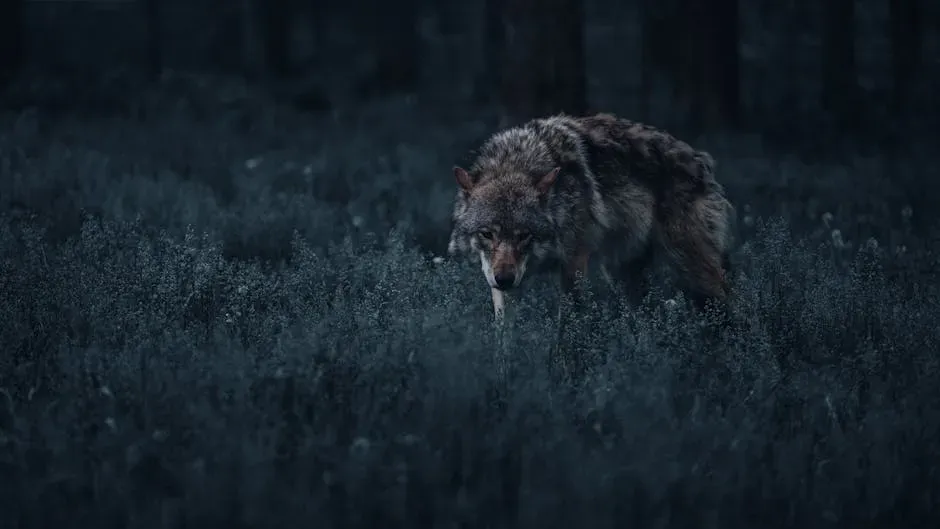
Pop culture loves the rugged, independent lone wolf – the animal that simply prefers solitude. Biologists say that framing badly misreads what’s actually a life-threatening gamble.
Dispersal isn’t a lifestyle choice; it’s usually a last resort forced by competition for food or mates within the birth pack. Young wolves often stay home as long as there’s enough food to go around, because striking out alone is genuinely dangerous.
Any wolf that does leave risks attack from neighboring packs defending their own territory, according to wildlife biologist David Ausband. That’s not the independent-spirit archetype nature documentaries love to sell – it’s closer to a desperate gamble than a badge of freedom, and most “lone wolves” are simply animals betting their lives because staying home stopped being an option.
#4 – Wolf Packs Are Massive, Dozens-Strong Armies
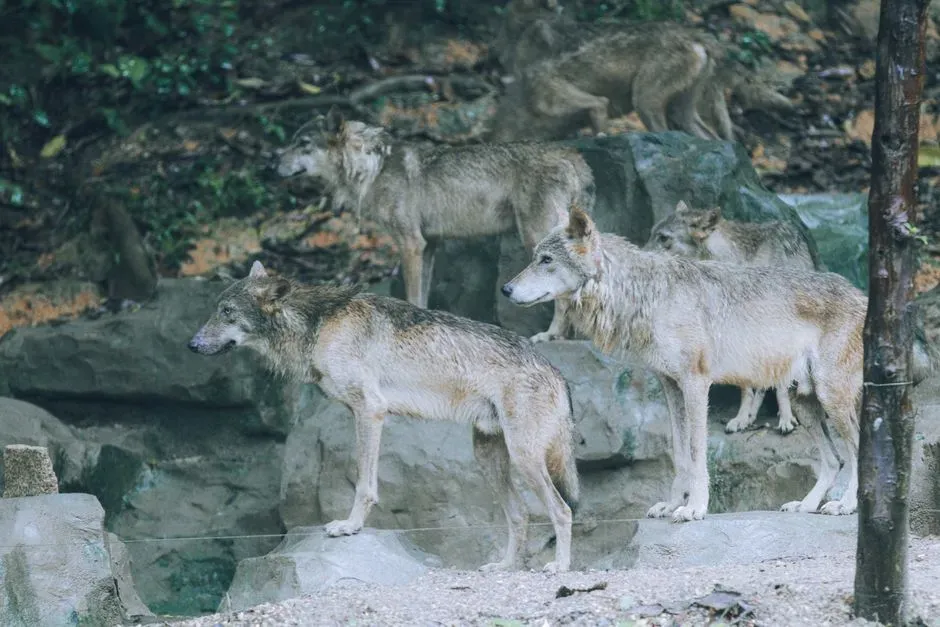
Movies love to show wolves hunting in enormous coordinated armies of twenty or more. In reality, that’s the exception, not the rule.
Most wild packs are small family units – parents, this year’s pups, and maybe last year’s offspring who haven’t dispersed yet. Oversized packs do happen, but they’re notably rare, and Yellowstone is the poster child for it, thanks to an unusually dense elk population supporting multiple large packs at once.
Even then, the size boom has a specific, resource-driven explanation rather than reflecting typical wolf social structure. The default wolf pack looks far more like a nuclear family camping trip than a wolf army, and treating Yellowstone’s food-rich anomaly as the norm has skewed public perception for years.
Worth Knowing
- A typical wild wolf pack is simply a family unit: two parents plus their pups and sometimes last year’s offspring
- Oversized, dozens-strong packs are rare and tied to unusually dense prey populations
- Yellowstone’s food-rich environment makes it the exception, not a representative example
- Pack size shrinks or grows with food availability, not aggression or ambition
#3 – Colossal’s Lab-Made “Dire Wolves” Are Genetically Resurrected Ice Age Beasts
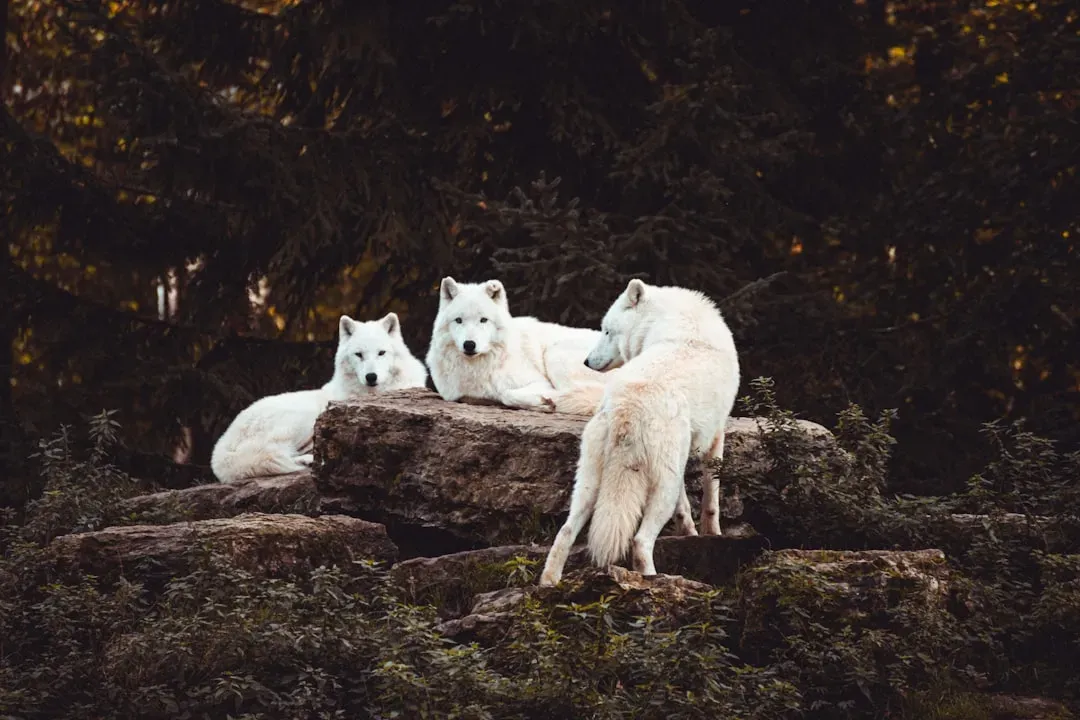
When headlines announced the “return” of the extinct dire wolf via gene editing, it sounded like straight-up de-extinction. Geneticists say the marketing ran way ahead of the biology.
Colossal inserted 15 dire wolf alleles into 14 genes out of roughly 20,000 total genes in the animal’s genome. Even then, those edits touched only one copy of each gene, meaning the resulting animals still carry a modern gray wolf version on the other chromosome – a rounding error compared to a full genome, not a resurrection.
It’s not possible to bring something back that is identical to a species that used to be alive.
Beth Shapiro, Colossal Chief Scientist
The animals are gray wolves carrying 20 edits, cloned rather than resurrected – and dire wolves were never even a variant of gray wolves to begin with. It’s the kind of headline-versus-footnote gap that should make anyone pause before sharing a viral de-extinction story.
#2 – Alpha-Rolling Your Dog Is Based on Solid Wolf Science
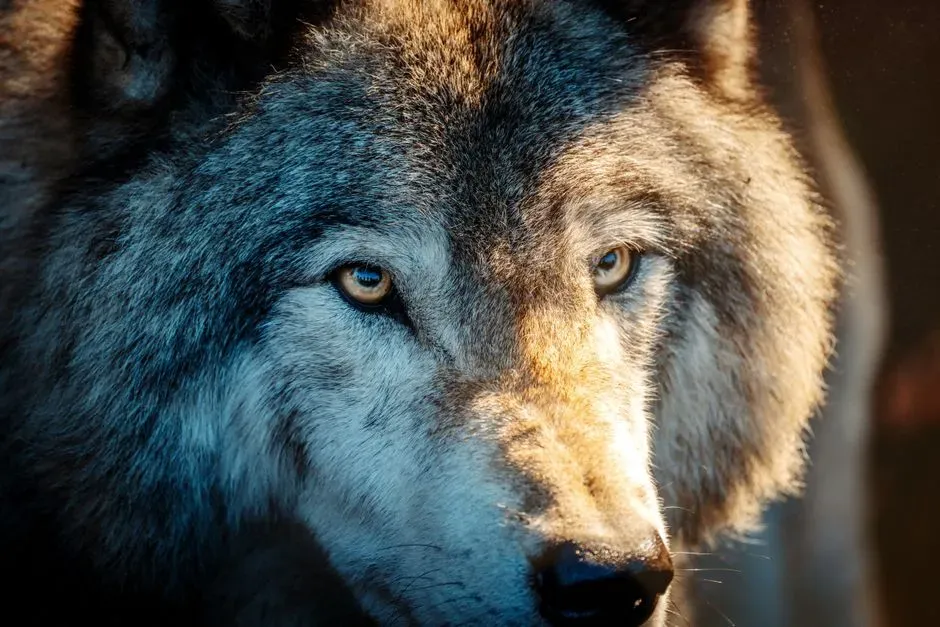
If you’ve ever heard a trainer tell you to physically pin your dog on its back to “show dominance,” you’ve been handed a training method built on discredited wolf research. The science it’s based on has been retracted for over two decades.
Researchers tracing how the alpha wolf idea persists have connected the dots directly: a captive-wolf hierarchy model, observed in unrelated wolves forced to live together in captivity, got mapped onto domestic dog behavior with almost no scrutiny. Dogs aren’t wild wolves competing for rank in a fictional dominance ladder – they’re a distinct, domesticated species running on their own social logic.
It’s a genuinely uncomfortable correction for a training industry that built entire methodologies, and merchandise lines, around a concept its own originator now rejects. Most dog owners have no idea the “be the alpha” advice traces back to one mistaken idea from the 1970s.
#1 – Alpha Wolves Rule Through Combat and Fear
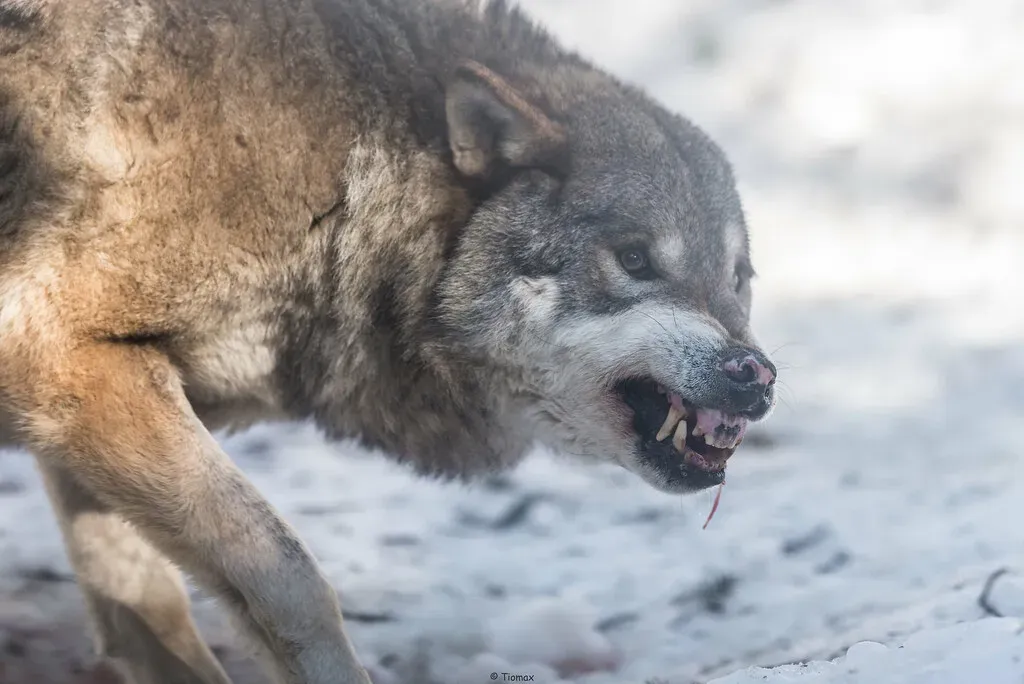
This is the granddaddy of every wolf myth on this list – the idea that every pack has a merciless dominant male and female who fought and clawed their way to the top. The scientist who invented the term spent the rest of his career trying to kill it.
The concept of a rigid dominance structure, with a male and female fighting for control of the pack, was popularized by biologist David Mech in his 1970 book The Wolf. There was just one problem: it was wrong.
When I wrote my book in 1970, everything we knew came from observations of wolves that were not related but confined together. After years of field research, it became clear that the concept of ‘alpha wolf’ was wrong.
David Mech
In the wild, packs live as families, with the “leaders” simply being the parents of the youngest generation – guiding and disciplining their young, not fighting rivals for a crown. Mech pushed the correction so hard he finally got his original book taken out of print in 2022. Think about that: the man who coined “alpha wolf” spent over twenty years trying to unpublish his own bestselling idea, and pop culture still hasn’t caught up.
The Bottom Line
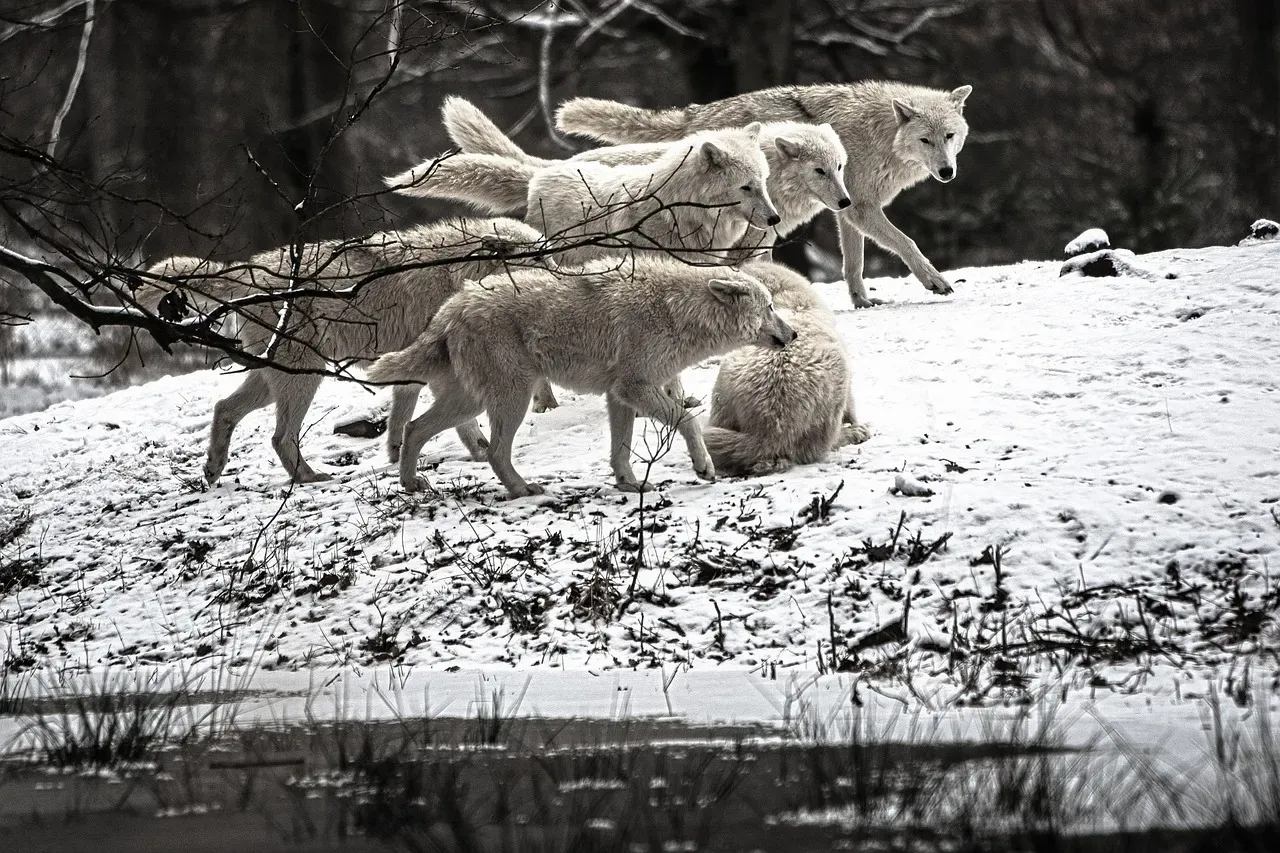
The pattern across all fifteen corrections is the same: captive-animal observations, viral video edits, and decades-old folklore got treated as settled science long after field biologists moved on. Wolves don’t howl at the moon, don’t run alpha dictatorships, rarely attack humans, and don’t waste their kills – yet these ideas still show up in classrooms, dog-training manuals, and hunting-lobby talking points.
Even the flashy modern claims, like lab-grown “dire wolves” or a single heroic moment of dog domestication, collapse the second actual geneticists get involved. Frankly, it’s a little embarrassing how long some of these myths survived, and more embarrassing that a few are still being sold as fact by people who should know better. Which of these surprised you most – or did we miss one that still gets repeated as gospel? Drop it in the comments.