
“Extinct” is supposed to be the one word in biology that means the argument is over. No more debate, no more search parties, no more hope. Case closed forever.
Except that’s not how it actually works behind the scenes. Government wildlife agencies around the world have quietly kept sighting logs open, funded search expeditions, and delayed extinction paperwork for species officially wiped off the map decades ago. Some of these “ghost species” have racked up thousands of unconfirmed reports since their last known sighting, and biologists rarely say it out loud, but plenty admit privately that the paperwork might be premature. Here’s what wildlife officials, field researchers, and the actual government records say about the animals that supposedly aren’t there anymore.
#13 – Eastern Cougar
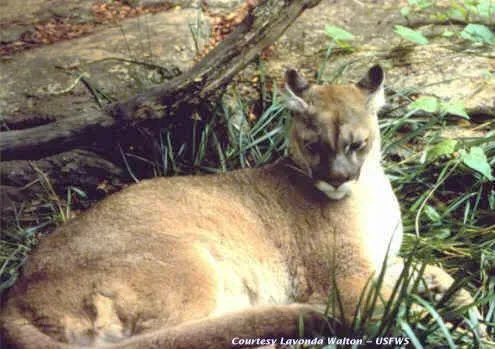
The eastern cougar was declared extinct by the U.S. Fish and Wildlife Service in 2011, officially removing it from the endangered species list. Yet hikers and hunters from Vermont to Georgia keep reporting big cats that don’t match any known subspecies in the region.
The agency’s own removal decision cited decades of “unconfirmed reports” that never produced a single verified carcass, track cast, or trail-camera photo good enough to overturn the ruling. Most sightings likely turn out to be misidentified bobcats, dogs, or western mountain lions that wandered a thousand miles off course. Still, wildlife officers in states like Ohio and Michigan keep fielding calls every single year, and some biologists suspect a released or escaped pet population is behind it rather than a true wild remnant. But that’s nothing compared to the twice-extinct oddball waiting at #12.
Fast Facts
- Officially declared extinct by the USFWS in 2011
- Historic range stretched from Vermont down to Georgia
- Wildlife officers in Ohio and Michigan still log sightings every year
- No verified carcass, track cast, or trail-cam photo has ever surfaced
#12 – Pyrenean Ibex
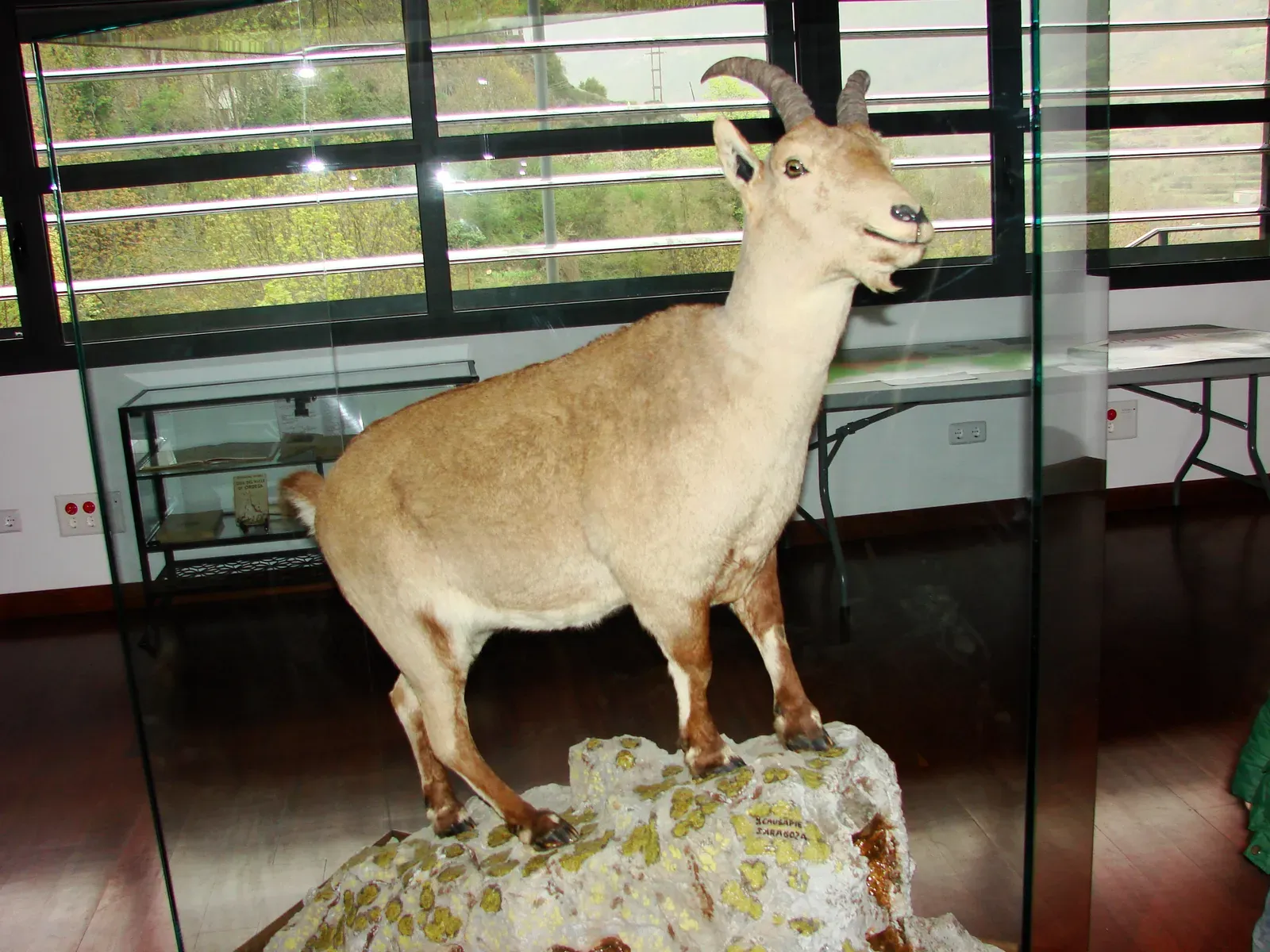
The Pyrenean ibex, or bucardo, holds a bizarre distinction: it’s the only animal ever to go extinct twice. The last known individual, a female named Celia, was found dead in the Spanish Pyrenees in 2000, crushed by a falling tree.
Scientists briefly resurrected the species in 2003 using cloned cells preserved from Celia, producing a kid that lived just minutes before dying of a lung defect. It remains the only de-extinction ever technically achieved, even if it didn’t survive its first breath. Since then, shepherds and hikers in the Ordesa Valley have occasionally reported ibex-like animals on remote cliff faces, though rangers generally chalk these up to surviving Southern chamois or hybridized goats. As strange as that sounds, #11’s story is even weirder.
#11 – Barbary Lion
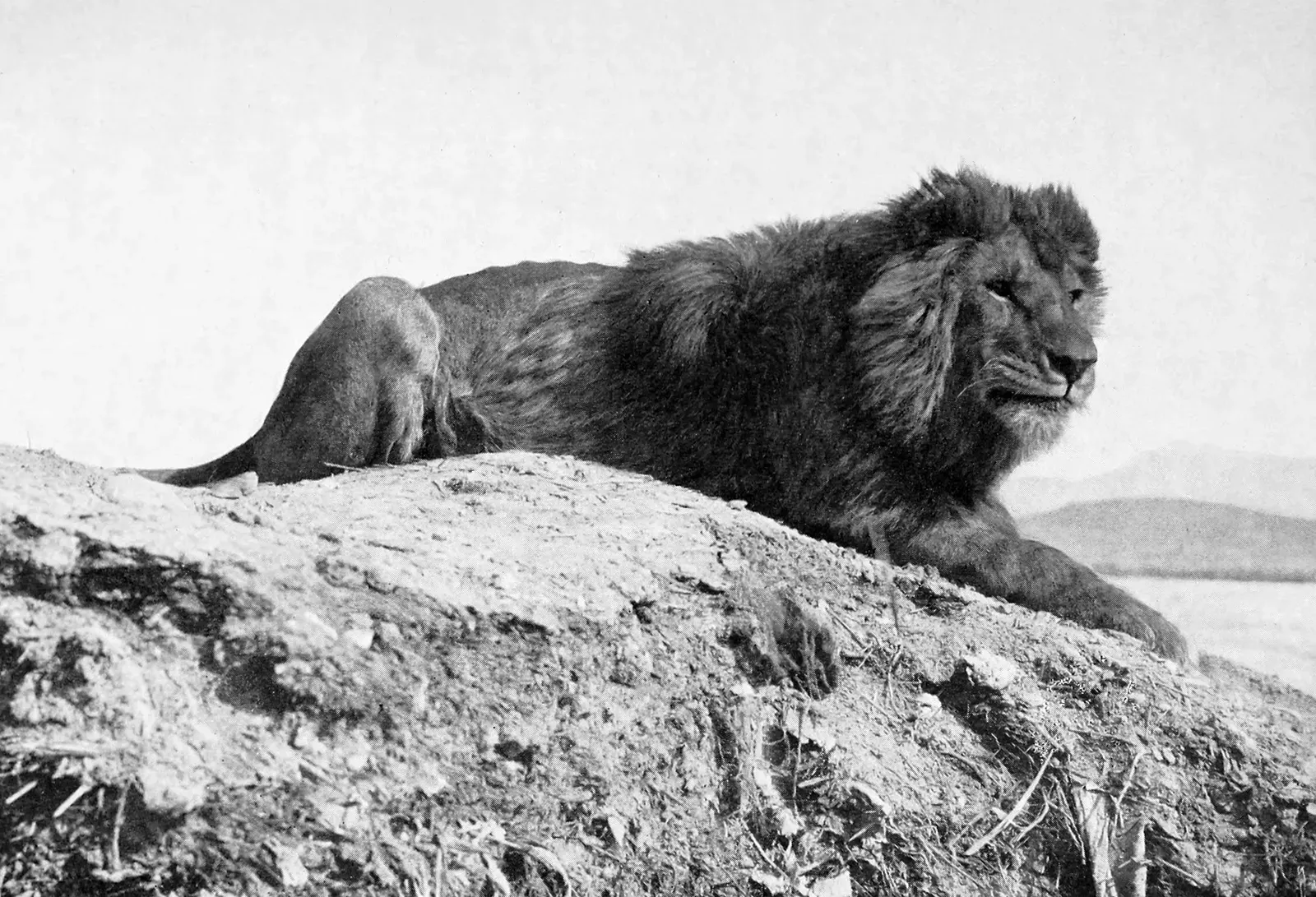
North Africa’s Barbary lion, once prized by Roman emperors for the gladiator arena, was hunted to extinction in the wild by the 1960s, with the last confirmed kill recorded in Morocco’s Atlas Mountains.
Moroccan and Algerian forestry workers periodically reported lion tracks and roars in remote mountain passes for decades afterward, though none were ever backed by photographic evidence. Genetic testing on royal menagerie lions in Morocco found DNA markers consistent with the extinct Barbary bloodline, reigniting hope that captive descendants could eventually be reintroduced to the wild. The lion’s image still adorns Moroccan currency and national emblems, proof that cultural memory can outlive the animal itself by generations. That’s nothing next to the ghost lurking at #10.
#10 – Japanese River Otter
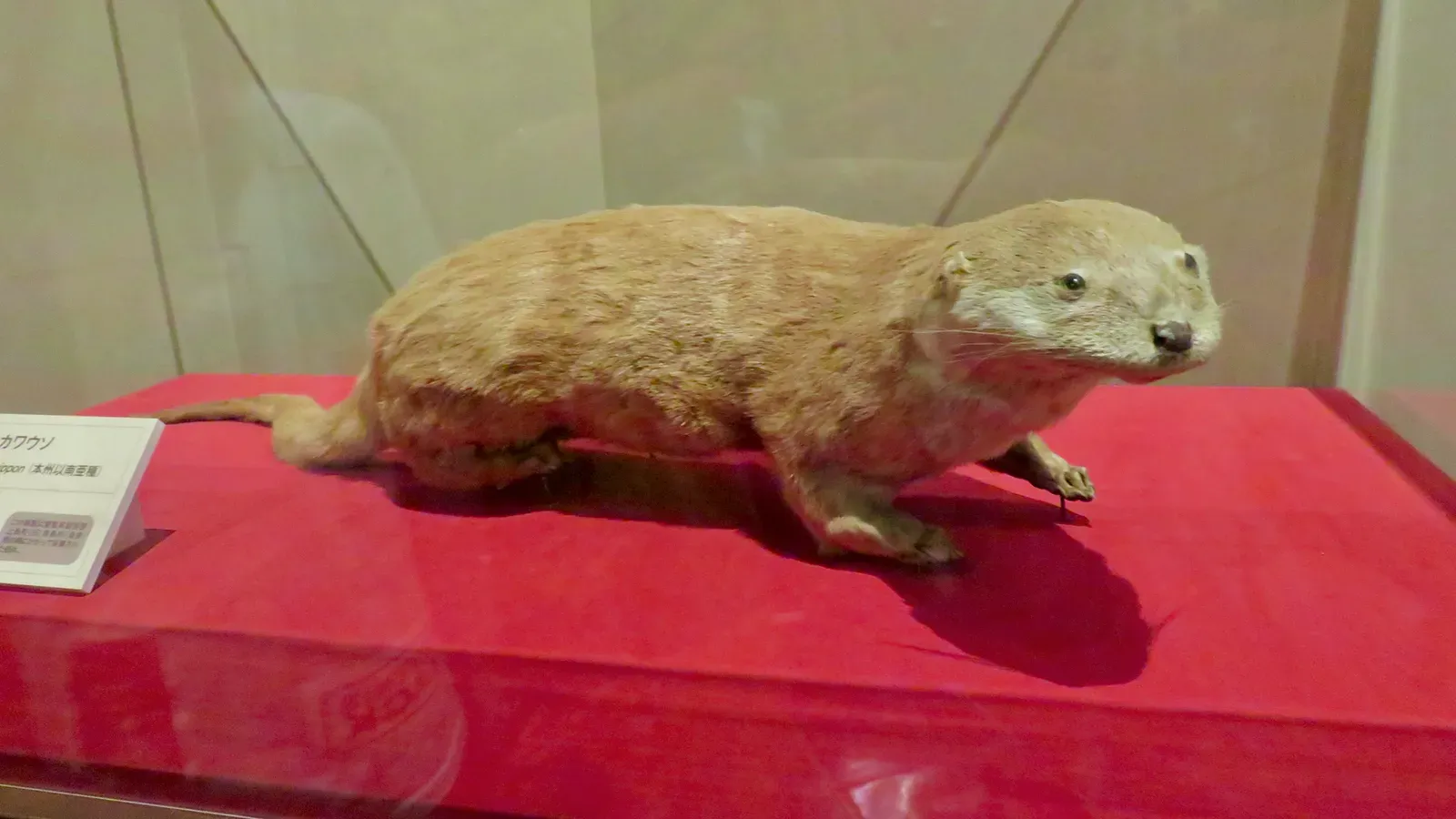
Japan officially declared its native river otter extinct in 2012, the sad ending to a 33-year search that began after the last confirmed sighting in Kochi Prefecture in 1979.
Despite the official ruling, hikers and fishermen along Shikoku Island’s river systems kept submitting otter sighting reports to local wildlife offices well into the following decade. Japanese officials have acknowledged that habitat along Shikoku’s less-developed rivers remains suitable enough that a small population could theoretically persist undetected. Camera-trap surveys quietly ran in response to some of the more credible reports, though none produced conclusive footage of a species that’s notoriously shy and nocturnal to begin with. Still, nothing beats the mystery at #9.
#9 – Formosan Clouded Leopard

Taiwan’s clouded leopard subspecies was declared extinct in 2013 after a grueling 13-year camera-trap survey across its mountainous forest habitat failed to capture a single image.
Indigenous hunters in Taiwan’s remote Rukai and Paiwan communities have long insisted the animal never disappeared, pointing to oral histories and claimed encounters in areas the original survey never fully reached. Taiwanese wildlife authorities have acknowledged that roughly a third of the leopard’s historic range was too inaccessible to properly survey, which is exactly the gap a small but persistent research community is now chasing with thermal drones. Skeptics counter that thirteen years of empty traps across the surveyed two-thirds of the range is about as strong a null result as ecology ever produces. But wait until you hear about #8.
Quick Compare
- Surveyed two-thirds of range: 13 years of camera traps, zero confirmed images
- Unsurveyed one-third of range: remote, mountainous, and largely unreachable by researchers
- Indigenous accounts: oral histories and claimed encounters from Rukai and Paiwan communities
- Current approach: thermal drones targeting the gaps the original survey missed
#8 – Passenger Pigeon
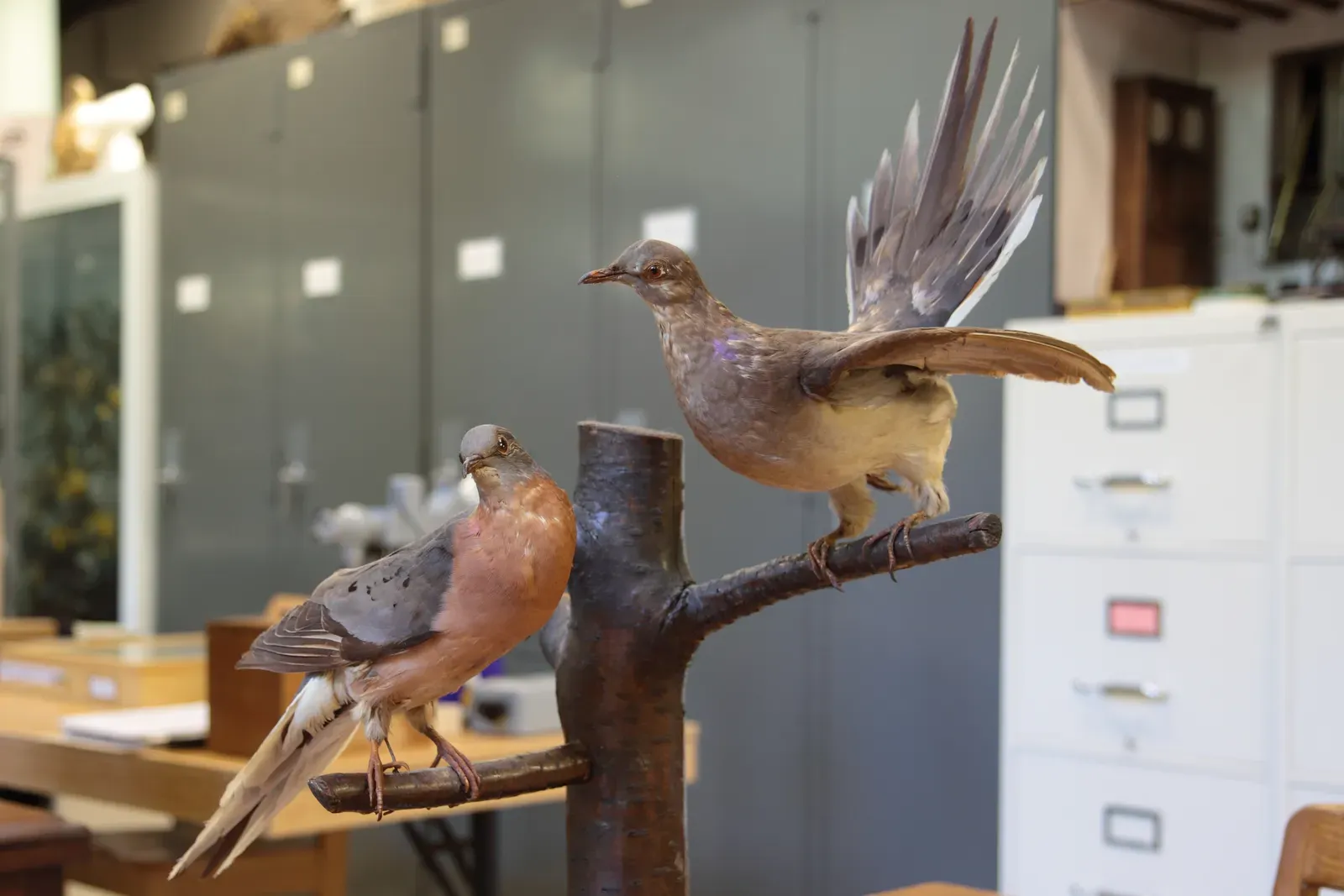
Once numbering in the billions and capable of darkening the sky for hours during migration, the passenger pigeon went extinct in 1914 when the last known individual, Martha, died in captivity at the Cincinnati Zoo.
For years after Martha’s death, rural sightings trickled in from the Midwest and Appalachians, often attributed to overlapping populations of mourning doves and band-tailed pigeons that share a similar silhouette in flight. The species’ population crash from several billion to zero in roughly four decades remains one of the fastest total extinctions of an abundant species ever documented, which is exactly why so many old-timers refused to believe it: a bird that common couldn’t just vanish. Modern researchers have since sequenced passenger pigeon DNA from museum specimens, fueling talk of genetic revival rather than any hope of wild survivors. That’s nothing compared to the sky-darkening bird’s smaller cousin waiting at #7.
#7 – Carolina Parakeet
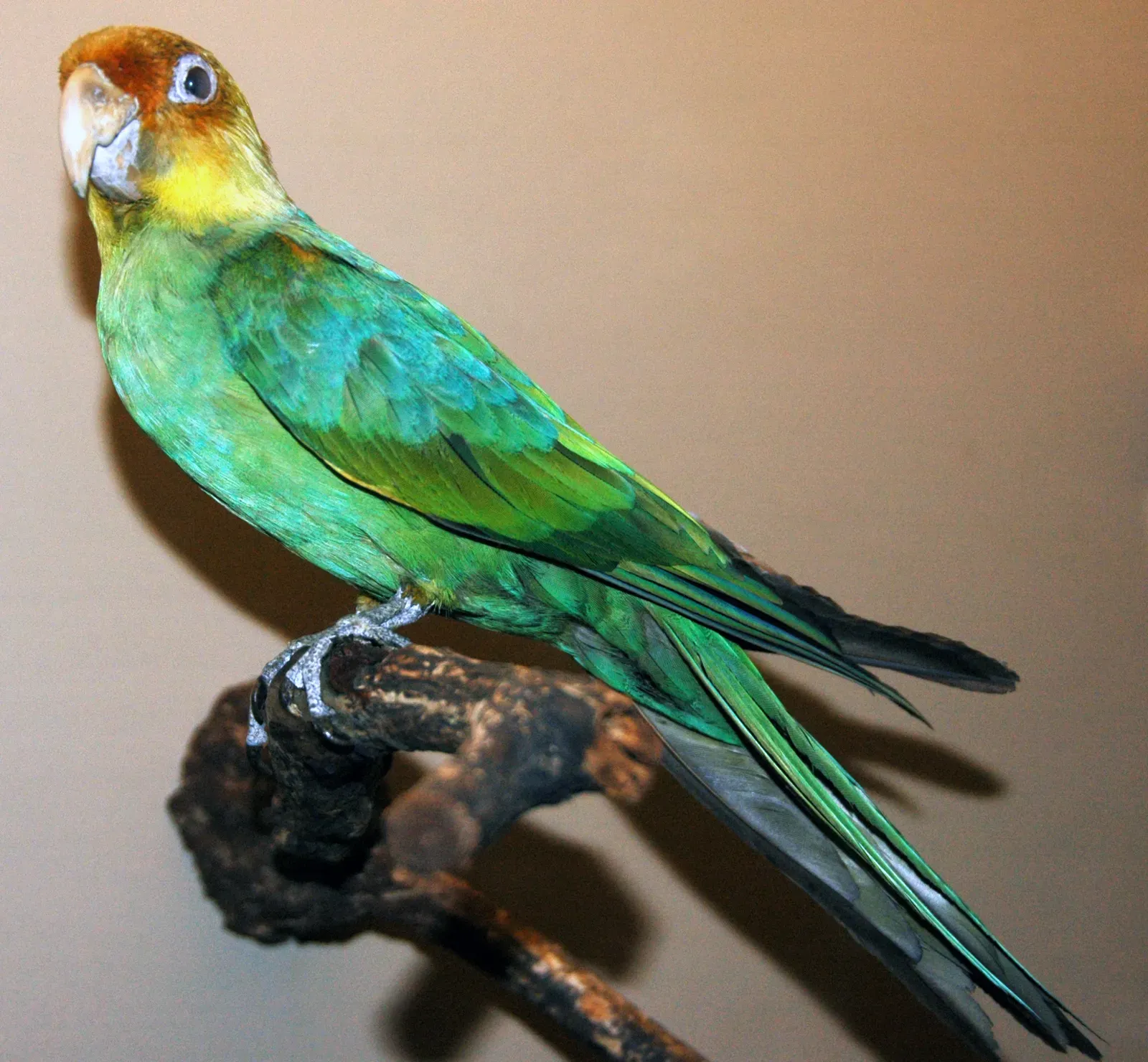
North America’s only native parakeet species was declared extinct in 1939, though the last wild specimens were likely gone a decade or two earlier thanks to habitat loss and hunting for the feather trade.
Scattered reports of small, colorful parakeets in the swamps of Florida and South Carolina continued informally for years afterward, mostly from hunters and farmers who swore they’d caught flashes of green and yellow plumage. Ornithologists generally attribute these later reports to feral monk parakeets or escaped pet birds, since no specimen, egg, or confirmed nest has surfaced since the 1920s. The bird’s flocking instinct – circling back to dead flockmates instead of fleeing – made hunters’ work tragically easy and is still taught as a textbook case in conservation biology courses. But #6 might be the most quietly stubborn case yet.
#6 – Bachman’s Warbler
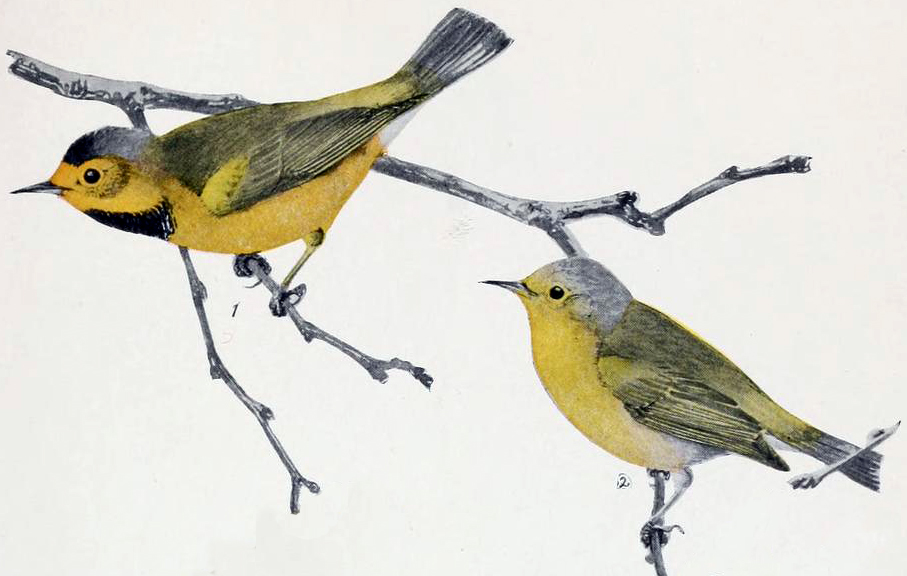
This small yellow songbird was last confirmed in the swamps of South Carolina and Cuba in the 1960s, and the IUCN still lists it as critically endangered, possibly extinct, rather than declaring it fully gone.
That deliberately cautious wording matters. Birders reported unconfirmed sightings in Louisiana’s Congaree bottomlands and eastern Cuba as recently as the 1980s and 1990s, and the refusal of major ornithological bodies to say “extinct” outright is itself a quiet admission that officials aren’t fully convinced. Its historic habitat, thick cane breaks in bottomland hardwood forest, has been so heavily logged that even optimistic searchers admit any surviving population would be vanishingly small and isolated. Cuban ornithologists have occasionally organized expeditions into the island’s less-accessible eastern forests specifically hoping to finally settle the question. Still, #5’s story cuts even deeper.
#5 – Eskimo Curlew
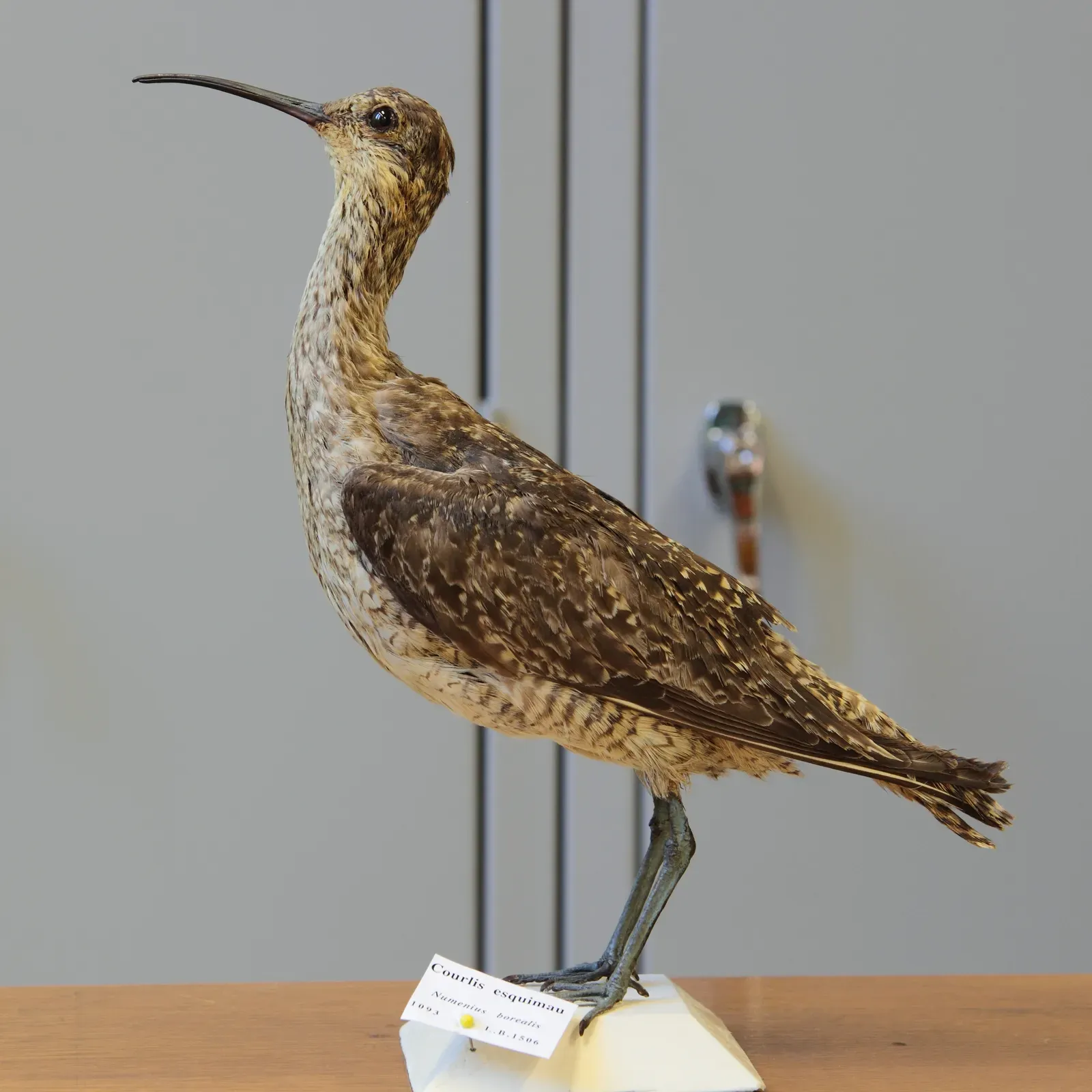
Once one of North America’s most abundant shorebirds, the Eskimo curlew was hunted so intensively during 19th-century market gunning that it collapsed from millions of birds to functional extinction within a few decades.
The last widely accepted sighting was in Texas in 1962, though a handful of unconfirmed reports trickled in from Canada’s Arctic breeding grounds and Argentine wintering areas through the 1980s. No specimen has been collected since the 1960s, yet the species has never been formally declared extinct by international bird authorities, largely because its remote tundra breeding range makes total absence nearly impossible to prove. Birdwatchers still occasionally organize small expeditions to historic staging areas along the Canadian coast, hoping for even a fleeting glimpse. That’s nothing compared to the seal saga waiting at #4.
#4 – Caribbean Monk Seal
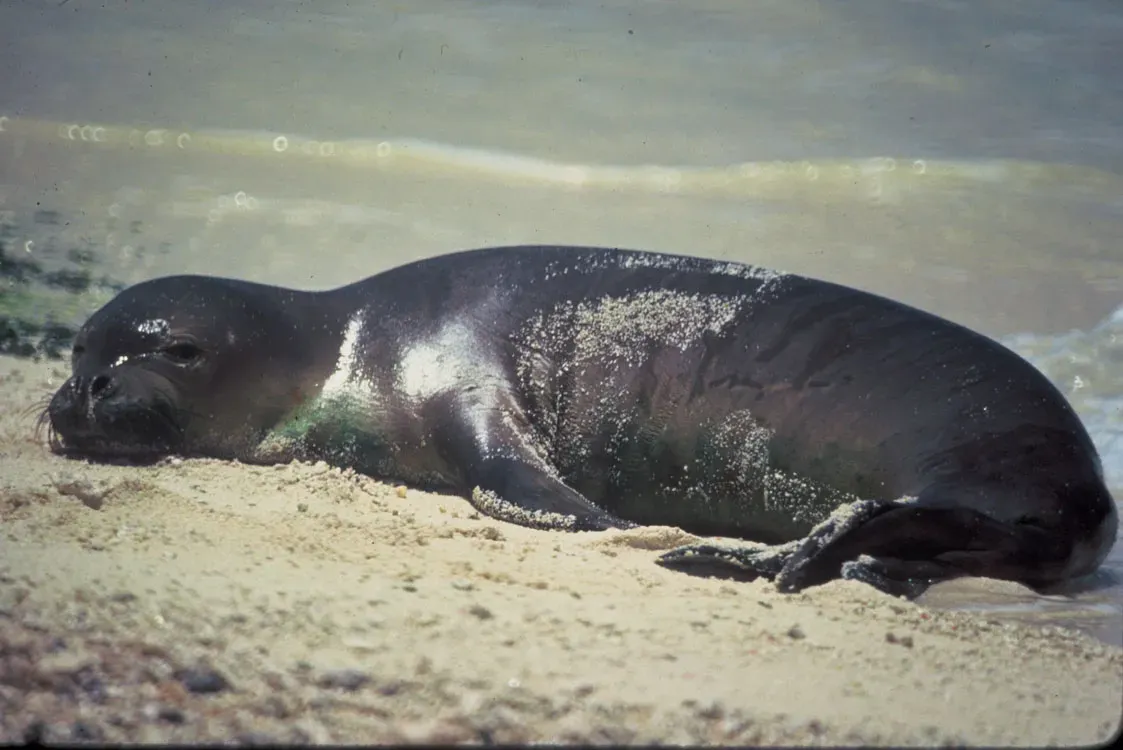
The Caribbean monk seal has the grim distinction of being the only seal species ever driven extinct by humans, and its case shows exactly how long officials can drag their feet before making it official.
The last confirmed sighting was in 1952 at Seranilla Bank, between Jamaica and the Yucatan Peninsula. Yet the U.S. government didn’t formally declare the species extinct until 2008 – more than 55 years later – after multiple efforts to investigate unconfirmed reports across the Caribbean Sea, Gulf of Mexico, southern Bahamas, and Greater Antilles turned up nothing but stray arctic seals. A 2009 cable TV special even speculated that footage from Florida’s Intracoastal Waterway showed a surviving seal, though a federal review ultimately concluded the sightings that generated so much hope were almost certainly other species entirely. But nothing compares to the dolphin that got caught on camera at #3.
At a Glance
- Last confirmed sighting: 1952 at Seranilla Bank
- Official extinction declared: 2008 – a 56-year gap
- Search zone: Caribbean Sea, Gulf of Mexico, southern Bahamas, Greater Antilles
- 2009 viral video: later reviewed and attributed to another species
#3 – Baiji (Yangtze River Dolphin)
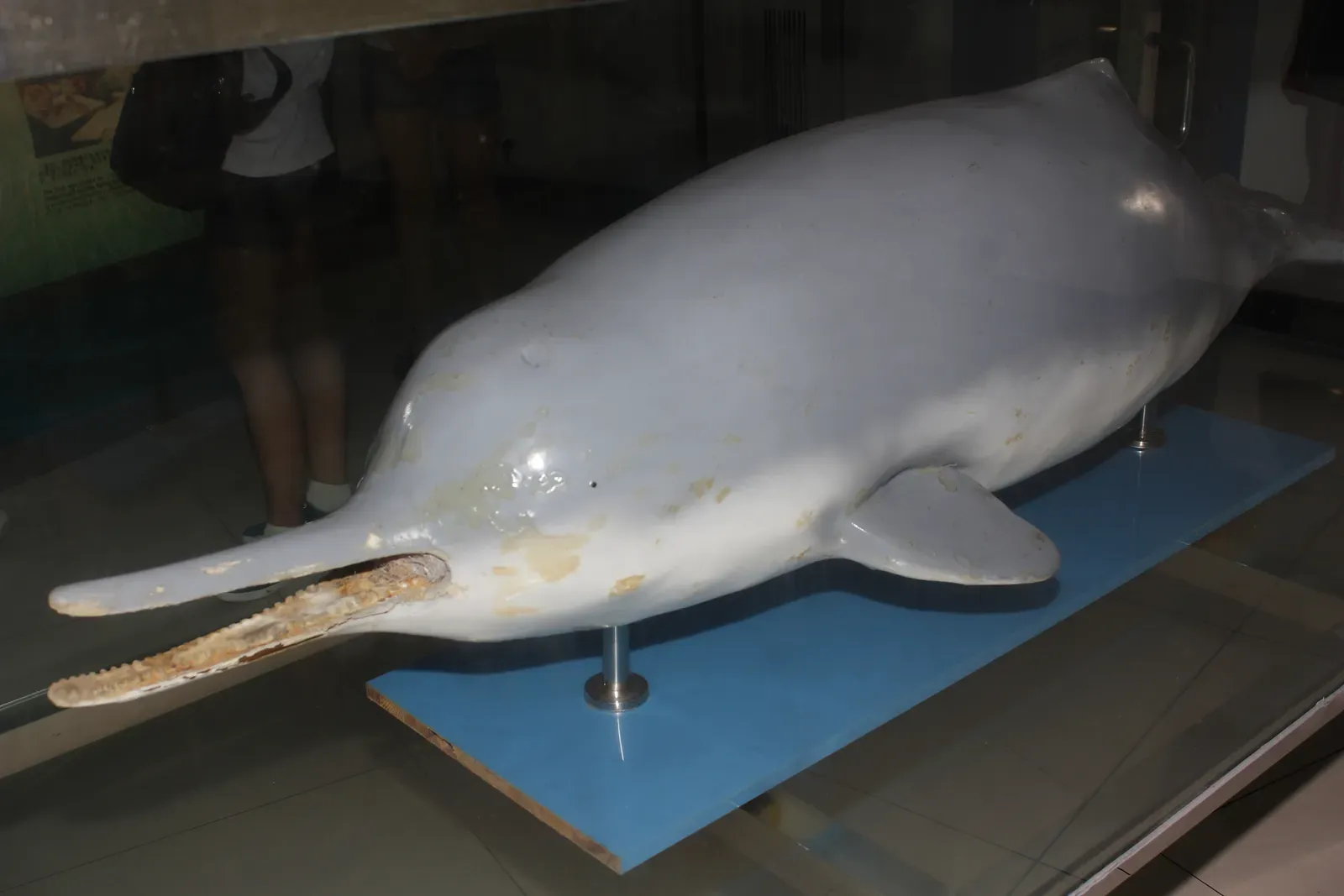
Few extinction stories are stranger than the baiji’s, because this “extinct” dolphin was reportedly filmed alive just days after scientists declared it gone.
The baiji was pronounced extinct in 2007 following a dedicated six-week expedition in 2006 that failed to find a single one. Then, barely a week after the announcement made headlines worldwide, a businessman in Anhui province filmed a large white animal breaching the Yangtze, and Chinese state media reported it as a surviving baiji. Chinese Academy of Sciences researchers who reviewed the footage disagreed, and skeptics later pushed back even harder, noting the last scientifically confirmed baiji sighting was actually 2002, with the celebrated 2007 footage eventually identified as a finless porpoise. Still, #2’s case is the most official refusal yet.
#2 – Ivory-Billed Woodpecker
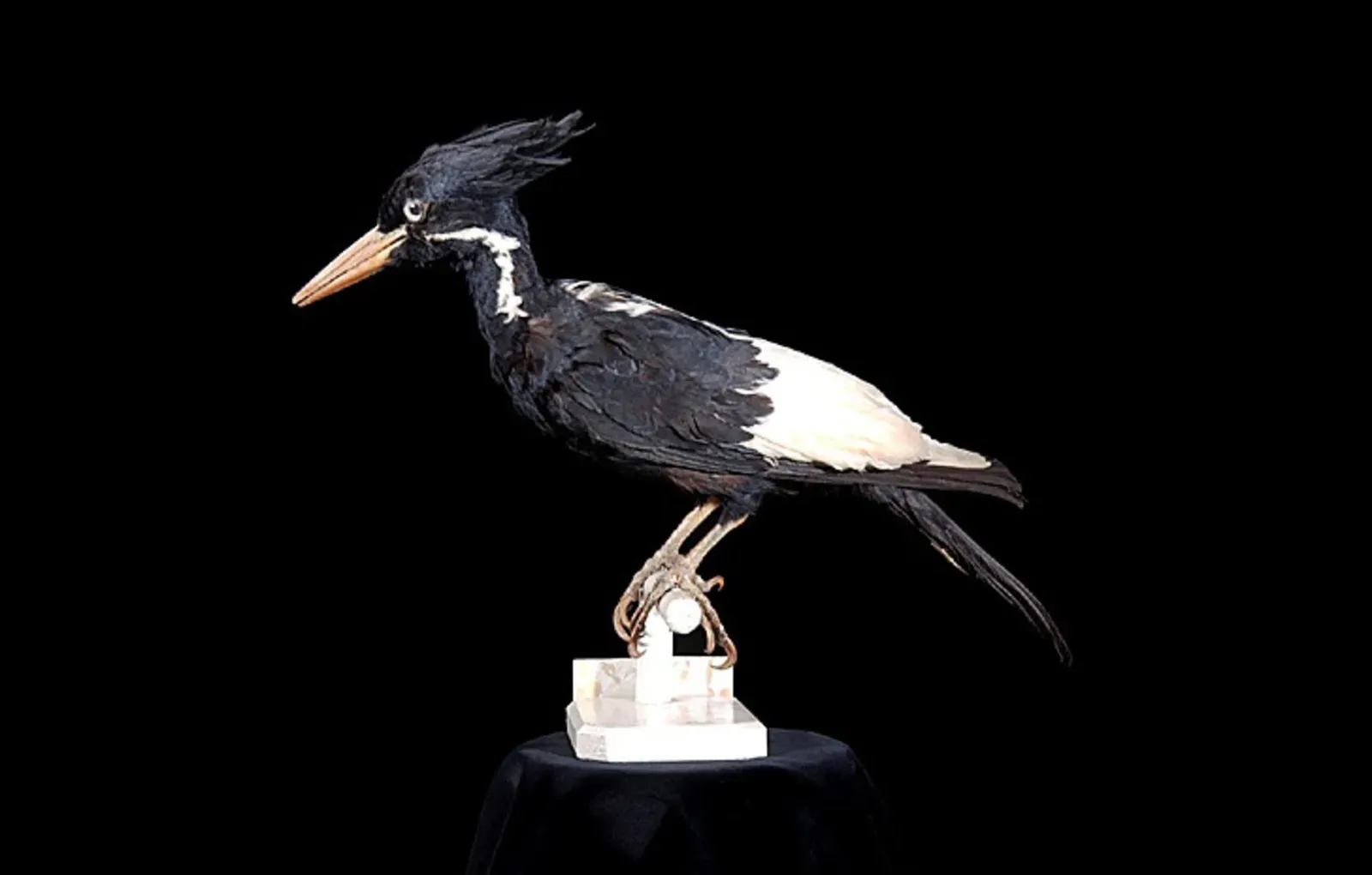
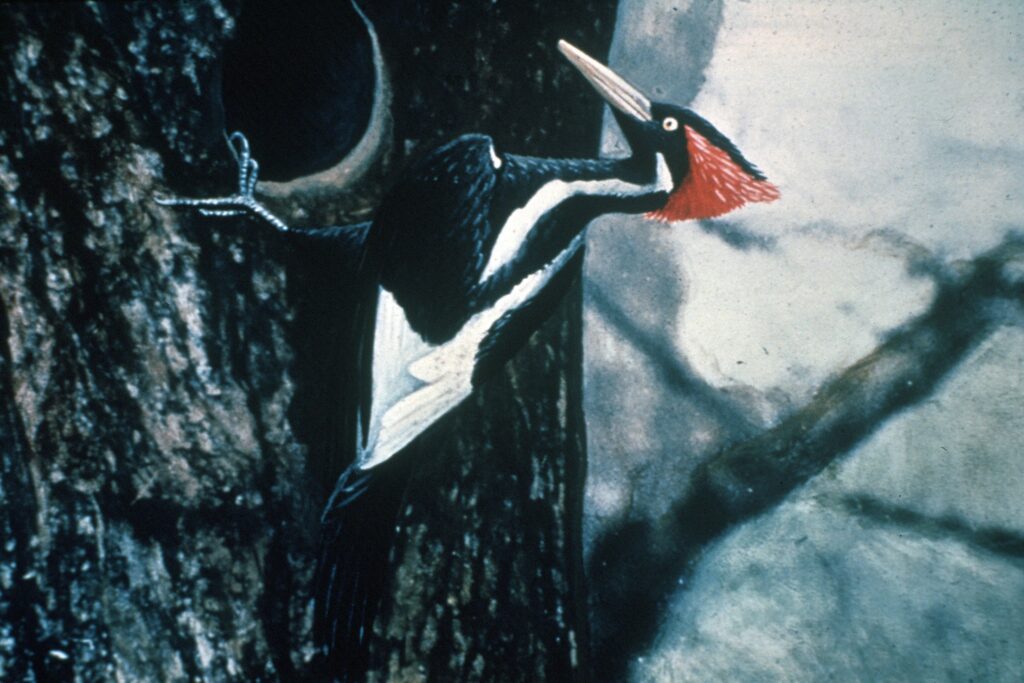
Nicknamed the “Lord God Bird” for the exclamations it reportedly provoked in witnesses, this woodpecker has spent more than 80 years in an official gray zone between extinct and endangered – and U.S. wildlife officials keep refusing to close the file.
The last reported sightings were in 2004 in Arkansas and 2005 along Florida’s Choctawhatchee River, though a fully confirmed sighting hasn’t occurred since 1944. The U.S. Fish and Wildlife Service proposed declaring the bird extinct in 2021, but the agency has repeatedly delayed its own ruling after public comments poured in from ornithologists, amateur birders, and tribal communities insisting the nation’s largest woodpecker is still out there. A peer-reviewed 2023 study went even further, concluding that declaring the species extinct is clearly premature – even though decades of reports still haven’t reached the threshold ornithologists need for full acceptance. But nothing tops the paperwork nightmare waiting at #1.
Worth Knowing
- Nicknamed the “Lord God Bird” for witnesses’ reactions
- Last fully confirmed sighting: 1944
- More recent reported sightings: 2004 in Arkansas, 2005 in Florida
- USFWS proposed an extinction ruling in 2021 – still unfinalized
- A 2023 peer-reviewed study argued the extinction call is premature
#1 – Thylacine (Tasmanian Tiger)
![#1 - Thylacine (Tasmanian Tiger) (Report of the Smithsonian Institution. 1904from the Smithsonian Institution archives. Published example
other information: [1]
Additional information: Female thylacine (front) with juvenile male offspring (rear).(30 September 2020). "A Catalogue of the Thylacine captured on film". Australian Zoologist 41 (2): 143–178. DOI:10.7882/AZ.2020.032., Public domain)](https://nvmwebsites-budwg5g9avh3epea.z03.azurefd.net/dinoworld/ee0e6a188bcecee0808c5e490c79bdee.webp)
No extinct animal generates more government paperwork, more late-night trail-camera hopefuls, or more genuine scientific uncertainty than the thylacine – and Tasmania’s own wildlife department admits it in writing.
No conclusive evidence of a thylacine has surfaced since 1936, yet the reports never stopped. The department’s own records state plainly that the sheer volume of sightings introduces a reluctance among some authorities to make emphatic statements on the species’ status. Documents released under right-to-information law revealed eight supposed sightings reported to the state government in a recent three-year span alone, even as a department spokeswoman maintained there is no evidence the thylacine still exists.
The incidence of sightings introduces a reluctance among some authorities to make emphatic statements on the status of the species.
Tasmanian Department of Primary Industries, Parks, Water and Environment
A database of historical reports now holds well over a thousand alleged sightings since the species was declared extinct, and the search is still very much alive decades later. Scientists are simultaneously racing to bring the species back through de-extinction genetics – a bizarre split-screen where the same animal is being hunted for in the bush and rebuilt in a lab at the same time.
The Bottom Line
![The Bottom Line (By Original photo by Arthur A. Allen, 1935 [1], watercolored by Jerry A. Payne, USDA-ARS, CC BY 3.0 us)](https://nvmwebsites-budwg5g9avh3epea.z03.azurefd.net/dinoworld/974a3d1908f792279b2cb4fcf04a64f6.webp)
Here’s the uncomfortable truth: extinction isn’t always a hard scientific fact. Sometimes it’s a bureaucratic decision made under pressure to close a file, and the thylacine and ivory-billed woodpecker cases prove that even the officials writing that paperwork don’t fully believe it, delaying rulings for years while sightings keep piling up.
Most of these reports are almost certainly misidentifications, wishful thinking, or lookalike species wearing another animal’s reputation. But “almost certainly” isn’t the same as “confirmed,” and that gap – thin as it is – is exactly where these legends keep breathing. My honest take? A couple of these species are gone for good, no matter how many camera traps we set. But at least one or two are still out there, hiding in exactly the kind of terrain humans have never bothered to fully search. Which of these do you think might still be out there? Drop your pick in the comments.