Most museum-goers assume the shaggy mammoth, the snarling saber-tooth, and the towering short-faced bear look exactly the way they roamed 15,000 years ago. They don’t. Some of the most iconic Ice Age reconstructions in American museums were essentially copied from one artist’s guess a century ago, then repeated so many times that the guess hardened into “fact.”
Frozen carcasses, tail-clubbing fossils, DNA sequencing, and even prehistoric cave art have since blown holes in that inherited version of the past. Some museums are only now, quietly, swapping out the murals and models that fooled generations of visitors. Here’s what the fossil evidence actually says about the 14 Ice Age animals we’ve been picturing wrong the whole time.
#14 – The American Mastodon Wasn’t a Grass-Grazing Giant
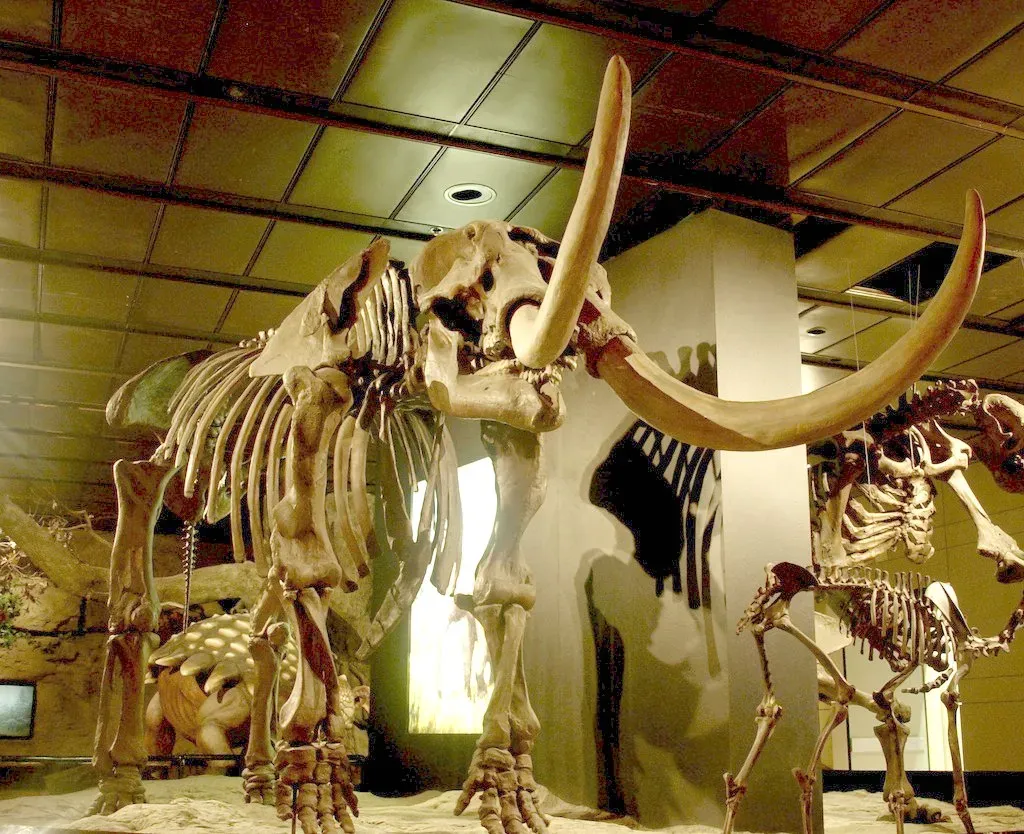
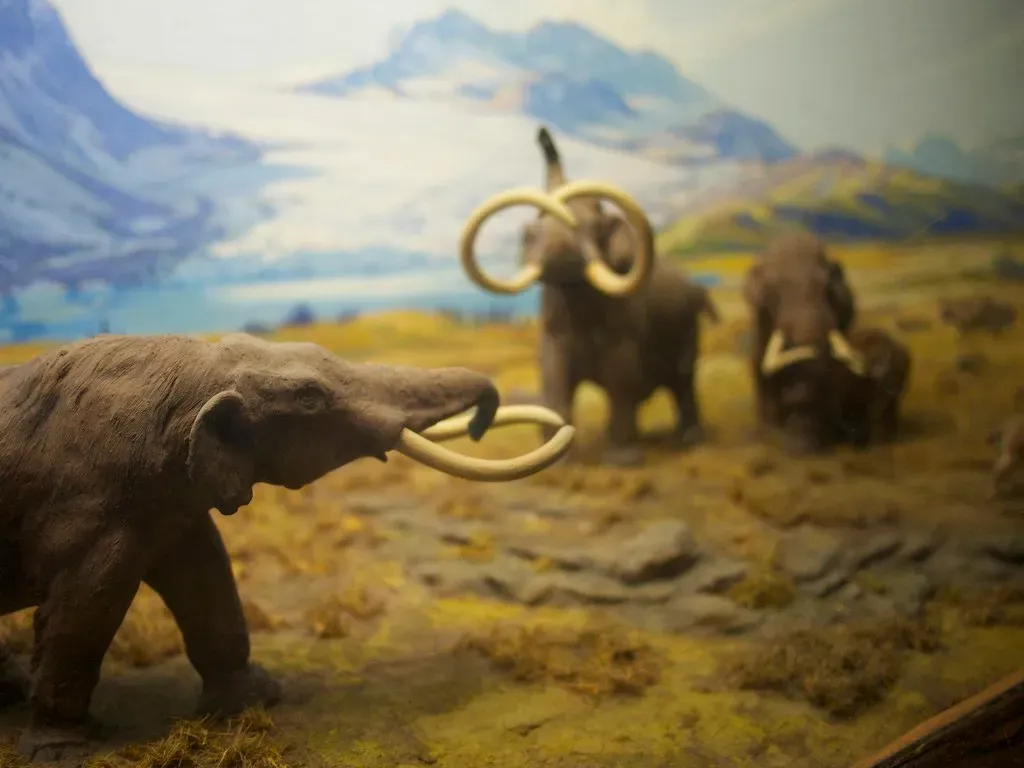
Most dioramas show the American mastodon grazing on open grassland right next to its cousin, the woolly mammoth, as if the two animals shared the same diet and the same turf.
That pairing is misleading. Mastodons were browsers, built with low-crowned teeth suited for shredding leaves, twigs, and conifer needles in forested wetlands, not the tough grasses that wore down a mammoth’s high-crowned molars. Isotope analysis of tusk and tooth chemistry has repeatedly shown mastodons stuck to swampy, wooded habitats rather than the open steppe museums love to paint behind them. Sticking a mastodon in a treeless tundra scene isn’t lazy set design; it erases an animal that specialized in a completely different ecological niche than its more famous cousin. Wait until you see what Glyptodon’s tail was really hiding.
#13 – Glyptodon Wasn’t Just a “Giant Armadillo”
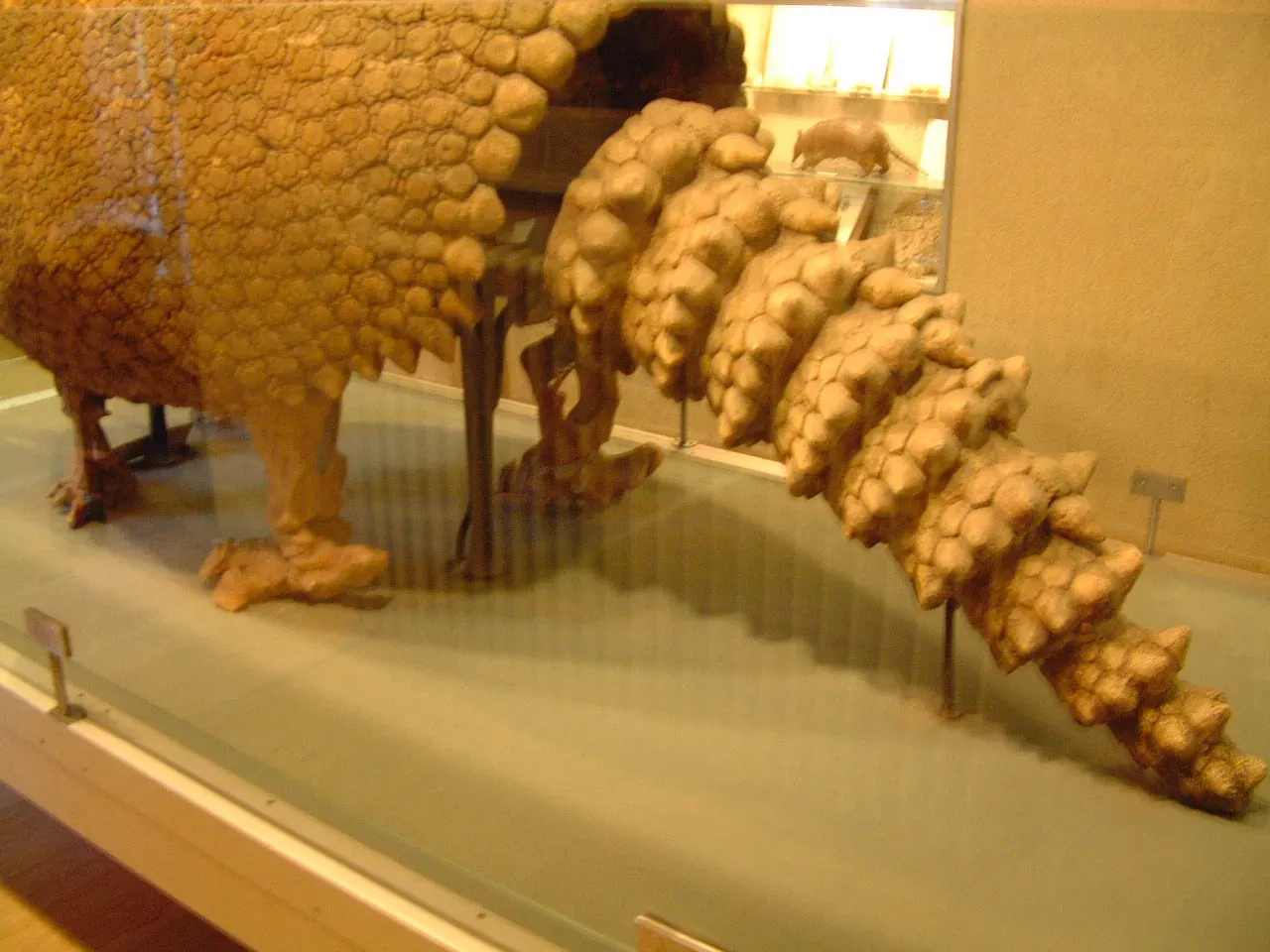
Textbooks love to call Glyptodon a supersized armadillo, but that comparison hides one of its strangest features.
Some glyptodont species carried a heavily armored, spiked tail that functioned like an actual weapon, not a decorative flourish. Fossilized tail rings show clear evidence of clubbing and combat damage, suggesting these animals fought each other, possibly over territory or mates, the same way modern deer clash antlers. Older museum models often flatten this detail, showing a simple rounded tail dragging behind a dome-shelled body, which makes Glyptodon look passive and turtle-like. That “giant armadillo” label also undersells its size – some species weighed close to a small car, dwarfing any living armadillo by a staggering margin. The bird we’re about to cover was accused of something almost the opposite.
Fast Facts
- Some glyptodont species weighed up to nearly 2 tons, roughly the mass of a small car.
- Their domed shells could stretch about 1.5 meters (5 feet) long.
- Not every species had a spiked tail club; only certain lineages, like Doedicurus, carried a true weaponized tail.
- Glyptodonts went extinct around 10,000 years ago, alongside most other Ice Age megafauna.
#12 – Teratorns Were Painted as Aggressive Hunters, Not Scavengers
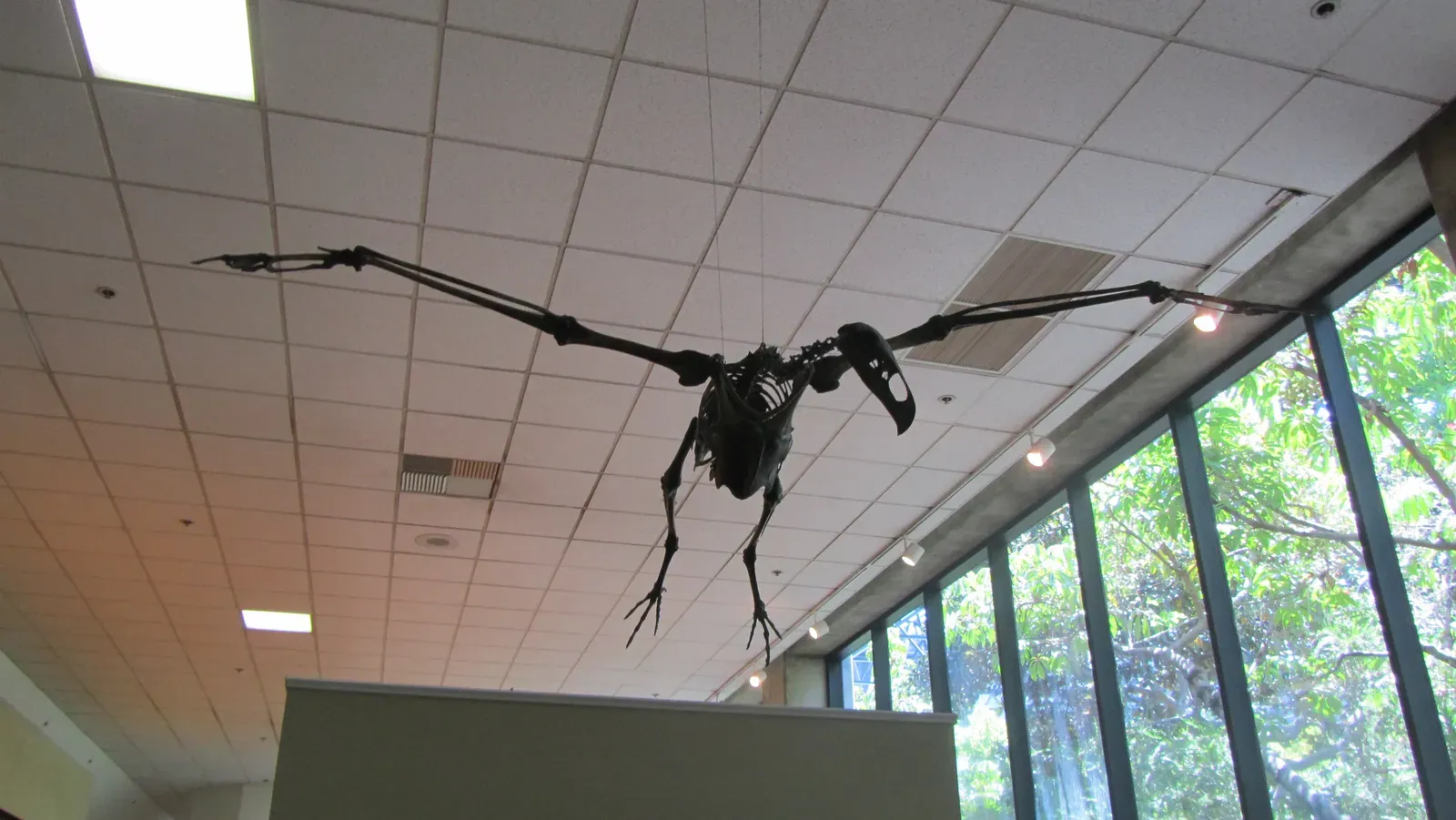
The teratorn, a condor-like bird with a wingspan of roughly three to four meters, is often illustrated swooping down to snatch live prey like a movie eagle.
That’s almost certainly wrong. Its skull and beak shape more closely resemble scavenging birds than hunters, built for soaring long distances over carrion rather than active pursuit. Older murals frequently show it diving talons-first at small mammals, borrowing visual drama from eagle imagery instead of the fossil evidence. A bird that size would have struggled to lift off quickly after a violent strike, another clue pointing toward scavenging over hunting. Recent AR reconstructions built around La Brea specimens have started correcting this exact behavior mismatch. Next up, a name mix-up that’s fooled visitors for over a century.
#11 – The “Irish” Elk Wasn’t Irish, and Its Habitat Was Painted Wrong
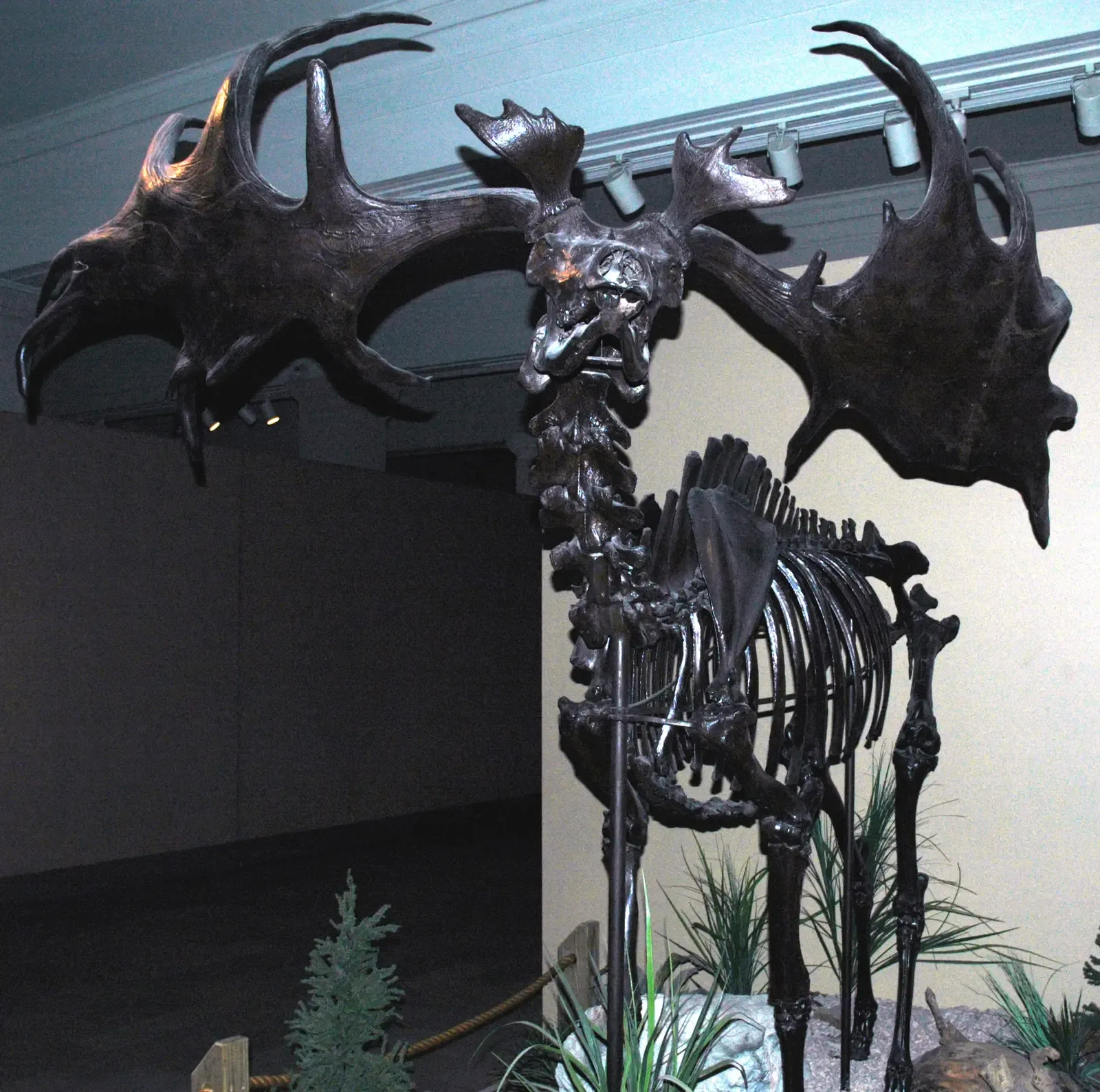
Museums have spent decades sticking Megaloceros giganteus, better known as the Irish elk, into thick, misty forest scenes.
The name itself is a trap: the species wasn’t exclusive to Ireland, and it isn’t closely related to modern elk at all – it’s a giant deer that once ranged across Europe and Asia. Its record-breaking antlers, some spanning well over three meters tip to tip, would have been nearly impossible to maneuver through dense woodland without constant tangling. Most paleontologists now argue it lived primarily in open grassland and light woodland edges, where those massive antlers had room to display and swing freely during mating contests. Older forest-backdrop dioramas essentially staged this animal in a set that would have gotten it stuck. The next mistake isn’t about habitat at all – it’s about hair.
#10 – Cave Lions Were Probably Painted With the Wrong Mane
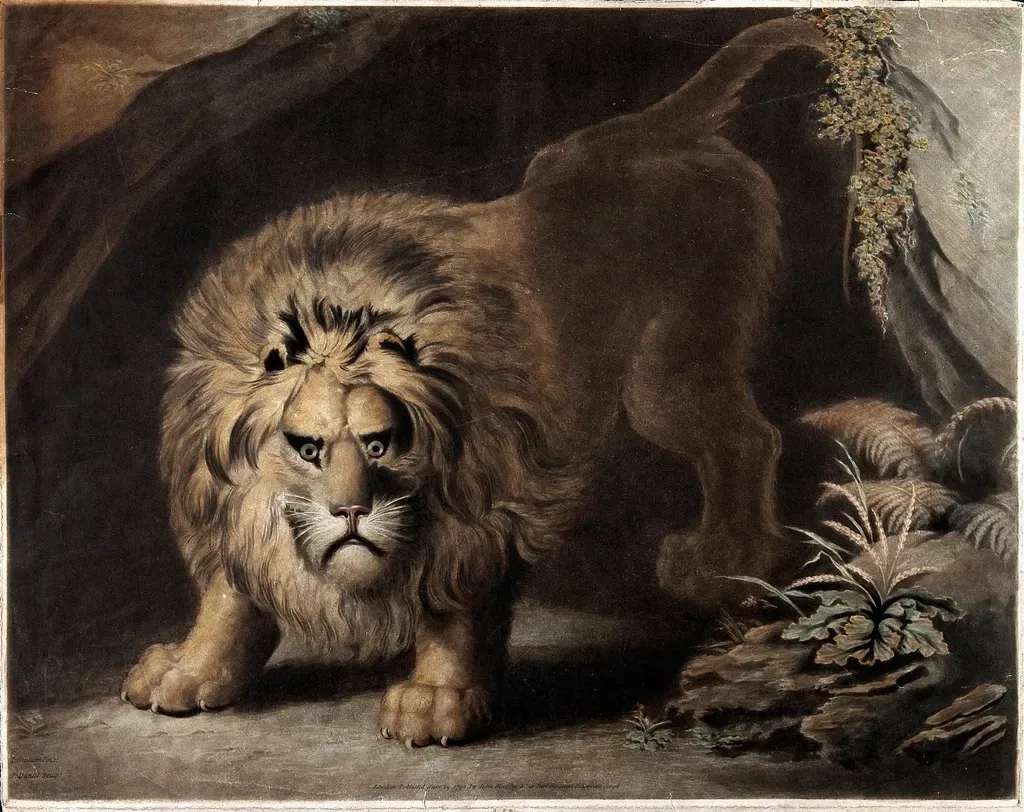
Ice Age cave lions are frequently sculpted as identical twins to modern African lions, thick mane and all.
That assumption came from lazy taxonomy, not fossils. Ice Age cave art, including detailed engravings left by the people who actually lived alongside these animals, overwhelmingly depicts cave lions without a heavy mane, sometimes with only faint neck fur or none at all. The humans who saw them in person, up close, chose not to draw a mane, which is about as strong a piece of eyewitness evidence as paleontology ever gets. Many museum sculptures still ignore this and default to a maned, African-lion template because it’s visually familiar to visitors. This mismatch between prehistoric human art and modern museum art remains one of the more overlooked corrections in the field. The controversy doesn’t stop with cave lions, either.
#9 – American Lions Got the Same Mane Treatment, and It’s Still Debated
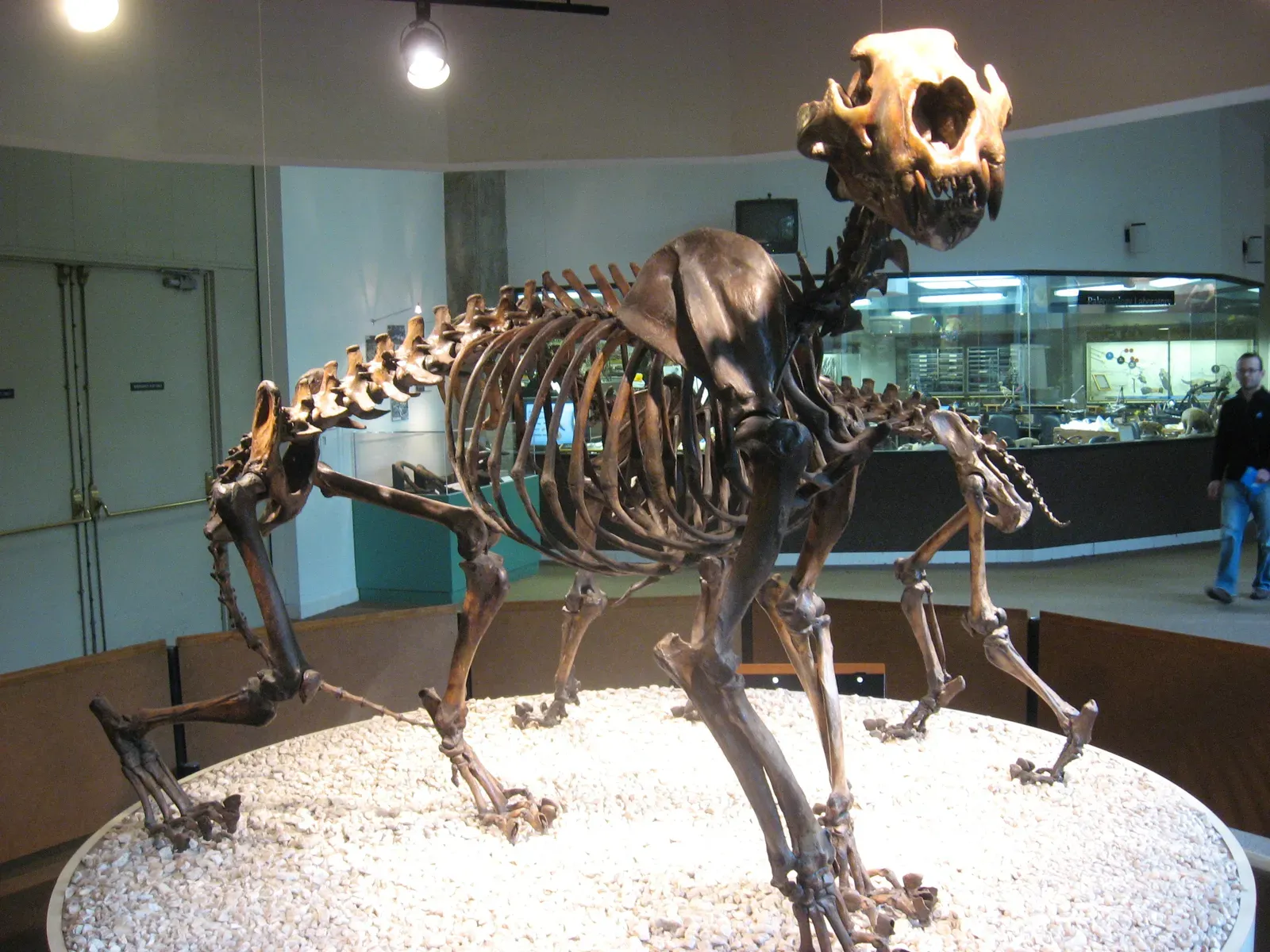
The American lion, one of the largest cats to ever exist, faces the identical mane controversy as its cave lion cousin.
Standard museum poses give it a full, dramatic mane borrowed straight from modern African lions, implying identical social behavior, pride structures included. But there’s no fossil evidence of mane tissue, and skull structure alone can’t confirm one either way. Many researchers now favor a sparse-maned or maneless reconstruction, arguing that a heavy mane may have been a trait unique to modern African lions rather than a universal “big cat” feature. This is one of those slightly controversial calls that splits paleoartists right down the middle, and museums quietly hedge by keeping older, more familiar models on display rather than risk visitor confusion. This next fix came from something museums couldn’t have guessed at: literal frozen bodies.
#8 – Woolly Rhinos Had the Wrong Horn Shape for Decades
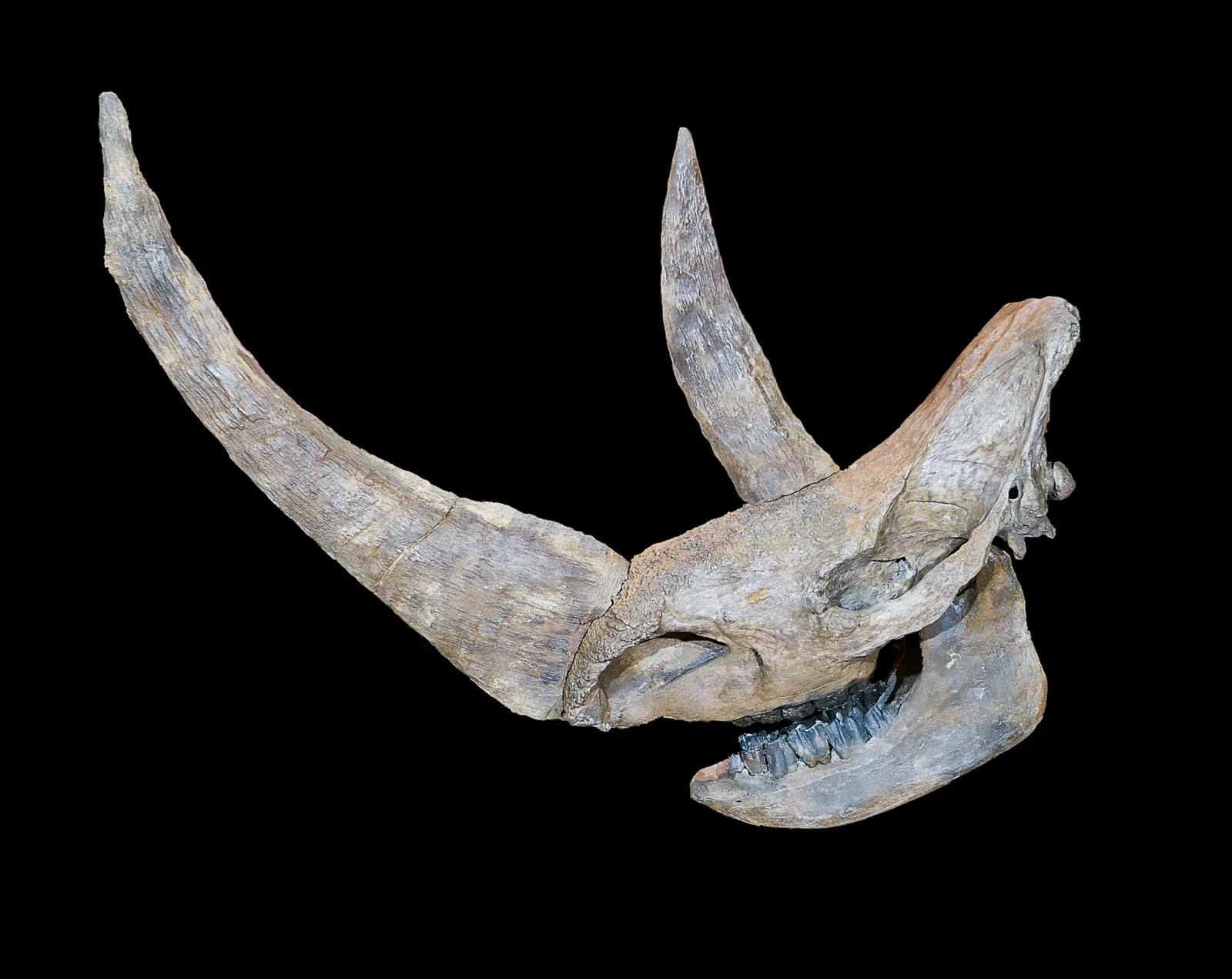
Before frozen woolly rhino carcasses turned up in Siberian permafrost, museums were essentially guessing at horn shape using nothing but skull attachment points.
Early models gave the woolly rhino a short, round, upright horn that looked more like a modern rhino’s than anything else available for comparison. Once complete frozen specimens surfaced, keratin intact, the truth came out: the front horn was long, flattened, and curved forward, likely used to sweep snow off vegetation in brutal winter conditions. That sweeping, flattened horn shape is almost the opposite of what older sculptures depicted. The animal’s back also carried a distinctive fatty hump behind the shoulders, another detail invisible in bone alone and only confirmed once soft tissue was recovered. Even the most famous Ice Age animal on the list wasn’t spared.
#7 – Woolly Mammoths Had Their Proportions Wrong Long After We Knew Better
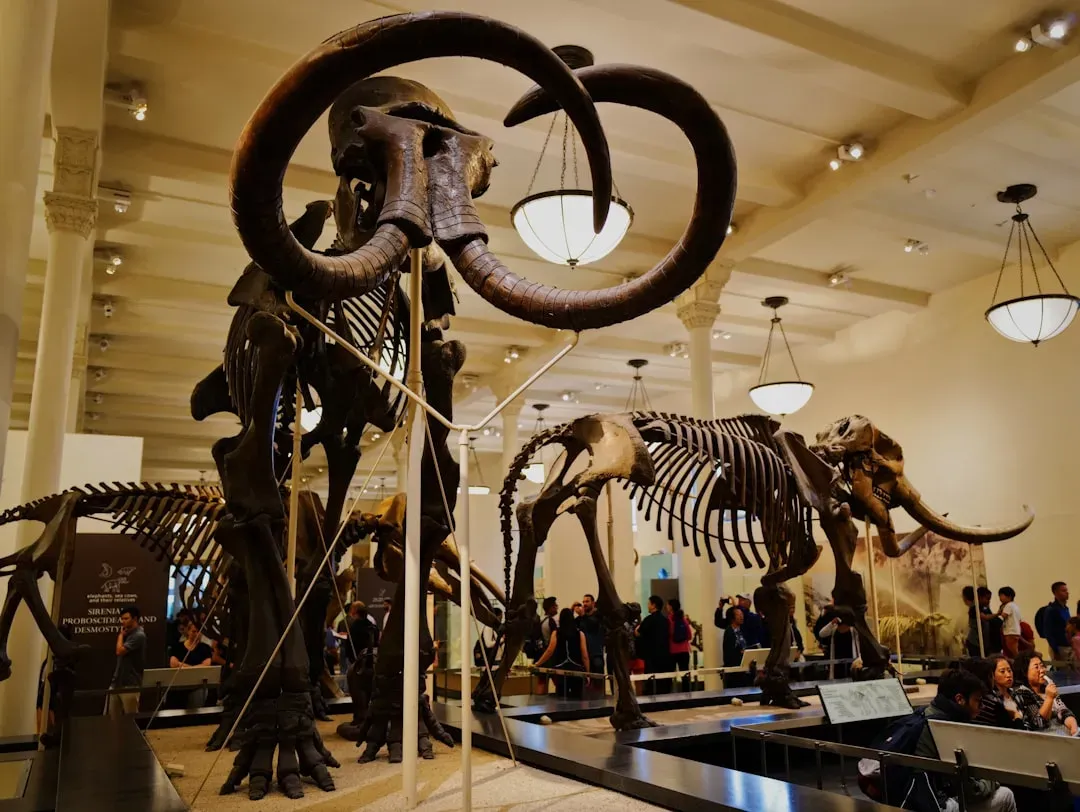
Even mammoths, arguably the most iconic Ice Age animal on Earth, spent decades looking slightly off in museum halls.
Frozen mammoth carcasses recovered from Arctic permafrost, some so well preserved that skin, hair, muscles, and even internal organs survived tens of thousands of years intact, revealed proportions that older skeletal-only reconstructions consistently missed. Ears were smaller and rounder than elephant-inspired models suggested, an adaptation that reduced heat loss in freezing climates. Trunk-tip shape, tail length, and the extent of the fatty hump behind the head were all guesswork until soft tissue evidence arrived. Some specimens were preserved well enough that scientists could examine their last meal from stomach contents, a level of detail no sculptor could have invented from bones alone. Even now, some older museum mammoths haven’t been updated to reflect it. This next one isn’t a scientific debate – it’s a straight-up inconsistency.
Worth Knowing
- Some frozen mammoths, like Siberia’s famous baby mammoth Lyuba, were preserved well enough to still have skin, hair, and stomach contents intact.
- Mammoth ears were far smaller and rounder than an elephant’s, an adaptation that helped prevent frostbite and heat loss.
- Mainland woolly mammoths died out roughly 10,000 years ago, but an isolated population survived on Russia’s Wrangel Island until about 4,000 years ago.
- Their trunks ended in two finger-like projections, used for delicate foraging in freezing conditions.
#6 – Harlan’s Ground Sloth Has Been Missing Toes in Its Own Museum
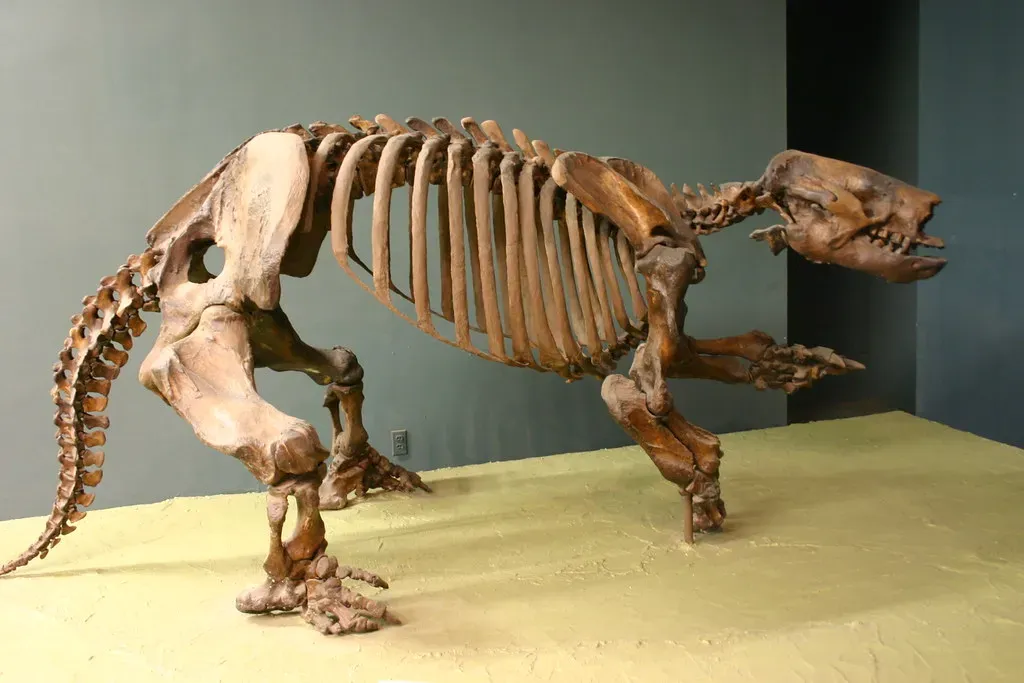
This one is almost embarrassing: at one of the most famous Ice Age fossil sites in the world, ground sloth reconstructions can’t agree on basic anatomy.
A detailed review of paleoart used at the La Brea Tar Pits found that Harlan’s ground sloth is reconstructed with a worryingly inconsistent number of toes. The same collection has other errors too: one mural shows flamingos gracefully wading into asphalt pools, even though flamingos aren’t known from Ice Age or present-day California. Another botches the perspective so badly that its western camels appear only half their true size. A toe count should be one of the easiest details to get right, since it comes straight from skeletal remains, yet inconsistency has persisted across different pieces of art in the very same building. It’s a reminder that even flagship fossil sites aren’t immune to sloppy paleoart. The next reconstruction problem isn’t about details – it’s about an entire myth.
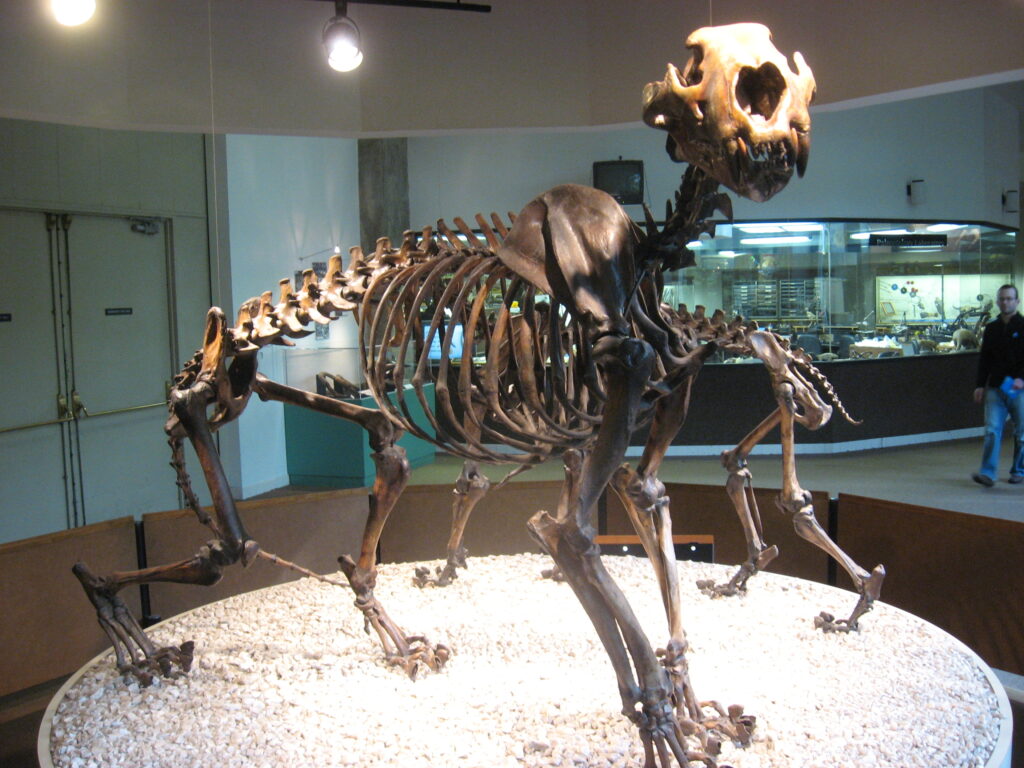
#5 – The Short-Faced Bear Was Never the Sprinting Predator Museums Claimed
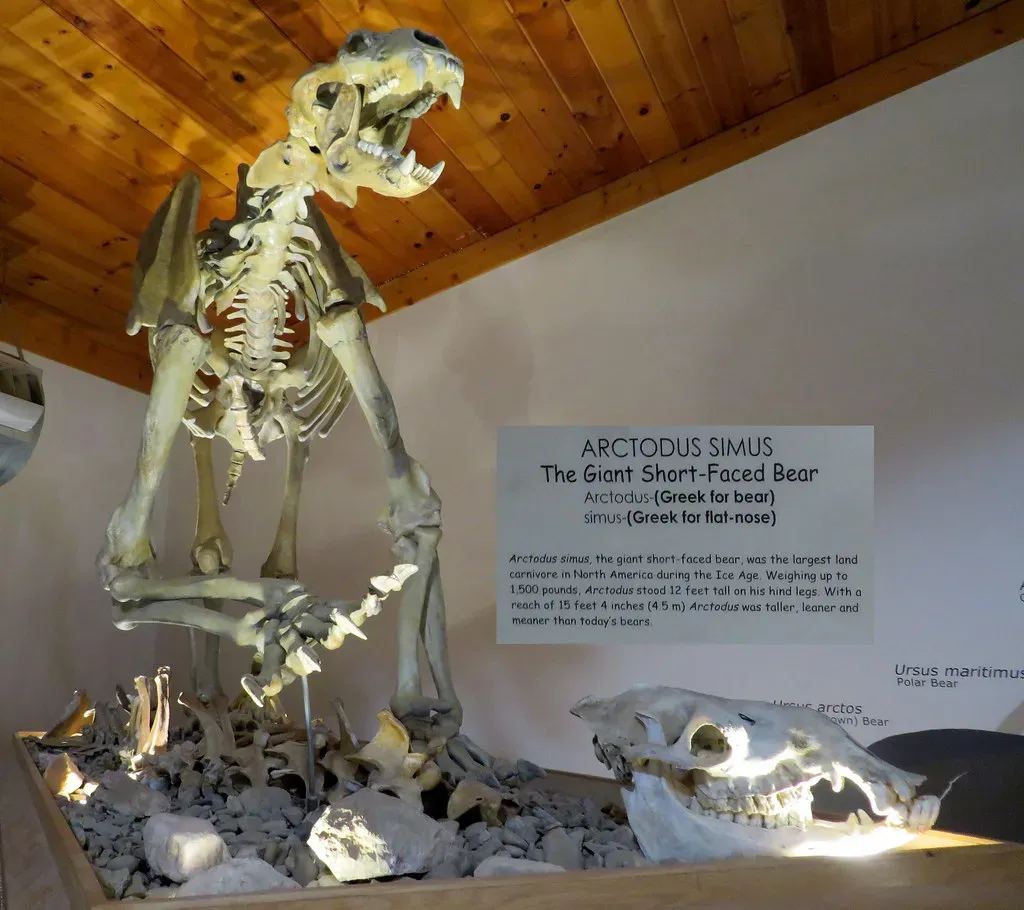
For years, the giant short-faced bear was marketed as a terrifying, long-legged pursuit predator that could outrun prey across open plains.
That dramatic image made for great museum signage, but it doesn’t hold up under closer anatomical review. One scientific paper addressing this directly is literally titled “Demythologizing Arctodus simus, the ‘Short-Faced’ Long-Legged and Predaceous Bear that Never Was,” a direct rebuttal to the pop-science version most visitors grew up hearing. Its supposed long legs and hyper-carnivorous lifestyle were largely exaggerations built on outdated assumptions, not solid skeletal proportions. More balanced interpretations now treat it as a large, powerfully built omnivore, closer in ecology to modern bears than to a cheetah-like chase specialist. Many older signs and models haven’t caught up, and some still describe it using the exact myth researchers have tried to retire. This next reversal might be the biggest shake-up on this entire list.
#4 – Dire Wolves Aren’t Big Gray Wolves, and Their Color Was Wrong Too
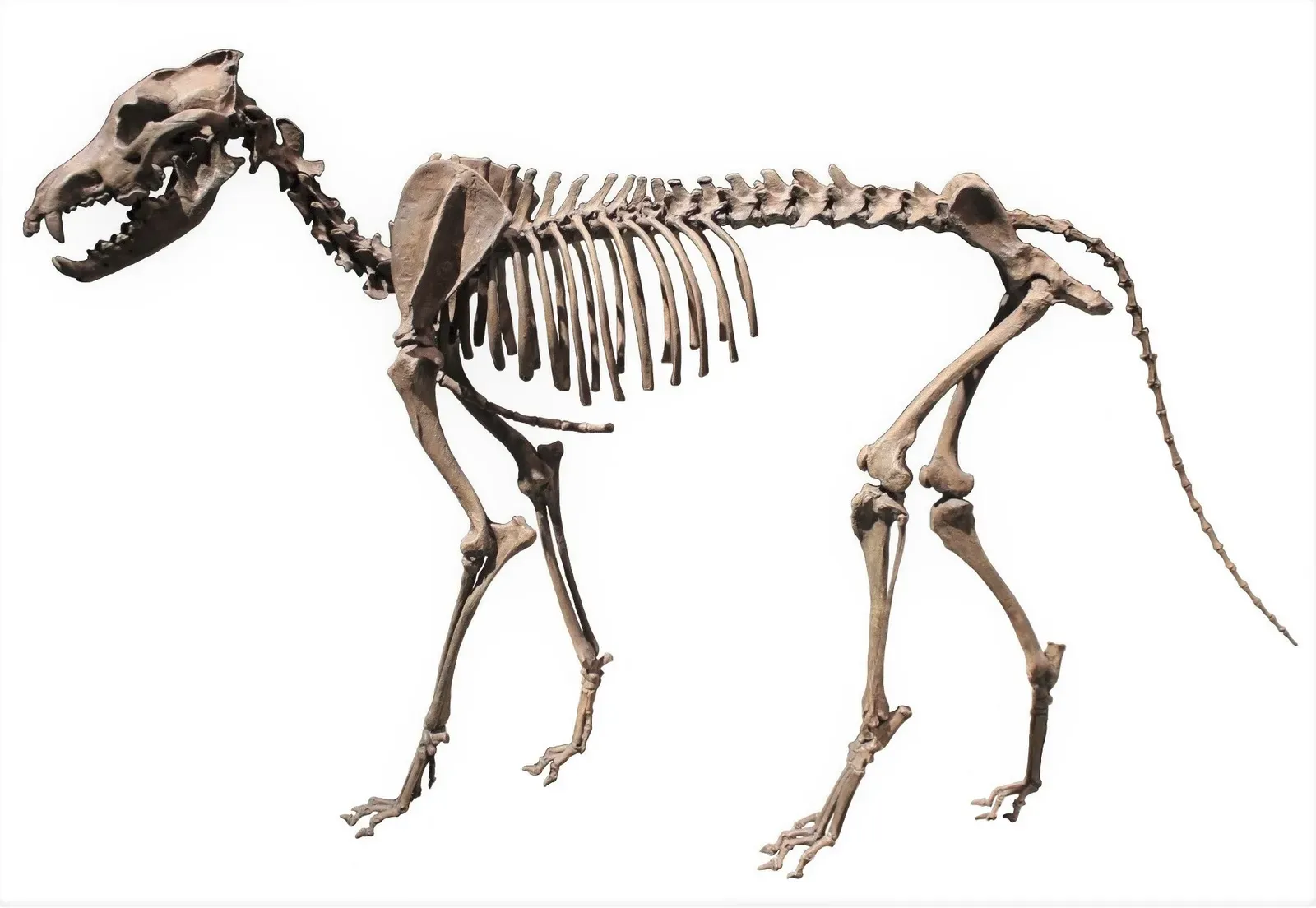
This is one of the biggest paleontology reversals of the last decade, and most museum models still haven’t caught up.
For over a century, dire wolves were sculpted as slightly bulkier gray wolves, based purely on how similar their skeletons looked side by side. Then genetic sequencing changed everything. Researchers found that the dire wolf is not closely related to the gray wolf at all, and that the two species never interbred, with their ancestors likely diverging more than 5 million years ago. That’s a split roughly a thousand times older than modern humans have existed. Coloring got revised too: paleoartists working with the genetics team concluded dire wolves likely had more reddish fur than previously thought, ditching the classic gray-wolf palette almost every museum still uses. Most exhibits haven’t updated the color or the family tree. The next animal borrowed its entire look from the wrong species.
At a Glance
- Genetic sequencing traced the dire wolf lineage back several million years, far older than skeleton-based guesses ever suggested.
- The same research found zero evidence of interbreeding between dire wolves and gray wolves, despite living side by side for thousands of years.
- Paleoartists working alongside the genetics team lean toward a lighter, more reddish coat instead of classic gray.
- Most exhibits, and most pop culture, still use the outdated “big gray wolf” template.
#3 – Saber-Toothed Cats Were Painted as Striped Tigers That Pounced Like One
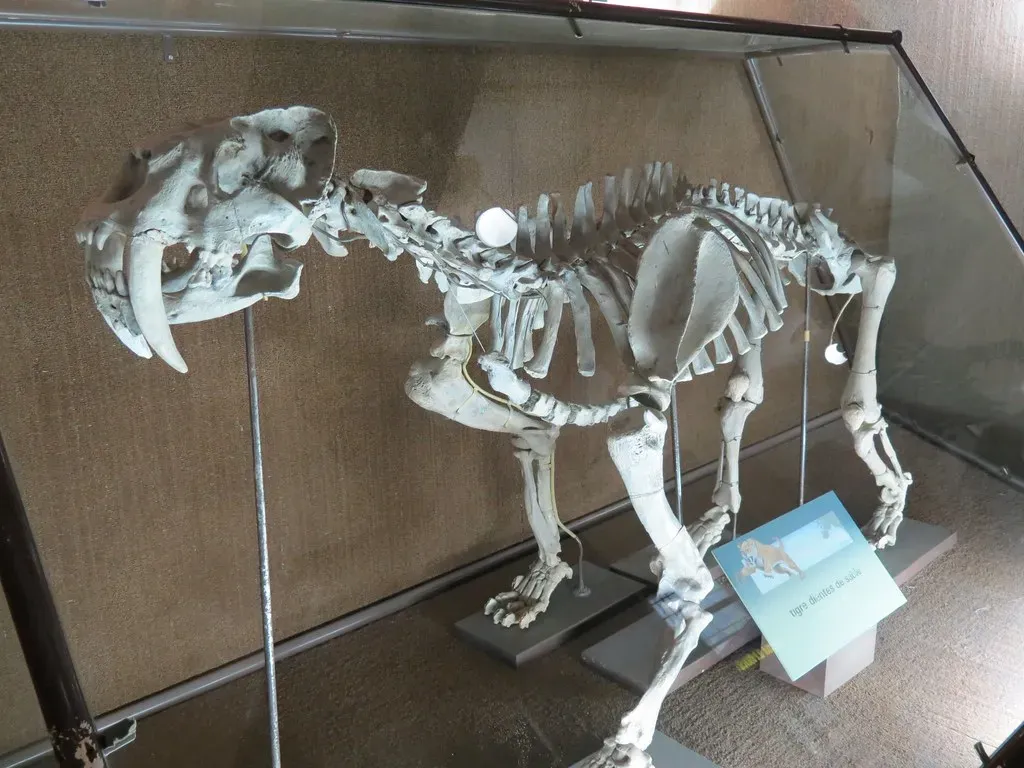
Nearly every early saber-tooth reconstruction copied one animal: the tiger, right down to the stripes and the crouch-and-ambush pose.
That template came from convenience, not evidence. Historical records show that late 19th and early 20th century artists began depicting saber-toothed cats as tigers, crouching and stalking prey, based on assumptions borrowed from whatever striped predator was available for comparison, despite no close genetic relationship. Later research pointed toward a completely different hunting style. Saber-tooths likely moved and attacked more like a modern lion, using an ambush style suited to open, mixed terrain rather than dense jungle stalking, since researchers used the similarly-sized African lion as a model for how the cat walked and struck. Coat pattern shifted too, with depictions from the 1970s onward favoring a spotted coat instead of solid tiger stripes. Decades of tiger-inspired art got the pose, the coat, and the hunting style wrong, all at once. This next one isn’t just wrong – it’s actively teaching visitors the wrong science.
#2 – The Famous “Sinking Mammoth” Sculpture Teaches the Wrong Lesson Entirely
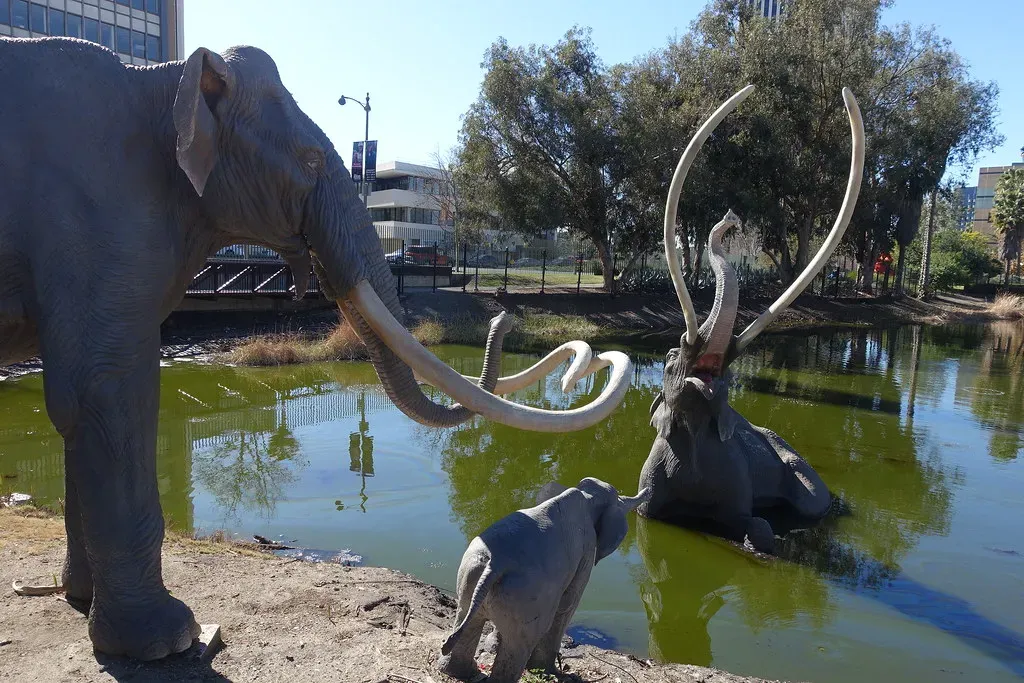
Walk up to almost any tar pit museum and you’ll see a dramatic sculpture of a mammoth sinking helplessly into a deep pool of asphalt, legs disappearing beneath the surface.
It’s a powerful image, and it’s misleading almost everyone who sees it. As one paleontologist has explained, the sculpture of a Columbian mammoth sinking into the Lake Pit outside the museum risks reinforcing the idea that asphalt pools worked like quicksand, when they were actually only a few centimeters deep. Animals weren’t swallowed whole like a scene from a monster movie; they were trapped the way a fly sticks to flypaper, unable to pull free from a shallow, gluey surface rather than drowning in a deep pit. This single sculpture has spent decades teaching millions of visitors the wrong version of exactly how the site’s most famous fossils were formed. It’s one of the most visited, most photographed, and most scientifically wrong pieces of museum art in the country. And that brings us to the real reason all of this happened in the first place.
Quick Compare
- Old belief: Mammoths sank helplessly into deep asphalt, like quicksand.
- Fossil reality: Tar pools were typically only a few centimeters deep, not bottomless pits.
- Old belief: Animals drowned in the muck.
- Fossil reality: Creatures got stuck the way a fly sticks to flypaper, trapped rather than submerged.
#1 – Nobody Was Actually Checking This Art for Accuracy
Here’s the uncomfortable truth tying every single one of these mistakes together: for most of paleoart’s history, almost no one was fact-checking it the way real science gets fact-checked.
Researchers who recently rebuilt more than a dozen Ice Age animal models from scratch admitted the field has a structural problem. Paleoart, they noted, is often treated as an afterthought rather than being subjected to the same scrutiny as other scientific work, which lets bad reconstructions get copied and repeated for generations. One museum scientist put it even more bluntly, describing paleoart as a very cool, imaginative space that overlaps with science, but one where artists are almost never required to openly justify their scientific choices. Errors weren’t isolated accidents; they were copied forward, generation after generation, because no one was required to show their work. That’s finally starting to change, with newer projects publishing their full research behind every model so future artists and scientists can actually check it. It took over a hundred years for museums to start treating extinct animals with the same rigor as living ones.
The Bottom Line
Decades of mammoth ears, saber-tooth stripes, dire wolf coloring, and “sinking” tar pit sculptures got quietly baked into public memory as fact, when the fossil record told a different story the whole time. The real culprit wasn’t bad science – it was art copied forward without anyone checking the receipts. Frozen carcasses, DNA sequencing, and isotope analysis have corrected almost every animal on this list, yet plenty of museum floors haven’t caught up.
Here’s the part that should bother you: none of these corrections required new fossils to be dug up. Most of the evidence – the cave art, the frozen carcasses, the skeletons themselves – had been sitting in collections for decades. It just took someone finally willing to look at it honestly instead of copying the last guy’s sketch. The next time you walk past a mammoth diorama, ask yourself whether you’re looking at 2020s science or 1920s guesswork. Which one of these reconstructions surprised you the most? Drop it in the comments.