Think about the last time you saw a velociraptor on screen. Did it feel less like an animal and more like a scheming villain who could probably outsmart everyone in the room? You are not imagining it. Over the last few decades, Hollywood has quietly upgraded raptors from clever predators into near-supervillain masterminds, and it says a lot more about us than it does about dinosaurs.
This is not just about cool chase scenes and jump scares. When filmmakers turn velociraptors into genius-level strategists, they are tapping into our biggest modern anxieties: about technology, about intelligence we cannot control, and about the uncomfortable feeling that maybe we are not at the top of the food chain after all. Once you see the pattern, you cannot unsee it, and it changes the way those sickle-clawed monsters look back at you from the screen.
The Real Velociraptor: Smart, But Not Secretly Human
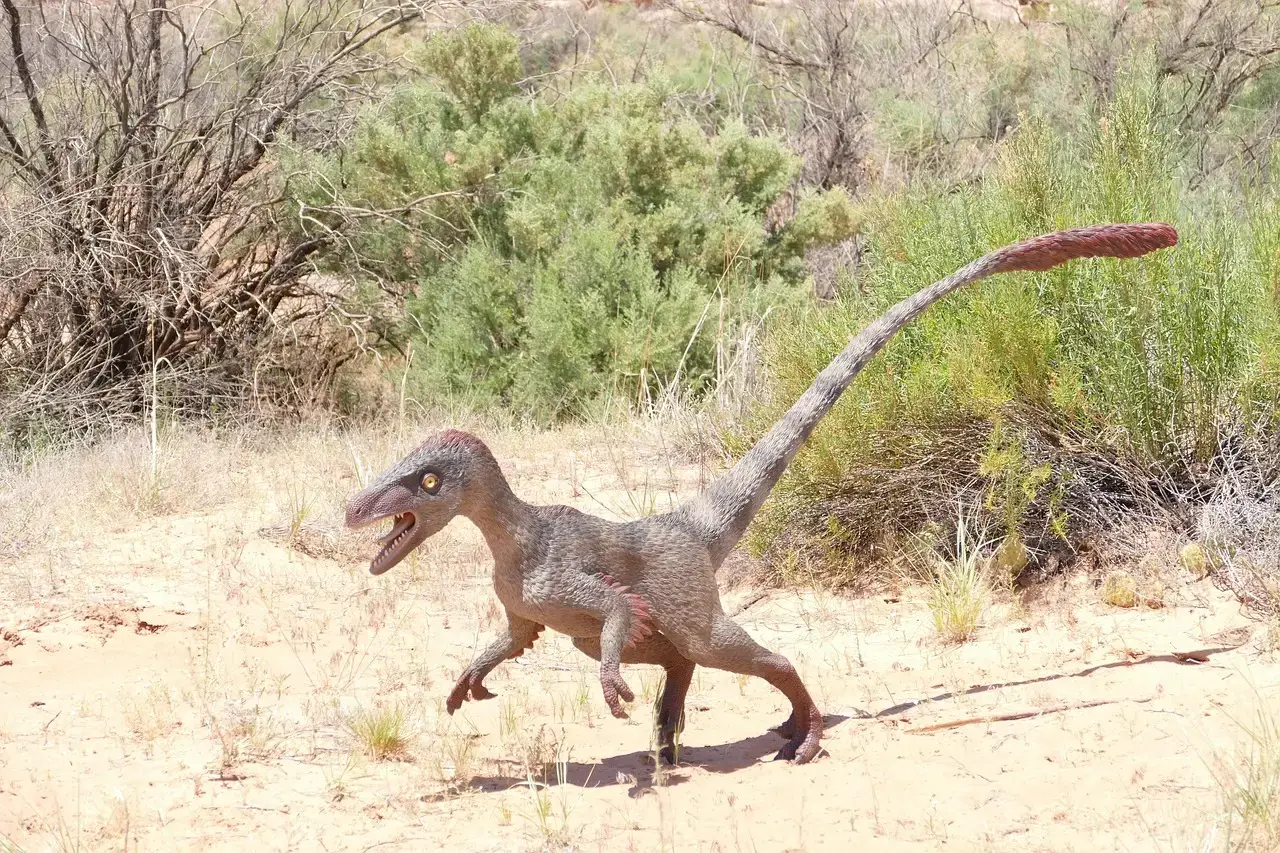
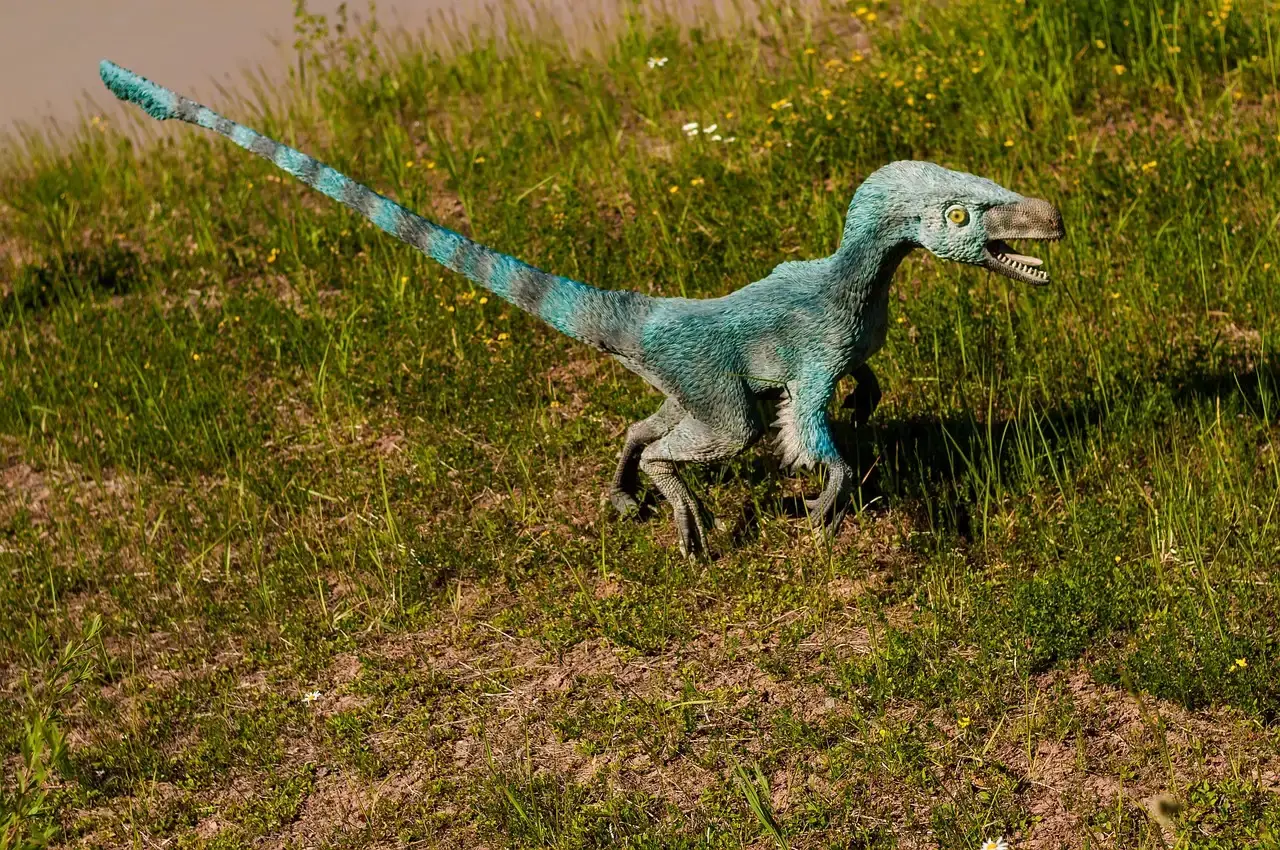
Here is the awkward truth: the real velociraptor was closer to a turkey-sized, feathered predator than the door-opening giants you see in movies. Paleontologists estimate its brain size relative to its body suggests decent intelligence for a dinosaur, but nowhere near human levels, and probably not even quite on par with today’s smartest birds like crows or parrots. It could likely hunt in complex environments and learn from experience, yet it was still an animal responding to instinct, not a philosopher plotting long-term strategies.
Scientific reconstructions also suggest that many dromaeosaurs, the broader group raptors belong to, were agile and perceptive, but their intelligence would have been focused on survival tasks: tracking prey, avoiding larger predators, and possibly some form of group coordination. That is impressive, but it is a far cry from hacking security systems, testing doorknobs, or conducting psychological warfare on humans. When we watch raptors behave like chess masters, we are not seeing science; we are seeing our own fantasies and fears projected onto the fossil record.
Why We Love Smart Monsters More Than Mindless Ones
Mindless monsters are scary for a minute; intelligent monsters linger in your head for years. A giant shark is terrifying, but a creature that studies you, learns your habits, and adapts its tactics feels much closer to a nightmare you cannot wake up from. Hollywood understands that audiences feel a deeper, more personal kind of fear when the threat seems to understand them, almost like a rival rather than a natural disaster.
There is also a kind of twisted respect built into this. When monsters are smart, we subconsciously treat them as worthy opponents, which makes the story feel bigger and more meaningful. A showdown with a clever predator can be framed like a duel rather than a one-sided slaughter. Velociraptors are perfect for this role: they are small enough to be sneaky, fast enough to be relentless, and blank enough in the public imagination that writers can load them with whatever intelligence level the plot demands.
The Human Ego Problem: We Need to Be Outplayed to Feel the Threat
One strange reason raptors keep getting smarter on screen is that audiences are increasingly hard to impress. We live in a world where people carry supercomputers in their pockets, drive cars that can park themselves, and argue online about artificial intelligence. If a monster cannot beat basic human problem-solving, it just does not feel threatening anymore. To sell true danger, storytellers have to create creatures that can leapfrog over our sense of superiority.
This becomes a kind of arms race. As our self-image grows more advanced and tech-savvy, villains have to evolve too. A dinosaur that simply charges and bites feels outdated to viewers who are used to smart villains, clever plot twists, and cunning strategists. So the raptor becomes sharper, more calculating, almost eerily human in its awareness. It is not enough for it to be a predator; it has to humiliate us a little, to prove that our big brains are not the ultimate trump card we think they are.
From Dinosaur to Metaphor: Raptors as Stand-Ins for Runaway Technology
Watch how raptors are portrayed in modern films and you might notice they behave less like wild animals and more like rogue algorithms. They slip past security measures, exploit human mistakes, and sometimes even seem to test the boundaries of their world, almost like software learning from user input. In that sense, the velociraptor on screen is not really about paleontology at all; it is about our dread of creating something smarter than us that we cannot control.
In a world where people worry about artificial intelligence becoming too capable or biotech going too far, hyper-intelligent dinosaurs become a tidy metaphor. They are science-made-flesh, designed by human ambition and then turned loose. When a raptor outthinks a human character, it feels eerily similar to stories about machines outthinking their creators. The message underneath all the roars and claws is simple and uncomfortable: you are not in charge anymore, even if you thought you were.
The Visual Trick: How “Smart” Behavior Is Faked for the Camera
Another strange reason raptors look smarter than humans is that filmmakers know exactly how to fake intelligence on screen. A lingering close-up on an eye, a tilt of the head, a pause before acting – these tiny choices make a creature feel like it is thinking deeply, even if it is just about to pounce. When editors cut these moments together carefully, the animal seems to be following a plan, not an impulse, and our brains happily fill in the gaps with imagined strategy.
Even simple actions like trying different paths, coordinating an ambush, or appearing to “test” a barrier are often staged using well-known film tricks. If a raptor fails once and then suddenly succeeds, it feels like learning. If two of them appear on opposite sides of a character at just the right moment, it feels like communication. We read human-style intelligence into these beats the way we see faces in clouds. The result is a dinosaur that seems brilliant, even when the script is really just arranging coincidences to look like cunning.
Escalation Over Accuracy: Why Each New Movie Has to One-Up the Last
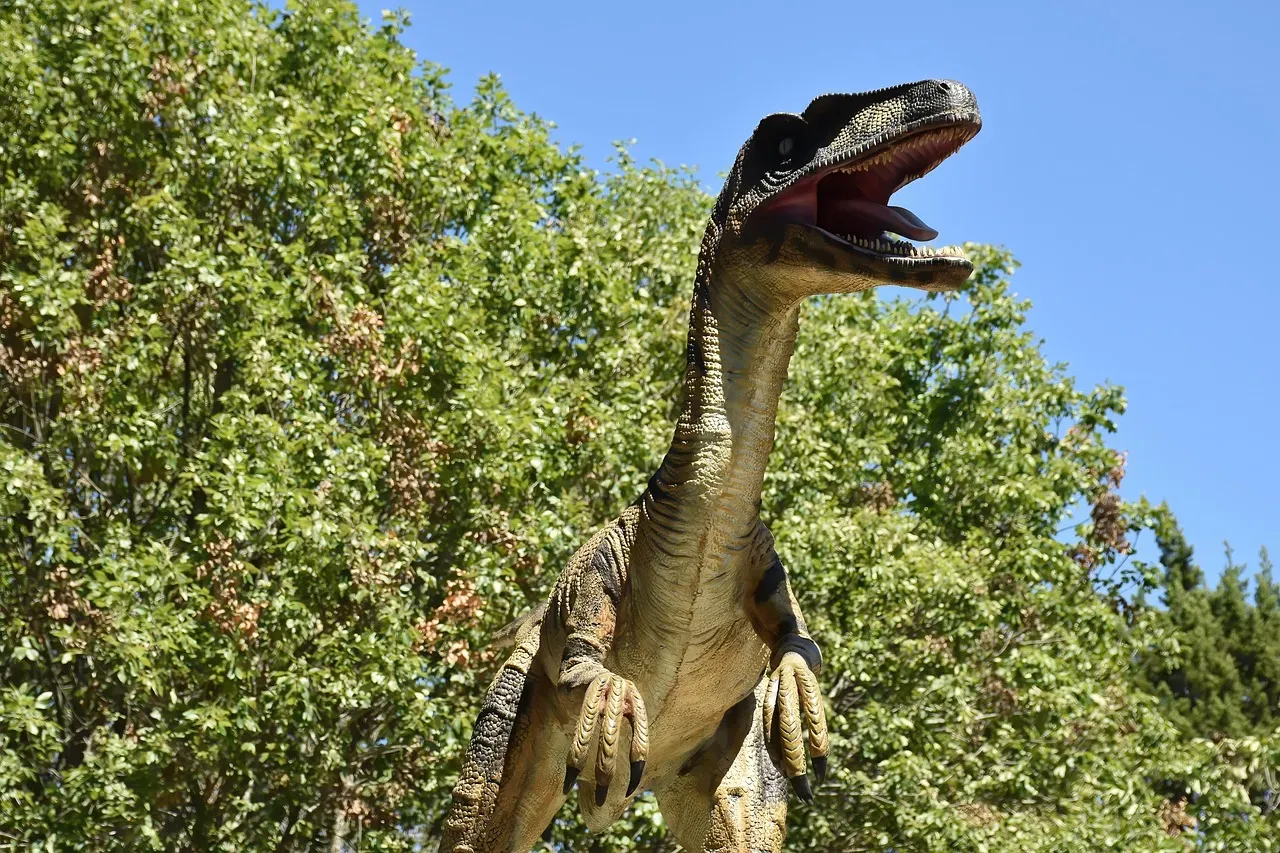
Franchises almost never move backward in intensity; they only escalate. Once a film has shown raptors opening doors, the sequel cannot have them just snarling in the bushes. It has to top that, maybe with them solving more complex problems or outmaneuvering military-grade defenses. Over time, the logic of entertainment pushes these creatures far beyond anything remotely realistic, because accuracy is quieter, and quiet rarely wins box office weekends.
This escalation becomes self-reinforcing. Viewers start to expect raptors to be master tacticians, and writers design set pieces around that assumption. The baseline of what counts as “smart dinosaur behavior” keeps rising, while the real animal drifts further into the background. We end up with a version of velociraptors that no paleontologist would sign off on, but that audiences recognize immediately – less like real animals, more like recurring characters in a long-running myth.
We Crave the Humbling Story Where Nature Wins

On some level, people seem to enjoy being reminded that they are not invincible. Stories where humans lose to their own creations or to forces of nature scratch a strange emotional itch. They are humbling in a way that can feel almost cleansing, especially in cultures that constantly preach human dominance and control. Hyper-intelligent raptors deliver that slap in the face neatly: we build the park, we design the enclosures, we set the rules – and they tear right through all of it.
There is a kind of dark satisfaction in watching nature, even a fictionalized version of it, overturn the smug confidence of scientists and investors on screen. The smarter the raptors appear, the more justified that reversal feels. It becomes less a monster movie and more a fable about hubris, with claws. The dinos might be exaggerated beyond scientific reality, but the emotional reality – our fear that we have overreached – is painfully honest.
Conclusion: The Raptors Are Not the Problem – Our Reflections Are
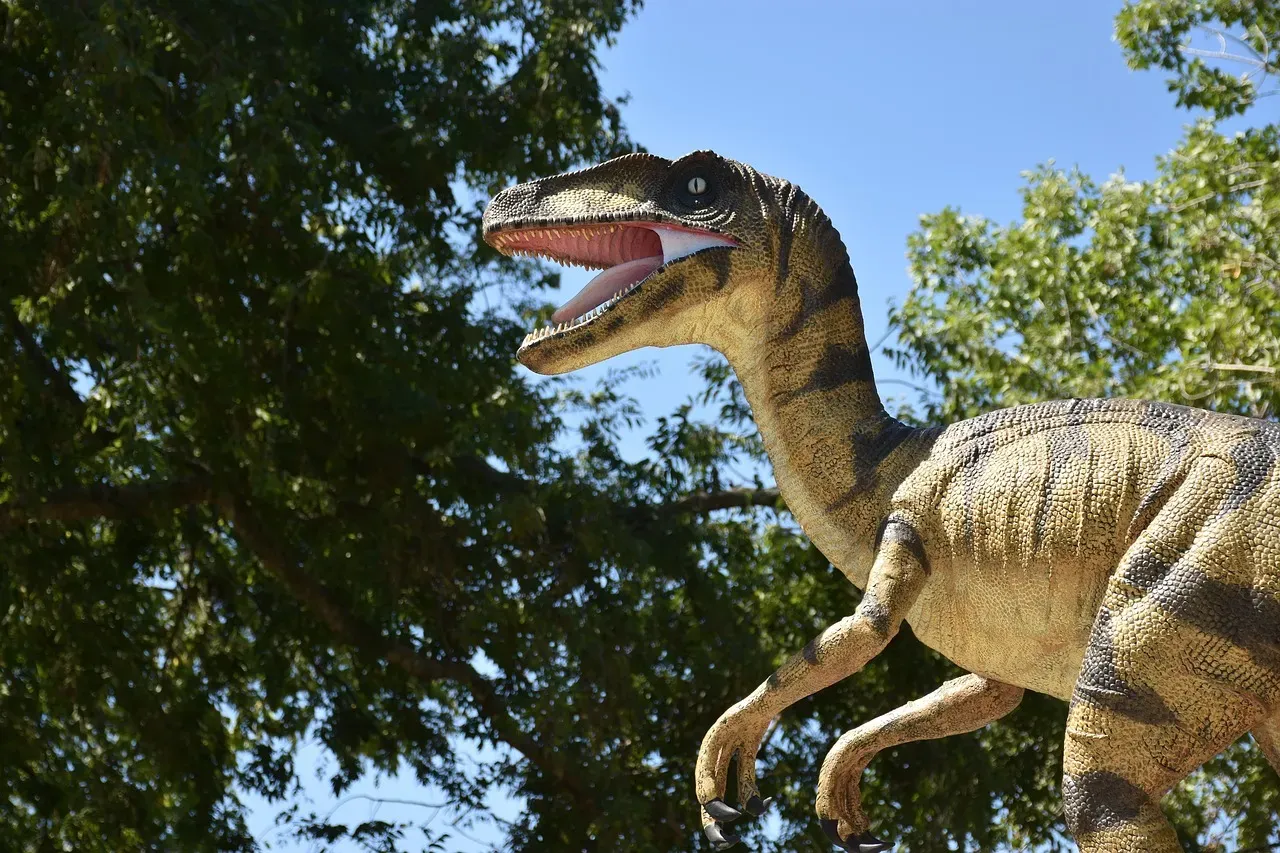
If , it is not because the fossil record demands it. It is because we are obsessed with stories where our favorite myth about ourselves – that we are the pinnacle of intelligence – gets cracked open a little. In that sense, raptors have become mirrors, reflecting our anxieties about technology, control, and the possibility that we are not as special as we like to think. The dinosaurs are just the costume; the real subject is us.
Personally, I think the exaggerated raptor intelligence is both ridiculous and oddly honest. It mangles the science, but it nails the mood of our era: clever, overconfident humans staring nervously at the smarter thing they helped unleash. Maybe the real question is not why Hollywood keeps making velociraptors so smart, but why we keep coming back to watch them outthink us. Deep down, do we want to be proven wrong about our own superiority, at least for two hours in the dark?