Most people assume fieldwork ends the way the grant proposal promised it would – on schedule, data in hand, mission accomplished. That’s not what the logs actually show. Some seasons just stop, almost mid-sentence, with no storm, no war, no budget note – just a flat line in the archive reading “season terminated” and nothing else.
For archivists and the researchers who inherit these files years later, those blank spaces are maddening. They can hide anything from an embarrassing screwup to something closer to a quiet cover-up, and until recently, almost nobody talked about how often it actually happens. Here are 13 field seasons where the paper trail simply goes dark – and what the leftover clues seem to be pointing at.
#1 – The Arctic Ice-Core Team That Packed Up in Perfect Weather
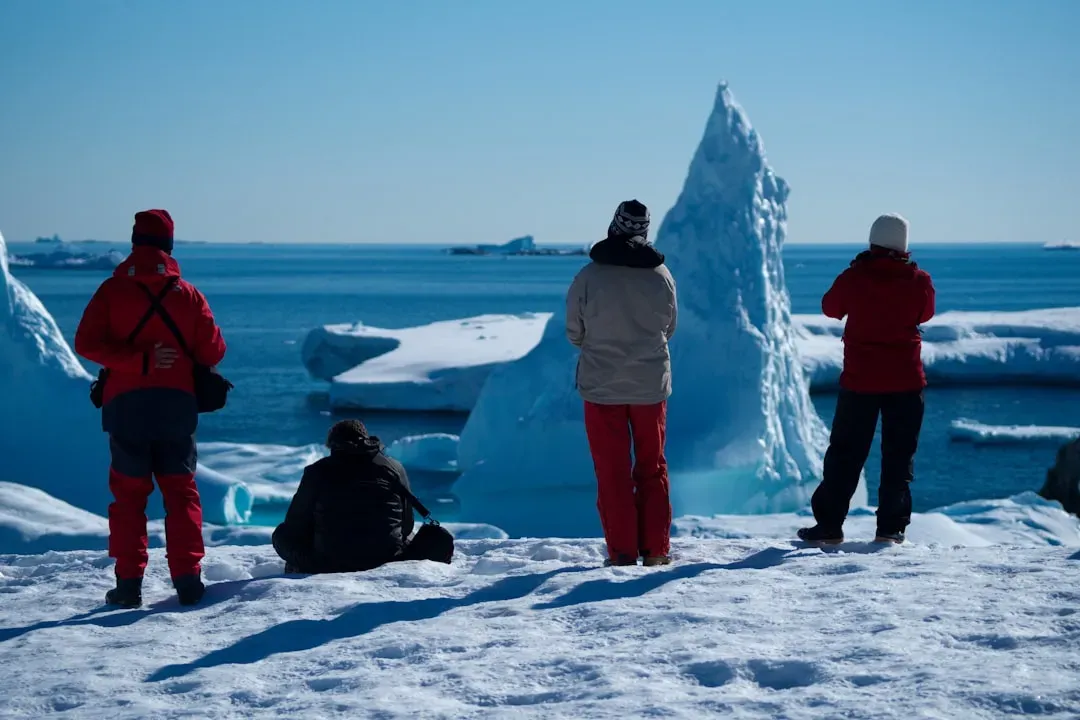
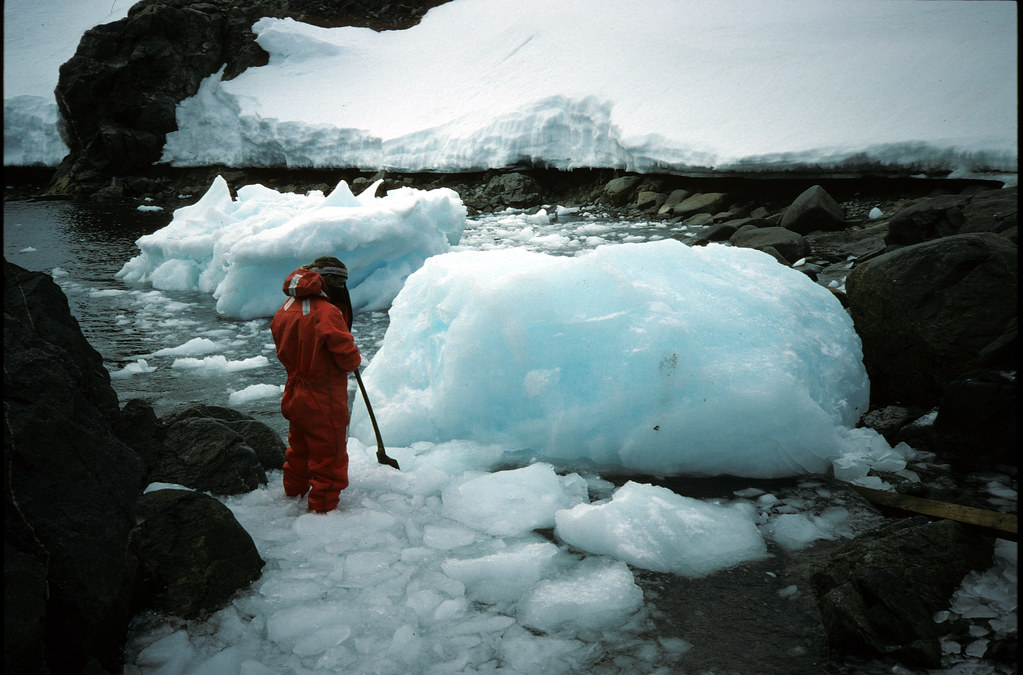
On paper, this Arctic season looked routine: solid funding, an experienced crew, and ideal weather recorded the very week the mission suddenly ended. No storm damage, no evacuation order, no missing gear. Just a single line in the project file: “Season concluded; no further activity.”
For an ice-core operation, that’s bizarre. These teams usually push conditions to the absolute limit, because every extra meter of core equals years of buried climate data.
Insiders who’ve combed through the logistics notes found something even stranger: fuel and food caches were barely half used when the team radioed for extraction. That almost never happens in polar work.
Some glaciologists quietly suspect interpersonal conflict or a costly equipment error the PI didn’t want on record – either one career-damaging if formally reported. Others whisper about unreported ice instability that would have triggered a safety investigation and delayed future funding. The only thing everyone agrees on is that the silence in the paperwork looks deliberate, not accidental.
#2 – The Amazon Biodiversity Plot That Vanished From the Database
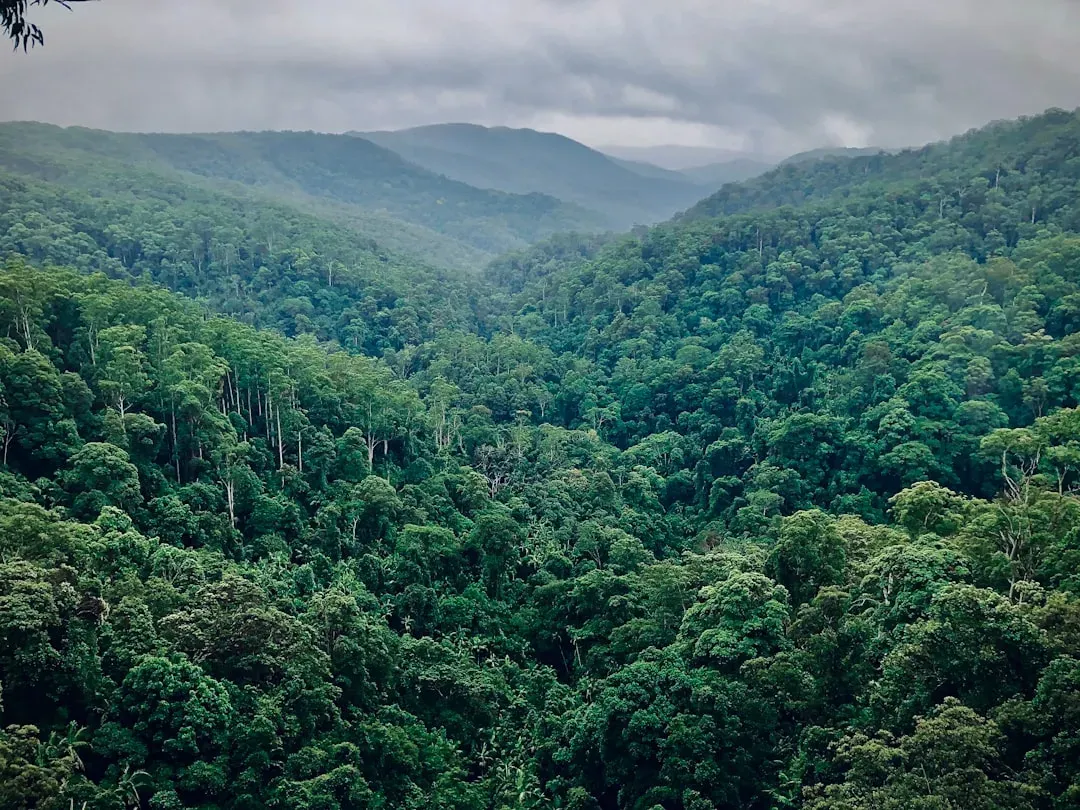
Forest ecologists depend on long-term Amazon plots to track biodiversity, carbon storage, and climate change. That’s why it raised eyebrows when one meticulously mapped plot, backed by years of baseline data, simply stopped reporting mid-season and vanished from the consortium’s public database.
There was no “plot abandoned” note. No mention of fire, logging, or land conflict. Just a hard cutoff.
Researchers who tried to trace the gap found only fragments: a shipping manifest for preserved specimens that never arrived, a canceled follow-up grant, and emails hinting at “data irregularities” with zero elaboration.
Some think local land-use politics turned ugly – illegal logging, mining, or a landowner dispute nobody wanted in the official record. Others suspect something more uncomfortable: that the early numbers didn’t match funders’ expectations about carbon benefits, so the project got quietly deprioritized. Most conservationists hate that theory, but a few admit “politically inconvenient” datasets tend to die quiet deaths.
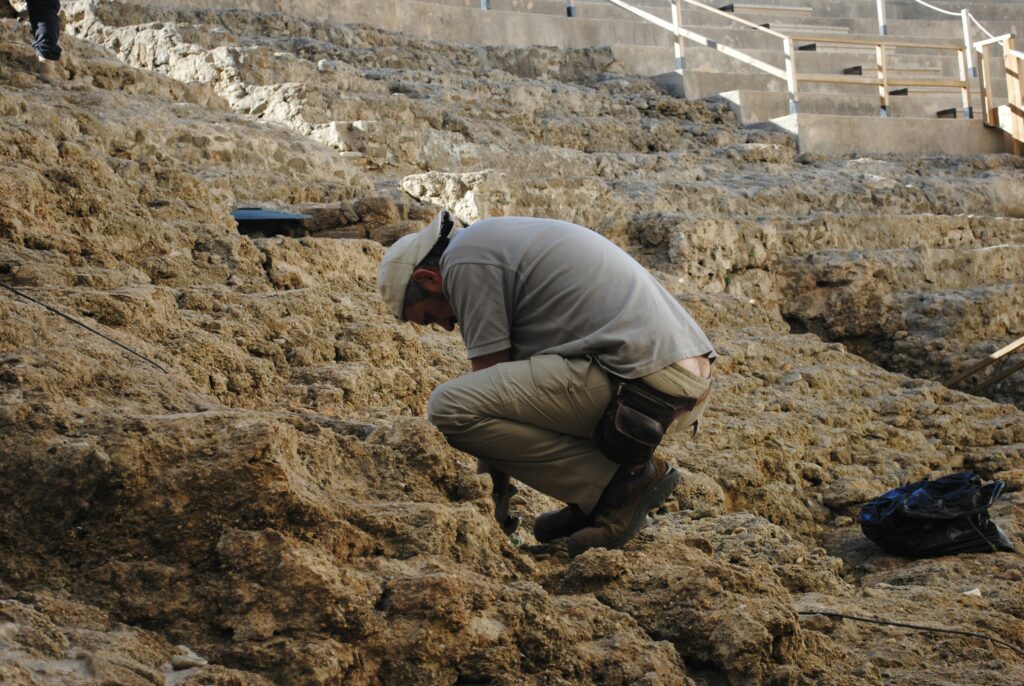
#3 – The Desert Dig That Closed Right Before Peak Season

Archaeologists plan desert seasons around one thing: the cooler months when excavation is safest and most productive. That’s what made a mid-season closure right before peak digging weeks so jarring.
The site log shows routine progress, no injuries, then a blunt final entry: “Operations suspended indefinitely; no further remarks.”
Later, oral accounts from junior staff hinted at mounting tension with the host community. One recalled offhand references to “unexpected local sensitivities” – code, in archaeology, for artifacts or human remains that challenge official narratives or religious norms.
It’s possible the team uncovered burials or ritual objects that forced a quiet shutdown, avoiding a politically explosive paper trail. A few skeptics argue it was just a funding or permit issue, but that would normally leave a clean trail of appeals and extensions. The total absence of that trail is what still bothers people reading the file today.
Worth Knowing
- Phrases like “local sensitivities” or “operations suspended indefinitely” often surface in archaeology files when religious or cultural conflicts arise.
- Genuine permit and funding disputes almost always leave a paper trail of appeals, extensions, or correspondence.
- A total lack of that trail is itself treated as a red flag by archivists reviewing old field files.
- Human remains and sacred artifacts remain among the most common – and least documented – reasons for a sudden dig closure.
#4 – The Coral Reef Survey That Ended Right Before Bleaching Spiked
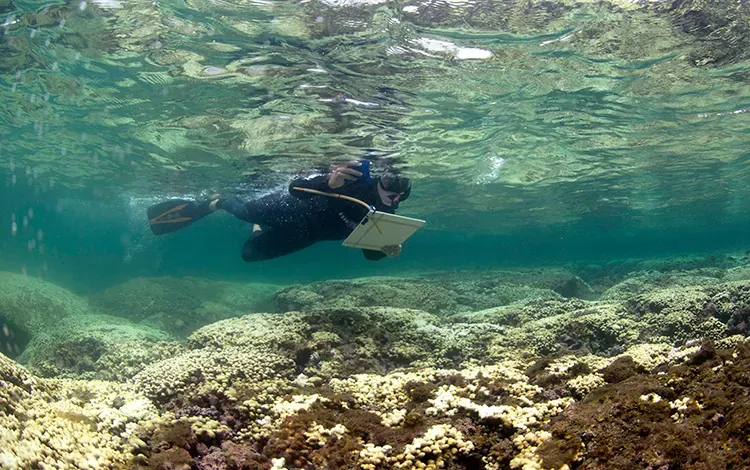
Marine biologists had spent years tracking one reef system, installing permanent transects and fixed photo stations. In the exact season regional sea temperatures spiked, everyone expected dense, continuous data.
Instead, the log shows fieldwork stopped abruptly weeks before peak bleaching was recorded by satellites, with no on-water explanation ever filed.
For some conservationists, the timing is too suspicious to ignore. One camp believes the team saw catastrophic damage beginning and faced a stark choice: document a politically sensitive collapse near tourist infrastructure, or quietly back off.
Another camp points to internal burnout – divers pushed to exhaustion, possibly with underreported decompression risks. It doesn’t help that the last internal report sounds upbeat, noting “favorable conditions” and “high visibility.” That gap between the cheerful paperwork and the sudden silence keeps the speculation alive.
#5 – The Himalayan Glacier Mapping Season Cut Short Without a Weather Excuse
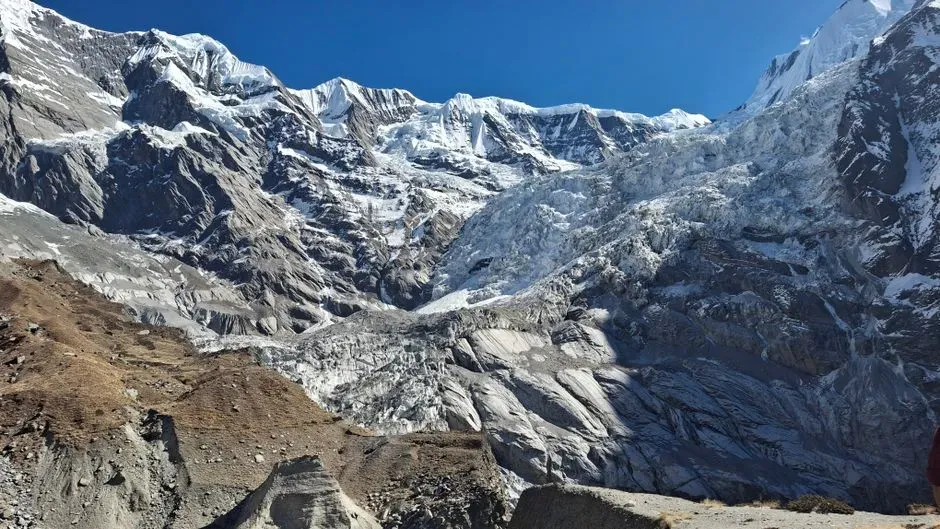
High-altitude teams usually have one bulletproof excuse for ending early: the weather turned. But in this Himalayan project, station logs and regional forecasts line up to show something unusual – conditions stayed stable and clear during the exact week the crew requested extraction.
There’s no recorded avalanche threat, no equipment loss, no documented altitude sickness case. What you do see are increasingly terse notes about “route decisions” and “team cohesion” – expedition-speak that often masks serious disagreement about risk tolerance or leadership.
Several mountaineering scientists admit privately that a PI who looks overly cautious on paper can lose future funding, so fear and conflict quietly get downplayed in official forms. Some glaciologists reading the records suspect a near miss – a crevasse fall or unreported slide – that rattled the team enough to abort, but was never formally logged.
The ethical question still lingers over the whole file: should emotional reality belong in the scientific record, or is silence simply safer for careers?
#6 – The Prairie Mammal Study That Broke Off Mid-Migration
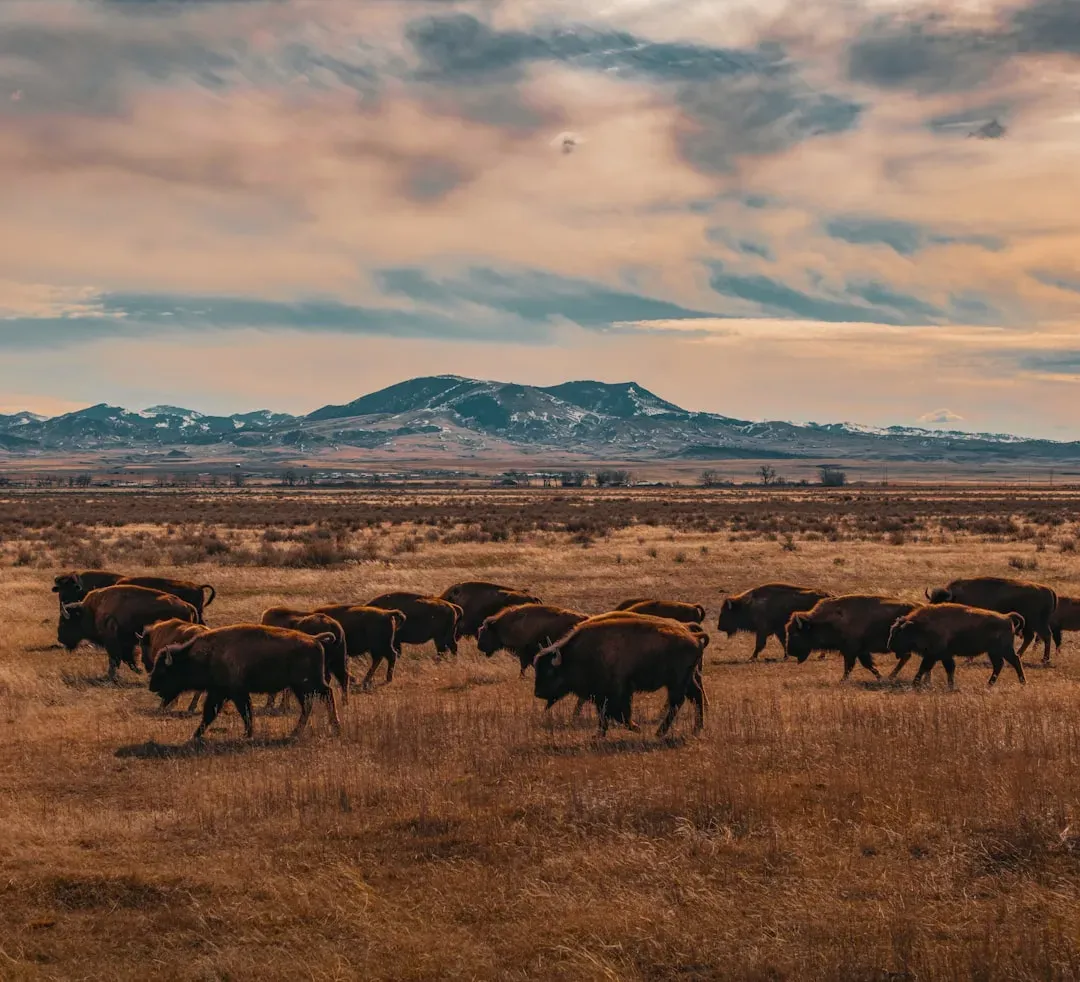
Ecologists tracking prairie mammals depend on complete migration cycles. In this case, GPS tags and camera traps had just started revealing intriguing movement changes when the field season stopped halfway through.
The archived report offers a vague note about “operational constraints,” yet equipment inventories show the team retained full functionality and had unspent field funds.
That contradiction quietly infuriates population modelers. Losing half a migration season can bias years of downstream analysis, especially in conservation work where every dataset feeds policy claims.
One theory floating around in lab gossip: the PI faced a sudden career move and chose not to delegate field leadership. Another, more uncomfortable theory is data embarrassment – the early movement patterns didn’t match the project’s high-profile predictions, and enthusiasm (and manpower) simply dried up.
#7 – The Remote Island Bird Census That Stopped After a “Routine Check”
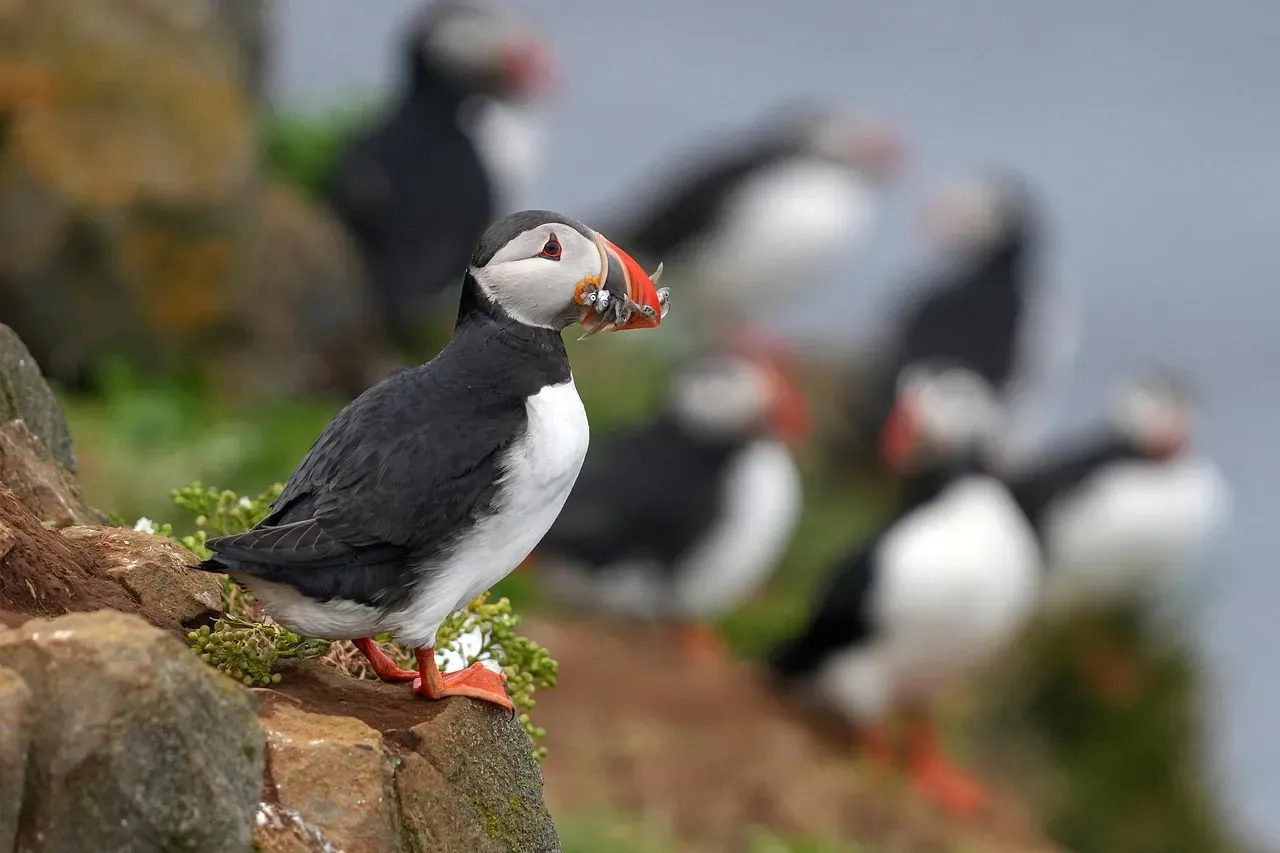
Island bird work is usually dull on paper: counts, weather, nest checks. In one long-running project, things looked typically boring until a short, cryptic note appeared: “Routine safety check conducted; operations concluded.”
There’s no follow-up hazard description, no mention of injury, and no sign of structural failure in camp gear anywhere in the file.
Later, graduate students who’d rotated through the project started swapping stories at conferences – unusually aggressive behavior from certain nesting colonies, dead birds with lesions, odd parasites, and uneasy conversations with a regional veterinarian.
If the team suspected an emerging disease but lacked confirmation, they may have chosen a fast, quiet exit rather than write “outbreak” anywhere official – a word that can trigger bureaucratic chaos and scare off future funders. Critics argue disease work is exactly what should be documented. Either way, the ambiguity still haunts anyone trying to use that site as a clean baseline.
Quick Compare: Official Reason vs. What the Clues Suggest
- Arctic Ice-Core Team: Official reason – “season concluded.” Clues suggest – unresolved conflict or an unreported equipment or ice-safety failure.
- Coral Reef Survey: Official reason – stopped ahead of schedule. Clues suggest – crew burnout or reluctance to document a bleaching collapse.
- Remote Island Bird Census: Official reason – “routine safety check.” Clues suggest – early, unconfirmed signs of a disease outbreak.
#8 – The Permafrost Thaw Study That Went Silent After Instrument “Noise”
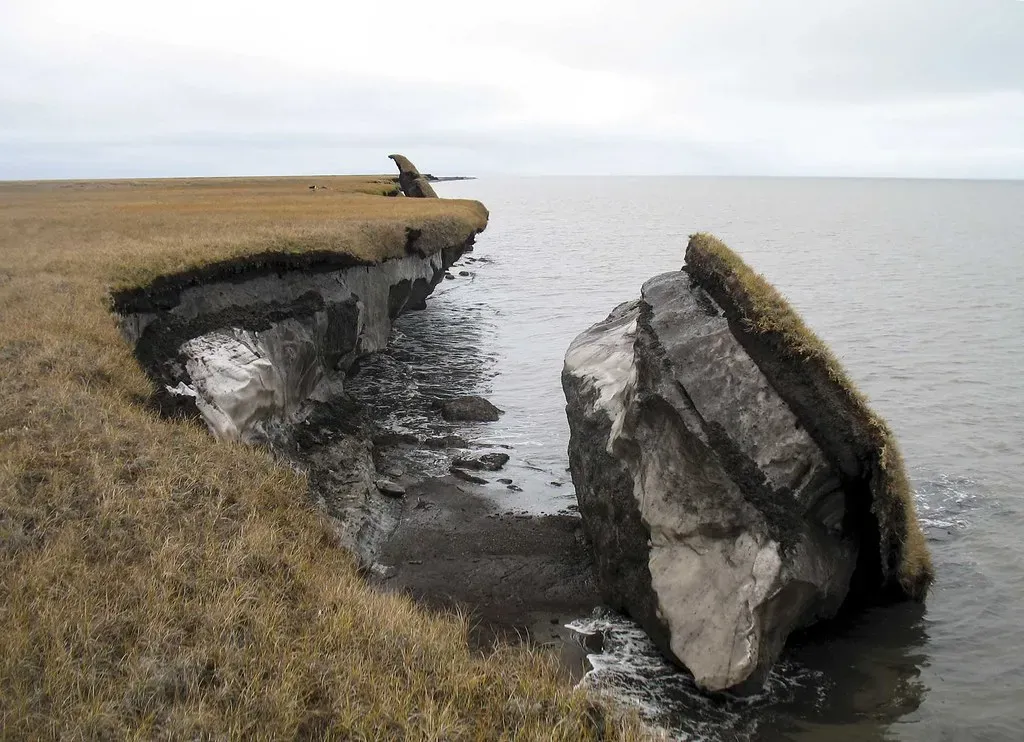
In climate research, weird data is usually exciting, not alarming. Yet one permafrost monitoring team reported rising “instrument noise” and ended the season before the troubleshooting logs show any real attempt to recalibrate or replace sensors.
The official file jumps straight from “anomalous readings observed” to “field season ended; analysis deferred.” For data-minded scientists, that sequence is a red flag – true hardware failure usually leaves a trail of shipping orders, repair notes, and frantic emails.
Instead, stored email headers (content redacted for privacy) show a flurry of messages with subject lines like “thresholds exceeded” and “interpretation risk.” That phrasing suggests the team was more worried about what the data meant than whether it was technically accurate.
Some observers think the readings implied terrifyingly rapid thaw, the kind of result that clashes with existing models and political narratives. Others think the anomalies simply undermined the project’s core hypothesis, draining enthusiasm fast. Either way, stopping instead of double-checking in the field still feels like a scientific own goal.
#9 – The Savanna Fire Ecology Team That Left Before the Burn Window
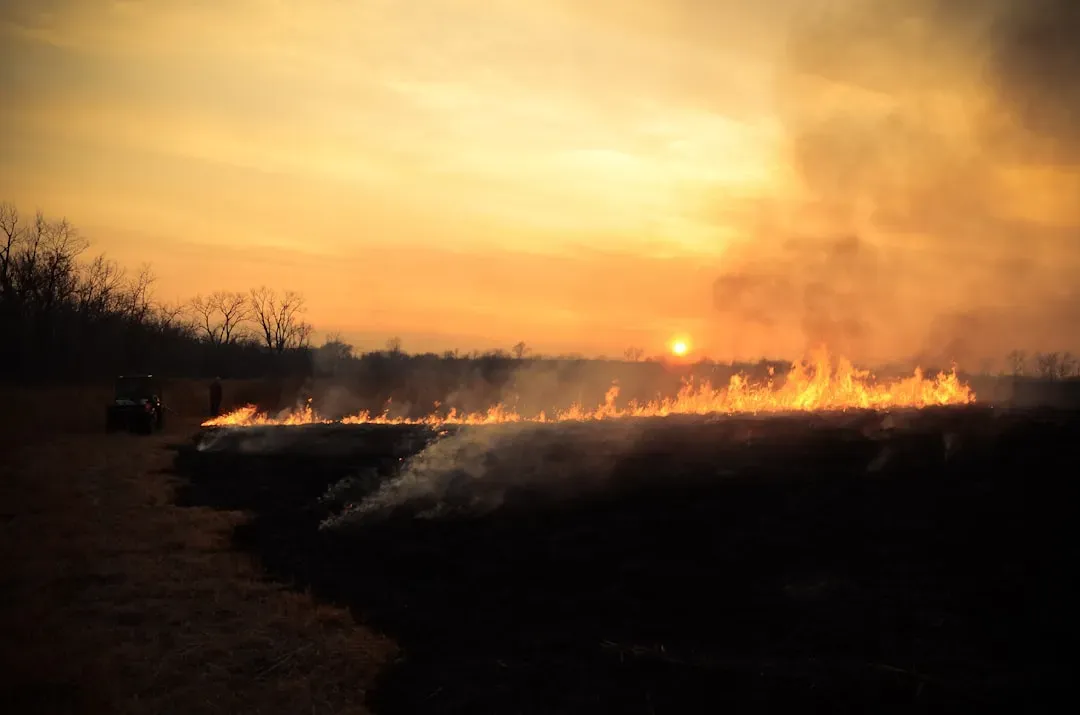
Fire ecology fieldwork is planned around a narrow burn window, with teams positioned to measure everything from smoke chemistry to soil change. In this case, though, the crew packed up and left days before the anticipated controlled burns, even with permits in place and fuel conditions logged as “optimal.”
Later agency reports confirm the burns happened anyway – just without independent scientists on the ground to observe them.
Some insiders blame worsening relationships with land managers, who sometimes view outside researchers as critics rather than partners. Others point to liability fears: if a fire escapes containment, the visiting scientists make an easy political scapegoat.
For a project funded specifically to study real burns, bailing right before showtime is hard to justify scientifically. What stings most is that later modeling papers still cite this “season” as if it captured a full cycle – when the key event actually happened after the notebooks were already closed.
#10 – The Alpine Flora Survey That Abandoned Its Highest Plots
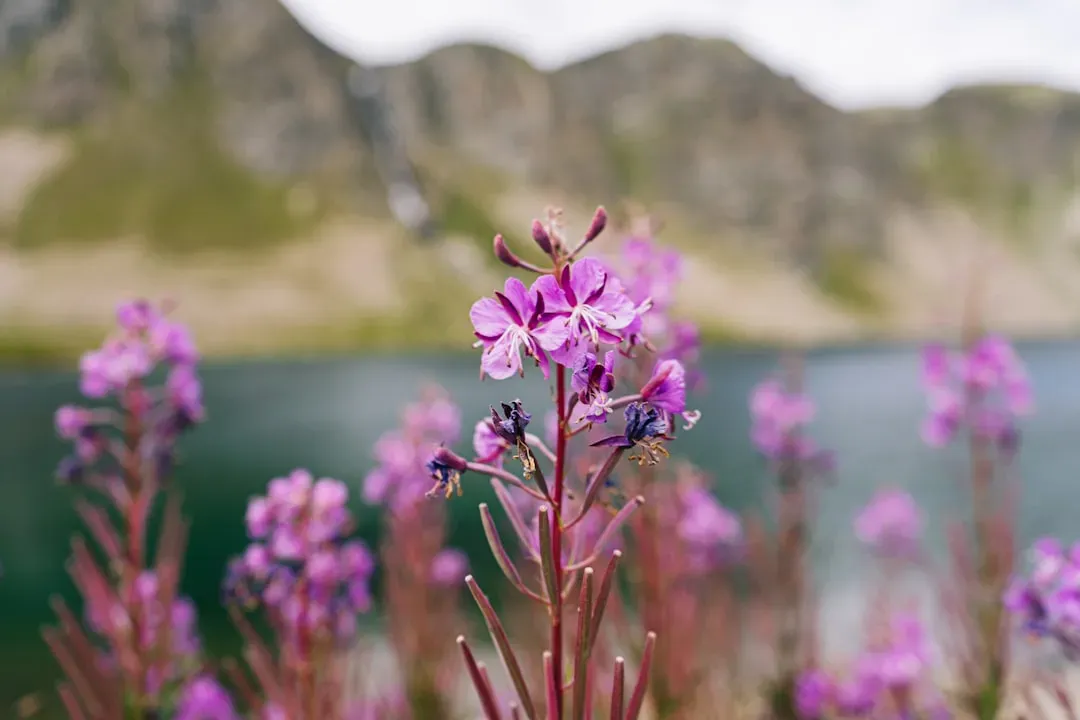
Plant ecologists knew climate change was pushing alpine species uphill, so they built laddered plots across several elevations. Strangely, the final season’s records show careful work at the lower and mid-level sites, then no data at all from the highest plots, despite good trail conditions and remaining field days.
The season is simply marked “completed.”
Students who later tried to reconstruct the study noticed something pointed: the unvisited high plots were exactly the ones most likely to confirm strong upslope shifts – the bold signal that would fit the climate narrative everyone expected. Skeptics argue that makes the gap less suspicious, not more, since it’s odd to abandon your strongest expected result on purpose.
A more mundane explanation, like acute altitude illness or a private safety scare, is possible – but even a near-fall or a whiteout would usually leave some trace in field diaries. The total omission leaves an unsettling question: were the high plots empty of plants, or just empty of scientists?
#11 – The Urban Air Quality Campaign That Shut Down Before Protest Season
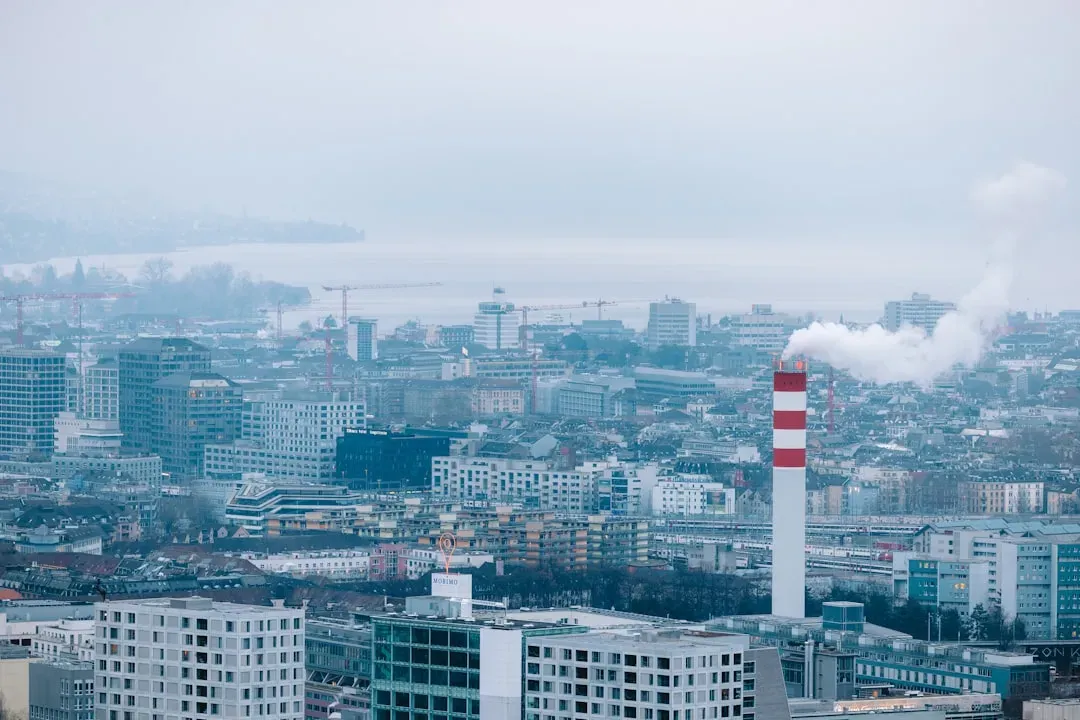
Air quality campaigns in cities are often timed to overlap with high-activity periods – festivals, holidays, protest waves. In one large project, monitors went up across sensitive districts, and then, right as a major protest season began, every mobile unit was pulled and the field phase was declared “concluded on schedule” – despite internal planning documents clearly projecting later end dates.
Community activists who’d partnered with the scientists felt blindsided, reading the pullback as pressure to avoid documenting peak pollution tied to heavy policing and crowd control.
The research team publicly cited “resource optimization” – a vague phrase that satisfied nobody. To be fair, real constraints like staff safety, vandalism risk, or sudden budget cuts could genuinely justify an early end.
But refusing to spell any of that out in the technical summary looks, to a lot of people, like a deliberate choice to keep sensitive context off the record. The result is a dataset that politely sidesteps the exact emissions spikes communities cared about most.
Fast Facts
- Vague phrases such as “resource optimization” or “expectation misalignment” recur across multiple, unrelated field files in this list.
- These terms rarely appear alongside a clear timeline, budget breakdown, or named decision-maker.
- Archivists often say the absence of specifics is more telling than the vague phrase itself.
- Community and local partners are frequently the last to be informed when a field season ends early.
#12 – The Offshore Drilling Impact Survey That Quietly Folded
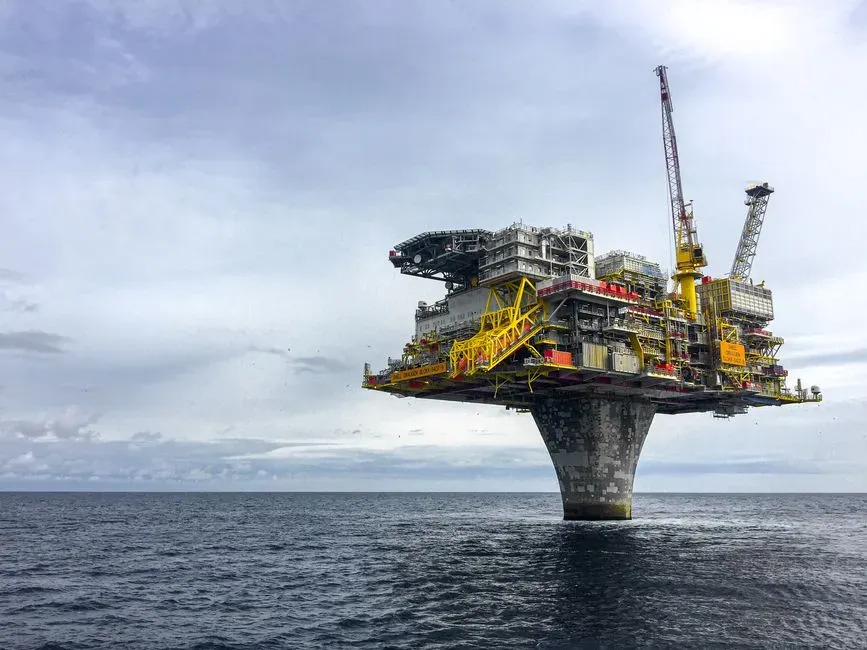
Environmental impact assessments around offshore drilling sites are politically charged from day one. One multi-season study had been tracking fish assemblages and sediment chemistry near a new platform.
Then, midway through the most critical season – right as production ramped up – field operations were halted without explanation, and later reports referenced only “historical baseline campaigns”.
To some marine scientists, that euphemism screams legal anxiety. If the team saw negative impacts earlier than expected, naming them plainly in raw field logs could create liability for both the operator and the institution holding the data.
Skeptics counter that contractual disputes, insurance issues, or ship access problems can genuinely wreck a season with little warning. What’s notable is that nobody involved has ever published a candid account of what actually happened – and that lingering silence keeps inviting the same question: was the science squeezed between industry expectations and institutional risk management?
#13 – The Human-Subjects Health Study That Walked Out of the Village
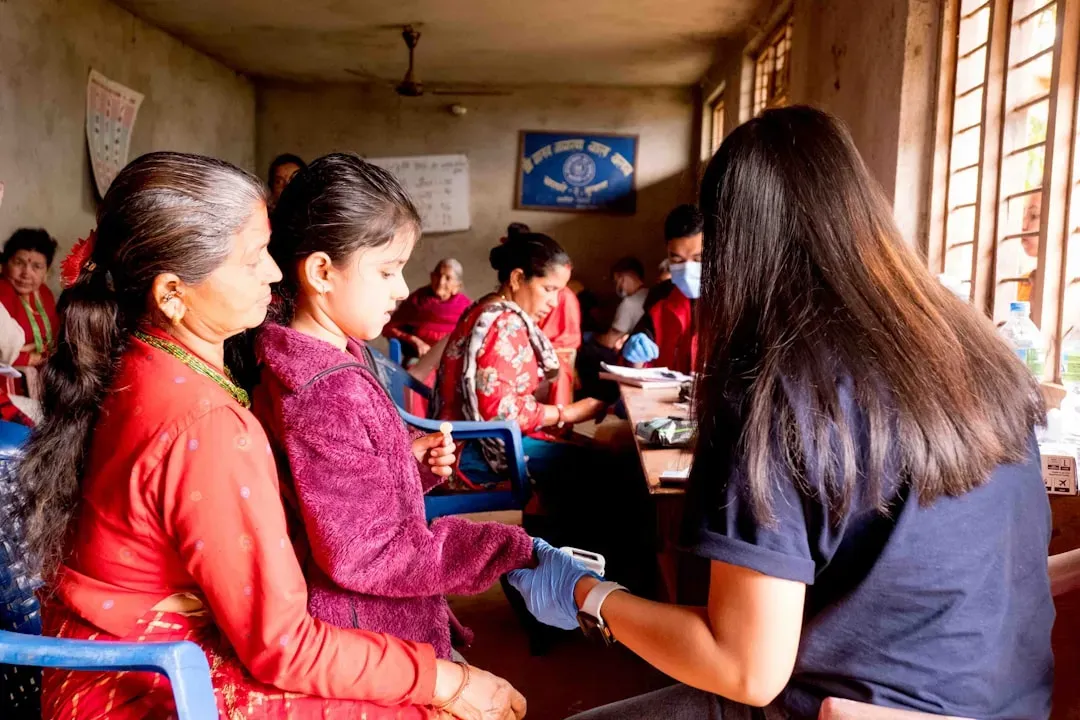
Of all the early-ended field seasons, human health projects carry the heaviest ethical weight. In one rural study on nutrition and chronic disease, the team had spent months building trust, training local staff, and collecting baseline measurements.
Then, suddenly, the final field season ended after only a few weeks, with no documented explanation for leaving participants without the promised follow-up.
For bioethicists, this is the most troubling kind of blank space on record. Ending lab work early is one thing; walking away from a community after collecting deeply personal health data is another entirely.
Whispered accounts from people who’d seen internal memos mention “expectation misalignment” and “constraints on long-term engagement” – coded language often used when funders lose interest or a project stops looking like a clean success story. The villagers never saw those memos. They just saw outsiders arrive with big promises, then vanish.
The Bottom Line
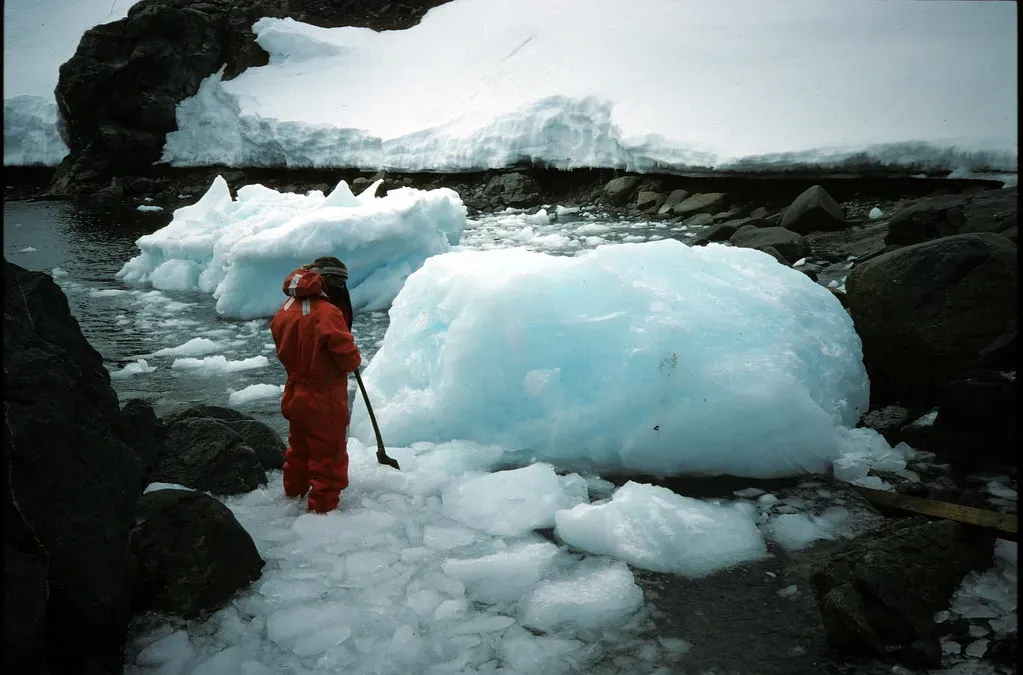
People love to romanticize fieldwork – heroic scientists battling storms and hardship to drag data back to civilization. The real picture is messier, and honestly more human: field seasons end early for tangled, unrecorded reasons far more often than polished publications ever admit.
Conflict, politics, fear, ambiguity, and plain institutional risk management all shape what does – and doesn’t – make it into the official record. That matters more than most people realize, because these quiet gaps ripple outward into models, policies, and communities that trusted the process in good faith.
My honest take: pretending every season goes according to plan does more damage than admitting the messy truth ever could. A blank line in a logbook isn’t neutral – it’s a decision, made by someone, to let silence do the talking. Science doesn’t lose credibility by admitting a season fell apart; it loses credibility by pretending it never happened.
Which of these silent shutdowns bothers you the most – and what do you think should have been written down instead?