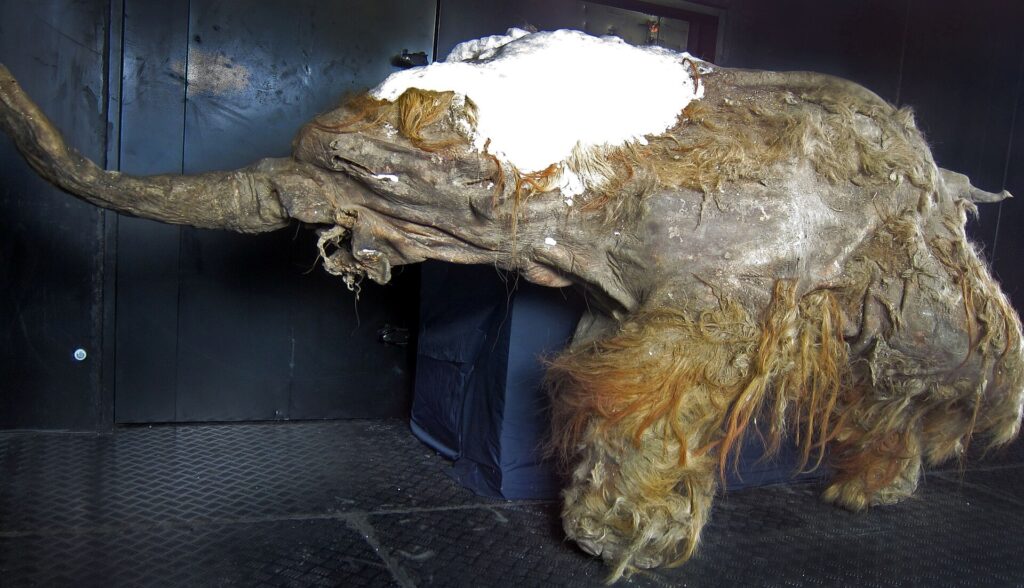
You’d assume that finding a frozen mammoth is basically a golden ticket straight to a museum case, a National Geographic special, and a name every paleontology nerd memorizes. Most of the time, that’s not even close to what actually happens.
A surprising number of frozen mammoth carcasses have come out of the permafrost in Siberia, Alaska, and beyond, only to disappear into garage freezers, museum basements, private vaults, and dusty Soviet-era file cabinets. No peer review. No CT scans. No public photos. Just field notes, rumors among researchers, and animals that are scientifically real but publicly invisible. Here are 13 of them, and why their silence should bother you.
#1 – The Yakut “Garage Freezer” Mammoth
Researchers in Siberia will quietly admit an uncomfortable truth: not every mammoth ends up in a lab. In remote Yakutia, at least one nearly complete juvenile is rumored to have spent years inside a private walk-in freezer behind a mechanic’s garage, locked away while officials argued over ownership and export rights. No published paper exists. Just whispers among paleontologists who’ve seen blurry photos passed around at conferences.
What makes this so believable is the region’s black-market ivory trade. Tusk hunters often strip the valuable part and treat the rest of the carcass as dead weight. Local entrepreneurs sometimes step in and store the leftovers “until someone pays,” and that someone is almost never a museum with a research budget. It’s usually a middleman. Somewhere out there, an entire mammoth’s soft tissue, stomach contents, and DNA are quietly aging next to someone’s spare tires. And #1 isn’t even the strangest freezer story on this list.
#2 – The Chukotka Riverbank Juvenile
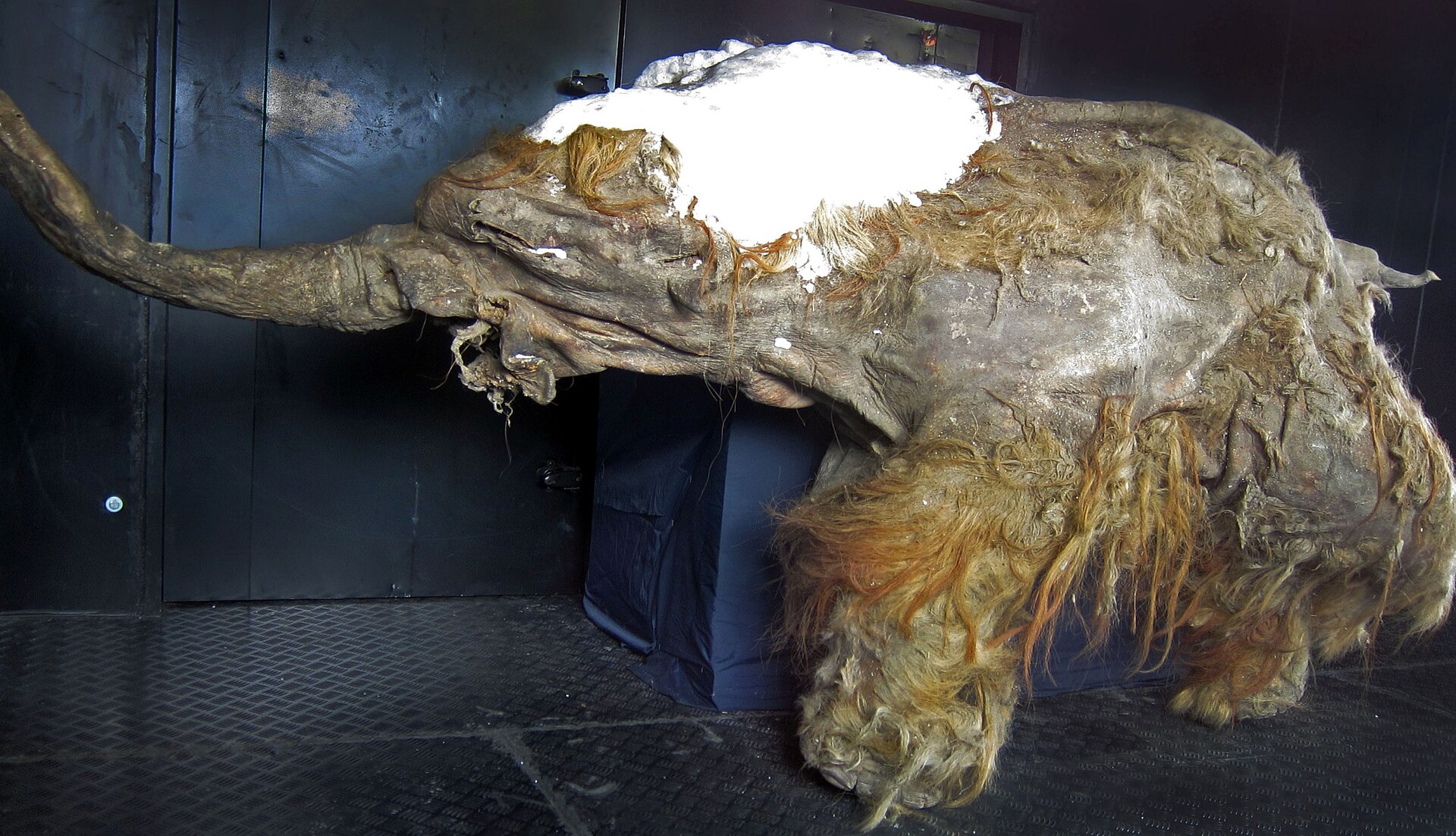
Along the eroding riverbanks of Chukotka, field teams have reported a juvenile mammoth pulled from thawing permafrost and then swallowed whole by bureaucratic fog. Reindeer herders found it, described informally as “small, but with almost complete skin and trunk,” and stored it in a settlement’s cold cellar before regional officials rushed in to collect it. After that, nothing. No accession number, no display, no DNA study.
Scientifically, that silence hurts. Juvenile mammoths are information goldmines: their teeth reveal growth rates, their bones show stress, and their gut contents can pinpoint exactly what a young animal ate in its final season. The frozen sediment around it even holds clues about ancient temperature and vegetation. When a find like this vanishes into an underfunded district museum, we don’t just lose bones. We lose a high-resolution snapshot of an entire Ice Age season. As bad as that sounds, the next case involves actual vodka crates.
Fast Facts
- Mammoth tusks grow in visible layers, much like tree rings, recording age and seasonal diet shifts.
- Continuously frozen permafrost can preserve soft tissue and even stomach contents for tens of thousands of years.
- Preserved stomach contents from other mammoth finds have included pollen, grasses, and wildflowers from a final meal.
- Radiocarbon dating is generally considered reliable for organic material up to roughly 50,000 years old.
#3 – The “Vodka Cellar” Mammoth of Magadan
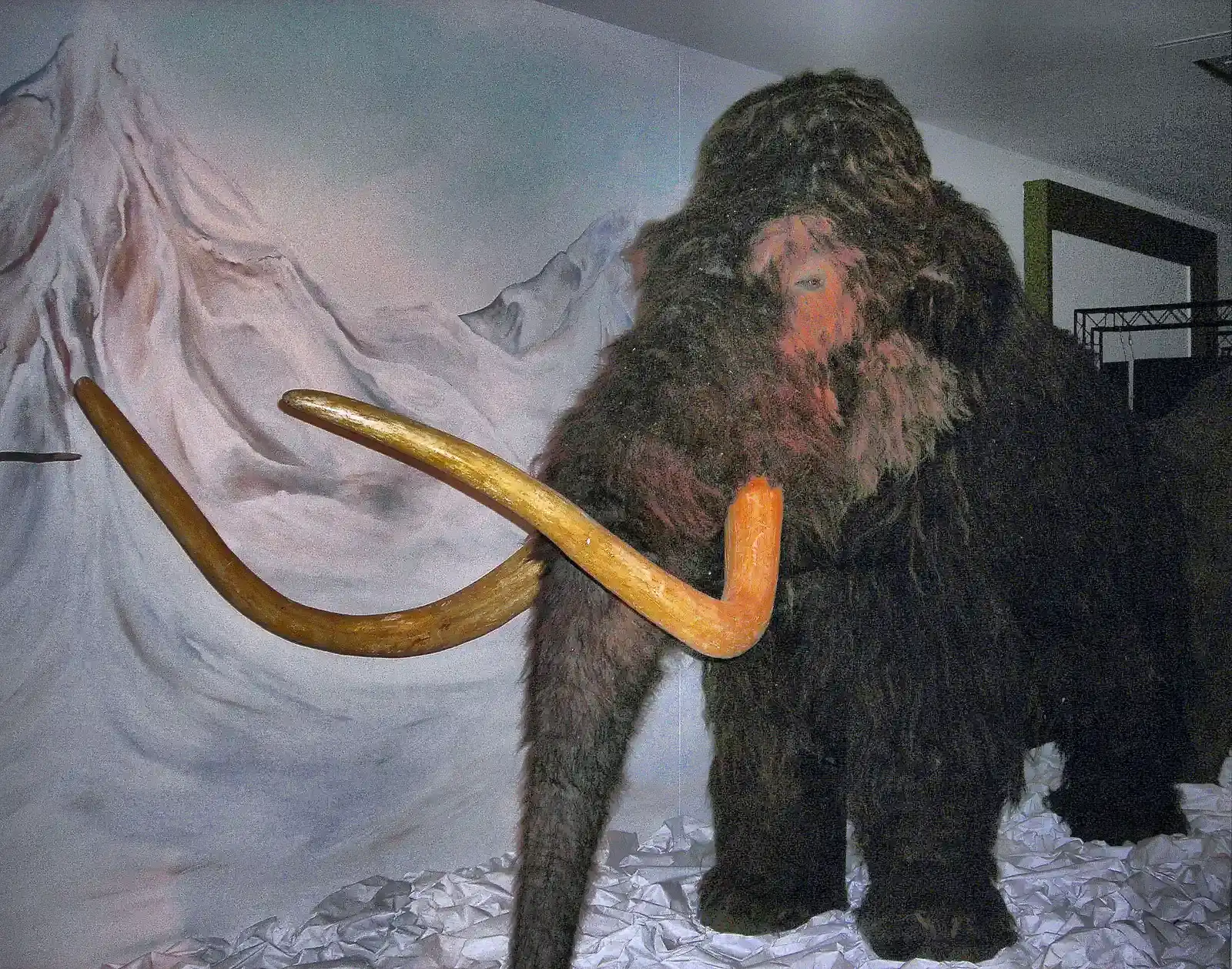
Russian field workers have a dark joke about “vodka cellar mammoths” – world-class fossils stored in the same underground rooms as alcohol, diesel, and fishing gear. One well-known story involves a partially mummified adult mammoth kept for years under a municipal building in Magadan, with only a handful of bones ever formally cataloged. The rest was reportedly cut into blocks, wrapped, and stacked beside crates of supplies like it was just another inventory item.
It sounds outrageous until you understand Arctic port towns, where cold underground rooms double as food storage and accidental specimen lockers. Power cuts out. Budgets are thin. Permafrost itself becomes the only reliable freezer. In that setup, priceless tissue is constantly at risk from temperature spikes, flooding, and casual theft, and older collagen or DNA may already be degrading before anyone with proper funding shows up. Compared to what’s reportedly sitting in Taimyr, though, this is small potatoes.
#4 – The Unpublished Taimyr Peninsula Giant
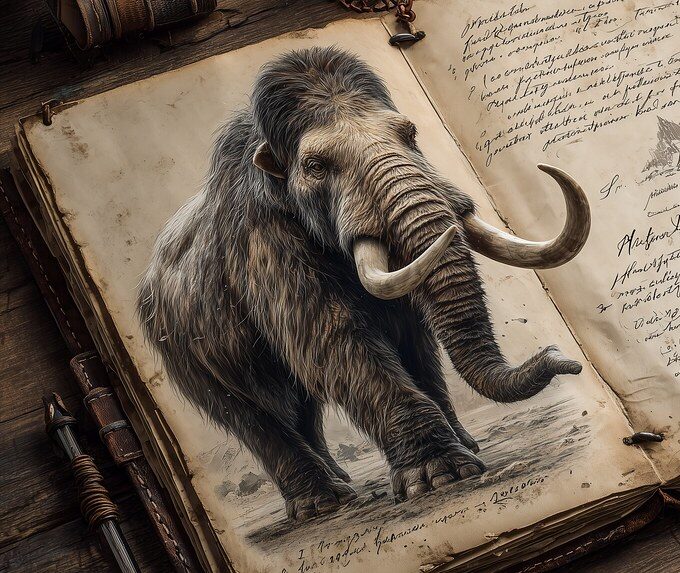
Mammoth fans obsess over famous specimens like the Adams mammoth, but insiders talk quietly about a Taimyr Peninsula giant that may rival it in size – a massive adult discovered in the late Soviet era and only partly described in obscure Russian reports. It was logged, photographed, and then re-buried in a coastal bluff when funding and logistics ran out, and it may still be sitting there today.
That matters more than it sounds. A well-preserved giant adult is exactly what scientists need to test how large mammoths could really get in brutal Arctic conditions, and whether size correlated with warmer intervals or tougher winters. Skeletons like this anchor the body-mass estimates used in climate and grazing models across the entire field. But when the field notes sit uncited in a regional archive with no circulating images, nobody outside that one office can even confirm the animal exists. None of that compares to the ethical mess waiting in #5.
#5 – The Suspiciously Complete “Tusk Hunter” Find
Ask any mammoth researcher off the record and you’ll hear the same rumor: some of the best carcasses never reach a lab because the people who found them don’t want questions. One infamous case involves a nearly complete carcass allegedly chainsawed apart on the river ice, its tusks sold to a buyer in China and the rest reburied to hide the site. Locals later claimed parts of the head and forelimbs were quietly retrieved and refrozen by a private collector.
If even half of that is true, it’s a forensic disaster. Chainsaw marks destroy evidence of how scavengers fed on the body, reburial contaminates radiocarbon dating, and once pieces are scattered among private freezers, reconstructing the original anatomy becomes nearly impossible. And yet, from a genetic standpoint, these “dirty” specimens can still hold priceless DNA and protein signatures. The uncomfortable truth is that some of the strongest samples on Earth may be sitting in the least transparent hands imaginable.
#6 – The Half-Submerged Yakutia Lake Carcass
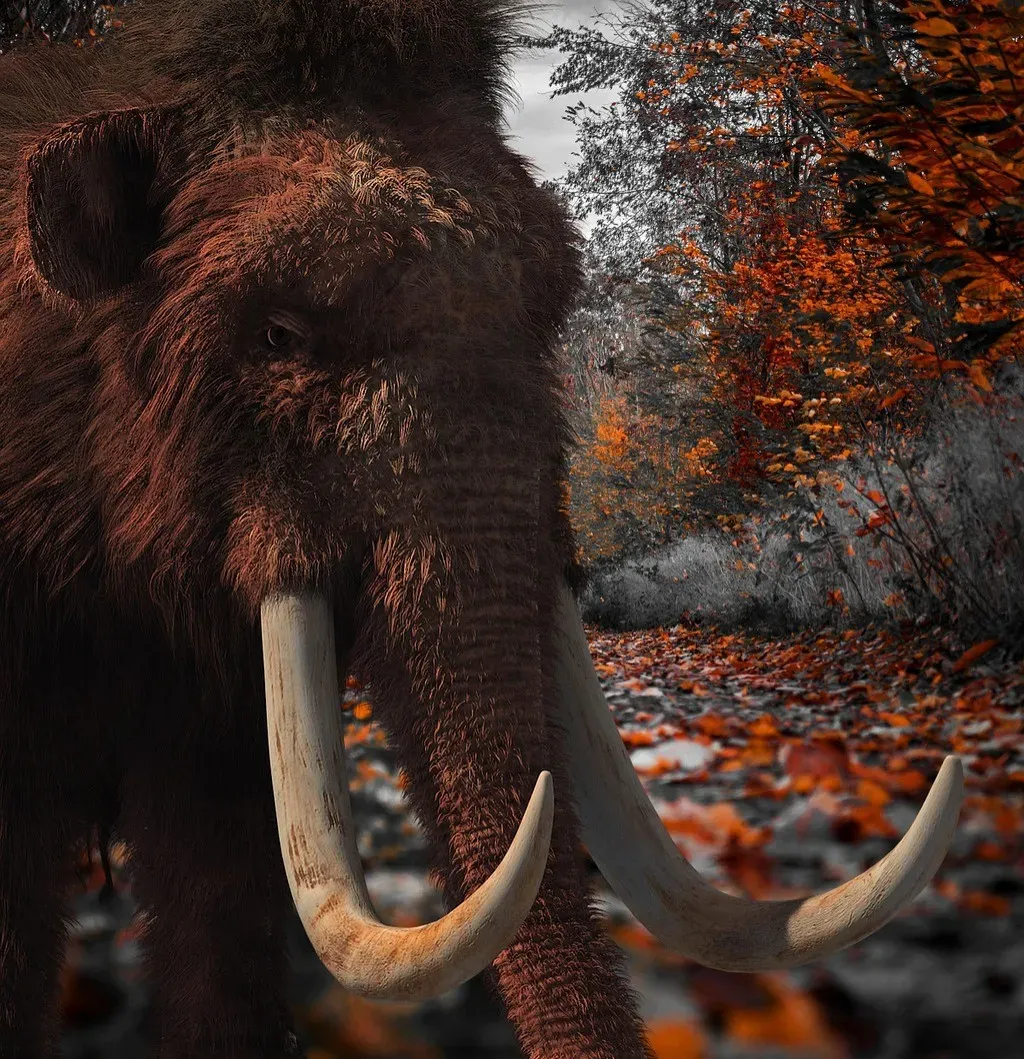
One of the strangest finds on this list is what researchers privately call the “half-and-half” mammoth. Near a remote Yakutian lake, field workers reportedly found a largely intact rear half sliding out of a thawing shoreline, legs and torso exposed, while the head and front stayed locked deep in permafrost. Bad weather ended the field season, funding dried up, and the site was never properly revisited.
For taphonomy – the science of how remains decay and fossilize – this is a huge missed opportunity. Comparing the submerged half to the still-frozen half could show scientists exactly how fast mammoths decompose under modern warming conditions, which helps them interpret far more fragmentary fossils elsewhere. Instead, all that exists now is a handful of anxious photos and notes about a lake slowly chewing through the bank. By this point, the rest of that carcass may have already melted into history.
Worth Knowing
- Taphonomy is the study of how remains decay, get buried, and eventually fossilize over time.
- Comparing frozen versus thawed tissue from the same body helps researchers calibrate decomposition timelines.
- Scavenger bite marks, insect activity, and microbial decay each leave distinct, readable signatures on remains.
- Repeated thaw-and-refreeze cycles can rapidly break down cellular structures, making later analysis far harder.
#7 – The Museum Basement Mammoth With No Label
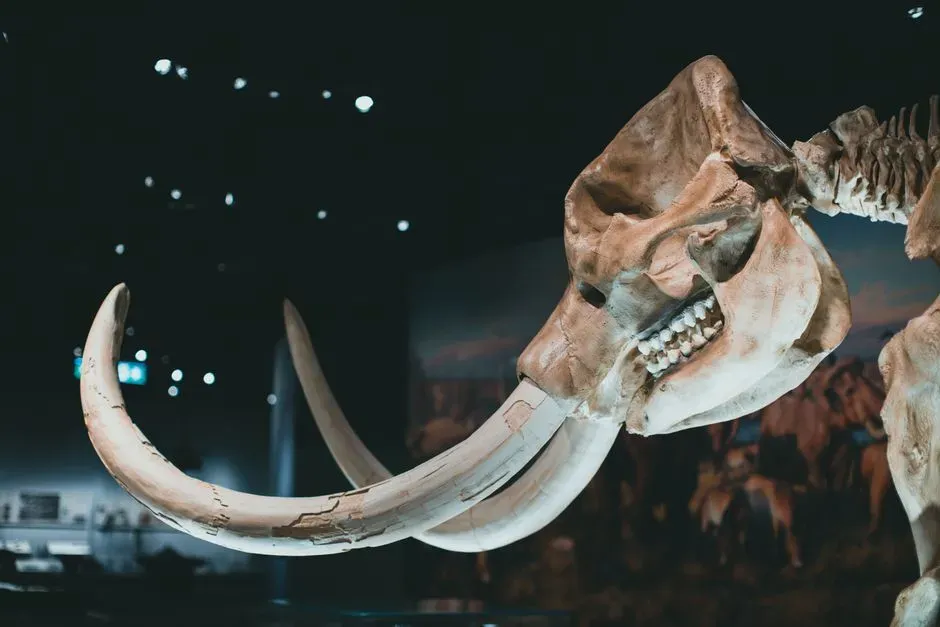
Not every lost mammoth is buried in the Arctic. Some are hiding in plain sight, two floors below a gift shop. At least one mid-sized regional museum quietly admits it has dozens of crates of mammoth bones and mummified tissue “awaiting cataloging” in its basement, including, according to a retired curator, the disarticulated but well-preserved remains of a sub-adult shipped from Siberia decades ago and never fully inventoried.
Without provenance – the exact location, depth, and surrounding sediment – a specimen loses much of its scientific value, even if radiocarbon dating can still help. The bitter irony is that modern tools like ancient DNA sequencing make these “forgotten” bones more valuable than ever. A single unlabeled femur could fill gaps in the mammoth family tree or expose a population bottleneck no one has documented. Until someone funds a full basement audit, that animal simply doesn’t exist as far as science is concerned.
#8 – The Mummified Leg in a Private European Collection
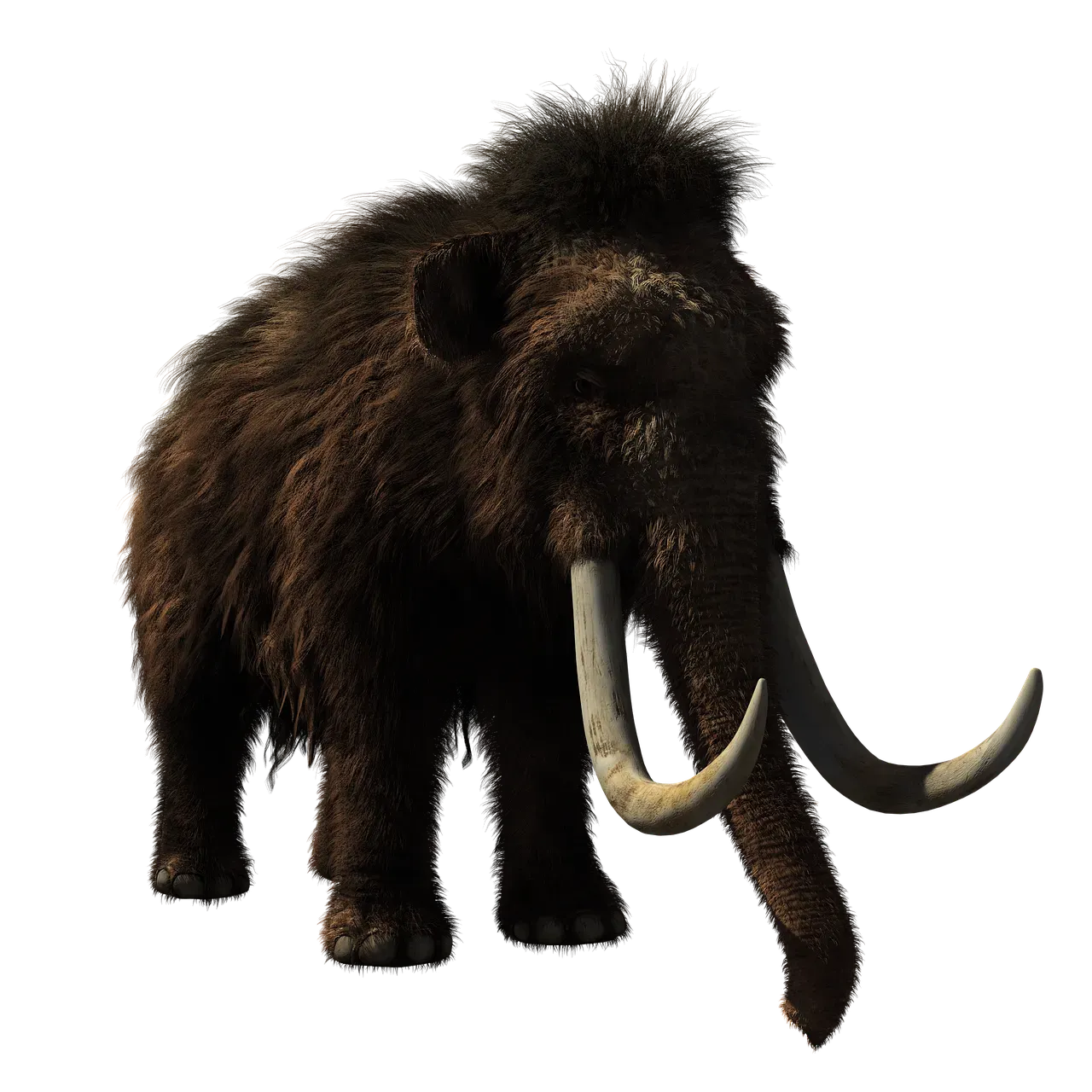
It isn’t just Russia and Alaska holding secrets. For over a century, wealthy European collectors have bought Ice Age remains on the gray market. One notorious example is a mummified mammoth leg – skin, muscle, and all – reportedly sitting in a climate-controlled vault owned by a private family foundation. It was acquired mid-20th century, the paperwork is thin, and the foundation refuses scientific access over liability concerns.
That single leg is a time capsule. Hair structure alone can reveal seasonal shedding and trace metal exposure, soft tissue can preserve proteins linked to old infections or stress, and isotopes in bone and keratin can reconstruct migration and diet in the animal’s final years. All of it stays locked away because the owner fears shipping damage or legal fallout. It’s a perfect example of how “protecting” a specimen can, in practice, erase it from science entirely.
Every collection not properly documented might as well not exist.
George Gaylord Simpson, paleontologist
But losing a specimen to secrecy is nothing compared to losing one to a broken freezer.
#9 – The Partially Thawed Yakutsk Lab Freezer Disaster
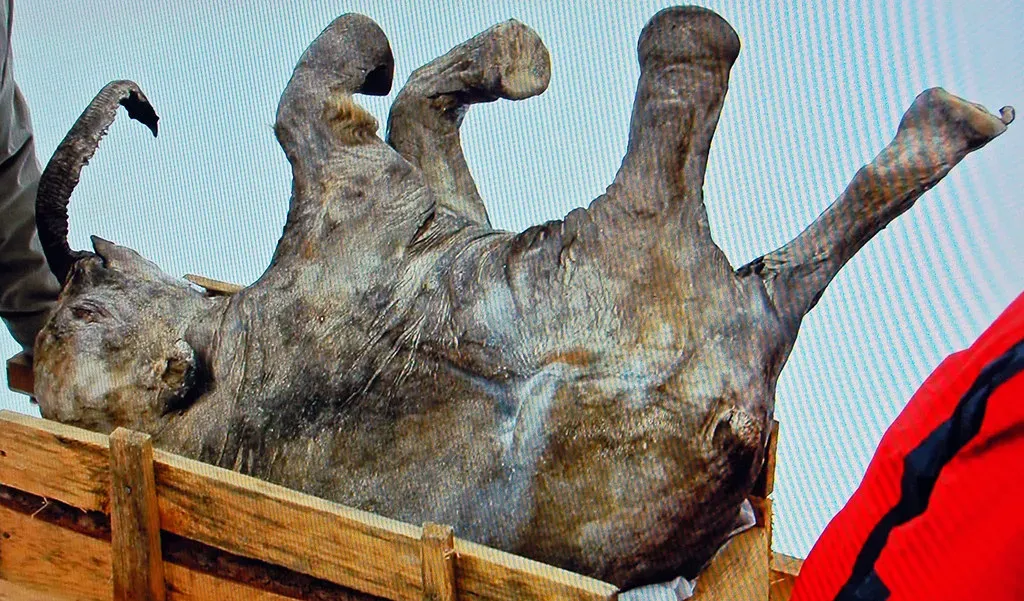
Every scientist’s nightmare isn’t just that specimens go undiscovered – it’s that they’re found, stored, and then lost to a preventable accident. In one underfunded lab near Yakutsk, insiders describe a freezer failure that partially thawed several crates of mammoth tissue overnight, including an unusually well-preserved trunk section and pieces of a skull. By the time anyone noticed, bacterial decay had already set in.
Staff reportedly refroze what they could and rushed a few quick tissue samples off for DNA work before the damage spread further. Everything else stayed in limbo: degraded, but still “too precious to throw away,” taking up shelf space in a crowded storage room with no budget for a proper study. It’s a brutal reminder that the bottleneck in paleontology isn’t always the digging. Sometimes the best finds on Earth quietly rot a few meters from the lab bench that should be studying them.
At a Glance
- Many regional cold-storage labs in remote Siberia run on aging freezer units with no backup power source.
- A single extended power outage can be enough to trigger irreversible soft-tissue decay.
- Once bacterial decay begins, DNA fragmentation speeds up, shrinking the window for reliable genetic testing.
- Emergency refreezing can slow further damage but cannot undo decay that has already occurred.
#10 – The Alaskan Coastal “Ghost Carcass”
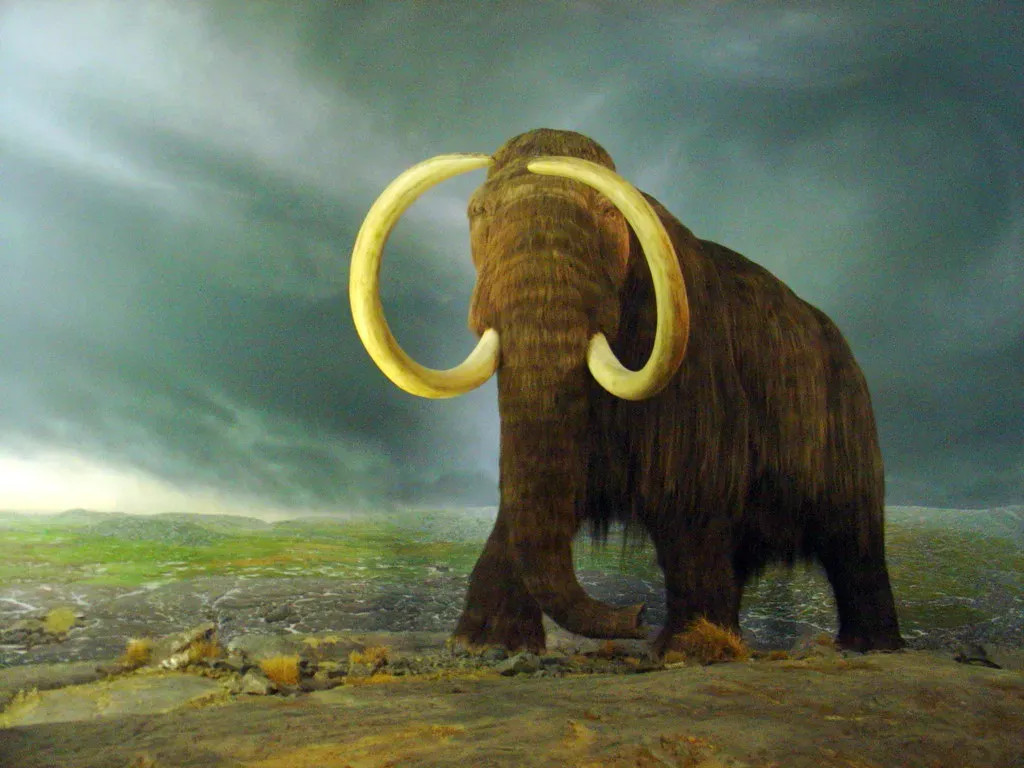
Alaska has its own mammoth ghosts. Along certain eroding coastal bluffs, locals and bush pilots have reported large, hairy carcasses protruding from ice-rich cliffs, only for them to vanish the following season, collapsed into the sea before any official team could reach the site. One retold story describes a nearly complete mammoth spotted from a small aircraft, caught on a few low-resolution photos, then destroyed by storms months later.
Scientists hate this kind of near-miss because coastal erosion is accelerating fast with climate change. These natural “bone factories” are producing specimens faster than agencies can respond to them, and without rapid-response funding for helicopters, boats, and standby crews, fully articulated skeletons with soft tissue simply crumble under wind, salt, and surf. For every headline-making Alaskan mammoth, there may be several more that briefly surfaced, unrecorded, and vanished forever – leaving behind nothing but stories in local bars and old pilot logs.
#11 – The Controversial “Hybrid” That Never Made It to Print
In genetics circles, you sometimes hear about a sequence that “looked weird” and then quietly disappeared into a drawer. One whispered case involves tissue from a poorly documented frozen mammoth whose DNA allegedly hinted at unexpected hybridization, possibly with steppe bison or another proboscidean lineage, depending on who’s telling the story that week. The sequences were never fully replicated, and funding shifted before a paper could be finished.
Was it contamination? Almost certainly, but that’s exactly why the underlying carcass still matters. A proper description and controlled resampling could test whether Ice Age megafauna hybridized more often than we assume, or whether older lab pipelines were simply less clean than advertised. Instead, the specimen sits under a vague label, its origin murky and its genetics half-processed on an outdated hard drive somewhere. In an era obsessed with de-extinction, a potentially paradigm-shifting mammoth never even getting a formal name is both ironic and infuriating.
#12 – The Field-Frozen “Time Capsule” No One Can Reach
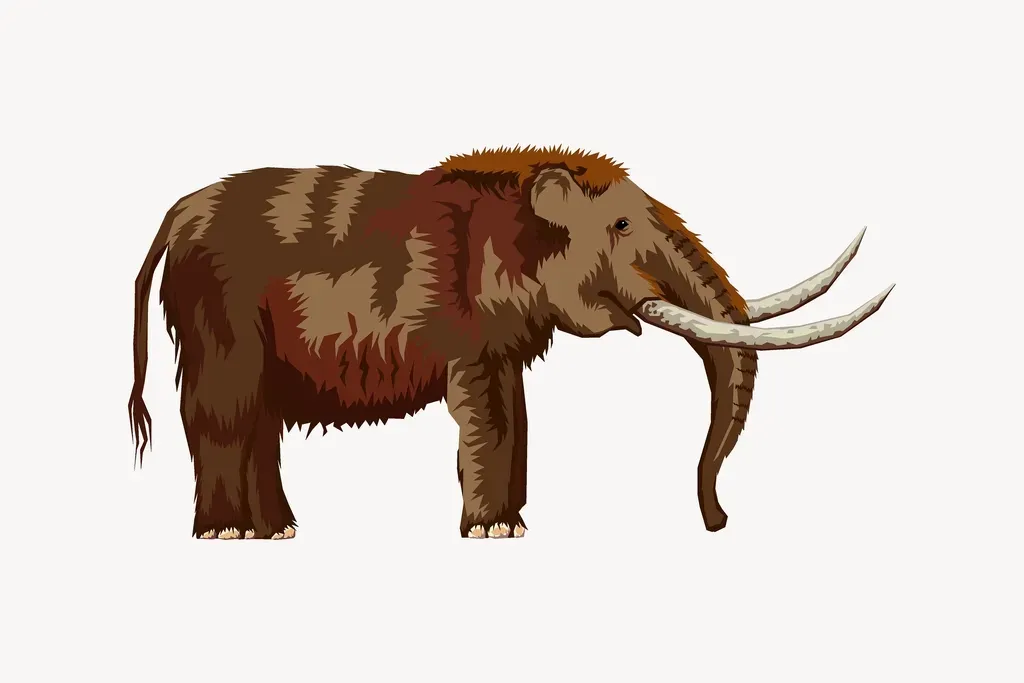
Not every hidden mammoth is sitting in a freezer or basement. At least one large carcass in the high Arctic was deliberately re-buried and “field-frozen” by the researchers themselves. Lacking the helicopters and cold-chain transport needed to move it safely, the team carefully re-covered the exposed parts with insulation and snow, logged the GPS coordinates and burial depth, and left it as a future dig. Years later, political tensions, permit changes, and budget cuts mean nobody has gone back.
On paper, that sounds responsible – preserve in place rather than risk destroying it during a rushed extraction. But time isn’t cooperating. Warming permafrost, shifting river channels, and curious animals or locals can all disturb a site like this. That mammoth represents an entire intact ecosystem core – pollen, insects, microbiomes, parasites, and diet frozen in one moment – and the longer it sits untouched, the higher the odds it gets compromised before anyone applies a modern toolkit to it.
Quick Compare
- Leave in Place: Preserves surrounding sediment and ecological context, but leaves the site exposed to future permafrost thaw and disturbance.
- Immediate Extraction: Risks tissue damage during rushed transport, but allows urgent lab analysis before decay sets in.
- Reality on the Ground: Most remote Arctic teams lack the helicopters and cold-chain logistics needed to safely choose extraction at all.
#13 – The Elephant in the Room: Unpublished Soviet-Era Mammoth Digs
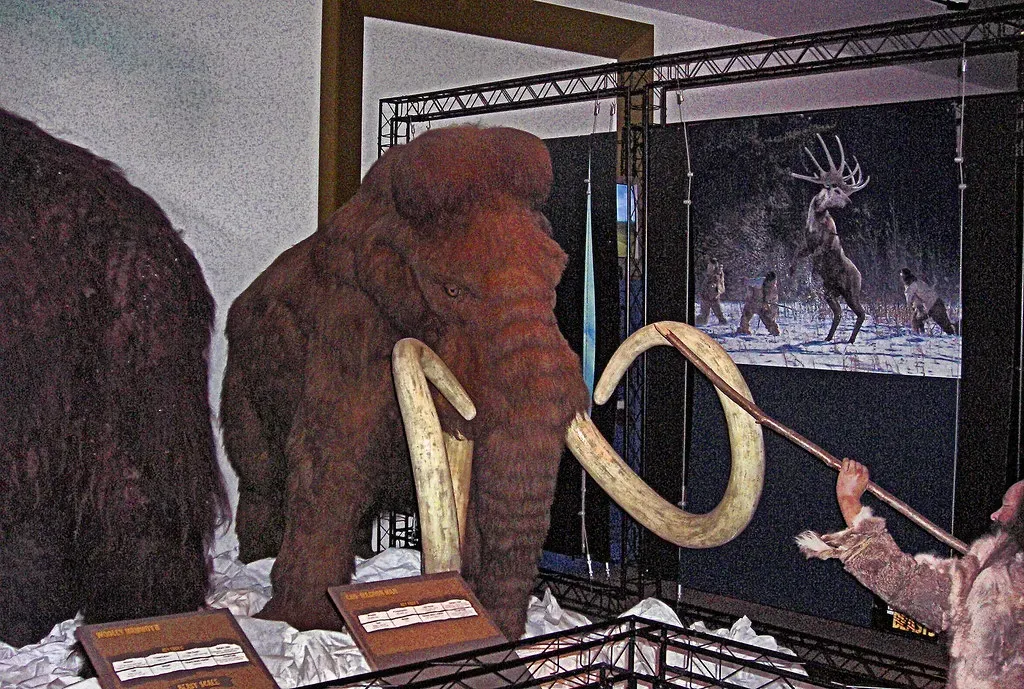
The single biggest “carcass” never publicly described isn’t one animal. It’s an entire generation of Soviet-era mammoth expeditions whose finds were minimally documented, locally stored, and never digitized. Through the 20th century, teams crisscrossed Siberia collecting Ice Age fossils for state institutes, filling warehouse shelves with bones, skin, and tusks. Very few of the resulting reports circulated widely, and almost none were ever translated.
That means some of the most important mammoth carcasses on the planet may technically be “described” somewhere in a crumbling Russian file, yet they remain completely invisible to the global scientific community and the public. No high-resolution photos exist. No 3D scans. No isotope data. There isn’t even a reliable master list of what’s actually sitting in those collections. Until there’s real political will and funding to audit, digitize, and re-analyze that material, entire chapters of mammoth history stay locked behind language barriers, crumbling paper, and closed institutional doors.
The Bottom Line
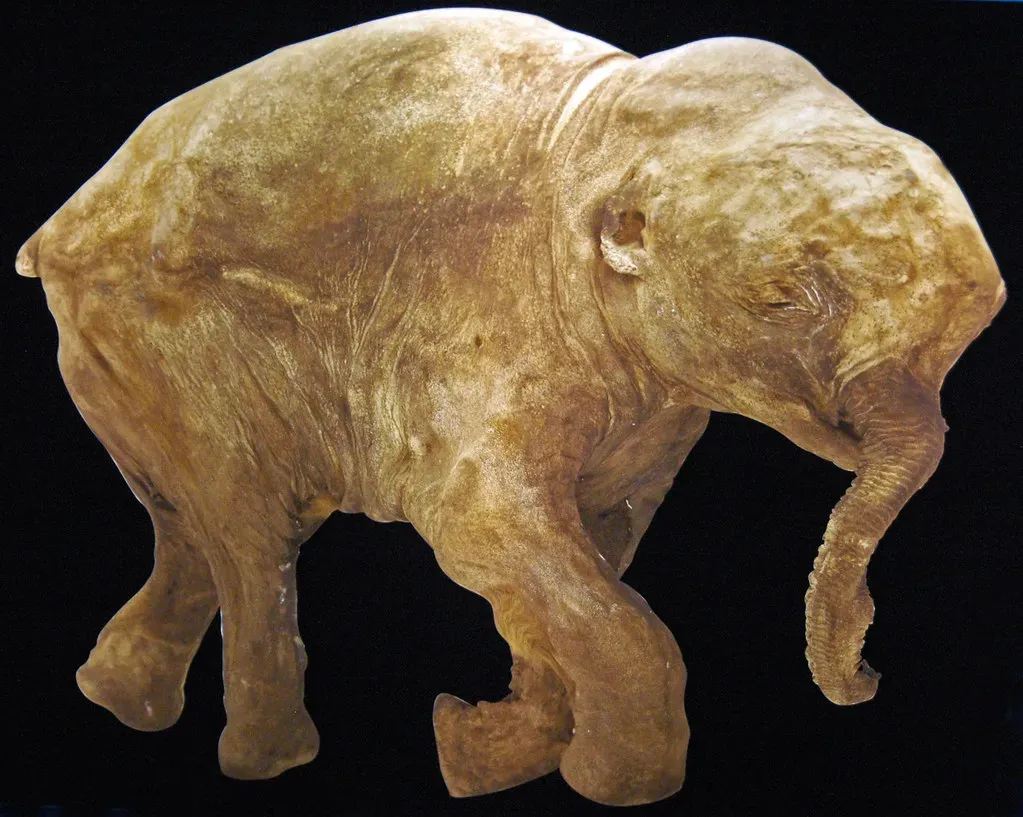
Picture “13 mammoth carcasses never publicly described” and you probably imagined some sci-fi warehouse full of frozen monsters under tarps. The reality is far more mundane, and honestly more frustrating: garage freezers, museum basements, private vaults, thaw-damaged lab freezers, unpublished archives, and carefully re-buried permafrost sites nobody has revisited in decades. Nothing supernatural happened here. This is simply what occurs when world-class fossils collide with underfunded infrastructure, tangled politics, and plain human hesitation.
Here’s the part that should actually bother you: we likely already have enough hidden mammoth material sitting in freezers and basements right now to rewrite huge parts of their story – diet, migration, disease, even population collapse – without digging up a single new carcass. We don’t need more luck from the permafrost. We need someone to finally open the drawer. Which failure feels worse to you: losing mammoths to a melting planet, or losing them to human neglect we could have fixed all along?