
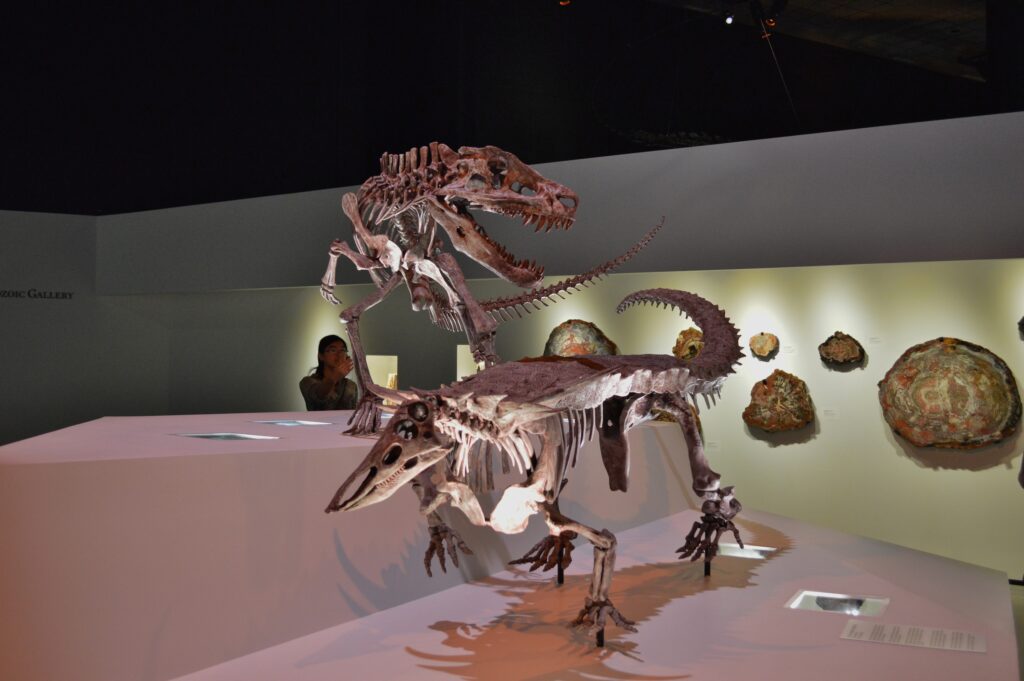
Most people assume dinosaur skeletons and Neanderthal models are permanent fixtures – unchanging monuments bolted into the same pose since the day they went up. They’re not. Behind the velvet ropes, curators have spent the last ten years quietly rewiring entire exhibits: swapping skin colors, bending spines back into anatomically correct shape, and rewriting the captions on hominid family trees.
A lot of what you memorized in fifth grade is now technically wrong, and almost nobody sent a memo about it. The scaly green T. rex, the solitary saber-tooth cat, the tidy line of apes standing up straighter until they magically become human – all of it has been quietly retired or seriously complicated by new evidence. Here’s what actually changed, one exhibit hall at a time, starting with the biggest image overhaul dinosaurs have had in a century.
#21 – Dinosaurs Quietly Grew Feathers
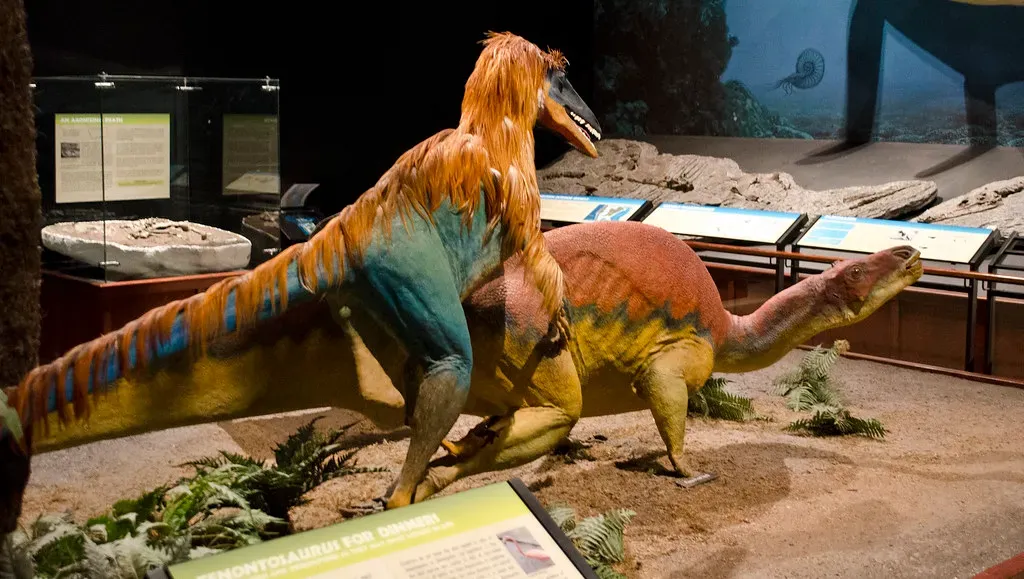
The scaly, green reptile you remember from childhood field trips is now considered scientifically outdated fiction. Since the 1990s, fossil discoveries in China have been stacking up evidence that many dinosaurs – especially the raptors everyone feared – were covered in feathers, not scales.
Feather impressions have been turning up in Chinese fossil beds since 1983, and over three decades the idea has crept out of academic journals and into mainstream documentaries. Museums took notice: one major exhibit now shows every dinosaur on display covered in feathers, challenging the old image of scaly green beasts and highlighting their direct link to today’s birds. The Velociraptor you feared in the movies almost certainly had wing-like arm feathers, closer to an ostrich than a lizard – an uncomfortable image for anyone who grew up with the scaly version, and plenty of visitors still argue with the placards.
Fast Facts
- Sinosauropteryx, described in 1996, was the first dinosaur taxon outside of Avialae to be found with evidence of feathers.
- In 2007, paleontologists reported the discovery of quill knobs on a well-preserved Velociraptor mongoliensis forearm from Mongolia, confirming the presence of feathers.
- Based on the spacing of those knobs, Velociraptor likely carried a row of feathers on its forearm, probably about 14 by one researcher’s count.
- The region’s volcanic activity and fine sediment layers helped preserve delicate feather imprints that stunned scientists worldwide.
#20 – Baby T. Rex Got a Fuzzy Makeover
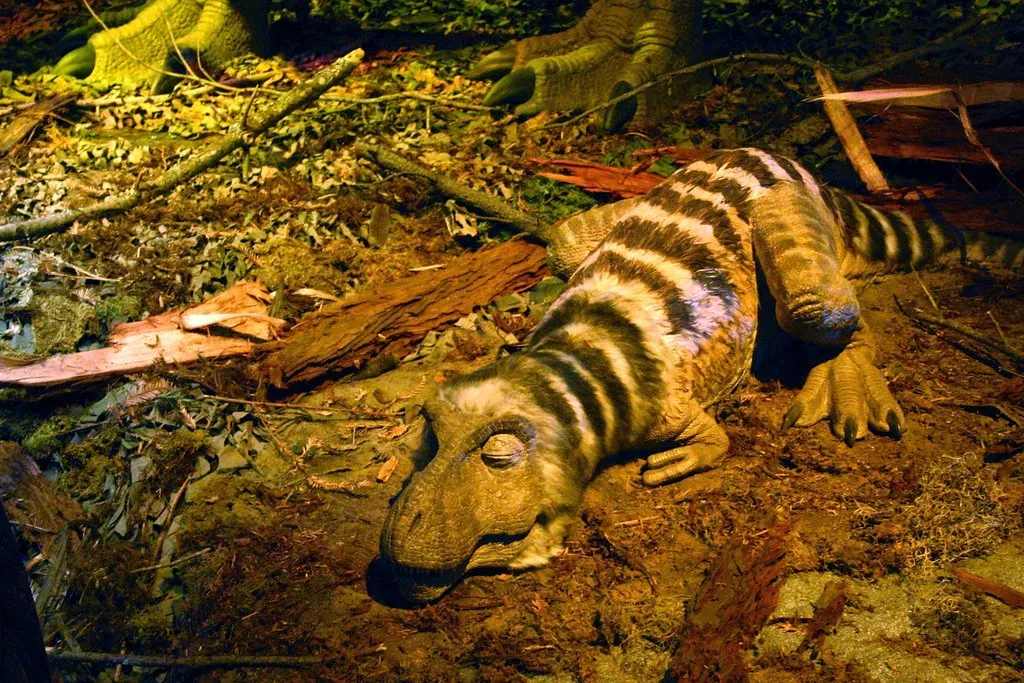
Here’s the part that breaks brains: even the king of the dinosaurs may have started life covered in down. Paleontologists now suspect juvenile tyrannosaurs were fuzzy rather than scaly, and some exhibits have adjusted their juvenile models accordingly.
Researchers believe tyrannosaurs, possibly including the mighty T. rex, sported patches of fuzz or downy feathers when young. One paleontologist’s line has become a running joke in the field.
“You might want one as a pet – until it grows up.”
Mark Norell, paleontologist
That single sentence has quietly reshaped how nurseries and juvenile-dinosaur displays get built. Museum artists now sketch baby tyrannosaurs looking almost cute – a jarring contrast to the adult killing machine standing a few feet away in the same hall.
#19 – The T. Rex Posture Everyone Remembers Was Wrong
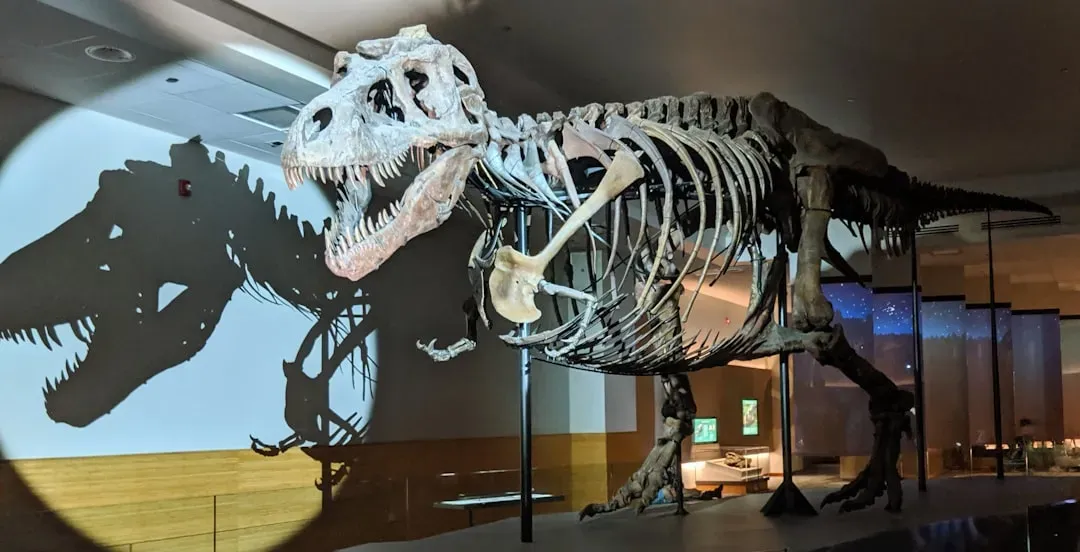
That upright, tail-dragging “Godzilla” stance? Fabricated, essentially. It was built on guesswork, and museums spent decades perpetuating it before finally fixing the skeleton.
The original T. rex mount had the tail dragging along the ground behind an upright torso, and though the pose is now known to be incorrect, it became iconic – it even inspired the cover of Jurassic Park. In the early 1990s, the museum’s T. rex finally got a makeover that brought it into line with current science: the tail lifted, the head lowered, the Godzilla stance gone for good. For nearly 80 years, millions of visitors stared at a scientifically wrong skeleton without ever knowing it. Textbooks and toy lines lagged even further behind.
#18 – Famous Skeletons Like Sue and Stan Got Athletic
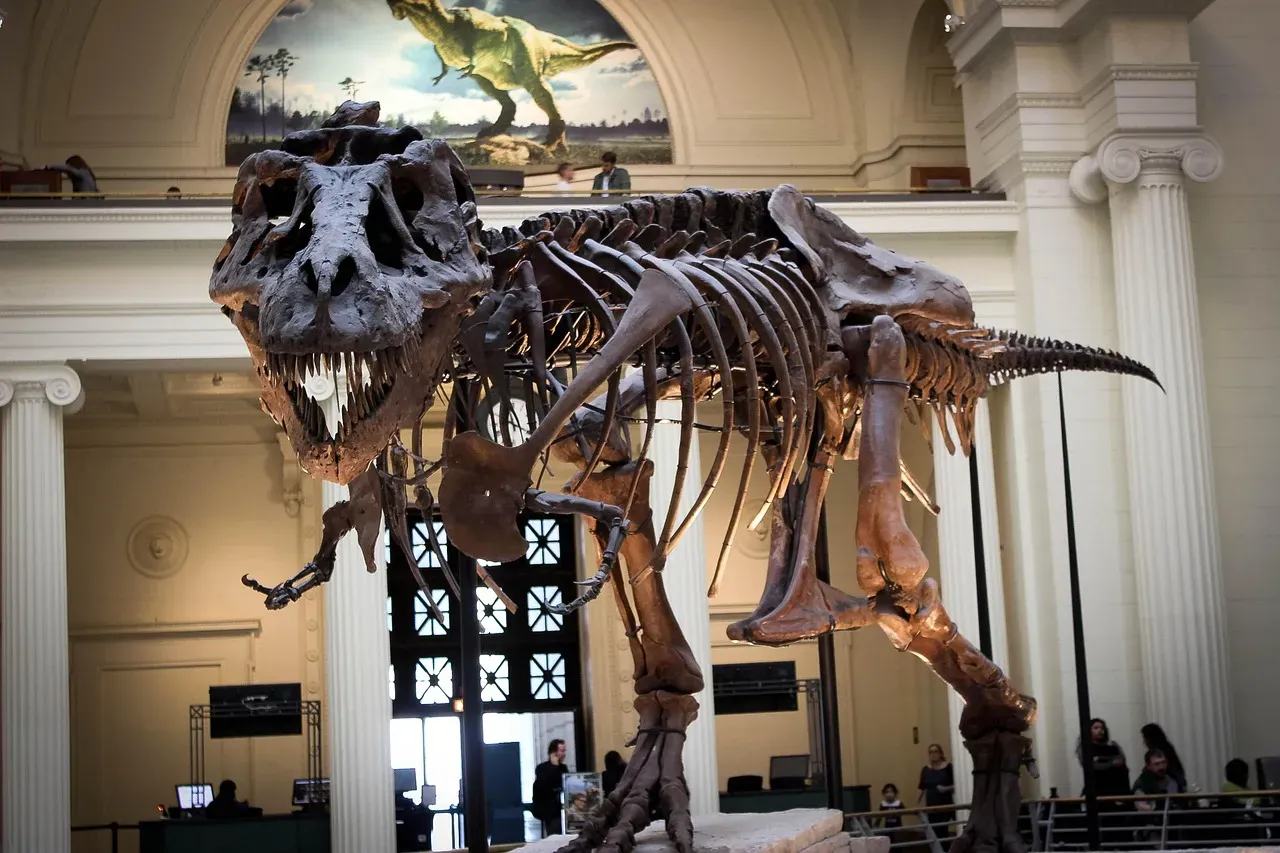
Once museums fixed the spine problem, they didn’t stop there – they gave their star specimens attitude. Modern T. rex mounts are now posed like predators mid-hunt, not stiff museum props.
Sue and Stan now stand in a dynamic, horizontal posture, body balanced over the hips, tail held aloft as a counterbalance to the heavy head and torso. The S-curve of the neck and the powerful hind limbs transform the animal from a lumbering beast into a formidable, active hunter. Some visitors now describe the pose as “predatory” rather than “monstrous,” which was exactly the intent. It’s a subtle rebrand, but it changes the entire emotional tone of the exhibit hall.
#17 – Quadrupedal Dinosaurs Stopped Slouching
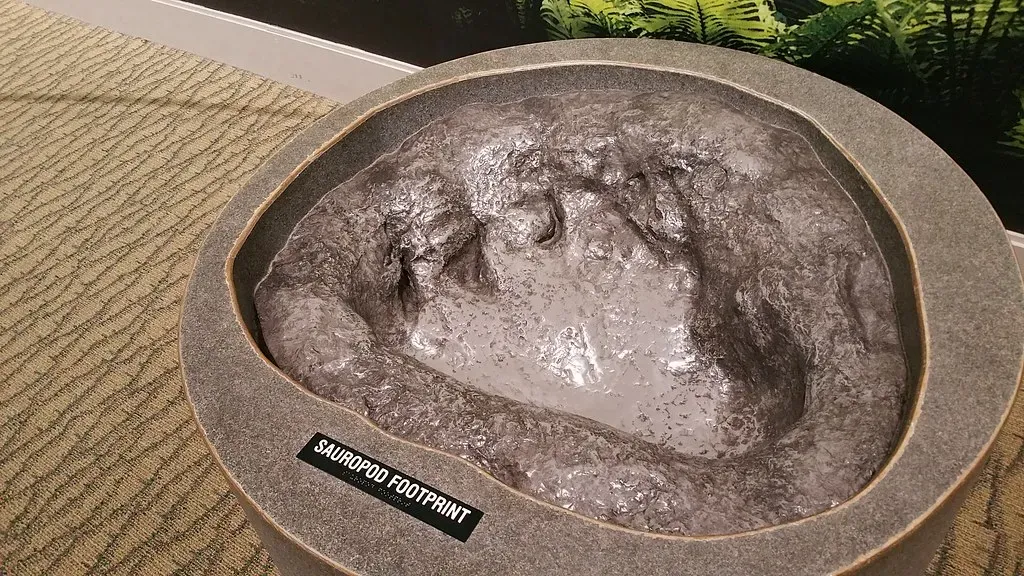
Long-necked giants like Brontosaurus-type sauropods used to be mounted with bellies practically dragging and legs sprawled sideways like a lizard’s. That look has been quietly retired everywhere.
Until the 1970s, quadrupedal dinosaurs were shown semi-sprawled, largely because artists assumed reptiles must move like modern lizards and crocodiles. Fossilized trackways changed that – footprints sit close together with almost no tail-drag marks. Fossilized footprints turned out to be more reliable evidence than a century of artistic assumption. Legs now sit directly beneath these giants’ bodies, more like elephants than iguanas.
#16 – Stegosaurus Plates Got Rearranged
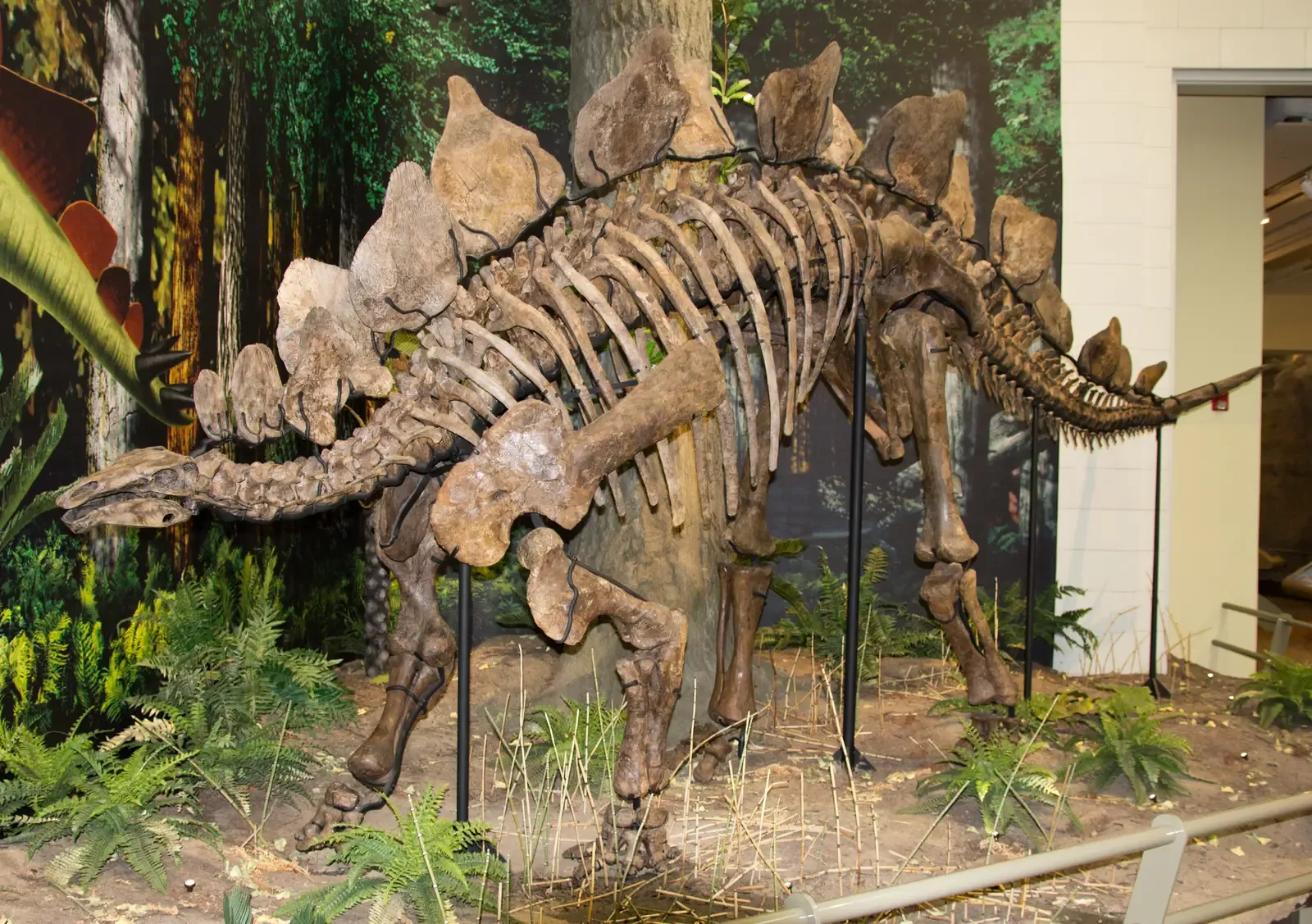
For decades, model-makers lined up Stegosaurus plates in two neat, mirrored rows like armor. Current thinking says that’s almost certainly wrong, and updated mounts reflect it.
Paleontologists studying well-preserved specimens increasingly favor a single, alternating row running down the spine instead of two symmetrical rows. That single tweak changes the animal’s whole silhouette – instead of a spiked tank, it looks lopsided and strange, almost decorative. The alternating-row theory suggests the plates were mainly for display or temperature regulation, not defense, since a staggered row makes a weaker shield. Museums that updated their mounts often field the same visitor question: “Wait, is that a mistake?” It isn’t – it’s the science catching up.
Quick Compare
- Old mount: Two mirrored rows of plates lined up like armor plating.
- Current mount: A single staggered row alternating side to side down the spine.
- Old theory: Plates existed mainly to block bites from predators.
- Current theory: Plates likely helped with display or regulating body temperature instead.
#15 – Dinosaurs Got Actual Colors for the First Time
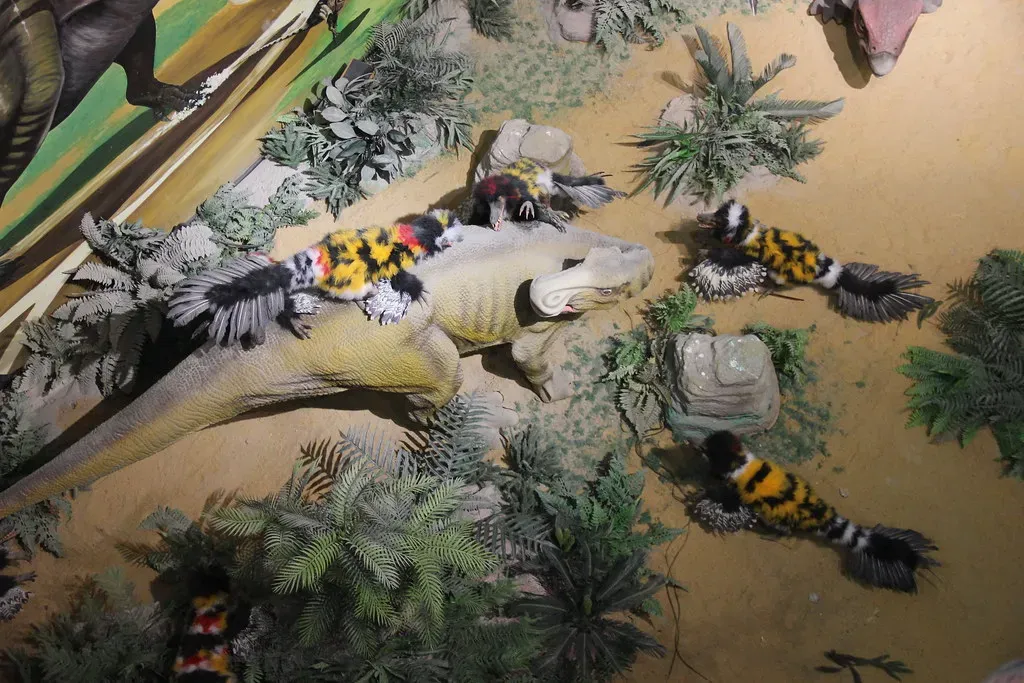
For a century, dinosaur color was pure guesswork – usually defaulting to muddy green or gray because that’s what “reptile” suggested to artists. Then scientists figured out how to read color straight out of the fossils.
By studying microscopic structures called melanosomes preserved in fossilized feathers, researchers can now identify actual pigment patterns instead of inventing them. In one striking example, the feathers on top of a dinosaur’s tail appear chestnut brown while the feathers underneath are white. That’s not an artist’s guess – that’s a measurable, testable fact pulled from fossilized cell structures. Exhibit murals and life-sized models have started swapping generic green for evidence-based patterns, some featuring bold countershading that would’ve seemed absurd to a 1990s museum visitor.
#14 – Spinosaurus Became a Swimmer
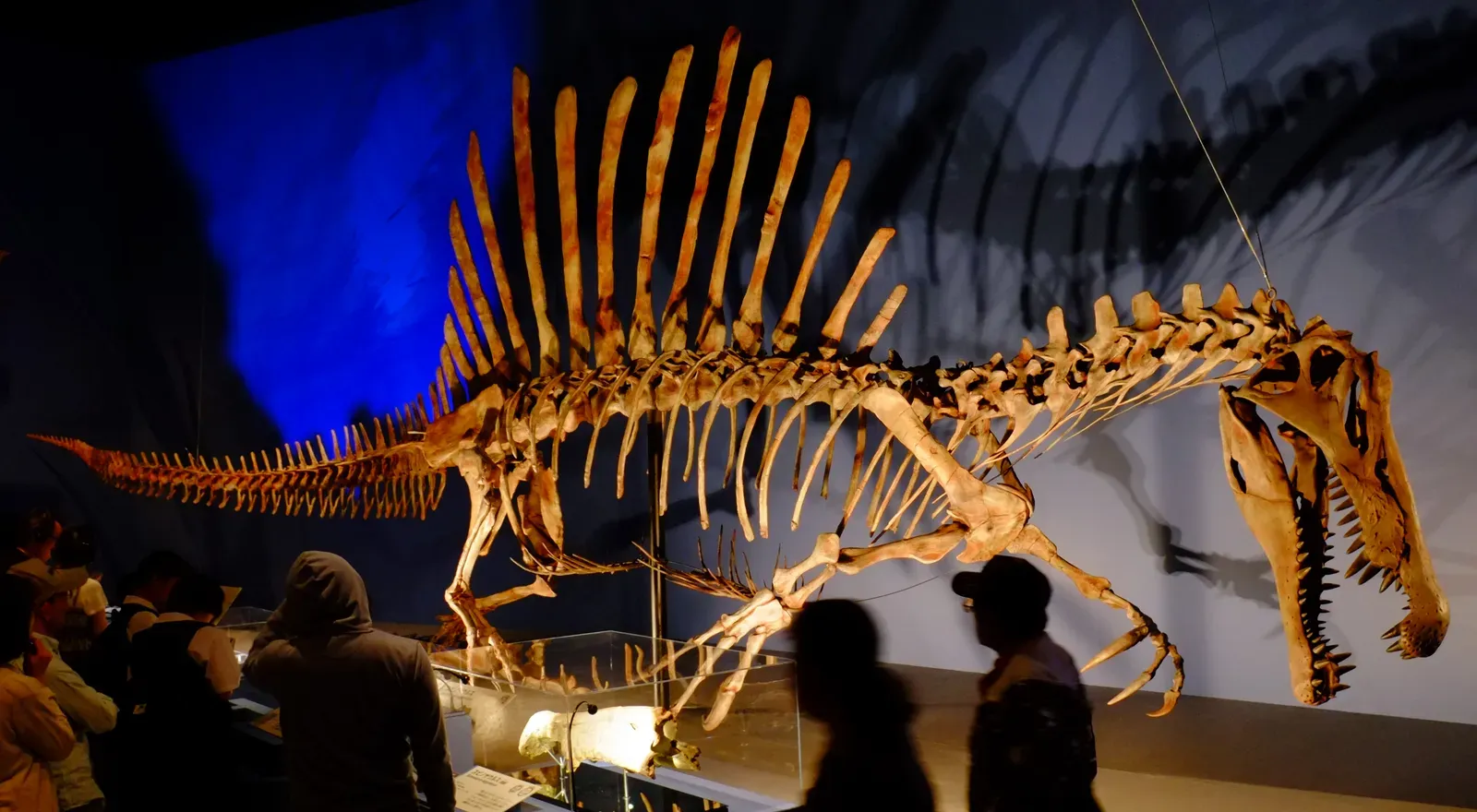
Spinosaurus used to be displayed as just another big land predator with a weird sail on its back. New research flipped that entirely – this dinosaur may have spent much of its life in the water.
Revised skeletal analysis pointed to dense bones (useful for controlling buoyancy, much like modern penguins and hippos), paddle-like feet, and a long, flattened tail built for propulsion rather than sprinting on land. Some paleontologists now argue Spinosaurus is the closest thing to an aquatic dinosaur ever found, hunting fish in ancient rivers instead of chasing prey across open plains. Not every scientist agrees with the fully aquatic model, and that live disagreement is part of what makes the exhibit worth a second look.
#13 – The Extinction Story Got a Lot More Complicated

“An asteroid killed the dinosaurs” used to be the entire wall placard. It’s still broadly true, but museums have quietly added nuance that most casual visitors never notice.
Current research increasingly frames the extinction as a one-two punch: a massive asteroid impact layered on top of long-term environmental stress from enormous volcanic activity that was already reshaping the climate before the impact hit. Some ecosystems may have already been struggling before the asteroid ever arrived, which complicates the tidy “single catastrophic event” story that dominated exhibits for decades. It reframes extinction as a process, not a single afternoon of bad luck – a distinction that connects uncomfortably well to modern conversations about ecological collapse.
#12 – Brontosaurus Came Back From the Dead
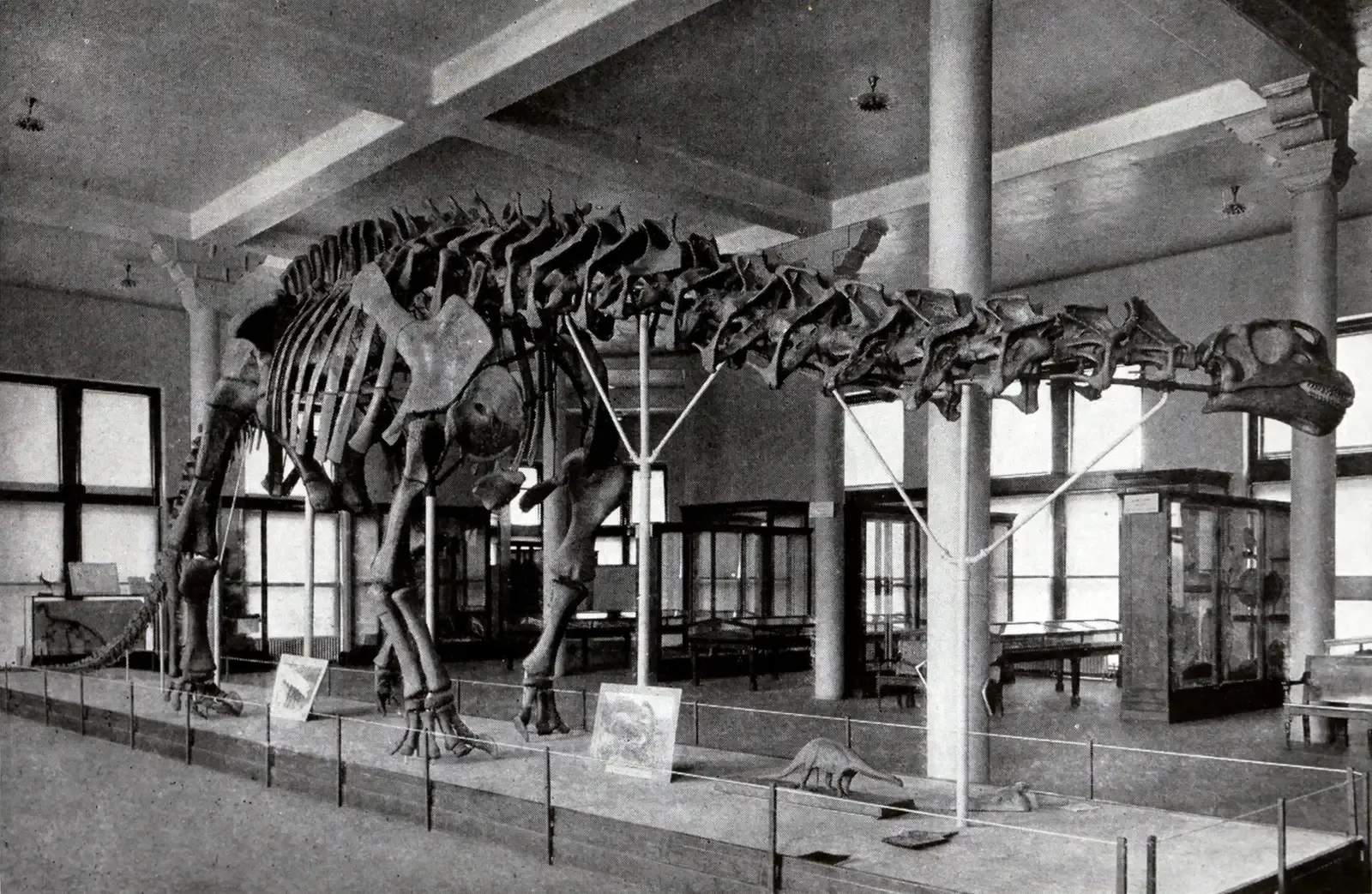
If you learned that “Brontosaurus” was a mistake and the real name was Apatosaurus, you learned outdated information. Paleontologists brought Brontosaurus back as its own legitimate genus.
For most of the 20th century, museum textbooks insisted Brontosaurus never really existed – supposedly a misidentified Apatosaurus with the wrong head attached. Later detailed skeletal comparisons found enough consistent differences between specimens to justify reviving Brontosaurus as a distinct, valid genus after all. The dinosaur mocked for generations as “the fake one” turned out to be real the whole time. Plenty of exhibit labels have quietly swapped the names back.
#11 – Sabretooth Cats Stopped Being Solo Killers
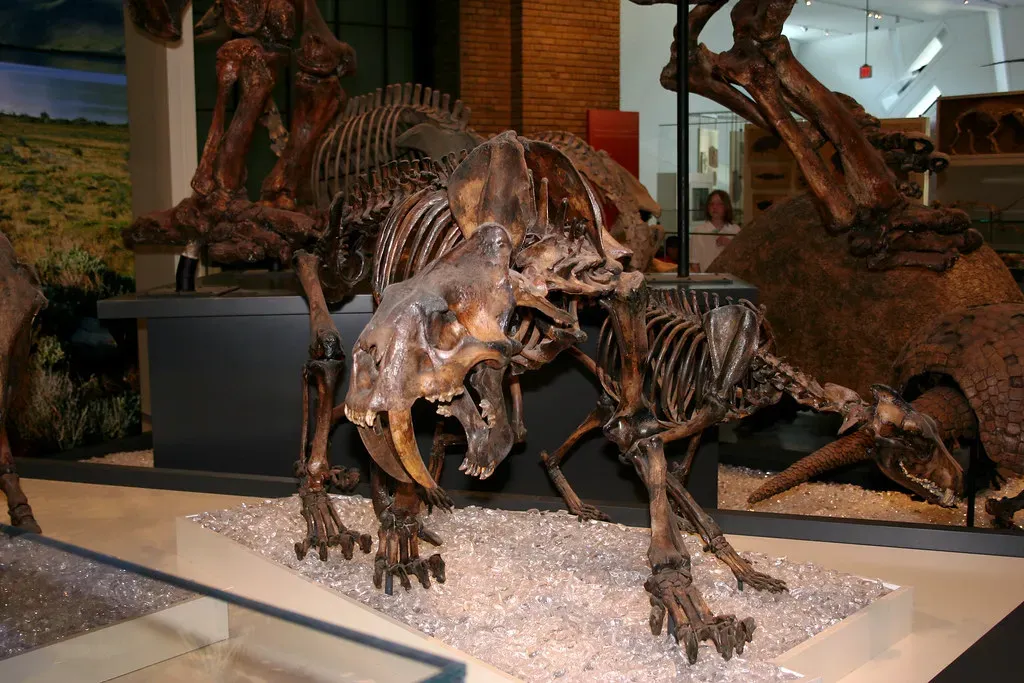
Smilodon, the sabretooth cat, used to be displayed as a solitary ambush predator, all fangs and menace. Bone evidence from mass fossil sites has pushed many museums toward a more social interpretation.
Healed injuries found on multiple Smilodon skeletons suggest some individuals survived serious wounds for extended periods – injuries that would have made solo hunting nearly impossible. That points toward cooperative, group-based behavior, more like modern lions than a lone tiger. A predator once marketed purely on its terrifying fangs is now increasingly displayed as a social animal that depended on its group to survive. It’s a less cinematic story, but a more scientifically honest one.
#10 – Megalodon Isn’t the Chunky Monster You Picture
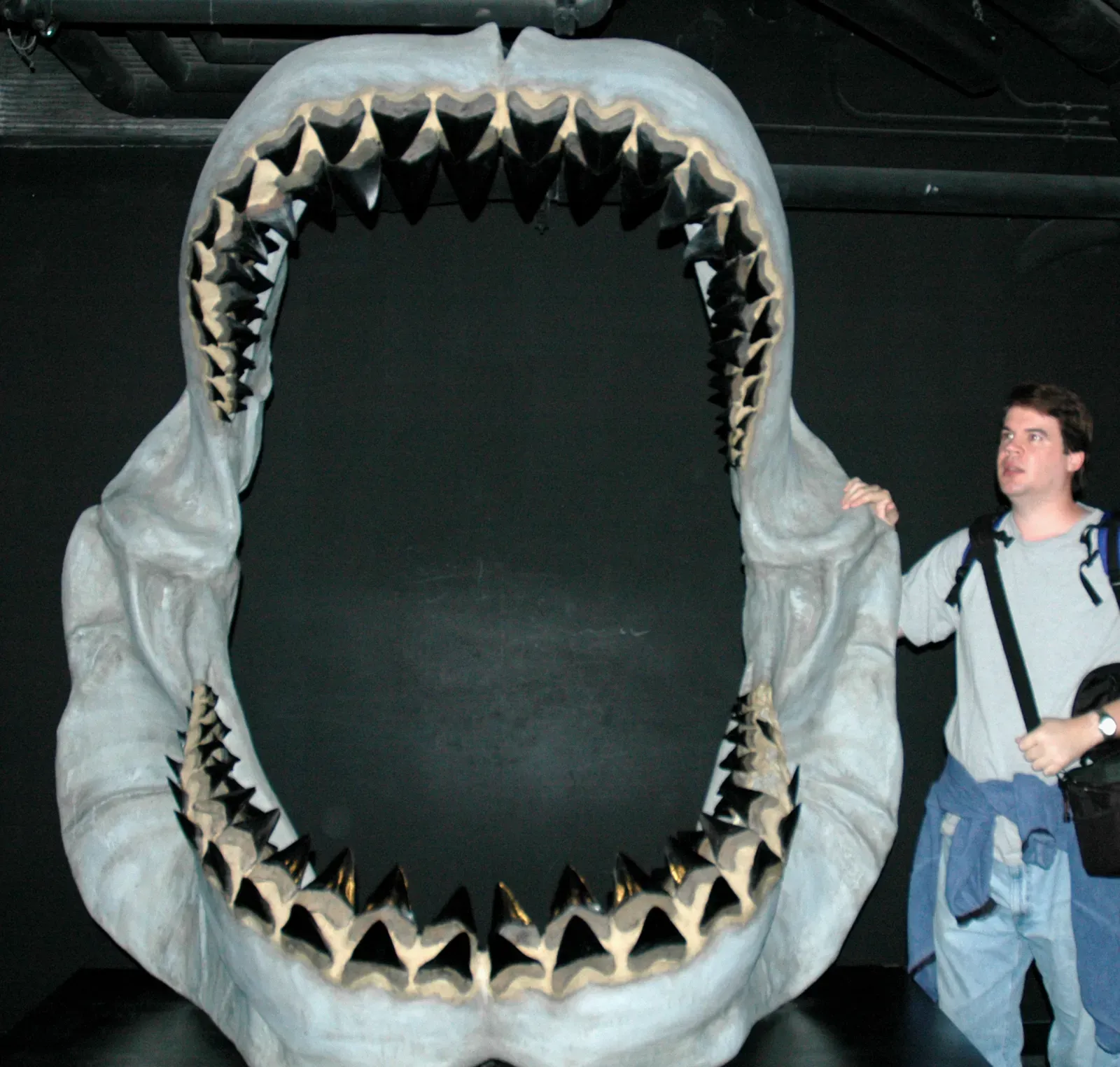
Pop culture – and a lot of older exhibits – depicted Megalodon as an oversized, thick-bodied great white shark. Newer body-shape modeling suggests that image is probably too bulky.
Comparative studies using modern shark proportions suggest Megalodon may have had a leaner, more elongated body than the stocky reconstructions long used in museum casts and documentaries. A creature famous for its bulk might actually have been built more like a slender, torpedo-shaped swimmer. This is one of those corrections that genuinely irritates longtime shark fans, since the bulky version has sold movie tickets and gift-shop toys for years. Museums slimming down their jaw-cast displays have gotten more pushback on this than almost any other change on this list.
At a Glance
- Body fossils of Megalodon are partial and rare – no complete Megalodon has ever been discovered.
- A recent vertebral study estimated its total length at up to 24.3 meters based on vertebral measurements.
- Unlike the stocky great white shark, Megalodon likely had a slender body similar to the lemon shark, which is more hydrodynamically efficient for gigantism.
- Other researchers have countered with a mako-shark comparison instead, since their team reexamined the fossil record and found the shark was more slender and possibly even longer than previously thought.
#9 – Neanderthals Didn’t All Look the Same
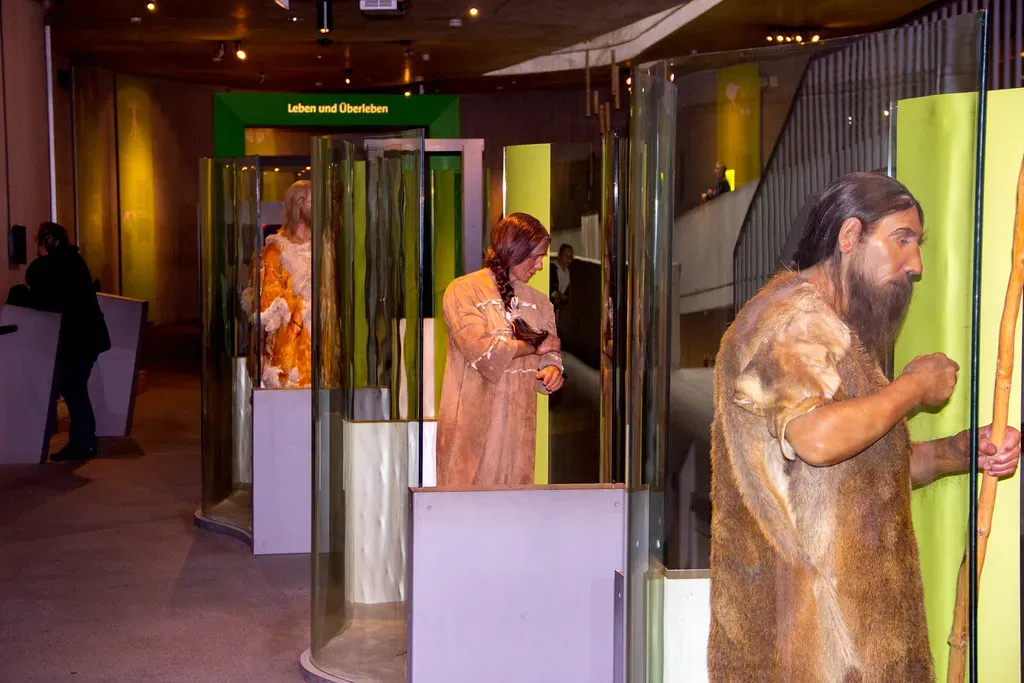
The “pale, red-haired caveman” image that dominated exhibits for twenty years turns out to be an oversimplification based on limited genetic sampling from just a few individuals.
Light-skinned Neanderthal depictions trace back to genetics research from the early to mid-2000s; later studies examining more Neanderthal DNA found that at least some individuals had darker skin, brown eyes, and deep red hair. Researchers acknowledge the science is still uncertain – gene-marker predictions of skin pigmentation are only about 60 percent accurate, barely better than a coin flip. The single “pale Neanderthal” image so many people memorized was based on far less certainty than the confident museum plaques implied. Newer reconstructions now show a wider range of skin tones and features across specimens and geography.
#8 – Neanderthals Got a Serious Reputation Upgrade
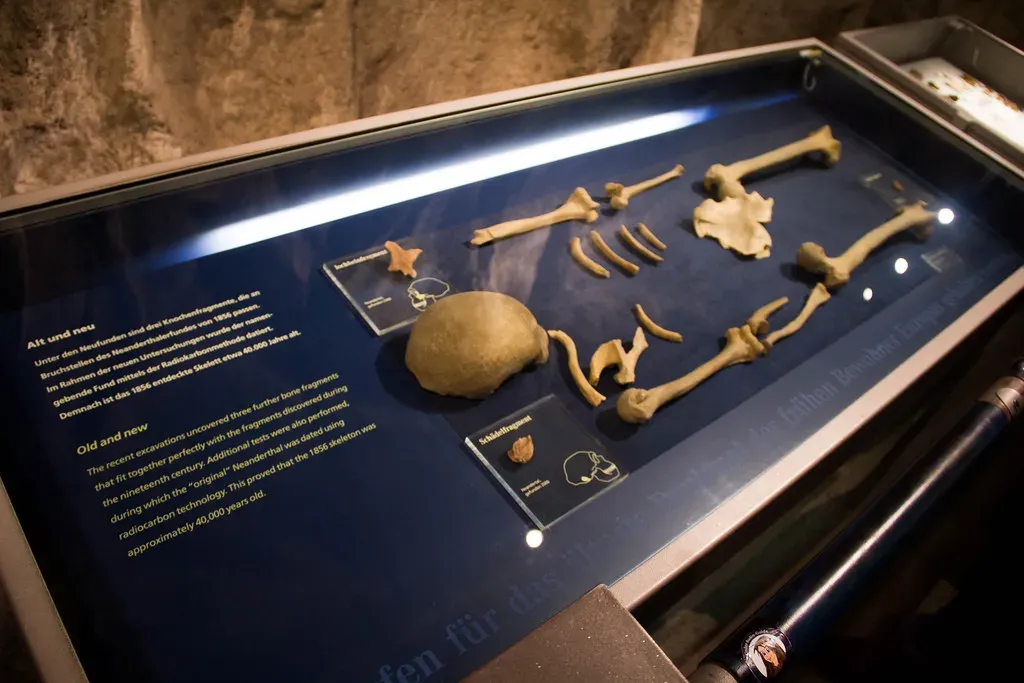
The hunched, grunting brute of old textbook illustrations has been formally retired. Museums now present Neanderthals as capable toolmakers, artists, and caregivers – not evolutionary punchlines.
A contemporary reconstruction in Germany’s Neanderthal Museum, thoughtful and smiling, is a far cry from the scowling Neanderthals visualized a century ago. Evidence of jewelry-making, symbolic burial practices, and cooperative care for injured group members has pushed curators toward warmer facial reconstructions instead of the snarling caveman default. The same species once used as shorthand for “stupid” is now presented as sophisticated enough to have shared some of humanity’s earliest art and rituals. More than a few visitors leaving these updated halls admit they now feel a little guilty about the old jokes.
#7 – Words Like “Missing Link” and “Caveman” Got Quietly Dropped
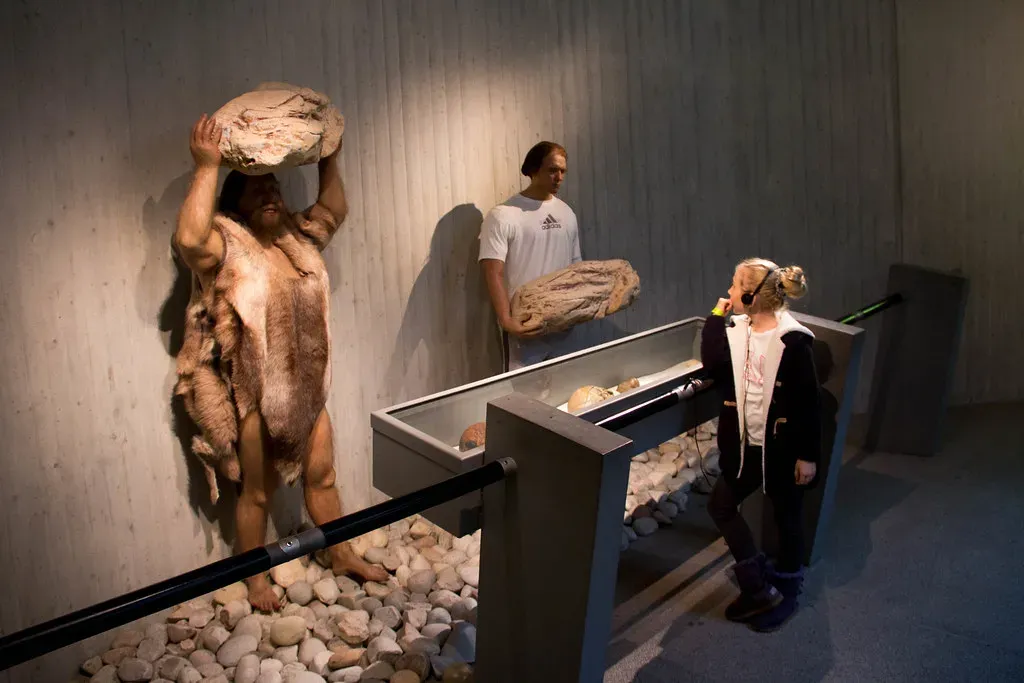
Exhibit language has changed almost as much as the skeletons. Terms that once sounded scientific now read as outdated – even slightly embarrassing – to the researchers who write the new placards.
“Missing link” implied evolution was a simple chain with obvious gaps waiting to be filled, which isn’t how paleontologists think about it anymore. “Caveman” flattened dozens of distinct hominin species and tens of thousands of years into a single lazy stereotype. Curators have replaced both phrases across newer signage with more precise language about specific species, time periods, and behaviors. The old terms actively misled visitors about how evolution actually worked, and museums are finally cleaning house on their own vocabulary.
#6 – The “March of Progress” Image Got Quietly Shelved
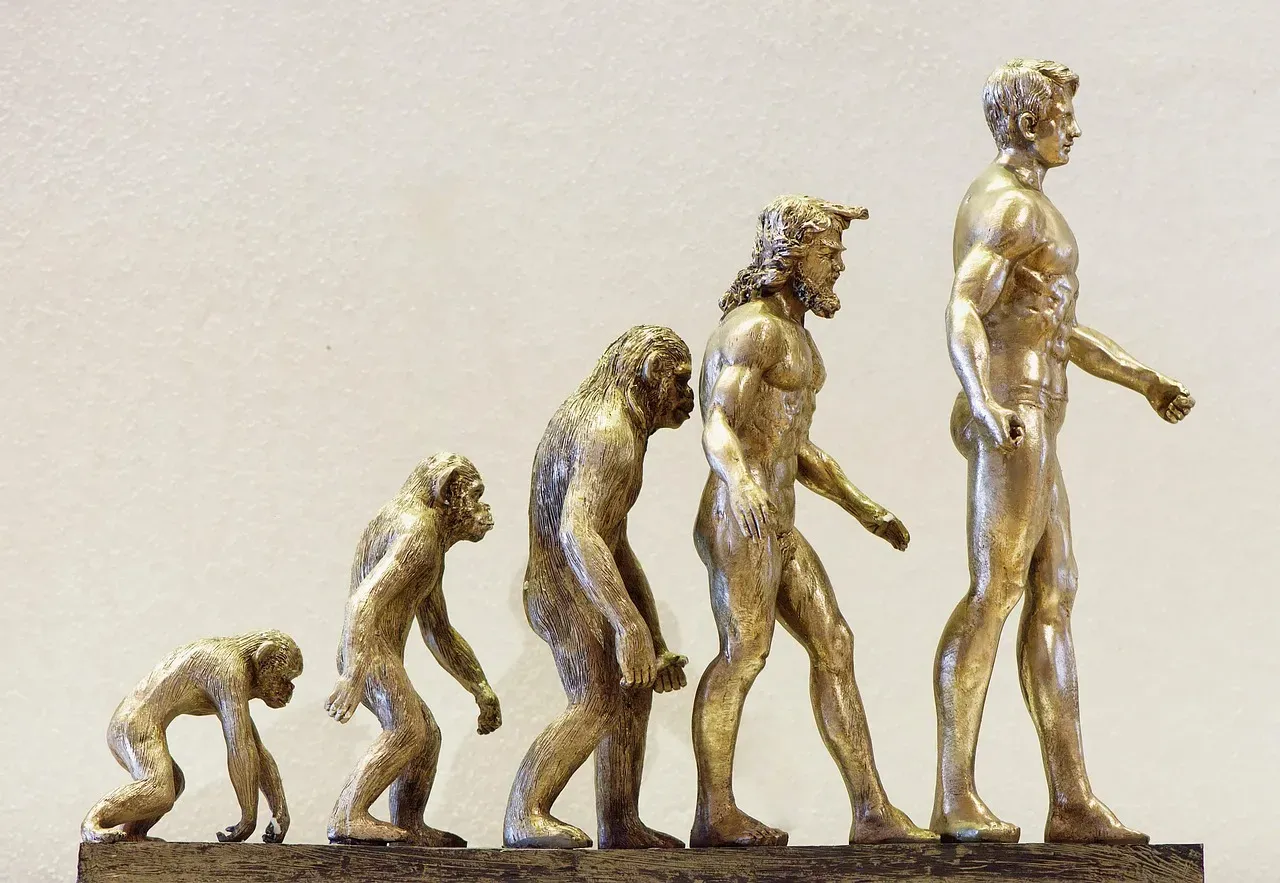
That famous lineup of apes gradually standing up straighter until they become a human? Scientists have hated it for years, and many exhibits have finally stopped using it.
The iconic image shows a procession of ancestors starting with a chimplike creature ambling on all fours, culminating in an upright Homo sapiens – first popularized in the 1960s and known as the March of Progress. Today’s scientists reject it because it falsely implies evolution is linear and progressive, when in reality natural selection has no endpoint and rarely moves in a straight line. One of the most recognizable science images in history turns out to be one scientists actively resent. Its own creator reportedly never intended the linear reading.
#5 – Human Evolution Became a “Braided Stream,” Not a Ladder
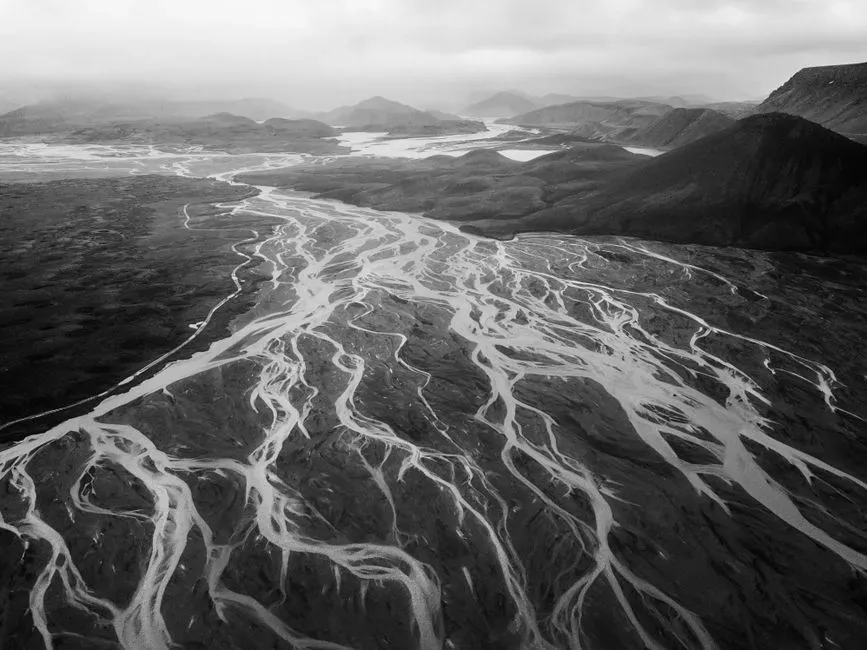
If evolution isn’t a straight march, what replaced it? A messier, more honest metaphor: a braided river with multiple channels running side by side, sometimes merging, sometimes splitting apart.
Discoveries made over the past two decades are forcing scientists to redraw the traditional, linear imagery, since various hominin species living across Africa – sometimes at the exact same time – evolved different ways to walk on two legs. Researchers now describe this as a “braided stream” of multiple coexisting lineages rather than a single evolutionary path. Multiple human-like species were alive at the same time, in the same regions, for enormous stretches of history – not one species neatly replacing the last. New exhibit graphics increasingly show overlapping timelines instead of a tidy single-file walk.
#4 – Denisovans Joined the Family Tree Display
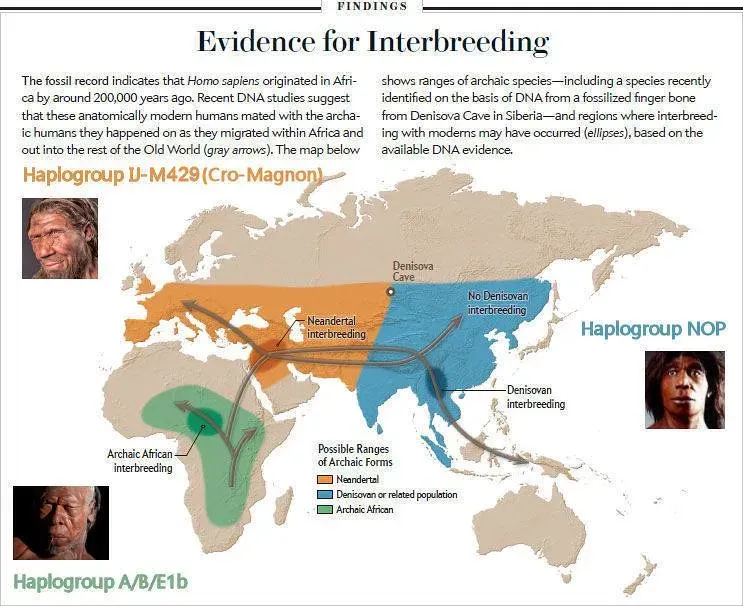
For most of museum history, the human family tree had two branches worth talking about: us and Neanderthals. Then genetic evidence revealed an entirely separate group that had been hiding in plain sight.
Named after the Siberian cave where their remains were first identified, Denisovans are now known to have interbred with both modern humans and Neanderthals, leaving genetic traces still present in some living populations, particularly across parts of Asia and Oceania. An entire branch of human ancestry was essentially invisible to science until genetic sequencing caught up with the fossil record. Retrofitting a “third branch” into an existing exhibit layout has turned into a real design headache for curators.
Worth Knowing
- The percentage of Denisovan DNA is highest in the Pacific Island population of Melanesia, estimated at 4 to 6 percent, and lower in other Pacific Islander and Southeast Asian populations.
- By contrast, Europeans have no hint of Denisovan ancestry, and people in China have only a tiny amount, around 0.1 percent by some calculations.
- Scientists note that Denisovans are the only species of archaic humans we know less about from fossil evidence and more from where their genes show up in modern humans.
- Modern humans can carry small amounts of Neanderthal DNA, while Denisovan DNA is rarer still.
#3 – New Hominin Species Kept Crashing the Family Tree
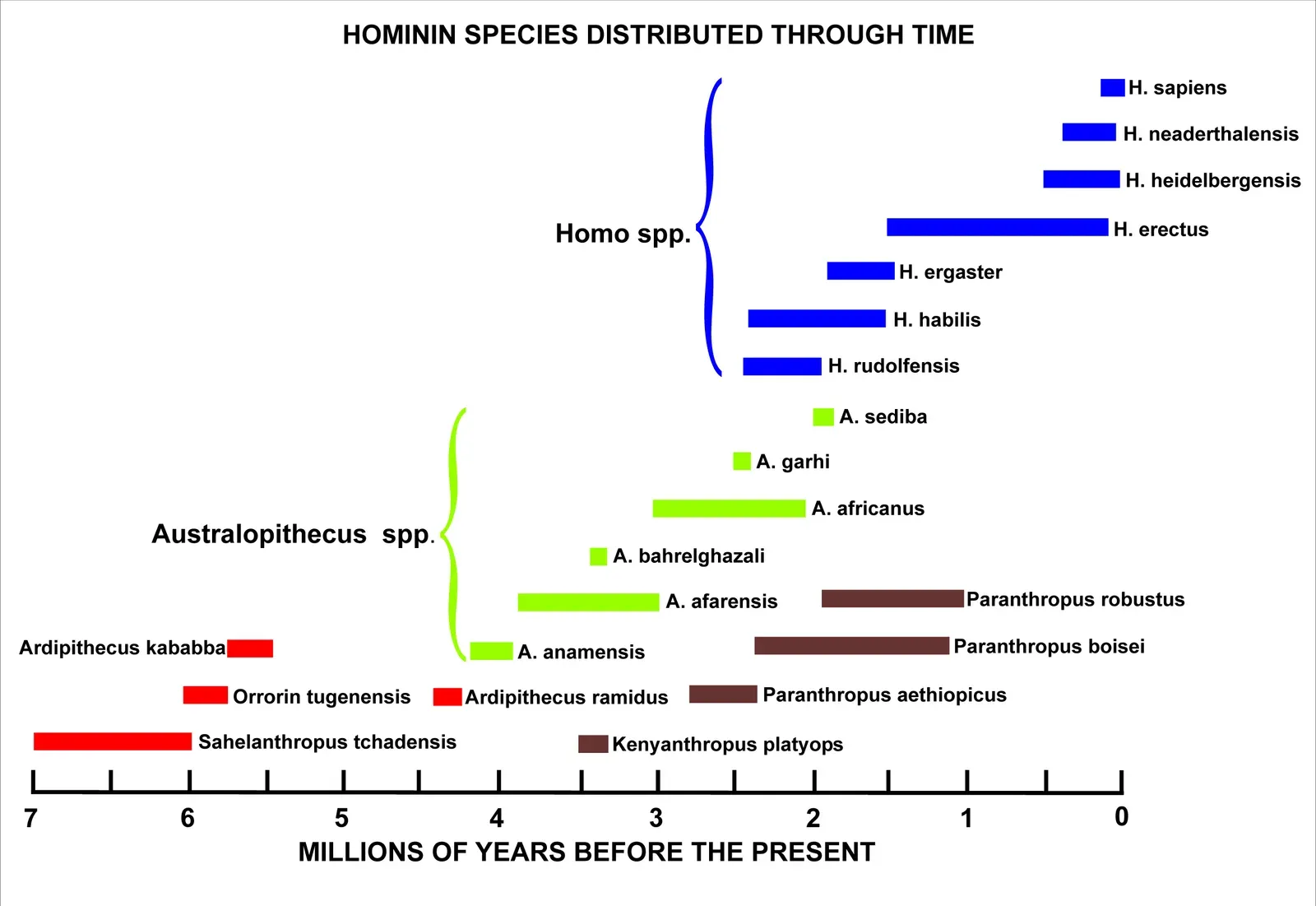
Denisovans weren’t the only surprise. Discoveries of previously unknown human relatives have forced museums to redesign family tree displays multiple times in the same decade.
Small-bodied, small-brained species found in unexpected locations have challenged long-held assumptions that brain size alone drove human evolutionary success. Some of these species appear to have coexisted with early modern humans far more recently than anyone previously assumed possible. The human family tree isn’t a finished diagram – it’s an active construction site that keeps getting new rooms added. Many exhibit designers now deliberately leave blank space in family tree graphics, expecting another species to be confirmed before the paint even dries.
#2 – The “Man the Hunter” Story Got Rewritten
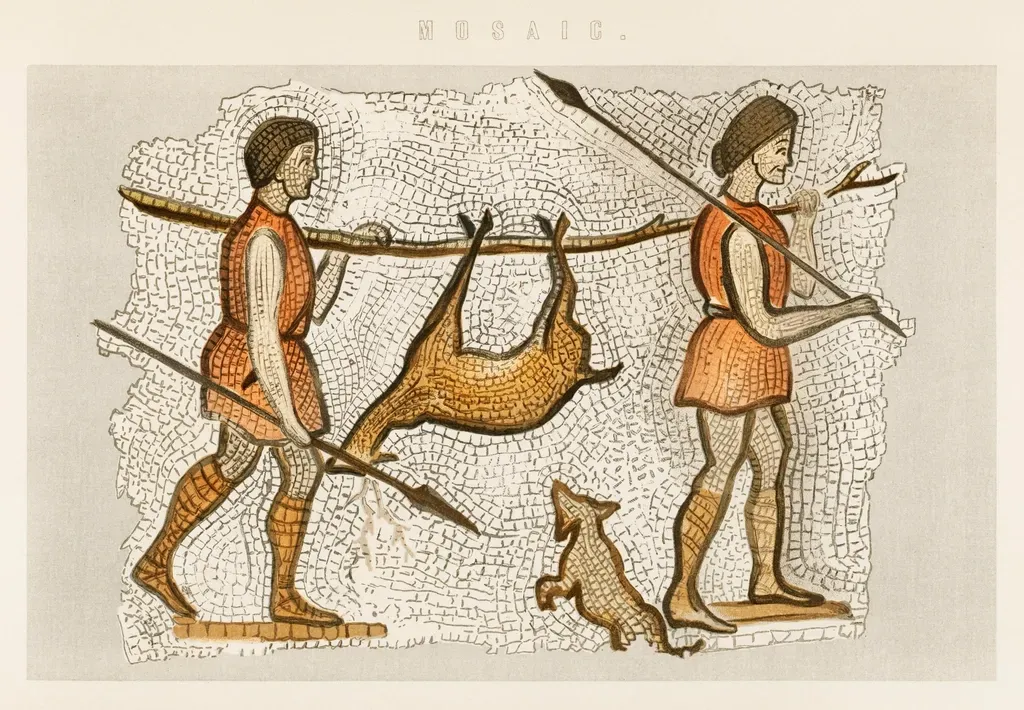
Old dioramas almost always showed men hunting and women gathering, presented as a fixed evolutionary division of labor. Newer archaeological evidence has forced a genuinely uncomfortable revision for a lot of long-running exhibits.
Analysis of ancient burial sites containing hunting tools alongside female skeletal remains has challenged the assumption that big-game hunting was exclusively male in prehistoric societies. Assumptions about gender roles in prehistory may have said more about the researchers doing the digging than about the people being dug up. Museums that updated their hunter-gatherer dioramas to reflect mixed-gender hunting parties report some of the strongest visitor pushback of any recent exhibit change.
#1 – Mammoth Extinction Became a Climate Warning
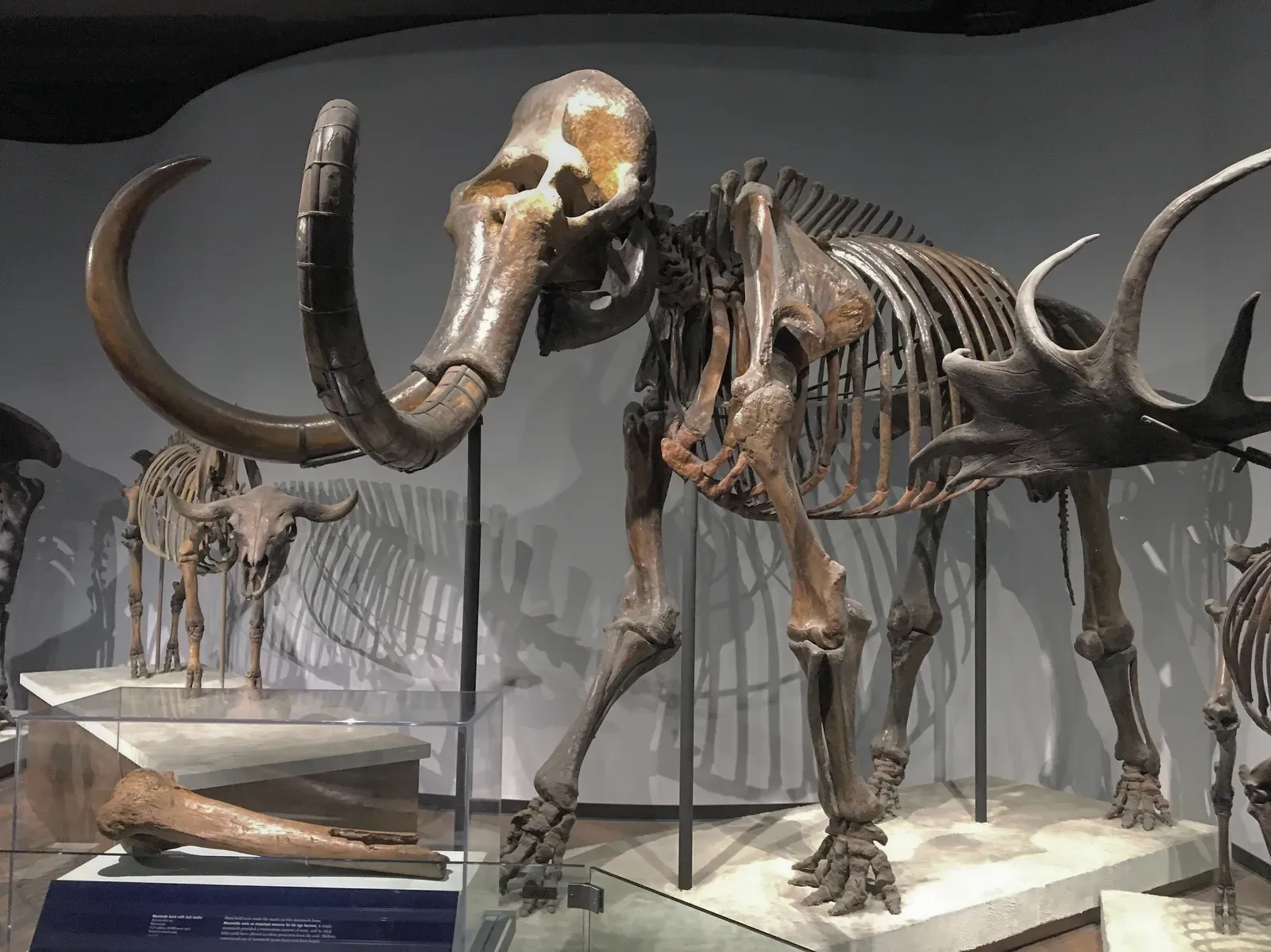
The woolly mammoth exhibit used to be a straightforward “ancient beast, ancient extinction” story. Now it’s frequently framed as a preview of what’s happening to modern ecosystems, and that reframing has become the most emotionally loaded change on this entire list.
Evidence increasingly points to rapid climate warming and human hunting pressure working together to finish off mammoths and other Ice Age giants, rather than either cause acting alone. Museums have started placing mammoth extinction placards directly beside modern climate and biodiversity-loss messaging, drawing an explicit line between a 10,000-year-old catastrophe and current environmental warnings. Some visitors find this powerful; others find it heavy-handed for what used to be a simple “big furry elephant” exhibit. Either way, it’s the single biggest tonal shift on this list – turning a display about the deep past into a warning about right now.
The Bottom Line
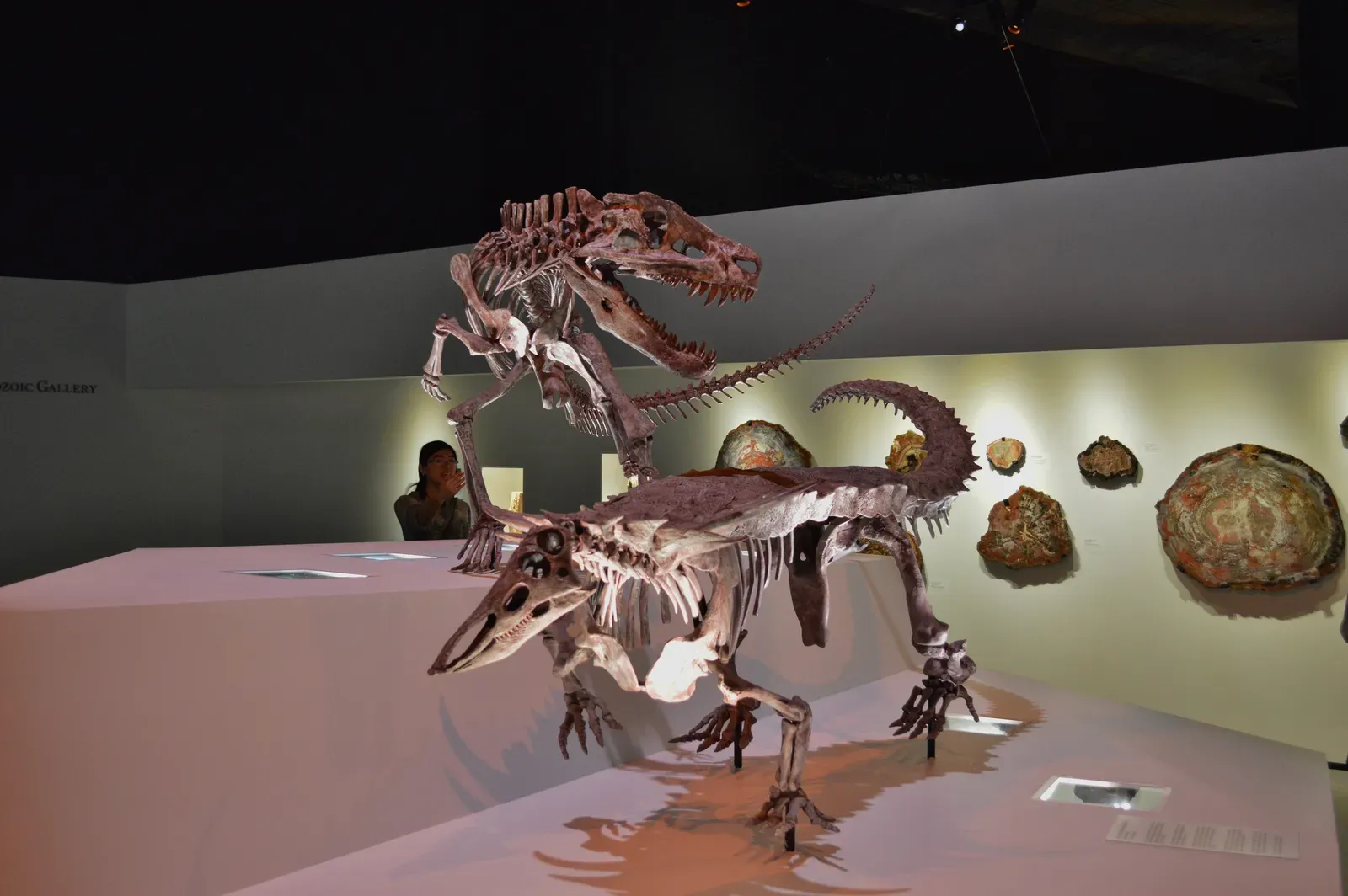
Museums didn’t just add a few new fossils this decade – they quietly rewrote the emotional and scientific tone of prehistory itself. Dinosaurs went from lumbering green monsters to fast, feathered, and occasionally aquatic. Neanderthals went from grunting punchlines to sophisticated relatives with real diversity. The human family tree stopped being a tidy ladder and became the messy, branching, multi-species story it actually was.
If there’s one honest takeaway here, it’s that “settled science” in a museum hall has a shorter shelf life than most visitors assume. And the boldest changes on this list – tying mammoth extinction to modern climate collapse, admitting the family tree is unfinished, rewriting who actually hunted – suggest exhibits are becoming more opinionated, not less. That’s a good thing. A museum willing to publicly correct itself is a lot more trustworthy than one that never changes at all. Did your local museum make any of these changes without you noticing? Drop it in the comments.