
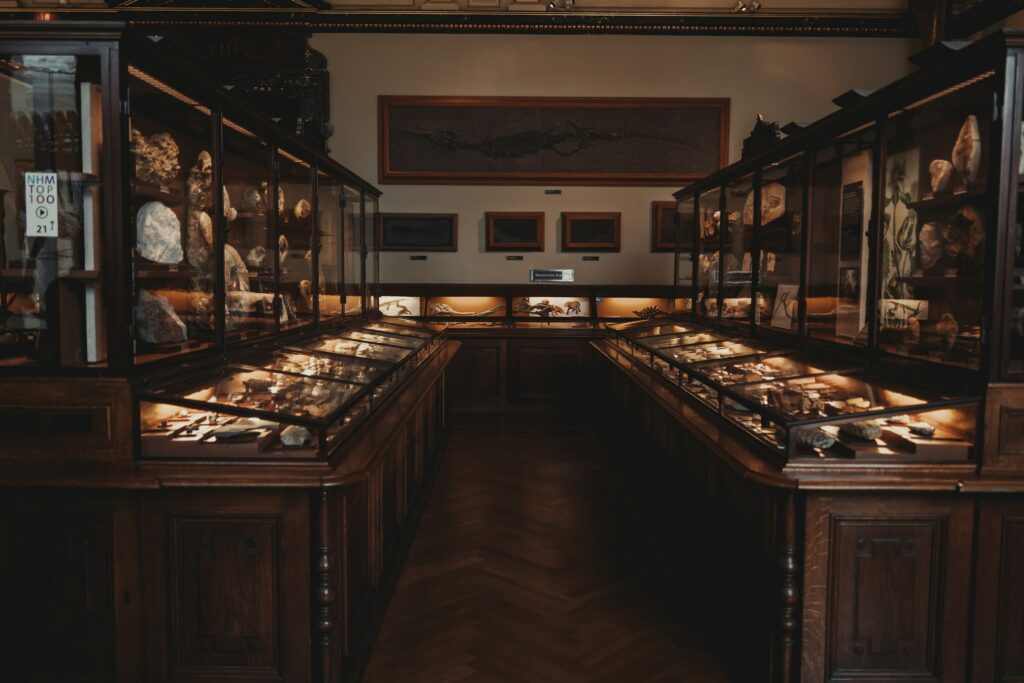
You’d think a museum is the one place where nobody lies to you. Glass cases, brass plaques, x-rays, carbon dating, a small army of PhDs guarding every artifact like it’s a state secret. Surely that skull, that shroud, that gleaming Roman bust has been vetted a hundred times over.
Except it hasn’t, not always. Behind the velvet ropes, a quiet correction has been happening for decades: famous “masterpieces” reclassified as misidentified, heavily doctored, or flat-out invented. Some were cons. Some were honest mistakes that calcified into legend because nobody wanted to be the one to say it out loud. Either way, millions of visitors walked past these cases believing a story that was never true – and the truth is stranger than the myth.
#12 – The “Piltdown Man” Fossil That Rewrote Human Evolution… Then Collapsed
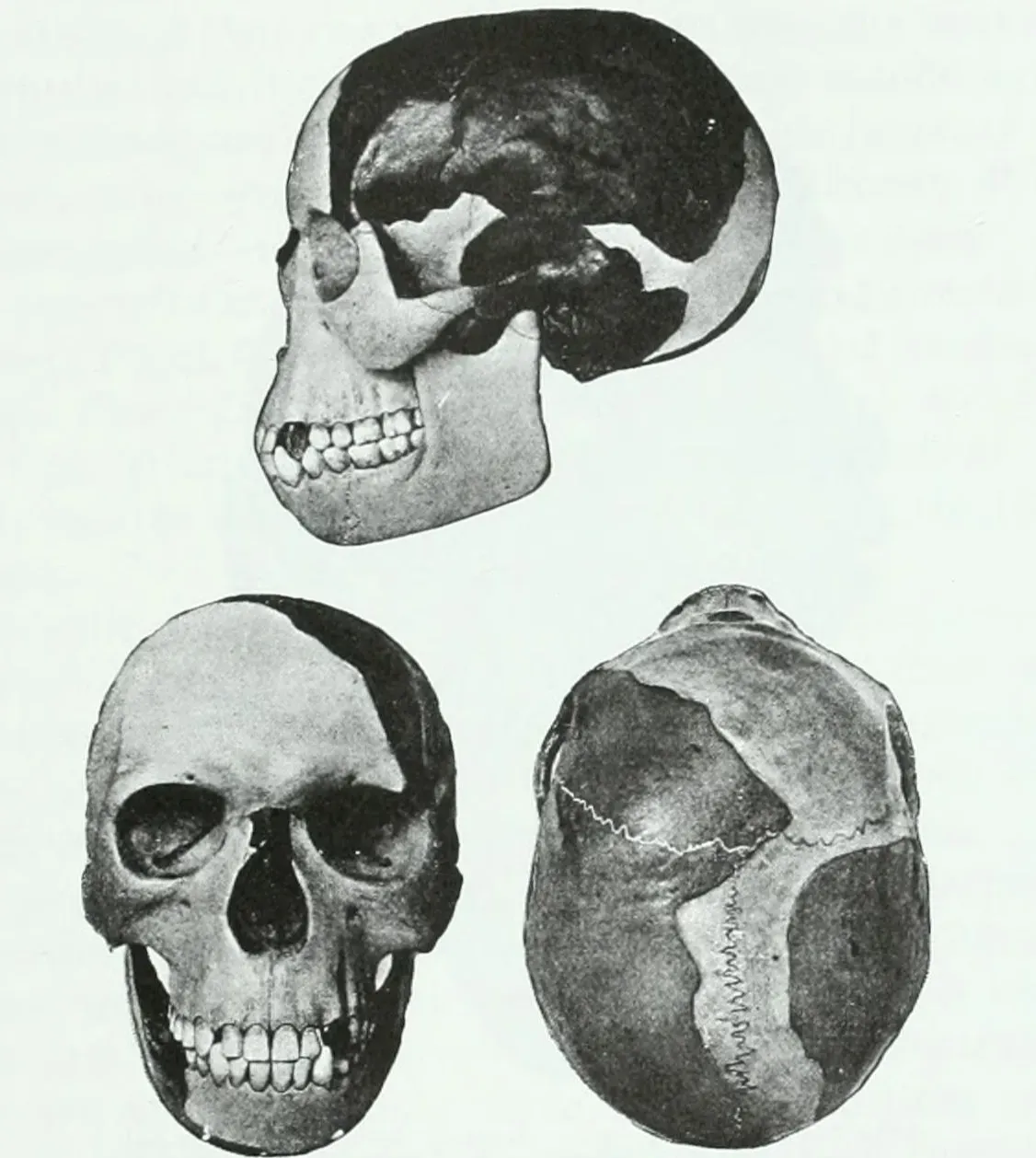
For decades, Piltdown Man was the crown jewel of human origins exhibits – the so-called “missing link” between apes and people, found in England in the early 1900s. The skull fragments seemed to prove that big brains evolved before anything else, and museums built entire evolutionary narratives around it.
It was more than science. It was national pride, a chance for British institutions to claim a starring role in the story of humankind.
Then the lab work caught up with the legend. Mid-20th-century testing revealed the skull was a mashup: a medieval human cranium bolted to an orangutan jaw, stained and filed down to look ancient. This wasn’t a sloppy misclassification – it was deliberate fraud, built to fool the smartest people in the room.
Fast Facts
- Unearthed near Piltdown, England, starting in 1912
- Marketed for over 40 years as proof humans evolved big brains first
- Exposed as a fraud in 1953 using fluorine and chemical testing
- Actual makeup: a relatively modern human skull plus a filed-down orangutan jaw
Today, museums treat Piltdown as the textbook case study in confirmation bias: what happens when experts want something to be true so badly they stop checking. Most displays were quietly retired. But that’s a gentle warm-up compared to what’s coming at #11.
#11 – The “Viking Horned Helmets” That Never Existed

Walk into almost any museum gift shop today and the myth is still for sale: fierce Vikings charging into battle wearing dramatic horned helmets. For generations, European museums leaned into that image with dioramas, mannequins, and confident-sounding labels.
There’s just one problem. Serious archaeology has said for decades that there’s no convincing evidence Vikings ever wore horned helmets into battle. The look was borrowed almost entirely from 19th-century Romantic paintings and opera costumes, not from anything dug out of the ground.
Real Viking helmets that survive are practical, conical, and completely horn-free. A handful of genuinely horned helmets do exist in the archaeological record – but they’re from the Bronze Age, centuries before the Vikings, and were almost certainly ceremonial rather than combat gear.
Museums stuck with the fantasy version for a long time anyway, because it simply sold better than the truth. Only recently have many institutions quietly rewritten their labels and pulled the horns off their “authentic” reconstructions. Coming up at #10, the fakery gets literally glued together.
#10 – The “Dinosaur Battle Poses” Built From Guesswork and Glue

Older dinosaur halls doubled as fantasy art galleries: ferocious skeletons locked in mid-battle, tails dragging on the floor, jaws frozen in permanent roars. For millions of visitors, this looked like a literal snapshot of the prehistoric world.
It wasn’t. Paleontologists eventually admitted that many of these iconic mounts were assembled from incomplete remains, speculative poses, and sometimes bones pulled from multiple individuals – or even multiple species entirely.
Missing pieces were often sculpted out of plaster, painted to match, and never clearly flagged as modern additions. Visitors were told “this is what it looked like,” when really they were staring at a museum’s best educated guess wearing real bone as a costume.
As science revealed more bird-like, tail-aloft postures, institutions started quietly remounting or retiring the dramatic combat skeletons. Some now add disclaimers about cast parts – decades too late for the generations who grew up believing the drama was documented fact. Next up at #9, an entire “ancient civilization” turns out to be a 19th-century side hustle.
#9 – The “Ancient” Etruscan Terracotta Warriors That Turned Out Modern
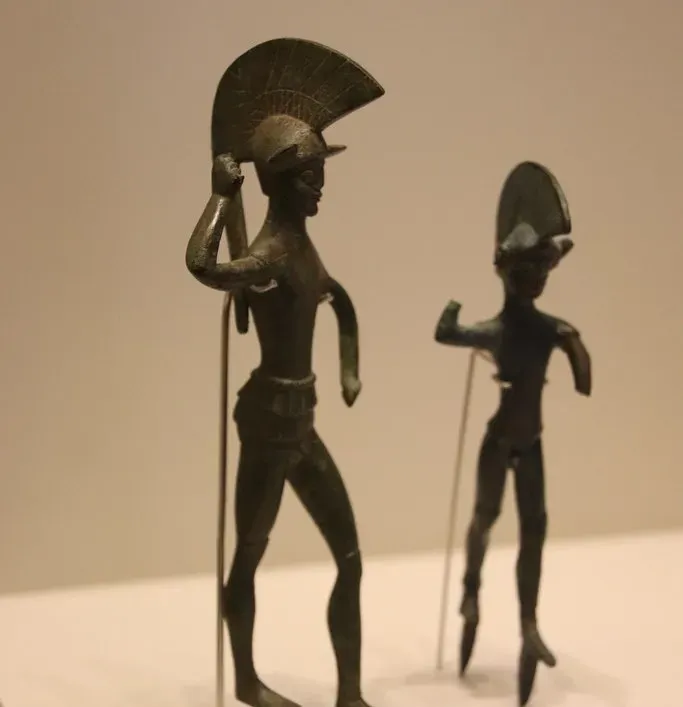
In the early 20th century, several major museums proudly unveiled towering terracotta “Etruscan” warriors – statues supposedly proving a sophisticated Italian civilization that predated Rome itself. They anchored entire galleries and shaped how an entire generation of scholars imagined Etruscan art.
Something about the style always felt slightly off, but reputations and donor checks had already been cashed. Nobody wanted to be the one to ask the uncomfortable question.
Eventually, scientific testing and stylistic analysis confirmed the skeptics’ worst suspicions. The statues were made in the late 1800s or early 1900s, likely by talented Italian forgers cashing in on eager, wealthy collectors. Even the firing techniques and tool marks gave the game away.
Worth Knowing
- The warriors were acquired by a major U.S. museum between roughly 1915 and 1921
- They were publicly declared fakes in the early 1960s after lab testing
- Manganese-based glaze on the statues was a technique unknown to actual ancient Etruscan potters
- An Italian craftsman eventually admitted to helping produce the forgeries decades earlier
For decades curators defended the pieces anyway. Only in recent years have some museums finally relabeled them openly as famous fakes, turning a decades-long embarrassment into an actual teaching exhibit. Wait until you see how far religious relics stretched the truth at #8.
#8 – The “Medieval” Relics That Were Never Within 1,000 Years of Jesus
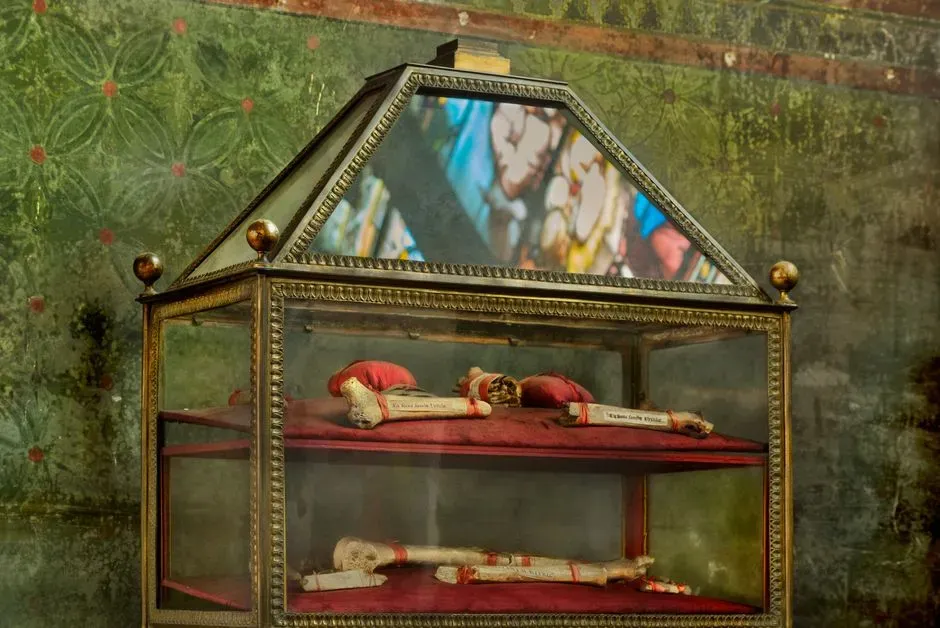
Museum cases full of bones, nails, and splinters of “the True Cross” once blurred the line between devotional object and verified artifact. Many of these relics migrated from churches into secular museums, still carrying lofty labels claiming direct ties to saints and biblical figures.
Modern dating and provenance research have shredded a huge share of those stories. Some “crucifixion-era” relics turned out to date from centuries later – or weren’t even human remains at all.
DNA testing has revealed bone mixtures from multiple people. Radiocarbon dating has planted supposedly “apostolic” remains squarely in the Middle Ages, hundreds of years after the fact.
Many institutions now use hedged language like “relic associated by tradition with X” – curator-speak for “we don’t actually believe this anymore, but we’re not picking a fight either.” Historians broadly admit that a huge share of these objects are pious inventions dressed up as history. Up next at #7, the fakes get an entire tourist industry behind them.
#7 – The “Roman” Glass and Statues Mass-Produced for 19th-Century Collectors
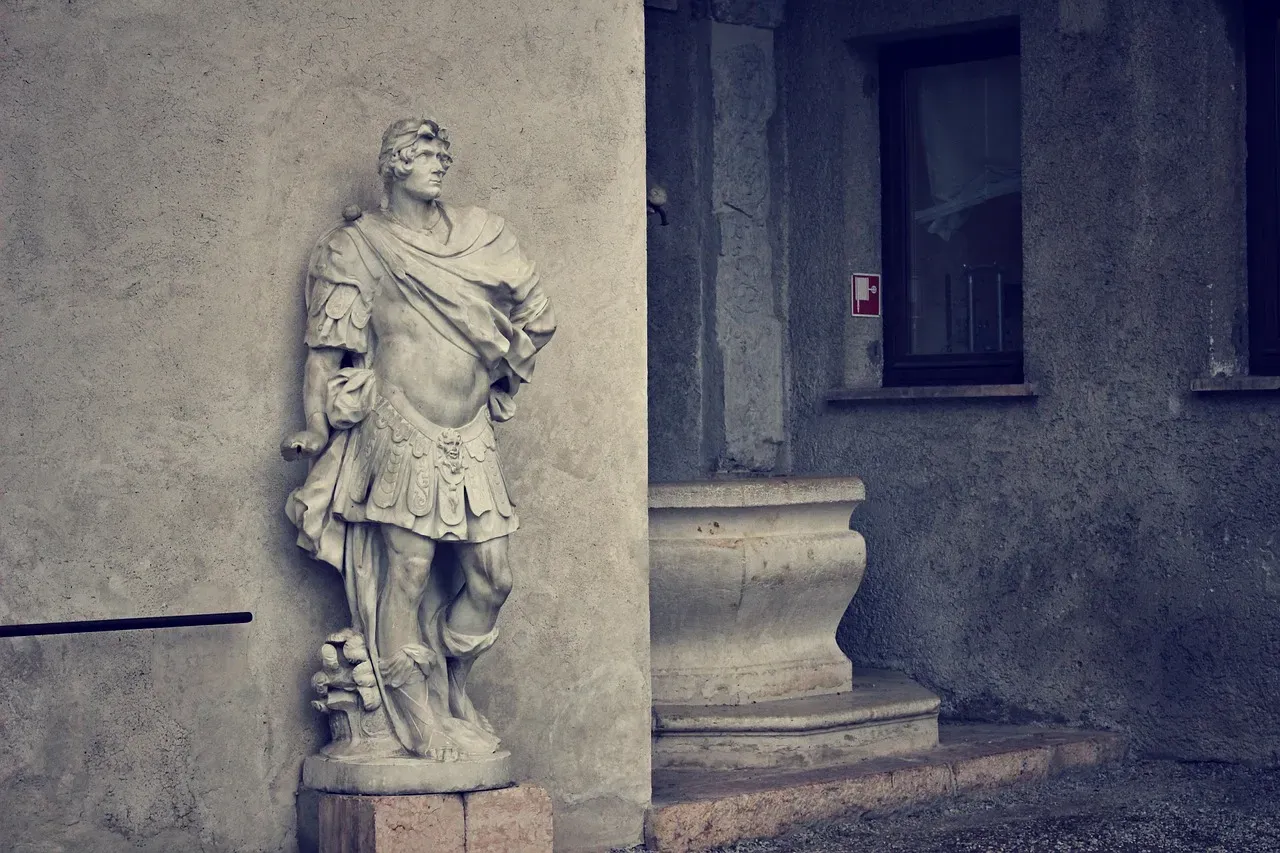
In the 1800s, wealthy travelers on the Grand Tour wanted souvenirs that screamed “ancient Rome.” Workshops across Italy happily obliged, aging and chipping freshly made glass, bronzes, and marble busts before selling them through middlemen as genuine antiquities.
A surprising number of these pieces ended up in respected museum collections, passing as authentic for decades without a second glance.
Then conservators started noticing the details that gave the game away: machine-made tool marks, modern pigments, artificially induced patinas. Some statues even had suspiciously perfect noses and chins – features almost no genuinely ancient sculpture keeps intact after two thousand years.
Chemical analysis and stylistic study have since downgraded many of these pieces from “1st-century Roman” to “19th-century fantasy in antique style.” Museums rarely announce it loudly, but the labels have quietly shifted from confident attribution to careful hedging like “after the antique.” At #6, the forgeries start claiming to be miracles.
#6 – The “Shroud-Like” Cloths and Miracle Images With Problematic Dates
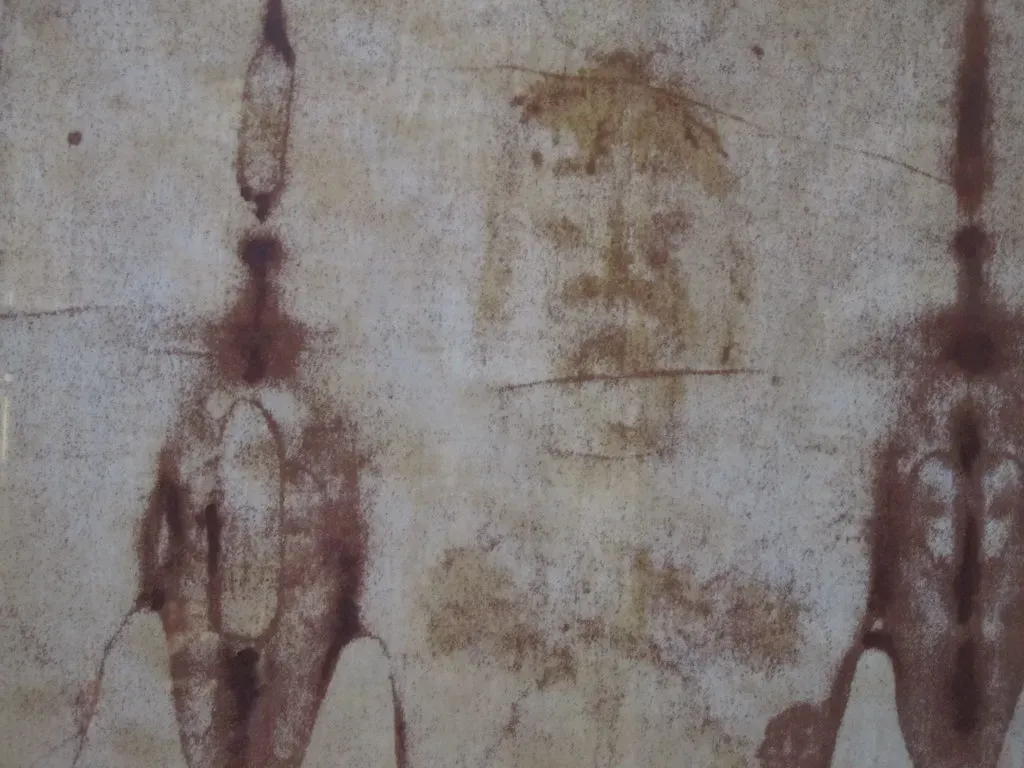
Various institutions around the world have displayed cloths and images marketed as early, miraculous imprints of holy figures, with stories implying direct contact with ancient sacred events. Visitors were often left to assume the science backed up the legend.
It usually doesn’t. Radiocarbon dating, textile analysis, and pigment studies have repeatedly pushed several of these famous items into the medieval or even early modern period – centuries after the events they claimed to document.
In multiple high-profile cases, supposed “1st-century” textiles turned out to be woven in the 13th to 15th centuries – precisely when demand for relics was exploding across Europe. Microscopic analysis has even found paint layers and later retouching underneath the “miraculous” images.
Quick Compare
- Claimed age: 1st century CE | Lab-tested age: 13th-15th century CE
- Claimed origin: miraculous imprint | Lab finding: pigment and paint layers detected
- Claimed status: singular relic | Historical reality: one of many relics produced during a medieval boom in demand
Not every object in this category is a deliberate forgery. But historians now increasingly describe many of them the same way: devotional artworks that got rebranded as relics somewhere along the way. Coming up at #5, the forgers get scientifically sophisticated enough to fool actual chemists.
#5 – The “Ancient” Chinese Bronzes That Outsmarted Curators
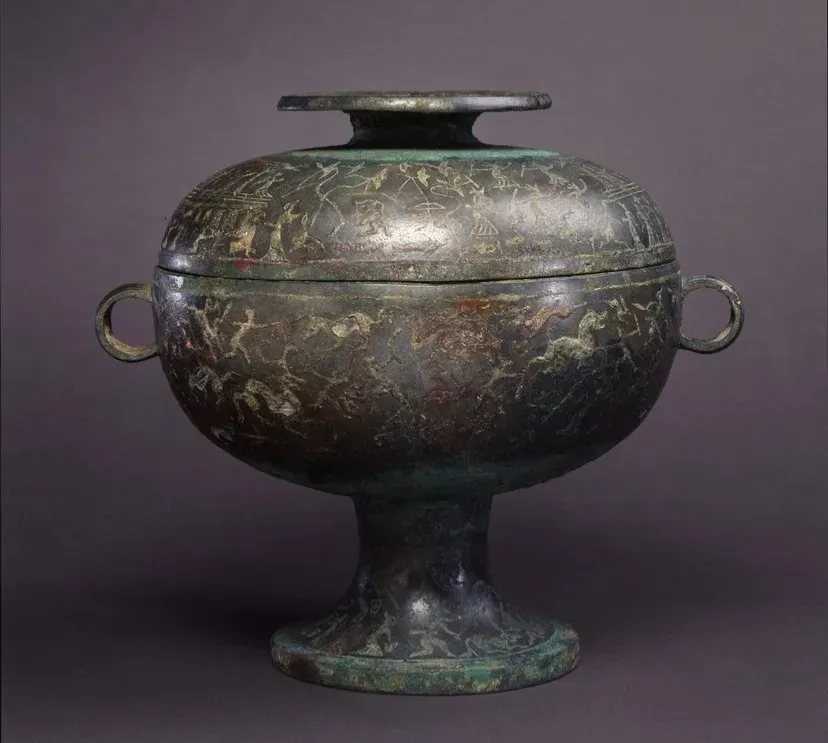
Chinese ritual bronzes are among the most coveted objects in Asian art collections, their inscriptions and patinas shaping how entire dynasties are understood by scholars. Unfortunately, they’re also one of the most heavily forged categories in the art world.
In the 20th century, several major museums purchased bronzes that were later exposed as sophisticated fakes, created by artisans who understood ancient styles – and Western buyers’ expectations – a little too well.
The scientific testing was brutal once it finally happened. Some “Shang dynasty” bronzes turned out to be cast from modern metal alloys, with patinas grown artificially in chemical baths instead of naturally over three thousand years in the soil. Inscriptions once read as ancient were re-examined and dismissed as clumsy pastiches.
Museums are far more cautious now, but earlier acquisitions still sit quietly in storage, reclassified from masterworks to study pieces, their impressive labels long since removed. At #4, the con artists literally glue dinosaurs together to sell to museums.
#4 – The “First Dinosaur Bird” Feathers That Were Added Later
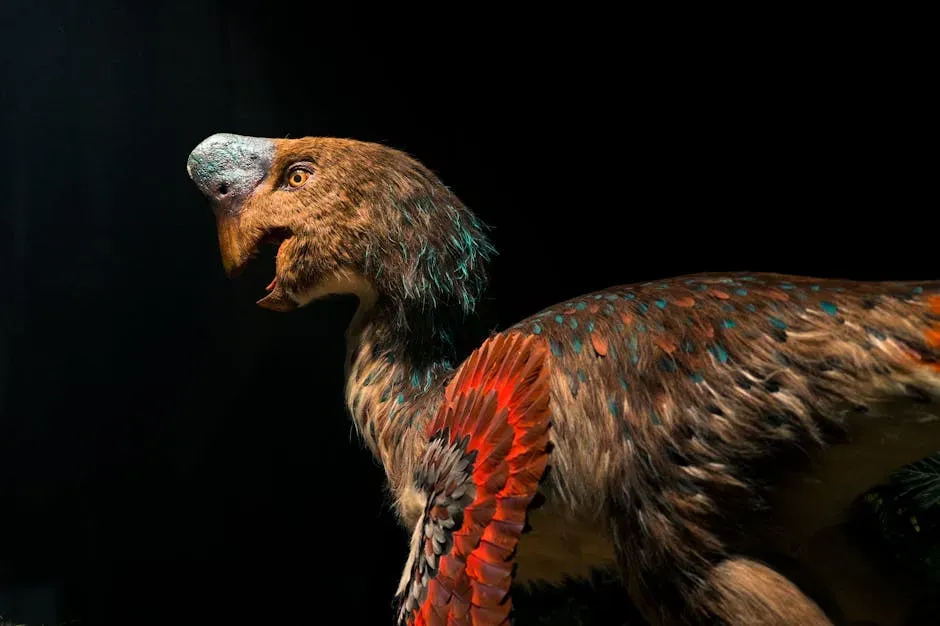
Feathered dinosaurs are real – fossils from China and elsewhere genuinely revolutionized paleontology. But that revolution also created a hot market, and wherever there’s money, fakers eventually show up.
A handful of “perfect” feathered fossils that landed in private and smaller museum collections have since been unmasked as composites: real stone slabs with carefully glued-on feathers or rearranged bones, engineered to look more dramatic than nature actually delivered.
In one especially notorious case, a fossil hailed as a missing link between birds and dinosaurs turned out to be a chimera stitched together from multiple different animals. The rock was real. The bones were real. The story connecting them was completely invented by a preparator chasing a bigger paycheck.
Larger natural history museums now run CT scans and microscopic checks before any new feathered “wonder” goes under glass. Some of the older mistakes are still being untangled in back rooms, quietly, years after the public applause died down. At #3, even the Old Masters aren’t safe.
#3 – The “Old Master” Paintings Upgraded by Wishful Thinking
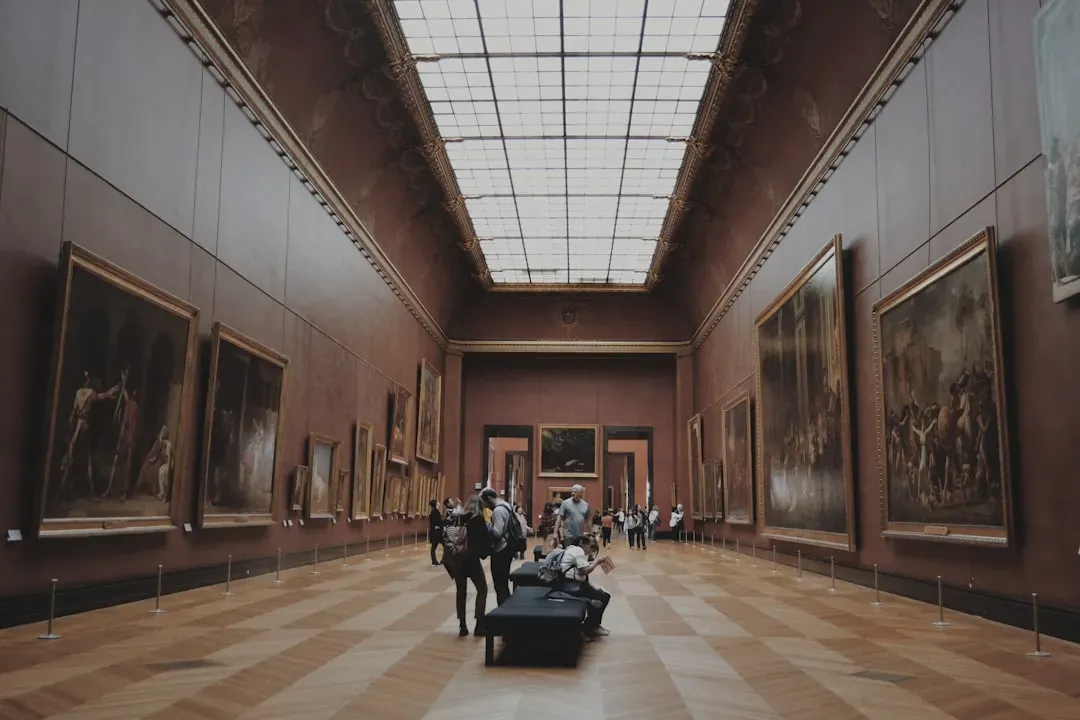
Art museums love the story of a dusty painting in storage turning out to be a lost masterpiece. What they talk about far less is the reverse happening – quietly, repeatedly, for over a century.
Works once proudly labeled as Rembrandt, Vermeer, or other giants have been demoted to “school of,” “circle of,” or “follower of” – polite museum code for “probably not the real deal.” For years, visitors admired these as masterpieces while donors and directors basked in the reflected glow of a famous name.
Technical analysis changed everything. Infrared reflectography and pigment testing have revealed modern pigments hiding in supposedly 17th-century canvases, along with overconfident restorers repainting entire sections and signatures likely added later just to boost resale value.
Some museums have openly admitted they leaned too hard into optimistic attributions, especially back when authentication standards were far looser. A surprising number of once-famous “Rembrandts” now hang under much more cautious labels. Up next at #2, the giants come out – literally.
#2 – The “Giant” Skeleton Exhibits Built From Imagination
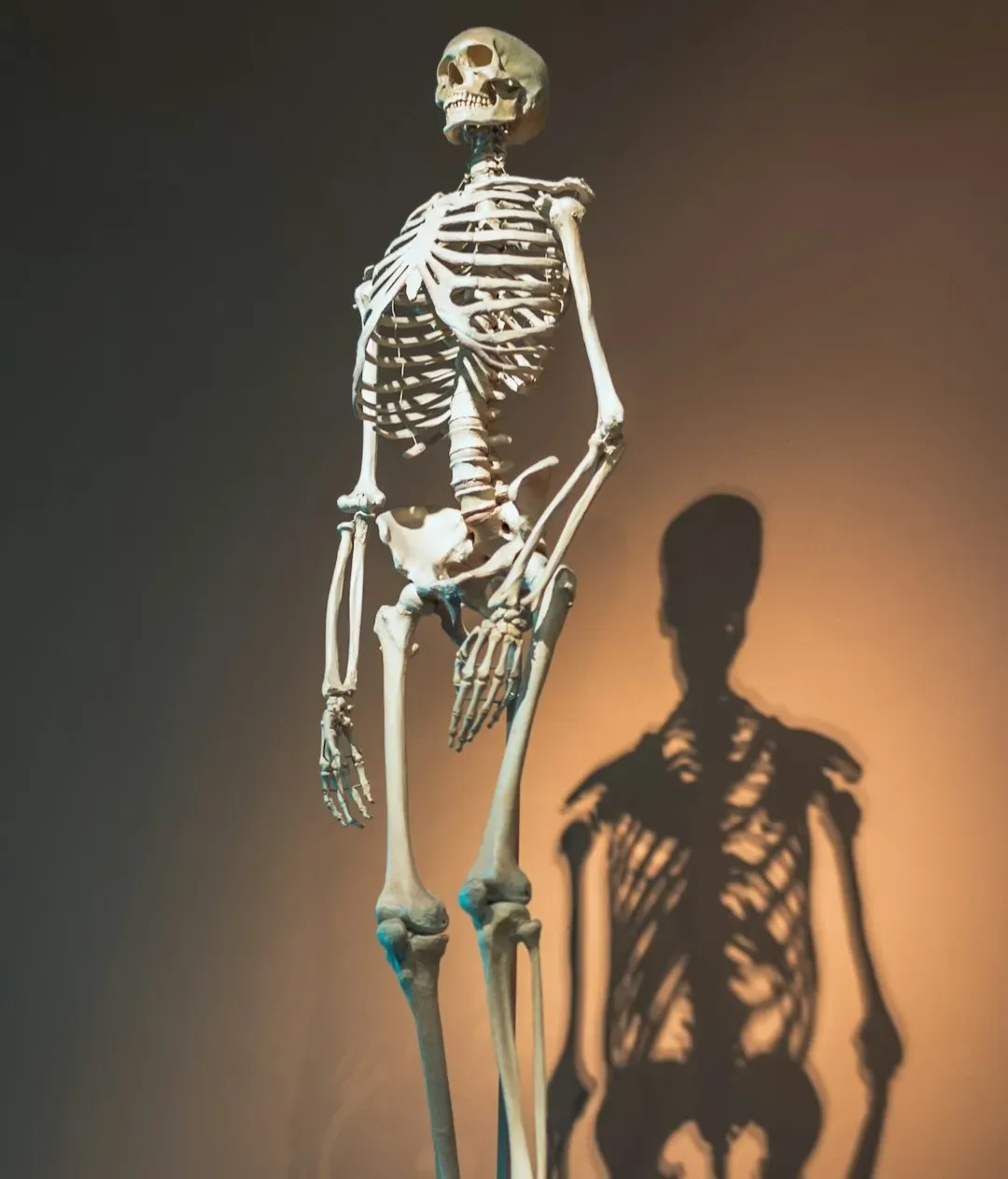
Every few years, photos resurface online claiming museums once displayed giant human skeletons, “proving” ancient myths about a race of giants. Mainstream museums never actually validated remains like that – but some did play their own version of the same game.
Certain 19th- and early 20th-century medical and anthropology exhibits featured reconstructed “giants” built from ordinary human bones, enlarged casts, or even animal elements, then posed to suggest impossible size. These displays were built for spectacle, not science, and the line between education and sideshow was often paper-thin.
Labels rarely disclosed how much reconstruction and scaling had actually gone into the illusion. As physical anthropology matured and ethical standards tightened, most of these giant reconstructions were quietly dismantled or shoved into storage.
At a Glance
- Peak popularity: 1800s through the early 1900s
- Common building blocks: enlarged plaster casts, mixed human and animal bone, creative posing
- Original purpose: public spectacle rather than scientific documentation
- Modern status: mostly dismantled, deaccessioned, or moved into closed storage
Curators today openly acknowledge that earlier generations of exhibit designers pandered to public fascination with the extreme, blending fact and fantasy in ways nobody would defend now. And now, the biggest reveal of all – the treasures everyone assumes are completely untouched.
#1 – The “Tut-Era” and Pharaoh Treasures Enhanced for the Spotlight
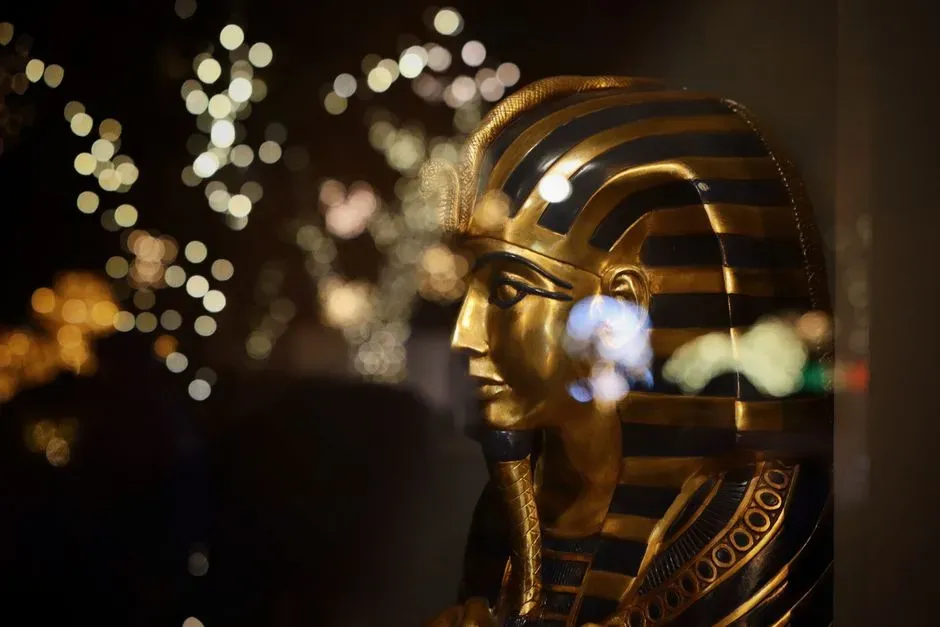
The most emotionally loaded objects in any museum are usually royal: crowns, death masks, tomb treasures glinting under careful lighting. Among the most famous are the artifacts linked to ancient Egyptian pharaohs. The core finds from major tombs are genuine – but the full story behind the glass is far less pure than most labels admit.
Over the decades, some items were heavily restored, reassembled from fragments, or paired with decorative pieces of uncertain origin, all in service of a more photogenic display. Gold leaf was repaired. Missing inlays were replaced with modern materials. Composite shrines and coffins mixed genuinely ancient panels with 20th-century reconstruction.
For the average visitor, everything behind the glass reads as one hundred percent ancient and untouched. Egyptologists are increasingly transparent about this in academic catalogs, carefully noting which parts are original and which are modern intervention.
Gallery labels, though, usually keep it simple – because “partially rebuilt in the 1920s” doesn’t inspire quite the same awe. The royal story is real. The pristine, seamless object you’re staring at is sometimes part 20th-century stagecraft.
The Bottom Line
The biggest hoax in museum history was never a single forged skull or fabricated statue. It’s the quiet assumption that “if it’s behind glass, it must be unquestionably true.”
Historians and curators now openly admit that some of the most famous specimens on Earth were misattributed, over-restored, or flat-out fabricated – usually for a messy mix of pride, pressure, and profit. Nobody sets out to build a career on a fake, but plenty of people quietly protected one once it was already on display.
The good news is that modern science doesn’t care about anyone’s reputation. Radiocarbon dating, CT imaging, and chemical analysis are brutally, refreshingly honest, and institutions are slowly correcting the record even when it stings. My honest take: I’d rather stand in front of a messy, corrected truth than a tidy legend built on a lie – because the real story of how these fakes fooled experts for decades is far more fascinating than the fantasy ever was.
So which of these quiet walk-backs shocks you the most – and do you think museums are finally being honest enough about them now?