
Imagine the world ending not once, but several times over – oceans turning acidic, continents tearing apart, skies darkening for years – and yet some creatures just keep going. While dinosaurs came and went in a blaze of catastrophe, a quiet cast of survivors crawled, swam, and scuttled their way through multiple global disasters. These are not just “living fossils”; they are the ultimate glitch in nature’s reset button.
In a strange way, learning about them feels a bit like staring into a mirror that looks hundreds of millions of years into the past. These animals have outlived supervolcanoes, asteroid impacts, and climate swings more extreme than anything humans have seen. Understanding how they made it might not just satisfy our curiosity; it might hint at how life, including us, copes when everything falls apart. Ready to meet the veterans of the apocalypse?
1. Horseshoe Crabs: The Armored Time Travelers
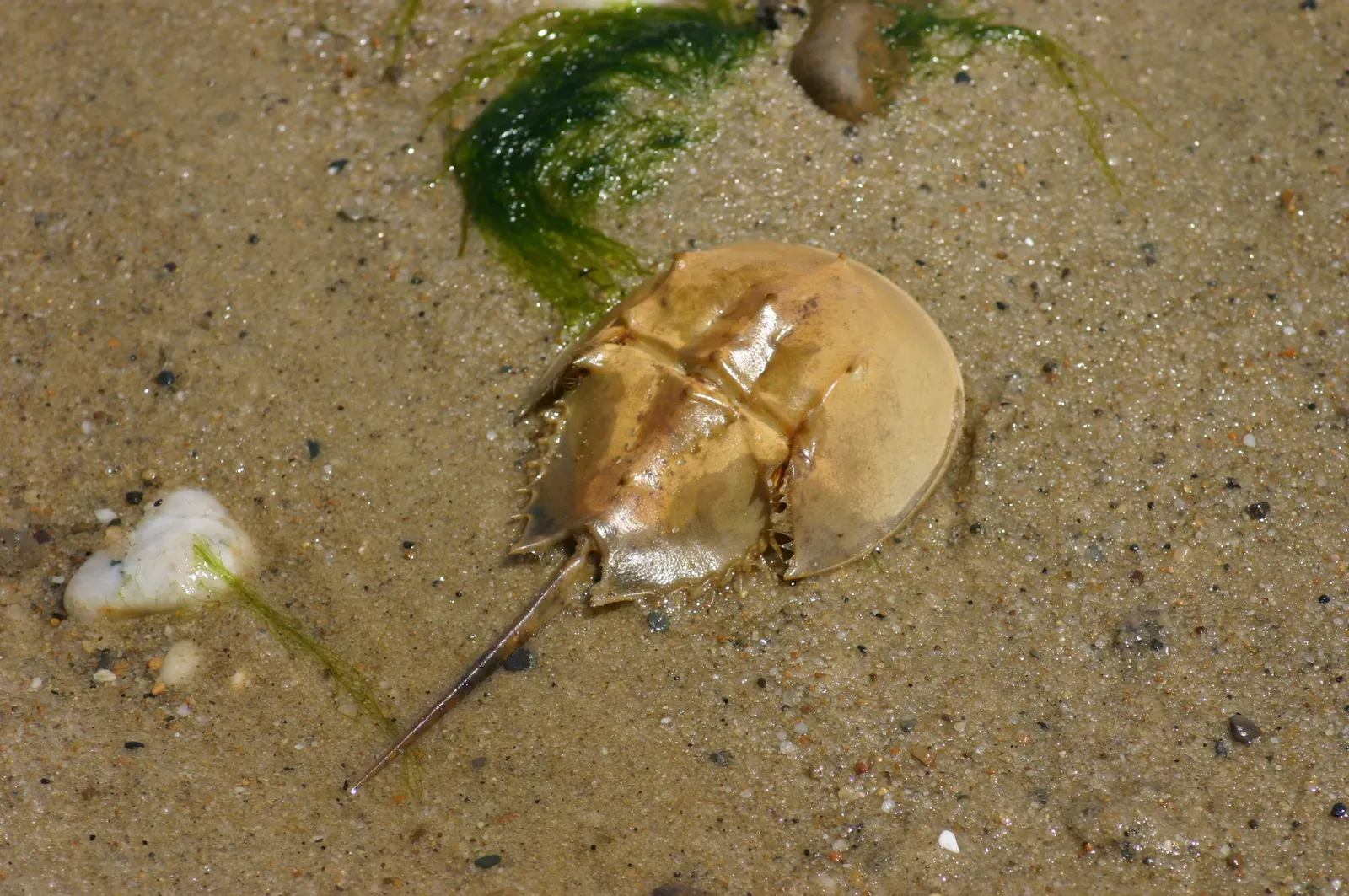
Horseshoe crabs look like something that should only exist in a museum exhibit labeled “Permian Monsters,” yet they still shuffle across modern beaches under the moonlight. Their ancestors appeared more than four hundred million years ago, and their lineage has pushed through several mass extinctions, including the brutal end-Permian event and the dinosaur-ending catastrophe at the close of the Cretaceous. While individual species have changed, the overall body plan – that shield-like shell, the long tail spine, and those many legs tucked underneath – has stayed shockingly familiar.
What makes them such survivors? Their lifestyle helps: they tolerate wide ranges of salinity and temperature, live partly buried in sediment, and feast on almost anything small and soft they can find. They also spread their risk with mass spawning events, laying huge numbers of eggs that saturate predators and boost the odds that at least some hatchlings make it. Add in their incredibly robust immune system, powered by blue copper-based blood that clots rapidly around invaders, and you get an animal that is biologically built to ride out chaos.
2. Nautiluses: Spiral Shells From Deep Time
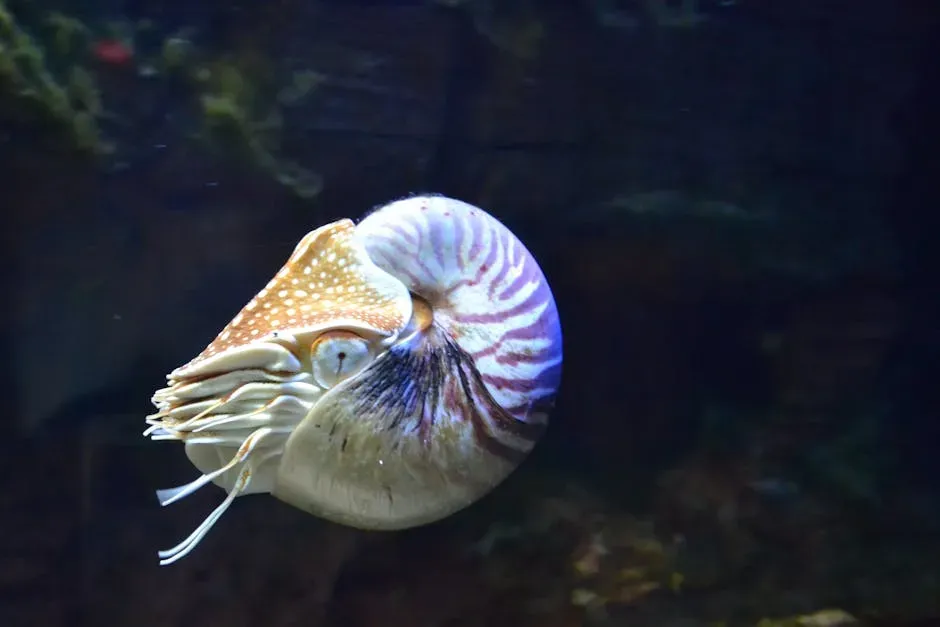
Nautiluses are the understated cousins of squid and octopus, carrying elegant spiral shells that look like ancient jewelry lost in the deep. Their broader group, the shelled cephalopods, has been around for more than four hundred million years, and nautilus-like creatures kept going through multiple mass extinctions that wiped out far flashier marine reptiles and ammonites. Today’s nautiluses are the last tiny branch of a once-explosive evolutionary tree, quietly patrolling steep reef slopes in the twilight ocean.
Their survival strategy is slow and steady rather than dramatic. Nautiluses grow gradually, use minimal energy, and spend much of their time drifting and scavenging rather than chasing prey at high speed. They live in deep, relatively stable waters where temperature and light do not swing wildly, sheltering them from some of the surface chaos that follows global disasters. In a world that constantly rewards speed and specialization in the short term, they are a reminder that caution and simplicity can win the long game.
3. Crocodilians: Ambush Predators From the Age of Dinosaurs
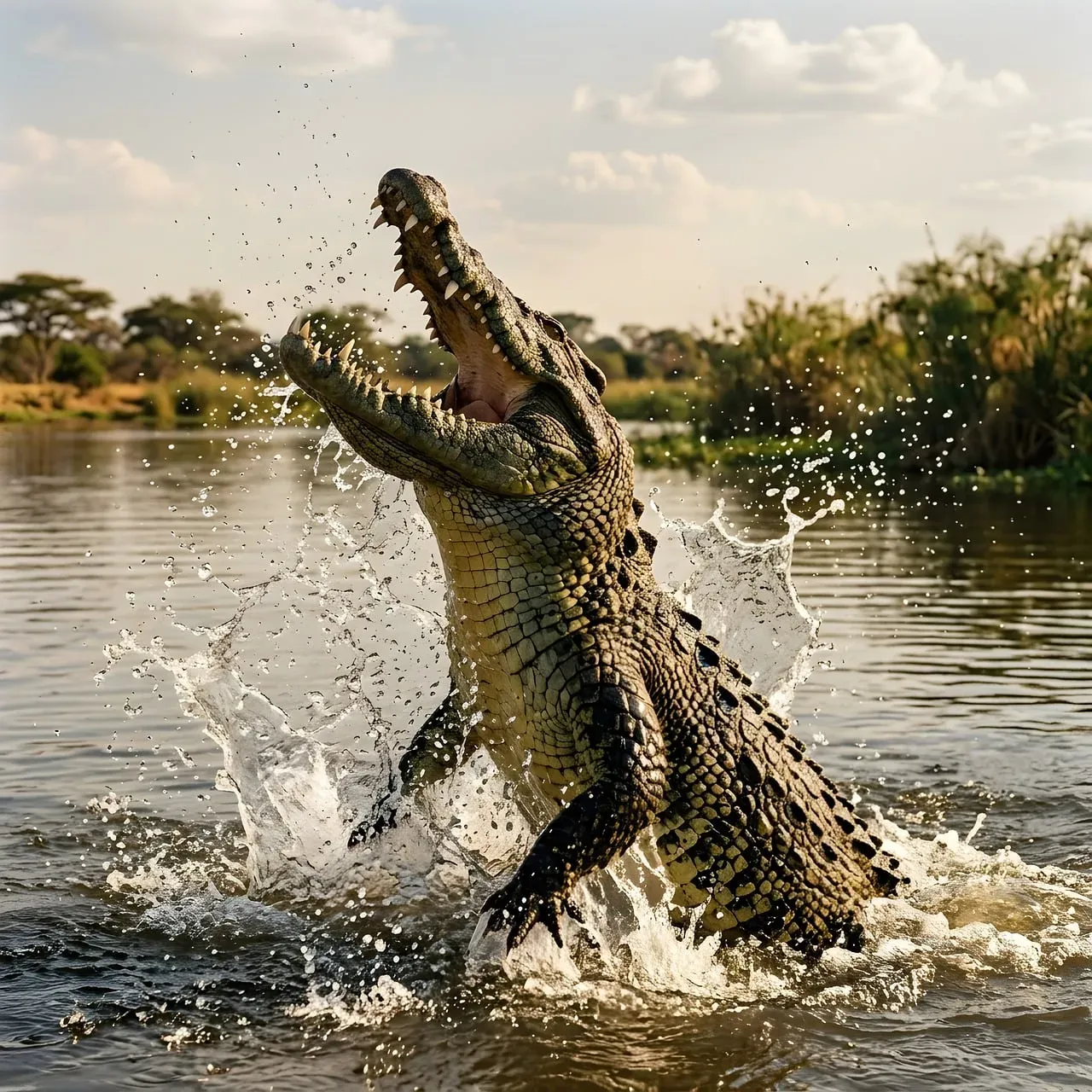
Every time a crocodile slips silently beneath the water’s surface, you are looking at a design that has been terrifyingly effective for well over two hundred million years. Crocodilian ancestors were already around before many dinosaur groups rose to dominance, and their broader lineage navigated several mass extinctions, including the one that ended the non-bird dinosaurs. The individual species changed, but the general concept – semi-aquatic, heavily armored ambush predator with a crushing bite – has been stubbornly successful.
Crocodilians endure in part because they are metabolic minimalists. They can slow their heart rate, lower their activity, and survive long stretches with little food, riding out hard times that would starve more delicate species. Their lifestyle straddling land and water also gives them flexibility when coasts shift and climates flip from wet to dry. It is hard not to admire how they have outlasted so many evolutionary trends; they are basically the living embodiment of the phrase “if it works, don’t change it.”
4. Coelacanths: The “Extinct” Fish That Refused to Die
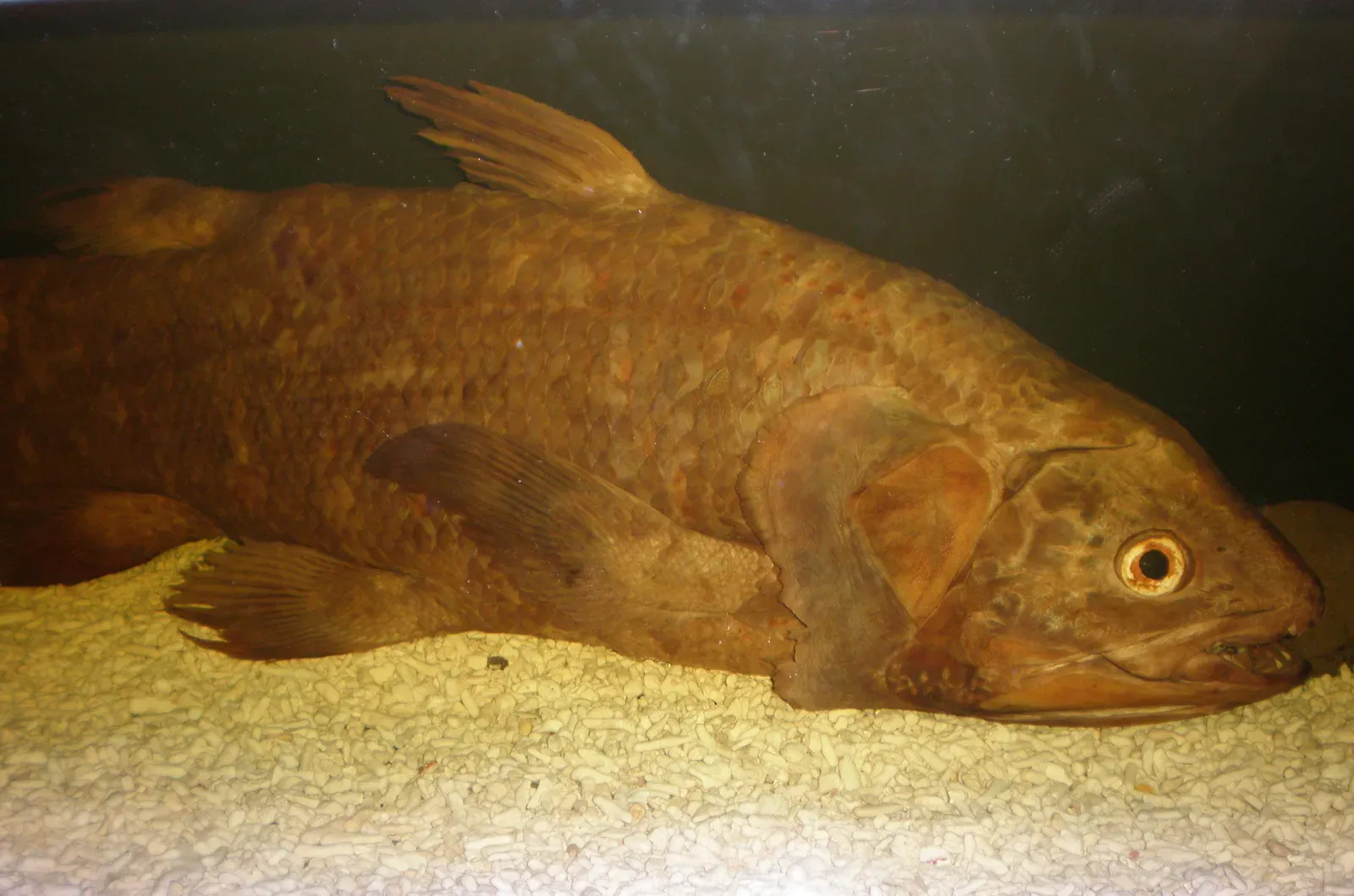
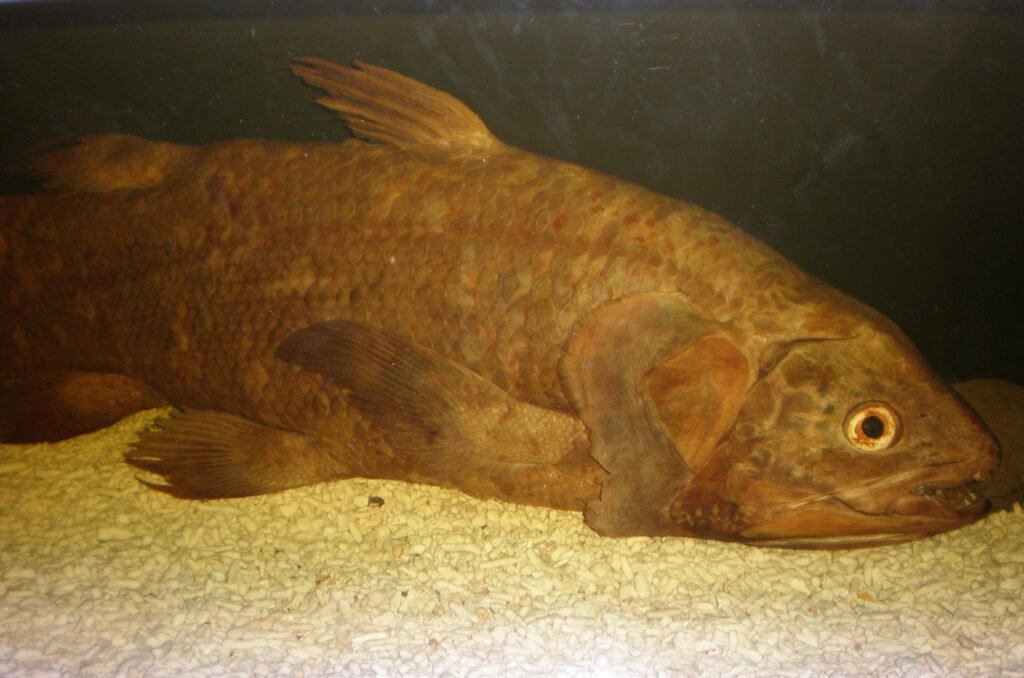
Coelacanths became famous because humans wrote them off as extinct, only to find one hauled up in a fishing net in the twentieth century. Their ancient relatives were already swimming through Devonian seas hundreds of millions of years ago, and their lineage made it through multiple mass extinction events that reshaped marine ecosystems again and again. Modern coelacanths are not literally the same species as their fossil cousins, but they carry that same weird, lobed-fin silhouette and ghostly presence in deep reefs.
Part of their secret is where they live and how they behave. Coelacanths favor deep, dark, relatively stable habitats, hiding out in submarine caves during the day and cruising slowly at night, far from many of the most violent coastal changes. They grow slowly, reproduce late, and invest heavily in a few large, well-developed young, a strategy that seems risky until you realize they are playing a very long game. To me, they feel like the ocean’s quiet protest against our habit of declaring things “lost forever” before we have actually looked everywhere.
5. Brachiopods: Ancient Shell-Bearers That Never Quite Left
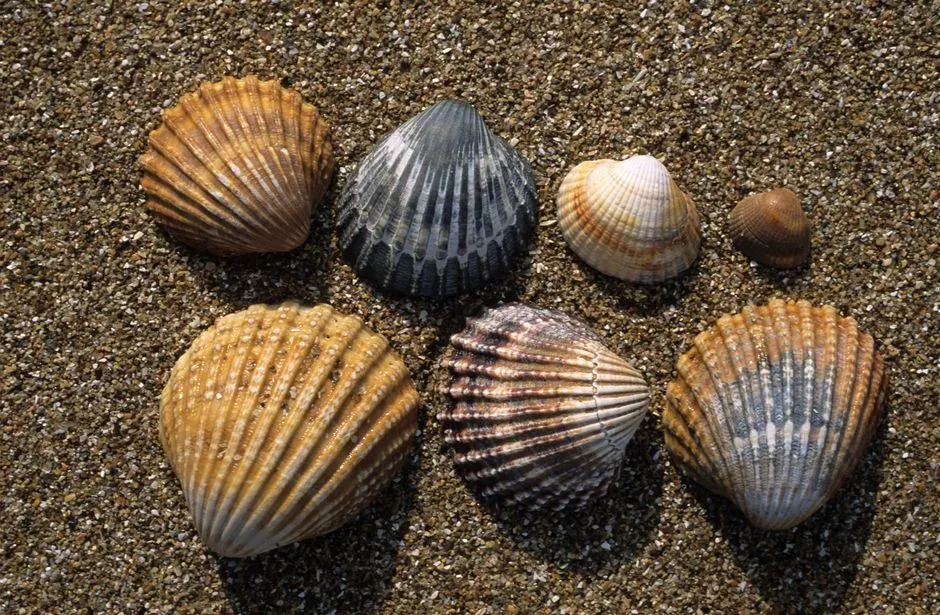
Brachiopods look, at first glance, like clams that someone drew from memory and got slightly wrong. They are actually a different group entirely, with a long history stretching back to the Cambrian period, long before fish had jaws and plants grew tall on land. In Paleozoic seas, brachiopods covered seafloors so thickly that they literally built landscapes, and although many lineages vanished in mass extinctions, others persisted stubbornly into the modern era.
Their survival edge lies in being simple, low-energy filter feeders that can anchor to rocks and just let the currents bring food to them. Because they do not need much and can tolerate relatively low-oxygen or murky conditions, they sometimes hang on in places where more demanding species fade away. They are not flashy or charismatic, but they are like the quiet neighbors who never move out of the old part of town, no matter how many times the city is rebuilt around them.
6. Crinoids: Feather Stars and Sea Lilies From Primeval Seas
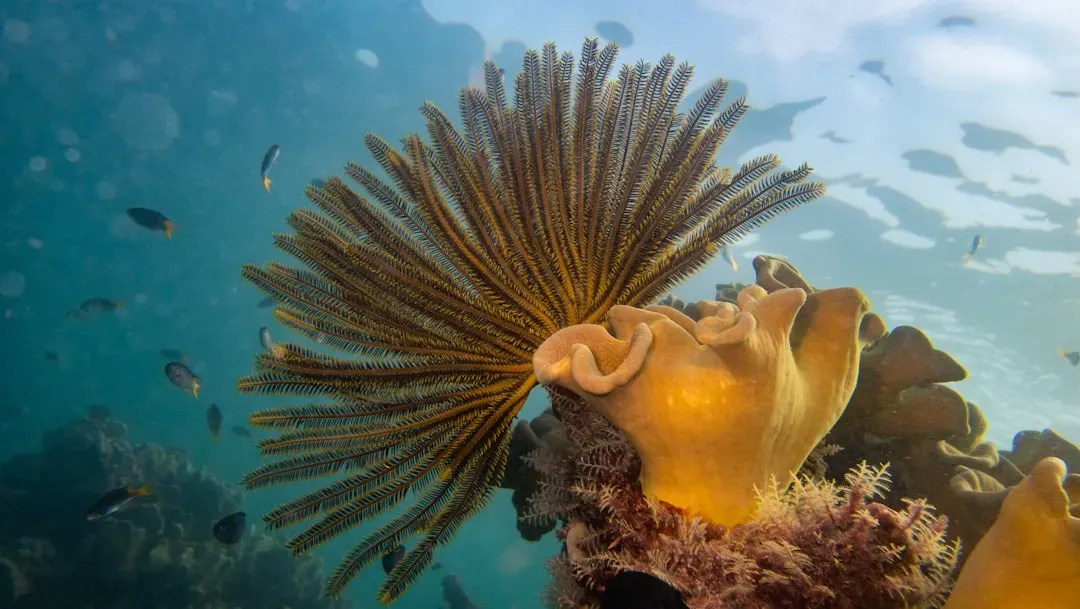
Crinoids – the group that includes modern feather stars and sea lilies – might be the most poetic-looking survivors on this list. Their fossil ancestors formed underwater meadows of stemmed “flowers” in Paleozoic seas, and their lineage pushed through multiple extinction crises that flattened reefs and rearranged entire food webs. Today’s crinoids are fewer and often hidden in deeper waters, but the basic architecture of a central body with radiating feeding arms has persisted remarkably well.
The crinoid strategy is all about turning water flow into opportunity. Whether anchored by a stalk or crawling delicately over the seafloor, they spread their feathery arms to capture drifting particles, a lifestyle that works as long as there is some current and at least a modest trickle of organic material. Because many species inhabit deeper or more sheltered environments, they are partially insulated from temperature shocks and short-term surface catastrophes. In a sense, crinoids are like the slow, graceful background music of the ocean that keeps playing even after the featured performers have left the stage.
7. Sea Urchins: Spiny Tanks of the Ocean Floor
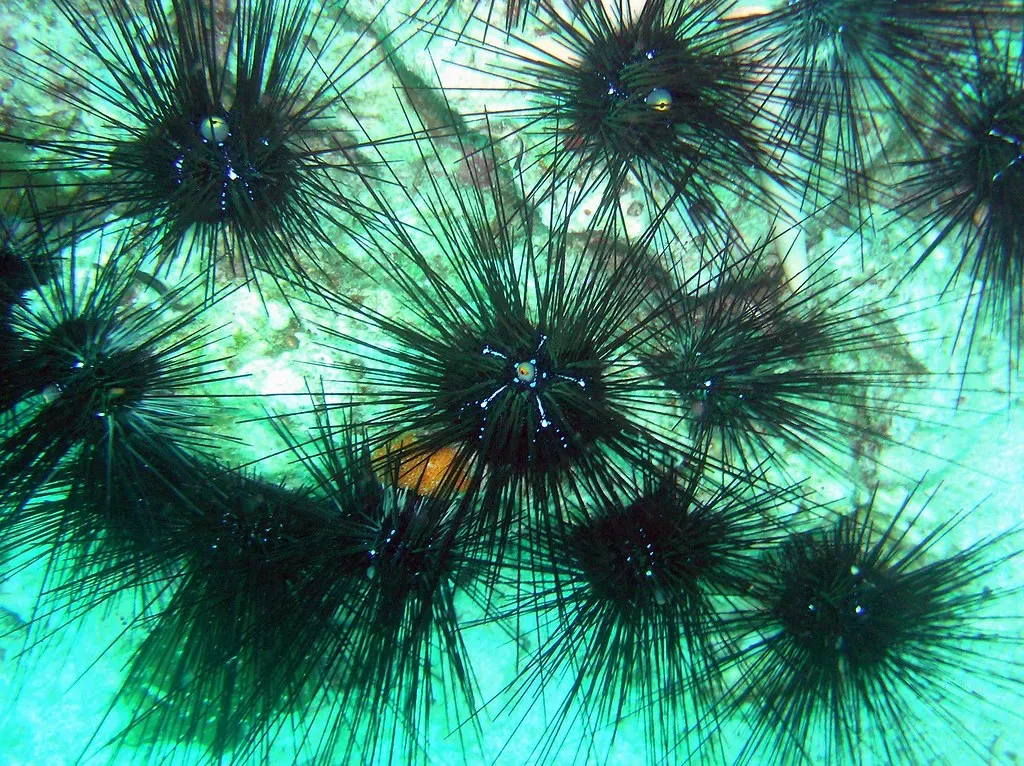
Sea urchins might not look ancient at first glance – they often seem like simple pincushions crawling through tide pools – but their broader group has a fossil record stretching back hundreds of millions of years. Lineages related to modern urchins and their echinoderm cousins have , sticking around while many other seafloor dwellers disappeared. The combination of a tough external skeleton, flexible spines, and a remarkably efficient scraping mouth has turned out to be a resilient formula.
These animals thrive on not being picky. Many urchins will graze on algae, scrape biofilm from rocks, nibble detritus, or even chew through coral, taking whatever energy they can in changing environments. Their spines deter many predators, and their ability to regenerate damaged parts gives them a second chance after close calls. From a personal point of view, I love that an animal that looks so simple on the outside turns out to be such a quiet master of persistence and adaptability.
8. Sharks: Apex Survivors With Ancient Roots
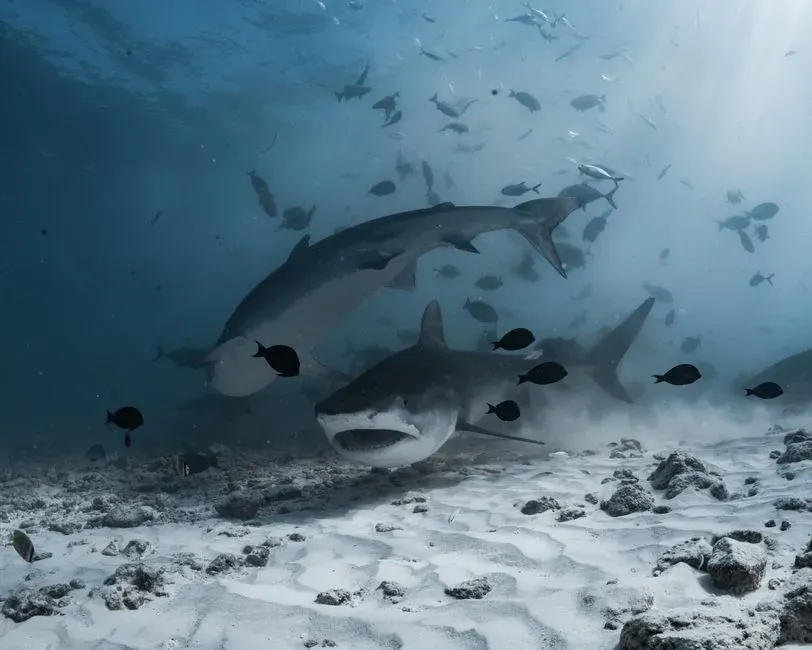
Sharks feel modern because we mostly think of sleek, fast hunters like great whites or hammerheads, but their lineage goes all the way back to before forests properly covered the continents. Over that immense timespan, shark and shark-like fishes have survived multiple major extinctions, including events that heavily pruned other big marine predators. Individual shark groups rose and fell, but the broader blueprint – cartilaginous skeleton, replaceable teeth, and streamlined body – has repeatedly adapted to new oceans.
Part of their success comes from variety. There are sharks built for deep sea scavenging, plankton filtering, reef ambush, and everything in between, so when conditions shift, at least some forms tend to find a way to cope. They also reproduce in diverse ways, from massive numbers of eggs to fewer, well-developed young, spreading risk across different environments. To me, sharks are living proof that evolution does not just reward brutality; it rewards flexibility packaged inside a very efficient design.
9. Sponges: The Quiet Architects of the Ancient Ocean
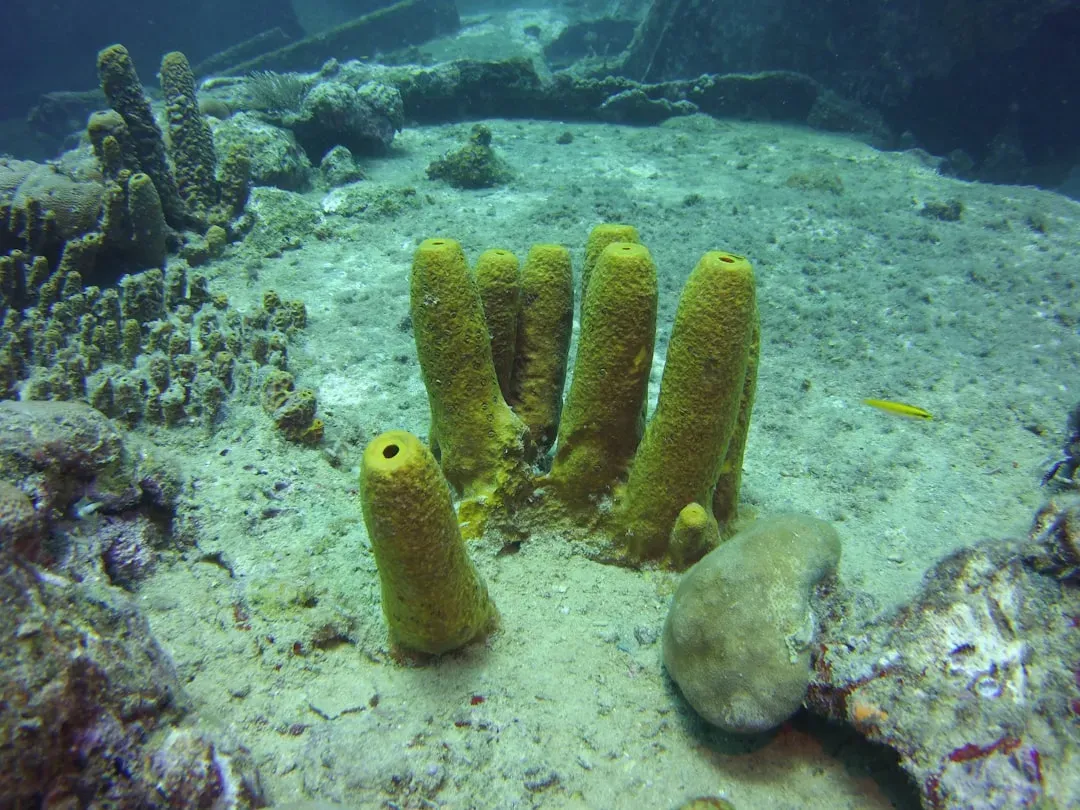
Sponges are about as far from a dramatic, charismatic animal as you can get: no brain, no limbs, no flashy movement, just porous bodies pumping water day and night. Yet their lineage is one of the most ancient on Earth, with roots that reach back toward the dawn of animal life itself. Through multiple mass extinctions and countless smaller crises, sponges have persisted as quiet, patient filter feeders coating rocks, caves, and reefs.
Their survival recipe is almost brutally straightforward: be simple, be flexible, and waste nothing. Many sponges can reassemble after being torn apart, adjust their form to changing currents, and host symbiotic microbes that help them make the most of scarce nutrients. Because they can live in everything from shallow coastal zones to deep, cold habitats, at low energy cost, they stand a decent chance whenever the world lurches into another period of upheaval. If life were a game of who can keep going on the fewest resources, sponges would be undefeated champions.
10. Tardigrades: Microscopic Champions of the Apocalypse
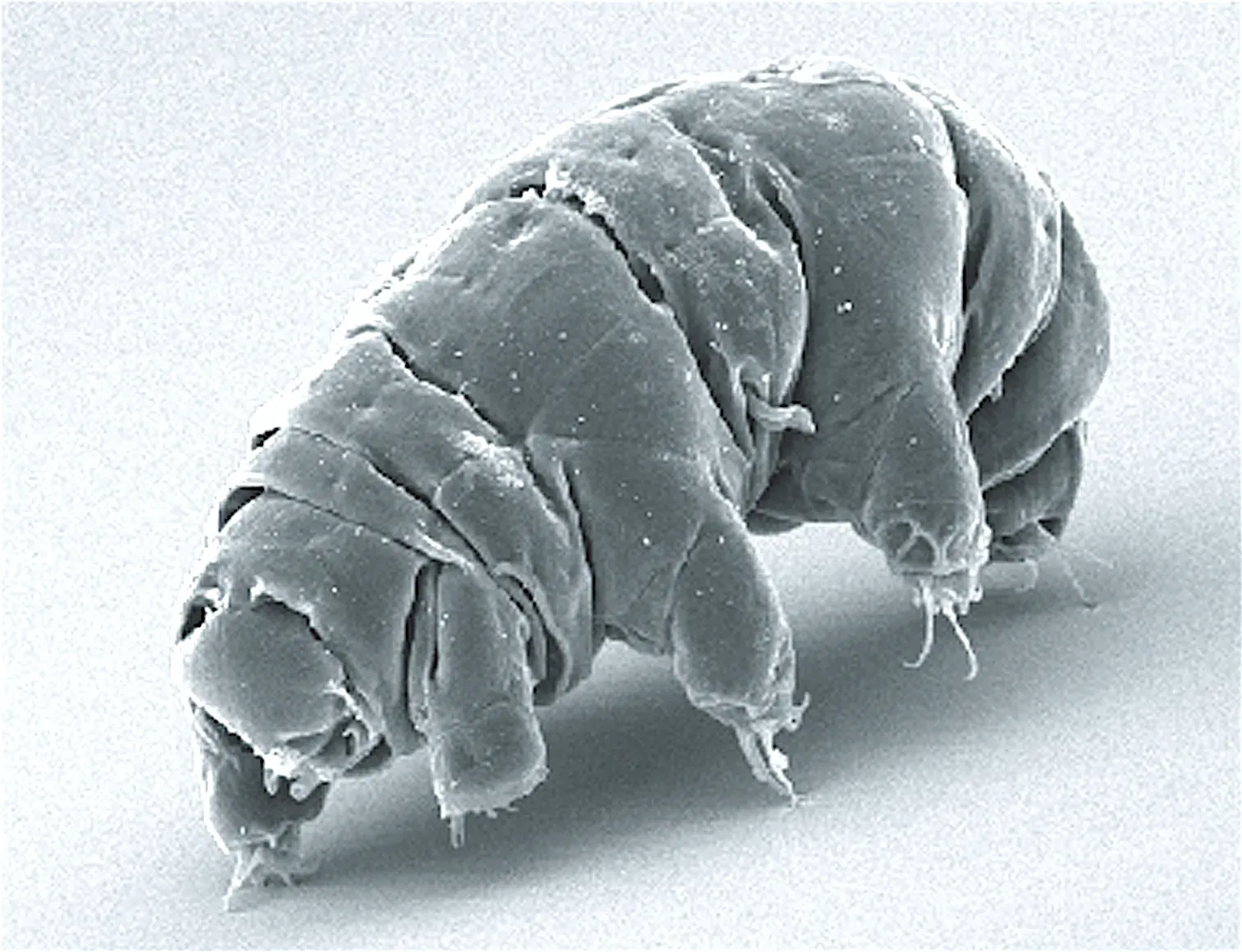
Tardigrades, often called water bears, are the tiny celebrities of survival stories, and for once the hype is mostly deserved. While the exact fossil trail of tardigrades is sparse, their lineage is ancient, and their extreme resilience suggests they have weathered multiple mass extinctions by simply “pressing pause” on life. These microscopic animals can curl into a desiccated, hardened state and endure extremes of temperature, pressure, radiation, and lack of water that would instantly kill most other creatures.
In the context of mass extinctions, that ability to shut down and wait out bad times is a huge advantage. When oceans acidify, climates swing violently, or ecosystems collapse, many tardigrades can slip into their hardened form, hang on through years or even decades, and then reanimate when conditions improve. The idea that something so small and squishy in its active state could outlast global catastrophes is both humbling and slightly unnerving. It makes you wonder whether the ultimate survivors of any future disaster will not be the biggest or the smartest, but the tiniest and most patient.
Conclusion: Survival Favors the Humble, Not the Flashy
Looking across these ten survivors, one pattern jumps out: nature rarely chooses the loudest or most spectacular forms to carry its torch through disaster. Instead, it tends to favor creatures that are flexible, low-maintenance, and annoyingly hard to kill – the biological equivalent of that old, dented car that refuses to break down no matter what you throw at it. Slow metabolisms, generalist diets, simple body plans, and sheltered habitats show up again and again in the backstories of these ancient lineages.
I find that oddly comforting and slightly sobering at the same time. Comforting, because life clearly has many tricks for hanging on when the world turns hostile; sobering, because our own hyper-complex, energy-hungry civilization looks nothing like these quiet survivors. If the past five hundred million years are any guide, the future belongs less to the rulers of the moment and more to the small, the adaptable, and the unassuming. When you think about who really owns the planet’s long-term story, are humans the main characters at all – or just a brief, noisy chapter between ages of horseshoe crabs and tardigrades?