
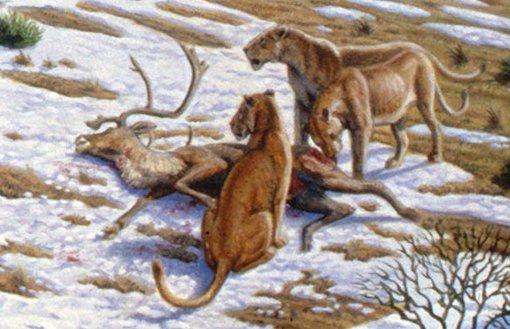
Imagine stepping outside your shelter on a cold Pleistocene morning and realizing that you’re not even close to the top of the food chain. The air is razor sharp, the ground is frozen, and somewhere out in that pale light are predators with teeth the size of your fingers and claws designed to open a mammoth like a tin can. North America during the Ice Age was not just snow and mammoths; it was one of the most dangerous predator arenas the continent has ever seen.
What makes this period so gripping is that many of these hunters are only a few evolutionary steps away from the animals we know today. The difference is that Ice Age versions were often bigger, more heavily built, and perfectly tuned to a brutally competitive world. Let’s get into eight predators that turned ancient North America into a place where being careless could easily mean becoming someone else’s lunch.
Smilodon fatalis – The Iconic Saber-Toothed Cat
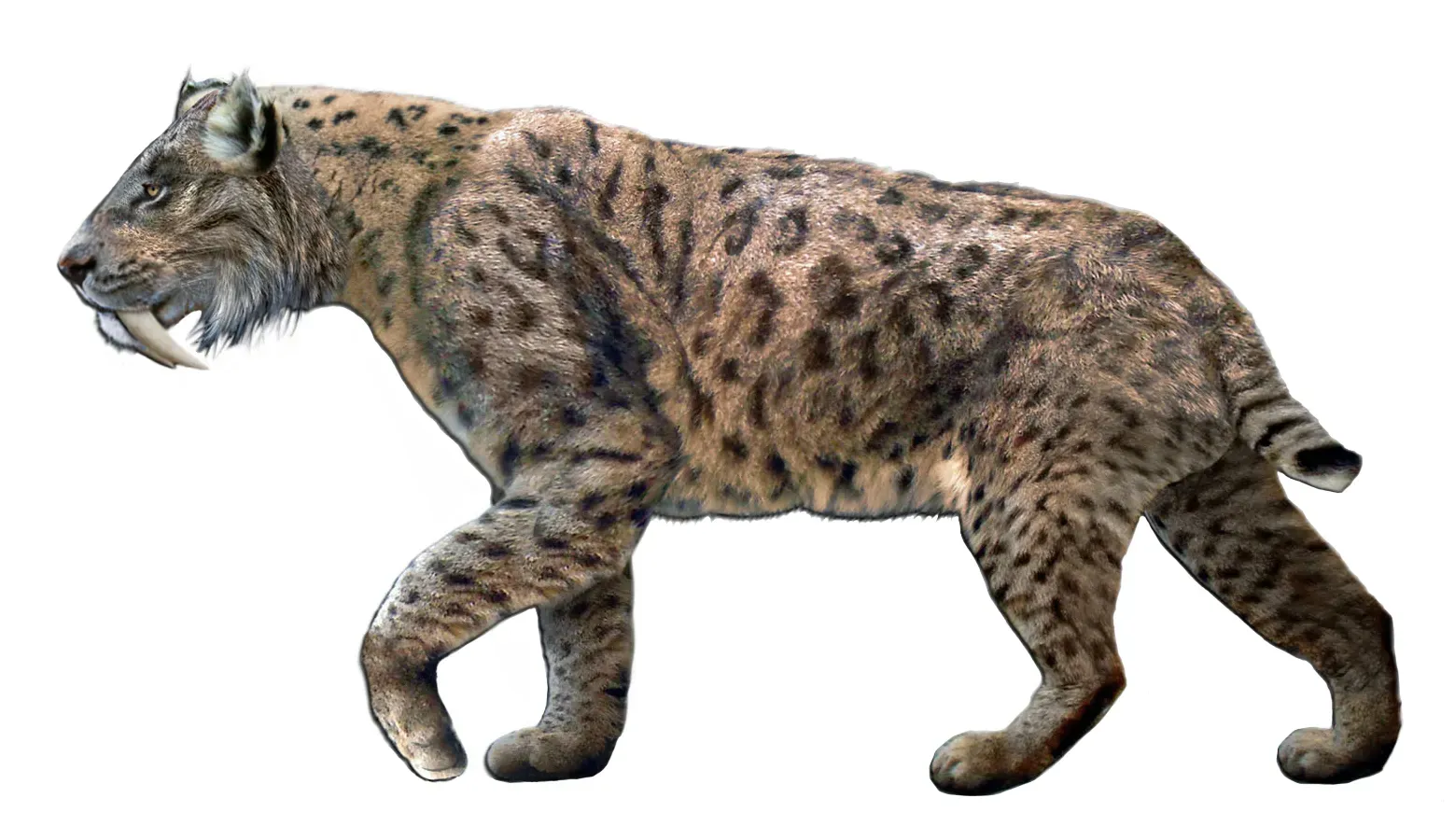
Those huge, curved canines are the first thing everyone notices, but Smilodon fatalis was terrifying from nose to tail. Stocky and powerfully built, it was more like a muscular big-cat brawler than a sprinting cheetah, with a body designed to wrestle massive prey to the ground. Its canines were impressive but surprisingly delicate sideways, so it likely used its forelimbs and body weight to subdue victims before driving in those killing bites.
Fossils from places like the La Brea Tar Pits show Smilodon living in dense predator communities, often clustered around carcasses and kill sites. This suggests it may have hunted in groups or at least tolerated others when food was involved, much like modern lions around a big kill. Picture an Ice Age plain where a downed bison or juvenile mammoth could draw several of these compact powerhouses, turning the scene into a snarling, bone-cracking brawl.
Dire Wolf – The Heavyweight Cousin of Modern Wolves
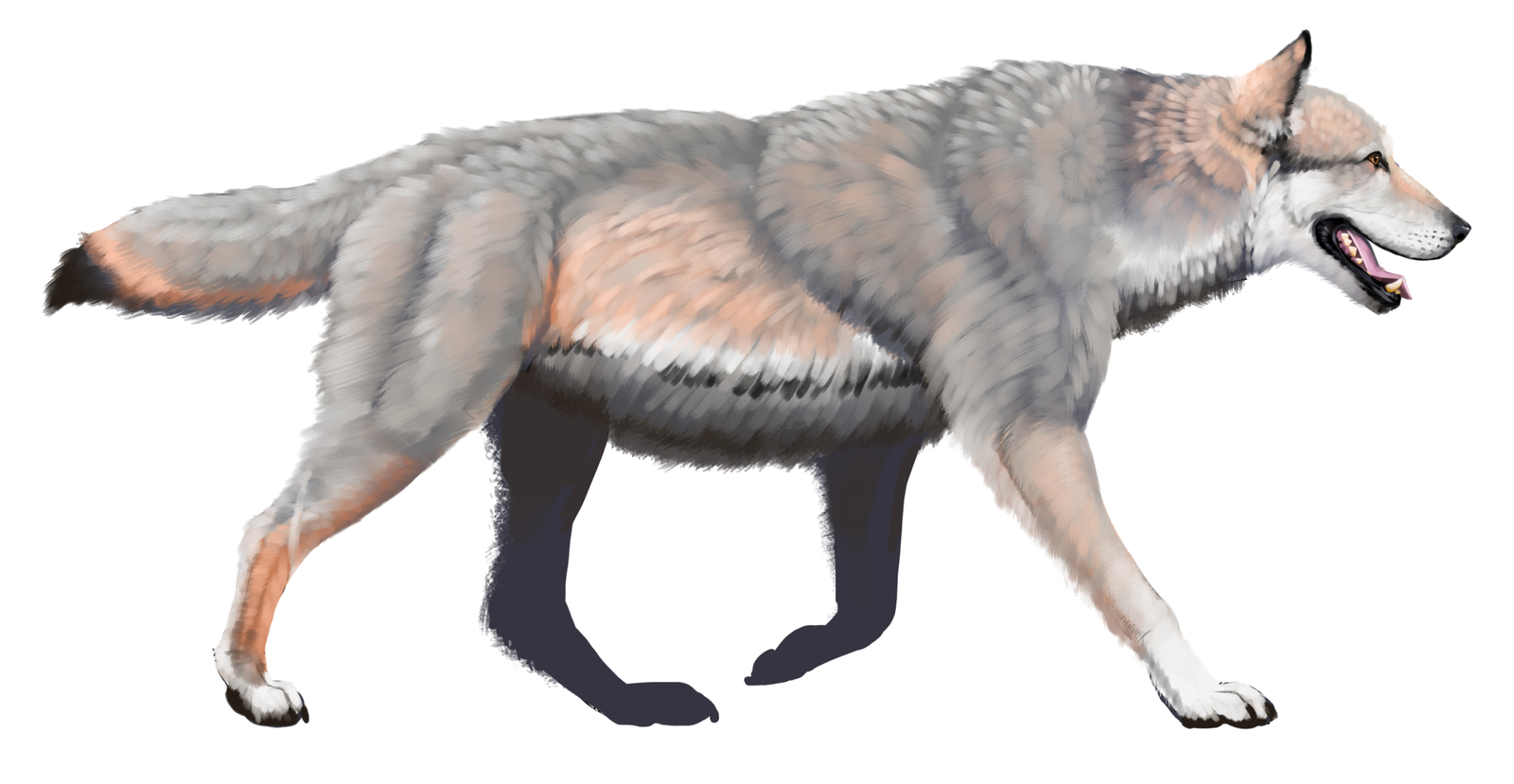
The dire wolf was not some fantasy creature out of a TV show; it was a very real, very serious predator of Ice Age North America. Compared to modern gray wolves, dire wolves were more robust, with heavier skulls and stronger jaws that could crunch through thick bone. They were not simply “giant wolves,” but specialists in tackling large, dangerous herbivores like bison and young megafauna.
Evidence from joint fossil sites suggests dire wolves hunted in packs, just like their modern relatives, but the stakes were higher in a world crowded with massive prey and dangerous competitors. A pack of dire wolves moving over a snowy plain would have been a lethal team, coordinating to isolate weak or injured animals. In many ways, they turned the Ice Age landscape into a high-risk, high-reward game, where every hunt could bring down a feast or end in shattered bones.
American Lion – A Cat Bigger Than Today’s African Lions
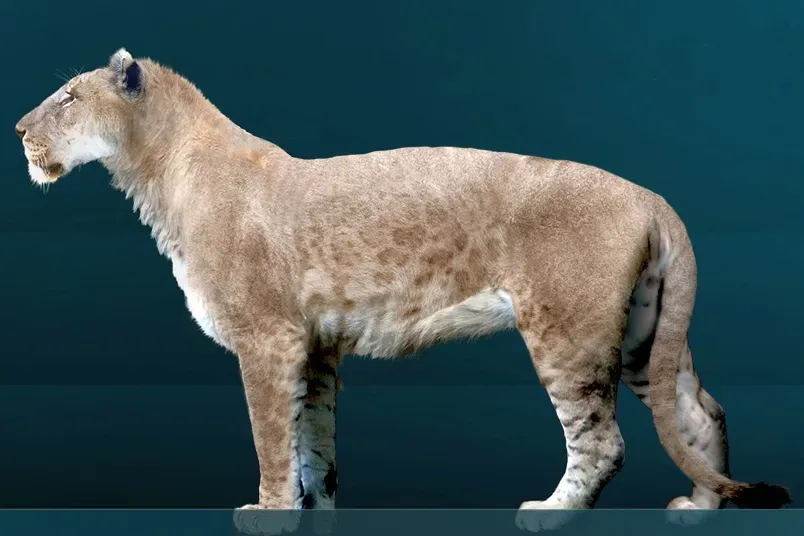
When people hear “American lion,” they often underestimate just how big and formidable this cat really was. The American lion, often considered a close relative of modern lions, was significantly larger and one of the biggest cats that ever lived. Standing in front of one would have felt like facing a lion on steroids, with power and size that turned it into an apex predator across large parts of the continent.
Its build suggests it was capable of hunting large prey in open or lightly wooded habitats, possibly using stealth and explosive bursts of speed. Some scientists have debated whether it lived and hunted in prides like African lions or was more solitary, and the truth may have varied by habitat and prey availability. Either way, for a human or any other animal on the Ice Age steppe, seeing one of these cats crest a ridge would have been the kind of moment that sends every instinct screaming to hide.
Short-Faced Bear – The Towering Giant That Owned Open Landscapes
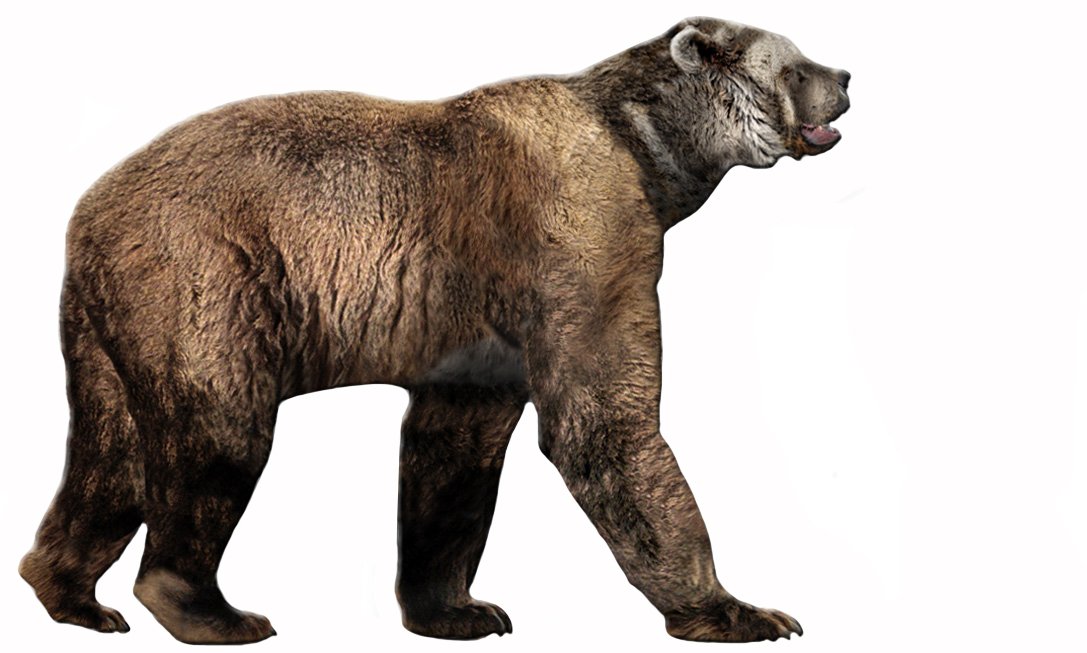
Take everything that makes a big bear intimidating and then turn the volume up even higher. The North American short-faced bear, often considered one of the largest terrestrial mammalian carnivores of its time, could stand as tall as a small car when rearing up. With long limbs and a relatively short muzzle, it looked strange by modern bear standards, but its body was built for covering ground quickly, not just lumbering through forests.
There’s still debate about whether it was primarily a hunter or a dominating scavenger that stole kills from other predators. Personally, I suspect it did both, the way modern bears mix diets and behavior depending on opportunity. Imagine a Smilodon or dire wolf pack bringing down a bison, only for a towering short-faced bear to stride in and claim the entire carcass. If you lived then, you did not argue with an animal that could literally look down at you from above your own height.
American Cheetah-Like Cat – The Ghost Runner of the Ice Age
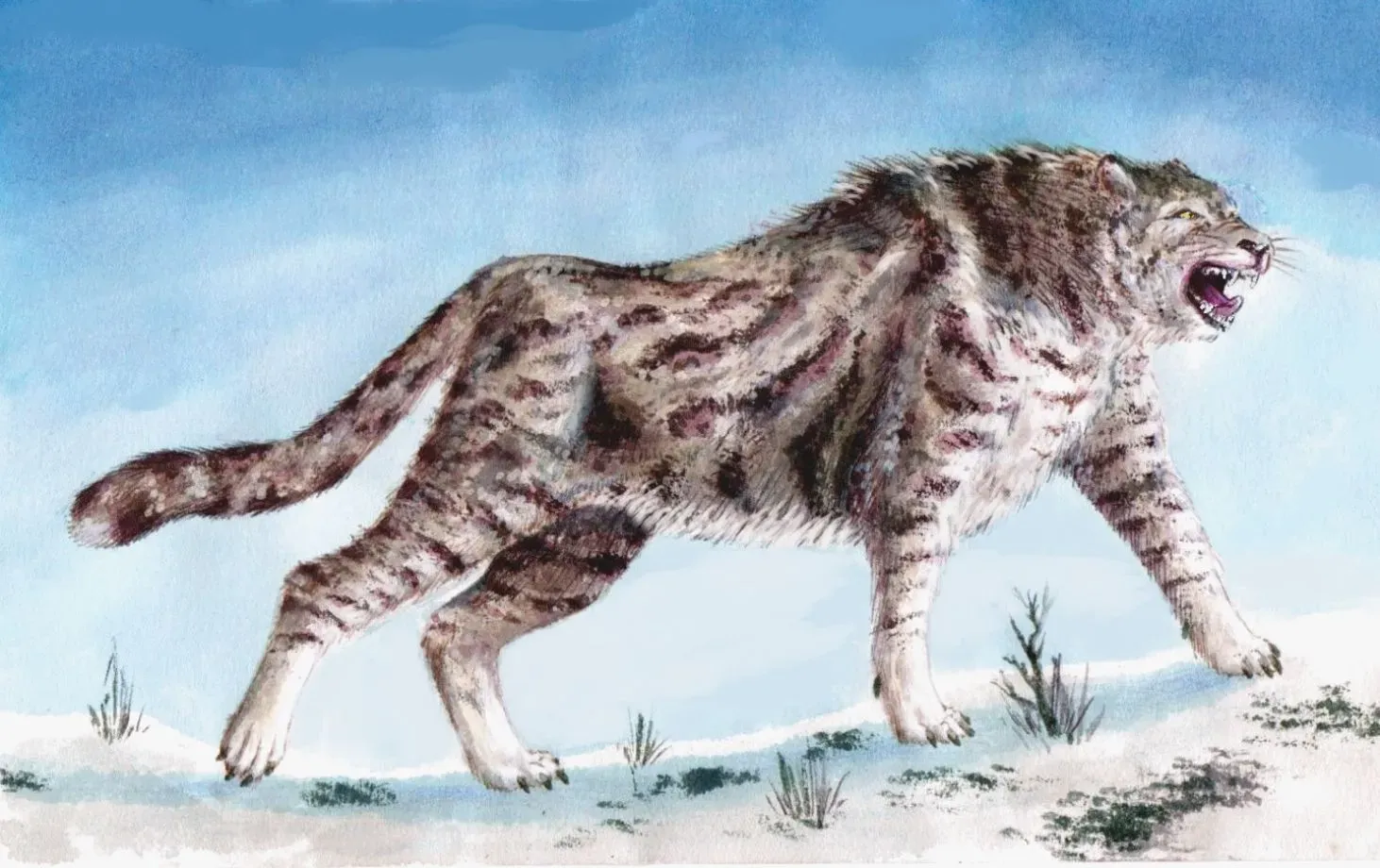
North America once had its own “cheetah,” often referred to as an American cheetah-like cat, though its exact relationship to modern cheetahs is still debated. This predator was built for speed, with long limbs and a light frame suggesting it was adapted for fast chases over open ground. While we may never perfectly recreate its hunting behavior, its bones strongly hint at an ambush-sprint style that turned pronghorn and other swift herbivores into potential meals.
An intriguing idea is that this ancient sprinter helped shape the incredible speed of modern pronghorn antelope, which today can run much faster than any living predator on the continent really needs to. It is as if pronghorn are still running from a ghost predator that no longer exists. That evolutionary arms race between prey and predator would have made the Pleistocene plains feel like a live-action chase scene more than a quiet snowy postcard.
American Scimitar-Toothed Cat – The Sharper, Faster Saber Hunter
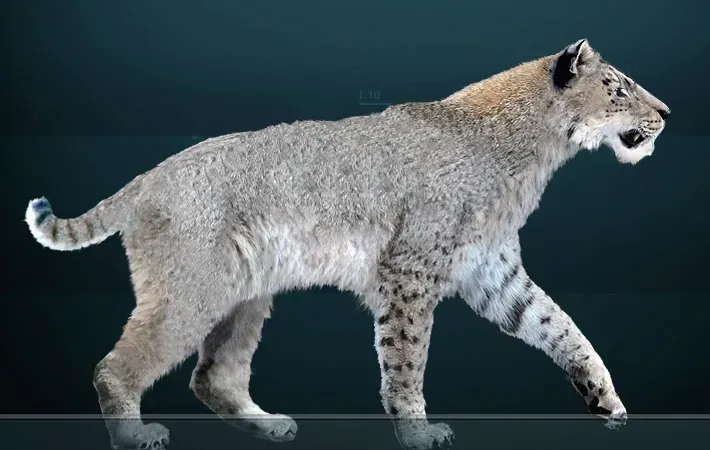
While Smilodon gets all the fame, the American scimitar-toothed cat was like its sleeker, more athletic cousin with a different killing style. Its upper canines were shorter and more blade-like, closer to a curved knife than the oversized daggers of Smilodon. Its body was more lightly built, hinting at an animal better suited to active pursuit or quick, aggressive strikes rather than wrestling matches with huge prey.
This cat may have favored colder, more open environments, preying on young mammoths, bison, and other Ice Age herbivores using a slash-and-withdraw approach. In a landscape where Smilodon wrestled and crushed, the scimitar-toothed cat cut and moved. The coexistence of these two saber-toothed specialists shows just how finely divided and ruthlessly competitive Ice Age predator niches could be, with each cat carving out its own lethal strategy.
American Cave Lion – The Shadow Hunter of Sheltered Places
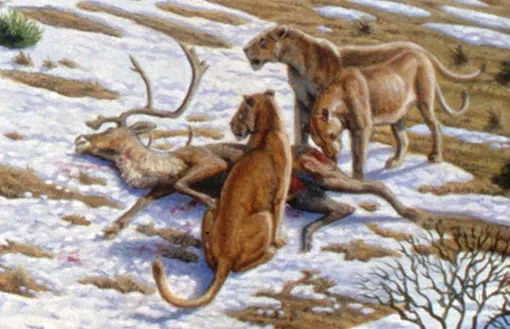
Separate from the larger American lion of the open plains, there were also lion-like cats associated with cave habitats, sometimes grouped with Eurasian cave lions that extended into parts of North America. These big cats likely used rocky outcrops, caves, and rugged terrain as shelter and hunting bases. For any early humans or large herbivores using caves for protection, sharing that space with a powerful predator was a constant risk.
What makes cave lions particularly chilling is how their presence blurs the line between safe shelter and deadly trap. A dark cave mouth in winter might look like refuge, but it could also hide a silent cat waiting for an opportunity. I always think of them as the embodiment of Ice Age uncertainty: even the places that felt safe could suddenly explode with claws and teeth.
Note: Some classifications merge American and Eurasian cave lion lineages or debate their status; what matters here is that lion-sized cats using caves were a real, formidable presence in Pleistocene North America.
American Lion-Sized Hyena-Like Dogs – The Bone-Crushing Canids
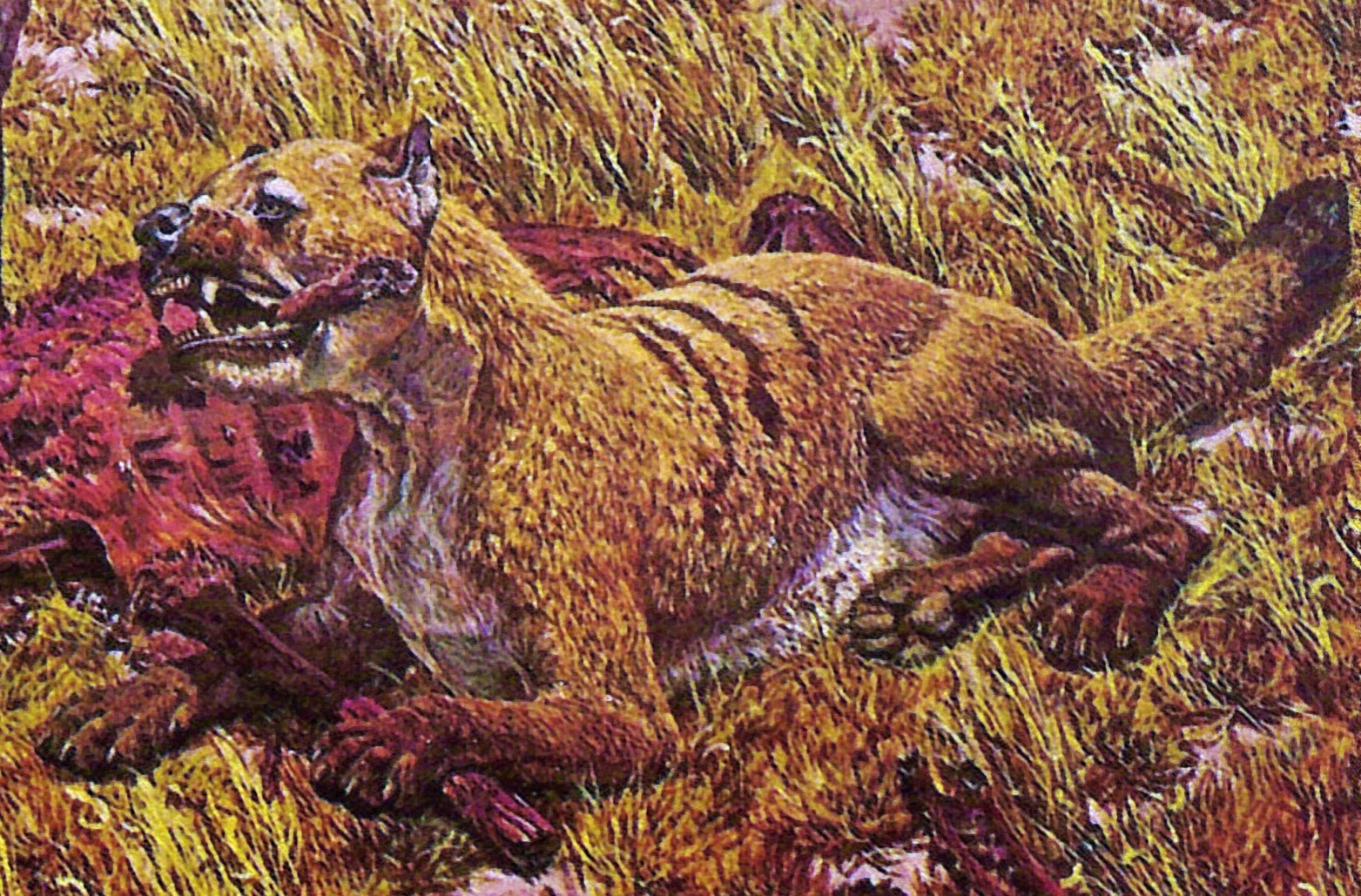
Long before modern gray wolves took over, North America hosted large, hyena-like dogs from the Borophagus and related lineages. These canids had powerful jaws and teeth specialized for crushing bone, not just slicing flesh. They likely played the role that hyenas fill in Africa today, mixing hunting with scavenging and turning carcasses into a resource used down to the last fragment.
These predators would have made the Ice Age landscape feel crowded with danger even after the main kill was done. Imagine the scene: after a mammoth or bison falls, the first wave of predators feeds, then bone-crushing canids arrive to snap and grind what is left. To a human trying to survive in that world, the message would have been clear: if you leave meat unattended, you will not see it again, and if you linger too long, you might end up as dessert.
Conclusion: A Continent Defined by Teeth, Claws, and Competition
![Conclusion: A Continent Defined by Teeth, Claws, and Competition ([1], Public domain)](https://nvmwebsites-budwg5g9avh3epea.z03.azurefd.net/dinoworld/debfdc6f101c315997788057b6f21be1.webp)
Looking back at Ice Age North America, it is hard not to be struck by how densely packed the predator guild really was. Saber-toothed cats, massive lions, bone-crushing dogs, speedy cheetah-like hunters, towering bears, and relentless dire wolves turned the continent into a brutally competitive ecological chessboard. In my view, humans arriving in this world were not bold conquerors at first; they were nervous newcomers, quietly learning to avoid becoming part of the fossil record.
What fascinates me most is how much of that ancient tension still echoes in modern wildlife. Pronghorn still run like ghosts are chasing them, gray wolves and mountain lions still remind us that we are not completely removed from nature’s teeth, and our own stories still circle back to fears of what lurks in the dark. The Ice Age may be gone, but the memory of those predators is written in bones, DNA, and even our instincts. If you had to pick just one of these hunters to face on an open plain, which would you reluctantly choose?