
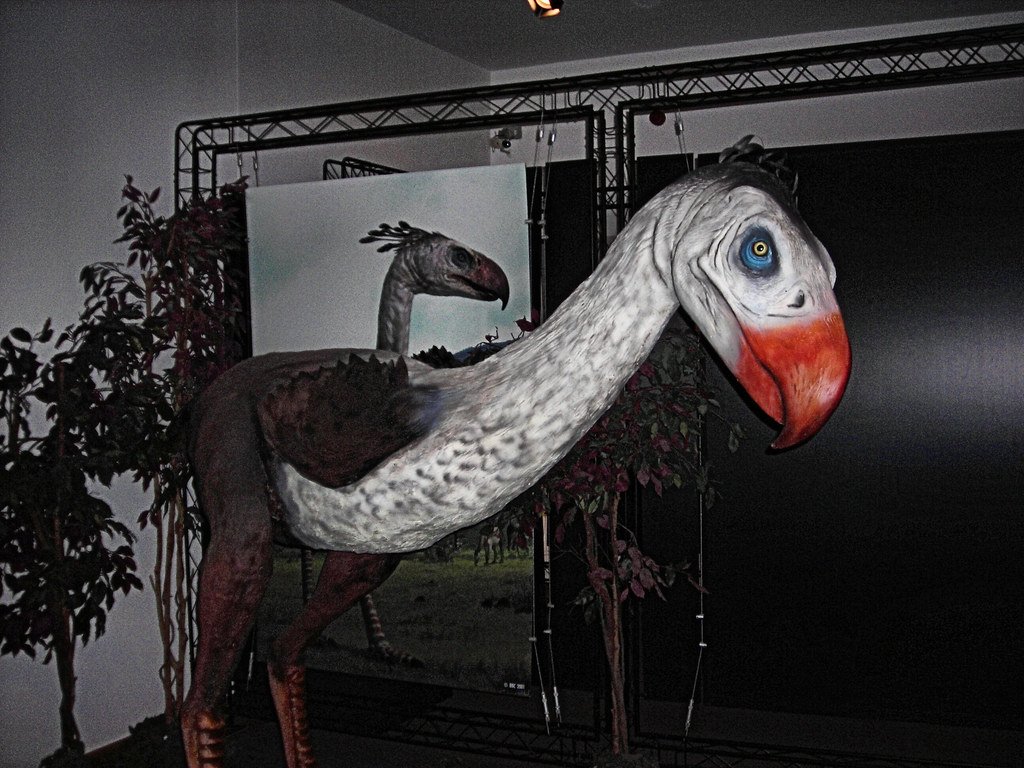
Imagine walking across an open plain and realizing, too late, that the shadow racing toward you is not a mammal, not a dinosaur, but a bird. A bird taller than you, heavier than a motorcycle, with a beak shaped like a battle axe and legs built to run you down. It could not fly away from danger, so instead it evolved into danger. That is the story of the giant prehistoric flightless predators that turned the idea of what a bird can be completely upside down.
These were not just oversized emus minding their own business. In several different parts of the world, at different times, big birds gave up the sky and doubled down on life as land-based hunters. From South America’s terror birds to Australia’s monstrous mihirungs and the towering elephant birds of Madagascar, they pushed the limits of bird evolution in wildly different ways. Once you meet them, you’ll never look at the pigeons in the park the same way again.
From Sky to Ground: Why Some Birds Abandoned Flight
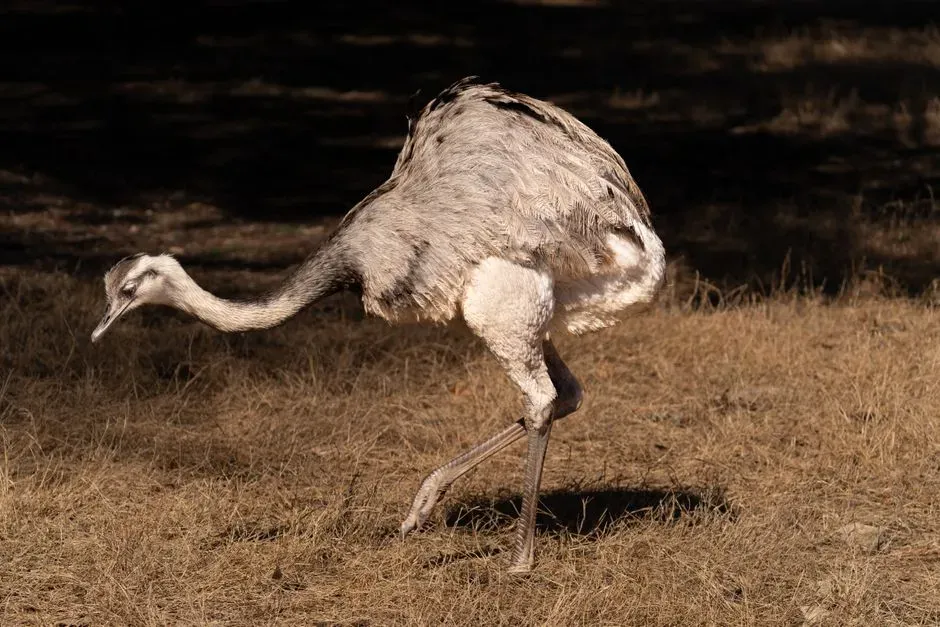
It sounds almost backwards: flight is such a powerful advantage, so why would a bird give it up? The answer usually comes down to safety and opportunity. When birds reached islands or continents with few big mammalian predators, there was less pressure to stay light and airborne. Over millions of years, some lineages gradually traded hollow-boned agility for sturdier legs, bigger bodies, and stronger bites.
Think of it like canceling an expensive gym membership once you realize you never actually need to sprint to catch the bus anymore. Flying is energetically costly; if food is plentiful on the ground and nothing is chasing you from above, natural selection stops rewarding the investment. As wings shrank and body mass expanded, these birds turned into something that occupied the same ecological space as big cats or hyenas today: dominant land predators, with all the muscle and menace that role requires.
Terror Birds of South America: Beaks Like Battle Axes
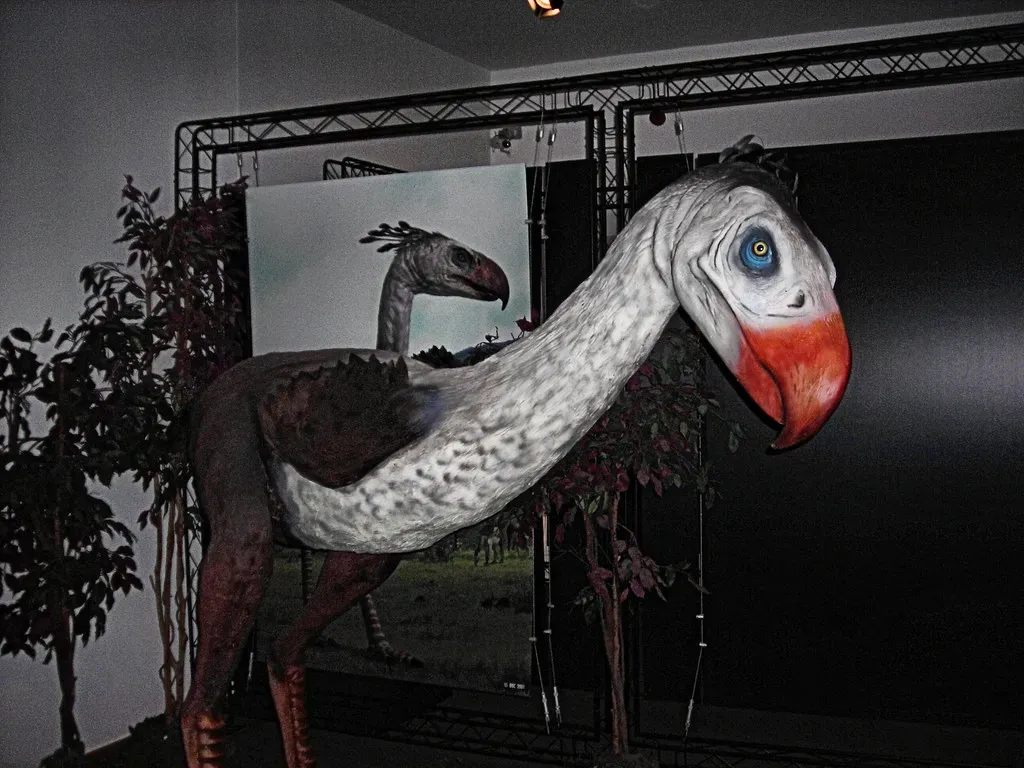
When people talk about giant prehistoric land-hunting birds, terror birds usually steal the spotlight. These birds, known scientifically as phorusrhacids, roamed South America for millions of years and some species stood as tall as a human or more. Their most striking feature was a massive, hooked beak, deep and powerful, with a downward curve that looked custom-made for tearing flesh. If you imagine a falcon’s beak scaled up to the size of a shovel, you’re in the right ballpark.
Even though they could not fly, terror birds were not lumbering tanks. They had long, muscular legs and likely could run at impressive speeds across open landscapes, chasing down smaller mammals, reptiles, or other birds. Paleontologists study the shape of their neck vertebrae and leg bones and see an animal that probably attacked with quick, brutal strikes, then tore chunks off prey using its beak like a meat hook. For a long stretch of prehistoric time, they were near the top of South America’s food chain, the feathered equivalents of big terrestrial carnivores.
Built to Hunt: Speed, Strength, and a Killer Toolkit
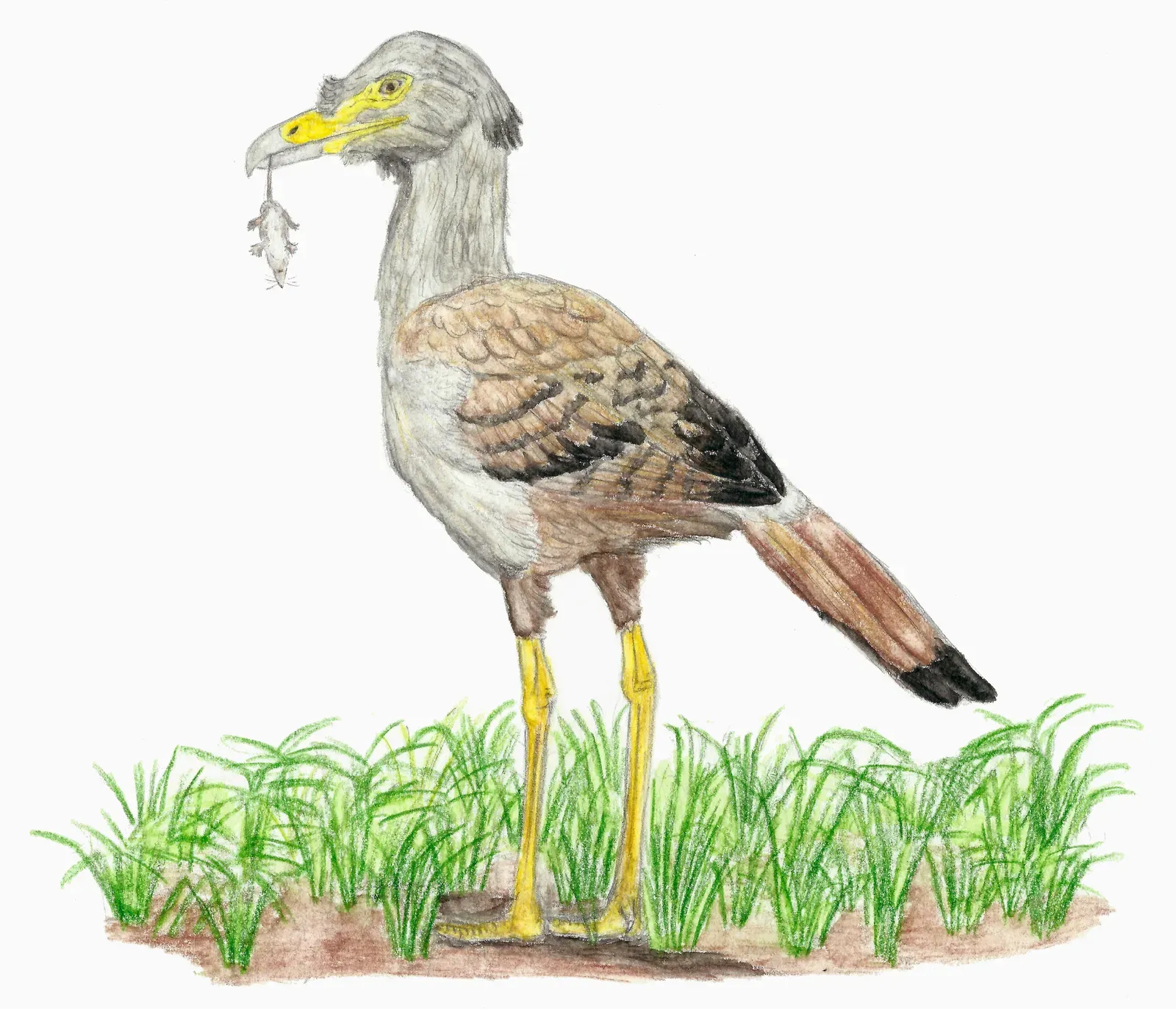
Being a flightless hunter meant every part of these birds’ bodies had to be tuned for land-based combat. Their legs were thick and column-like, but not clumsy; bone structure suggests many of them were capable sprinters, relying on bursts of speed to overtake prey. Their toes often ended in strong claws, not as dramatic as a raptor dinosaur’s sickle claw, but still useful for pinning or gripping struggling victims. In an open habitat, a fast, tall predator with a far-reaching stride becomes extremely hard to escape.
The neck and head were their other secret weapons. Many large predatory birds of the past had S-shaped necks made of robust vertebrae, allowing them to whip the head forward with force. The skulls were reinforced to handle the stresses of biting, twisting, and ripping. When you combine this with keen eyesight – something modern birds of prey already excel at – you get a predator that could spot movement at a distance, line up a charge, and then deliver a devastating beak strike with startling accuracy.
Different Continents, Same Idea: Convergent Evolution in Giant Birds
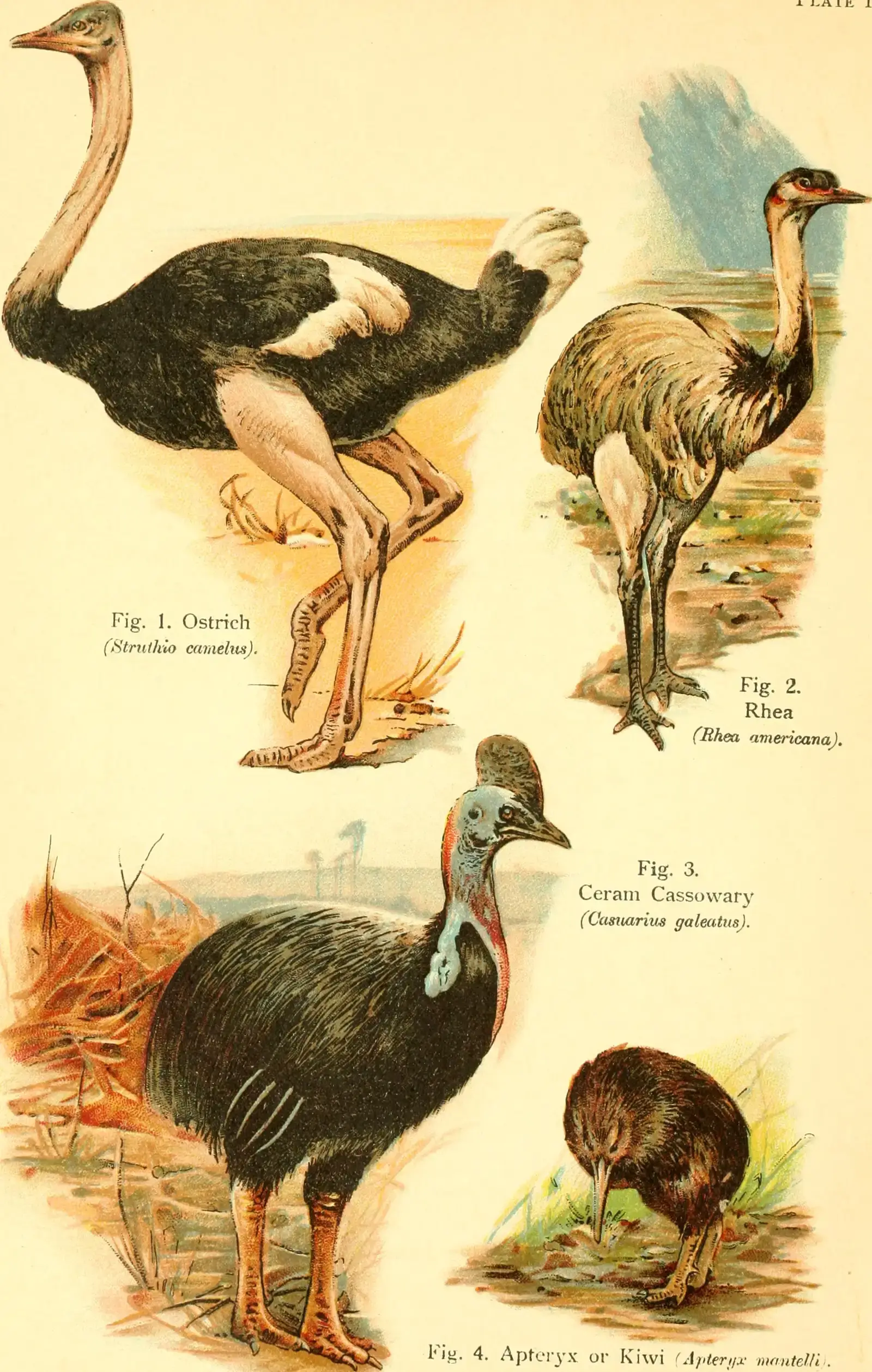
What makes these birds especially fascinating is that similar giants evolved several times in different places. In Australia, there were enormous birds like the mihirungs that were more likely plant eaters but still hinted at how large land birds could get. In Madagascar and New Zealand, elephant birds and moa reached huge sizes as mostly herbivorous giants. While not all were predators, they shared the same basic pattern: losing flight, gaining bulk, and dominating their environments in unique ways.
This repeated pattern across continents is a classic case of convergent evolution, where unrelated animals evolve similar traits because they face similar pressures. Whenever birds encountered isolated habitats with few big land predators, some of them eventually grew larger, lost flight, and took over those open ecological roles. In South America it produced terror birds; elsewhere it created towering herbivores that shaped whole plant communities. Different diets, similar evolutionary story: the sky was optional, but size and strength were not.
Life at the Top: How These Birds Ruled Their Ecosystems
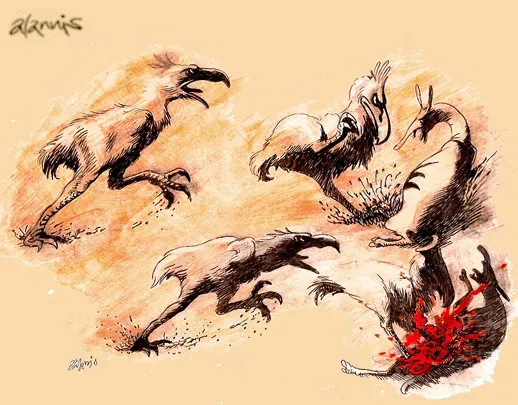
Being a top or near-top predator is more than just looking scary; it means controlling how energy moves through an ecosystem. Giant predatory birds likely influenced the behavior, population sizes, and even body plans of the animals around them. Prey species that lived alongside terror birds probably evolved to be faster, more alert, or more inclined to live in dense cover where a tall bird had trouble maneuvering. Just as lions shape the lives of antelope today, these birds would have shaped the daily survival strategies of early mammals.
They also would have left their mark on scavenger communities. Every kill a terror bird made created leftovers that other animals could feed on, from smaller carnivores to early vultures and insects. Over long timescales, their presence may have altered vegetation too, by changing which plant-eating animals survived and thrived. Even though we mostly remember them as oversized nightmares with beaks like weapons, they were also quiet engineers, helping to design the entire structure of the ecosystems they dominated.
Why These Giant Ground Predators Disappeared
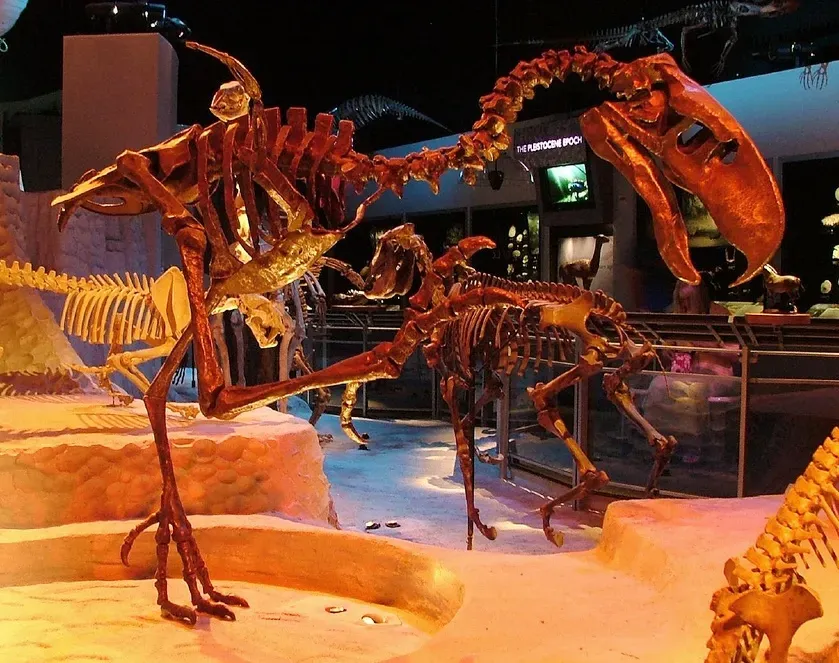
For all their power, giant land birds were not invincible. Over millions of years, climates shifted, sea levels rose and fell, and land connections opened between continents. When North and South America became connected, new mammalian predators and competitors moved south, bringing different hunting styles and reproductive strategies. The balance of power changed, and the specialized terror birds eventually faded out, outcompeted or squeezed by changing environments and new rivals.
There is also the shadow of humans at the end of this story. On islands like Madagascar and New Zealand, giant but mostly plant-eating birds survived well into the time of people, only to vanish after human arrival and hunting pressure. While the timelines and details differ, you see the same pattern: when conditions shift too fast, or a new, highly adaptable predator or competitor appears, even long-dominant giants can fall. To me, that is the most sobering part of their legacy: power in nature is always temporary, and no species – no matter how terrifying – gets a permanent claim on the top spot.
Conclusion: The Bird That Chose Power Over Wings
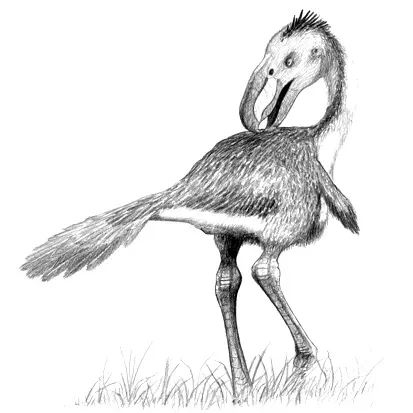
I love how these giant flightless predators force us to rethink what a bird even is. We are used to picturing birds as fragile creatures of the air, but these were ground-bound bruisers that traded wings for weaponized beaks, speed, and raw physical presence. In a way, they made a bold evolutionary bet: give up the escape route of the sky in exchange for ruling the ground. For a long time, that gamble paid off astonishingly well.
At the same time, their eventual disappearance feels like a quiet warning about specialization and dominance. They were incredible at what they did, but when the world changed and new competitors arrived, sheer size and strength were not enough. I find that oddly humbling and a little inspiring – it suggests that adaptability beats intimidation in the long run. Next time you see a hawk, an ostrich, or even a scruffy backyard chicken, it is worth remembering that their family tree once produced land predators powerful enough to rival big cats. Which version of birds would you have expected to win: the ones that ruled the ground for a while, or the ones that kept their options open and stayed ready to take to the sky?