
You know that feeling when you finally see something in real life that terrified you as a kid, and it turns out to be… kind of tiny? Prehistoric animals are like that more often than people think. Pop culture has blown some of them up into giant monsters, but the fossils tell a much more surprising story. Some of the most infamous names from deep time were closer to the size of a large dog, a house cat, or even a pigeon.
I still remember the first time I saw the skeleton of a “terrifying” dinosaur I’d read about in a kids’ book. Standing in front of the actual bones, my honest reaction was: Wait, that’s it? It felt like discovering that the villain of a horror movie is shorter than your gym teacher. Let’s dig into eight prehistoric creatures whose reputations are enormous, but whose bodies really weren’t.
1. Velociraptor: The “Raptor” That Was Closer to a Turkey Than a T. rex
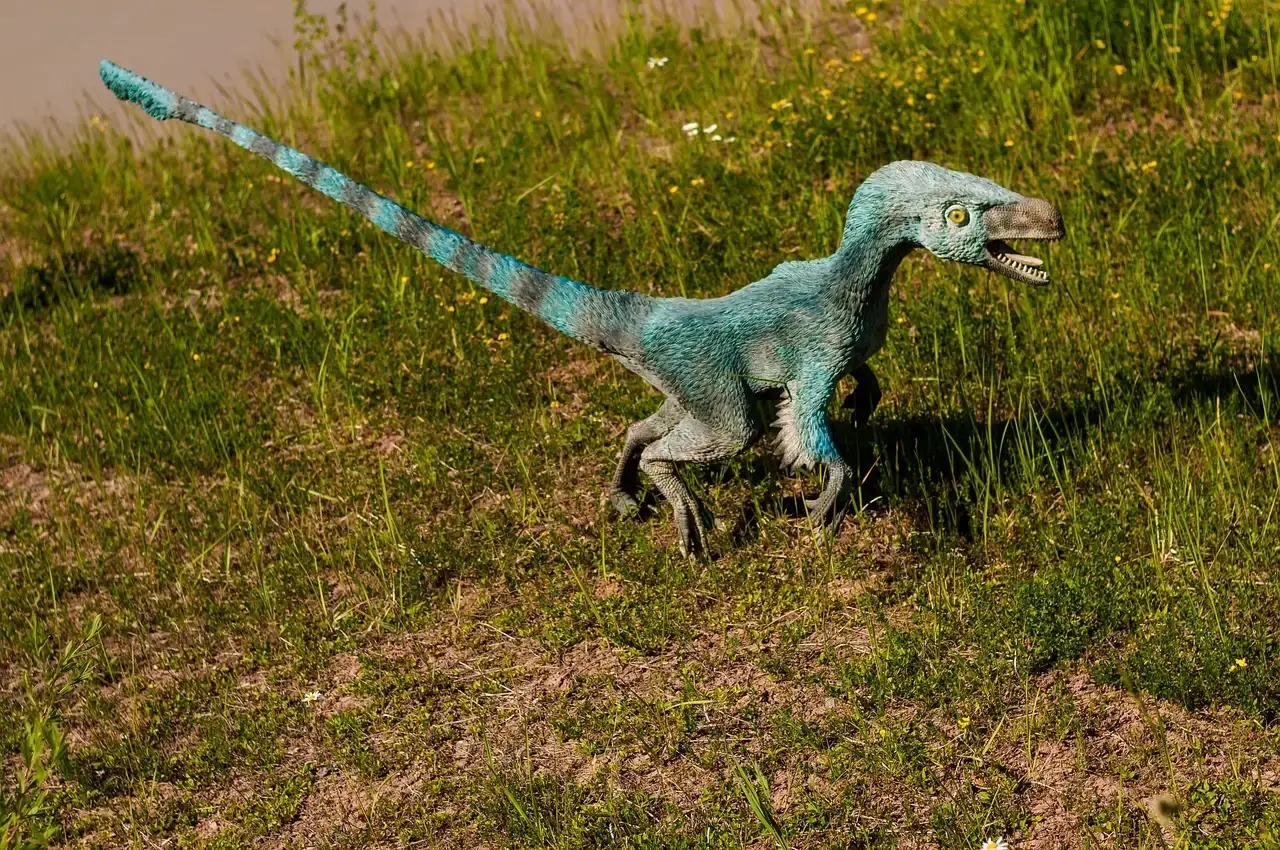
If your mental image of a Velociraptor comes straight from blockbuster movies, you probably picture a human-sized, door-opening nightmare. The real animal, known from fossils in Mongolia, was much smaller: roughly the length of a big turkey and not much taller than a medium dog at the hip. Its skull was narrow, its body lightweight, and it likely weighed less than many modern large-breed pet dogs.
That does not mean it was harmless. Velociraptor had sharp, recurved teeth and that iconic sickle-shaped claw on each hind foot, perfect for slashing or gripping prey. Paleontologists have even found a Velociraptor fossil locked in combat with a similarly sized dinosaur, frozen mid-fight for millions of years. So yes, it was absolutely dangerous – in the way a fast, armed, and very determined turkey would be. The terror was real, just packed into a surprisingly compact package.
2. Compsognathus: The Tiny Dinosaur Once Mistaken for a Baby
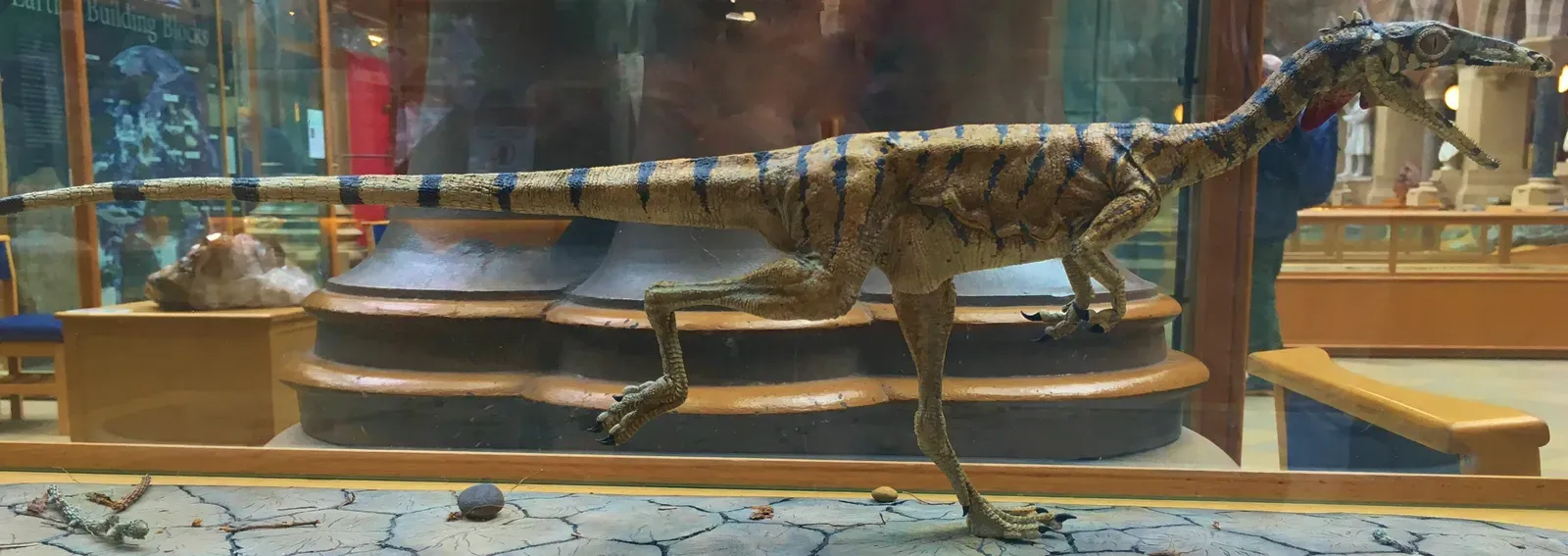
Compsognathus is one of those dinosaurs that looks more like an overgrown chicken than a classic reptilian beast. The original fossils from Germany are only about the length of a house cat or a small dog, and even larger specimens from France are still nowhere near “movie monster” scale. For a long time, one of its skeletons was even thought to be a juvenile because it seemed too small to be a full-grown dinosaur.
Despite its modest size, Compsognathus was a nimble little predator with slender legs and delicate, grasping hands. Fossilized stomach contents show it chasing down quick, lizard-like prey, suggesting it relied on agility more than brute strength. Imagine a supercharged roadrunner with teeth – nothing you’d want nipping at your ankles, but definitely not the towering menace people often imagine when they hear the word dinosaur.
3. Archaeopteryx: The “First Bird” That Was More Crow Than Dragon
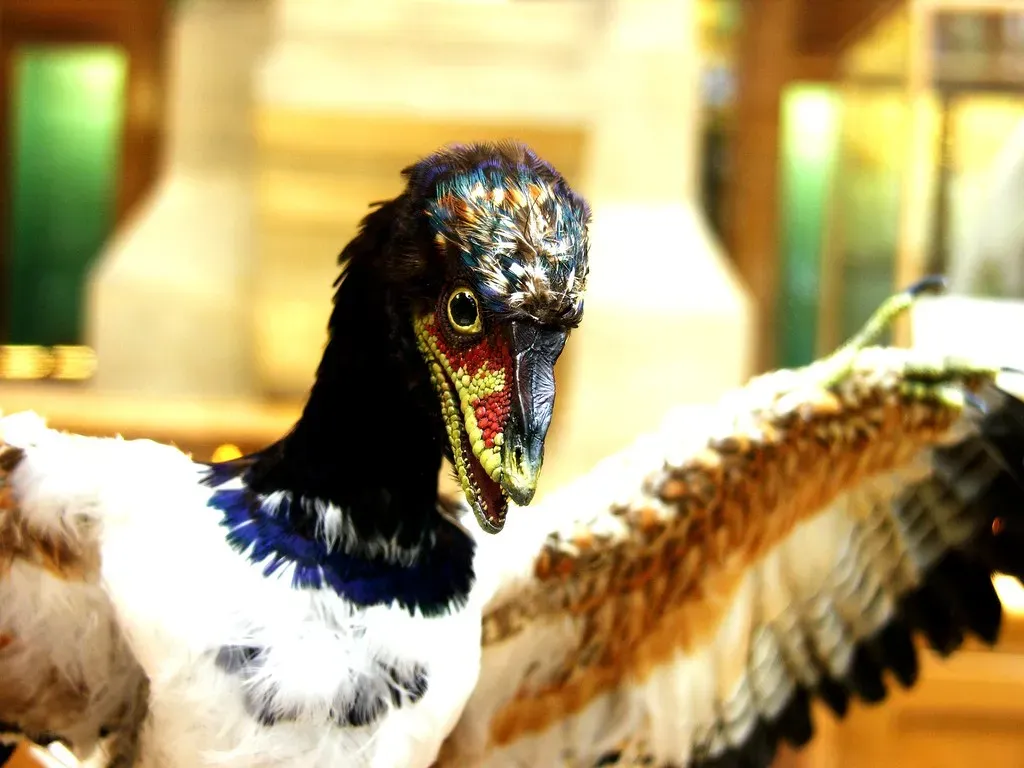
Archaeopteryx has an almost mythical reputation because it sits right at that dramatic evolutionary crossroads between non-avian dinosaurs and birds. You might expect something huge and dragon-like, but in life it was probably similar in size to a crow or a small raven. Its wingspan was modest, its bones lightweight, and its entire body could have rested comfortably on your forearm – talons aside.
What made Archaeopteryx fearsome was not its size but its mix of traits: teeth in its beak, claws on its wings, and a long bony tail, all wrapped in feathers. It likely hunted insects, small reptiles, and other tiny animals, darting through ancient forests in short bursts of flight or gliding. Picture a crow with a dinosaur’s attitude and hardware, and you get why it commands such respect despite being so easily out-massed by the average house cat.
4. Dimetrodon: The Sail-Backed “Monster” That Was Big, But Not the Giant Many Imagine
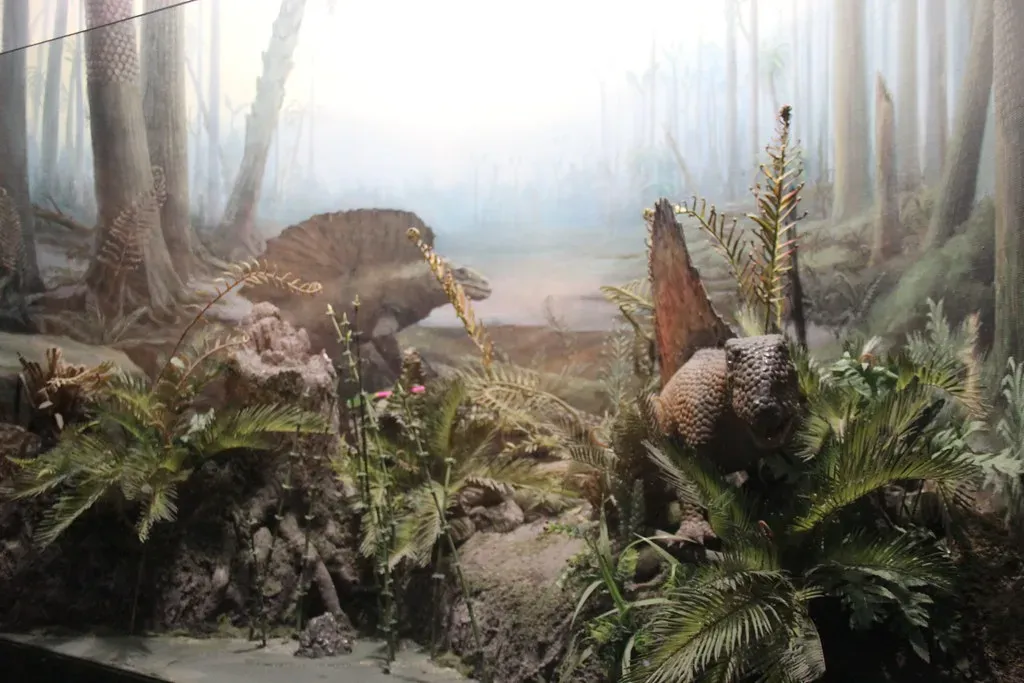
Dimetrodon shows up on toy shelves and in kids’ dinosaur books so often that many people assume it was a massive, dinosaur-sized terror. In reality, while the largest species could reach the length of a big alligator, other species were much smaller, some closer to a medium dog in size. And crucially, Dimetrodon was not even a dinosaur, but a distant relative of mammals that lived tens of millions of years before dinosaurs evolved.
Its huge sail makes it feel visually enormous, but strip that away in your imagination and you’re left with an animal that, body-wise, is far more modest than its reputation suggests. The fearsome part was its skull: deep jaws lined with sharp, differentiated teeth, including prominent canines. In its own Permian ecosystems it was absolutely an apex predator, yet compared to the towering Jurassic and Cretaceous giants that came later, it was more mid-sized than monstrous, a reminder that “top of the food chain” does not always mean titanically huge.
5. Pterodactylus: The Classic “Pterodactyl” That Could Sit on Your Shoulder
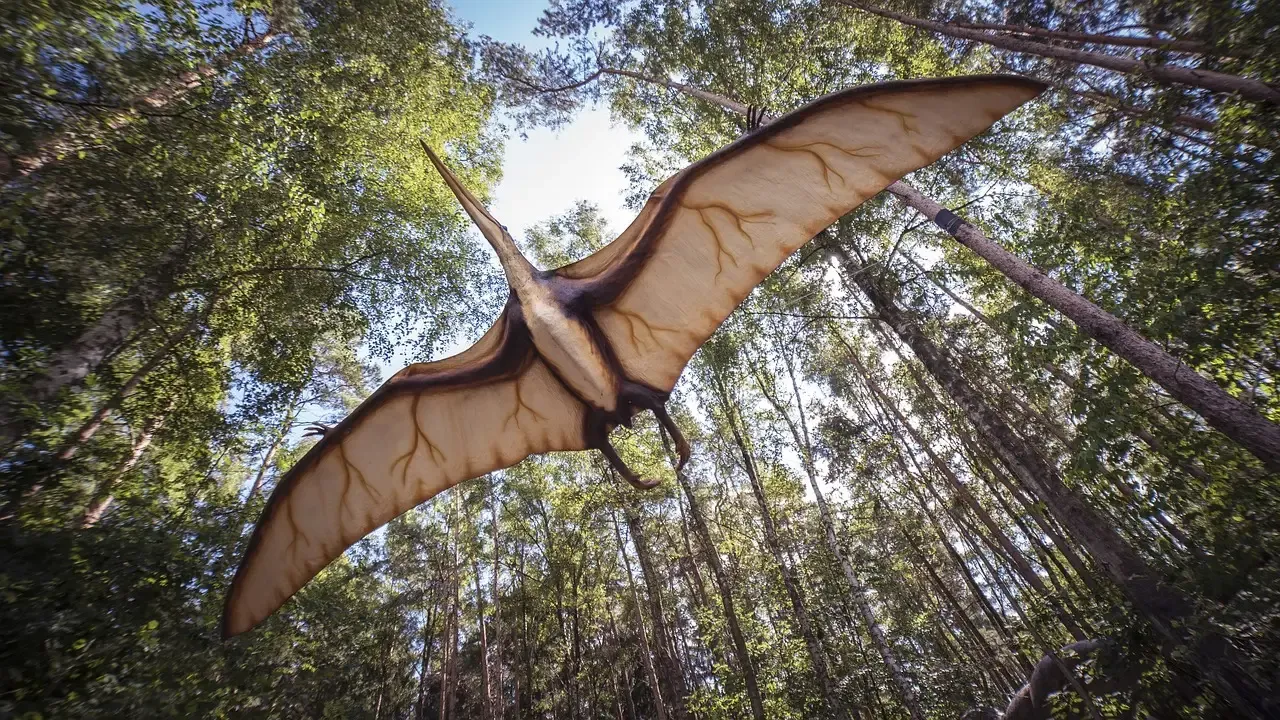
When people say pterodactyl, they often picture a giant flying reptile with a wingspan wider than a car, grabbing people off cliffs. The scientific genus Pterodactylus, however, was actually quite small. Many specimens had wingspans more in line with large seabirds, and some juveniles would not have seemed outrageous perched on a person’s shoulder – if you ignored the teeth and the fact that it lived over a hundred million years ago.
The fearsome reputation comes from the general idea of flying reptiles rather than this particular animal’s dimensions. Pterodactylus did have a long, toothy beak and was probably an efficient hunter of fish or small terrestrial animals. But if you swapped it into a modern scene, it would blend more naturally with gulls and cormorants than with anything monstrous. It is a classic example of how the label pterodactyl has inflated public expectations far beyond what the actual bones support.
6. Microraptor: The Four-Winged Mini Predator
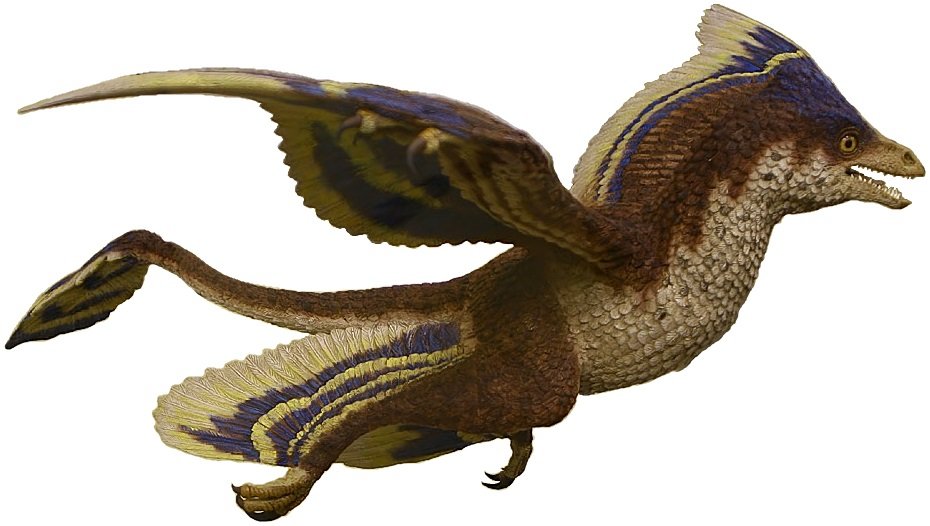
Microraptor sounds intimidating just from the name, and its fossils look even wilder: this small dinosaur had feathers not only on its arms and tail but also along its legs, forming a sort of four-winged gliding apparatus. Yet the whole animal was only about the size of a crow or a small cat, depending on the specimen. If you encountered one in a forest, it would not tower over you; it would flash between branches like a dark, feathered shadow.
Despite that, Microraptor was all business. Its teeth and gut contents suggest it hunted small mammals, birds, and even fish, attacking from above or from the sides with surprise. It is easy to imagine ancient rodents living in constant anxiety of this silent, gliding hunter. In ecological terms, Microraptor filled a role a bit like a cross between an owl and a flying squirrel – deadly if you were bite-sized, but almost charmingly small from a human perspective.
7. Smilodon Gracilis: The “Mini” Saber-Toothed Cat
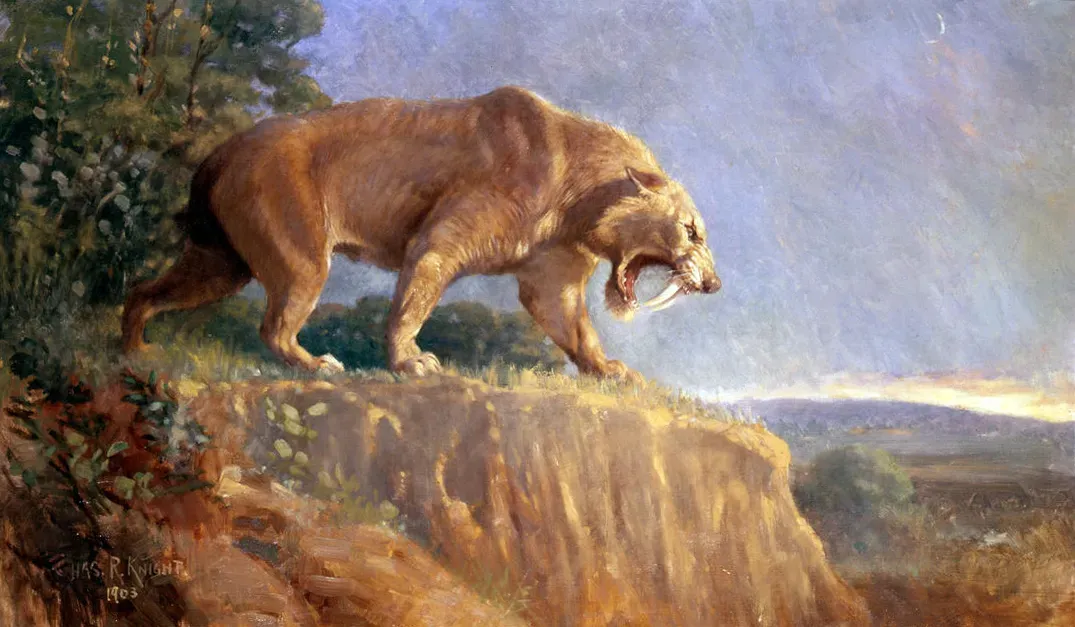
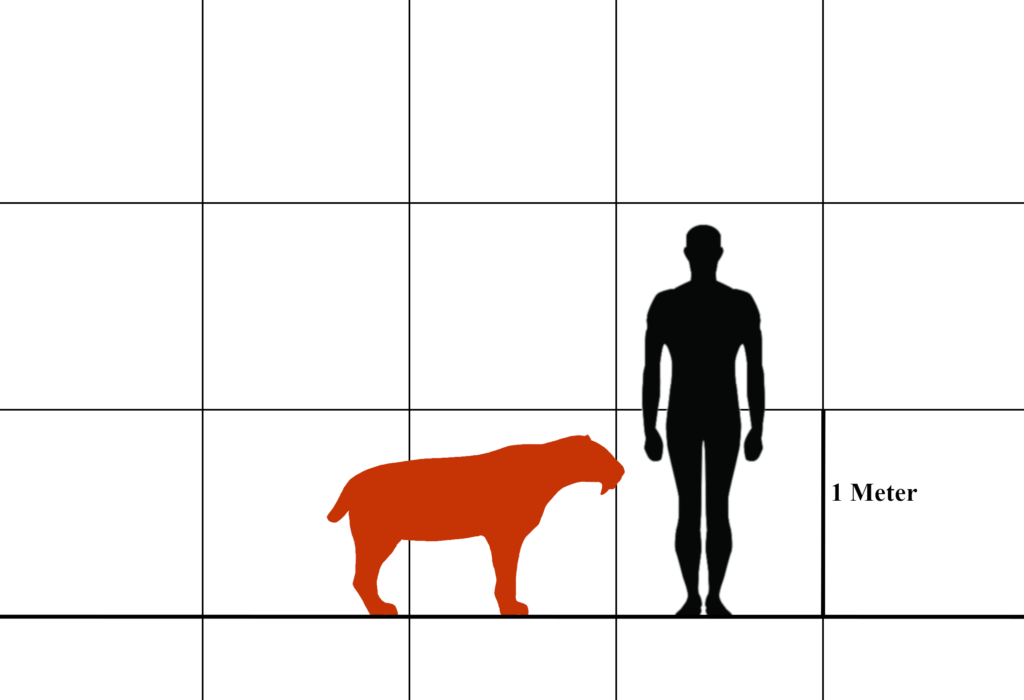
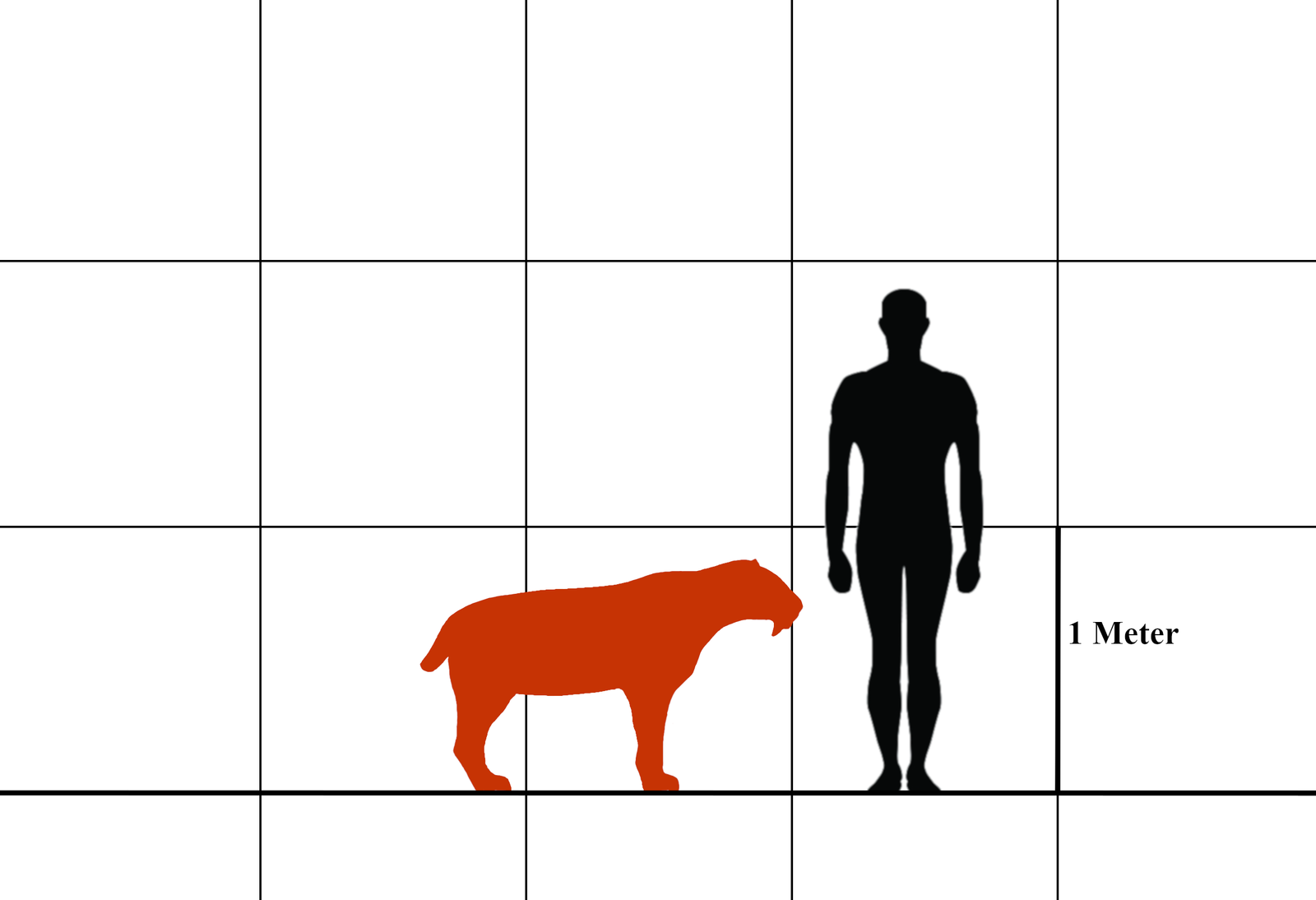
Say saber-toothed cat and most people picture Smilodon fatalis, the hulking predator from the iconic tar pits, with forelimbs like a powerlifter and fangs like ivory knives. But one of its relatives, Smilodon gracilis, was notably smaller. It still had the trademark elongated upper canines, yet its body size was closer to that of a large modern big cat rather than the exaggerated heavyweight champion many imagine when they think “saber-tooth.”
To its prey, of course, it was every bit as terrifying. Those saber teeth were not for show; they were specialized tools for precise killing bites. What makes Smilodon gracilis interesting is how it exposes our tendency to mentally scale everything labeled prehistoric into the enormous. Even among saber-toothed cats, there were species that were formidable but not colossal, more sleek and agile than gargantuan, reminding us that evolution often experiments with subtle size shifts rather than going straight for gigantism.
Although it lived long after the age of dinosaurs and is technically not “prehistoric” in the same sense as Triassic or Jurassic reptiles, it still belongs to a vanished world of megafauna that we mythologize. In that myth, everything is always bigger, stronger, louder. Smilodon gracilis quietly breaks that pattern, proving you can be iconic and deadly without being outsized.
8. Anomalocaris Relatives: Fearsome Cambrian Predators Barely Bigger Than Your Arm
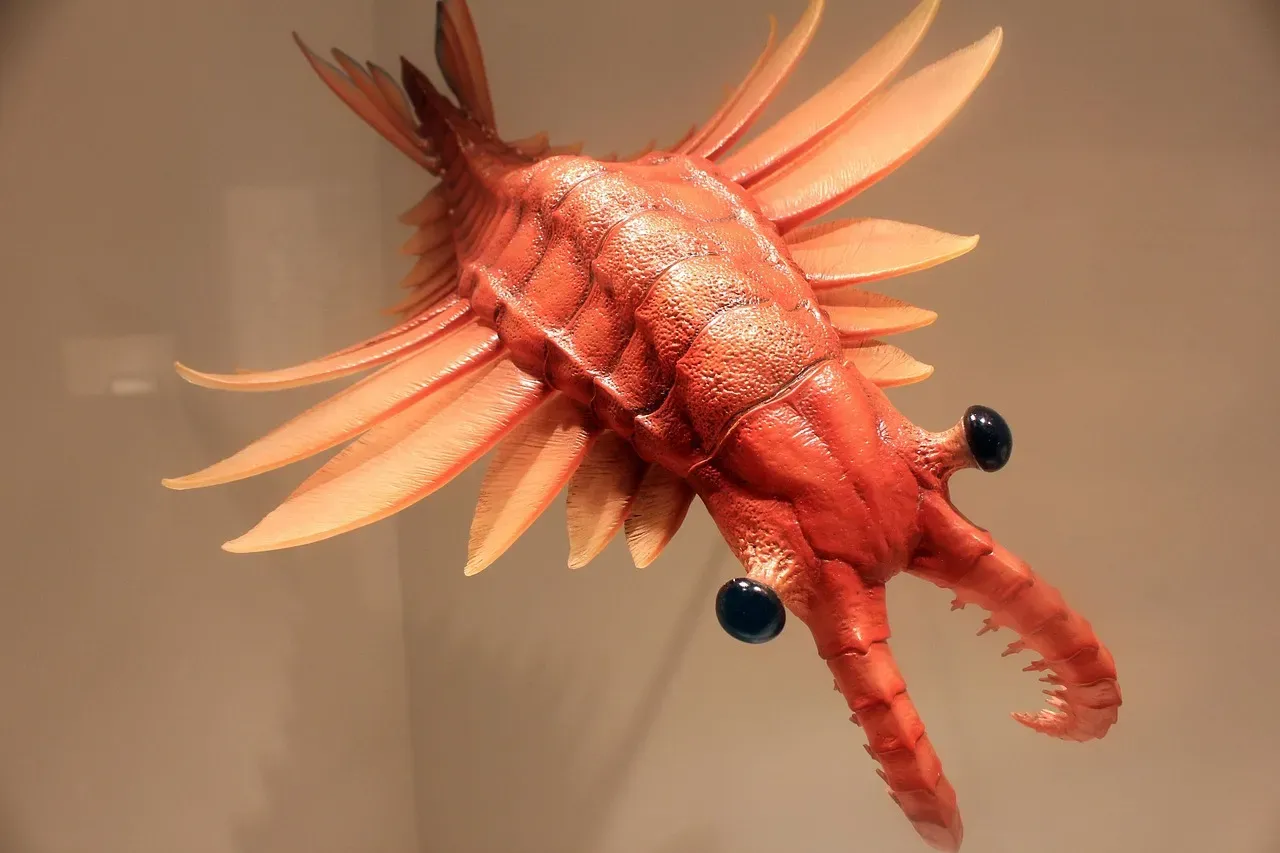
The Cambrian seas were home to some of the strangest animals Earth has ever produced, and Anomalocaris and its relatives have built up a heavy reputation as nightmare fuel. Artists often depict them as giant, alien-looking hunters cruising through the water. The reality, though, is that many of these radiodont predators were modest in size, some roughly the length of a human arm or shorter. In the context of their time, they were large, but by modern expectations they were surprisingly manageable.
They earned their fearsome label because they were among the top predators in ecosystems where most animals were small, soft-bodied, and poorly defended. Equipped with grasping frontal appendages and a circular mouth lined with hard plates, they were more like oversized shrimp from a horror movie than genuine sea monsters. If you could time-travel and shrink yourself to match the scale of Cambrian life, they would be terrifying. At full human size, though, they would be more unsettlingly weird than overwhelmingly huge, proof that menace is relative to the world you live in.
Conclusion: Fear Is Not Measured in Meters
Looking at these creatures side by side, a pattern jumps out: our imagination keeps trying to scale threats up, as if something has to be huge to be truly dangerous or awe-inspiring. The fossil record stubbornly disagrees. Velociraptor, Microraptor, and their small but lethal peers show that evolution routinely packs serious weaponry and skill into bodies roughly comparable to pets, crows, or arm-length sea creatures. The disconnect between reputation and reality says as much about us as it does about them.
Personally, I find the smaller predators scarier than the giants. You can see a towering sauropod coming from a mile away, but a turkey-sized hunter slipping through undergrowth or a crow-sized glider dropping out of the trees feels more like the stuff of real-life anxiety. In the end, these eight prehistoric animals remind us that fear, power, and importance in nature are not measured in meters or tons. They are measured in what an animal can do in its own world – and in how our minds choose to remember it. Knowing that, which would worry you more: the giant you see coming, or the little one you never notice until it is too late?