
Most people assume “extinct” is science’s final word – a door that never reopens. That assumption is dead wrong. Roughly two dozen species declared officially gone over the past century have walked, flown, crawled, or swum right back into the record books, sometimes decades or even millions of years after their supposed disappearance.
Museums had already written the obituaries. Textbooks had already moved on. Then a fisherman’s net, a hunter’s trap, or one stubborn researcher’s flashlight proved everyone wrong. Here’s what actually happened with the eleven animals science buried too soon – and why the reversal for #1 still makes paleontologists wince.
Why Scientists Declare Species Extinct – And Why They’re Often Wrong
Extinction sounds like a hard scientific fact, but it’s really a judgment call built on the absence of evidence. Researchers typically wait years, sometimes a full human lifetime, without a confirmed sighting before an animal earns the official label.
The problem is that “we haven’t seen it” and “it’s gone forever” are not the same statement. Not in dense jungles, not in remote mountain ranges, and definitely not in ocean depths humans rarely visit.
Fast Facts
- The nickname “Lazarus species” comes from the biblical figure raised from the dead
- Extinction rulings typically require years of dedicated searching across an animal’s known and expected range
- Rediscoveries cluster around remote rainforests, alpine lakes, isolated islands, and deep water – places humans rarely survey closely
- Some species return within a few years of being declared extinct; others resurface after millions of years
This gap between assumption and reality created an entire scientific category nicknamed “Lazarus species,” after the biblical figure raised from the dead. Conservation groups now run dedicated search programs specifically because history keeps proving premature extinction calls wrong. Every animal on this list shares one thing: experts were confident it was gone, and experts were wrong.
#11 – The Rodent That Outlived an Entire Family Tree
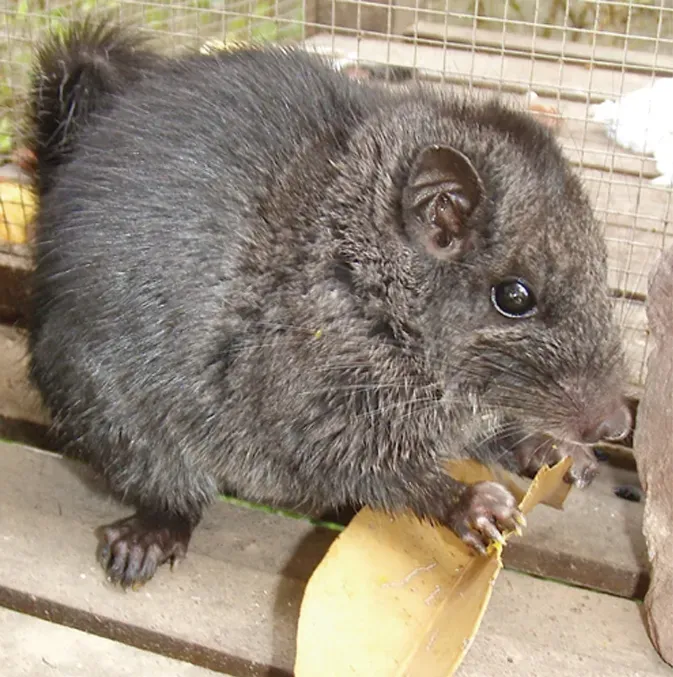
Scientists thought this rock-dwelling rodent had been extinct for eleven million years, and they were off by, well, all of history. Villagers near the Thai-Laos border had been quietly selling the strange squirrel-rat hybrid in local markets long before any scientist caught on. When researchers finally examined one, they realized it belonged to Diatomyidae, a rodent family known only from fossils dating back to the early Oligocene and thought to have died out roughly 11 million years ago.
The Laotian rock rat, known locally as the kha-nyou, doesn’t climb trees like most rodents. It scrambles across limestone karst formations instead, a habit that may have helped it dodge extinction while its entire family line vanished around it. In 2011 the species was recorded for the first time in Vietnam, based on four specimens trapped by local villagers. A living fossil family of one, hiding in plain sight in a food market, is about as humbling as science gets. But that’s nothing compared to what happened with #10.
#10 – The Chameleon That Vanished for a Century
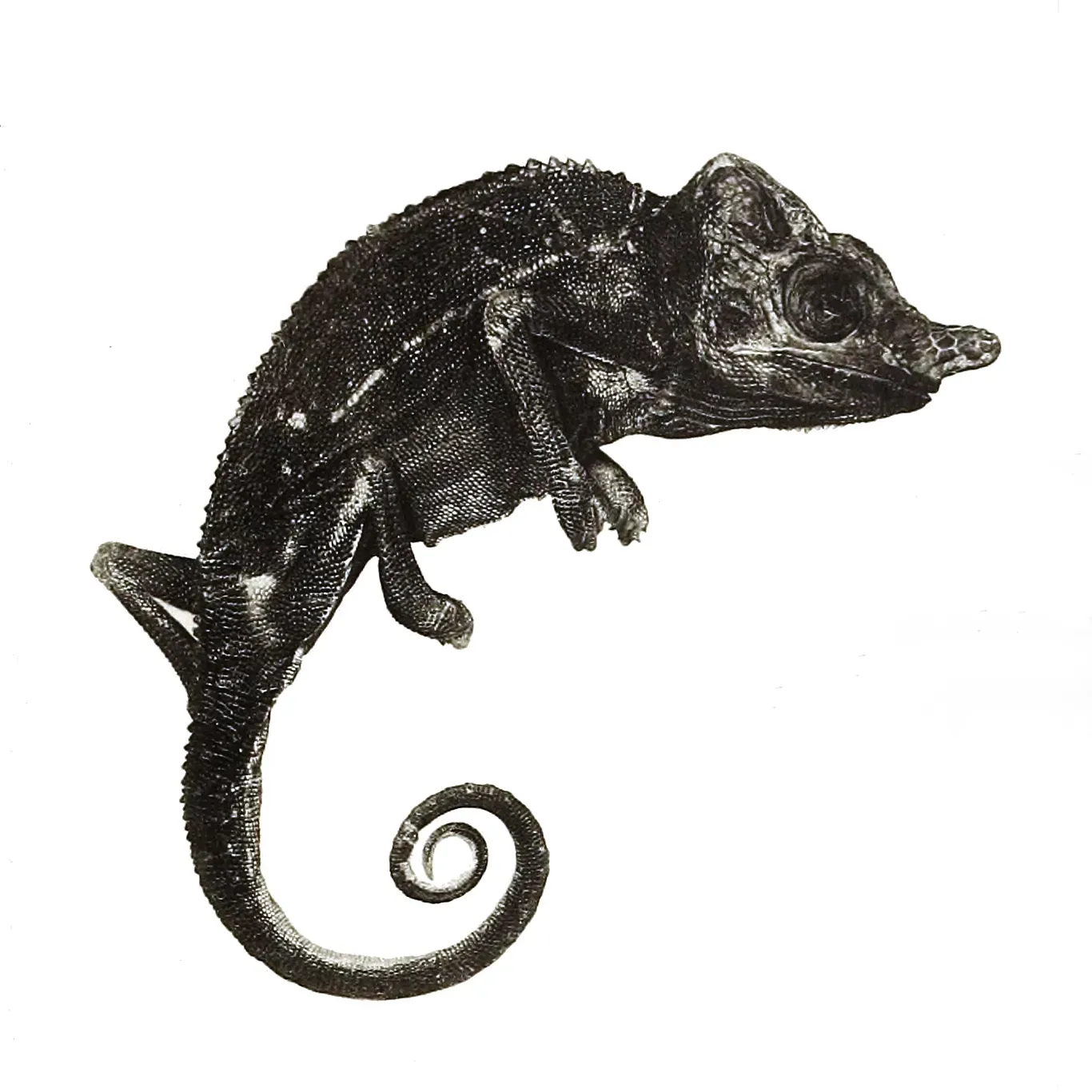
Madagascar swallowed this reptile whole for over a hundred years, and nobody noticed until a research team got stubborn. Voeltzkow’s chameleon was first described in 1893 and last seen alive in 1913. For the next century it existed only as a handful of preserved specimens in European museum drawers, with no confirmed living sighting anywhere on the island.
Expedition leader Frank Glaw and his team finally rediscovered the species in 2018, and the announcement went public in 2020. What they found was even stranger than mere survival: three males and fifteen females flashing patterns of purple, orange, red, green, black, and white unlike anything in the museum collections. A reptile presumed gone since the era of horse-drawn carriages had been thriving the entire time, just outside the search radius of a century of scientists. But #9 is where extinction science gets genuinely embarrassing.
#9 – The Bee So Big Scientists Refused to Believe It Existed
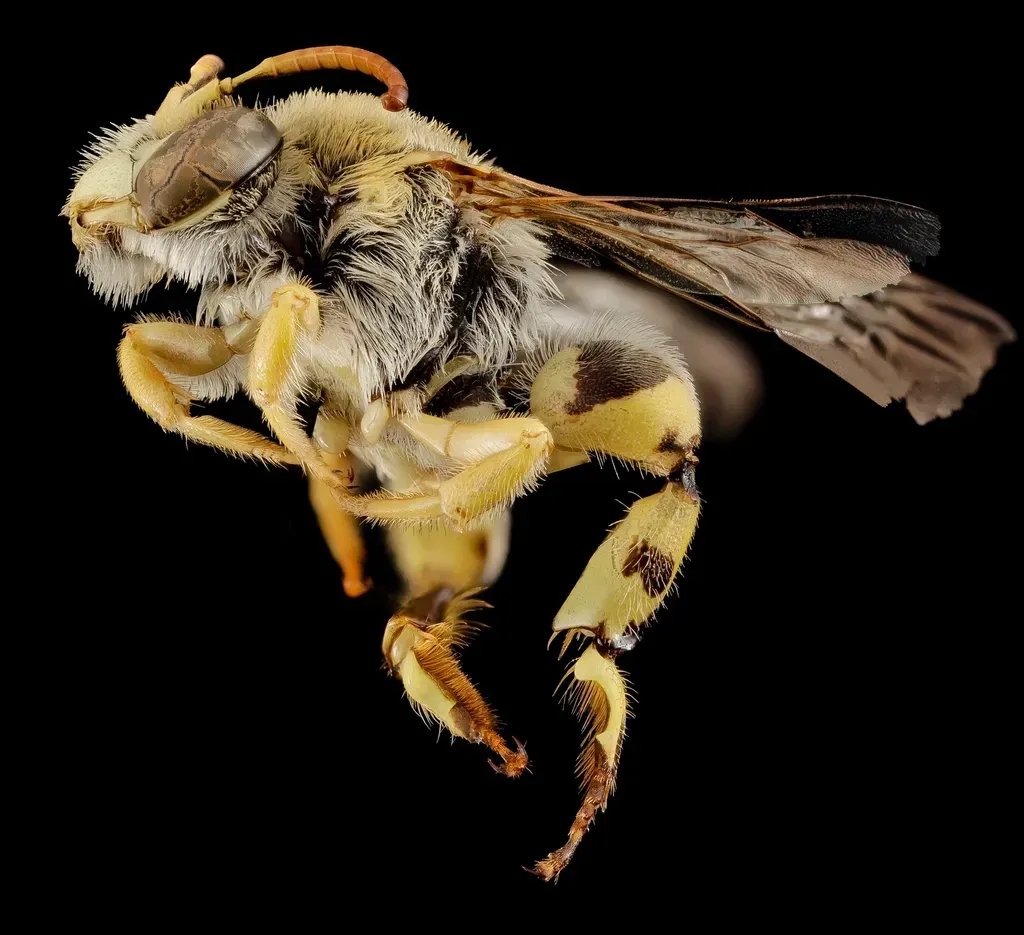
This isn’t a typo: scientists lost track of the world’s largest bee for nearly forty years. Wallace’s giant bee, with a wingspan over six centimeters, was first documented in 1858 by British naturalist Alfred Russel Wallace on the Moluccan island of Bacan. It then vanished from the scientific record entirely.
In 1981, American researcher Adam C. Messer rediscovered it, finding six nests on Bacan and nearby islands. Then it disappeared again, for almost forty more years, until a small independent search team spotted it alive in 2019 on a remote Indonesian archipelago most tourists have never heard of. A bee roughly four times larger than a honeybee had been hiding in plain sight for two generations of entomologists. That’s nothing compared to what happened with the peccary at #8.
#8 – The Pig-Like Mammal Known Only From Fossils
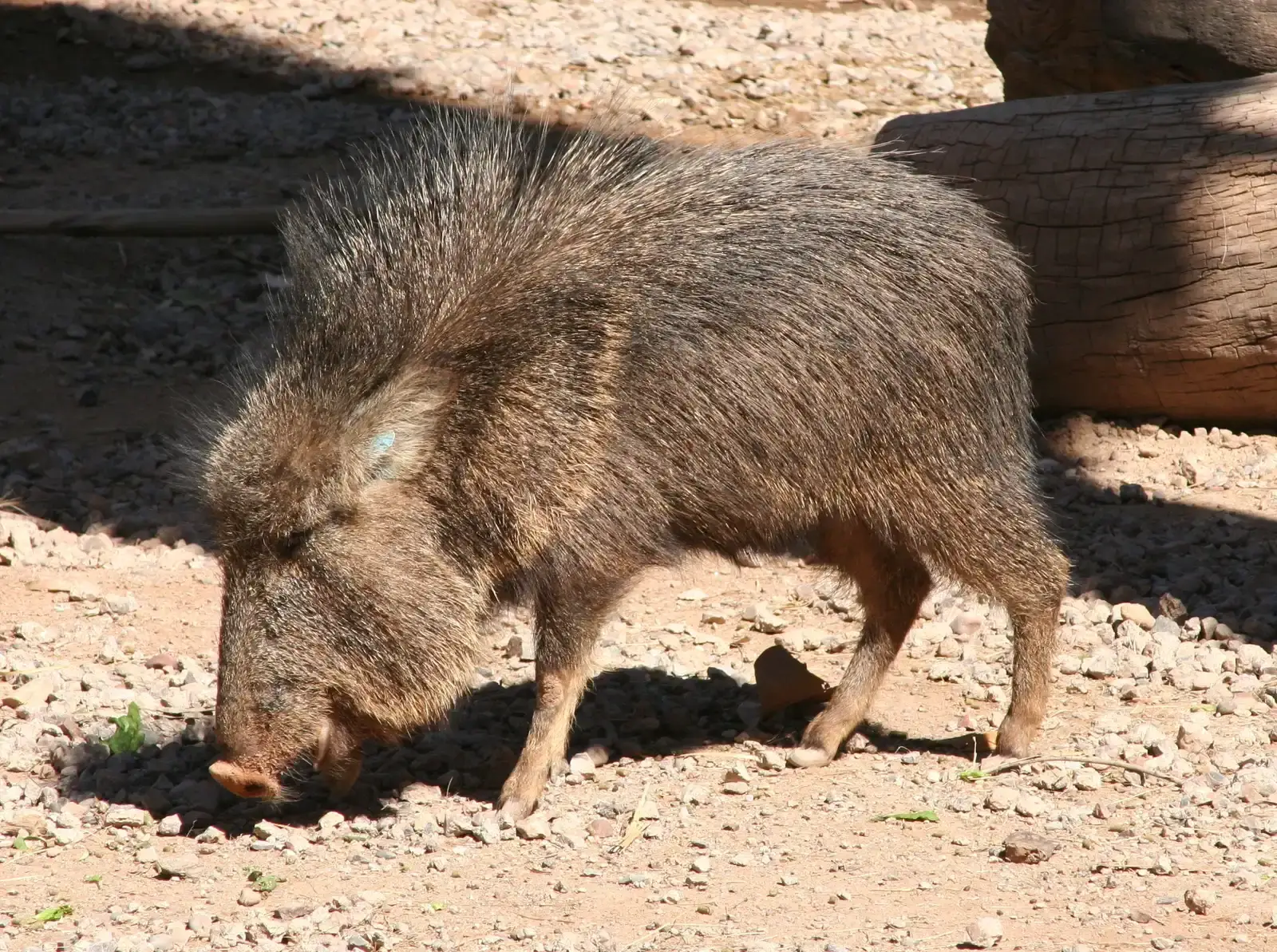
For decades, scientists studied this animal exclusively through bones dug out of the ground, until locals in Argentina revealed the punchline. The Chacoan peccary was first described from fossil remains, and paleontologists assumed it belonged firmly to the past, alongside other extinct South American megafauna. Nobody seriously entertained the idea that a living population might still be wandering the continent’s dry interior forests.
In 1971, a team of biologists followed up on rumored sightings from locals and “discovered” the species alive in the hot, dry Chaco region of Argentina. Local hunters and ranchers had apparently known about the animal all along; they simply never had a reason to tell a museum. The gap between what local communities know and what gets published in scientific journals may be the biggest blind spot in extinction science, and this peccary proved it decisively. But #7 involves a tortoise thought gone for over a century.
#7 – The Tortoise That Waited 113 Years to Be Found
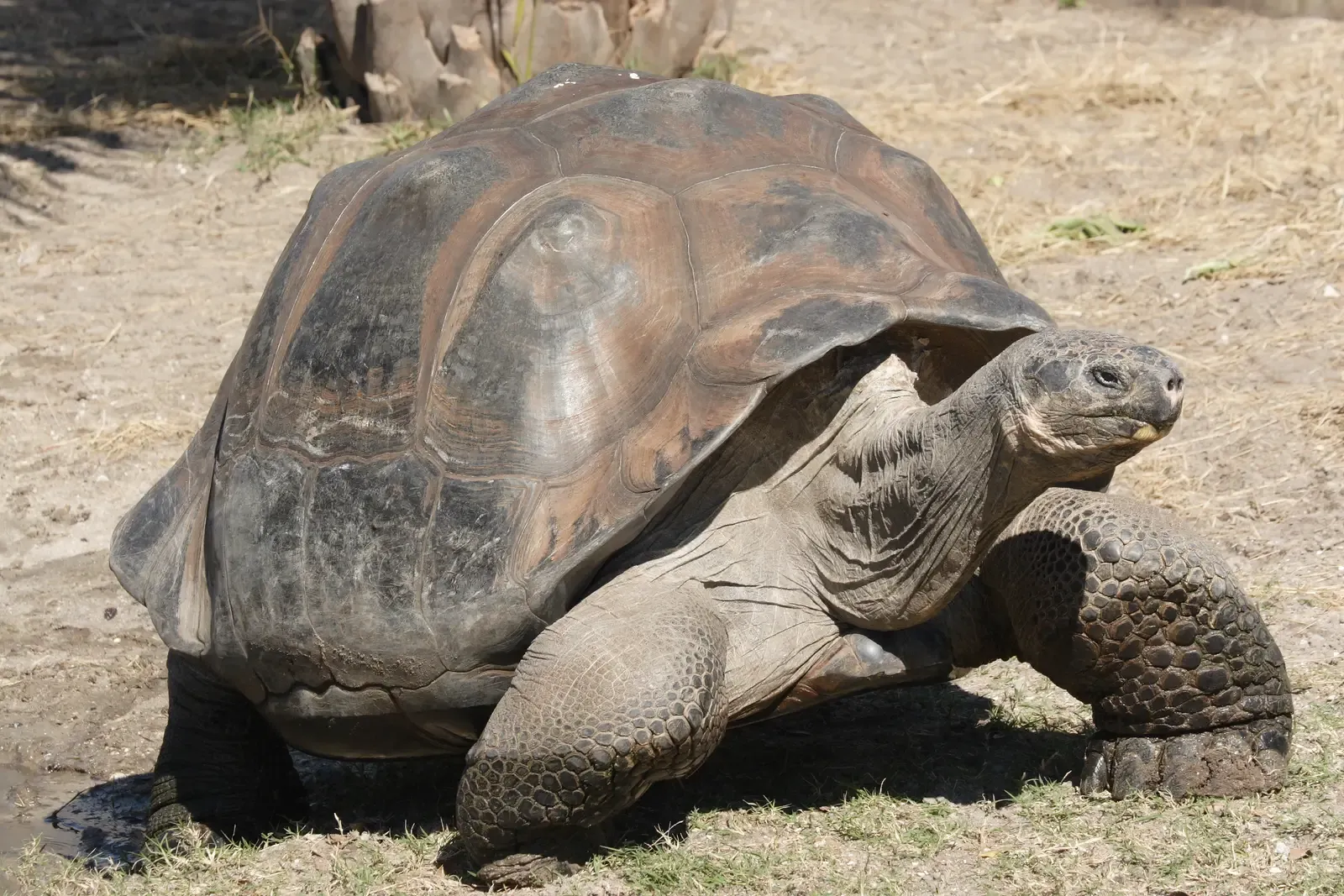
One female tortoise, discovered alone on a volcanic island, rewrote the extinction record for her entire species. The Fernandina giant tortoise’s last confirmed sighting was in 1906. For over a century it existed only as a single museum specimen, and the IUCN kept it flagged as possibly extinct as recently as 2017.
Then in 2019, researchers found a living female they named Fernanda, the first of her species confirmed in more than a hundred years. Genetic testing confirmed she was indeed a Fernandina tortoise, though she lacks the dramatic saddleback shell flare seen in the historical male specimen, possibly because her growth was stunted.
At a Glance: The Fernandina Giant Tortoise
- Last confirmed sighting before rediscovery: 1906
- Years presumed extinct: 113
- Rediscovered in 2019 as a single living female, later named Fernanda
- Identity confirmed through genetic testing against the original historical specimen
One lonely tortoise on an active volcano single-handedly reopened a case science had closed for generations. But the skink at #6 has an even stranger fossil-to-flesh story.
#6 – The Skink Known From Bones for 126 Years
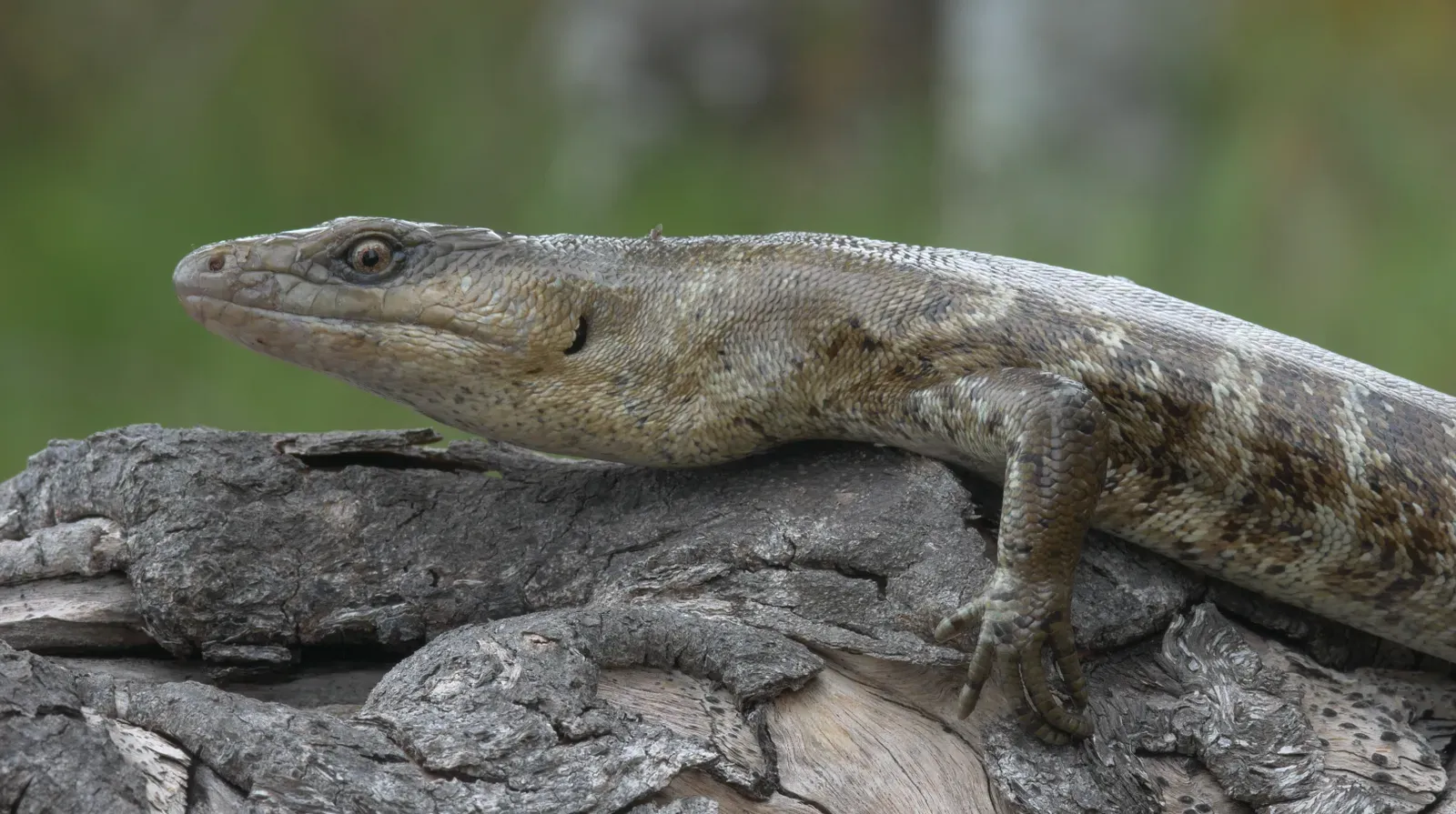
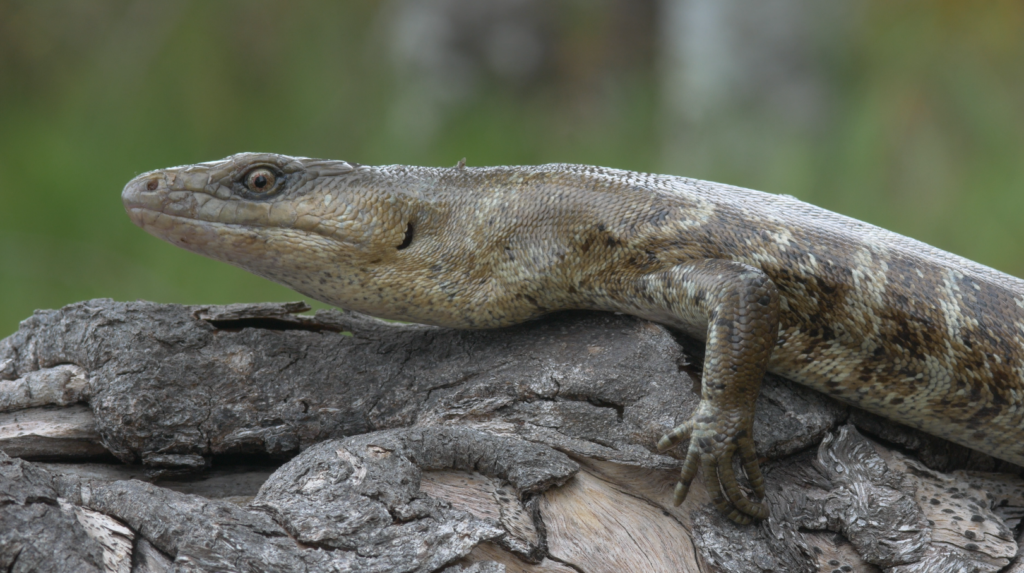
This reptile spent over a century existing only as fossilized fragments in a drawer, until it turned up alive and, frankly, terrifying. Fossil specimens were unearthed in 1867, and the animal was considered extinct until a live terror skink was found in New Caledonia in 1993. That’s 126 years of assumed extinction overturned by a single discovery.
The terror skink earns its name honestly, with sharp curved teeth built for an aggressively carnivorous lifestyle unusual among lizards its size. Sightings since then have remained maddeningly rare: another turned up in 2003, a few more in 2009 and 2013, and the last confirmed sighting was in 2018. A species can apparently survive undetected for well over a century on a single island chain, which raises uncomfortable questions about how many other “extinct” reptiles are simply excellent at hiding.
#5 – The Venomous Mammal Declared Extinct, Then Found Four Years Later
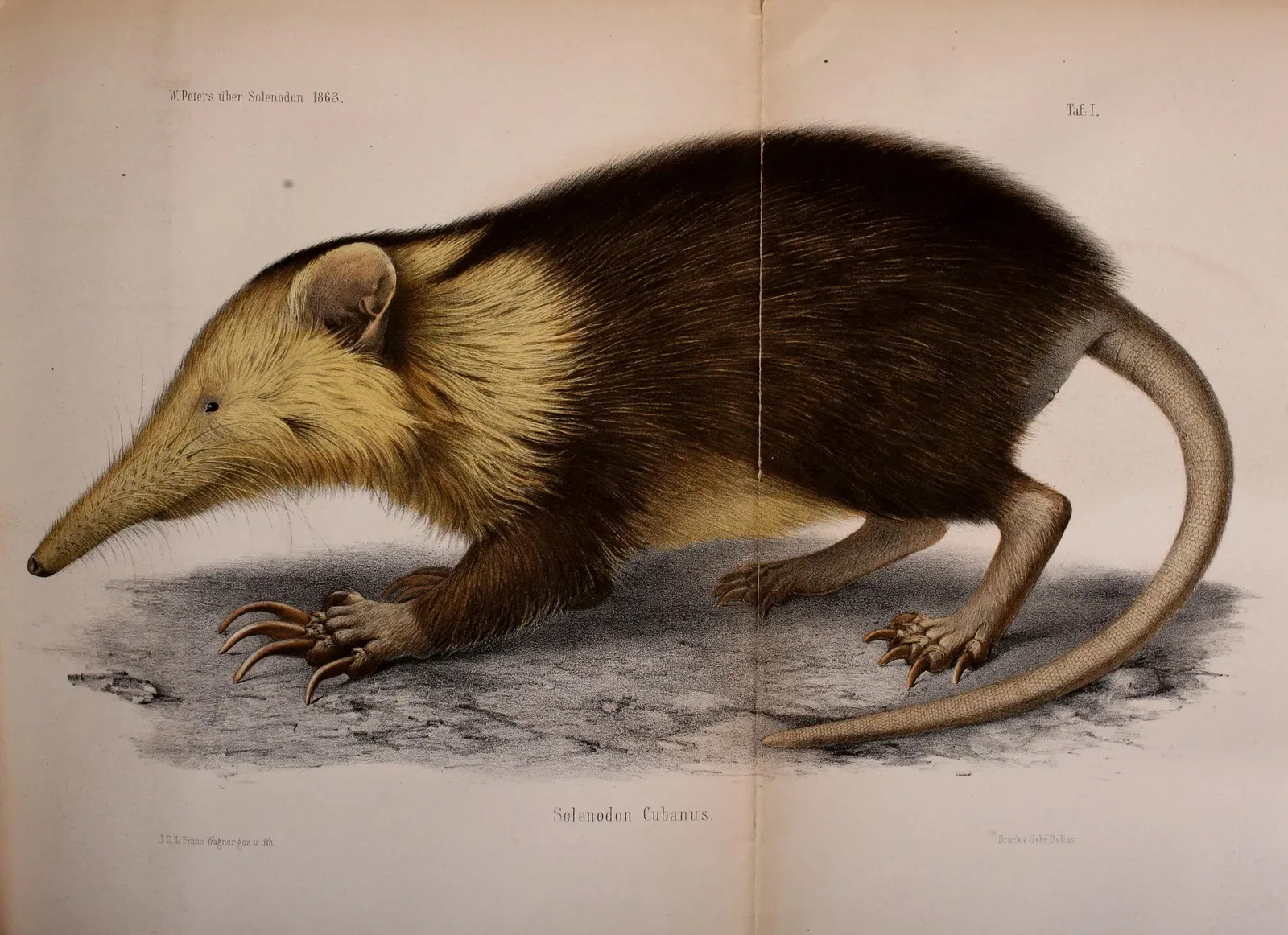
Rarely does science reverse an extinction call this quickly. Solenodons are nocturnal, shrew-like creatures with long quivering snouts and venomous saliva, one of only a handful of venomous mammals on Earth. By the 1960s, the Cuban solenodon’s population had crashed so badly that researchers genuinely debated whether any were left at all.
In 1970 they were officially declared extinct. Then, only four years later, in 1974, one individual turned up in a Cuban national park, reviving hope for the species almost overnight. Four years is an almost embarrassingly short window between “gone forever” and “actually, never mind.” It’s a sharp reminder that extinction declarations sometimes move faster than the biology justifies. But #4 involves a bird presumed dead for nearly three centuries.
#4 – The Seabird Presumed Gone for Almost 300 Years

Few reversals in natural history are as dramatic as this one. The Bermuda petrel, nicknamed the cahow, was hunted to apparent oblivion by seventeenth-century settlers and the rats and hogs they brought with them. For roughly three centuries it was assumed to be permanently gone from the planet.
Then in 1951, a small group of scientists refused to accept the old assumption and found 18 nesting pairs on remote, rocky islets, sparking one of the most intense seabird conservation efforts in history. These birds spend most of their lives far out at sea and only return to land to breed, which is exactly why they evaded detection for so long.
Quick Compare: How Long Each Species Was Presumed Extinct
- Cuban solenodon: about 4 years (1970-1974)
- Terror skink: 126 years (1867-1993)
- Fernandina tortoise: 113 years (1906-2019)
- Bermuda petrel: roughly 300 years (1600s-1951)
- Coelacanth: roughly 70 million years
Eighteen nesting pairs was the entire surviving global population of a species presumed extinct since before the United States existed. Some conservationists still argue this recovery is more fragile than the headlines suggest; one bad hurricane season on those tiny islets could undo seventy years of work.
#3 – The Parrot That Hid From Humanity for a Full Century
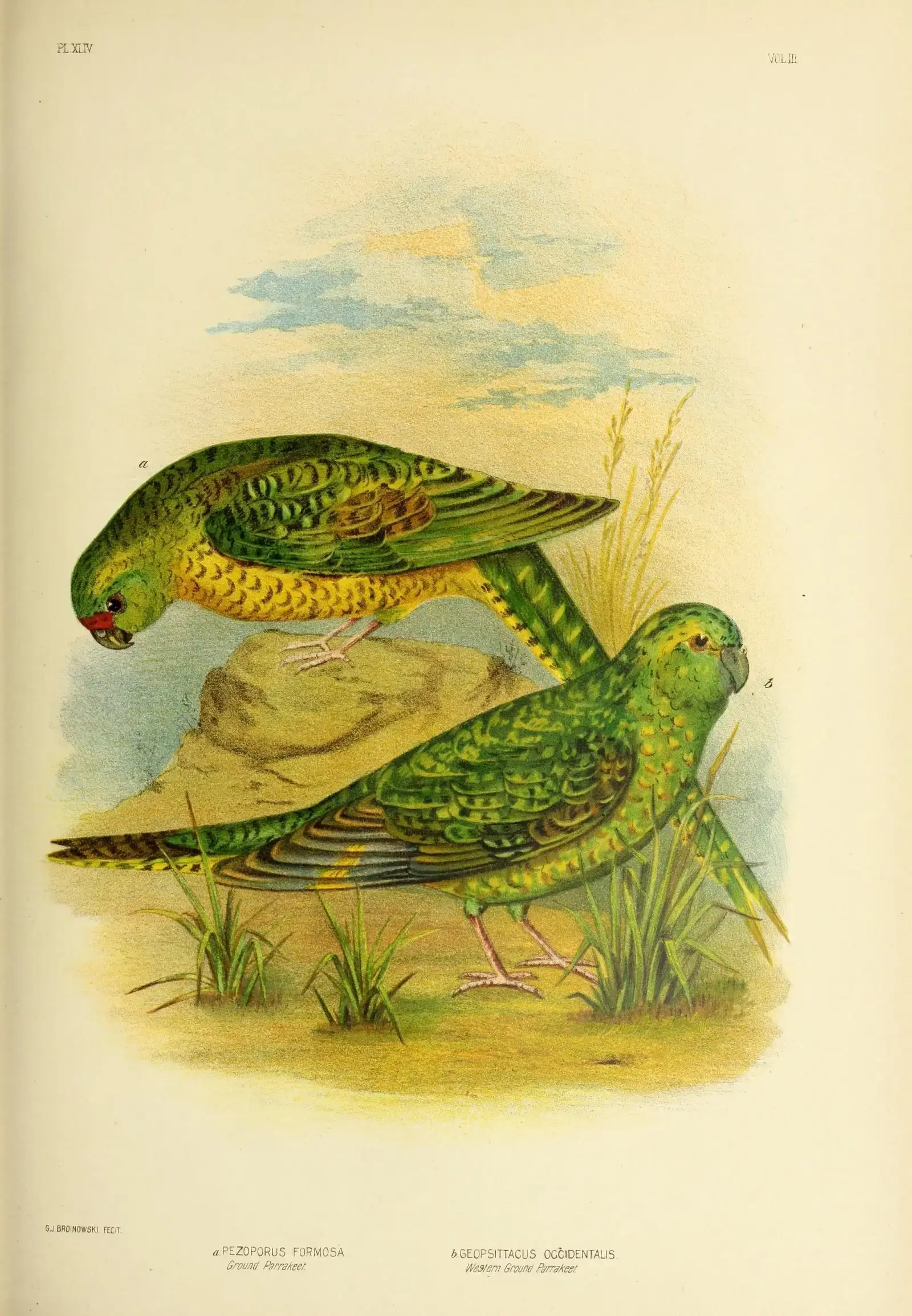
This bird evaded every camera, trap, and search party for exactly one hundred years, and its rediscovery still reads like fiction. The last confirmed live Night Parrot was collected in Australia in 1912, back when the outback still ran on camel trains. Occasional dead specimens turned up along roadsides over the following decades, teasing researchers without ever confirming a living population.
Naturalist John Young spent 15 years chasing the bird and was finally rewarded in 2013 when he photographed a live Night Parrot, exactly one century after the last confirmed record. The reaction from the ornithology world was immediate and stunned.
The equivalent of finding Elvis flipping burgers in an outback roadhouse.
Sean Dooley, BirdLife Australia
Conservationists have stayed unusually secretive ever since; the exact location of the population is kept confidential to protect it from poachers and overeager tourists. It’s a defensible call, but it also means outside researchers have almost no way to verify how the population is really doing. But nothing on this list beats the political drama surrounding #2.
#2 – The Flightless Bird Declared Extinct, Then Found Alive Twice
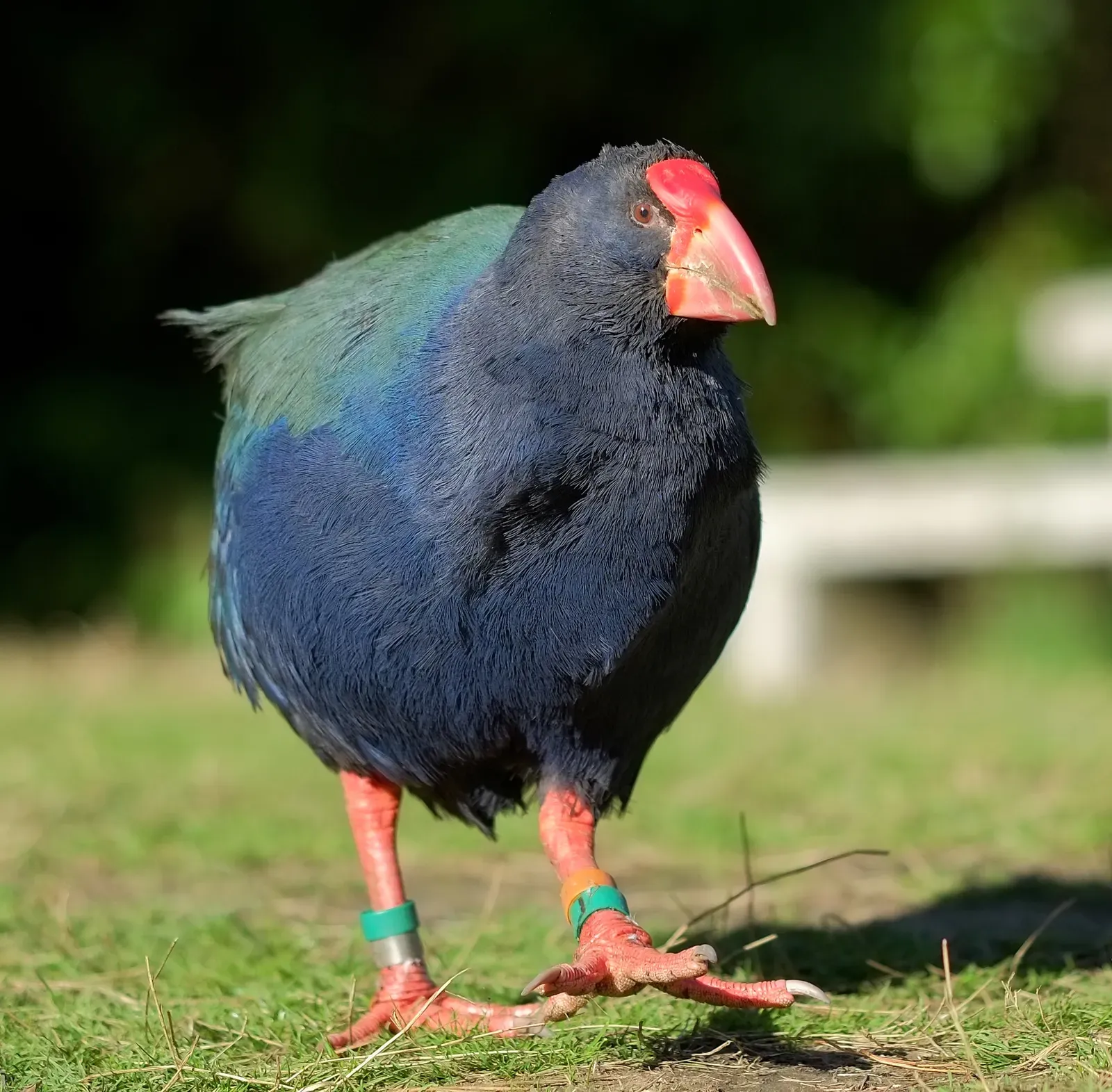
This bird didn’t just come back from extinction once; its story includes two separate declarations of doom. The takahē, a chunky flightless relative of the swamphen, was declared extinct in 1898. For fifty years that verdict stood unchallenged, until one determined physician refused to accept it.
Geoffrey Orbell had a hunch that takahē might survive near a remote alpine lake in Fiordland, now named Lake Orbell in his honor. On November 20, 1948, he and three companions found the elusive bird alive. The recovery since then has been one of conservation’s genuine success stories: as of 2024, the total population sits around 528 birds, grown from a tiny cluster of survivors clinging to remote tussock grasslands. A bird twice pronounced extinct by the same scientific establishment is now walking around New Zealand nature reserves, which should embarrass exactly the people who wrote its obituary. Still, none of that compares to the granddaddy of all Lazarus species at #1.
#1 – The “Living Fossil” That Outlived the Dinosaurs on Paper
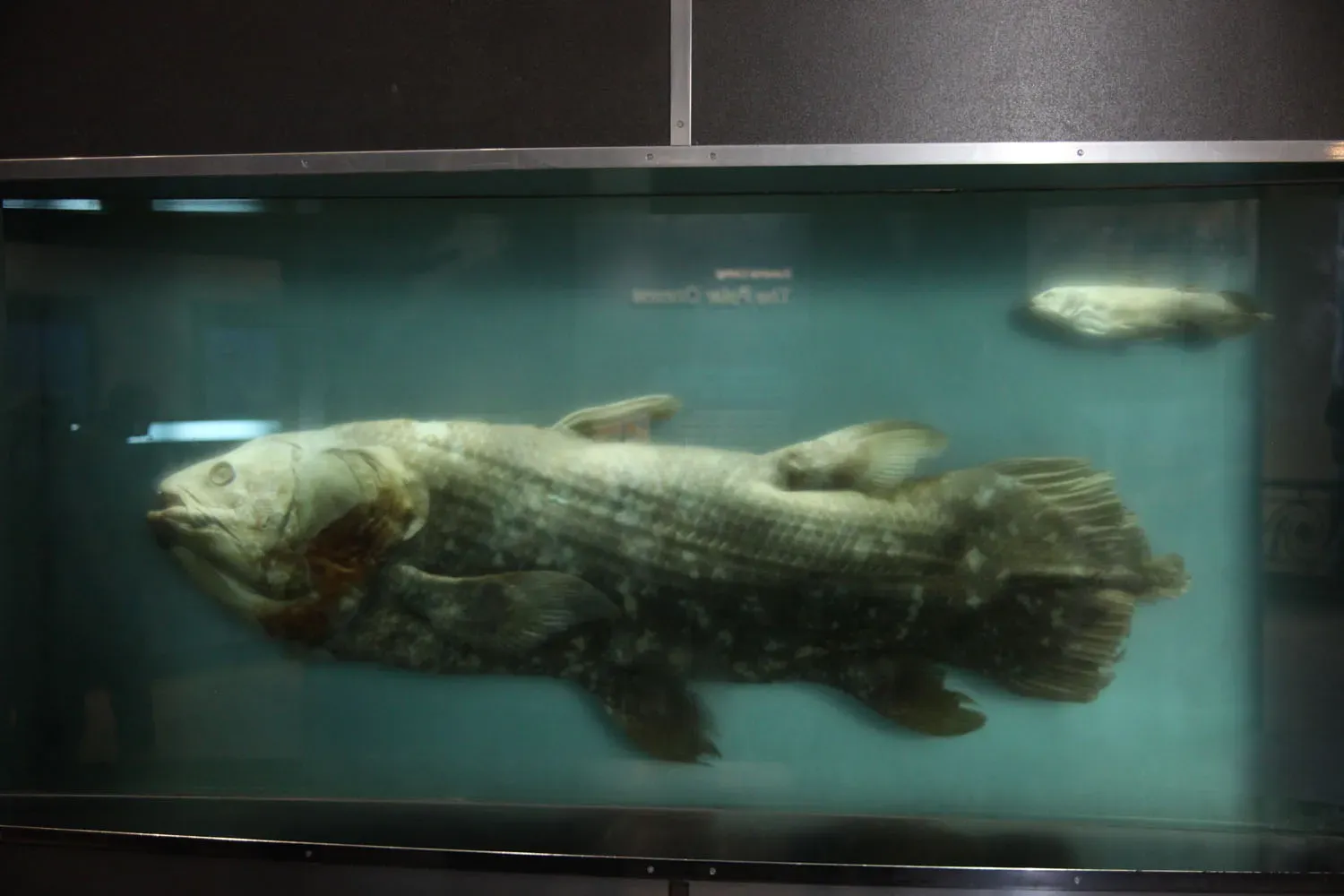
No animal on Earth has humiliated the concept of extinction quite like this one. The coelacanth was believed extinct for roughly 70 million years, confidently filed away alongside the dinosaurs in generations of textbooks. This wasn’t a narrow window of doubt; it was treated as settled paleontological fact.
Then on December 22, 1938, South African museum curator Marjorie Courtenay-Latimer was sorting through a fishing trawler’s catch and spotted something impossible: a living coelacanth. The story didn’t even end there. A second, genetically distinct species turned up in Indonesia in 1997, and scientists are still learning about the fish’s range and biology today.
Why It Stands Out
- Belongs to an ancient lobe-finned fish lineage closely related to the ancestors of land vertebrates
- Lives in deep, dark coastal waters rather than shallow reefs, which helped it avoid detection for so long
- Known today from two distinct living species: one off the African coast, one near Indonesia
- Still considered one of the most studied “living fossils” in modern marine biology
A creature confidently declared extinct for 70 million years turned out to have not one, but two living species swimming around undetected. If any animal proves that “extinct” should always come with an asterisk, it’s this one.
What Lazarus Species Reveal About Conservation
The pattern across all eleven of these cases is uncomfortably consistent: extinction declarations were made based on the absence of searching, not the absence of animals. Remote habitats, nocturnal behavior, and low population density repeatedly fooled generations of trained scientists using the best tools available at the time.
This matters beyond trivia value. Every species rediscovered decades after its supposed extinction is a species that spent those years without conservation funding, habitat protection, or research attention, precious time it may not have had to spare. Premature extinction declarations may be doing as much damage as the original threats, by convincing governments and donors that a problem is already solved when it very much is not.
The Bottom Line
Science doesn’t get extinction wrong because it’s careless. It gets it wrong because nature is better at hiding than humans are at searching. From a fish presumed gone for 70 million years to a bird declared extinct twice in fifty years, these eleven cases prove that “extinct” is often shorthand for “we stopped looking.”
The uncomfortable truth is that conservation funding still treats extinction as a permanent, unappealable verdict, even though history keeps proving otherwise. Maybe the real lesson here isn’t celebration, it’s an indictment of how quickly we give up the search. Which of these rediscoveries shocked you the most, and which “extinct” animal do you secretly think is still out there somewhere? Drop your theory in the comments.