
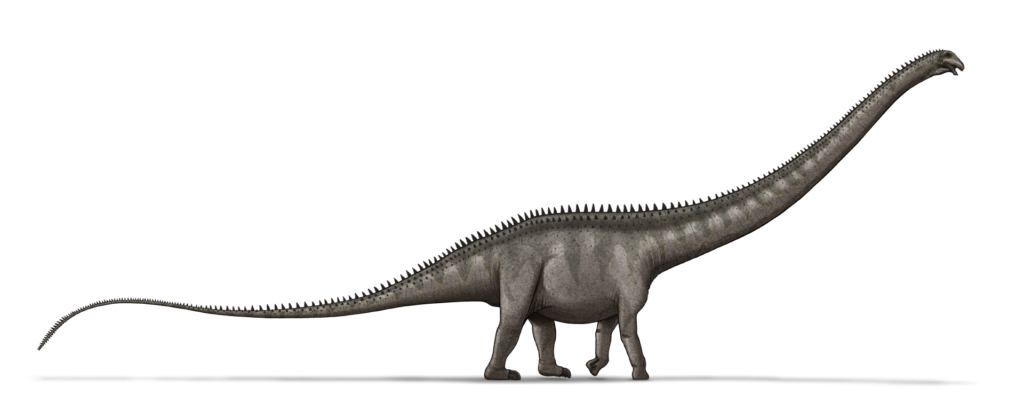
Most people assume naming a dinosaur is simple: find the bones, pick a name, done forever. That assumption is wrong more often than you’d think. For over a century, rival scientists raced to publish first, sometimes describing the very same animal twice under two completely different names before anyone caught the overlap.
Juvenile skeletons got mistaken for brand-new species. A pile of mismatched bones from two different animals got glued together into one “record-breaking” fake. Decades later, sharper eyes and better fossils quietly folded these imaginary creatures back into the single animal they always were. Twenty of the biggest identity mix-ups in paleontology are below, and a few of them are still being argued about right now.
#20 – Stegosaurus Had a Secret Twin Called Diracodon
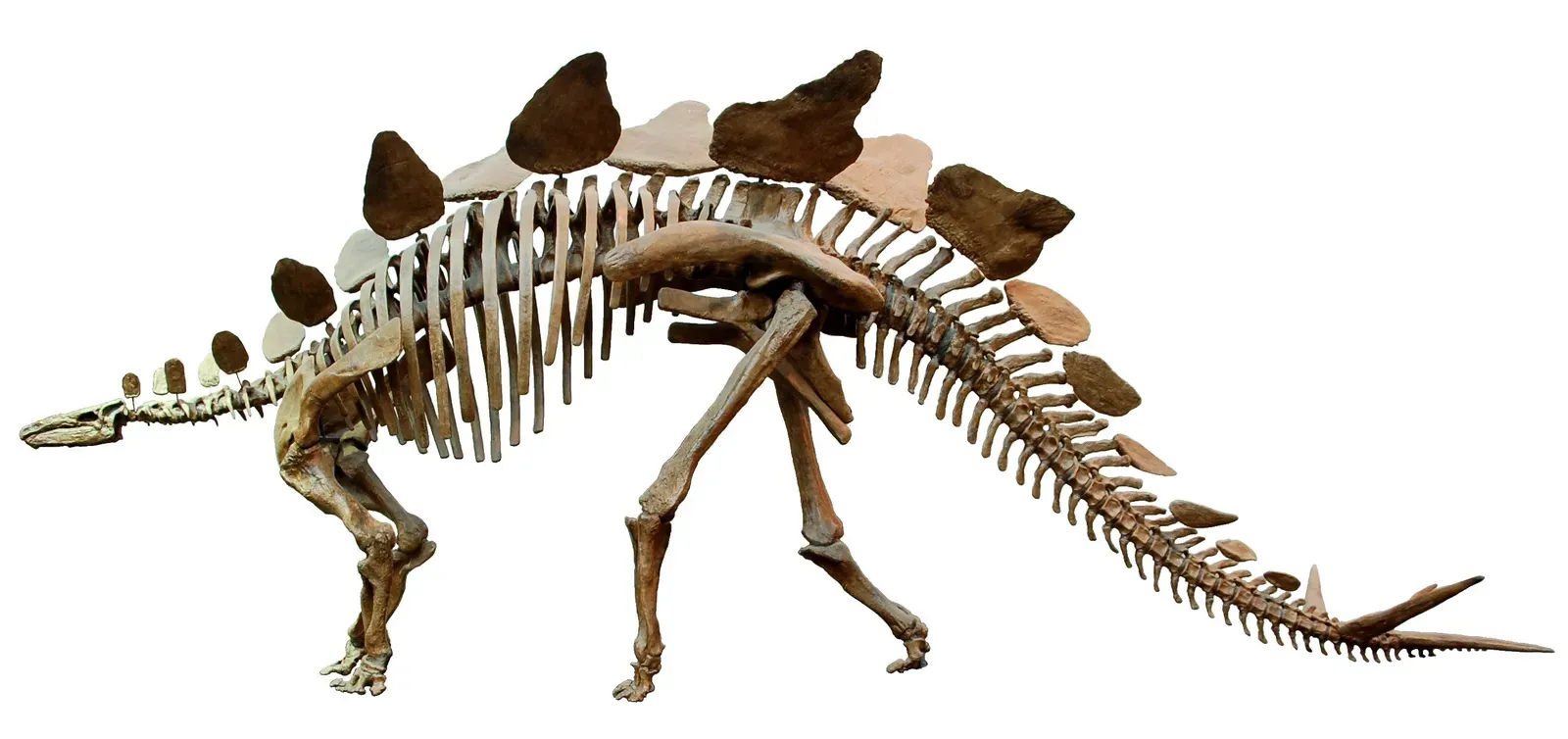
Othniel Charles Marsh named the same armored dinosaur twice within a single year and nobody caught it for decades.
During the height of the Bone Wars, scientists were under enormous pressure to publish first, name fastest, and claim credit before a rival could. Marsh described Diracodon laticeps from a handful of jaw fragments in 1881, treating it as a completely separate plated dinosaur from the Stegosaurus he’d already named. The two “species” were later found to be based on essentially identical anatomy, just described from different pieces of the same animal type.
Paleontologists eventually folded Diracodon into Stegosaurus as a junior synonym, meaning the name simply vanished from active use once the overlap became obvious. This happened constantly during the frantic fossil-naming era of the late 1800s, when speed mattered more than double-checking.
- Marsh named dozens of dinosaur genera in a single decade
- Many were later quietly absorbed into more complete, better-known species
#19 – Camarasaurus Absorbed an Entire “Different” Sauropod Named Morosaurus
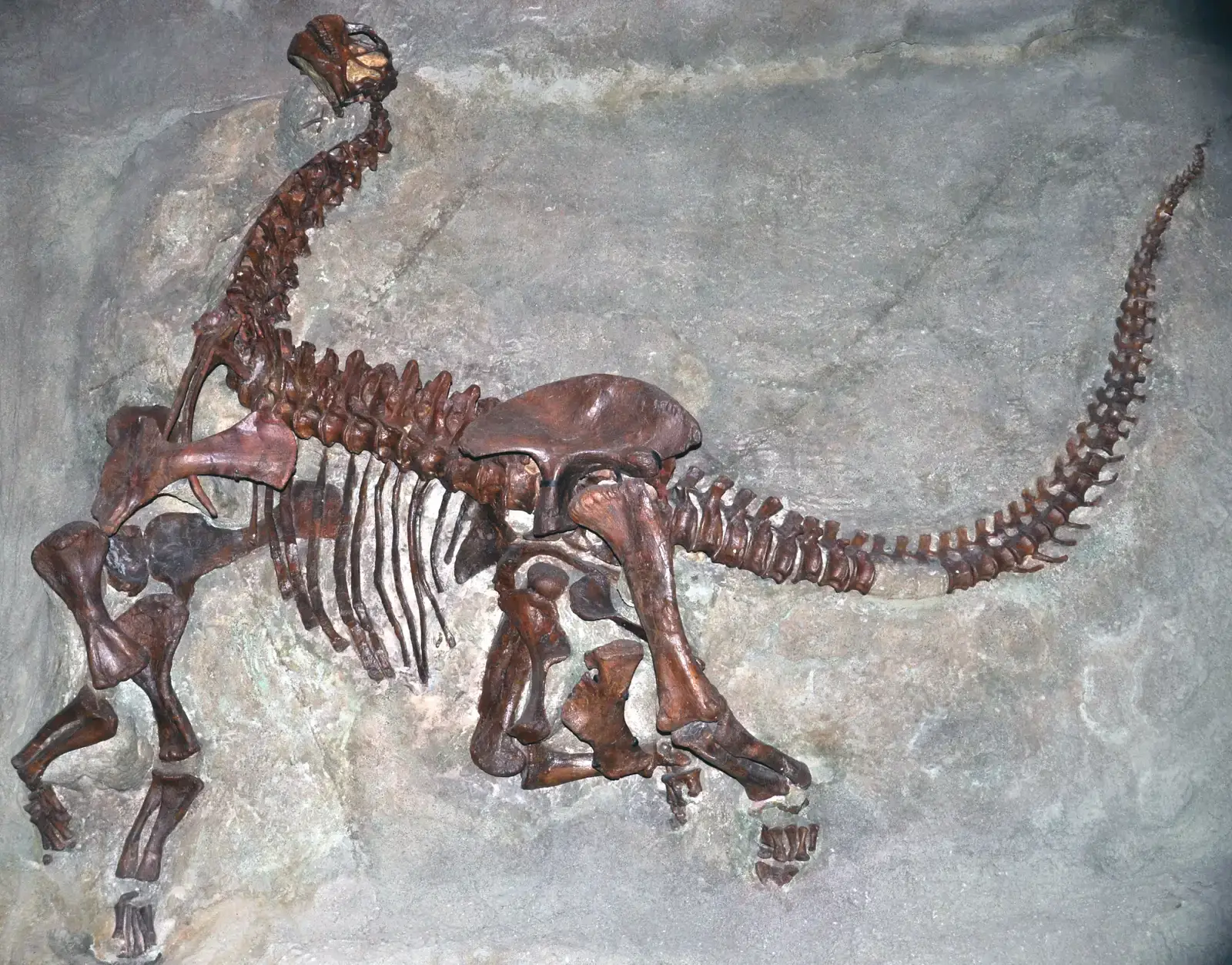
A giant long-necked plant-eater spent years living a double life under two separate genus names.
Morosaurus was named in 1877 based on sauropod remains that looked, at the time, distinct enough from Camarasaurus to warrant their own genus. For years, museum labels and textbooks treated them as cousins rather than the same creature. Closer comparison of skulls and vertebrae eventually revealed the “differences” were really just individual variation and incomplete preservation, not separate species.
Once the overlap was confirmed, Morosaurus was folded entirely into Camarasaurus, the more complete and better-documented name. This kind of quiet merger happened so often during the sauropod naming boom that some paleontologists jokingly call the Morrison Formation fossil beds a “wastebasket” of duplicate names waiting to be cleaned out. Camarasaurus remains one of the most common Jurassic sauropods known from complete skeletons today, ironically because so many of its “relatives” turned out to just be more of itself.
#18 – Iguanodon Used to Be a Dumping Ground for Random Teeth
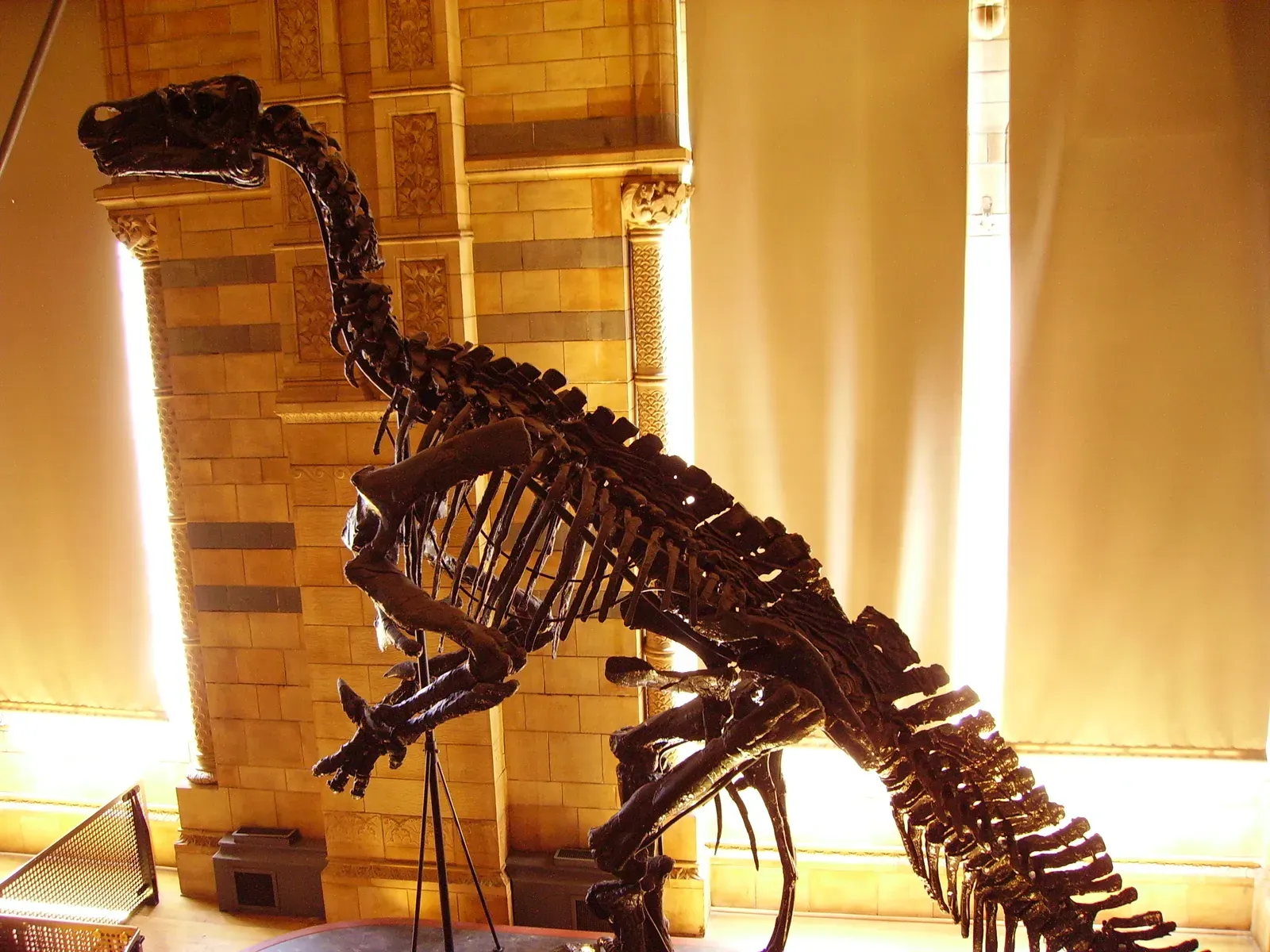
One of the very first dinosaurs ever named eventually had to be stripped of nearly a dozen “species” that didn’t actually belong to it.
Iguanodon was named in 1825 from a few teeth, decades before anyone understood dinosaur anatomy well enough to compare specimens properly. Over the following century, scientists kept assigning new fossil teeth and bone fragments found across Europe to Iguanodon species, simply because nothing better existed to compare them against. Many of these “species” were later shown to be entirely different animals, or duplicates of ones already named.
Modern reviews have trimmed the Iguanodon species list dramatically, reassigning old material to newer genera once actual comparative skeletons became available. This happened because early paleontology had no reliable playbook – everyone was inventing the rules of dinosaur classification as they went, and teeth alone simply aren’t enough evidence to build a species on.
Fast Facts
- Named in 1825 by Gideon Mantell, making Iguanodon only the second dinosaur ever formally described
- The genus name means “iguana tooth,” based on teeth Mantell thought resembled an iguana’s
- More than 20 species were eventually assigned to Iguanodon before modern reviews trimmed the list
- Most of that leftover material has since been reassigned to newer, better-supported genera
#17 – Coelophysis Briefly Lost Its Own Name to a Newer Discovery
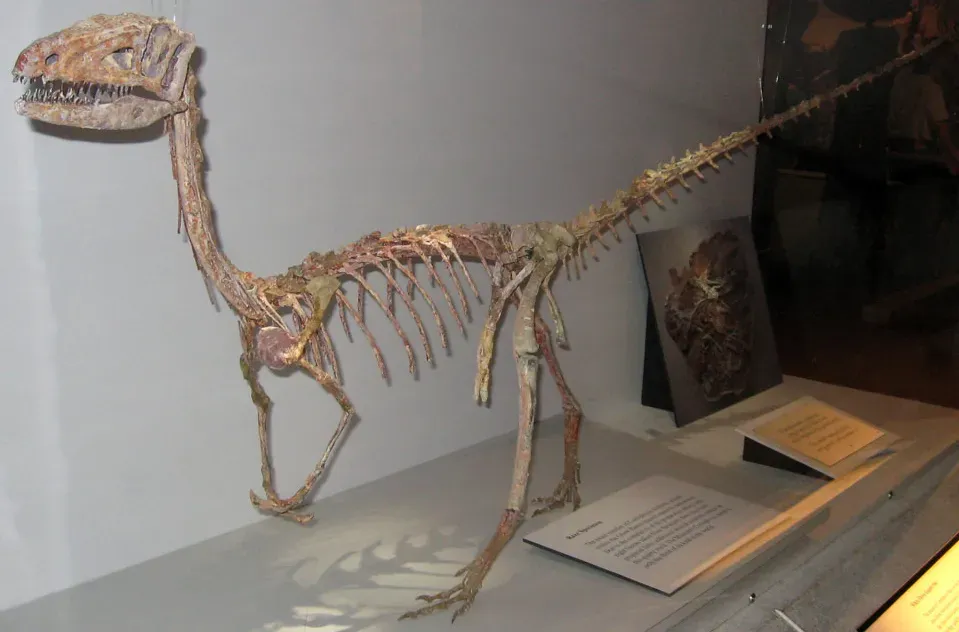
A classic Triassic predator got renamed after scientists realized the original specimen was too damaged to officially represent the species.
For a stretch of paleontological history, researchers proposed the name Rioarribasaurus for New Mexico’s famous small theropod dinosaur, arguing that the original Coelophysis holotype was too poorly preserved to serve as the species’ scientific anchor. This is a rare taxonomic problem: an animal’s name survives just fine in public use, but the actual specimen tied to that name legally isn’t good enough evidence anymore.
Petitions were filed with the international body governing animal names, and a much more complete, better-preserved skeleton was eventually designated to permanently anchor the name Coelophysis going forward. The proposed replacement name Rioarribasaurus was ultimately suppressed, and the dinosaur kept its original, far more famous identity. It’s proof that sometimes the fix for a naming mess isn’t merging two animals – it’s saving one name from a technicality.
#16 – Edmontosaurus Ate Its Own “Mummy” Cousin, Anatotitan
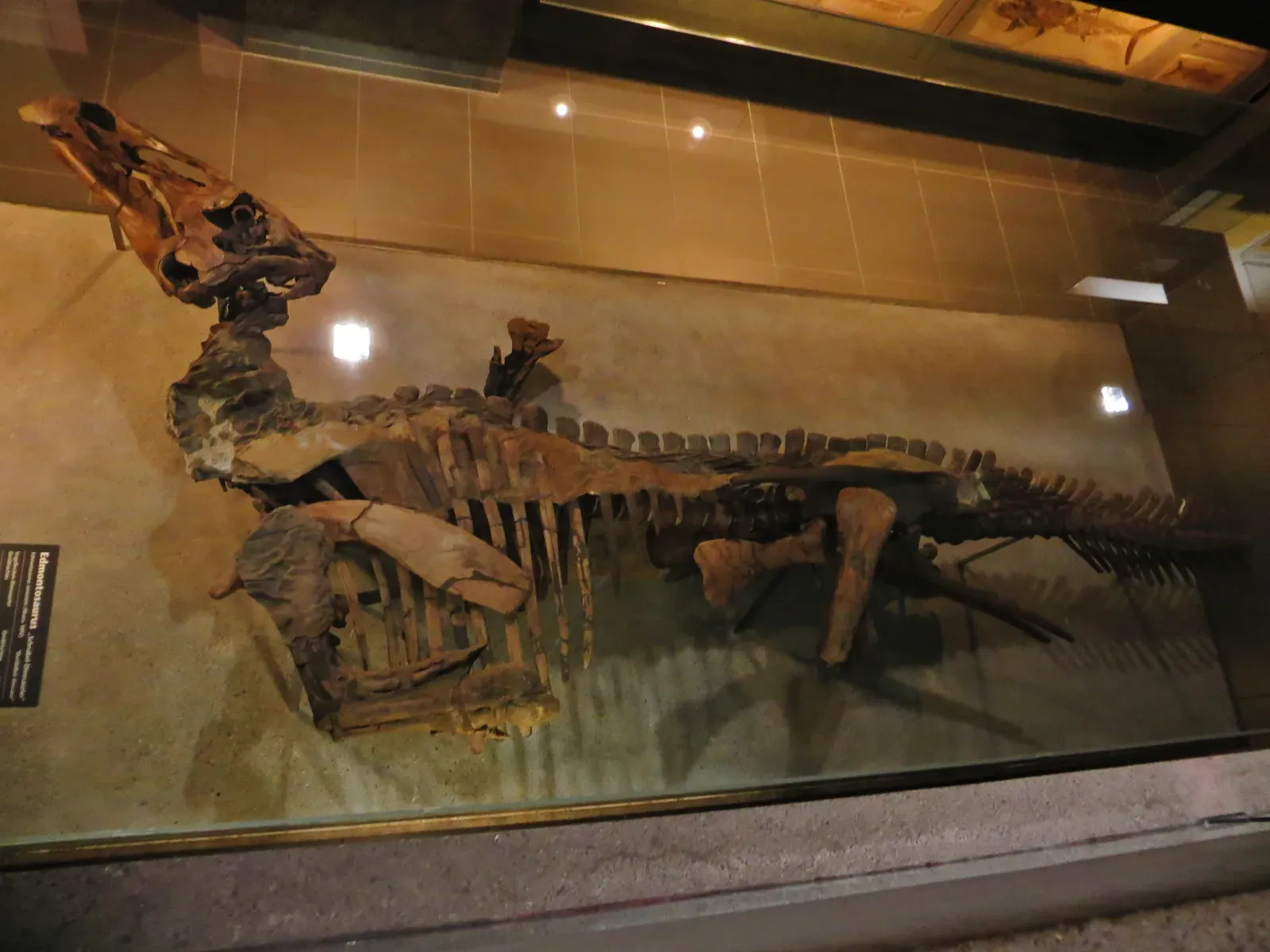
A spectacularly preserved duck-billed dinosaur mummy was once considered its own separate genus, purely because of its unusually long, flat skull.
Anatotitan copei was named in the 1990s based on skeletons with notably elongated, low skulls, distinct enough from typical Edmontosaurus remains that scientists initially split them apart. Some of the Anatotitan material even included naturally mummified skin impressions, making it one of the most famous “species” in duck-billed dinosaur history for years.
Later analysis revealed the skull differences were simply age-related growth changes, not a separate species at all – younger and older Edmontosaurus individuals had noticeably different head shapes as they matured. Once growth series studies compared multiple specimens side by side, Anatotitan was reclassified as a growth stage of Edmontosaurus annectens, folding one of paleontology’s most photogenic “mummy dinosaurs” back into an animal science already knew well.
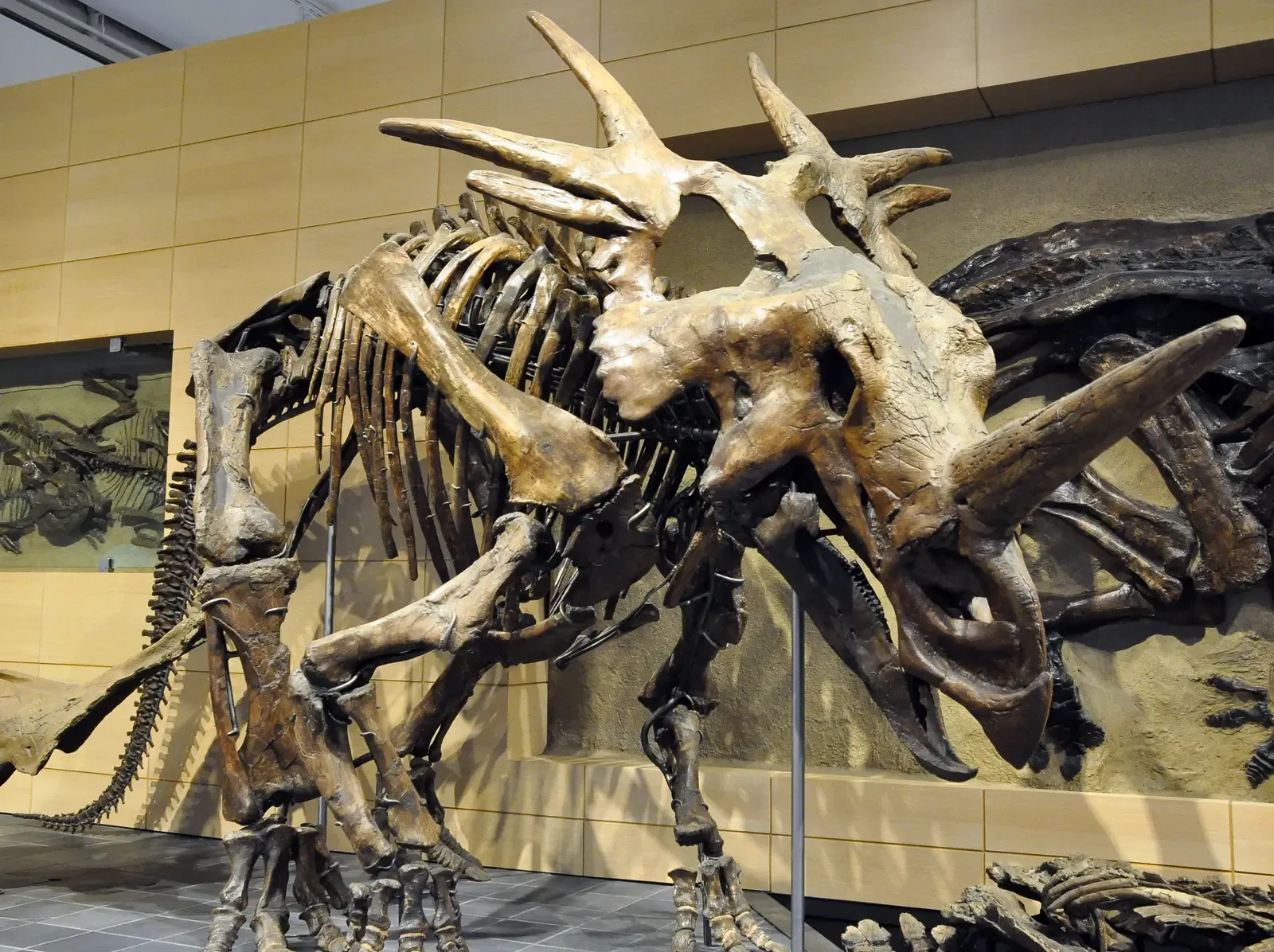
#15 – Triceratops and Torosaurus Might Secretly Be the Same Dinosaur
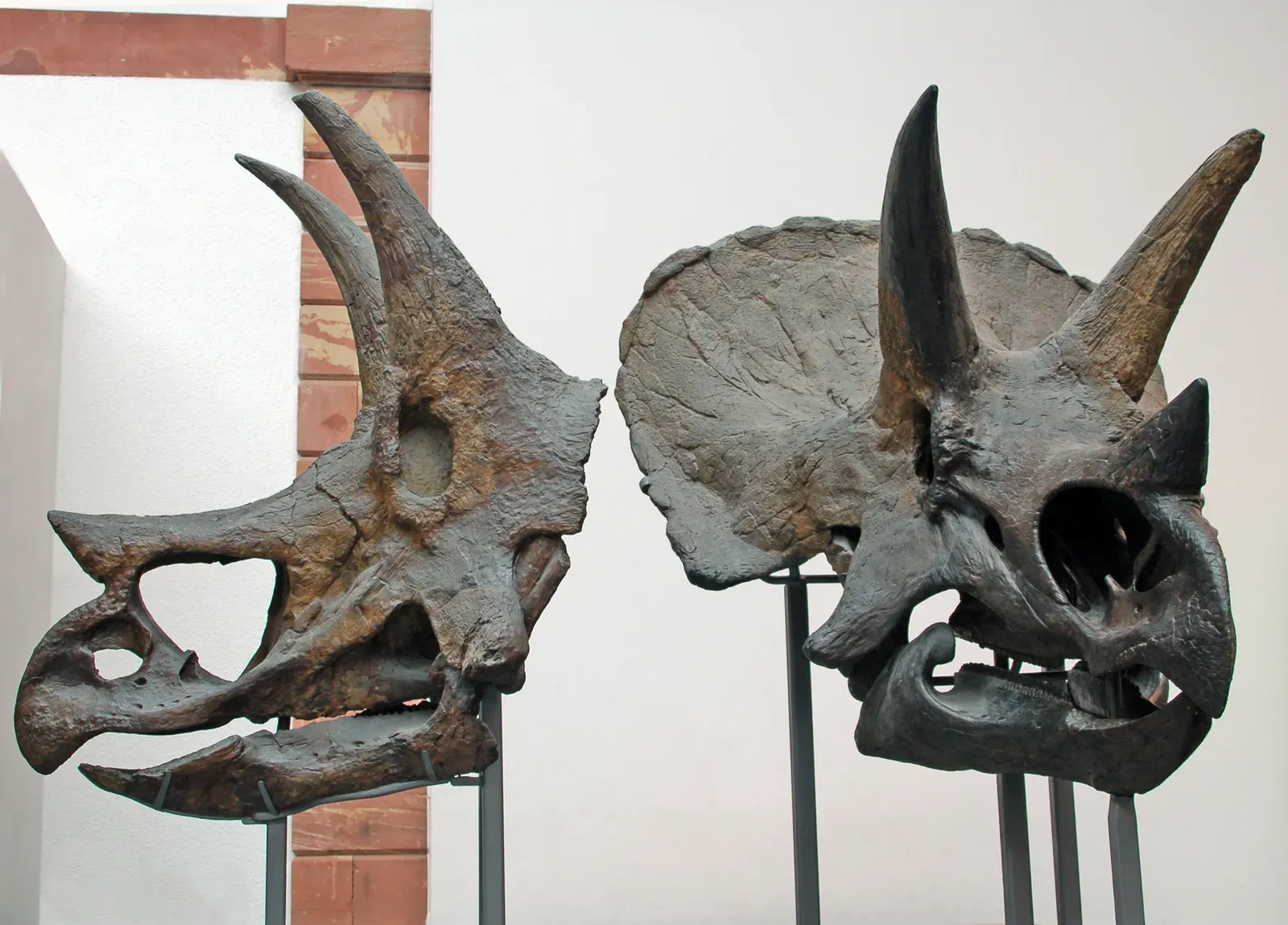
One of the most heated arguments in modern dinosaur science claims that a beloved “different” horned dinosaur is actually just old Triceratops.
Torosaurus has long been recognized by its enormous frill with two large holes, compared to the solid frill of Triceratops. A controversial hypothesis proposed that Torosaurus skulls actually represent fully mature Triceratops individuals, with the frill thinning and developing holes only late in an animal’s life as bone remodeled with age.
This idea remains genuinely contested among paleontologists, unlike some of the other mergers on this list which are settled science. Many researchers argue the skull differences are too consistent and too early-appearing to represent simple aging, while others maintain the growth-series evidence is compelling. It’s a rare case where “two animals became one” is still an open, actively-debated question rather than a closed chapter.
#14 – Giant Elephant Birds Were Named as Multiple Species That Turned Out to Overlap
![#14 - Giant Elephant Birds Were Named as Multiple Species That Turned Out to Overlap (By Monnier, Drow male, Ryan Somma, Roger Fenton, [1], Goupil & Cie and Samuel Glendening Payne, CC BY-SA 2.0)](https://nvmwebsites-budwg5g9avh3epea.z03.azurefd.net/dinoworld/b0b84cc6f6a4149dc3f239fcc45d3277.webp)
Madagascar’s extinct ten-foot-tall flightless birds were split into far more “species” than the fossil evidence could actually support.
Nineteenth-century naturalists described elephant bird remains under a scattering of different species names, largely based on egg size, bone thickness, and incomplete skeletal fragments collected from scattered sites across Madagascar. Because so few complete skeletons existed and specimens varied naturally by sex, age, and individual size, researchers kept assigning new names to what were likely the same handful of species.
Later taxonomic reviews consolidated many of these named “species” together, recognizing that natural variation within a population had been mistaken for distinct biological species. This pattern echoes across nearly every extinct megafauna group studied before modern statistical comparison methods existed – early scientists simply didn’t have the tools to separate individual variation from genuine species differences.
#13 – The American Mastodon Went Through Multiple Identity Crises Before Getting One Name
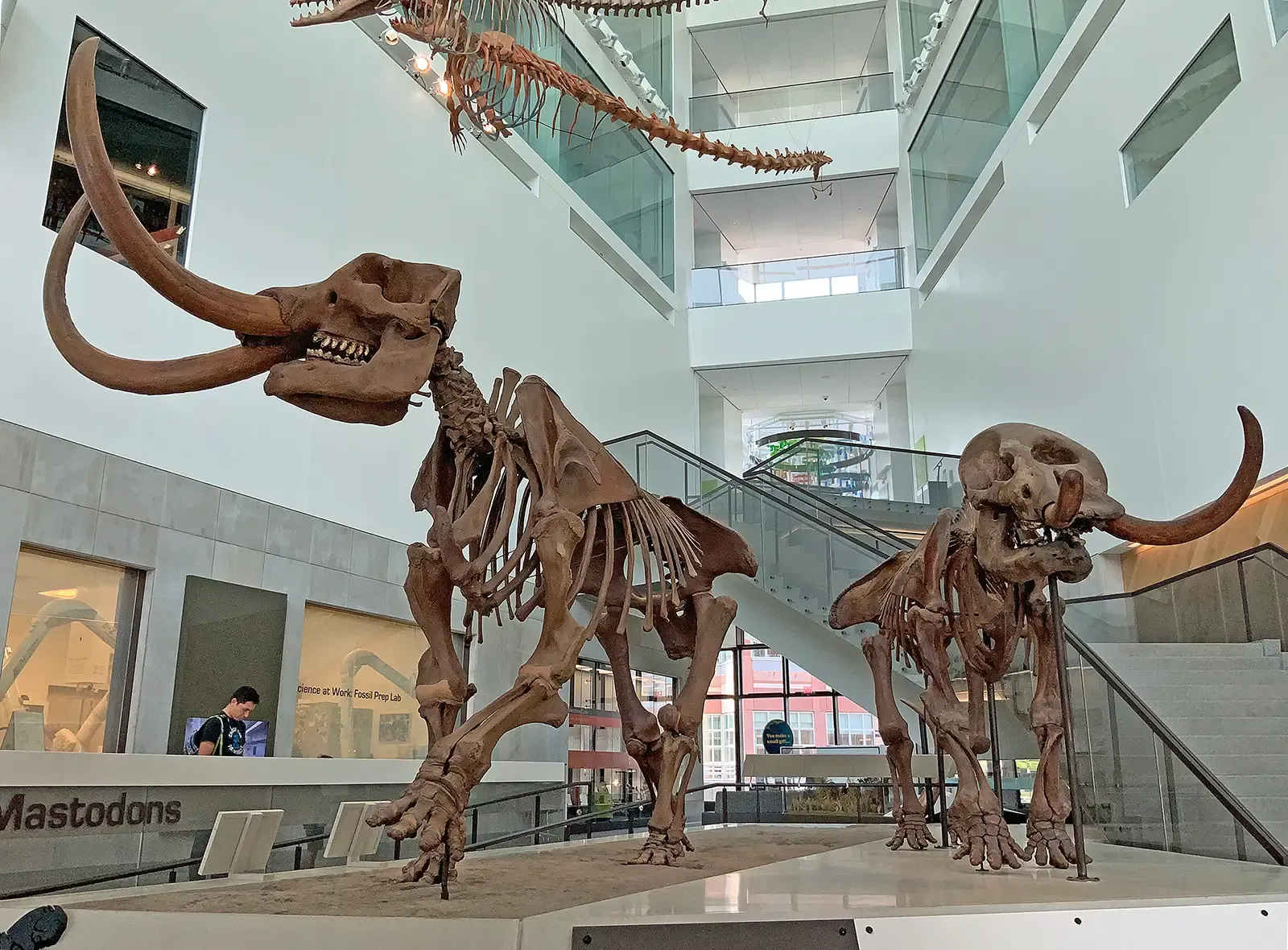
Long before “mastodon” became a household word, early American naturalists genuinely didn’t know if they were looking at one animal or several.
Huge tusked bones unearthed across colonial America in the 1700s and 1800s were described under a variety of names as different specimens turned up in different states, long before scientists agreed these all belonged to a single species. Early describers lacked reference skeletons for comparison, so isolated teeth, tusks, and leg bones were sometimes treated as evidence of entirely separate giant creatures.
Eventually, comparative anatomy consolidated the scattered mastodon finds into the single species now known as the American mastodon, distinguishing it clearly from the woolly mammoth it was frequently confused with in early museum displays. This early confusion actually helped establish extinction itself as a real scientific concept, since reconciling all these bones required accepting that entire species could vanish.
#12 – Woolly Mammoths Were Named Under Several Different Labels Before Unification
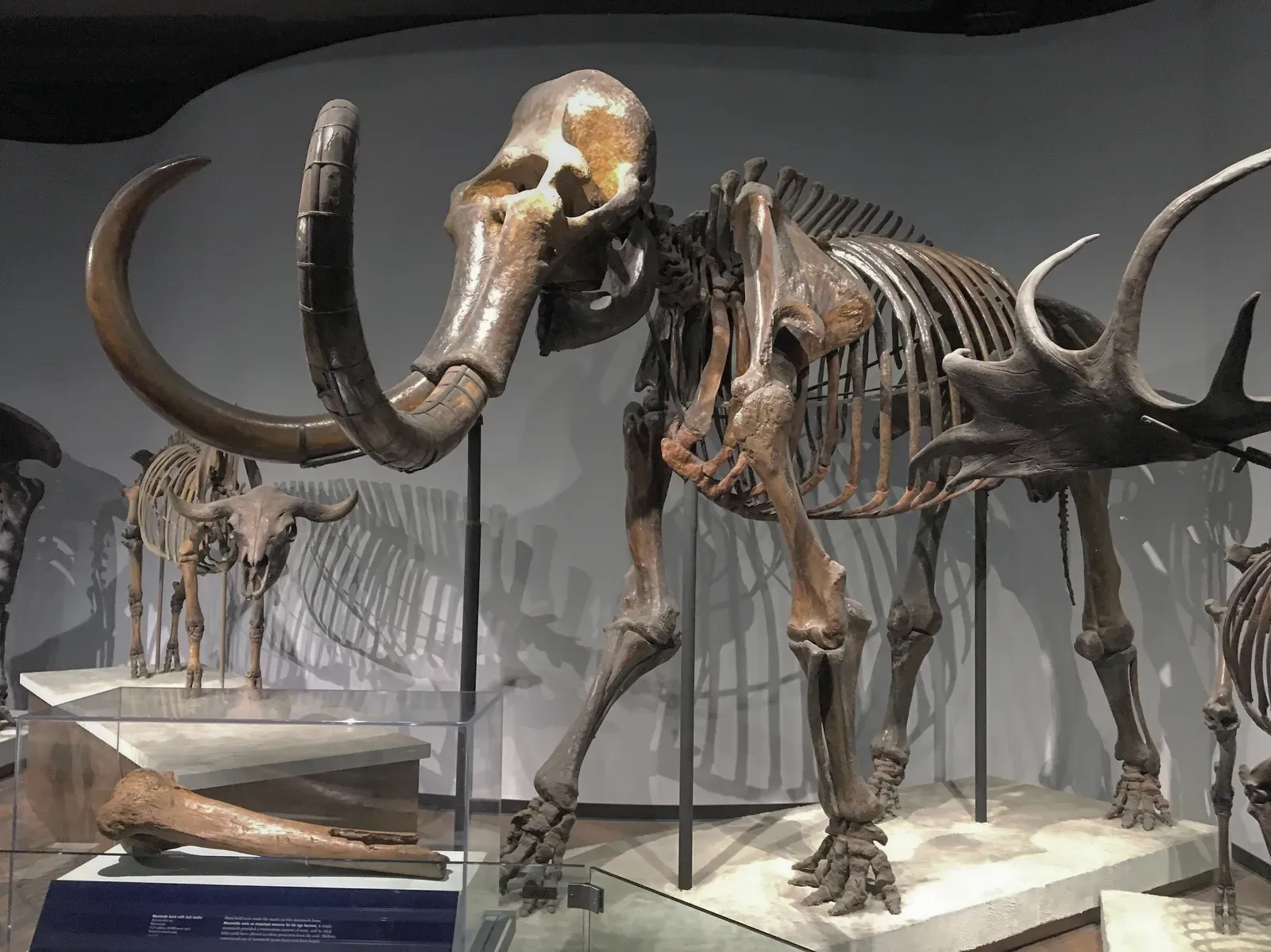
The most famous Ice Age animal on Earth almost ended up split across multiple competing scientific names.
As frozen mammoth carcasses and bones turned up across Siberia and Europe throughout the 18th and 19th centuries, naturalists working without shared international records sometimes assigned new names to specimens that varied only because of natural differences in tusk curvature, body size, or preservation quality. Male and female mammoths, along with individuals of different ages, show real anatomical variation that could easily be mistaken for separate species by researchers working in isolation.
Modern taxonomy consolidated the confusion into a single accepted species, Mammuthus primigenius, once skeletal comparisons and later genetic studies confirmed the population-wide variation. It’s a humbling reminder that even the world’s most iconic extinct animal wasn’t immune to the same naming chaos that plagued dinosaurs.
#11 – Basilosaurus the “Sea Reptile” Was Secretly the Same Fossil as Zeuglodon
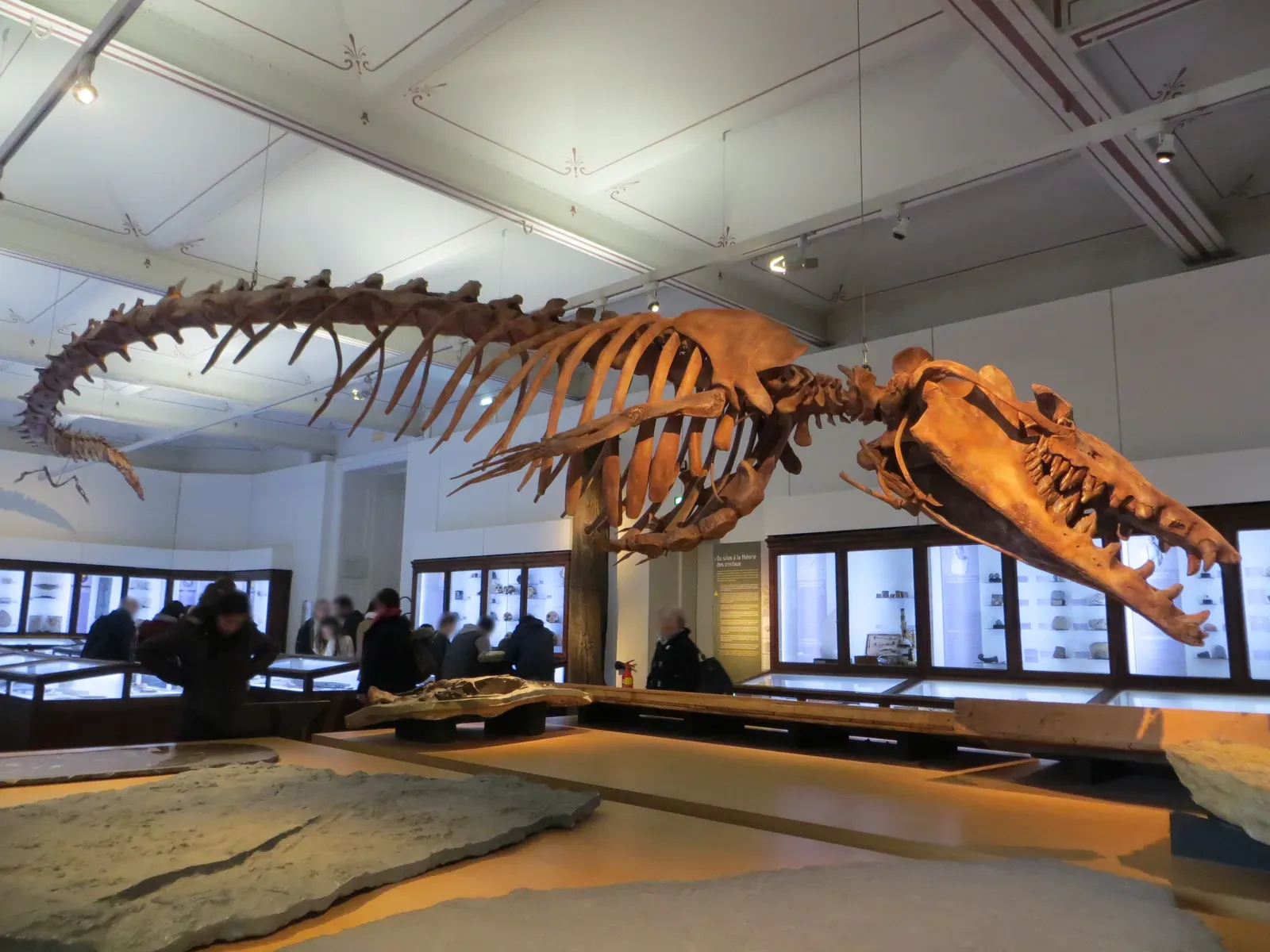
An ancient whale was named twice under two totally different scientific philosophies before anyone realized their mistake.
When massive serpentine bones were first unearthed in the American South in the 1830s, they were initially assumed to belong to a giant marine reptile and named Basilosaurus, meaning “king lizard.” Other naturalists working with similar remains around the same period proposed the name Zeuglodon instead, based on the animal’s distinctively yoke-shaped teeth, believing they’d found something different entirely.
Later study proved both names described the very same ancient whale, not a reptile at all, and by the strict rules of scientific naming priority, the older name Basilosaurus stuck permanently even after everyone agreed the “lizard” label was a mistake. Scientists to this day acknowledge the name is technically wrong, since it’s a mammal, but naming rules don’t allow do-overs once a name is published first.
#10 – Archaeopteryx Was Named Under at Least Five Different Genus Titles
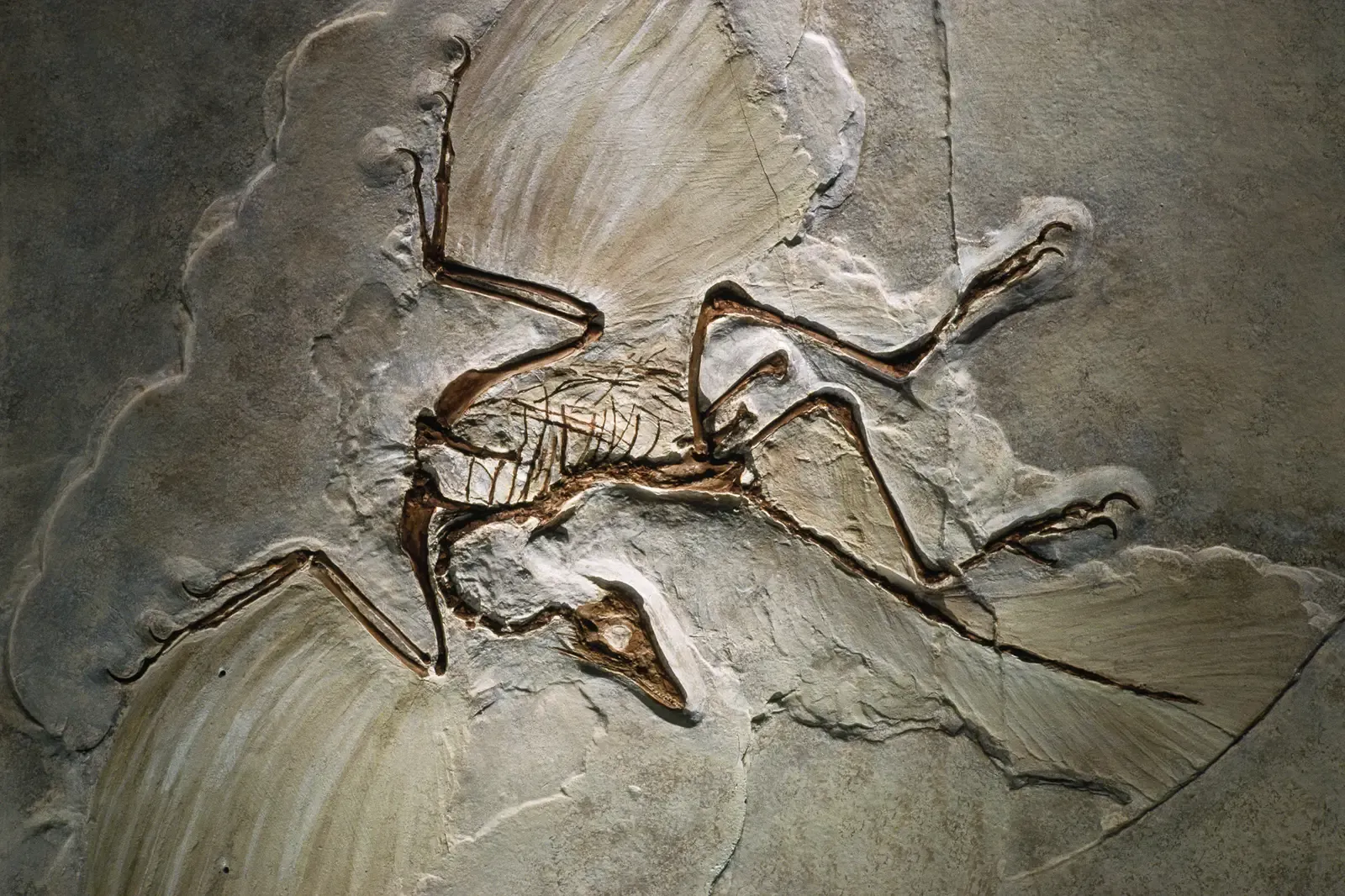
The single most famous transitional fossil connecting dinosaurs to birds was independently “discovered” and renamed multiple times by scientists who didn’t realize they already had a name for it.
As new Archaeopteryx specimens turned up in German limestone quarries across the 19th and 20th centuries, several were initially assigned brand-new genus names based on slight differences in preservation, tail length, or feather impressions. Names proposed for individual specimens over the decades treated each new find as its own separate transitional species, rather than recognizing them as the same ancient bird-like dinosaur at different growth stages or preservation qualities.
Nearly all of these alternate names were eventually folded back into Archaeopteryx lithographica, the original species named in 1861, once comparative study confirmed the anatomical overlap. It remains one of the clearest examples of how excitement over a spectacular fossil can lead scientists to see “new species” where there’s really just another specimen of something already known.
At a Glance
- Griphosaurus and Griphornis were both proposed for individual specimens later folded into Archaeopteryx
- Archaeornis siemensii was another short-lived alternate name for a well-preserved specimen
- Wellnhoferia grandis and Jurapteryx recurva were proposed decades later for specimens with slightly different proportions
- Nearly every alternate name has since been reabsorbed into Archaeopteryx lithographica
#9 – Smilodon’s Sabertooth “Species” Were Really Just Regional Variants
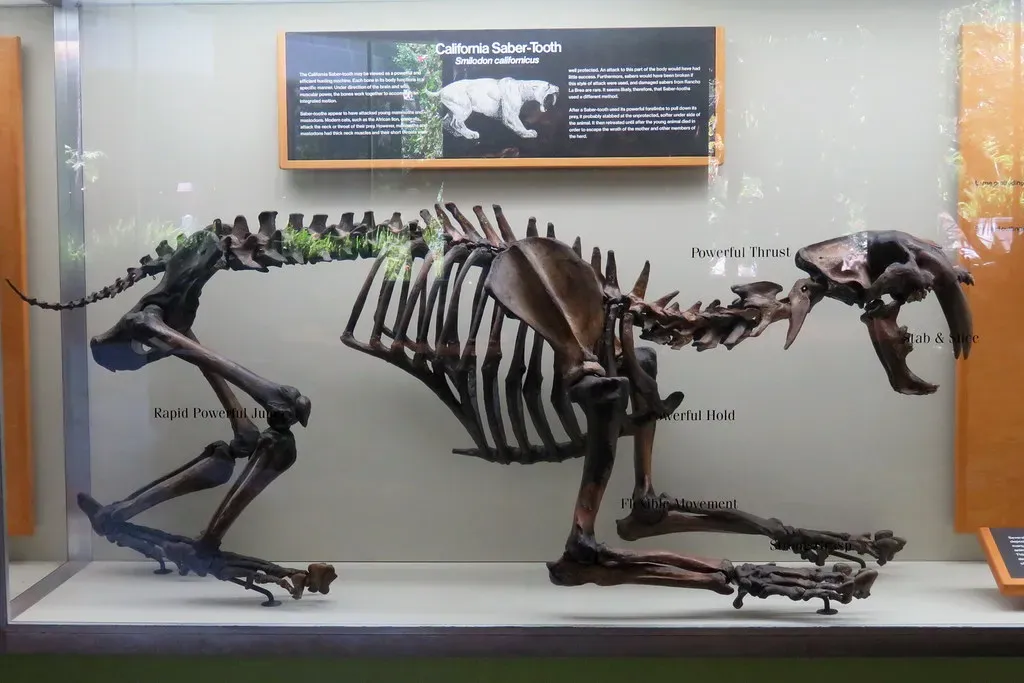
The iconic saber-toothed cat was split into multiple named species largely because scientists were comparing fossils found thousands of miles apart.
Different Smilodon populations across North and South America show real variation in tooth size, body proportions, and overall build, differences that early researchers sometimes interpreted as evidence of entirely distinct species rather than regional or population-level variation within one genus. Fossils pulled from famous sites like California’s tar pits were compared against South American finds without a unified framework for what counted as a meaningful species difference.
Modern reviews have consolidated Smilodon into a smaller, more defensible number of recognized species, recognizing that a lot of the earlier splitting reflected geography and individual variation more than genuine evolutionary divergence. This pattern of over-splitting widely distributed Ice Age predators shows up again and again once researchers actually pool specimens together for direct comparison.
#8 – Megalodon Has Been Shuffled Through Several Competing Genus Names
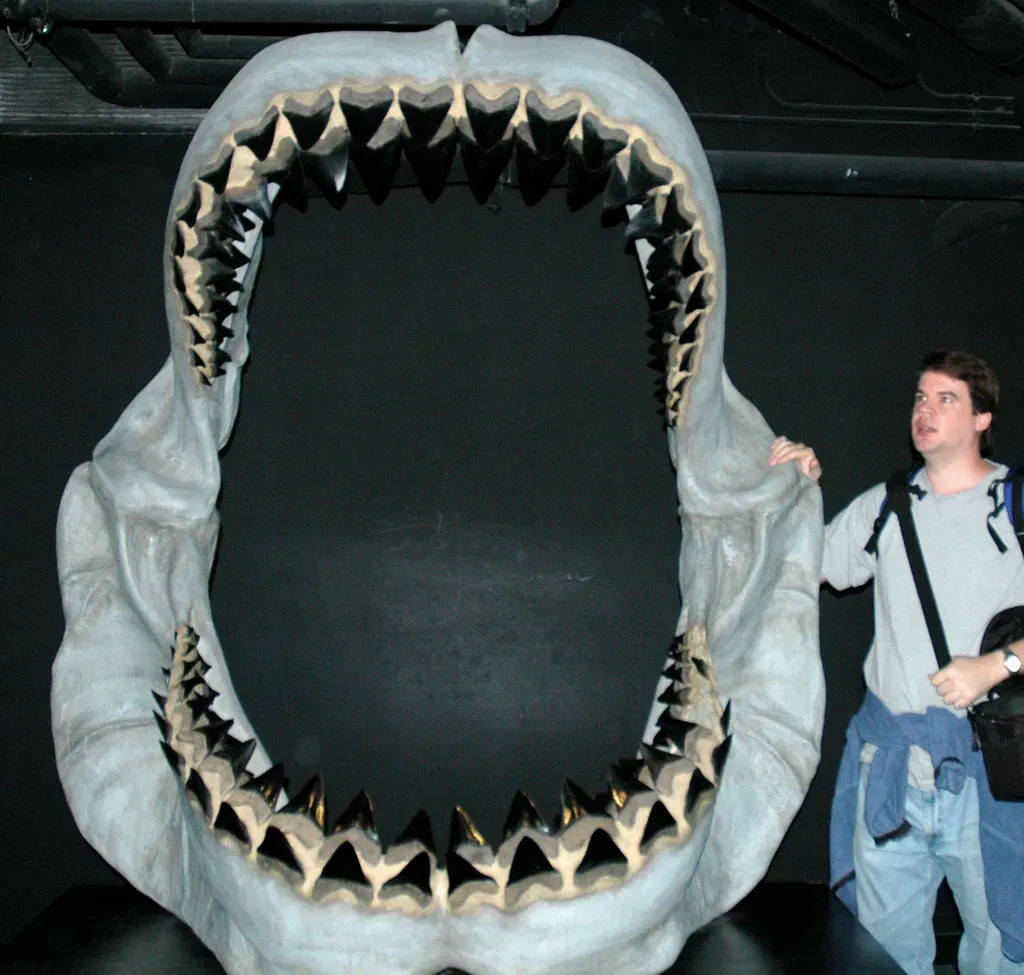
The largest predatory shark to ever exist has spent over a century bouncing between different scientific families, with researchers repeatedly disagreeing about what to even call it.
Megalodon’s fossil record consists almost entirely of teeth, since shark skeletons are cartilage and rarely fossilize, which has made classifying it unusually difficult compared to bony animals. Different researchers over the decades proposed placing the giant shark under several different genus names, arguing over whether it belonged with modern great white sharks or in its own separate ancient lineage entirely.
The scientific community has increasingly consolidated around treating Megalodon as its own distinct genus, separate from the great white shark lineage it was once grouped with, based on differences in tooth serration and root shape. The debate isn’t fully settled even now, making Megalodon one of the rare extinct animals whose “true name” is still actively being argued over in scientific journals today.
#7 – A “New” Giant Dinosaur Called Ultrasauros Turned Out to Be Two Different Animals Glued Together
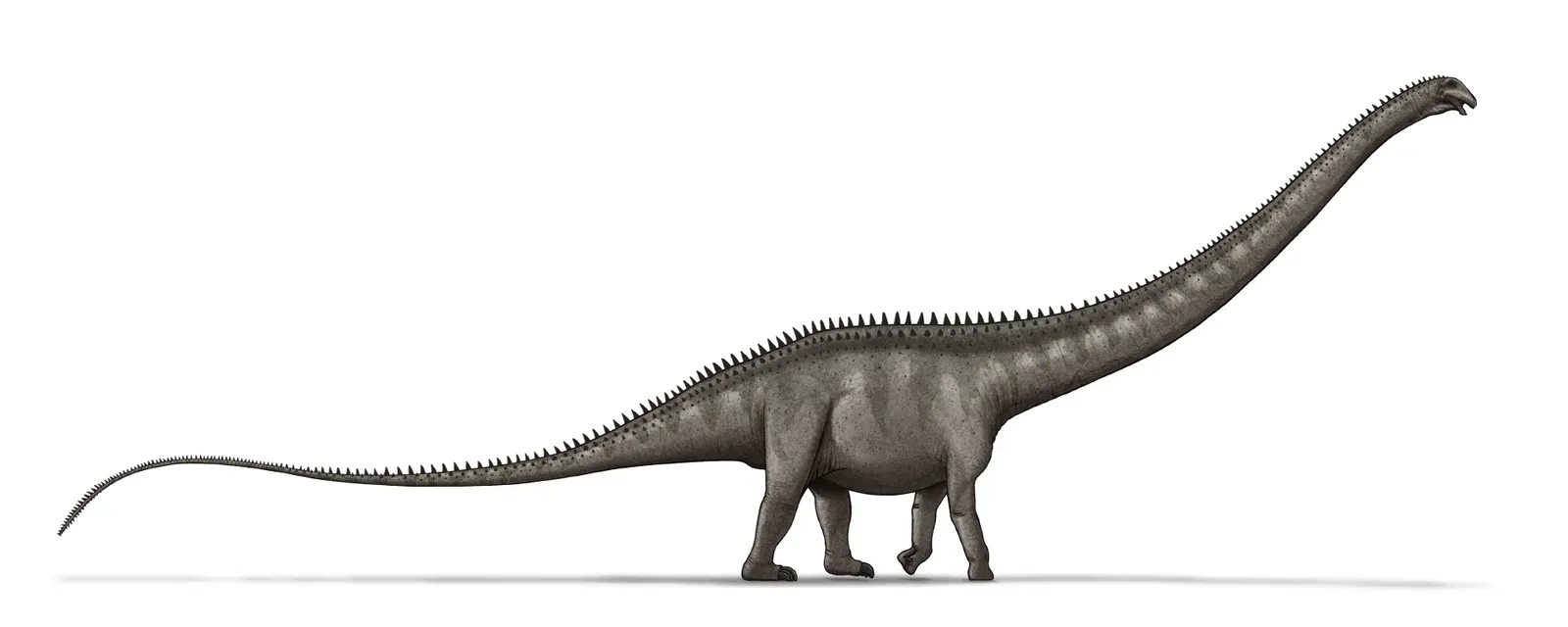
This one runs backward from every other entry on this list – instead of two animals becoming one, one “animal” turned out to secretly be two.
Ultrasauros macintoshi was announced as a record-breaking supersized sauropod based on a handful of massive bones recovered from a Colorado quarry, generating headlines about the largest land animal ever discovered. Later, closer examination revealed the specimen had actually been assembled from bones belonging to two entirely different sauropod genera that happened to be found mixed together at the same site.
The vertebra used to define “Ultrasauros” belonged to the genus now known as Supersaurus, while another key bone actually came from a Brachiosaurus-type animal, meaning the “species” never should have existed as a single entity in the first place. This chimera problem is exactly why modern paleontologists insist on designating one clear, complete specimen before naming anything new.
Quick Compare
- The vertebra: originally billed as proof of a record-breaking sauropod, later matched to Supersaurus
- The shoulder bone: assigned instead to a Brachiosaurus-type animal from the same quarry
- The result: “Ultrasauros” never existed as a single, valid animal to begin with
#6 – Deinocheirus Spent 50 Years as Nothing but a Pair of Terrifying Arms
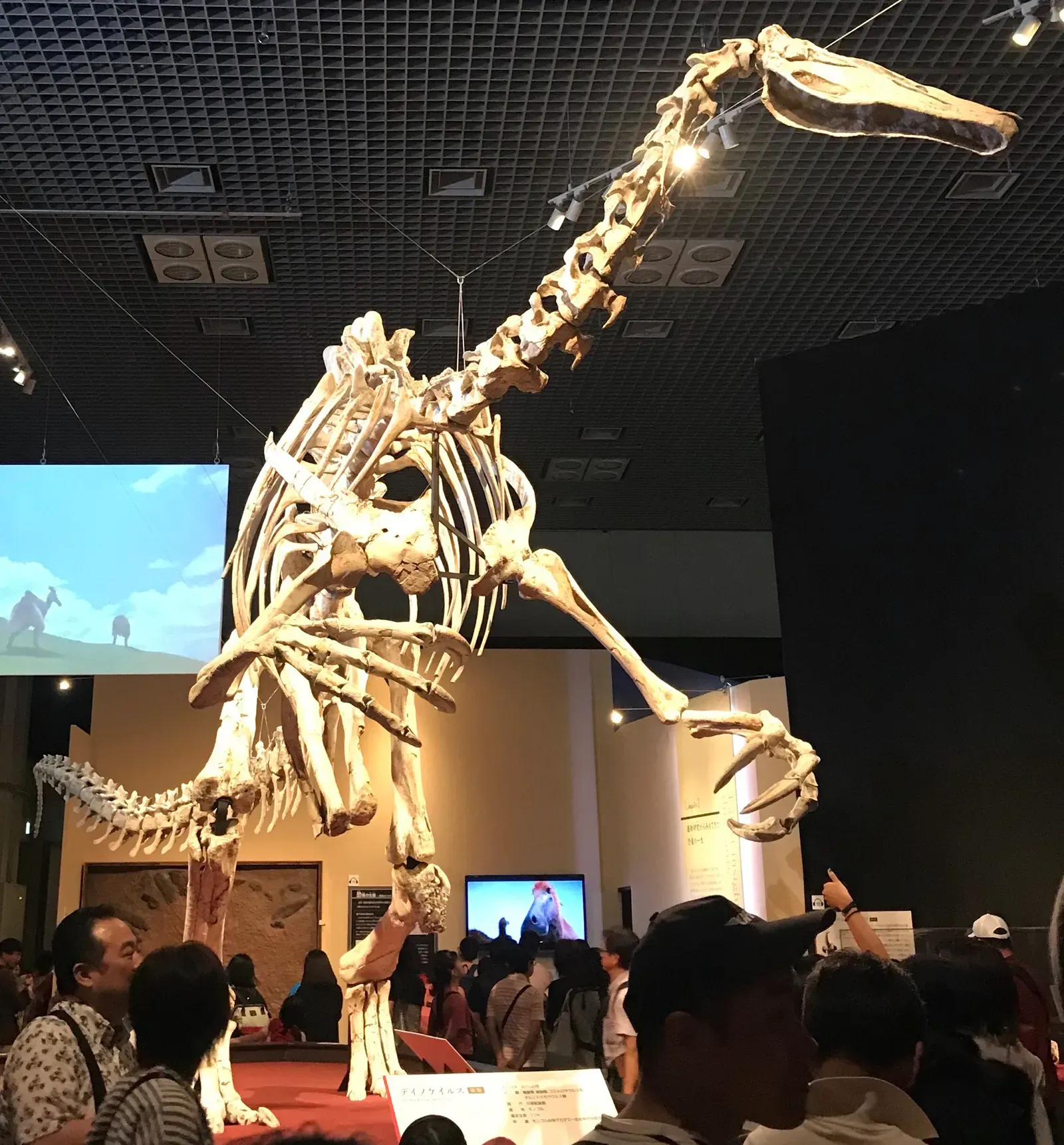
For half a century, one of the strangest dinosaurs ever found existed in the scientific record as literally nothing more than two enormous eight-foot arms with claws attached.
Deinocheirus mirificus was named in 1970 based solely on a pair of massive arms discovered in Mongolia, with no skull, spine, or legs to indicate what kind of dinosaur they belonged to. For decades, paleontologists genuinely debated what body those arms were attached to, with wildly different guesses ranging from a giant predator to a bizarre plant-eater, since arms alone gave almost no clue.
The mystery was finally solved in 2014 when more complete skeletons were discovered, revealing the arms belonged to a massive, hump-backed, duck-billed ornithomimosaur unlike anything scientists had reconstructed before. It’s technically not a name-merger like the others on this list, but it’s the closest thing paleontology has to two separate “finds,” decades apart, turning out to be one bizarre, unmistakable animal.
#5 – Nanotyrannus Might Just Be a Teenage Tyrannosaurus Rex
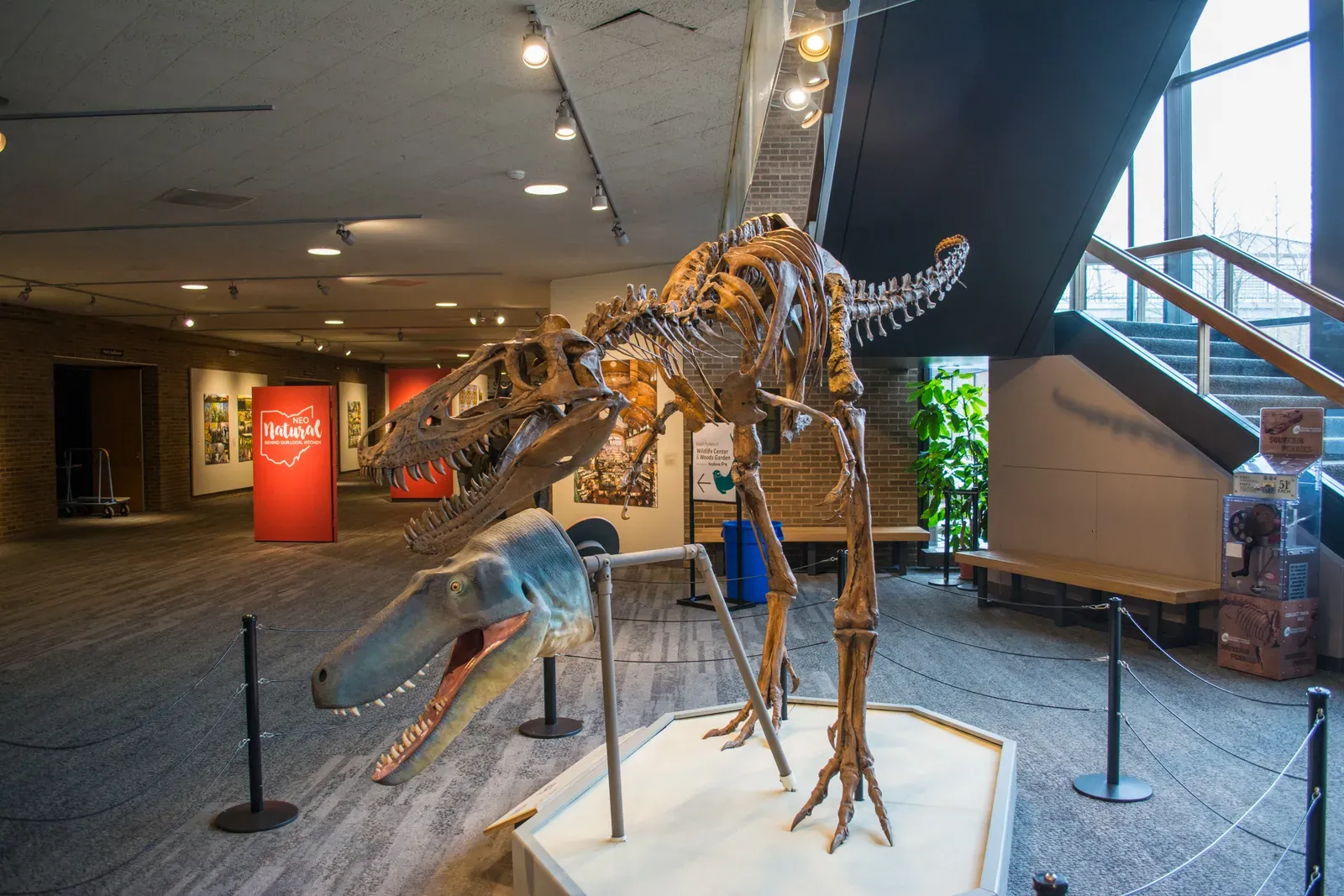
One of the most contested debates in all of dinosaur paleontology asks whether an entire “separate” tyrant dinosaur is actually just T. rex going through puberty.
Nanotyrannus lancensis was named from a smaller skull with proportionally more numerous, blade-like teeth compared to adult Tyrannosaurus rex specimens, leading some researchers to argue it represented its own smaller, faster tyrannosaur species living alongside the king. Other paleontologists have long argued the skull simply represents a juvenile T. rex, since young tyrannosaurs are known to have thinner skulls and different tooth proportions before their bones fully fused with age.
This remains one of the most actively contested “is it one animal or two” arguments in dinosaur science today, with new fossil discoveries and bone microstructure studies being published on both sides of the debate regularly. Unlike the settled mergers elsewhere on this list, Nanotyrannus proves that even with modern scientific tools, distinguishing “young individual” from “genuinely different species” isn’t always straightforward.
#4 – The “World’s Longest Dinosaur” Seismosaurus Was Just an Extra-Big Diplodocus
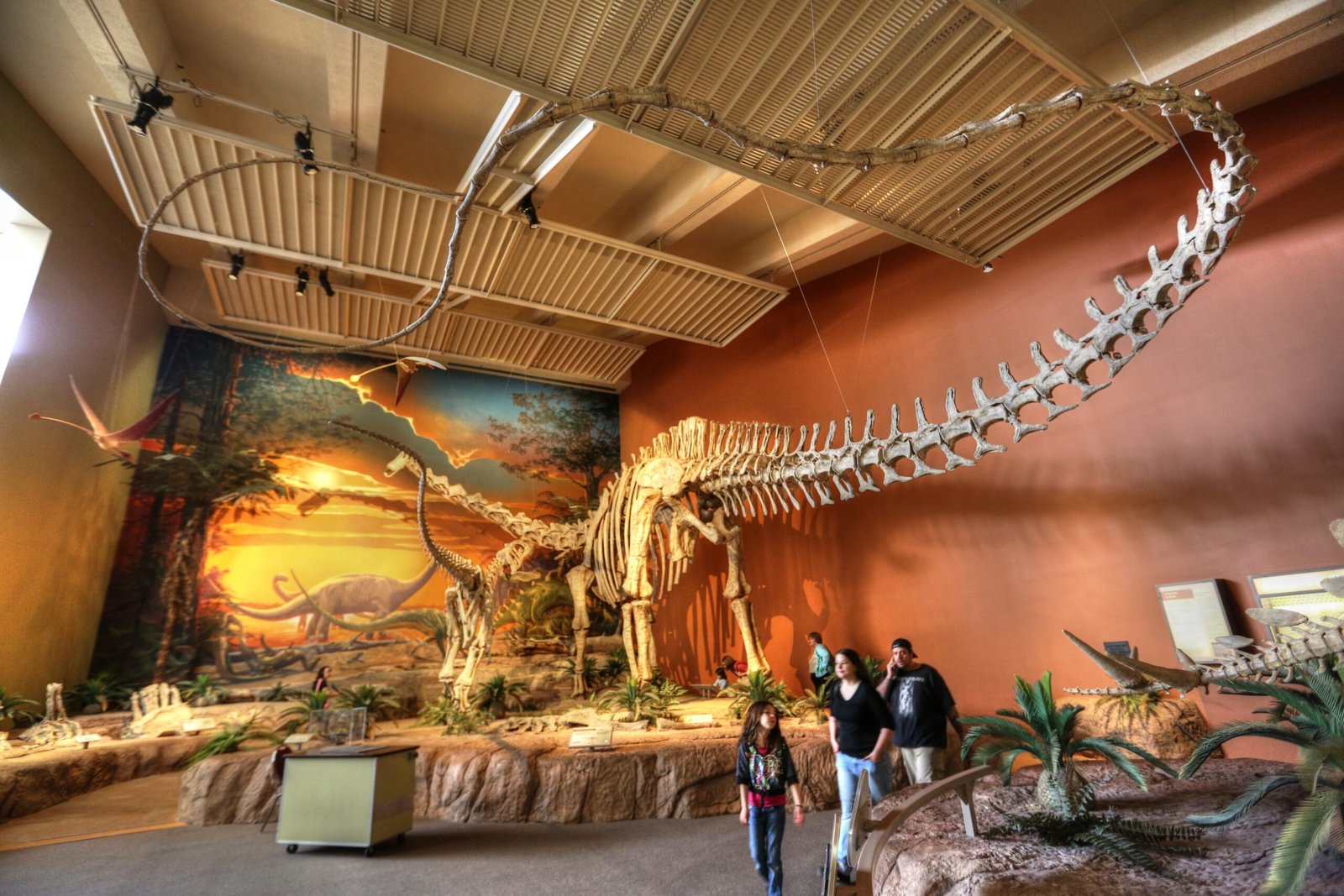
A sauropod once hyped as possibly the longest land animal in Earth’s history quietly disappeared from the record books once scientists re-measured its bones.
Seismosaurus was named in 1991 after its discovery in New Mexico, with early size estimates suggesting lengths up to 52 meters that made headlines worldwide as a potential record-breaker among dinosaurs. The name itself, meaning “earthquake lizard,” reflected just how enormous scientists initially believed this animal to be compared to anything previously known.
Scientists eventually reclassified Seismosaurus as a species of Diplodocus. First it became Diplodocus halli, then a more detailed 2006 study settled on the name Diplodocus hallorum for good.
The most embarrassing part wasn’t the size claim – it was a bone. A supposedly unique hook-shaped feature turned out to be nothing special at all. Careful re-examination showed that “hook” was just the broken tip of a vertebral spine, misread the first time around. The dinosaur that once threatened to break world records quietly became just a really big example of something paleontologists already had plenty of.
#3 – Allosaurus Secretly Absorbed at Least Four Other “Species” Into Itself
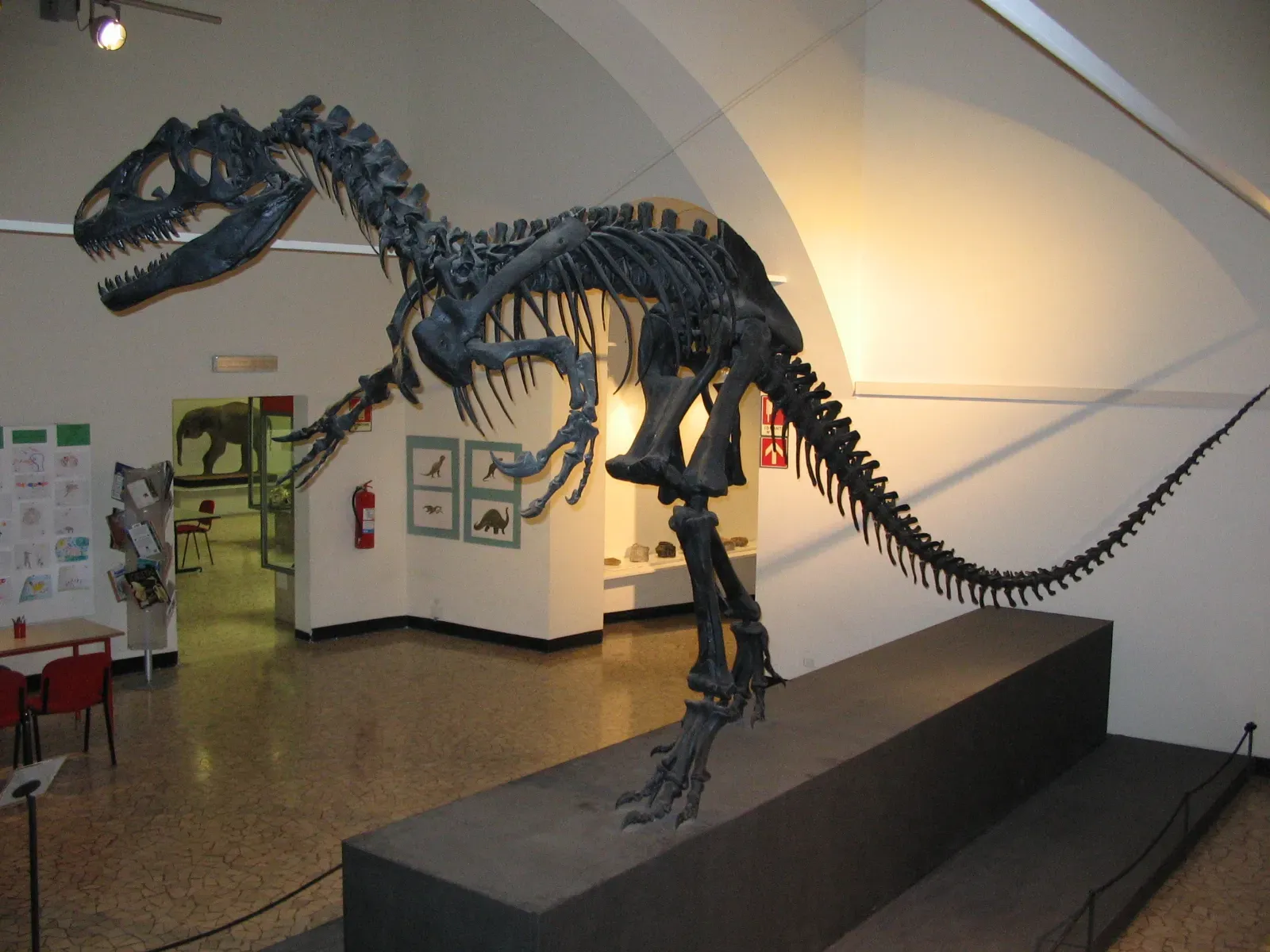
One of the most iconic Jurassic predators spent decades known by an entirely different name while three or four supposedly separate dinosaurs turned out to just be it.
The Bone Wars – the legendary feud between paleontologists Othniel Charles Marsh and Edward Drinker Cope – produced a flood of rushed fossil discoveries, and Marsh coined the name Allosaurus fragilis in 1877 from a fragmentary specimen. Decades later, a researcher named Gilmore decided an older name, Antrodemus valens, technically had priority instead.
For more than 50 years, Antrodemus was the “official” name, even though almost nobody outside academic papers used it. It took a massive 1976 monograph, built on a mountain of new material from Utah’s Cleveland-Lloyd Dinosaur Quarry, to finally restore the name everyone actually recognized: Allosaurus.
That wasn’t Allosaurus’s only identity crisis. Marsh and Cope separately named creatures called Creosaurus and Labrosaurus that later turned out to be nothing more than more Allosaurus bones, and a mysterious giant called Epanterias has been treated as a possible synonym too. It’s the direct result of two furious rivals racing to name fragmentary bones before anyone had time to properly compare them.
Worth Knowing
- Creosaurus atrox and Labrosaurus ferox were both separately named, then folded into Allosaurus
- Antrodemus valens held “official” priority over Allosaurus for more than 50 years
- Epanterias amplus, a supposedly giant relative, is still debated as a possible Allosaurus synonym
- The 1976 Cleveland-Lloyd monograph finally restored Allosaurus as the accepted name
#2 – Tyrannosaurus Rex Was Actually Named Twice in the Same Scientific Paper
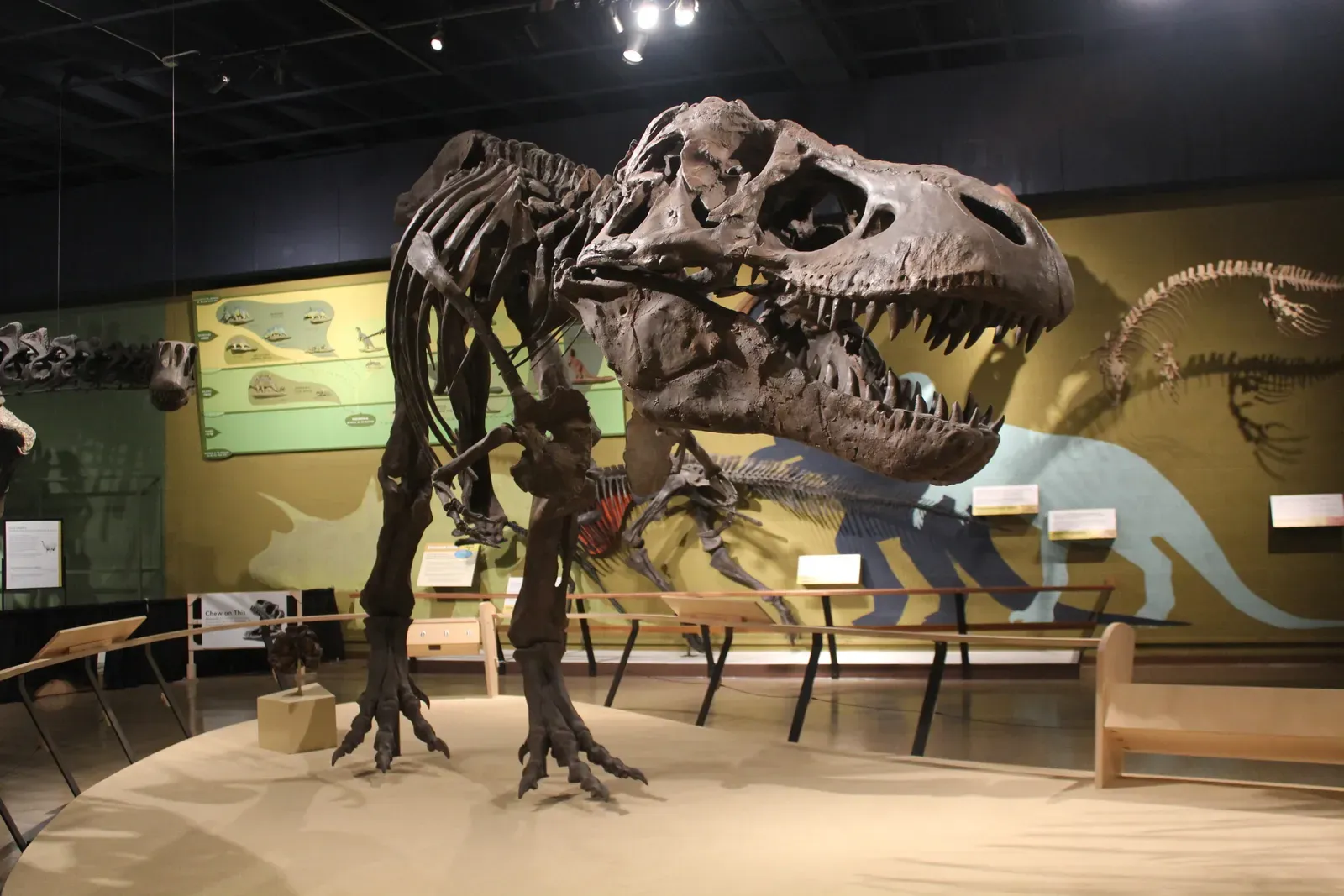
The most famous dinosaur on the planet almost got saddled with the far less catchy name “Dynamosaurus” instead – and it happened by pure accident within a single publication.
Fossil hunter Barnum Brown found the second Tyrannosaurus skeleton in Wyoming back in 1900. When paleontologist Henry Fairfield Osborn sat down to describe it, he named it Dynamosaurus imperiosus – in the very same paper where he also described a different specimen as Tyrannosaurus rex.
Osborn had unknowingly named the same animal twice in one document, and it took him about a year to notice. Once he realized his mistake, the fix came down to simple page order: because Tyrannosaurus appeared first in the paper, it won out as the official name, purely by accident of formatting.
The confusion runs even deeper. The very first T. rex bones ever found weren’t from Brown’s skeleton at all – they were two partial vertebrae Cope dug up back in 1892 and named Manospondylus gigas. Osborn eventually noticed the resemblance, but the bones were too fragmentary to officially merge the names.
Had history shuffled the paperwork just slightly differently, kids today might be collecting toy “Dynamosaurus” instead of T. rex.
#1 – Brontosaurus Was Erased, Then Un-Erased, Because of a Century-Old Naming Mistake
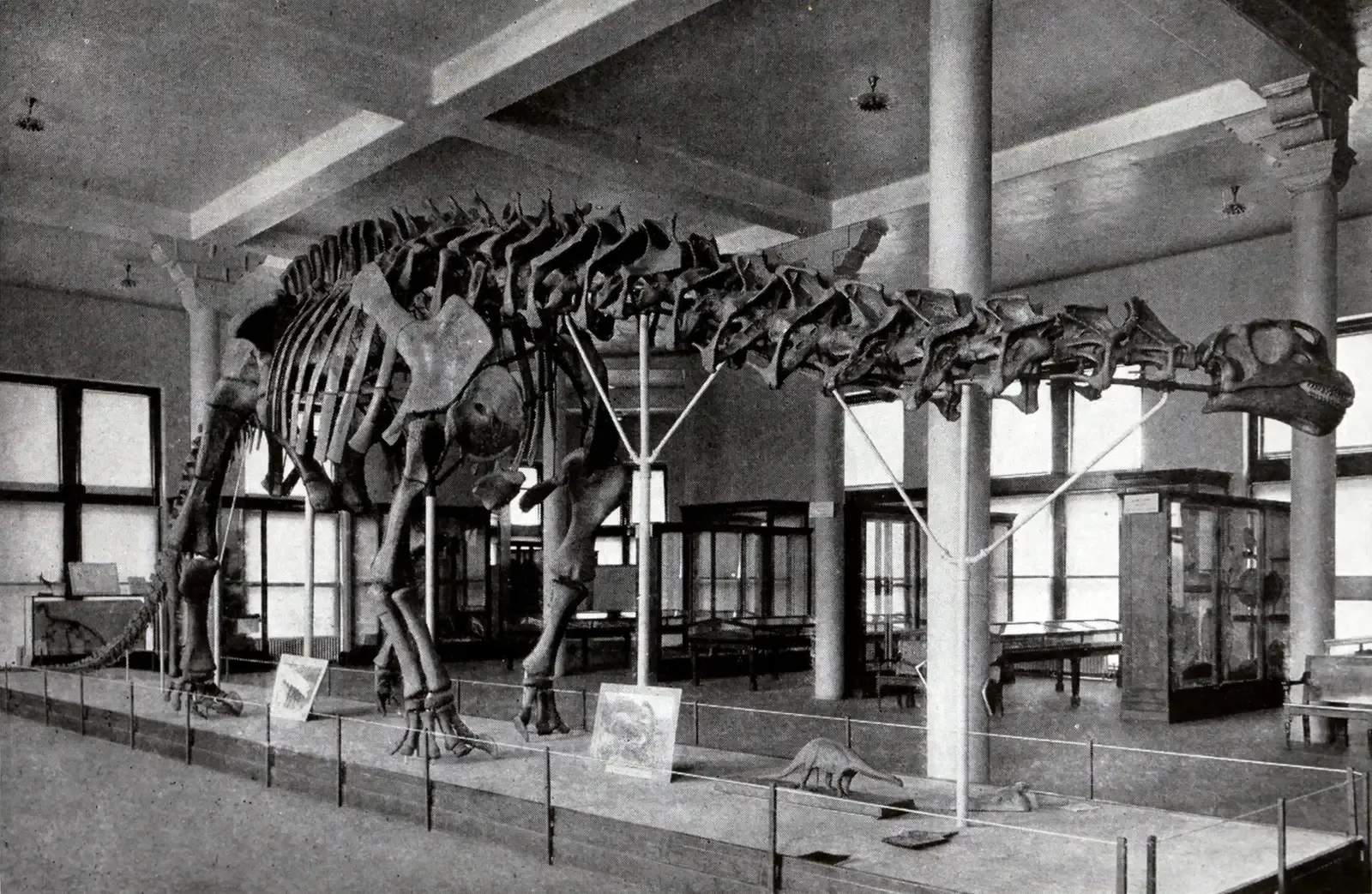
The most beloved dinosaur name in pop culture was scientifically “dead” for over 100 years, and its 2015 resurrection is still debated by paleontologists today.
In 1903, paleontologist Elmer Riggs decided Brontosaurus excelsus was so similar to Apatosaurus ajax that they had to be the same genus. Because Apatosaurus had been published first, naming rules forced Brontosaurus into retirement as a “junior synonym” – technically erased from science.
Nobody told the public, though. Museums were slow to update their signs, textbooks kept the name for generations, and pop culture never let go. “Brontosaurus” stayed scientifically dead and culturally immortal at the same time, for over a hundred years.
Then came the twist nobody expected. In 2015, a massive study comparing 477 physical traits across 81 individual sauropods concluded the differences were real enough to bring Brontosaurus back to life as its own genus.
Not everyone is convinced the split holds up. Some paleontologists remain skeptical, pointing out that the Apatosaurus fossils used for comparison haven’t been described in enough detail to make the case airtight. Either way, it’s proof that even the most “settled” dinosaur name in pop culture can get reopened the moment someone looks closely enough.
The Bottom Line
Twenty animals, one common thread: paleontology’s biggest naming disasters almost never came from bad science. They came from speed, competition, and incomplete fossils forcing researchers to guess before they had the full picture.
The Bone Wars alone created a taxonomic mess still being untangled today, while cases like Nanotyrannus and Torosaurus prove the “one animal or two” argument is far from over. Even T. rex and Brontosaurus, the most famous names in the field, were nearly lost to filing-cabinet technicalities.
If there’s a lesson buried in all these bones, it’s this: certainty in paleontology is usually temporary. Every “settled” name on this list was settled right up until someone pulled out a tape measure, a CT scanner, or just a second skeleton nobody had compared yet. My money says at least two or three more animals on this exact list – Nanotyrannus, Torosaurus, maybe even Megalodon – will have flipped again within the next decade. That’s not a flaw in the science. That’s the science actually working.