
Picture a 1980s science classroom: a poster of T. rex dragging its tail like a broken kickstand, a dodo drawn as a fat, grinning idiot, and a saber-tooth cat lunging in for a bone-crushing bite. Every kid in that room grew up believing those pictures were fact. They weren’t.
Almost none of that survived contact with modern CT scanners, melanosome analysis, and DNA sequencing. Paleontology doesn’t hold a press conference when it’s wrong. It just quietly swaps the museum plaque and hopes nobody asks why the old one said something completely different. Here’s what the fossil record is actually saying now, one overturned “fact” at a time.
#25 – Brontosaurus Wasn’t Supposed to Exist (Then It Did Again)
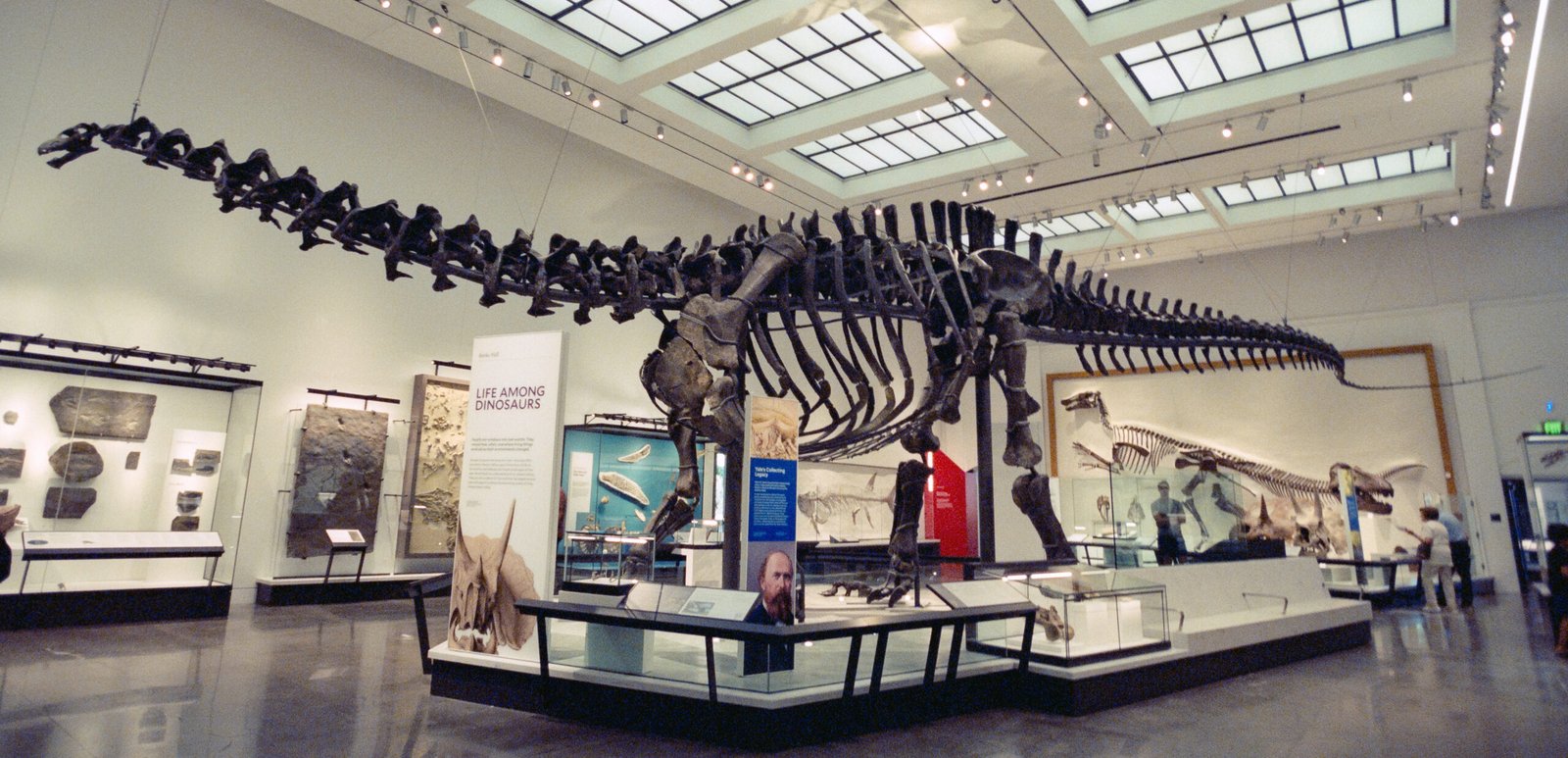
For over a century, “Brontosaurus” was the textbook’s dirty secret.
The name was coined in 1879, then declared invalid in 1903 when scientists realized it was just an Apatosaurus skeleton with the wrong head attached. Every science teacher who said “Brontosaurus” for the next 100 years was technically wrong, and museum placards quietly swapped the name out for decades. Then in 2015, a massive statistical analysis of skeletal differences resurrected Brontosaurus as a genuinely separate genus, arguing its neck and limb proportions were distinct enough to earn its own name back. So the “fake dinosaur” everyone mocked turned out to be real, just under a temporary demotion. Paleontologists still argue about the reclassification today, which tells you exactly how messy dinosaur taxonomy is behind the scenes. Next up: a “dinosaur” every toy company loves that never actually earned the title.
#24 – Dimetrodon Isn’t Even a Dinosaur
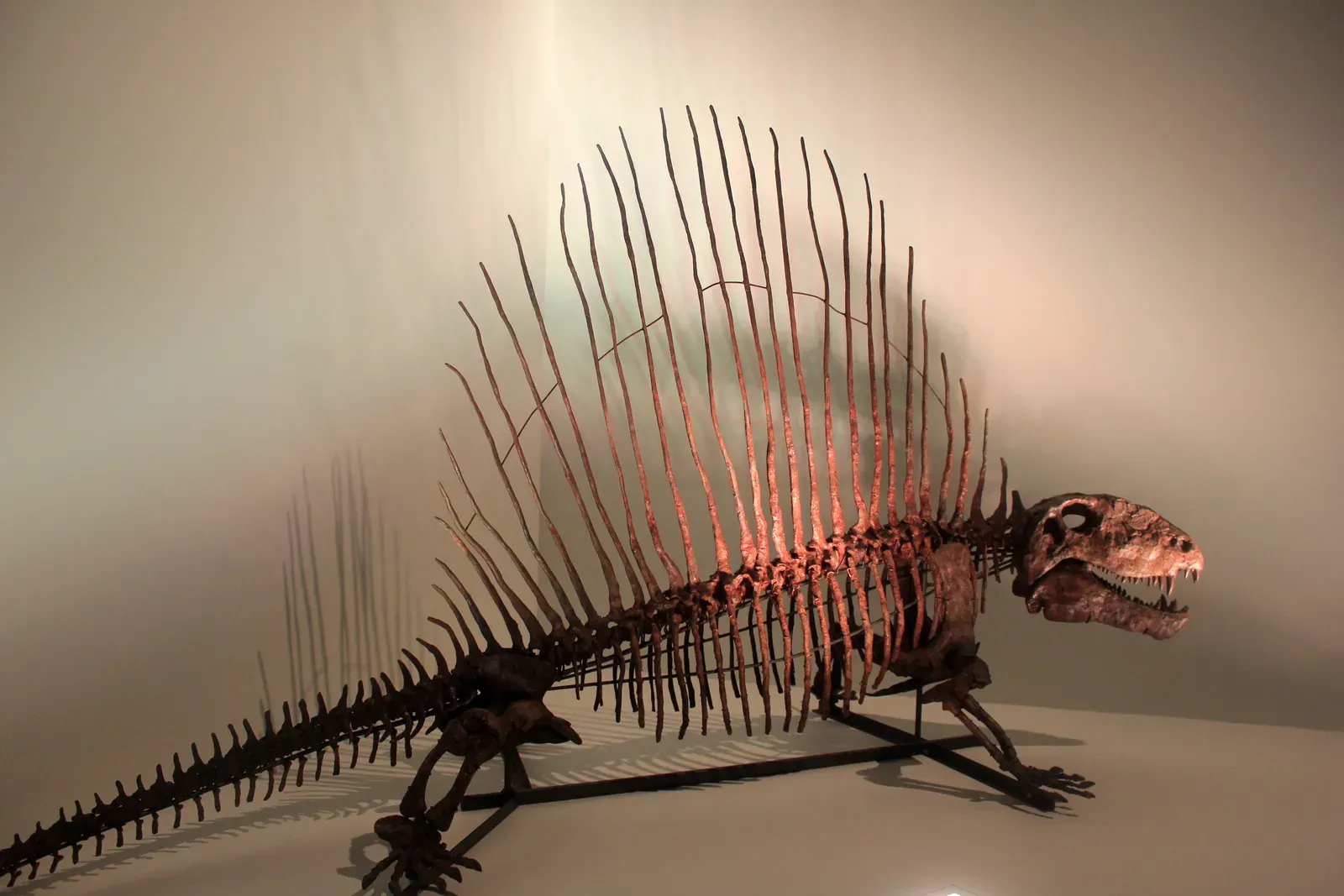
That spiky-backed lizard in every “dinosaur toy” bucket has never technically belonged there.
Dimetrodon is a synapsid, part of the lineage that eventually led to mammals – not reptiles, and definitely not dinosaurs. It went extinct roughly 40 million years before the first true dinosaur ever walked the earth. The sail on its back was more closely related, evolutionarily speaking, to you than to a Stegosaurus. Toy companies and cheap encyclopedias kept lumping Dimetrodon into “dinosaur” branding for decades because sales mattered more than taxonomy. Paleontology classrooms have been trying to undo that damage for years, with limited success – most people still picture a dinosaur the moment they hear “prehistoric reptile with a sail.” Up next, an entire class of flying reptiles that keeps getting mistaken for dinosaurs on the big screen.
#23 – Ichthyosaurs Were Never “Sea Dinosaurs”
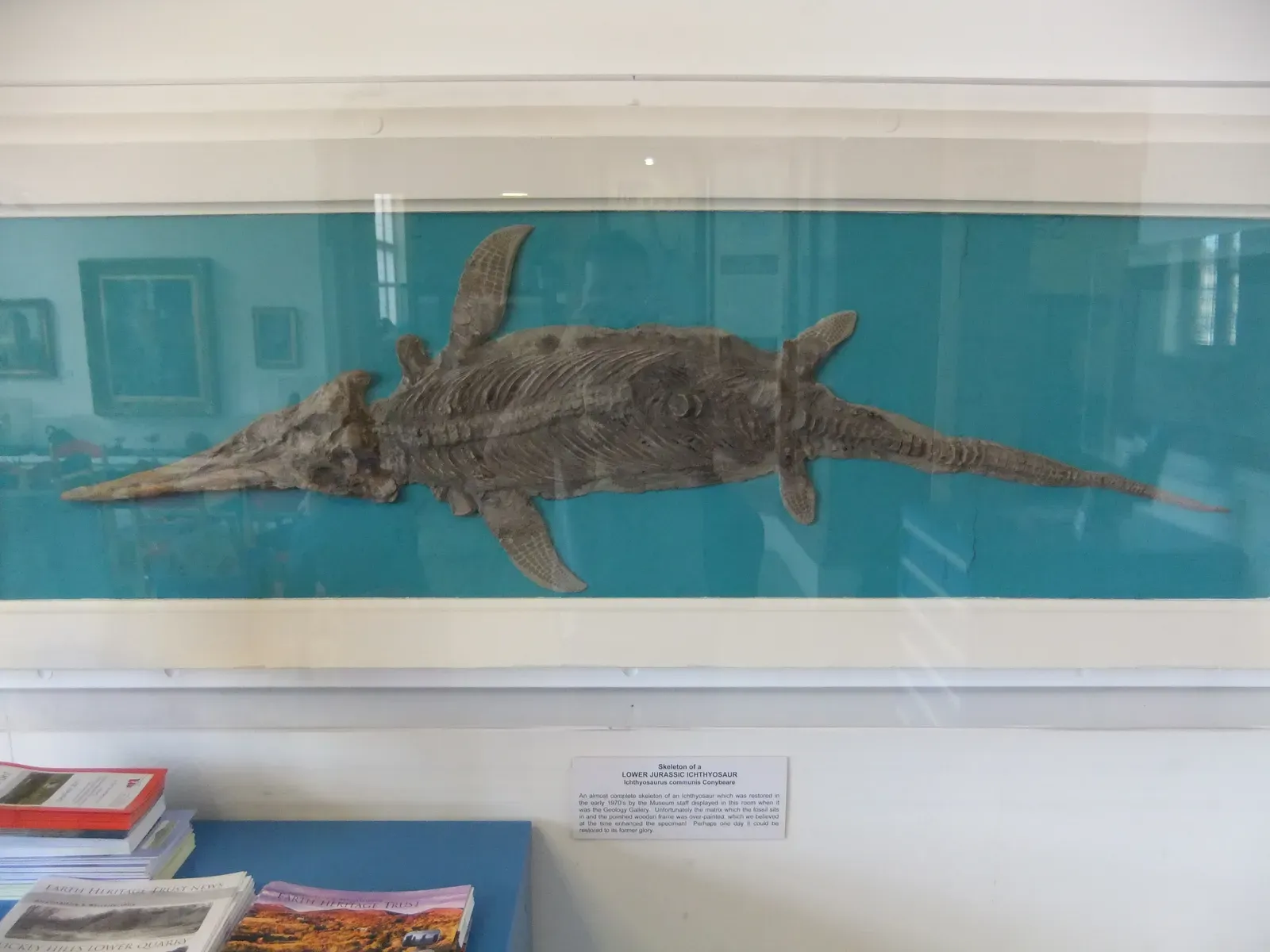
Ichthyosaurs get filed under “dinosaur” in casual conversation more than almost any other prehistoric animal.
They were marine reptiles, a completely separate branch of the reptile family tree that evolved dolphin-like bodies through convergent evolution, not because they were related to actual dinosaurs. They appeared in the fossil record before most dinosaurs did and went extinct roughly 25 million years before the asteroid impact wiped out the non-avian dinosaurs entirely. Their resemblance to dolphins is one of evolution’s favorite tricks: unrelated animals independently landing on the same body shape because ocean physics rewards the same solutions. Documentaries still narrate them alongside T. rex footage, which keeps the confusion alive for new generations. The next entry flies just as hard against the “dinosaur” label – literally.
#22 – Pterosaurs Never Flew as “Flying Dinosaurs”
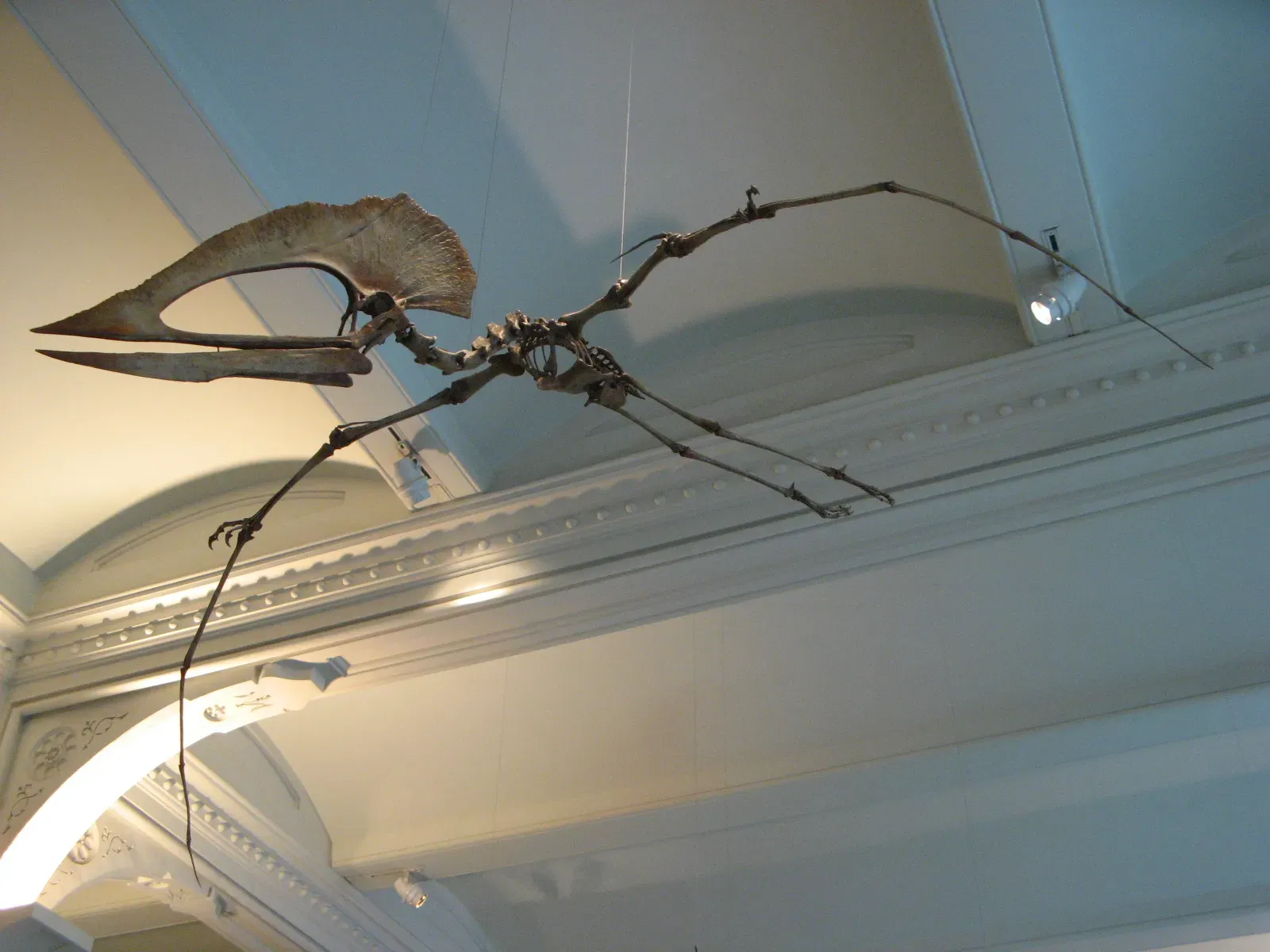
Pterodactyls get slapped with the “flying dinosaur” label constantly, and it’s simply inaccurate.
Pterosaurs belonged to a distinct group of flying reptiles that shared a common ancestor with dinosaurs but split off onto their own evolutionary branch long before dinosaurs even existed. Their wings were made of skin stretched along one dramatically elongated finger, not feathers, and not the arm structure any dinosaur ever had. Some species had wingspans rivaling small aircraft, while others were barely bigger than a modern pigeon. Museums have started physically separating pterosaur exhibits from dinosaur halls just to correct this decades-old mislabeling, though “flying dinosaur” still shows up constantly in pop culture. Next, a case of mistaken identity that has nothing to do with dinosaurs at all – two Ice Age giants everyone lumps together.
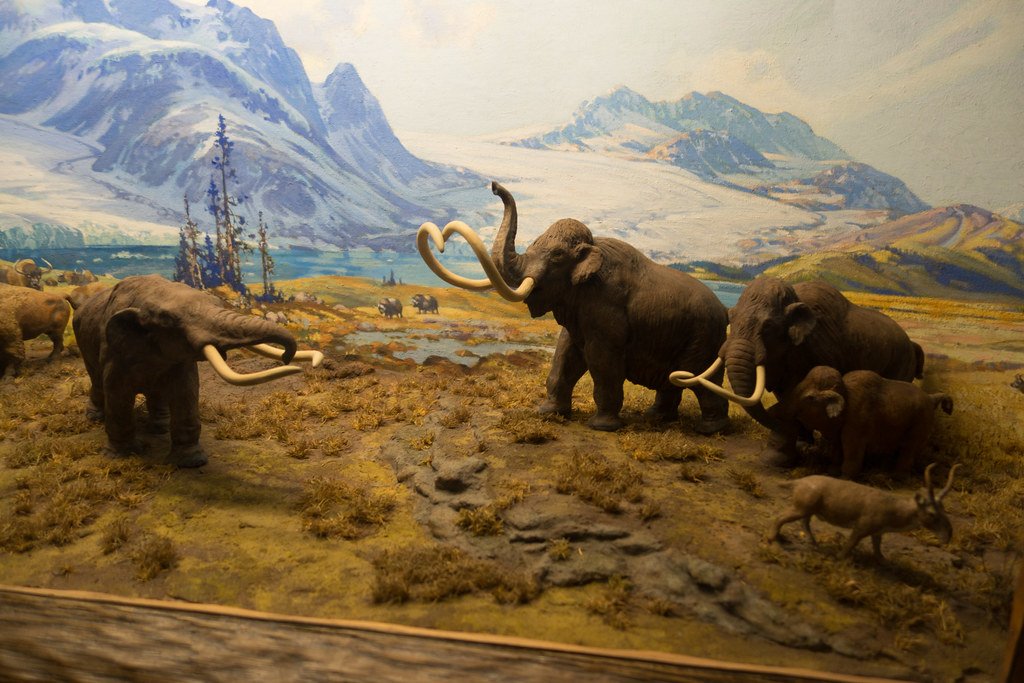
#21 – Mammoths and Mastodons Are Not the Same Animal
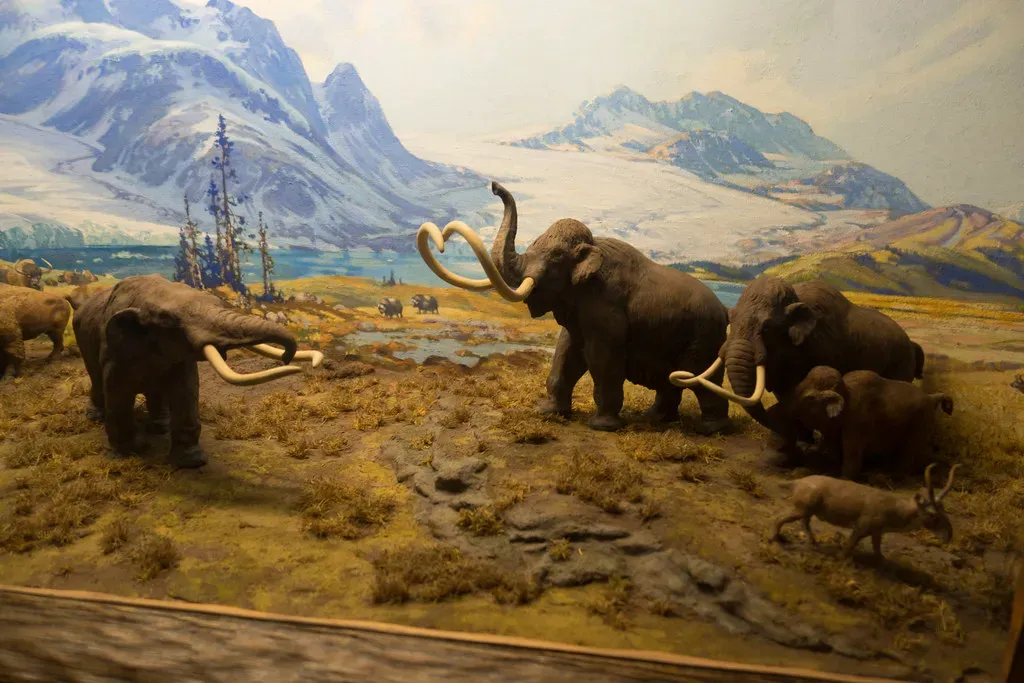
These two get mixed up constantly, but they’re only distant cousins, not the same species wearing different fur coats.
Mammoths belong to the same family as modern elephants, with tall, ridged teeth built for grinding tough grasses. Mastodons belong to an entirely separate, older family with cone-shaped teeth designed for chewing leaves and twigs. Their skulls, body proportions, and even their preferred habitats were different enough that a trained eye can tell them apart from bone fragments alone. Mastodons were actually shorter and stockier than mammoths, with a flatter head shape. Popular culture treats “mammoth” as a catch-all term for any giant prehistoric elephant-like creature, which keeps this mix-up alive in casual conversation. Coming up, the myth of a striped animal that supposedly vanished from Africa forever – except it kind of didn’t.
Quick Compare
- Family tree: Mammoths belong to the elephant family; mastodons split off from an older, separate lineage entirely.
- Teeth: Mammoths had tall, ridged teeth for grinding grass; mastodons had cone-shaped teeth built for browsing leaves and twigs.
- Build: Mastodons were shorter and stockier with flatter heads, while mammoths stood taller with more domed skulls.
- Timeline: Both vanished near the end of the last Ice Age, though isolated mammoth populations survived on remote islands for thousands of years longer.
#20 – The Quagga Wasn’t Its Own Species
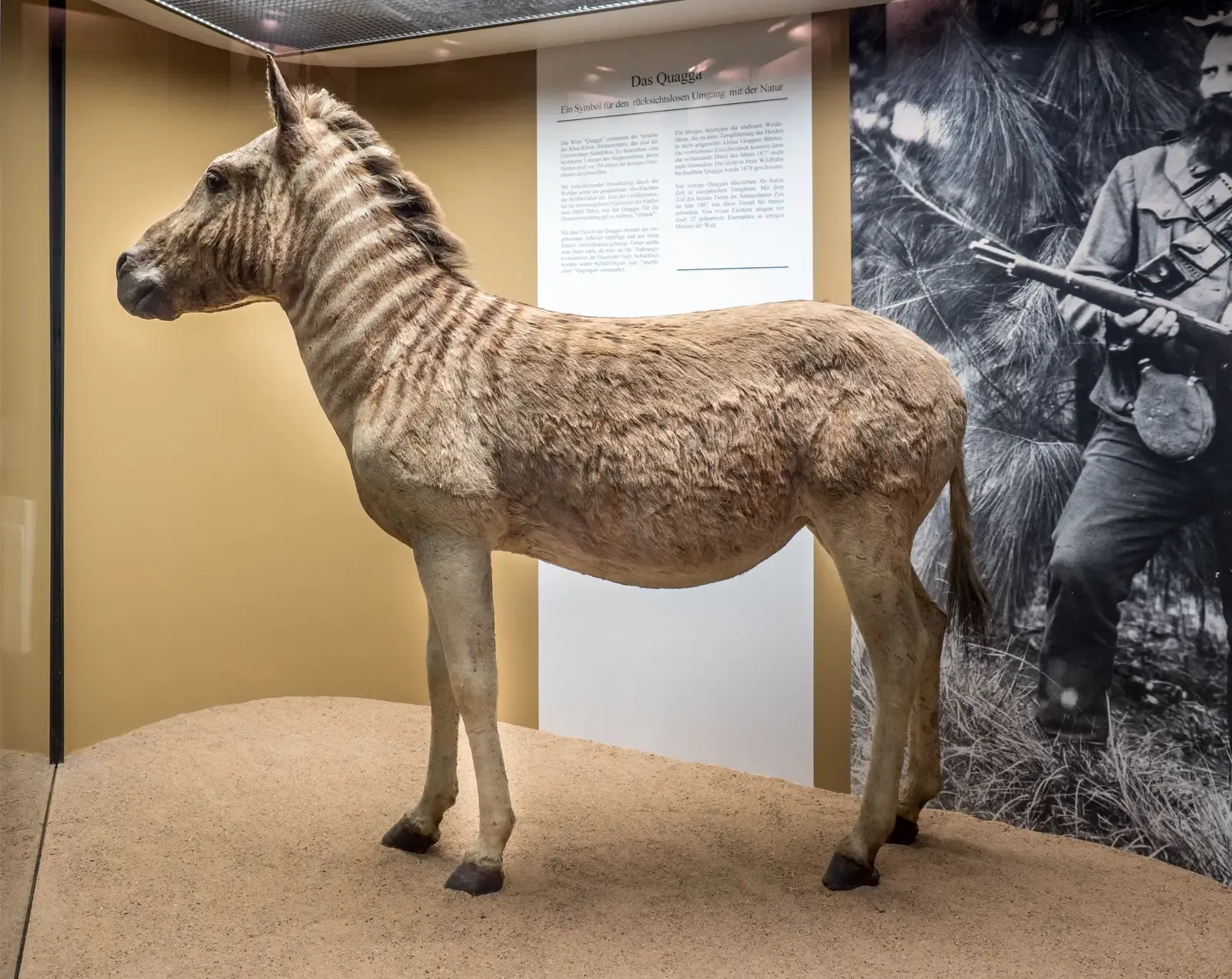
For over a century, the quagga was taught as a completely separate species of striped African animal that humans hunted into extinction by 1883.
Genetic testing on preserved quagga hides in the 1980s – some of the earliest ancient DNA work ever performed – revealed something startling: the quagga was actually a subspecies of the common plains zebra, distinguished mainly by reduced striping toward the rear of its body. This means the “quagga” wasn’t a unique species going extinct; it was a genetic variant within a species that still exists today. This discovery sparked the Quagga Project in South Africa, which selectively breeds plains zebras to bring back the quagga’s distinctive coat pattern. It’s one of the earliest and clearest examples of DNA evidence completely rewriting an extinction story. Next: the “doomed by its own beauty” tale that turned out to be a lie textbooks loved too much to drop.
#19 – The Irish Elk Didn’t Doom Itself With Its Own Antlers
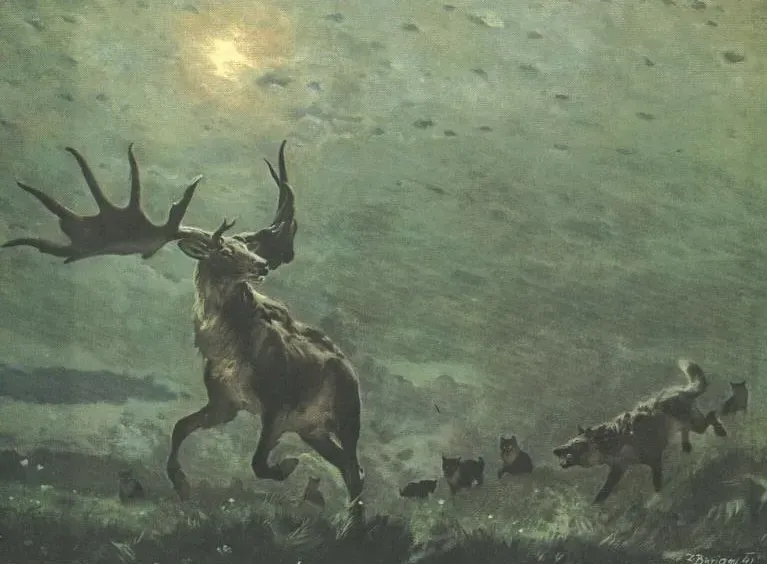
For decades, the Irish elk was the textbook cautionary tale of “runaway evolution” – a species that supposedly grew antlers so massive through unstoppable sexual selection that it eventually couldn’t support its own head and went extinct as a result.
That dramatic narrative doesn’t hold up well anymore. The antlers, which could span over 12 feet, scaled proportionally with the animal’s massive body size rather than growing wildly out of control. Researchers now point to habitat loss and climate shifts at the end of the last Ice Age as the real driver of extinction, not a biological design flaw. The “doomed by its own beauty” story was simply a more compelling narrative than “lost its habitat,” so it stuck around in textbooks far longer than the evidence supported. Modern deer antler scaling studies have since dismantled the runaway-antler myth almost entirely. Up next, the lazy, tree-hugging sloth stereotype gets absolutely wrecked by the fossil record.
#18 – Giant Ground Sloths Weren’t Slow Tree-Dwellers
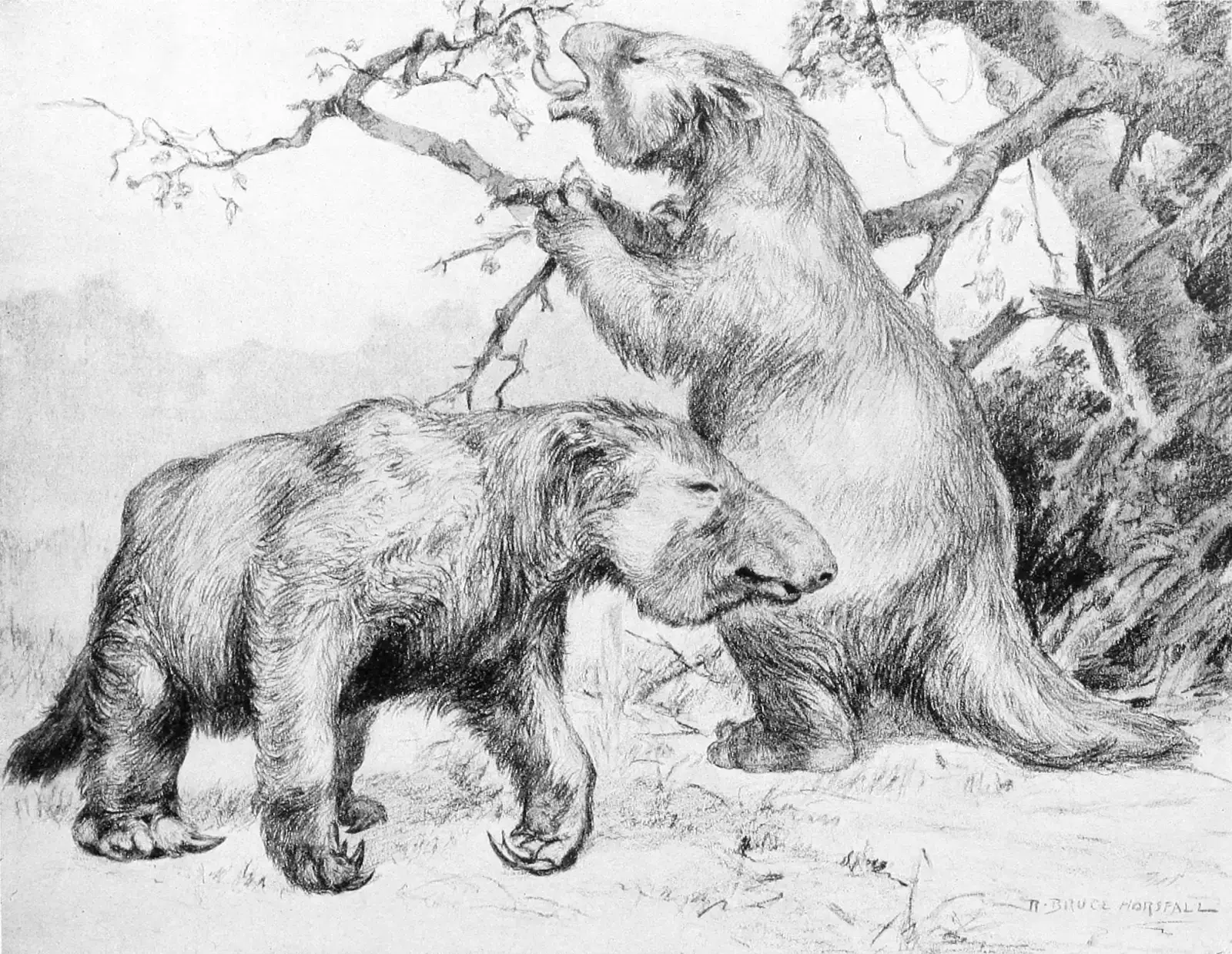
Say “sloth” and most people picture a small, sleepy creature hanging from a branch. Ancient ground sloths were nothing like that.
Species like Megatherium stood as tall as elephants and lived entirely on the ground, not in trees, because their sheer body mass made climbing physically impossible. Trace fossils and paleoburrows discovered in South America suggest some ground sloth species dug massive underground tunnels, some large enough for a human to walk through. Far from being passive, slow-moving grazers, claw marks and bone wear patterns suggest some ground sloths may have used their powerful claws far more aggressively than modern tree sloths ever would. The gentle, dozing sloth stereotype simply doesn’t map onto its Ice Age ancestors at all. Next, a fossil bird that lost a title everyone assumed was permanently its.
#17 – Archaeopteryx Lost Its “First Bird” Crown
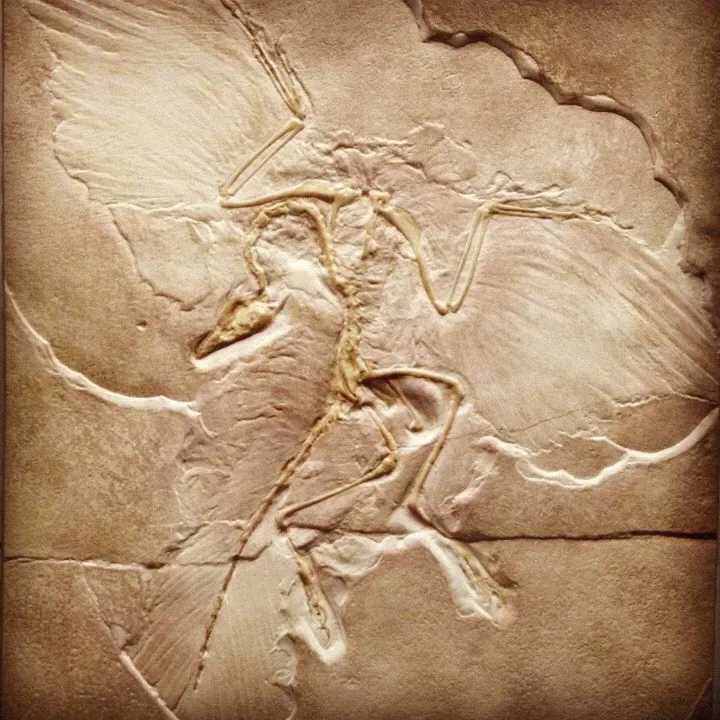
For over 150 years, Archaeopteryx was the poster child of evolution textbooks: the definitive missing link, officially crowned “the first bird.”
That title has quietly been stripped away. The discovery of numerous feathered non-avian dinosaurs in China revealed that feathers, and even some flight-related skeletal traits, existed in dinosaur lineages well before Archaeopteryx appeared. Many paleontologists now argue Archaeopteryx may not even be a direct ancestor of modern birds at all, but rather a side branch that shared feathered ancestry without leading anywhere. This doesn’t diminish how important the fossil was for proving dinosaur-bird connections existed. But the tidy “missing link” narrative has been replaced with something messier: a whole family tree of feathered dinosaurs experimenting with flight independently.
The most exciting phrase to hear in science, the one that heralds the most discoveries, is not ‘Eureka!’ but ‘That’s funny…’
Isaac Asimov
Most people never got the memo that Archaeopteryx got demoted. Next, Stegosaurus gets a makeover nobody saw coming.
#16 – Stegosaurus Plates Weren’t Just for Defense
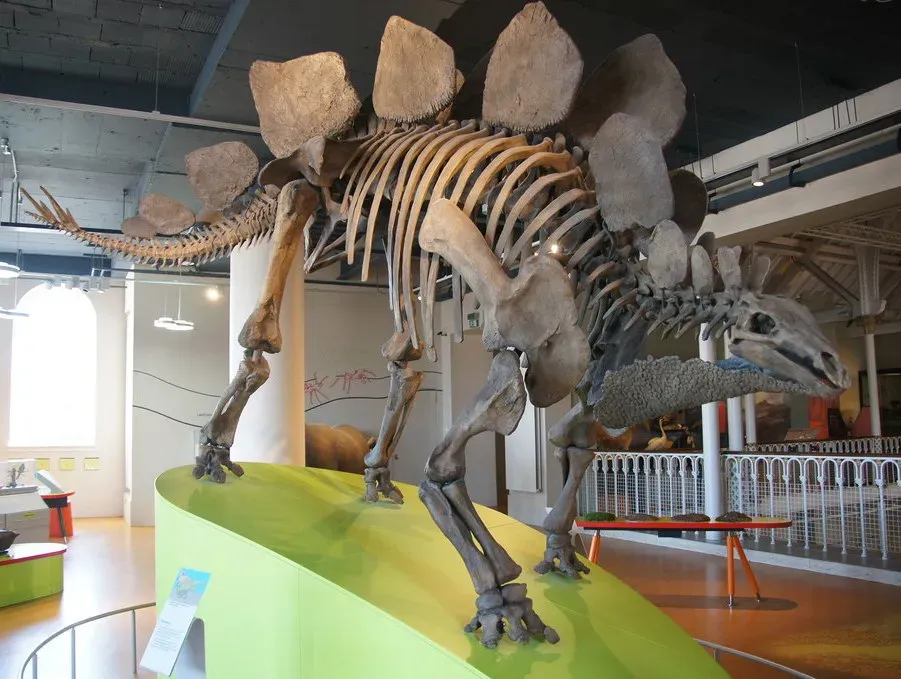
Old textbooks universally described Stegosaurus plates as armor plating, a shield against predator attacks.
Closer examination of the plates reveals a network of blood vessel channels running through the bone structure, a detail that doesn’t make sense for pure armor but makes perfect sense for regulating body temperature. Researchers now believe the plates may have functioned primarily as heat exchangers and visual display structures used to attract mates or intimidate rivals, with any defensive benefit being secondary at best. The plates were also positioned in a staggered, alternating pattern along the spine rather than lined up symmetrically, which would have made them a fairly inefficient shield anyway. This reinterpretation shifted Stegosaurus from “walking tank” to something closer to a solar panel with a side of peacock display. Coming up, two dinosaurs that might have been the same animal wearing different age masks.
#15 – Triceratops and Torosaurus May Have Been the Exact Same Animal
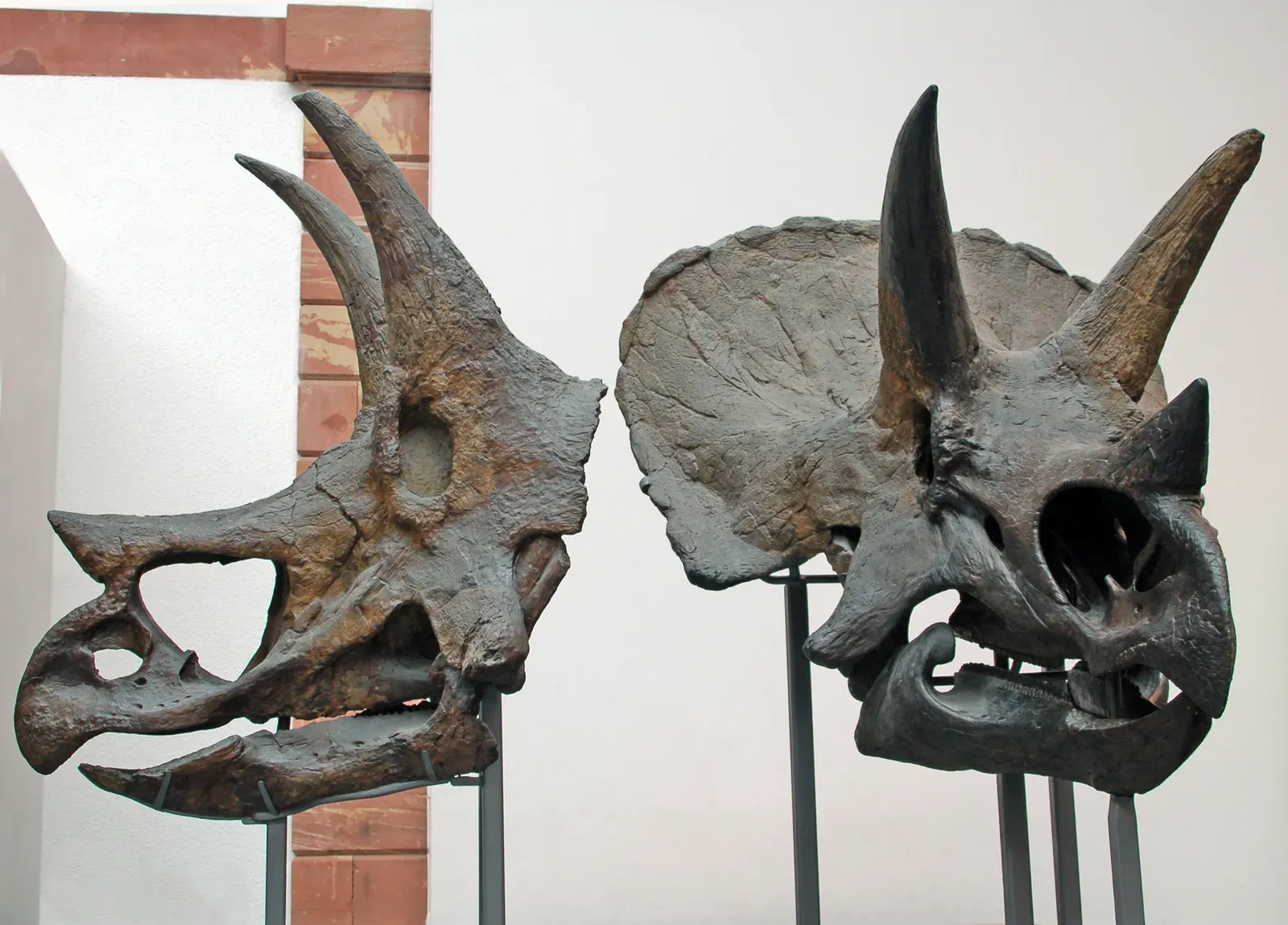
For more than a century, museums proudly displayed Triceratops and Torosaurus as two completely separate dinosaur genera, each with its own distinctive frill shape.
Then in 2010, paleontologists studying dozens of specimens argued that Triceratops and Torosaurus are actually the same dinosaur at different stages of growth. The frill, they found, kept developing holes and thinning dramatically as the animal aged, meaning “Torosaurus” specimens might simply be elderly Triceratops. This single reinterpretation suggested that overall dinosaur diversity at the very end of the Cretaceous was far smaller than anyone had assumed. The story isn’t fully settled – other researchers pushed back hard, and a later reassessment of cranial growth concluded Torosaurus is valid and distinct from Triceratops after all. Paleontology is still arguing about this one, which is a good reminder that “settled science” in extinct-animal classification is often anything but. Next, T. rex gets an image update stranger than anyone expected.
#14 – Some Tyrannosaurs Had Feathers, and T. Rex Might Have Too
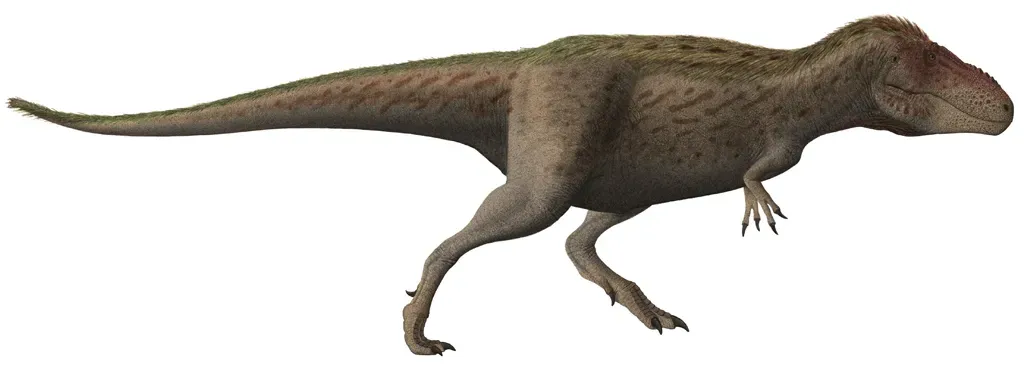
The image of T. rex as a purely scaly, leathery-skinned monster took a serious hit when a massive feathered tyrannosauroid relative was discovered in China.
That relative, roughly 30 feet long and covered in shaggy filament feathers, proved that large body size didn’t automatically rule out feather coverings the way scientists once assumed. This raised a genuine possibility that young T. rex hatchlings, or even adults in cooler climates, carried some feather covering rather than being fully scaled. Fossilized skin impressions from actual T. rex specimens do show scaly patches in certain body regions, so the real picture is likely a mix rather than a fully fluffy giant. Still, the rigid “scaly reptilian monster” image that dominated every 1990s dinosaur book has been quietly softened into something far stranger. Up next, the posture correction that fixed decades of terrible dinosaur art.
#13 – T. Rex Didn’t Drag Its Tail
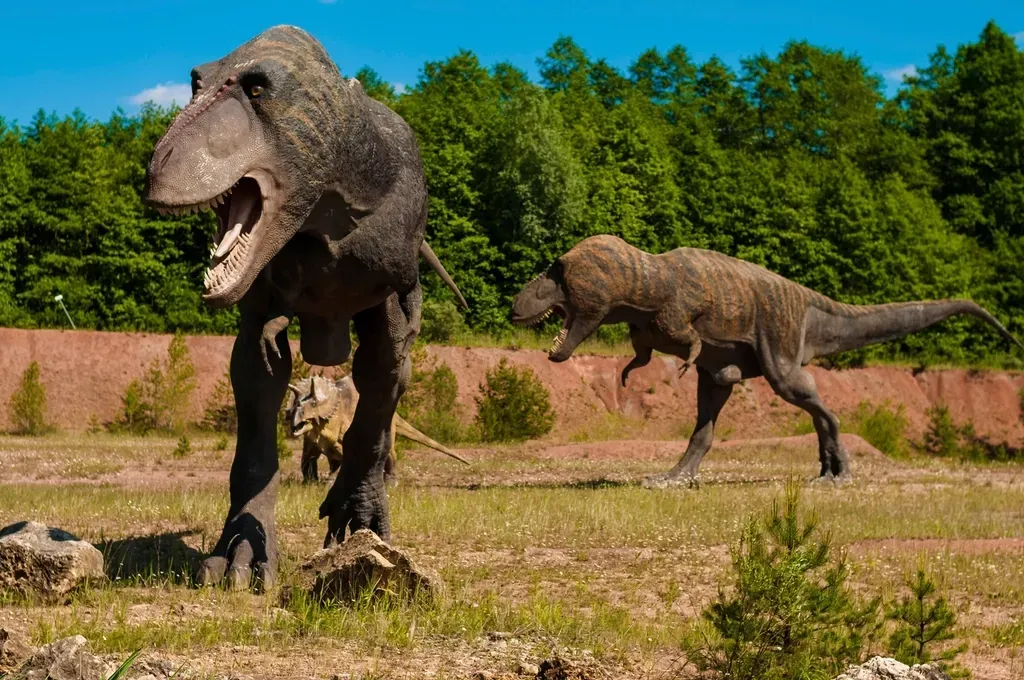
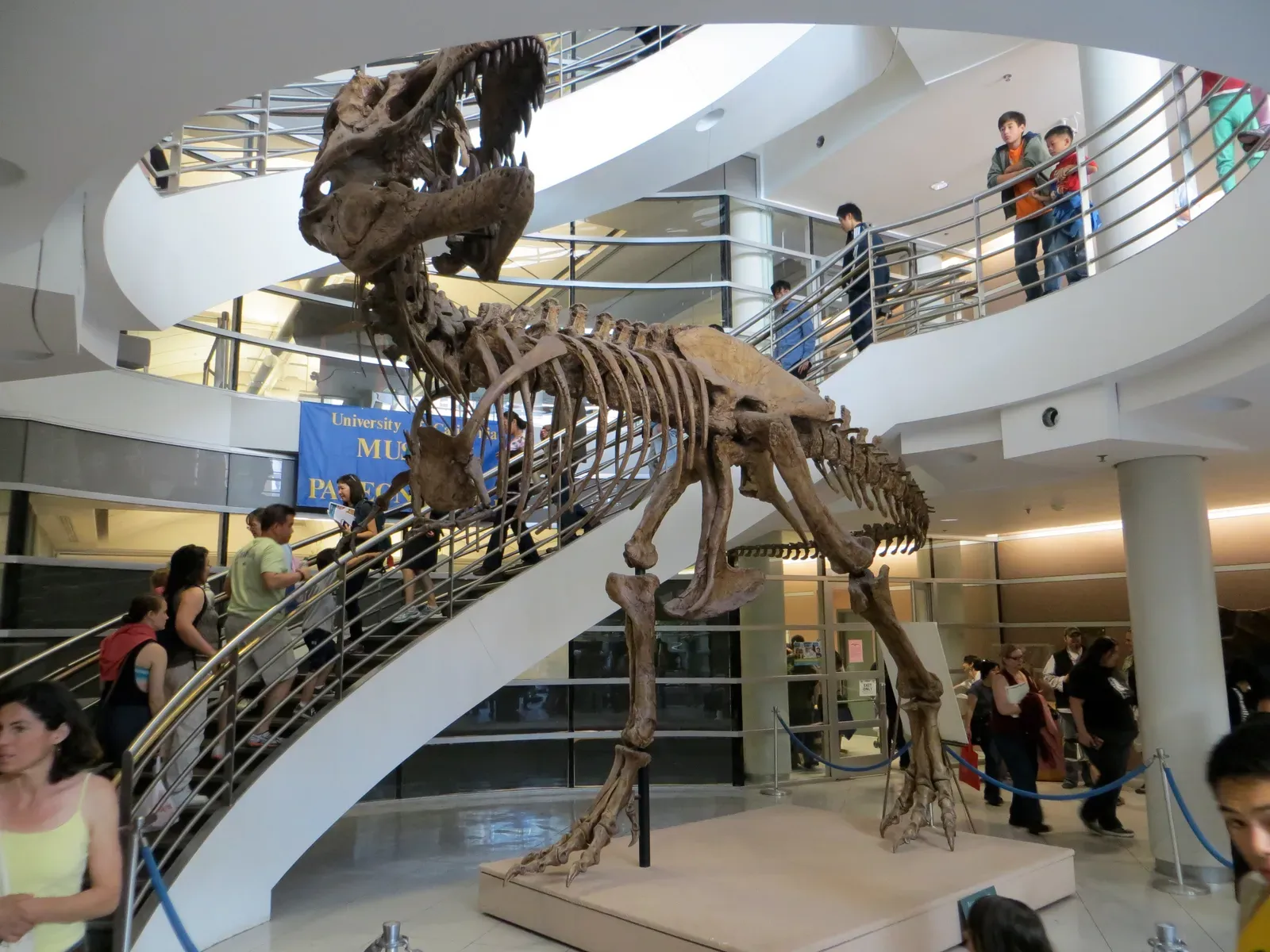
Nearly every dinosaur illustration before the 1990s showed T. rex standing upright like a kangaroo, tail scraping along the ground for balance.
Detailed analysis of tail vertebrae and muscle attachment points revealed this posture was physically impossible for a healthy, living animal. The tail was actually held rigid and horizontal, acting as a counterbalance to the massive head and torso, with the entire body tilted forward like a seesaw rather than standing tall. This posture shift completely changed how paleoartists reconstruct every large theropod dinosaur, not just T. rex. Footprint trackways support this horizontal stance too, since no drag marks from a dragging tail have ever been found alongside genuine tyrannosaur footprints. The kangaroo-pose T. rex that terrified a generation of moviegoers simply never existed. Next: the myth that dinosaurs were basically slow, sluggish lizards gets destroyed.
Fast Facts
- The tail was held rigid and horizontal, balancing the weight of the head and torso like a seesaw.
- No tail-drag marks have ever turned up alongside genuine tyrannosaur footprint trackways.
- The corrected posture reshaped how paleoartists illustrate every large theropod, not just T. rex.
- The shift became mainstream in museum displays and documentaries mostly during the 1990s, replacing decades-old mounted skeletons almost overnight.
#12 – Dinosaurs Weren’t Uniformly Cold-Blooded
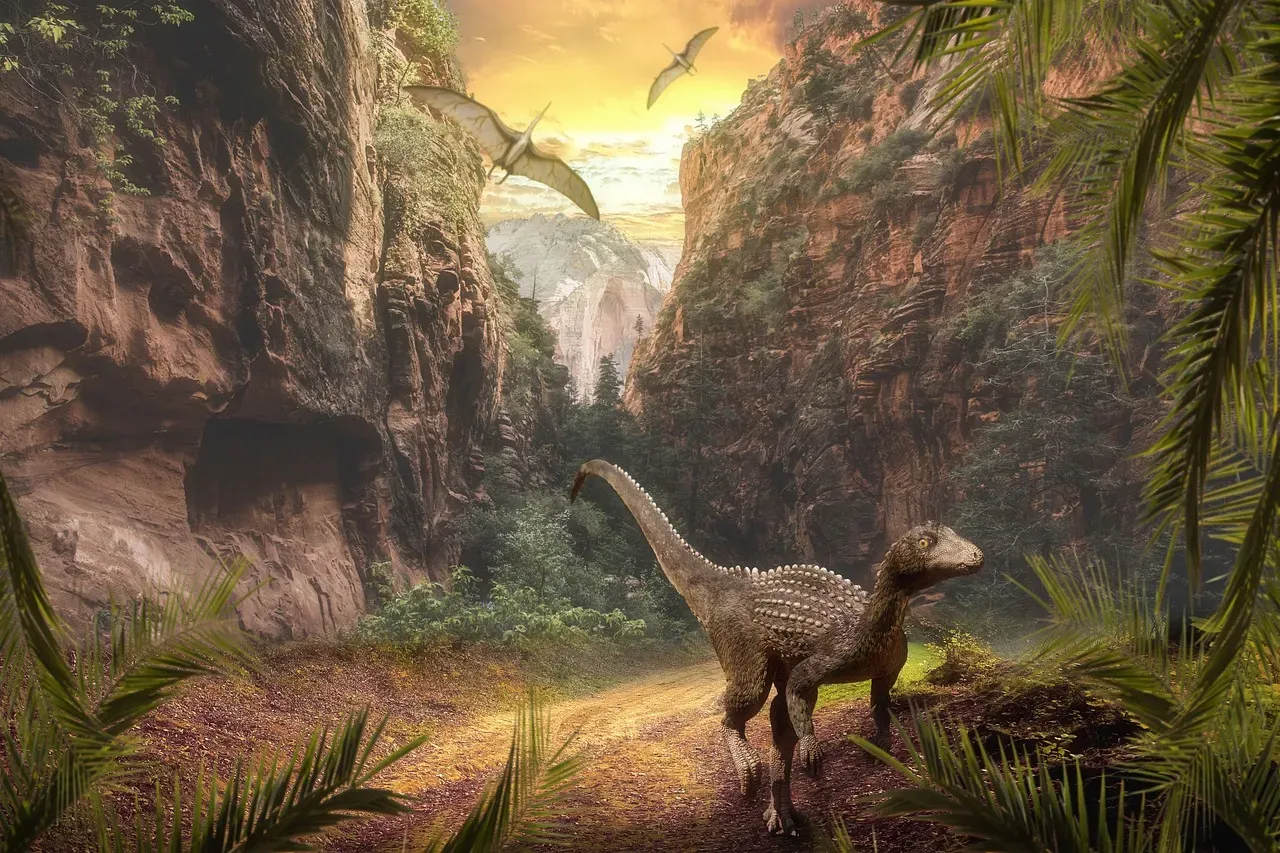
The classic reptile stereotype painted dinosaurs as sluggish, cold-blooded creatures that had to bask in the sun just to move around.
Bone growth ring studies, which function similarly to tree rings, revealed that many dinosaurs grew far faster than any cold-blooded reptile ever could, a pattern more consistent with warm-blooded or intermediate “mesothermic” metabolisms. Active predatory dinosaurs in particular show growth and activity patterns that look far closer to a modern bird’s metabolism than a modern lizard’s. This doesn’t mean every dinosaur species ran hot; some larger, slower-moving herbivores may have leaned closer to the cold-blooded end of the spectrum. The old one-size-fits-all “reptile” label has been replaced with a spectrum of metabolic strategies across different dinosaur groups, and that single shift changed how paleontologists picture dinosaur speed, behavior, and even social lives. Coming up, Hollywood’s favorite dinosaur gets cut down to turkey size.
#11 – Velociraptor Was Turkey-Sized, Not Human-Sized
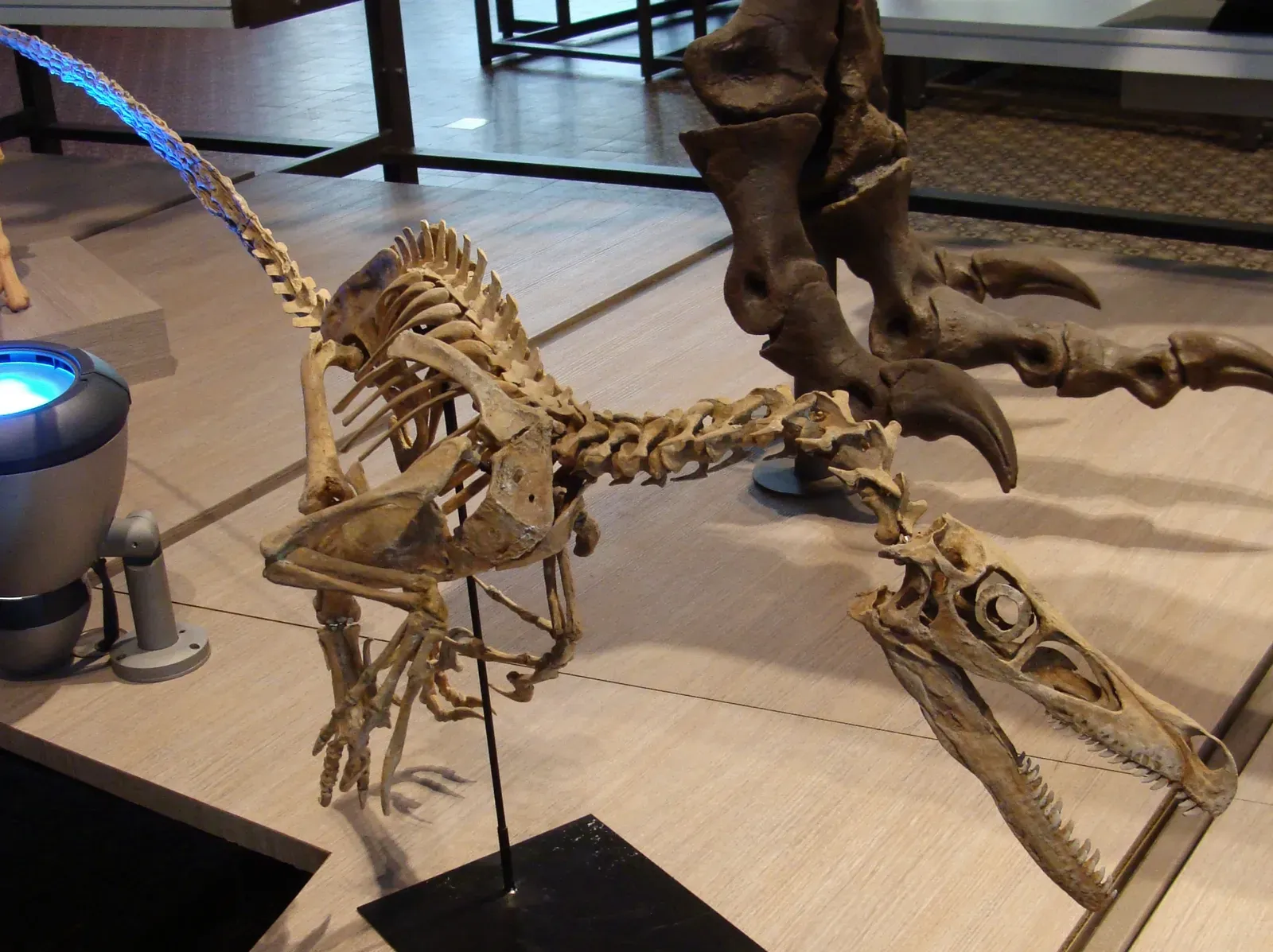
Blame the movies for this one. Pop culture cemented an image of Velociraptor as a lean, human-height predator with a menacing stare.
Actual Velociraptor fossils show an animal roughly the size of a turkey, standing about two feet tall at the hip, covered in feathers, with quill knob bumps found on its forearm bones confirming feather attachment sites. The genuinely human-sized “raptor” from popular films was actually based more closely on a different, larger species called Deinonychus, not Velociraptor at all. This mix-up happened because filmmakers found “Velociraptor” a punchier name than “Deinonychus,” and audiences never questioned the science behind the branding. Real Velociraptor likely hunted small prey using speed and feathers rather than towering intimidation – the terrifying pack hunter from the big screen is mostly fictional in scale. Next, T. rex’s reputation takes another hit, but not the one you’d expect.
#10 – T. Rex Probably Wasn’t “Just” a Scavenger
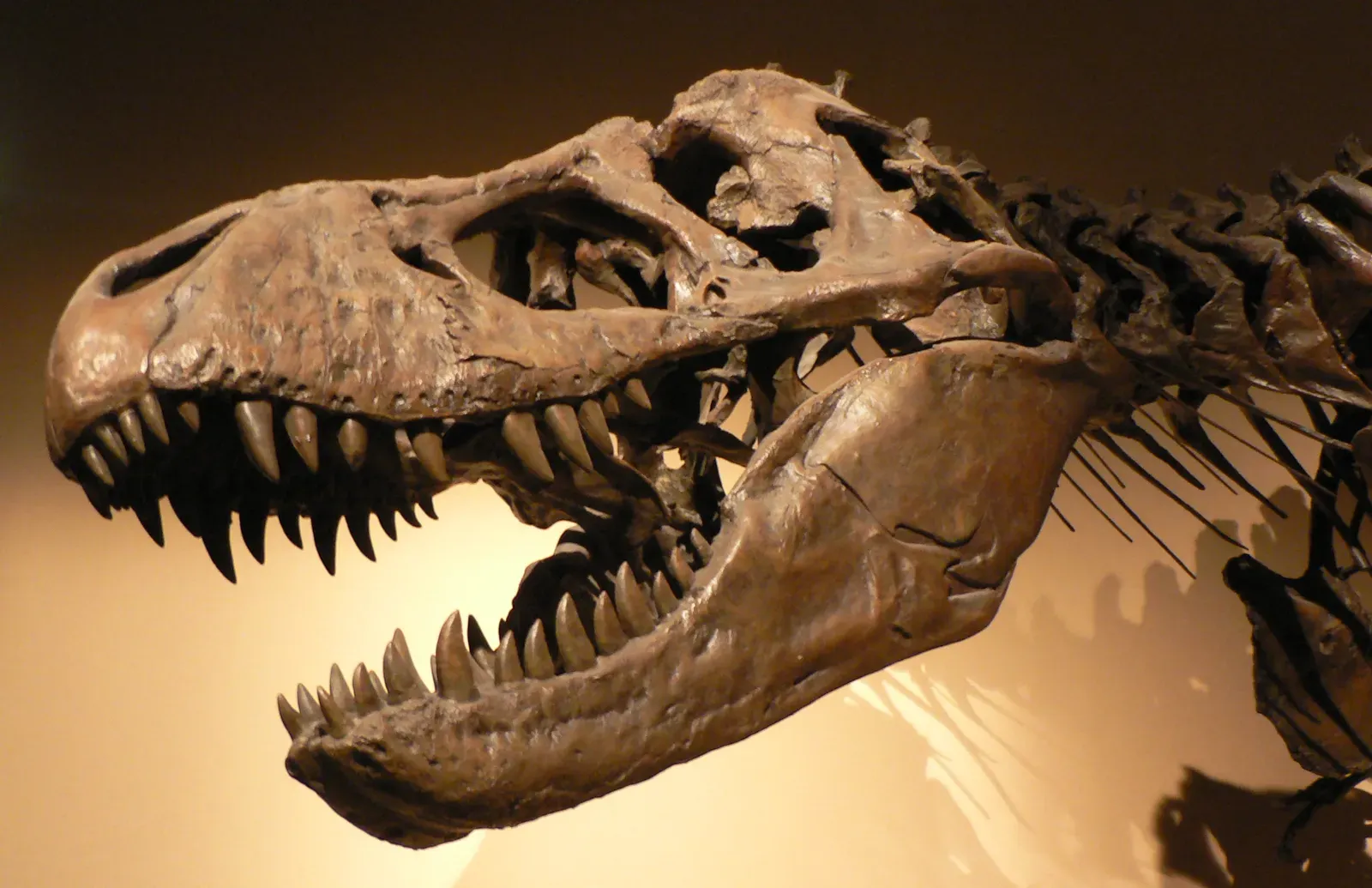
In the late 1990s, a prominent paleontologist proposed a controversial theory: T. rex might have been primarily a scavenger, not an active hunter, based on its relatively small arms and keen sense of smell.
That theory sparked a decade of fierce debate, and the current evidence leans firmly back toward active predator. Fossilized bite marks embedded in the tailbones of a duck-billed dinosaur, which show signs of healing, prove T. rex attacked live prey that survived the initial assault – something scavengers wouldn’t need to do. T. rex’s forward-facing eyes also provided the kind of binocular vision typically associated with active predators judging distance for an attack, not passive scavengers. Most paleontologists today describe T. rex as an opportunistic apex predator: hunting when it could, scavenging when convenient, exactly like most modern predators actually behave. Up next, Megalodon loses its resemblance to the shark everyone compares it to.
#9 – Megalodon Didn’t Look Like an Oversized Great White
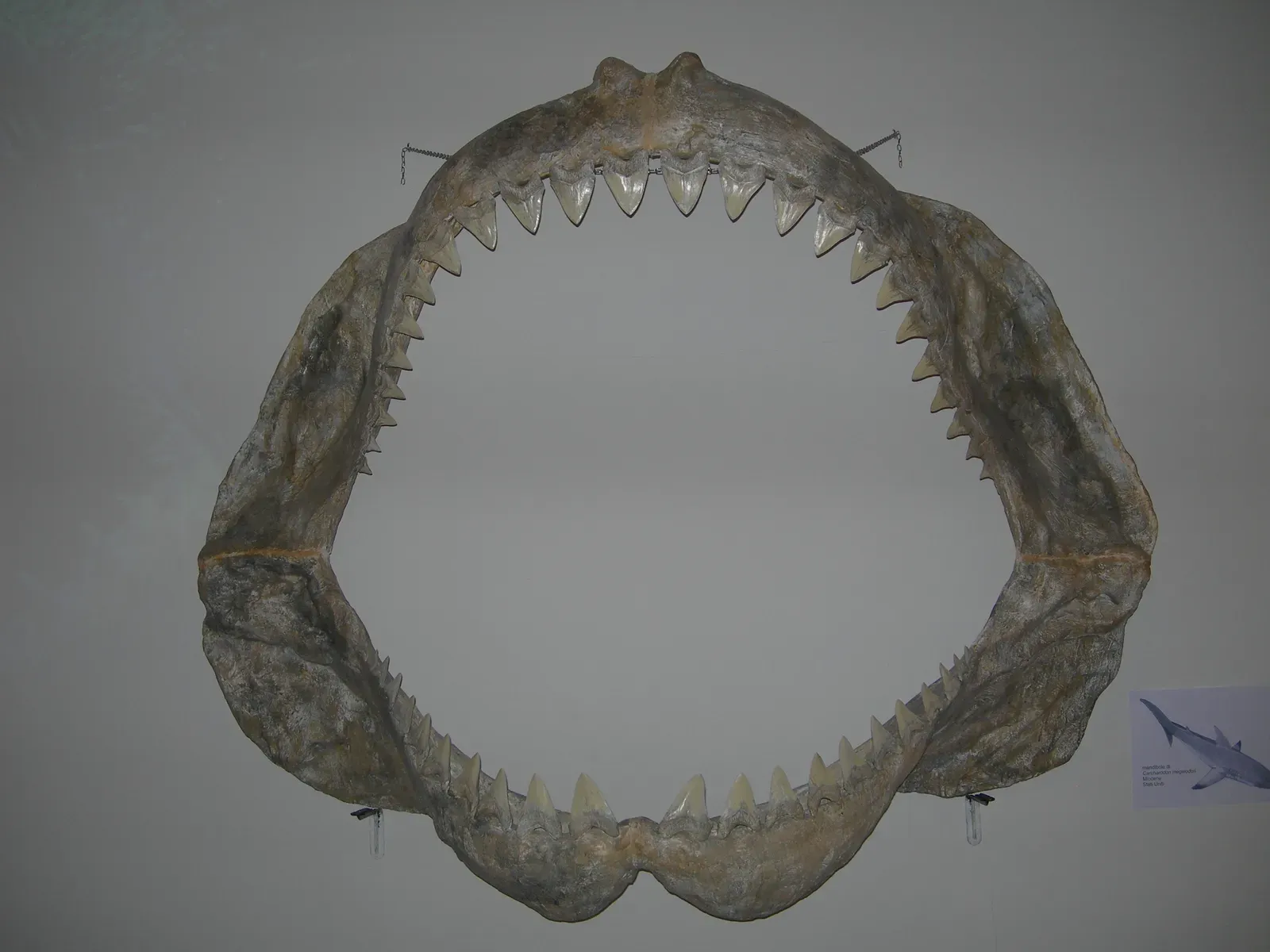
Pop culture loves drawing Megalodon as simply a great white shark scaled up to monstrous proportions. The actual fossil evidence tells a different story.
Vertebral and jaw reconstructions suggest Megalodon had a stockier, more robust body proportion than a great white, with a wider, blunter head shape built to withstand the stress of crushing through bone and thick blubber. Its body may have been proportionally shorter and bulkier relative to its length than any living shark species, making the sleek “giant great white” image largely inaccurate. Reconstructing an animal known almost entirely from teeth and a handful of vertebrae is genuinely difficult, which is why Megalodon’s exact body shape remains one of the more actively contested reconstructions in paleontology – every few years, a new study proposes a slightly different silhouette. Next, the saber-tooth cat’s “brute force” reputation gets stabbed through the heart.
At a Glance
- Size: Megalodon is estimated to have reached around 50 feet, dwarfing a great white shark’s typical 15 to 20 feet.
- Head shape: Megalodon’s skull was wider and blunter, built for crushing power rather than speed.
- Body build: Proportionally stockier and bulkier than any living shark, not simply a scaled-up great white.
- Fossil record: Known almost entirely from teeth and scattered vertebrae, since shark skeletons rarely fossilize completely.
#8 – Saber-Tooth Cats Didn’t Kill With Brute Force
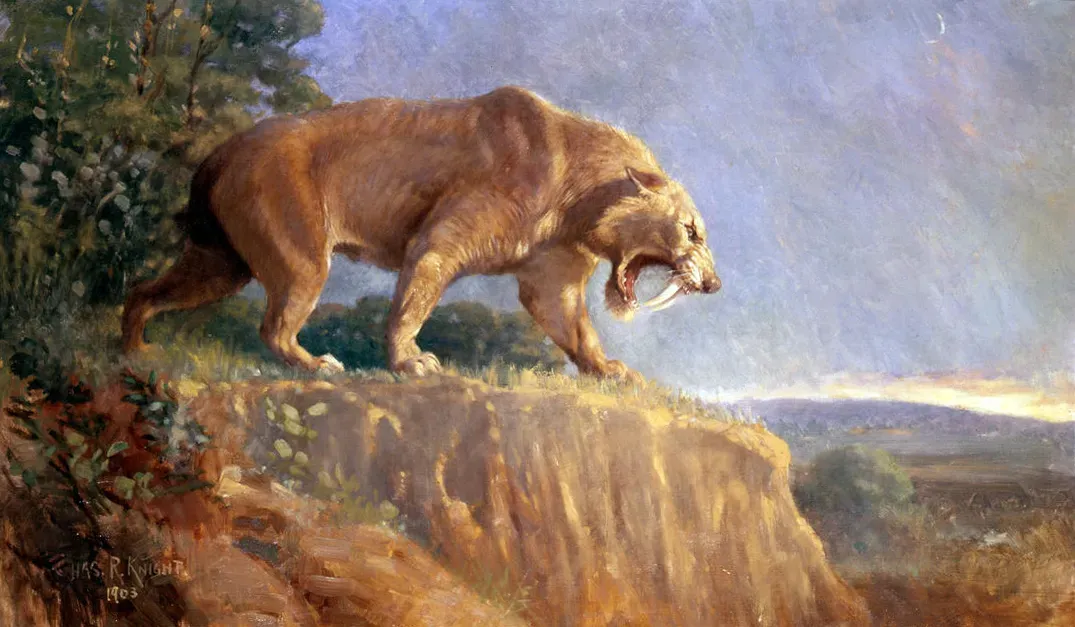
Smilodon’s massive canine teeth look like they were built for smashing through bone with sheer stabbing power. The actual mechanics say otherwise.
Detailed computer modeling of Smilodon skulls found that a modern lion happily chomps down with a bite force of over 3000N, while a 229kg Smilodon only managed a measly 1000N. Rather than a brutal, bone-crushing weapon, researchers concluded the teeth were a precision instrument used to deliver a single, final wound to an already subdued victim – the equivalent of an assassin’s stiletto rather than a swordsman’s blade. This means Smilodon almost certainly relied on powerful forelimbs to pin prey down completely before ever risking its fragile teeth in a killing strike. This flips the popular image of a saber-tooth cat lunging and slashing wildly. It was closer to a specialized surgeon than a brawler, using overwhelming physical strength first and its famous teeth only as a finishing move on prey that could no longer fight back. Coming up, an entire species of humans finally gets a long-overdue reputation repair.
#7 – Neanderthals Weren’t Dumb Brutes
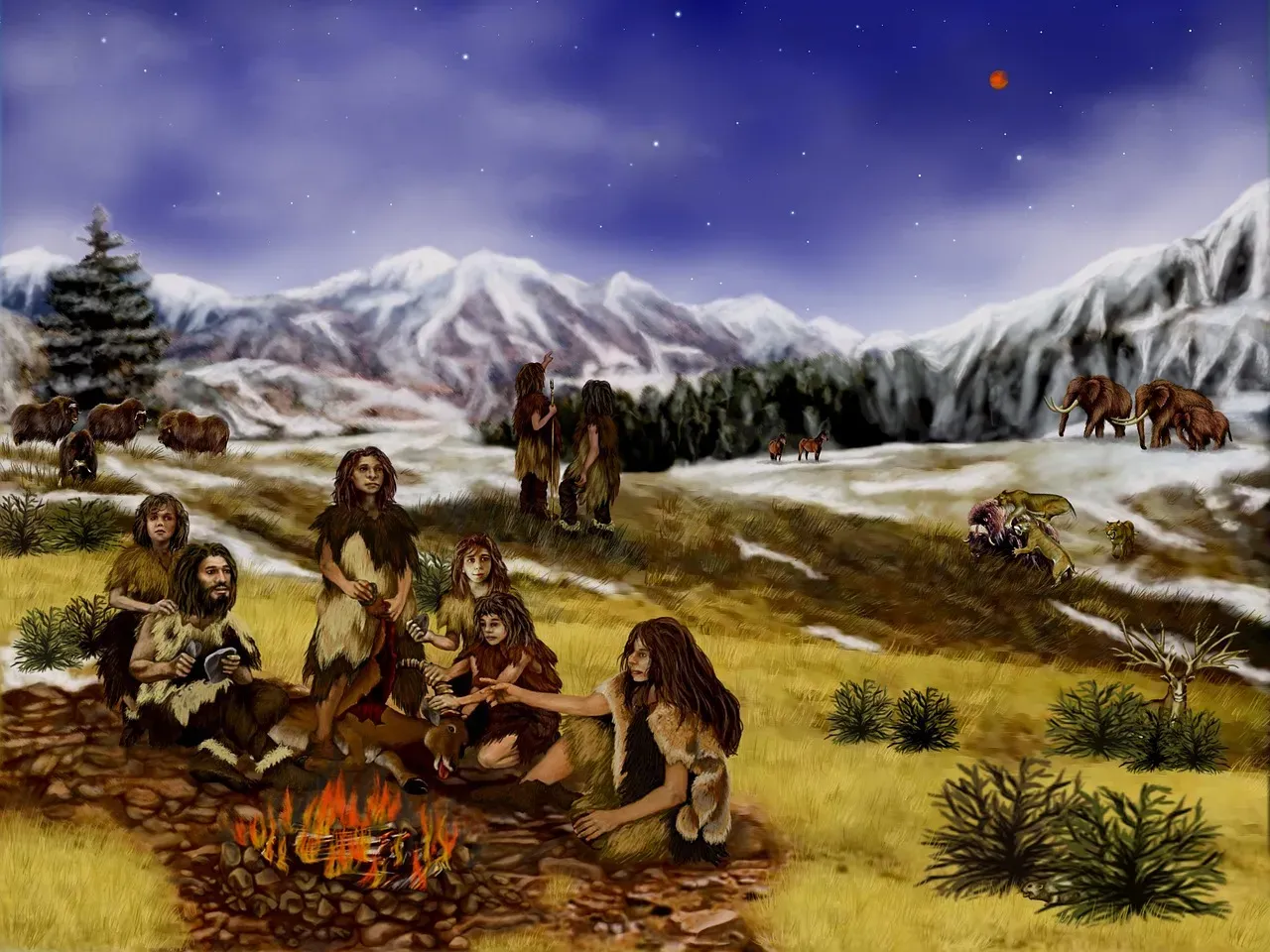
For most of the 20th century, Neanderthals were caricatured as slow-witted, hunched cavemen, barely capable of basic tool use.
That image has been thoroughly dismantled by decades of archaeological evidence showing symbolic burial practices, cave art, personal ornamentation, and sophisticated tool-making techniques that rival early Homo sapiens. Genetic testing has also confirmed that Neanderthals interbred with early modern humans, meaning most non-African people alive today carry measurable amounts of Neanderthal DNA. This genetic legacy influences everything from immune system function to skin pigmentation in modern humans – proof that Neanderthals weren’t a dead-end evolutionary failure but a population that quite literally lives on within us. The “dumb caveman” stereotype survives mostly in cartoons at this point, not in actual anthropology departments. Next, the dodo finally gets its apology.
Worth Knowing
- Neanderthals interbred with early modern humans tens of thousands of years ago.
- Most non-African people alive today carry measurable amounts of Neanderthal DNA.
- That inherited DNA still influences immune function and skin pigmentation in modern humans.
- Archaeological evidence includes symbolic burials, cave art, and personal ornamentation.
#6 – The Dodo Wasn’t Fat, Clumsy, or Stupid
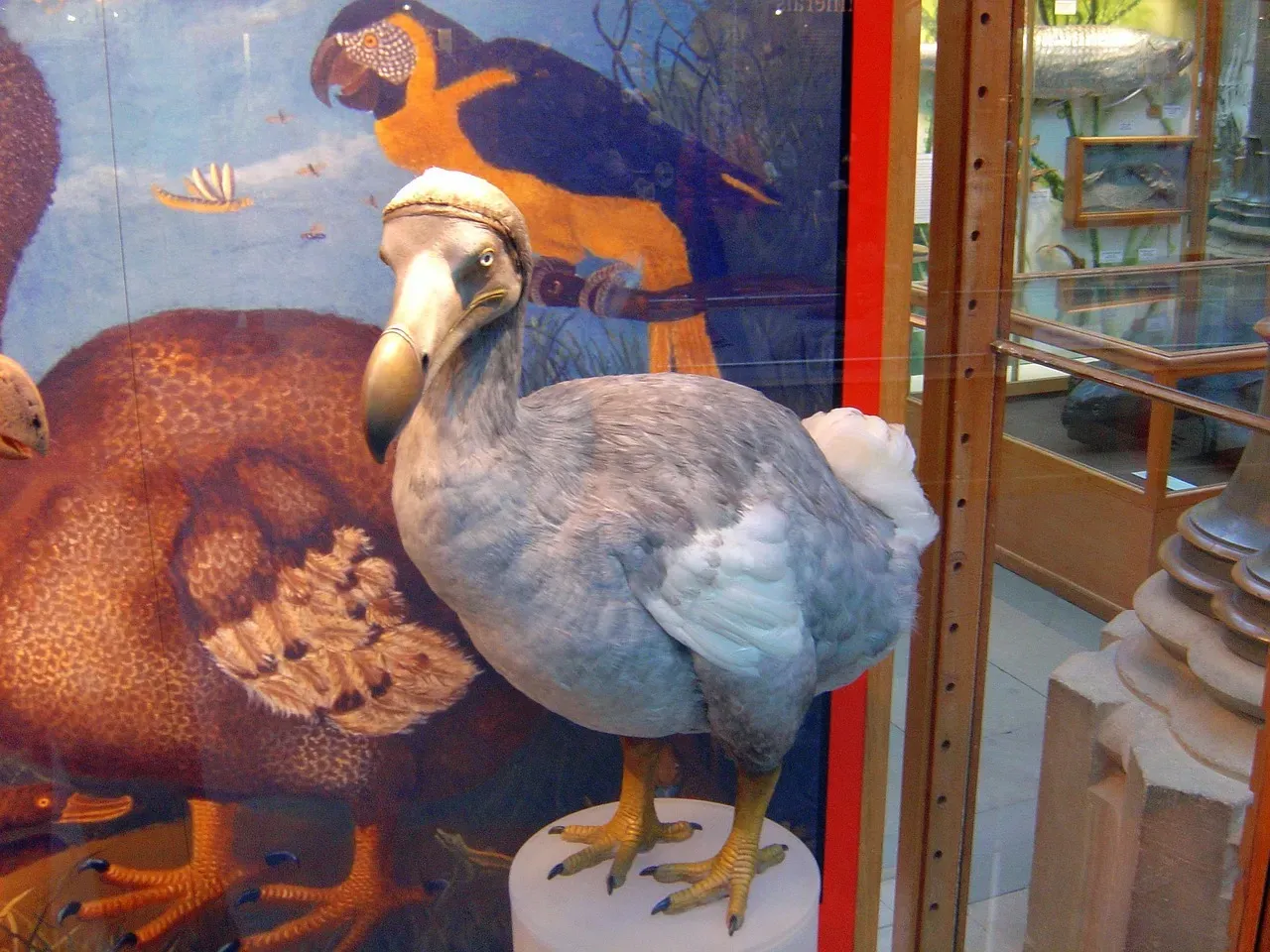
Almost everything popular culture believes about the dodo is a caricature built from exaggerated 17th-century sketches of overfed captive birds.
Recent bone and tendon analysis found the dodo had exceptionally strong leg tendons, comparable to those found in modern running and climbing birds, directly contradicting the “slow, waddling idiot” reputation. Researchers now describe it as an active, athletic forager well adapted to its island environment. The dodo’s “stupidity” was likely nothing more than a total lack of fear response, since it evolved for millions of years with zero natural land predators on Mauritius. Even its name may be misleading history rather than accurate description; early European sailors mocked a bird that had simply never learned to be afraid of anything walking on two legs. The dodo didn’t doom itself through incompetence – it was simply unprepared for a threat evolution had never given it a reason to expect. Up next, the real reason mammoths disappeared is messier than any textbook admitted.
#5 – Woolly Mammoths Didn’t Vanish Because of Human Hunters Alone
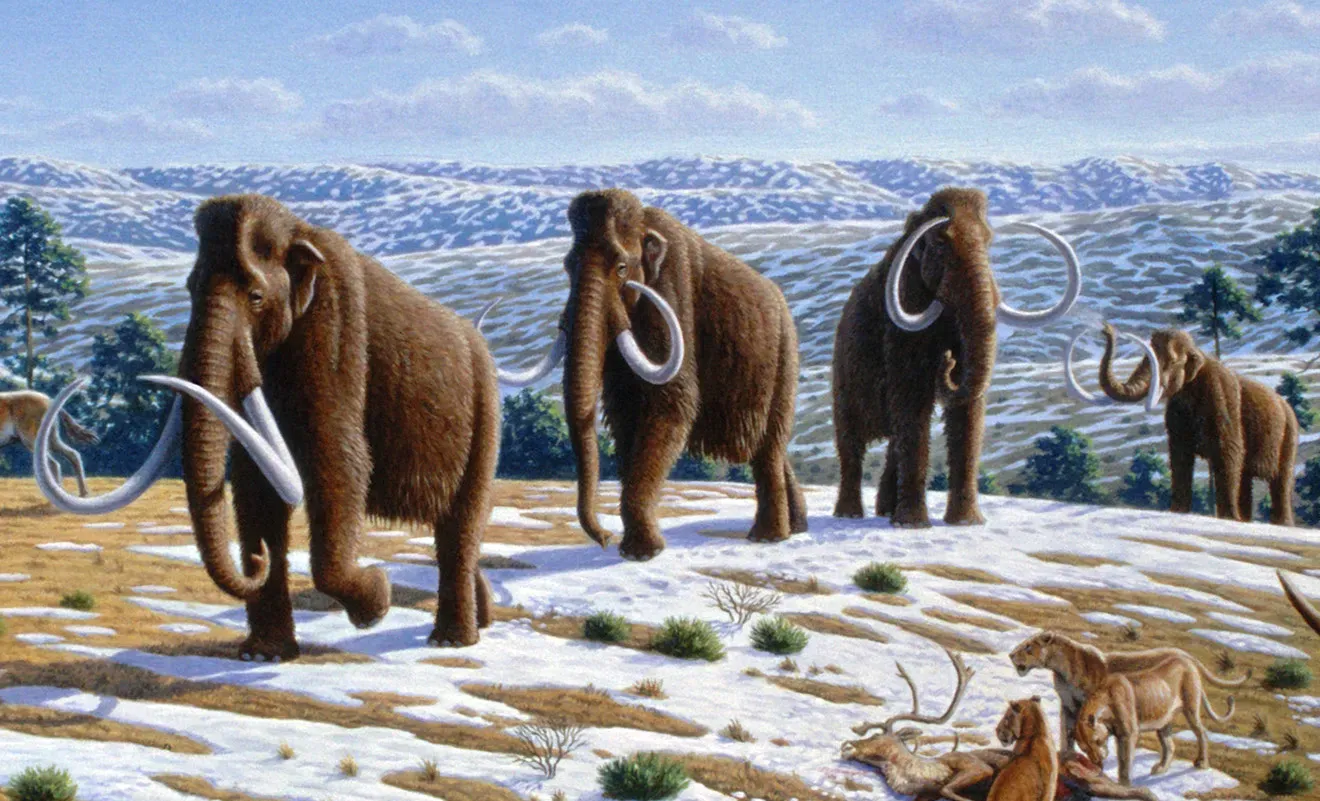
For decades, the dominant classroom explanation for mammoth extinction was simple: early humans hunted them into oblivion with spears.
The real picture is far more tangled. Climate modeling combined with fossil distribution data suggests the final extinction of the mammoth was likely the result of climate change and human impacts working together rather than either factor acting alone. As the Ice Age ended and warming temperatures shrank mammoth grazing habitat into scattered pockets, the shrinking population became far more vulnerable to hunting pressure than it ever was during colder, more stable centuries. Researchers describe this as a one-two punch rather than a single cause: climate change cornered the species, and human hunting delivered the final blow once populations were already collapsing. The debate over exactly how much blame belongs to each factor is still active among researchers today, but the simple “humans killed them all” story oversimplifies a genuinely complicated ecological collapse. Next, dire wolves turn out to be nowhere near as closely related to real wolves as everyone assumed.
#4 – Dire Wolves Weren’t Just Big Gray Wolves
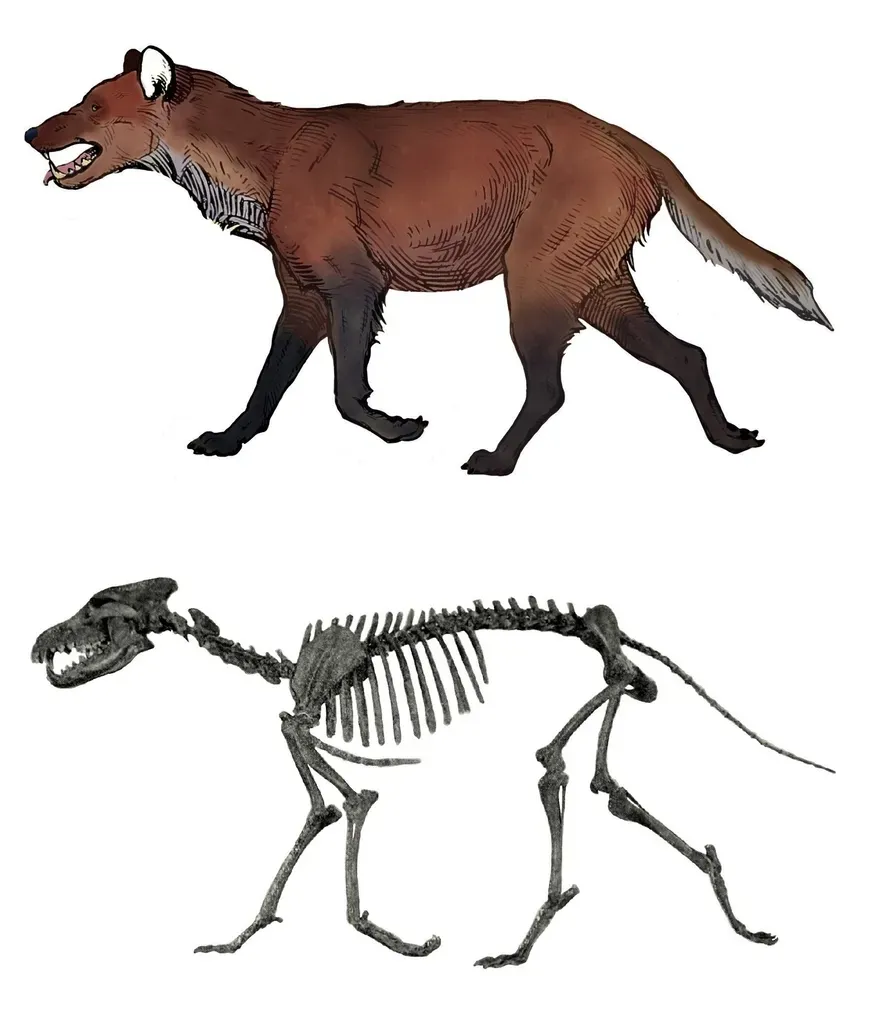
For decades, dire wolves were taught as essentially oversized cousins of modern gray wolves, closely related enough that the two could theoretically interbreed.
Genetic sequencing eventually revealed something far stranger: dire wolves were a genetically distinct lineage that diverged from the ancestors of modern wolves millions of years earlier than anyone assumed, evolving their wolf-like body plan independently through convergent evolution rather than close kinship. This means dire wolves and gray wolves looked remarkably similar despite being far more distantly related than their appearance ever suggested – more like distant cousins wearing matching outfits than actual siblings. This discovery was significant enough that many researchers now argue dire wolves deserve their own separate genus entirely, rather than being grouped closely with true wolves. The reclassification quietly rewired an entire branch of the Ice Age predator family tree that textbooks had confidently drawn incorrectly for generations. Coming up, the discovery that breaks brains every single time someone hears it.
#3 – Not All Dinosaurs Actually Went Extinct

Here’s the one that breaks brains every time: dinosaurs technically didn’t go extinct at all.
Cladistic analysis, the method scientists use to map evolutionary relationships, places birds firmly nested within the theropod dinosaur family tree, meaning birds are literally classified as living dinosaurs rather than distant descendants. Every pigeon, chicken, and hummingbird alive today is, scientifically speaking, a dinosaur that survived the mass extinction that wiped out its larger relatives. This isn’t a cute metaphor or a simplified explanation for kids; it’s the formal scientific classification used in modern taxonomy. The asteroid impact 66 million years ago killed off every non-avian dinosaur lineage, but one small, feathered branch of the family tree kept going and eventually diversified into roughly 10,000 species worldwide. Technically, dinosaurs are outside your window right now. Next, the asteroid gets some company it never asked for.
#2 – The Asteroid Alone Didn’t Kill the Dinosaurs
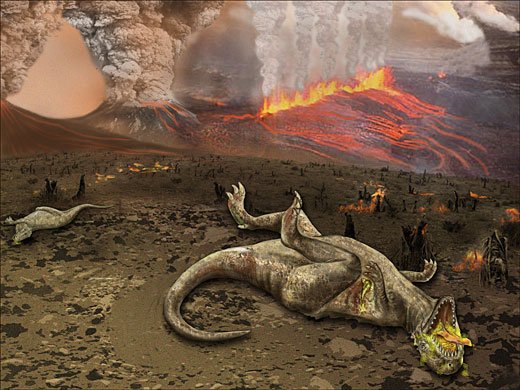
The asteroid impact theory became so dominant in pop science that it’s often taught as the single, complete explanation for dinosaur extinction. The full picture is messier.
Massive volcanic activity in what’s now India, known as the Deccan Traps, was pumping enormous volumes of gas and ash into the atmosphere for tens of thousands of years both before and after the asteroid struck, destabilizing global climate independently. Fossil evidence also suggests dinosaur diversity may have already been gradually declining in certain regions before the impact ever occurred, meaning the asteroid may have delivered a final blow to an ecosystem already under significant stress. Most researchers still agree the asteroid impact was the primary, immediate trigger of the mass extinction event. But treating it as the sole cause, with zero contributing factors, oversimplifies an extinction event that likely involved multiple environmental stressors compounding each other over a much longer timeframe than a single catastrophic afternoon. And finally, the correction that changed what dinosaurs actually looked like – for good.
#1 – Dinosaurs Weren’t Gray-Green Scaly Monsters
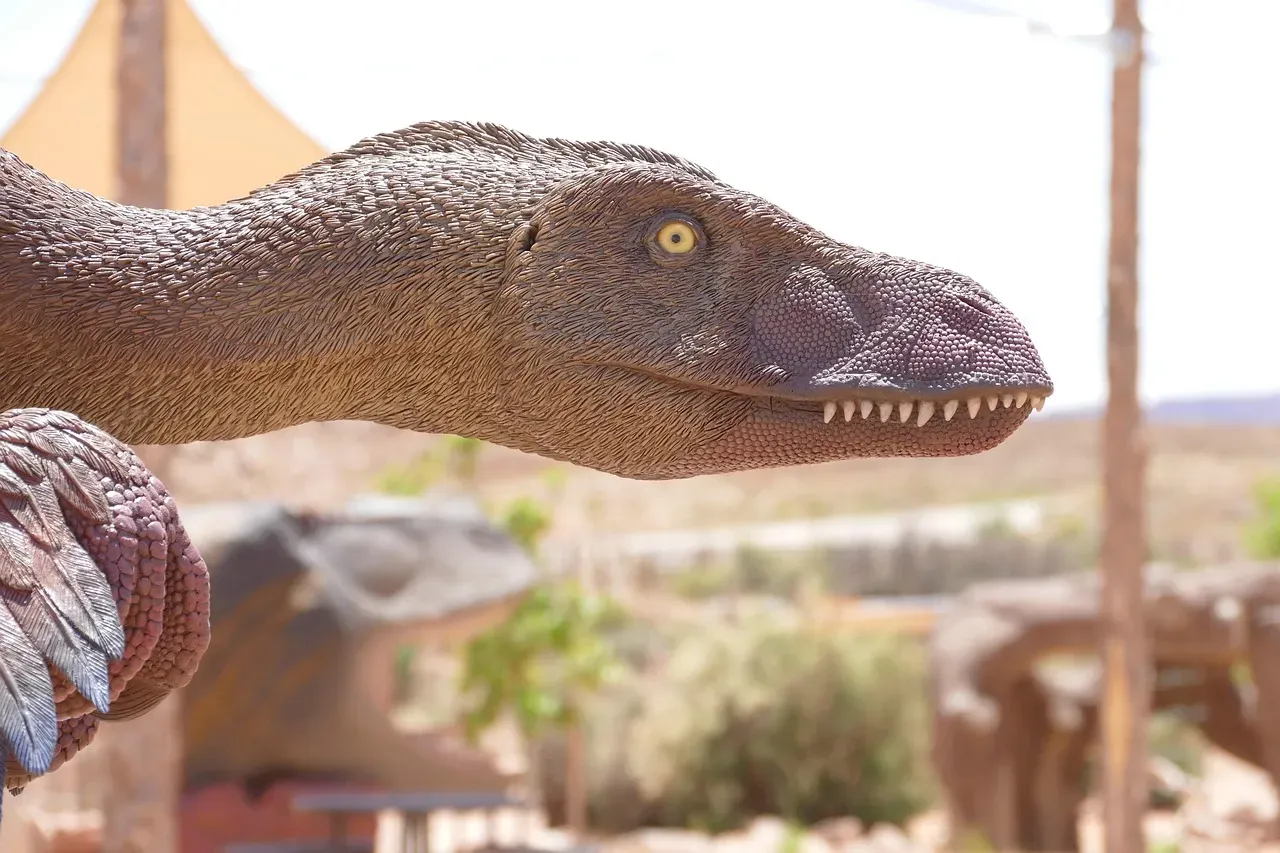
This is the correction that changed dinosaur reconstruction more than any other single discovery: paleontologists can now determine actual fossilized color patterns.
Microscopic structures called melanosomes, the same pigment-producing cells found in modern feathers and skin, have been preserved in exceptional fossils well enough for scientists to reconstruct genuine color patterns rather than guesswork. One small feathered dinosaur was reconstructed with a ginger-and-white striped tail and a reddish mohawk-like crest, based directly on fossilized pigment cells rather than an artist’s imagination. This discovery completely dismantled the gray, green, and brown color palette that dominated every dinosaur illustration for over a century. Dinosaurs likely displayed an entire spectrum of colors and patterns used for camouflage, mating displays, and species recognition, just like modern birds do today. The “scaly monster” era of paleoart is effectively over, replaced by something closer to a strange, feathered aviary from another world.
The Bottom Line
Paleontology doesn’t get to keep secrets for long anymore. CT scanners, melanosome analysis, and genetic sequencing have quietly rewritten nearly everything textbooks confidently taught about extinct animals just a generation ago.
T. rex wasn’t a tail-dragging scavenger, the dodo wasn’t an idiot, saber-tooth cats didn’t rely on brute force, and dinosaurs never fully went extinct in the first place. Honestly, the biggest myth of all might be the idea that paleontology is a “settled” science. It’s one of the most actively contested fields in all of research, revising itself in real time, and it will keep making liars out of old textbooks for as long as new evidence keeps showing up. What’s the correction that surprised you most? Drop it in the comments.